Get Premium
Dark mode theme is available exclusively for premium users. Learn more about the benefits of subscribing.
No fees, cancel anytime.

 Dark Mode Ad-Free Browsing Unlimited Content
 Ad-Free Browsing Unlimited Content Dark Mode
Join 1.2 million Panda readers who get the best art, memes, and fun stories every week!
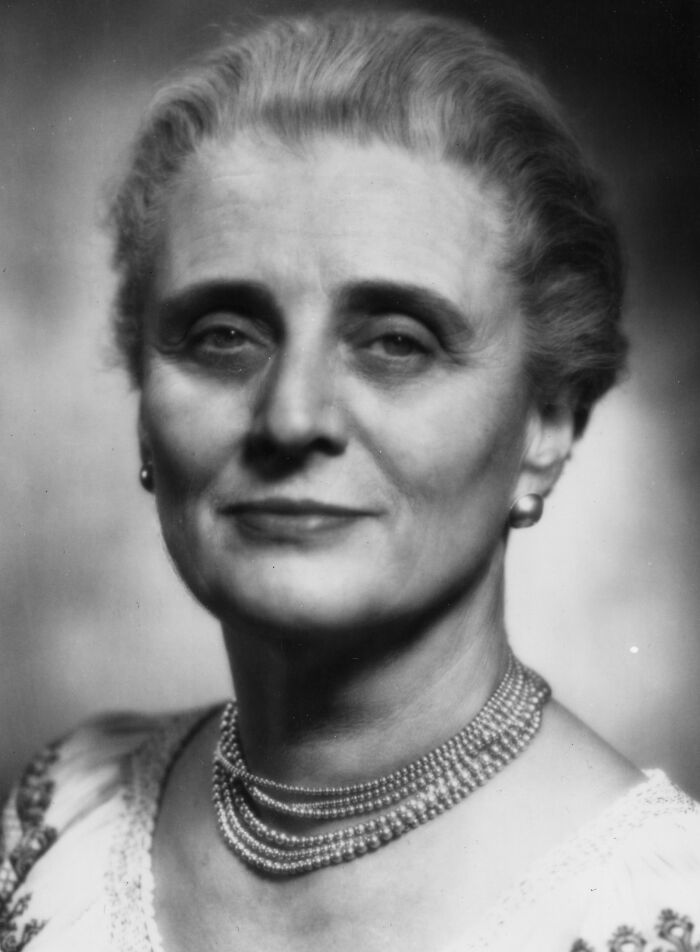
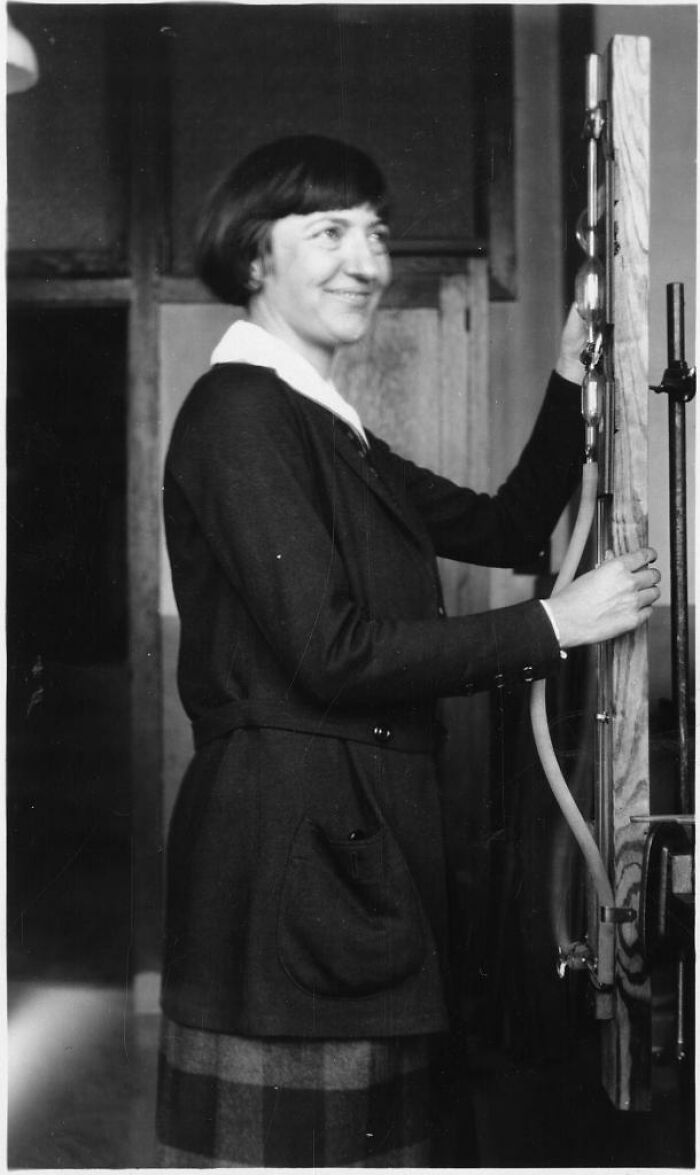
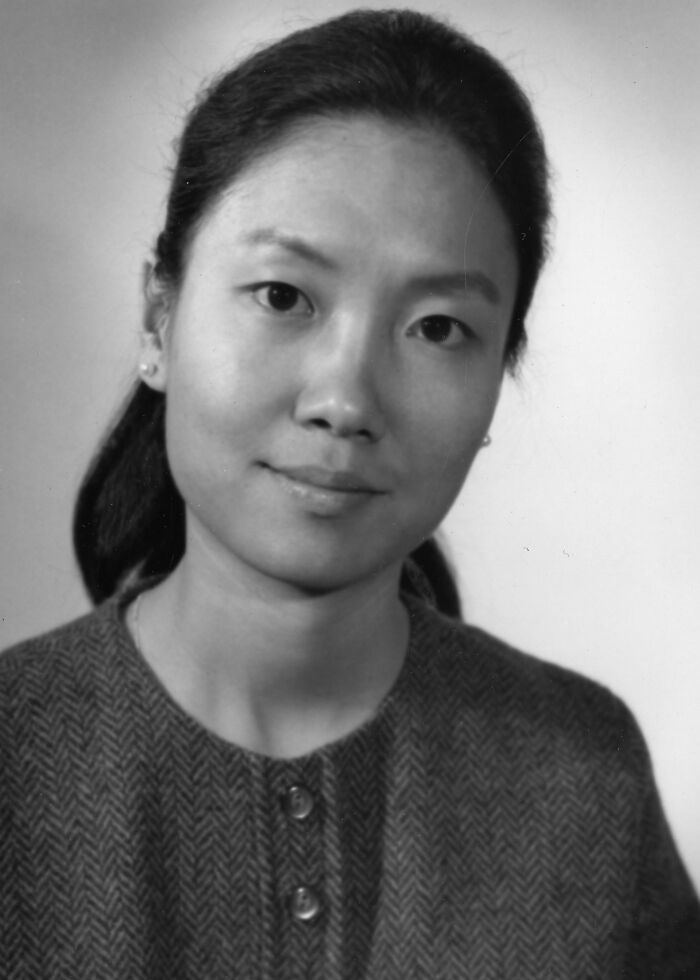
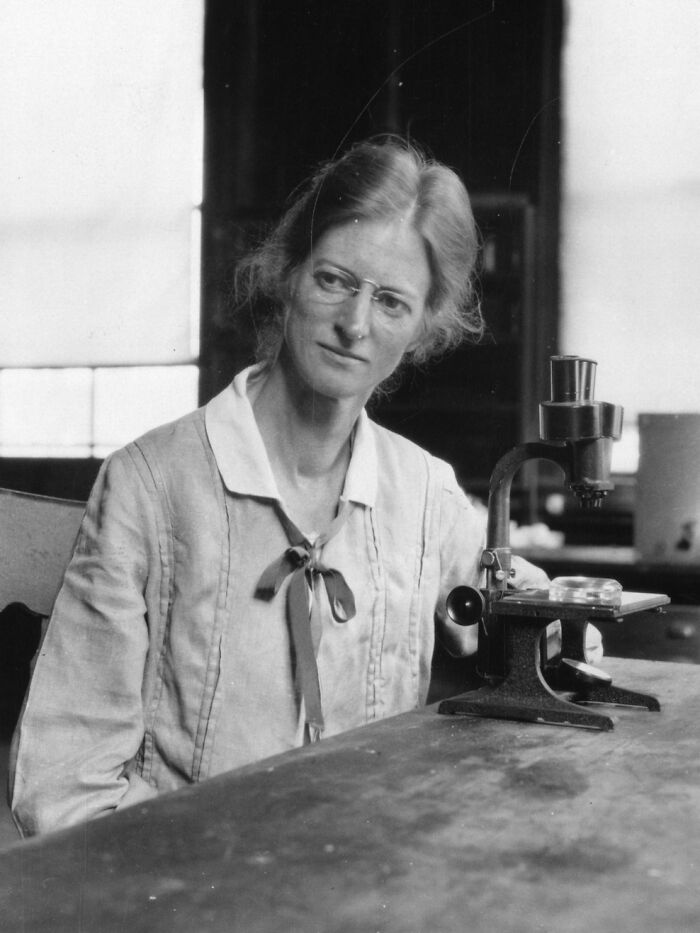
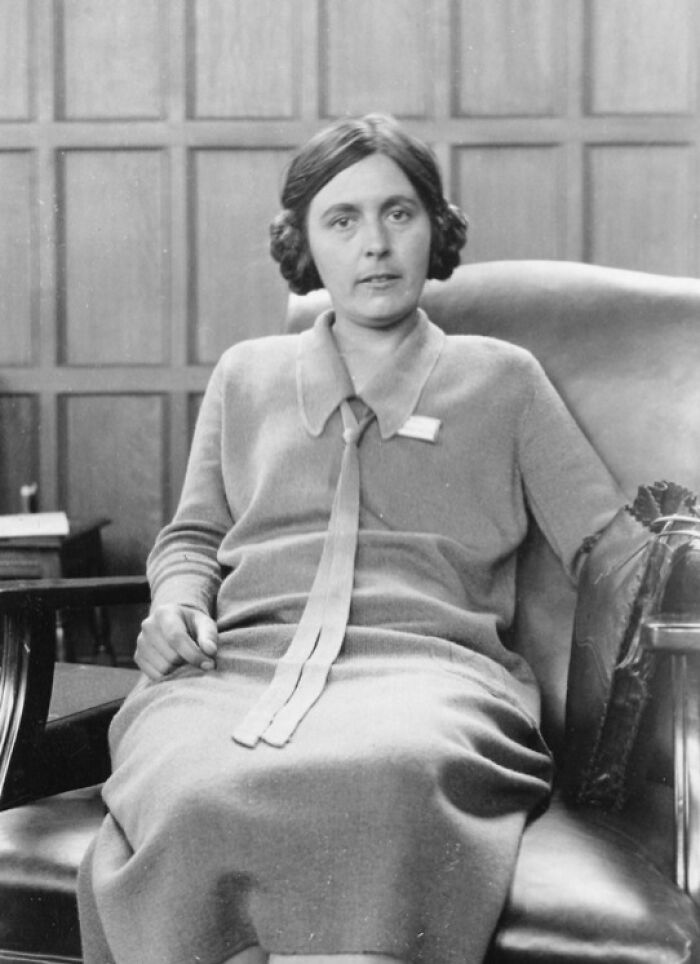
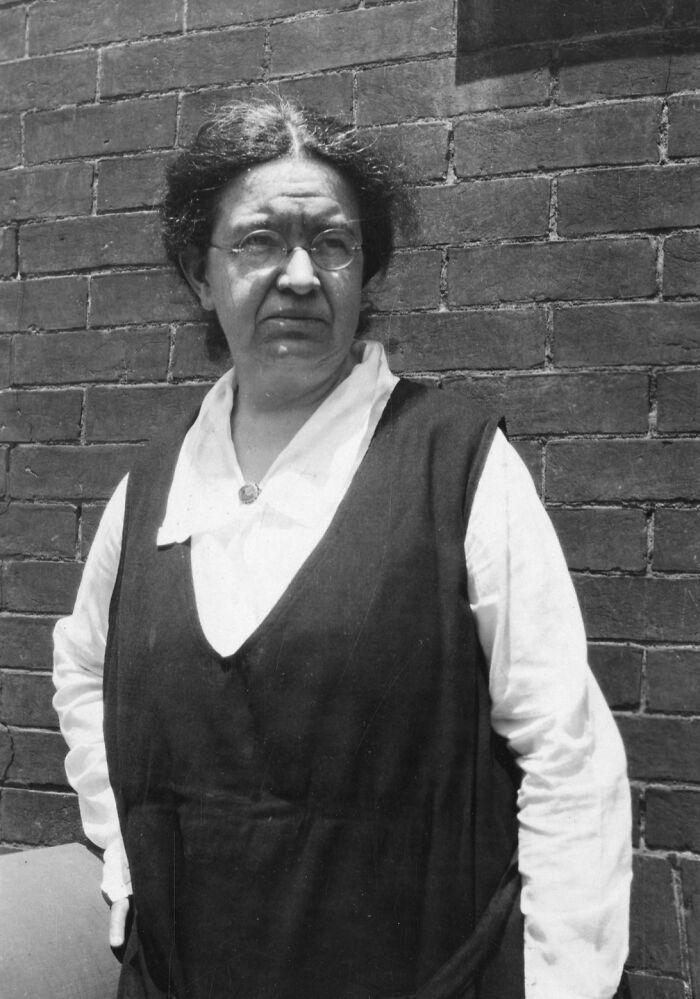
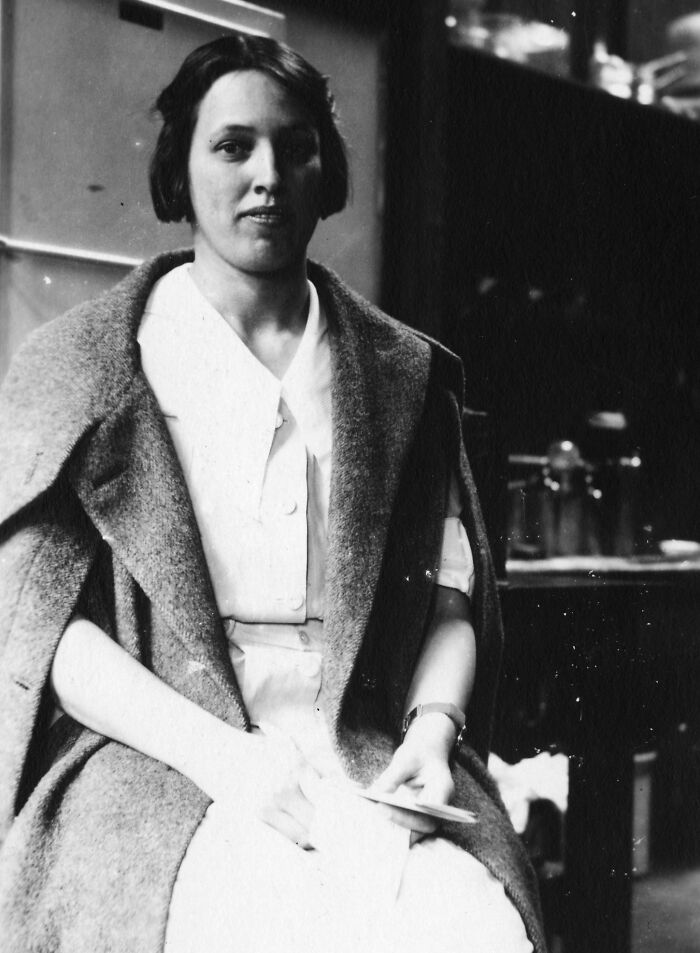
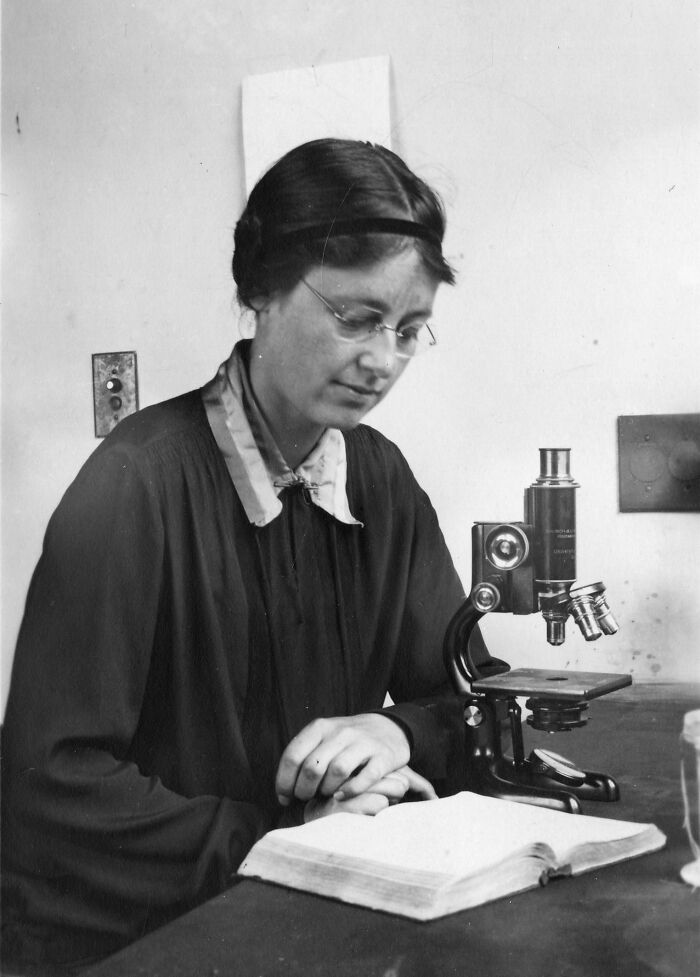
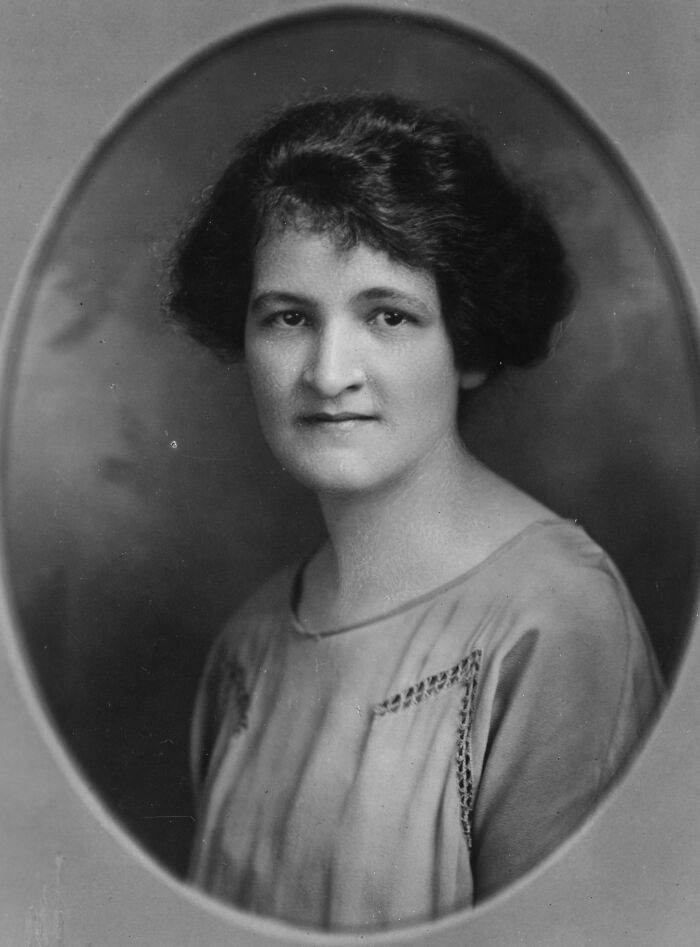
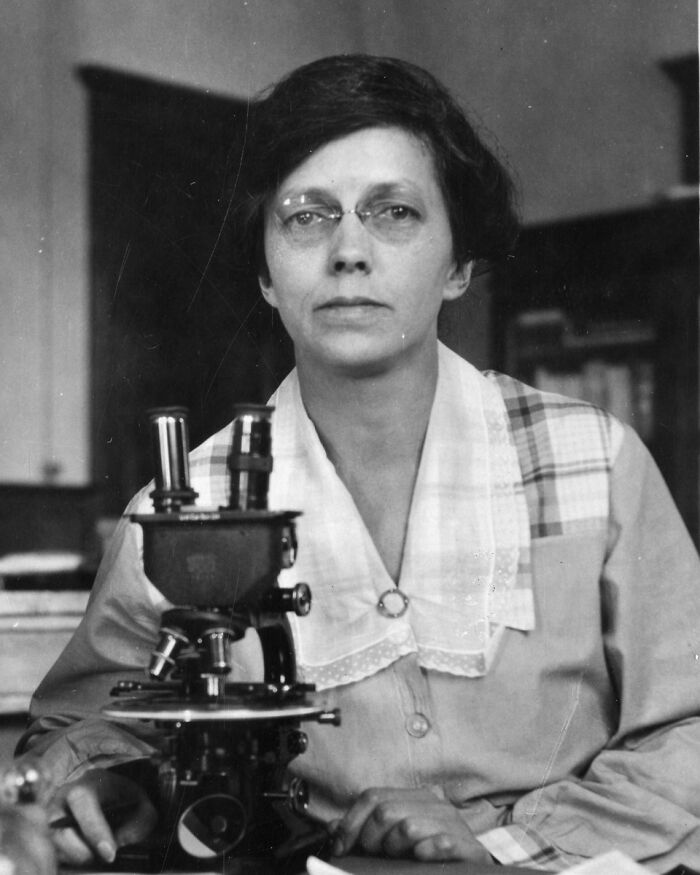
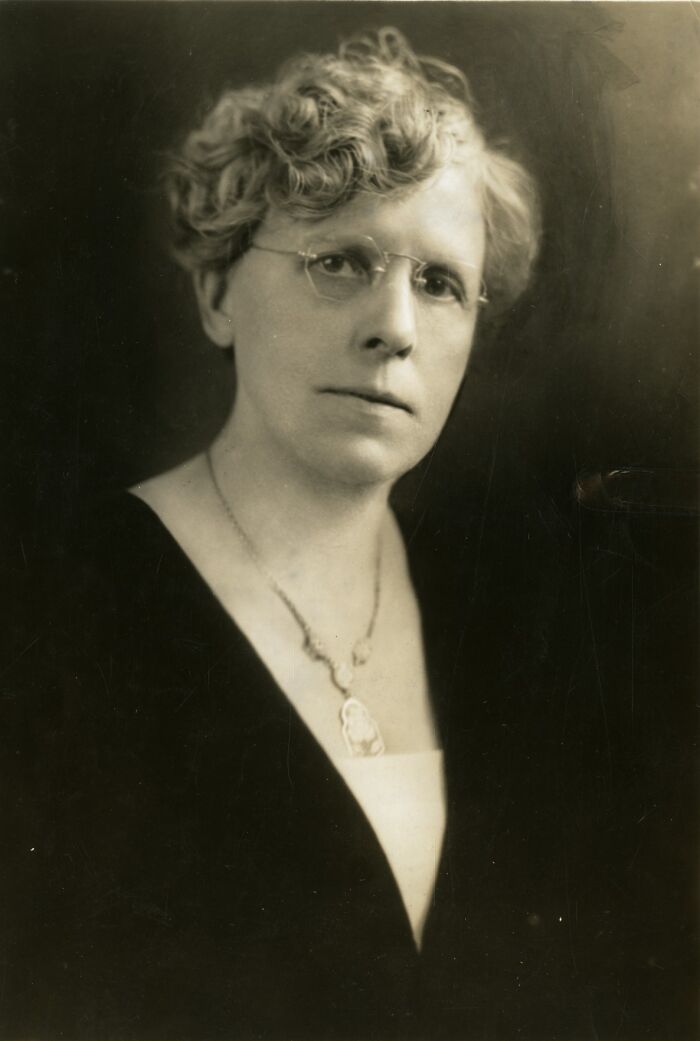
The Smithsonian’s portraits of women scientists give us a glimpse into the lives that helped shape modern discovery. Each portrait captures how the women went about bringing change in the science field and challenging the rules during their time. From pioneers to mentors, the women scientists worked valuable hours and used careful methods to make breakthroughs in their research and work. We’ve collected 31 inspiring portraits of these trailblazing scientists with incredible background stories.
This post may include affiliate links.
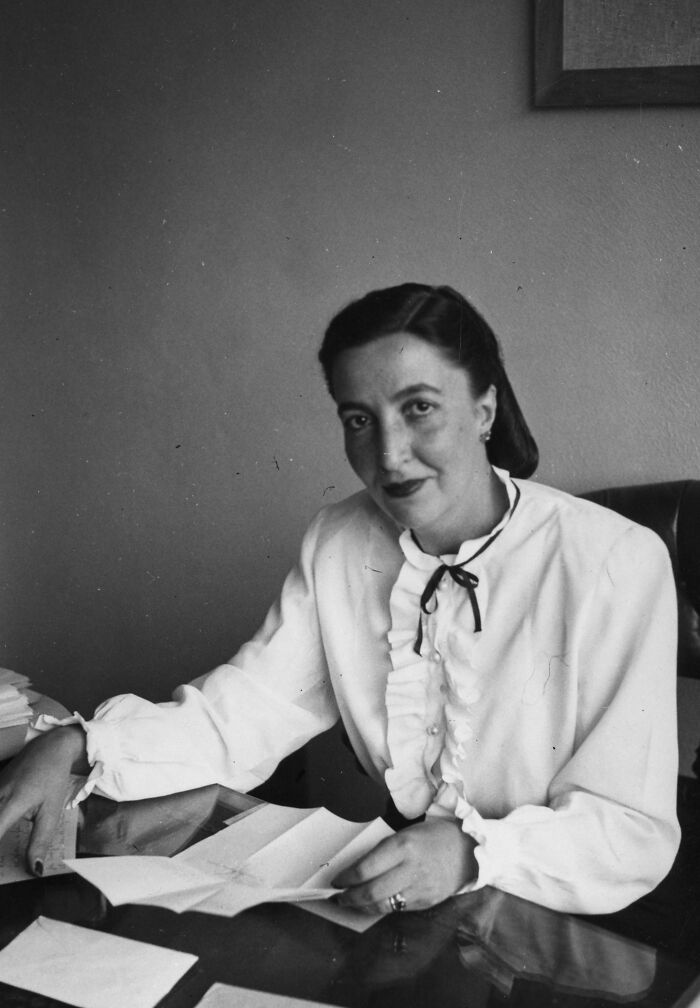
Mildred Adams Fenton (1899 – 1995) studied paleontology and geology at the University of Iowa. Alongside her husband, Carroll Lane Fenton, she co-authored 50 general science books, including Records of Evolution (1924), Land We Live On (1944), and Worlds in the Sky (1963). Her photographs were also often used as illustrations. The couple also established a scholarship fund for Hopi (Native American) students at Northern Arizona University.
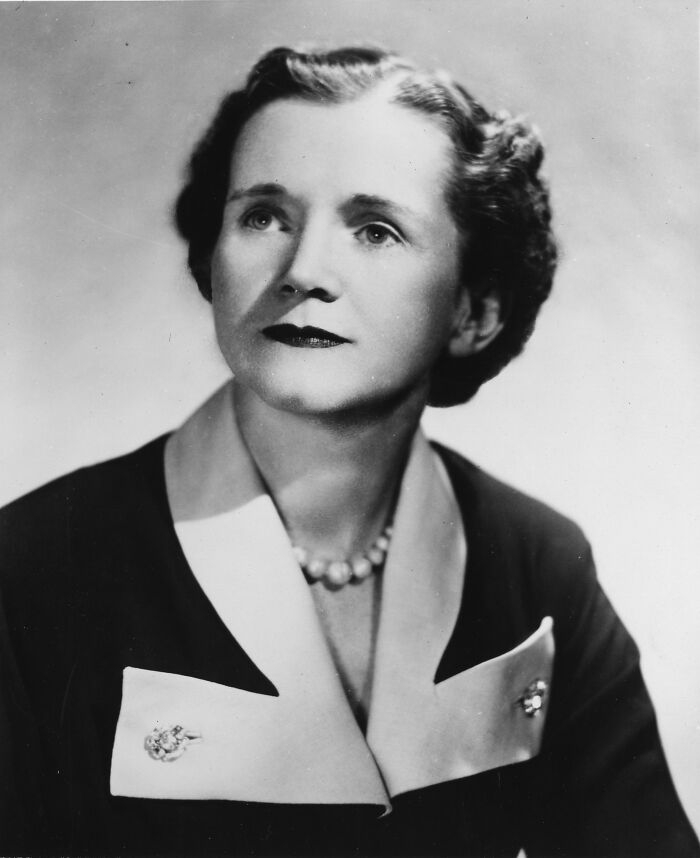
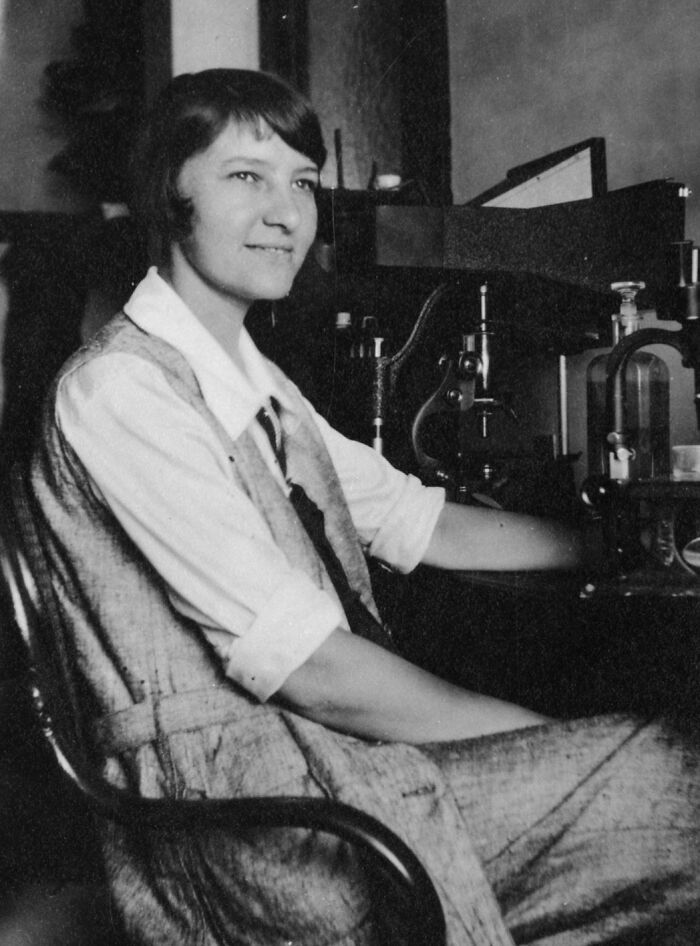
Rachel Louise Carson (1907–1964) was an American marine biologist, writer, and conservationist who was posthumously awarded the Presidential Medal of Freedom by President Jimmy Carter. In the late 1950s, Carson shifted her efforts to conservation and shed light on the problems caused by synthetic pesticides. Her book, Silent Spring (1962), led to the reversal in national pesticide policy, along with a nationwide ban on DDT and other pesticides. It also inspired a grassroots environmental movement, leading to the founding of the U.S. Environmental Protection Agency.

An extremely important contributor to how we view the world around us.
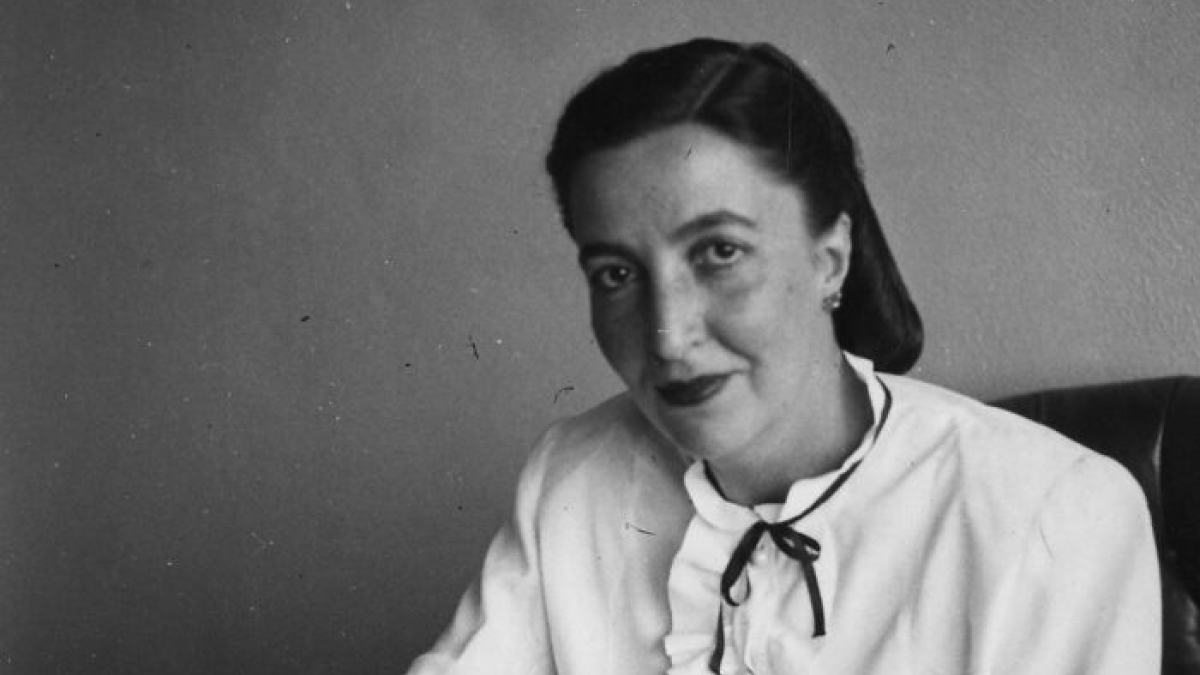
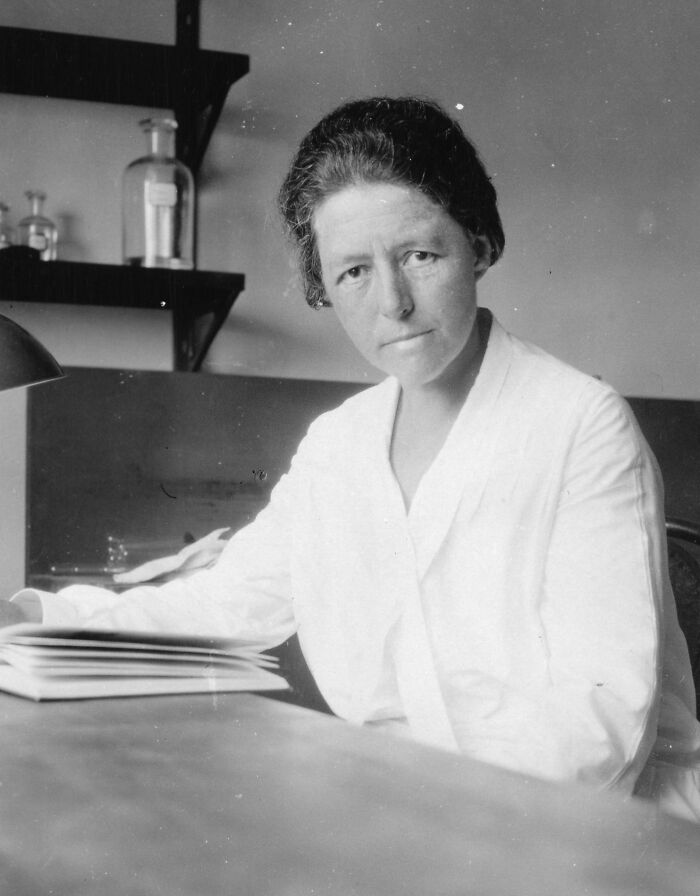
Mary Steichen Calderone (1904-1998) was a physician, author, public speaker, and public health advocate for reproductive rights and sex education. In 1953, she became the first female medical director of Planned Parenthood and organized the 1955 “Abortion in the United States” conference. In the 60s, Calderone helped normalise contraception after the FDA approved the pill by securing the AMA’s approval. She later served as the executive director of the Sexuality Information and Education Council of the United States (SIECUS) until her retirement in 1982.
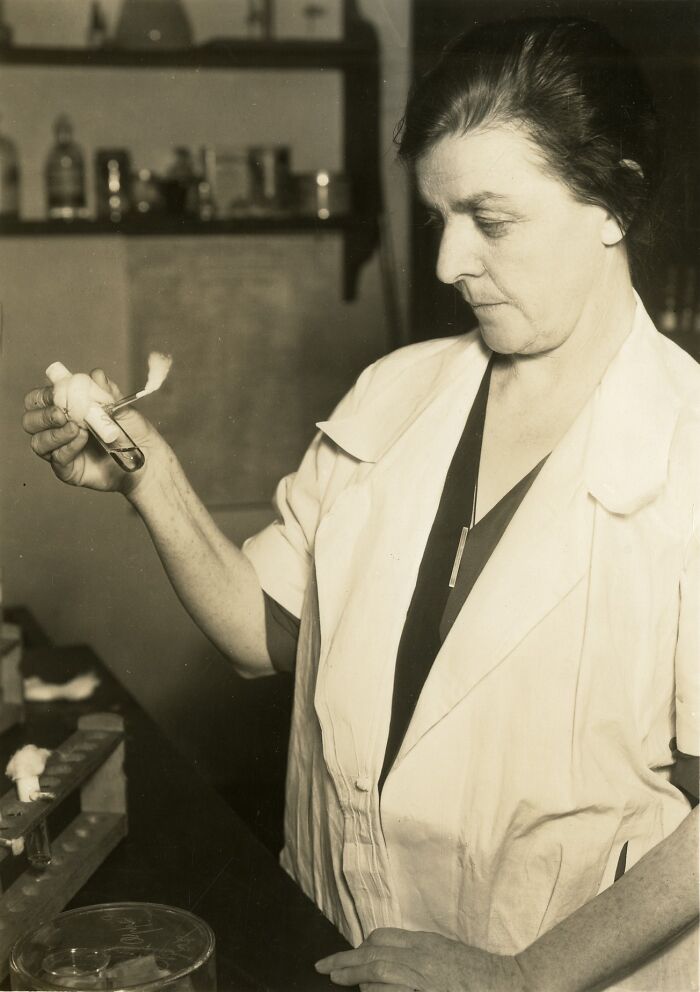
Ethel Ronzoni Bishop (1892-1975) was a biochemist and physiologist. In 1913, she earned a BS degree from Mills College, followed by a Master's from Columbia University in 1914, and a Ph.D. from the University of Wisconsin in 1923. Bishop soon joined the Washington University School of Medicine, becoming the first woman to work at the school's academic faculty. She served as an assistant professor until 1943. Thereafter, she was promoted to associate professor of biochemistry, a position she held until retiring in 1959.

Not sure if this post is completely accurate, if so pretty amazing to go from a bachelor's to a master's degree in one year.
Arlene Frances Fung was a native of Trinidad who attended medical school in Ireland. In 1968, Fung conducted chromosome research at the Institute for Cancer Research in Philadelphia. During this period, ongoing research refined scientists' understanding of chromosome structure, function, and their role in diseases. These efforts eventually led to the development of techniques like fluorescence in situ hybridization (FISH) for mapping genes.
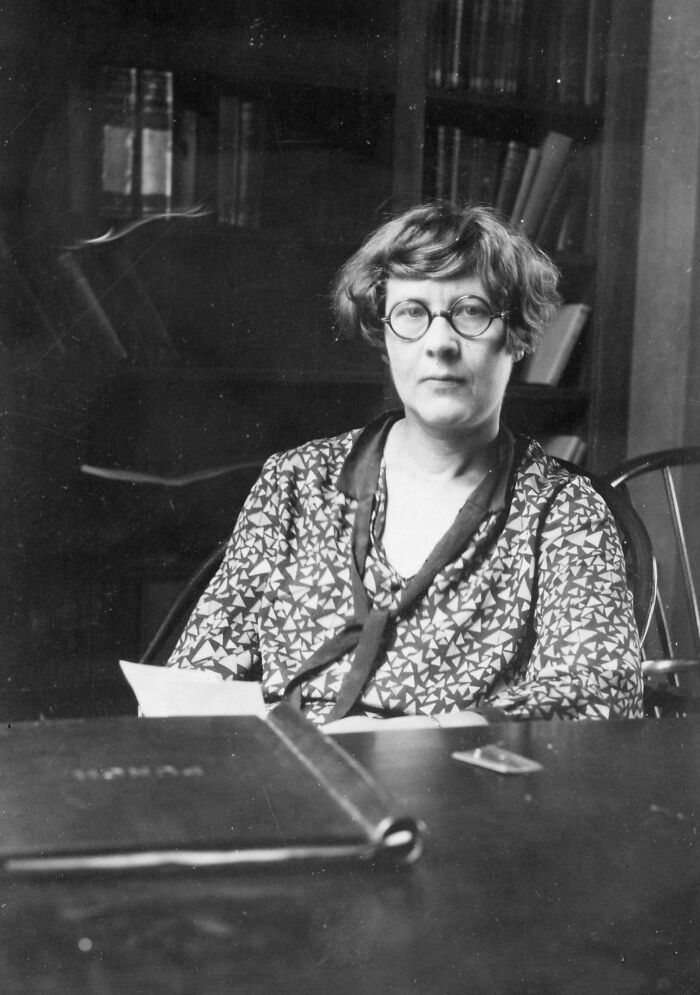
Margaret Alger Hayden was born in 1884 and passed away in 1969. She was a professor of zoology at Wellesley College from the 1920s to 1950. For over 30 years, Hayden dedicated her life to the scientific study of animal life, from their physical structure and behavior to their evolution, classification, and interactions with their environment.
Born in 1908, Carolina Amor de Fournier was the founder of La Prensa Médica Mexicana, a scientific publishing company in Mexico. She was a writer, editor, and translator by profession, and also served as the director of the publishing company. In 1980, Fournier was awarded the Merito Editorial for her work in publishing, and her legacy continued to live on even after her passing in 1993.
Earning a Ph.D. in zoology in 1923, American scientist Marie Agnes Hinrichs taught at several universities, specializing in physiology, physical health, and zoology. She was best known for her work and research into how both UV radiation and visible radiation affect living tissue, with particular focus on growing embryos.
American biochemist and physiologist Willey Glover Denis was born in 1879 and received a Ph.D. from the University of Chicago in 1907. She collaborated with Otto Folin, also a chemist, in studying protein metabolism and became the first woman to be appointed to a major US medical school. In addition to that, Denis was a pioneer in clinical chemistry, measuring human biological fluids and testing for lead in body tissue and waste.
Agnes J. Quirk (1884–1974) was a bacteriologist, plant pathologist, and inventor who worked in the U.S. Department of Agriculture's Laboratory of Plant Pathology. First appointed as assistant to pathologist-in-charge Erwin Frink Smith in 1901, Quirk became the head of the laboratory in 1928. She held the position until 1948 and later received a patent for the production of penicillin mold and jelly in 1952.
Libbie Henrietta Hyman (1888-1969) graduated from the University of Chicago in 1910 and went on to earn her Ph.D. there in 1915. She remained at the University as a research assistant until 1931. A few years later, in 1937, Hyman became a research associate at the American Museum of Natural History, and by 1941, her comprehensive work on invertebrate zoology was recognized as the standard reference on the subject.
Roxana Judkins Stinchfield Ferris (1895-1978) joined the research and curatorial staff of Stanford University’s Dudley Herbarium in 1916, after receiving an A.M. in botany. Over the course of her career and even after officially retiring in 1963, Ferris’s passion for botany was unmistakable. She collected over 14,000 botanical specimens, worked as co-editor of the classic reference work ‘Illustrated Flora of the Pacific States’, and authored books like Flowers of Point Reyes National Seashore and Death Valley Wildflowers.

Margaret Clay Ferguson (1863-1951) was a plant physiologist. In 1901, she earned a Ph.D. at Cornell University and taught at Wellesley College between 1893 and 1932. In 1929, Ferguson was elected president of the Botanical Society of America, becoming the first woman to hold the position.
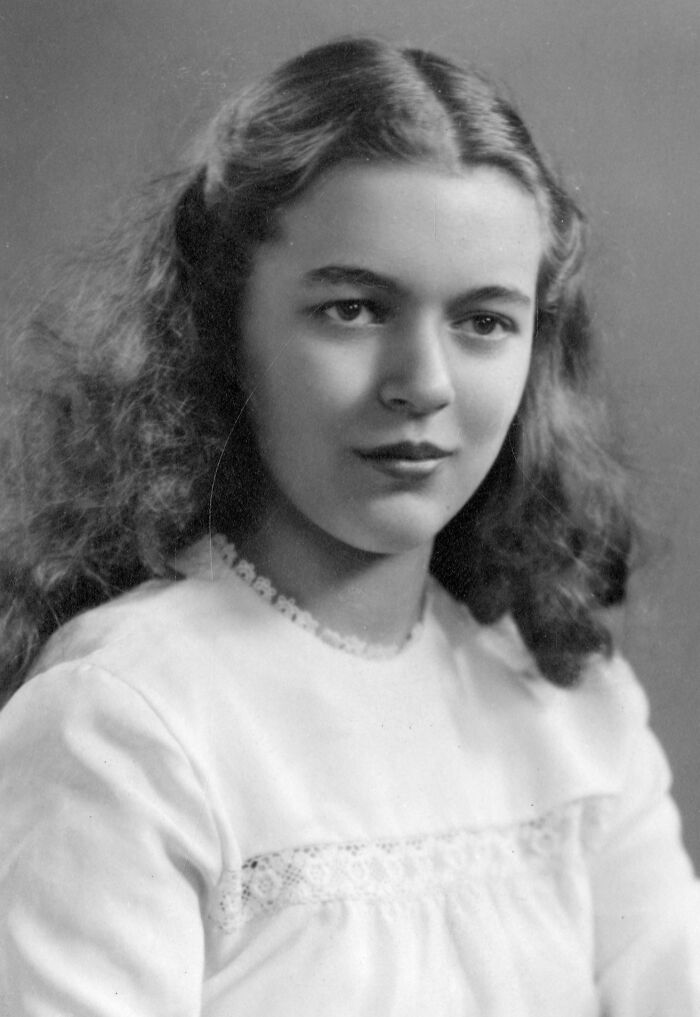
Lillian Josephine Hawes, born in 1905, earned her degree from Stanford University in 1928 and later worked as a public health nurse in Los Angeles. When she won a National Tuberculosis Association scholarship award in 1936, this photograph was released. Hawes dedicated over 40 years of her life to the public health nursing system before her passing in 1994.
Anything with Tuberculosis gets my upvote, much like cats…to be fair they’ve both tried to kìll me and been unsuccessful…so far
Kathleen Bever Blackburn (1892-1968) was a leading British botanist who found that sex chromosomes exist not only in animals but also in plant cells. She served as a member of the Botany Department at Armstrong College from 1918 to 1958, and from 1927 to 1946, co-authored works with J.W. Heslop-Harrison. Blackburn was also the Supervisor of Research in the Department of Botany from 1949 until her retirement in 1957.
Florence Rena Sabin, born in 1871, was an anatomist and pioneering medical researcher. Sabin was the first woman to hold a full professor role at the Johns Hopkins School of Medicine, head a department at the Rockefeller Institute, and join the National Academy of Sciences. Before her retirement, she made various contributions to embryology, lymphatic system research, and blood vessel development, and also advocated for public health reform in Colorado.
Katharine J. Scott Bishop (1889-1976) graduated from Johns Hopkins University School of Medicine in 1915 and, together with Herbert M. Evans, discovered the importance of Vitamin E. Between 1924 and 1929, Bishop worked as a histopathologist at the George Williams Hooper Foundation for Medical Research in San Francisco. By the mid-1930s, Bishop was a practicing physician and anesthesiologist at St. Luke's Hospital in San Francisco. In 1940, Bishop accepted a position at Alta Bates Hospital in Berkeley, California, and worked there until retiring in 1953.
Born in Lancashire, Kathleen Mary Drew-Baker (1901-1957) was a botanist famous for her research on Nori or Porphyra laciniata, an edible type of seaweed. Her research into the Nori lifecycle helped Japanese farmers facing unpredictable harvests and ultimately saved the entire seaweed industry. Because of her contributions, Japanese scientists increased production through artificial seeding techniques. Drew-Baker was one of the founders of the British Phychological Society and served as its first president.
Cellular biologist Matilda Moldenhauer Brooks (1888–1981) is best known for her 1932 discovery of methylene blue as an antidote to carbon monoxide and cyanide poisoning. Brooks earned her BS and MS at the University of Pittsburgh, and her PhD in zoology from Harvard University in 1920. In 1927, she became the first person to teach classroom and lab courses in experimental cell biology at the University of California, Berkeley.
Eleanor Plunkette Brown was born in 1887. When this photograph was taken during the 1930s, she was National Secretary of the Society for the Prevention of Blindness. By 1944, Brown had become the Society’s Executive Director and made history as the first woman president of the National Health Council.
Born in Shohola, Pennsylvania, in 1878, Olive Swezy was an American Zoologist who specialized in dinoflagellates, amoebas, and chromosome studies. Swezy attended the University of California, Berkeley, where she earned her BS in 1913, followed by her MS in 1914 and her P.h.D. in Zoology. After finishing her studies, Swezy co-authored key research and discovered a new amoebic dysentery strain.
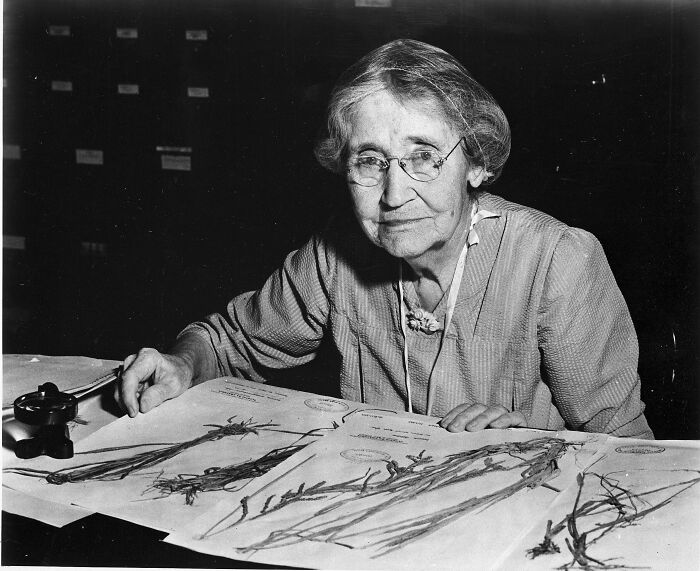
Mary Agnes Chase (1869-1963) was known for her study of grasses. Because it was inappropriate for women to conduct field work, she often personally funded her own research trips. Chase joined the Department of Agriculture as a botanical illustrator in 1903. By 1935, she was Principal Botanist at the United States National Museum. With numerous awards, including a Certificate of Merit issued by the Botanical Society of America in 1956, Chase was recognized for her work as an agrostologist.
Born in 1910, Edith Kroupa was an Austrian chemist who worked under Professor A. Franke at the University of Vienna. In 1934, she and Friedrich Hecht examined a sample of a radioactive rock from Manitoba, determining it to be over 1.7 billion years old. In that same year, Kroupa and Friedrich Hecht discovered triple-weight hydrogen.
Wilhelmine Marie Euteman Key, born in 1872, was an American geneticist, zoologist, and author of Heredity and Social Fitness in 1920. Studying wasp coloration, Key was the first woman to earn a PhD in zoology at the University of Chicago. She also taught German and Biology at numerous institutions, even mentoring notable geneticist Sewall Wright.
Mildred Trotter (1899-1991), an Anatomist and Anthropologist, completed her studies at Mt. Holyoke College in 1920, receiving a Ph.D from Washington University in 1924. She devoted almost her entire career to Washington University, where she conducted research and taught for decades. Following World War II, she briefly served as a U.S Army forensic anthropologist.
Louise Pearce (1885-1959), physician and pathologist, gained recognition for her research on sleeping sickness. After earning her A.B from Stanford in 1907 and her M.D from Johns Hopkins University in 1912, she spent many years at the Rockefeller Institute. Later, she served as the president of Women’s Medical College in Philadelphia from 1946 to 1951. Pearce’s contributions to medicine and education were recognised, and she received honorary doctorates from multiple colleges.
Nathalia Clara Ruth Crane (1913-1998) was a famous child prodigy. At the tender age of ten, Crane published her very first book and went on to become a professor of literature. The photograph above was used in a news story titled, "The four ages of behavior," which declared that Crane embodied "the creative age” that most rise to once in a while, but few “live on the heights regularly”.
Even though Nathalia reached such achievements as a child prodigy, who was a poet/novelist, that doesn't make her a scientist.
After completing her Ph.D at the University of Chicago, Emma Perry Carr(1880-1972) began teaching Chemistry at Mount Holyoke College until 1946. Renowned for advancing spectroscopy, she pioneered research on simple unsaturated hydrocarbons and absorption spectra. In 1937, she received the American Chemical Society’s Francis P. Garavan Medal and later the Norris award.
Secretary and Associate Director of the National Society of the Prevention of Blindness from 1916, Winifred Phillips Hathaway (1870-1954), was born in Pembrokeshire, Wales. She studied at Normal College of New York, Radcliffe College, and New York University, and also conducted research at the Eugenics Records Office. Best known for her work as a teacher and public health researcher, Hathaway was the second woman to receive the Leslie Dana Gold Medal by the St. Louis Society for the Blind.
Participating in numerous protests for women’s rights, Washington, D.C, native Minna P. Gill (1896-1964) was active in the Women’s suffrage movement in the 1910s. She became a Science Service librarian between 1920 and 1930 after completing her B.B.A. at the University of Texas. Gill later joined the Smithsonian Library, working there until retiring in 1955. Beyond her professional life, she was an accomplished amateur artist.
Flora May Slosson Wuellner attended the University of Michigan, where her father was a professor of history. Wuellner began preaching when she was 17 and, after graduating from the University of Chicago theological seminary in 1954, became a Congregationalist minister. She later married Wilhelm Wuellner, an ordained but non-practicing Lutheran minister. A renowned author, Wuellner has written 14 books on religion and spirituality, focusing on inner healing and renewal.

As the article is (currently) called 31 women who revolutionized science i don't think that counts as a scientist.
This is the kind of empowerment articles bored panda should be featuring. Not 60 reasons why the opposite s*x is stupid.

How could you make this list without, "Elise "Lise" Meitner was an Austrian and Swedish nuclear physicist who was instrumental in the discovery of nuclear fission. After completing her doctoral research in 1906, Meitner became the second woman to earn a doctorate in physics from the University of Vienna. She spent much of her scientific career in Berlin, where she was a physics professor and a department head at the Kaiser Wilhelm Institute for Chemistry. She was the first woman to become a full professor of physics in Germany." She was a very big deal.
I think Elda Anderson should be included in this list https://en.wikipedia.org/wiki/Elda_Emma_Anderson
This is the kind of empowerment articles bored panda should be featuring. Not 60 reasons why the opposite s*x is stupid.
How could you make this list without, "Elise "Lise" Meitner was an Austrian and Swedish nuclear physicist who was instrumental in the discovery of nuclear fission. After completing her doctoral research in 1906, Meitner became the second woman to earn a doctorate in physics from the University of Vienna. She spent much of her scientific career in Berlin, where she was a physics professor and a department head at the Kaiser Wilhelm Institute for Chemistry. She was the first woman to become a full professor of physics in Germany." She was a very big deal.
I think Elda Anderson should be included in this list https://en.wikipedia.org/wiki/Elda_Emma_Anderson




























 No fees, cancel anytime