Get Premium
Dark mode theme is available exclusively for premium users. Learn more about the benefits of subscribing.
No fees, cancel anytime.

 Dark Mode Ad-Free Browsing Unlimited Content
 Ad-Free Browsing Unlimited Content Dark Mode
Join 1.2 million Panda readers who get the best art, memes, and fun stories every week!



There’s a good chance that you haven’t heard about a rare condition called chromhidrosis. In a nutshell, the person afflicted with the disease produces colored sweat, from yellow to green, even red and black.
It is commonly caused by a disorder in the sweat glands, and while there are treatment options, the condition may lead to emotional distress.
If lesser-known medical conditions pique your curiosity, you may get a kick out of this list. It’s a collection of responses from a Reddit thread from years back that could very well make you want to do a few deep dives. Enjoy reading!
This post may include affiliate links.
 My mom accompanied my sister on a visit to an allergist. The doc walked into the room, looked up from reading the chart, stopped and stared at my mother. Seemingly mesmerized he walked up to my mom and, without asking permission or saying a word, poked a finger into her cheek. "You need to get to the ER right now." they were understandably confused and thought that he was an idiot who didn't even know which one was the patient.
"NOW." He was very clear and very forceful. Scared them and, shaking, she did as he told her to do.
Turns out she had advanced colon cancer, was bleeding internally, severely anemic, her heart was failing and fluid was backing up. It caused her face to be really pasty and bloated (which he recognized) and when he pressed his finger to her cheek he saw serious pitting edema.
By the end of the day she was in the hospital, had gotten three pints of blood and pee'd out tons of dangerous fluid. Surgery within 48 hours and, though it was metastatic, she is still here 15 years later.
No matter how good a medical search program is it will NEVER replace the instinct and insight of a human being who has devoted their life to medicine!
 I was working for an animal rescue on the board. We had a pregnant horse come through our care and she made it full term pregnancy, carried healthy twin foals, had a stable delivery and both foals survived. The vet we had who was also on the board delivered them.
For those who don’t know, twins for horses are extremely rare in the first place. *If* a horse gets pregnant with twins, and it’s detected early enough, one will be “pinched off” in order to save even part of the pregnancy.
If it goes undetected, usually the mare will have some serious issues. Either of the twins surviving is unheard of.
So this vet delivered twin foals from this quarter horse mare, going into it having no idea she was carrying twins, and delivered two perfectly healthy (although a little small) colts and mama had no complications.
The odds of it happening, both surviving the pregnancy, and delivery, and mom making it... astronomical. Unheard of. Those horses received letters from all over the world. A true medical anomaly.

Aww, nice to see a positive one! The world can always use more horses in it...
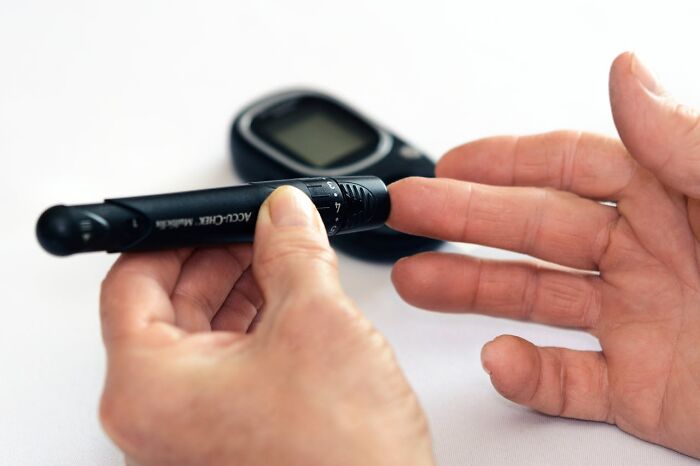 Does my newly discovered genetic mutation count? I have a mutation that causes my body to metabolize sugar almost instantly. I survive at a daily sugar level of 39-55 and they wrote peer review medical journal article about it just 2 months ago.
They testing it on diabetic mice to see if it can stop diabetes.

Fingers crossed it can and they don’t drive the price for treatment with it so high no one can afford it ( in America here at least)
 30-year-old African-American in active labor with about five family members around her. I am the pediatrician at bedside waiting for the baby to come out so I can examine him. He comes out and all of his poor little distal limbs are severely disfigured or missing digits. Turns out he had intrauterine amniotic banding. Pieces of the amniotic sack get wrapped around limbs and digits. This causes restriction of the blood flow and prevents development. Worst thing I have ever seen and one in 1 million chance of happening. But mom took him in her arms and loved him all night long as if nothing was different about him.
 Pseudocyesis or hysterical pregnancy, in a woman who was an inmate in the psych wing of a prison I rotated through. She thought she was pregnant with Jesus's triplets and had grown a massive pregnant looking belly, was producing milk, etc.
 I had a gentleman who came into the emergency room with extreme fatigue and was found to have very little blood in his body. I asked him what his medical conditions were, and he told me he had polycythemia vera, which is a condition where the body makes TOO MUCH blood, the opposite.
He told me he had been diagnosed years ago but had never needed treatment. At first I thought he was mistaken about his diagnosis, and then I was worried that his bone marrow might have gone into overdrive and eventually burned out.
Eventually, we discovered that he did have polycythemia vera, but had been slowly bleeding from an obscure GI bleed, a tiny blood vessel in his small intestine that would come in and out and bleed small amounts into his stool. In essence his body was self-treating having too much blood by doing its own bloodletting, for years.
One week he bled a bit too much and got out of whack and ended up in the hospital, which is where I met him. Crazy case.

My pastor's wife and daughter have polycythemia vera. The have to go quite regularly and have blood drawn off.
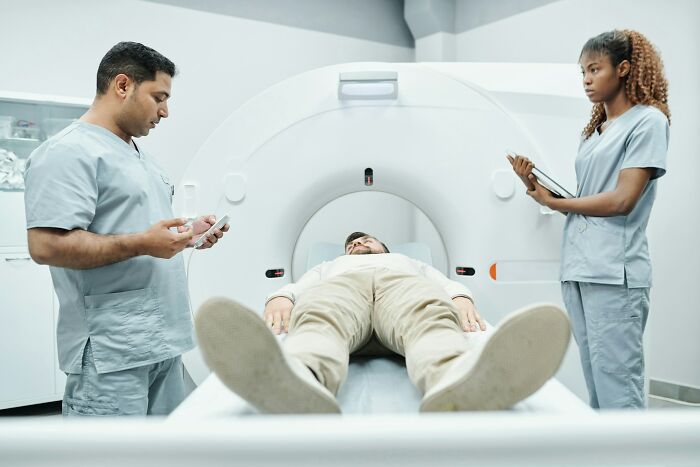 Patient admitted for something unrelated starts deteriorating for no discernible reason. Has some mild generalized abdominal pain, but other than that no specific symptoms. However, he keeps worsening to the point where he's barely hemodinamically stable.
On the abdominal contrast CT, there's fluid everywhere. Organs pushed against the abdominal wall. Just one enormous grey puddle from the top of his pelvis to his diaphragm.
And then, at some point, there's a scribble of white pretty much smack dab in the middle of it all (in this context, signifying active bleeding) It was shaped like the world's smallest firework pop, and it was nowhere close any major vessel. Everyone was dumbfounded for a hot minute.
It turned out to be a spontaneous, atraumatic rupture of the cystic artery. No surgeon in the building had ever seen one.
Dude underwent embolization and made it out completely unscathed.
 Anti-NMDA receptor encephalitis. One in 1.5 million.
Psychotic symptoms (auditory or visual hallucinations, paranoia, delusions) due to an autoimmune disorder where your body produces antibodies against NMDA receptors in your brain.
We’ve seen 2 this past year at our hospital. The real incidence of this could be higher than one in 1.5m but might not be tested for often enough. Once someone gets labeled a “psych” patient, consideration of medical etiologies often goes out the window.

There was a best-selling memoir a little over a decade ago where the author had this disease and was successfully treated after being misdiagnosed a bunch of times. It's called "Brain on Fire."
 A toddler was brought in to the ER for a large hand burn. he placed his hand on a radiator and kept it there until his hand got a 2nd degree burn. the thing was he didn't cry until his mom freaked out about it. and he didn't cry when i was cleaning his blistering wound. turns out he doesn't feel pain (congenital insensitivity to pain). he was an adorable kid!

That's a really dangerous condition, despite how awesome it sounds to never have pain. Often they have to remove the child's teeth because as babies they can bite their tongue in half or chew their fingers to the bone. Or like in this example when they don't feel a serious injury. I saw a documentary where they were studying children with this condition to try and develop more effective pain relievers.
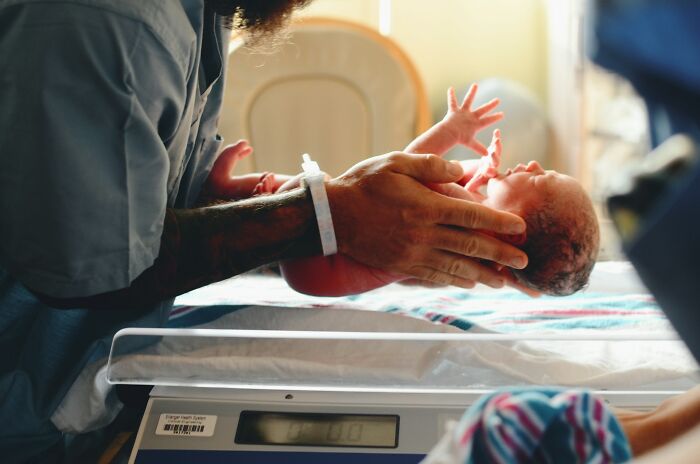 On my OB rotation during ER residency, I helped deliver a baby who had spots all over. Further blood testing revealed the baby had developed leukemia while in the mother. Didn’t know that was really possible prior to that day. Incredibly rare.
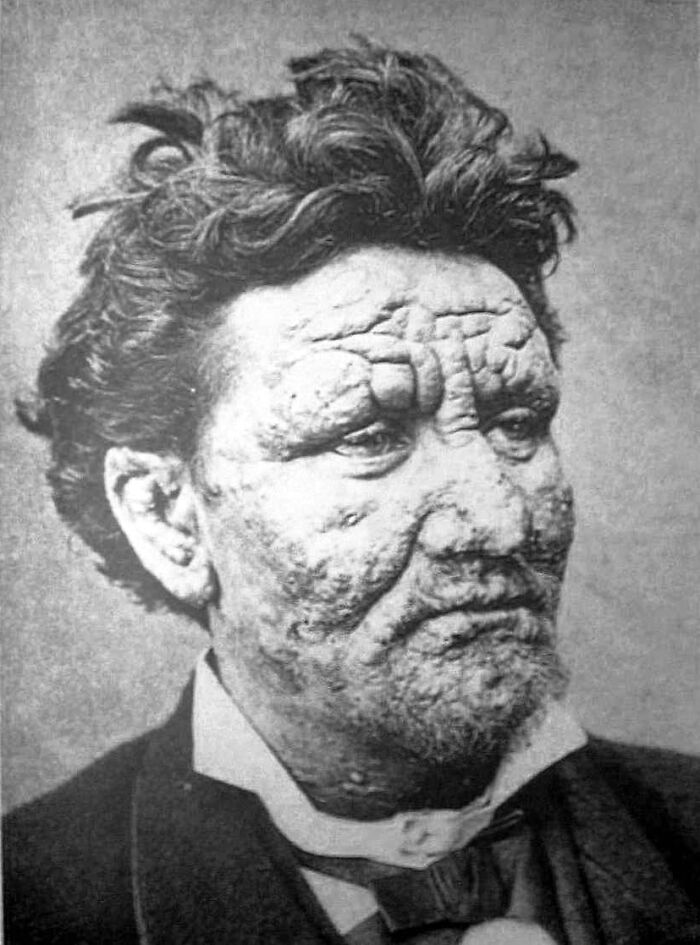 Rarest disease that I’ve seen in my career thus far would have to be leprosy. It’s something that one hears about in antiquity and something I read about in books but I never expected to actually encounter it in my career.
There's a very good novel called Molokaʻi, which centers around one woman's journey with leprosy. Molokaʻi (part of Hawaii) was originally a leper colony. Here's the info: https://books.google.com/books/about/Moloka_i.html?id=4Mw2yQEACAAJ&source=kp_book_description
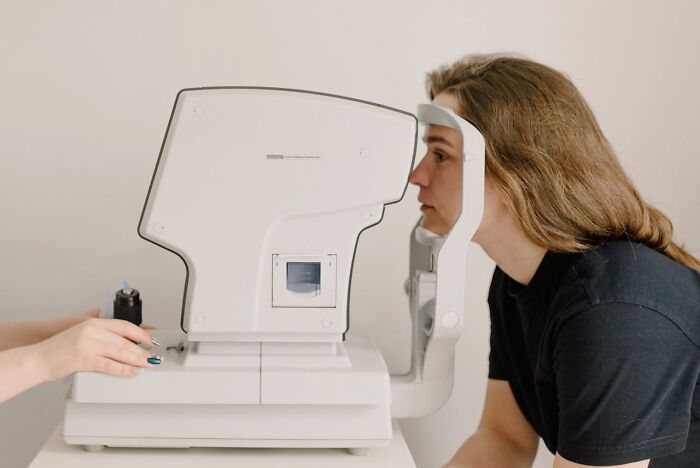 Eye doctor here:
Patient had bilateral acanthamoeba keratitis. Estimated that 0.0004% of contact lens wearers will be diagnosed with this condition in ONE EYE. My patient had it in both!
Acanthamoeba keratitis is a rare parasitic infection of your cornea.
Edit: I didn't think this would get that much attention! My patient presented after coming back from vacation complaining of a little hazy vision and his eyes feeling a bit off. His cornea looked pristine but I did note a little ocular inflammation. Turns out he had an underlying autoimmune condition (ankylosing spondylitis) known to cause ocular inflammation (uveitis) and recently stopped taking his medication so I thought this was a slam dunk case. When he came back for his follow up, we realized this was not a slam dunk, and we sent him out to a corneal specialist ASAP and now he is back to 20/20 vision in each eye! His case ended up being caused by wearing his contact lenses while swimming in a lake!
Remember dont sleep, shower, or swim with your contact lenses on and make sure to visit your eye doctor for regular check ups :).
 Dermatologist here. Some fun ones:
- Chromhidrosis, where sweat comes out in different colors. My patient’s was blue.
- Argyria, a permanent discoloration from having too much silver.
- Aquagenic urticaria, an allergy to contact with water.
A saw a documentary about a 2 year old girl who was allergic to water. It was so sad. She couldn't even take a bath.
 Geneticist here. I work in a pretty big hospital and we get hard to solve cases from all over the world. Some of the cases are so unique, there is literally no name yet the genetic disorder. So those would be the rarest. But for the sake of this thread, I will discuss something that is not the rarest, but is pretty rare, and one of the most interesting:
Prader Willi or Angelman Sydrome. -these are two extremely different disorders that are both caused by the same exact genetic mutation. The only difference is if the mutation occurred on the paternal chromosome or the maternal chromosome.
If it occurred on the maternal chromosome, you get Angelman Syndrome which typically results in the child being overly happy, laughing all the time with light eyes and hair color, but also severe intellectual and physical disabilities.
If the mutation occurred on the paternal chromosome you get Prader Willi Syndrome, which results in the child having excessive hunger and can literally eat him/herself, but with only mild cognitive disability. These kids may go a very long time not getting diagnosed and will become quite obese.
Bonus disorder if your still here: “Williams Syndrome” with this one the affected individual has an extremely charismatic, outgoing and fun “cocktail party” personality. They are cognitively impaired in most aspects except for speech and have very unique facial features that are described as “Elf like”
EDIT: whoa this blew up. So happy to see people interested! Given the amount of discussion this has generated, I want to clarify that terms like “cocktail party personality” and “Elfin” were once typical descriptors geneticist used but are now steering clear of due to negative perceptions. Same goes for “Happy puppet syndrome”. Thanks everyone for such an awesome discussion!
One of our regular customers has Williams Syndrome. He is an amazing young man. He comes in with his dad and he just lights up our entire store with the joy he radiates. An incredibly precious family.
 I diagnosed a patient with cancer of the parotid gland. It has an incidence of less than 1%. It went something like this..
He came to me because he was having right jaw pain. I assessed him and nothing was really out of the ordinary. I thought he was having some TMJ because he had been dealing with some stress and he did have pain at the TM joint. A week later he came back with a Bell’s palsy which is a temporary paralysis of one side of the face. This can be caused by inflammation or a viral infection. So I asked the appropriate questions and he had some upper respiratory symptoms the week before. But something was off. So I palpated his jaw again and moved more medially towards his cheek. And he said it was painful midway on his cheek. Where his parotid gland was. There was something there. Not a discernible mass, but something was off. That’s when I ordered a CT scan. And it was confirmed. I got him to a head/neck specialist along with getting him to a cancer specialist. He’s currently 2 years out and although he’s missing some of his face due to surgery, he’s doing surprisingly well. And his spirits are great.
E - wow I did not expect this much traction and interaction. I’m doing my best to respond to comments but I’ve been on mobile and it’s been tough. So if I didn’t respond to your comment I really do apologize. It wasn’t intentional and I don’t want anyone to feel slighted or bad. Thanks again for the amazing conversation and the incredibly kind words. Hope each and every one of you are in good health and spirits 🙏🏾
E2 - this has been one hell of an evening. Special thanks to all of you who’ve shared intimate and personal stories about yourselves and others. Cancer sucks and there’s nothing more important than our health so please do your best to take care of yourself. Eat well. Get rest. Make sure to be active. I’m off for tonight as I have to be up early but it’s truly been a pleasure and I’m so lucky to have made new friends. Stay well and be safe 👊🏾.
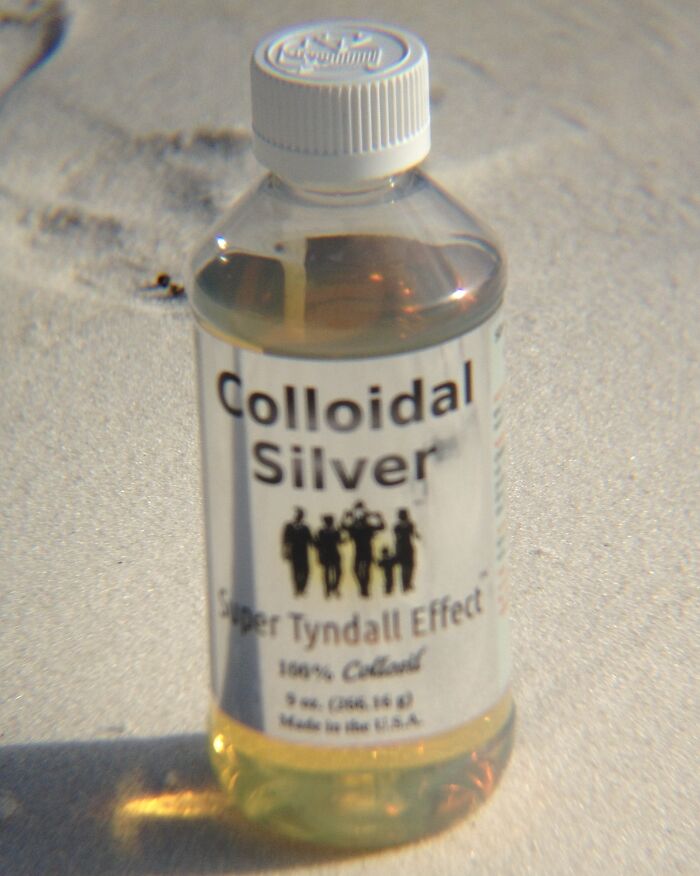 I had a patient who presented with purple/silver skin. He looked like a smurf and the silver surfer had a baby. However he was in the ER for abdominal pain and was highly offended when I asked him about his skin pigmentation. My first impression from across the room was that he was severely hypoxic and I was amazed he was walking and talking. He made comments that made it appear he was a huge conspiracy theorists so I was suspicious of colloidal silver toxicity. When I asked him about it he shouted angrily “I don’t take silver supplements anymore!” After some prying, he said he took them to self treat for a prion disease which he self diagnosed from “the grape juice test” where you spit out grape juice into a Petri dish and “a fungus grows out of it”. At this point I’m like yeah this patient is nuts. I’m pretty sure he listened to too much Alex Jones and as a result permanently dyed his skin blue, a condition called argyria.
🙄😂😂 Ah yes, the old "self diagnosed prion disease". 🤣 His skin color is a warning to stay away from him!
 Harlequin ichthyosis. In med school there was a baby born with this. Basically their skin scales up an peels removing that very important barrier so kids born with this don’t live long. She was just a couple months old and had not yet left the hospital since birth.

Harlequin ichthyosis is the most rare of skin disorders. Even more rare is survival past infancy. Despite the rarity, there are cases where people with HI have lived into adulthood, such as Nusrit "Nelly" Shaheen.
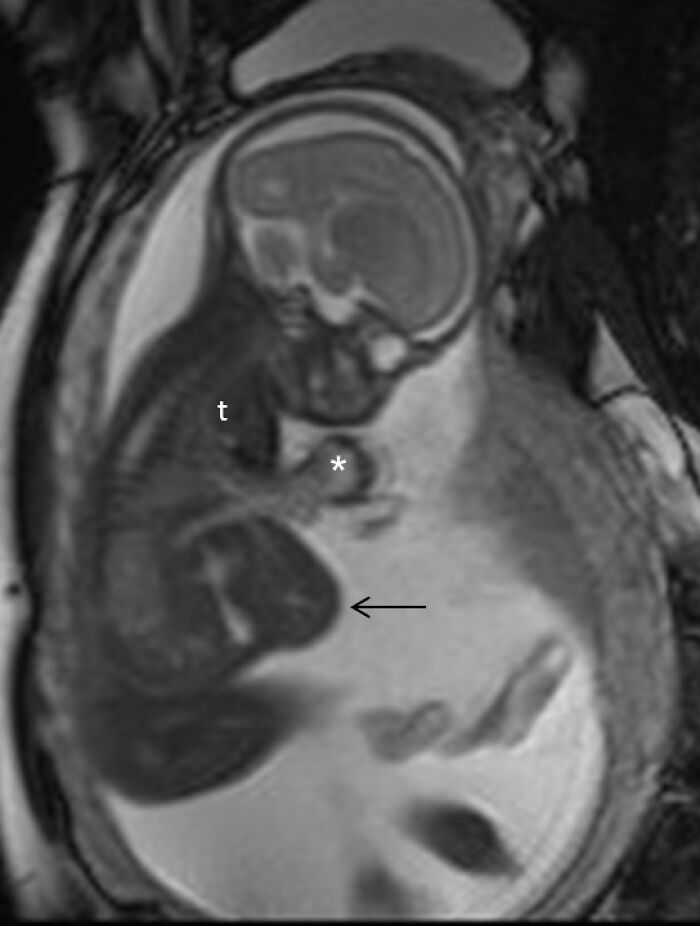 Rare and interesting would be Pentalogy of Cantrell which has the heart outside of the chest because the sternum has not fused.
Id seen it before with just a bit of the heart on view, but with this kid it was completely out: you could see pretty much the whole heart with the aorta and lung vessels all that was holding it, the heart just beating away. I’d done adult cardiac for a bit but this was a little different. Tiny. We covered it with a polystyrene cup, until the kid went or theatre to have it pushed back inside.
It’s meant to be 1:65,000 live births.

Ive seen medical pictures of this condition before. I belive it is caused by the chest not closing up along the brestbone at the right time, leaving the heart dangling out.
 Actual scurvy. Poor old man didn't know how to cook and ate nothing but biscuits...
For anyone wondering, it's not just a "pirate disease". Caused by a lack of vitamin C, the body literally cannot produce collagen, amongst other vital functions. As scurvy worsens, wounds fail to heal, personality changes, and finally death from infection or bleeding.
 Fetus-in-fetu. 10 year old boy "pregnant" with his parasitic twin (PT).
Edit:
Case
10 y.o. boy came in with enlarging abdominal mass and intermittent generalized weakness. Imaging revealed a parasitic "fetus" which was also growing in size. History revealed mass noted 2 years ago which enlarged rapidly the last 3-4 months. Within days of admission, boy's organs begin to fail with no apparent reason. He was healthy and eating well when he was admitted. Family wanted surgical intervention to separate the parasitic twin against surgeons' advice. parasitic twin was basically starving/poisoning the boy. Surgeons opened the boy up and found that the boy and parasitic twin share a (stomach, liver, heart, blood vessels - mesodermal organs) basically too complex to operate. The boy passed away after.
This happened to a poor family in a underfunded government hospital in a corruption-infested country. The parasitic twin was donated to the hospital. It had teeth with hairy limbs with the longest curved baby nails. I can't describe it further. It is on display at the Surgeon's Hall.
Edit 2:This happened years ago before the age of smartphones.The hospital team tried to have the tissues studied for academic purposes. there was a case report about it presented in a local medical congress but as this happened in a "third world" country with limited resources, nothing came of it. I live and work in a different country now.
That's so sad! That poor child. Although the surgery was "against surgeons advice", what was the alternative?
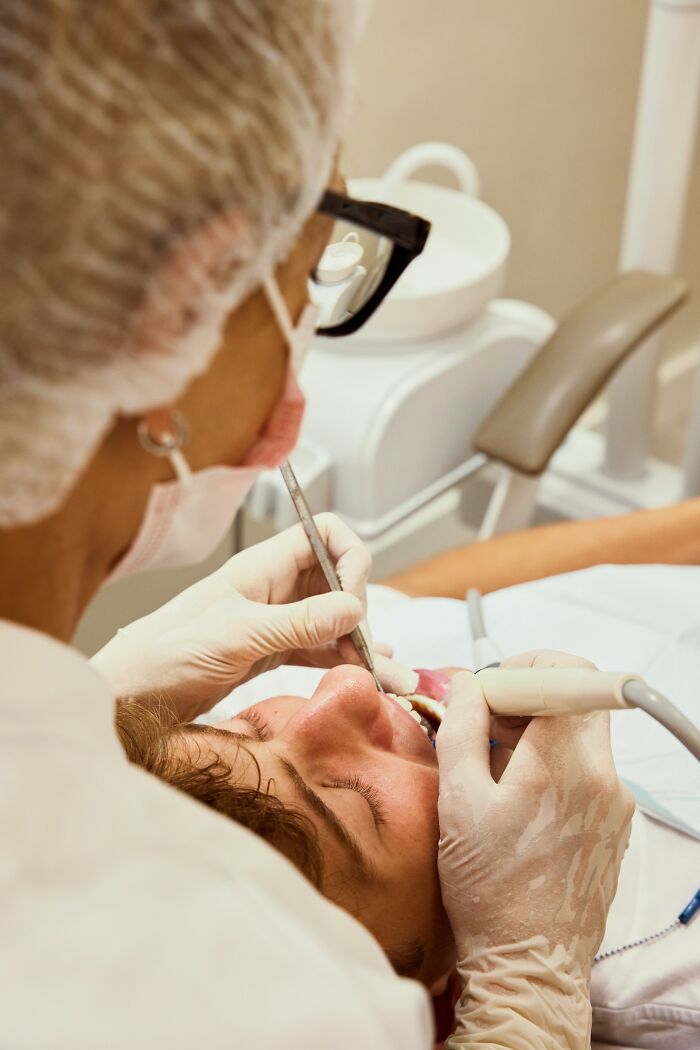 As a former dentist the weirdest thing I saw was a mustard seed that germinated in the cavity of a fellows molar.
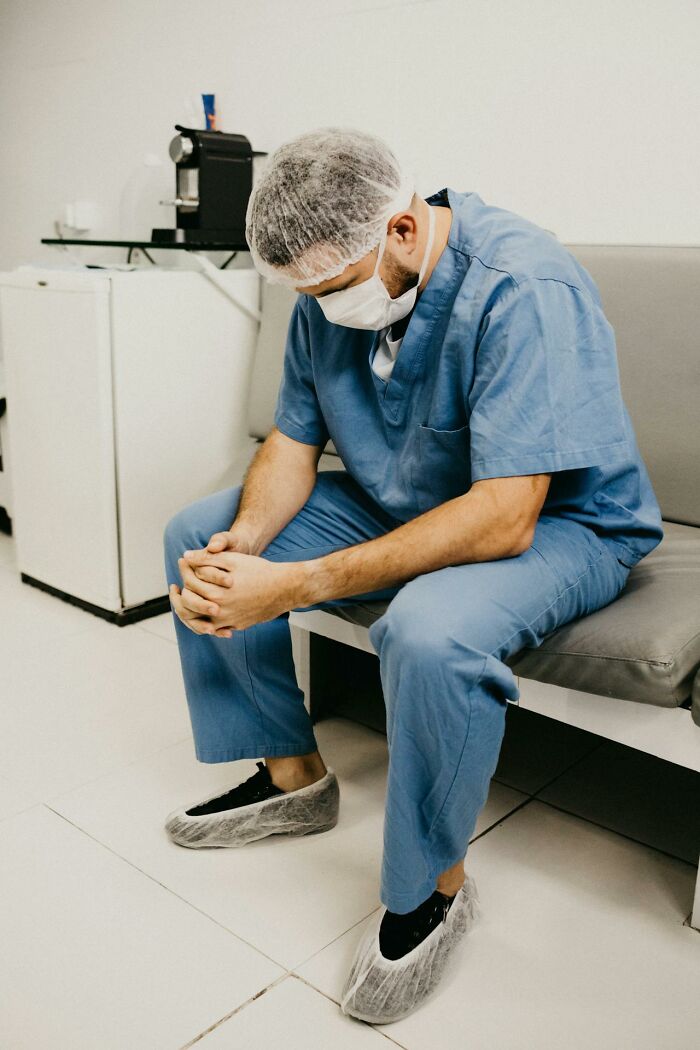 Malignant Hyperthermia in my 11 year old patient. I was only in my second year of anesthesiology residency. I had a salty old anesthesiologist as my attending and she calmly led the whole team through the treatment. My patient did great and her labs were all normal when I took her to the Peds ICU. I couldn’t sleep for two nights and still have haven’t gotten over it.
I looked it up so you don't have to: Malignant hyperthermia (MH) is a rare, life-threatening condition that occurs during anesthesia. It is characterized by an uncontrolled increase in body temperature, muscle rigidity, and other systemic symptoms.
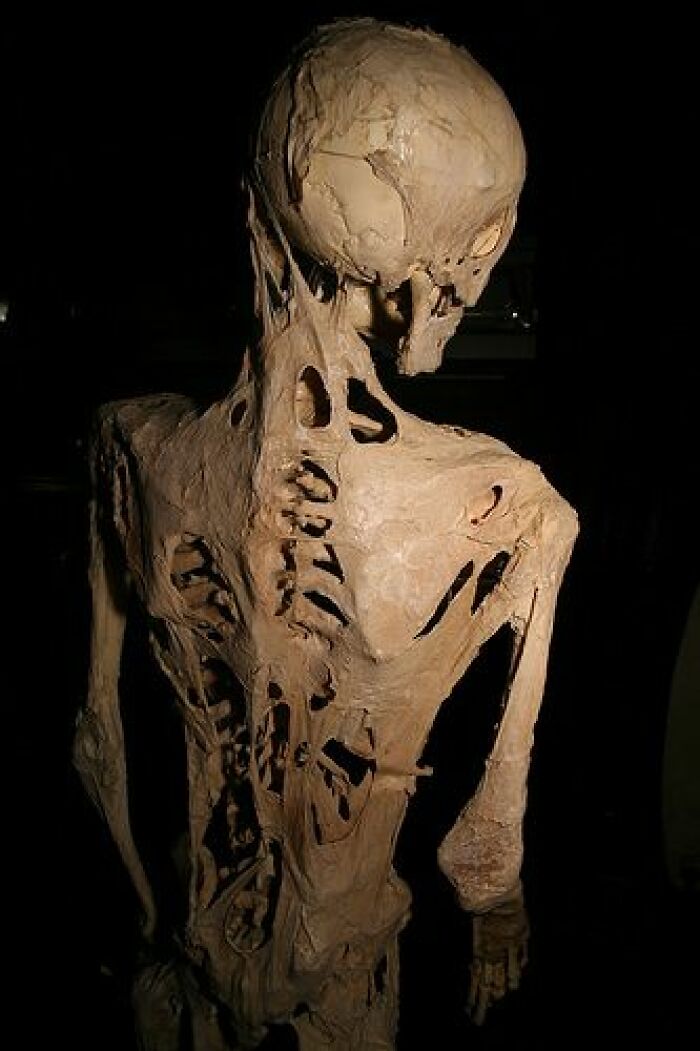 Fibrodysplasia ossificans progressiva (FOP). A disease that calcifies soft tissue and turns it into bone. When I was a medical student our group’s cadaver had this disease. During dissections we sometimes would get poked by spiky pieces of bone in random areas of her body. Also had a spine that resembled a small turtle shell.

Yup, had a patient in his mid 30’s with this. I can’t imagine how horrific it must be to have your body progressively trapping you.
 My colleagues had a patient with catecholamine-induced ventricular tachycardia. AKA every time this 13 year old exercised vigorously or even got too scared, the adrenaline would induce a dangerous arrhythmia that needs to be shocked before long in order for him to survive. Seriously.

Dude needed to live a very chill life. Good luck with that. And I don't mean that sarcastically.
 Brazilian doc here. I live in a really poor part of an already poor country. When I was in my pediatric internship there was this baby wiith hepatomegaly (big liver). In my region, the first thing that you have to think about in this cases is a disease called Kala-Azar (also known as black fever or visceral leishmaniosis). It is an endemic disease which there is a parasite transmitted by a mosquito that can infect people with compromised immune system (like people living with HIV) and kids. This parasite infects the bone marrow and simulates clinical signs of acute leukemia, like chronic fever, spontaneous bruises and bleeding. The patient develops anemia, leukopenia (low white blood cells) and low platelets. To compensate, some organs like liver and spleen take care of the bone marrow function to create new blood cells, and thus, get bigger. This disease is really common in my region, but really rare in other parts, especially non-tropical countries like the US.
Anyway, as I was saying, this baby girl, about 1 year old was admitted to investigate a hepatomegaly. But the catch was that she kept having those episodes of hypoactivity and sleepiness, and sometimes even faintings that would then get better after she was being breastfed. We then checked and saw that she was having lots of hypoglycemia episodes. Her lab was normal,and she had no other clinical signs that would remind of kala-azar, besides the hepatomegaly.
The patient had Hers Disease, a genetic disorder that makes you produce less Glycogen due to an enzyme defect. Never hear of it before meeting this patient, and I think I'll never will meet other one.
Interestingly enough, in this same time, I had a patient that was admitted with leukopenia, anemia and low platelets that was also hospitalized to rule out Kala-Azar, but he actually had Fanconi Anemia, an also really rare genetic disease. In this one, the bone marrow slowly stops producing blood cells. Besides this, the patient also has kidney, facial, bones malformation and overall physical underdevelopment.
Edit: lots of you asking how they turned out. My internship ended before I could have a better follow up, but: The little girl was managed as outpatient, with hypercaloric diet. I haven't seen her, but once you have the diagnose you can control with dietary interventionand clinical follow-up. The little boy was enlisted in the national bone marrow transplant system. Don't know what turned out of them today, but I also hope they're okay,.

Had a patient with hypoglycemia due to nesidioblastosis (overgrowth of insulin-prodicing pancreatic beta cells). It was controlled on medication (oral diazoxide), but the med had to be discontinued when she got pregnant. We actually got her through her pregnancy with polenta (!!!) an Italian custard-like dessert, which has ultra-long-chain starch that gives ultra-long-lasting glucose support as it's slowly digested. After she delivered, she brought a huge bowl of polenta for me in my office!
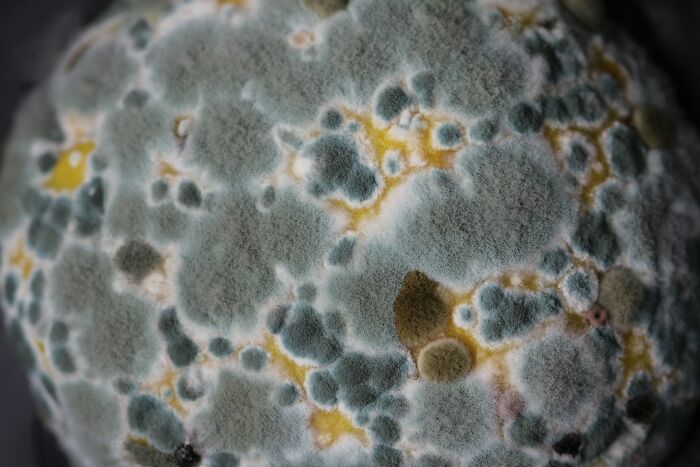 Clinical lab scientist here, doing the testing. I once saw mold growing from a brain tissue - patient was immunocompromised. The type of mold growing was common environmental flora: Alternaria species.
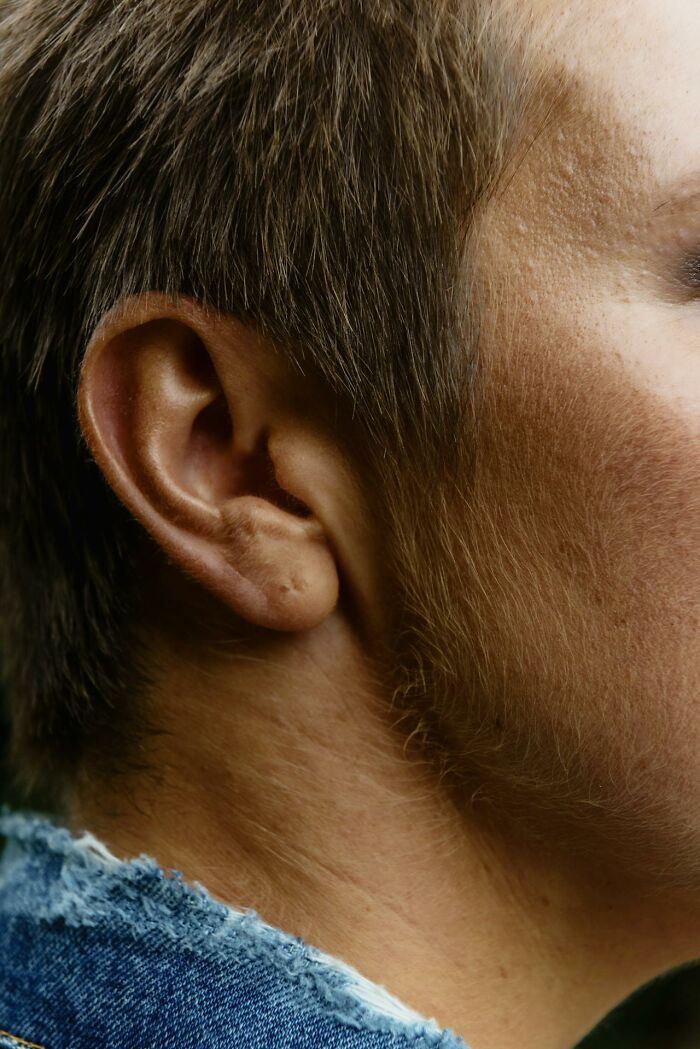 Objective tinnitus- I could lean close to the patient’s ear and hear a ringing noise coming out.
Central Deafness- patient had an anoxic brain injury and was essentially deaf even though there was nothing wrong with his ears.
Edit- I went to bed and this blew up! Thanks for the awards! To answer some of the questions below: the objective tinnitus was following an ear surgery. The patients middle ear muscles were twitching constantly causing a ringing sound and her eardrum was acting like a speaker so we could hear it outside her head. This does not happen often and I will probably never see it again. I don't know what ended up happening with her but I think the ENT did some revision to try to fix it. This is very different than subjective tinnitus (the normal kind where the ringing is only heard in your head). That is caused by a lot of different things, but we generally don't know why it happens and don't have a lot of great ways to fix it.
The central deafness happened when oxygen deprivation damages the auditory areas of the patients brain. He could not hear anything, could not understand speech, relied on writing and lipreading to communicate. Interestingly, he also had some noticeable trouble with his speech. He had what we call "deaf speech." That is the particular type of articulation errors we see in patients who are deaf. Even though he was an adult when this happened. He also had a lot of memory problems. After several years of rehab and treatment he regained a fair amount of hearing ability.
 The rarest I've encountered is KID Syndrome (Keratitis Ichthyosis Deafness). A 5 year old, very sweet, blind girl who literally had rough, thick, opaque skin on the surface of her eyes.
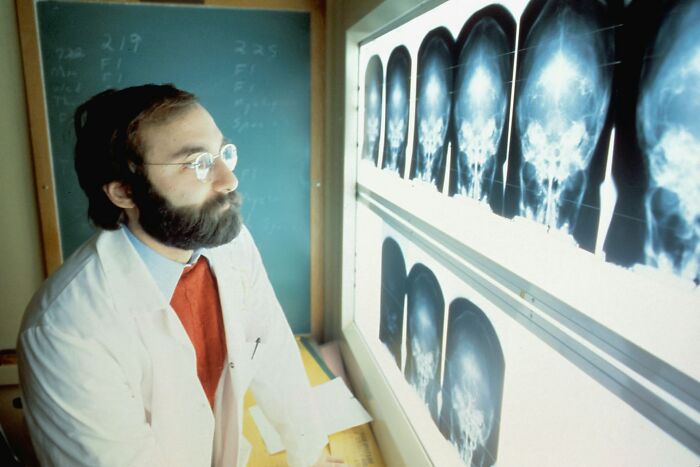 Neurologist here- we see a lot of weird stuff. Autoimmune encephalitis (“Brain on Fire”), late onset familial neuromuscular diseases, rare presentations of cancer, or paraneoplastic disorders. But one rare one sticks out for me.
We had a patient who had come in with confusion and aphasia (trouble speaking and understanding). We got more of a workup and saw small strokes all over, but in peculiar distributions, and not ones that would explain his findings. Along with it we saw micro bleeds all over superficial parts of his brain.
Turns out he has what’s called Cerebral Amyloid Angiopathy Related Inflammation. It’s an extremely rare inflammatory subtype of a stroke disorder that we still aren’t totally sure what it is. It has similar amyloid deposition you see in Alzheimer’s, deposited around vessels, which makes them weak and prone to stroke and bleeding. It causes rapidly progressive dementia.
I presented the case to our department, a large academic center, and most had never heard or seen it in their career. A couple of the stroke doctors were the only ones who knew about it and they’d never seen it. Really interesting case.
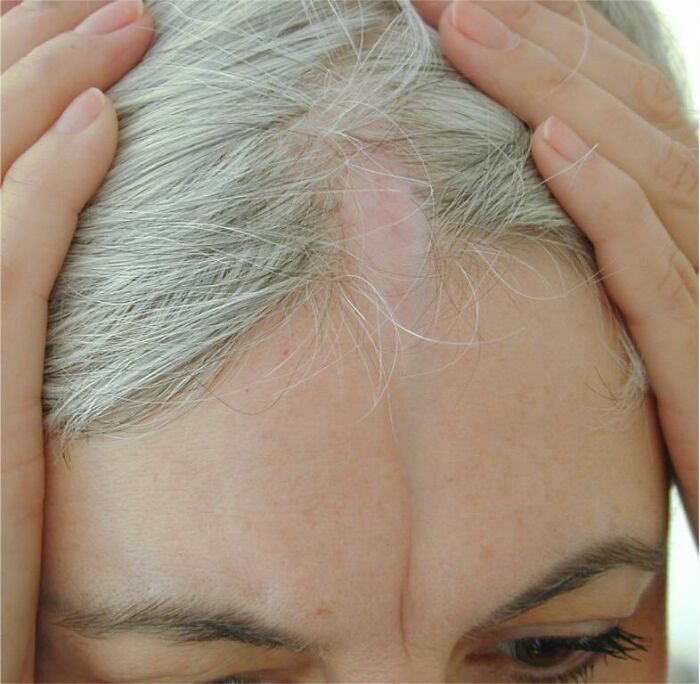 Em coup de Sabre. It’s a rare form of scleroderma that makes your skin looks like you’ve been cut by a knife down the center of your face. This poor lady’s mandible actually split in half.
As a person with CREST, a form of systemic scleroderma, this is very unsettling.
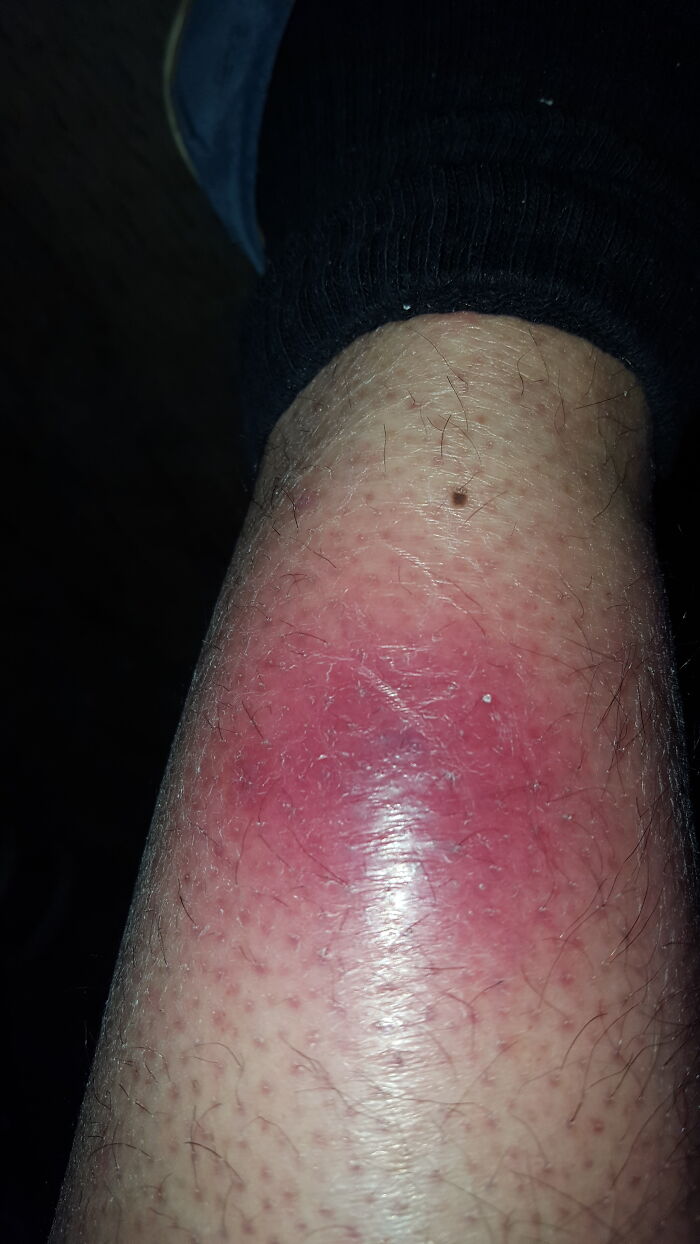 Necrotizing fasciitis ie. flesh eating skin disease. Terrifying.

Had a lady come in with a small wound on her labia. CT scan showed her entire pelvis was full of necrotizing fasciitis. She dies a few days later. Be careful shaving down there yall especially if you're a diabetic!.
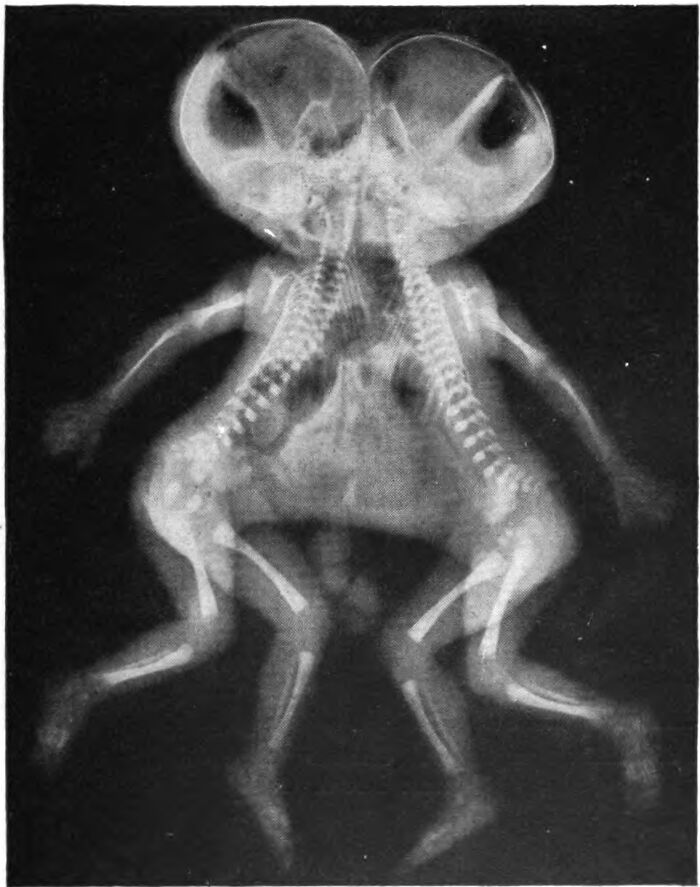 OBGYN here. Hmm probably conjoined twins (thoracophagus) and a couple of cases of complete androgen insensitivity syndrome.
CAIS is a rare genetic disorder where the body is unable to respond to male hormones (androgens). People with CAIS are typically raised as and identify as female, but they have a 46,XY genetic makeup (which is typically associated with males) and possess undescended testicles, not a uterus or ovaries. Because their body cannot respond to testosterone, their external genitalia develop as female, leading to a typical female appearance at birth, normal breast development at puberty, and usually a female gender identity.
 Pathologist here. Rare diseases for most other doctors are commonplace in our field (I’ve diagnosed multiple leprosy cases and rare cancers that have only a few published cases in the literature).
Some are so rare there aren’t names, and we just describe the cancer. Intellectually challenging for us, terrible for oncologists who might not know how to treat that entity.
 A Marjolin ulcer. It's a type of cancer that grows on damaged skin - mostly burned skin. I handled a patient with one on junction where her neck and back met (I was the anesthesiologist) and the patient can't lie down flat due to the pain, which made placing an endotracheal tube way more difficult.
 Nurse here. Cared for a patient who was the victim of Munchausens by proxy.
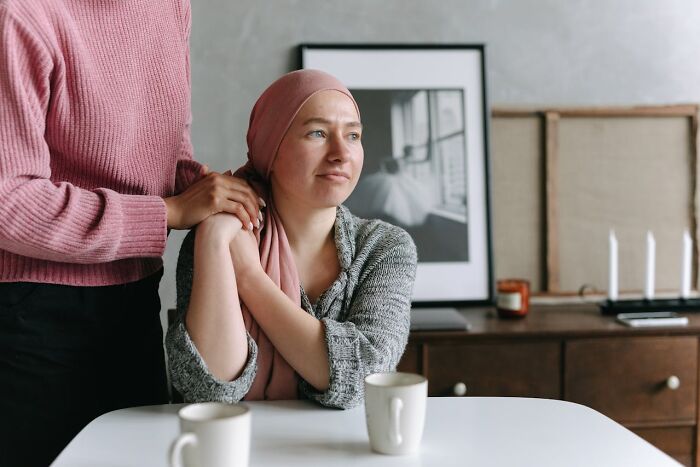 I was diagnosed with a Chordoma 8 years ago. One person in a million gets it. I tell people if you have to get cancer, get one of the common ones, treatment is way better!
Chordoma is a rare malignant bone tumor that typically forms in the spine or the base of the skull.
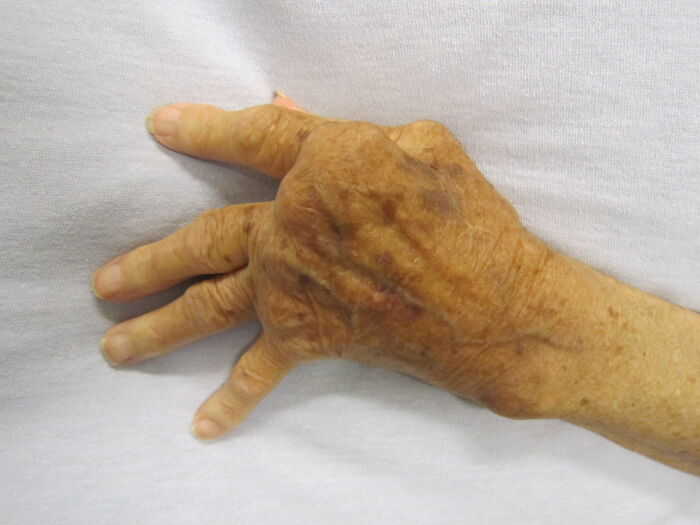 Hmmm. Rarest? Off the top of my head? I don’t know. I did see a woman with psoriatic arthritis type 5. It’s an autoimmune disease. It had basically disintegrated all her fingers to nubs. They had the exact shape of short, stubby sharpened pencils.
Edit: I think it’s called distal interphalangeal predominant psoriatic arthritis. And the pics I googled still don’t do it justice. She looked like she had sharpened pencil stubs for fingers, like strange little claw hands. I was an intern at the time. The woman laughed at my amazement. She was obviously comfortable with it at this point.
Edit edit: I got the precise name of the disease wrong. Somebody below pointed out to me that it’s actually a more severe form called psoriatic arthritis mutilans.
 I'm a patient, and I was diagnosed with WPW after a brutal hit to my chest, while playing football. It took 2 catheter ablations, to correct the problem. Both doctors, and the hospital staff have never seen anyone diagnosed with WPW in their teens. So I was recovering around people in their 60s and 70s. It was a life changing moment, if your a cardiologist in Northeast Illinois, Mchenry, Lake and Cook County, you may have saved my life. Thank you all and Godspeed.
I have WPW (Wolff-Parkinson White Syndrome) It's a condition you're born with where there's an extra electrical pathway in your heart. In certain situations it can cause tachycardia. They found mine by accident when I was about 10. To cure it they ablate (burn away) the extra pathway. I've never had it done because mine doesn't bother me, but some people can have serious symptoms.
 I am a ER nurse and was able to witness a case of advanced Fournier’s gangrene. That was the wildest thing I have ever witnessed. Keep the sick bag close when you look that one up.
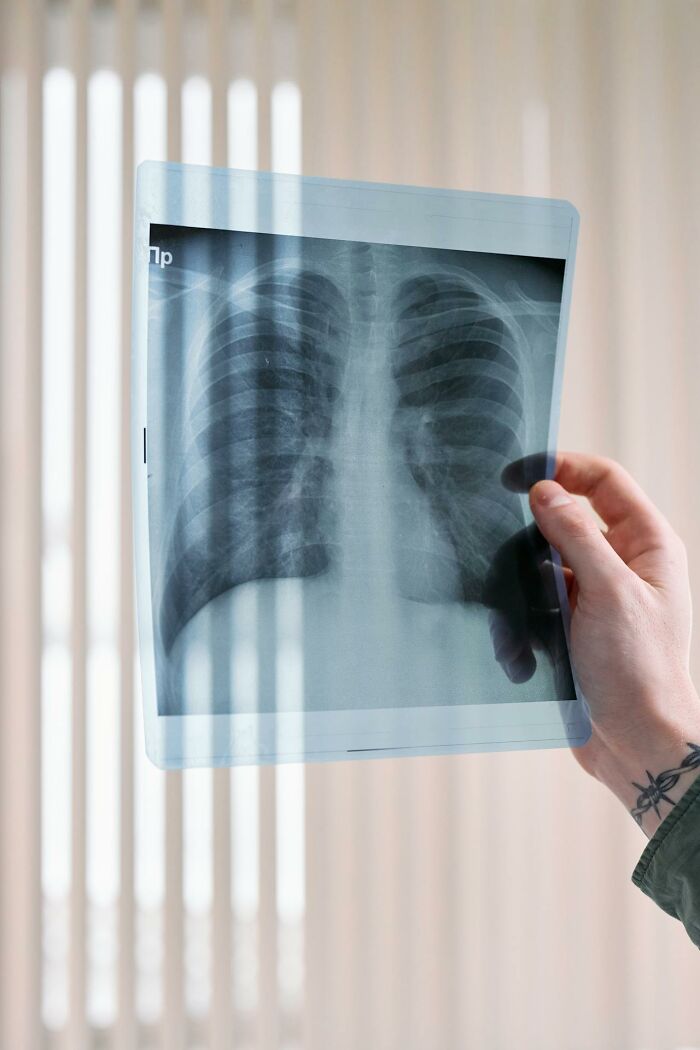 Goodpasture’s syndrome, incidence rate of 1 in a million. Autoimmune condition that affects the lungs and kidneys.
Goodpasture syndrome's symptoms involve both the lungs and kidneys, such as coughing up blood, difficulty breathing, and kidney problems like reduced urine, blood in the urine, or swelling in the legs. Early signs can also be vague, including fatigue, weakness, and nausea. Without prompt treatment, the condition can lead to severe kidney failure and other serious complications.
 CLN6 - only about 125 cases described in the literature. My brother has the disease and I am a carrier. His diagnosis was unknown until I had extensive genetic testing done prior to fertility treatment and found I was a carrier. I’m also an IM doc, driven initially by my desire to figure out what disease my brother had. I have seen vCJD. There was a small cluster at a hospital I trained at thought to possibly be associated with wild game. I also had a patient with Leigh syndrome.
Batten Disease is one of the CLN mutation disorders. It's also known as childhood Alzheimer's. There's no cure.
 Probably not the rarest I’ve ever seen, but fournier’s gangrene comes pretty close. Only saw it once in my career. Don’t look it up if you value your stomach contents.
Fournier's gangrene is a rare but life-threatening infection that rapidly spreads through the tissues of the genital and perineal areas. 😱
Story that ends with a rare diagnosis: My mom takes my 5-yr-old brother, who had complained about a stomachache, to our AF base hospital. He runs ahead. When my mom gets to the admittance desk, the receptionist is skeptical when Mom gives our last name (people sometimes tried to sneak others in to get free healthcare). "He said his name is Heimerschmit." She had to explain that we often sang, "John Jacob Jingle Heimerschmit" substituting his actual first and middle name. He's in the examination room. The doctor asks my mom, "Does he have a fever?" No. "Has he been vomiting?" No. "Well what does he have?" My brother: "I got new socks!" Rare diagnosis: Upon examination, the doctor exclaims, "Spangled hair syndrome! I've never seen it before!" He was talking about what we called his "fuzzy" - a kinky tuft on his crown of otherwise straight hair. Legendary story in my family, and much less harrowing than these other rare diagnoses!

Apparently, my condition seemed to confuse doctors. I was born swirling dark patterns on my skin. Well, actually, more correctly, I was born with a lack of skin pigmentation that left me with only normal pigmentation levels in areas that look like swirling dark patterns. Some form of hypopigmentation. The color patterns present in a way similar to that you'd seen in someone with chimerism, but we never actually got an answer on what was going on with my skin. They took a chunk out of my side that's still missing (Ok, it was probably just a small patch of skin, but as I grew, the site of the removal grew with me). Apparently, my mother was not entirely happy with them indulging in medical curiosity to with her baby, so they never did get a full answer. Also later found out that on the palest areas, my hair comes in as bone white. I think that aspect actually got worse over time. Probably combined with natural loss of hair color and the already low pigment levels.
Story that ends with a rare diagnosis: My mom takes my 5-yr-old brother, who had complained about a stomachache, to our AF base hospital. He runs ahead. When my mom gets to the admittance desk, the receptionist is skeptical when Mom gives our last name (people sometimes tried to sneak others in to get free healthcare). "He said his name is Heimerschmit." She had to explain that we often sang, "John Jacob Jingle Heimerschmit" substituting his actual first and middle name. He's in the examination room. The doctor asks my mom, "Does he have a fever?" No. "Has he been vomiting?" No. "Well what does he have?" My brother: "I got new socks!" Rare diagnosis: Upon examination, the doctor exclaims, "Spangled hair syndrome! I've never seen it before!" He was talking about what we called his "fuzzy" - a kinky tuft on his crown of otherwise straight hair. Legendary story in my family, and much less harrowing than these other rare diagnoses!
Apparently, my condition seemed to confuse doctors. I was born swirling dark patterns on my skin. Well, actually, more correctly, I was born with a lack of skin pigmentation that left me with only normal pigmentation levels in areas that look like swirling dark patterns. Some form of hypopigmentation. The color patterns present in a way similar to that you'd seen in someone with chimerism, but we never actually got an answer on what was going on with my skin. They took a chunk out of my side that's still missing (Ok, it was probably just a small patch of skin, but as I grew, the site of the removal grew with me). Apparently, my mother was not entirely happy with them indulging in medical curiosity to with her baby, so they never did get a full answer. Also later found out that on the palest areas, my hair comes in as bone white. I think that aspect actually got worse over time. Probably combined with natural loss of hair color and the already low pigment levels.

































 No fees, cancel anytime