Get Premium
Dark mode theme is available exclusively for premium users. Learn more about the benefits of subscribing.
No fees, cancel anytime.

 Dark Mode Ad-Free Browsing Unlimited Content
 Ad-Free Browsing Unlimited Content Dark Mode
Join 1.2 million Panda readers who get the best art, memes, and fun stories every week!




The world watched this past weekend as U.S. President Donald Trump announced that his military had totally "obliterated" three of Iran's nuclear sites. Depending on what happens next, the current events could go down as some of the most important in history. Or they could be glossed over and long-forgotten in years to come.
History loves a headline. But while we often remember the big ones, many remain overshadowed. Almost like a great movie scene that just didn't end up making the final cut for whatever reason. That's not to say these events didn't have a massive impact on the world. Many of them did. They just somehow became footnotes, buried under the weight of more famous stories.
Bored Panda has dug up a list of epic historical events that we believe deserve to be remembered. Keep scrolling, and don't forget the details... on the off-chance they come up during your next trivia quiz. We also tell you the forgotten story of how Australia's army declared war on thousands of flightless birds, and lost. You'll find that between the images.
This post may include affiliate links.
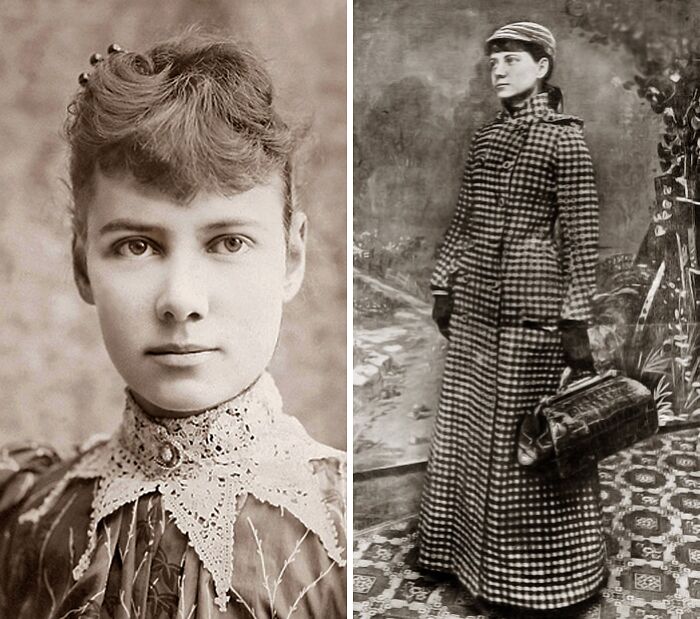
Inspired by Jules Verne's novel Around the World in Eighty Days, journalist Elizabeth Jane Cochrane, writing under the name Nellie Bly, set out in November 1889 to make the fictional journey a reality, aiming to circle the globe in 75 days. Despite some rough weather on the Pacific crossing that put her two days behind schedule when she reached San Francisco, her employer at the New York World, Joseph Pulitzer, arranged a private train to speed her home. Ultimately, Nellie Bly completed her groundbreaking trip around the world in an astonishing 72 days, arriving back in New Jersey in January 1890, a feat she chronicled in her book.

Awesome! This is a movie that needs to be made! Oh - looked it up. There was a movie made of her reporting, but it was for having herself committed into an insane asylum to expose what went on there. Amazing woman!
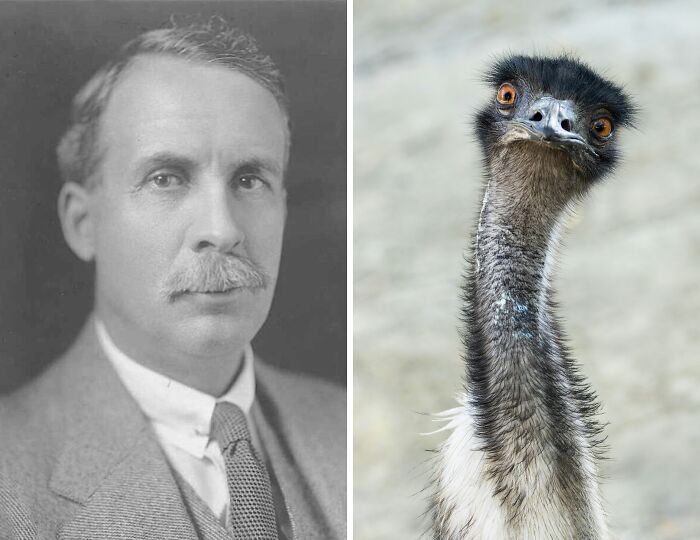
We've heard of World War I and World War II, and many of the others fought on either side. But did you know that in 1932, Australia declared war on a group of birds? Quite literally...
The government ordered the Royal Australian Artillery to go to battle, armed with light machine weapons and 10,000 rounds of ammunition. They were to successfully "obliterate" around 20,000 emus that had shacked up on land reserved for farming. The giant flightless birds were destroying fences and causing chaos for anyone attempting to grow wheat in already difficult circumstances.
One would think that the military had it all figured out. But after 6 days of soldiers pulling out all the stops, the emus won the war. Yes, really.
During the American Civil War, specifically after the Battle of Shiloh, some soldiers' wounds were observed to emit a faint glow, a phenomenon that became known as "Angel's Glow." It is now believed that this glow was caused by infection with the bacterium Photorhabdus luminescens. Interestingly, this particular bacterium produces antibiotics, which likely aided in the survival of these soldiers by preventing more dangerous infections in their wounds.
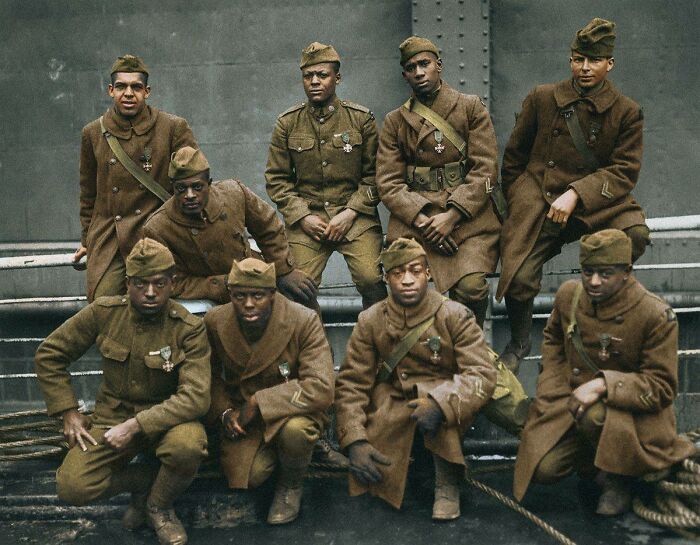
The Harlem Hellfighters, an African American regiment, earned their fierce nickname from their German adversaries due to their incredible bravery and fighting spirit during World War I; they were also known as the "Black Rattlers" and the French called them "Men of Bronze." This unit distinguished itself by spending an astounding 191 consecutive days in front-line trenches, more continuous combat time than any other American unit of comparable size. Tragically, their valor came at a high cost, as they also endured more casualties than any other American regiment, with over 1,400 losses.

It should be remembered that the US Armed forces were racially segregated until 1948.
The emus had responded to the ambush by breaking up into small groups and scattering in all directions. The army was taken aback, and their plan to take out all the birds at once ground to an abrupt halt. After regrouping, the soldiers tried again...
This time, creeping up to a thousand-strong flock, and holding fire until the birds were too close to miss. The God of birds must have intervened, because as a former veterinary nurse reports, one of the weapons jammed and many of the emus escaped. Efforts to target the birds from the backs of moving trucks also failed.
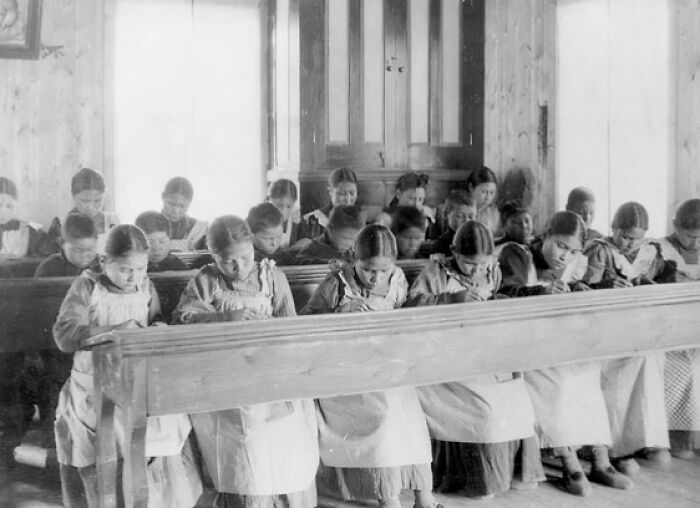
The explicit goal of Canada's Indian residential school system was to assimilate Indigenous children, a process that involved isolating them from their families, cultural heritage, and spiritual traditions. Over the system's more than 160-year existence, around 150,000 children were taken from their homes and placed in these institutions, which operated across most provinces and territories. These boarding schools were predominantly administered by various Christian churches, with funding provided by the Canadian government's Department of Indian Affairs, especially after the Indian Act of 1876, and attendance was made compulsory in 1894; the last federally-funded school did not close until 1997.
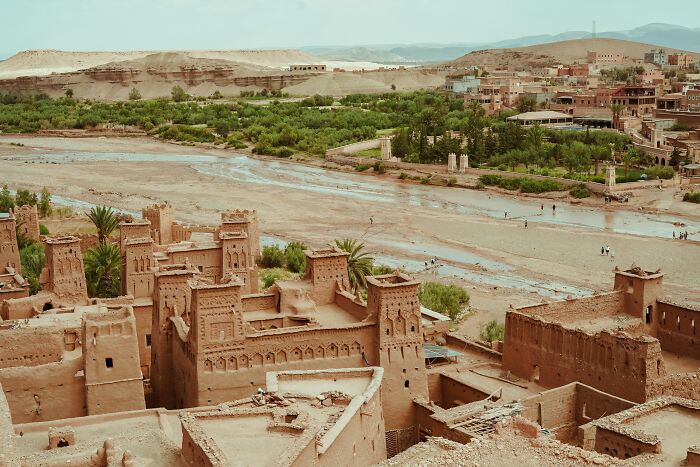
Soon after the American Revolution began, Morocco extended a significant early gesture of recognition to the fledgling United States by allowing American ships access to its ports in 1777. This act made Morocco one of the very first countries to acknowledge the new American republic. This early relationship eventually led to the signing of the Moroccan-American Treaty of Friendship in 1786, one of the longest unbroken friendship treaties in U.S. history.

Not one of the first, the very first, and a treaty we still cherish today. Morocco's ambassador gets the honor of always presenting credentials first to a new president, we give Morocco a ton of US Weapons, etc. In WW2, the US told troops to not fire at Moroccan colonial troops unless they fired first, and the King told his troops to disobey the french, and not fire on Americans. It is the same Royal family, and the US supports them
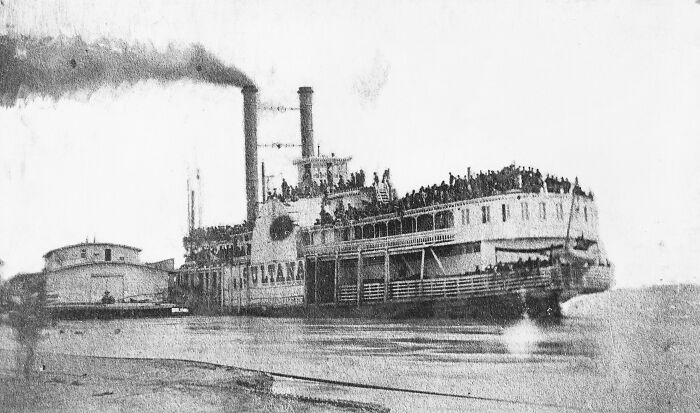
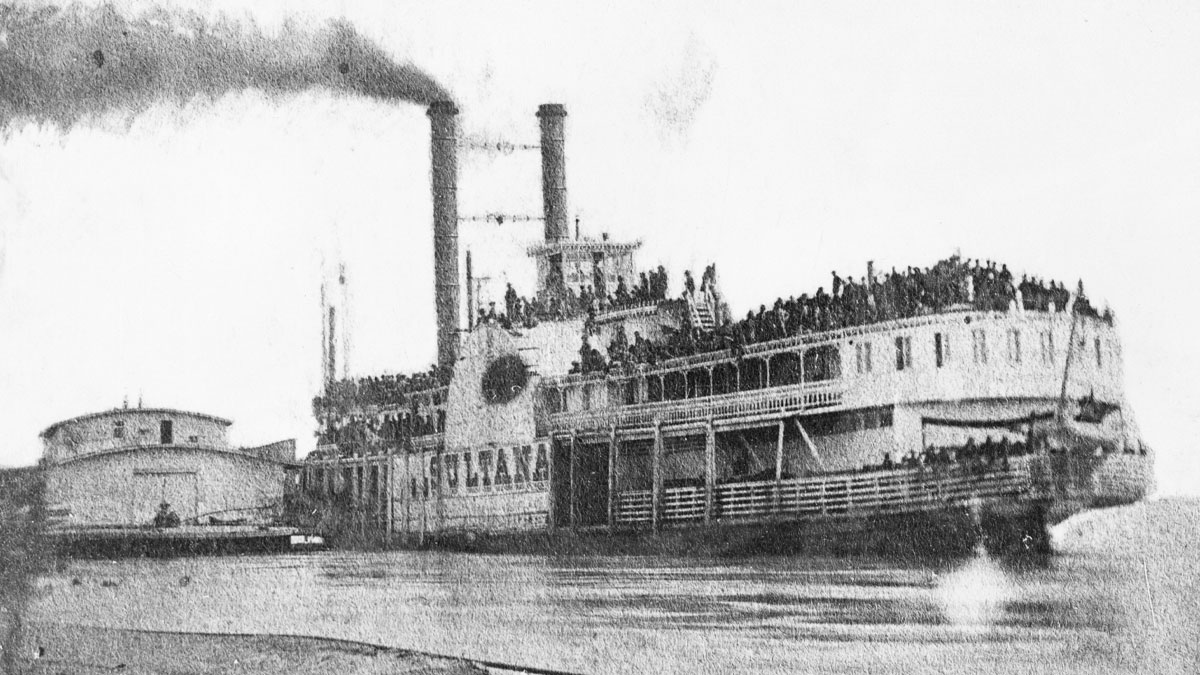
The worst maritime disaster in United States history occurred on April 27, 1865, when the commercial side-wheel steamboat Sultana exploded and sank on the Mississippi River. This tragic event resulted in an estimated 1,864 casualties. The steamboat was severely overcrowded at the time, carrying many Union soldiers recently released from Confederate prisoner-of-war camps, which contributed significantly to the immense loss of life.
Aww, what a terrible tragedy! Surviving soldiers didn't survive the ride home. 😢
"The emu command had evidently ordered guerrilla tactics, and its unwieldy army soon split up into innumerable small units that made use of the military equipment uneconomic," wrote ornithologist DL Serventy, quite tongue-in-beak. "A crestfallen field force therefore withdrew from the combat area after about a month.”
While something worthy of a Netflix drama/comedy, this is just one of the many great events that many people aren't taught about in history class. But, in a nod to nature, we felt it worthy to share with you!
Nine months before Rosa Parks' famous act of defiance, 15-year-old Claudette Colvin was arrested in Montgomery, Alabama, on March 2, 1955, for refusing to give up her seat to a white woman on a segregated bus. This brave act by Colvin, a pioneer of the 1950s civil rights movement who later became a retired nurse aide, was an early challenge to segregation laws, though Rosa Parks' subsequent action, supported by the NAACP, ultimately sparked the pivotal 1955 Montgomery bus boycott.

"...who later became a retired nurse aide...". The link under the photo says, "[Colvin] is a pioneer of the 1950s civil rights movement and retired nurse aide.", so it's not the US Department of State's fault. And it was posted in 2021, so the question today is, is it still there?
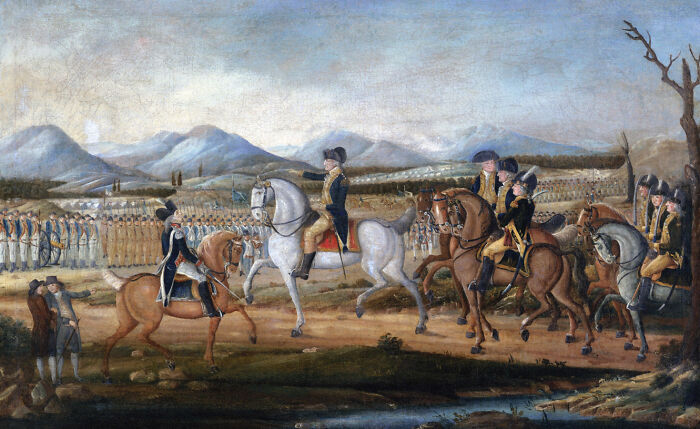
The Whiskey Rebellion, a period of violent protest in the United States from 1791 to 1794, occurred during George Washington's presidency. Farmers on the western frontier strongly opposed the "whiskey tax," the first tax levied by the new federal government on a domestic product, which was intended to help pay off Revolutionary War debts. These farmers, accustomed to distilling surplus grains into whiskey, resisted the tax, leading to a significant challenge for the young nation's authority
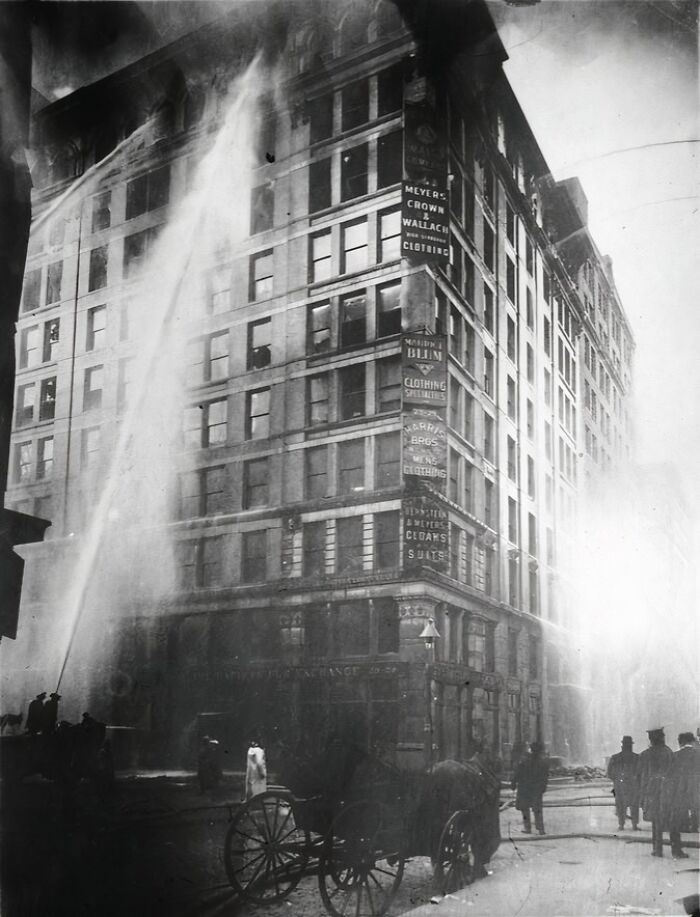
One of the deadliest industrial disasters in U.S. history occurred on March 25, 1911, when a fire broke out at the Triangle Shirtwaist Factory in Manhattan's Greenwich Village. The tragedy claimed the lives of 146 garment workers – 123 women and girls, and 23 men – who perished from the fire itself, smoke inhalation, or by falling or jumping from the building. Many of the victims were young, recent Jewish and Italian immigrant women and girls, with ages ranging from as young as 14, like Kate Leone and Rosaria "Sara" Maltese, up to 43-year-old Providenza Panno. This horrific event became a pivotal moment in labor history, highlighting the dangerous working conditions many faced and leading to significant reforms in workplace safety.

The PBS show, American Experience, did an episode on this. Horrifying, tragic, and of course the owners got an insurance payout and didn't suffer. Despite their actions of limiting entrances/exits below the amount required. Just to ensure none of the poor (literally, most came from a poverty background) didn't take little pieces of scrap with them out of the factory.
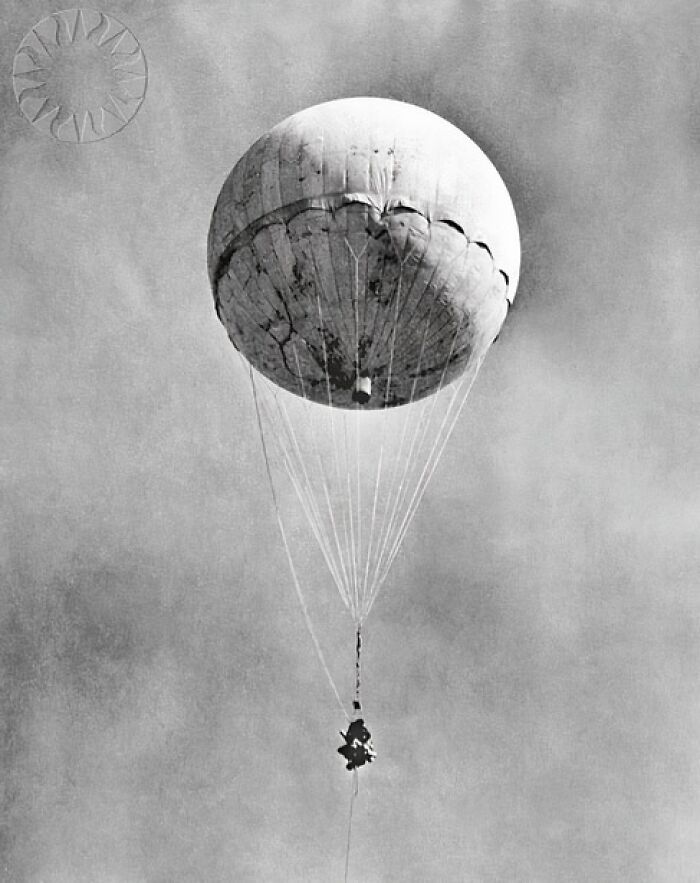
During World War II, between November 1944 and April 1945, Japan launched about 9,300 "Fu-Go" balloon bombs towards North America, hoping to cause widespread panic and forest fires. These weapons were large paper balloons, 33 feet in diameter, filled with hydrogen and carried across the Pacific by high-altitude air currents, now known as the jet stream. Each balloon carried incendiary devices and an anti-personnel bomb, using a clever sandbag system to maintain altitude, though only about 300 were ever found or seen in the U.S., Canada, and Mexico.
The curious thing is, I heard about the almost entirely ineffective Japanese balloon attacks on the US in WWII decades before I heard about the extremely effective British balloon attacks in WWII - aimed at Germany; Germany redirected a lot of air defence resources to defend against them. The big advantage the British attacks had was much closer geographical proximity: https://en.wikipedia.org/wiki/Operation_Outward and https://warfarehistorynetwork.com/article/another-way-to-bomb-germany/
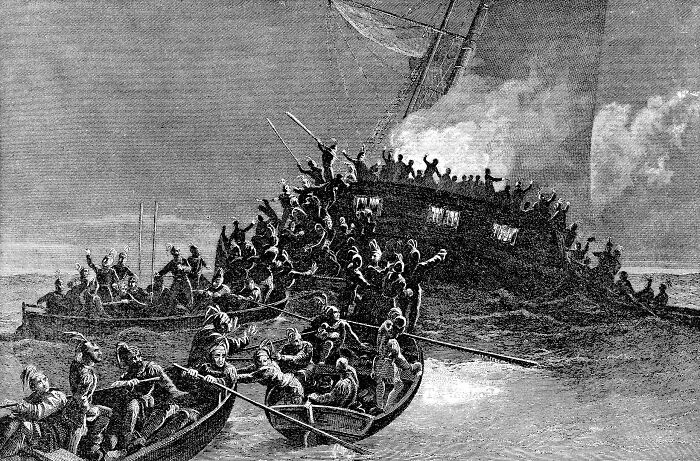
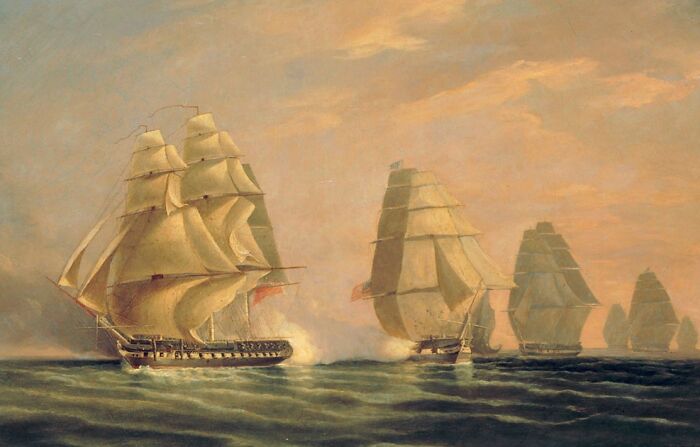
Things really started heating up between American colonists and British officials after a group of locals, led by folks like Abraham Whipple and John Brown I, decided to take matters into their own hands in June 1772. The British ship HMS Gaspee, which had been a real pain enforcing unpopular trade laws (the Navigation Acts) around Newport, Rhode Island, got stuck in shallow water while chasing another boat, the Hannah. This gave the colonists their chance; they rowed out, attacked, and burned the Gaspee right down to the waterline. Coming just a couple of years after the Boston M******e, this bold move definitely pushed everyone closer to the brink of the American Revolution.
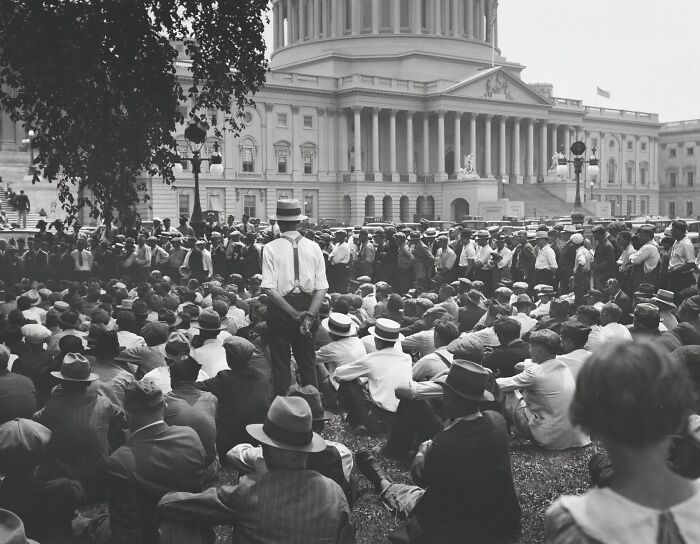
In mid-1932, a large group of around 43,000 people, including 17,000 World War I veterans and their families, converged on Washington, D.C. This demonstration, known as the Bonus Army March, saw about 15,000 of these veterans set up camps in the capital. Their demand was for the early cash payment of service bonus certificates they had been promised for their wartime service, a payment not scheduled to mature for several more years. This event occurred during the depths of the Great Depression, adding urgency to the veterans' plight.
We're going to have to do it again for a fully funded VA run by veterans.
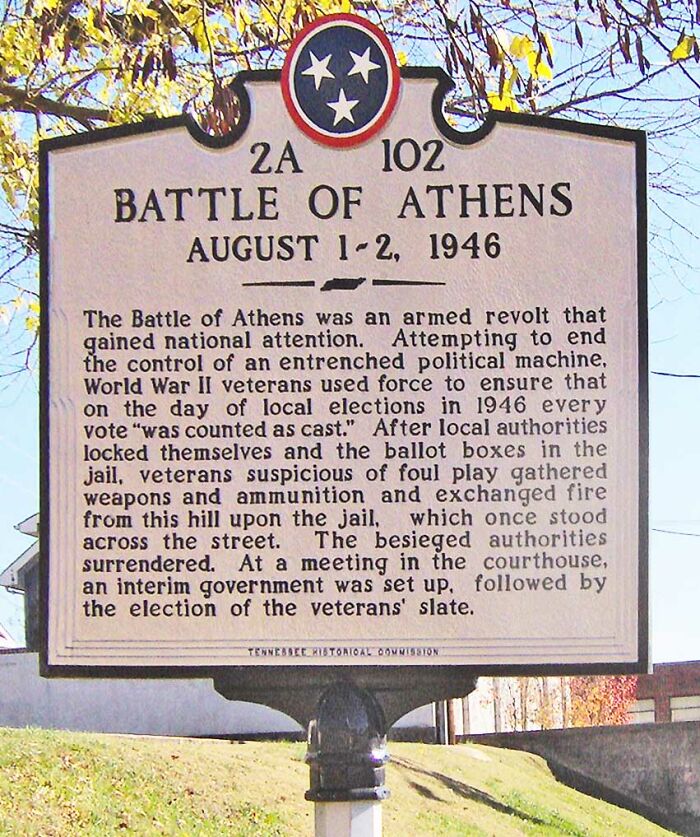
In August 1946, a rebellion known as the Battle of Athens (or the McMinn County War) erupted in Athens and Etowah, Tennessee, as citizens, including some returning World War II veterans, rose up against their local government. The residents leveled serious accusations against local officials, including claims of predatory policing, instances of police brutality, widespread political corruption, and voter intimidation. This armed confrontation was a direct response by the community to what they perceived as an entrenched and abusive local power structure.
Originating in Guizhou, Southern China, the 1957–1958 Asian flu pandemic, caused by an influenza A virus subtype H2N2, spread globally. This worldwide health crisis is estimated to have caused between 1 and 4 million excess deaths, ranking it among the most lethal pandemics in history. Just a decade later, a related viral strain, H3N2, would trigger the Hong Kong flu pandemic of 1968–1970.
And the US ‘health director’ is scaling back the people who prepare for the next pandemic. ‘Those who ignore the lessons of history….’
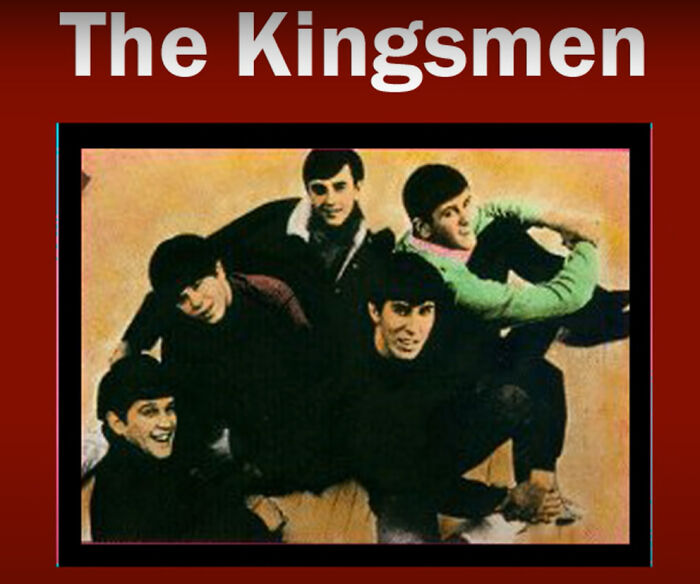
Due to the song's popularity and the garbled, hard-to-understand lyrics of the Kingsmen's 1963 recording of "Louie Louie," some people became convinced the song contained obscene content. This suspicion led to an FBI investigation between February and May 1964 to determine if the song violated laws against transporting obscene material across state lines. Ultimately, the FBI's limited inquiry found no evidence of obscenity in the famous rock and roll track.
- no evidence of obscenity because, just like everyone else, they couldn't really make out the lyrics. 🤣
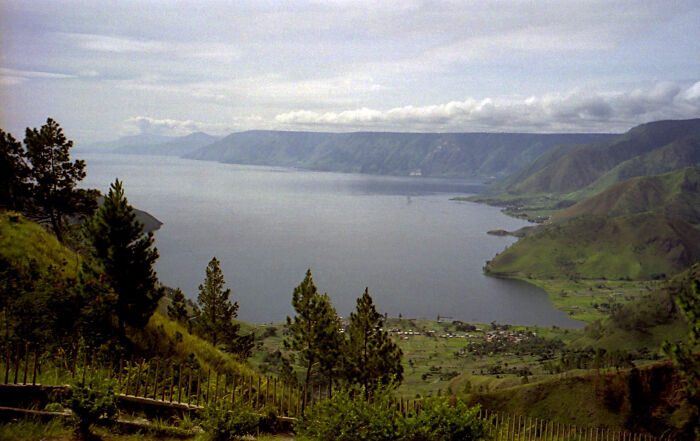
Approximately 74,000 years ago in Sumatra, Indonesia, a colossal supervolcanic event known as the Toba eruption took place, forming what is now Lake Toba. This was the most recent and by far the largest of at least four caldera-forming eruptions at that site, with an estimated volcanic explosivity index of 8. It ranks as the largest known explosive volcanic eruption in the Quaternary period and one of the most powerful in Earth's entire geological history.
On September 9, 1739, the largest slave rebellion in the Southern Colonial era, known as the Stono Rebellion (or Cato's Conspiracy), erupted in the colony of South Carolina. The uprising resulted in the deaths of 25 colonists and between 35 and 50 enslaved Africans. Evidence suggests the leaders of the revolt were likely from the Kingdom of Kongo in Central Africa, as indicated by their Catholic faith and, in some cases, their ability to speak Portuguese.

And maybe also the fact that they are massive men 😂 my first bf was from the ROC, built like a comic book character and didn’t work out
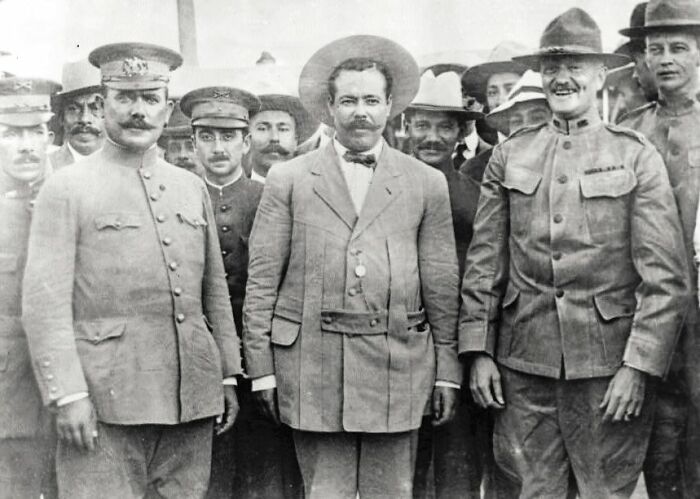
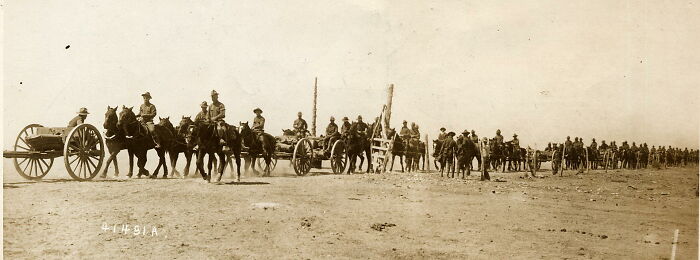
From March 1916 to February 1917, the United States Army conducted a military operation known as the Pancho Villa Expedition (officially the Mexican Expedition, but initially called the "Punitive Expedition"). This incursion into Mexico aimed to capture or disperse the paramilitary forces of Mexican revolutionary Francisco "Pancho" Villa. The expedition was a direct response to Villa's earlier raid on the American town of Columbus, New Mexico, which itself was part of the broader series of conflicts known as the Mexican Border War.

The Pancho Villa Expedition—now known officially in the United States as the Mexican Expedition,[6] but originally referred to as the "Punitive Expedition, US Army"[1]—was a military operation conducted by the United States Army against the paramilitary forces of Mexican revolutionary Francisco "Pancho" Villa from March 14, 1916, to February 7, 1917, during the Mexican Revolution of 1910–1920. Source: Wiki. Just in case anyone else wondered!
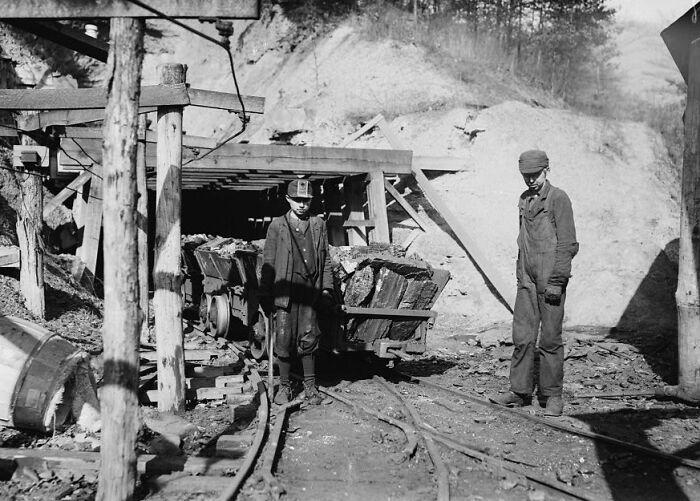
Between roughly 1890 and 1930, a series of intense and often violent labor disputes known as the Coal Wars took place in the United States. These armed conflicts primarily occurred in the eastern part of the country, especially within the Appalachian region, as coal miners fought for better wages and working conditions. However, significant violence related to these labor struggles also erupted in Colorado, particularly after the beginning of the 20th century.

The Battle of Blair Mountain was the largest labor uprising in United States history and is the largest armed uprising since the American Civil War.For five days from late August to early September 1921, some 10,000 armed coal miners confronted 3,000 lawmen and strikebreakers during the miners' attempt to unionize the southwestern West Virginia coalfields. Eventuakky the Army was called out. Again, the USA has a long history of backing rich business against people trying for better life.
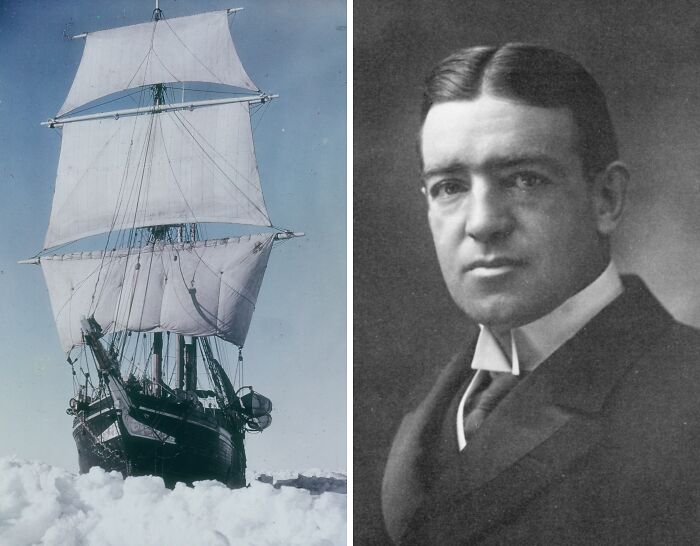
Though ultimately unsuccessful in its primary goal of achieving the first land crossing of the Antarctic continent, Ernest Shackleton's Imperial Trans-Antarctic Expedition of 1914–1917 became legendary as an incredible story of survival and endurance. This journey, considered the last major expedition of the Heroic Age of Antarctic Exploration, was Shackleton's vision after Roald Amundsen had already reached the South Pole in 1911, leaving the trans-continental crossing as, in Shackleton's view, the "one great main object" remaining. Shackleton, who had first led an Antarctic expedition at age 33 aiming for the South Pole, faced unimaginable challenges when his ship was crushed by ice, leading to a remarkable fight for survival by his crew.
This is an amazing story. I really encourage you to read Endurance: Shackleton's Incredible Voyage. Shackleton's leadership skills are still taught today in military schools.
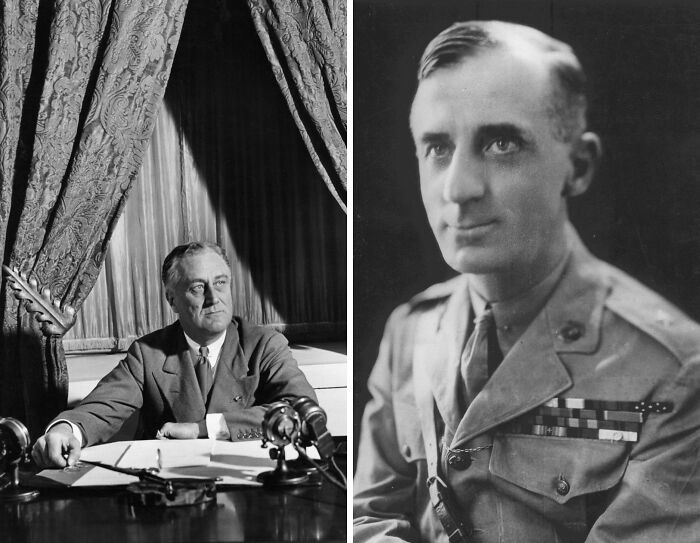
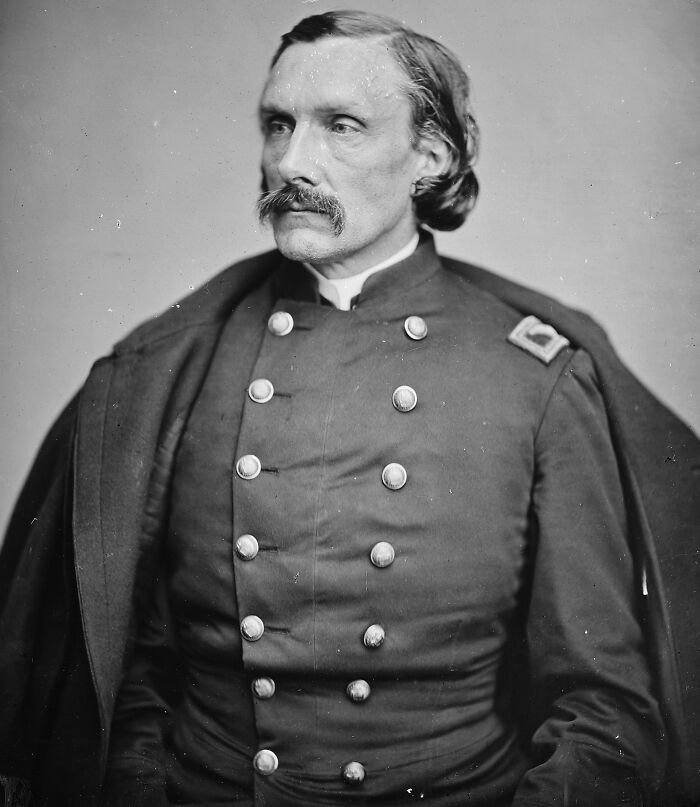
A startling political conspiracy known as the Business Plot, or sometimes the Wall Street Putsch, unfolded in the United States in 1933. Retired Marine Corps Major General Smedley Butler testified that a group of wealthy businessmen approached him with a plan to lead a veterans' organization in a coup d'état aimed at overthrowing President Franklin D. Roosevelt. The alleged goal was to install Butler himself as a dictator, highlighting a moment of extreme political tension and fear during the Great Depression.
And no proof was ever provided by Butler who had his own history of issues and lying to cover his keister (like he actually created and pioneered the brutal US policies in the Caribbean after the Marines took over some Islands, but then tried to fabricate records to blame his superiors when the media took a negative view of it). He also was openly a socialist in 1933, and many were skeptical that business people would approach an open socialists who admired the USSR for their plot.
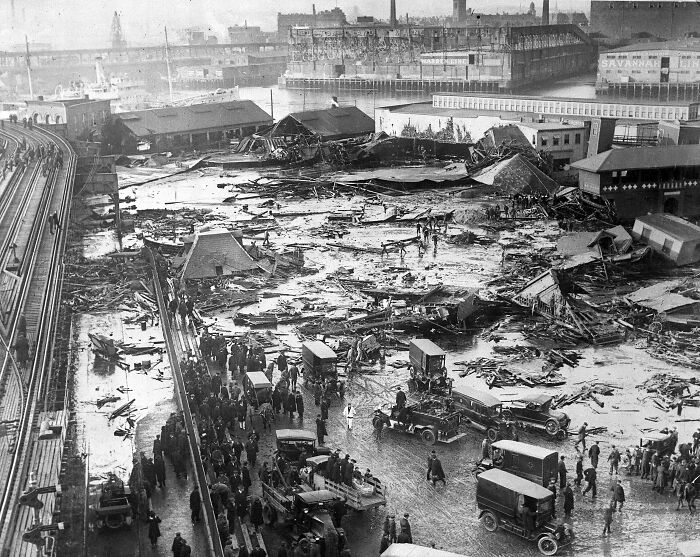
A massive storage tank containing 2.3 million gallons of molasses catastrophically burst in Boston's North End on January 15, 1919, unleashing a destructive wave through the streets at an estimated 35 miles per hour. This disaster, known as the Great Molasses Flood, tragically took lives of 21 people and injured 150 others. The sheer force of the 13,000-ton molasses tide became a part of local legend, with residents claiming for decades that the distinctive sweet smell still lingered in the area on hot summer days.
There have been a few similar disasters - one in London in 1814: https://en.wikipedia.org/wiki/London_Beer_Flood
Throughout the Mexican Revolution, which began in 1910, the U.S. Army maintained a significant presence along the border, leading to several military clashes with various Mexican groups. A notable escalation occurred in 1916 after Pancho Villa attacked Columbus, New Mexico, prompting U.S. forces to enter Mexico. In a unique turn, American and Mexican government forces actually joined together to fight Villa's rebels during the Battle of Ciudad Juárez on June 16, a significant engagement considered the last major battle of what became known as the Mexican Border War, though smaller incursions continued for a few more years.
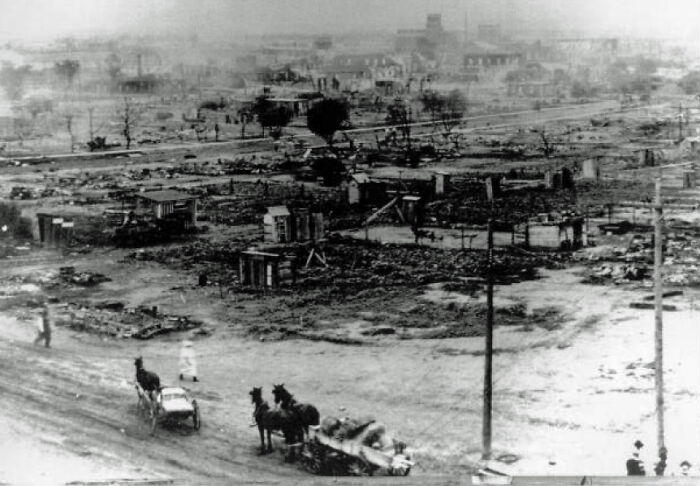
In Tulsa, Oklahoma, on November 9, 1917, during World War I, an act of vigilante violence known as the Tulsa Outrage occurred when members of the Knights of Liberty attacked members of the Industrial Workers of the World (IWW). This incident followed the arrest of 11 IWW men by Tulsa police after a raid on their headquarters. After a brief trial, these men were taken to the edge of town and subjected to tarring and feathering by a group including W. Tate Brady. This event happened in a climate where local county councils, created to support the war effort, often targeted groups like union organizers, and while local media praised the vigilante action, national media largely condemned it.
Mmm - this one's so obscure it's got an entire section devoted to it on a UK newspaper's website: https://www.theguardian.com/us-news/tulsa-race-m******e
In late 1932, Australia saw a rather unusual military operation dubbed the "Great Emu War" by the media, after farmers in Western Australia's Wheatbelt raised concerns about large numbers of emus destroying their crops. The government dispatched soldiers from the Royal Australian Artillery, armed with Lewis machine guns, in an attempt to control the emu population. Despite their efforts and the termination of many birds, the emus persisted, and the crop damage continued, leading to the operation being widely regarded as unsuccessful and somewhat farcical.

I have here a contemporary account of the emu war. It's in the book "walkabout" by Arthur Upfield. Well worth a read. The main reason it was ended was because machine gun bullets were travelling into neighbouring farms with risk to the farmers' stock and lives. They didn't like that much.
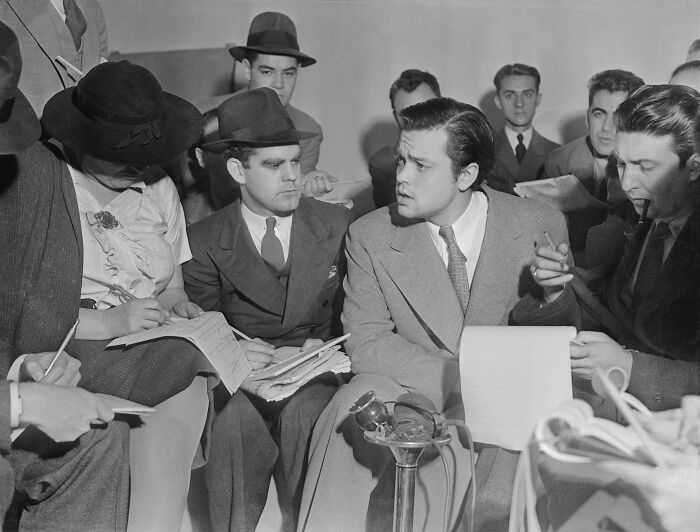
On October 30, 1938, Orson Welles directed and narrated a radio adaptation of H.G. Wells's "The War of the Worlds" for The Mercury Theatre on the Air Halloween episode, broadcast live on the CBS Radio Network. This performance became notorious for reportedly causing panic among some listeners who believed an actual Martian invasion was underway, even though the true extent of this panic is debated and the program likely had a relatively small audience. The realistic news-bulletin style of the broadcast contributed to the confusion and fear experienced by those who tuned in.

I have heard the whole thing was horribly overblown and there was not a panic. https://www.bbc.com/culture/article/20231027-behind-the-broadcast-orson-welles-on-the-mass-hysteria-of-the-war-of-the-worlds
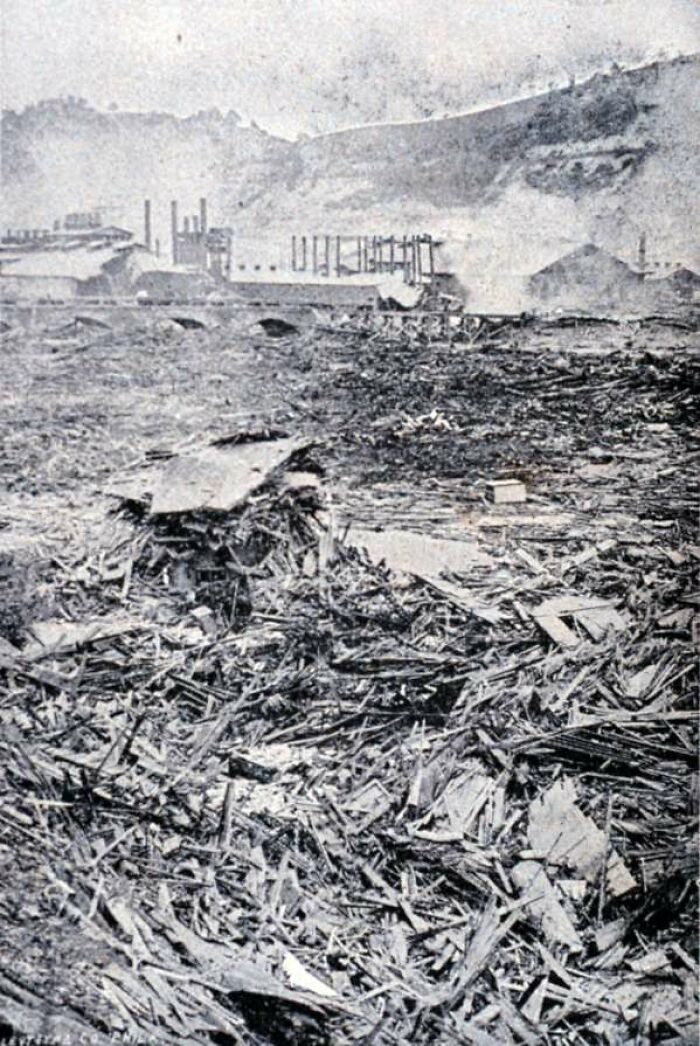
On May 31, 1889, the catastrophic failure of the South Fork Dam, 14 miles upstream from Johnstown, Pennsylvania, unleashed a devastating flood upon the town after several days of heavy rain. The rupture released 14.55 million cubic meters of water, creating a flow rate temporarily matching that of the Mississippi River, and tragically ended the lives of 2,208 people, causing an estimated $17 million in damages. This event, known as the Johnstown Flood, prompted a major relief effort by the American Red Cross, led by Clara Barton, with support pouring in from across the U.S. and 18 other countries, and it later influenced a shift in American law towards stricter liability for dam owners.
It's amazing that so many lives are saved today in the US because of early warning systems in place for natural disasters. Hope they are still adequately funded.
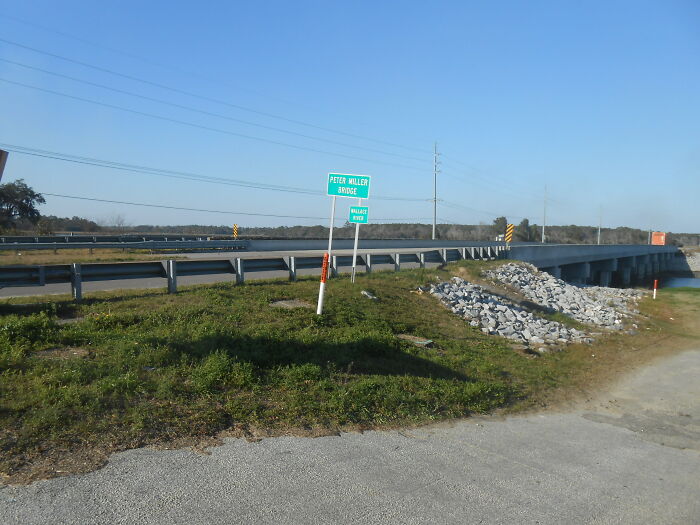
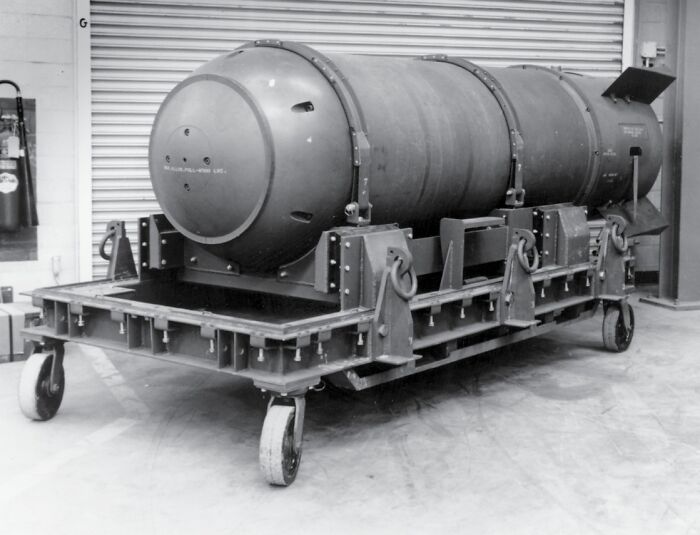
In a frightening incident on February 5, 1958, the U.S. Air Force lost a 7,600-pound Mark 15 nuclear bomb near Tybee Island, Georgia, after an F-86 fighter collided with the B-47 bomber carrying it during a night training exercise. To prevent a crash and potential explosion of the bomber, the crew jettisoned the weapon into the waters of Wassaw Sound. Despite numerous searches, the bomb was never recovered and was eventually declared lost.
Here's a list of similar incidents - so far, only 6 nuclear bombs have been lost and not recovered. https://www.atomicarchive.com/almanac/broken-arrows/index.html
Seeking to pressure the British government to withdraw from Ireland, the Fenian Brotherhood, an Irish republican group based in the United States, launched a series of raids against targets in Canada, then part of British North America. These incursions, which targeted military fortifications and customs posts, occurred in 1866 and again between 1870 and 1871. Ultimately, none of these cross-border actions by the Fenians achieved their intended political objectives.

No, but the continued pressure, (and the outrage by many, even some in the UK parliament, at the continued oppression of the Irish, especially the catholic population) led to the Home Rule act in the 1910s. Thwarted mainly by the threat of a military protestant uprising. The UVF having purchased 25,000 guns and millions of rounds of ammunition to fight against the government to keep Ireland under British control.
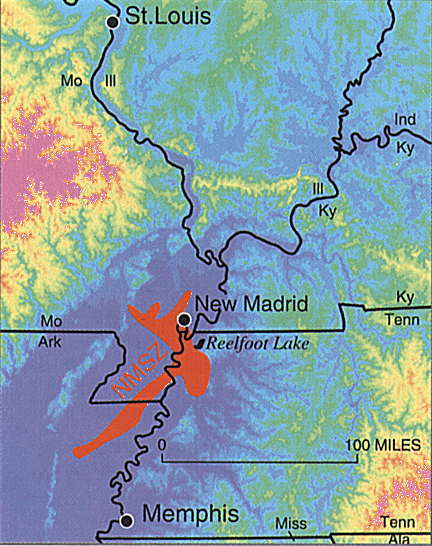
A powerful series of intraplate earthquakes, known as the 1811–1812 New Madrid earthquakes, struck the central United States, beginning with a major tremor of magnitude 7.2–8.2 on December 16, 1811, and a significant aftershock later that same day. Two more earthquakes of comparable intensity followed in January and February 1812, centered near the Mississippi River town of New Madrid in what was then Louisiana Territory (now Missouri). These events remain the most powerful earthquakes ever recorded in the contiguous United States east of the Rocky Mountains.
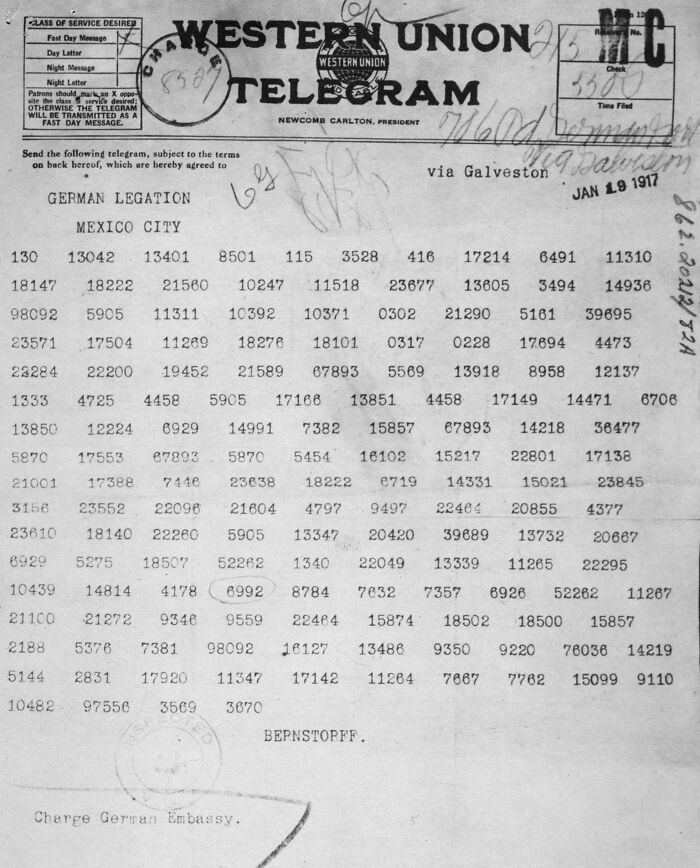
In January 1917, the German Foreign Office sent a secret diplomatic message, now known as the Zimmermann Telegram, proposing a military alliance with Mexico if the United States were to enter World War I against Germany. The deal suggested that, with German assistance, Mexico could reclaim lost territories including Texas, Arizona, and New Mexico. British intelligence intercepted this communication, and its subsequent revelation, particularly after German official Arthur Zimmermann publicly confirmed its authenticity in March 1917, caused widespread outrage in America and significantly contributed to public support for declaring war on Germany in April of that year.
Forgotten historical event? Seriously? Anyone whose school history lessons covers WWI gets taught about the Zimmermann Telegram.
The United States declared war on Great Britain on June 18, 1812, initiating a conflict fought in North America between the U.S. and its allies against the United Kingdom and its allies. Known as the War of 1812, hostilities continued even after peace terms were established in the Treaty of Ghent in December 1814. The war officially concluded only when the U.S. Congress ratified the peace treaty on February 17, 1815.
Notable for British forces occupying and then burning down Washington DC...
Hmm - well, very US-centric, and lots of events which are surely well known. Still, rather interesting. I learnt some things. Thank you.

Most of these event are well known outside of the US, but "quite forgotten" in the US simply because their teaching of history is generally ridiculous. Their curricula relies on wide generalizations and shallow understanding, they learn a sanitized version of history centered around mythological figures, with a broad patriotic and nationalistic narrative; a learning system that is more suited to a trivia game than to a classroom. This is made even worse by the rampant political and religious censorship of textbooks peddled by the far right, that has become standard in several states
Load More Replies... So most of these were covered in high school history class. Is there going to be a pop quiz tomorrow? Maybe next time make it less US-based and more world-centric.

Hmm - well, very US-centric, and lots of events which are surely well known. Still, rather interesting. I learnt some things. Thank you.
Most of these event are well known outside of the US, but "quite forgotten" in the US simply because their teaching of history is generally ridiculous. Their curricula relies on wide generalizations and shallow understanding, they learn a sanitized version of history centered around mythological figures, with a broad patriotic and nationalistic narrative; a learning system that is more suited to a trivia game than to a classroom. This is made even worse by the rampant political and religious censorship of textbooks peddled by the far right, that has become standard in several states
Load More Replies... So most of these were covered in high school history class. Is there going to be a pop quiz tomorrow? Maybe next time make it less US-based and more world-centric.


























 No fees, cancel anytime