Get Premium
Dark mode theme is available exclusively for premium users. Learn more about the benefits of subscribing.
No fees, cancel anytime.

 Dark Mode Ad-Free Browsing Unlimited Content
 Ad-Free Browsing Unlimited Content Dark Mode
Join 1.2 million Panda readers who get the best art, memes, and fun stories every week!
Whoever said time-travelling is impossible is likely forgetting about the power of photographs. These still images represent a moment in time when a person who would make a mark in human history was still walking this Earth.
This list features some of them. We at Bored Panda have compiled some never-before-seen pictures of some of the most renowned historical figures. Mark Twain, Edgar Allan Poe, and Vincent Van Gogh are just some of the biggest names on here, all of which are a must-see.
These photographs come with equally compelling backstories. If you’re a history buff, you will be here a while, so grab a seat.
This post may include affiliate links.
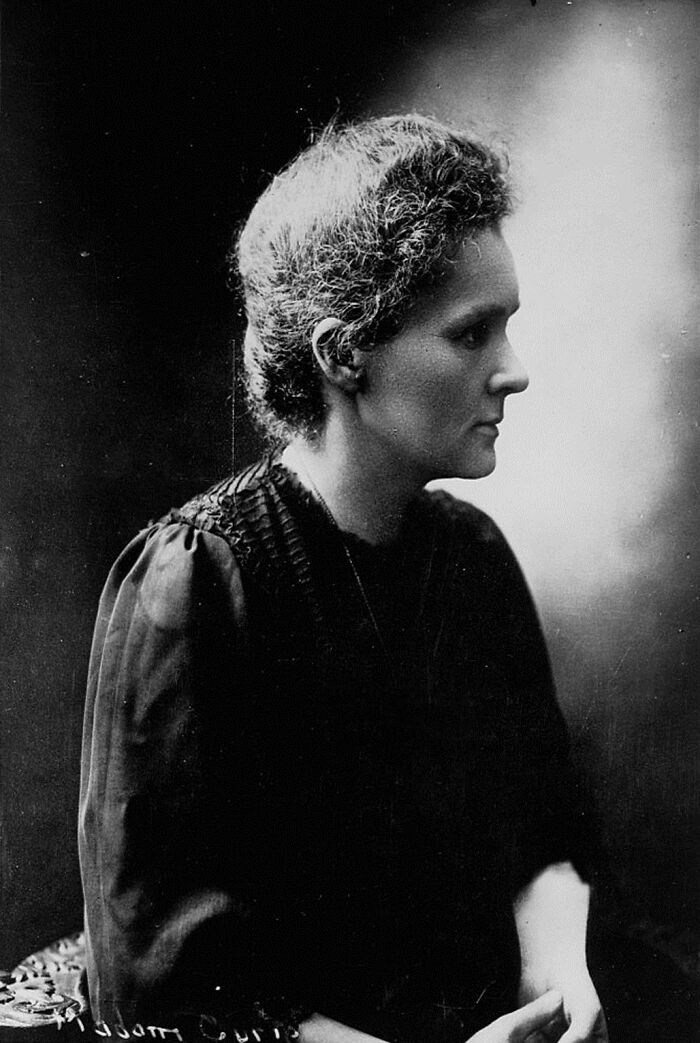
This portrait, snapped sometime between 1890 and 1934, shows the incomparable Marie Curie, the Polish-born French physicist who revolutionized how we understand radioactivity. She holds the incredible distinction of being the first woman to ever bring home a Nobel Prize, sharing the 1903 Physics award with her husband Pierre and Henri Becquerel.
Not content with just one win, she returned in 1911 to claim the Chemistry prize all by herself, cementing her legacy as the only woman to ever dominate two separate scientific fields on that stage.
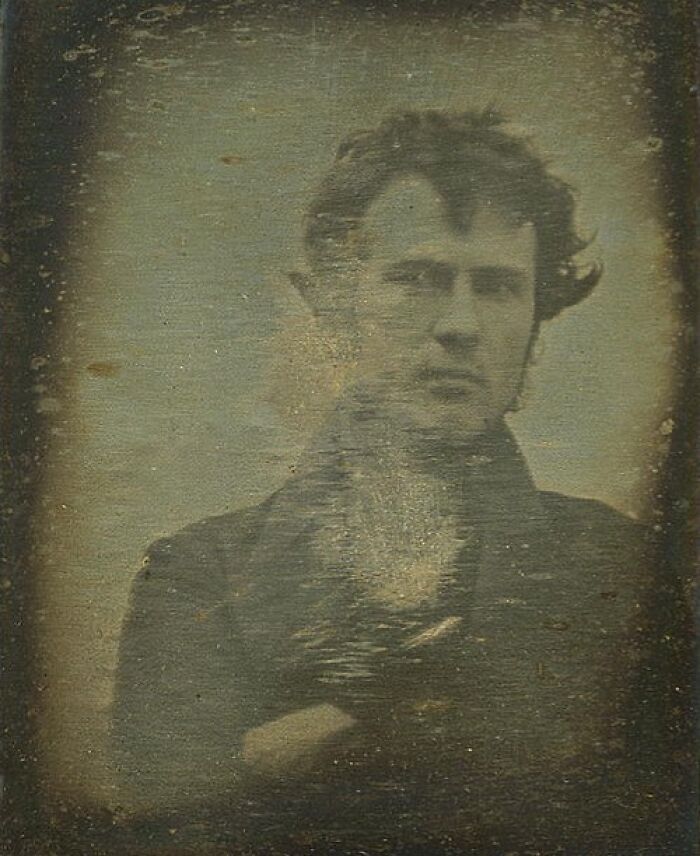
Just a few months after Louis-Jacques-Mandé Daguerre revealed his photographic process to the world in August 1839, Robert Cornelius stepped into the backyard of his family's Philadelphia lamp shop to test the limits of the new medium.
Working outdoors to ensure he had enough light, he used a makeshift camera equipped with an opera glass lens to capture his own likeness. The resulting image is widely recognized as history's first "selfie," proving that human portraiture was possible even when most people thought the required exposure times made it impractical.
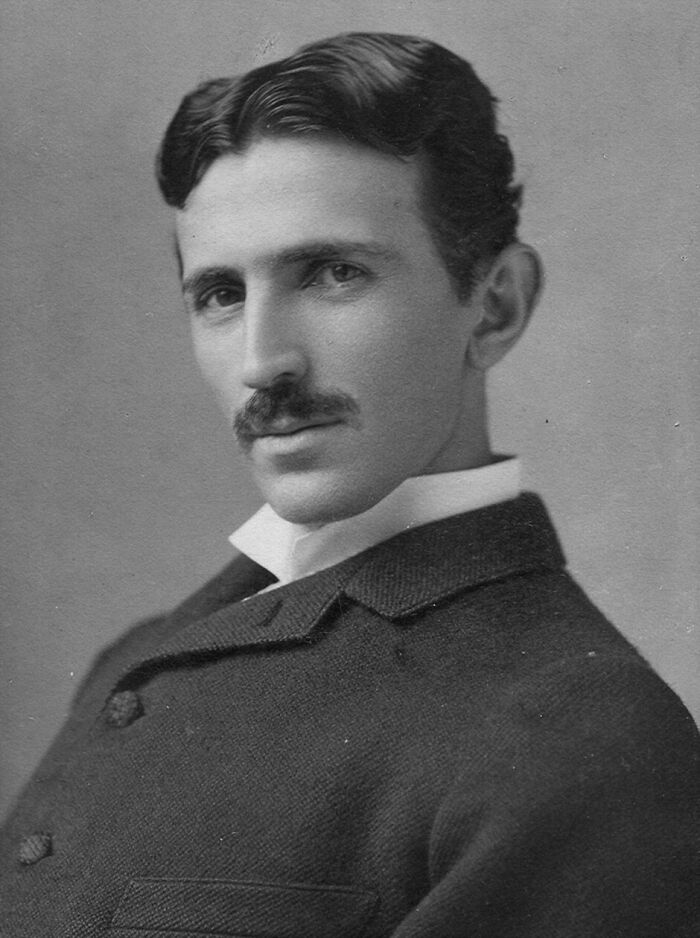
Captured on a cabinet card in 1890, Nikola Tesla looks every bit the visionary futurist who would eventually define the modern age. This Serbian-American engineer is the mind we thank for the alternating current (AC) system that powers our homes today.
The image itself represents a massive trend in late 19th-century photography; becoming popular after 1870, these cards featured a thin print mounted on a 108 by 165 mm board, which served as the standard format for collecting and displaying portraits for decades.
Photographs are, indeed, powerful media. By transporting us back to a moment in time, we can revisit the memories and feelings associated with it.
And nowadays, you can capture every second within one click of a button, a far cry from the photography technology of the time when these photos were taken.
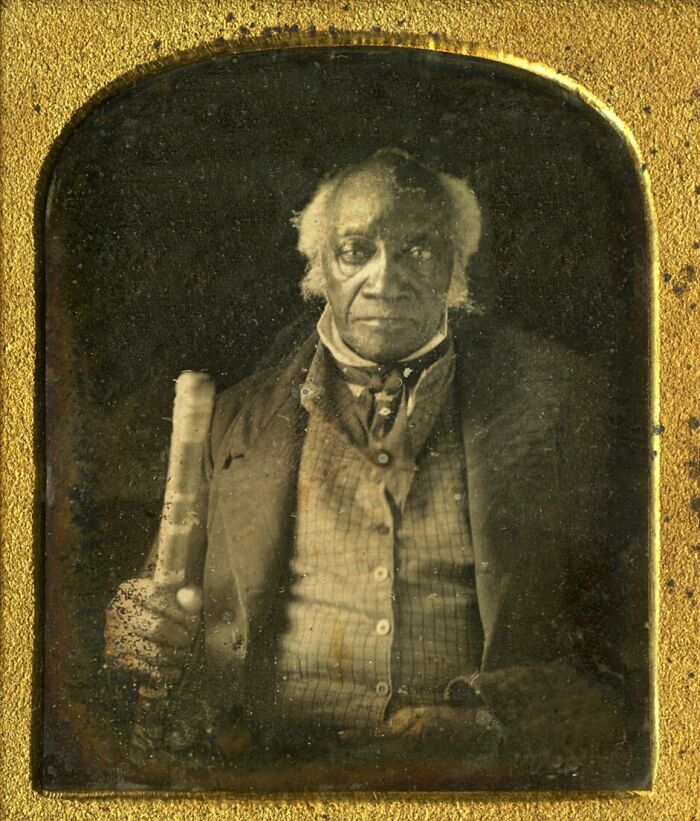
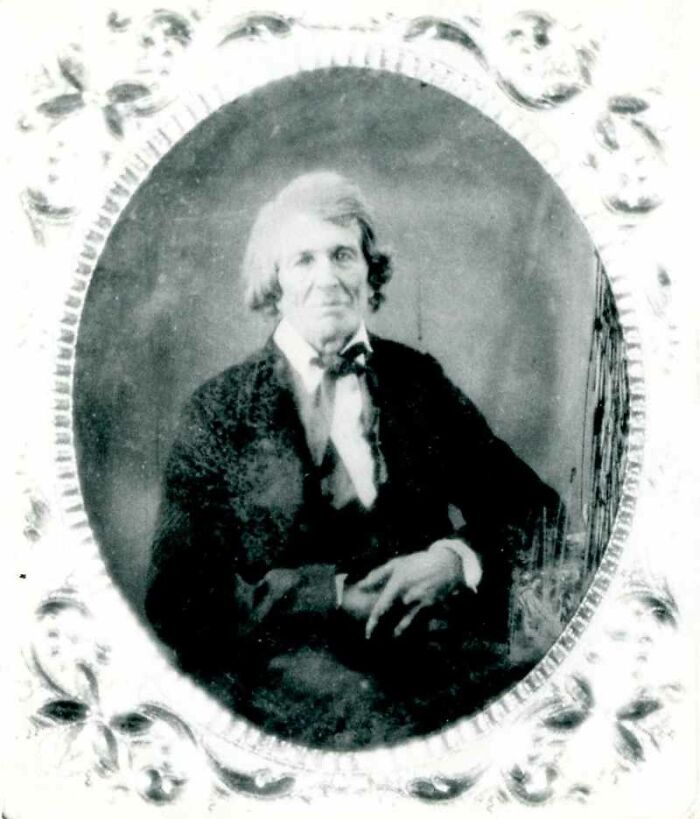
This 1851 daguerreotype offers a truly mind-boggling link to the past, as Caesar is widely believed to be the earliest-born human ever captured on camera, with a birth date estimated around 1737. He spent his life on the Nicoll estate in Bethlehem, New York, watching three or four generations of the family come and go, and eventually became the final enslaved person to be manumitted in the state. After a lifetime of labor, he stopped working at the age of 80 in 1817, remaining with the Nicolls until the end of his remarkably long life.

The caption does rather skip lightly over the fact that he lived almost all his life in slavery, and those generations of his family he watched 'come and go'? They were enslaved people too - enslaved by the Nicholl family in New York state. Why did they 'go'? Either sold, or worked to an early death by the Nicoll family on their estate in Bethlehem, New York. All in New York state - not one of the southern states more associated with slavery. The original 13 colonies were founded to exploit sl@ve labour - blame my lot, the Brits. The Nicholls kept this man enslaved until 1841, although most enslaved people in New York were freed by July 4, 1827.
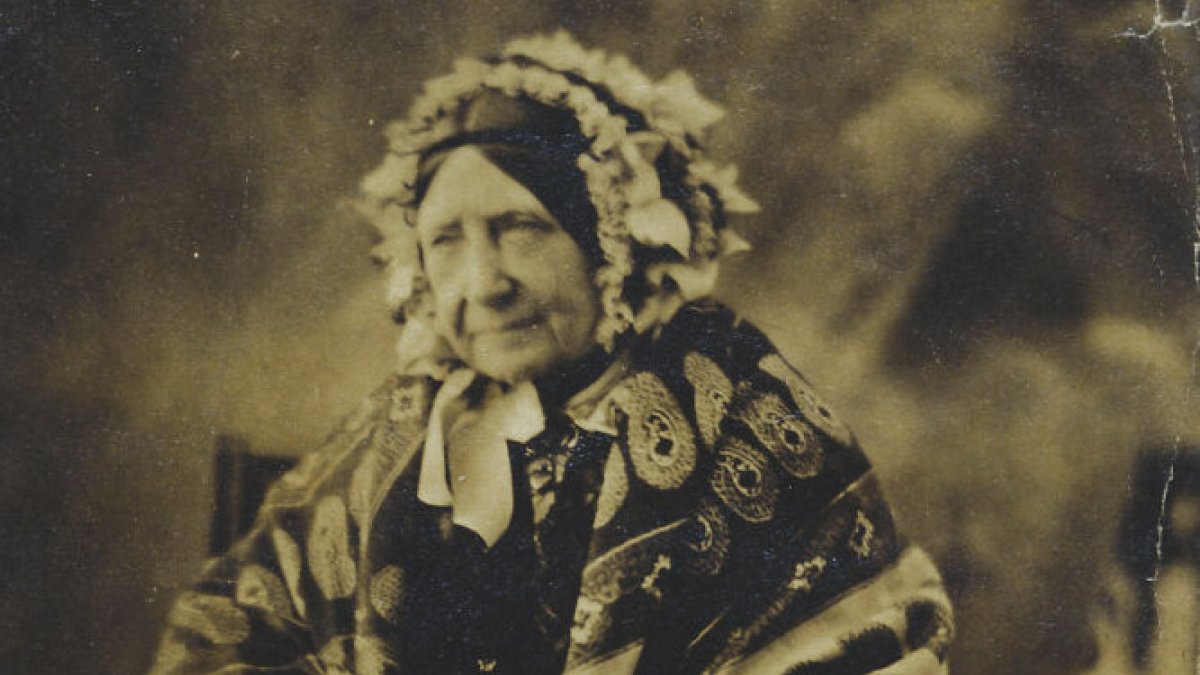
Antoine Claudet was the artist behind the lens for this circa 1856 daguerreotype, preserving the likeness of Princess Mary. As the Duchess of Gloucester and Edinburgh, she came from a seriously large family; she was actually the eleventh kid (and fourth girl) born to Queen Charlotte and King George III.
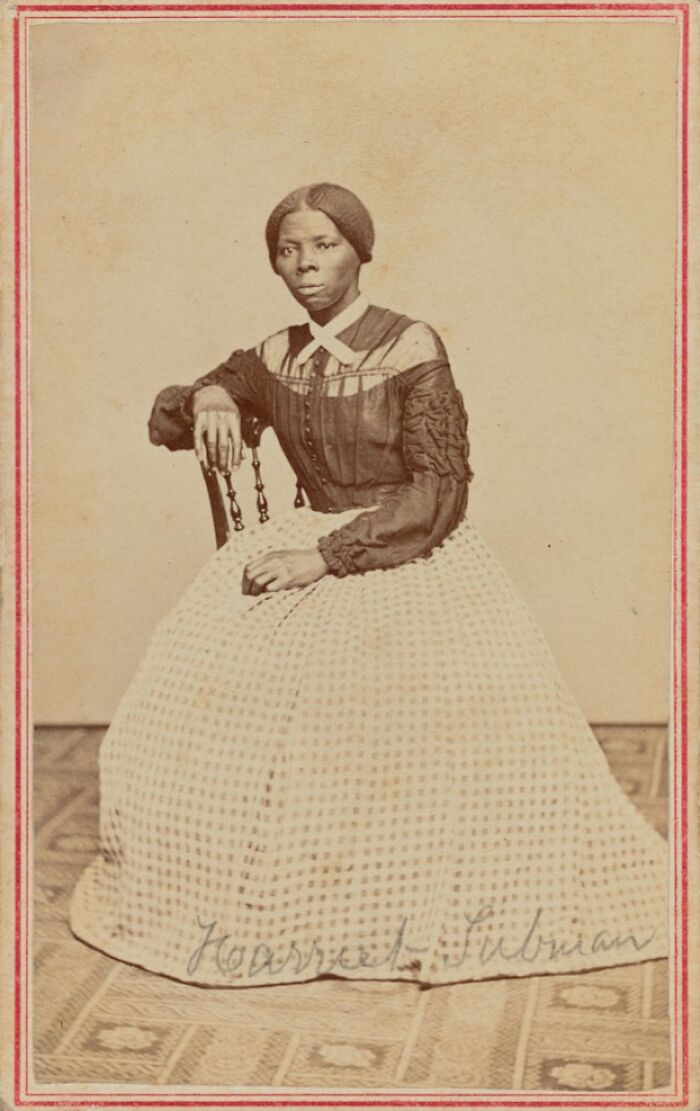
In Auburn, New York, sometime around 1868 or 1869, photographer Benjamin F. Powelson captured this incredible likeness of Harriet Tubman. It was once part of philanthropist Emily Howland's collection and actually features Tubman’s own signature at the bottom.
Tubman is best remembered for escaping bondage in the South and transforming into a fearless conductor for the Underground Railroad, using that secret network of safe houses to guide dozens of enslaved people to freedom in the North.
No words can do justice to this woman. Look up her story and remember her name.
Smartphones have made it easy for us to create visual memories we can look back on in the decades to come. To put that into perspective, research has shown that 5.3 billion photos are captured worldwide each day. That means people take 61,400 photographs per second.
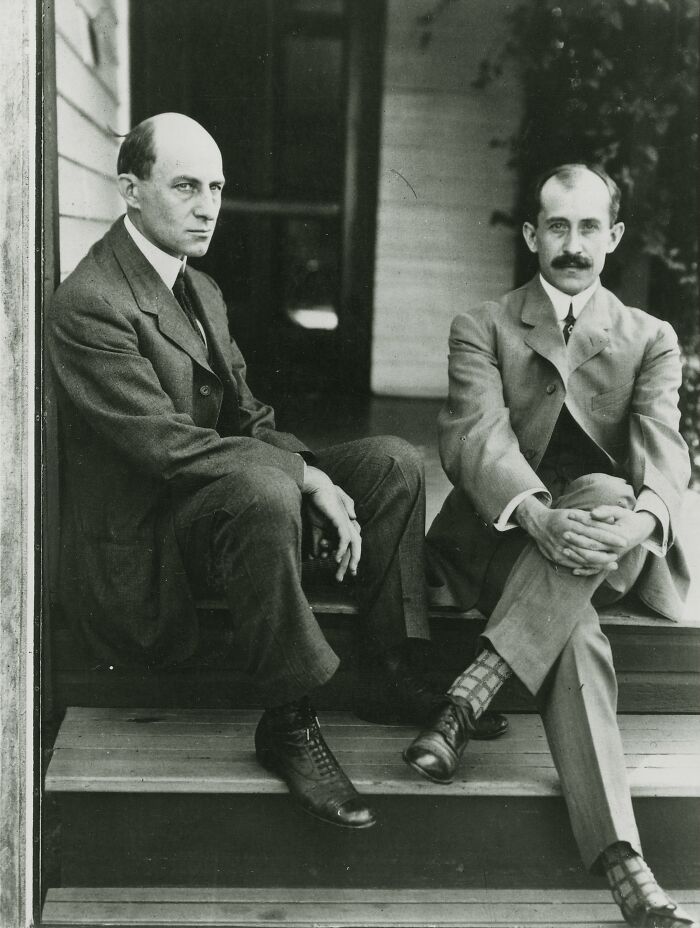
Everyone knows Wilbur and Orville Wright for mastering the skies, but it turns out they were just as obsessive about mastering photography. Much like they approached aviation, the brothers were entirely self-taught when it came to the camera, even setting up a DIY darkroom in a shed behind their Dayton home to develop their own glass plate negatives.
This 1909 snapshot captures the duo who, only a few years earlier, had changed the world forever. First with that historic sustained flight in 1903, and then by building the first truly practical airplane in 1905.
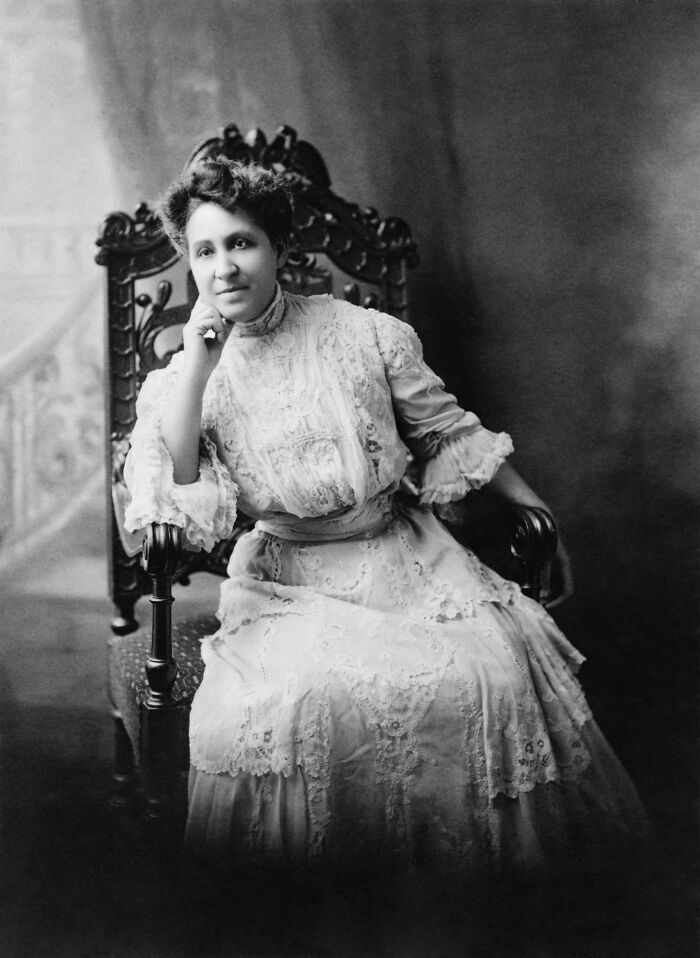
Born into a wealthy Memphis household just as the Emancipation Proclamation was issued, Mary Church Terrell was a trailblazing figure who became one of the very first African-American women to graduate from college. This 1880 snapshot captures her early in a life that would span from the post-Reconstruction rights rollbacks all the way to the victories of the modern Civil Rights era.
She didn't just witness history, though; she shaped it, evolving her activism from the self-improvement strategies of Booker T. Washington into bold, direct action like organizing sit-ins and boycotts to challenge segregation.
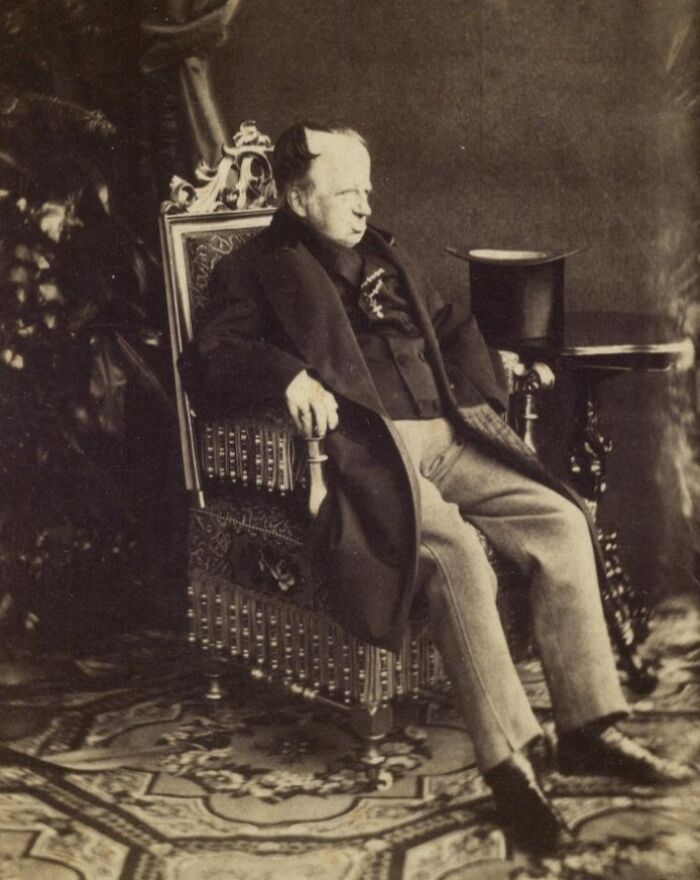
Wilhelm Rupp was the photographer behind this portrait from around 1860, capturing the former Austrian Emperor Ferdinand I well after he had stepped down from power. A member of the famous Habsburg dynasty, Ferdinand ruled from 1835 until his abdication in 1848.
His life was heavily defined by severe medical challenges, likely the result of the family's notorious history of inbreeding. This included hydrocephalus, epilepsy, and a speech impediment, all of which made his time on the throne physically and neurologically difficult.
As psychologist Dr. Fabian Hutmacher tells National Geographic, digital photographs have reshaped how we make memories, noting that people today can record much more data about their lives than those in previous generations who lived before smartphones.
“Memories are crucial for defining who we are,” he said. “They are a sort of reservoir that we refer to whenever we think about our lives.”
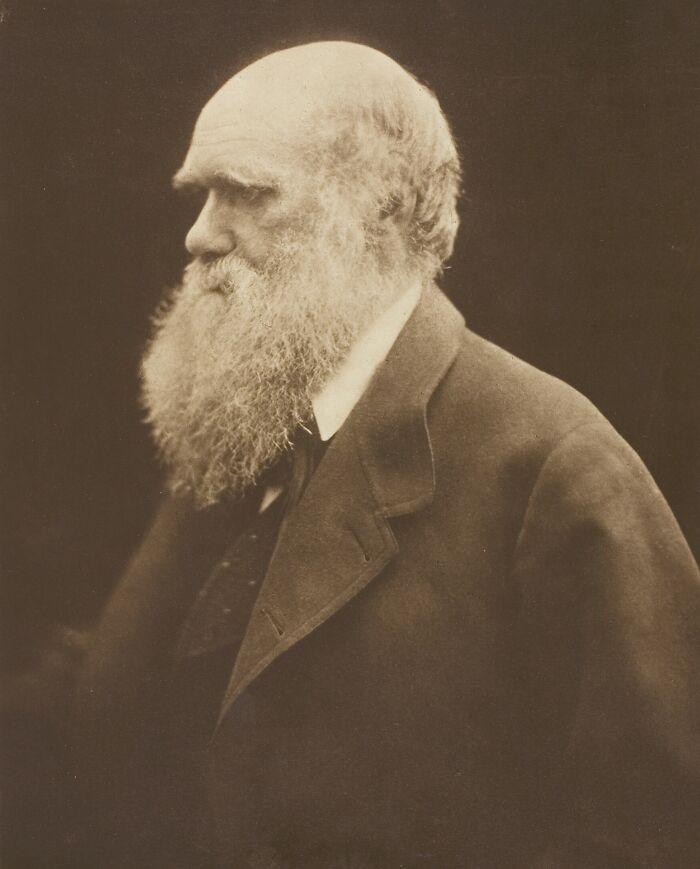
While renting a cottage from the photographer Julia Margaret Cameron on the Isle of Wight in the summer of 1868, Charles Darwin sat for this famous portrait. At the time, Darwin was essentially the rock star of the scientific world, having shaken up Victorian society by suggesting humans and animals were related via natural selection.
Despite the initial shock to religious sensibilities, his evolutionary theories eventually became the bedrock of modern biology. Cameron recognized the magnitude of her subject (she also shot heavy hitters like Tennyson) and later had this image produced as a stable carbon print to keep up with the demand for the famous naturalist's likeness.
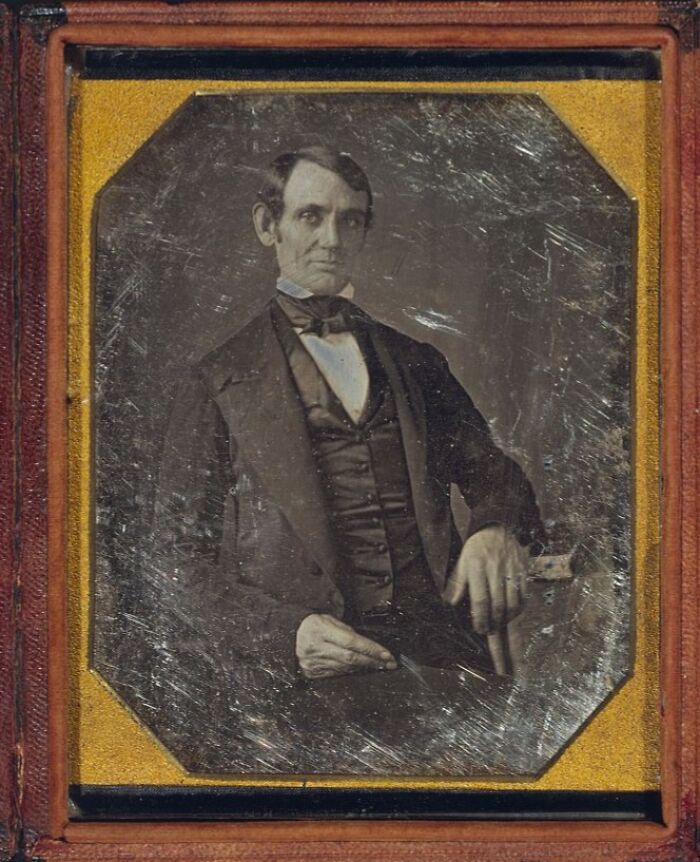
Long before the beard and the top hat became iconic symbols of the man who saved the Union and ended slavery, a 37-year-old Abraham Lincoln sat for this daguerreotype in 1846. It’s widely regarded as the oldest surviving photo of the future 16th President, captured back when he was still just a Congressman-elect and a lawyer grinding away in Springfield, Illinois.
The person behind the camera is believed to be Nicholas H. Shepherd, a detail we mostly owe to the memory of a law student who was working in Lincoln's office at the time.
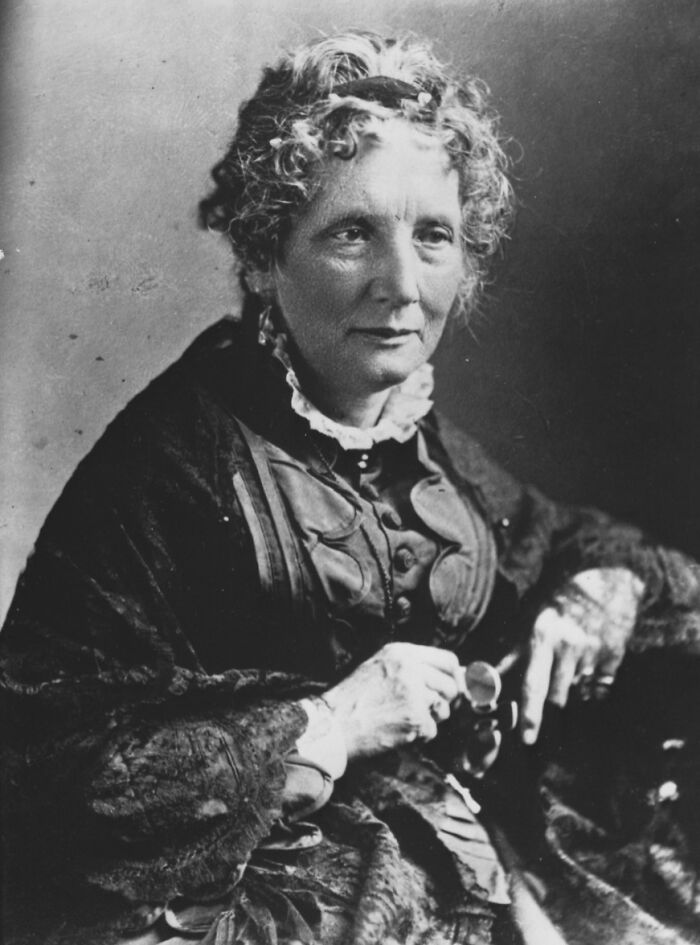
Sometime between 1870 and 1880, this portrait captured Harriet Beecher Stowe, the literary powerhouse whose work arguably helped spark the American Civil War. Her novel, Uncle Tom’s Cabin, was a best-seller and a cultural phenomenon.
She spent years touring the country to push those abolitionist views, yet she occupied a complicated space in history. Even as she fought for the liberation of others with her pen and philanthropy, she was navigating a society where the fight for women’s rights had barely even begun.
The idea of taking a photograph is to preserve a memory. However, taking too much may actually defeat the purpose. A 2013 study found that point-and-shoot memories may impair memory.
According to Dr. Linda Henkel, the study's author, people tend to use cameras as a crutch, relying on them to store memories.
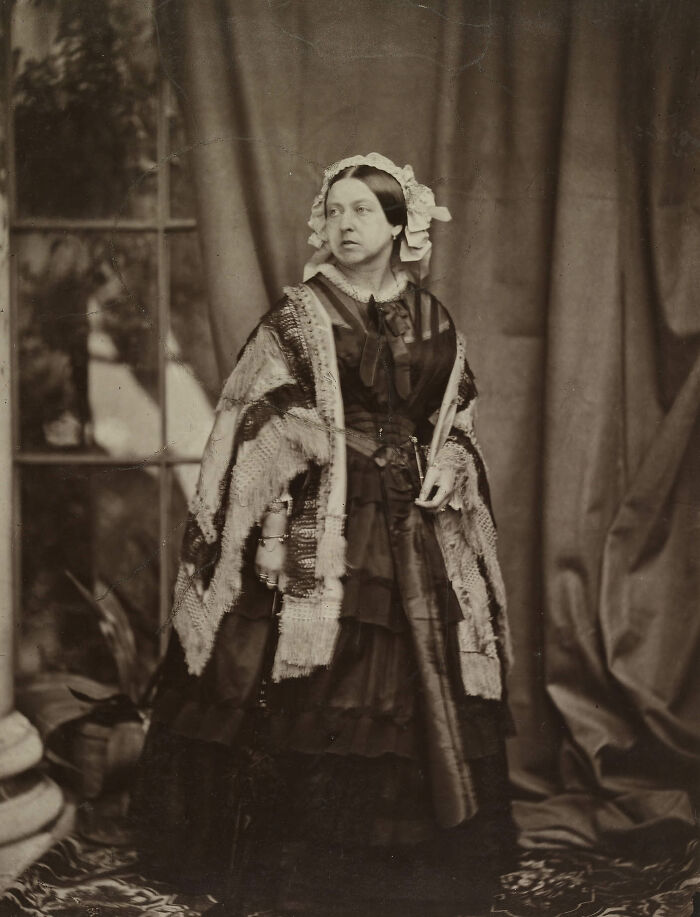
Back in April 1857, Leonida Caldesi snapped this portrait of the legendary Queen Victoria, though for a long time, credit was mistakenly given to J. Mayall. It’s a fascinating glimpse of the woman who essentially defined the 19th century, marking the end of the Hanoverian line and shifting the British crown toward the symbolic role it holds today.
Aside from ruling as Empress of India and Queen of the UK, she and Prince Albert raised a massive brood of nine; their kids eventually married into enough dynasties that Victoria became the ancestor to a huge chunk of European royalty. Caldesi actually went on to capture plenty more moments with the royals following this session.
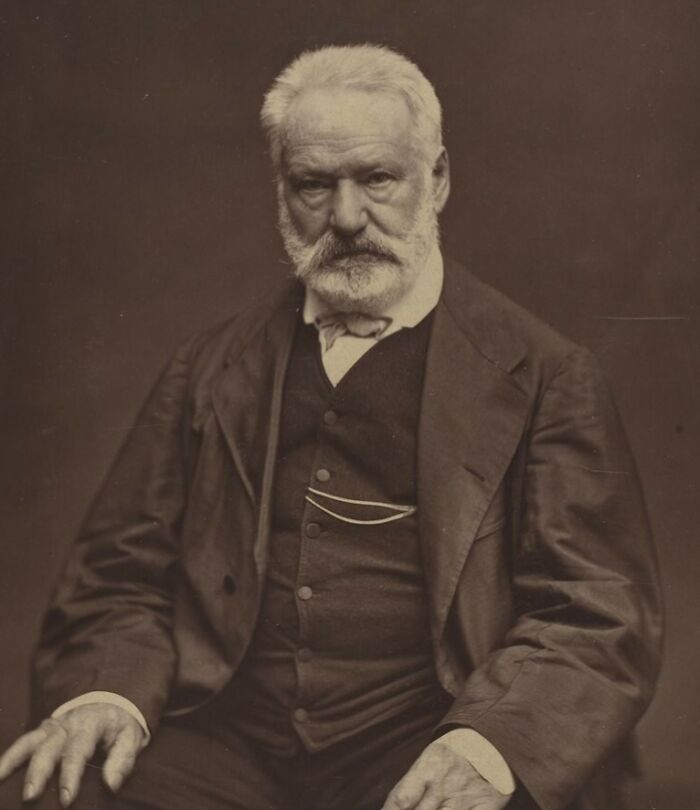
Goupil & Cie featured this 1876 portrait of Victor Hugo in their massive Galerie contemporaine collection, a serial publication that highlighted 241 of the era's biggest movers and shakers in art, science, and politics. To get those rich, continuous tones, the publishers used a photomechanical technique called the woodburytype, which molded pigmented gelatin to create the image.
It’s a fittingly high-quality format for Hugo, considering his status as the heavyweight champion of French Romanticism. While international readers usually know him best for writing Les Misérables and The Hunchback of Notre-Dame, folks back in France actually revere him even more for his poetry than his novels.
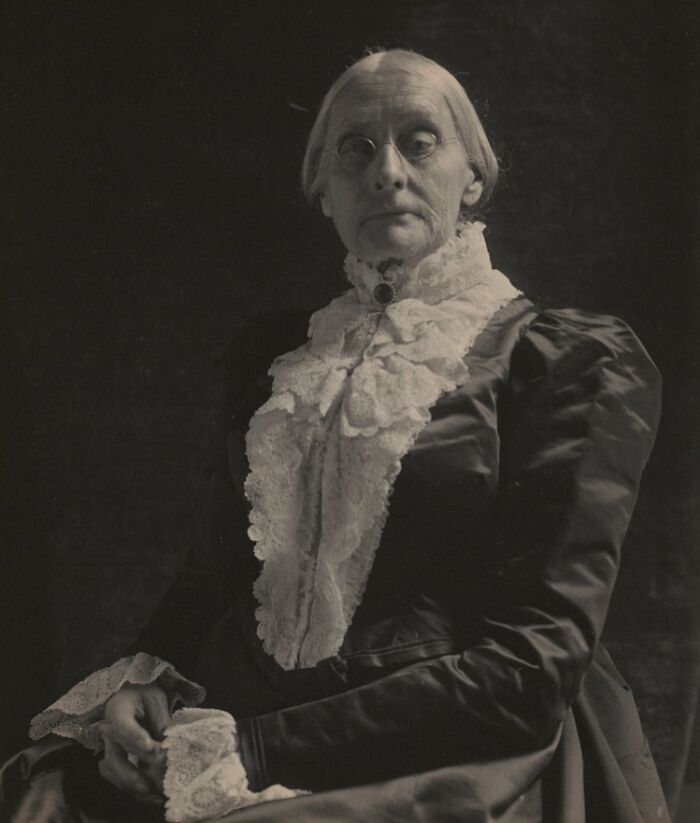
Frances Benjamin Johnston used the platinum printing process to create this striking portrait of Susan B. Anthony sometime between 1900 and 1906. It is a high-quality visual legacy for a woman whose political legacy is equally enduring.
Anthony was the driving force behind the American women's suffrage movement and the one-time president of the National Woman Suffrage Association. Although she didn't live to see the final victory, her relentless campaigning laid the necessary groundwork for the Nineteenth Amendment, which finally granted women the right to vote in 1920.
For example, Dr. Henkel noted that people would attend a concert and spend 90 minutes of it searching for the optimal angle to photograph. She notes that this focus on achieving “perfection” reduces enjoyment of the moment.
“On the other hand, if you record a snapshot because it’s your favourite song, then it can improve memory later,” Dr. Henkel said.
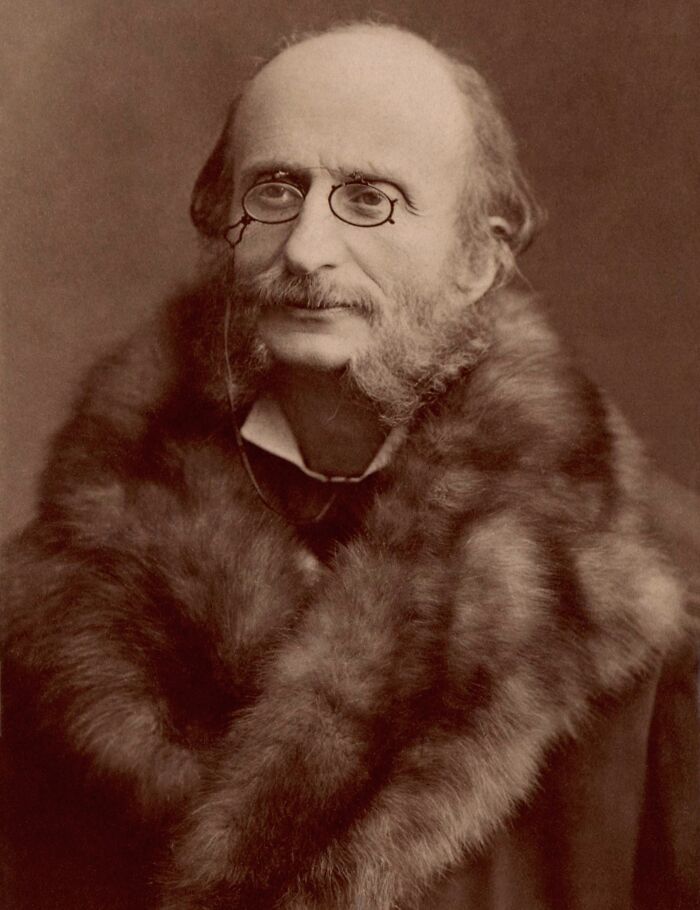
Even Gioachino Rossini recognized the sheer talent seen in this 1870 portrait, famously dubbing Jacques Offenbach the “little Mozart of the Champs-Elysées.” It was a well-earned nickname, considering Offenbach was an incredibly fast worker who produced more than a hundred shows, effectively birthing the French operetta.
His style was the perfect mix of elegance and biting satire, defining the artistic mood of the era. Despite how specific his musical comedies were to his own time, his wit and fluent melodies were strong enough to keep his work in the global repertoire well into the 21st century.
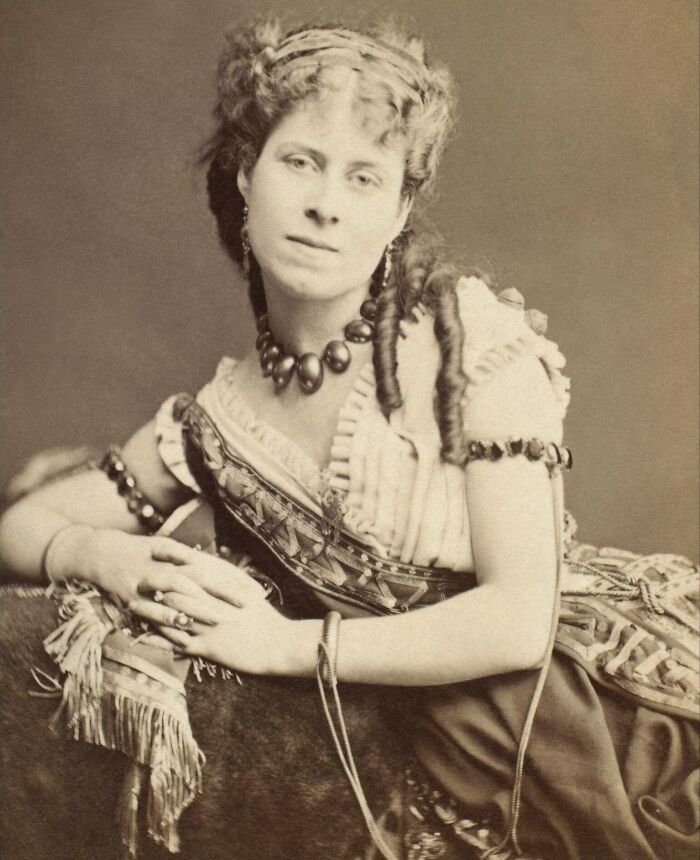
Captured here in costume as Mirza for the premiere run of W.S. Gilbert’s The Palace of Truth in 1870, Caroline Lucreza Brook Hill was a staple of the English stage during that decade. Her journey began quite early, kicking off her career as a youngster in Samuel Phelps’s troupe before transitioning to J. B. Buckstone’s squad at the Haymarket.
It was there that she really made her mark, originating parts in fresh productions, especially those written by Gilbert, and touring venues across London and the countryside.
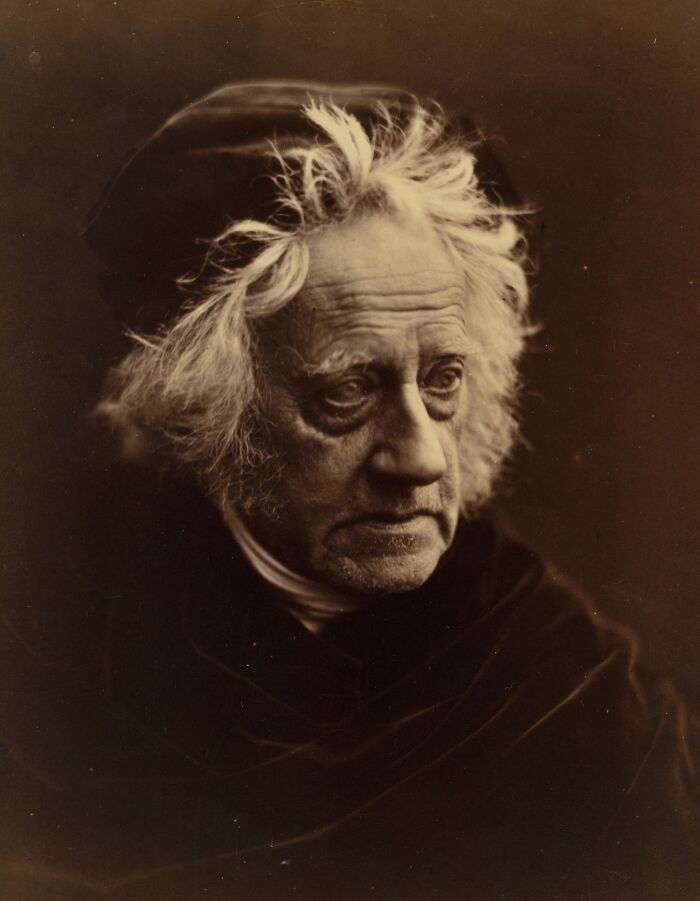
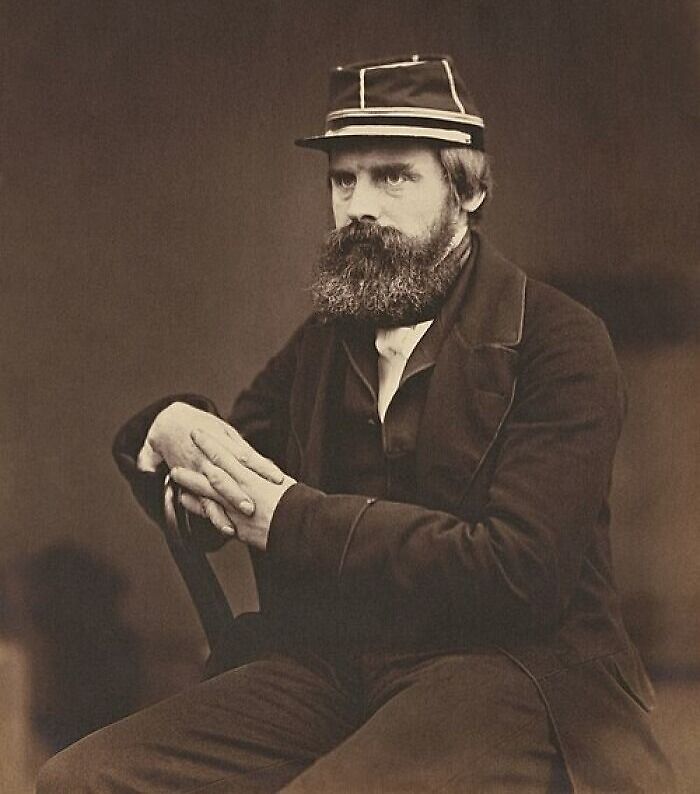
Julia Margaret Cameron approached this April 1867 session with Sir John Herschel as something of a sacred mission, having looked up to the astronomer for thirty-one years. While she definitely hoped to make some money from the prints, she primarily saw herself as documenting a giant of the age. A man whose work in math and stellar observation made him the Victorian equivalent of Isaac Newton.
Following in the footsteps of his father, Sir William Herschel, he was a scientific heavyweight, yet his taste in photos was quite personal. Out of the four images Cameron captured that day, Herschel actually preferred this one, feeling it best captured his vibe as a wise "old Paterfamilias."
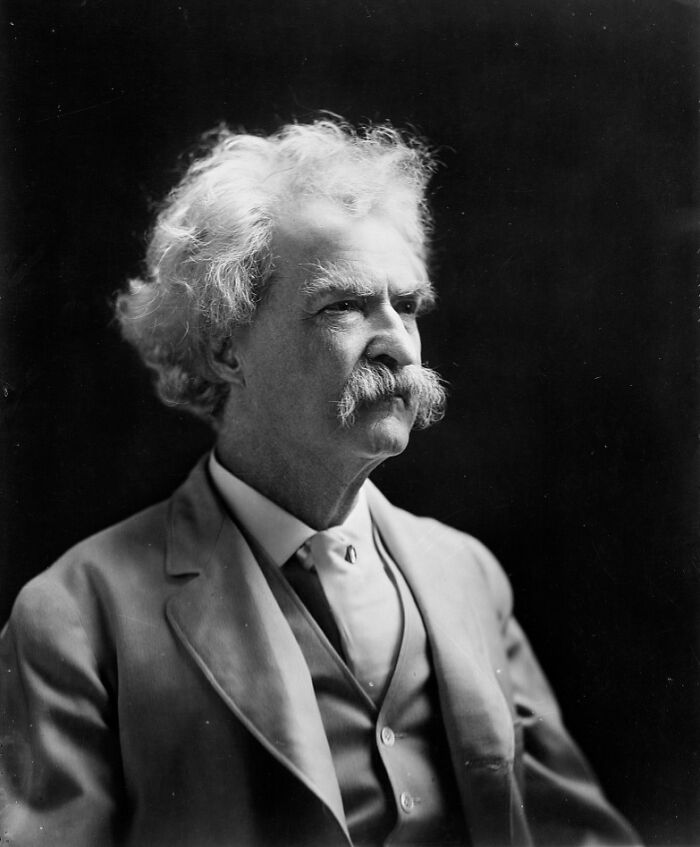
By 1907, when this profile shot was taken, Samuel Langhorne Clemens (better known to the world as Mark Twain) was already a living legend. He had long since cemented his place as America’s premier humorist and storyteller, having won over global audiences with travel hits like The Innocents Abroad and definitive tales of American youth in The Adventures of Tom Sawyer and Huckleberry Finn.
The image captures the "irascible moralist" in his later years, looking every bit the literary giant who rose from humble beginnings to become one of the most beloved and sharp-witted public figures of his time.
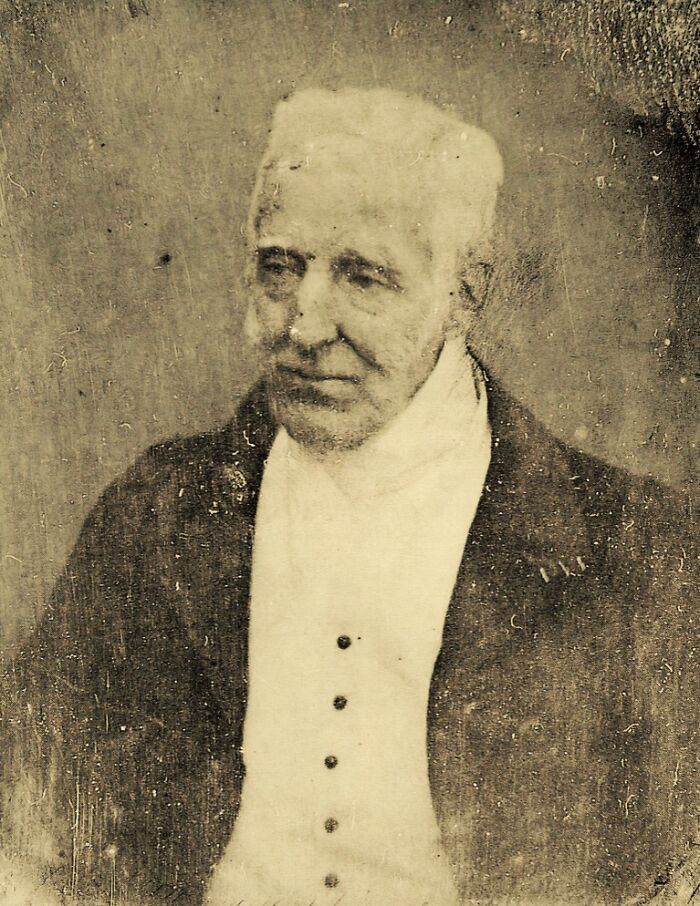
At the age of 74, Arthur Wellesley, better known to history as the 1st Duke of Wellington, sat for this daguerreotype around 1844. By this point in his life, the Irish-born commander was already a certified legend, famous for his military exploits in India and the Peninsular War, and most notably for being the guy who finally defeated Napoleon at Waterloo in 1815.
He didn't just stick to the battlefield, though. He also translated that leadership into politics, serving two separate terms as the Prime Minister of Great Britain.
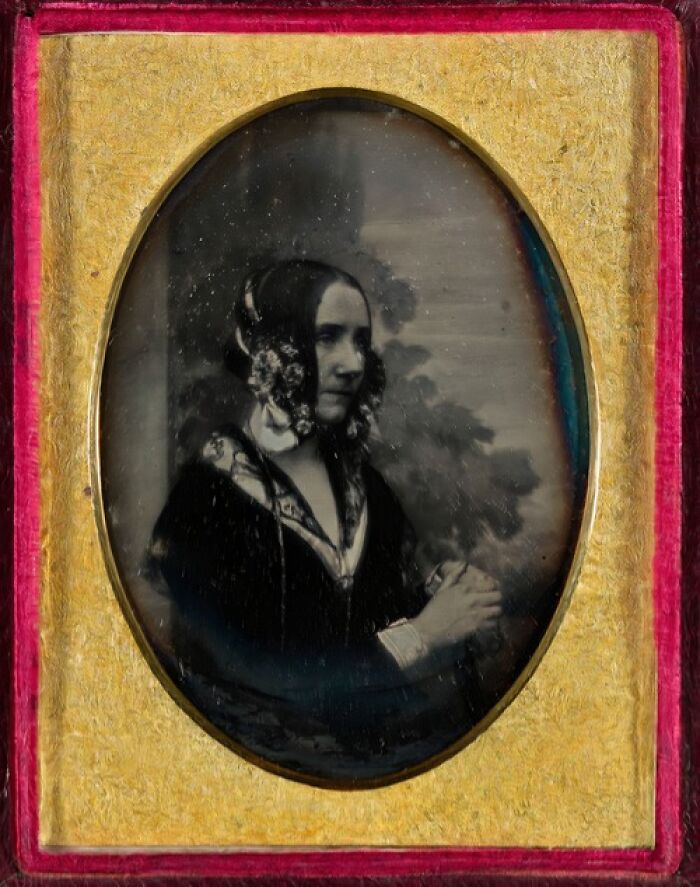
We only have two confirmed photographs of the woman who effectively invented computer programming. Snapped by Antoine Claudet in the early 1840s, this daguerreotype offers a rare glimpse of Ada Lovelace, the brilliant mathematician who teamed up with Charles Babbage.
While Babbage was designing the hardware for his "Analytical Engine," Lovelace was busy figuring out the software, writing an algorithm that earned her the title of history's first coder. These scarce images were spotlighted by the Bodleian Libraries to mark her bicentennial, preserving the likeness of a Victorian mind that was centuries ahead of its time.
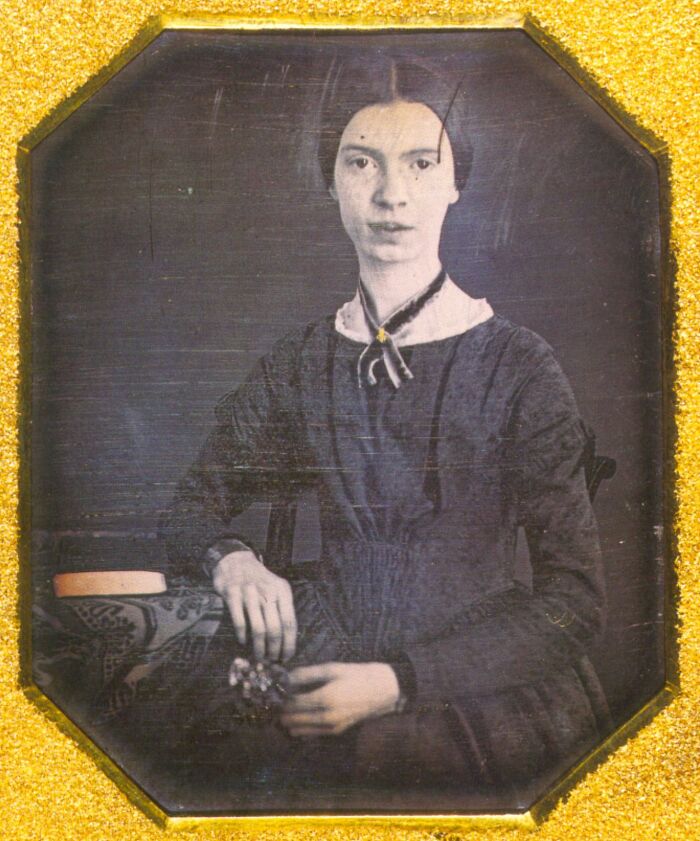
For a literary giant who stands alongside Walt Whitman as one of the 19th century’s most important American voices, Emily Dickinson left behind shockingly little visual evidence. In fact, this daguerreotype from 1847 is the only authenticated photograph of the reclusive poet that we currently have.
The image took a winding path to its current home at Amherst College. Dickinson’s sister Lavinia originally passed it on, and it moved through the hands of the Keep family and Millicent Todd Bingham before the college finally received the donation in 1956. It remains our solitary look at the woman whose brilliant, singular verses defined an era.
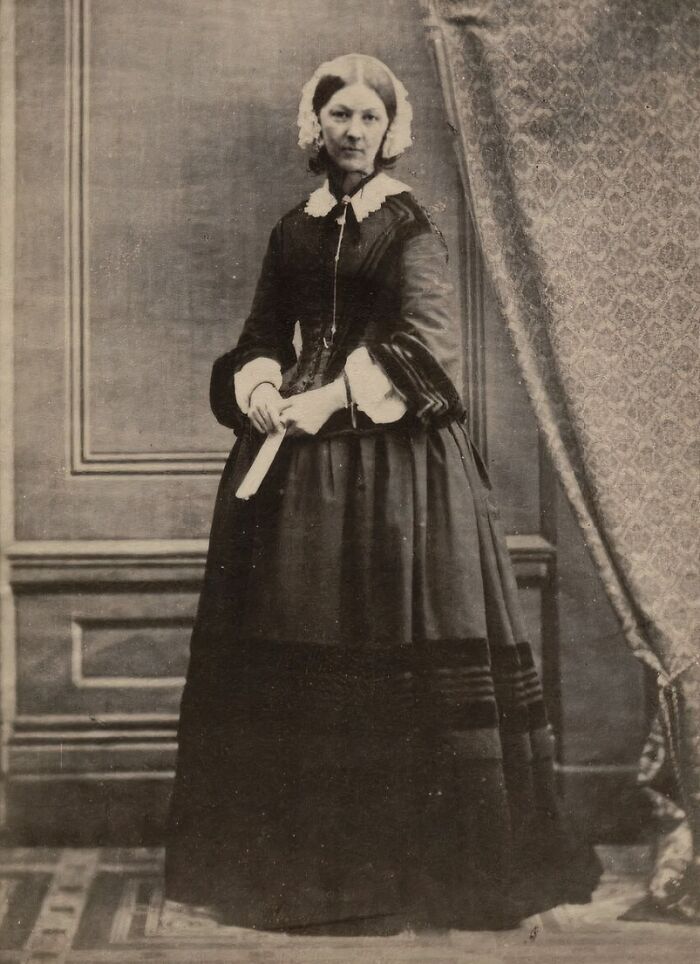
Taken around 1856 or 1857, this shot captures Florence Nightingale right in the middle of drafting her massive statistical report on army health. While she’s most famous for her late-night rounds during the Crimean War, earning her the "Lady with the Lamp" nickname, she was also a data powerhouse who laid the groundwork for modern nursing education, eventually launching a scientifically based school at St. Thomas’ Hospital in London.
Her family actually considered this specific portrait to be the most accurate likeness of her, and because it was shared so widely, it became the image most people associate with the legendary reformer.
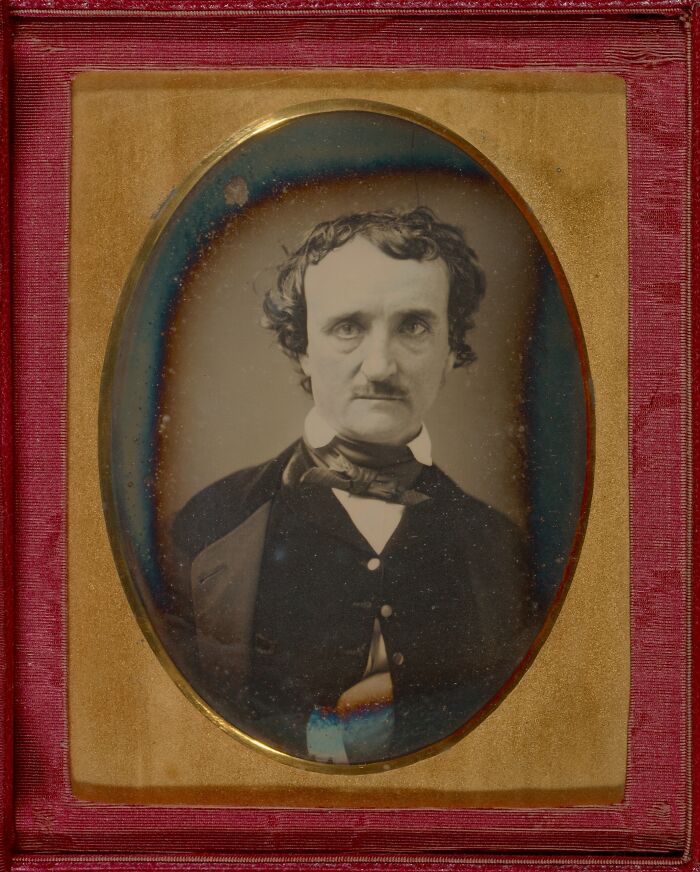
It is widely believed that this 1849 daguerreotype was actually paid for and arranged by Annie Richmond, a married woman with whom Edgar Allan Poe found deep emotional comfort after the passing of his wife two years prior. Taken just months before the author passed away at the age of forty, the portrait captures the master of the macabre during the final, difficult chapter of his life.
While he looks somber here, this is the creative force who essentially invented the modern detective story and defined American horror with works like "The Raven." It’s a haunting final glimpse of a literary genius who spent his career cultivating mystery, only to leave us with one of his own.
Roger Fenton is pretty much the godfather of war photography, having created the first real comprehensive visual archive of a conflict during his time in the Crimea. By 1856, this English photographer’s work was making waves across Europe, with successful gallery shows popping up in both Paris and London.
His images were so influential that the Illustrated London News actually commissioned wood-engraved reproductions of his best shots to share them with the masses.
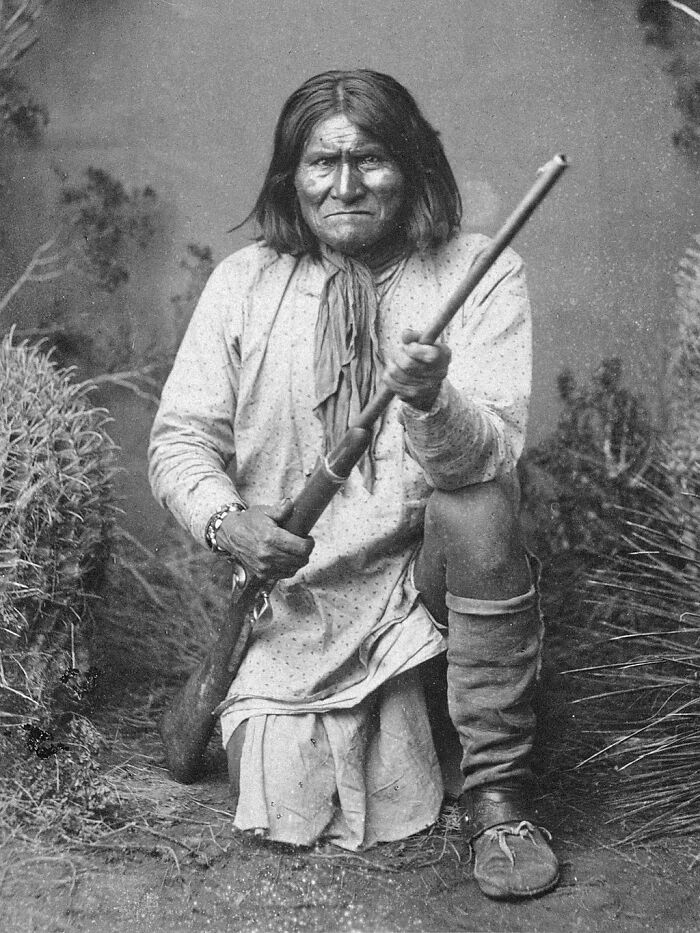
As the Bedonkohe Apache leader who held out the longest against the American military, Geronimo (or Goyahkla) occupies a heavy space in history. By the time of this 1887 image, he had become the final indigenous leader to formally surrender, kicking off a strange, tragic final chapter where he spent twenty years as a prisoner of war who doubled as a celebrity attraction.
He was trotted out for World's Fairs and Wild West shows, and even attended Teddy Roosevelt’s inauguration. Sadly, his fame didn't buy his freedom. When he used that meeting to plead for his people's return to Arizona, the President cold-shouldered him, accusing him of having a "bad heart" due to his past resistance and telling him he had to wait and see how he behaved on the reservation.
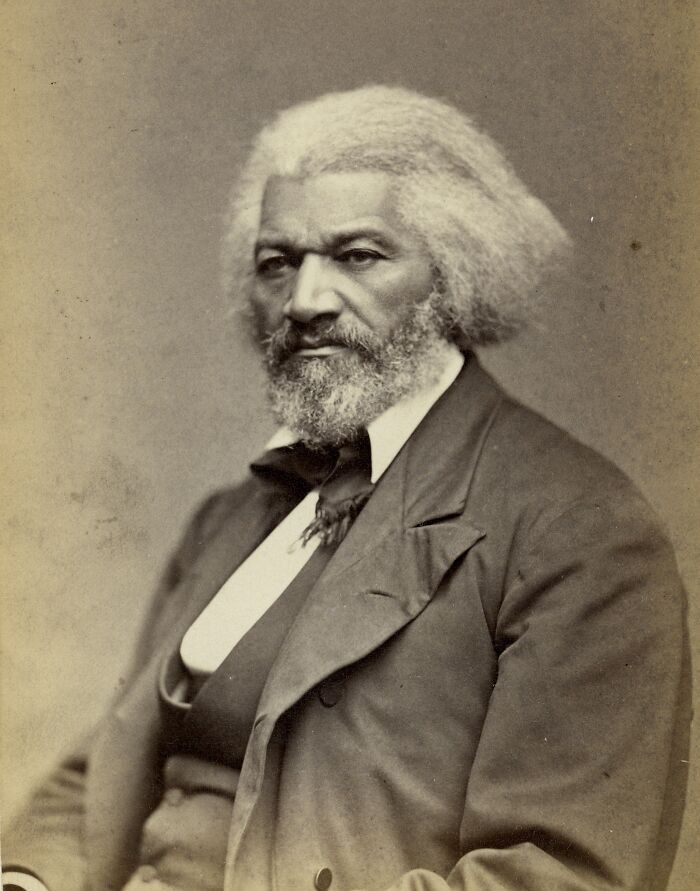
It is fitting that Frederick Douglass appears here on a cabinet card considering he was actually the most photographed American man of the entire 19th century. This specific shot dates back to around 1879, capturing the famous abolitionist and orator in his early sixties.
By this point, he had already cemented his legacy, having gone from escaping bondage to writing his seminal autobiography, running his own newspaper, and breaking barriers as the first Black U.S. marshal. He clearly understood the power of an image, using photography as a tool to assert his dignity and humanity alongside his words.
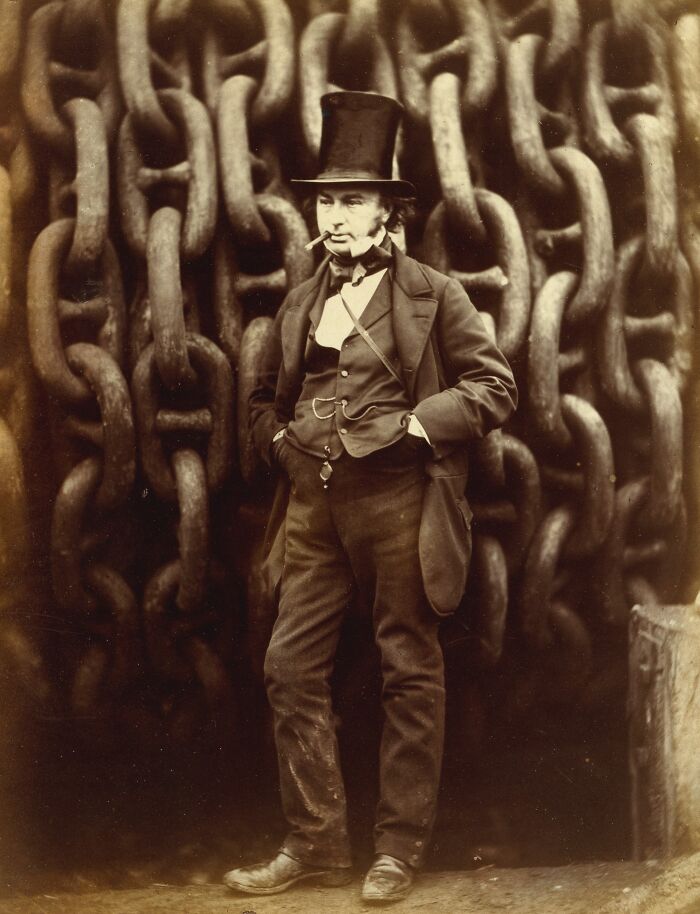
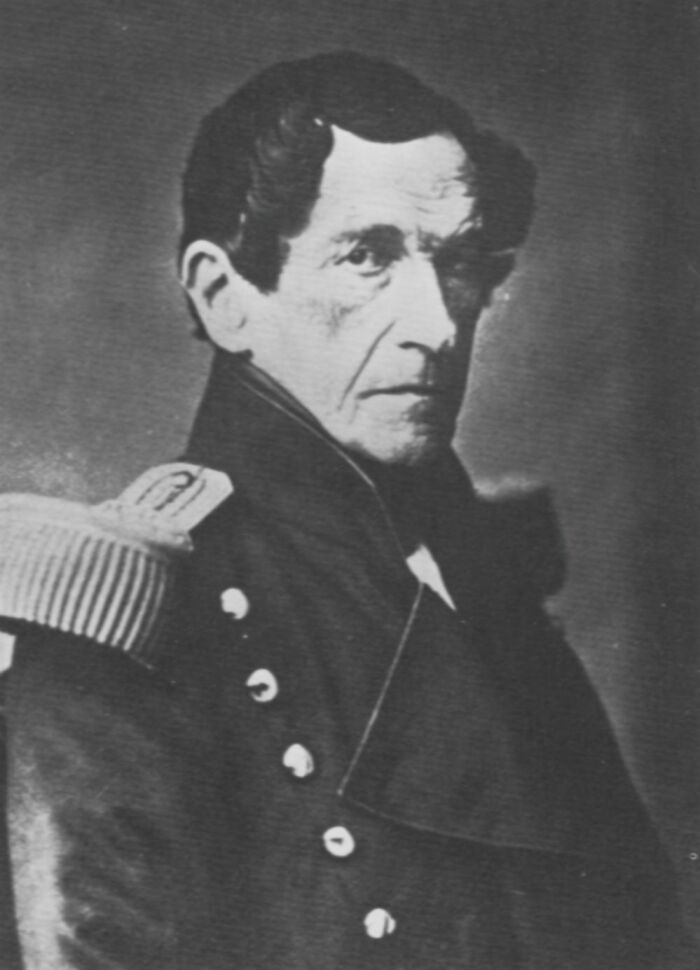
Isambard Kingdom Brunel looks every bit the titan of the Industrial Revolution in this 1857 portrait as he stands in front of chains that hint at the scale of his work. He was the engineering genius responsible for modernizing Britain with everything from tunnels and terminals to railways and bridges.
This specific moment captures him near the launch of his groundbreaking transatlantic steamer and was snapped by Robert Howlett. Howlett, a partner at a top London studio called the Photographic Institution, had been sent by the Illustrated London Times specifically to document the construction of Brunel's massive vessel.
Yes, he was an engineering genius, but the caption's a bit OTT. 'He was the engineering genius responsible for modernizing Britain'? Not really. That modernizing process (as we might think of it) had begun a long time before with practical steam engines for mine pumping. Richard Trevithick came up with high pressure steam power for transport. Thomas Telford got the first modern suspension bridge started (Menai; Capt Samuel Brown's Union Bridge over the Tweed was the first such to be completed). His dad Marc came up with the tunnelling shield which was a huge leap forward and enabled the pair of them to get the Thames Tunnel dug. I mean, I K Brunel was indeed great - but no one person was responsible for 'modernizing' Britain. Link follows.
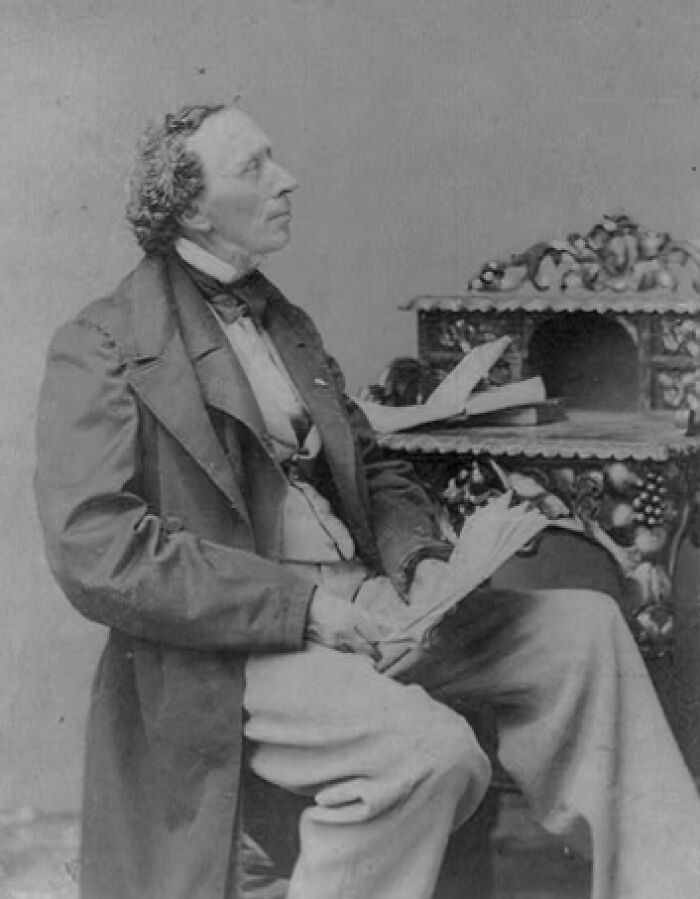
While the world mostly knows Hans Christian Andersen for his globally beloved fairy tales, the Danish author was also a huge enthusiast of the emerging art of photography. Though his plays, novels, and travelogues didn't quite achieve the same international fame as his children's stories, his face certainly got around.
He was eager to step in front of the lens from the very beginning, frequently sitting for a photographer named Hansen between 1860 and 1874. He clearly enjoyed the process, too; a diary entry from July 19, 1862, notes a particularly successful trip to Hansen’s studio where the writer walked away with a haul of twenty-four new portraits.
It’s pretty incredible that a camera was around in 1842 to capture the face of a man who actually tossed crates into the harbor during the Boston Tea Party. Samuel Sprague was just 19 years old during that rebellious night in 1773, and he didn't stop there.
He went on to serve on the front lines of the Revolutionary War, seeing combat at Princeton, Trenton, and the Siege of Boston. Aside from his military past, he made a living as a mason and was the father of Charles Sprague, standing as a living, breathing bridge between the fight for independence and the age of photography.
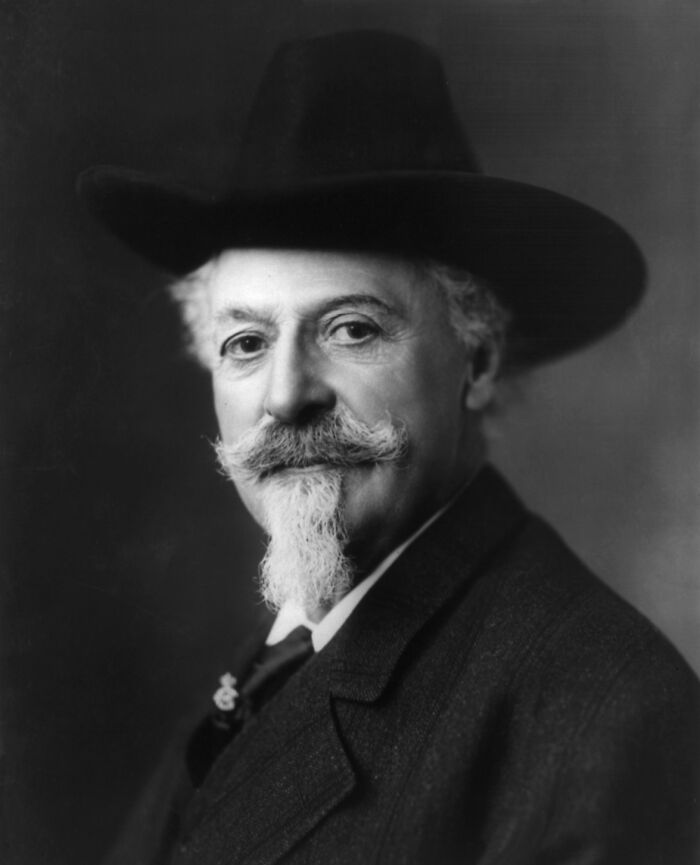
By 1911, William "Buffalo Bill" Cody had cemented his status as one of the world's first true global superstars, thanks to the international success of his traveling spectacular, Buffalo Bill’s Wild West and Congress of Rough Riders of the World.
But before he was an impresario dramatizing the frontier for eager crowds, he actually lived it. His reputation for elite riding and shooting was backed by a gritty resume that included stints as a Pony Express rider, a buffalo hunter, and four years as a scout for U.S. Army Lieutenant General Philip Sheridan.
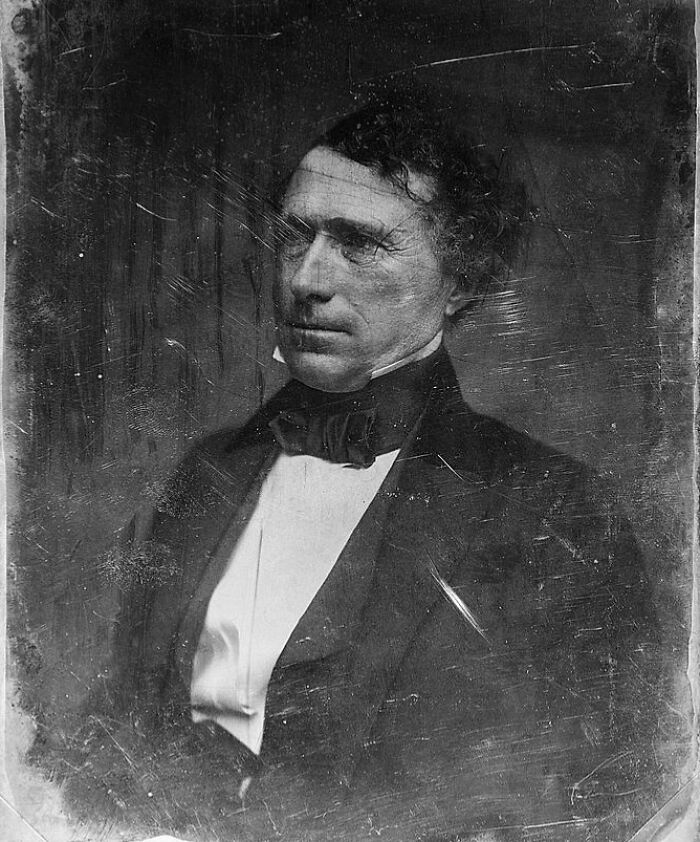
Mathew Brady applied his master touch to this gold-toned whole plate daguerreotype, immortalizing Franklin Pierce sometime between 1851 and 1860. While the 14th President often gets credit for being the most handsome guy to hold the office, his actual time in the White House (1853–57) was far less attractive.
He famously fumbled the rising tensions over slavery right before the Civil War kicked off. Even the National Constitution Center politely describes his tenure as "difficult," and though Pierce hoped a second term might let him redeem himself, history mostly remembers him for his looks rather than his leadership.
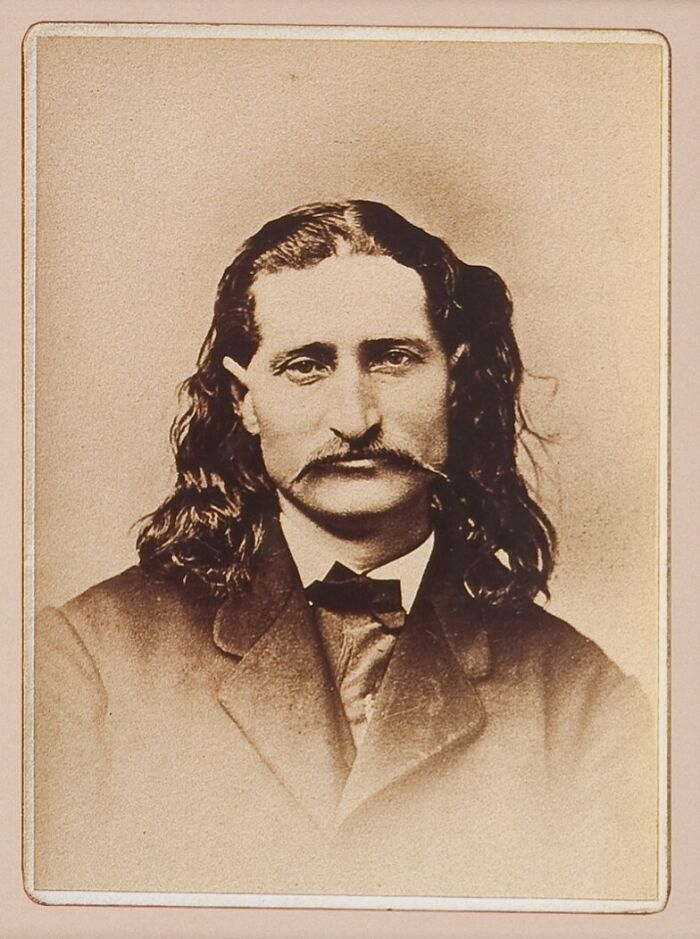
This snapshot from 1860 captures Wild Bill Hickok before he fully transformed into the larger-than-life hero found in so many dime novels of the era. As a scout and lawman, he played a huge role in bringing some semblance of order to the chaotic American frontier, building a reputation as a fearsome gunfighter along the way.
His luck eventually ran out in Deadwood, South Dakota, where Jack McCall snuck up behind him during a poker game and ended his life. McCall tried to justify the assassination by claiming Hickok had ended his brother back in Abilene, but the law didn't accept the excuse, and officials executed McCall for the crime in March 1877.
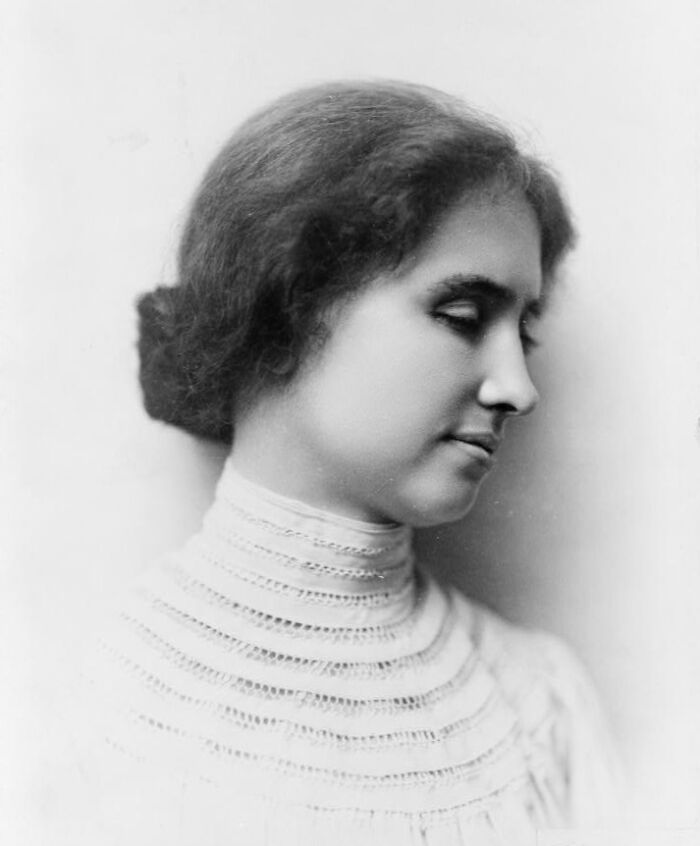
This 1904 portrait shows Helen Keller, a woman who completely redefined on what was possible for people with disabilities. After an illness at just 19 months old left her without sight or hearing, she went on to achieve an education that was nothing short of miraculous for the time.
She became a prolific writer, a lecturer, and a fierce advocate for labor rights and women's suffrage. Her impact was so profound that she was invited to the White House by every single U.S. President from Grover Cleveland to Lyndon B. Johnson, spending her life proving that physical limitations didn't equate to a lack of capacity.
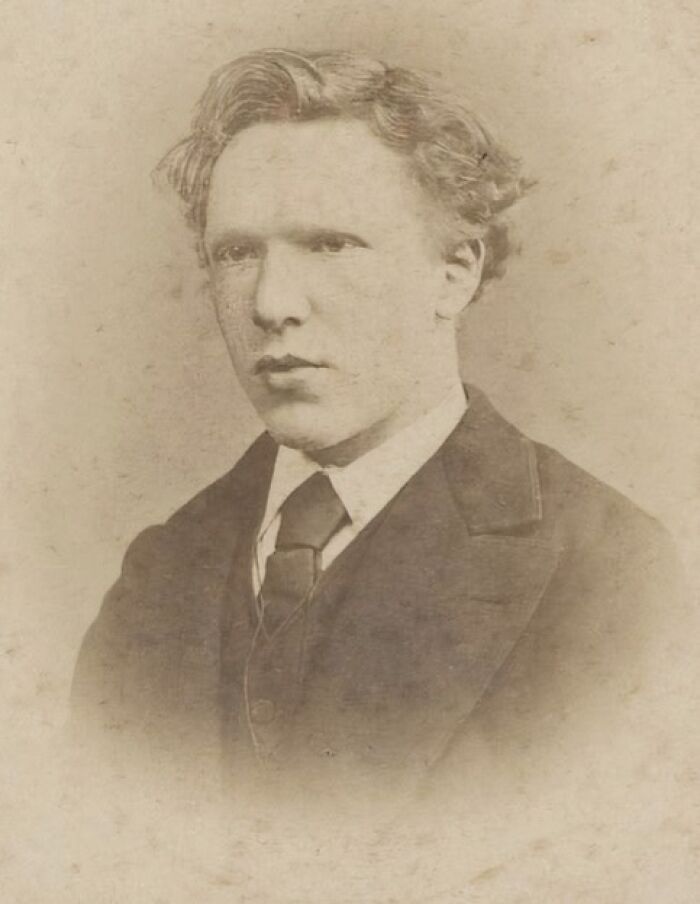
There is still a bit of a mystery surrounding this 1873 photograph; while many claim it shows a nineteen-year-old Vincent van Gogh, others argue it might actually be his brother, Theo. If it is Vincent, we are looking at the future Post-Impressionist master long before he developed the swirling brushwork and vivid colors that would eventually define modern art.
He was actually something of a late bloomer, not kicking off his artistic career until he was twenty-seven. Once he started, however, he worked at a feverish pace, producing roughly 900 paintings and 1,100 drawings in just a decade. It is a bittersweet legacy as he sold almost nothing while he was alive and only hit his stylistic peak in his final three years, yet his work went on to spark the Expressionist movement and make him a household name long after he was gone.
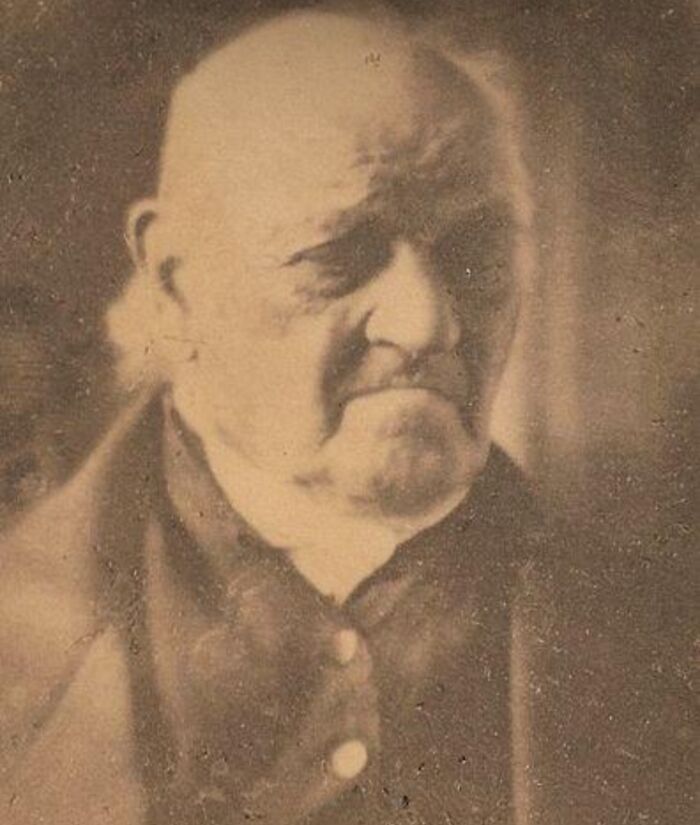
Born all the way back in 1735, John Owen represents one of the earliest birthdates ever captured on camera. This 1843 portrait memorialized the Salisbury, Connecticut native just shortly before he passed away at the incredible age of 108.
He was a double veteran who fought in the American Revolution and is widely believed to have been the final surviving soldier of the French and Indian War. It is remarkable that photography arrived just in time to document the face of a man who saw the mid-18th century firsthand.
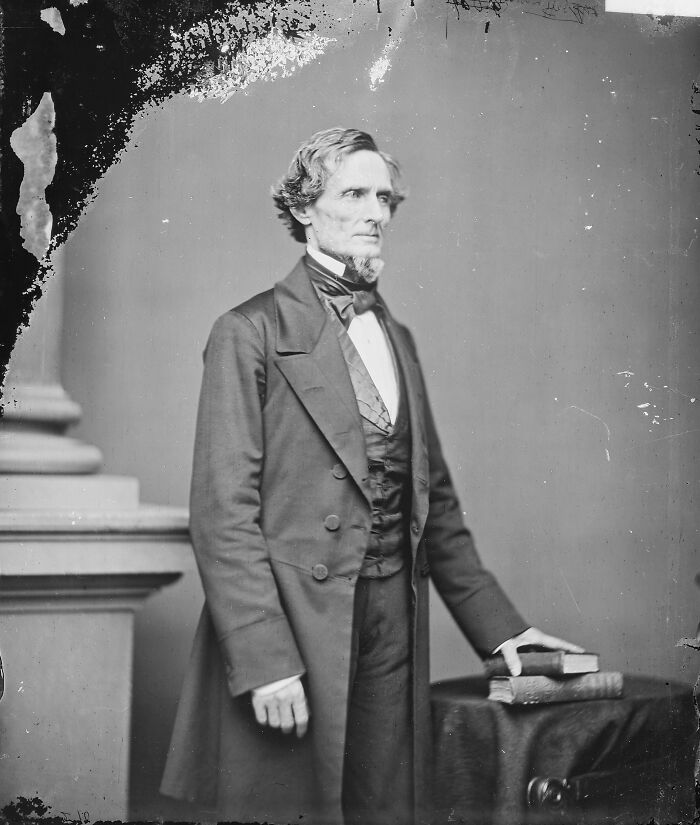
Snapped in 1859, just a couple of years before the country tore itself apart, this image shows the man who would lead the rebellion as the President of the Confederate States of America. Jefferson Davis held that title throughout the entire Civil War, and once the dust settled, he spent two years in a cell facing an indictment for treason.
However, he never actually stood trial. As it turns out, Davis was fully prepared to use a courtroom defense to argue the legality of secession, a debate the U.S. government wasn't eager to have. To avoid giving him that platform, President Andrew Johnson effectively mooted the issue by granting a blanket pardon to former Confederates on Christmas Day, 1868.
Nothing in the US constitution permits secession - no argument in court in favour of that theory would have lasted five minutes. Jefferson Davis was unquestionably a traitor as defined by the constitution of the USA. He did the one thing that counts as treachery. Article III, section 3. 'Treason against the United States, shall consist only in levying war against them, or in adhering to their enemies, giving them aid and comfort. ' All the rebels were traitors - no question about it. I've no idea where this nonsense caption comes from.
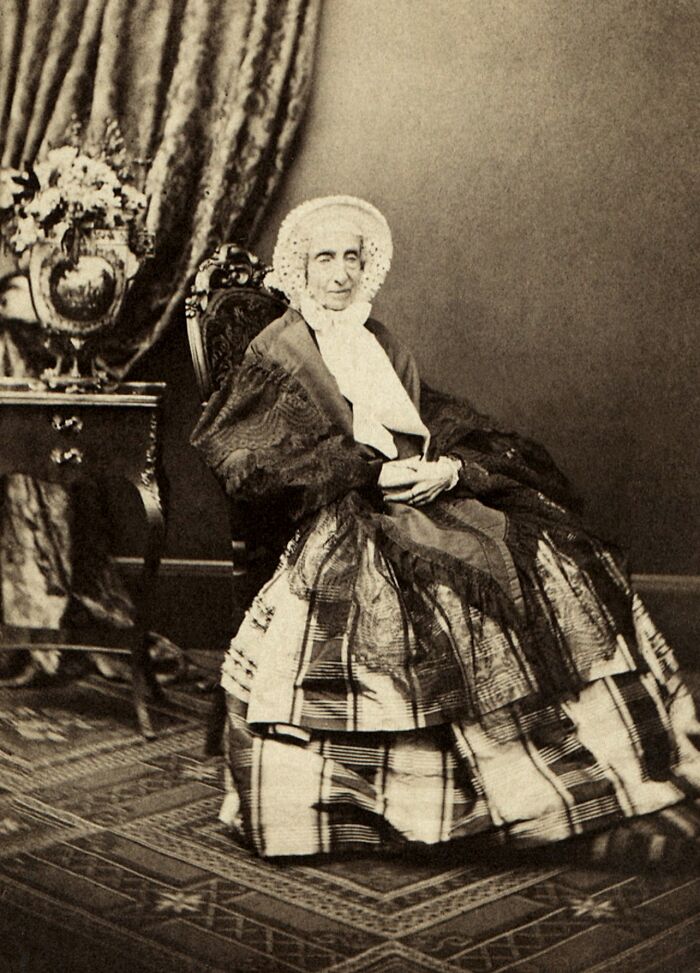
Antoine Claudet caught up with the exiled royal in London to create this daguerreotype around 1866. Maria Amalia of Naples and Sicily holds the historic distinction of being the very last Queen of France, having sat on the throne alongside her husband, King Louis Philippe I.
By the time this portrait was taken, however, the French court was a distant memory. The couple had been forced to flee across the Channel following the upheaval of the 1848 Revolution, living out their remaining years in England.
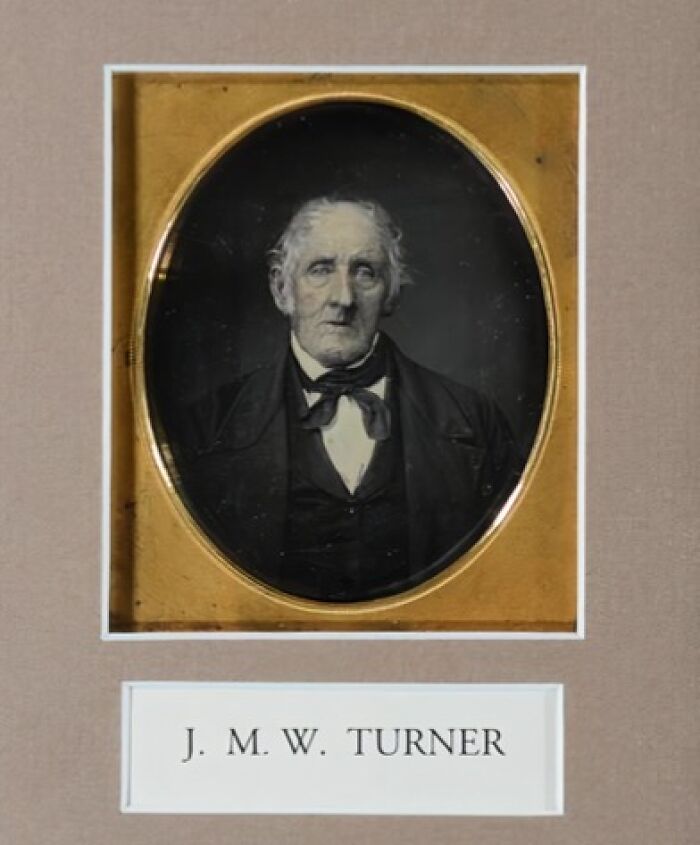
It turns out that J.M.W. Turner, the English master famous for capturing sublime light and atmosphere in his landscapes, was actually quite a fan of the emerging technology of photography. He struck up a friendship with John Jabez Edwin Mayall, who managed to capture this daguerreotype in 1847, creating the only known photograph of the eccentric artist in existence.
Mayall deliberately staged the shot to mirror a self-portrait Turner had painted of himself as a young man back in 1799, carefully matching the lighting and pose.
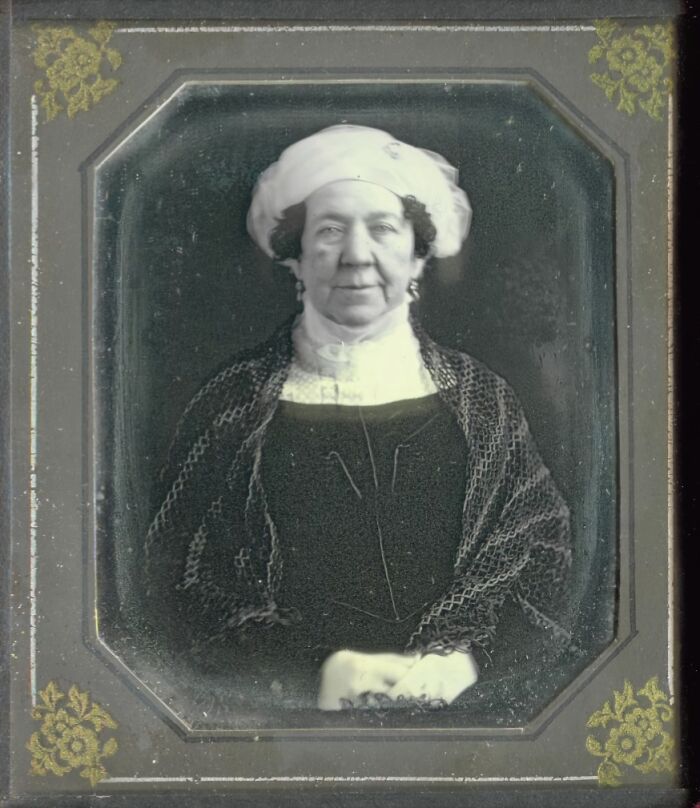
It’s wild to think that this 1846 quarter-plate daguerreotype was just sitting in a basement until recently, only to be scooped up by the National Portrait Gallery for a cool $456,000. Captured by photographer John Plumbe Jr., the image features Dolley Madison long after her time in the White House with her husband, James.
She’s essentially the woman who wrote the playbook for every First Lady who followed. Despite being raised in a strict Quaker household, her warmth and social genius turned the role into the influential hosting position it is today.
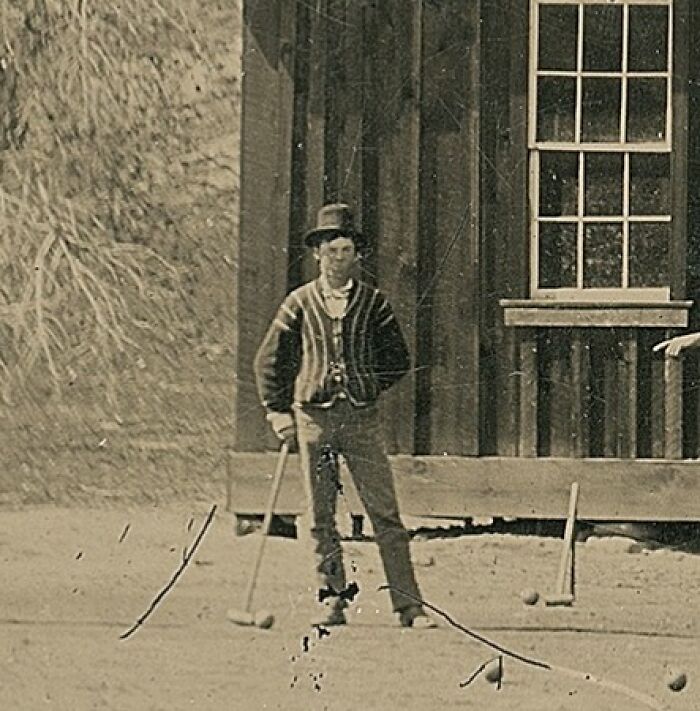
For a long time, we only had one look at Billy the Kid, but that changed in 2010 when a collector rummaging through a cardboard box in a Fresno, California junk shop unearthed this incredible tintype. It is only the second known photograph of the infamous outlaw, capturing a moment from the summer of 1878.
Gathered with his group, the Regulators, as well as friends and family after a wedding, McCarty looks surprisingly relaxed for a man with such a violent reputation. While he famously bragged about ending the lives of twenty-one men, historians tend to think the actual body count was likely fewer than ten.
Ah yes - an infamous múrderer, all dressed up in his fancy clothes. Is that croquet the múrderer's playing, do you think?
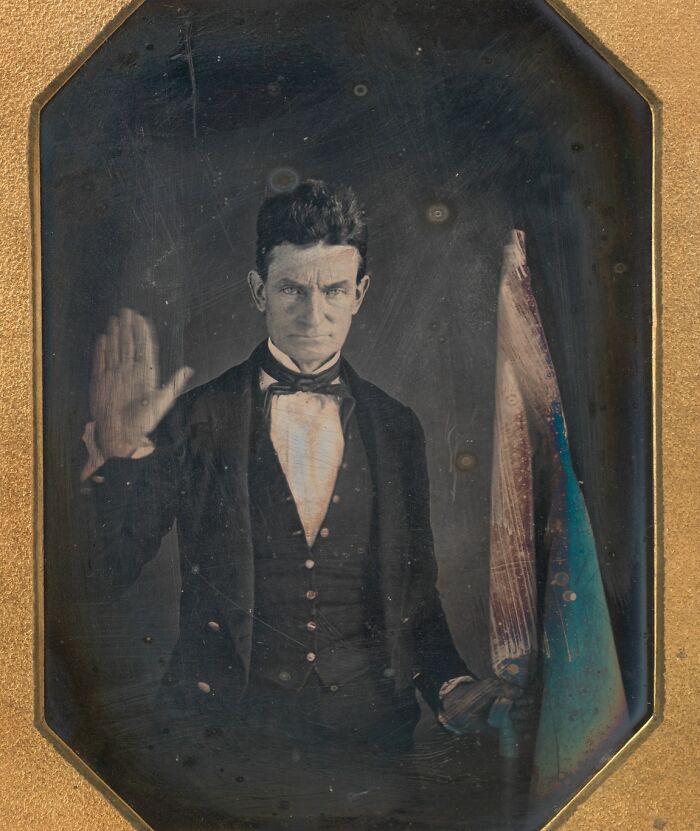
Augustus Washington, an African-American photographer, captured this powerful daguerreotype around 1846 or 1847, giving us what is likely the very first look at the intense abolitionist John Brown.
It’s a striking preview of the man whose conviction would eventually lead to the infamous 1859 raid on Harpers Ferry. That act turned him into a martyr for the cause and effectively lit the fuse that exploded into the American Civil War.
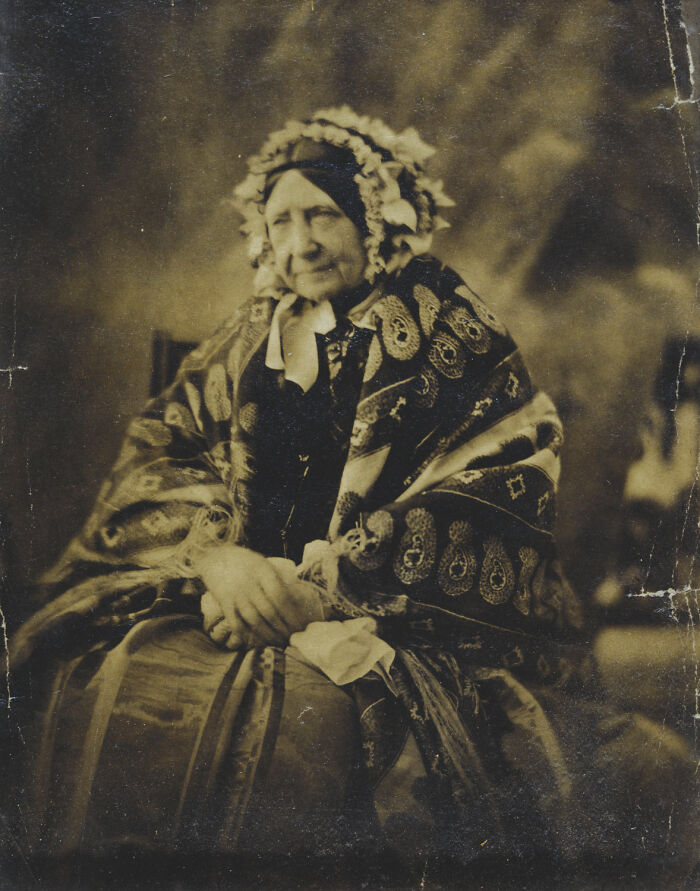
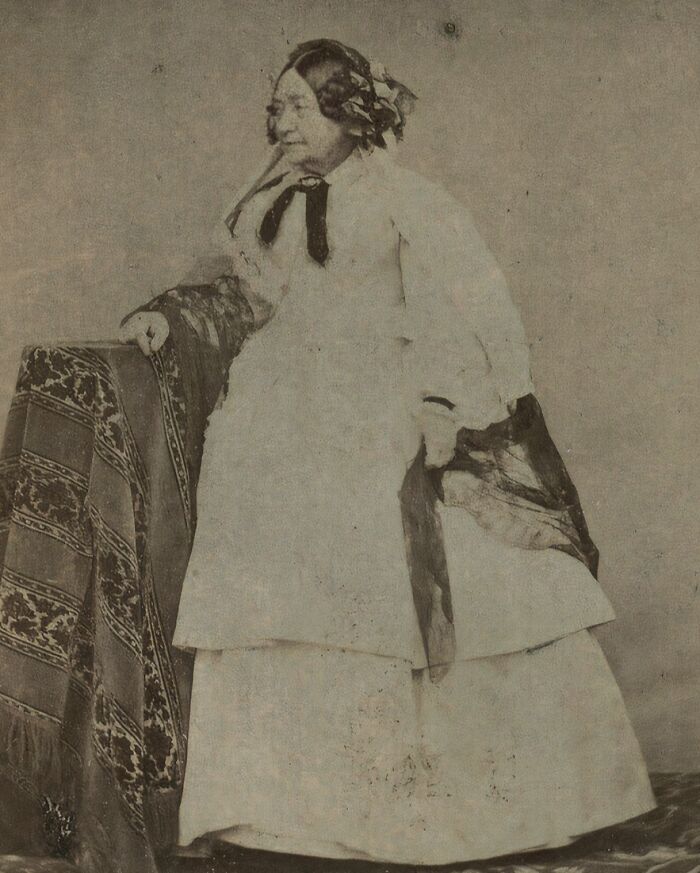
This 1860 image is a classic example of a carte de visite, a small photographic format that exploded in popularity after André Adolphe Eugène Disdéri patented it in Paris in 1854, capitalizing on a concept Louis Dodero had introduced a few years earlier. The subject here is Princess Victoria of Saxe-Coburg-Saalfeld, the Duchess of Kent and Strathearn, who is best known for being the mother of Queen Victoria.
However, before she married Prince Edward (George III's son) in 1818 and gave birth to a future monarch, she had a significant political life of her own as the Princess of Leiningen, where she served as regent and ruled the principality during her son Karl's childhood.
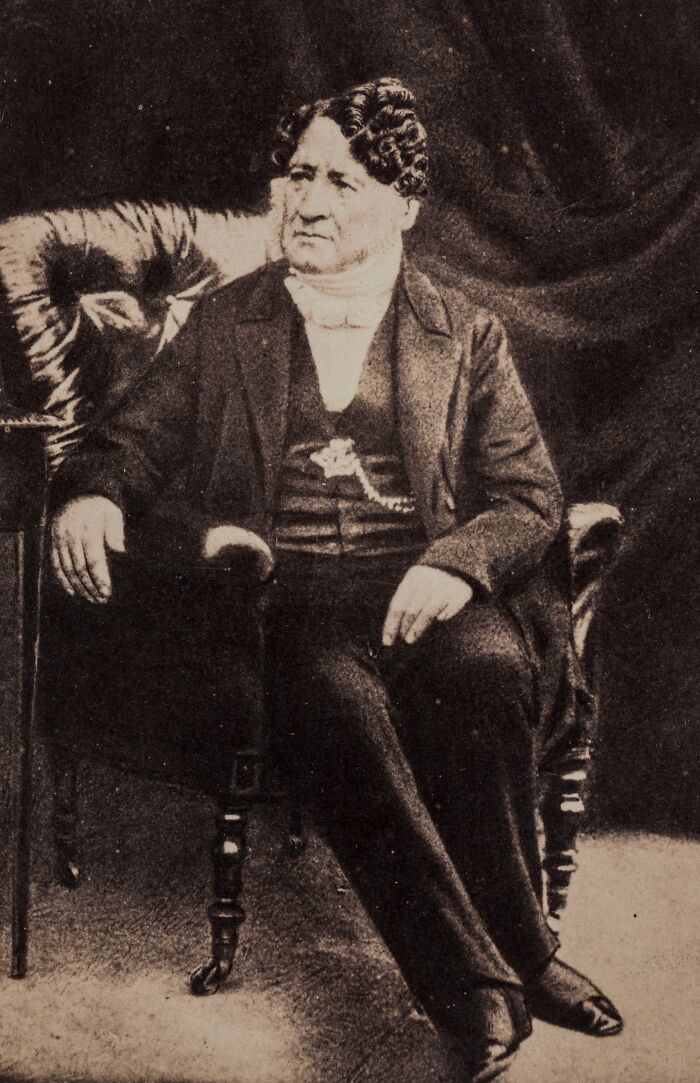
This 1842 daguerreotype is historically unique, standing as the only known photograph of a French monarch while he was actually still on the throne. Louis Philippe I, often called the "Citizen King," ruled from 1830 until the Revolution of 1848, when he was forced to abdicate.
He managed to keep the wealthy bourgeoisie on his side for a while, but his inability to win over the rising industrial class eventually cost him the crown. He remains the final ruler in France's history to officially hold the title of King.
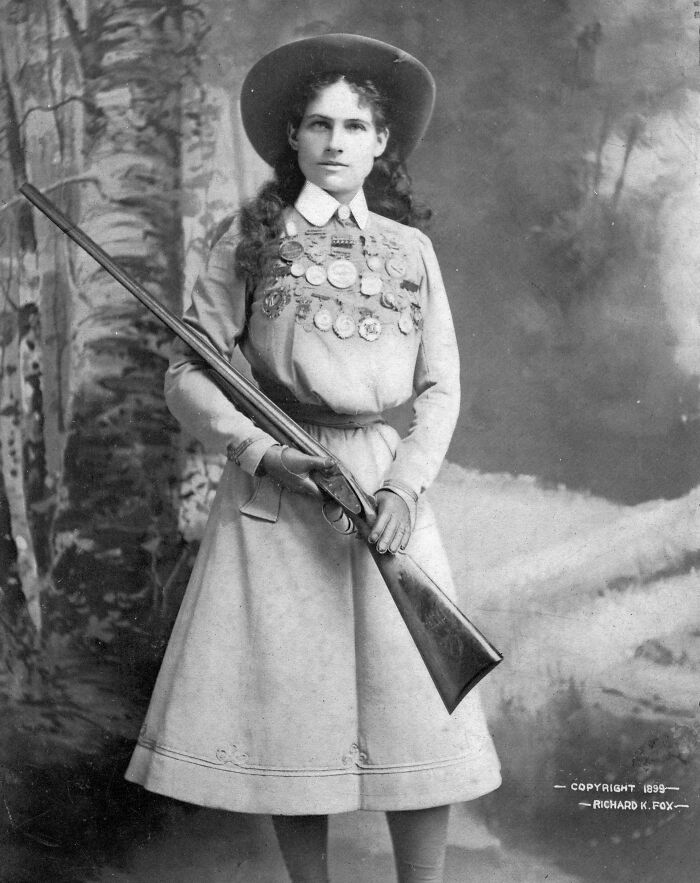
There is no disputing the legendary status of the woman known as "Little Sure Shot." Born with a different name, Annie Oakley proved she was a prodigy at just fifteen years old when she out-gunned professional sharpshooter Frank Butler in a competition.
The two ended up marrying, and in a twist that defied the era's norms, Butler eventually stepped back to serve as her assistant once her fame eclipsed his. She became a massive international draw for Buffalo Bill’s Wild West Show, thrilling crowds by shooting glass balls out of the sky and even knocking cigarettes right out of her husband's mouth.
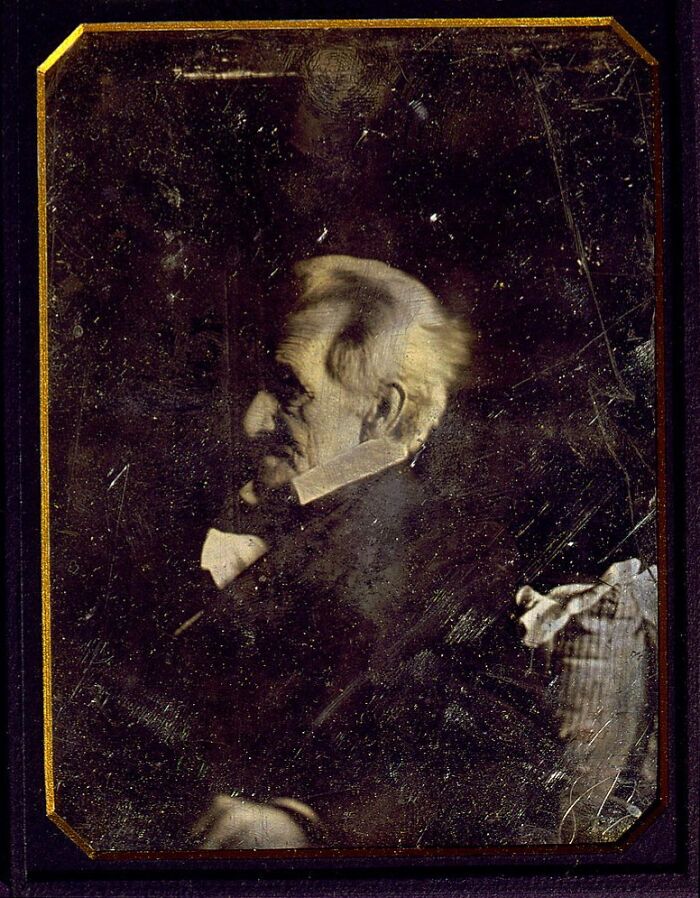
Coming out of the legendary Mathew Brady studio, this daguerreotype offers a glimpse of Andrew Jackson sometime between 1844 and 1845. By this point, the seventh Commander-in-Chief had already cemented his legacy as both a military hero and a political disruptor.
He shattered the mold as the first president to hail from west of the Appalachians, winning the White House by bypassing the elites and appealing directly to the common voter. That populist strategy redefined American politics, launching the movement we now know as Jacksonian Democracy.
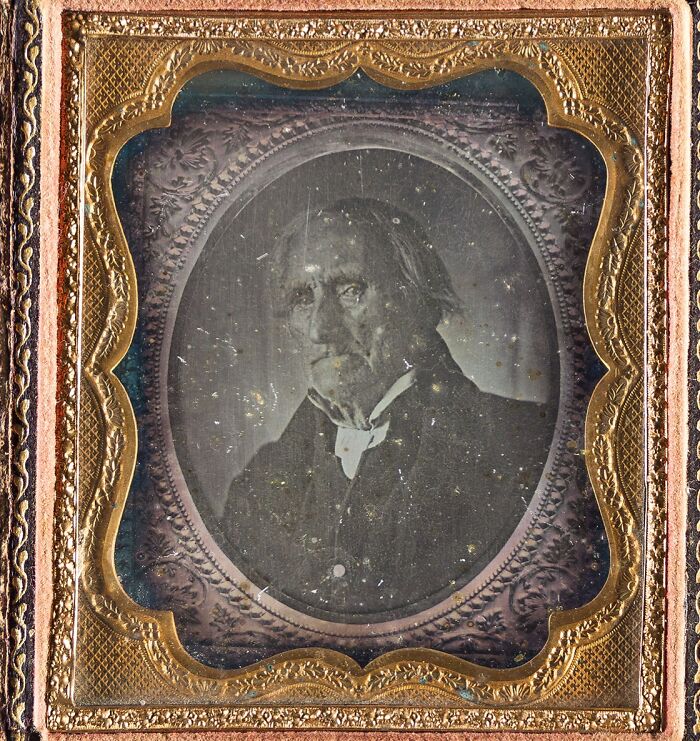
It is hard to believe that the 103-year-old man in this 1852 portrait once sat in a boat alongside George Washington during the famous crossing of the Delaware River in 1776. Conrad Heyer is the only known veteran of that freezing Christmas night operation to live long enough to face a camera. Because of his advanced age, he holds the distinction of having the earliest birth date of anyone ever photographed.
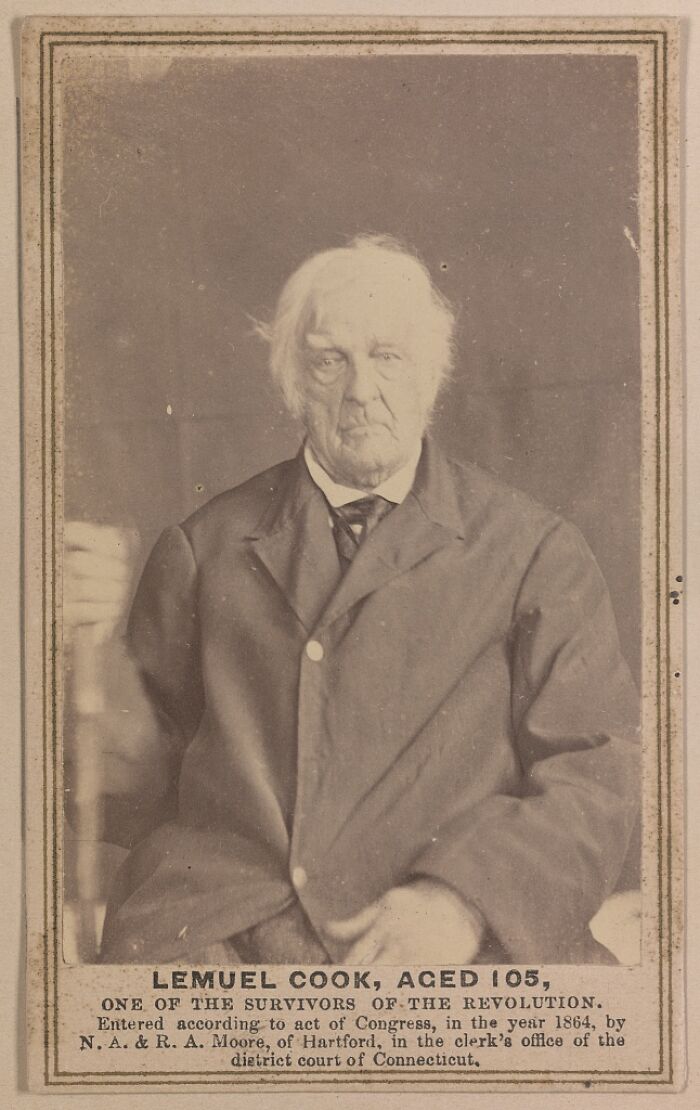
By 1864, Lemuel Cook remained as one of the few verifiable survivors of the American Revolutionary War left on earth. He certainly earned his place in history, having survived multiple wounds while fighting at Brandywine and during the Virginian campaign.
He even had a front-row seat to the war's climax, personally witnessing Charles Cornwallis surrender in October 1781. Beyond the battlefield, Cook spent his years working the land as a farmer and raising a large family of ten children.
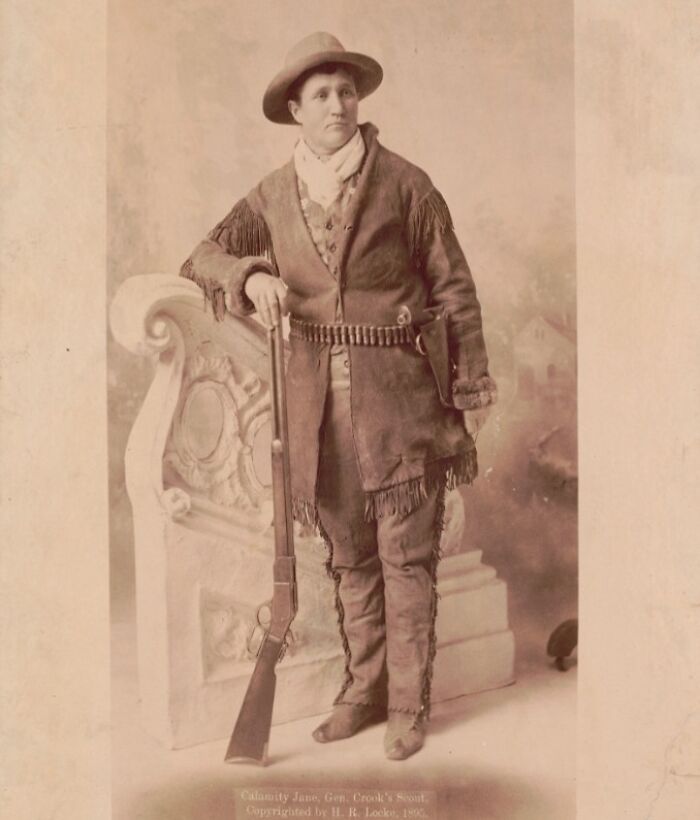
Posing with a rifle in hand for this 1895 studio portrait, Calamity Jane looks every bit the icon of the American frontier. While history often links her name to Wild Bill Hickok, figuring out who she actually was beneath the reputation is a tricky business.
She was a master of self-mythologizing, inventing stories about her own exploits that later blended with decades of folklore, making it nearly impossible to separate the real woman from the legend she helped create.
This portrait from around 1860 features the very first King of the Belgians, Leopold I. He wasn't just a founding monarch, though; he was also deeply embedded in the royal web of Europe, serving as Queen Victoria’s uncle and the husband of her cousin, Princess Charlotte.
During his reign from 1831 to 1865, he was a heavyweight in international diplomacy, known for solidifying the nation's parliamentary system and strictly enforcing Belgian neutrality in a turbulent continent.
It was his son, Leopold II, who was the unspeakably awful creature responsible for - well, Wikipedia puts it like this: 'In one of the first uses of the term, George Washington Williams described the practices of Leopold's administration of the Congo Free State as "crimes against humanity" in 1890'. Leopold II personally owned the Congo Free State, and personally made a fortune 'by systematic brutality and atrocities in the Congo Free State, including forced labour, t0rture, múrder, kidnapping, and the amputation of the hands of men, women, and children when the quota of rubber was not met.'











 No fees, cancel anytime