Get Premium
Dark mode theme is available exclusively for premium users. Learn more about the benefits of subscribing.
No fees, cancel anytime.

 Dark Mode Ad-Free Browsing Unlimited Content
 Ad-Free Browsing Unlimited Content Dark Mode
Join 1.2 million Panda readers who get the best art, memes, and fun stories every week!
We often think of ourselves as more capable than we really are. For example, according to this survey, four in five Americans consider themselves knowledgeable about the human body, but only one in ten knows that O-negative is the universal blood type, and only three in ten could tell the difference between a liver and a kidney. So, to stay grounded and remind each other that there’s always something new to learn, people on the internet have been sharing their favorite obscure medical facts. Here are some of the most fascinating ones!
This post may include affiliate links.

 * The same process that turns food brown when cooked (caramelization, or the 'Maillard reaction'), also occurs in our blood vessels as body heat causes sugars to bind to cell proteins. We just call it "glycation" instead.
* Shellfish allergies are also triggered by snails and other land-based molluscs. No escargot for you.
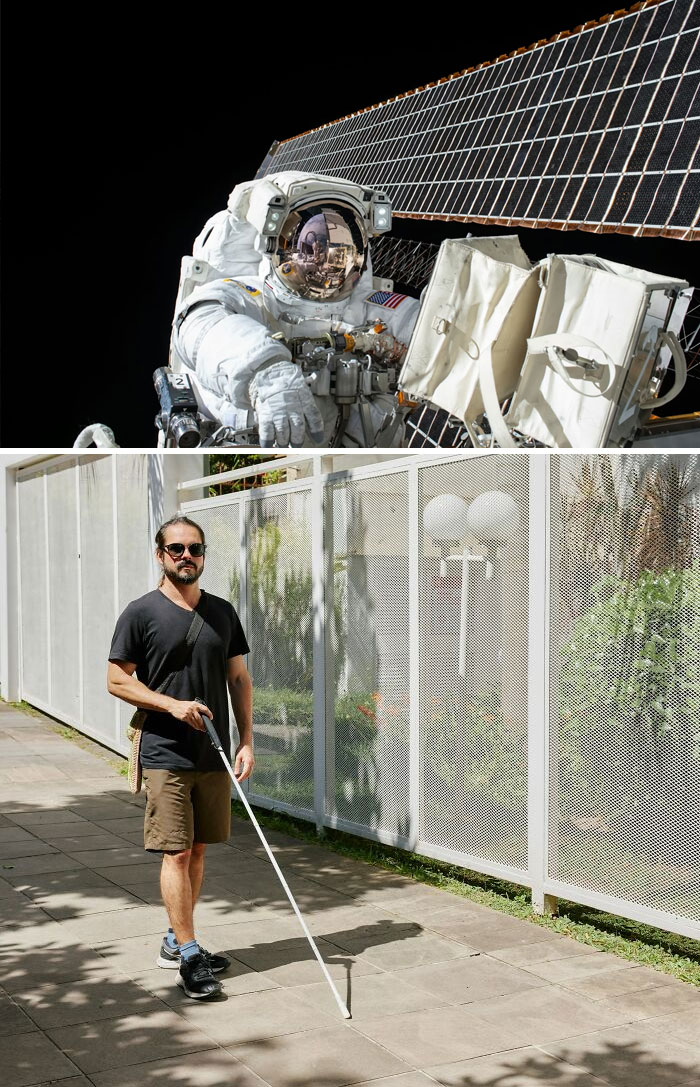
* If you are born blind due to lesions in the brain (congenital cortical blindness, rather than lesions in the eye (congenital peripheral blindness)), you apparently can't become schizophrenic. Zero known cases.
* Microgravity causes bacteria to rapidly become resistant to virtually every known antibiotic currently available (edit: upon exposure, I should clarify). Interplanetary and interstellar travel will resemble the Oregon Trail a lot more than we'd hoped.
* The idea that amputee patients can still feel their lost limb (phantom limb syndrome) is fairly well known even in the public. What I've not seen mentioned so much is that somewhere around half of amputees with the syndrome report being able to move their 'phantom limb' projections in impossible ways, complete with phantom sensation. Rotating a wrist 360 degrees or bending an elbow backwards.
* There are twins born over a month apart (90 days is the record). Usually when the mother goes into labor prematurely and the doctors were able to stop it, but only after the first child is born.
* Some deaf people with tourettes syndrome involuntarily sign curse words with their hands.
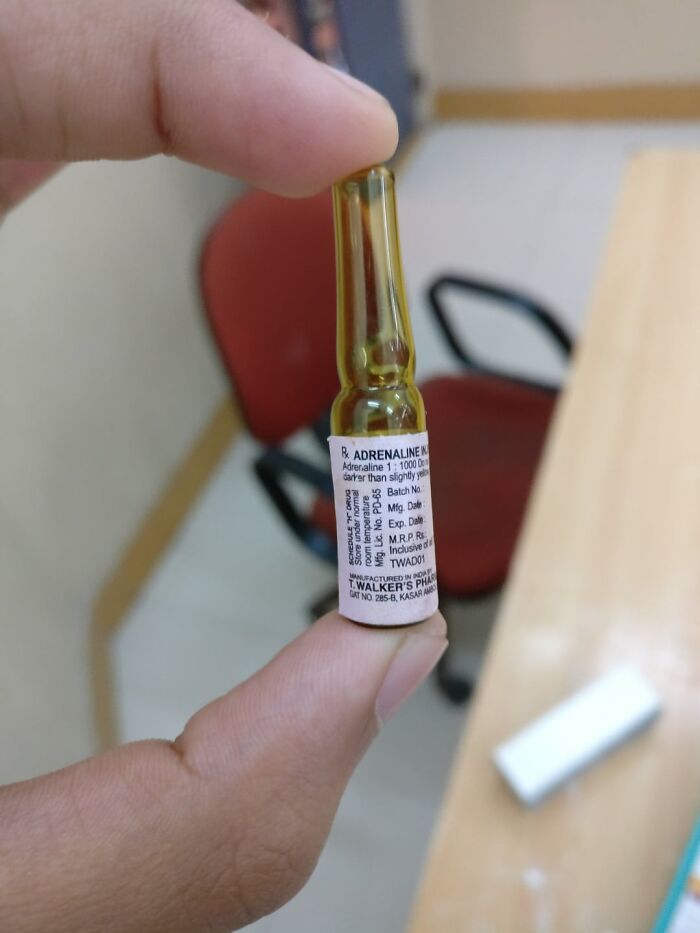 The reason the molecule epinephrine/adrenaline has two names is because epi-nephros is Greek for “on kidney”, and ad-renal is Latin for “on kidney”.
Alexthegreatbelgian:
Paracetamol and acetaminophen are both generics of the same molecule, but are named differently because different labs used a different way to describe the molecule.
N-acetyl aminophenol is the US
Para-acetyl-amino-phenol globally
 I don't know how obscure this is, but Diabetes was diagnosed previously by physicians tasting a patient's urine, it was positive if it was sweet. That's where the name comes from, Diabetes Mellitus meaning sweet urine.
On a related note, Diabetes Insipidus is not related to Diabetes Mellitus except in word definition. If DM urine tasted sweet, DI urine tasted bland to diagnosing physicians, and that's where the name came from, bland urine.
Outrageous_Setting41:
People also used to pour the pee on the ground near an anthill. If the ants love your pee, you’ve got the beetus.
 Hyoscyamine, often used in end of life care, comes from henbane. Henbane wreaths were said to be worn when people crossed the river of styx into the other world after death.
Anon:
May I ask what it's used for in end of life care?
Hikerius:
Reducing secretions I believe.
atxviapgh:
Can confirm as a hospice nurse.
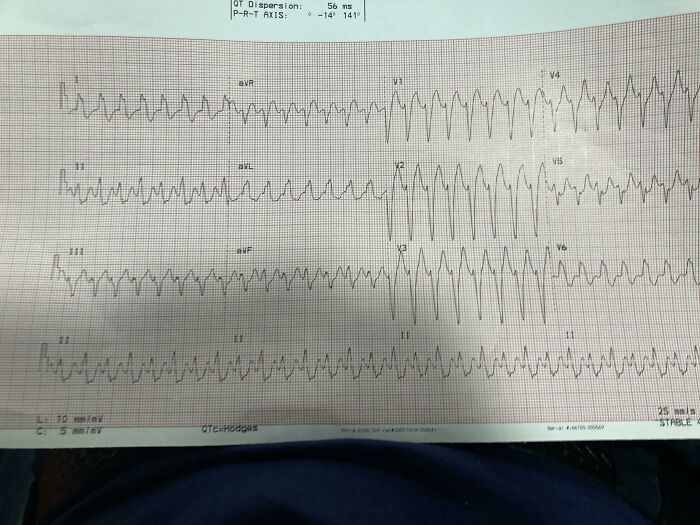 Not super obscure but a couple years ago I learned that LVAD (Left Ventricular Assist Device) patients can live in sustained V Tach (irregular heartbeat) for a long time. An LVAD doc was doing a bedside echo and showed me what was going on with a patient that had been airlifted to us— he said, “if this were any other person he’d have died hours ago, but it’s the machine! It’s keeping him alive!” It was the only time I ever saw that man show any emotion at all.
autumnfrostfire:
Not obscure but I learned that when an LVAD patient codes, the first thing to do is check to make sure it’s still plugged in and on.

From Gemini: "Patients with left ventricular assist devices (LVADs) can experience sustained ventricular tachycardia (V-tach), which is a serious heart rhythm disorder. While LVADs improve outcomes for heart failure patients, they also increase the risk of arrhythmias, including V-tach, which can lead to complications if not managed properly."
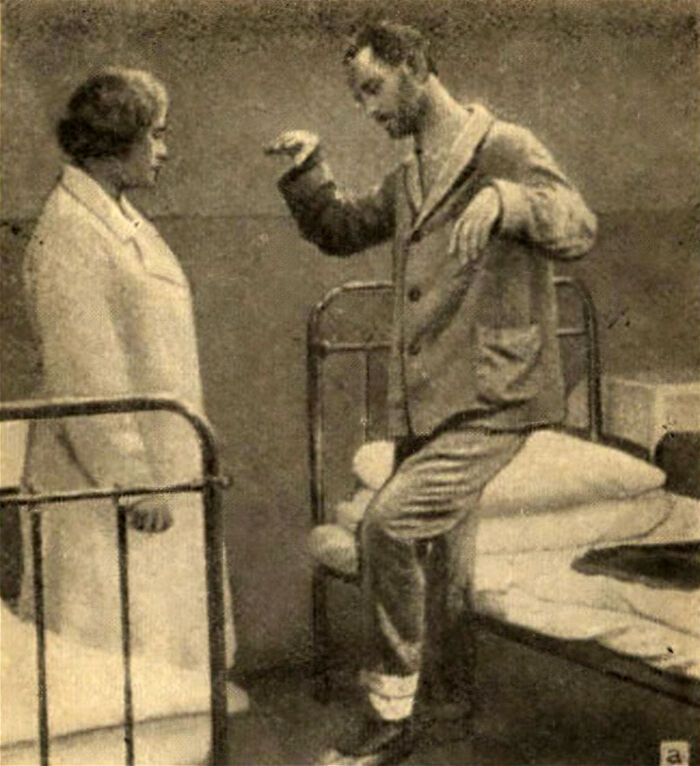 The word stupid has medical origins in what we now call catatonia, previously called stupidite. It is why we use the word stupor.
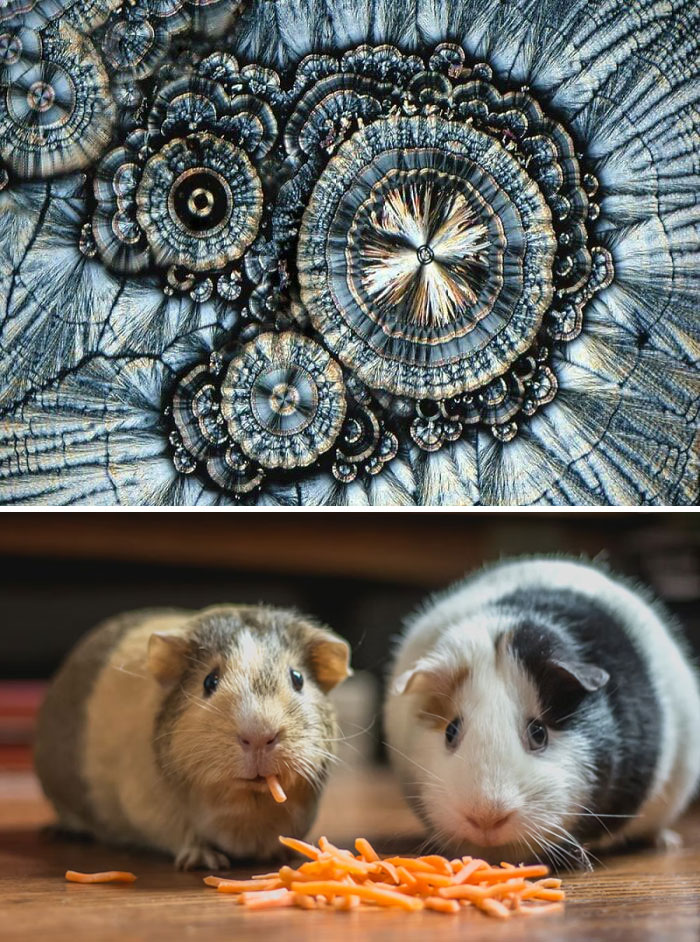 Humans are one of the few animals that need vitamin C to live... Just us, a few primates and Guinea pigs.
Wohowudothat:
And holy cow do the guinea pigs love their little vitamin C tablets.
Anon:
Now I know why chimps keep taking my pills.
potato-keeper:
To throw at the guinea pigs?
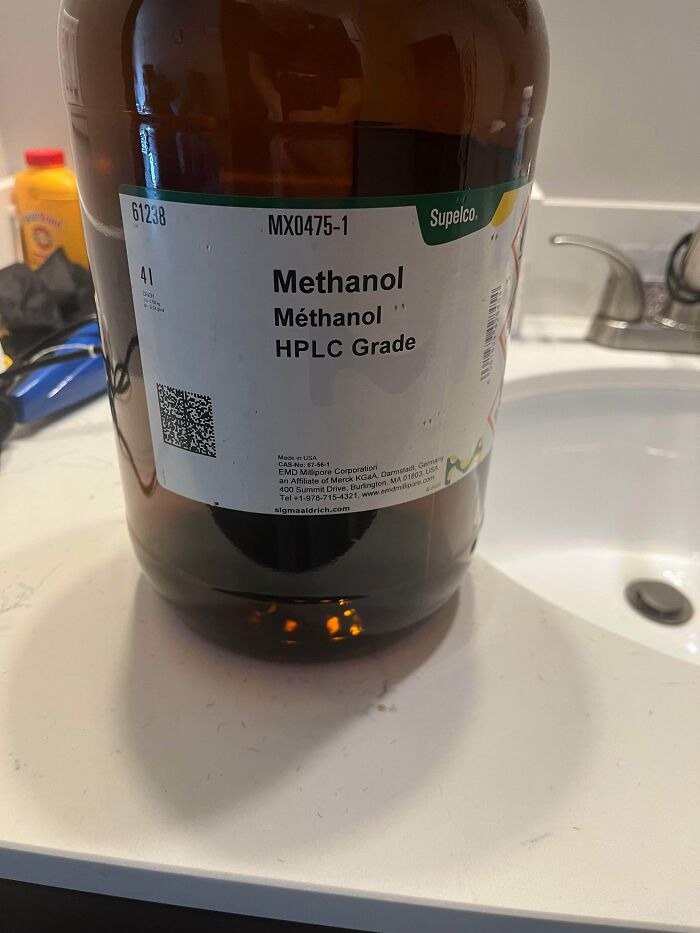 The treatment for methanol poisoning is ethanol. If you drink methylated spirits, the treatment is to get loaded. Methanol is metabolised by the liver into formaldehyde, which we make naturally in small amounts, but in larger amounts is quite harmful. The metabolism of ethanol, the alcohol we actually want to drink, is much more forgiving.
Our liver does both with the same pathway, so if we dilute the methanol in the system by introducing ethanol we're reducing the amount of formaldehyde we're producing over time to less harmful levels.
When distilling spirits the first 200 mL or so should be discarded because it's mostly methanol. However, moonshiners and distillers of old didn't want to waste anything so would drink it as well, but then treat themselves inadvertently by drinking the rest of their spirits that were mostly ethanol.
zelman:
Unfortunately, ethanol is no longer the preferred treatment. Fomepizole ruined all the fun.
QueenMargaery_:
Come work at a poor rural hospital so fomepizole isn’t on formulary and we still make ethanol drips! BAC titrated to 0.1!
we learned that in 8th grade biology while making spirits... but psst. We were not allowed to tell.
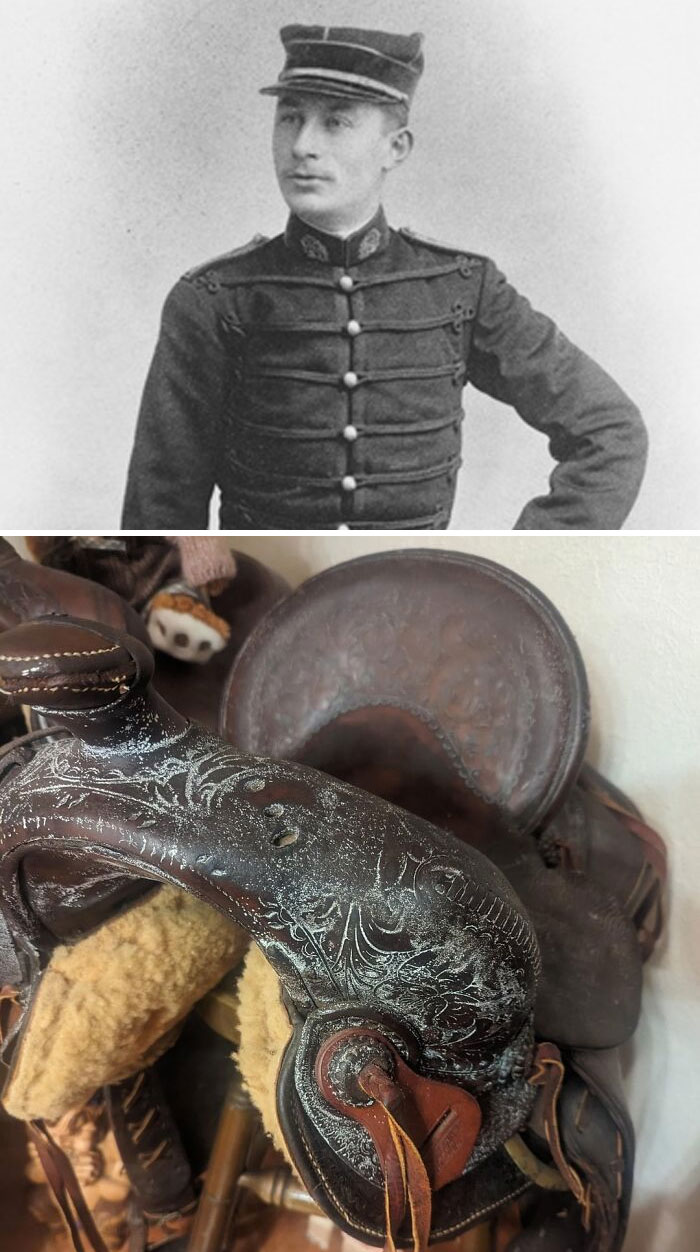 The mold from which the first antibiotics were harvested were first discovered from a young French med student Ernest Duchesne, noticing that Arab stable boys would keep horse saddles in damp, dark places to encourage mold growth. This reduced the amount and severity of saddle sores. Wrote a paper on it but didn’t receive credit. Several decades later and Fleming makes Penicillin.
throwawayzder:
“Because he was 23 and unknown, the Institut Pasteur did not even acknowledge receipt of his dissertation.
Duchesne served a one-year internship at Val-de-Grâce before he was appointed a 2nd class Major of Medicine in the 2nd Regiment de Hussards de Senlis. In 1901, he married Rosa Lassalas from Cannes. She died 2 years later of tuberculosis. In 1904, Duchesne also contracted a serious chest disease, probably tuberculosis. Three years later, he was discharged from the army and sent to a sanatorium in Amélie-les-Bains. He passed away on 12 April 1912, at age 37.”
Tragic.

 Achromatopsia is condition characterised by a partial or complete lack of colour vision.
Whooping cough and kennel cough are related conditions as both are caused by the bortadella bacteria.
Valium takes its name from the Latin word ‘vale’ meaning farewell/goodnight.
In the 1890’s in Australia it was common for patients with arthritis to climb inside beached decomposing whales and lie in them for two hours in an attempt to be cured.
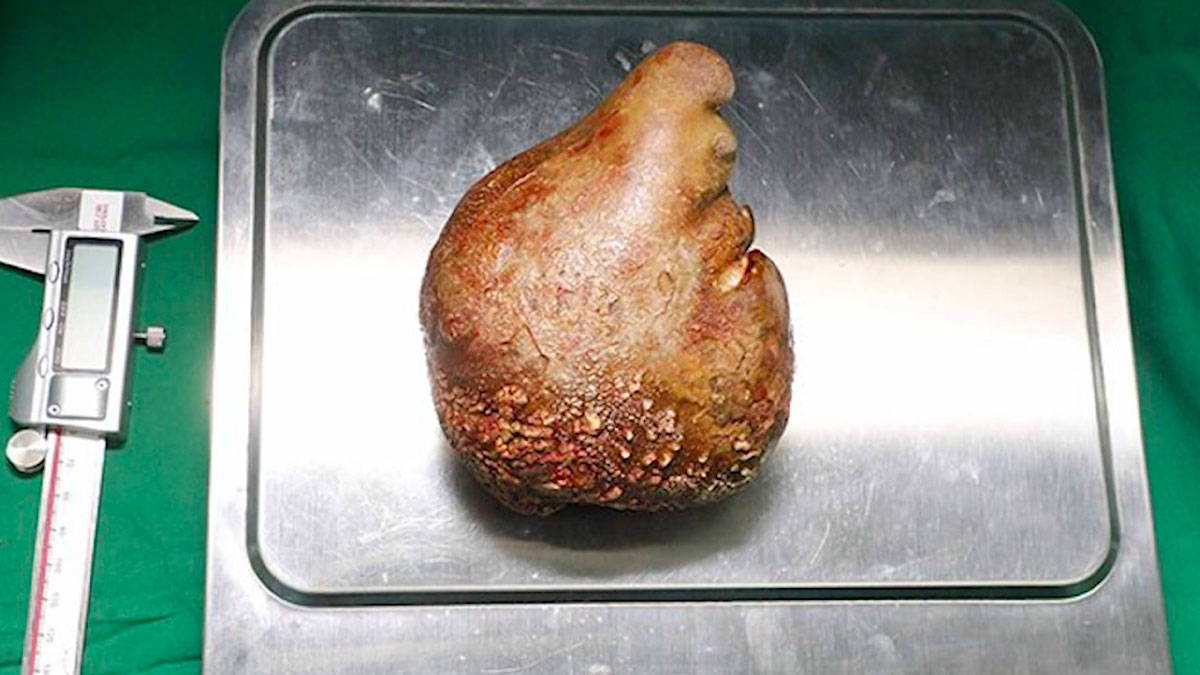
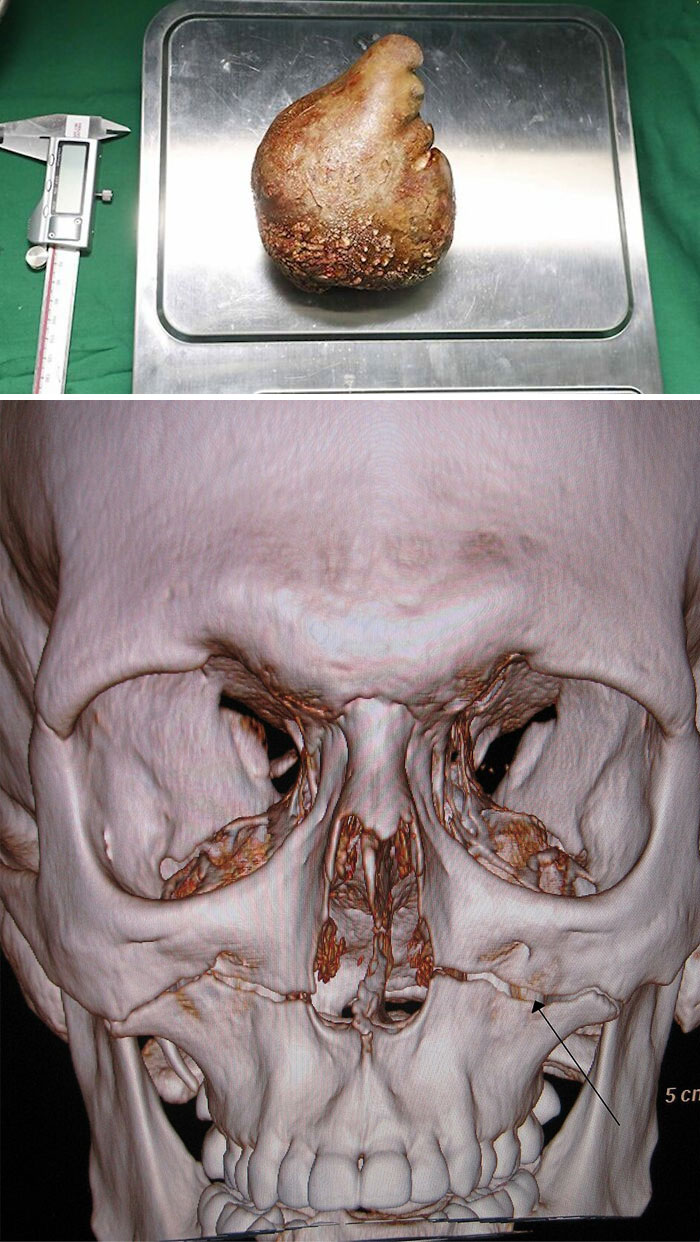
The heaviest recorded kidney stone belonged to a Hungarian man. It was 17cm in diameter and weighed 1.12kg.
Lefort’s facial fracture classification system came about by him dropping cannon balls on cadaver heads then boiling them to expose the skulls.

I've read about the poor arthritis sufferers, sitting inside decomposing whale carcasses in an attempt to be cured before and I think it gets more gross every time I hear it. I personally live with chronic pain due to bone/joint conditions and you couldn't cure me and pay me enough to do that. 🤢 Just the thought of the smell of rotting flesh, oozing with bacteria/parasites surrounding me for hours, has me ☠️
 You can terminate intractable hiccups by placing a nasopharyngeal swab into the nasopharynx, inducing vagal nerve stimulation. So far I have a >98% success rate.
Edit: I didn’t expect this comment to blow up, so I’ll explain the technique I have used. Nasopharyngeal swab, moistened with sterile water (or equivalent) to reduce the irritation caused by the dry swab, dominant nostril, place it in the nasopharynx and cephalaud (towards the brain), do not spin the swab in the manner required to obtain a sample but leave the swab in place for 5-10 seconds and apply slight pressure ventrally. Patient supine can help, good idea to have a basin ready in case of vomiting. Coach regular breathing as there is a tendency to hold breaths. The time the swab remains in place should be the same duration as the time between hiccups.
honeyismybunny:
Oh tell me more. Do you have to stick it deep like a COVID swab? I’m so intrigued.
OP:
Deep like a swab, and cephalaud. Let it rest for a moment. A moist swab is easier to tolerate.

I think I get the gist but that was a lot of technical terms I certainly dont know as someone not in the medical field. I guess it depends on which sub this was found on and the likely readership demographic
 Probably not obscure; but-
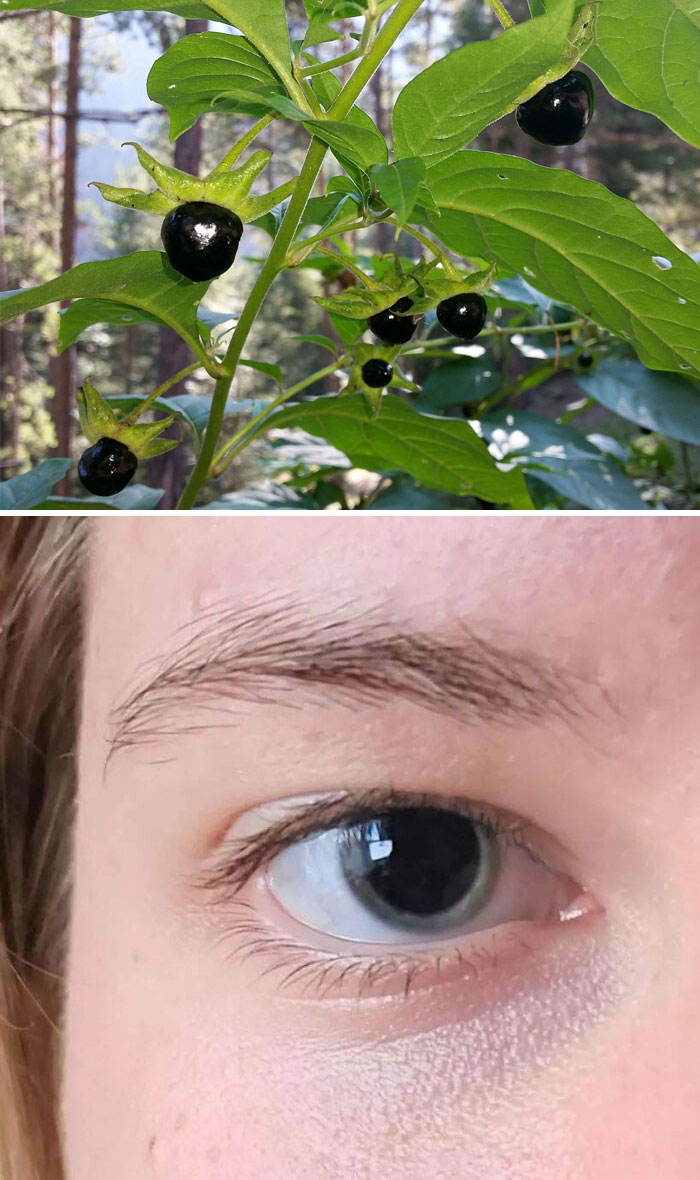
Atropine comes from the Atropa bella-donna plant. Dilated pupils used to be considered a beautiful thing, so ladies would use an extract from the plant to dilate their pupils. Bella Donna is some foreign language (Italian maybe?) for beautiful girl.
ipseum:
Another interesting fact is the full latin name of the plant atropa belladonna comes from the understanding the plant was also highly toxic. Its common name was deadly nightshade. Atropos is one of the three fates in Greek mythology and was thought to determine the means of death for mortals severing the thread of their life with her shears. So the plant is named for both it's toxic and cosmetic uses and the name atropine is derived from the Greek mythological figure.
 Alien limb/alien hand syndrome. By far my favorite. Occurs when one hemisphere is disconnected from another but still has functional output to a limb, extremely rare to see unless one is movement d/o with a clutch of CBGD patients. Its quite disconcerting to see patients referring to the 'evil twin inside them' with their limb floating in the air in the exam room or grabbing things tightly with no input from the patient.
sassiveaggressive:
Would Charles Bonnet be similar to this?
irishspice:
CB Syndrome happens to people who have lost some of their vision. The brain fills in what is missing and is sometimes quite creative about it. I'm a Blind Rehab Specialist and always asked my clients if they see things that aren't there. They won't tell anyone because they think they are going crazy. I tell clients that if it makes no sound, or seems out of place, it's just their brain being silly. The brain can get quite creative and show them animals/pets that aren't real. One lady saw a party in her living room that she was rather sad that she hadn't been invited to.
A limb floating in the air can also be a good indicator of deep hypnosis.
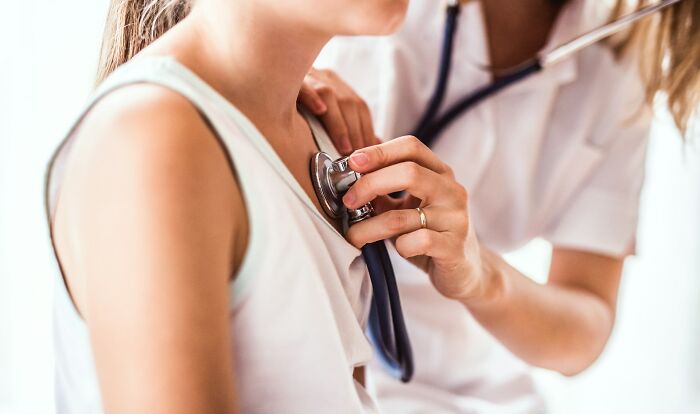 The stethoscope was invented by a French doctor who thought it was awkward to lay his head on the breasts of females to listen to their heart.
Radioactive_Doomer:
Didn't stop that one med student.
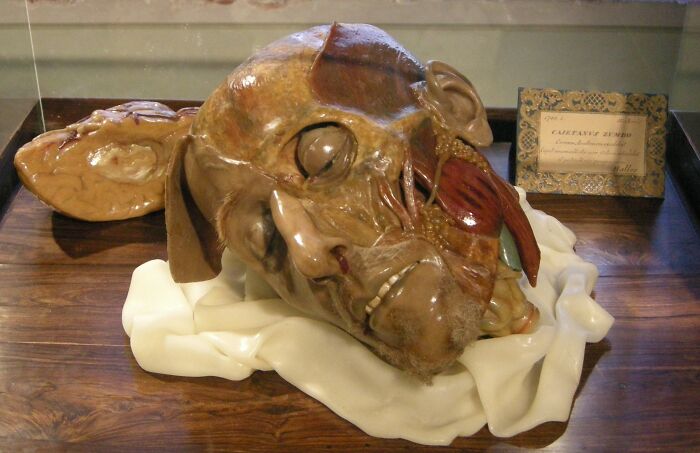 The Austrian Emperor commissioned Venetian anatomists to create extremely accurate wax models of the human bodies in various stages of dissection for medical study. He did this because the dissecting a human, would result in condemnation. However, all Venetian’s had been excommunicated and condemned after the 4th crusade, so it was too late for them.
The wax models are on display at the Josephinum Medical Museum in Vienna. I Saw them in 2003 and still one of my favorite museums.
2old2care:
The Josephinum is astonishing. I discovered it quite by accident while making a medical history film in Vienna. It is a must-visit for anyone interested in medical history.
I'd say excommunicating a whole city, is just asking for people to question church dogma. After all, they have no chance of salvation, so there's nothing to lose. I guess this is what we today call an 'own goal.'
 Warfarin was discovered incidentally after a bunch of mice ate spoiled grain and bled out. It's derived from a fungus. The University of Wisconsin Alumni Research Fund paid for the original research for it to be developed as an agricultural poison - WARF-arin is an acronym for this group.
minecraftmedic:
Close!
It was actually cattle spontaneously haemorrhaging or doing so after being castrated.
Clover and many other plants contain coumarin. A fungus in the spoiled hay metabolised the coumarin into dicoumarol, which the cows then ate.
Hence the WARF - arin for W.A.R.F + dicoumarin.
The first commercial use of warfarin was as rodenticide, hence why you think of rodents.
Where I live it is often referred to, in a form on gallows humor, as rat poison.
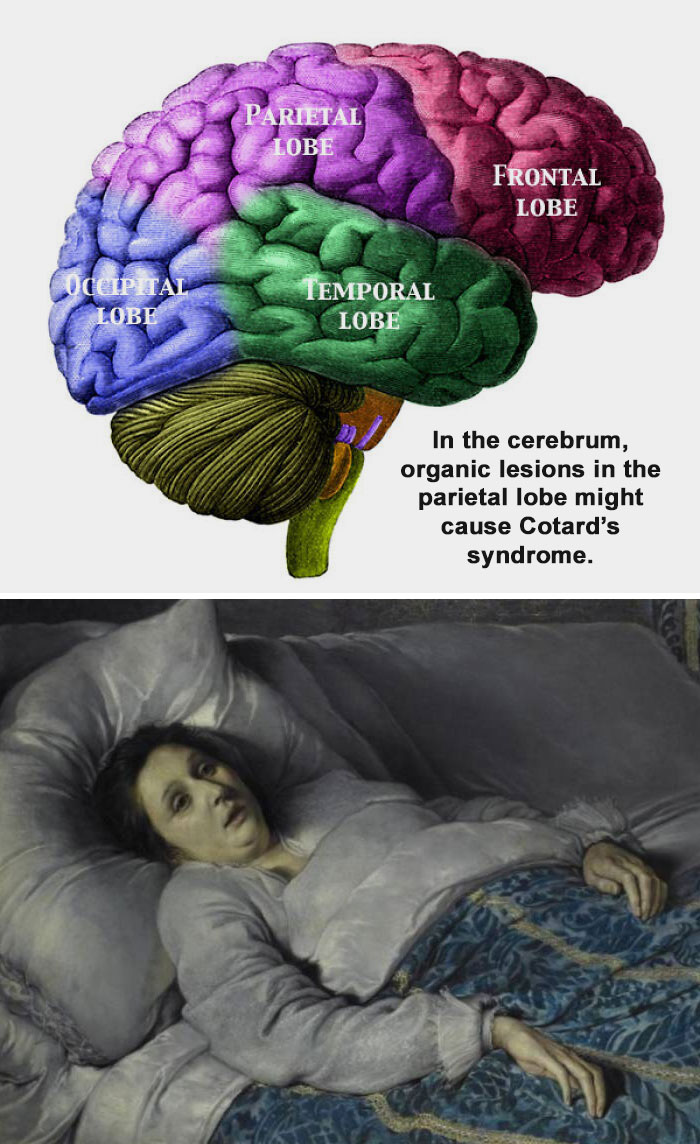 Cotard's Delusion - a psychiatric condition where the patient beliefs that they are [passed away], missing organs, or immortal.
tarracecar:
Saw a patient like this. He believed his brain had leaked out of his ears and that he was already passed away.
Very nice patient, very psychotic though.
Well, I'm all three but I'm a vampire, so I clearly don't have a psychiatric condition.
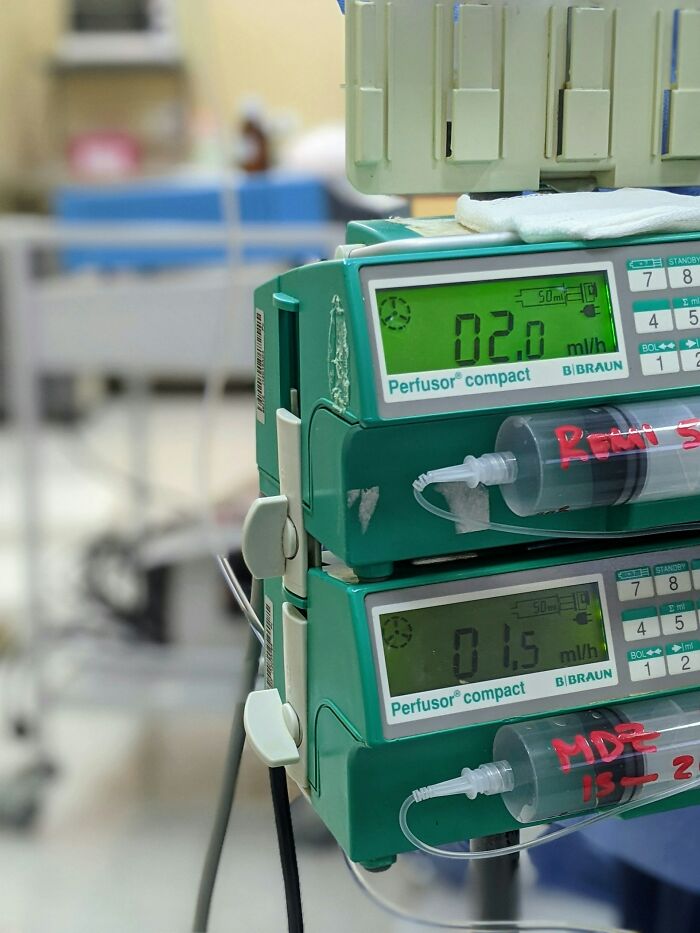 Until relatively recently, lots of pediatric anesthesia was done simply by paralyzing the infant with no other anesthetic on board. This was because the mortality from anesthesia was so high it wasn't worth the risk.
This means that the poor kid would be awake, aware, and feel all the pain, just unable to move.
beck33ers:
Also done partly because they didn’t think babies could feel pain.
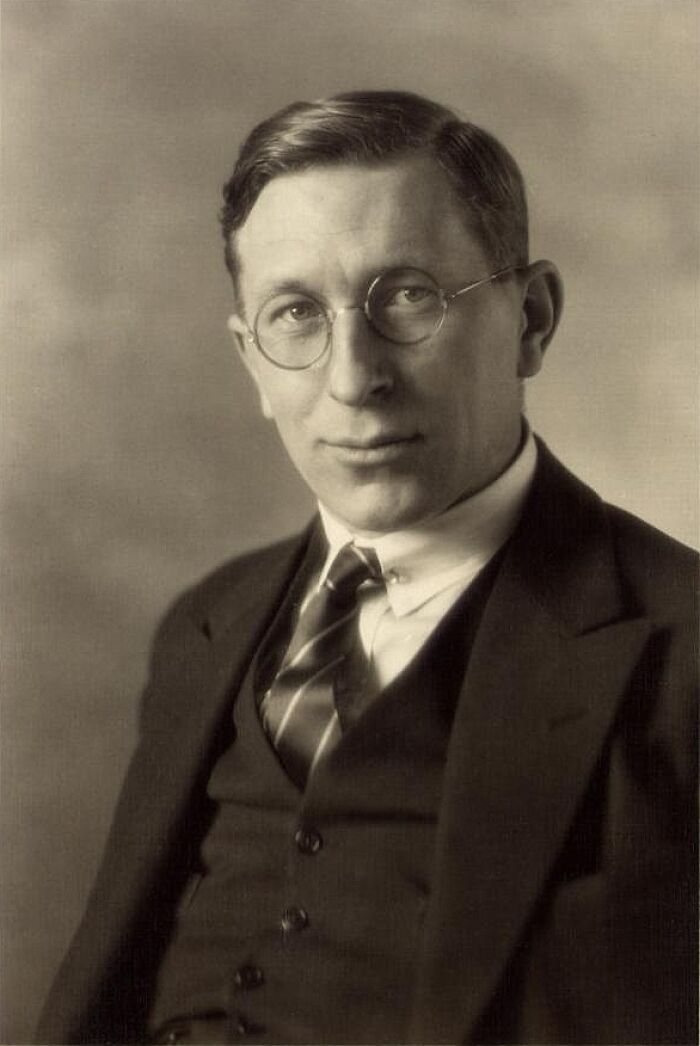 The physician who co-discovered insulin was a Canadian physician named Frederick Banting. In 1922, he was the first physician who ever treated DKA.
Incidentally, he was also an orthopedic surgeon and that’s also likely the last time an orthopedic surgeon attempted to treat diabetes.
Anon:
In my undergrad they put out a call for a research assistant. I had a telephone interview with an elderly lady and got the job. I was confused that we didn’t meet on campus.
I was told to show up to a home address in an area I had never visited in town. I grew up working class.
I show up to this beautiful house on a hill. So much art. There were original group of seven paintings. I met Mrs. Best, the wife of Henry Best. He was the son of Charles Best. She tells me her husband had died a few years ago and she never cleaned out his study because it was too emotional for her.
For weeks I was tasked with creating a catalogue of her husbands books. I went through so many papers that were his fathers. Henry was a historian. And then one day the photographs. I believe I handled some originals from the famous photographs of Best Banting and the dog. Some outtakes when the dog was giving them trouble posing. I’ll never forget that.
Mrs. Best even invited me to lunch with her sometimes. She made fancy foods I had never tasted. She told me about Henry and their life together. She took the time to teach me etiquette. She always asked me about my life. She was such a lovely person. I’ll never forget those weeks I spent in her house.
 Furosemide (often called a "water pill" - used to reduce excess fluid buildup and treat high blood pressure) being administered causes temporary hearing loss because it’s a potassium channel blocker and potassium is largely responsible for causing the neurons to fire and move the hairs in response to noise within our basilar membrane (a stiff, fibrous, and delicate structure in the inner ear). Paraphrasing here but a fun fact I stumbled across within a comparative animal physiology textbook.
apothecarynow:
Bonus lasix fact-
Have you ever heard someone say they got to 'pee like a racehorse'. That's because trainers would give furosemide to race horses before races to prevent exercise-induced pulmonary hemorrhaging.
I have Furosemide tablets prescribed to me. To be taken when necessary. I hate them, and have never heard of the potassium connection. Interesting.
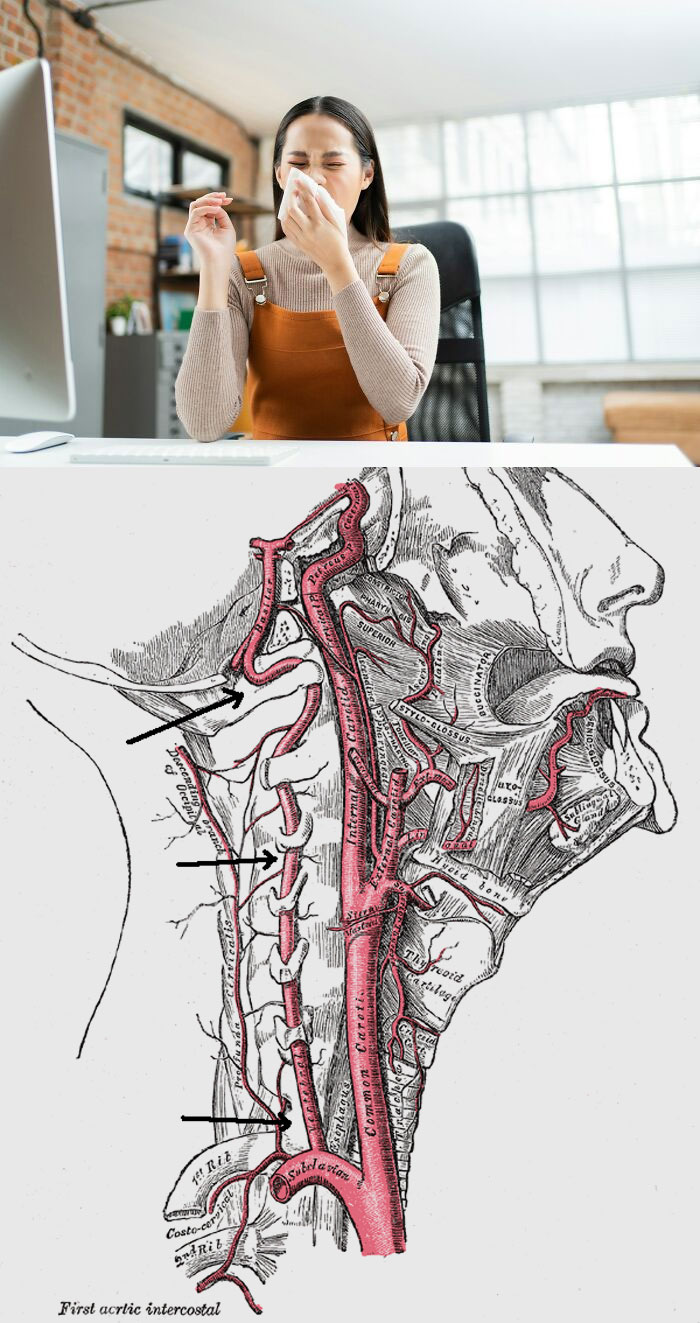 You can tear or dissect your vertebral arteries by sneezing, turning your head or chiropractic manipulation… Leading to severe stroke.
Lereas:
Or cracking your own neck. I know a guy who cracked his neck and caused a small dissection that clotted. Then later he cracked again and suddenly went blind in one eye and had a stroke and thankfully got to the ER within minutes because they lived close and they were able to treat him.

The propensity for this to occur is genetic as well. Myself and my two children, if our necks are manipulated in an "adjustment" type way, will pinch the vertebral arteries and cause immediate, excruciating headaches.
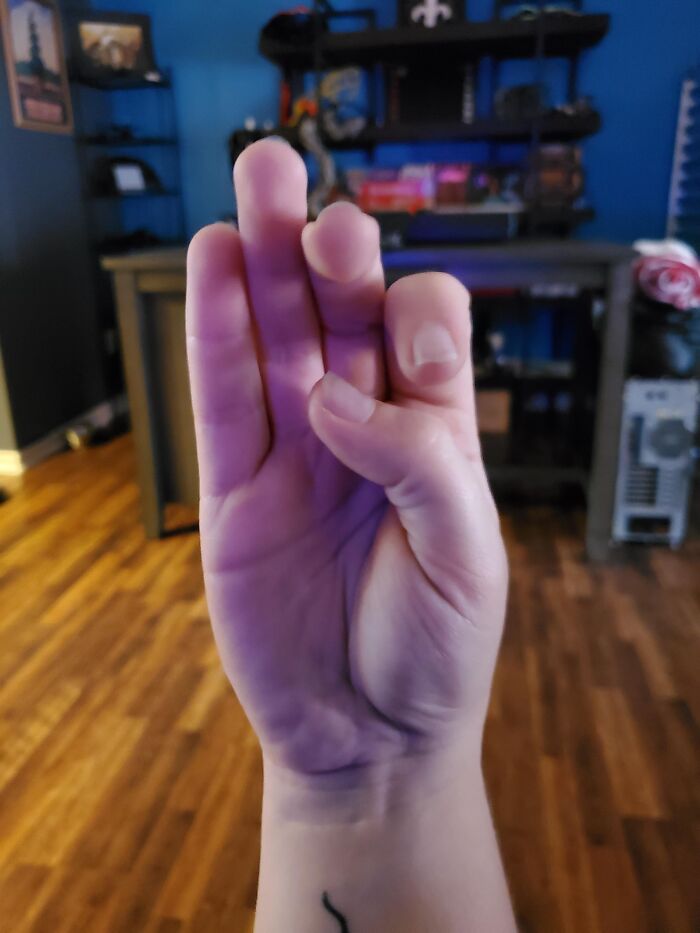 Deaf people with schizophrenia can experience auditory hallucinations as seeing hands signing.
wheezy_runner:
I've also had bilingual patients with schizophrenia who had auditory hallucinations in both languages.
Auditory hallucinations can easily be explained as clairaudience. When a person is clairaudient they can "hear" spirits. Over the past 30 years as a psychic, I have heard spirits talk to me in Spanish, French, Italian, German, and ET language. And, no. I am not schizophrenic.
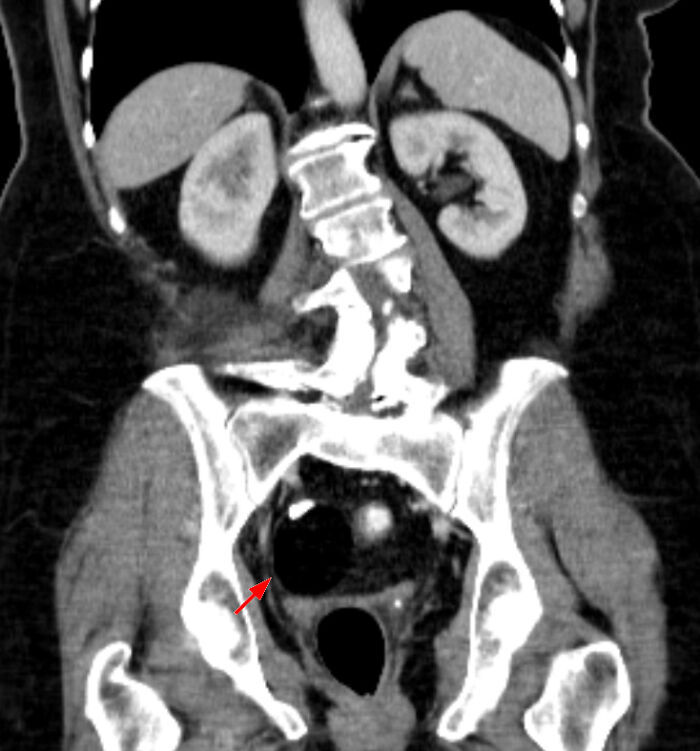 I’m 5 years out of residency and still to this day the only thing that truly freaked me out was learning about Teratomas (dermoid cysts at birth) in Pathology. Basically benign tumors of developed tissues hair eyes etc.
want to go down a gross out rabbit hole of google images? You’re welcome.
purpleelephant77:
My sister had one found incidentally when they were looking for something else and she said the google images she saw made her more scared of the benign tumor that they probably won’t even bother to remove than the actual (pretty serious) problem the imaging showed.
laurabun136:
I had to have an emergency surgery; once the general surgeon started the procedure and saw what was going on, he called in a gyn surgeon. The initial surgery started as laparoscopic but when the gyn took over he changed it to an open cut. He said, "I couldn't see bringing all that out of those tiny holes." That referred to the torsioned fallopian tubes and teratomas, fully formed, hair, teeth and bone. So, he just ripped out everything. Surgical menopause - years before a natural occurrence - bad.

I'm always so grateful to be told "Don't look this up on Google Images!" I never do. I know my limits
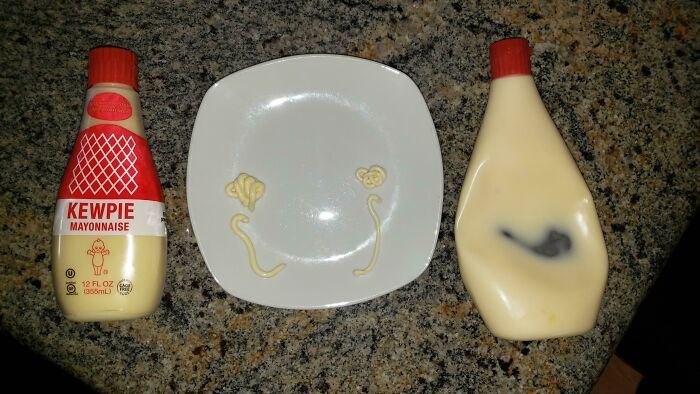 Propofol is suspended in a emulsion of soybean oil and egg lecithin. You know what else is an emulsion of eggs and oil? Mayonnaise.
koala_steak:
Unfortunately does not taste like mayo at all :(
 Decidual cast is when you have a period where the entire uterine lining comes out at once looking like you’ve had a painful miscarriage when in fact it’s just the inside of uterus having a spring cleaning event.
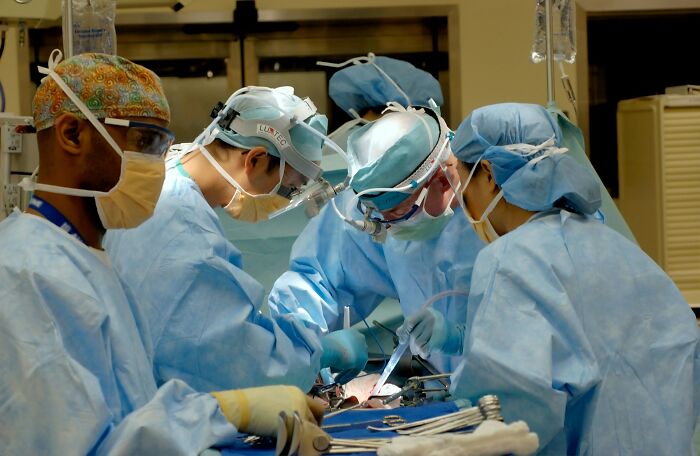 During heart surgery we drain the patients blood out into a bucket and put it back at the end.
Nobody knows how much heparin you need for cardiopulmonary bypass. People just picked a number in the 60s and we've basically stuck with it since.
The original mechanical valves were loud enough to be heard across a room.
xixoxixa:
This is true in ECMO use as well - I work in pre-clinical ECMO research, half our portfolio is in anticoagulation, and going to the meetings and conferences, everyone just wings it.
Lereas:
Osteoporosis is arbitrary as well. There was some big meeting where they were trying to define it and everyone was tired and someone said "why don't we just make it -2.5 on a dexa" and everyone said "yeah sure, good enough"
I'm kinda paraphrasing, but it was something along those lines.

My brother had a mechanical valve put in a few years ago after having a porcine valve for over 20 years. (Yes, he had a pig valve in his heart) He couldn't sleep for months because of the noise from it. You can't hear it outside his body, but he can hear it from inside. Crazy right? It gets quieter the longer it's been in there, so he can barely hear it anymore now.
 The Roman Empire developed screws that tighten with right-handed supination because the supination musculature in the forearm is stronger than pronation.
 The fact that some people do not have the genetic makeup to smell asparagus in urine.
emmanonomous:
I think I have this, I've never had bad smelling urine after eating asparagus. I thought it meant I didn't produce the smell. Does this mean I do produce it, but can't smell it?
sapphireminds:
Yep! Everyone else who has the gene can smell it. So don't pee on someone's stuff after eating asparagus lol
 This is more anatomy than straight up medical but my favorite nerve is the recurrent laryngeal nerve as it’s a clear example of biological evolution as it’s anatomically coming from the same origin as the equivalent in fish/shark Gills
And in giraffes the nerve goes all the way down the neck and back up to the vocal cords. It’s just a cool nerve..
LatissimusDorsi_DO:
It’s one of many great examples of how dumb a designer was if we were designed, because there is zero point to looping around the subclavian artery and the arch of aorta and coming back up.
Yersinia pestis suppresses the immune system similarly to HIV-1. They both target the CCR5 receptor. Therefore, the delta32 CCR5 gene mutation confers resistance to both HIV-1 and Plague.
Yersinia pestis, the black plague, is still with us, in Madagascar, in sub-Saharan Africa, and in Arizona. When it develops antibiotic resistance, expect it to k*ll billions of people.
 Nobody really has a clue how general anaesthesia works, we know you are not awake during it and you don't remember anything afterwards.
maos_toothbrush:
I mean, we have pretty good clues about GABA agonists, glutamate antagonists, inhibition of the ascending reticular activating system and NMDA receptors.
_qua:
And truthfully, until we know what consciousness is, we will never know.
The doctors who first studied the effects of a general anaesthetic on the brain in an MRI got a shock. Instead of the brain activity slowly shutting down until it resembled sleep, the brain scan lit up like Christmas tree. The first general anaesthetics were all party dr*gs before being used in surgery. This includes rum, ether, chloral hydrate, chloroform, nitrous oxide and various opiates.
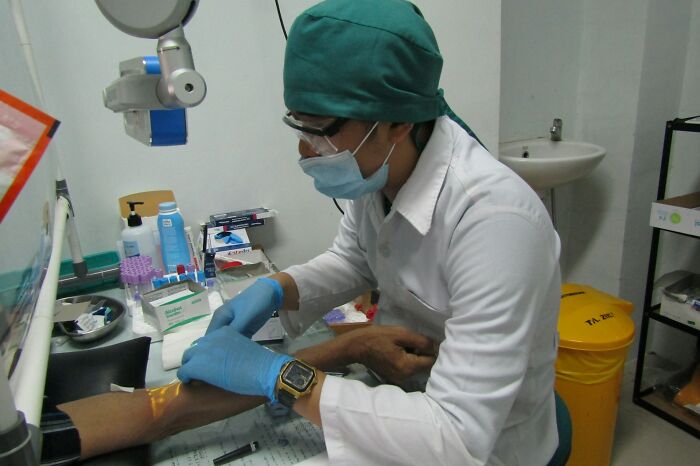 If you push dexamethasone (medication that treats inflammation of the skin, joints, lungs and other organs) too fast your patient's perineum (the tiny patch of sensitive skin between your genitals) might burn or tingle.
Upstairs-Country1594:
It’s why we always put it in a bag if it’s more than 10 mg to give via slower drip.
xPyEaterPharmD:
It's not only about pushing it to fast, its pushing fast and exceeding a dose > 10 mg that increases the risk the most. Good thing most patients I know who get that treatment were covid ards ventilated and sedated.
Used as an anti-allergy medicine. Reduces redness and inflammation.
Not super obscure, at least in my world:
Cystic fibrosis causes abnormal salt transport. Old adages warned of a child who tasted of salt, that they would not live long - in some ways that's what a sweat test does.
Surfactant is made from minced infant animal lung. Infasurf (older surfactant) is made from cows. Curosurf (current standard) is made from pigs. My son received infasurf and I told him when he was little that he's part cow. He would hotly reply that was not true because he was part dog, because he was related to his dog.
The limit to viability is truly what stage the lung are in. As the lungs develop, the primitive sacs that will become alveoli move closer to the vascular bed. Too far away from the vascular bed, it doesn't matter what you do with the lungs, it's too far to diffuse and you can't oxygenate or ventilate. Viability will not go below that stage until the are artificial placentas.
Bronchopulmonary dysplasia is incredibly similar to COPD in adults. Modern ventilation strategies are essentially forcing the baby to pursed lip breathe because babies are c**p at taking directions lol
Pulmonary vein stenosis and pulmonary hypertension in BPD patients are sequelae of not treating their lungs properly. Treatment for BPD is really all about preventing those complications.
"you can't oxygenate". According to a medical textbook I read recently, putting premature babies in oxygen rather than normal air caused blindness. Thousands of American premature babies were blinded by this.
Mummies are rare because Europeans ate a ton of them as medical cannibalism.
If you take all your blood vessels out and line them up, they'd be long enough to stretch 2.5 around the planet.
Also you'd die.
What did the mummy-eating Europeans believe they were achieving medically?
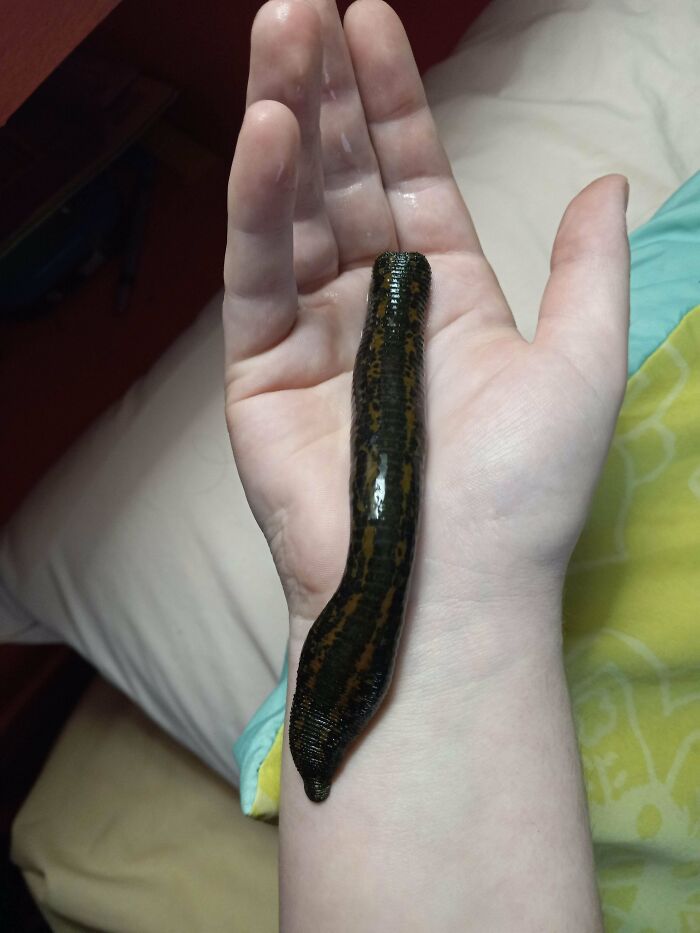 There is still a narrow medical use for leeches and blood letting. Also, ECT (Electroconvulsive therapy. A procedure done under general anesthesia) is still the most effective treatment for depression.
Cola_Doc:
ECT is amazing. I've had several patients who credited ECT with literally saving their lives.
AvecBier:
The discovery of seizures helping in depression, and how they were induced in the early days, is pretty wild, too.
My sister, a psychiatrist, swears that in spite of sounding a tad horrific, ECT (which is a lot more gentle than it used to be) can be effective and life-changing in depression that doesn't respond to meds
Valproic acid was discovered as an antiepileptic agent because it was used as a "metabolically inert" solvent that researchers used to test other agents as potential antiepileptics. They were titrating the other agents of interest to essentially homeopathic dosages, but they were still demonstrating antiepileptic effects...until they realized it was the solvent (valproic acid) that was the MVP.
It's also used for certain types of depression, and it works, but it carries a lot of baggage: hair loss, rapid weight gain, and male impotence.
As a rule of thumb, colorful chemo has to go into a central line while colorless chemo can go into a peripheral line.
It's because the colorful chemos come mostly from plants, are lipophilic and will cause significant problems if they extravasate. The colorless ones are mostly smaller synthetic molecules that are hydrophilic and can't do as much damage if they end up in the wrong tissues.
Good point. Chemo compounds are targeted poisons, you don't want these poisons to end up being stored in body fat for years.
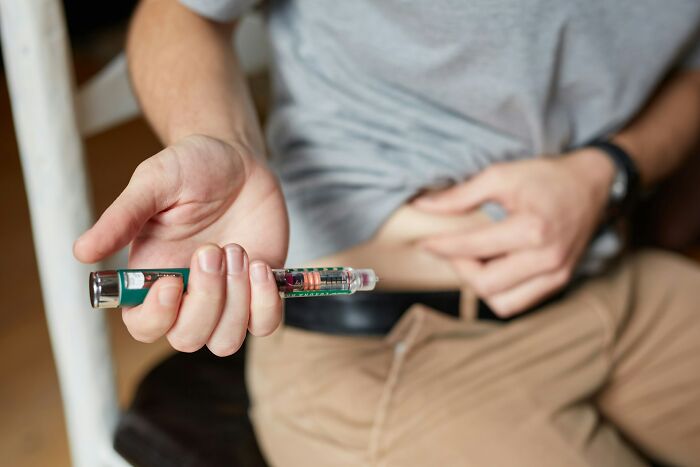 A unit of insulin, as opposed to a more specific measurement like milligram/milliliter etc, started because insulin was originally drived from animal pancreases. A given batch would be administered to a rabbit, with a 'unit' being the amount required to incite a seizure, which would tell how much insulin was in a particular batch. This originally created a problem as when insulin production was exported from Canada to England the size of the rabbits tested were different between the two countries, with English hares much larger than Canadian rabbits, resulting in too much insulin being given to patients.
_qua:
A favorite pimping question when teaching about insulin just to illustrate the point that it's all made up and you just have to see how a patient will react to what you give.
Amniotic fluid is primarily the baby’s urine.

Earphones increase earwax production.

Precedex stands for Precedes Extubation - read this one on here recently.
It's a powerful sedative deliberately designed to avoid respiratory distress. Which makes it extremely useful when patients have an air tube down to the lungs.
Diabetes mellitus and diabetes insipidus were named based on how they made the urine *taste*.
Propranolol blocks endogenous melatonin production.
Propranolol is an adrenaline blocker used in the lowering of blood pressure.
Norepinephrine is just epinephrine with no R group.
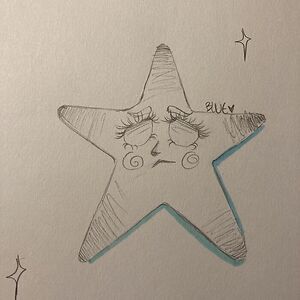
My knowledge of organic chemistry and stereioisomers has finally paid off
The canal of Schlemm is neither a canal nor a Schlemm.
I do a fortnightly poster in the staff toilet at work with five medical/facts listed.
I’ve been doing it for about four years.
It’s my time to shine!
I absolutely love how no one at BP checks to see what they've pulled from the Reddit comments.

Could have used some explanation of some of the medical terms. I did Google the first few I was unfamiliar with, but then I lost interest. It's been a common complaint on BP lately, but no one at BP seems to care, or maybe it's too much work for them.

"Sorry, can't hear you from all the ctrl+c and ctrl+v we are doing from reddit right now, also please don't use *dots* we might hide your comment! also-also, please just trust us on the sources for the 'facts' "
Load More Replies...
Another nice one cardiologists won't tell you They have no clue what to do when you have Non-ischemic heart failure (and that is about 50% of the cases) , they will give you the same medication they have been giving people for the last 20 years without really knowing what it does and there is no protocol just very broad "guidelines". In essence they throw mud against a wall and pray something sticks.
Could have used some explanation of some of the medical terms. I did Google the first few I was unfamiliar with, but then I lost interest. It's been a common complaint on BP lately, but no one at BP seems to care, or maybe it's too much work for them.
"Sorry, can't hear you from all the ctrl+c and ctrl+v we are doing from reddit right now, also please don't use *dots* we might hide your comment! also-also, please just trust us on the sources for the 'facts' "
Load More Replies... Another nice one cardiologists won't tell you They have no clue what to do when you have Non-ischemic heart failure (and that is about 50% of the cases) , they will give you the same medication they have been giving people for the last 20 years without really knowing what it does and there is no protocol just very broad "guidelines". In essence they throw mud against a wall and pray something sticks.
































 No fees, cancel anytime