Get Premium
Dark mode theme is available exclusively for premium users. Learn more about the benefits of subscribing.
No fees, cancel anytime.

 Dark Mode Ad-Free Browsing Unlimited Content
 Ad-Free Browsing Unlimited Content Dark Mode
Join 1.2 million Panda readers who get the best art, memes, and fun stories every week!
Ever found yourself waking up in the morning, rubbing your eyes, and thinking, "Today, I fancy a breakfast more expensive than my car?" Yeah, me neither. But in this eccentric world, there's this thing called "gourmet food" and people who wouldn't bat an eyelid at dishing out a small fortune for a bite of it.
It's fascinating yet crazy to see how some folks are ready to splash cash on premium ingredients that could single-handedly rival a small island's GDP. Ok, almost rival a small island's GDP.
Just imagine walking into an elegant establishment, and instead of being handed a menu that you expect to simply be filled with names of exotic foods from a faraway land, you're given a financial advisor, a heart-rate monitor, and a complimentary stress ball. "Are you ready to savor (the price of) our signature golden-dusted eggs Benedict?" they ask with a smirk, probably because they enjoy watching you break into a sweat more than they enjoy making the food. But you, brave soul, take a leap of faith into the world of opulent gastronomy and rare ingredients, just to discover how the 1% live — one exorbitantly priced dish at a time.
Nightmarish and wallet-emptying scenarios aside, it's a fact that luxury cuisine exists in a realm of its own, in stark contrast with the raging problem of feeding every mouth on the planet.
It's an industry where food transcends mere sustenance, becoming a status symbol, an experience, a thrill that needs to be explored — if only to confirm that caviar, indeed, tastes as salty as your tears when the check arrives.
So, we present to you a roundup of the most expensive foods in the world, the ones you can find on the rich's radar, along with their truly insane prices! Is there an ingredient in our list of the most expensive foods you would love to try if only you had the chance (and the cash)? Cast your vote! Will the $13,500 melon take first place, or will the manuka honey scoop its way to the top?
This post may include affiliate links.
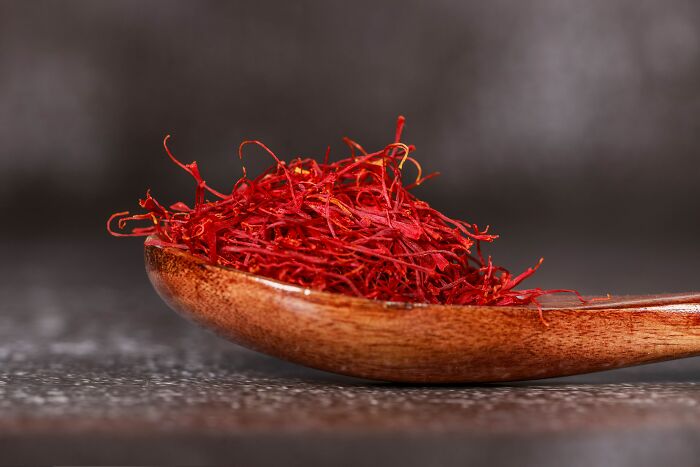
Saffron, often called "Red Gold," lives up to its nickname both in color and value. It's sourced from the crocus flower, which only blooms for a few weeks in the fall. The process of harvesting saffron is labor-intensive, contributing to its high cost.
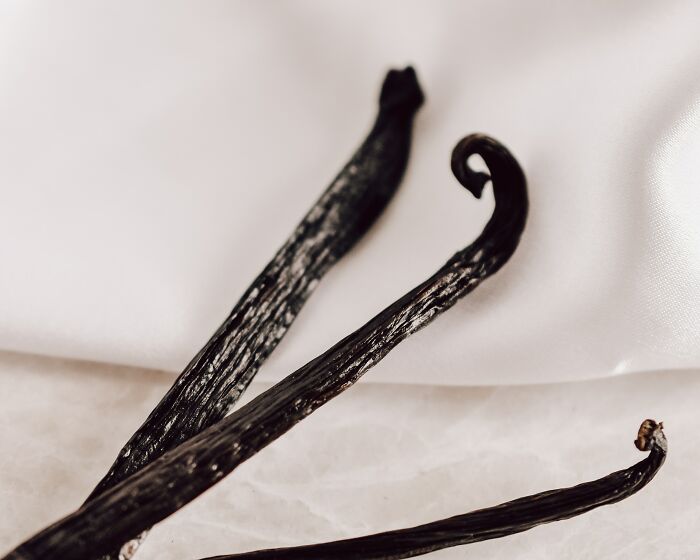
Vanilla, harvested from orchids, is challenging to grow, which leads to its higher cost. Most of the time, when you taste vanilla in food, it's actually artificial flavoring. But real, natural vanilla, especially the kind from Madagascar where the majority of vanilla beans come from, is a taste that's truly hard to beat.

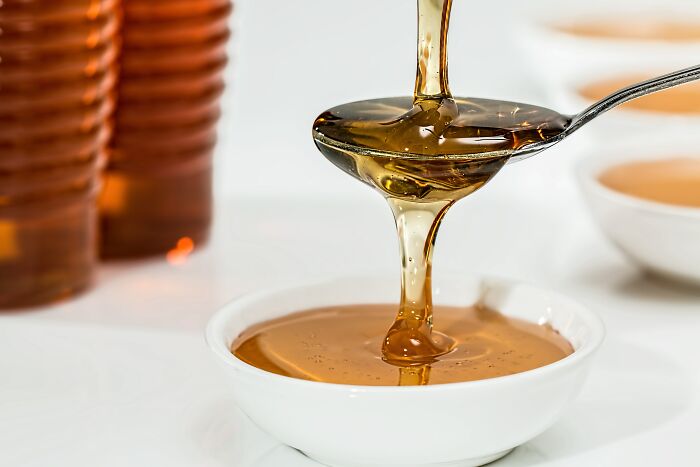
Peri honey, sourced from Turkey's Saricayir Dagi valley, is one of the most expensive honeys due to its unique mineral-rich quality and rarity. It's harvested from the high walls of a cave, making the process particularly challenging.

This is bee puke. No amount of bee puke is worth that much.
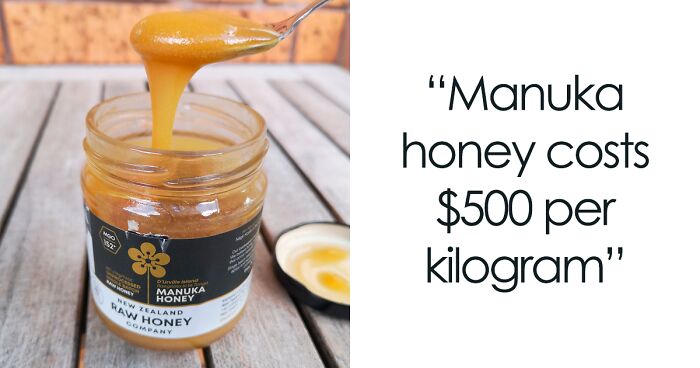
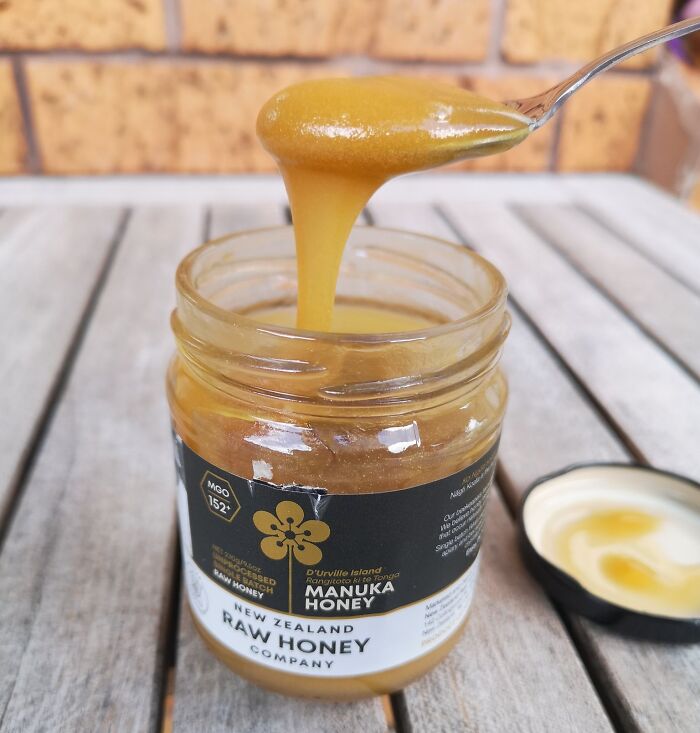
Manuka honey, native to New Zealand, is a sweet treat with numerous health benefits. Made from the manuka bush, this honey is believed to help with everything from sore throats to colds, making it a pricey but beneficial ingredient.
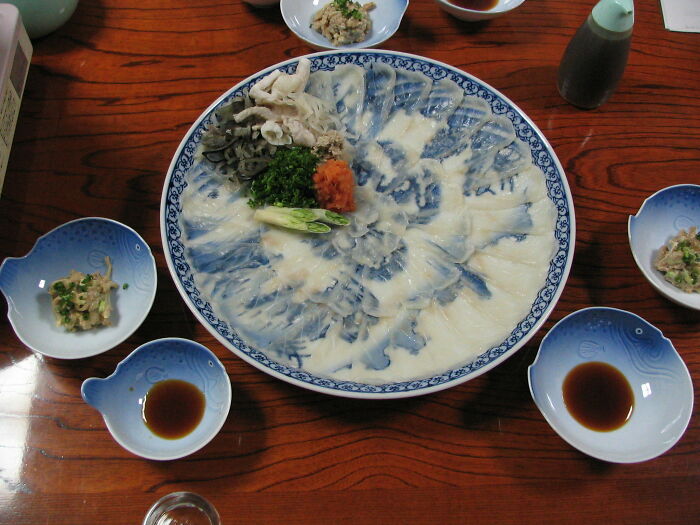
Recognized as one of the most dangerous meals worldwide, fugu or globefish possesses a thrill that drives up its cost. The potential lethality of improperly prepared fugu has led to stringent Japanese regulations surrounding its preparation.
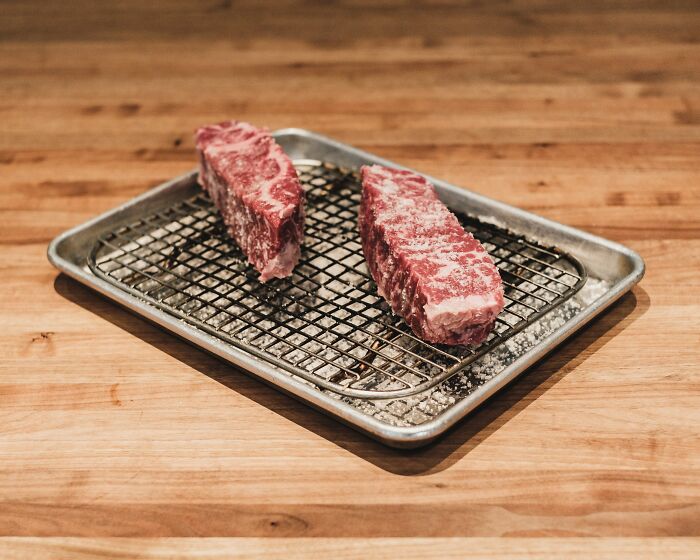
Wagyu beef, often hailed as the crown jewel of the meat world, is sourced from four distinct breeds of Japanese cows. It's fatty, like fish, and melts in your mouth when cooked properly, making it a pricey but delicious indulgence.

Most of the stuff they sell in restaurants and food shops isn't real Wagyu. I got to try a Wagyu steak once though and HOLY CR*P was that delicious.
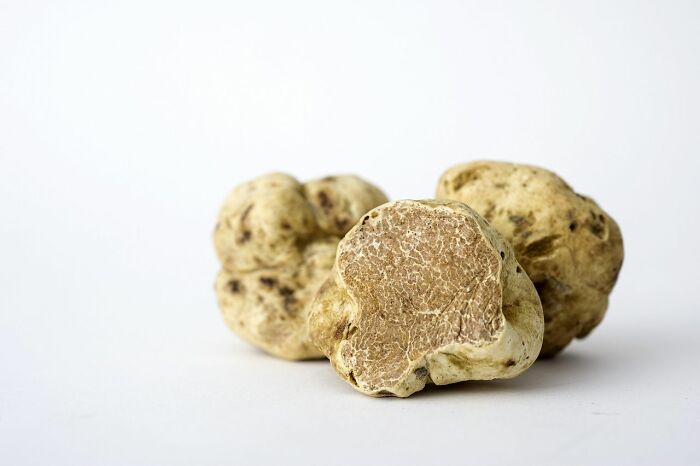
The white truffles of Northern Italy's Piedmont region are a gastronomic treasure. These truffles, found only amongst specific tree roots, boast an intense, unique flavor and an intoxicating aroma. But their strong, distinctive flavor and aroma make them a sought-after ingredient, despite the high price.
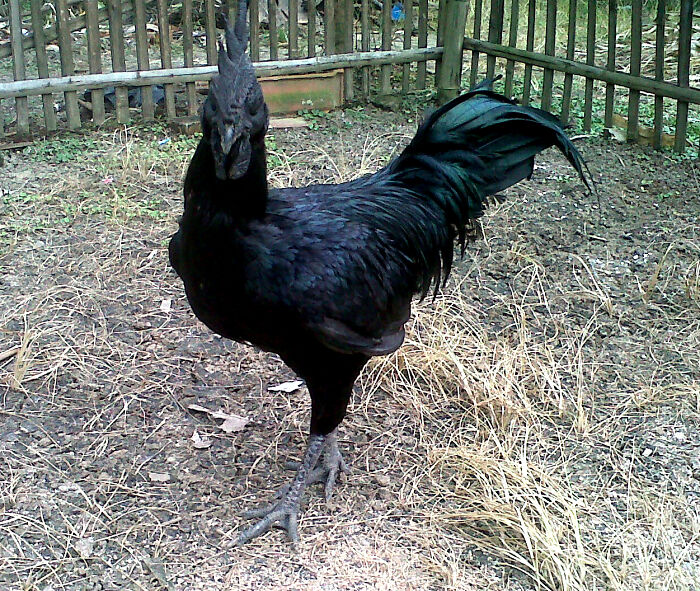
The Ayam Cemani chicken, an entirely black chicken from Indonesia, is believed to have magical properties. Locals think its meat can cure various illnesses and even bring good luck, making it a highly prized and expensive chicken breed.
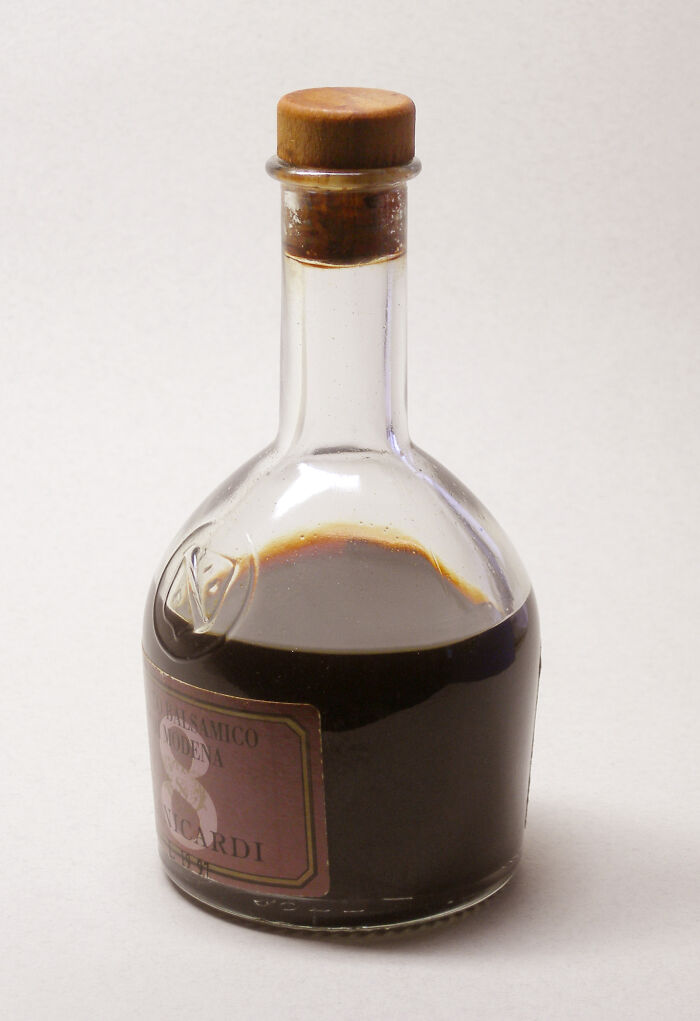
Traditional balsamic vinegar, produced in Modena, Italy, carries a DOP (Denomination of Protected Origin) certification and is labeled "Aceto Balsamico Tradizionale." The rich, tangy condiment can cost around $180 or more for a 100ml bottle, particularly if it has been aged for a significant time.

so expensive, you cannot even afford the photo of genuine bottle of it
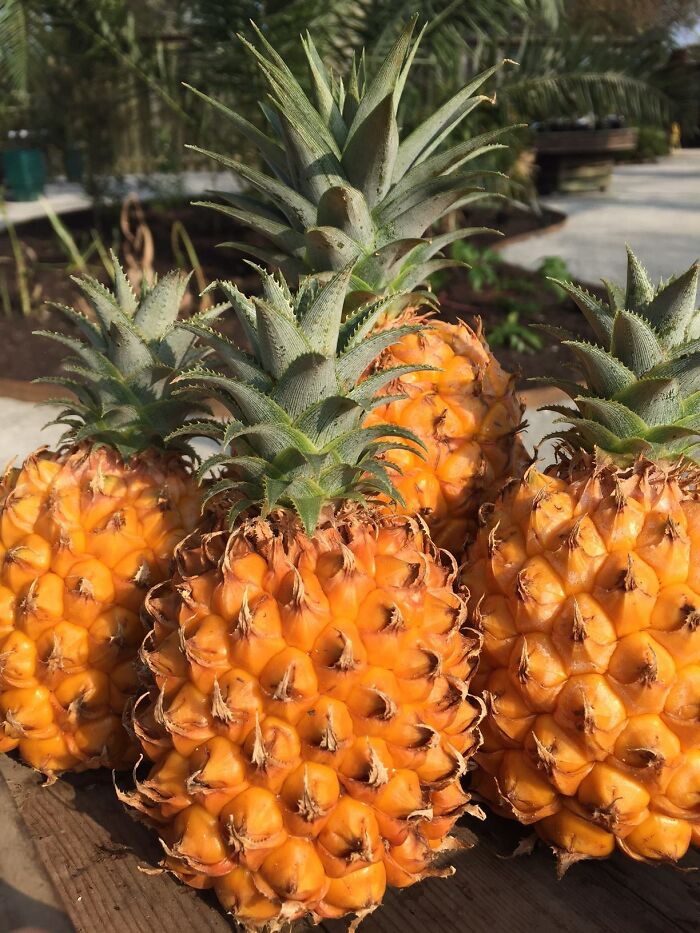
Heligan pineapples, a unique variety praised by the British royal family for their taste, were initially grown in 1997 as a gift to Queen Elizabeth II for her 50th wedding anniversary. Their expensive price tag is largely due to the careful and time-consuming cultivation process.

Because they are grown in England (primarily Cornwall), where the climate is completely antithetical to the pineapple's growth, they must be grown in special pots and "pits", where the plants can be kept warm and humidified properly. It can take up to 2 to 3 years for the crop to reach harvestable maturity. The "Heligan" pineapples are not a special/unique cultivar or subspecies of normal pineapple; rather, they are NORMAL pineapples grown in England, which makes them special :)
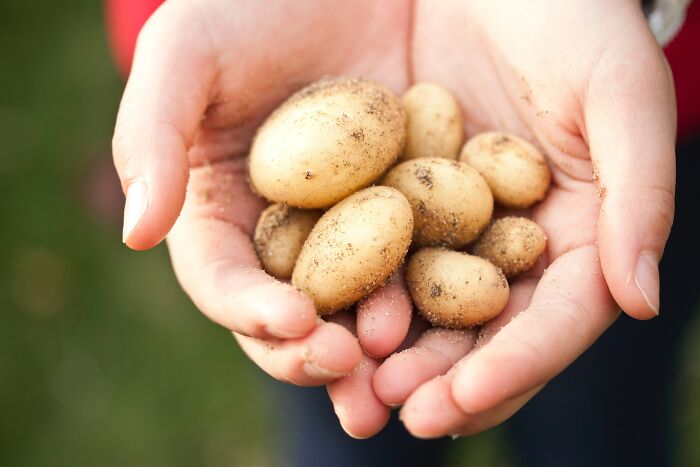
La Bonnotte potatoes, grown exclusively on Noirmoutier Island in France, are costly due to their unique growing conditions. They are cultivated using seaweed compost, and the potatoes have a distinct flavor profile reminiscent of lemon, soil, and the sea.

Think I will just buy some $2 kg brushed/unwashed potatoes and just haphazardly wash them, then sprinkle some lemon and sea salt over them. save myself $498.
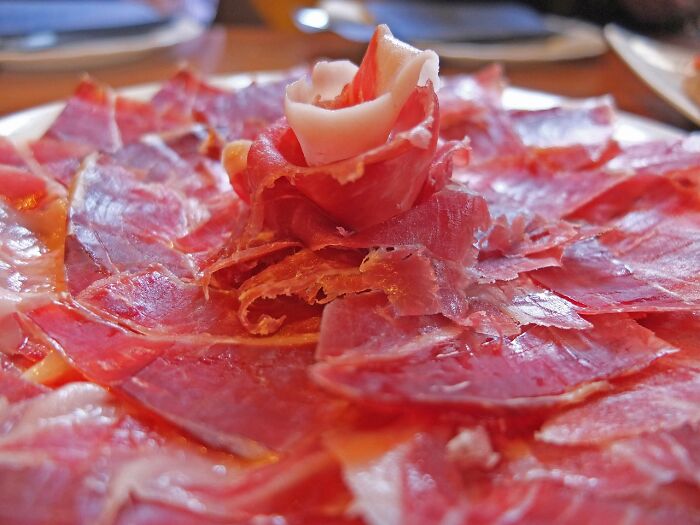
Iberico ham is a type of cured meat from Spain. The pigs that make the best Iberico ham are free-range and are fed acorns in the last phase of their life. The most exquisite variety, "black label," is known for its remarkable taste and texture.

Happy animals taste better. The happier the life of the animals and the more humane the slaughtering, the better the quality of the meat. It's more tender, has more flavour and it has a better texture. My mom taught me how to know from the meat alone how the animal was kept. And no, you can't make up for it with different cooking methods. You'll always know if you know what to look for. The only exception is highly processed meat like in sausages or burgers. There you can hide it with spices and adding other ingredients. But whenever you have a whole piece of meat you'll always know the difference once you've learned to recognise the special quality of meat from species-appropriate farming.
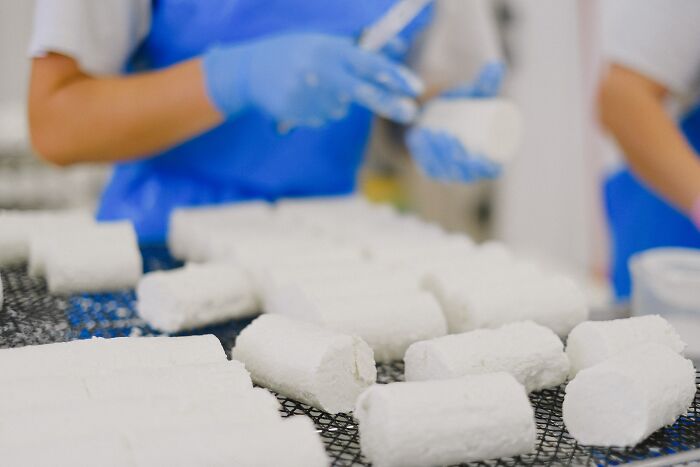
Moose cheese, as straightforward as it sounds, is a gourmet rarity with a price tag to match. Exclusively produced at the "Moose House" farm in Sweden, this exclusive dairy product comes in three intriguing varieties: rind-style, feta-style, and blue cheese. The scarcity and geographical exclusivity of this cheese make it one of the costliest foods in the world.
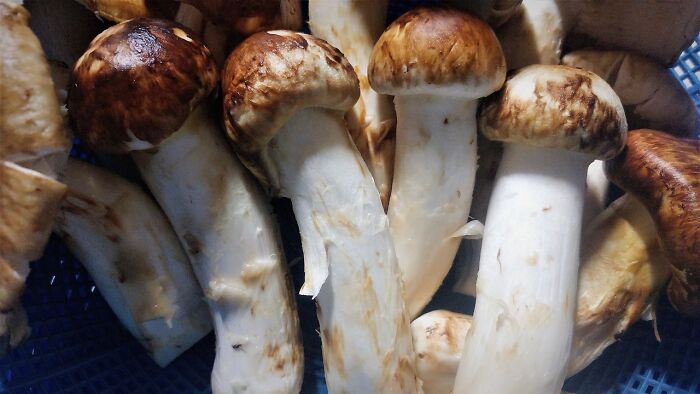
Esteemed in Japanese, Korean, and Chinese cuisines, the matsutake mushroom is a culinary jewel now faced with scarcity. Their numbers have been significantly reduced due to environmental threats like invasive species and growing tree populations. These mushrooms can't be farmed, so there's a real chance they could disappear altogether, making each serving a potentially limited delicacy.
"Matsutake is mycorrhizal, which means that it requires complex symbiotic relationship with its ecosystem, most importantly a tree. The mushroom provides the tree with water and minerals from the soil, while the tree provides the mushroom with products of photosynthesis. Not only is this near-impossible to replicate; if you successfully created a forest-like environment where the mycorrhizal mushroom could thrive, the amount of mushrooms grown per tree would still be limited. The same is true for other mycorrhizal mushrooms like porcini."
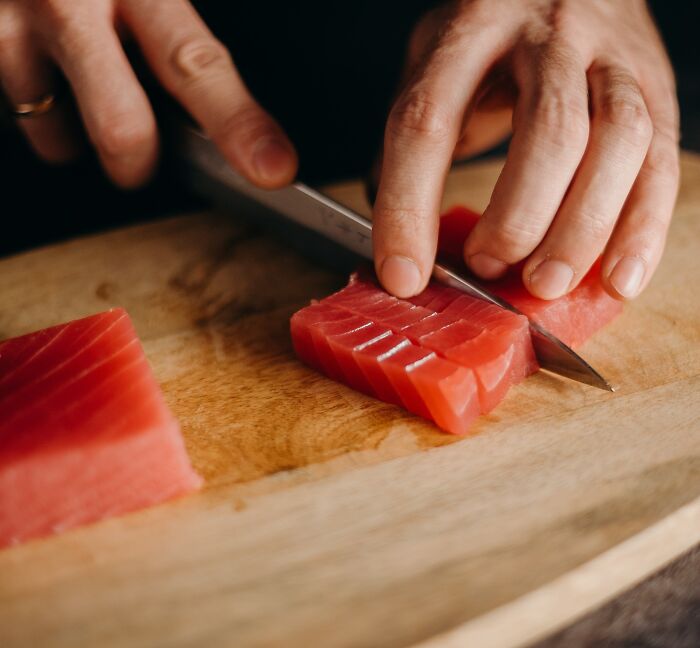
The bluefin tuna, a gem from Japanese waters, reigns as the most prized seafood. Its intense marbling and balance of flavors, due to its high fat content, set it apart from other types of tuna.
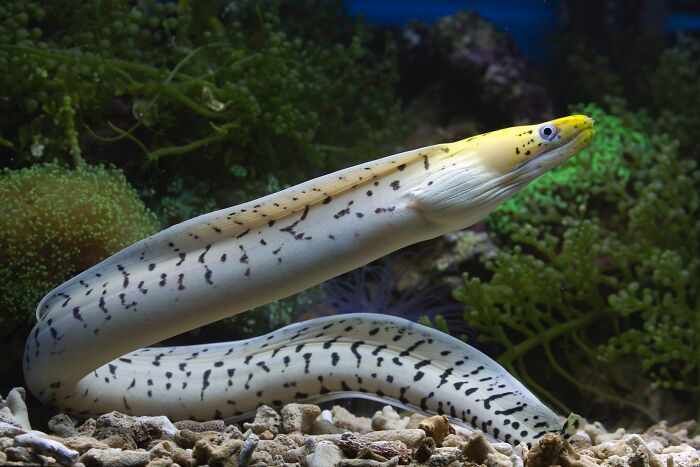
In Japan, juvenile glass eels are a seasonal delicacy. Their prices fluctuate greatly depending on availability and they are usually consumed in July and August.
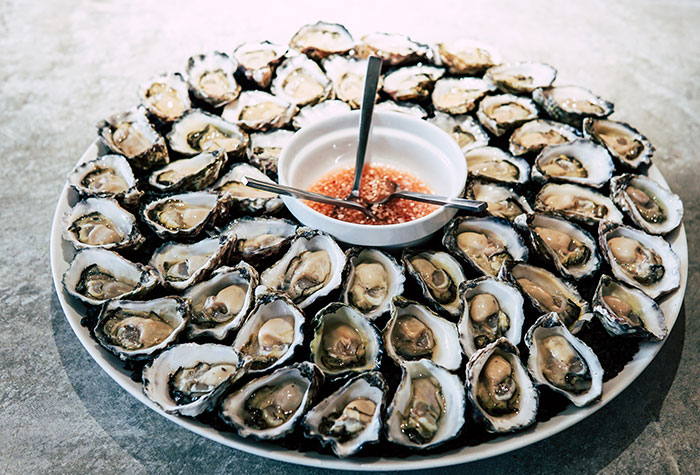
Once a humble seafood staple for the working class, oysters have transitioned into a luxury cuisine item. High demand and environmental threats to their growth have led to their steep price range. Fresh and salty, these mollusks, often served with a tangy squeeze of lemon or mignonette sauce, are now a symbol of refined gastronomy.

I'm assuming these are all US dollar prices and they are very misleading. Oyster prices vary according to type, Bluff, Pacific etc, season, when they're harvested, availability, farm grown or wild etc.
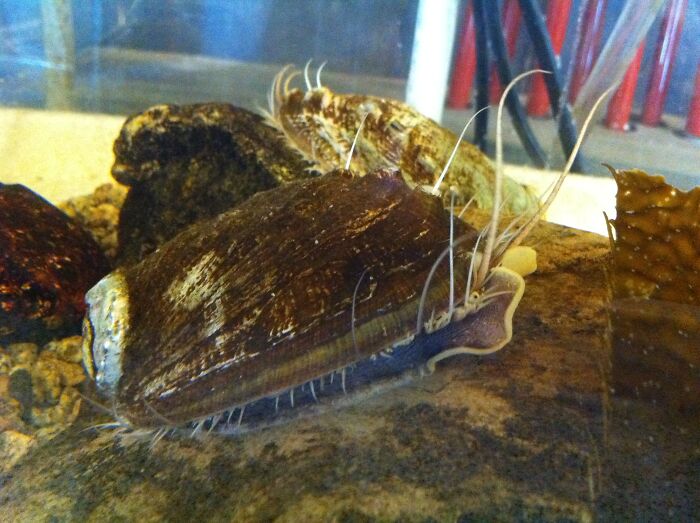
Abalone, a type of marine snail, is particularly valued in Australia. Harvested off South Australia, it can sell for $120 per individual mollusk.
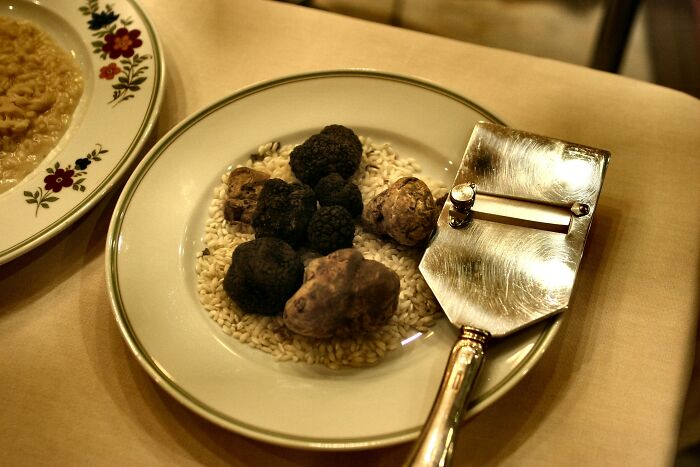
Black truffles are a luxury food found in a select few high-end restaurants. They offer a potent, earthy aroma and rich, musky flavors that fit into the umami category.
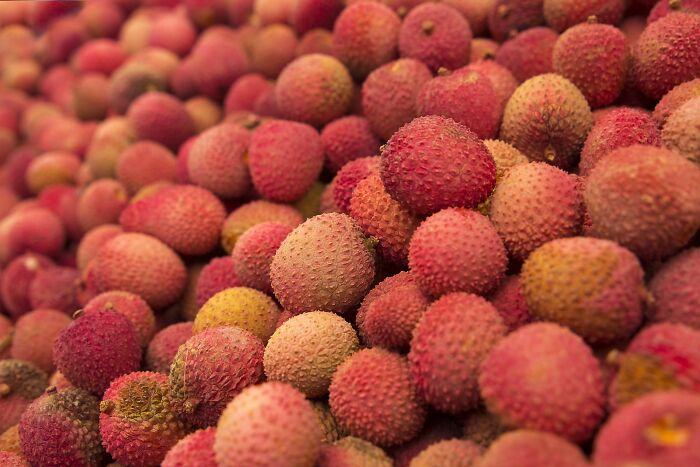
The Zengcheng hanging green lychee is considered one of the most expensive fruits in the world. Its unique taste, beautiful color, and rarity contribute to its high price. It's typically sold per fruit rather than by weight, attesting to its value. A single rare lychee weighing about half an ounce fetched a record price of about $67,000 at an auction.

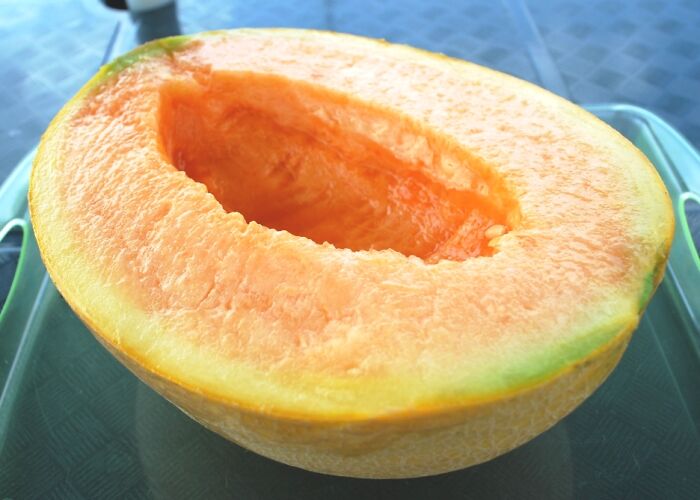
Yubari King melons, a crossbreed of two cantaloupes, are known for their extraordinary sweetness. A prized gift in Japan due to their reputation and taste, two of these melons were sold for $27,229 at an auction in 2008. That's over $13,500 each!
But are there normally priced ones as well? As I understand the gifting-fruit prices in Japan is super high?
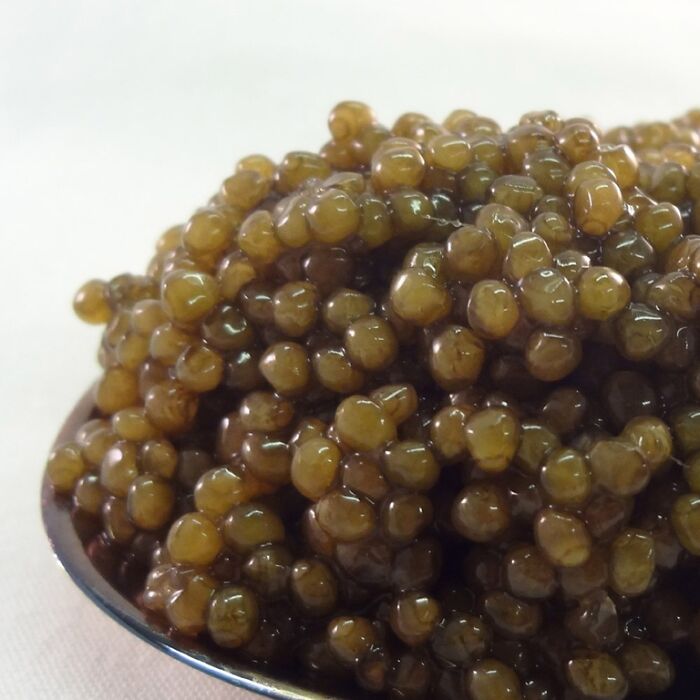
No list of expensive foods would be complete without caviar. Almas caviar, produced from albino sturgeons, is especially costly as these rare species can take years to make eggs.
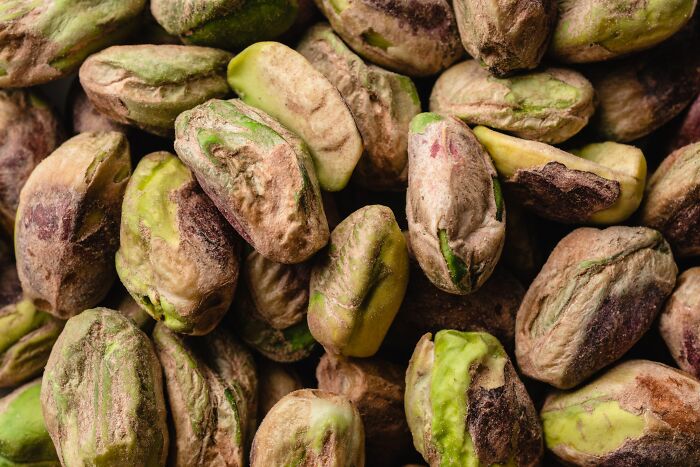
The best variety of Iranian pistachios, known for their green color and subtle taste, is one of the most expensive nuts you can buy.
Pule cheese is a product of donkey's milk, and its price reflects the rarity of the female donkeys used specifically for this cheese and how little milk farmers can get from them every day.
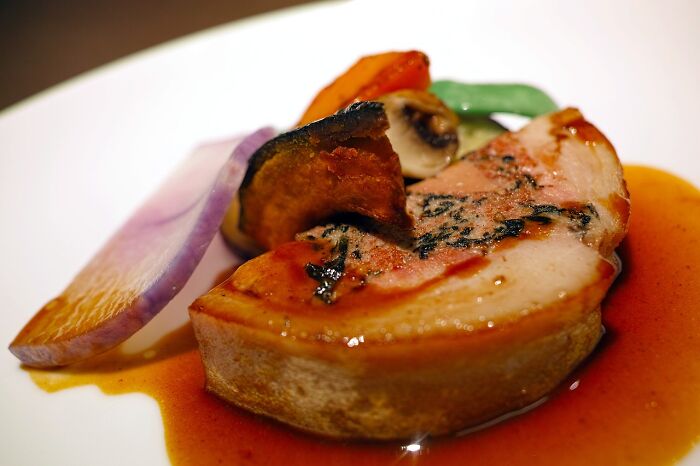
Foie gras is a special treat for pâté lovers. Produced from the fattened liver of ducks or geese, this delicacy provides an exquisite culinary experience with its buttery, velvety texture and rich flavor. Unfortunately, its production is very often anything but ethical.

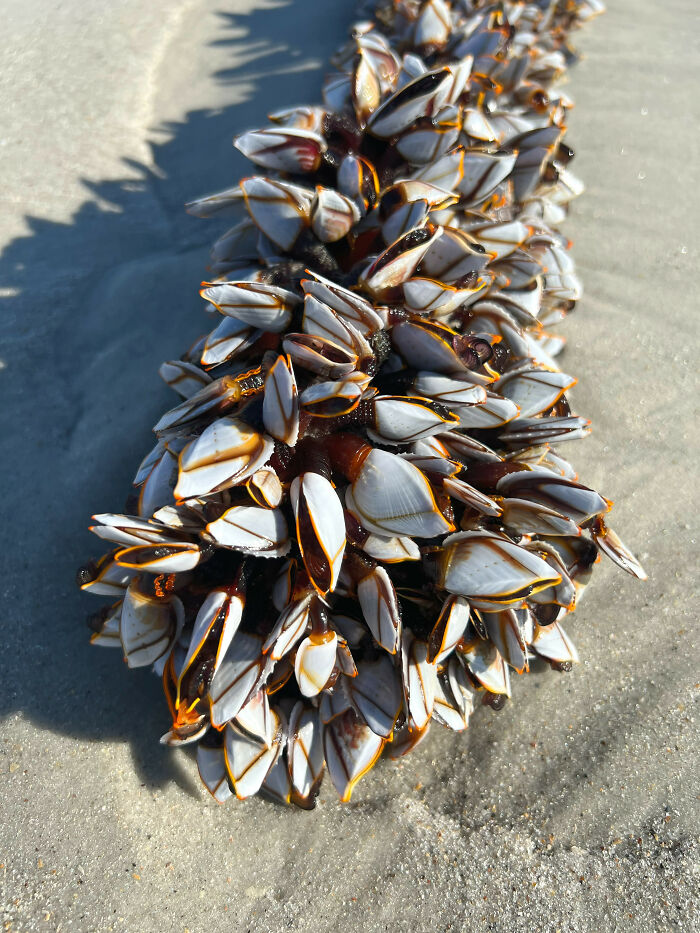
Gooseneck barnacles from Galicia are as risky to harvest as they are expensive. Fishermen often risk their lives to gather these barnacles from dangerous, wave-hit rocks, making them one of the most costly seafoods.
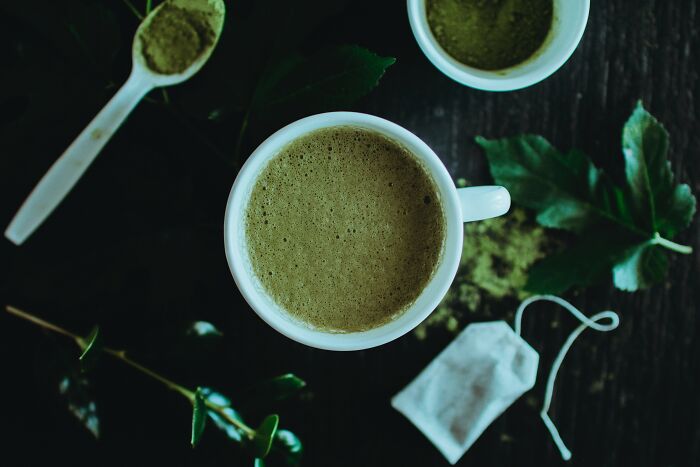
Matcha green tea, a powdered form of green tea, is used in a variety of ways including traditional tea, flavored foods, and desserts. Its vibrant color, unique taste, and health benefits contribute to its high price.
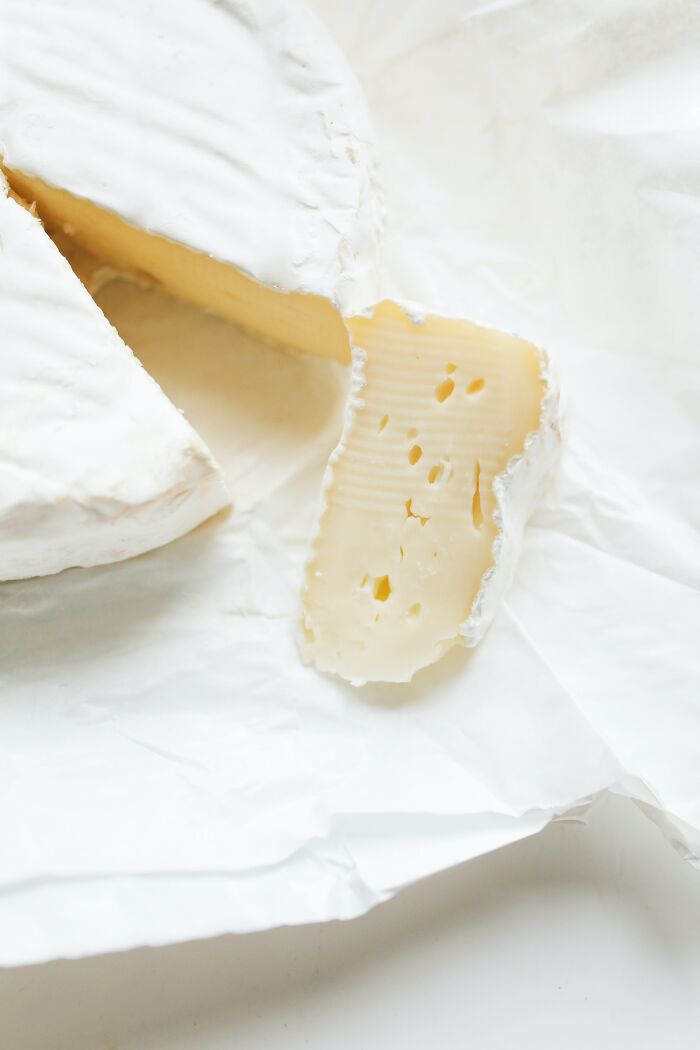
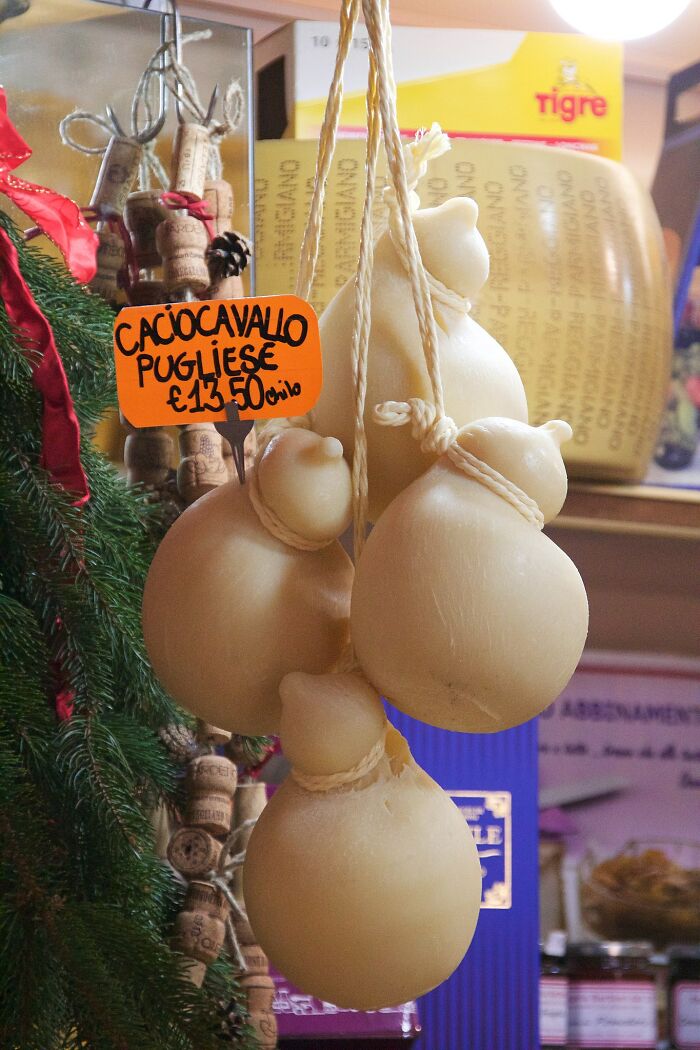
While there are different varieties of caciocavallo cheese, the Podolico, from free-range cows, is the priciest. This cheese has a unique tear-drop shape, is aged in caves, and tastes slightly similar to provolone.
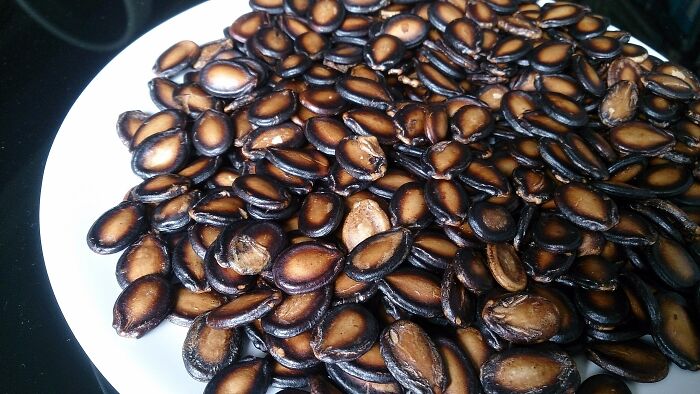
Densuke watermelons from Japan are a pricey variation on the common watermelon, fetching up to 20 times the price of their green-skinned counterparts. The price can reach as high as $6,300 for larger or especially premium fruits at auction.
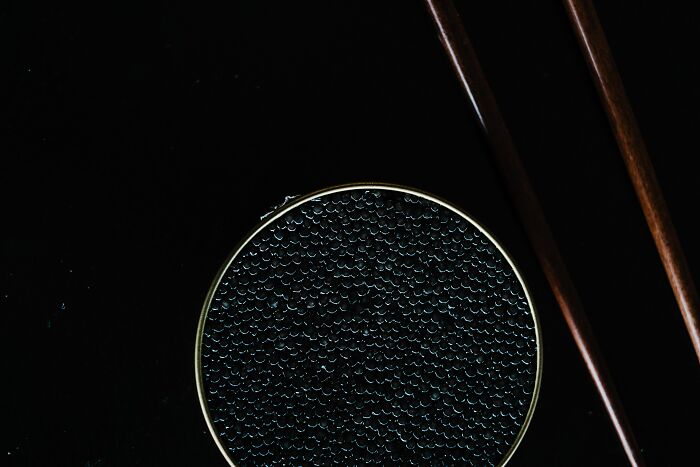
Beluga caviar is another high-ticket food item. Beloved for its earthy, salty taste, this caviar has commanded prices up to $10,000 per pound. Apparently, the best way to enjoy it is by placing a small spoonful on your hand and eating it at body temperature.
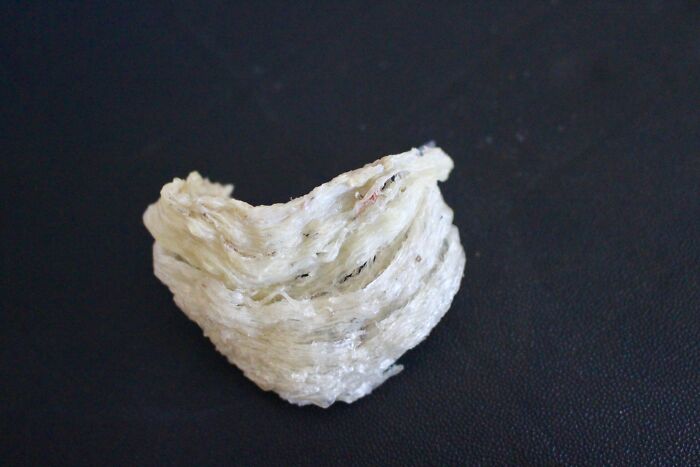
Swiftlet nests are key ingredients in bird's nest soup, a renowned Chinese delicacy thought to have healing properties. While white nests are expensive, nothing compares to the rare red swiftlet nests — which can cost up to $10,000.
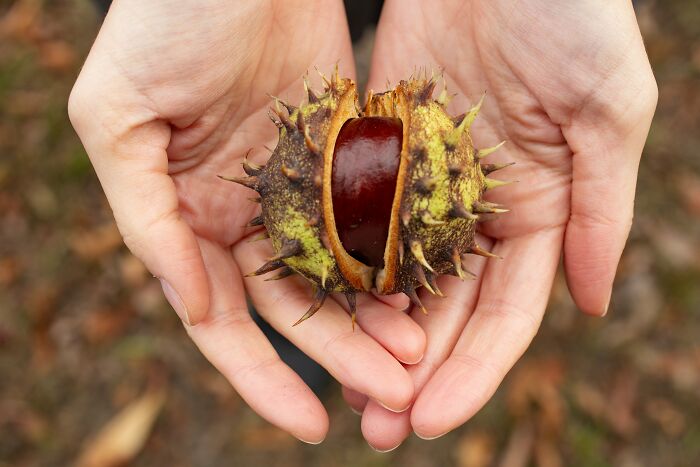
Chestnut oil is an authentic "liquid gold" derived from Moroccan seeds and is used for its beauty benefits. It can cost up to $1,400 per liter.
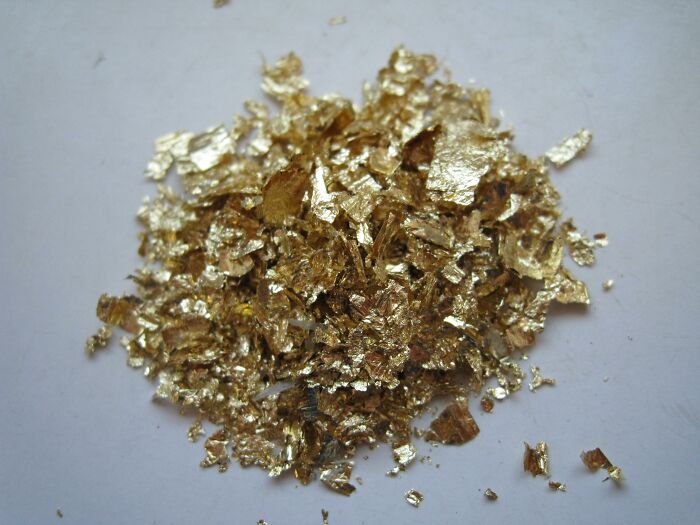
When it comes to showing off wealth, some even resort to eating it. Edible gold is often used as an extravagant dessert decoration, particularly in upscale American casinos. Its purpose is purely decorative, but it certainly adds a high price tag to any dish it graces.

To me it’s not worth it because I’ve heard that it doesn’t really taste like anything :/
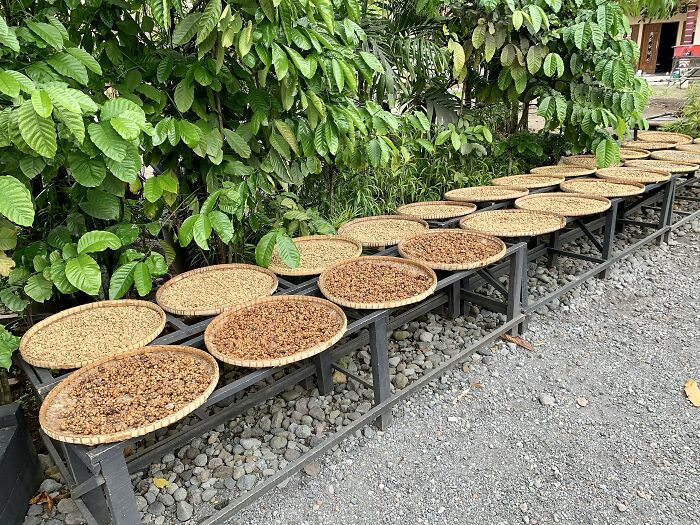
Kopi luwak is the world's most expensive coffee, made using beans that have passed through the digestive system of a civet. Authentic kopi luwak can cost up to $150 for just 100 grams due to its unique production method and the resultant distinctive flavor.
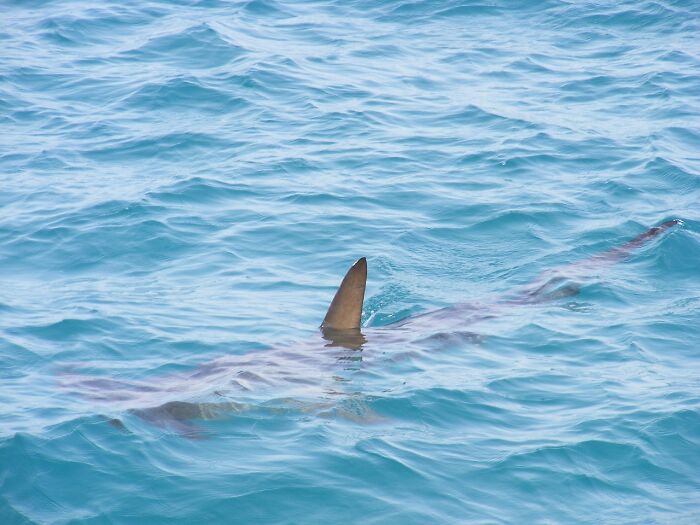
In some countries, shark fins are considered a delicacy and are believed to have aphrodisiac properties. The harvesting process, known as "shark finning," is both controversial and a significant reason for the high cost of this product. Without their fins, sharks die of suffocation or blood loss or are devoured by other marine creatures.

Not relevant to the post at all but I just want to share that I’ve finished all my project drafts for school and I’ve finished my Math final project so now I’m very happy!

Congratulations! That is a lot of hard work and you did it!
Load More Replies...
I use to get gooood Manuka years ago for a fair price. The other month I looked it up and was like nahhhh

Not relevant to the post at all but I just want to share that I’ve finished all my project drafts for school and I’ve finished my Math final project so now I’m very happy!
Congratulations! That is a lot of hard work and you did it!
Load More Replies... I use to get gooood Manuka years ago for a fair price. The other month I looked it up and was like nahhhh







































 No fees, cancel anytime