Get Premium
Dark mode theme is available exclusively for premium users. Learn more about the benefits of subscribing.
No fees, cancel anytime.

 Dark Mode Ad-Free Browsing Unlimited Content
 Ad-Free Browsing Unlimited Content Dark Mode
Join 1.2 million Panda readers who get the best art, memes, and fun stories every week!
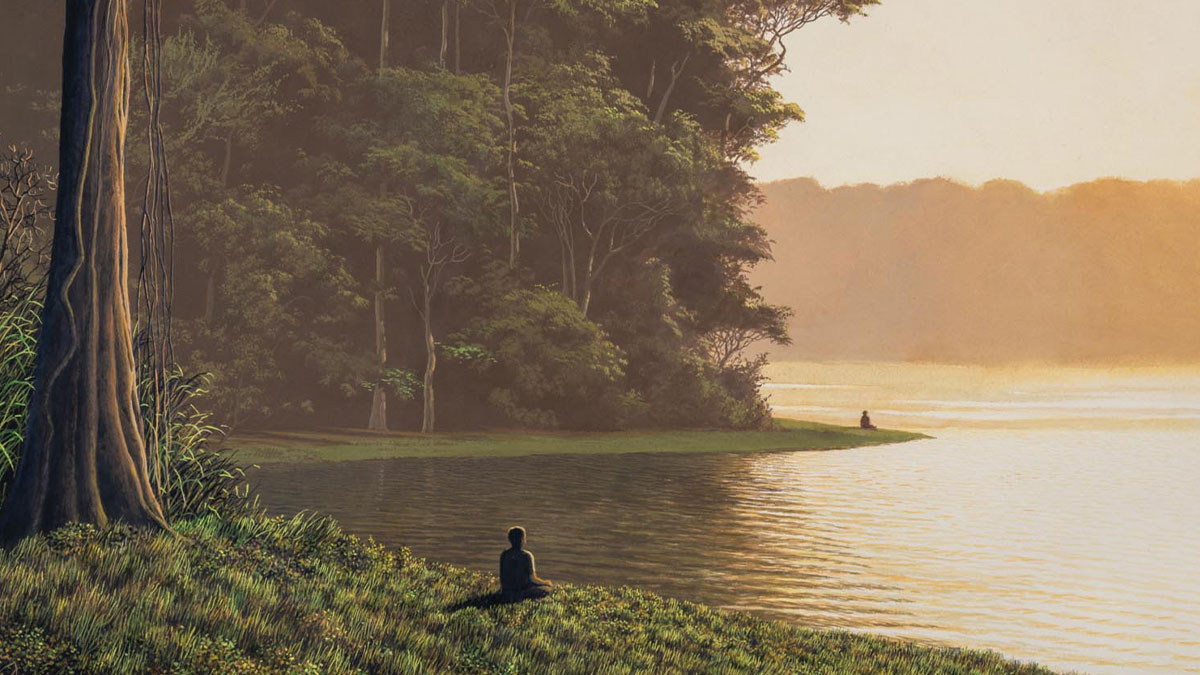
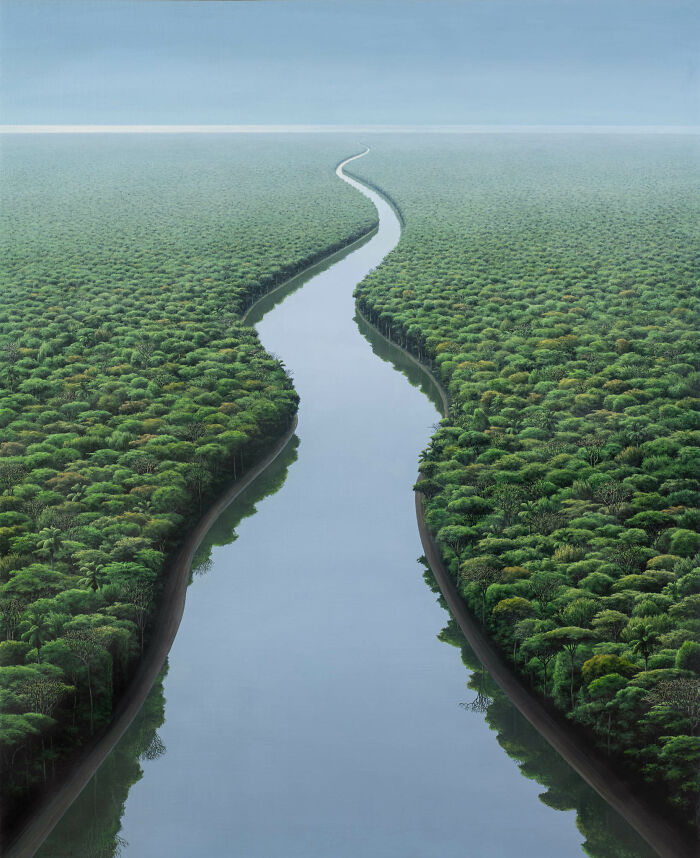
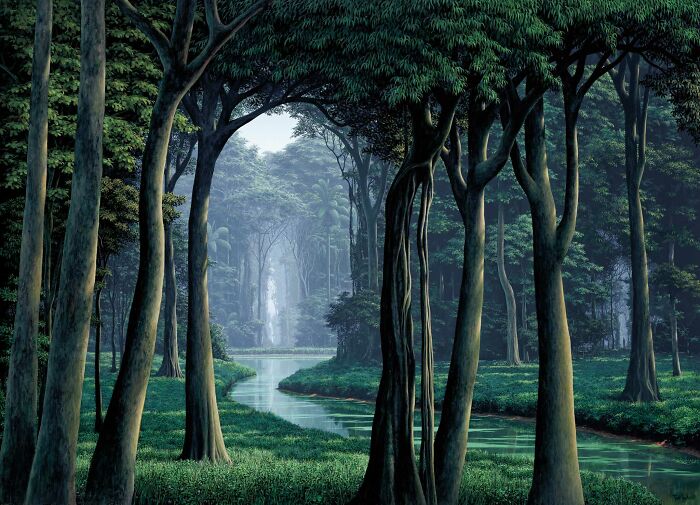
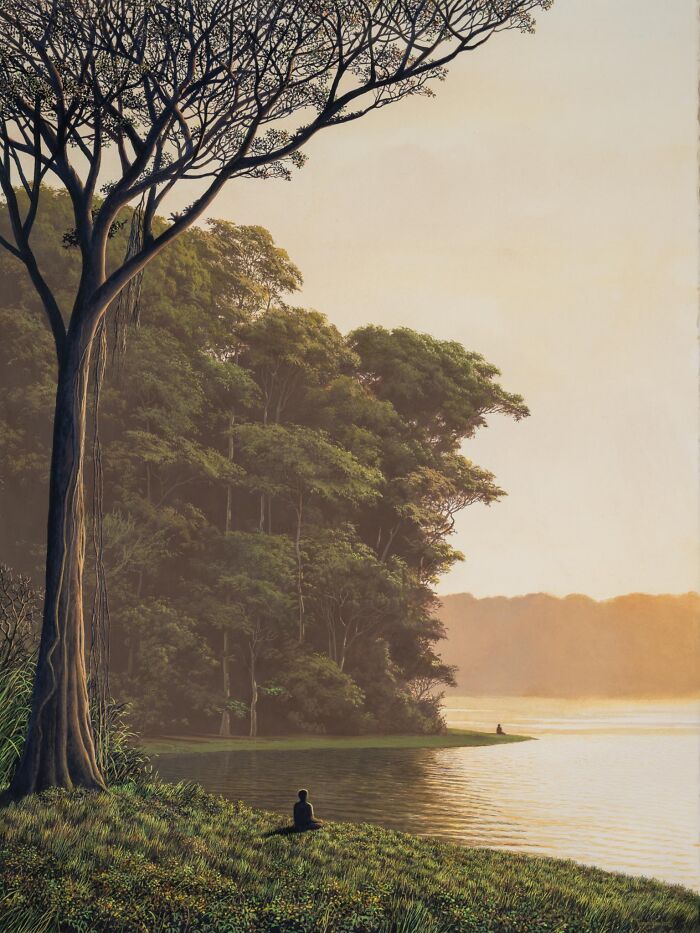
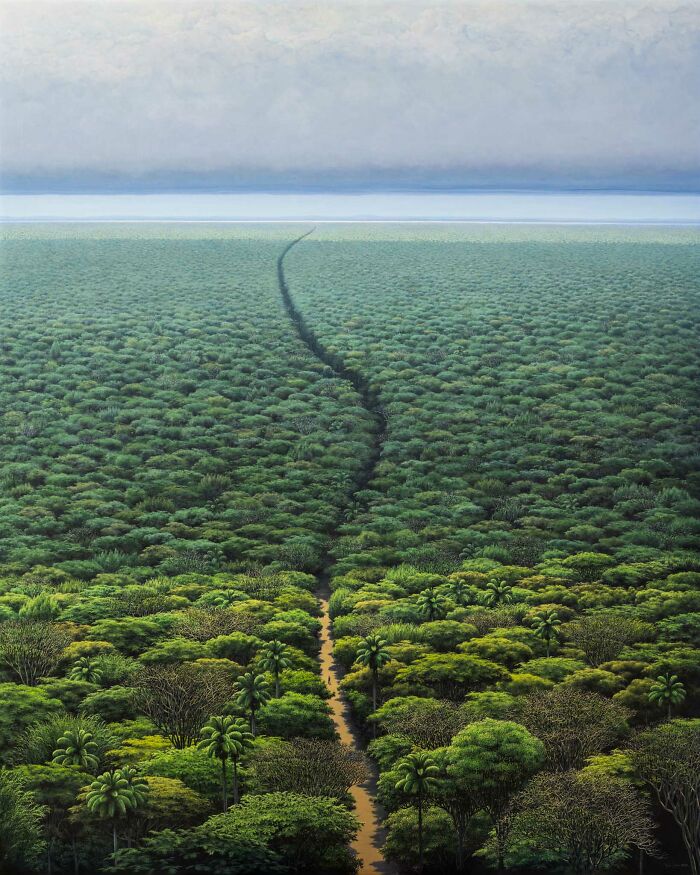
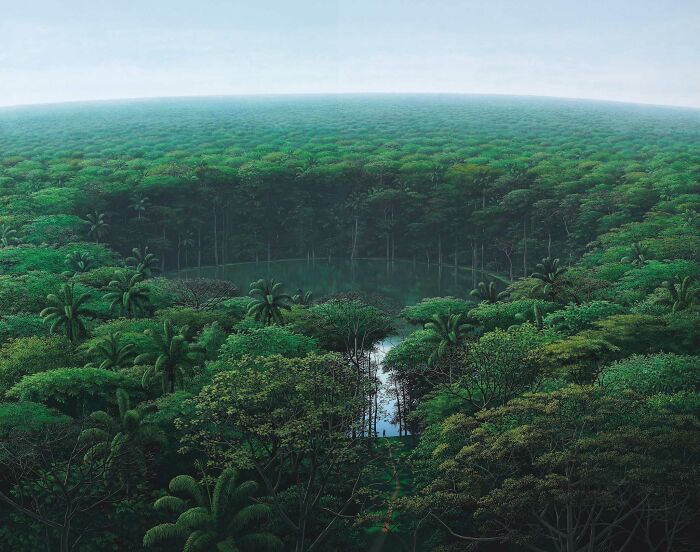
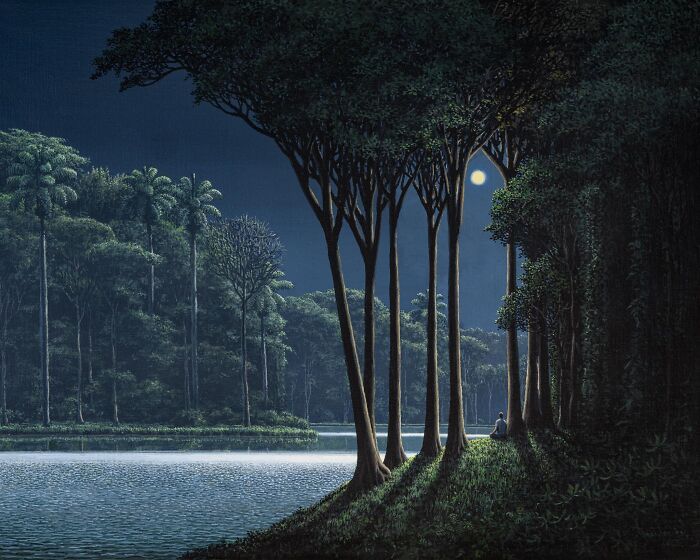
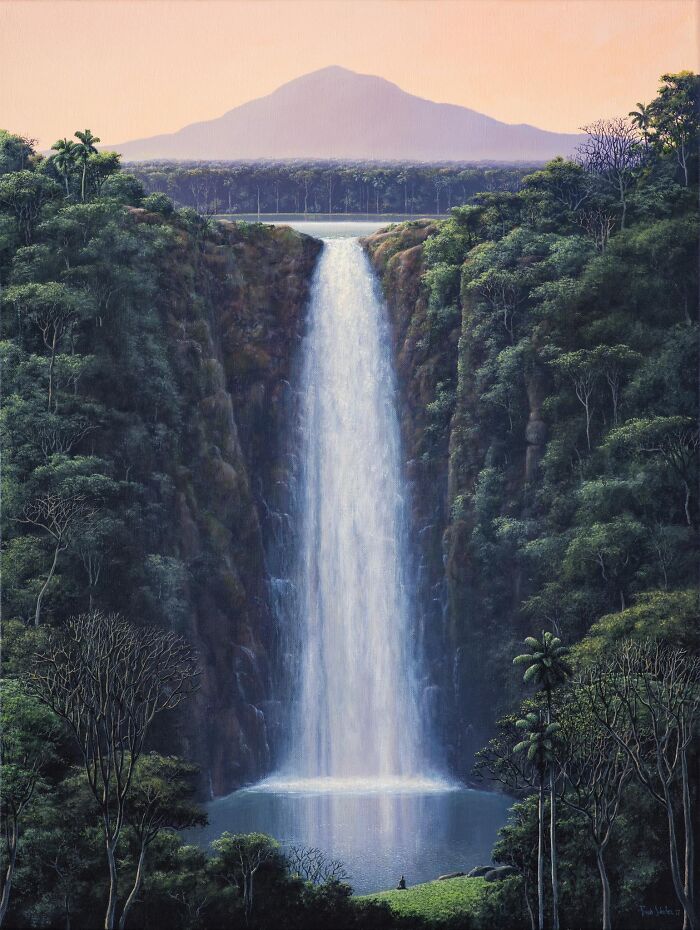
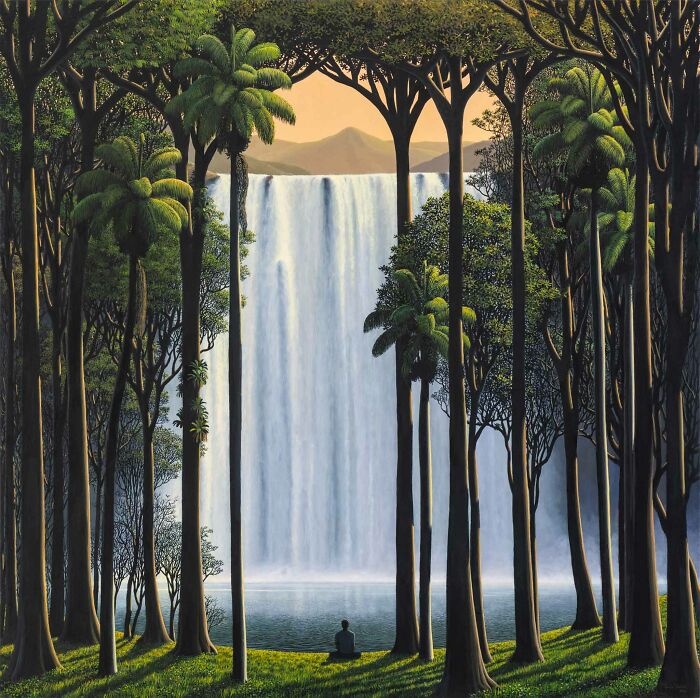
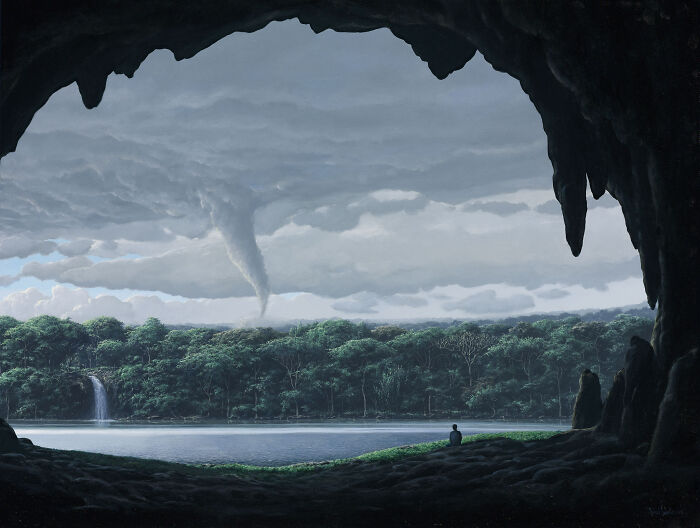
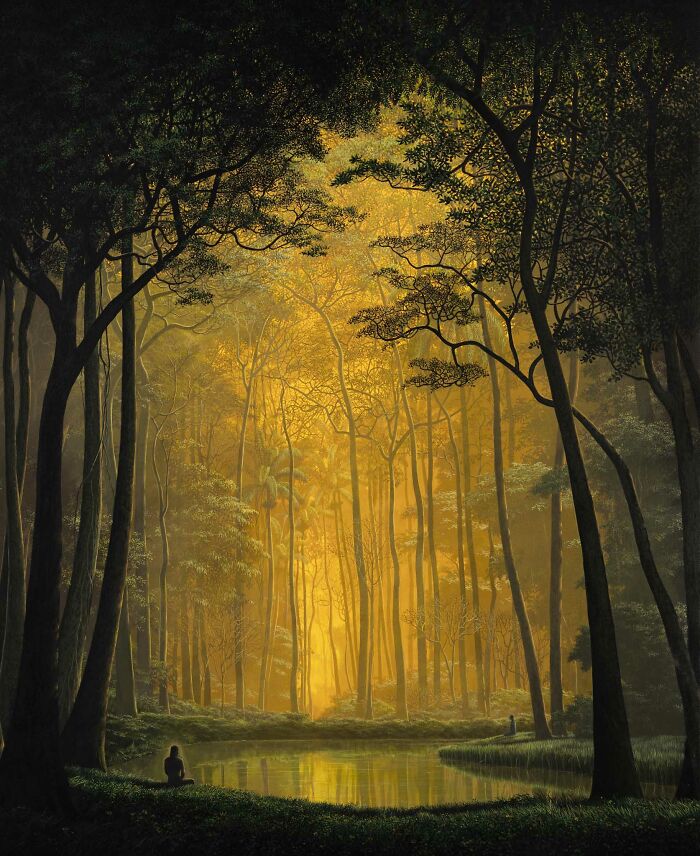
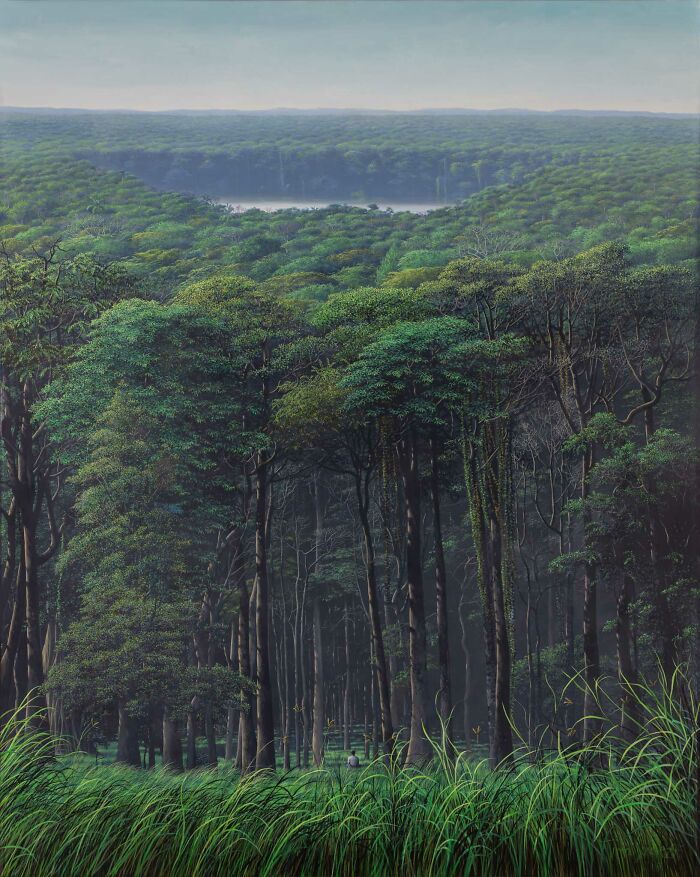
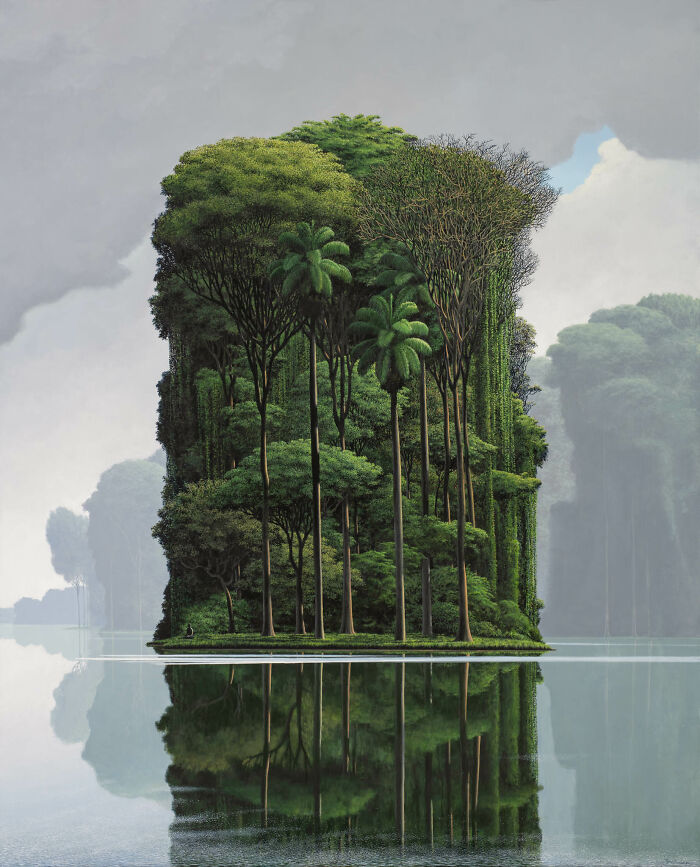
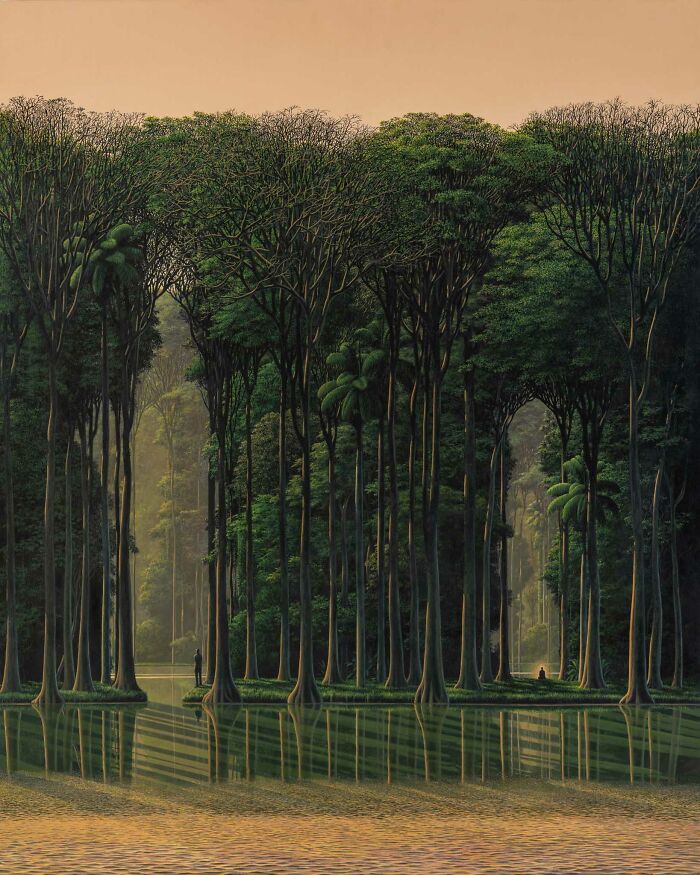
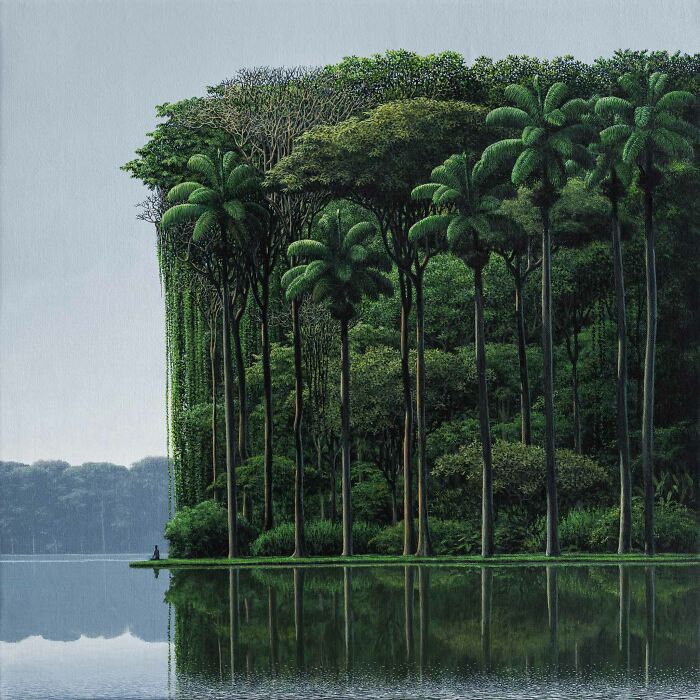
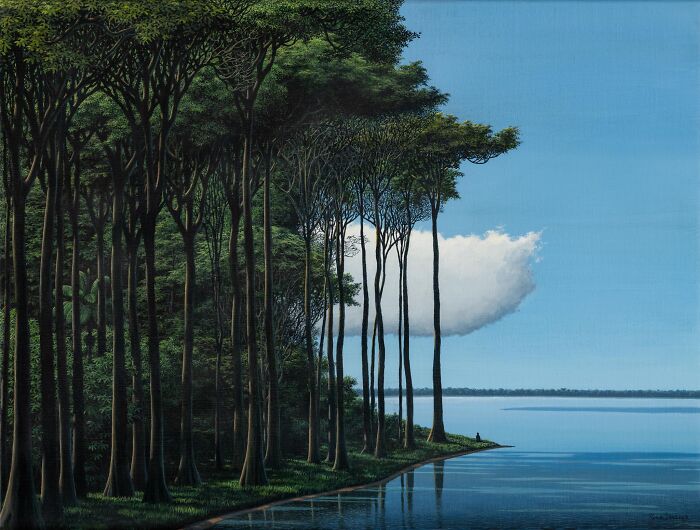
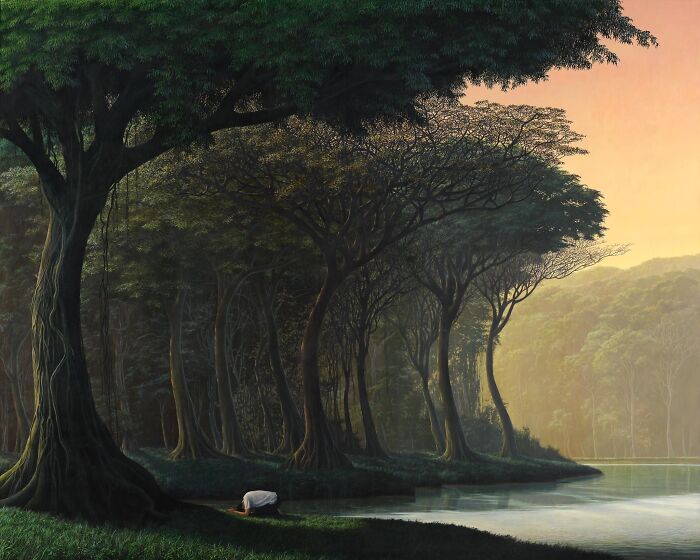
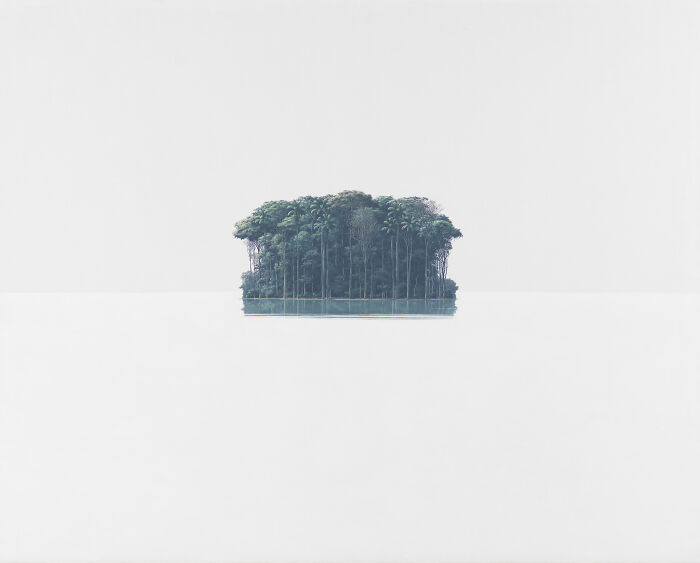
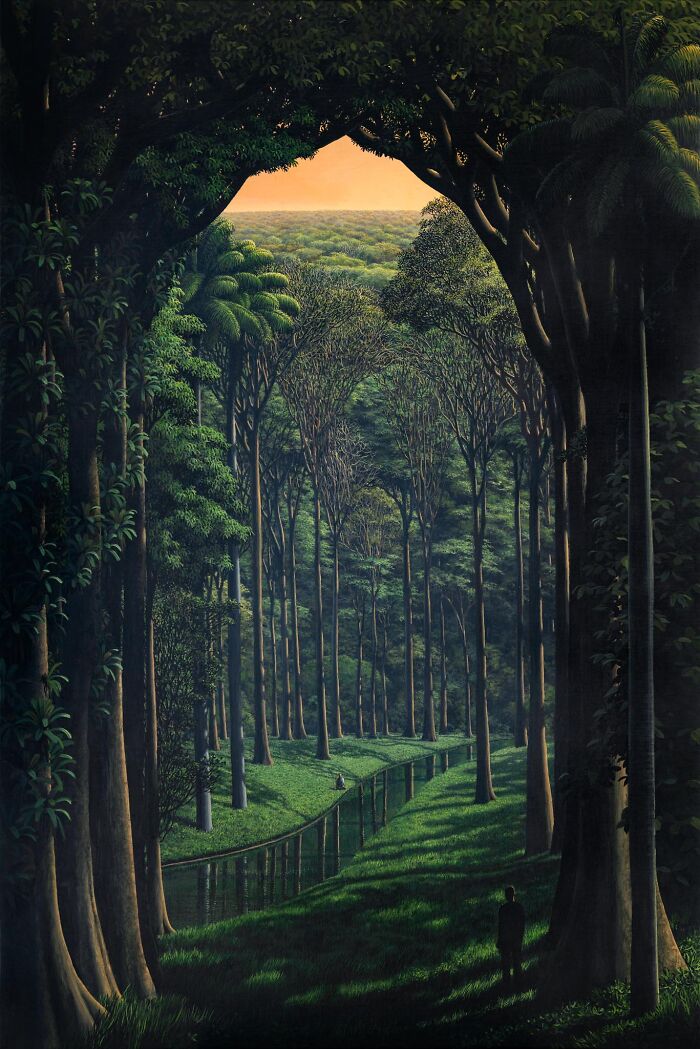
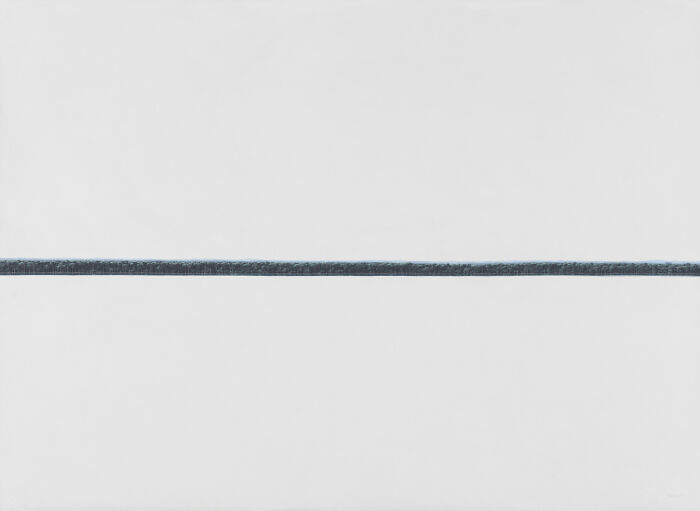
Tomas Sanchez is a Cuban-American artist known for his landscape paintings that explore themes of nature, identity, and spirituality. His work is often full of vivid details, showing tropical landscapes that mix beauty with deeper meanings. Many of his pieces also have a calming, meditative feel, reflecting his deep interest in both art and meditation, which are closely connected for him.
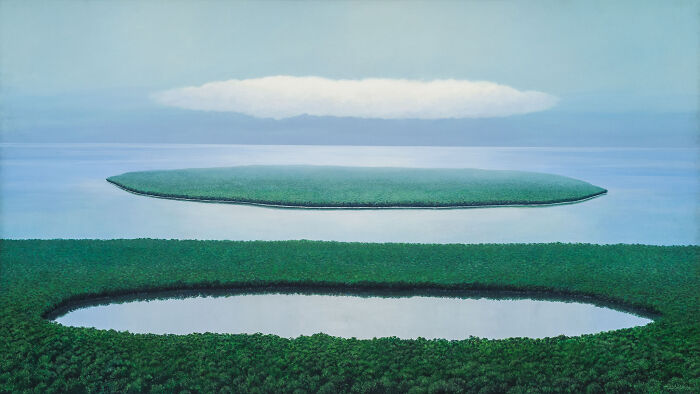
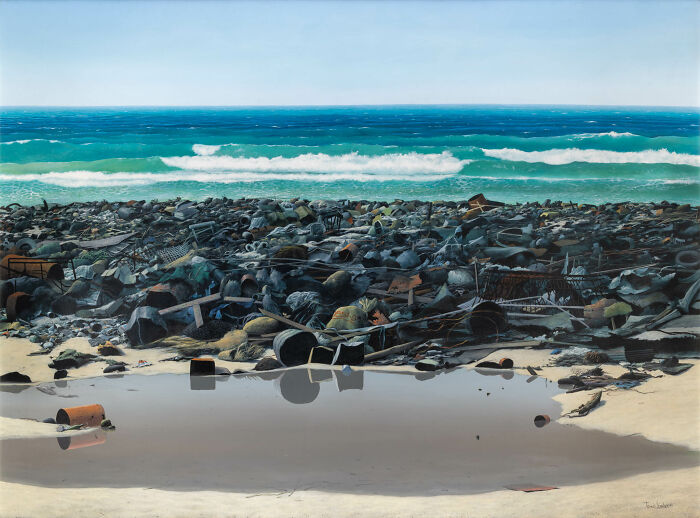
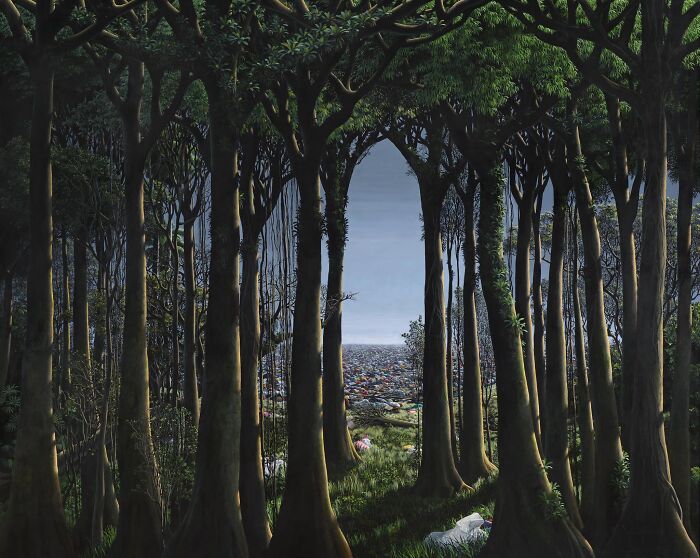
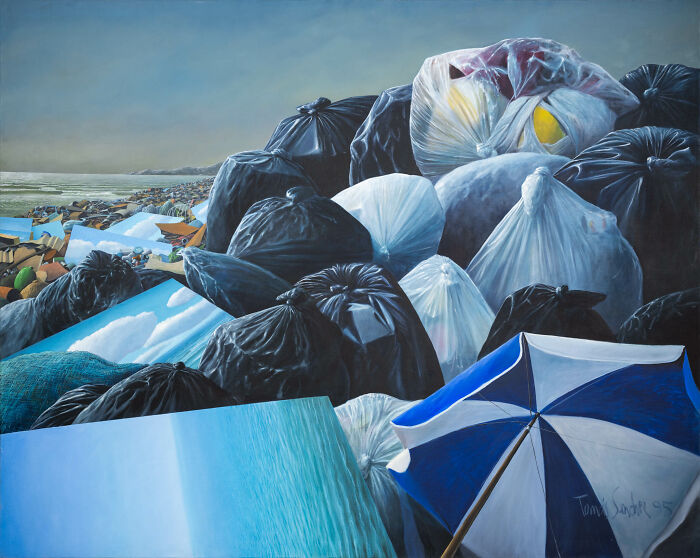
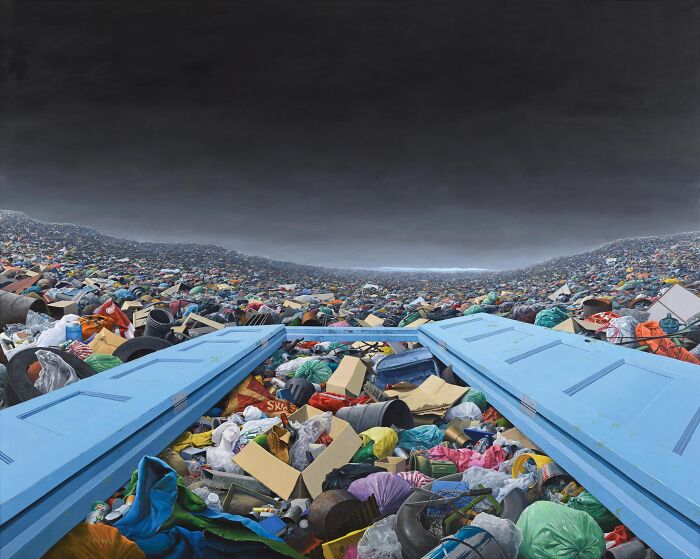
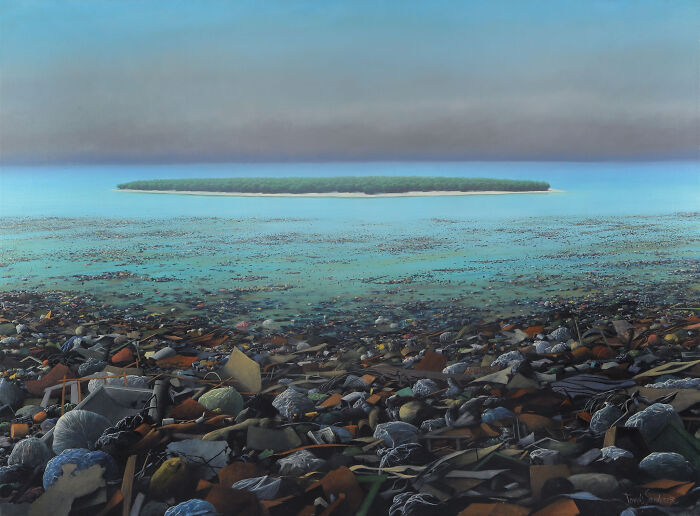
Along with his calming landscapes, this article also highlights pieces from Sanchez's "Landfill" series. These paintings address pollution, showing how trash is taking over nature, offering a powerful reminder of the environmental issues we face.
More info: Instagram | tomassanchez.com | Facebook | x.com
Click here & follow us for more lists, facts, and stories.
This post may include affiliate links.
Bored Panda reached out to Tomas Sanchez to learn more about his creative process and personal journey. The artist told us that he has always loved painting landscapes, but stopped at one point in his youth because he thought it was an outdated genre. "My peers were into neo-Expressionism and Pop Art. But in 1973, I came across a book by the American painter Andrew Wyeth. I realized that I could paint a more contemporary landscape. Wyeth’s work had a cinematic influence, which resonated with me because I was watching a lot of European films at the time.
Around the same time, I started practicing yoga and meditation, which allowed me to experience states during meditation that made me more attuned to nature. I used to meditate in the countryside, surrounded by the natural world. Gradually, the landscapes that emerged weren’t natural landscapes, but memories of the experiences I had during meditation. I believe this is the reason many perceive spirituality in my work."
Sanchez shared that when he's about to paint a new piece, he already has a clear mental image of what he wants to create. "Since I don't paint from nature, my images are usually related to meditation, often influenced by minimalism or even conceptualism. However, what truly captivates me is the ability to express my emotions when I look at nature, starting with my meditation experiences. Clearly, as evident in my work, I have a strong interest in composition, which is another immediately noticeable element in my creations. But fundamentally, what drives my creative process and spirit is meditation. As a follower of Kashmiri Shaivism, I share this philosophy from India's tradition that art is a meditative act."
Sanchez's paintings often feature lush tropical forests, rivers, and solitary figures in contemplation, so we wondered what message he hopes viewers take away from them. "Indeed, small human figures in meditation frequently appear in my work. This aspect is recognized in my meditation practice as the concept of 'The Witness.' As a fundamental principle in my creations, I strive to express my relationship with nature, which involves comprehending its vastness in relation to human beings. I hope viewers can perceive this connection as well. Whenever I visit a forest, a lagoon, a waterfall, or other captivating natural places, I instantly enter a meditative state. My mind quiets, enabling me to experience emotions that bring profound peace and tranquility, even when I'm not actively meditating. My aspiration is for my work to transcend mere emotional responses to nature and encourage a deeper awareness of it, inspiring a desire to protect and respect it in all its immensity."
When asked about the most challenging and enjoyable parts of his creative process, Sanchez shared that he enjoys the entire journey, from the initial ideas that arise during meditation to the final moments of completing a painting. "I spend long hours in front of a canvas, vehemently taking the composition and concept. My works are not random processes; they are very conscious, and I achieve this to a great extent through meditation. That final moment, just before a painting leaves my studio, is usually the most challenging for me because I never feel that the work is truly finished. I have read on several occasions that many painters throughout art history have experienced the same struggle with completing a work. I cannot attribute that doubt to the painting itself; rather, I believe something within me prevents me from recognizing its conclusion."
You might also like: 50 ‘Weird Facts’ About The World That Might Give You A Fresh Perspective
































 No fees, cancel anytime