Get Premium
Dark mode theme is available exclusively for premium users. Learn more about the benefits of subscribing.
No fees, cancel anytime.

 Dark Mode Ad-Free Browsing Unlimited Content
 Ad-Free Browsing Unlimited Content Dark Mode
Join 1.2 million Panda readers who get the best art, memes, and fun stories every week!
If you’ve ever taken a stroll through an antique shop, you know that they’re full of unexpected treasures. You might find a charming phone from 50 years ago or a poster that your mother might have hung up in her childhood bedroom.
And one Instagram account that’s passionate about antique items and unexpected pieces of artwork we might stumble upon in our daily lives is Lost Found Art. We’ve gathered some of their most captivating photos of impressive artwork and designs from around the world, so you pandas can take a virtual trip through their gallery below. Enjoy scrolling through, and be sure to upvote the pics that you’re glad someone found!
This post may include affiliate links.
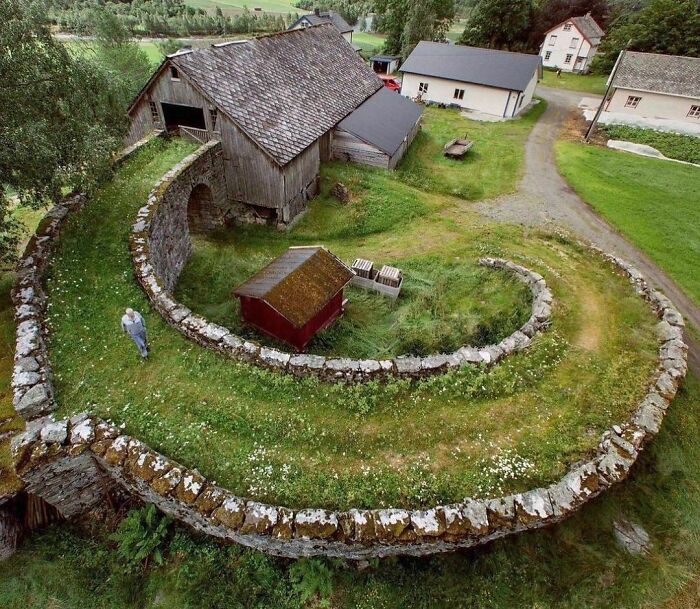
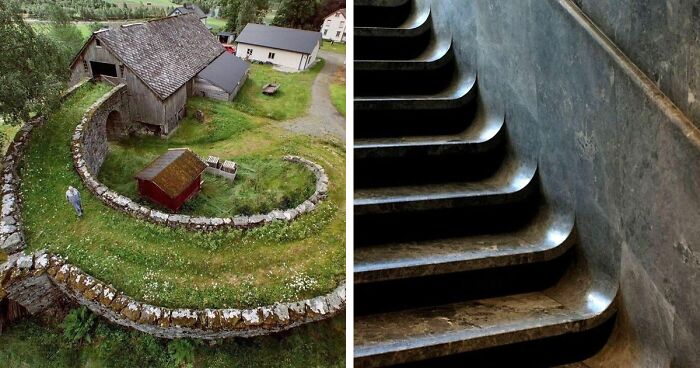
Way to build a ramp to get to the top of your barn. Stone ramp. Valldal, Norway.
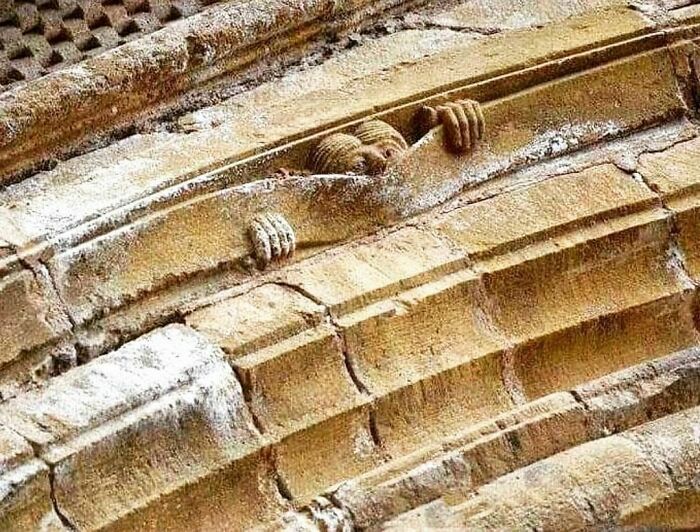
Medieval humor. Abbey of Saint Foy. Conques, France. C. 1050.

Apparently those medieval stone masons had an amazing sense of humour.
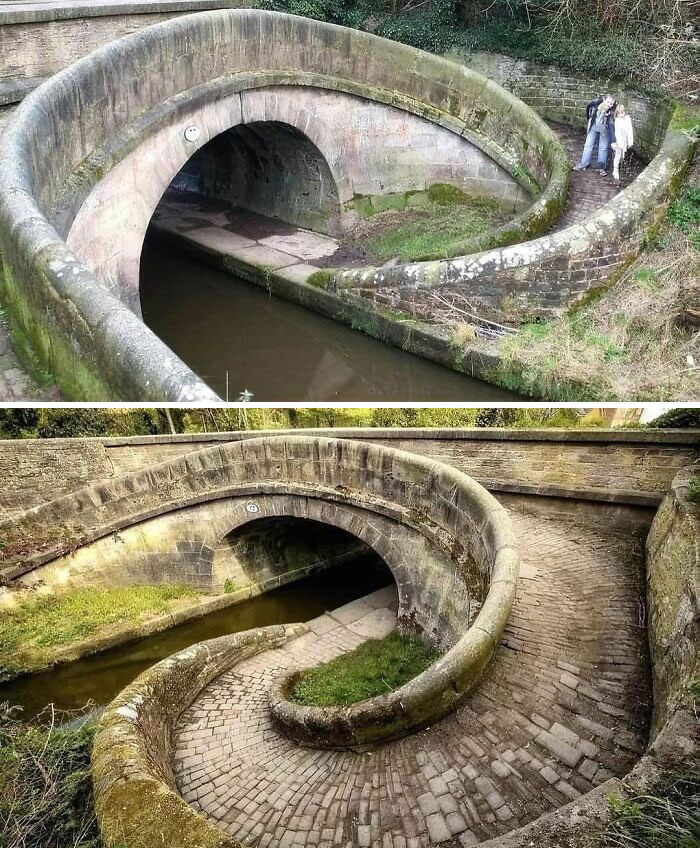
Snake bridge on Macclesfield canal on Atsbury. England.

This kind of bridge is meant to change the tow path on the canal from the left side to the right without having to unhook the horse pulling the barge - the horse just walks over.
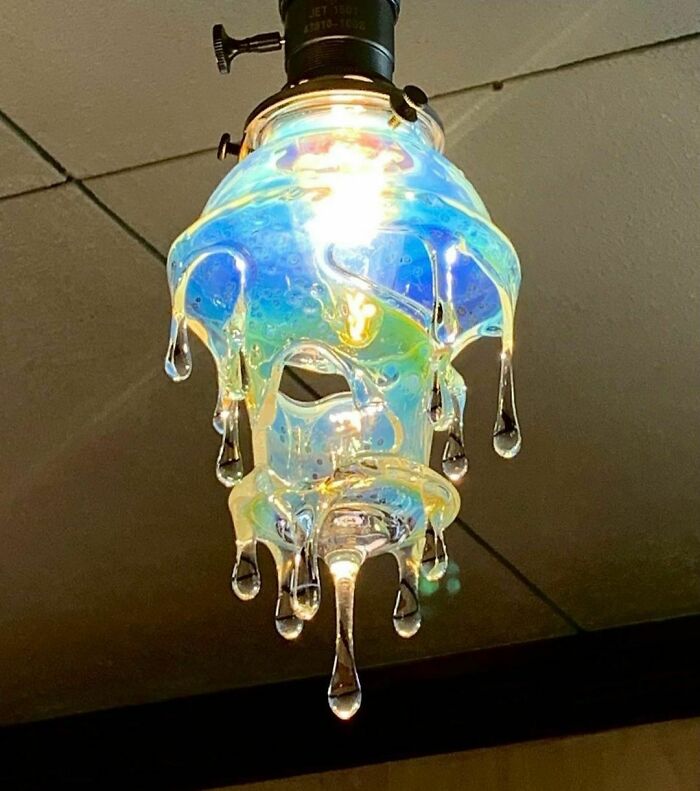
The amazing custom glass shades that appear to be melting by @kumbhglass
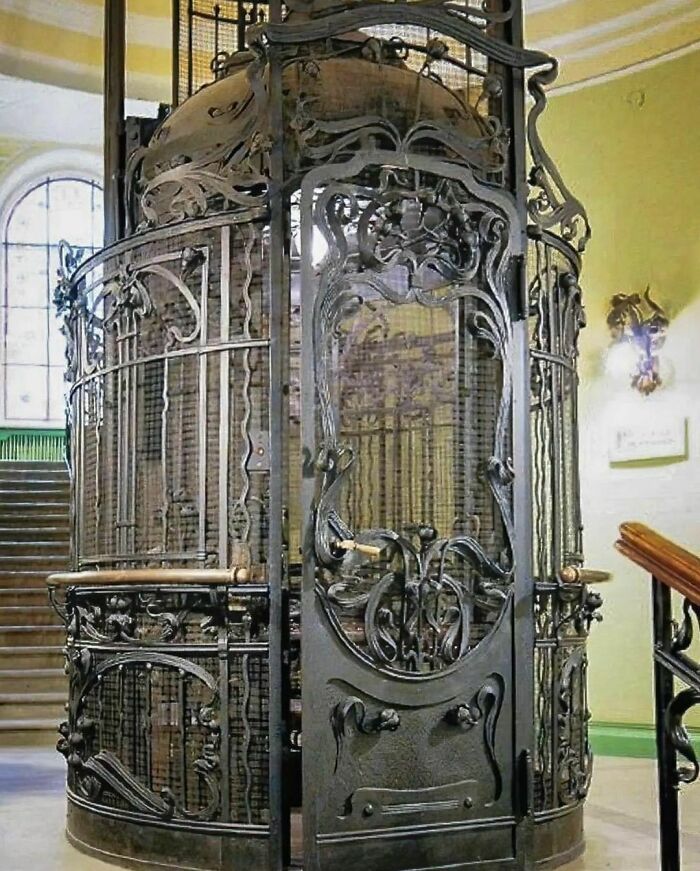
There are elevators and then there are elevators. This magnificent Art Nouveu steam powered elevator in the house of Guard Captain S. Muyaki in St. Petersburg, Russia. Circa 1902-1903.
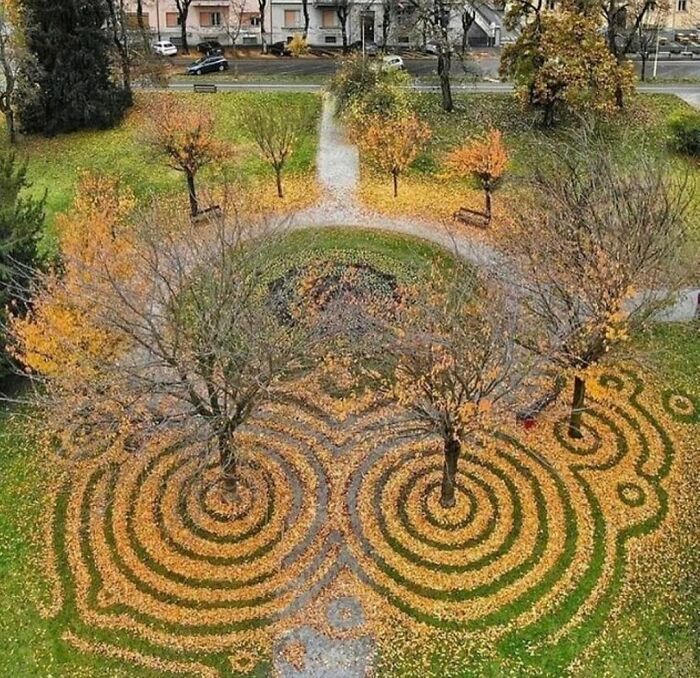
This is the way to rake those fall leaves. Created by land artist Nikola Faller from Osijek Croatia. Photos taken by him as well.
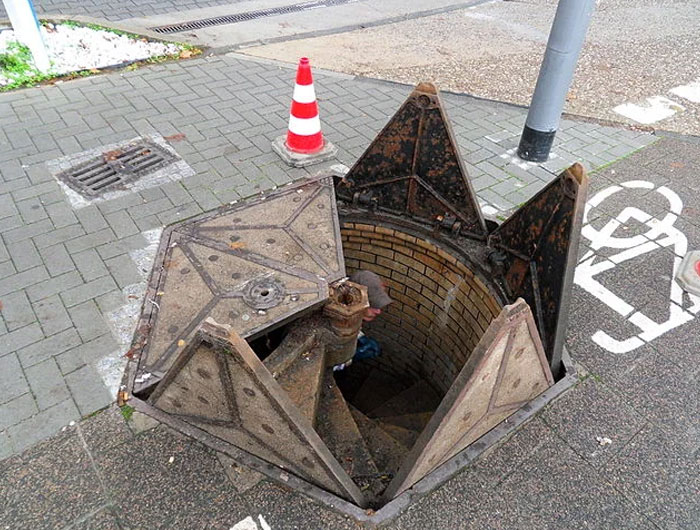
Now this is one cool manhole cover! Complete with a spiral staircase to sneak up on your enemy! You would think this would have been in a medieval castle or Hogwarts. Weisebaden, Germany
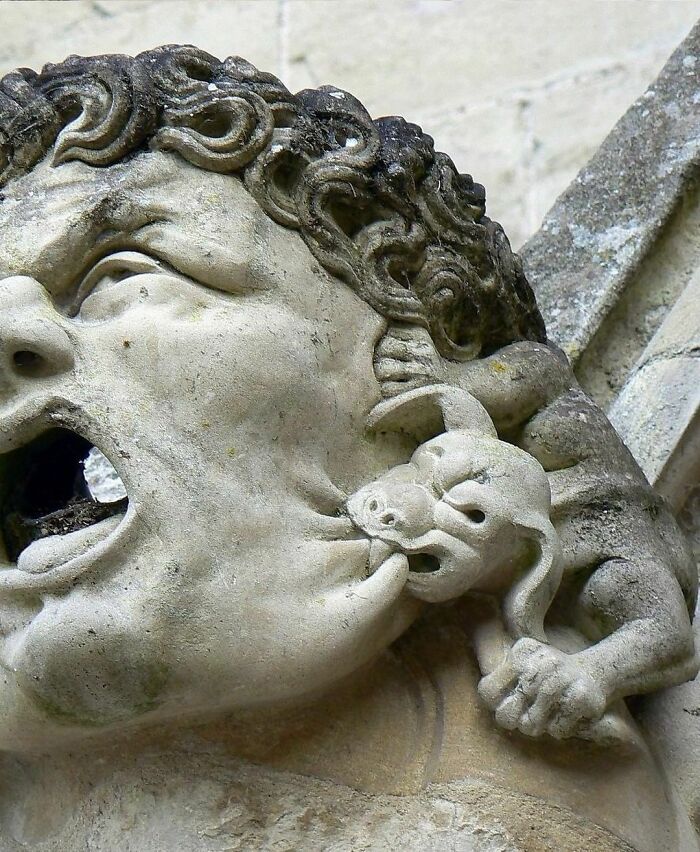
A small grotesque biting a large gargoyle drain spout. On the roof of the Salisbury cathedral UK. A bad attempt at a hickey?
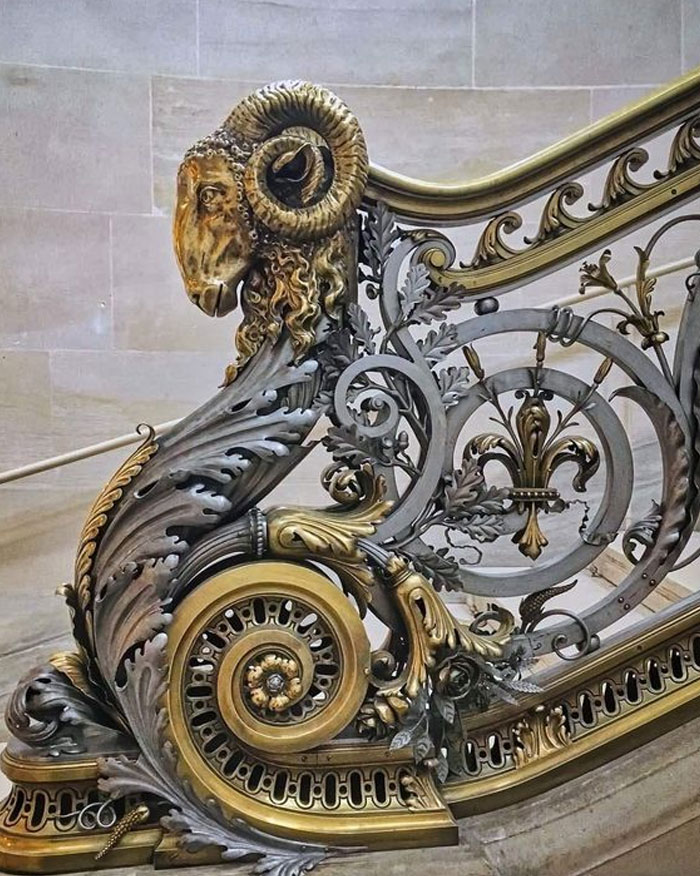
Stairway to heaven. Chantilly Castle. France. Wrought iron railing made in 1870 by the Moreau brothers on a drawing by Honore Daumier.
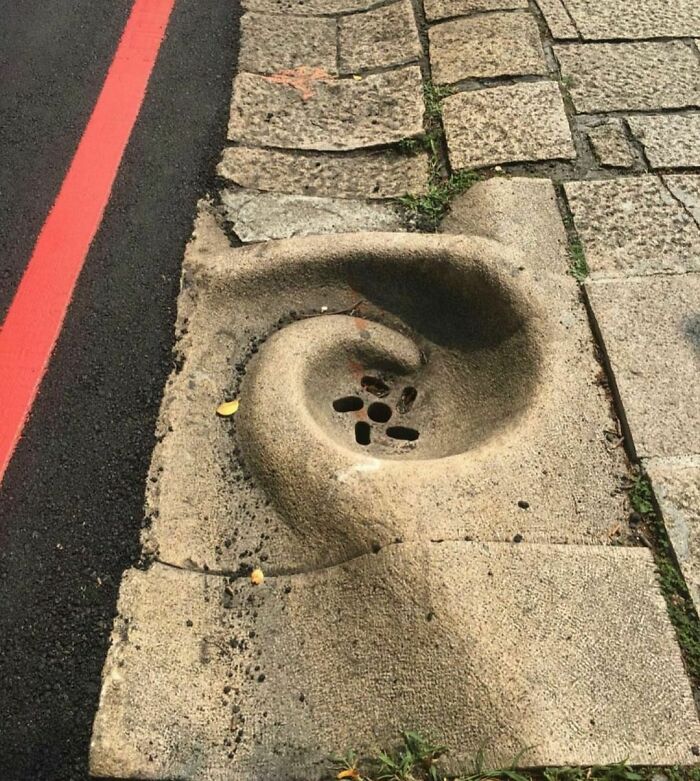
Water current directing drain in a steep slope in Taiwan. Almost like intentional street sculpture.
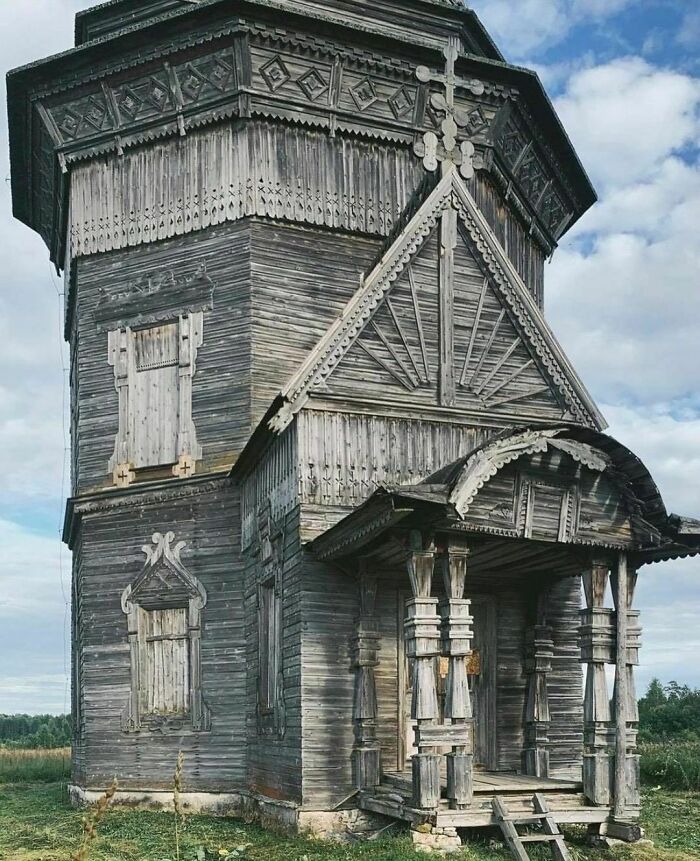
Ancient wooden Orthodox Church. Built in 1655.
I like this church. The wood, the size, it just works.
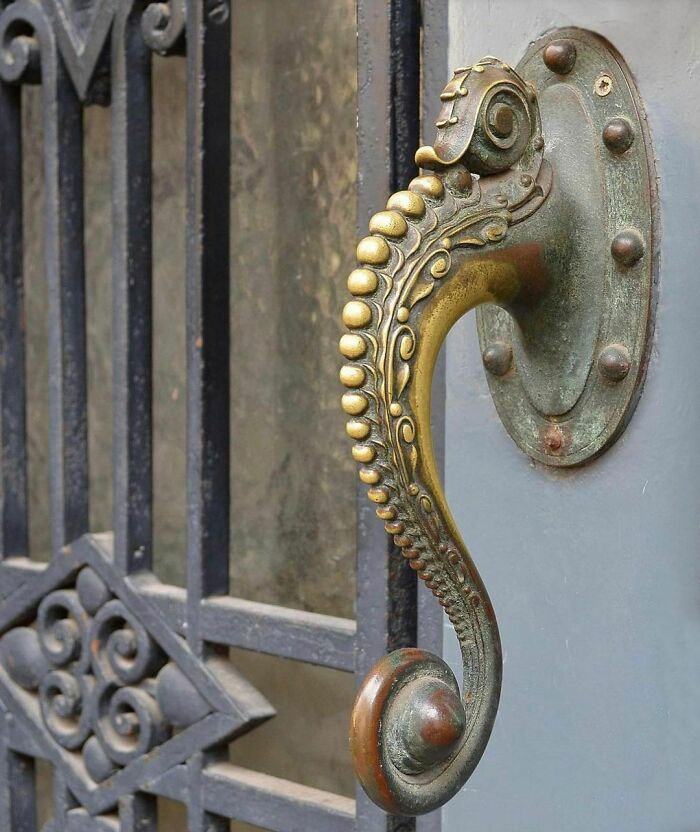
Amazing bronze octopus door pulls on an Art Deco Home circa 1925 by architect Emile De Nil. Nothing wears it age as well as bronze. Gand, Belguim.
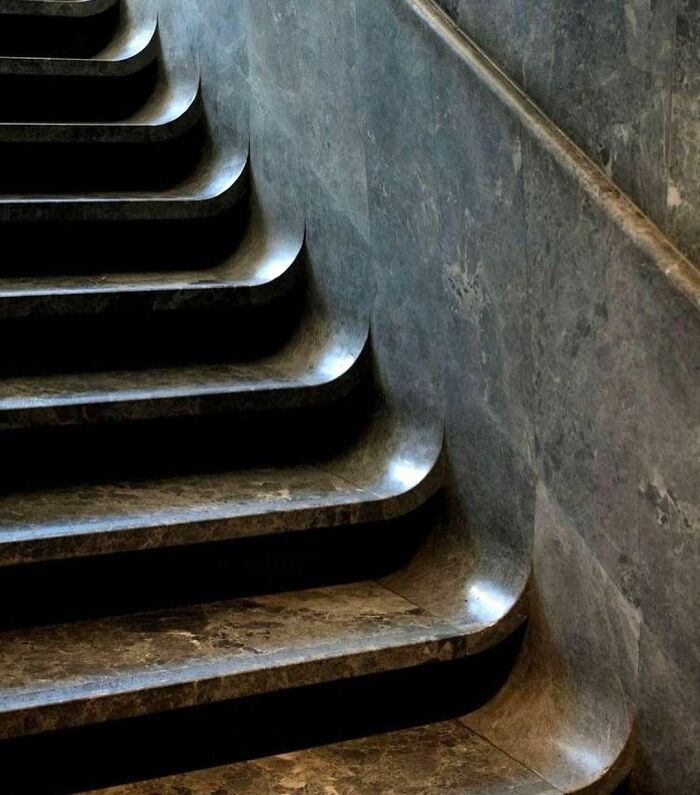
The beautiful carved marble steps leading down to the gallery at the Hotel National des Arts et Metiers in Paris.
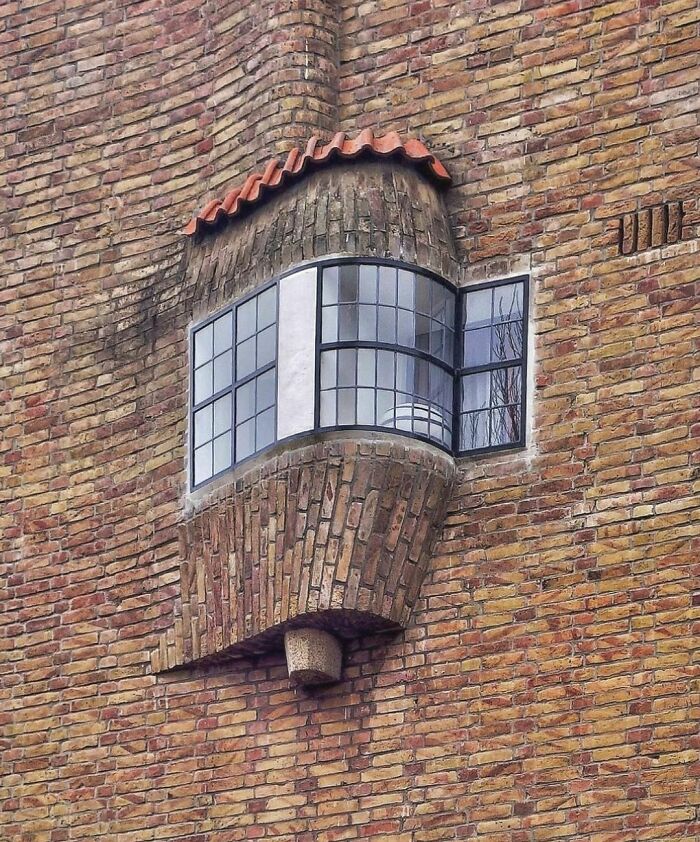
Great window design. Spaarndammerbuurt, Amsterdam.

I wouldn't want to be the guy who has to wash those windows on the outside.
Amazing iron work inserted into a more traditional pattern. You can see where the cutout was made to drop in the abstract pattern. Located outside Mortensrud church Oslo.
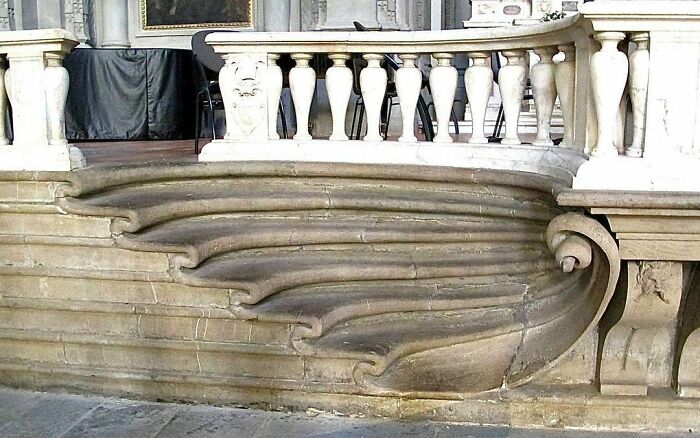
Incredible staircase made by Bernardo Bountalenti 1574. Seen at the Church of Santo Stefano at Ponte in Florence.
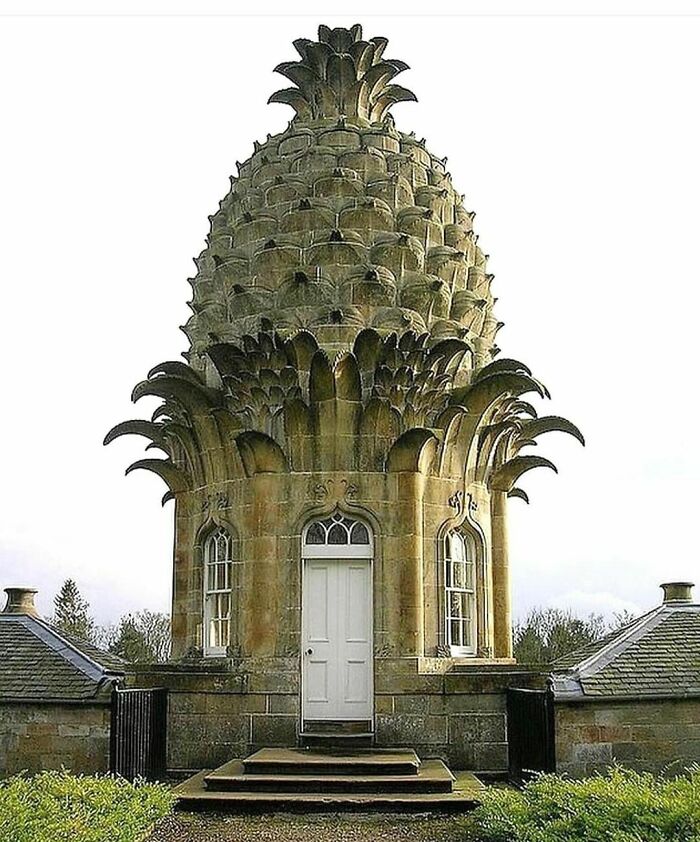
Dunmore Pineapple House. Built in 1791 in Stirlingshire Scotland by Earl John Murray for his wife Charolette. Attributed to architect Sir Williams Chambers. It is considered one of the most bizarre buildings in the country. Pineapples were first brought to Europe by Christopher Columbus from the Caribbean island of Guadalupe in 1493. Pineapples became a rare delicacy in Europe with associations of power, wealth and hospitality. The pineapple structure on this building is 46 ft high and constitutes a stunning example of the stonemason’s craft, being a remarkable depiction of the fruit. The pineapple became a universal symbol of welcome and hospitality.
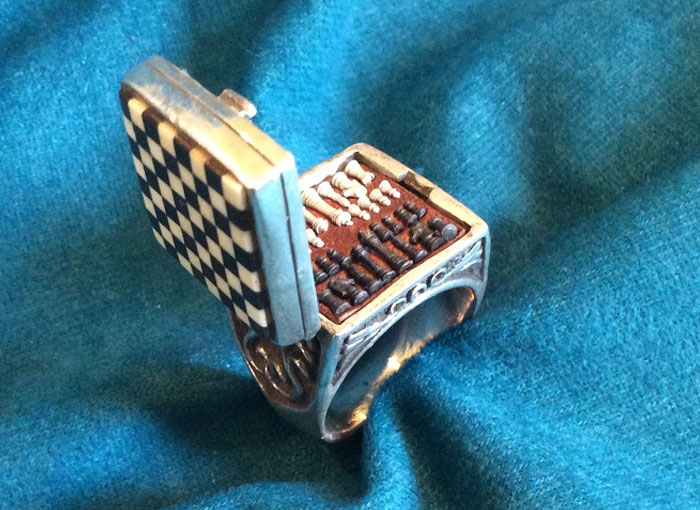
Miniature chess set built into a ring. Just don’t sneeze when playing. Ring by Joe Turner 2015.
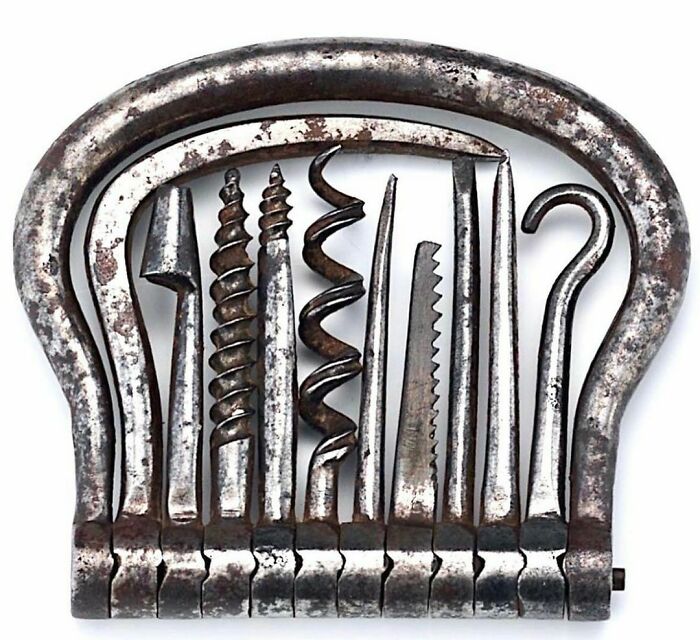
Late 19th century now multi tool. The predecessor to todays Leatherman tool. These can be found with as few as 3 blades and as many as 12. This one sold on eBay about two years ago.
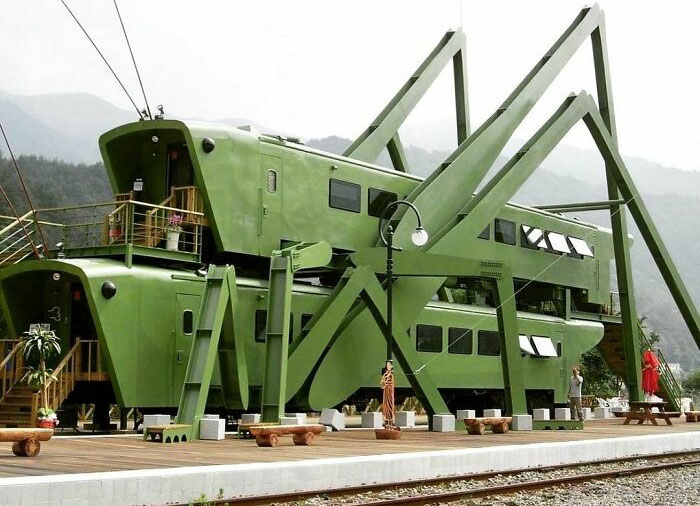
Grasshoppers Dream Cafe. Jeongseon South Korea. Constructed of two converted train cars, the upper level serves pasta while the lower level houses a coffee shop.
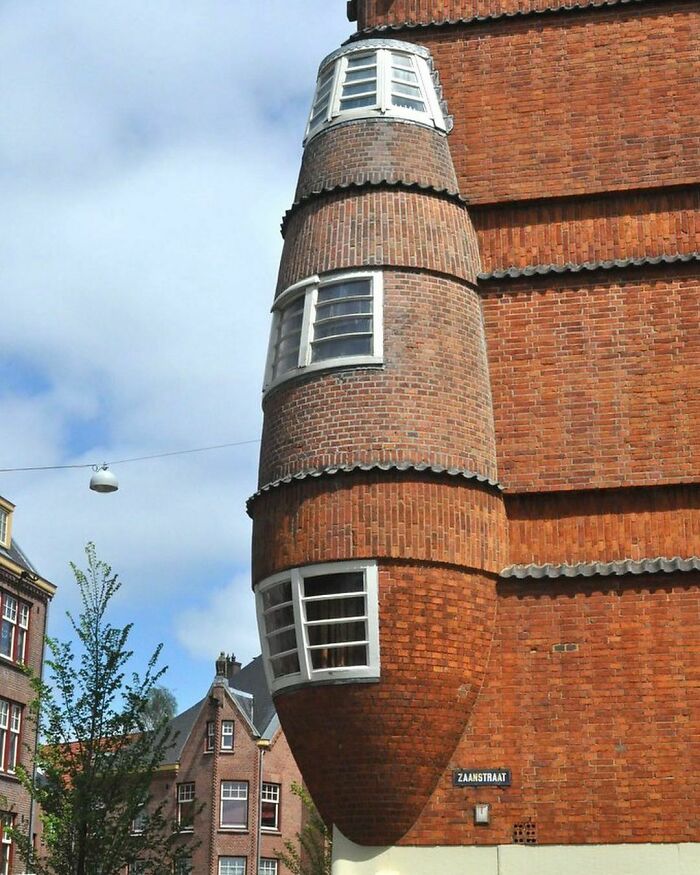
“The Bulge” Amsterdam School. Michael de Klerk. 1921.

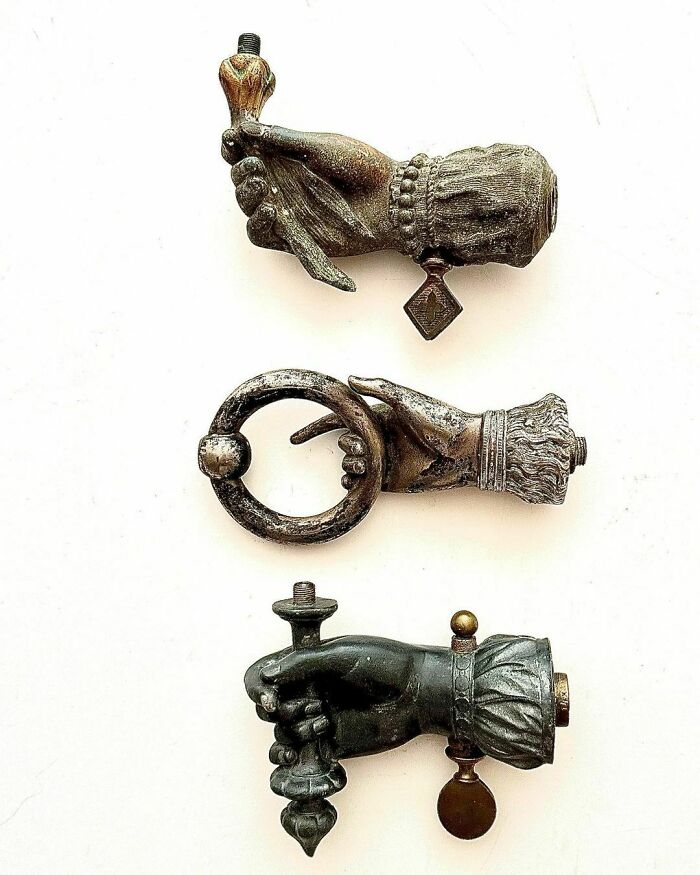
Three 19th century decorative hand shaped gas light lamp ends. Personal collection NFS. Featured in my upcoming book “Out Of Hand”
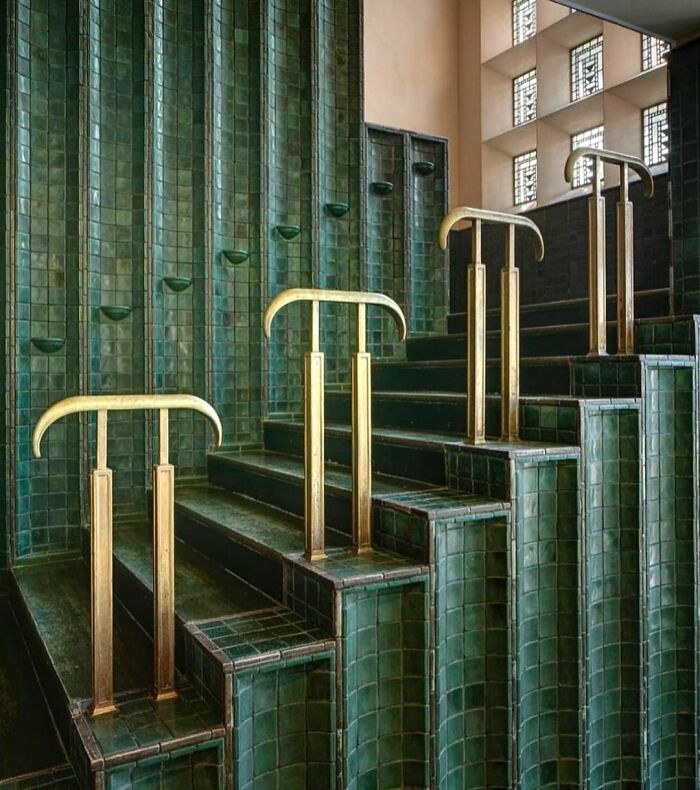
Staircase designed by Eliel Saarinen for the Cranbook Art Museum in Michigan. Amazing hand rail design.
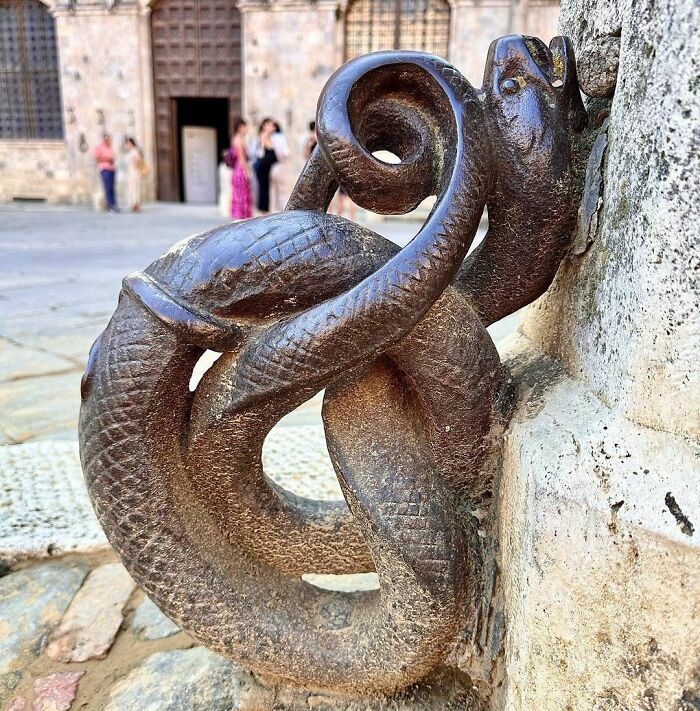
Magnificent 15th century iron coiled snake decoration attached to stone pillars in a square in Siena Italy today. Each one about 18” tall. Maybe 100-150 pounds. As usual my wife rolled her eyes as I gave them a gentle kick to see if by possible chance one might come loose. Though in the open and directly in front of the police it might not have gone well. And I probable would not have gotten out of jail in time for dinner.
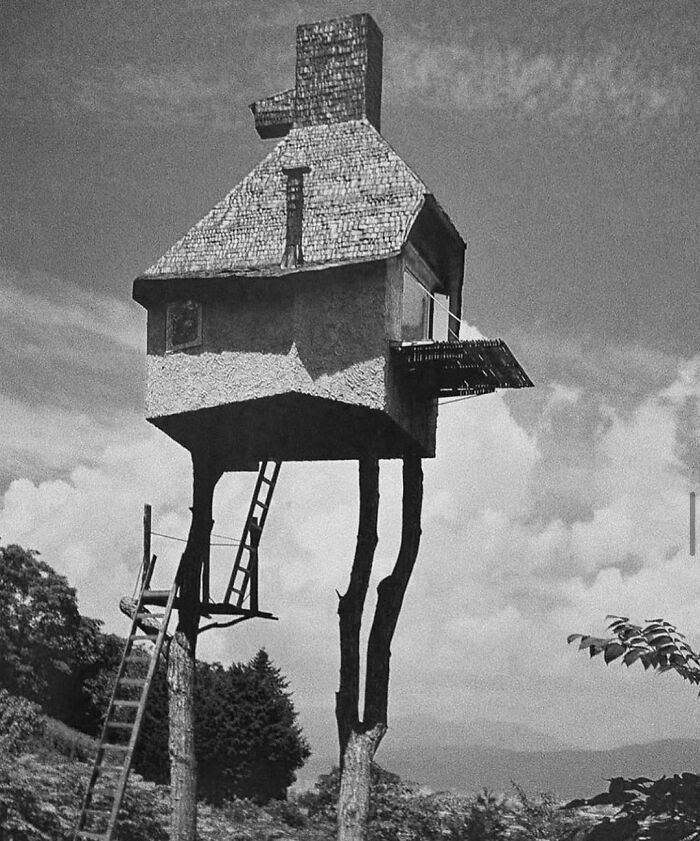
Takasugi-an tea bourse in Nagano Japan by Terunobu Fujimori 2003.

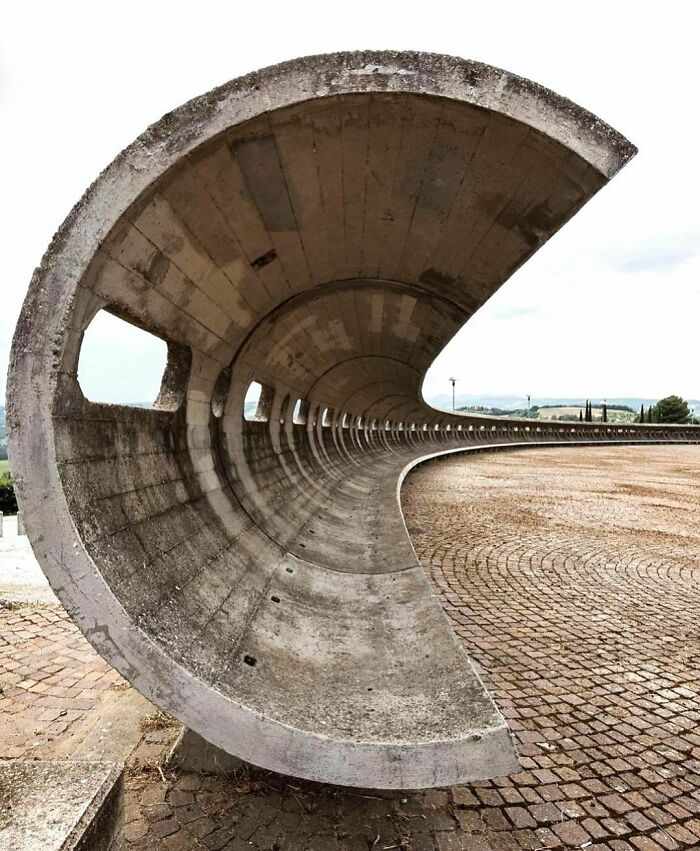
Concrete bench. Part of the Santuario dell’Amore Misericordioso complex by architect Julio Lafuntuente. Todi Italy.
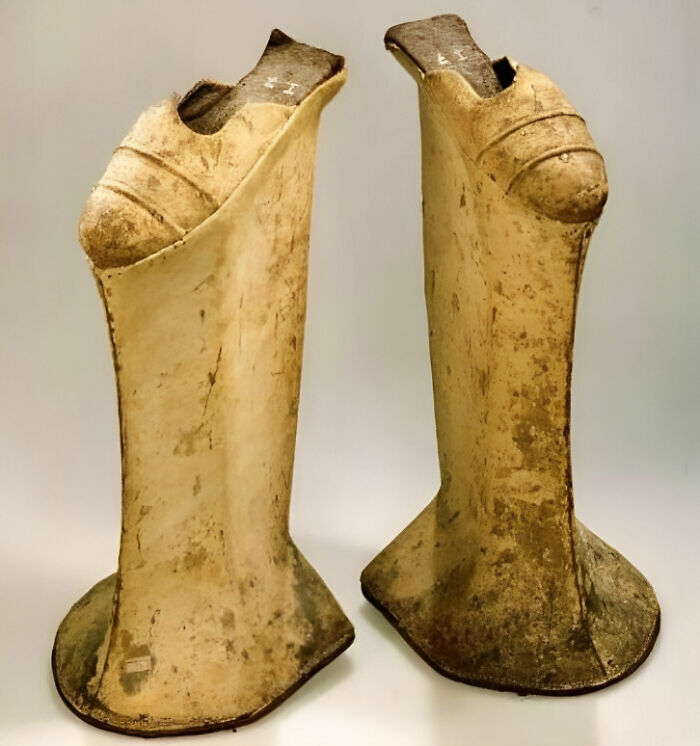
Very popular with women in the 15th thru the 17th century were these hollowed out wooden platform shoes called “chopines” Designed to protect dresses from the mud and street dust. They were very popular in Venice and were worn by noblewomen and courtesans. These were also worn to flaunt the wealth of their husbands or fathers. The shoes were tied with leather is silk straps. No running for a cab in these.
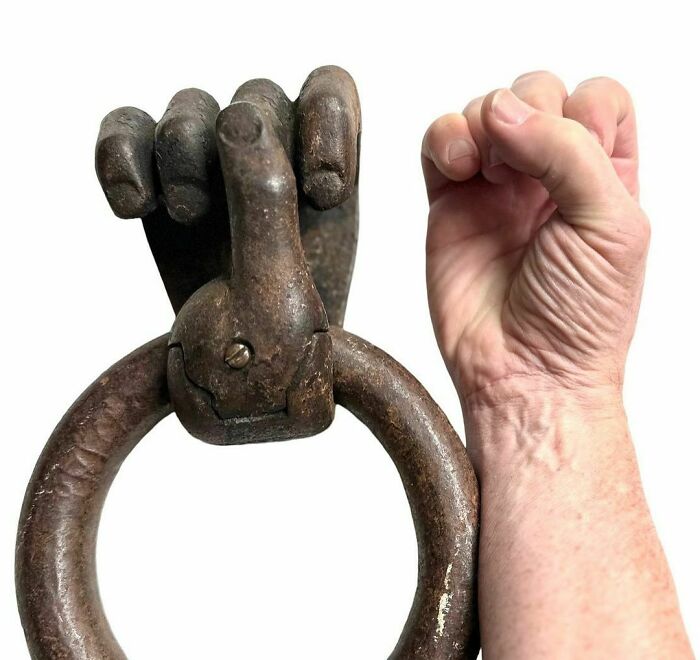
One of my favorite pieces in my hand collection is this larger than life size 19th century cast iron hand and chain. Not sure what it’s end use was. It appears to have been part of an advertising/trade sign piece. Thumb can be removed. With the chain it’s a very, very heavy piece.

i didnt see most of them before. And THIS are why we come to Bored Panda!


What is perhaps quite sad is that for any of these to be made today they would need to be designed/programmed into a computer and then cut out of the material by automated machines, remember seeing a documentary that said there is Roman ‘concrete’ made 2,000 odd years ago to create a sea port that is stronger, harder and lasts longer than anything similar material we can make today, how as a species have we managed to forget how to do things ‘right’ in favour of doing things quick?

Executive profits have trumped quality and safety since the industrial revolution started.
Load More Replies... i didnt see most of them before. And THIS are why we come to Bored Panda!
What is perhaps quite sad is that for any of these to be made today they would need to be designed/programmed into a computer and then cut out of the material by automated machines, remember seeing a documentary that said there is Roman ‘concrete’ made 2,000 odd years ago to create a sea port that is stronger, harder and lasts longer than anything similar material we can make today, how as a species have we managed to forget how to do things ‘right’ in favour of doing things quick?
Executive profits have trumped quality and safety since the industrial revolution started.
Load More Replies...






















 No fees, cancel anytime