Get Premium
Dark mode theme is available exclusively for premium users. Learn more about the benefits of subscribing.
No fees, cancel anytime.

 Dark Mode Ad-Free Browsing Unlimited Content
 Ad-Free Browsing Unlimited Content Dark Mode
Join 1.2 million Panda readers who get the best art, memes, and fun stories every week!

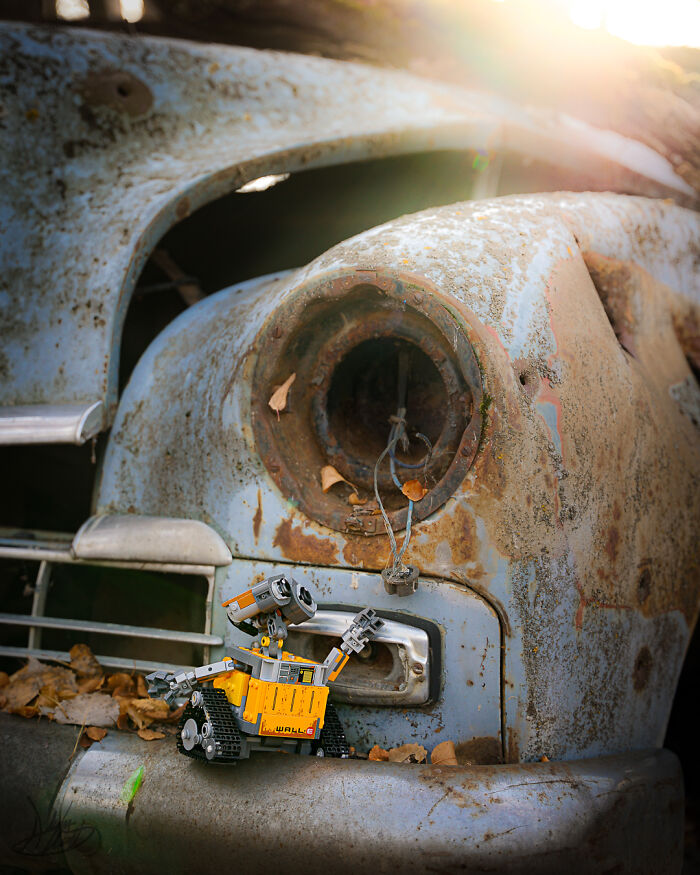
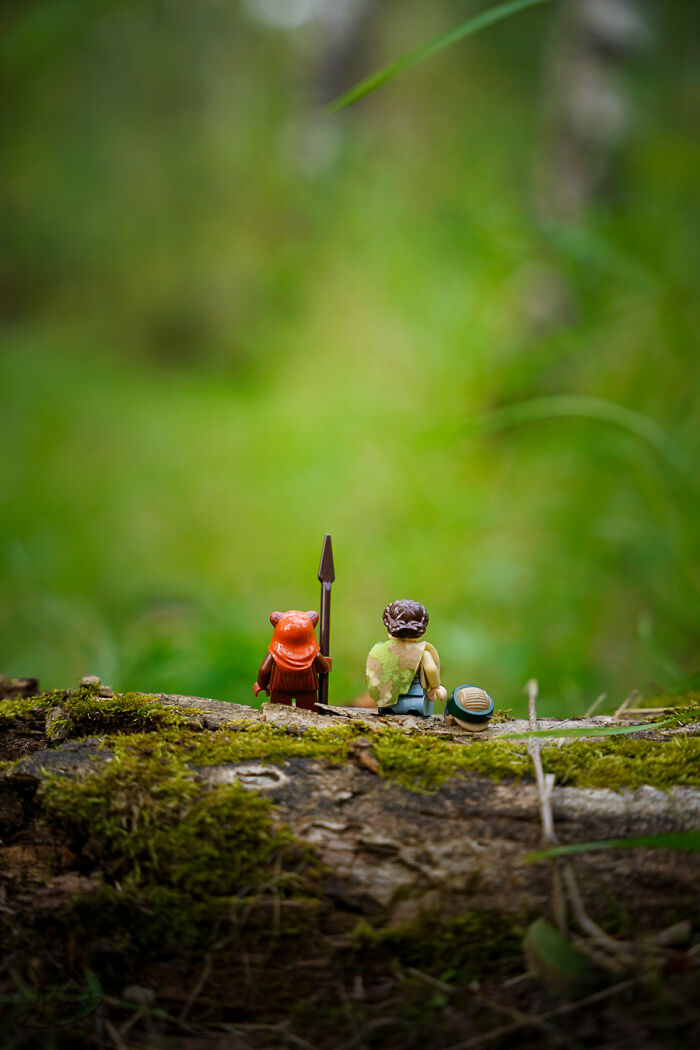
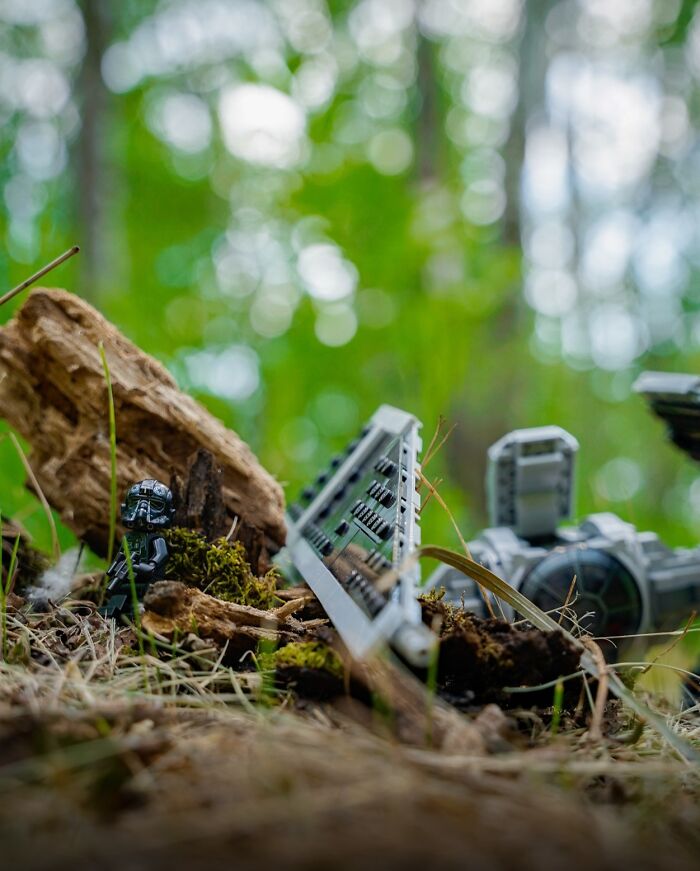
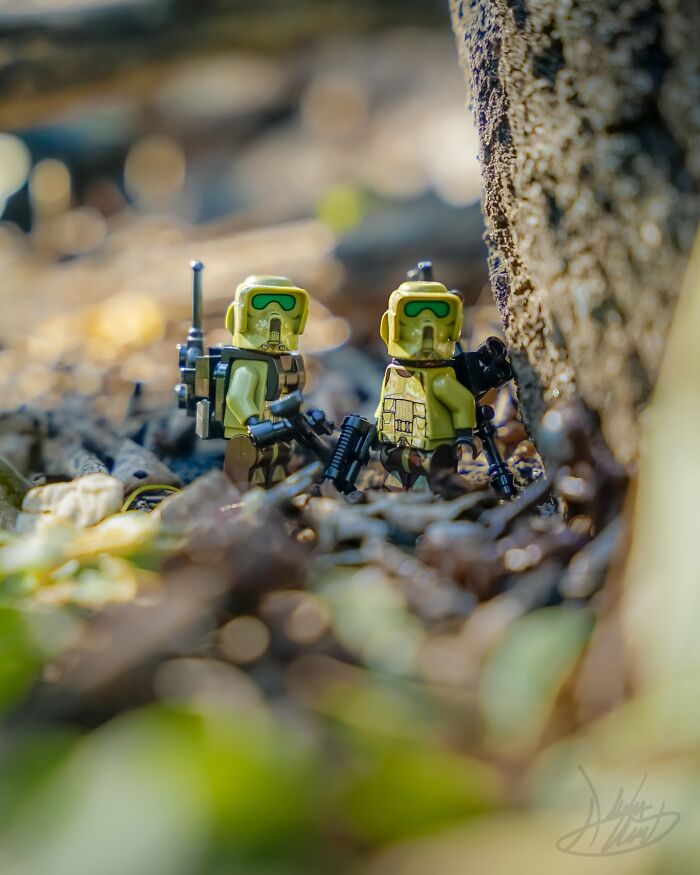
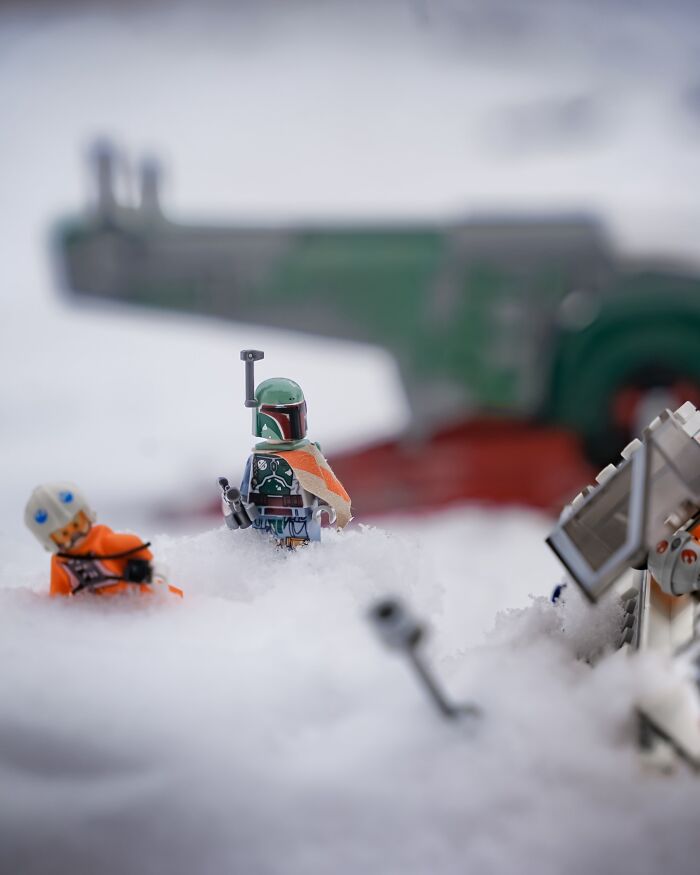
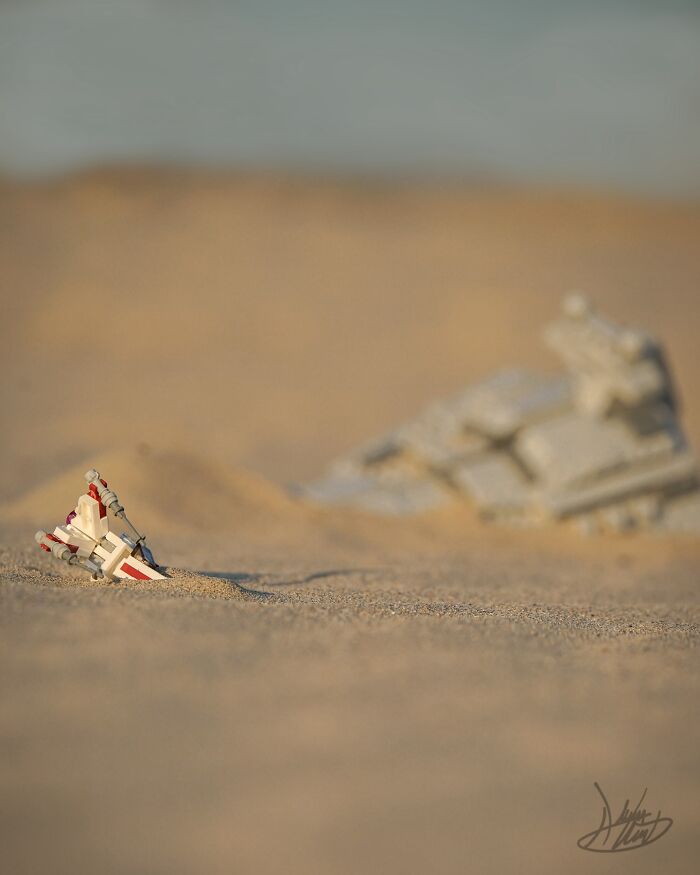
Miniature photography is a challenging art form as it is, with special setups required to capture the light reflections, shadows, and sense of scale that make a tiny subject feel believable in a huge world. But photographer Alexander Webster, based in Saskatoon, Saskatchewan, took it a step further. He combined his love of LEGO models and Star Wars with his burgeoning photography hobby, then started rebuilding the kinds of scenes he grew up imagining.
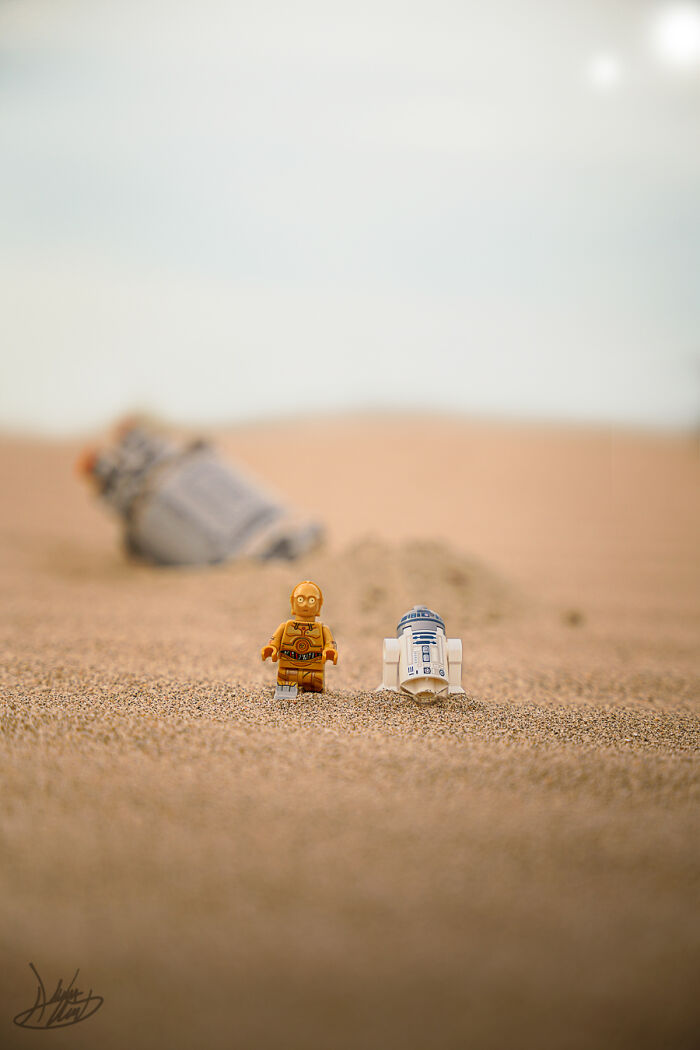
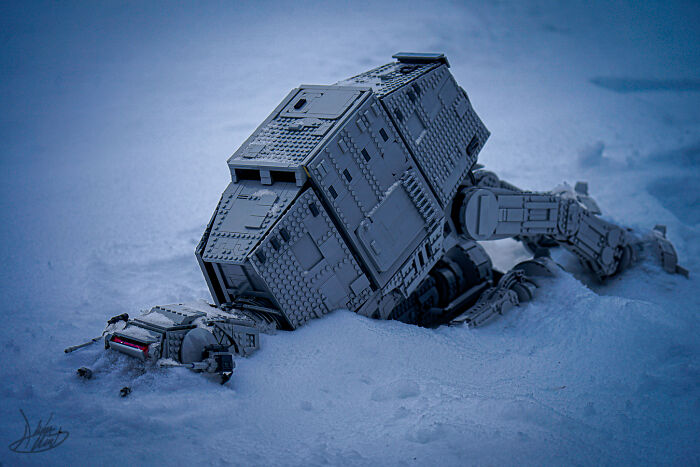
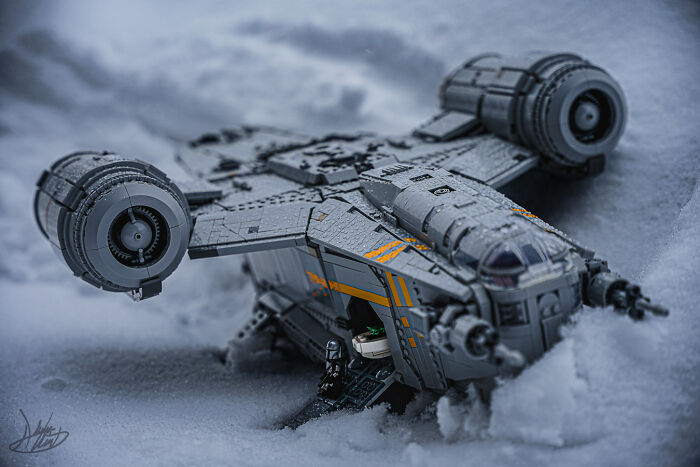
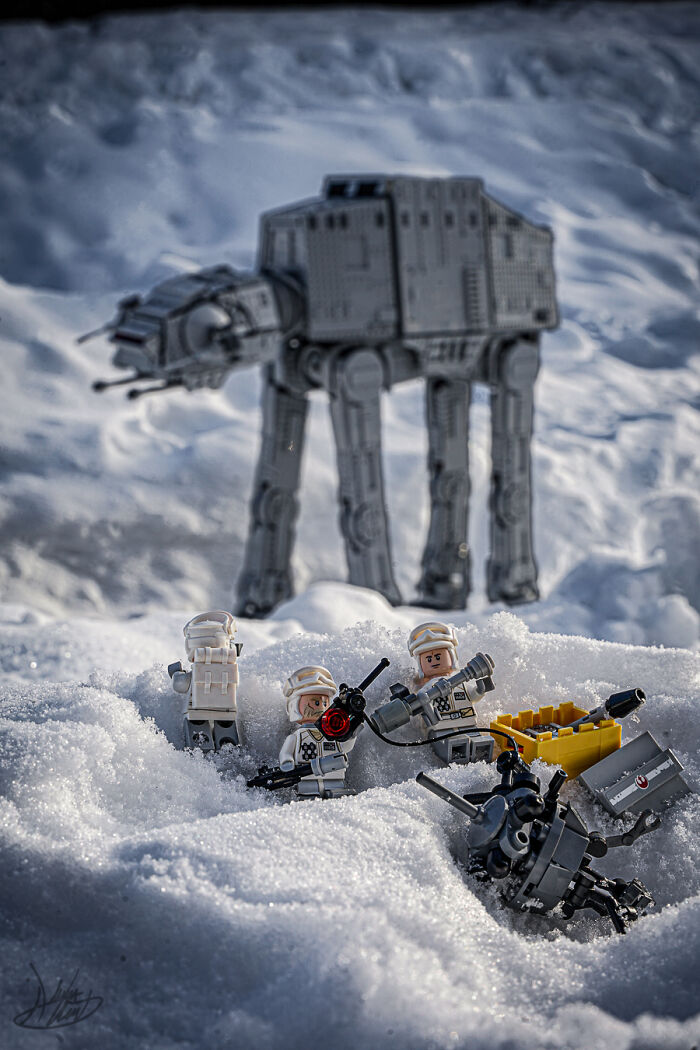
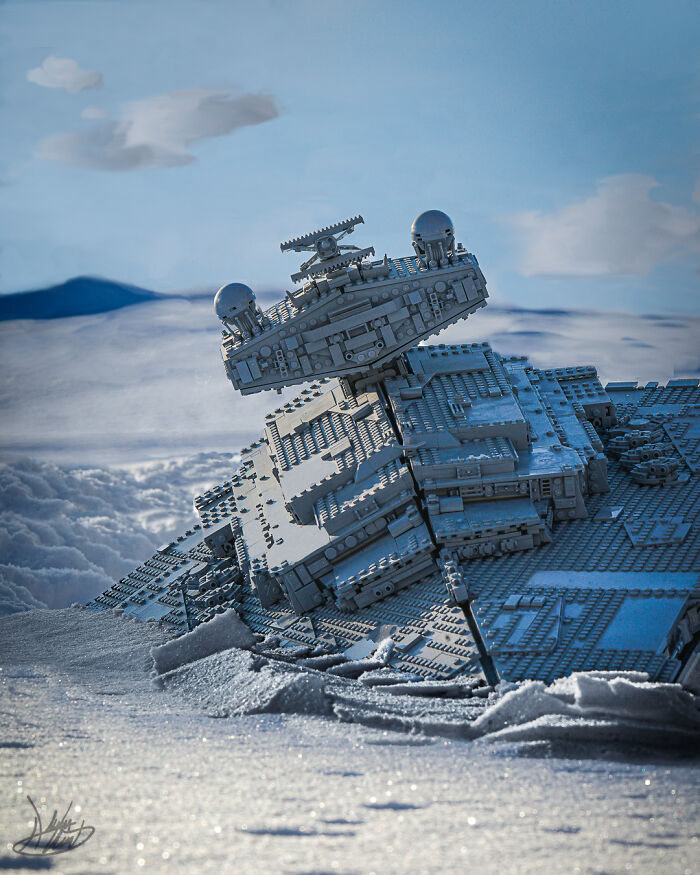
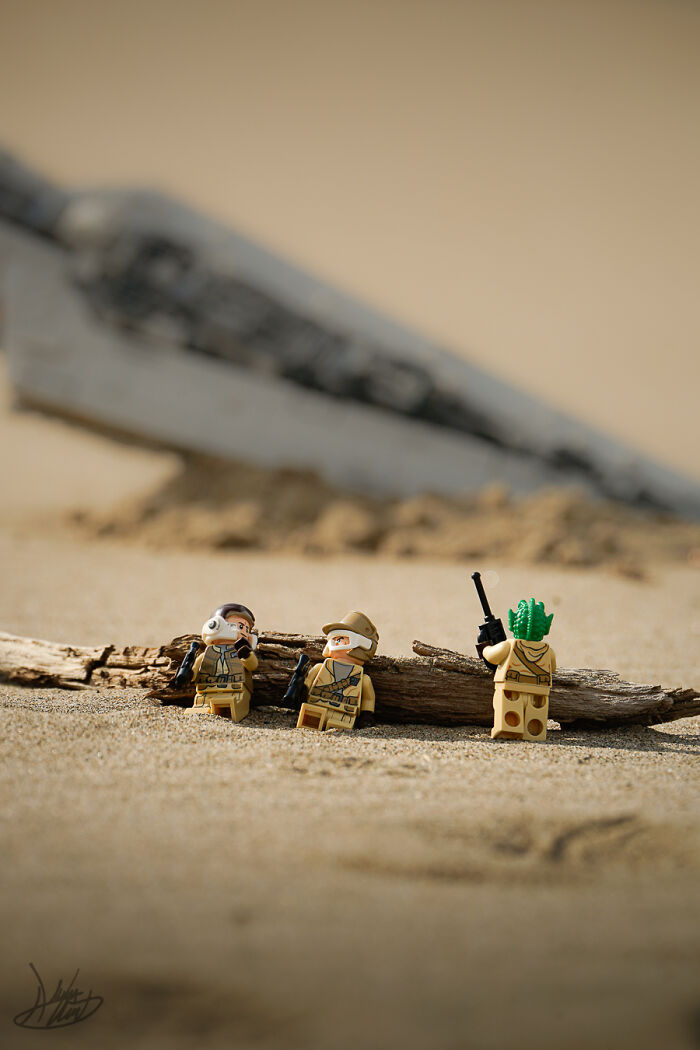
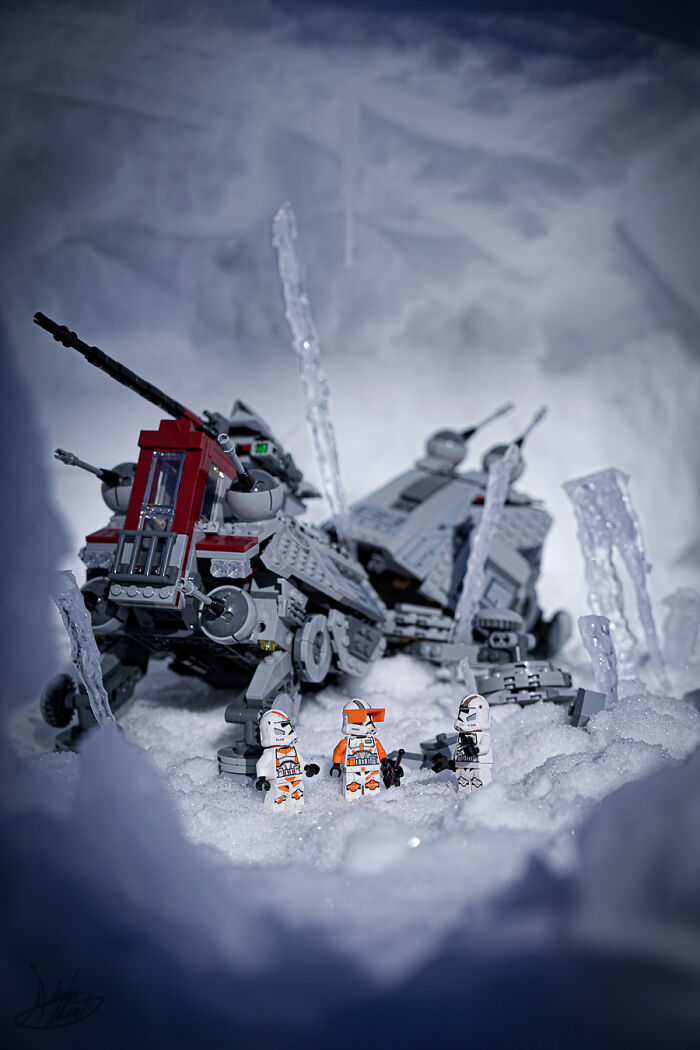
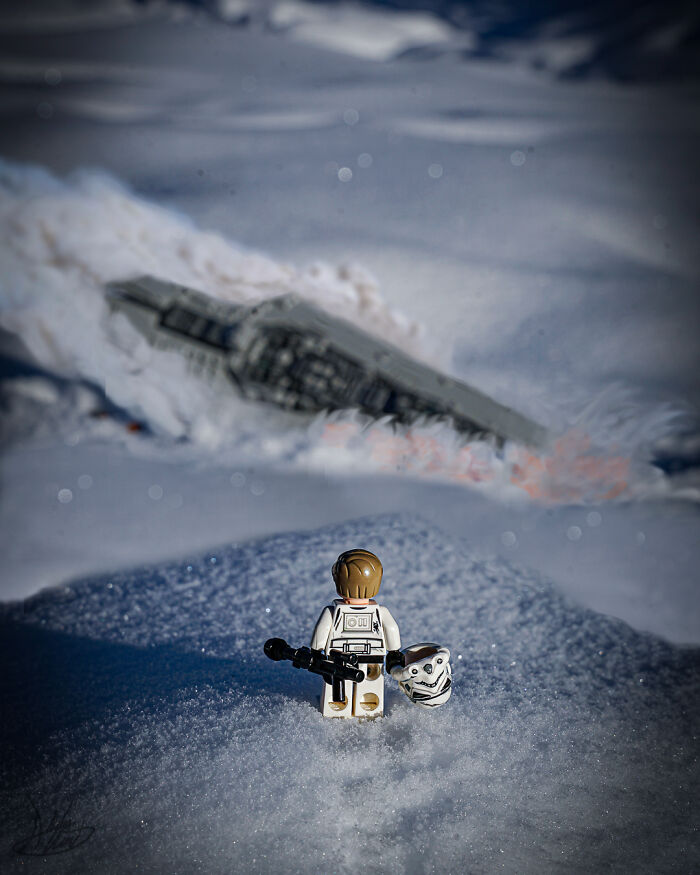
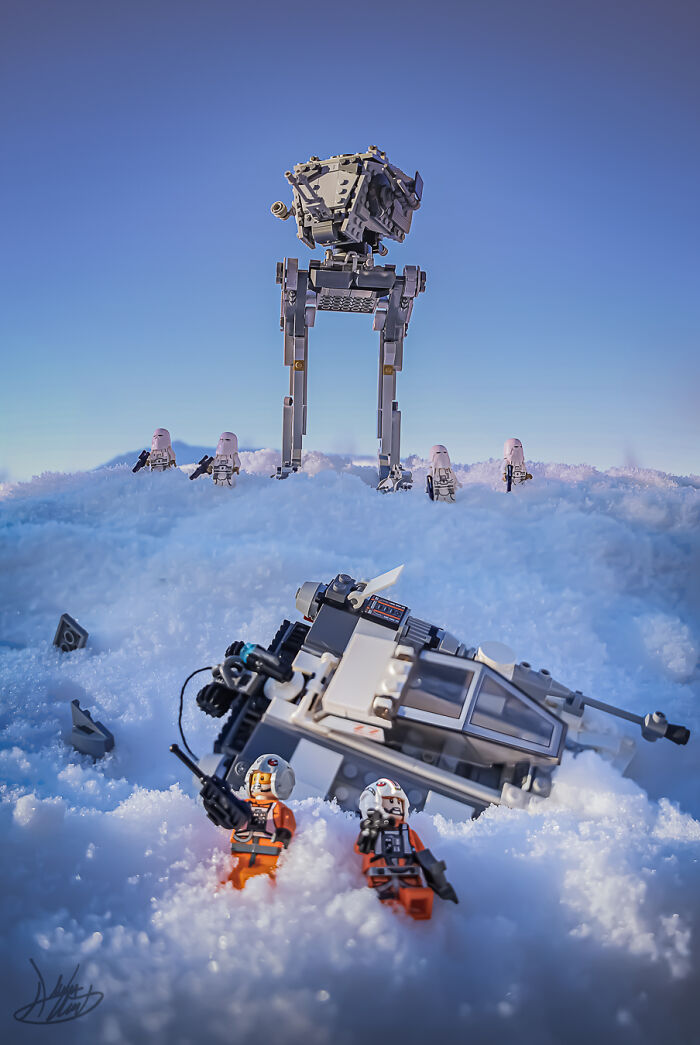
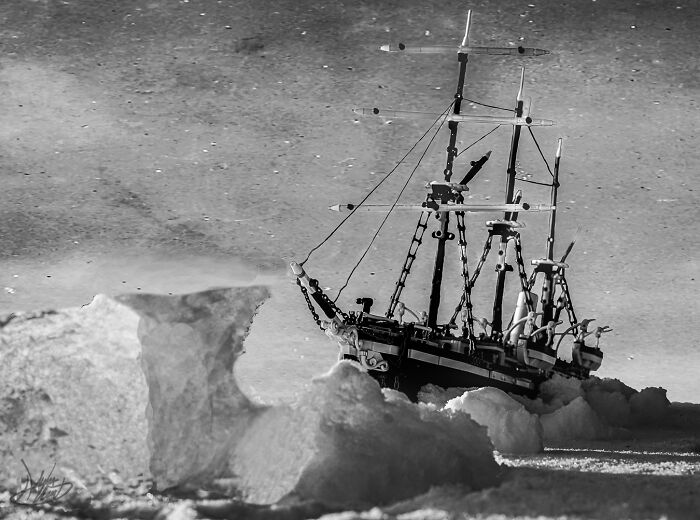
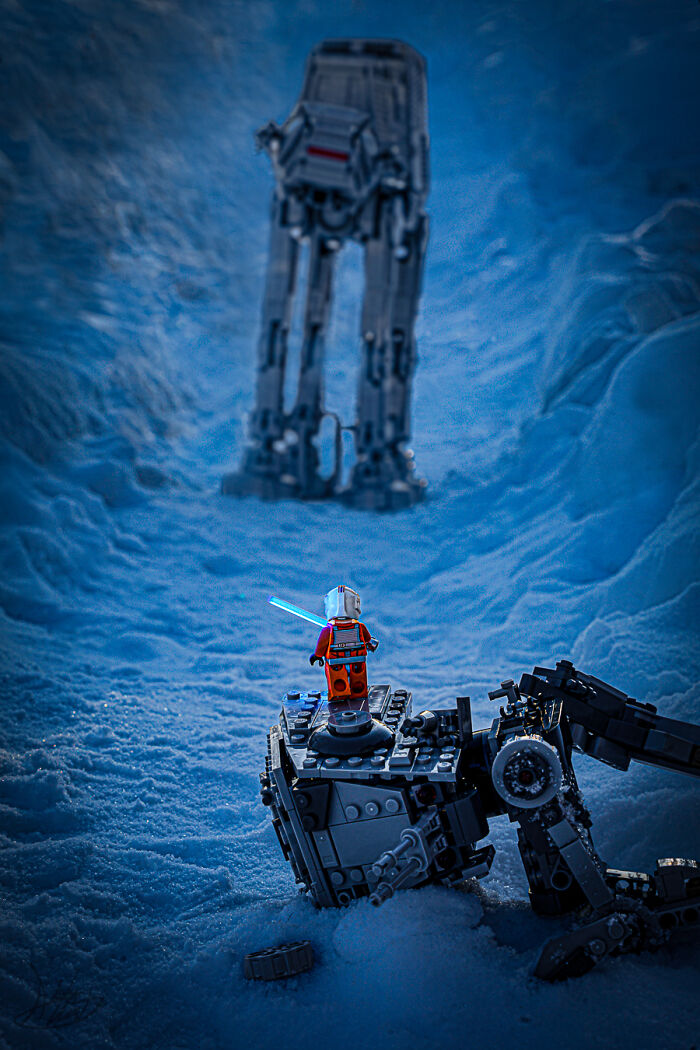
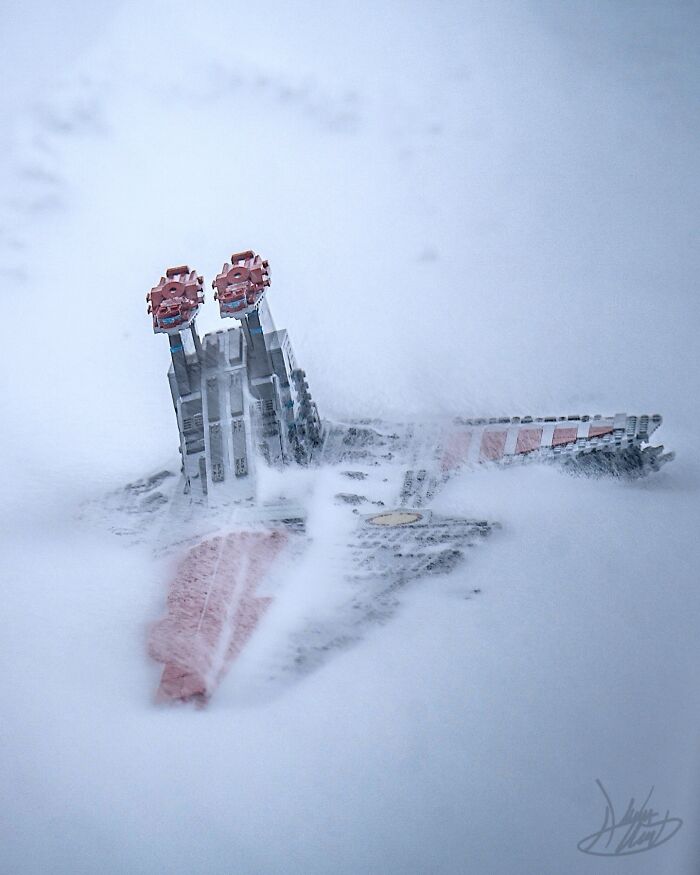
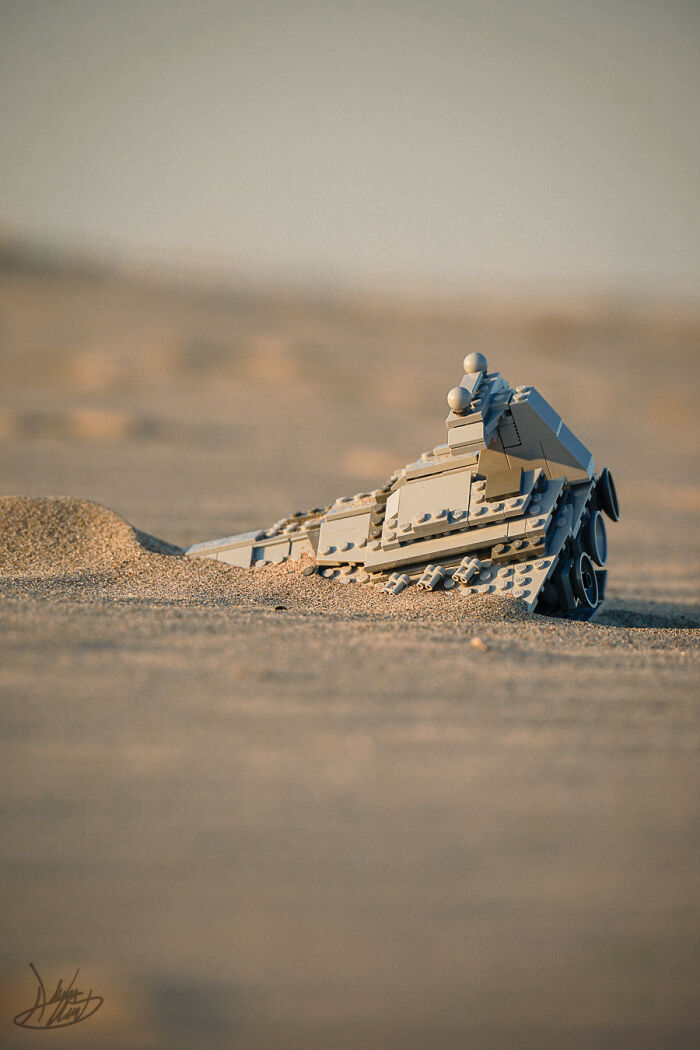
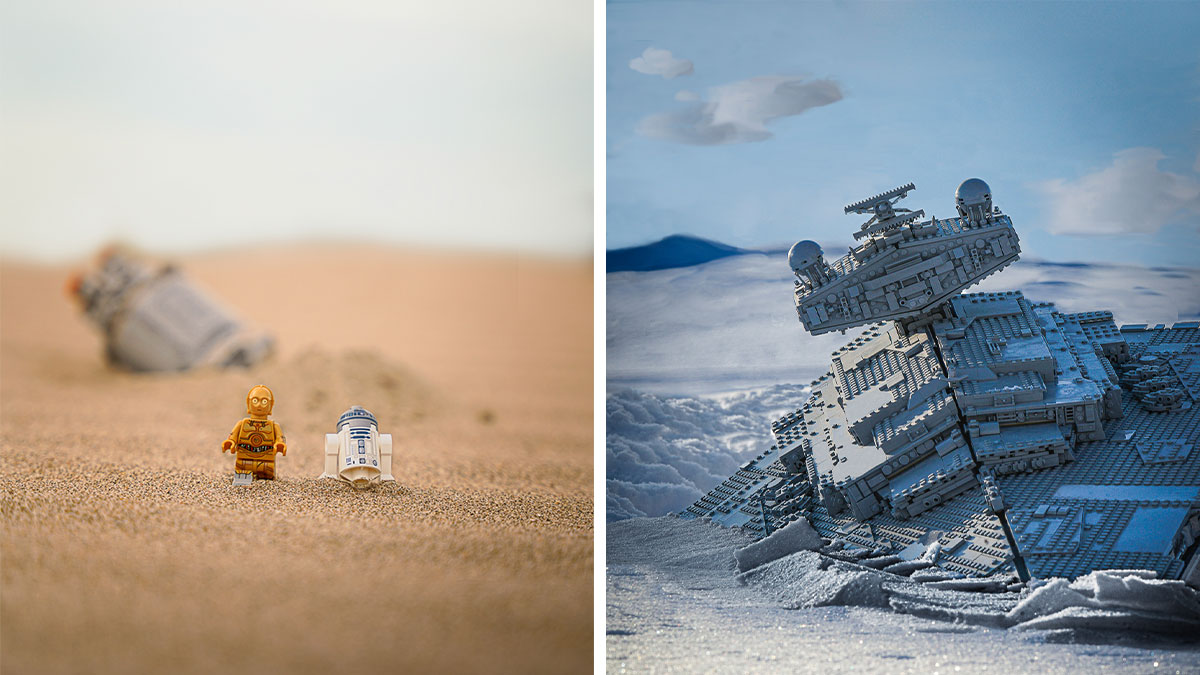
Capturing the atmosphere of an Imperial Star Destroyer wrecked in the sandy wasteland of Jakku, or an AT-AT pushing through the snow on Hoth, is hard enough when you have a full film crew and a VFX budget. Doing it with plastic bricks, a handful of everyday materials, and the real outdoors takes a different kind of creativity. Webster leans into natural environments, using snow, dirt, gravel, tall grass, and uses them as ready-made movie sets, letting real light do a lot of the heavy lifting. The result is that his photos make the models and figurines look like a paused movie scene, with all the action and anticipation of what comes next.
We reached out to Alexander to bring you more insight into how he started his work and how he’s adapted his techniques to it. Scroll down to read the full interview, and vote on your favorite photos.
More info: Instagram | alxprojektv.com
This post may include affiliate links.
When asked how the project first came together, he said, “I categorize the skills and hobbies I want to learn as ‘projects’ in my life. Learning photography happened to be my ‘fifth project,’ and I thought using LEGO would be a great way to practice composition and the exposure triangle. As a kid, I always played with my LEGO by setting them up in crashed positions and making a neat scene – that’s basically all I do, but with a camera in my hands now!”
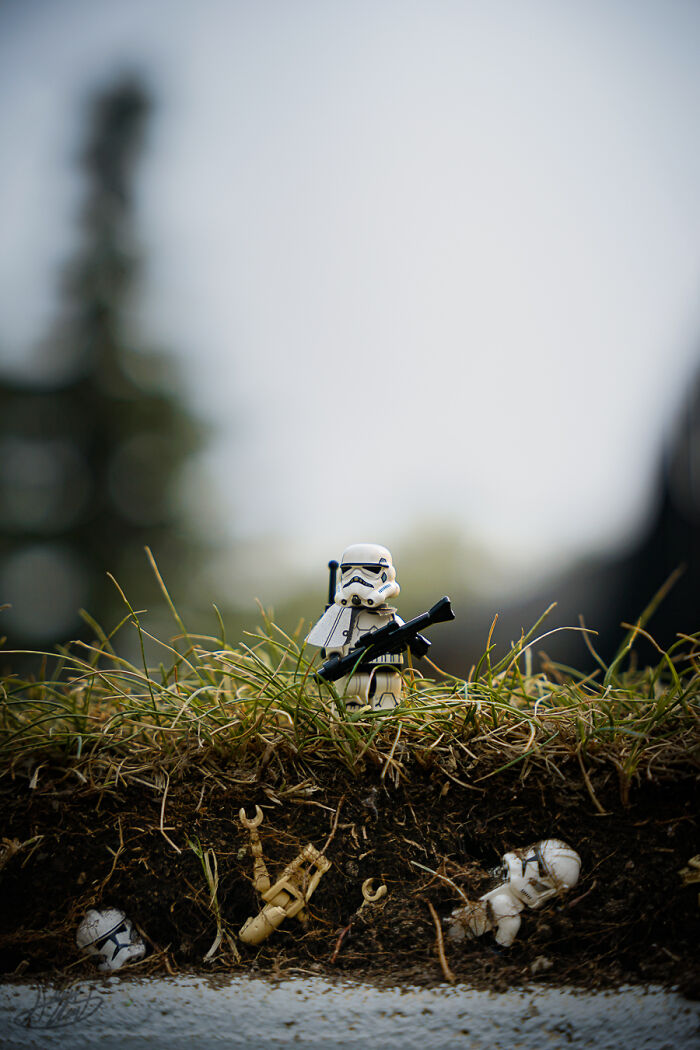
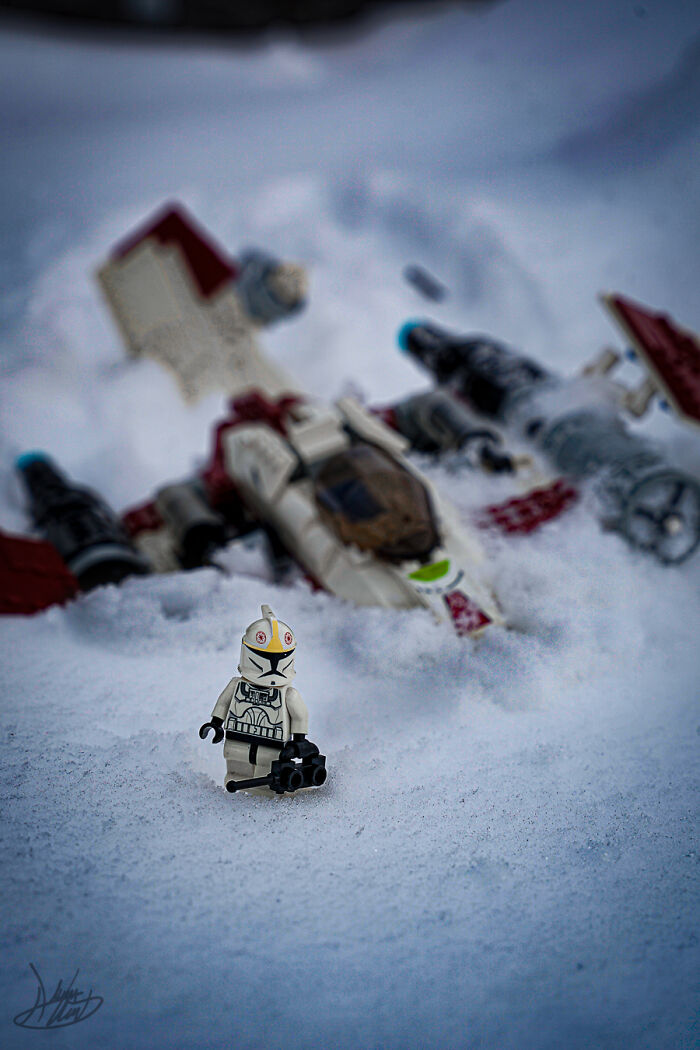
He explained that knowledge of what the models represent is primary: “Above all, I think the location & positioning of the models is the most important factor to looking realistic. While higher focal lengths and good lighting can help, understanding how a certain vehicle would look after a crash can help convince the viewer that they are looking at more than just a LEGO model that has been set down on the ground. (That’s why I love LEGO, there are no consequences to breaking a model for a neat shot).”
Speaking about whether he plans scenes like a director or lets the outdoors lead the story, he said: “I started by just putting my LEGO out in the snow and then finding angles that would work. As I continue, I have begun to plan out shots beforehand, either drawing or writing down what I want to see. Both methods have their pros and cons, and both have produced some of my best images, so a healthy balance of both is what I am trying to opt for now.”
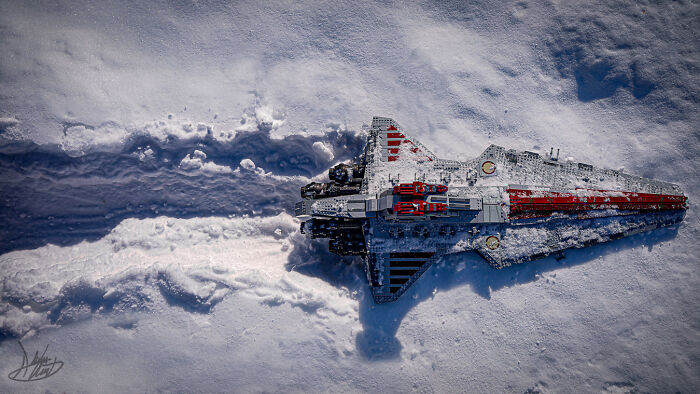
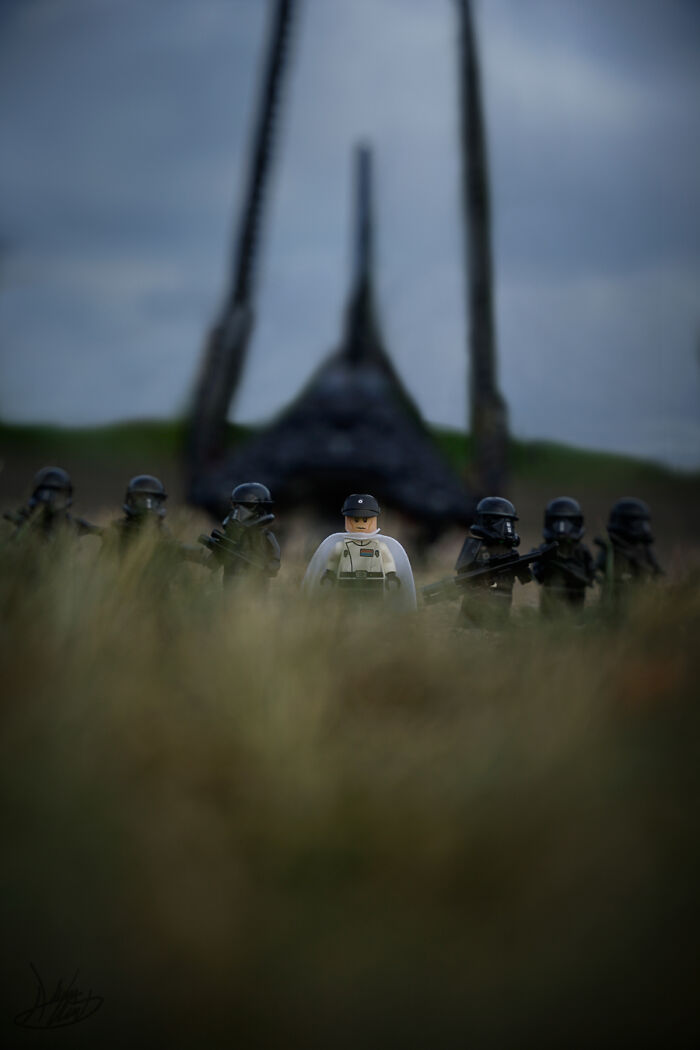
Asked about his personal “rule” for selling scale realism, he noted: “A big thing I learned early was how to leverage higher focal lengths to create a proper sense of scale. For sets like the Star Destroyer, shooting with a 200-500mm telephoto allowed me to really emphasize the height of the set from a front-facing approach. I typically aim to shoot downwards, or upwards enough that all you can see is sky. A flat enough angle unfortunately brings trees into shot which ruins any sense of scale.”
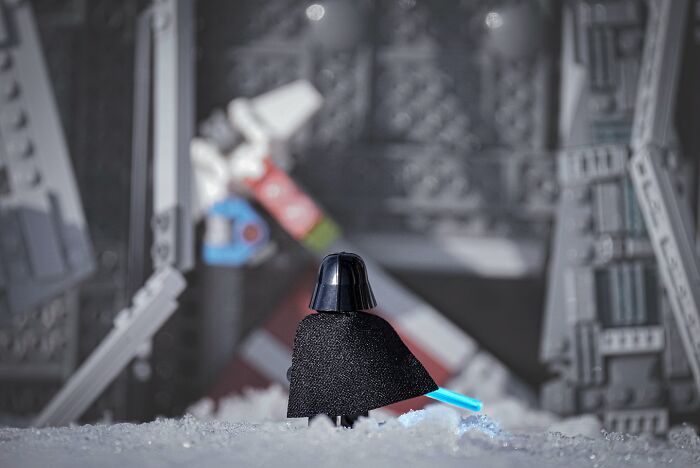
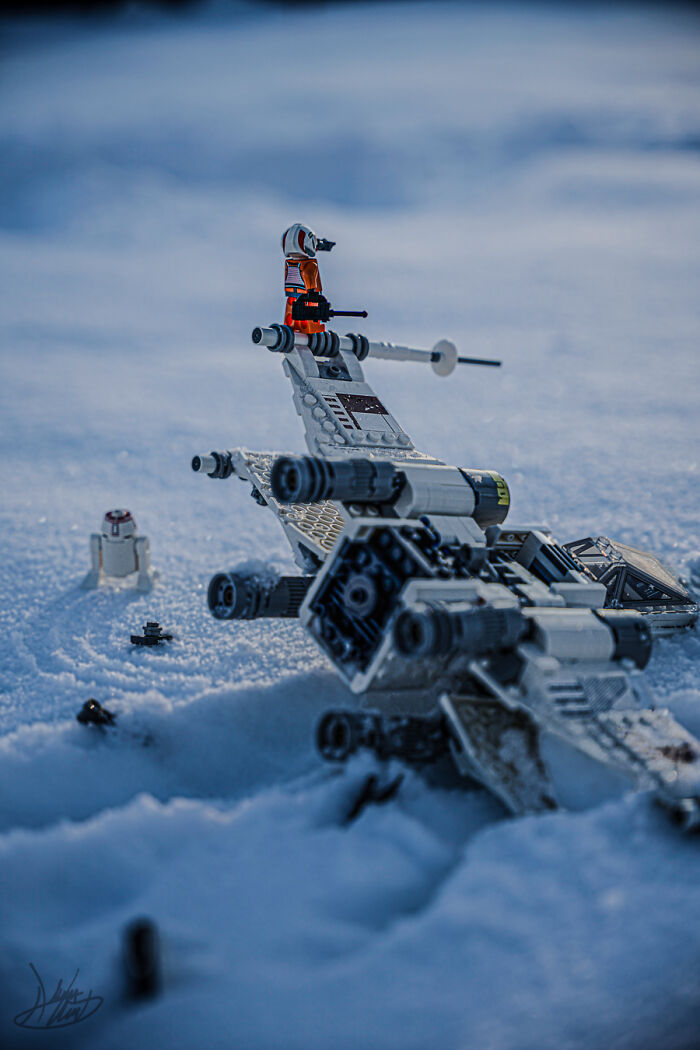
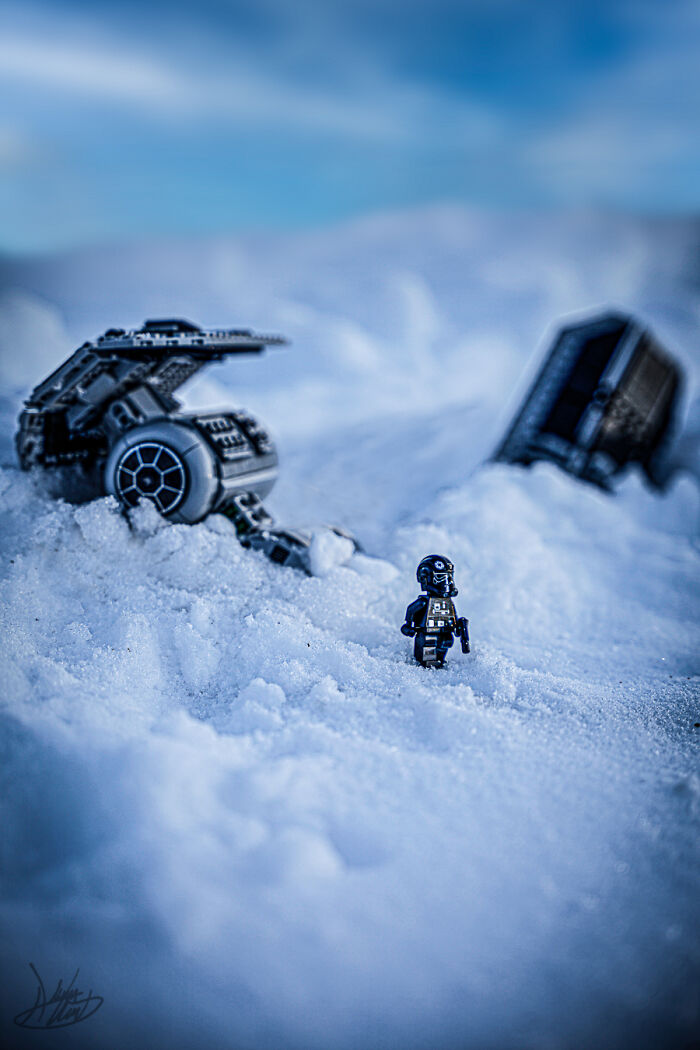
On handling reflections and any “unnatural” shine in bright outdoor conditions, he shared that it is less of an issue than expected: “I have found the snow to be a pretty forgiving terrain to shoot LEGO with; many of my shots are underexposed to account for overall glare, but modern editing tools have no problem bringing the light back. Surprisingly, I don’t really worry too much about plastic shine, as most of my shots are done with natural lighting and there isn’t often too much of a concentrated reflection on any specific part of the set.”
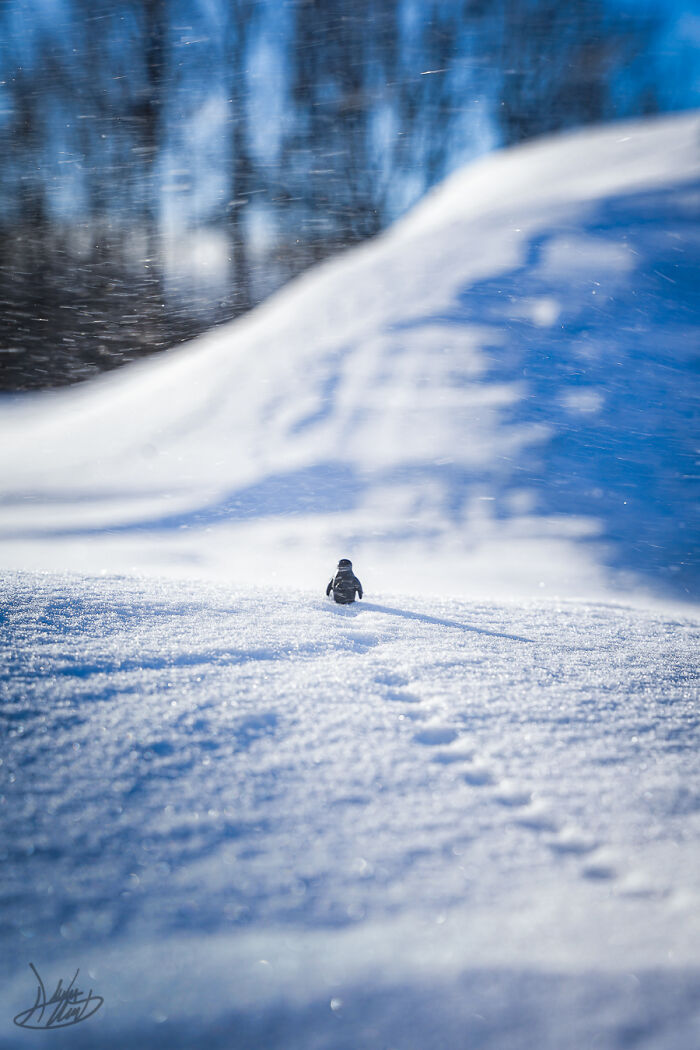
When talking about what makes a real-world setting read as believable terrain rather than “a model on the ground,” Alexander said: “I like to primarily do shots in the snow and sand. I love shooting in these environments as the finer particles are great at replicating real natural features. Think about comparing a sand dune to rippled sand on a beach – it's basically the same thing, just scaled down, so I love using this to my advantage in my shots. Snowbanks, especially, are great at looking like full-sized mountains when in the background of photos.”
Asked what part of on-location shooting people rarely think about, he admitted to having a unique set of pains associated with it: “Outdoor LEGO photography is a unique blend of challenges that come from both nature and model photography. I love every aspect of taking these shots, but I can certainly get frustrated when I’m hunched over in an uncomfortable position, trying to take a photo of a subject that keeps falling over, all while my fingers go numb from the cold. Gloves inhibit dexterity and positioning. LEGO requires a lot of that… Trying to hit your shutter based on where you think your frozen index finger might be is not a level of cold I would recommend shooting with!”
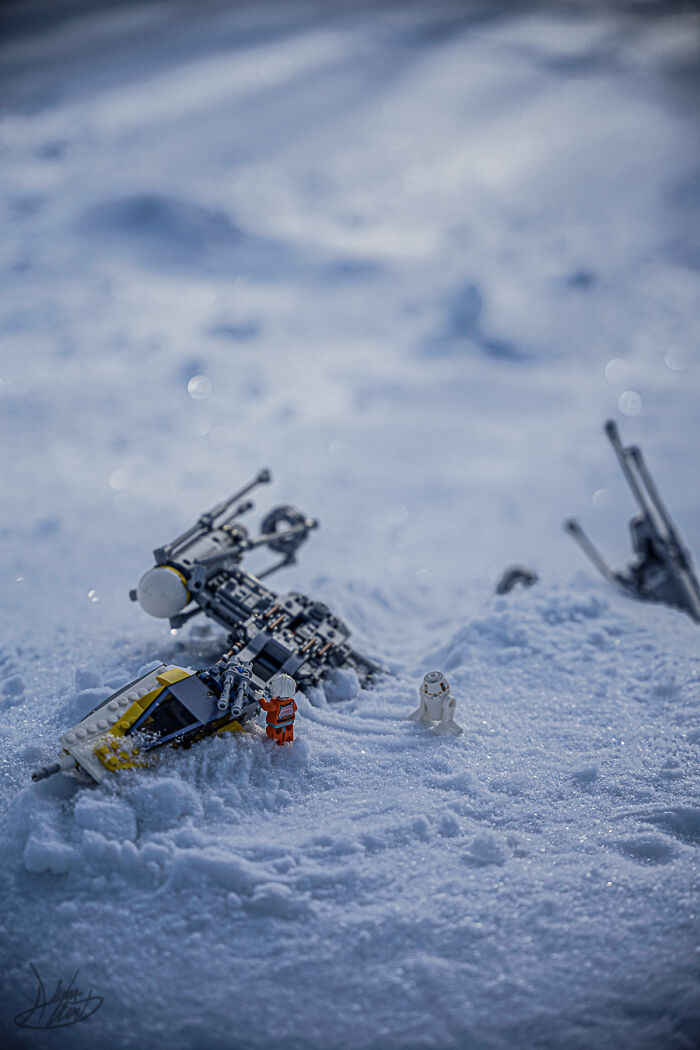
When we asked what photo was the most challenging or even failed entirely, Alexander recalled: “My very first viral photo, the crashed X-Wing, came from what I thought was my first ‘failed’ shoot. I came in with the idea I would capture the pilot looking out at the sunset, but nothing about the angles or lighting was working that day, no matter how much I played around with the settings and framing. Before I packed it up, I decided to do a quick round of random angles around the set and ended up with one of my best photos to date (nothing to do with a sunset). I was able to solve the issue of a photo consistently not turning out by taking myself out of the framework I had created for it and, quite literally, approaching it from a new angle.”
When asked when he realized the work could become more than a hobby, he said: “I had people reaching out to me pretty early on when I started posting my photos. Those messages really helped encourage me to begin working on my website and ways to get my photos to them. My account started with photos I personally find interesting and continues to be that way – so not much has changed since starting to distribute (although I do try to get some more landscape shots for my calendars now). I’m super thankful for everyone who has picked up a print or calendar, and it's still pretty crazy for me to think that my photos exist in places all over the world!”
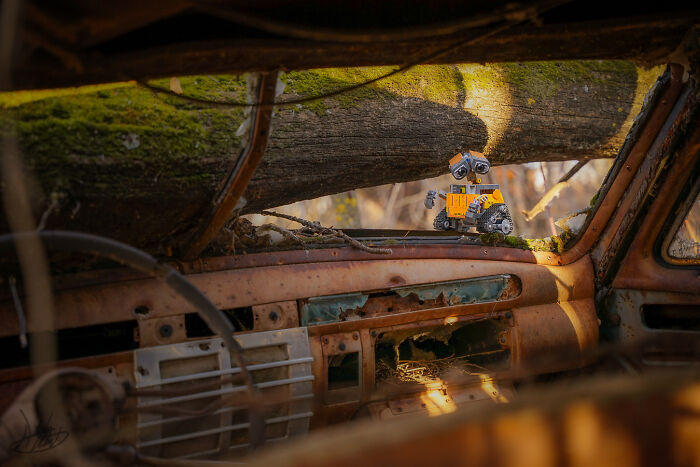
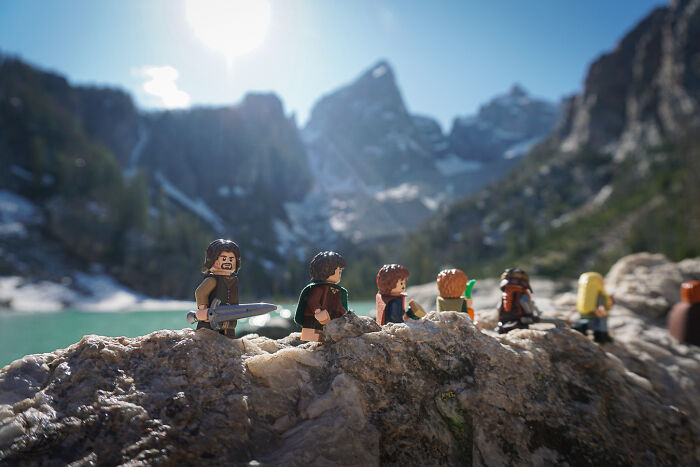
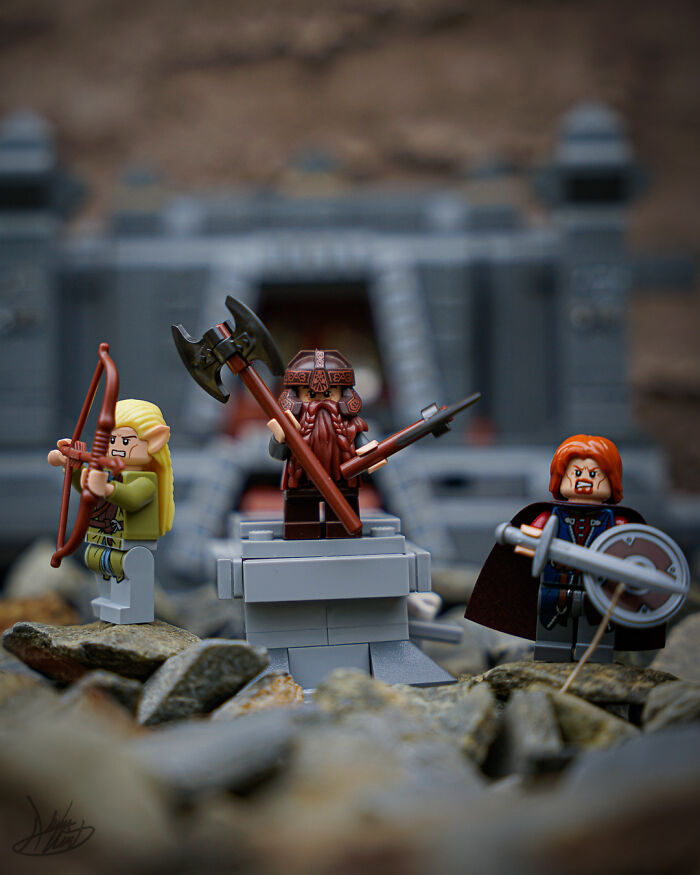
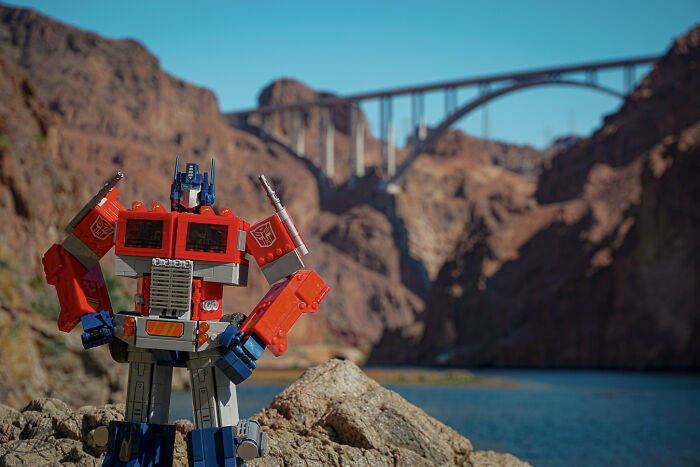
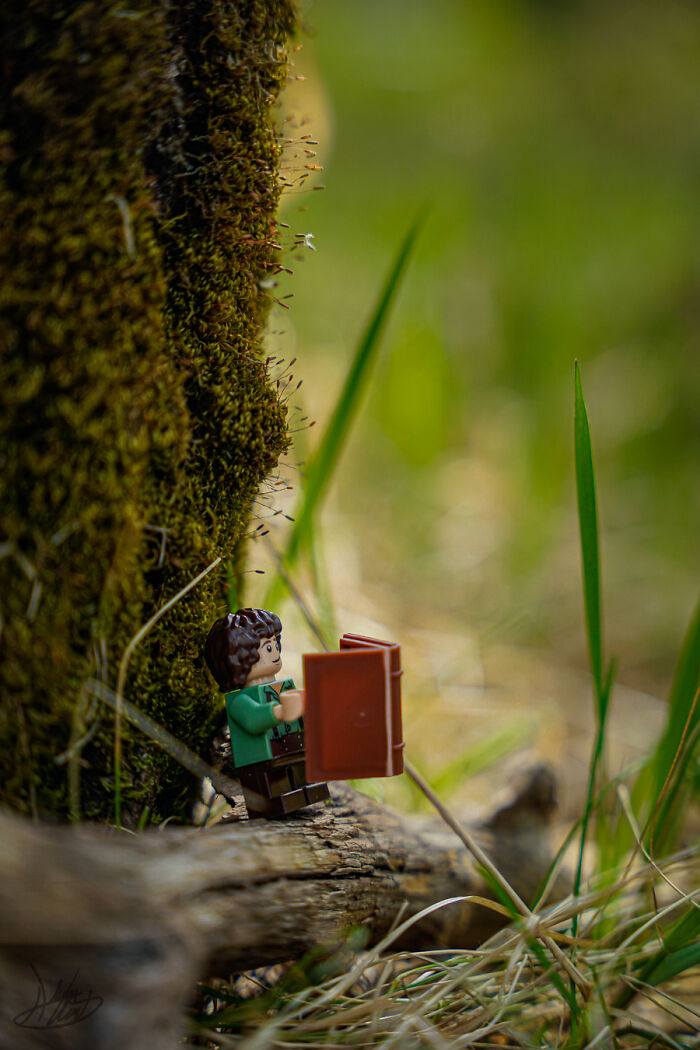
And when it comes to branching out beyond Star Wars, he made it clear he’s already thinking ahead: “While Star Wars will always be my specialty, I love shooting other themes like Lord of the Rings and one-off movie sets (Wall-E, Back to the Future, Star Trek). I’ve been slowly getting more interested in the Ninjago mechs as well as the newer line of Arctic City sets. So lots of themes on the horizon! Down the line, I think trying some shots with the Micro Galaxy Squadron scale models would be super fun, as well as some Black Series action figures.”







 No fees, cancel anytime