Get Premium
Dark mode theme is available exclusively for premium users. Learn more about the benefits of subscribing.
No fees, cancel anytime.

 Dark Mode Ad-Free Browsing Unlimited Content
 Ad-Free Browsing Unlimited Content Dark Mode
Join 1.2 million Panda readers who get the best art, memes, and fun stories every week!
Some of the things we use every day are the inventions of the greatest minds in human history. If not for these brilliant inventors, we'd still be lighting up our rooms with oil lamps, reading hand-written manuscripts, and walking everywhere on foot.
What we don't think about is how these inventors achieved the impossible. While some of them patented their creations, became rich, and lived fulfilling lives, others had to pay the ultimate price in the name of science.
For this list, we’ve collected the most tragic cases where brilliant minds were taken out by their own inventions. From Marie Curie to the architect of the Titanic and the infamous OceanGate submersible – you'll find many interesting stories below!
This post may include affiliate links.
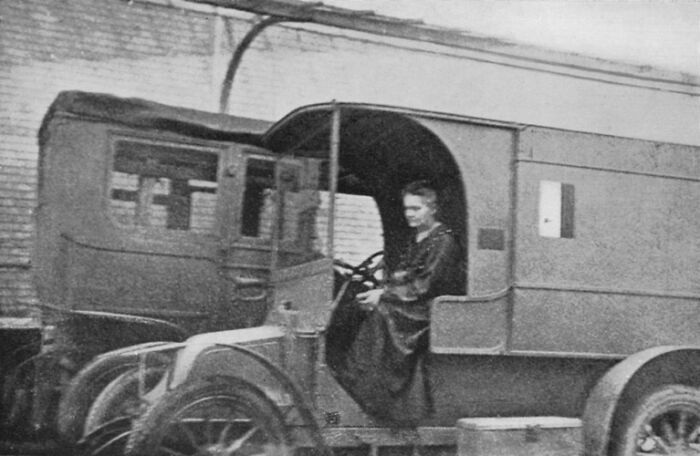
Curie visited Poland for the last time in early 1934 and passed away on 4 July 1934 at 66, likely from aplastic anaemia caused by radiation exposure. At the time, the dangers of radiation were not known, and she had stored radioactive test tubes in her desk and carried them in her pocket. She was also exposed to X-rays during World War I. In 1995, it was suggested that her illness was more likely due to this exposure than radium.
A possibly legendary 16th-century Chinese official is said to have tried to launch himself into outer space in a chair equipped with 47 rockets. The rockets exploded, and it is claimed that neither he nor the chair were ever found again.


We can't even prove he existed. What we can prove is that the story was unheard of before the late XIX century or even early XX century, where it was published citing "ancient sources" that were conveniently "lost". The publication on press was subsequent to the whole Jules Verne production, and the first printed version of this story came after the famed "A Trip to the Moon" MOVIE.
Load More Replies...
I think I recall Mythbusters doing an episode on this.

So Po was doing a Wan Hu (if you don’t get this reference you what kind of bad Panda are you?)








Maybe the explosion was just the boosters and he was jettisoned off into space. And, is still there. Floating endlessly.




Not so much part of History, more like part of Geography
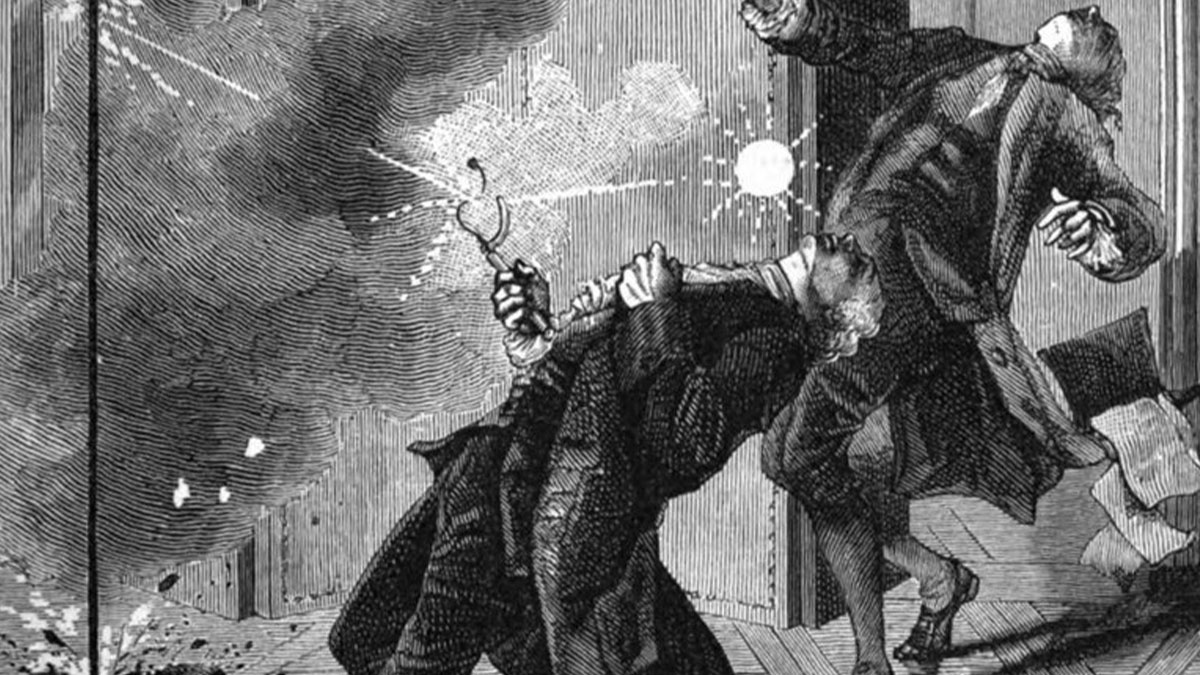
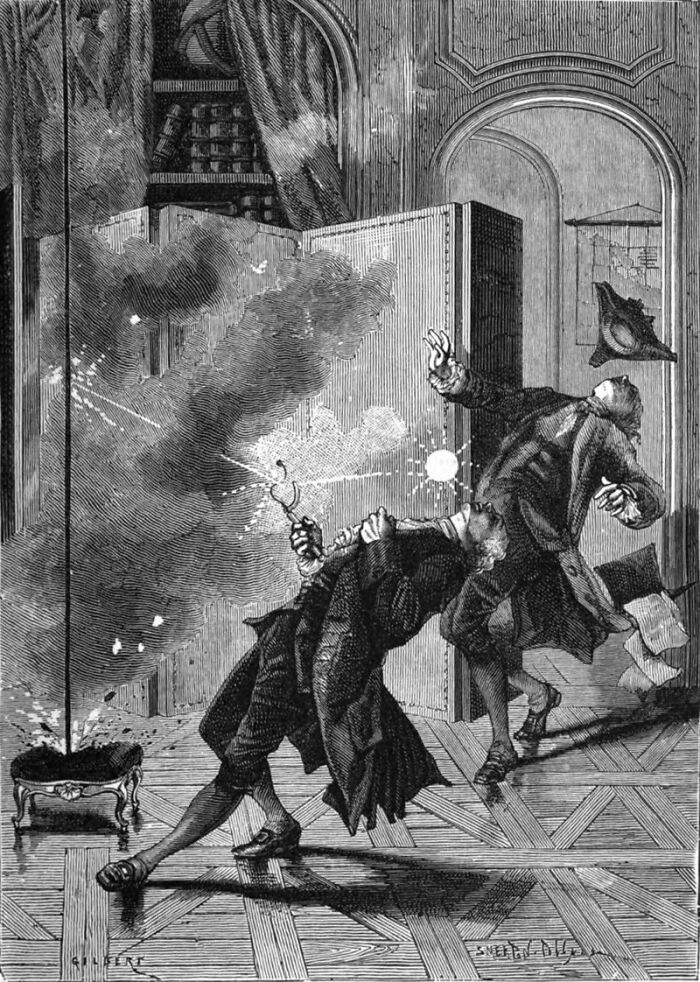
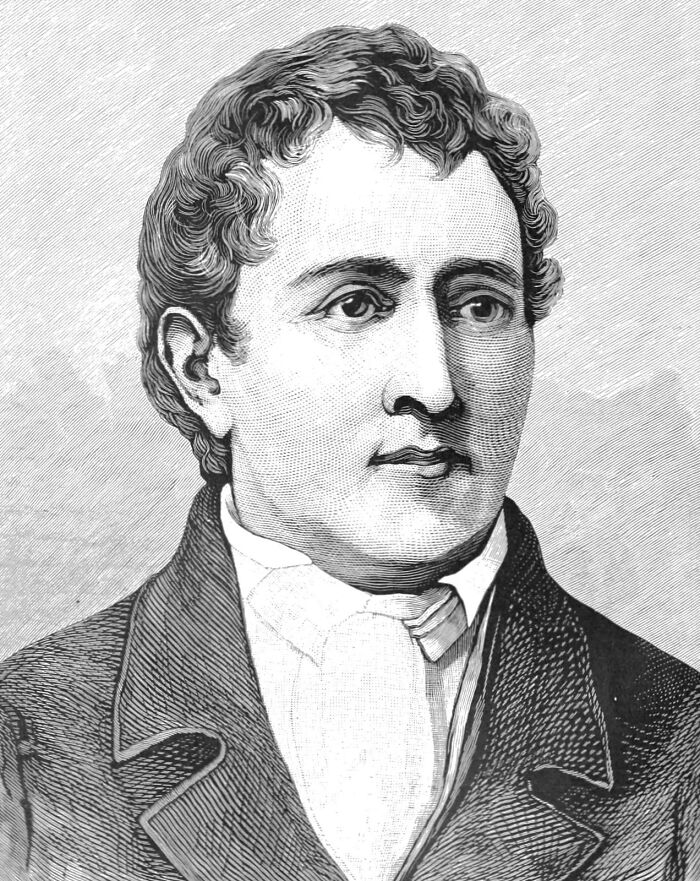
Load More Replies...He created a device to study electricity from lightning. While attempting to measure the response of an insulated rod to a nearby storm, it generated a ball of lightning that struck him in the forehead, leading to his passing.
Most inventors expect fame and fortune to befall them for their scientific efforts. But, as we see from this list, their Frankensteinian inventions sometimes become the reason for their demise. Many of the entries in this list feature unsuccessful attempts at parachutes, makeshift planes or cars, and you might see them as failed inventors.
But failing is an unavoidable part of innovation. Many scientists say that failing is critical to any kind of scientific research. In her 2019 TED Talk, University of Arizona astrophysicist Emily Hamden said: "The reality of my job is that I fail almost all the time and still keep going."
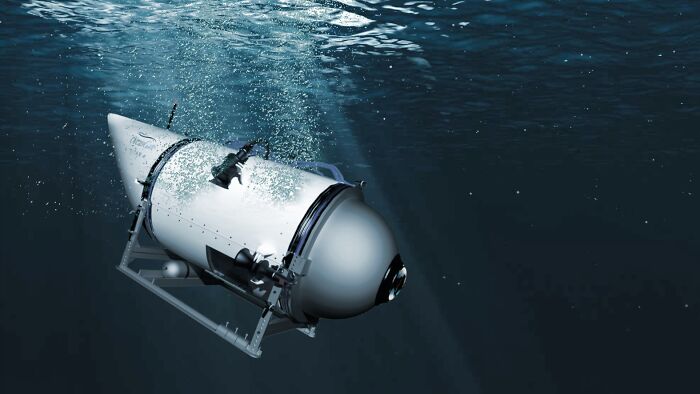
He was a pilot, engineer, and businessman who managed the design and construction of the OceanGate submersible Titan, used to take tourists to see the Titanic wreck. On 18 June 2023, the submersible imploded during a dive to the Titanic, resulting in the loss of Rush and four other passengers. Rush had long defended his unregulated design, stating that "at some point, safety is just pure waste. I mean, if you just want to be safe, don't get out of bed, don't get in your car, don't do anything."
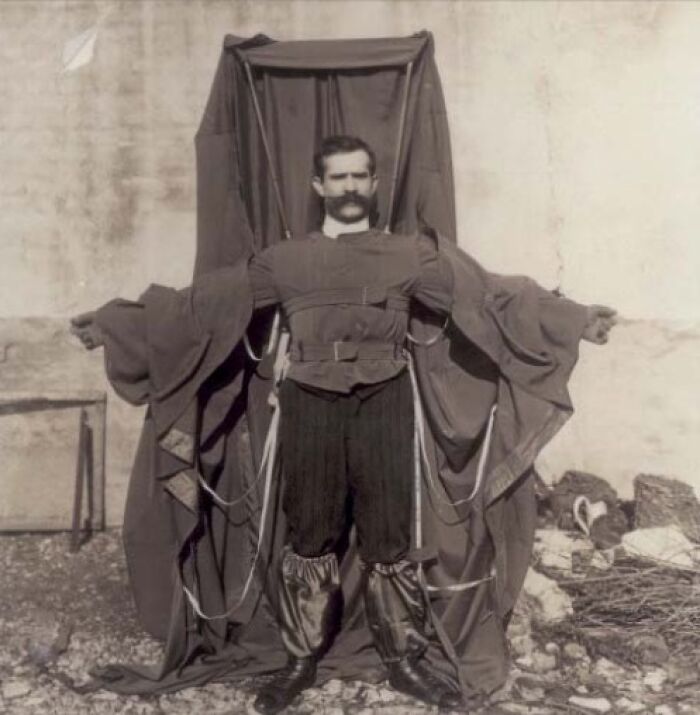
A tailor fell from the first deck of the Eiffel Tower during a test of a coat parachute he had invented. Although Reichelt had assured authorities he would use a dummy, he chose to wear the parachute himself at the last moment and jumped in front of a camera crew.
(1933–1973) passed away during a test flight of the AVE Mizar, a flying car built on the Ford Pinto, which was the only product from the company he founded.
From Wikipedia: "Even though the Pinto was a light car, the total aircraft without passengers or fuel was already slightly over the certified gross weight of a Skymaster. However, in addition to poor aircraft design and loose parts, the National Transportation Safety Board reported that bad welds were partly responsible for the crash, with the right wing strut attachment failing at a body panel of the Pinto." NO S**T IT CRASHED
But scientists and innovators don't like talking about failure. Or, rather, people don't really like hearing and reading about it. If there's no sensational death or tragic story behind a failed invention or project, it doesn't get as much attention. As molecular biologist Maryam Zaringhalam wrote in Scientific American, much of science goes unreported.
"Nearly everything that happens in the lab will never make it to print," she explained. "The Journal for the Banal Failures and Self Doubt that Face Day-to-Day Life in the Lab does not exist." But she emphasizes how important it is to report on scientists' failures. "Without failure, we lack a complete picture of science. And, a bigger shame, we lack a complete picture of the scientist beyond the brainy stereotype."
He was a Chicano sculptor and graphic artist, known for his work highlighting Mexican, Southwestern, and Hispanic-American themes. His most famous piece, Blue Mustang, was commissioned by Denver International Airport. Jiménez passed away in an industrial accident while working on the sculpture, which was completed posthumously.
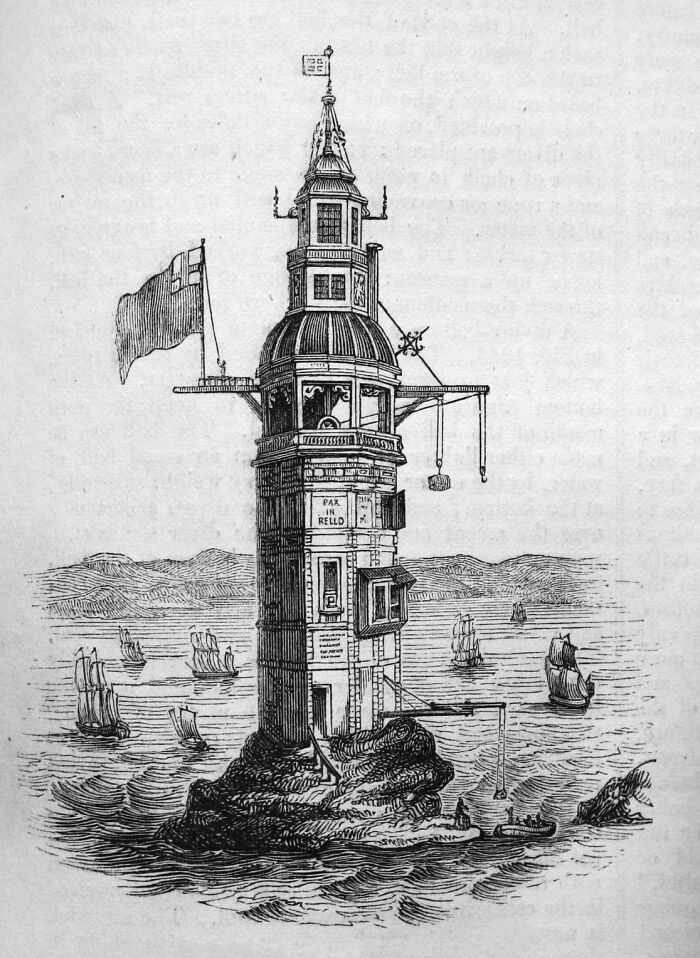
(1644–1703) designed and built the first offshore lighthouse on the Eddystone Rocks in Devon, England, between 1696 and 1698. Confident in its safety, he once expressed a wish to take shelter inside it "during the greatest storm there ever was." However, during the Great Storm of 1703, the lighthouse was destroyed with Winstanley and five others inside, and no trace of them was ever found.

It's been complicated keeping a lighthouse on Eddystone. There's been four attempts.
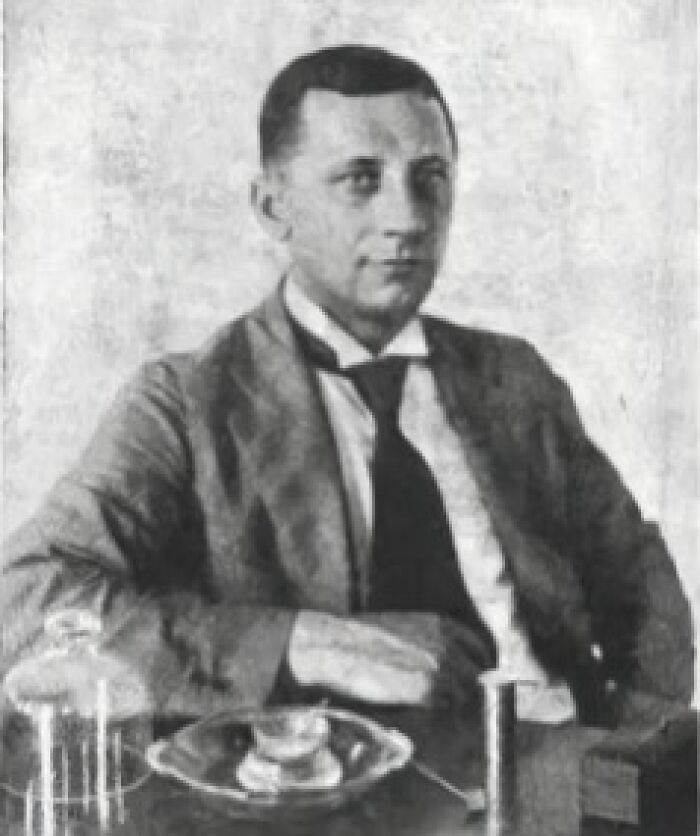
Ukrainian chemist Sabin Arnold von Sochocky is credited with inventing luminescent paint using radium, discovered by Marie and Pierre Curie in 1898. His company, the Radium Luminous Material Corporation, produced luminous watch dials, but female workers later sued for radiation exposure. Von Sochocky eventually suffered from radiation effects, developing aplastic anemia in 1928, the same condition that claimed Marie Curie's life.

Well, one fact missing from this is those who painted the watch dials used to lick the brush to moisten it between digits.
Many young scientists give up precisely because they fail or are not ready for failure. A study published in Higher Education found that almost half of all people working towards an academic science career will drop out after five years. And even more will do so after 10 years. The number of women leaving academic careers is disproportionately higher by one-tenth.
He built the Aerowagon, an experimental high-speed railcar powered by an aircraft engine and propeller, designed to transport Soviet officials. On 24 July 1921, the railcar derailed at high speed, resulting in the loss of 7 of the 22 people on board, including Abakovsky.
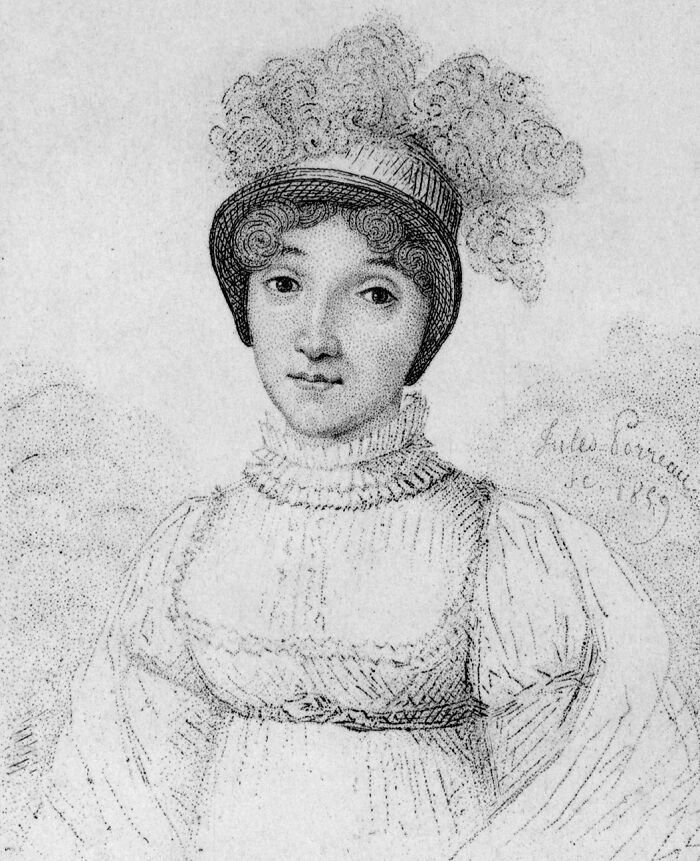
She was a French aeronaut and the wife of ballooning pioneer Jean-Pierre Blanchard. Ballooning was perilous for pioneers. Blanchard faced freezing temperatures, near-drownings, and lost consciousness multiple times. In 1819, she became the first woman to perish in an aviation accident when fireworks ignited the gas in her balloon during a Paris exhibition, causing a crash and her fall from the roof of a house.
In the fall of 1785, Scheele began experiencing symptoms of kidney disease and a skin condition, which weakened him significantly. Foreseeing his early demise, he married his predecessor’s widow in early 1786 to ensure his pharmacy and possessions were passed on to her. Known for his hazardous experiments with toxic substances like arsenic, mercury, and lead, his exposure to these chemicals, along with his practices of tasting and smelling compounds, likely led to his death at 43 on May 21, 1786, from mercury poisoning.
Fellow scientists say that's because young scientists are deterred by failures. "Many students who began science degrees with me switched to other majors the first time a project failed. One failure and they were gone," structural biology graduate student Sara Whitlock wrote in STAT.
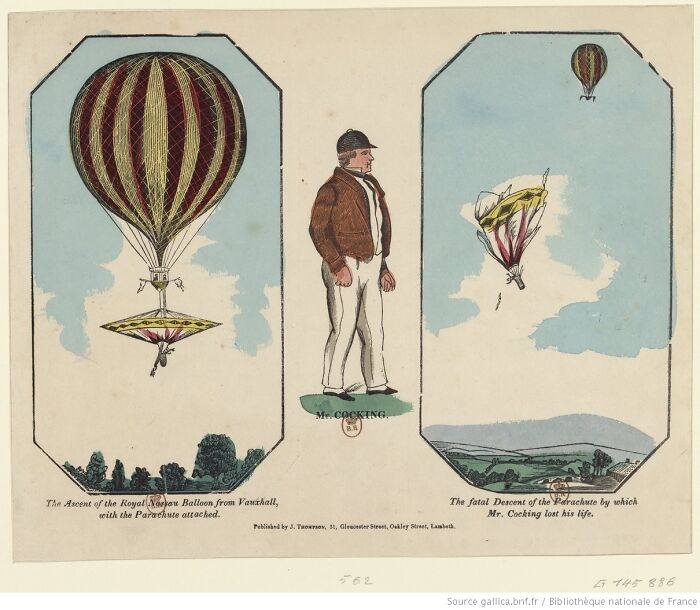
Robert Cocking (1776–1837) passed away when his homemade parachute malfunctioned. He had neglected to factor in the parachute's weight during his calculations.
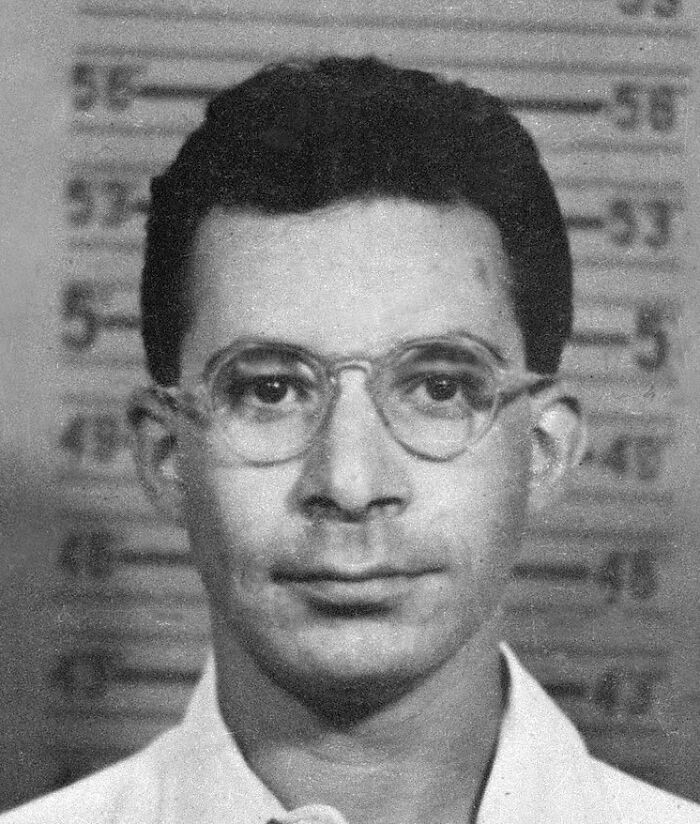
Louis Slotin (1910–1946), a Canadian physicist, was involved in the Manhattan Project. While conducting a dangerous experiment with radioactive materials, he was exposed to lethal radiation. Despite medical efforts and his parents’ presence, he suffered severe radiation injuries, including organ failure, and passed away five days later.
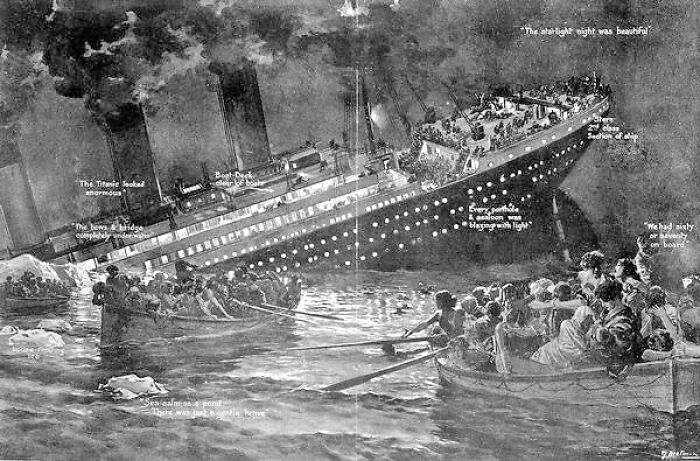
The naval architect of the Titanic designed the renowned ship while working as the managing director and head of the drafting department at Harland and Wolff in Belfast, Ireland. He was aboard the Titanic during its maiden voyage and was lost along with about 1,500 others when the ship struck an iceberg and sank on 14 April 1912. His body was never found.
Ultimately, scientists need resilience, and Emily Hamden emphasized that in her TED Talk. "Discovery is mostly a process of finding things that don’t work, and failure is inevitable when you’re pushing the limits of knowledge, and that’s what I want to do, and so I’m choosing to keep going," she said, referring to her project FIREBall.
He established the first Institute of Blood Transfusion in 1926. He passed away from an acute hemolytic transfusion reaction after performing an experimental mutual blood transfusion between himself and a 21-year-old student with a dormant case of tuberculosis. Bogdanov believed that the younger man's blood would rejuvenate his aging body, and that his own blood, which he thought was immune to tuberculosis, would cure the student's condition.
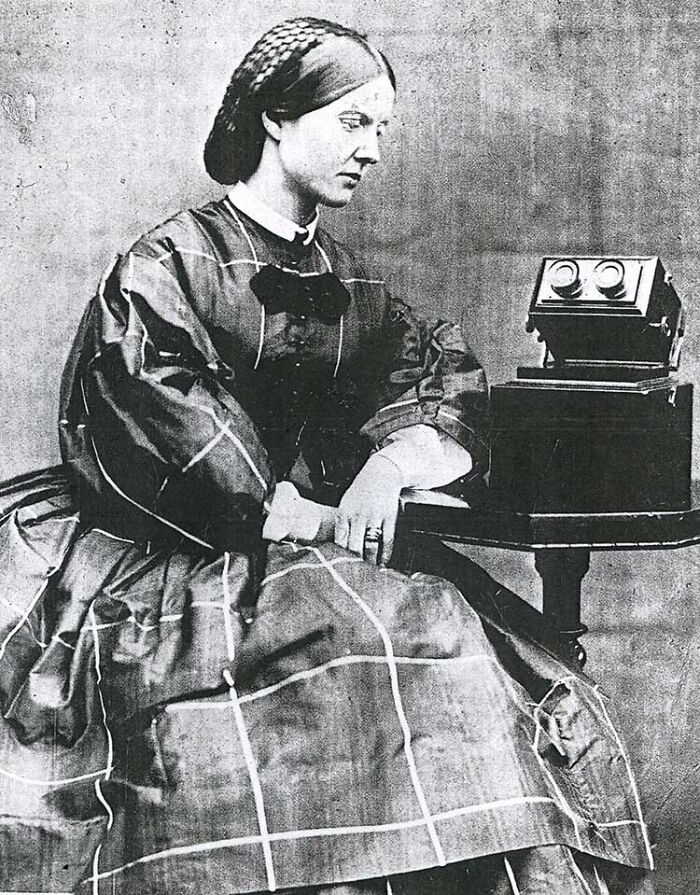
She was an Irish naturalist, astronomer, microscopist, author, and artist. She tragically fell under the wheels of an experimental steam car built by her cousins in 1869, becoming the first person recorded to have been involved in a motor vehicle accident.
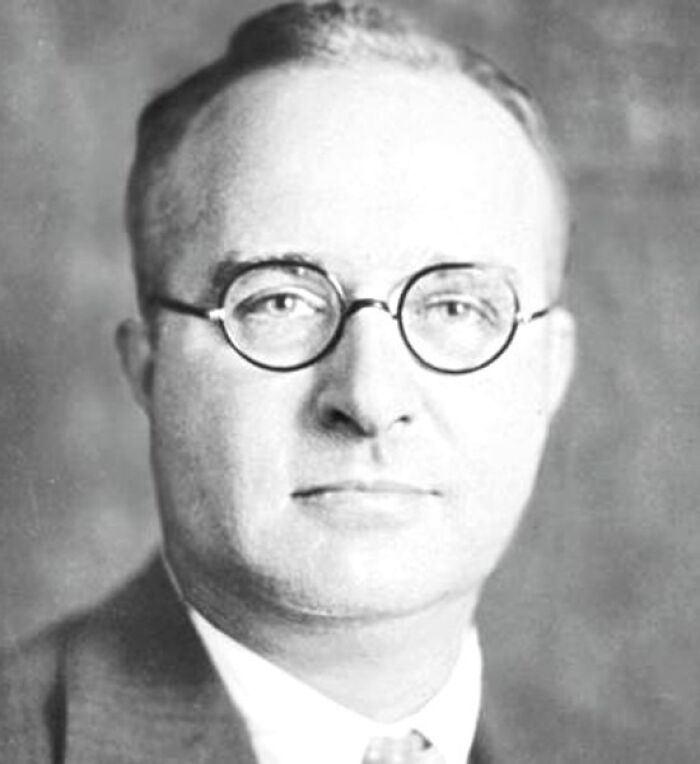
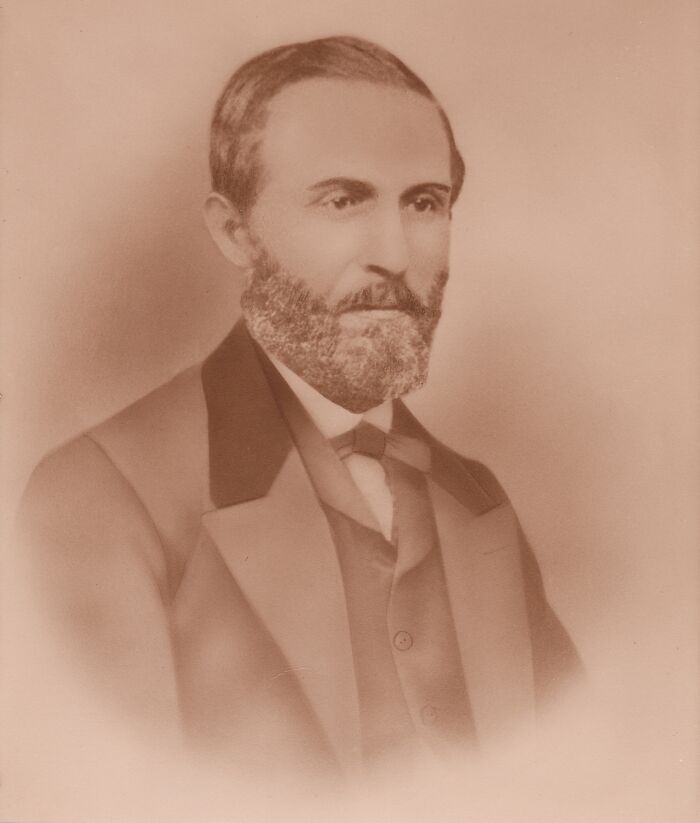
An American engineer and chemist, he contracted polio at 51, which left him with significant disabilities. To assist with getting out of bed, he created a complex system of ropes and pulleys. Unfortunately, he became tangled in the ropes and passed away from strangulation at 55. Despite this, he is more widely recognized for two other inventions: the tetraethyl lead (TEL) additive for gasoline and chlorofluorocarbons (CFCs).
However, not all inventions fail; sometimes, inventors are successful in their efforts, but their creations fail in the marketplace. Author John J. Geoghegan calls them White Elephant Technology or WETech for short. Think tanks that fly, jet-powered trains, and wave-powered boats. Essentially, inventions that nobody asked for and have little practical use in the real world.
Sylvester Howard Roper (1823–1896) was an American inventor known for his early work on automobiles and motorcycles. On June 1, 1896, he rode one of his steam-powered bicycles at the Charles River track in Cambridge, Massachusetts, reaching speeds of 40 mph. After completing several laps, he fell and suffered a head injury. He was later found dead, with an autopsy revealing heart failure, though it’s unclear whether the crash caused the heart failure or if it occurred beforehand.
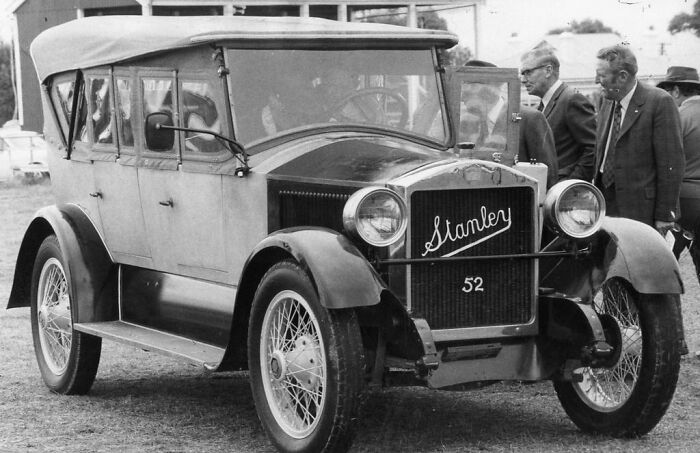
Francis Edgar Stanley, the inventor of the Stanley Steamer automobile, passed away following a car crash driving his automobile while attempting to avoid farm wagons.
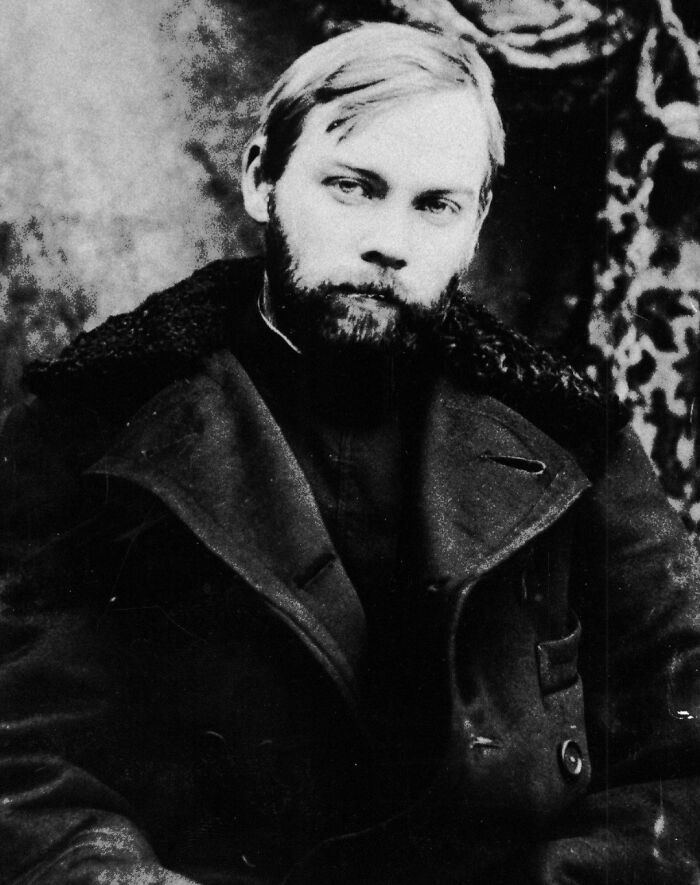
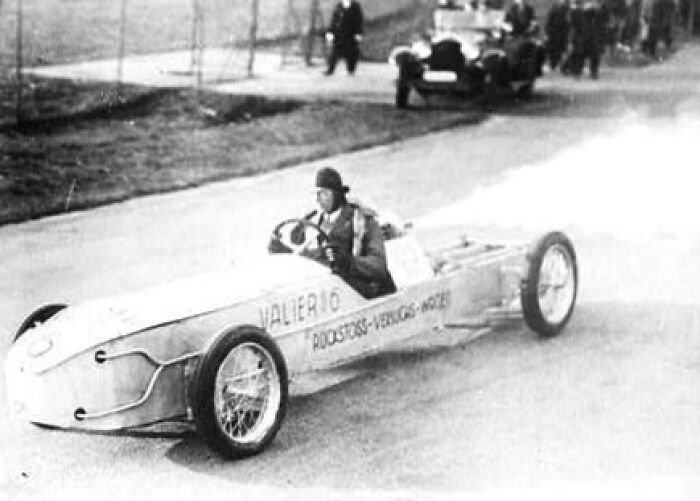
As a member of the 1920s German rocket society Verein frr Raumschiffahrt, he invented liquid-fueled rocket engines. On 17 May 1930, an alcohol-fueled engine exploded on his test bench in Berlin, resulting in his immediate death.
He may have designed and built a liquid fueled rocket engine, but as for 'inventing' it? Robert Hutchings Goddard might like a word. I should check the dates to see who got there first. EDIT: Looks like Goddard flew a liquid fueled engine in 1926. Valier's group first tested a liquid fueled engine in 1930, a few month before Valier's death. His protégé Arthur Rudolph went on to develop an improved and safer version of Valier's engine. Of course, Valier *did* invent liquid-fueled rocket engines - just not the first. He gets full marks for being a pioneer.
One such failed invention is New York's M-497 "Black Beetle" Turbojet Train. As fewer people were taking trains with the advent of cars and airlines, The New York Central decided to create a train that could run just as fast. Basically, scientists slapped a jet engine on a train and let it rip, setting the record for land speed for a light rail vehicle. It didn't go to mass production, though, as it nearly shook itself apart and couldn't fit under tunnels or bridges.
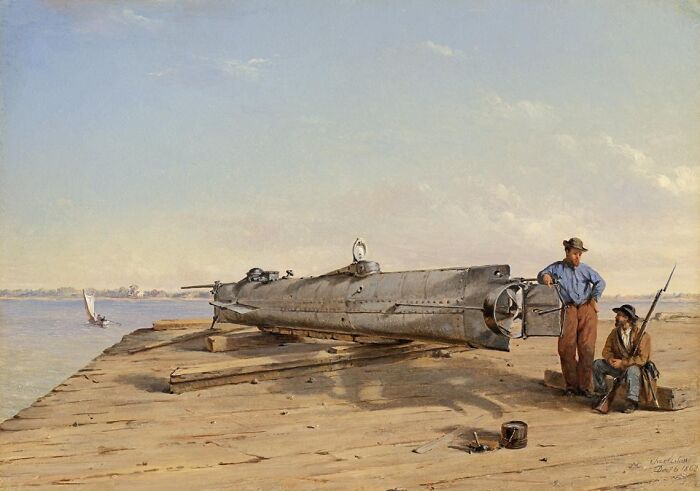
Horace Lawson Hunley (1823–1863) was a Confederate marine engineer who built the H. L. Hunley submarine. He tragically became part of the second crew to face fatalities while testing the experimental vessel. After his passing, the Confederates raised the submarine for another mission, which resulted in the successful sinking of the USS Housatonic during the American Civil War. This achievement made the H. L. Hunley the first submarine to sink an enemy warship in wartime.

It sunk when its torpedo ram got stuck in the boat it was attacking and went down. The Hunley was found in 1995 by a team led and funded by the author Clive Cussler, and raised in 2000. In 2004 the bodies of the crew were given a military funeral with the caskets draped in a Confederate Naval flag, and the pallbearers (descendants of the sailors) wearing confederate naval uniforms, and attended by many retired US Navy submarine veterans . Learn more about the Hunley there is a museum https://www.hunley.org/ , and the funeral video https://www.youtube.com/watch?v=nYxIn60_3uA nahunley-6...53e32f.jpg 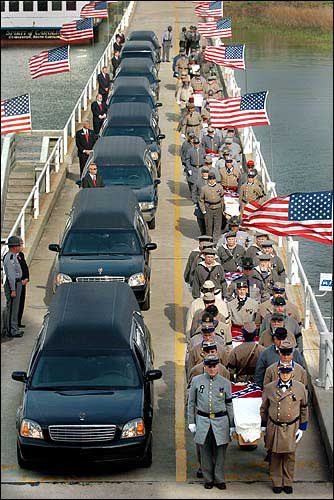
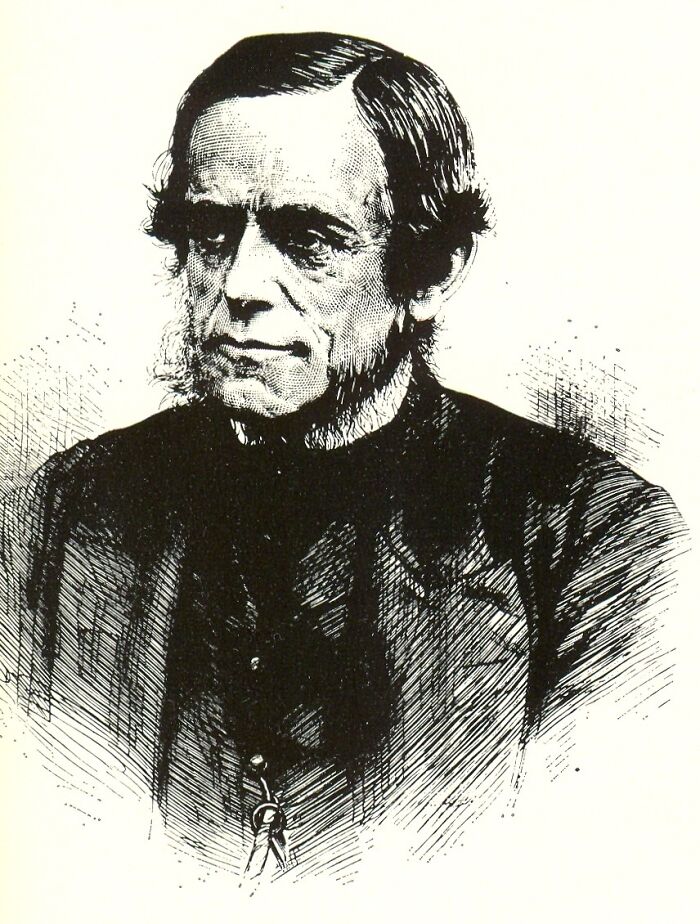
He was a Royal Navy captain who perished along with around 480 others when the HMS Captain, a masted turret ship of his design, sank.
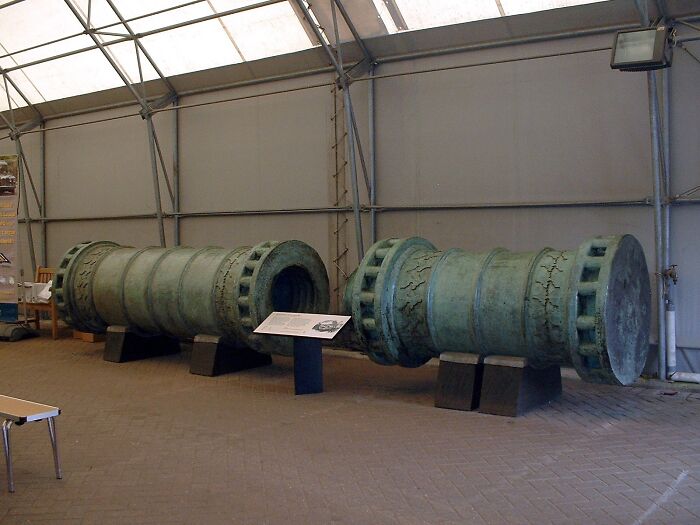
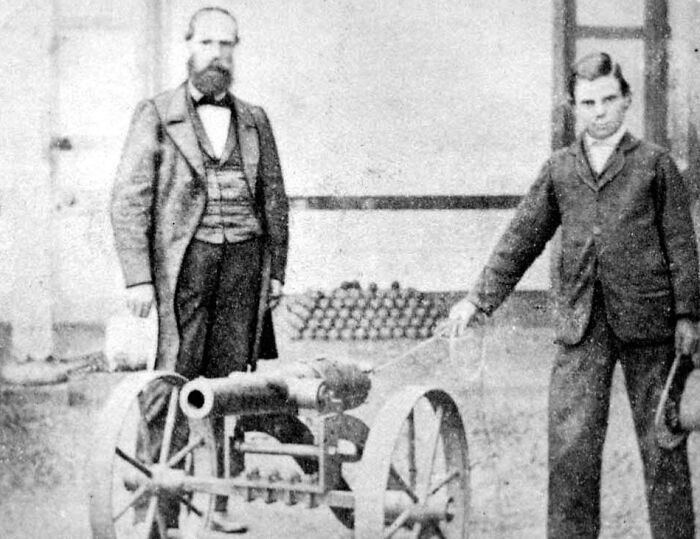
The designer and maker of the Basilic, a massive cannon used to breach the walls of Constantinople in 1453, passed away when one of his cannons exploded during battle.

“Passed away”, peacefully, surrounded by his family. Not the right phrase really. Died, or k****d perhaps? This censorship of language is literally 1984. Double plus un good
Geoghegan has some thoughts on why some inventors fail. First, he says, money is important. Most unsuccessful inventors either didn't have the money themselves or didn't find investors who would believe in their vision. Second, according to Geoghegan, many inventors underestimate how long it will take to perfect their invention. This one especially hurts a project if they're receiving funding from someone else, as non-scientists often lack the patience.
On September 13, 1913, Aurel Vlaicu crashed his A. Vlaicu Nr. II near Campina while attempting to be the first to fly across the Carpathian Mountains. He was en route to the ASTRA festivities in Oraștie. The cause of the crash remains uncertain, but it is believed the airplane stalled during a landing with the engine off, a common practice

I'm confused about this whole stalling with the engine off thing. If I stall my car, it's that which caused the engine to be off
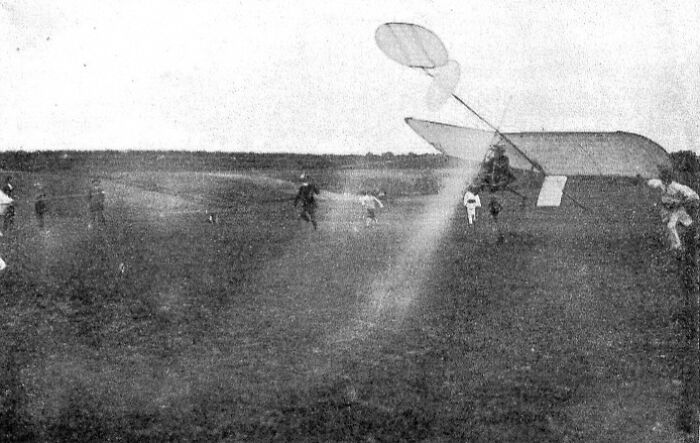
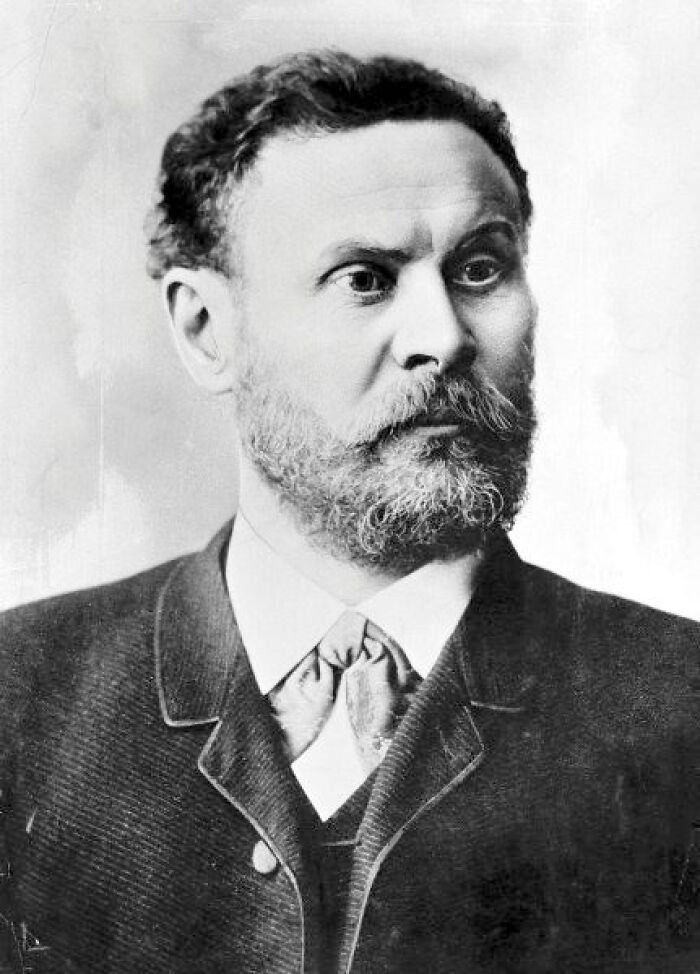
On 9 August 1896, Lilienthal flew his glider in the Rhinow Hills under good weather. The first flights were successful, covering 250 meters. During the fourth flight, his glider pitched upward and then quickly descended, possibly due to a stall. Unable to recover, he fell from a height of about 15 meters while still in the glider.
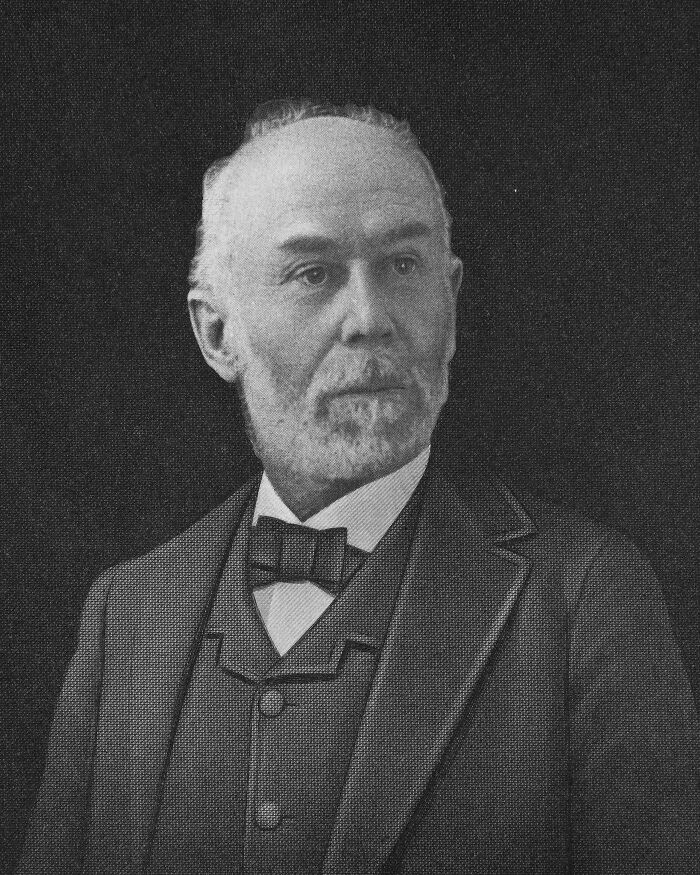
(1813–1867) invented the web rotary printing press. Several years later, while a new machine was being installed in Philadelphia, his foot was crushed. The injury developed into gangrene, and Bullock passed away during the amputation procedure.

Another big problem is that most inventors have great ideas, but they're not mechanics and engineers. There's a big difference between inventing and manufacturing. "The personality and creativity it takes to come up with an incredible invention are very different from the skills to build manufacturing capabilities," Geoghegan told the Berkeley University of California. "These are two different skill sets, and they usually reside in two very different types of people."
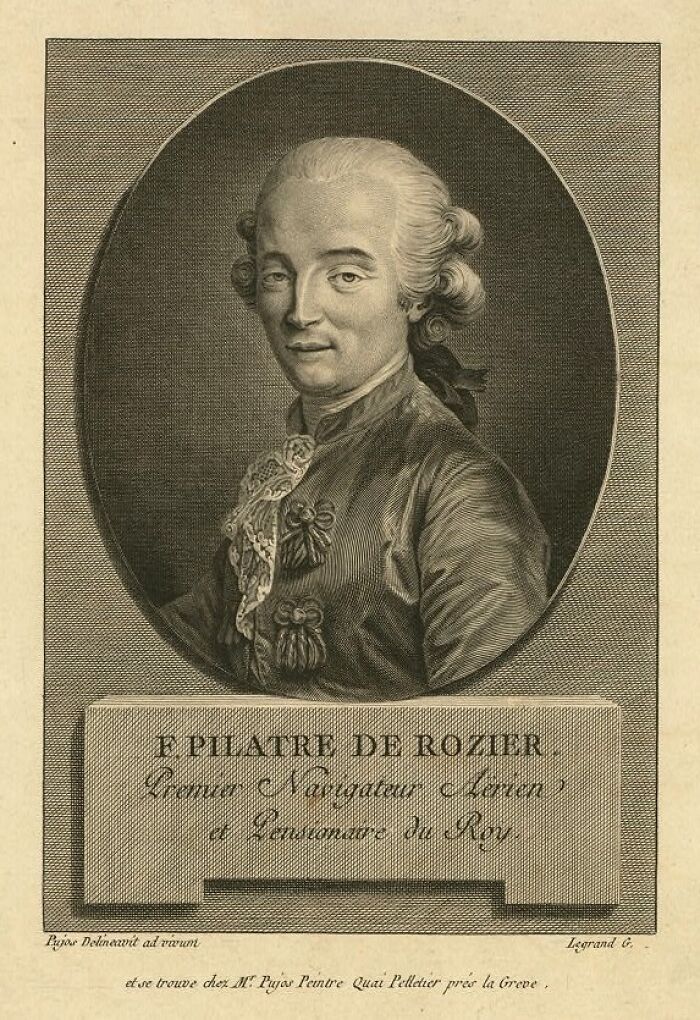
He completed the first manned free balloon flight with François Laurent d'Arlandes on 21 November 1783, using a Montgolfier balloon. Later, during an attempt to cross the English Channel, his balloon crashed near Wimereux in the Pas-de-Calais. As a result, he and his companion Pierre Romain became the first recorded victims of an air crash.

Ray Bradbury wrote a prose poem about flying; it is presented as the internal dialogue of the person who would be first to fly to the moon. It was worked into an animation (still on youtube) that is all wash strokes. It is an amazing story: "Icarus, Montgolfier, Wright" https://www.youtube.com/watch?v=lm5kylavY3Y. Takes place in 1970! Edit: Ray Bradbury is one of the giants of speculative fiction in the '50s. People who are into tattoos should check out his collection of short stories "The Illustrated Man" - the stories are tied together by a stranger at the campfire staring at the man's tattoos which come to life as he watches
A German resident of Valparaiso, Chile, he constructed the submarine Flach at the request of the Chilean government following the bombing of Valparaiso. The submarine, a sibling to the Peruvian "Toro" (which sank, was refloated by the Chilean Navy, and then disappeared during the Saltpeter War), failed to surface during testing. He, along with his son and other sailors, lost their lives in the incident.
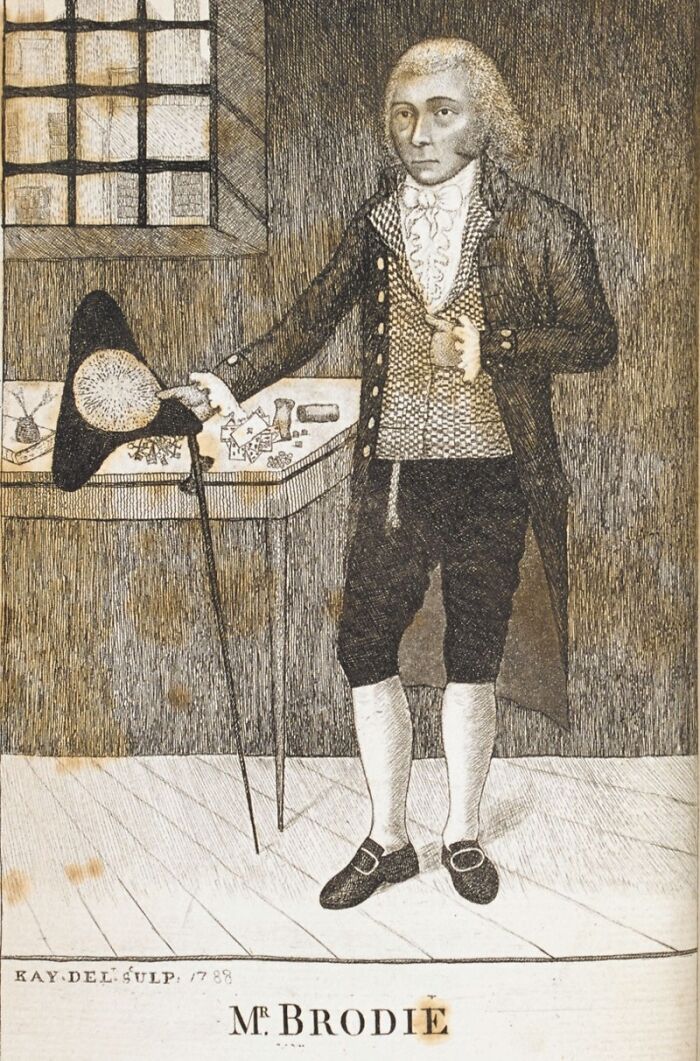
"Deacon Brodie" of 18th-century Edinburgh is said to have been the first person to be executed by a new type of gallows that he had designed and built, though this claim is uncertain.
Being an inventor can be a blessing and a curse, it seems. What do you think about the tragic fates of these inventors, Pandas? Did we miss any similar intriguing cases? Let us know in the comments if we did! And while you're here, be sure to check out this post about women inventors who changed the world.
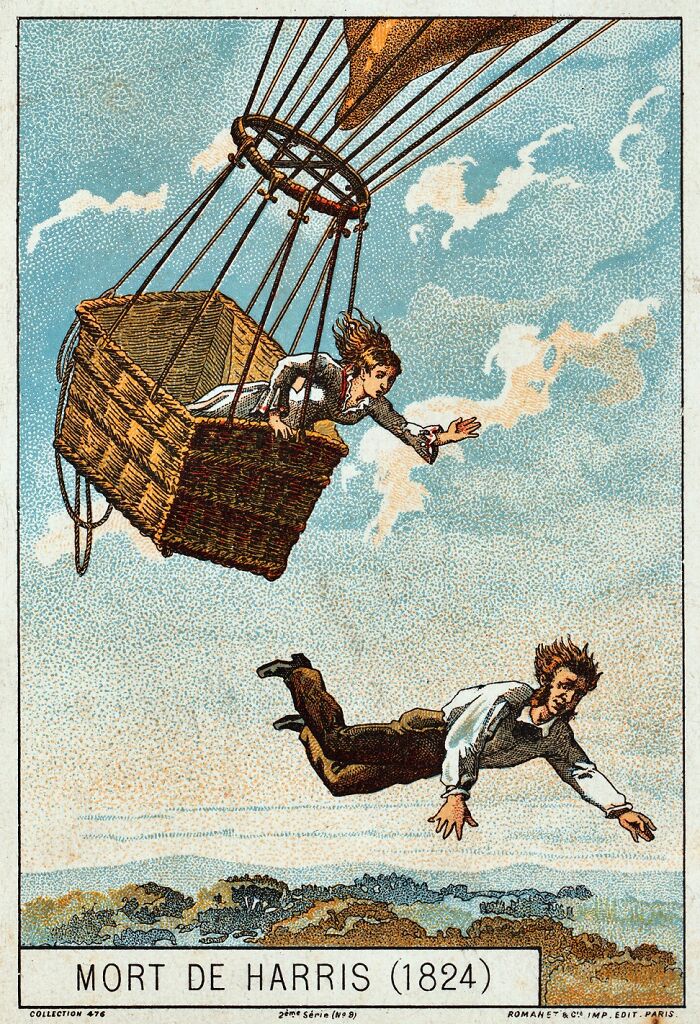
Harris passed away during a flight in the balloon Royal George from Vauxhall, London, on 25 May 1824. According to L. T. C. Rolt’s account, it is believed that as the gas slowly leaked from the balloon, the cord linked to the gas discharge valve tightened, causing more gas to be released. This led to a crash in which Harris lost his life, while his companion, an eighteen-year-old woman named Sophia Stocks from the Haymarket, suffered severe injuries.
Passed away in a train accident, trapped between two of the railway sleeper cars he had invented.
He passed away while riding a Segway scooter. Although he owned Segway Inc., he was not the inventor of the Segway.
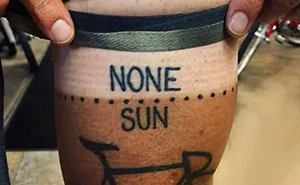
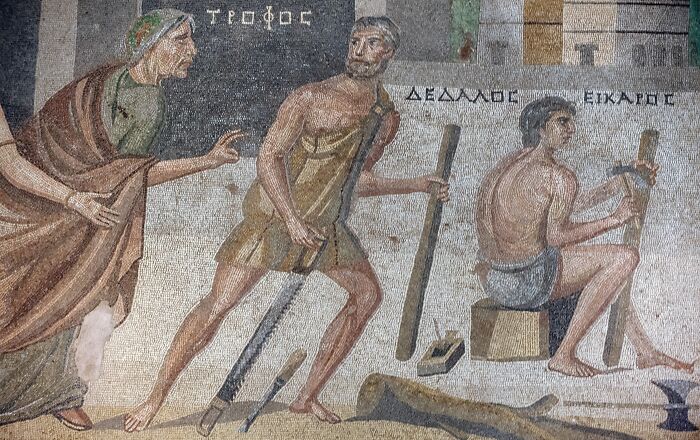
In Greek mythology, Daedalus crafted wings made of feathers and cloth to escape the labyrinth of Crete with his son Icarus, who met his end after disregarding his father's warning not to "fly too close to the sun."


We should be grateful to many of these innovators who made mistakes on which others based the successful inventions.

Slightly off-topic, but: The first rules for jousting tournaments were written by Frenchman Geoffri de Preuilly, a knight, in 1066. He was also the earliest documented fatality at a tournament.


Perilaus of Athens is said to have invented the Brazen Bull, and when he offended the tyrant Phalaris of Akragas in Sicily, his execvtion involved him being roasted alive in it (although he was then extracted and thrown off a cliff to finish the job) And fvck you BP. I'll always find ways around the sh!tballs a$$fvcking censor bots.

Dear God, I don't ask for much but is there any way you can get Elon Musk on this list? Thanks in advance, etc.
elon musk is like his orange 69 partner trump. Neither of them actually create anything of use. They just take credit when things go well and blame others when they go bad. They deserve a grisly end to be sure, but neither are smart enough to actually invent something on their own.
Load More Replies... We should be grateful to many of these innovators who made mistakes on which others based the successful inventions.
Slightly off-topic, but: The first rules for jousting tournaments were written by Frenchman Geoffri de Preuilly, a knight, in 1066. He was also the earliest documented fatality at a tournament.
Perilaus of Athens is said to have invented the Brazen Bull, and when he offended the tyrant Phalaris of Akragas in Sicily, his execvtion involved him being roasted alive in it (although he was then extracted and thrown off a cliff to finish the job) And fvck you BP. I'll always find ways around the sh!tballs a$$fvcking censor bots.
Dear God, I don't ask for much but is there any way you can get Elon Musk on this list? Thanks in advance, etc.
elon musk is like his orange 69 partner trump. Neither of them actually create anything of use. They just take credit when things go well and blame others when they go bad. They deserve a grisly end to be sure, but neither are smart enough to actually invent something on their own.
Load More Replies...







































 No fees, cancel anytime
 then open in external browser


 and click "Open in External Browser"