Get Premium
Dark mode theme is available exclusively for premium users. Learn more about the benefits of subscribing.
No fees, cancel anytime.

 Dark Mode Ad-Free Browsing Unlimited Content
 Ad-Free Browsing Unlimited Content Dark Mode
Join 1.2 million Panda readers who get the best art, memes, and fun stories every week!



While we tend to think we know ourselves pretty well, the human body still has all sorts of ways to surprise us. The truth is that we’re pretty complicated organisms, where a lot can go wrong (or right) so researchers are still finding new and interesting details about how it all comes together.
So we’ve gathered some of the most interesting facts about our brains and bodies that might change the way you see yourself. Get comfortable as you scroll through, upvote the ones your brain finds narcissistically interesting and be sure to share your thoughts and experiences in the comments down below.
This post may include affiliate links.
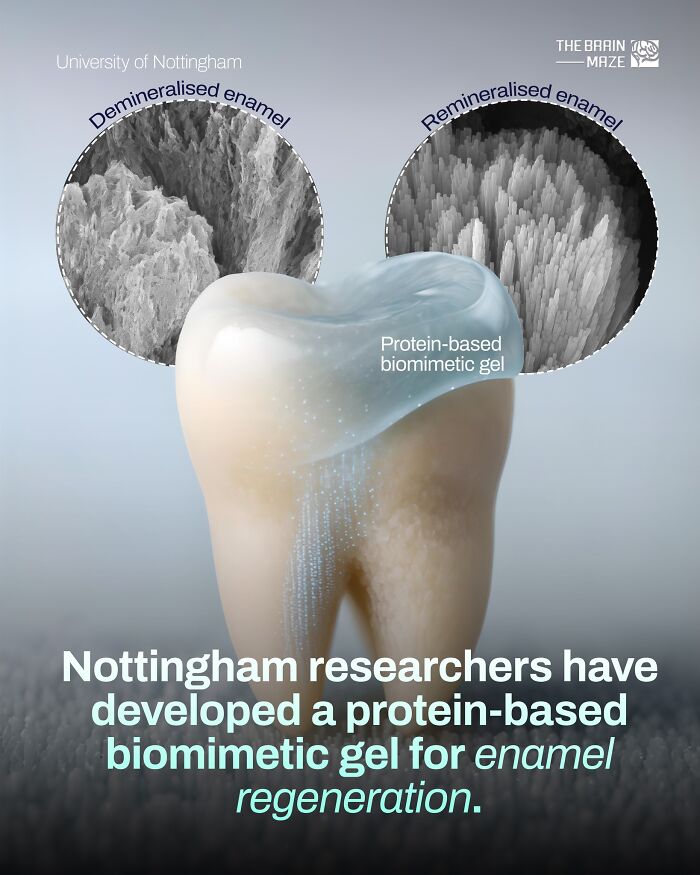
Scientists from the University of Nottingham have developed a new protein-based gel that can repair and regenerate tooth enamel by mimicking how it naturally forms in infants.
The gel acts as a scaffold for calcium and phosphate ions in saliva, helping to rebuild and strengthen damaged enamel.
The team, led by Professor Alvaro Mata, says the treatment is easy to apply and could be available to patients as early as next year.
Experts believe it could transform dental care by addressing decay, sensitivity, and enamel erosion more effectively than current methods.
Many are calling it a long-awaited breakthrough in restoring natural enamel and preventing oral diseases worldwide.

Somehow none of the dentistry inventions I read about in my 30 years on the internet have made it into my mouth yet.
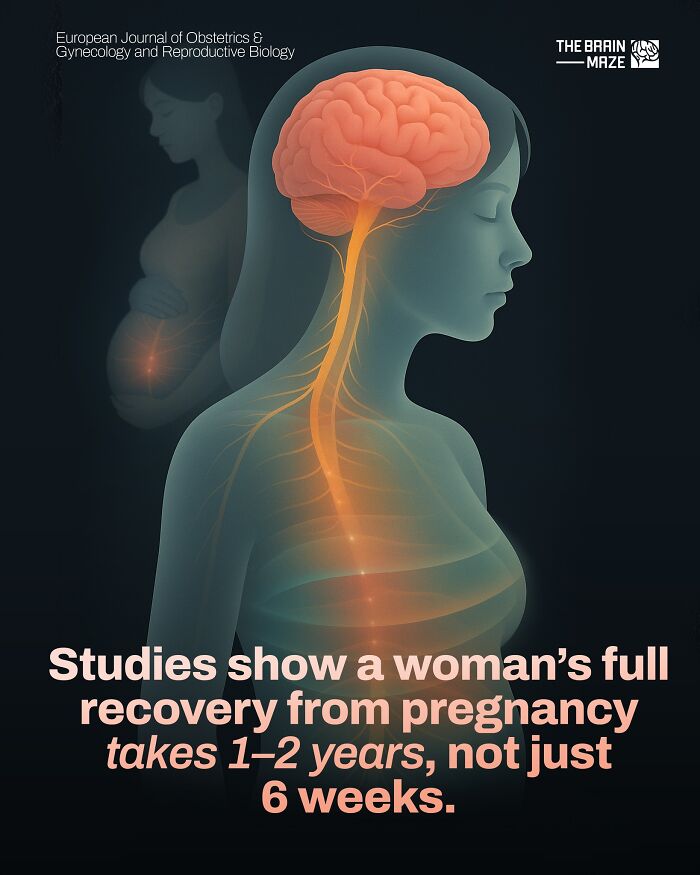
Research published in the European Journal of Obstetrics & Gynecology and Reproductive Biology reveals that a woman’s body requires far more time to fully recover after childbirth than previously believed. While traditional medical guidance suggests a six-week recovery period, the study indicates that complete physical, hormonal, and neurological restoration can take between one to two years. During this time, the body continues to heal internally, from organ repositioning and connective tissue repair to long-term hormonal rebalancing. The brain also undergoes gradual changes, adapting from pregnancy and postpartum shifts in cognition and emotion. These findings challenge conventional postpartum expectations and highlight the importance of long-term maternal care and recovery support.
Children who grow up in homes filled with frequent conflict can experience neurological changes that resemble those seen in soldiers returning from combat.
According to researchers at Stanford University, prolonged exposure to emotional tension triggers stress-response systems in the developing brain.
Brain scans in the study revealed heightened activity in regions linked to fear, vigilance, and emotional regulation.
These shifts suggest that even non-physical forms of conflict can have deep and lasting biological impacts on children.
The findings highlight the urgent need for supportive family environments and early intervention.
Myrtle Corbin was born in 1868 in Tennessee with a rare condition called dipygus, which caused her to have two pelvises and four legs.
As a child, she became famous in sideshows under the name “The Four-Legged Girl from Texas.”
Despite the curiosity and attention she received, Myrtle was known for her intelligence, kindness, and poise.
She later married a doctor, James Clinton Bicknell, and together they raised five healthy children.
Her life stands as a story of resilience and grace, turning what others saw as a spectacle into a life of strength and normalcy.
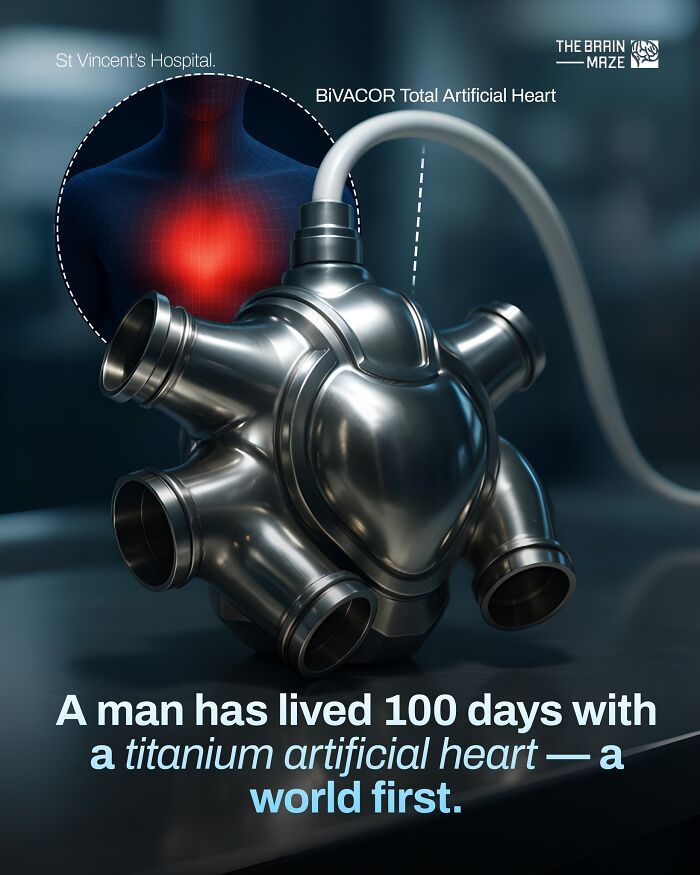
An Australian man has become the first person in the world to live outside a hospital with a titanium artificial heart called BiVACOR.
He lived with the device for 100 days before receiving a donor heart and is now recovering well. The BiVACOR, created by Dr. Daniel Timms, uses a magnetically floating rotor to pump blood through the body — meaning it has only one moving part and is less likely to wear out.
Doctors at St. Vincent’s Hospital in Sydney performed the surgery, while researchers like Dr. Joseph G.
Rogers from the Texas Heart Institute are leading trials in the United States.
This breakthrough could one day help people with severe heart failure who are waiting for transplants — or even become a long-term replacement for a human heart.
Owning a cat has been associated with a lower risk of heart attacks due to the calming and stress-reducing effects pets can provide. Research cited in the AHAIASA Journal suggests that the emotional comfort offered by cats may contribute to improved cardiovascular health. This calming interaction can help regulate stress responses that affect heart function. This study highlights how pet companionship—especially from cats—may play a meaningful role in supporting long-term heart wellness.
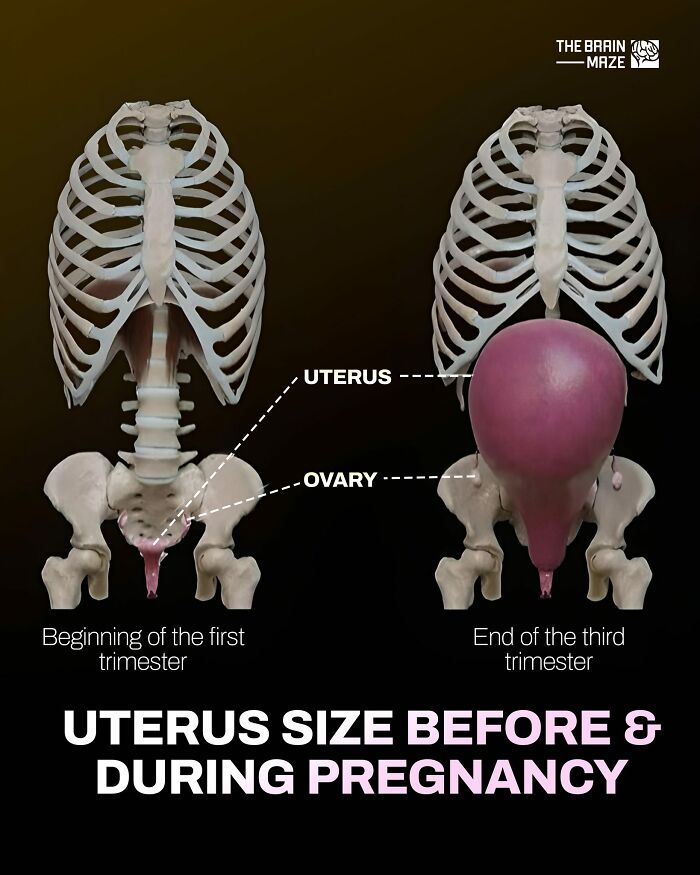
During pregnancy, the uterus undergoes one of the most dramatic transformations in the human body. At the beginning of the first trimester, it’s about the size of a small pear, tucked low in the pelvis. As the pregnancy progresses, the uterus expands upward, stretching and reshaping to accommodate the growing baby. By the end of the third trimester, it can reach up to the ribcage, displacing nearby organs. This remarkable expansion—over 500 times its original size—demonstrates the incredible adaptability of the female body.
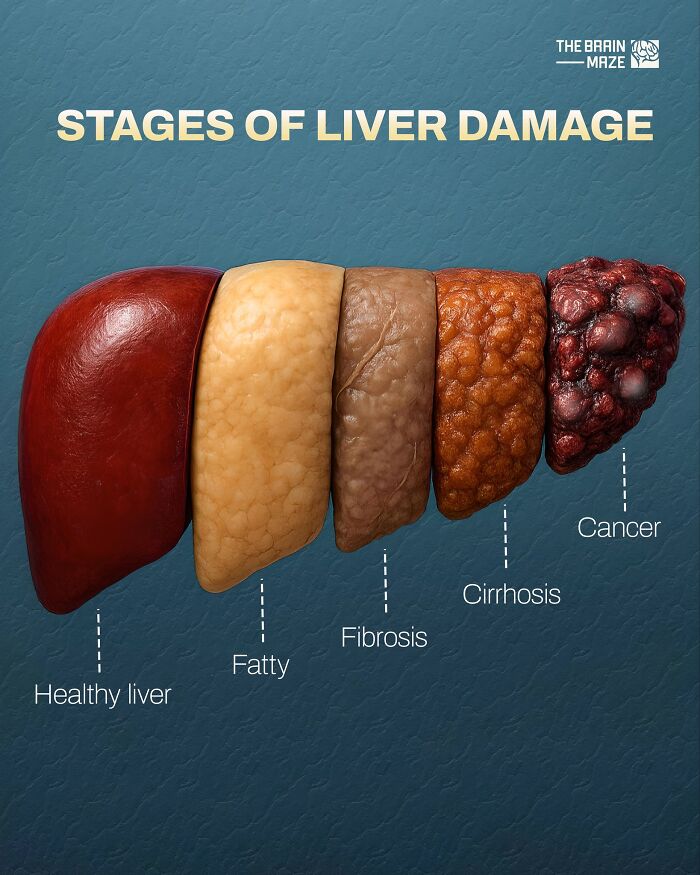
Liver damage develops gradually, often without noticeable symptoms until serious harm occurs. It usually begins with fat buildup inside liver cells, known as fatty liver, which can result from poor diet, alcohol, or metabolic disorders. Over time, chronic inflammation leads to fibrosis, where scar tissue replaces healthy cells. If untreated, this progresses to cirrhosis, a stage where liver function becomes severely impaired. Ultimately, prolonged damage can trigger mutations that develop into liver cancer, making early prevention and healthy lifestyle choices vital.
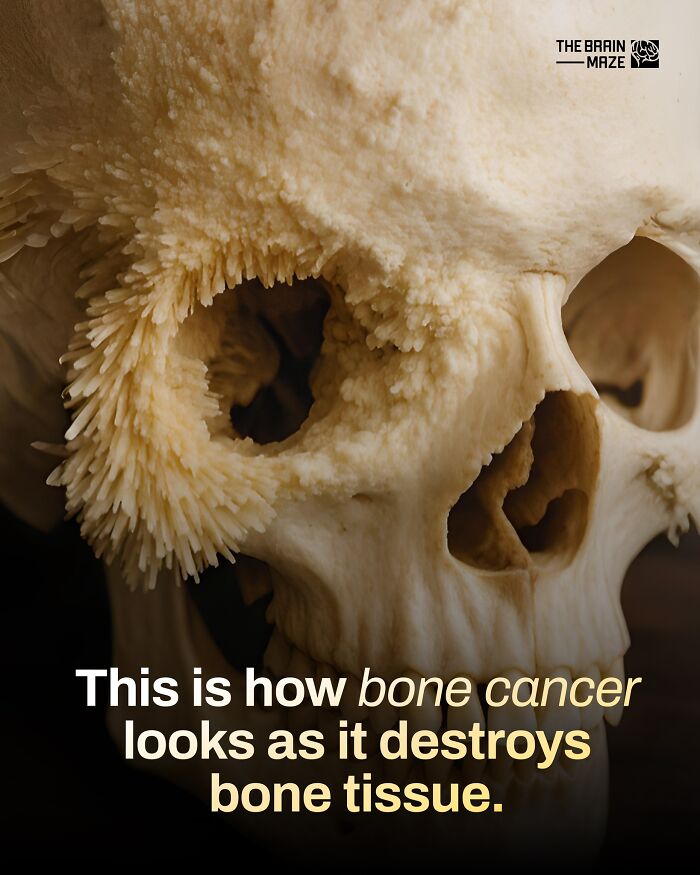
Bone cancer is a disease in which abnormal cells grow uncontrollably inside the bone, forming a tumor that destroys healthy bone tissue.
These cancerous growths can weaken the bone, causing pain, swelling, and sometimes fractures.
As the tumor expands, it disrupts the bone’s normal structure and may spread to nearby tissues or other parts of the body.
Bone cancer can originate in the bone (primary bone cancer) or spread there from another organ (secondary or metastatic cancer).
Under medical imaging, affected bone may appear moth-eaten, eroded, or structurally deformed due to the destructive tumor activity.

What a horrible way to go. I can't even imagine how painful that must be.
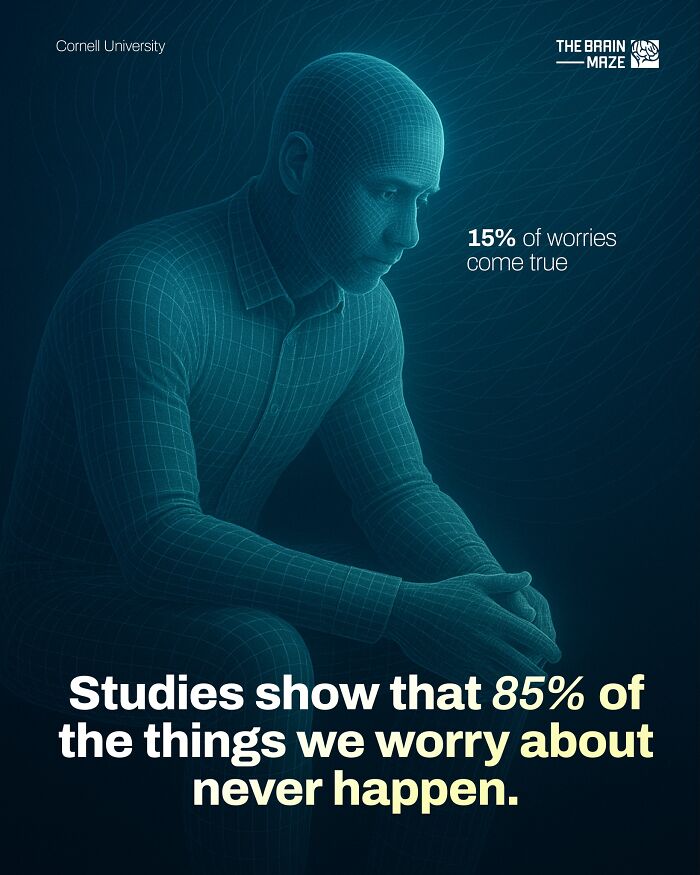
A Cornell University study found that about 85% of the things we worry about never happen, showing how much unnecessary stress we create in our minds. Only 15% of worries come true, and even then, most people handle them better than expected. This highlights how much time and energy we waste on imagined problems. Focusing on what we can control instead of what might go wrong can greatly improve our peace of mind.
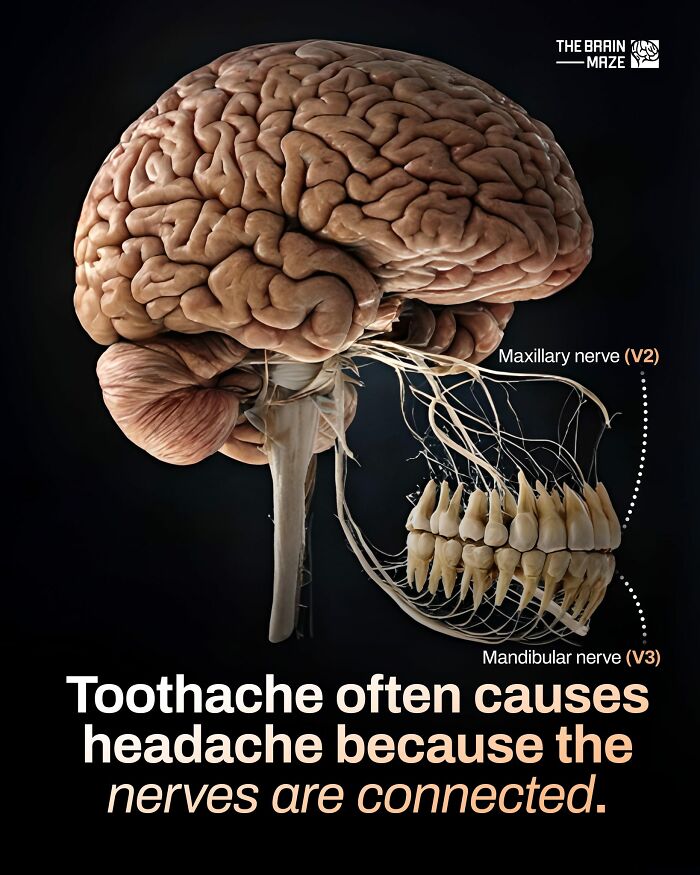
The teeth and the head share a strong nerve connection through the trigeminal nerve, one of the major cranial nerves.
This nerve has branches that extend into the upper and lower teeth, the jaw, the face, and even areas around the temples and forehead.
Because they all share the same pathway, pain coming from a tooth can easily spread or be “referred” to the head.
This is why a simple toothache can often feel like a headache or facial pain.
The brain sometimes struggles to pinpoint the exact source, causing the discomfort to radiate beyond the tooth itself.
Superfetation is an extremely rare phenomenon in which a woman becomes pregnant again while already carrying a developing fetus. This occurs when a second egg is released and fertilized after the first pregnancy has already begun, something that normally doesn’t happen due to hormonal changes that stop ovulation. As a result, the two embryos can be at noticeably different stages of growth within the womb. It remains a fascinating reminder of how complex and surprising human biology can be.
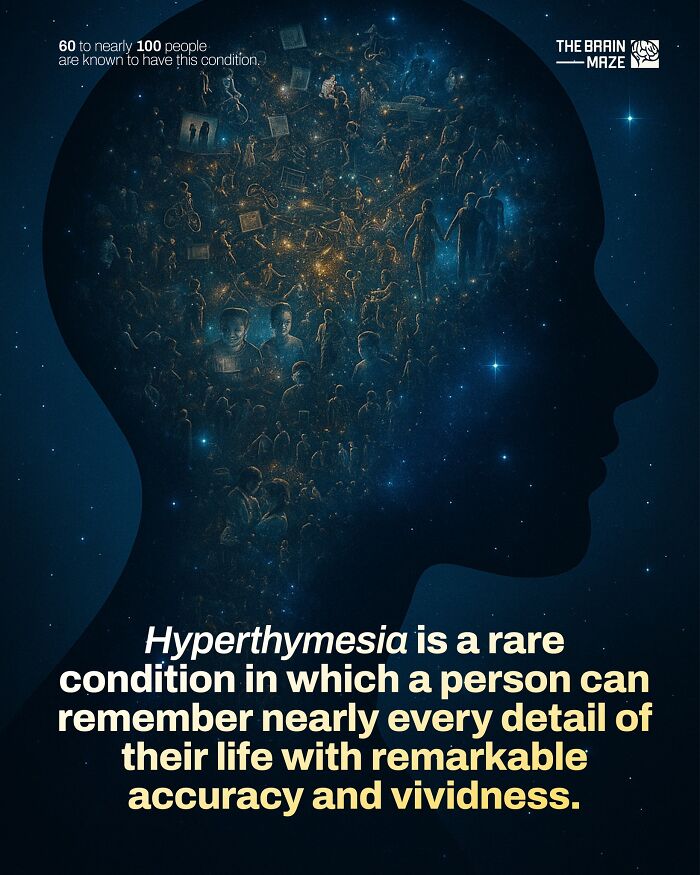
Hyperthymesia is a fascinating and rare condition that allows individuals to recall nearly every detail of their lives with extraordinary precision and vividness. People with this ability can remember specific dates, events, and even emotions tied to moments that most others would forget. This condition is so uncommon that only around 60 to 100 people in the world are known to have it. Their memories are not only extensive but also involuntary, meaning they can effortlessly retrieve past experiences as if reliving them. Hyperthymesia reveals the incredible potential of the human brain and its mysterious capacity to store and recall vast amounts of information.
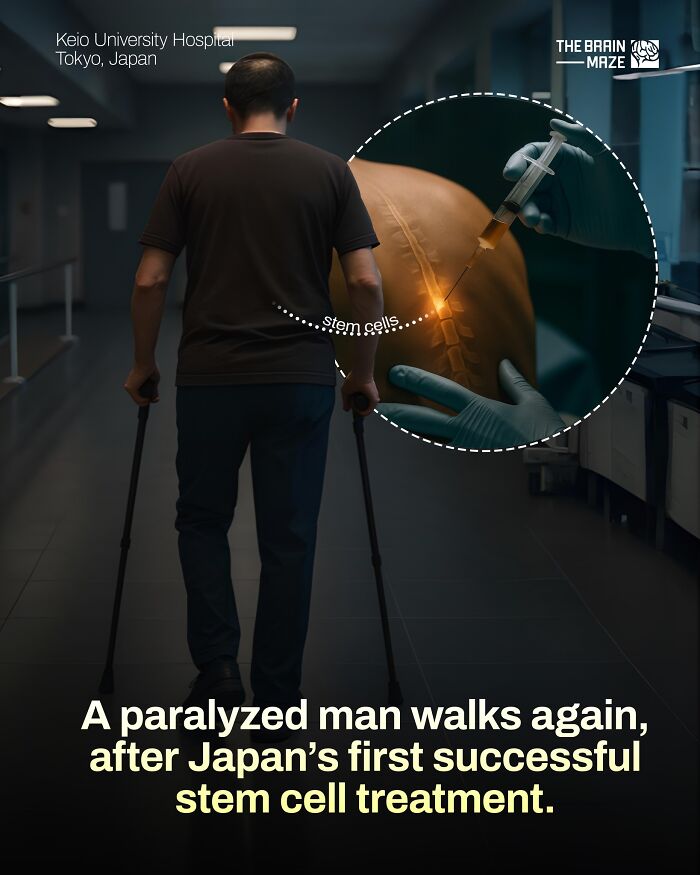
A patient in Japan who was completely paralyzed has regained the ability to stand unaided and is beginning to walk again after receiving a pioneering stem cell treatment.
The therapy, developed by researchers at Keio University, uses induced pluripotent stem (iPS) cells transformed into neural stem cells to repair damaged spinal tissue.
This marks part of a first-in-human clinical trial, where cells were transplanted directly into the patient’s injured spinal cord.
The patient showed measurable recovery in motor function with no serious side effects, offering rare hope for spinal cord injury rehabilitation.
Scientists say the results could pave the way for a new era of regenerative medicine targeting paralysis and nerve damage.

I dont know why david paterson is getting downvoted so hard, he is right. I can not find any reliable source for this and keio university does not offer any information either. Shame, would have been interrested in how that actually works, as far as i know there is so far no study available about the actual process wich is curious.
A 2019 study in Science Advances by Herman Pontzer from Duke University found that pregnancy requires about 2.2 times the body’s basal metabolic rate, meaning a woman burns roughly double her normal energy for months. The research compared pregnancy’s energy demand to extreme endurance feats like the Tour de France and ultramarathons, showing it surpasses them in sustained effort. Unlike athletes who endure for hours, pregnancy maintains intense metabolic strain for nine months, pushing the heart, lungs, kidneys, and metabolism to adapt, making it one of the most demanding endurance feats in human biology.

And does that lazy little tyke inside pitch in and do it's share? Hah!
Unborn babies can begin to taste flavors from their mother’s diet because the amniotic fluid around them becomes subtly infused with those tastes.
As the mother eats foods like garlic, vanilla, or carrots, the developing baby is exposed to these flavors through swallowing the fluid.
Research from institutions such as Stanford University shows that this early sensory experience can shape a child’s future food preferences.
Babies may later show a liking for foods they were exposed to in the womb.
This early flavor learning highlights how deeply connected prenatal development is to the mother’s everyday diet.
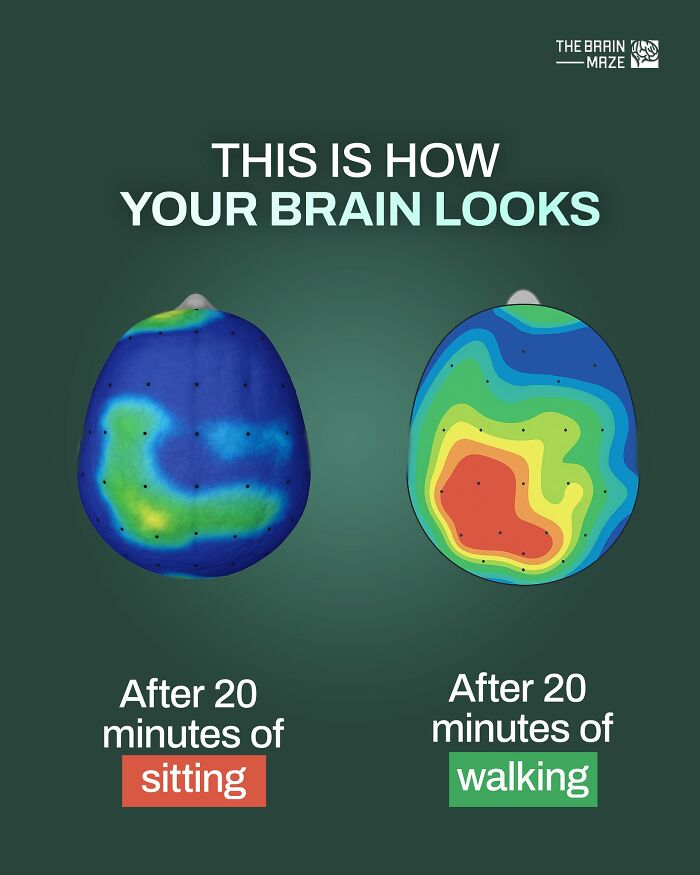
When we sit for 20 minutes, blood flow to the brain decreases slightly, which can slow neural processing and reduce alertness.
Extended sitting can lead to temporary drops in cognitive performance, including attention, memory, and problem-solving speed.
In contrast, walking increases blood circulation, delivering more oxygen and nutrients to the brain.
This enhanced blood flow stimulates neural activity, boosting creativity, processing speed, and overall cognitive function.
Even short periods of walking can make the brain more alert, improve mood, and enhance mental clarity compared to prolonged sitting.

It would help if this had a legend to show what the colours mean.
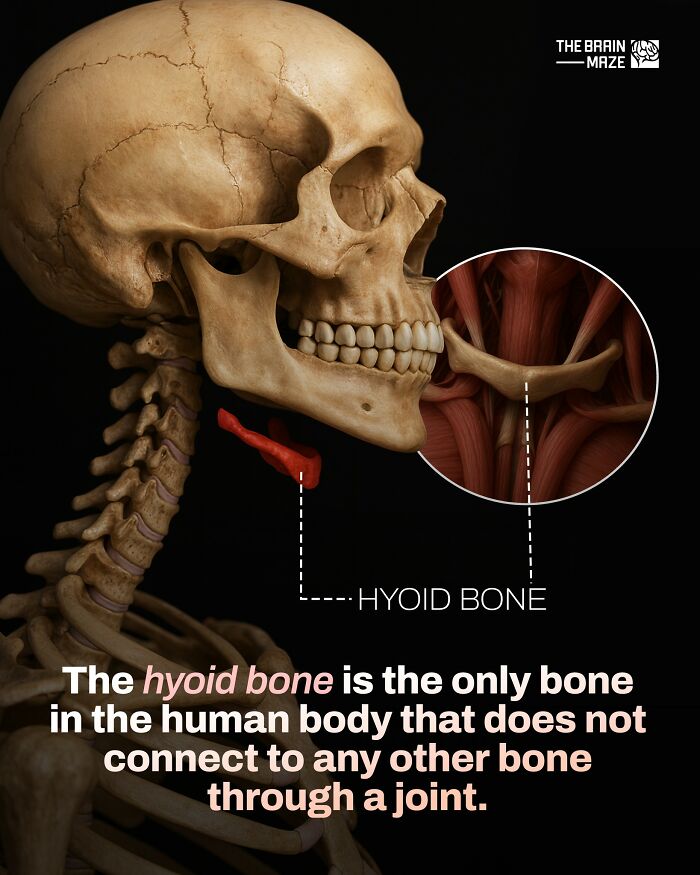
The hyoid bone is one of the most unique structures in the human body. Suspended in the neck like a tiny floating anchor, it supports the tongue and plays a vital role in speech and swallowing. Unlike any other bone, it does not form a joint or connect directly to any other bone. Instead, it is held in place by a network of muscles and ligaments. This small yet essential bone reminds us how even the most isolated parts of our anatomy can have profound importance.
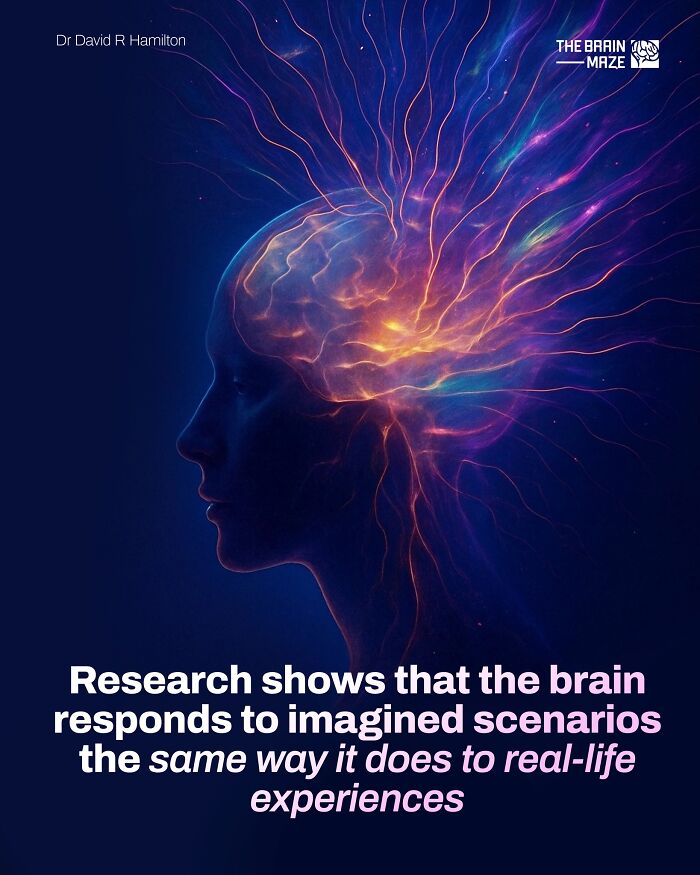
Research by Dr. David R. Hamilton shows that the human brain reacts to imagined scenarios in the same way it does to real-life experiences. This means that when we vividly picture an event—whether success, happiness, or fear—the brain’s neural circuits activate as though the experience were actually happening. Such findings help explain the power of visualization, meditation, and positive thinking in shaping our emotions and actions.

So when I imagine boiling my brothers in a vat of oil, I'll experience the same pleasure as eating a delicious cheesecake?
A CT scan shared online shows what’s claimed to be a 30-year-old calcified fetus found inside a 73-year-old woman from Algeria, a phenomenon known as a lithopedion or “stone baby.” The post sparked global fascination and disbelief. Doctors explain that lithopedion occurs when a fetus dies during an abdominal pregnancy and the body can’t expel it — instead, it encases the fetus in calcium, essentially turning it to stone. While the authenticity of this specific case remains uncertain, the phenomenon itself is medically real and has been documented only about 300 times in history.

So, for over thirty years no doctor paid the slightest attention to this poor woman... Because I'm sure the thing must have been extremely uncomfortable to carry.
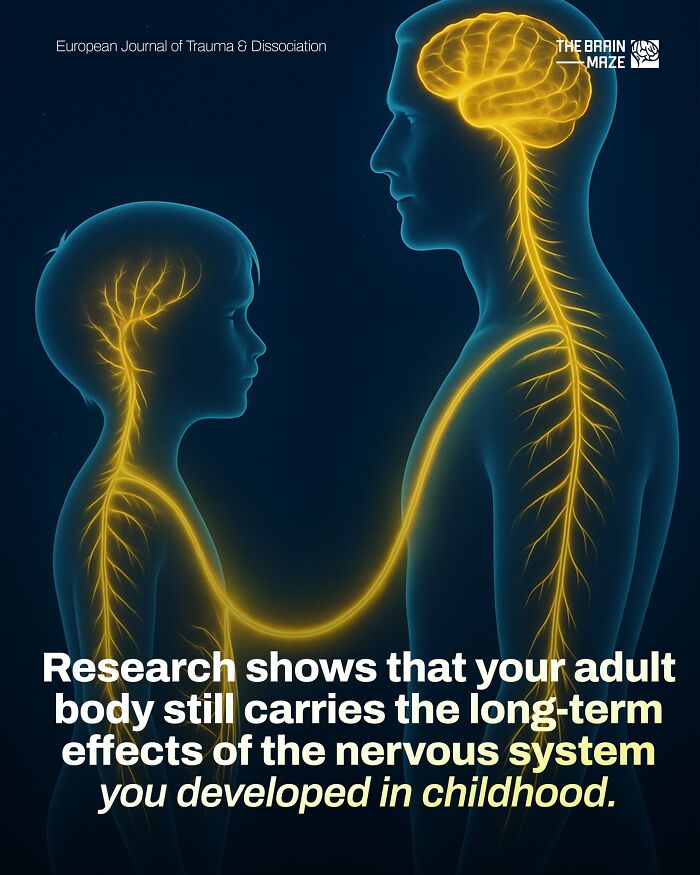
Research from the European Journal of Trauma & Dissociation shows that early childhood experiences play a powerful role in shaping the nervous system. The patterns your body forms during moments of safety, stress, or uncertainty often become the foundation for how you respond as an adult. Even years later, your body can carry the imprints of those early environments—shaping emotions, reactions, and overall well-being. These effects don’t simply disappear with age; they become woven into the body’s long-term physiological responses. Recognizing this connection can help you better understand yourself and begin building healthier patterns for the future.
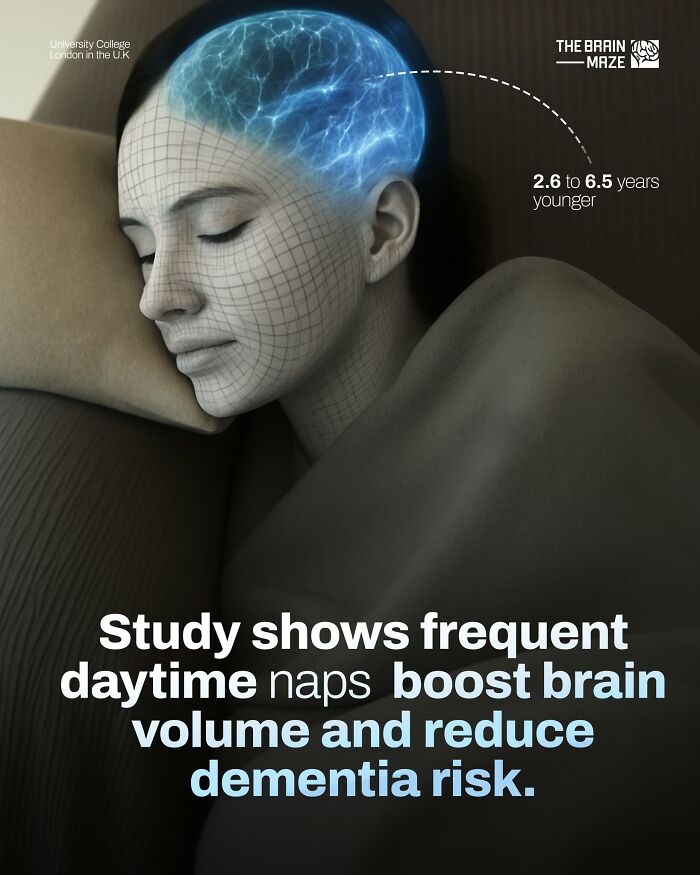
Frequent daytime naps may offer surprising benefits for the brain, according to new findings from University College London. Researchers discovered that people who nap regularly tend to have larger brain volumes, which is associated with healthier cognitive aging. The study suggests these individuals may have brains that appear 2.6 to 6.5 years younger than those who don’t nap. Because reduced brain volume is linked to dementia, this protective effect could lower long-term dementia risk. Overall, the research highlights napping as a simple lifestyle habit with meaningful potential for maintaining brain health.
Just having the opportunity for daytime naps will do you plenty of good.
Just 20 minutes of sunlight a day can boost your immune system by stimulating the production of over 200 antimicrobial peptides. These natural compounds help the body fight off fungi, parasites, and viruses, strengthening your defenses against infections. Sunlight exposure also supports vitamin D synthesis, essential for overall health.
Aaaand up here in the PNW, we're lucky to get 20 minutes of sunlight a year.
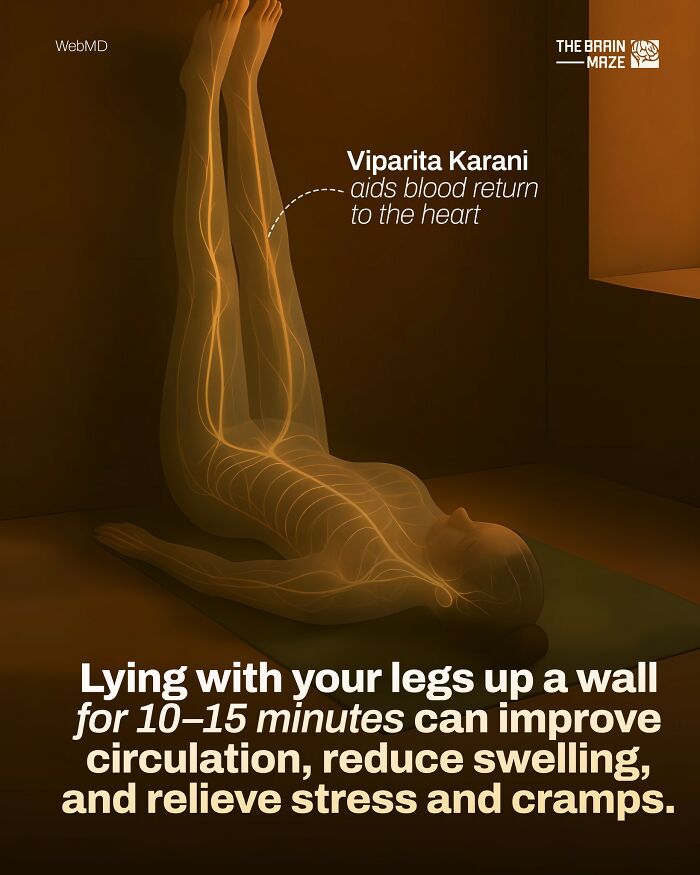
Lying with your legs up the wall, a yoga pose known as Viparita Karani, helps blood flow back toward the heart, reducing strain on your veins. Practicing it for just 10 to 15 minutes a day can improve circulation and prevent swelling in the legs. This position also helps relax the nervous system, easing stress and promoting calmness. It’s particularly beneficial for people who spend long hours standing or sitting. According to WebMD, this simple pose can relieve leg cramps and support overall cardiovascular health.

That is also a technique applied in first aid to people that are in a shock- or pre-fainting state to some extend. The recommendation is 20 - 30 degree above the heart in such case
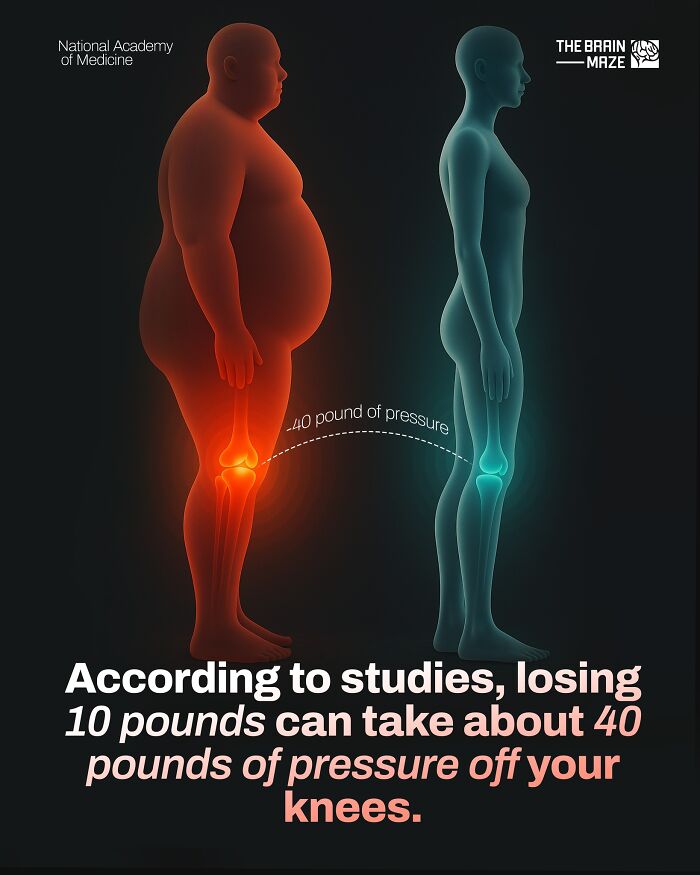
According to research from the National Academy of Medicine, even modest weight loss can significantly reduce stress on the joints. Studies show that losing just 10 pounds can relieve approximately 40 pounds of pressure from your knees, easing discomfort and improving mobility. This reduction in joint load not only helps prevent pain but also decreases the risk of developing osteoarthritis over time. Maintaining a healthy weight, therefore, plays a crucial role in preserving joint health and overall physical function.
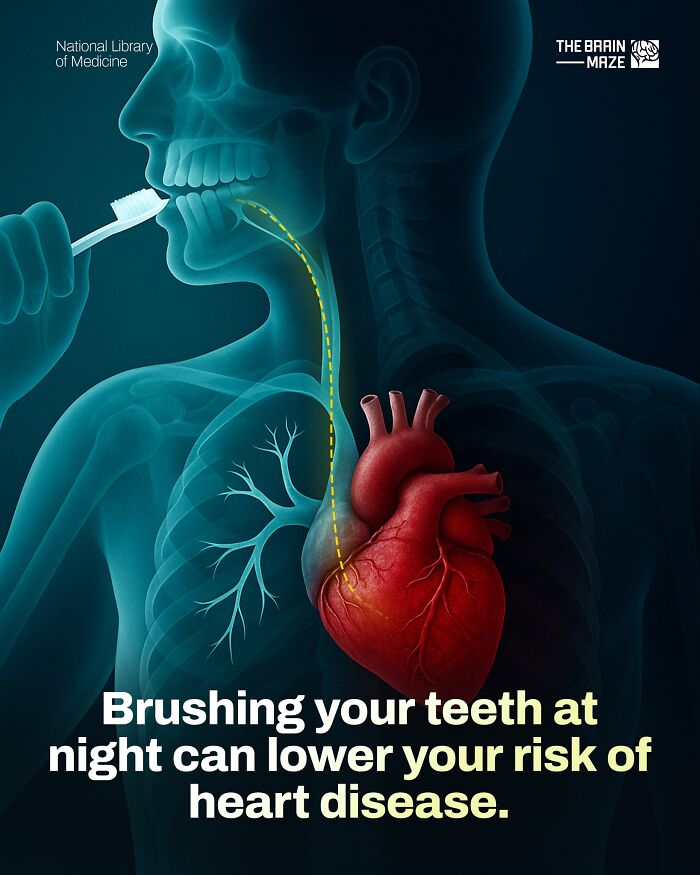
Brushing your teeth at night isn’t just good for oral hygiene—it may also protect your heart. When harmful bacteria accumulate in the mouth overnight, they can enter the bloodstream and contribute to inflammation, a key factor in heart disease. Cleaning your teeth before bed reduces this bacterial load and helps keep both your gums and cardiovascular system healthier. Research highlighted by the National Library of Medicine supports this connection between nighttime brushing and a lower risk of heart complications. Taking a simple step each evening can therefore play a meaningful role in long-term heart health.
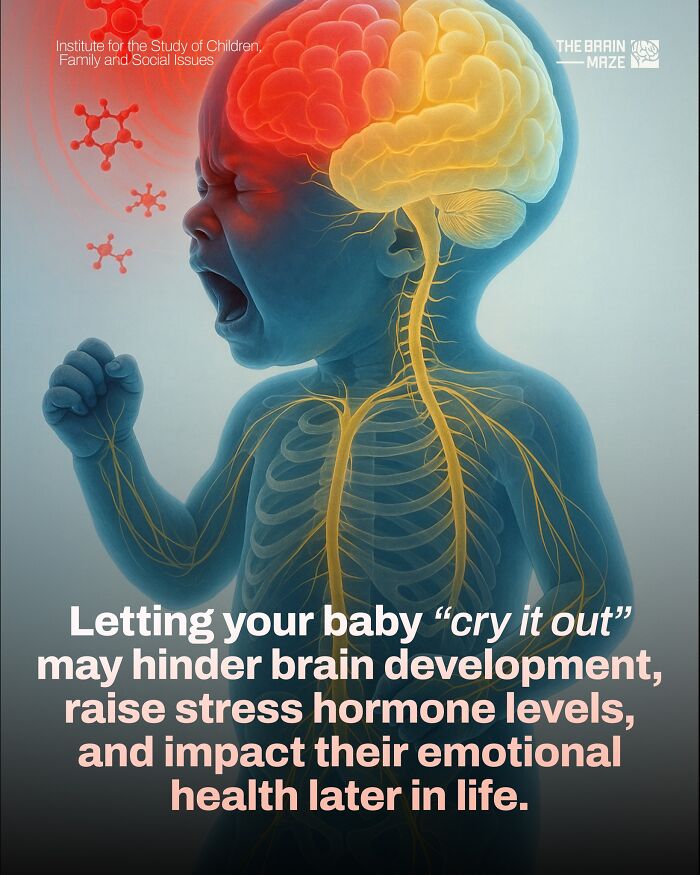
Prolonged crying without comfort can overstimulate a baby’s stress response system, flooding their body with cortisol and adrenaline. According to the Institute for the Study of Children, Family and Social Issues, this can interfere with brain growth and the formation of healthy neural connections during critical early stages. When stress hormones remain elevated, they may alter the development of the limbic system—the part of the brain that regulates emotion and attachment. Over time, these changes can contribute to anxiety, difficulty with trust, and emotional regulation issues later in life. Responding to a baby’s cries with care and reassurance supports both neurological development and long-term emotional health.
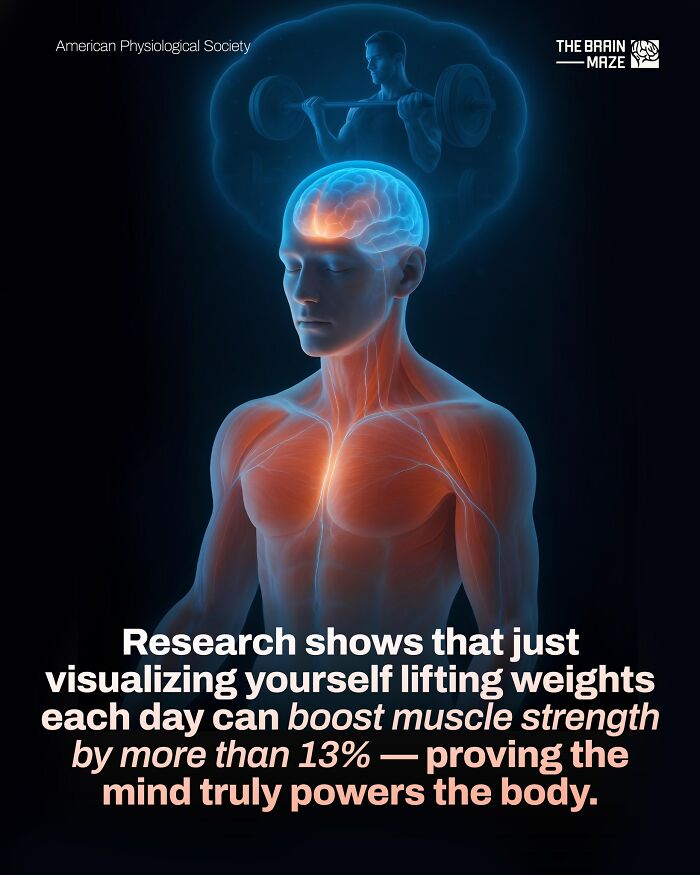
The human mind holds incredible power over the body. Studies from the American Physiological Society reveal that simply imagining yourself lifting weights can increase muscle strength by over 13%. This remarkable effect shows that mental practice alone can activate the same neural pathways used during physical training. Visualization strengthens the connection between thought and movement, turning focused intention into measurable results. Truly, the mind doesn’t just guide the body — it empowers it.
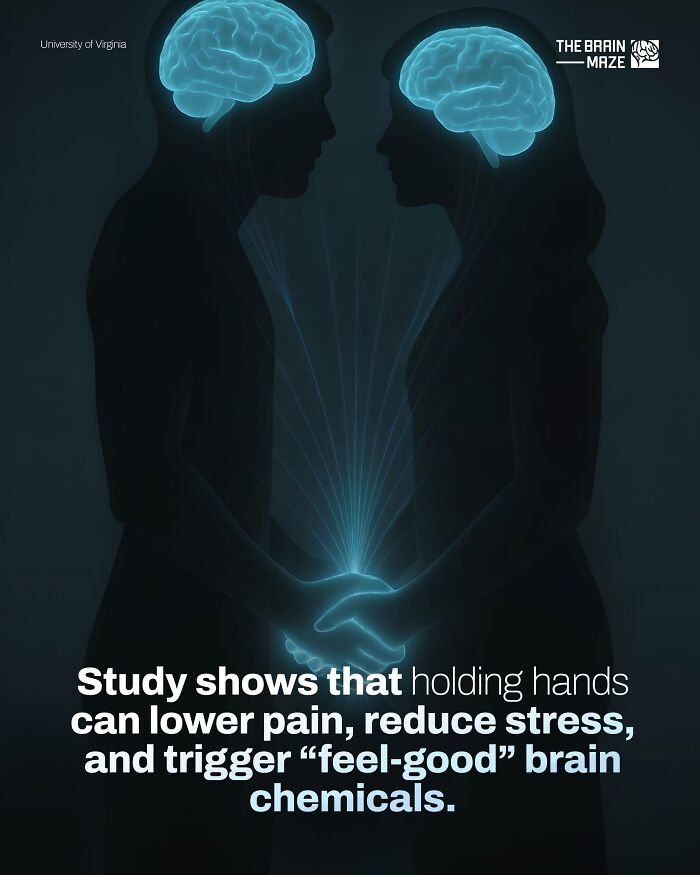
Holding hands does more than offer comfort — it creates a powerful physiological response in the brain. Research from the University of Virginia shows that physical touch can synchronize brain activity between two people, lowering pain and easing emotional tension. This simple act helps reduce stress levels by activating the body’s natural calming systems. It also triggers the release of “feel-good” chemicals, such as oxytocin, which strengthen social bonds and promote emotional well-being. In moments of anxiety or discomfort, even a gentle handhold can make the brain feel safer, more connected and more resilient.
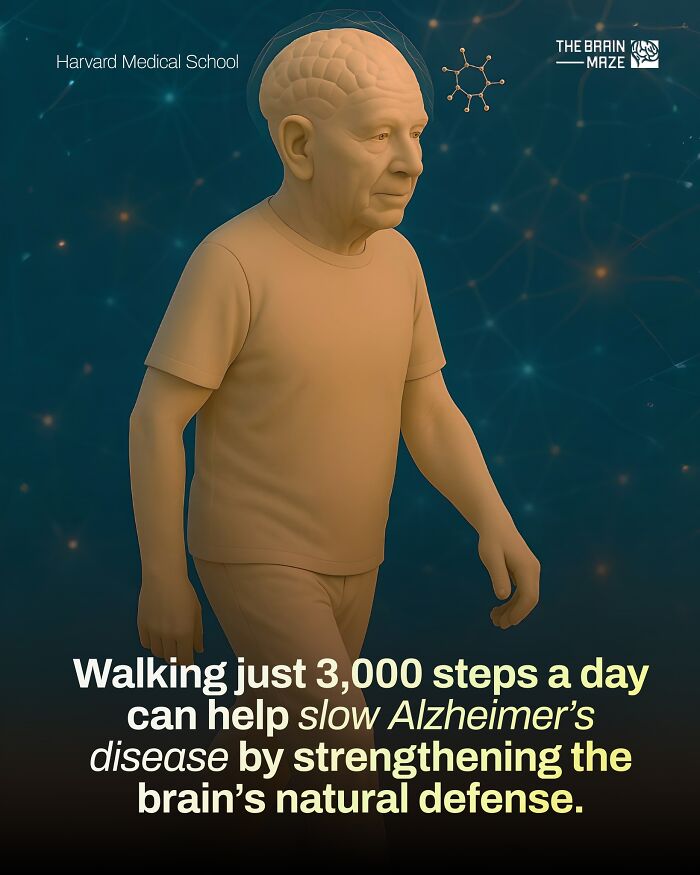
A new study suggests that walking just 3,000 steps per day can significantly slow the progression of Alzheimer’s disease.
Researchers found that individuals whose brains showed early molecular signs of Alzheimer’s, but no cognitive symptoms, experienced about three years less mental decline when they stayed active.
Regular movement appears to support brain health by improving blood flow, reducing inflammation, and enhancing neural connections.
Even modest daily activity seems to offer powerful protection against the onset of dementia symptoms.
This finding reinforces the idea that small, consistent lifestyle changes can make a major difference in long-term cognitive health.
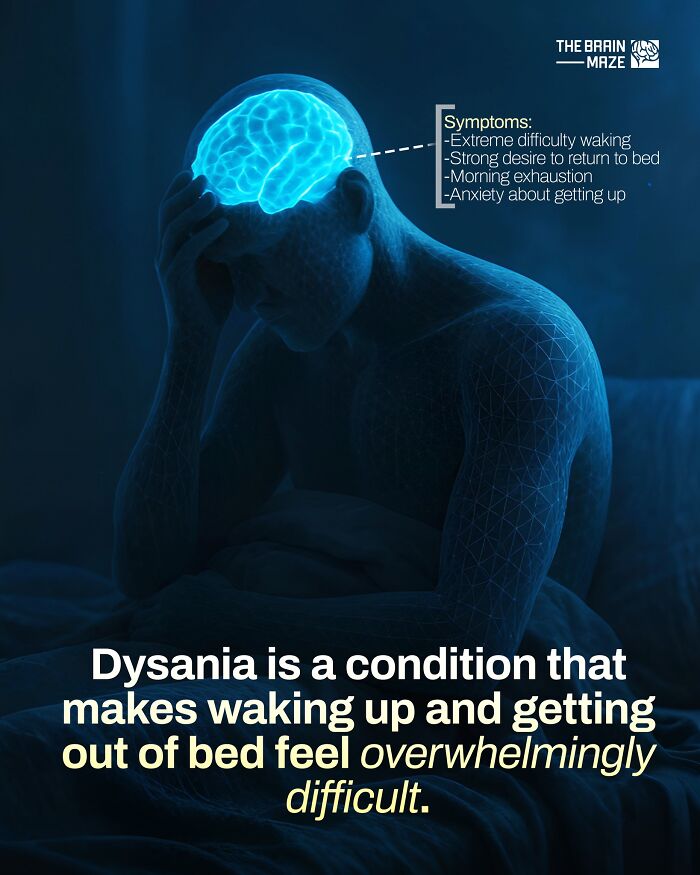
Dysania refers to a persistent struggle to get out of bed, even after adequate or extended sleep.
It is not considered a standalone medical diagnosis but is typically linked to conditions such as depression, chronic fatigue syndrome, or various sleep disorders.
People experiencing dysania often feel overwhelming difficulty when trying to rise in the morning.
They may also experience anxiety, stress, or emotional discomfort associated with getting up.
A strong urge to return to bed or remain under the covers is a common and defining feature of this symptom.
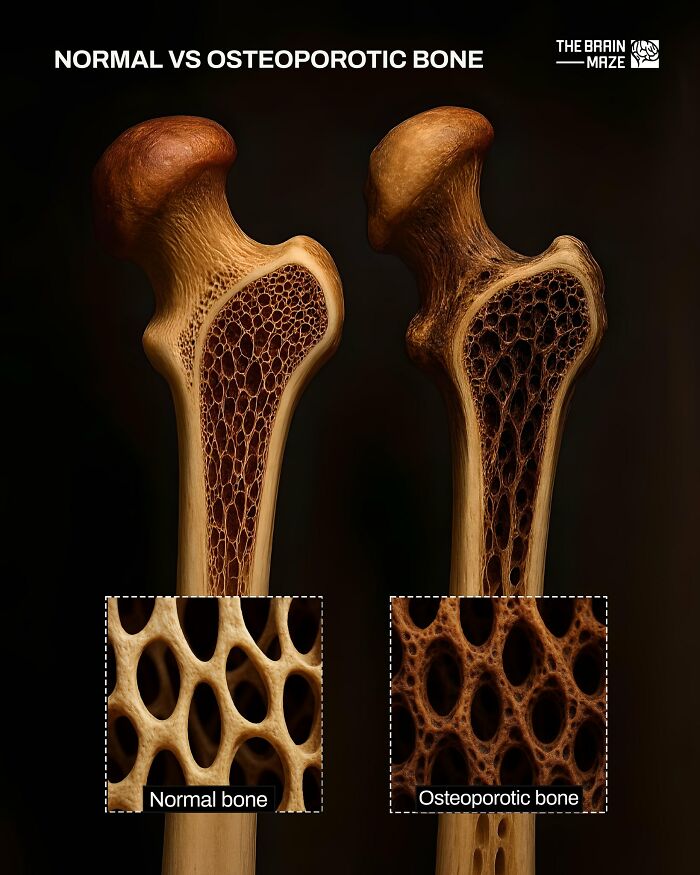
Bones are living tissues that constantly renew themselves, but with age or certain conditions, this balance can be disrupted.
Osteoporosis occurs when bone breakdown outpaces new bone formation, leading to fragile and porous structures.
In the image, the normal bone appears dense with tightly packed, healthy trabeculae, while the osteoporotic bone shows larger holes and thinner walls, indicating weakened integrity.
This loss of density makes bones more prone to fractures, even from minor falls or everyday stress.
The comparison highlights the importance of maintaining bone health through nutrition, exercise, and early screening for osteoporosis.
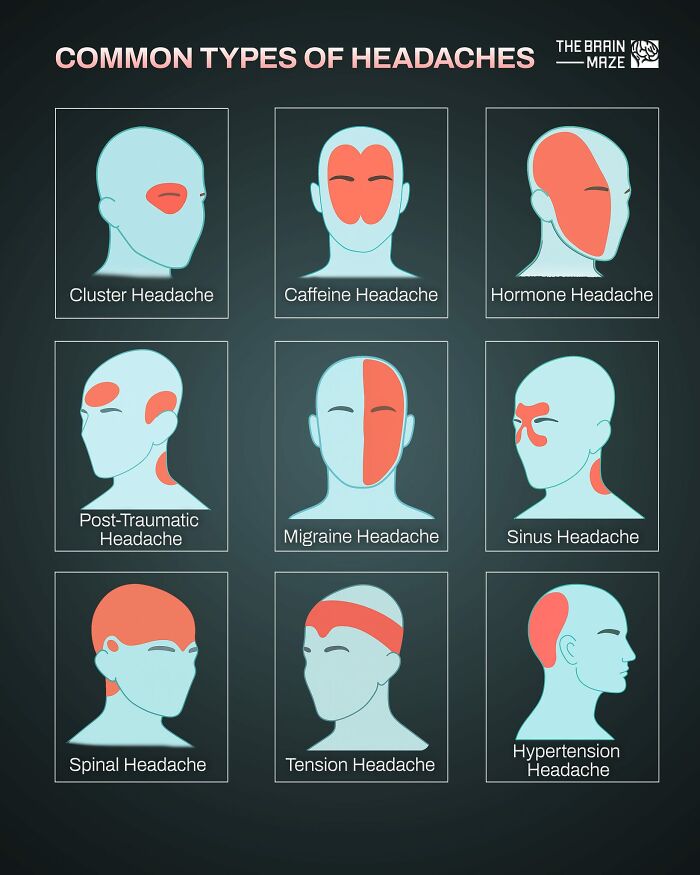
This image illustrates nine common types of headaches and the areas they typically affect.
Each diagram highlights pain regions in red, helping identify where discomfort is most often felt.
Cluster, migraine, and tension headaches each show distinctive patterns—cluster around one eye, migraine on one side, and tension across the forehead.
Hormone and caffeine headaches affect wider areas, while sinus and hypertension headaches are more localized.
The visual guide aids in recognizing headache types to better understand their sources and manage symptoms effectively.
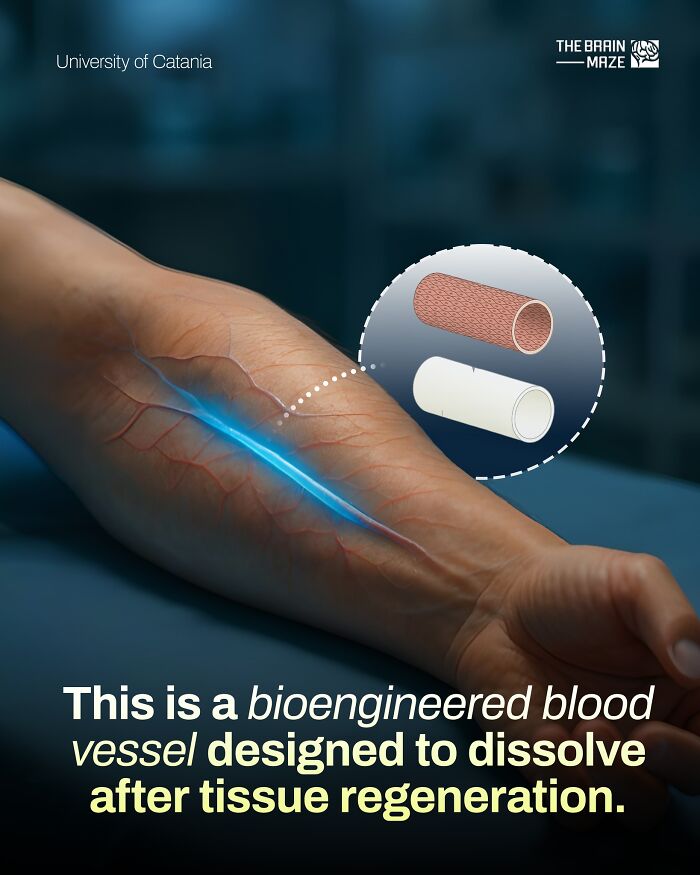
This bioengineered blood vessel is a groundbreaking innovation designed to support tissue repair and then naturally dissolve once healing is complete.
It functions as a temporary scaffold, guiding new cells to grow and form a fully functional, living vessel.
The material is biocompatible and gradually biodegrades, leaving behind only healthy, regenerated tissue.
Through precise engineering, the vessel mimics natural elasticity and flow dynamics, ensuring seamless integration with the body’s circulatory system.
This approach represents a major step forward in regenerative medicine, where artificial structures enable healing and then vanish, restoring the body to its natural state.
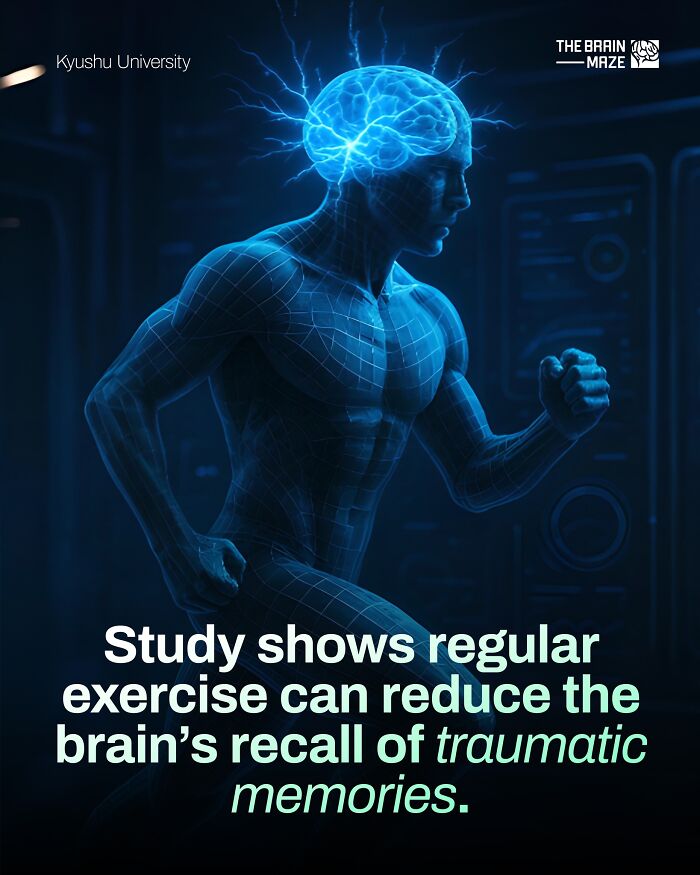
A collaborative study by researchers at Kyushu University and the University of Toronto found that regular exercise may help the brain weaken or reduce access to traumatic memories.
The scientists discovered that consistent physical activity increases neurogenesis, the growth of new neurons in the hippocampus.
As these new neurons integrate, they can disrupt older memory circuits linked to fear and trauma.
This process may make traumatic memories less vivid or harder to recall over time.
The findings show a biologically real mechanism through which exercise can influence how the brain stores and retrieves traumatic experiences.
I guess I need to really up my exercise level, those traumatic memories are a real issue for me.
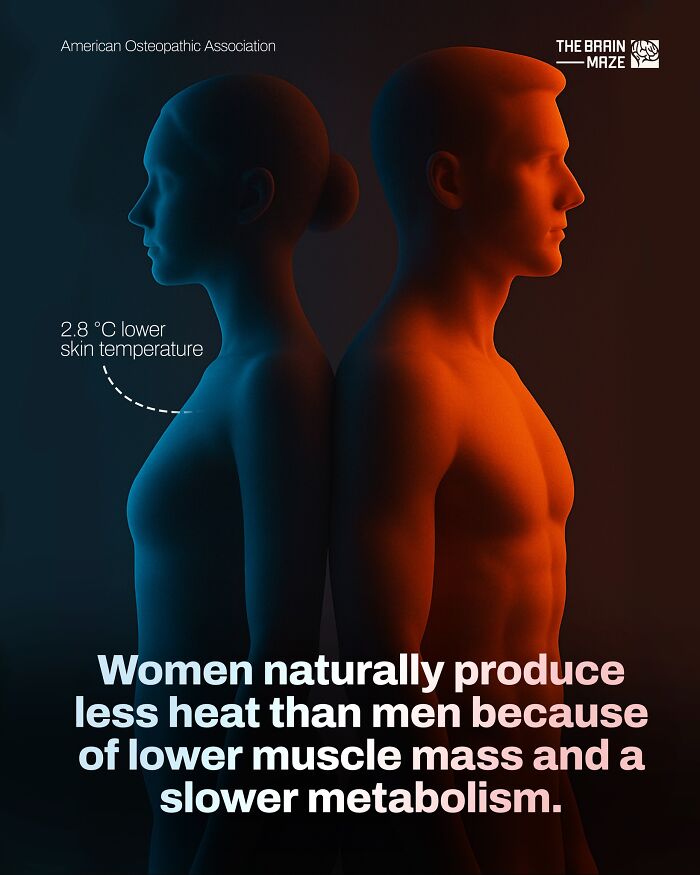
Women generally produce less body heat than men because their bodies tend to have lower overall muscle mass, which is the primary driver of heat production. Research from the American Osteopathic Association shows that women’s skin temperature can be about 2.8°C lower on average, making them more prone to feeling cold. This difference is largely due to muscle tissue generating more heat than fat, giving men a natural thermal advantage. Additionally, women typically have a slower metabolic rate, which further reduces internal heat production. Together, these factors explain why women often feel colder in the same environments compared to men.

Until you reach perimenopause and then all bets are off for temperature regulation!
Research from the University of Leeds shows that even brief daily father-child play boosts early cognitive skills.
Studies found that activities like reading or imaginative play improve problem-solving and language development.
A review from the University of Cambridge links father involvement with better emotional and social growth.
Even 15 minutes of focused play can make a meaningful difference.
These small moments of connection can significantly support a child’s future development.
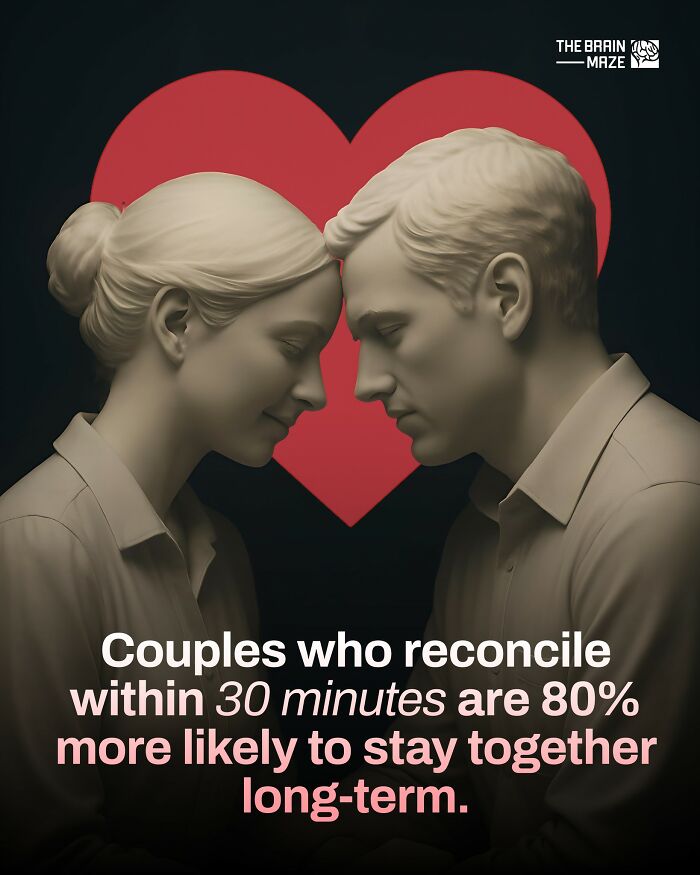
Quick reconciliation plays a crucial role in long-term relationship health.
Research-based insights suggest that couples who repair emotional ruptures quickly—often within about 30 minutes—are up to 80% more likely to stay together.
Resolving conflict fast reduces emotional distance and prevents negative patterns from forming.
This habit builds stronger communication, deeper trust, and greater emotional resilience.
Overall, fast conflict repair is one of the strongest predictors of lasting, stable relationships.
So the less severe the conflicts, the happier the relationship? Very plausible, but could it be the other way around?
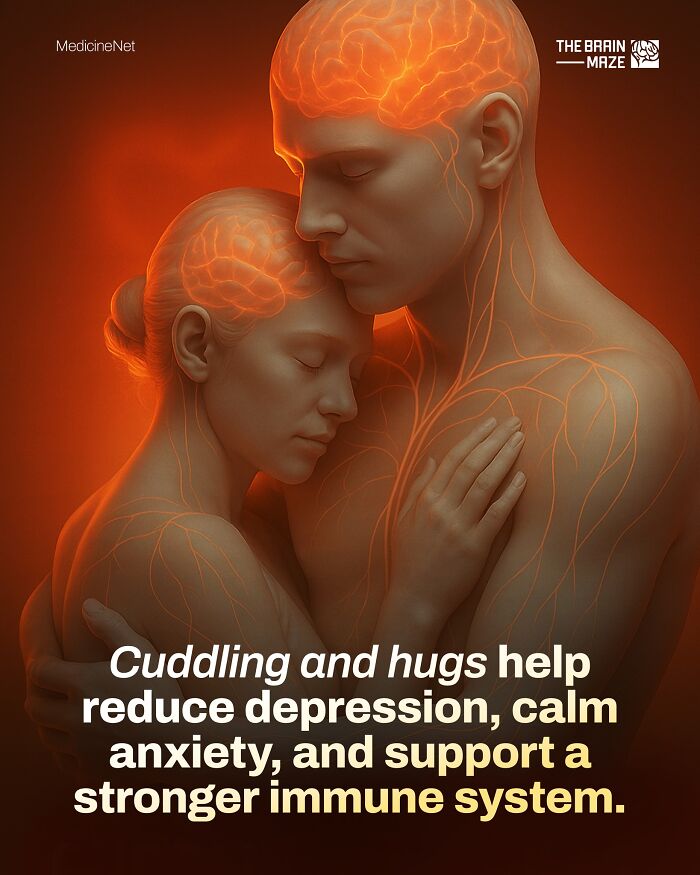
Cuddling and hugs can significantly improve emotional well-being by triggering the release of oxytocin, the body’s natural “feel-good” hormone. They help ease symptoms of depression and create a sense of connection that supports mental balance. According to MedicineNet, this kind of physical affection also lowers stress hormones, making it an effective way to calm anxiety. These soothing physiological effects extend to the body as well, strengthening the immune system by promoting healthier stress responses. Altogether, simple acts of closeness have powerful benefits for both mind and body.
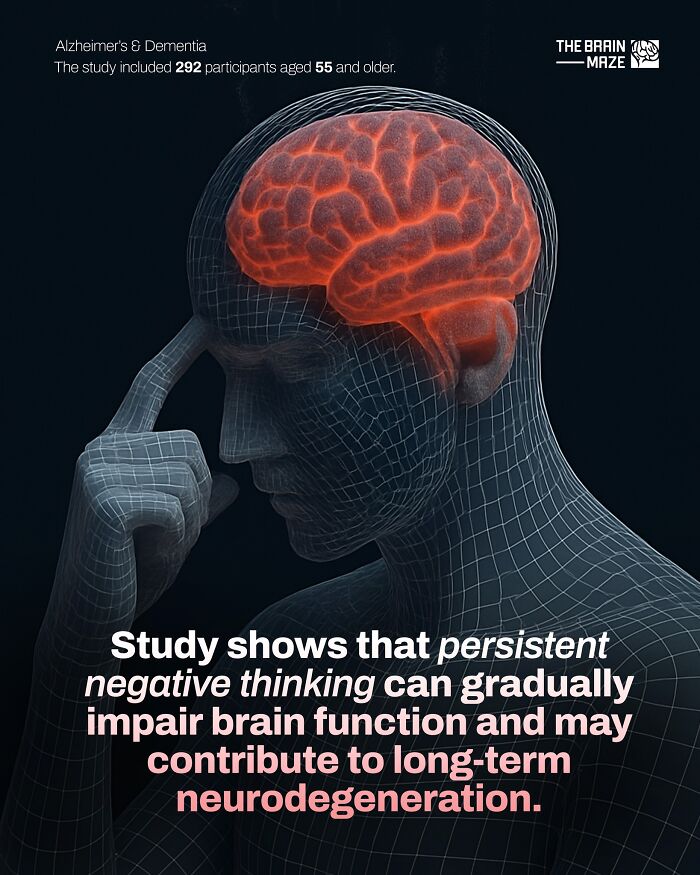
Persistent negative thinking has been linked to measurable declines in brain health in older adults. According to a study published in Alzheimer’s & Dementia, researchers followed 292 participants aged 55 and older and found that repetitive negative thought patterns were associated with reduced cognitive performance. Over time, these thought habits may contribute to harmful physiological changes in the brain, including increased markers of neurodegeneration. The findings highlight how mental and emotional habits can shape long-term neurological outcomes.
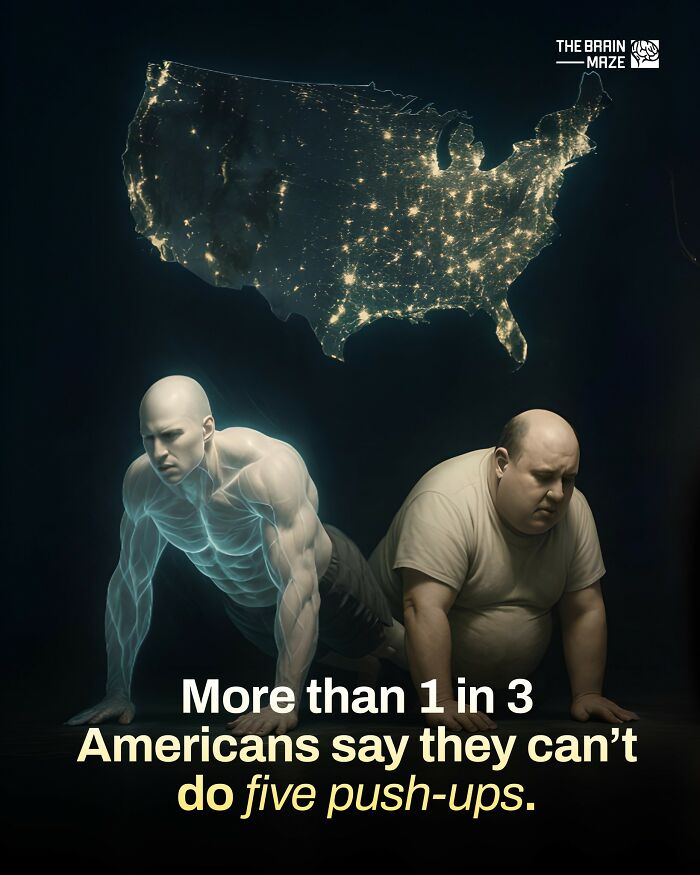
More than one-third of Americans report that they cannot complete even five push-ups.
This finding highlights a growing decline in basic strength and functional fitness across the population.
Experts suggest that sedentary lifestyles, long work hours, and reduced physical activity are major contributors to the issue.
The inability to perform simple body-weight exercises is linked to poorer long-term health outcomes.
Overall, the data underscores the urgent need for accessible fitness habits and healthier daily routines.
Aquagenic urticaria, or “water allergy,” is one of the rarest conditions in the world, affecting only a handful of people. When water touches the skin, it triggers painful, itchy hives and redness within minutes. The reaction happens regardless of temperature — rain, sweat, or even tears can cause discomfort. Scientists believe it may result from a reaction between water and compounds on the skin’s surface.

I itch when water touches me, but I don't get hives. Just the itch--I call it the "after shower itchies", which sounds silly, but it can be debilitating, as it goes on for many minutes after drying off, sometimes preventing me from being able to dress or do any other meaningful activity. Whatever I have is certainly "aquagenic" but it doesn't qualify for the "urticaria" part. Nevertheless, it is miserable.
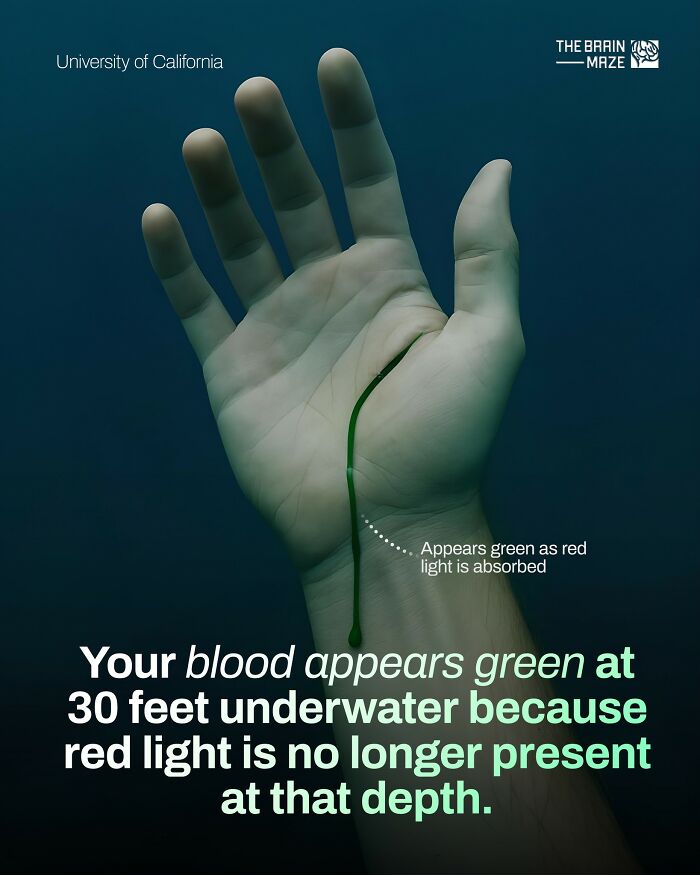
At about 30 feet underwater, your blood appears green due to the way light behaves in water.
Water absorbs red wavelengths first, leaving mostly blue and green light to reflect off objects.
Because of this selective absorption, the natural red color of blood can’t be seen, and it takes on a greenish hue instead.
This color change is purely an optical illusion caused by the physics of light refraction and absorption, not an actual change in your blood’s color.
According to UCSB Science Line and IFLScience, your blood always remains red, but the underwater environment alters how it appears to your eyes.
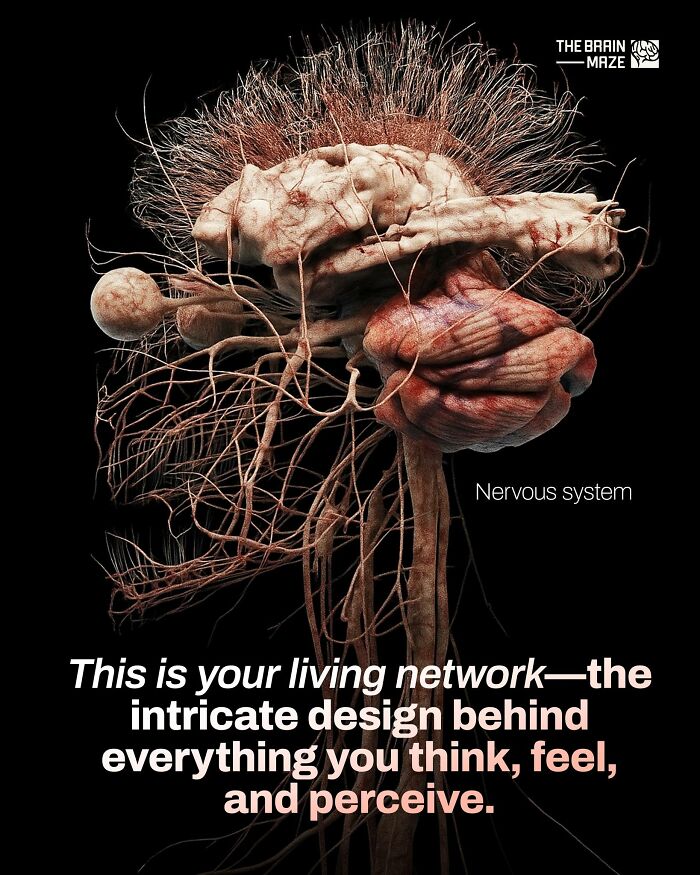
The nervous system is a living network that shapes every moment of your experience. It weaves together billions of connections, forming the pathways through which you think, feel, and interpret the world. From the firing of a single neuron to the coordination of entire sensory systems, it is constantly at work behind the scenes. Its intricate design allows your body and mind to communicate in perfect harmony. This remarkable system is the foundation of your awareness, perception, and the essence of who you are.

This image is enough to make your hair stand on end!
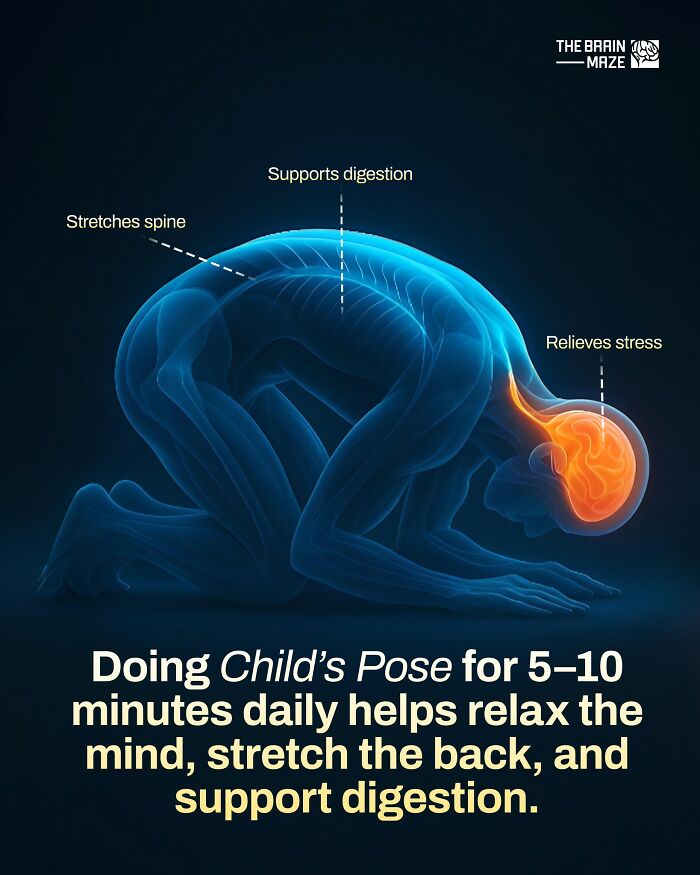
Child’s Pose, or Balasana, is a gentle, restorative yoga pose ideal for beginners and experienced practitioners alike.
It involves kneeling on the floor and folding the torso forward over the thighs while stretching the arms forward or resting them by the sides.
This pose helps relax the mind, calm the nervous system, and relieve stress and anxiety.
Physically, it stretches the lower back, hips, and thighs while supporting digestion and gently compressing the abdominal organs.
Practicing Child’s Pose for 5–10 minutes daily can enhance overall flexibility, promote mindfulness, and provide a moment of restful pause in your routine.
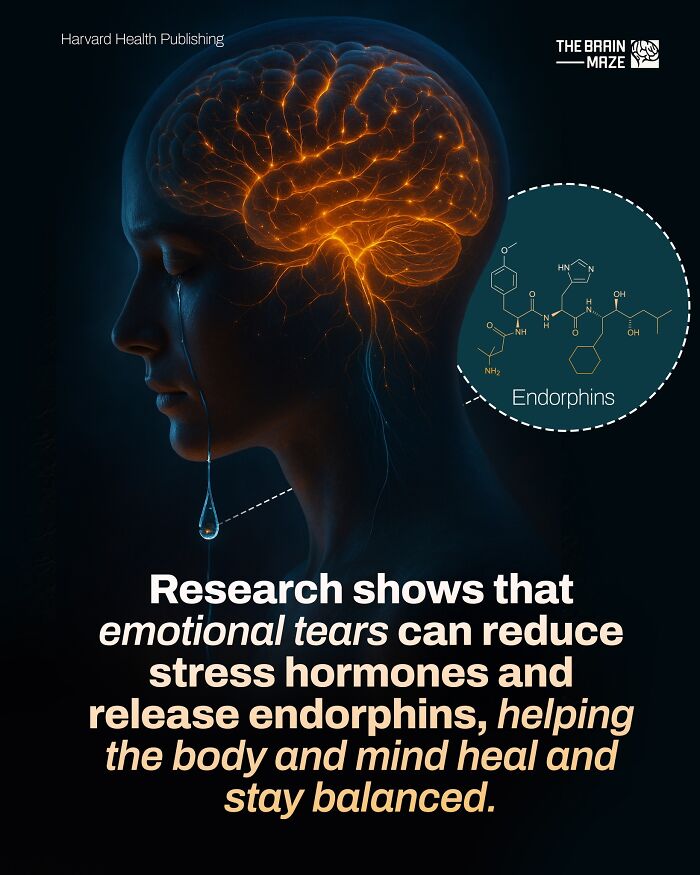
Research indicates that shedding emotional tears can have measurable benefits for mental and physical health. When we cry, the body reduces levels of stress hormones, which are chemicals that can accumulate during periods of tension and anxiety. According to Harvard Health Publishing, tears also trigger the release of endorphins, natural compounds that help alleviate pain and promote feelings of well-being. This dual effect of lowering stress and boosting endorphins contributes to a sense of emotional relief and balance. Therefore, allowing oneself to cry can be a natural mechanism for the body and mind to heal and maintain equilibrium.
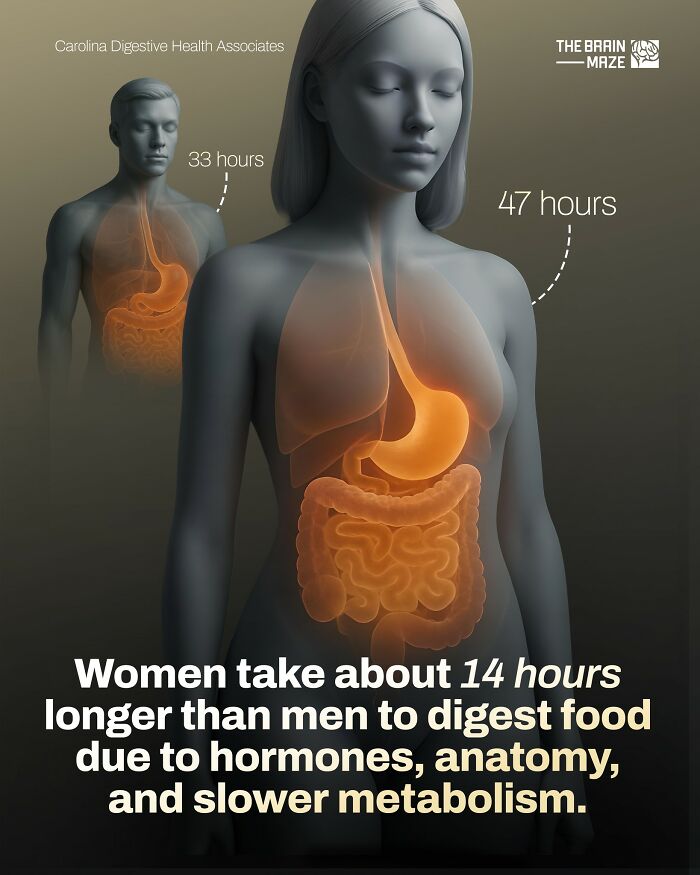
Women take about 14 hours longer than men to digest food, averaging 47 hours compared to 33 hours, according to Carolina Digestive Health Associates. This difference is largely influenced by hormonal fluctuations, particularly in estrogen and progesterone, which can slow down gastrointestinal movement. Anatomical variations, such as a longer colon in many women, also contribute to slower transit time. Additionally, women typically have a slower metabolism, further extending the digestive process. Together, these factors explain why digestion generally takes longer for women than for men.

Can confirm. I read for an hour every night before bed. It takes me out of my own life and into a good story, and it makes my eyes tired.
Strength training is recognized as one of the most effective anti-aging tools because it strengthens the body at every level. It not only boosts bone density and preserves muscle mass, but—according to insights from the Faculty of Sport and Health Science shown in the provided graphic—it also raises metabolism and enhances overall functional health. This makes resistance training a key factor in maintaining vitality as we age. By improving balance and stability, it reduces the risk of injury and supports long-term mobility. Altogether, these benefits contribute to healthier skin, a sharper brain, stronger bones, and a lower biological age.
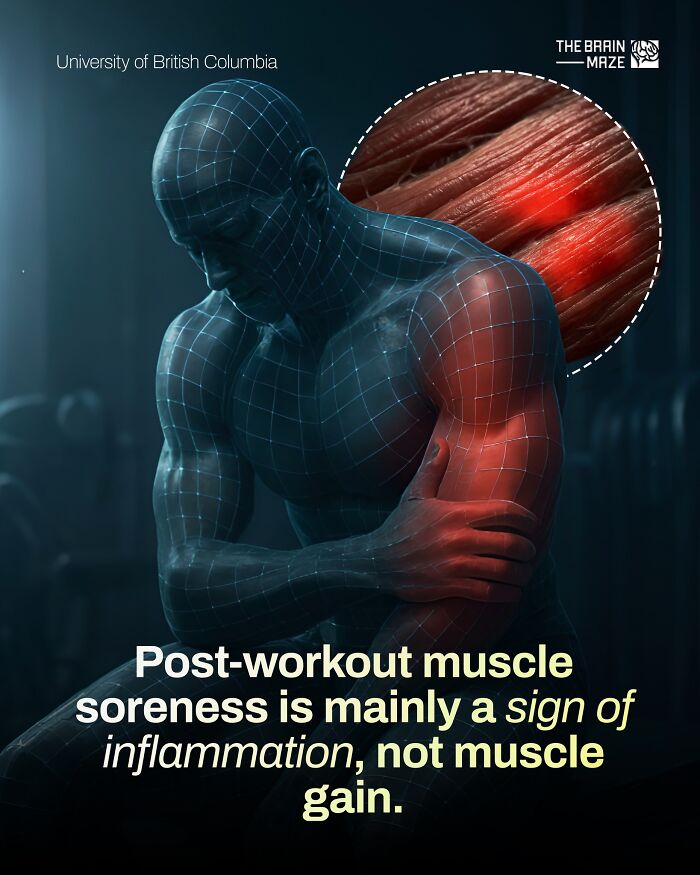
Feeling sore after a workout doesn’t necessarily mean your muscles are growing.
Scientists have found that soreness often comes from inflammation in connective tissues, not from actual muscle damage.
Training while still sore doesn’t slow recovery or prevent progress.
Some exercises and people simply experience more soreness than others due to muscle length and activation.
In reality, soreness is just a sign of unfamiliar movement, not a reliable measure of muscle growth.
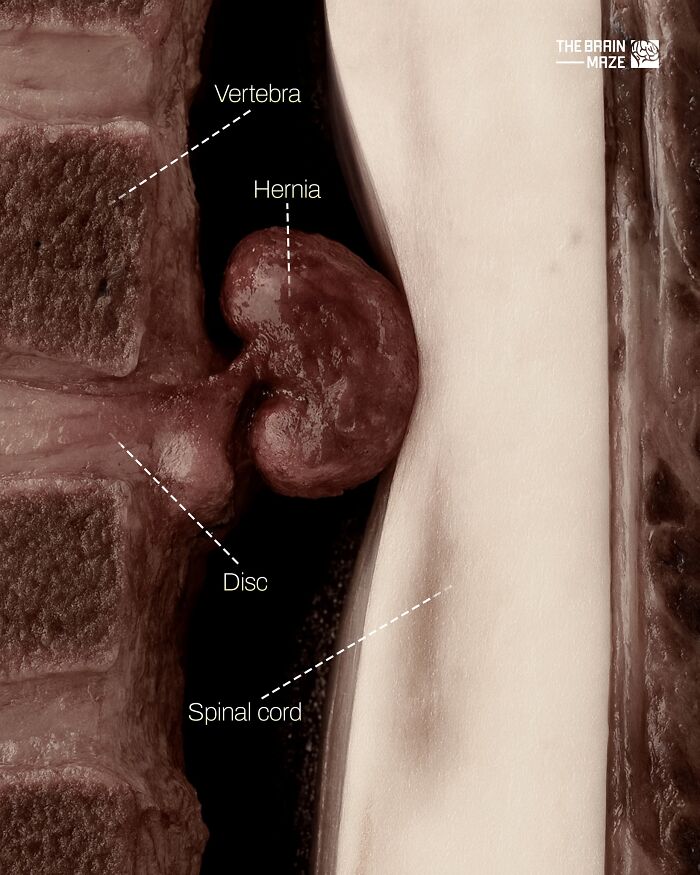
Back pain might seem minor, but it’s not always something that passes quickly. In many cases, a hidden disc hernia is to blame — when an intervertebral disc shifts and presses on nearby nerves or the spinal cord. This pressure can lead to lower back pain, sciatica, tingling sensations, or even muscle weakness. The real danger is that people often dismiss these symptoms for months, mistaking them for simple fatigue. Pay attention to your body — if the pain continues or worsens, see a doctor. Your spine supports your life, and caring for it early is the best way to avoid serious complications.
Don't see a doctor... see a spine specialist. You are wasting your time with a medical doctor who does not specialize in spines. And no, like all other doctors/medicine, it may not always fix all the issues but at least you know where to start, and it can help dramatically reduce pain or issues making life a bit more enjoyable.
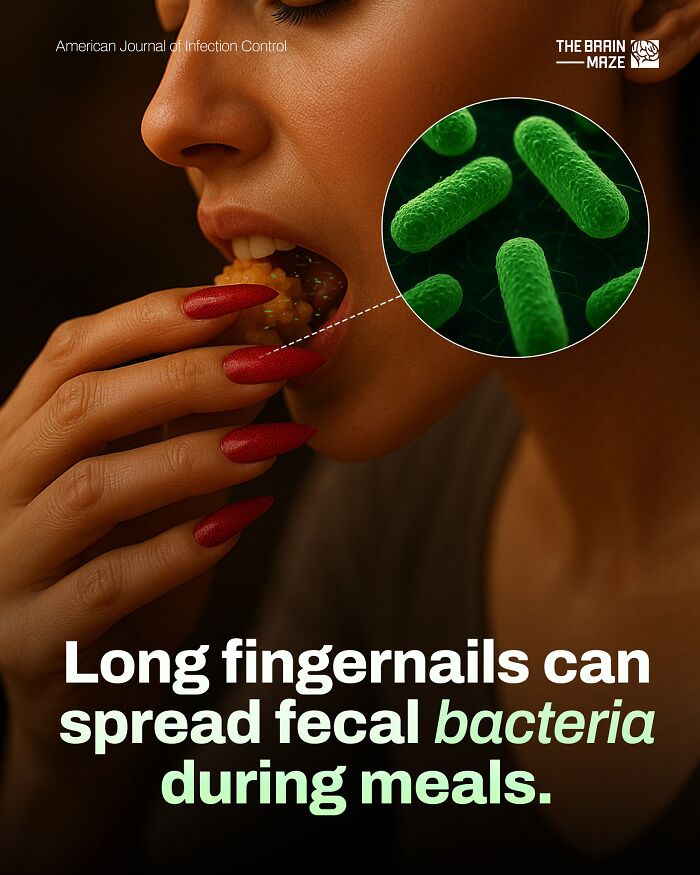
Long fingernails may look fashionable, but they can harbor dangerous bacteria — including fecal bacteria — that easily transfer to food during meals. According to the American Journal of Infection Control, microorganisms like E. coli and Salmonella can accumulate under long nails, even after washing hands, due to the difficulty of cleaning these areas thoroughly. When individuals eat with their hands, these harmful bacteria can be ingested, potentially leading to gastrointestinal infections or foodborne illnesses. Maintaining short, clean nails and practicing good hand hygiene are simple yet effective ways to prevent bacterial spread. This highlights the importance of personal hygiene in everyday activities, particularly when handling or consuming food.
There’s a reason short nails with no nail polish is mandatory in healthcare.
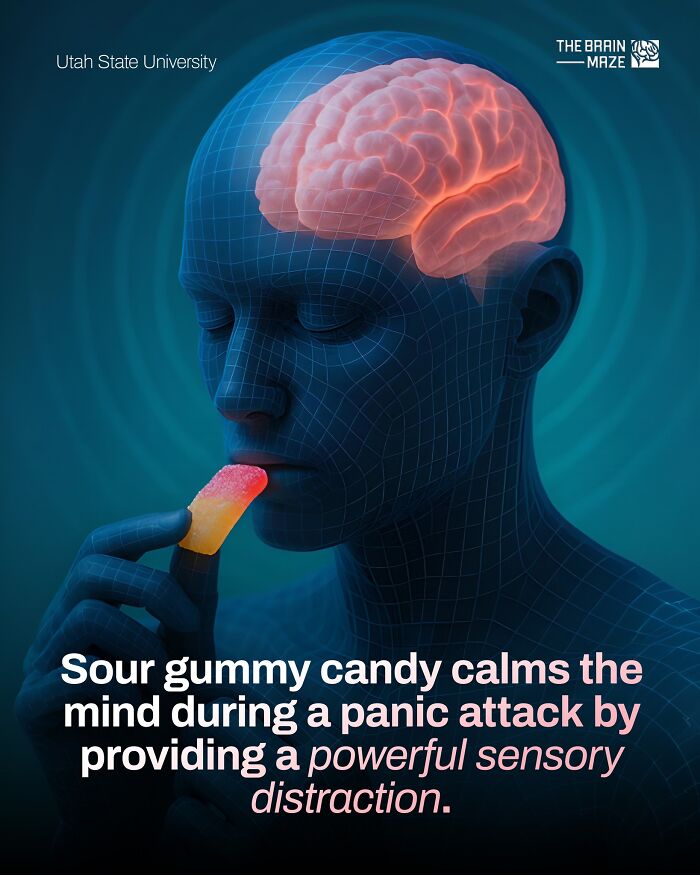
Sour candy can help interrupt panic attacks by acting as a grounding technique that forces the mind to focus on the intense sour flavor.
This strong sensory input redirects attention away from spiraling anxious thoughts and back into the present moment.
The physical act of chewing and the increase in saliva production can also help calm the body’s stress response.
While this method may work as a quick, temporary tool during moments of acute anxiety, it does not replace long-term treatment or professional support.
According to experts cited by Utah State University, sour candy may provide short-term grounding benefits, but persistent anxiety or panic attacks should be evaluated by a healthcare professional.
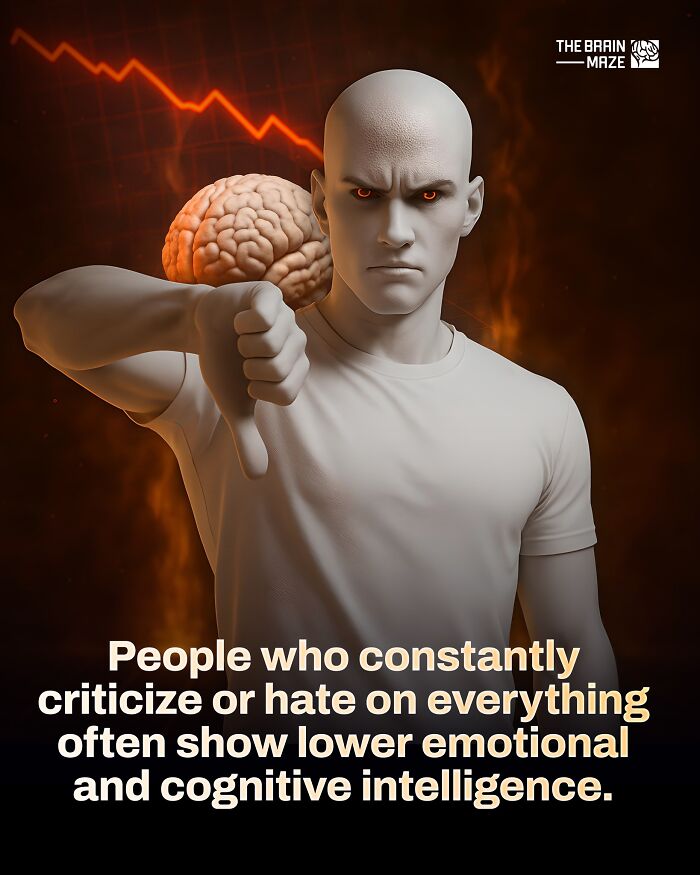
Contrary to the “cynical genius” myth, research shows that constant negativity or cynicism does not correlate with higher intelligence. In fact, highly cynical individuals tend to perform worse on cognitive ability and academic tasks. The idea that cynics are more insightful is a social illusion. Adolescents who display “hating behaviors” often show maladaptive thinking styles of blame and distortion. Traits linked with persistent negativity overlap with dark personality constructs (e.g. narcissism, Machiavellianism, psychopathy), which are more often associated with antisocial behavior, low empathy, and lower constructive intelligence. True intelligence is better expressed through curiosity, empathy, openness, and the capacity to critique without cynicism. In “The Cynical Genius Illusion: Exploring and Debunking Lay Beliefs About Cynicism and Competence”, Olga Stavrova and Daniel Ehlebracht used data from about 200,000 individuals across 30 countries and found that more cynical individuals performed worse on cognitive ability and academic competence tasks.
A study from the University of California, San Francisco found that companionship plays a vital role in the longevity of older adults.
Researchers followed more than 1,600 people and discovered that those who felt lonely were significantly more likely to die earlier than those with regular social contact.
This suggests that spending quality time with both parents can have real benefits for their health and lifespan.
Companionship from children helps reduce loneliness, strengthens emotional well-being, and supports physical health in later years.
Simply put, being present with your parents could help them live longer and happier lives.
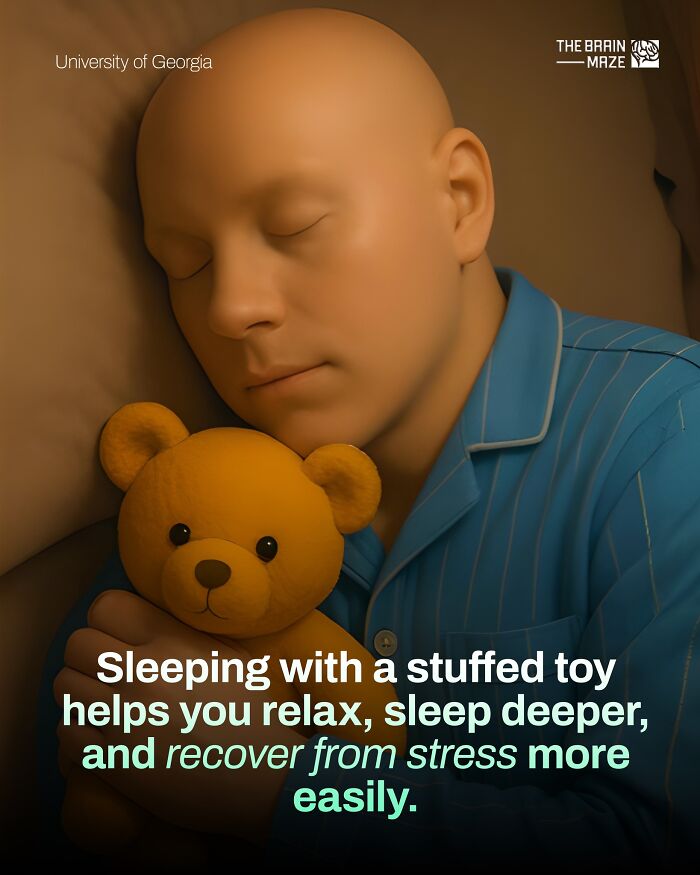
Sleeping with a stuffed animal can help calm your nervous system by providing a steady sense of comfort and emotional security.
Research observations from the University of Georgia’s Fontaine Center note that plush companions can help students feel safer, reduce stress-hormone responses, and support mood-enhancing chemicals.
This gentle tactile contact signals the brain to relax, making it easier to transition into restful sleep.
Holding a soft object has also been associated with lower cortisol levels and increased oxytocin, both of which promote calmness.
For people of all ages, a stuffed animal can serve as a simple, soothing tool for improving relaxation and sleep quality.

I sleep with a stuffed bunny and monkey. The monkey belonged to my dog Melvin and the bunny is mine.
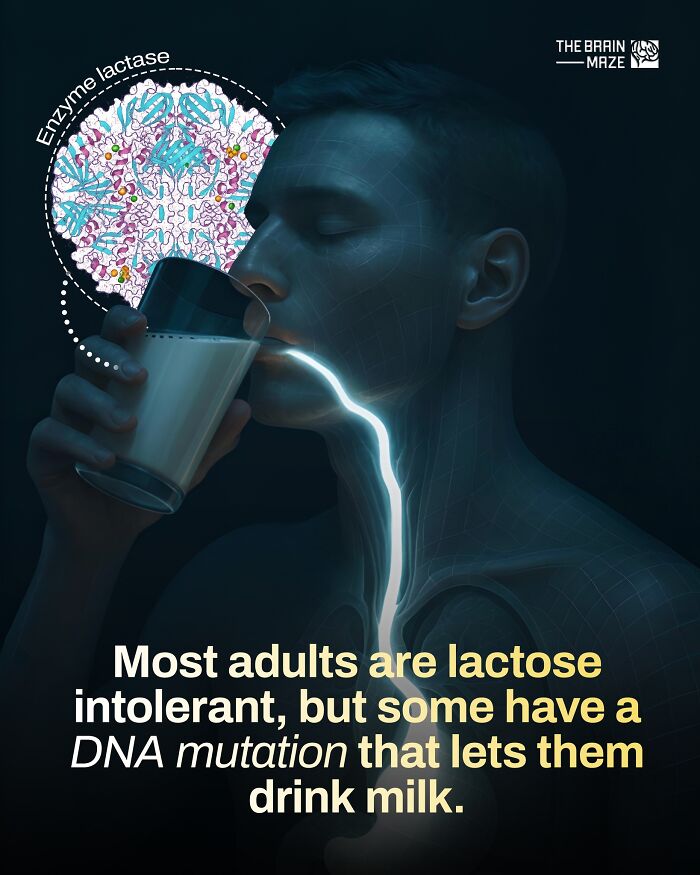
Most adults around the world are lactose intolerant because their bodies stop producing enough lactase, the enzyme needed to digest milk sugar, after infancy.
However, some people carry a genetic variation called lactase persistence, which allows them to continue producing this enzyme into adulthood.
This adaptation enables them to drink milk and consume dairy products without discomfort.
Lactase persistence likely evolved in populations that relied on dairy farming as a key food source.
In contrast, those without the gene often experience bloating, cramps, and other symptoms when consuming milk.
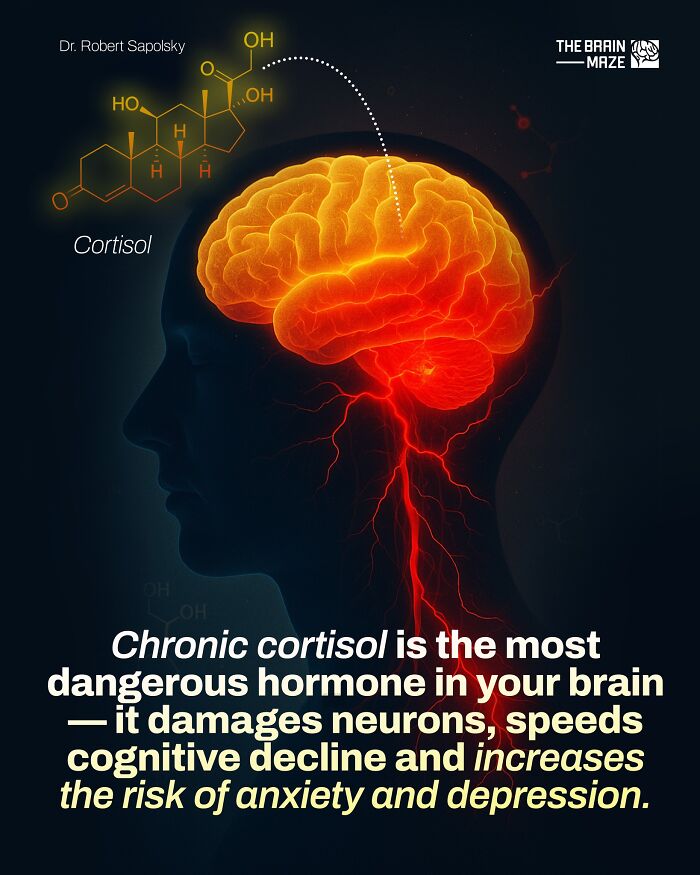
Chronic stress can cause cortisol levels to remain elevated, which gradually harms the brain. Prolonged exposure to this hormone can damage neurons and weaken areas responsible for memory and learning. Research by Dr. Robert Sapolsky shows that sustained cortisol activity may accelerate cognitive decline and disrupt healthy brain function. These effects also increase the likelihood of anxiety and depression. Because of this, managing stress is crucial for long-term brain health and emotional balance.
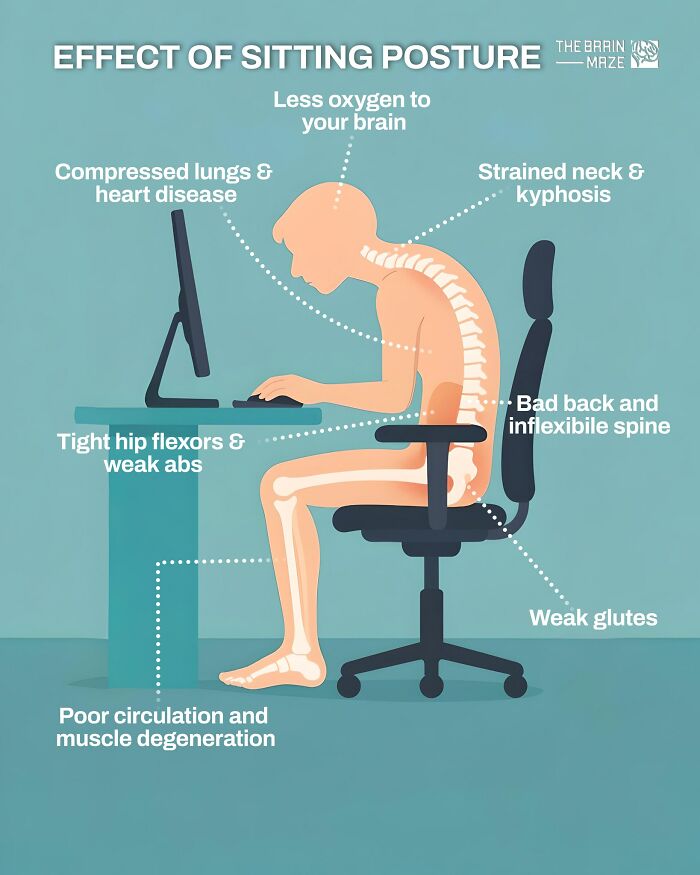
Poor sitting posture occurs when the spine, shoulders, and head are misaligned for extended periods, such as slouching forward while working at a desk.
This position puts extra stress on the spine and muscles, leading to tension in the neck, shoulders, and lower back.
Over time, poor posture can cause muscle imbalances, reduced flexibility, and even chronic pain or nerve compression.
It also affects circulation and breathing, as compressed lungs and organs limit oxygen flow.
Maintaining proper ergonomic alignment helps prevent these issues and supports long-term spinal health.
Maintaining any posture for extended periods of time is going to cause issues. We’re not designed to be static. The best posture is your next posture, keep moving, even if it’s just a wiggle.
Fast walking has been linked to substantially longer life expectancy, according to a large study of nearly 500,000 adults.
Researchers found that people who walked at a brisk pace lived up to 15 years longer than slow walkers, regardless of their body weight.
The results suggest that walking speed may be a stronger predictor of longevity than BMI alone.
Even overweight individuals who walked quickly outlived slower walkers of any weight category.
These findings were published in Mayo Clinic Proceedings based on data from the UK Biobank study.
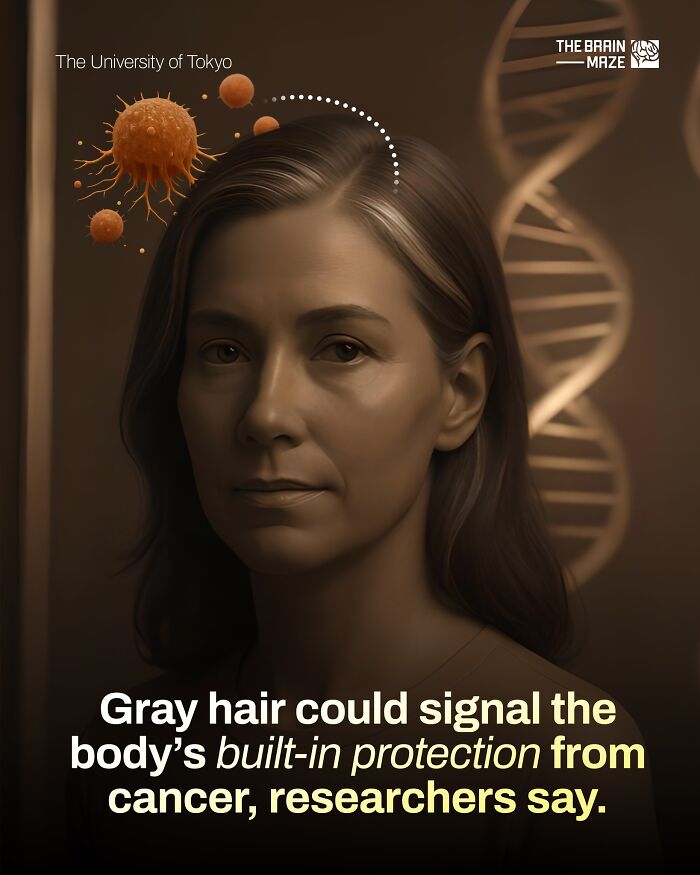
Greying hair reflects the body’s natural defense against potential cancer.
When cells in hair follicles become damaged or risky, the body eliminates them to prevent malignancy.
This protective process, however, also removes pigment-producing cells, causing the hair to turn grey.
In essence, greying is a visible sign that the body’s internal safety system is working to destroy dangerous cells.
It’s a trade-off between losing color and maintaining cellular health.
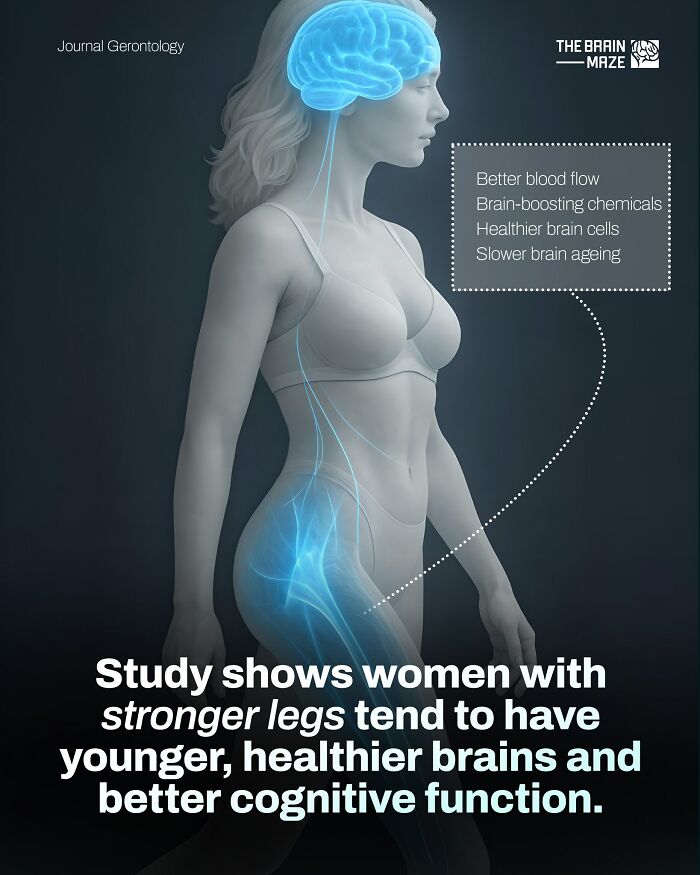
Women with stronger legs tend to show noticeable benefits in brain health, according to research published in the Journal of Gerontology. Strength in the lower body is linked to improved blood flow, which helps deliver nutrients and oxygen more efficiently to the brain. These women were also found to produce more brain-boosting chemicals that support healthier brain cells. As a result, their brains showed slower ageing compared to women with weaker leg strength. Overall, the study suggests that maintaining strong legs may play a meaningful role in supporting better cognitive function throughout life.
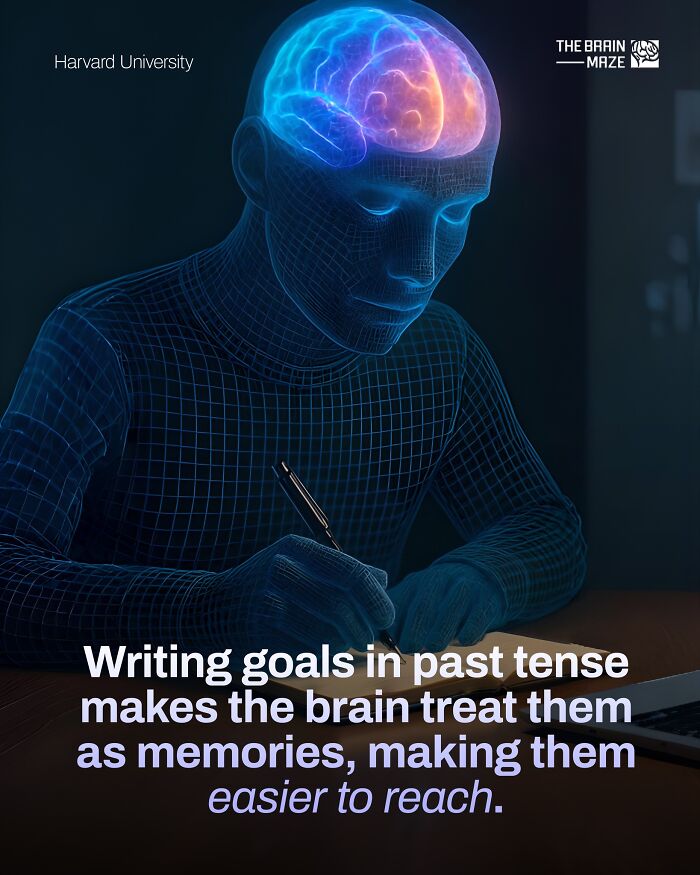
Writing about your future in the past tense activates the same brain networks used for remembering real events.
According to research from Harvard University, the brain overlaps memory and imagination, causing future scenarios to feel more vivid and familiar.
This familiarity reduces internal resistance and helps the mind treat the goal as something achievable rather than distant.
As a result, motivation increases because the brain begins aligning behavior with the “memory-like” future you described.
While this technique doesn’t create actual memories, it powerfully engages the brain’s constructive memory system to support change.
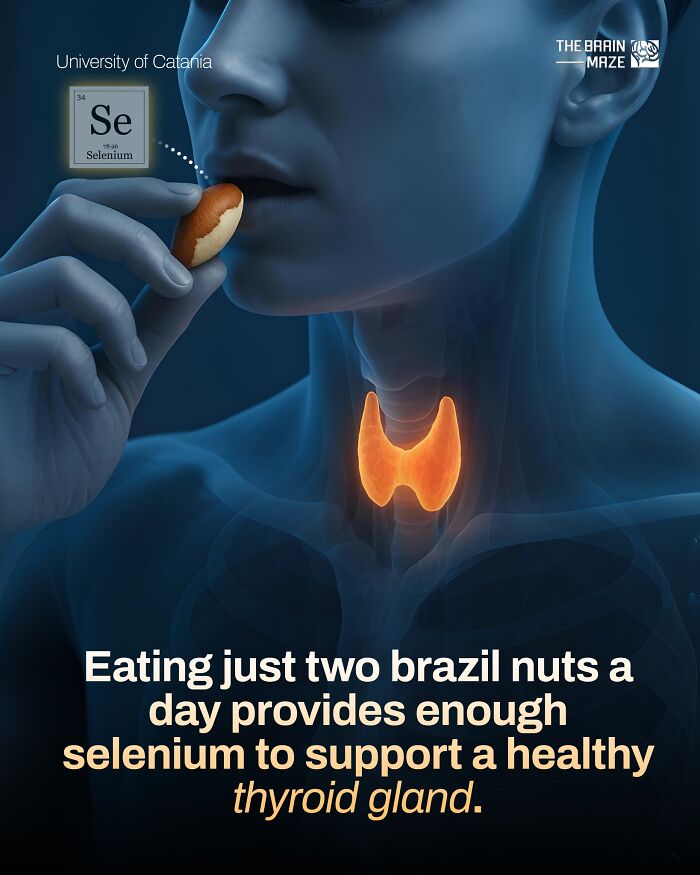
Brazil nuts are one of the richest natural sources of selenium, a vital mineral for thyroid function.
Just two nuts a day can meet your daily selenium needs, helping regulate hormones and metabolism.
Selenium supports the thyroid gland by aiding in the production of thyroid hormones and protecting the gland from oxidative stress.
This simple habit can contribute to balanced energy levels and overall metabolic health.
Incorporating brazil nuts into your diet is an easy, natural way to support thyroid wellness.
Health organisations recommend a max. dose of 2 brazil nuts per day due to the plant's tendency to absorb and store high amounts of radium (radioactive) in them. Small children and pregnant women should avoid them to prevent it being storaged in developing bones
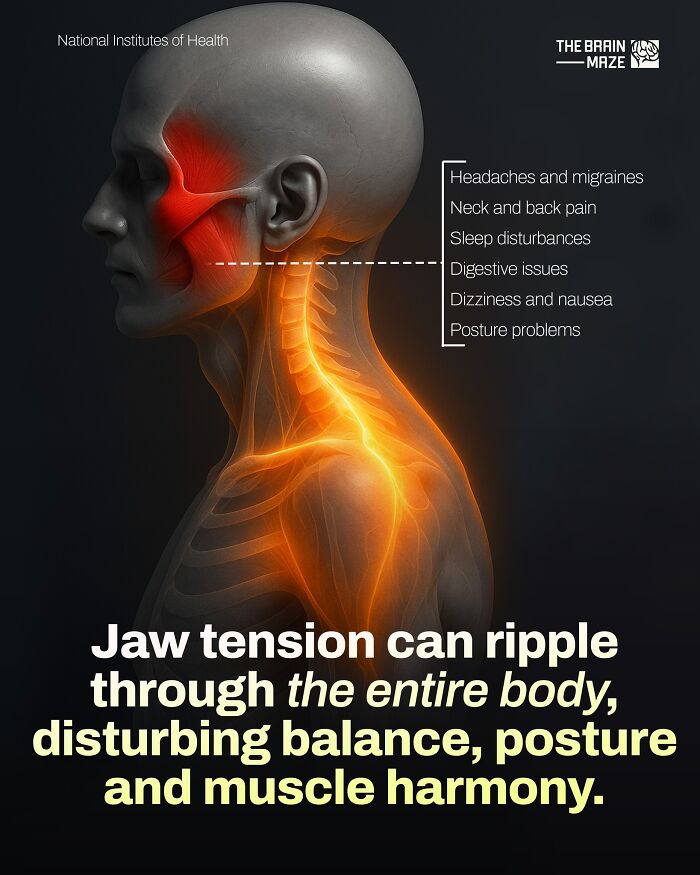
Jaw tension isn’t just about a tight jaw — it can send shockwaves through the entire body. According to the National Institutes of Health, tension in the jaw muscles can influence nearby structures like the neck and spine, leading to headaches, neck pain, and even back problems. This tension can also disturb sleep, digestion, and posture, disrupting overall body balance. The interconnected network of muscles and nerves means that one small imbalance can cascade into widespread discomfort. Over time, this ripple effect can disturb harmony between muscles, posture and coordination throughout the body.
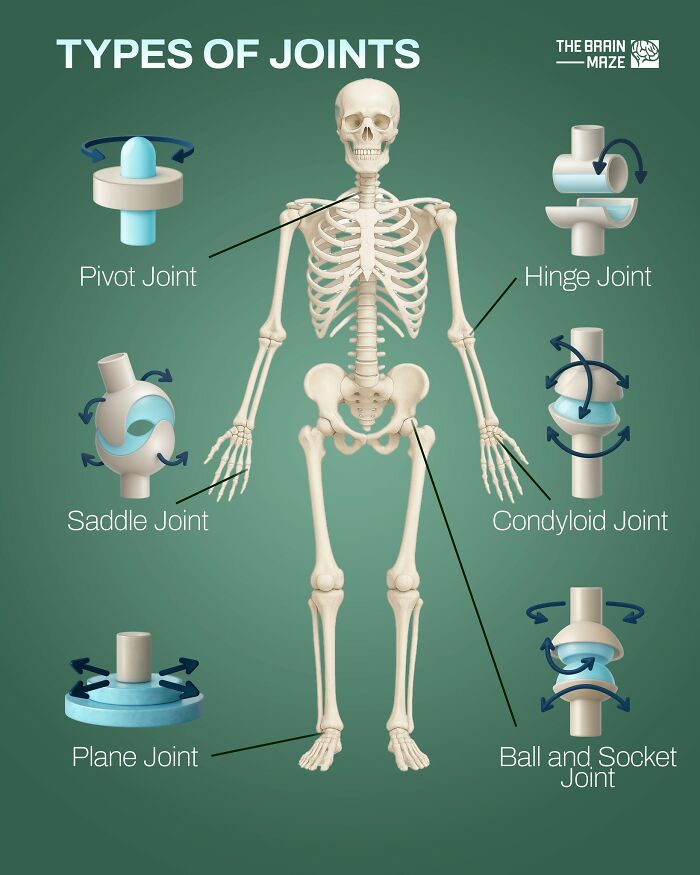
Joints are the connection points where two or more bones meet, allowing movement and flexibility throughout the body. They are classified based on the type of motion they permit, from simple back-and-forth actions to complex rotations. Each joint type plays a vital role in everyday movements such as walking, writing, or turning your head. Healthy joints depend on strong muscles, flexible ligaments, and adequate lubrication from synovial fluid. Without properly functioning joints, even the simplest actions would become difficult or impossible.
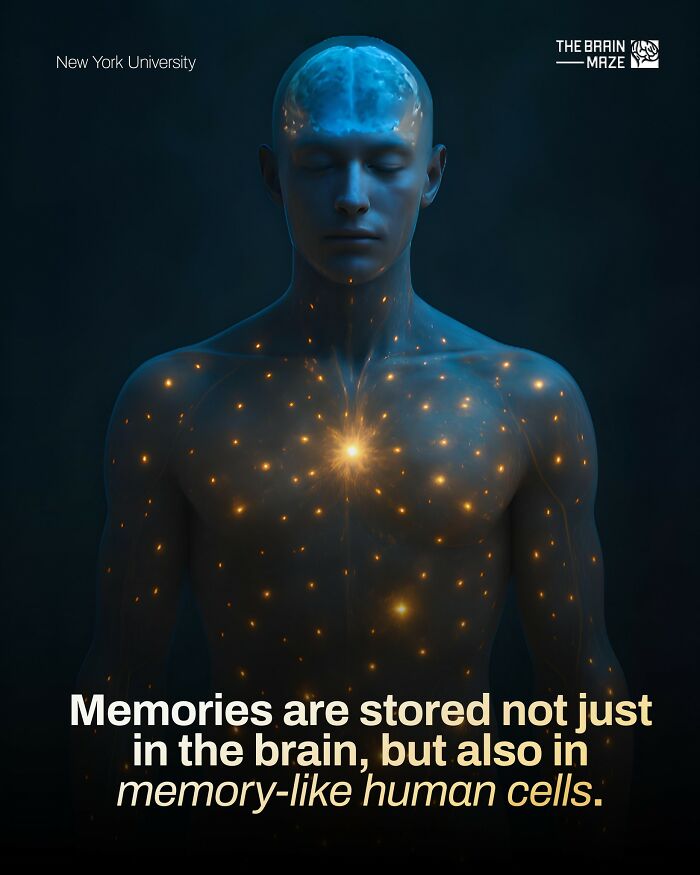
Scientists have discovered that memory-like processes occur throughout the body, not just in the brain.
Human cells were found to “remember” signals more effectively when they were delivered in short, spaced bursts rather than one long exposure.
This pattern created stronger and longer-lasting cellular responses, similar to how spaced learning improves memory in humans.
The study showed that even ordinary cells can recognize timing patterns and adapt their behavior accordingly.
This finding suggests that learning and memory are fundamental properties of life at the cellular level.
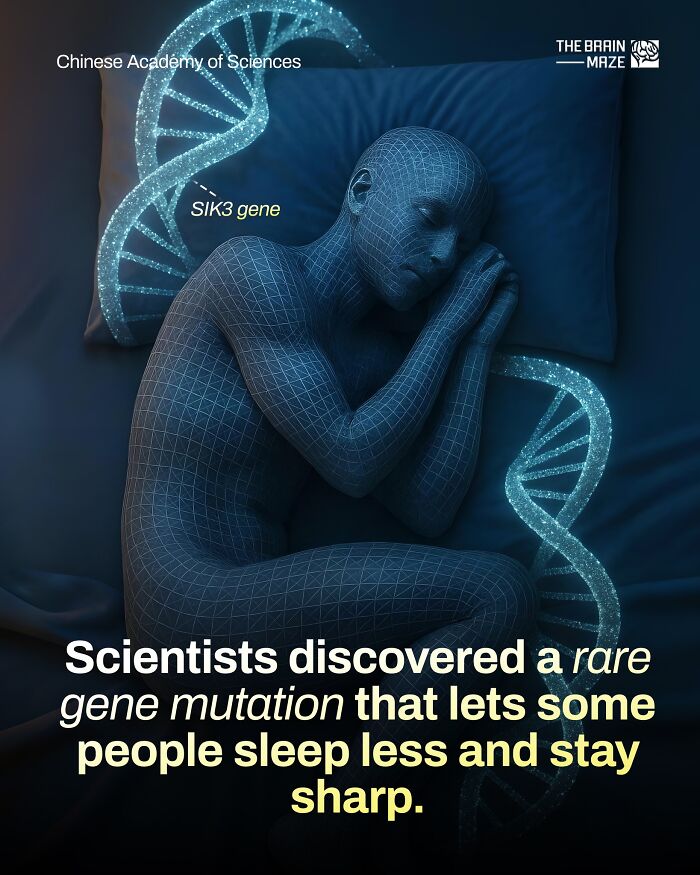
Scientists have discovered a rare mutation in the SIK3 gene that enables certain individuals, called “natural short sleepers,” to thrive on significantly less sleep without negative health effects.
This genetic variation allows the brain to complete its essential restorative functions more efficiently during shorter sleep periods.
Unlike most people, natural short sleepers wake up refreshed after only four to six hours of rest.
The SIK3 mutation joins previously identified genes such as DEC2 and ADRB1, which are also linked to reduced sleep needs.
These findings shed light on how genetics influence sleep patterns and may help researchers develop new treatments for sleep disorders.
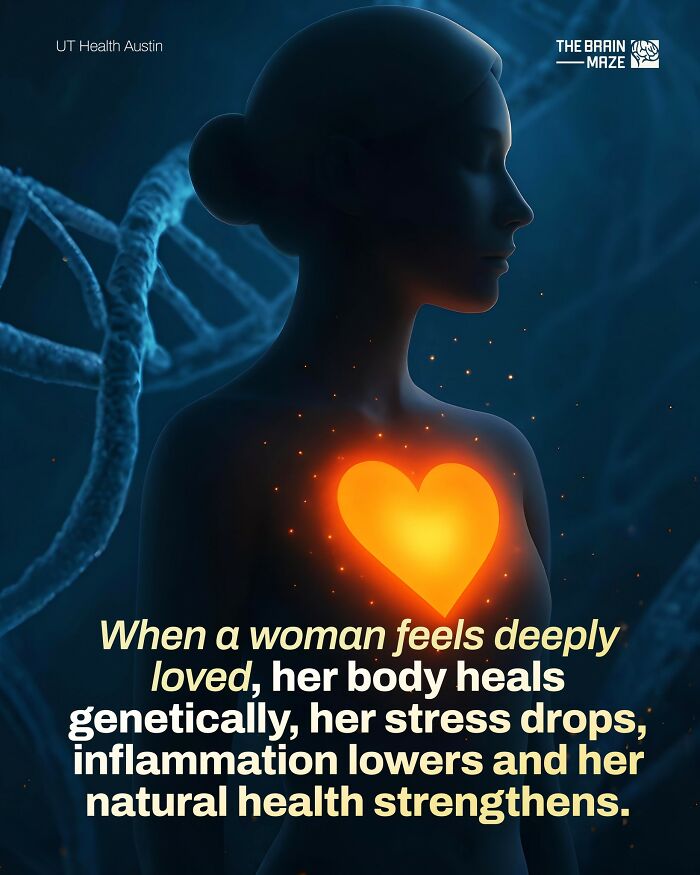
Feeling deeply loved can have a powerful influence on a woman’s emotional and physical well-being. Such connection often reduces stress, promotes calmness, and supports healthier bodily functions. According to UT Health Austin, supportive relationships can meaningfully impact stress levels and overall wellness. Lower stress can help decrease inflammation, which allows the body to function more smoothly. Over time, these positive emotional states can contribute to stronger natural health.
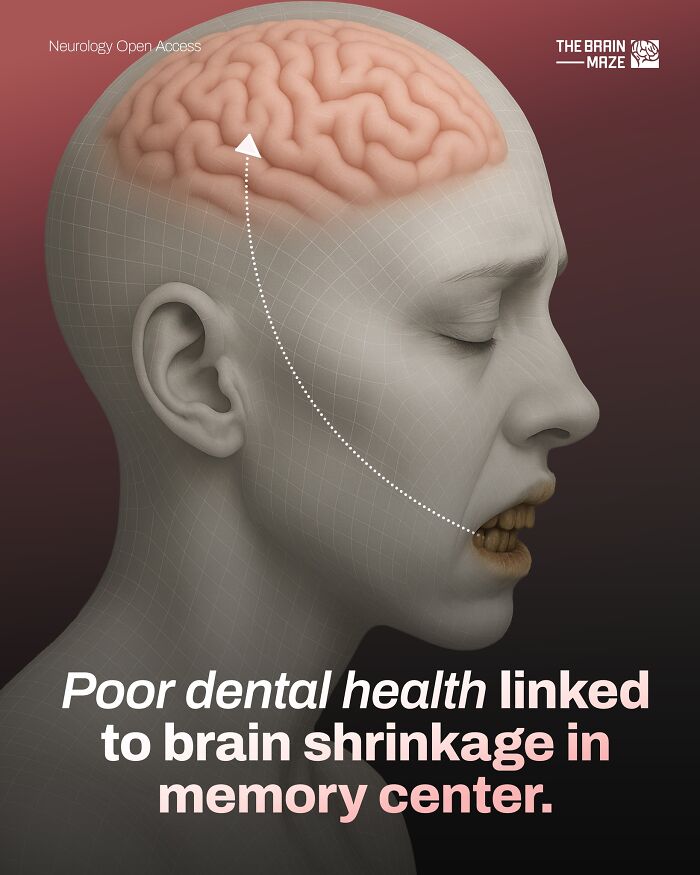
Poor dental health can have consequences that extend far beyond the mouth. Recent research published in Neurology Open Access reveals a striking link between gum disease and brain shrinkage, particularly in areas associated with memory. Chronic inflammation and harmful bacteria from dental infections can enter the bloodstream, triggering damage in neural tissues over time. This deterioration may increase the risk of cognitive decline and conditions like Alzheimer’s disease. Maintaining good oral hygiene, therefore, is not only vital for a healthy smile but also for protecting the brain’s long-term health and memory function.
A universal health care plan that covers dentistry would help a lot with that.
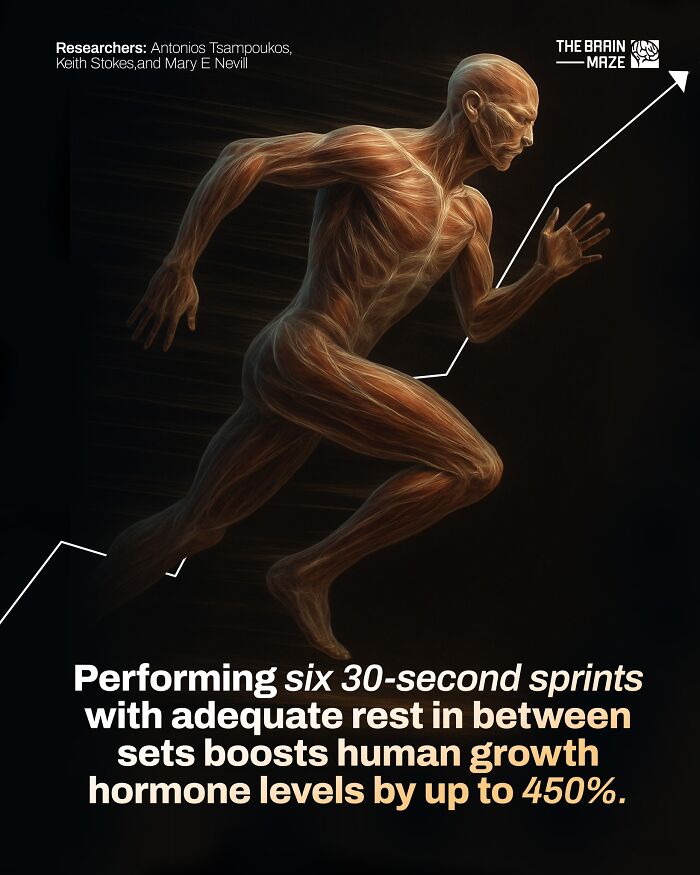
Performing repeated high-intensity sprint intervals has been shown to dramatically elevate the body’s natural production of human growth hormone. According to research conducted by Antonios Tsampoukos, Keith Stokes, and Mary E. Nevill, completing six 30-second all-out sprints with sufficient rest between each set triggers a powerful hormonal response. Their findings reveal that this specific sprint protocol can boost human growth hormone (HGH) levels by up to 450%. This surge plays an important role in muscle development, fat metabolism, and overall athletic performance. The study highlights how short, intense bursts of effort combined with proper recovery can offer remarkable physiological benefits.
Sudden, unexplained sweating can be a critical early warning sign that the body is under severe cardiovascular stress. According to research from the University of Illinois at Chicago, sweating without heat, exercise, or emotional triggers may signal that the heart is struggling to pump blood effectively. This often occurs when narrowed arteries, a result of atherosclerosis, force the heart to work harder than normal. As the heart becomes overburdened, the nervous system may activate widespread sweating as a distress signal. Recognizing this symptom early can help someone seek urgent medical care before a heart attack fully develops.
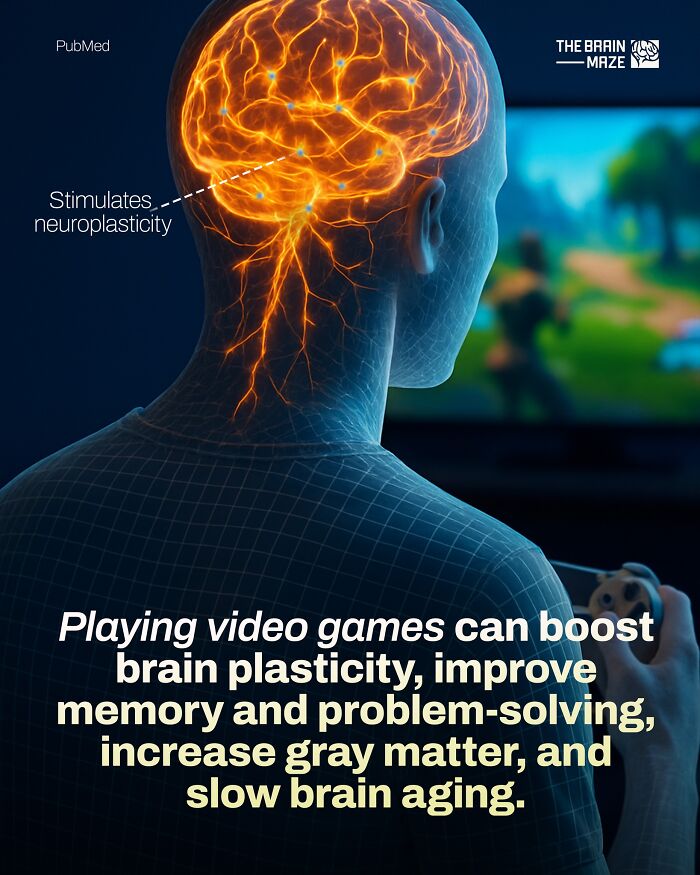
Playing video games has been scientifically shown to stimulate neuroplasticity—the brain’s ability to form new neural connections and adapt to change. According to research published in PubMed, regular gaming can enhance brain plasticity, improving overall cognitive flexibility. It also helps strengthen memory, spatial navigation, and problem-solving skills, as well as increasing gray matter in key brain regions related to learning and coordination. These benefits suggest that gaming isn’t just entertainment—it can be a powerful tool for mental training and cognitive health. Over time, such neural engagement may even slow down natural brain aging, keeping the mind sharper for longer
When you grind or clench your teeth in your sleep — a condition called bruxism — your jaw muscles can squeeze together much harder than they do when you’re awake.
Normally, chewing food uses around 70–150 kilograms of pressure, but during sleep bruxism, some people can reach 80 kilograms or more, which is strong enough to damage teeth over time.
This happens because the masseter muscle, one of the strongest muscles in the human body, contracts without conscious control.
Over time, this can cause worn or cracked teeth, jaw pain, and morning headaches.
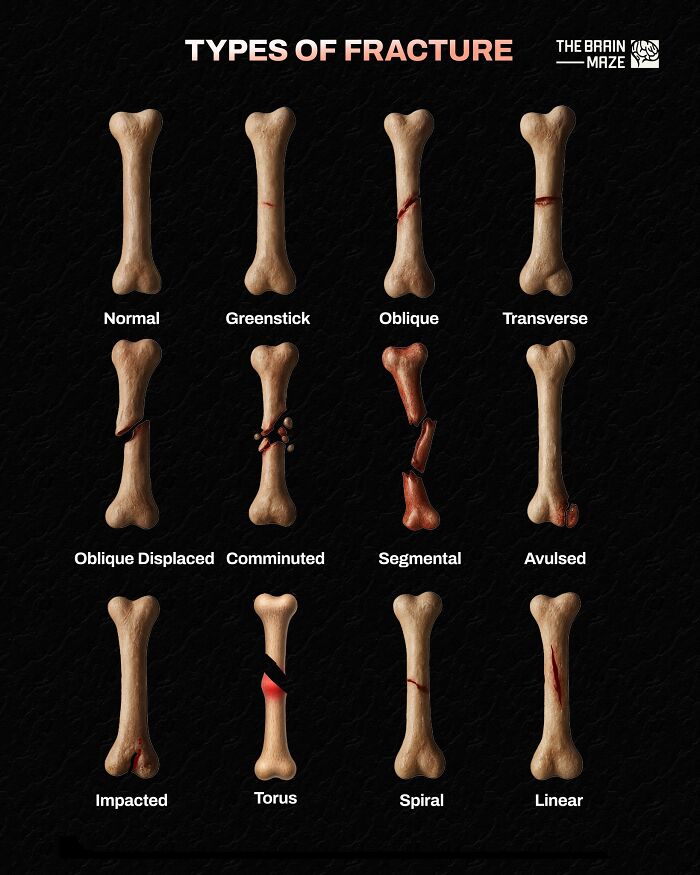
Bone fractures differ in type and severity, affecting how they heal. Knowing the fracture type helps doctors choose the right treatment. They can result from impact, stress, or weak bones. Accurate diagnosis ensures proper recovery. Understanding them aids in prevention and care.
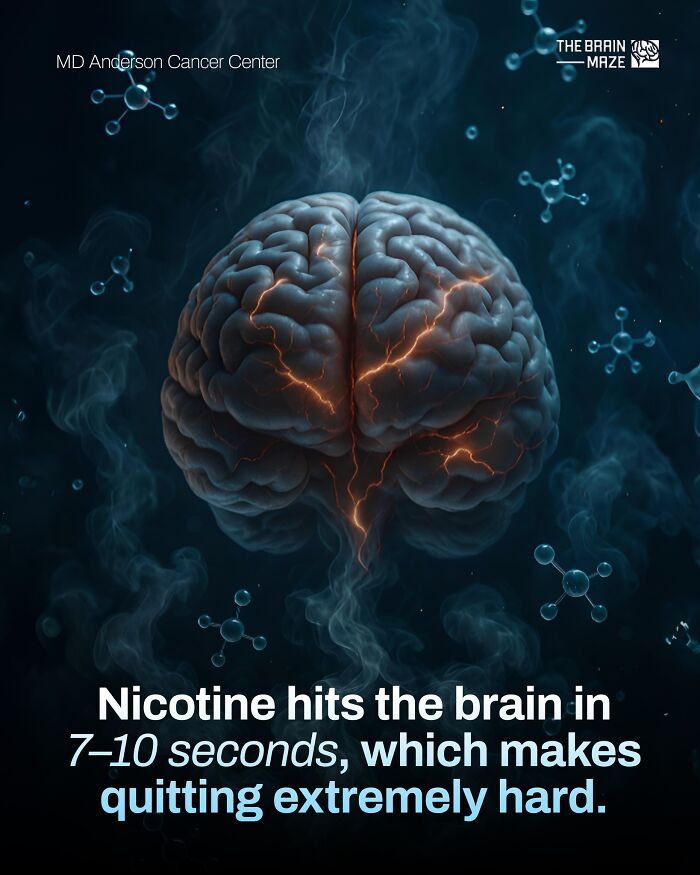
Nicotine reaches the brain extremely quickly — typically within 7 to 10 seconds after inhalation.
This rapid delivery creates a powerful and immediate dopamine response, reinforcing the urge to take another puff.
Because the brain receives this fast reward over and over, nicotine becomes especially difficult to quit.
Researchers emphasize that the speed of nicotine’s arrival is a major factor in its addictive potential.
According to the MD Anderson Cancer Center, this near-instant brain delivery is one of the key reasons nicotine dependence forms so quickly.
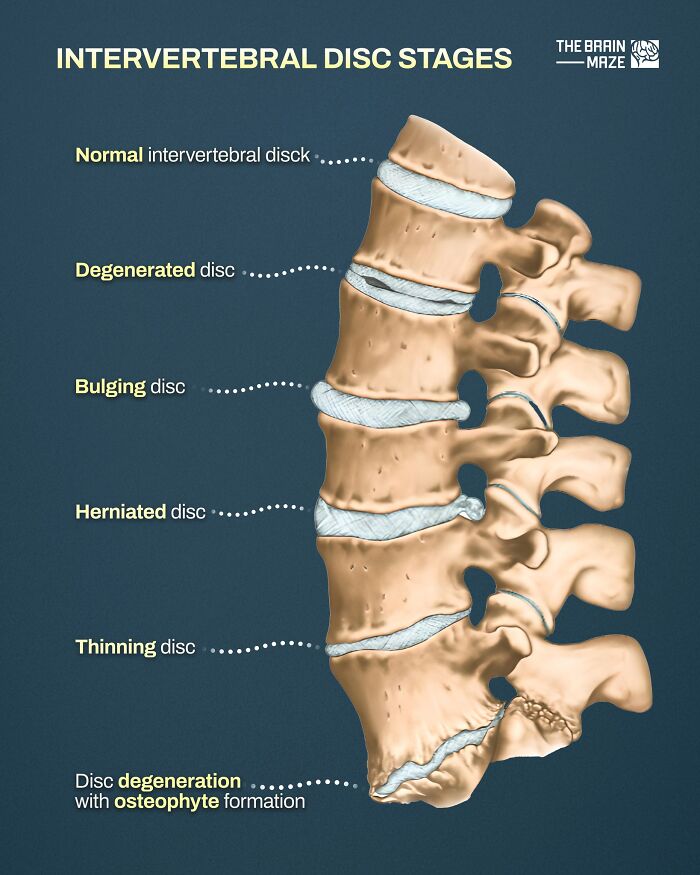
This illustration depicts the progressive stages of intervertebral disc degeneration in the human lumbar spine.
It begins with a normal, healthy disc, showing full height and hydration between vertebrae, and transitions through stages of degeneration, bulging, herniation, and thinning.
The final stage illustrates osteophyte (bone spur) formation, representing advanced wear and structural instability.
Each stage visually demonstrates how the disc’s cushioning and flexibility diminish over time, affecting spinal alignment and nerve function.
The detailed anatomical rendering provides a clear and educational view of spinal health deterioration from a clinical perspective.
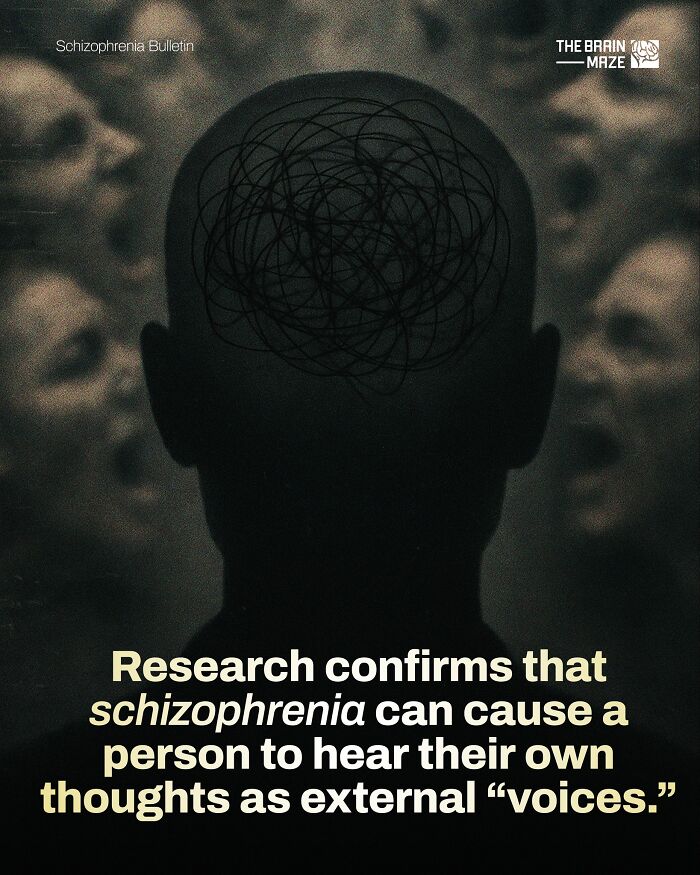
Schizophrenia is a complex mental disorder that can blur the boundaries between a person’s inner thoughts and the external world. Research published in Schizophrenia Bulletin has shown that individuals with this condition may experience their own thoughts as audible voices coming from outside themselves. This occurs due to disruptions in the brain regions responsible for distinguishing self-generated thoughts from external sounds. As a result, internal dialogue can be misinterpreted as someone else speaking — a hallmark symptom of auditory hallucinations. Understanding this phenomenon helps researchers develop better treatments and reduce the stigma surrounding schizophrenia.
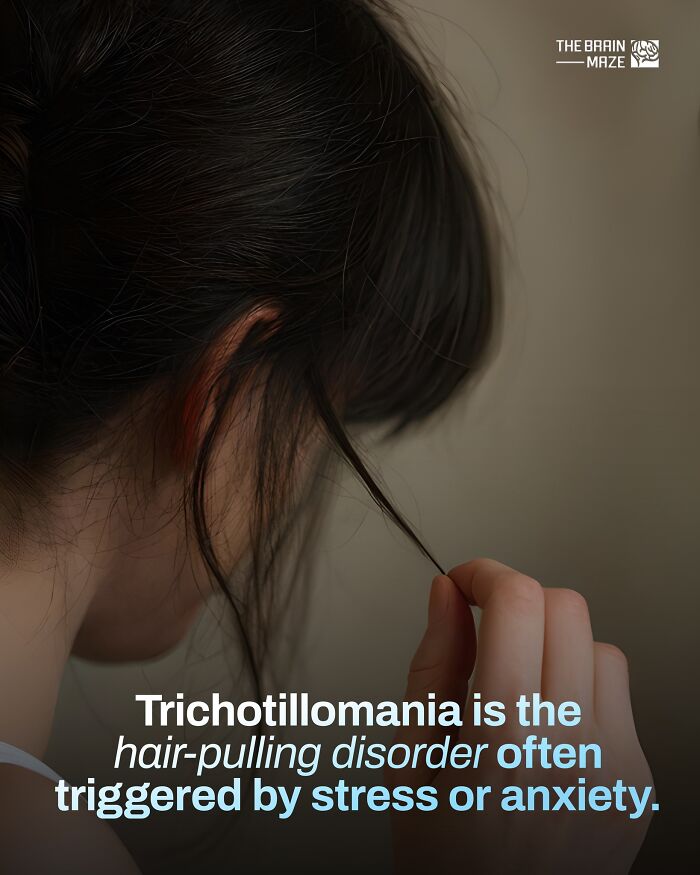
Trichotillomania is a psychological disorder characterized by the compulsive urge to pull out one’s own hair, often resulting in visible bald patches.
It commonly arises in response to stress, anxiety, boredom, or as a deeply ingrained habit that provides temporary relief or satisfaction.
The condition can affect hair from the scalp, eyebrows, eyelashes, or other parts of the body.
Over time, repeated pulling may lead to skin damage, infection, and emotional distress such as shame or guilt.
Treatment often involves cognitive-behavioral therapy (CBT), stress management, and developing healthier coping mechanisms to reduce the urge to pull.
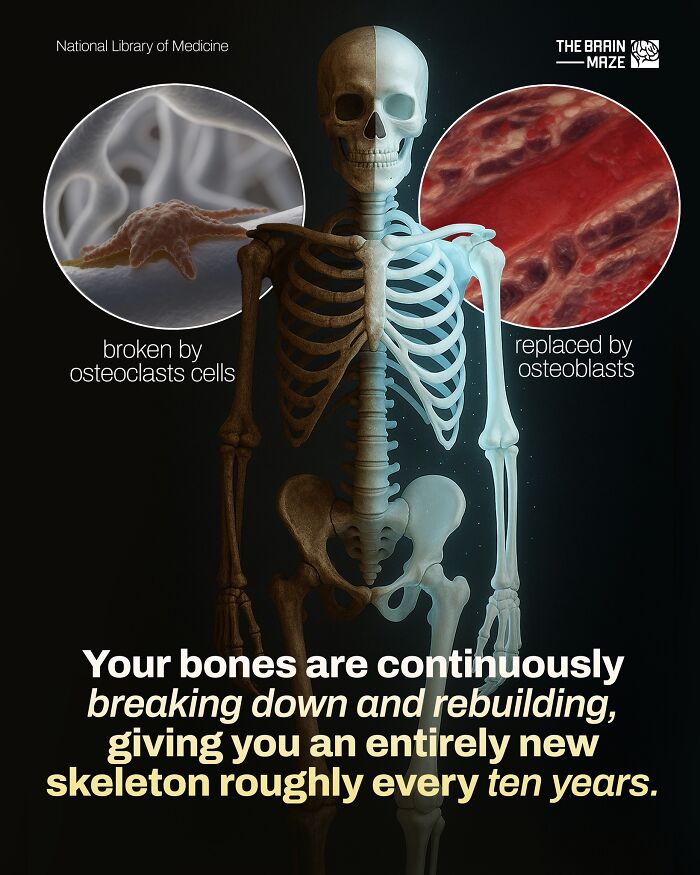
According to the National Library of Medicine, your bones are living tissue that constantly renews themselves through a process called remodeling. Specialized cells known as osteoclasts break down old or damaged bone, while osteoblasts replace it with new bone tissue. This continuous balance keeps your skeleton strong and adaptable to everyday stress or injury. Over time, this process is so thorough that your entire skeleton is replaced roughly every ten years. Both genetic factors and lifestyle choices—like diet, exercise, and hormones—play a key role in maintaining this lifelong cycle of renewal.
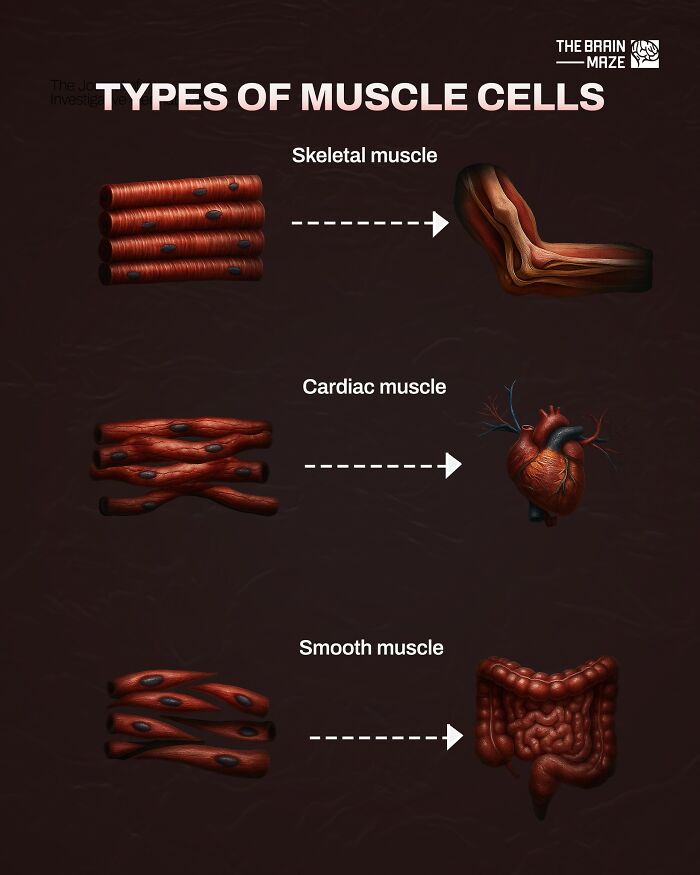
This image illustrates the three main types of muscle cells found in the human body: skeletal, cardiac, and smooth muscles. Skeletal muscles are long, cylindrical, and striated cells that attach to bones and enable voluntary movements such as bending the arm. Cardiac muscles, found only in the heart, are branched and interconnected cells that contract rhythmically and involuntarily to pump blood throughout the body. Smooth muscles consist of spindle-shaped cells located in the walls of internal organs like the intestines, helping move substances through the body via involuntary contractions. Together, these muscle types coordinate movement, maintain posture, and support vital bodily functions.
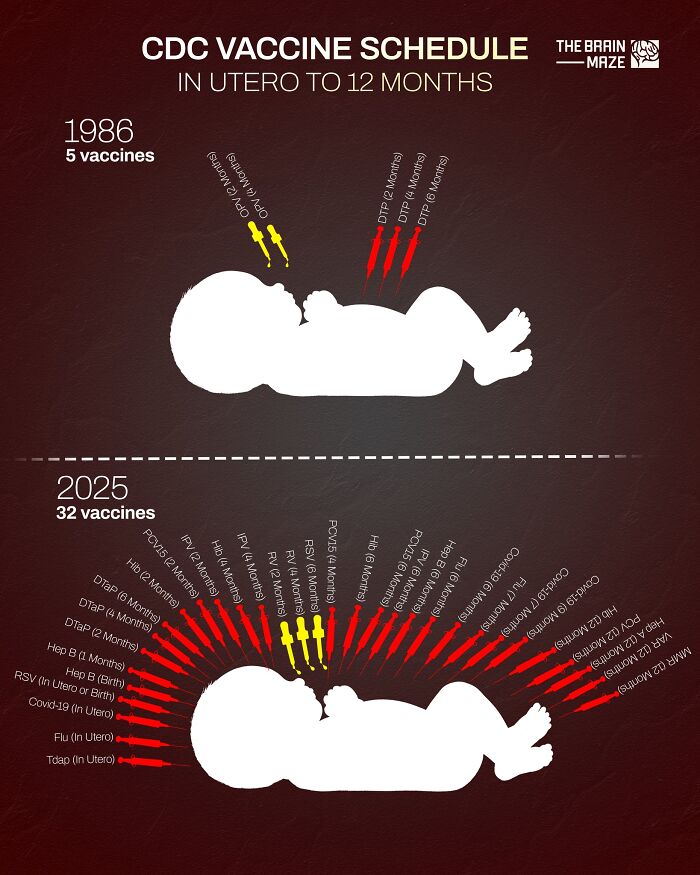
The number of recommended infant vaccines has increased from 5 in 1986 to 32 in 2025. This change reflects major advances in medical science and disease prevention. New vaccines now protect against a wider range of infections, including RSV, Covid-19, and Hepatitis B. The expanded schedule aims to strengthen early immunity and reduce child mortality. It highlights how modern medicine continues to evolve for public health protection.
Singing during pregnancy and to newborns has been shown to positively influence both brain development and emotional well-being.
It stimulates the fetus’s auditory and language centers, helping build early familiarity with the mother’s voice and sound patterns.
For mothers, singing reduces stress and anxiety, promoting a calmer and healthier pregnancy.
After birth, a parent’s singing soothes the baby, stabilizes emotions, and enhances bonding.
Overall, this simple act supports cognitive growth, emotional security, and connection between mother and child.
Not my mother's singing! She couldn't carry a tune in a basket. My dad, on the other hand, had a lovely voice, and was the one singing lullabies to me.
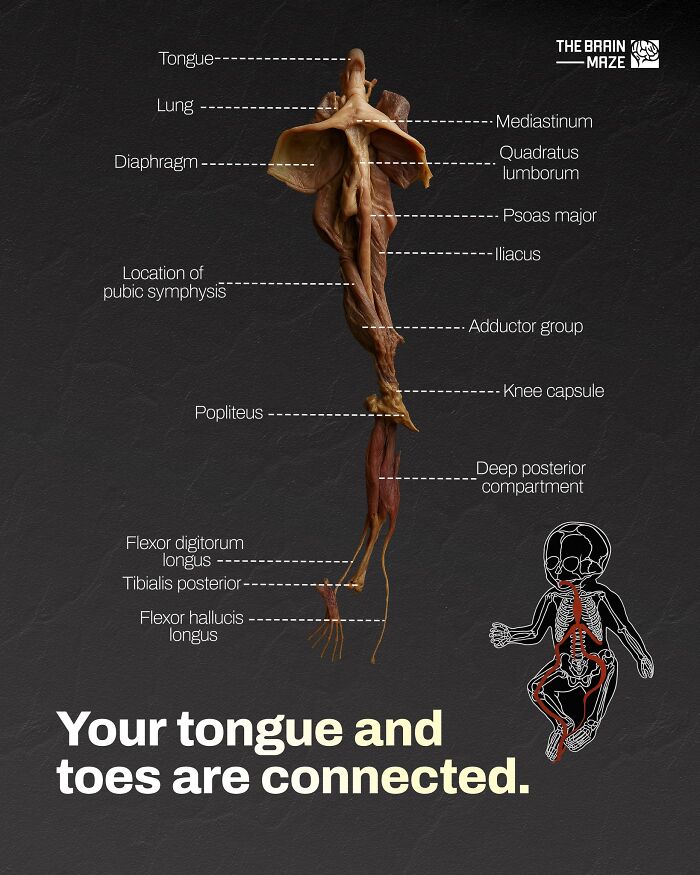
This image highlights how the human body is intricately connected through a continuous network of muscles and fascia. It shows that the tongue and toes, though far apart, are linked by a myofascial line — a chain of connective tissue that transmits tension and movement throughout the body. This connection passes through structures like the diaphragm, psoas major, adductors, and the deep posterior compartment of the leg. Because of this chain, tension or imbalance in one area — such as poor posture or hip tightness — can affect distant parts of the body. The body functions as one integrated system where every movement and posture is deeply interdependent.

So the barefoot on a rug, and "make fists with your toes" is a good thing? Unless in an die hard christmas movie?
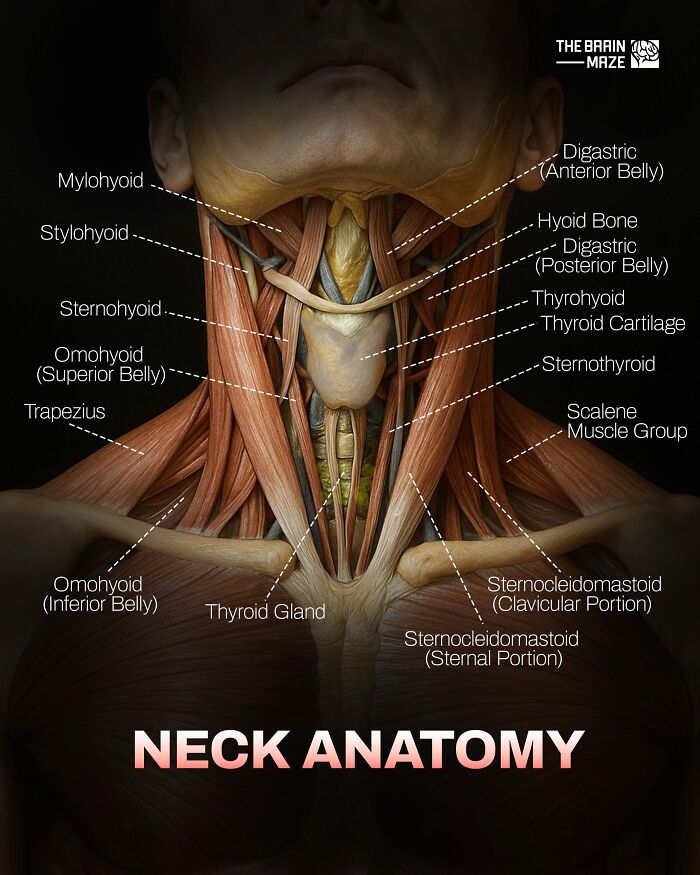
This illustration depicts the anatomy of the neck, showcasing the intricate arrangement of muscles, bones, and glands that support vital functions such as movement, breathing, and swallowing. Prominently featured are the sternocleidomastoid and trapezius muscles, which play key roles in head and shoulder movement. The hyoid bone, along with muscles like the digastric, mylohyoid, and stylohyoid, supports the tongue and assists in swallowing. Deeper structures such as the thyroid cartilage, thyroid gland, and trachea highlight the neck’s respiratory and endocrine importance. Overall, this diagram provides a comprehensive view of how the muscular and glandular systems interconnect to maintain essential physiological functions.
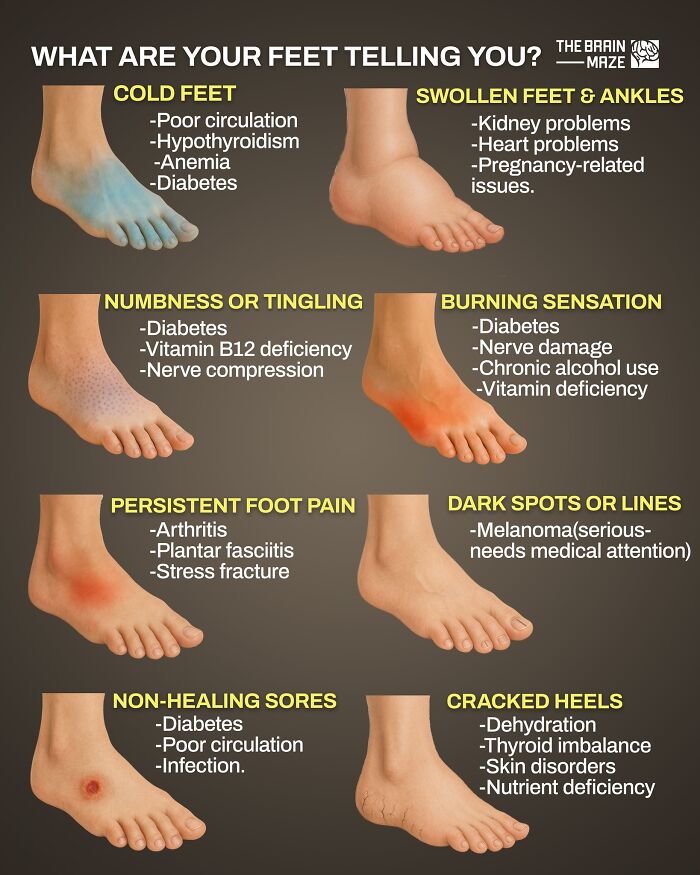
This infographic explains how your feet can reveal important clues about your overall health.
Cold feet may indicate poor circulation, hypothyroidism, anemia, or diabetes.
Swollen feet and ankles can be signs of kidney, heart, or pregnancy-related problems.
Numbness, tingling, or burning sensations often suggest nerve damage, vitamin deficiencies, or diabetes.
Persistent pain, non-healing sores, dark spots, or cracked heels can signal more serious issues like arthritis, infections, melanoma, or dehydration, showing how vital foot health is to detecting deeper medical conditions early.
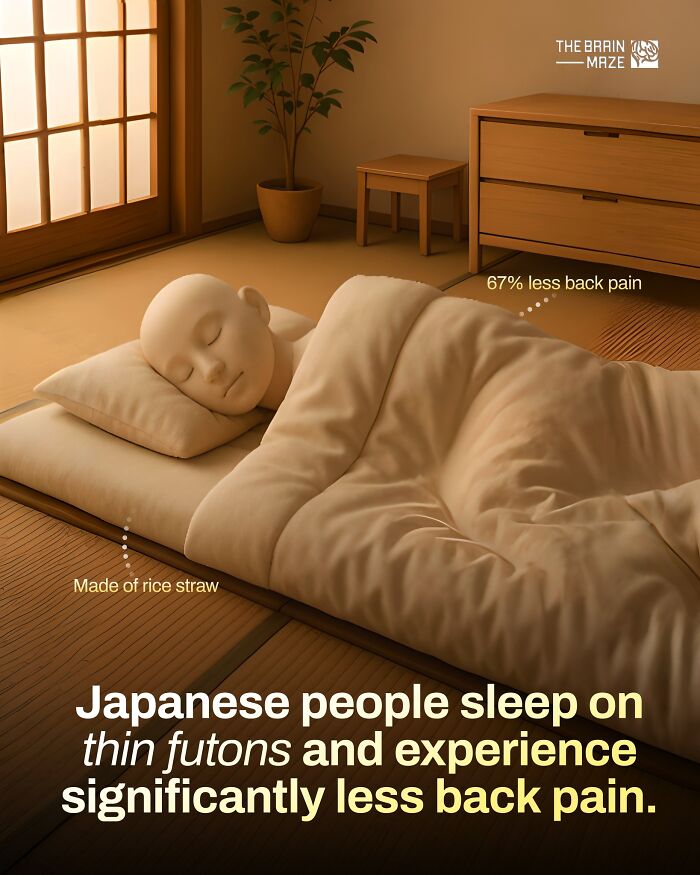
In Japan, many people sleep on thin futons laid directly on tatami mats, a tradition that promotes natural spinal alignment.
The firm surface supports the back evenly, preventing the sagging that often causes discomfort with soft Western mattresses.
This minimalist approach to sleeping encourages better posture and muscle balance throughout the night.
Futons are also aired out regularly, maintaining cleanliness and reducing allergens that could disturb rest.
As a result, the Japanese report far less chronic back pain and enjoy a more restorative, grounded sleep.
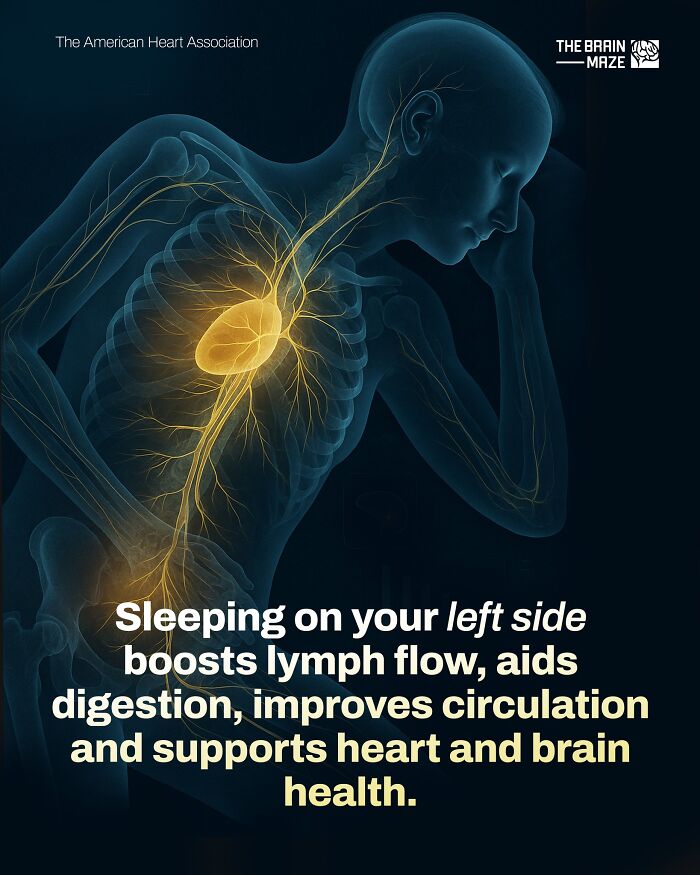
Sleeping on your left side can provide several health benefits supported by medical research. According to the American Heart Association, this position helps the body’s lymphatic system drain waste more effectively, allowing toxins to move out of the brain and organs. It also enhances digestion, as gravity aids the natural movement of food through the intestines and reduces acid reflux. The posture improves blood circulation, helping the heart pump more efficiently and reducing pressure on vital organs. Together, these effects promote better heart and brain health, making left-side sleeping a simple yet powerful way to support overall wellness.
I sleep on my left side so that the first thing I see when I wake up is my wife. This boosts my emotional health and sense of well being.
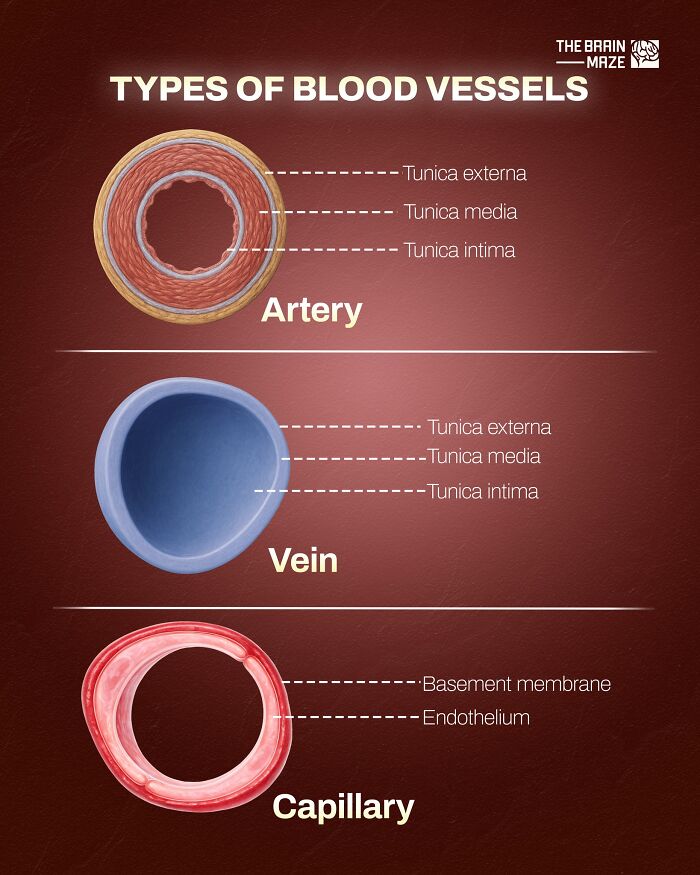
Blood vessels come in three main types, each with a distinct structure suited to its function. Arteries have thick, elastic walls made of the tunica externa, tunica media, and tunica intima, allowing them to withstand high pressure. Veins also contain these three layers but have thinner walls and a wider interior to help return blood to the heart. Capillaries are the smallest vessels, consisting only of an endothelium and a basement membrane to allow easy exchange of gases and nutrients. Together, these vessels form a network that efficiently transports blood throughout the body.
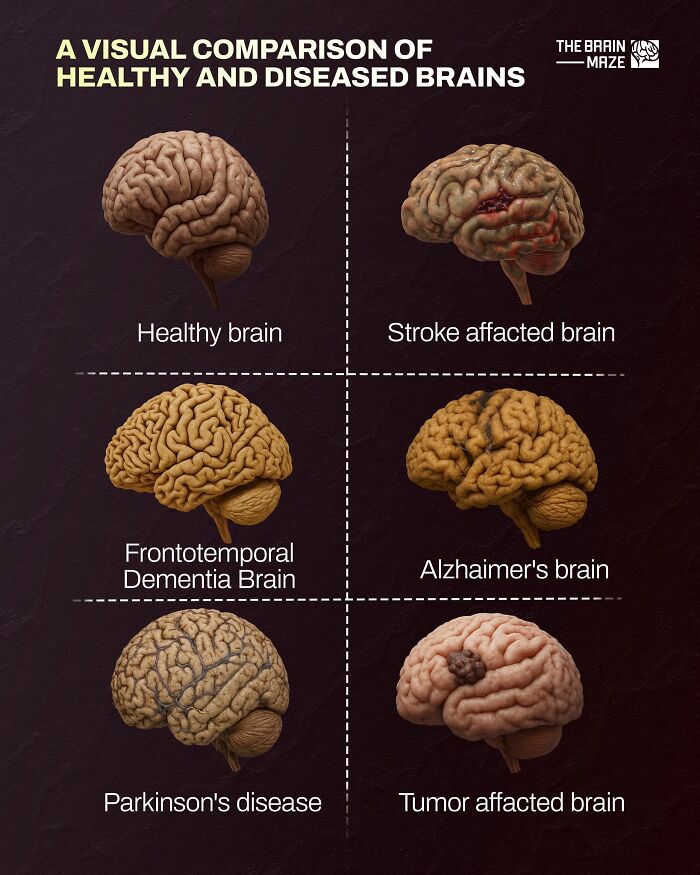
A healthy brain functions normally with no cognitive or motor impairments. A stroke-affected brain often causes sudden weakness, speech difficulty, or loss of coordination. Frontotemporal dementia commonly leads to personality changes and problems with judgment. Alzheimer’s disease typically causes memory loss and confusion. Parkinson’s disease results in tremors and slowed movement, while a tumor-affected brain may cause headaches, seizures, or vision changes.
"Frontotemporal dementia commonly leads to personality changes and problems with judgment."
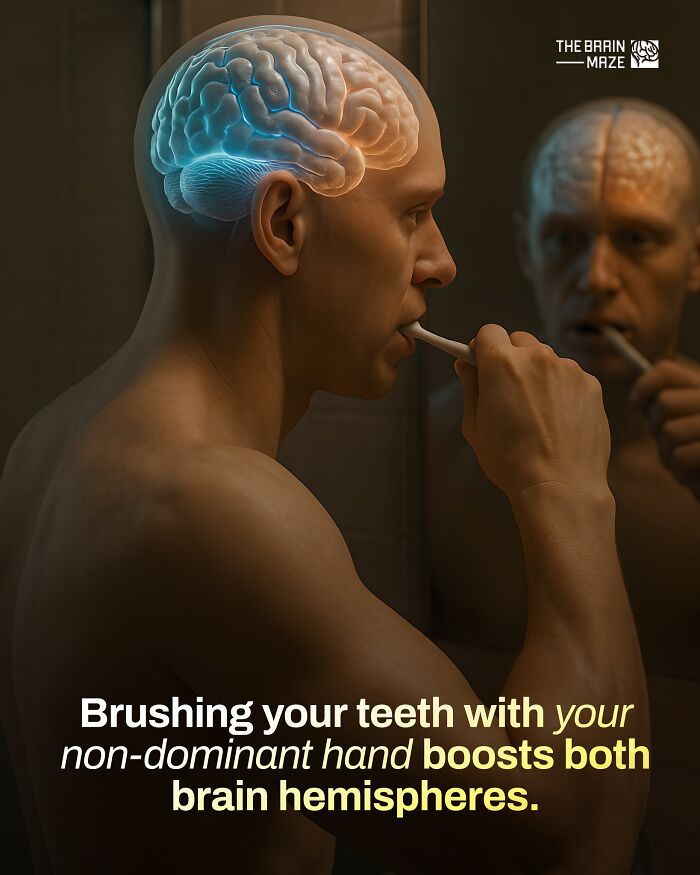
Brushing your teeth with your non-dominant hand may seem trivial, but it activates powerful brain processes that enhance cognitive health.
This simple act forces the brain to adapt, strengthening coordination between both hemispheres and promoting neuroplasticity—the ability to form new neural connections.
Such dual-task challenges can improve attention, working memory, and mental flexibility.
Over time, these brain “workouts” help preserve gray matter and reduce the risk of cognitive decline.
By regularly engaging in small, unfamiliar movements, you keep your brain active, adaptable, and resilient.
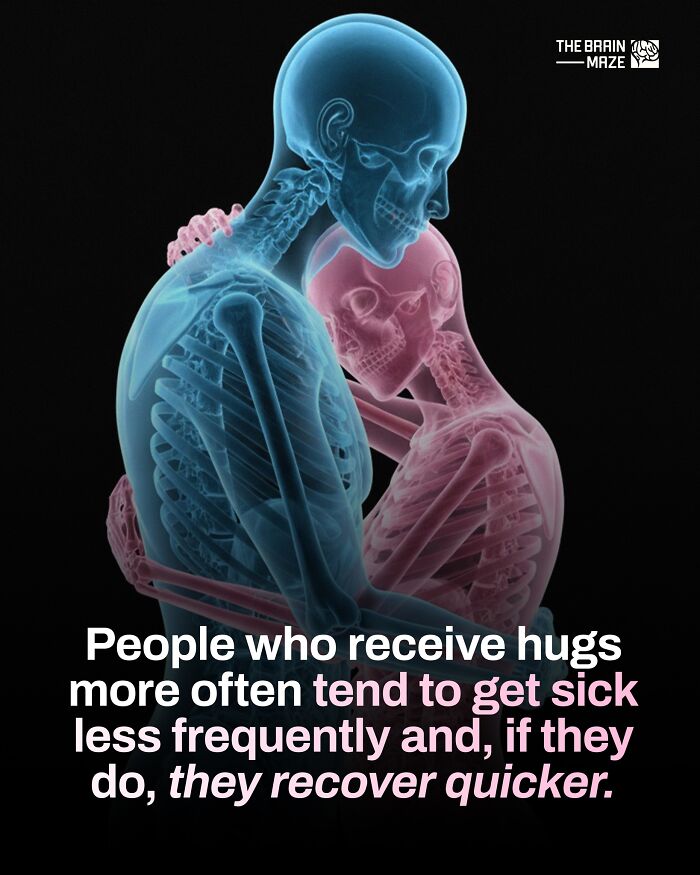
Research from Carnegie Mellon University found that people who receive hugs more often may actually get sick less frequently and recover faster when they do. In a study of over 400 adults, psychologists exposed participants to a common cold virus and discovered that those who reported frequent hugging and strong social support were less likely to catch the cold. Even when they did get sick, their symptoms were milder and recovery quicker. Scientists believe this happens because hugging lowers stress hormones, boosts immune function, and reinforces feelings of safety and connection — all of which protect the body from illness. The study, published in Psychological Science, highlights how simple human touch can have measurable effects on physical health.
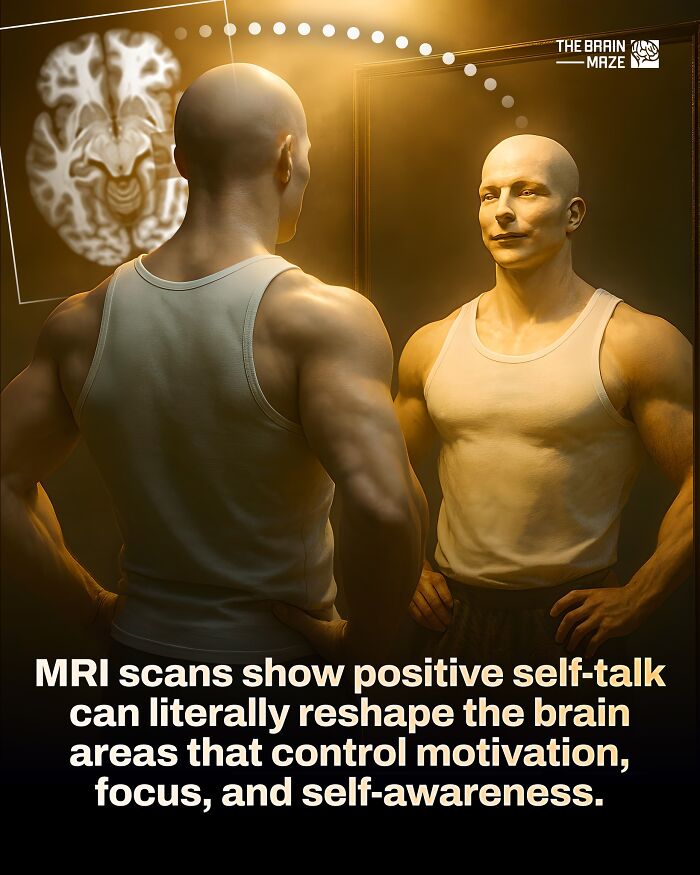
brain activity and connectivity across key networks tied to motivation, self-awareness, and executive control. In the motivation network, self-talk influences the reward system, particularly the nucleus accumbens. Positive self-talk activates the prefrontal cortex and enhances motivation by stimulating reward pathways, while negative self-talk suppresses these regions, triggering stress responses and reducing drive. In the self-awareness network, which includes the default mode network (DMN), self-talk engages areas involved in self-referential thought. Positive internal dialogue nurtures self-compassion and confidence, whereas persistent negative self-talk can overactivate the DMN, promoting rumination and emotional distress. This chronic mental stress has been linked to anxiety, depression, cardiovascular dysfunction, poor sleep, digestive issues, and even autoimmune disorders.
Eating more fruit may help protect the lungs from the harmful effects of air pollution, according to new research.
Scientists suggest that fruits’ natural antioxidant and anti-inflammatory compounds can reduce the damage caused by inhaling polluted air.
These nutrients help neutralize oxidative stress in the lungs, which is a major contributor to respiratory problems.
The study highlights that people who consume fruit regularly show better lung function compared to those who don’t.
Overall, the findings emphasize fruit as a simple dietary choice that can support lung health in polluted environments.
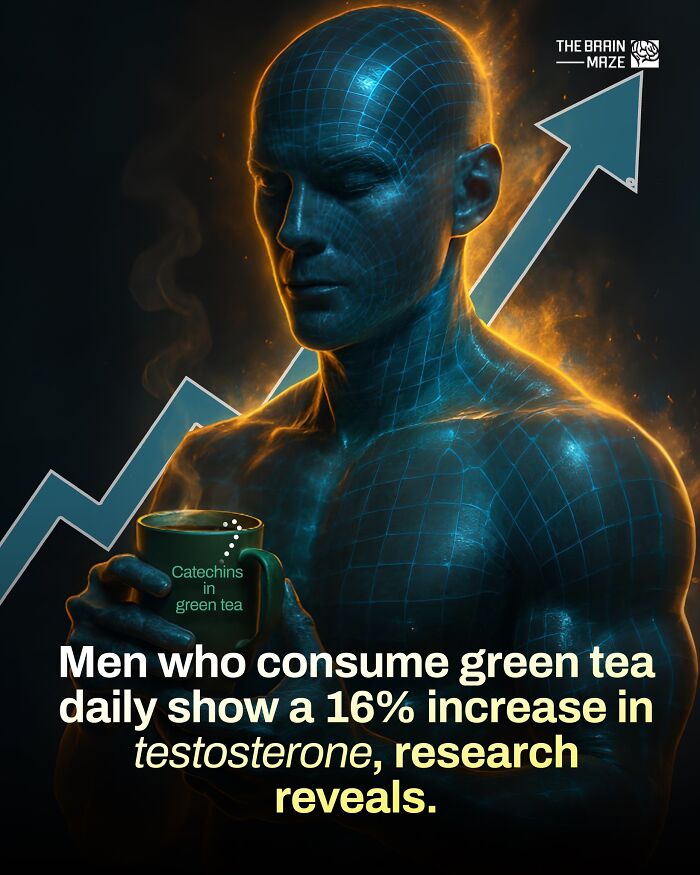
A study found that men who drink green tea daily have 16% higher testosterone levels compared to those who do not.
Researchers suggest that the antioxidants in green tea, particularly catechins, may help protect testosterone-producing cells from damage.
The study also noted improvements in overall vitality and reduced oxidative stress among regular green tea drinkers.
These findings indicate that daily green tea consumption could play a role in supporting healthy hormone levels.
Further research is being conducted to confirm the long-term effects of green tea on testosterone regulation.
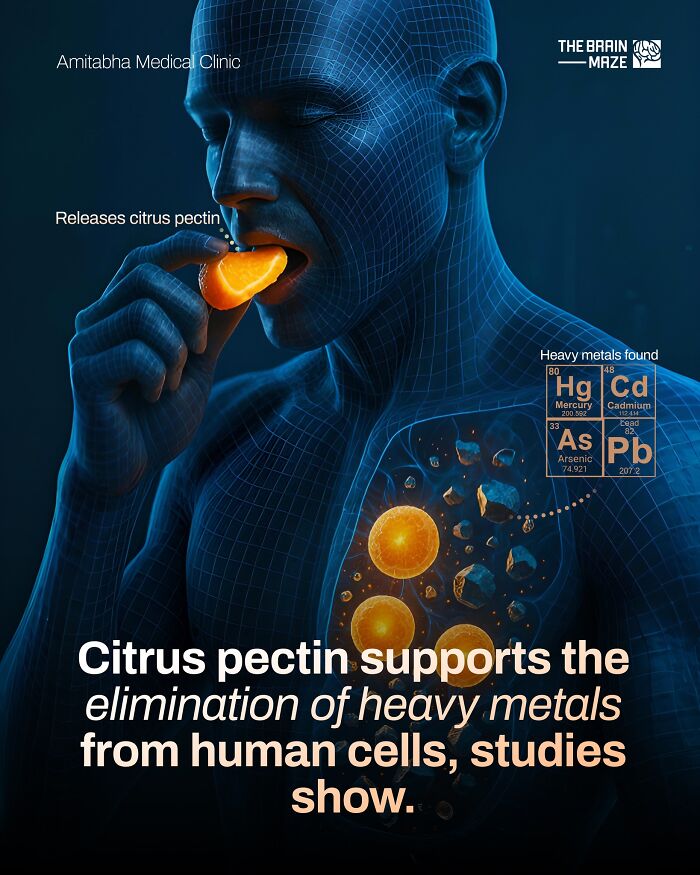
Modified citrus pectin (MCP) has been studied in several human clinical trials and case reports for its potential to support detoxification.
Research suggests that MCP can bind to certain heavy metals—such as lead, mercury, arsenic, and cadmium—and help the body remove them through natural excretion pathways.
Importantly, unlike some chelation therapies, MCP appears to do this without stripping the body of essential minerals.
Scientists believe this is due to its unique molecular structure, which allows for selective binding.
While promising, experts still recommend viewing MCP as a supportive tool rather than a standalone medical treatment.
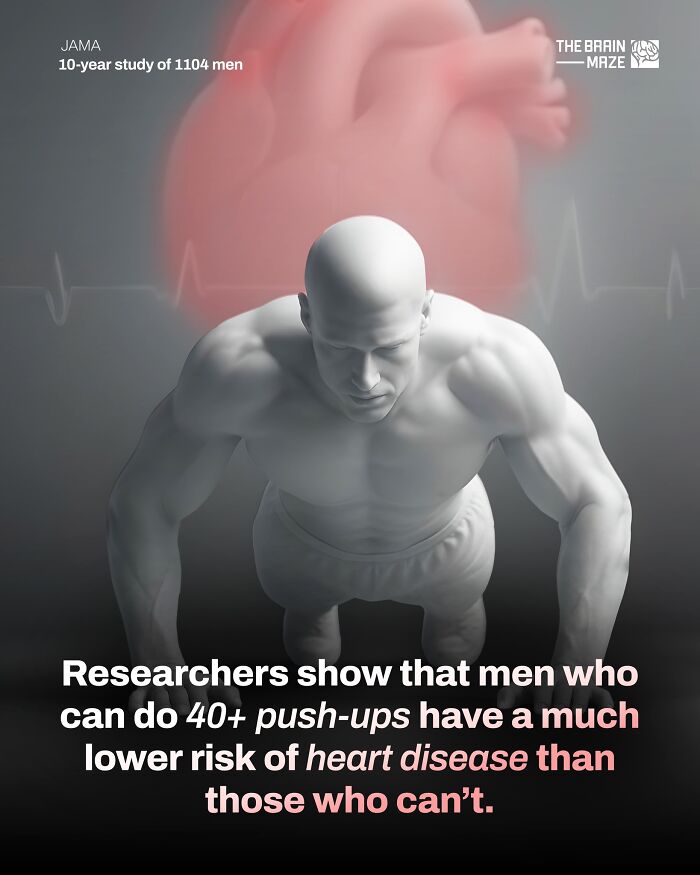
A decade-long study published in JAMA followed 1,104 men to examine the relationship between physical fitness and heart health. Researchers found that men who were able to complete 40 or more push-ups had a significantly lower risk of developing heart disease. This benchmark of push-up capacity served as a simple yet powerful indicator of cardiovascular fitness. The findings suggest that maintaining upper-body muscular endurance can provide meaningful insight into long-term heart health.
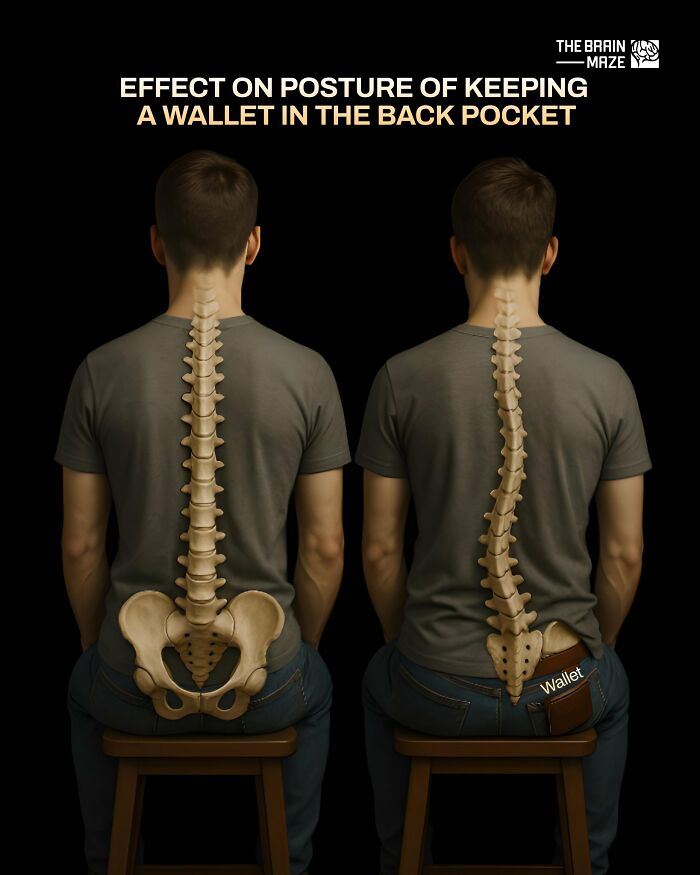
Keeping a wallet in your back pocket can negatively affect your back posture over time.
When you sit, the wallet creates an uneven surface, tilting your pelvis and spine to one side.
This imbalance can lead to misalignment of the lower back and pressure on the sciatic nerve.
As a result, you might experience pain, stiffness, or numbness in the lower back, hips, or legs.
Over time, this habit can contribute to chronic posture issues and discomfort while sitting or walking.
How has the guy in the left got a forward facing spine and pelvis in his back?
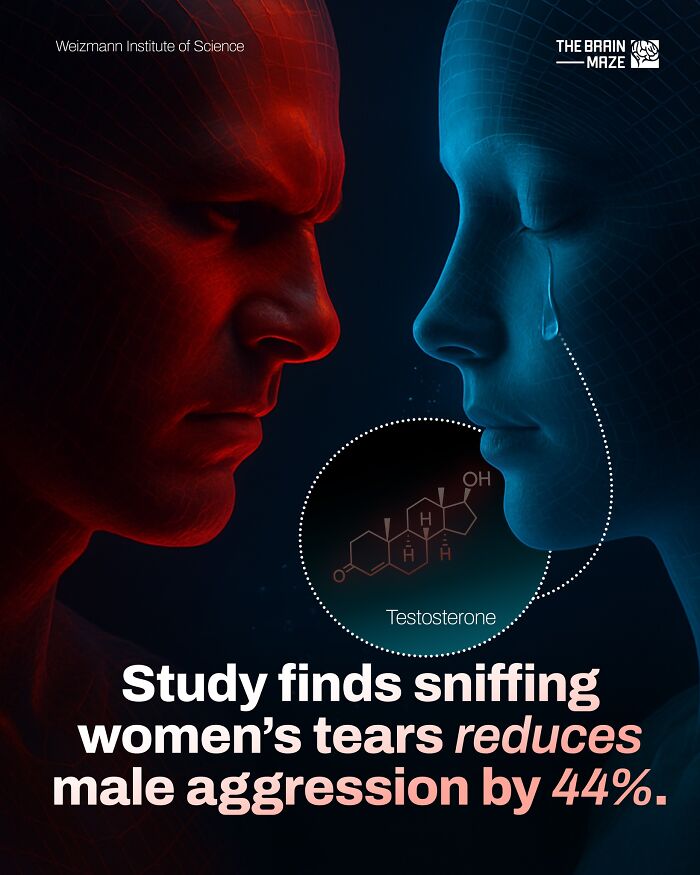
The Weizmann Institute of Science has discovered a fascinating connection between human emotion and aggression. In their study, researchers found that when men were exposed to the scent of women’s emotional tears, their testosterone levels dropped significantly. This hormonal shift was linked to a measurable 44% reduction in aggressive behavior. The findings suggest that chemosignals in tears may serve as a natural de-escalation mechanism in human social interactions.
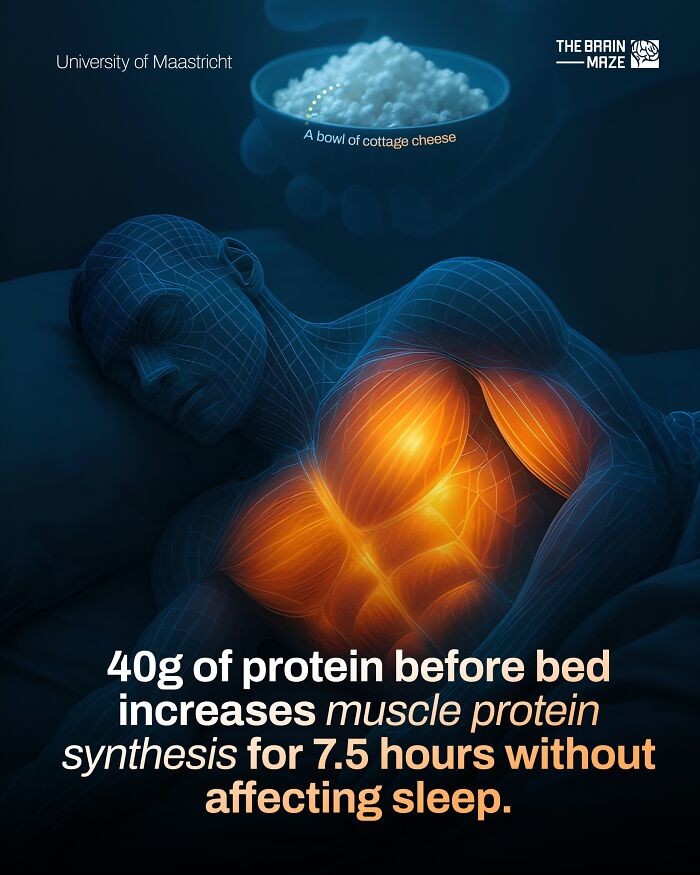
Consuming 40 grams of protein before sleep has been shown to significantly enhance overnight muscle protein synthesis, according to research from Maastricht University.
This pre-sleep protein dose provides a steady supply of amino acids for up to 7.5 hours, supporting continuous muscle repair and growth during the night.
Studies from the Maastricht University research team also confirm that ingesting protein before bedtime does not disrupt sleep quality.
Instead, it strengthens the body’s natural recovery cycle by optimizing nutrient availability during its longest fasting window.
This makes nighttime protein intake an effective strategy for athletes, lifters, and anyone aiming to maximize muscle gains.
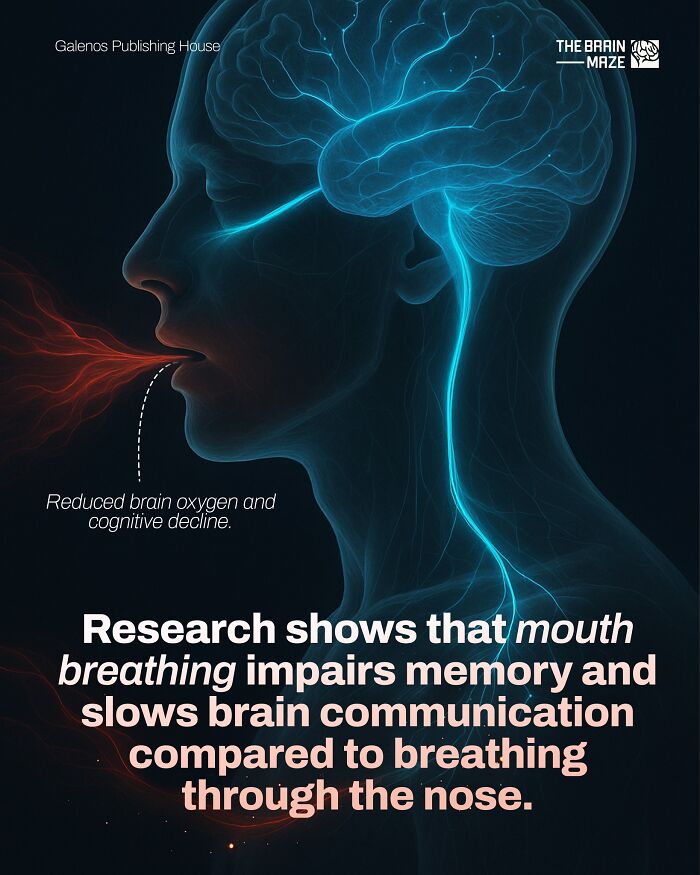
Mouth breathing may seem harmless, but research reveals it can have serious cognitive effects. A study published by Galenos Publishing House found that habitual mouth breathing reduces oxygen supply to the brain, which in turn slows neural communication and impairs memory formation. Unlike nasal breathing, which filters and regulates airflow, mouth breathing disrupts normal oxygen balance and brainwave synchronization. Over time, this can contribute to reduced focus, slower reaction times, and long-term cognitive decline. Breathing through the nose, on the other hand, supports healthier brain function by maintaining optimal oxygen and nitric oxide levels essential for mental performance.
Studies show that if your nose is stuffed and you can't breathe through your mouth, you'll die.
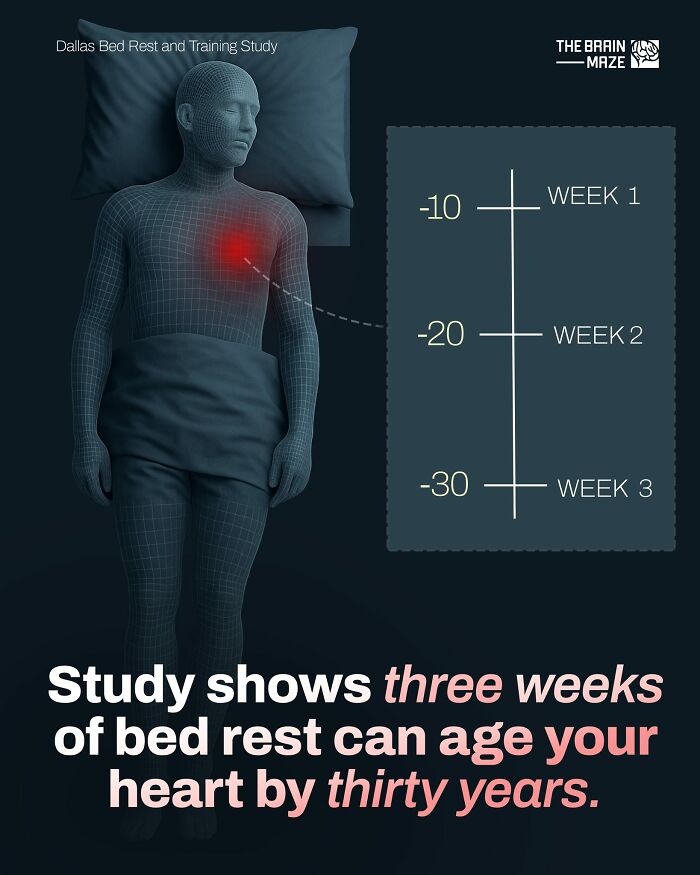
The Dallas Bed Rest and Training Study revealed how dramatically physical inactivity can impact cardiovascular health. In the experiment, healthy young men were kept on strict bed rest to measure how quickly the heart and circulatory system deteriorate without movement. Researchers found that just three weeks of immobility caused a decline in cardiovascular efficiency equivalent to roughly thirty years of aging. The study emphasized that even brief periods of inactivity can have profound effects on heart strength and overall fitness.
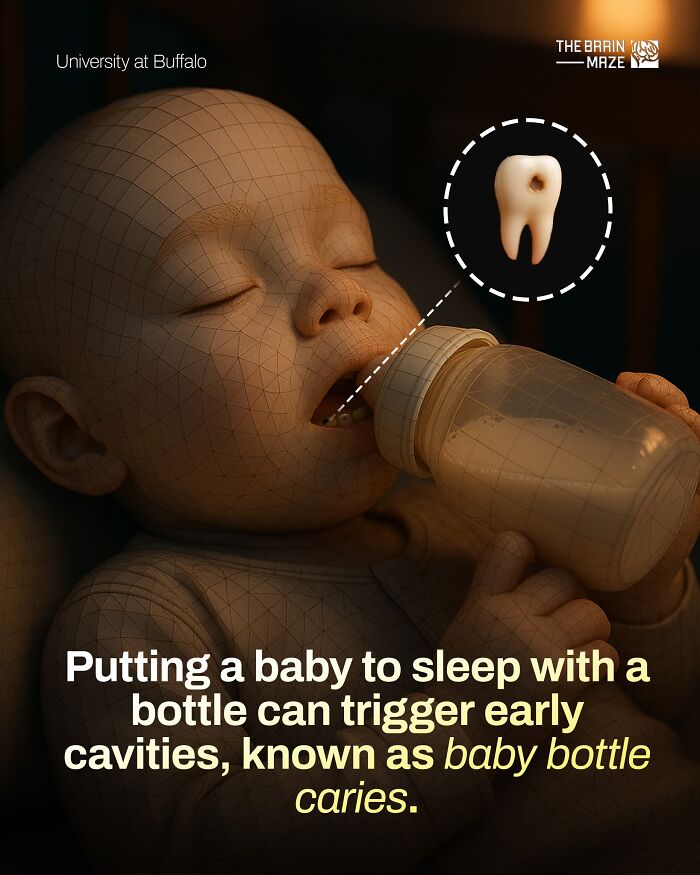
Putting a baby to sleep with a bottle might seem harmless, but it can actually cause serious dental problems.
When milk, formula, or juice stays on a child’s teeth overnight, the sugars feed bacteria that produce acid.
Over time, this acid wears away the enamel, leading to early cavities known as baby bottle caries.
These cavities often appear on the front teeth and can spread quickly if not treated.
Establishing healthy sleep and feeding habits early helps protect your baby’s smile for life.
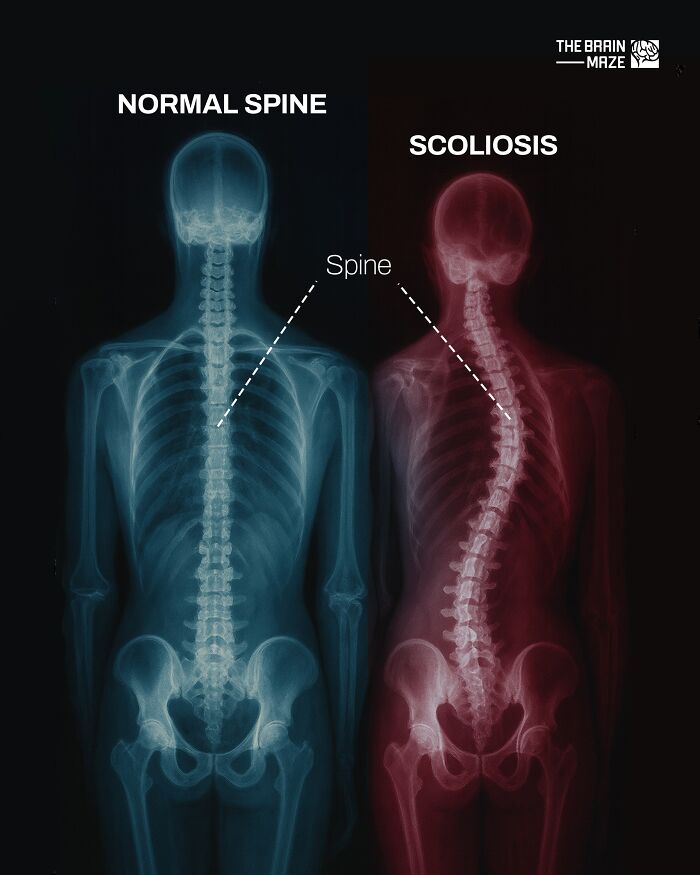
Scoliosis is a condition where the spine curves sideways, forming an “S” or “C” shape instead of staying straight. This abnormal curvature can cause the shoulders or hips to appear uneven, and in severe cases, it may affect lung function or movement. While mild scoliosis often causes little discomfort, more serious forms can lead to pain and posture problems over time. Doctors usually diagnose it through X-rays, like the one shown here, comparing a normal spine to a curved one. Treatment depends on the severity — ranging from exercises and braces to corrective surgery in extreme cases.
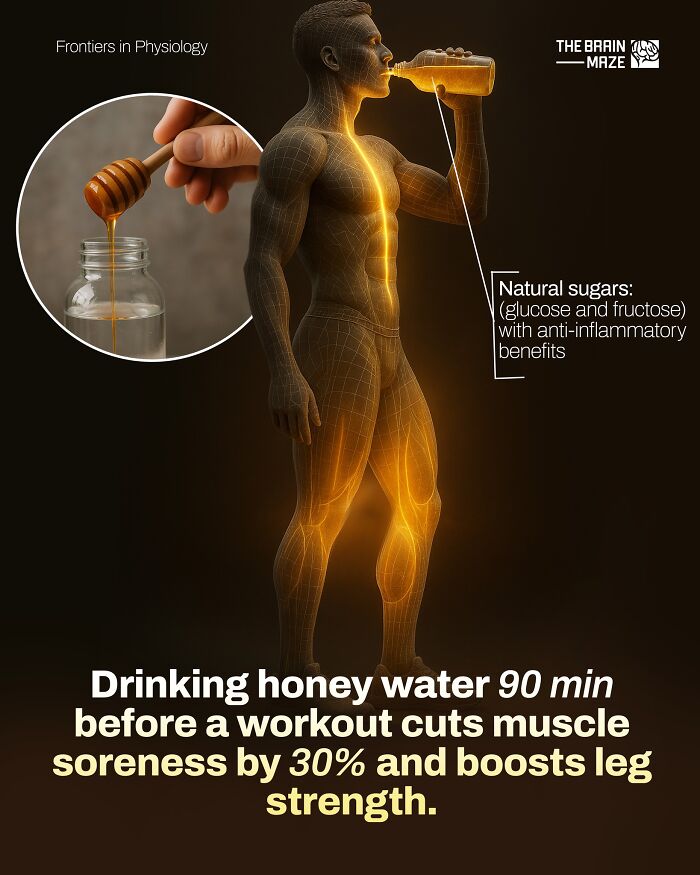
Drinking honey water before exercising can make a real difference in performance and recovery. According to Frontiers in Physiology, consuming it 90 minutes before a workout reduces muscle soreness by about 30% and increases leg strength. The reason lies in honey’s natural sugars, glucose and fructose, which provide quick energy and help muscles recover faster. These sugars also have anti-inflammatory benefits, reducing post-exercise strain. In short, a simple mix of honey and water can act as a natural performance booster and recovery aid.
A couple of ounces of tonic water or a teaspoon of mustard will prevent muscle cramps if taken immediately after exercise. Or they can prevent cramps that come for no obvious reason ( like waking up with them.)
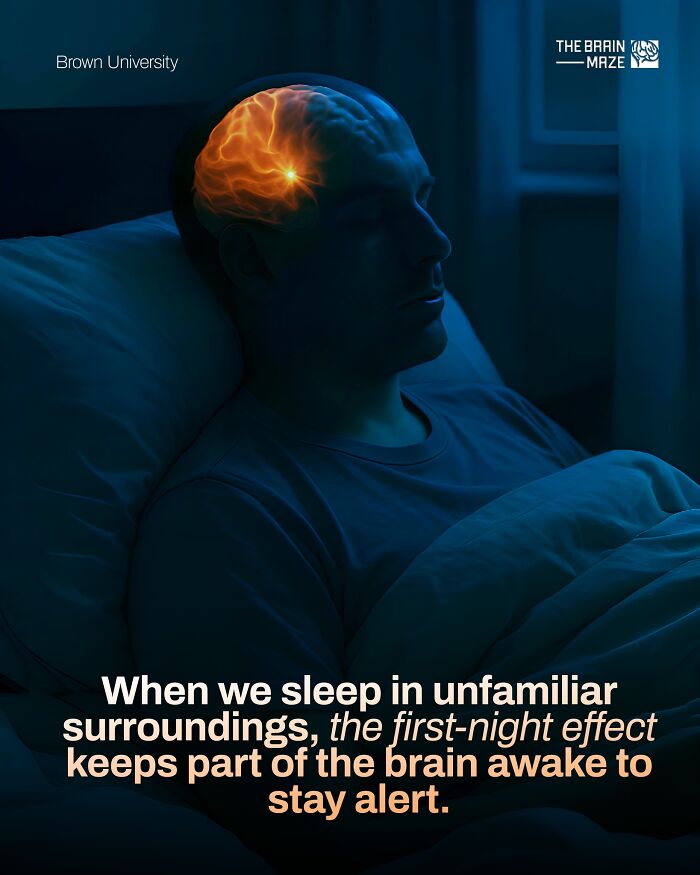
When we sleep in a new place, our brains don’t fully let their guard down.
Researchers discovered that during the first night, one half of the brain stays partially awake while the other sleeps — a phenomenon called the first-night effect.
This built-in alert mode helps us stay sensitive to unfamiliar sounds or potential threats in new environments.
It’s similar to how some animals, like birds and dolphins, sleep with one hemisphere awake for safety.
Once the surroundings feel familiar, both sides of the brain rest normally and sleep becomes deeper and more refreshing.
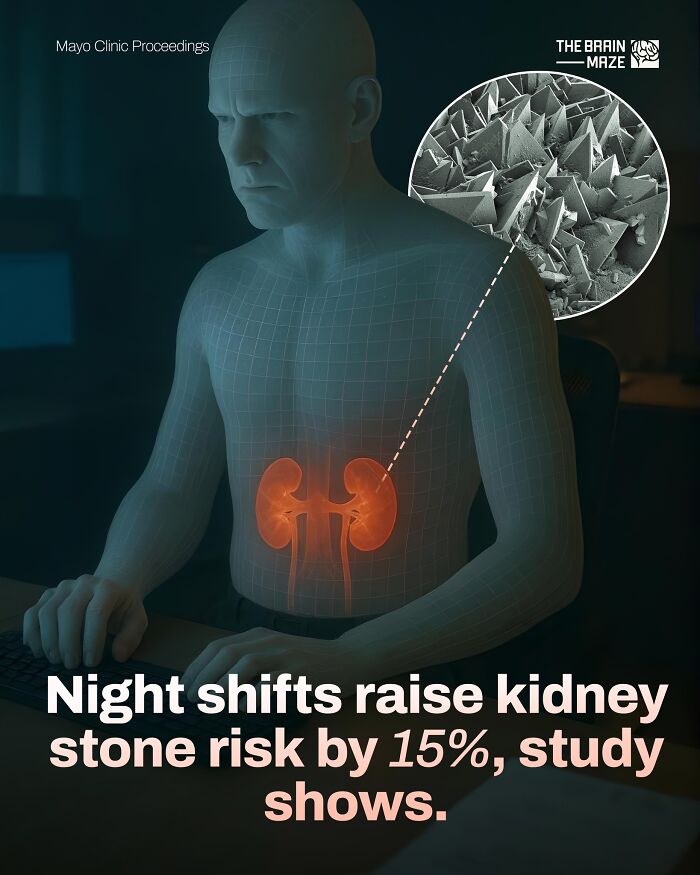
Working night shifts can increase the risk of developing kidney stones by 15%, according to a study published in Mayo Clinic Proceedings. Irregular sleep patterns and circadian rhythm disruptions caused by night work may alter hormone balance and metabolism. These changes can lead to higher calcium and uric acid levels in urine, key factors in kidney stone formation. The dehydration often seen among night workers further contributes to the problem, as it concentrates minerals in the kidneys. Researchers suggest maintaining hydration, consistent sleep schedules, and balanced diets to help offset these risks.
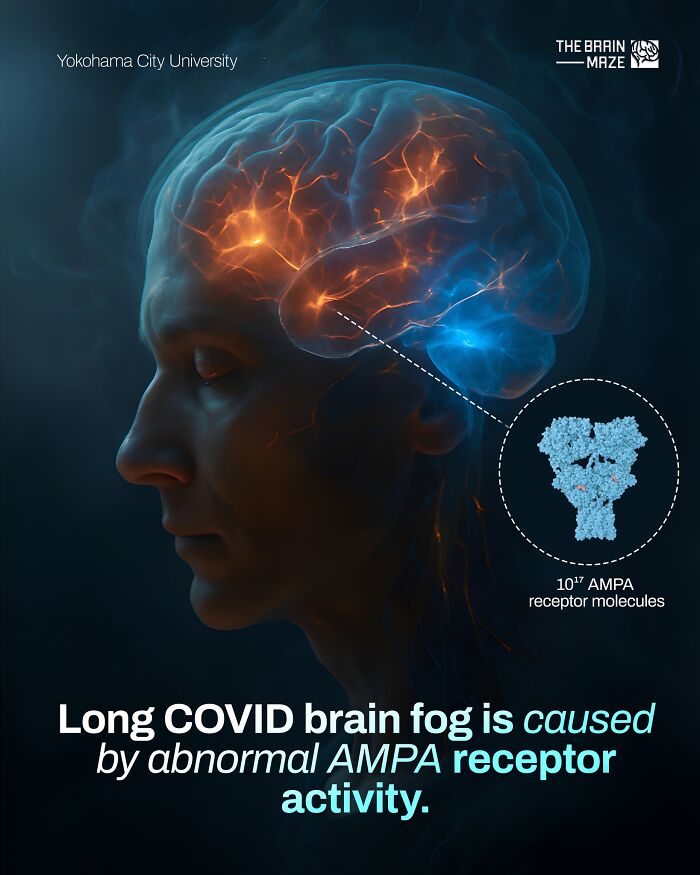
Scientists in Japan have uncovered the first biological evidence explaining Long COVID brain fog.
They found that people with the condition show abnormally high activity in AMPA receptors—molecules essential for learning and memory.
Using advanced PET imaging, researchers linked this receptor overactivity to worsening cognitive symptoms and brain inflammation.
The findings suggest that immune-driven molecular changes disrupt normal brain function in Long COVID patients.
This breakthrough could lead to new diagnostic methods and treatments that target excessive AMPA receptor activity.
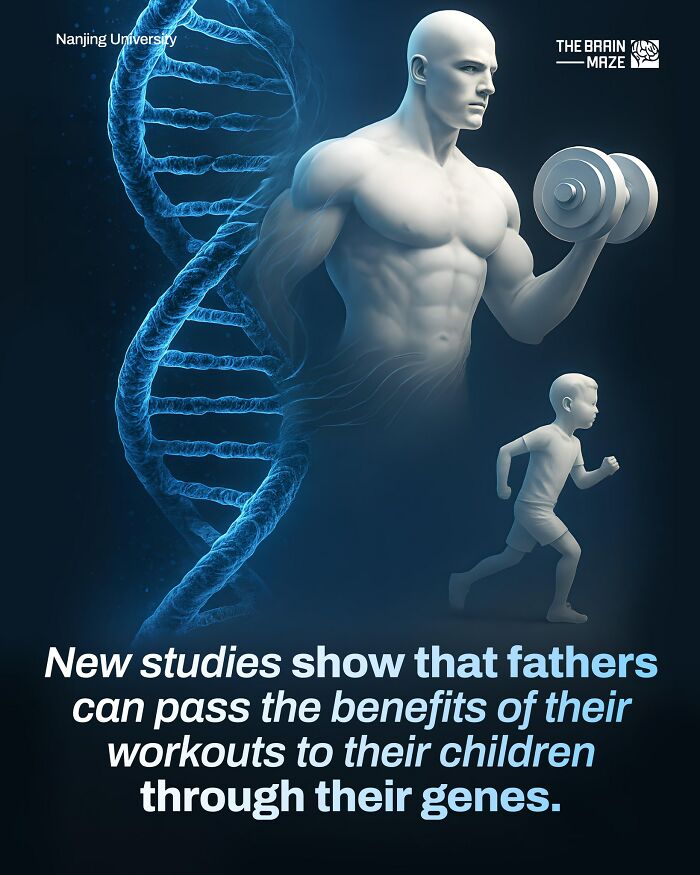
Fathers are passing more than just good habits to their children — they pass the benefits of their workouts through their genes. Regular exercise alters sp**m in ways that influence metabolism, endurance, and muscle development in offspring. According to research from Nanjing University, these genetic changes act like a biological memory of physical activity, giving children a stronger foundation for health. The study suggests that a father’s fitness can leave a lasting mark far beyond his own body. In essence, exercise shapes generations, not just individuals.
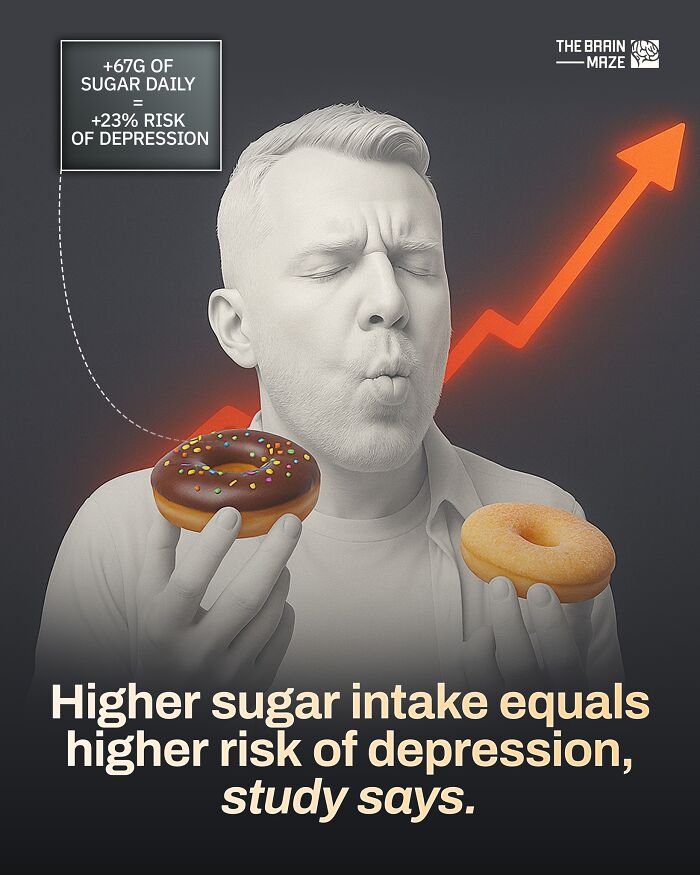
Research shows sugar can do more than harm your body — it can hurt your mind too. A 2017 study in Scientific Reports found that men who consumed more than 67g of sugar daily had a 23% higher risk of depression over five years than those eating less than 40g. High sugar intake causes rapid blood sugar spikes and crashes, increases inflammation, and disrupts neurotransmitters — all of which affect mood and motivation.
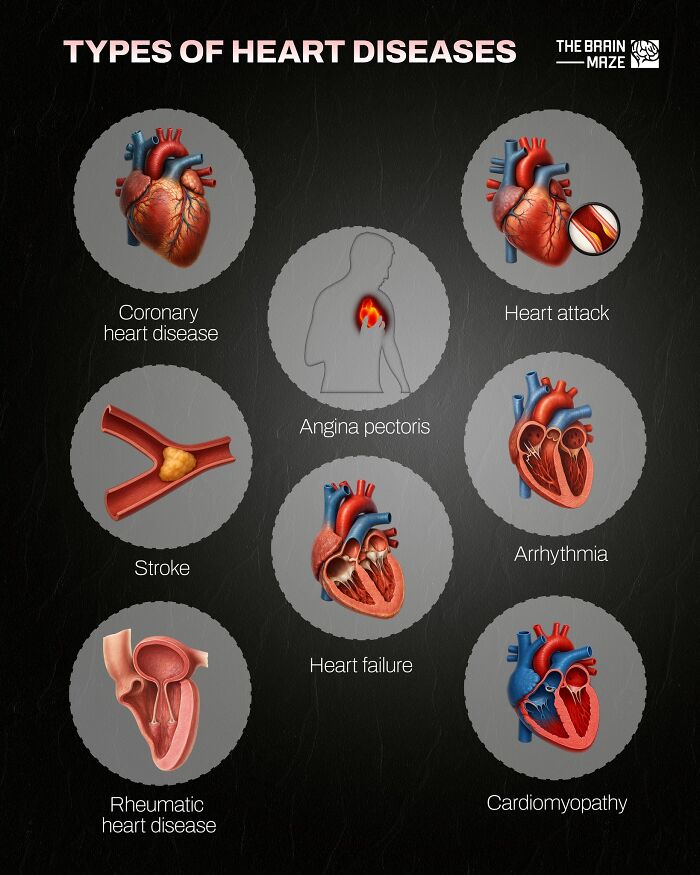
Heart diseases arise from various underlying problems that affect blood flow, heart muscle function, or the heart’s electrical signals. Coronary heart disease is caused by the buildup of plaque inside the coronary arteries, which reduces blood flow to the heart. A heart attack occurs when a coronary artery becomes completely blocked, cutting off oxygen to part of the heart muscle. Angina pectoris is caused by temporary reduced blood flow to the heart, often due to narrowed arteries during exertion or stress. Stroke happens when the blood supply to the brain is interrupted, usually from a blocked artery or a ruptured blood vessel. Arrhythmia, heart failure, rheumatic heart disease, and cardiomyopathy arise from problems such as electrical conduction issues, weakened heart muscle, untreated infections, or structural abnormalities that impair the heart’s ability to pump effectively.
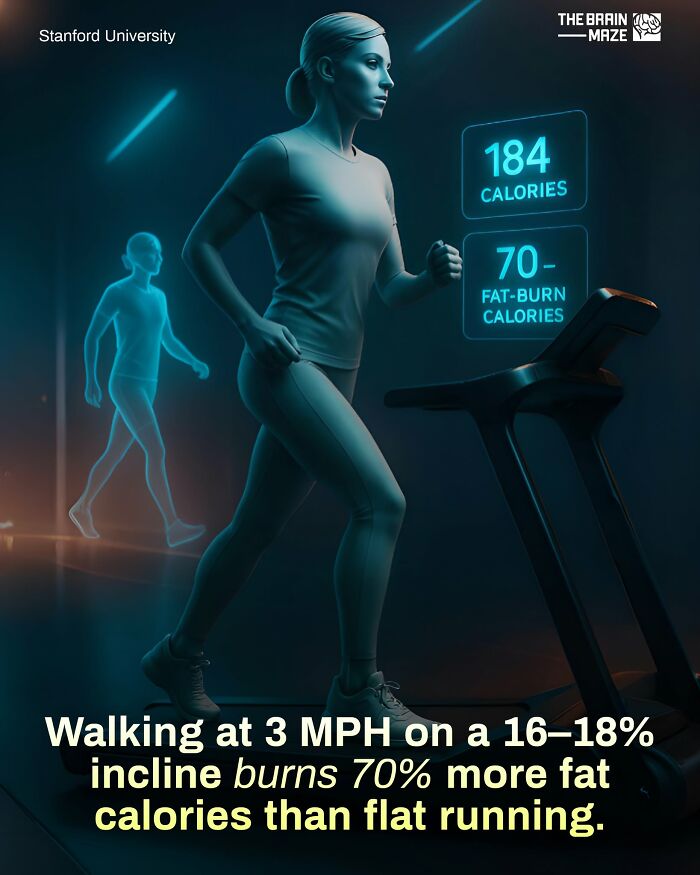
Walking at a steep incline significantly increases the body’s energy demand, activating larger muscle groups and driving higher fat-calorie usage compared to flat-surface running.
Research from Stanford University has shown that incline walking elevates metabolic cost due to increased muscle activation and greater mechanical work.
This means that walking at 3 MPH on a 16–18% incline can create a much stronger fat-burning effect than running on flat ground.
The steeper grade keeps the body in a more efficient aerobic zone, where a higher percentage of calories come from fat.
Overall, incline walking provides a powerful, low-impact method for boosting fat metabolism and improving cardiovascular fitness.
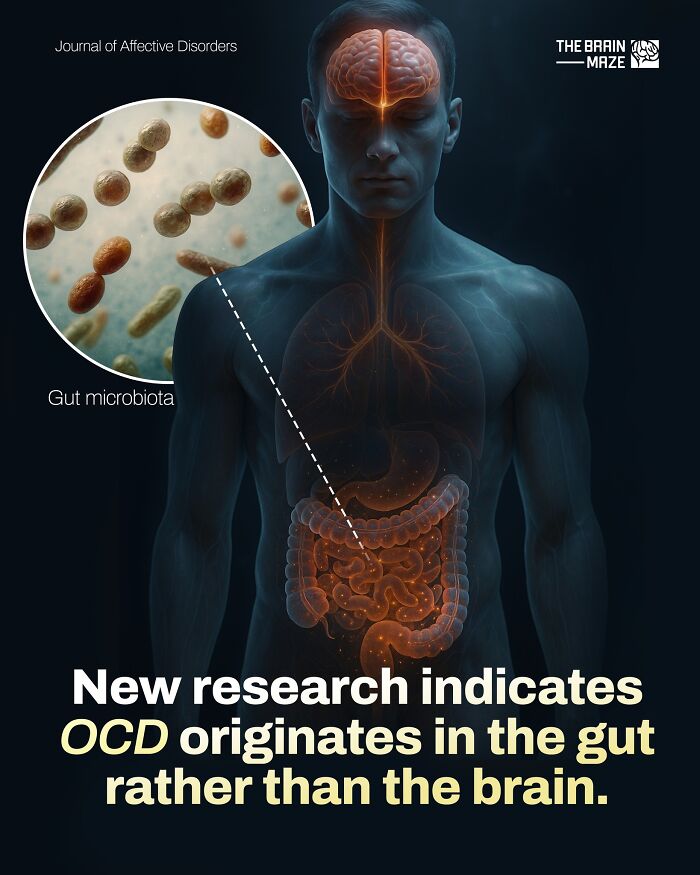
Recent findings published in the Journal of Affective Disorders suggest that obsessive-compulsive disorder (OCD) may originate in the gut rather than the brain. Researchers discovered that imbalances in gut microbiota—the trillions of microorganisms living in the digestive system—can influence neural pathways linked to anxiety and repetitive behaviors. This gut-brain connection appears to play a larger role than previously believed, indicating that mental health may depend significantly on digestive health. The study highlights how restoring gut balance through probiotics or dietary changes could offer new treatment approaches for OCD.
I’ve had OCD all my life. I’m 75. I doubt I’ve had unbalanced microbiota all this time.
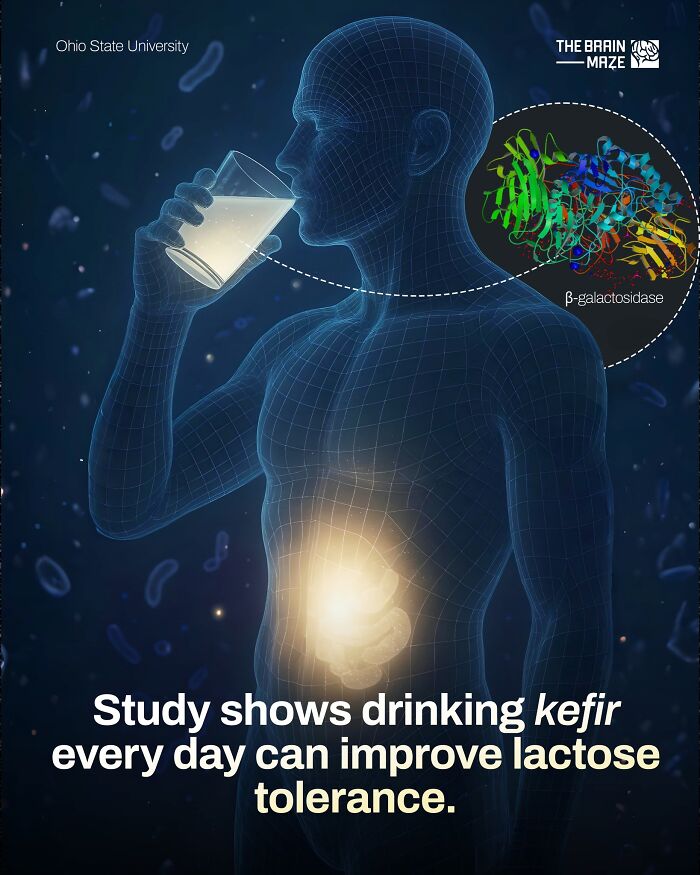
A recent study conducted by Ohio State University found that consuming kefir daily can significantly improve lactose tolerance. Kefir, a fermented milk drink rich in probiotics, enhances the body’s ability to produce β-galactosidase, an enzyme responsible for breaking down lactose. This enzyme activity helps reduce common symptoms of lactose intolerance such as bloating and discomfort. The study suggests that consistent kefir consumption may positively alter gut microbiota, promoting better digestion of dairy products over time. These findings highlight kefir as a natural and effective approach for individuals struggling with lactose sensitivity.
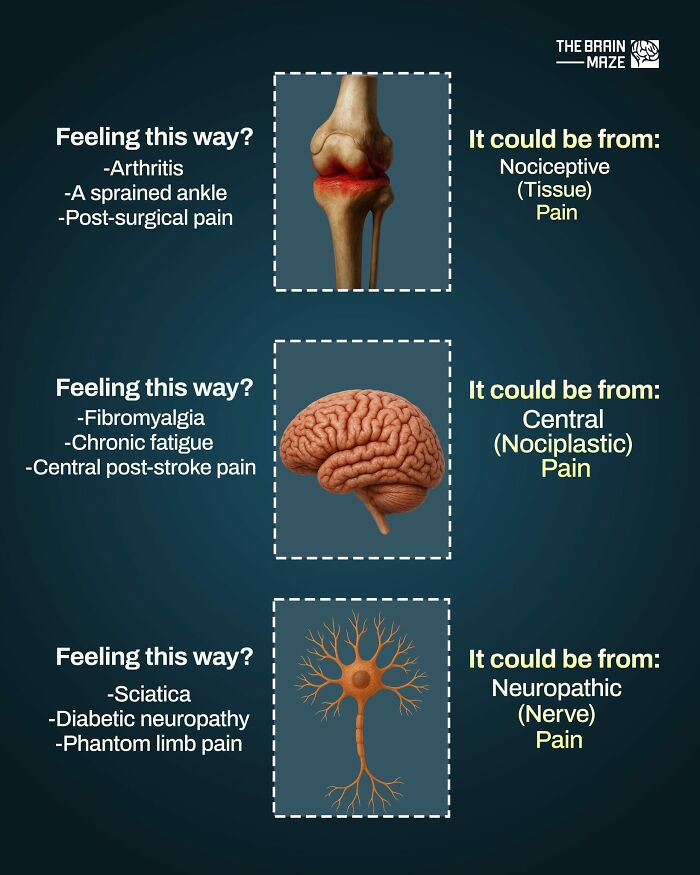
This visual guide explains three main types of pain and their possible sources.
Nociceptive (tissue) pain often stems from conditions like arthritis, sprained ankles, or post-surgical pain, where the body’s tissues are damaged or inflamed.
Central (nociplastic) pain arises from changes in how the brain processes pain signals, seen in conditions like fibromyalgia, chronic fatigue, and post-stroke pain.
Neuropathic (nerve) pain results from nerve injury or dysfunction, such as in sciatica, diabetic neuropathy, or phantom limb pain.
By recognizing the type of pain, individuals and clinicians can better understand its origin and choose more effective treatments.
100%! All pain is real though, no matter the type or cause. Learning about nociplastic pain can reassure patients that they’re not being soft or imagining their pain, despite scans or tests showing no structural damage and that we do believe they are in pain.
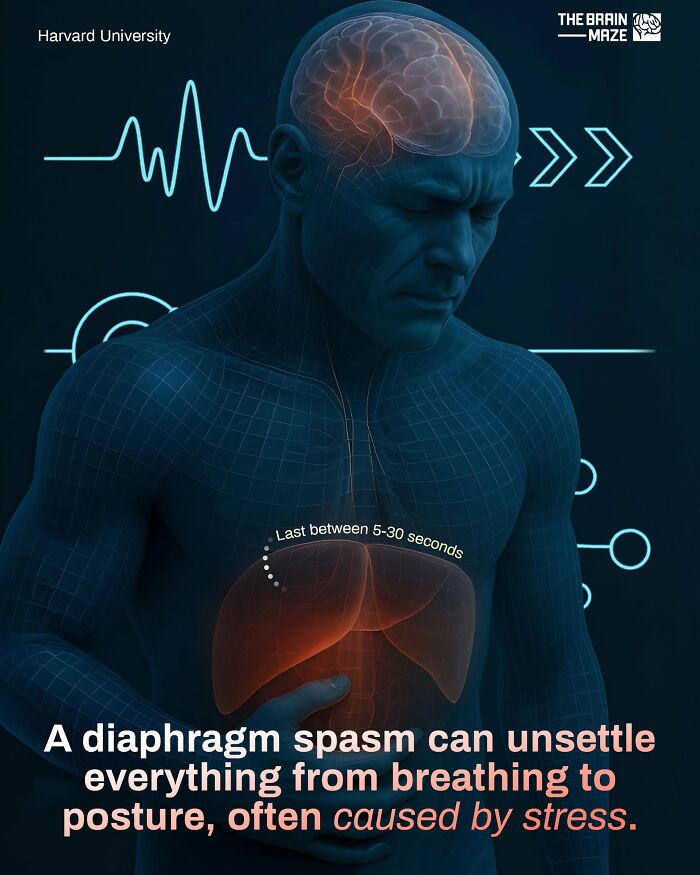
Harvard University researchers explain that diaphragm spasms often begin with sudden physical strain or overexertion that shocks the muscle.
Stress and anxiety can also trigger spasms because they disrupt normal breathing patterns and increase overall muscle tension.
Harvard’s respiratory physiology work shows that irritation of the phrenic nerve can cause the diaphragm to contract involuntarily.
Digestive issues such as bloating or acid reflux may push against the diaphragm and contribute to discomfort or cramping.
Poor posture or restricted rib mobility can further place stress on the diaphragm, making spasms more likely to occur.
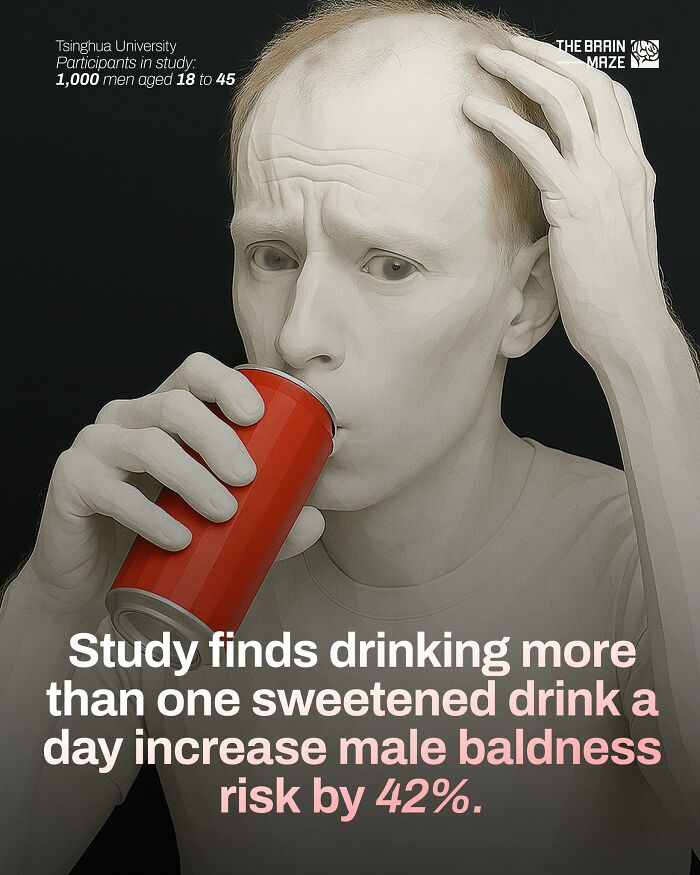
A Tsinghua University study of 1,000 men aged 18–45 found that drinking more than one sweetened beverage per day can increase male baldness risk by 42%. Researchers suggest excessive sugar intake may affect hormones or metabolism linked to hair loss. The findings highlight the importance of limiting sugary drinks for better hair and overall health.
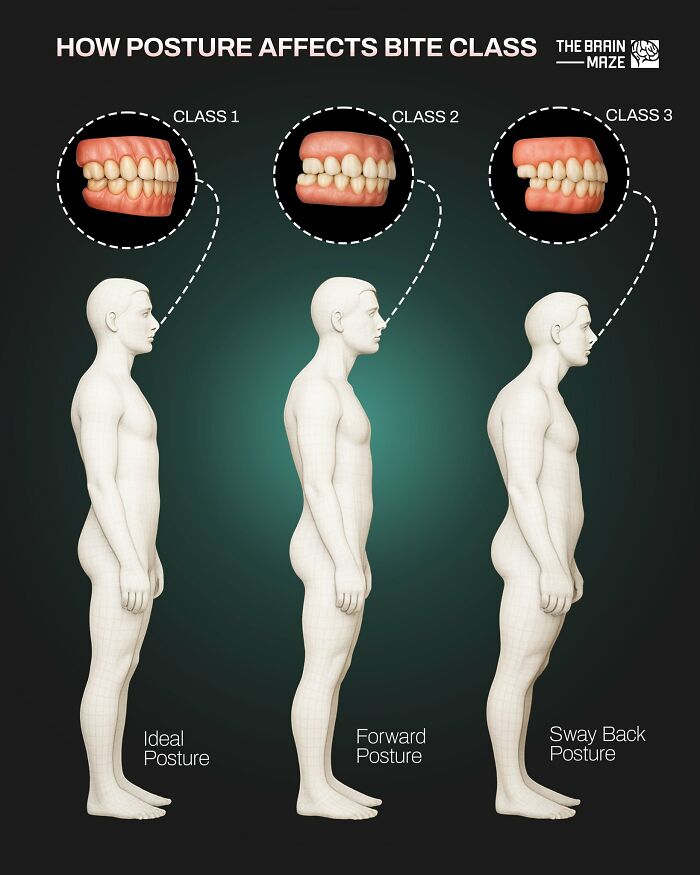
Poor posture can significantly influence the alignment of the jaw and the development of different bite classes. When a person maintains ideal posture, the head, spine, and jaw stay properly aligned, supporting a normal Class 1 bite. Forward posture shifts the head ahead of the body, causing the jaw to move back and increasing the likelihood of a Class 2 overbite. In contrast, sway-back posture pushes the hips forward and the head backward, which can shift the lower jaw forward and contribute to a Class 3 underbite. Overall, the way someone stands or holds their head can have a direct impact on their dental structure and bite health.

BuIIshit! Bone placement of the jaw is not affected by the spine or posture. They aren't even citing anything now, because no study could prove this garbage.
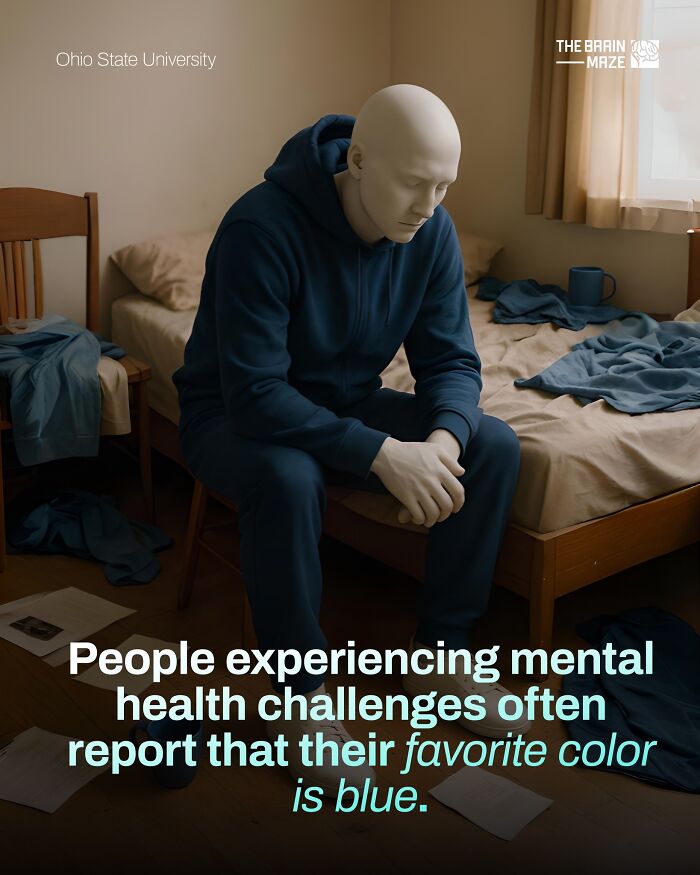
Although often seen as a stereotype, research has explored a nuanced link between a preference for blue and mental health.
Early studies from the 1960s, including a 1961 study by Schaie and Heiss at Ohio State University, observed that many psychiatric patients favored blue, suggesting a potential psychological connection.
More recent studies indicate that individuals experiencing depression may prefer cool colors like blue and purple.
This tendency could reflect blue’s associations with calmness, stability, and its soothing physiological effects on the body.
Overall, color preference may subtly mirror emotional states, offering insight into the complex relationship between mood and perception.
Isn’t blue the most common favourite colour world wide? Given the state of the world, that probably isn’t surprising then.
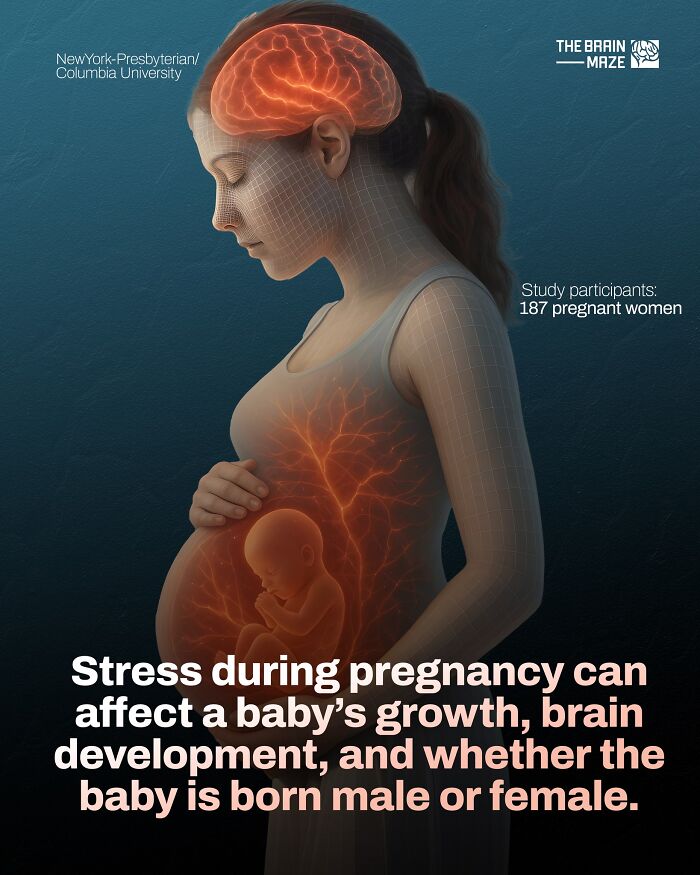
Stress during pregnancy has a profound impact on both the mother and the developing baby. According to research from NewYork-Presbyterian and Columbia University involving 187 pregnant women, maternal stress can influence the baby’s growth, brain development, and even determine whether the baby is born male or female. When a mother experiences high levels of stress, hormones like cortisol can cross the placenta, affecting the fetus’s brain structure and overall development. This disruption may lead to long-term emotional or cognitive challenges later in life. Therefore, supporting maternal mental health during pregnancy is essential for promoting healthier outcomes for both mother and child.

A lot "facts" here are complete nonsense but i like the way people who make a comment why this is bull💩 get downvoted. Some people here really cant handle the truth 🤣


All of the nonsense in this list. Just ask the physicians who are commenting, they'll sure tell you.
The problem is, if you are a doctor and tell people why this is nonsense, they either doubt you actually are a doctor or they still believe what they want to believe. The is no space for the truth on the internet 🤣
Load More Replies... A lot "facts" here are complete nonsense but i like the way people who make a comment why this is bull💩 get downvoted. Some people here really cant handle the truth 🤣
All of the nonsense in this list. Just ask the physicians who are commenting, they'll sure tell you.
The problem is, if you are a doctor and tell people why this is nonsense, they either doubt you actually are a doctor or they still believe what they want to believe. The is no space for the truth on the internet 🤣
Load More Replies...



































 No fees, cancel anytime
 then open in external browser


 and click "Open in External Browser"