Get Premium
Dark mode theme is available exclusively for premium users. Learn more about the benefits of subscribing.
No fees, cancel anytime.

 Dark Mode Ad-Free Browsing Unlimited Content
 Ad-Free Browsing Unlimited Content Dark Mode
Join 1.2 million Panda readers who get the best art, memes, and fun stories every week!
47submissions
1week left

Too many people don’t know or care about our history. This isn’t a particularly new issue, as even in 1943, The New York Times reported that college students showed “a striking ignorance of even the most elementary aspects of United States history.” Such a predicament could be explained by the fact that history can be quite a dull and dry subject to talk about if it’s not presented in an engaging or appealing way.
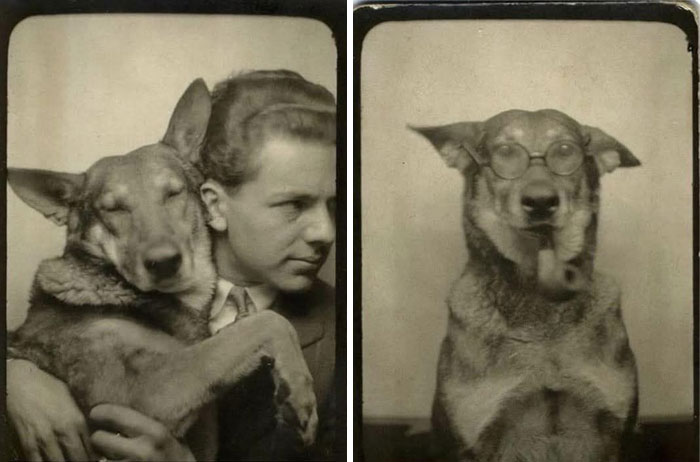
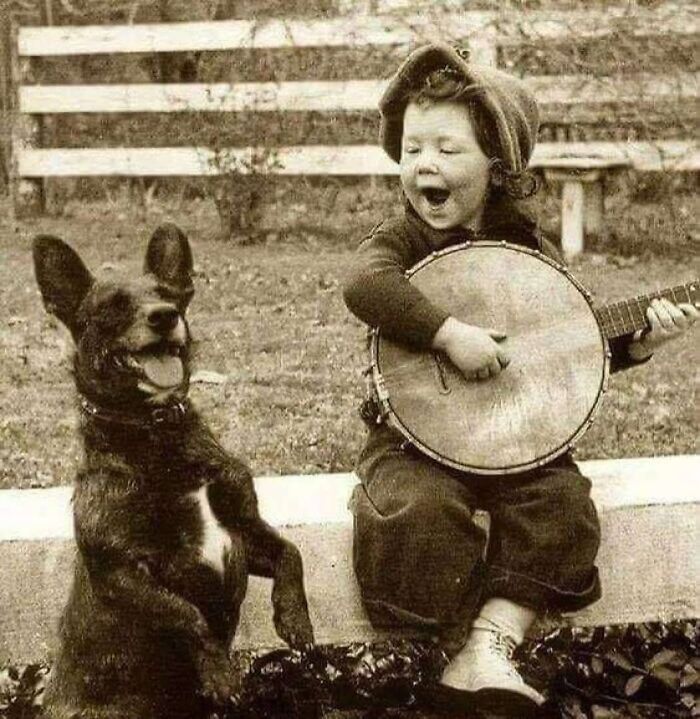
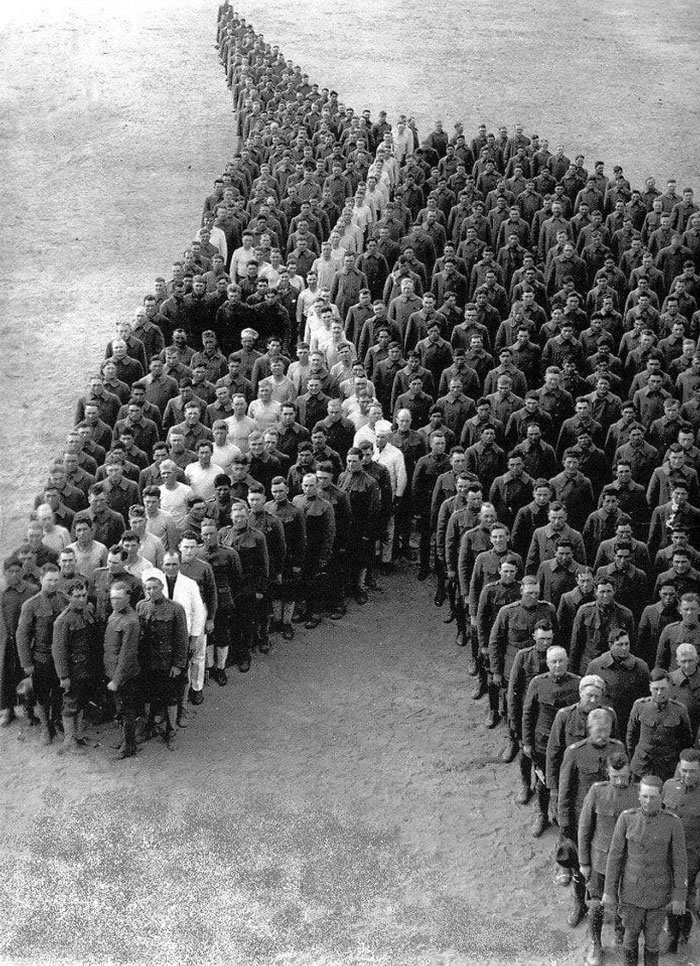
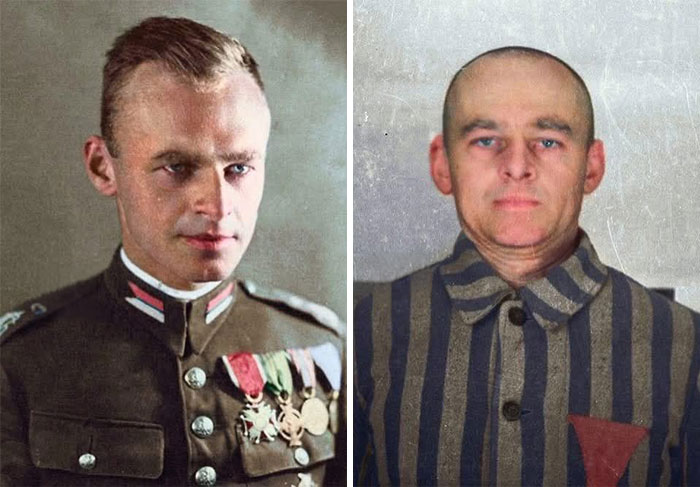
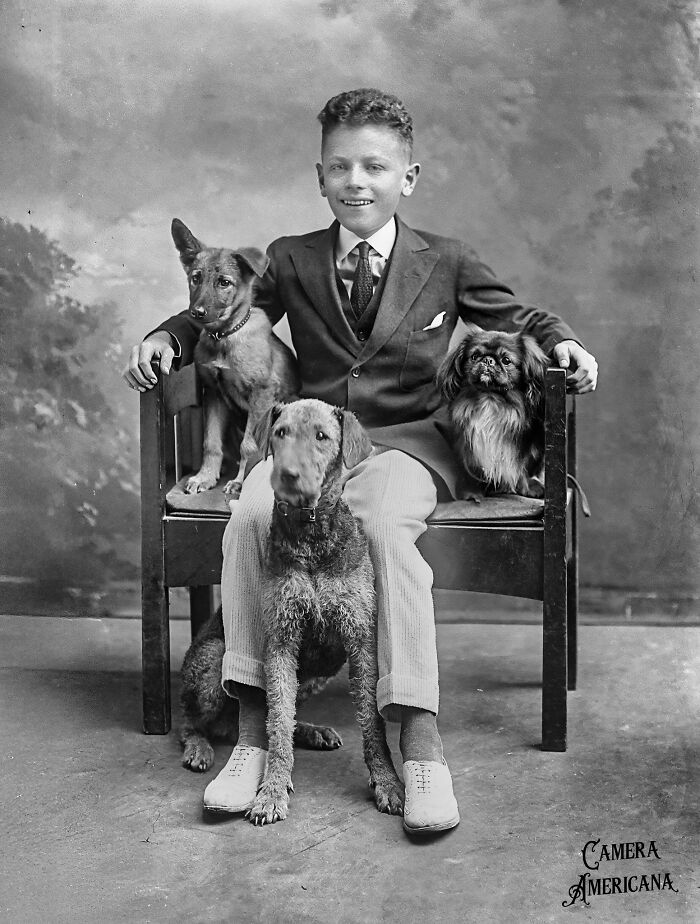
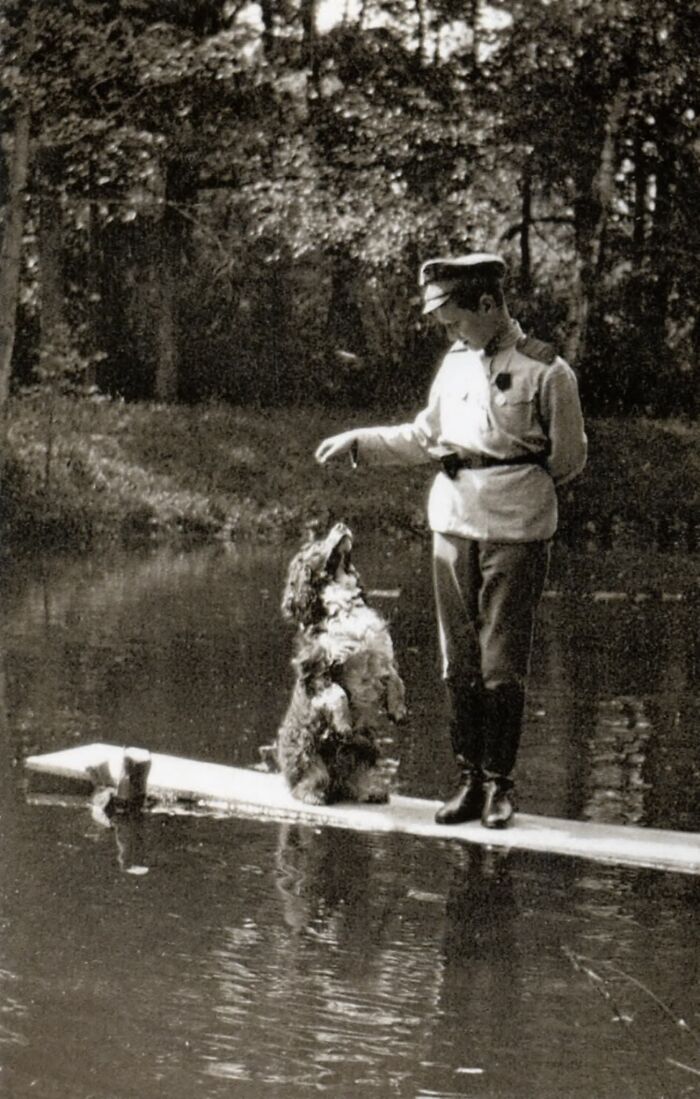
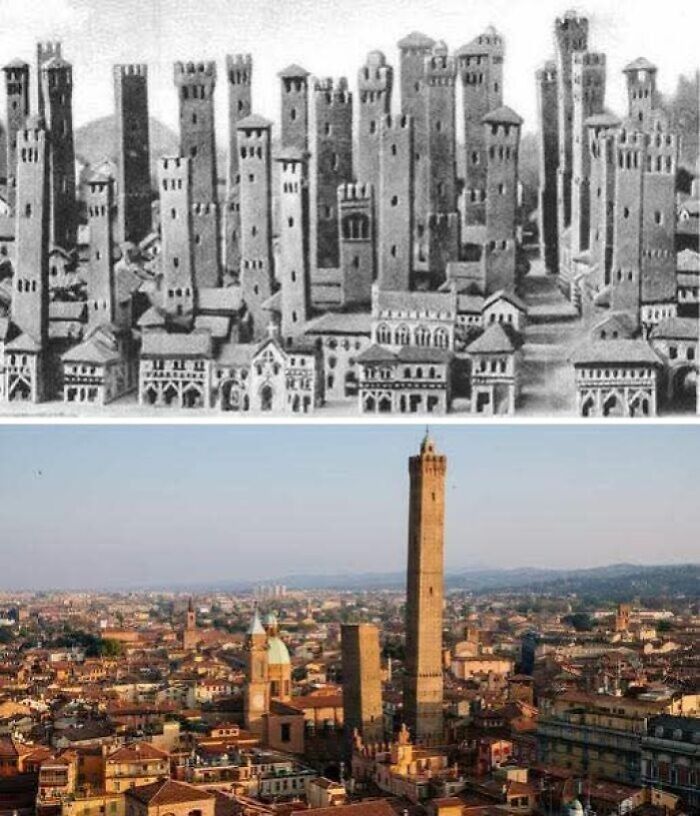
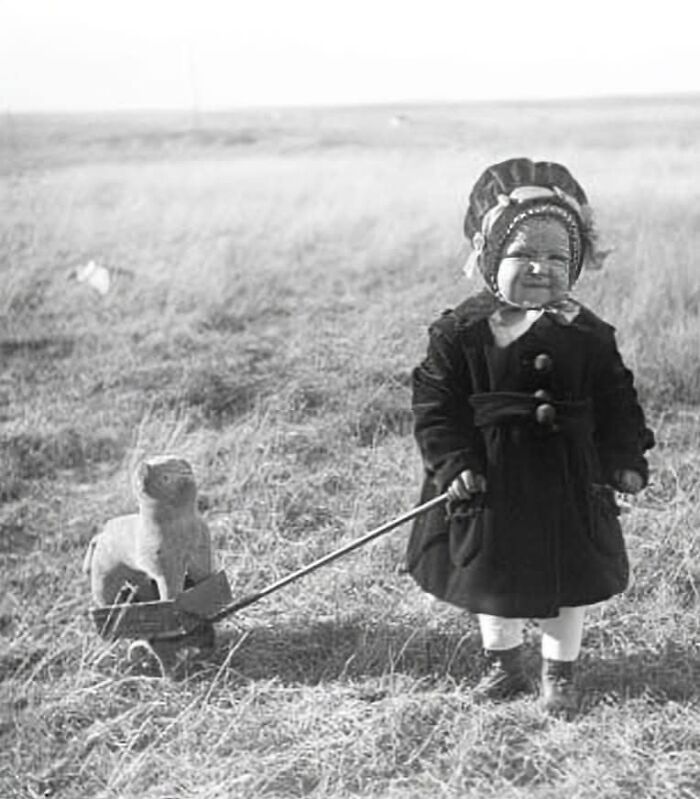
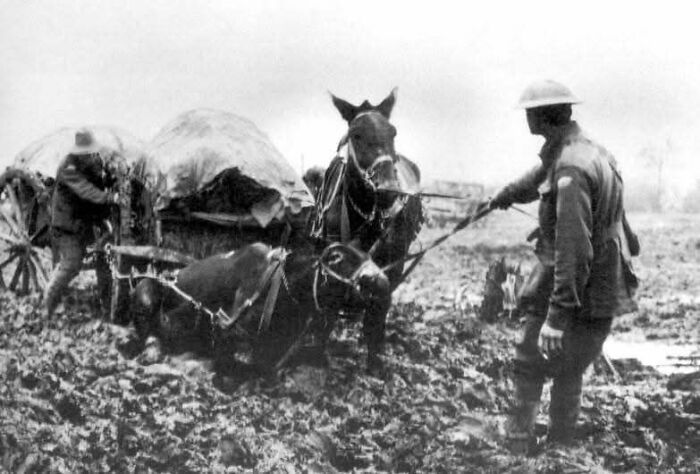
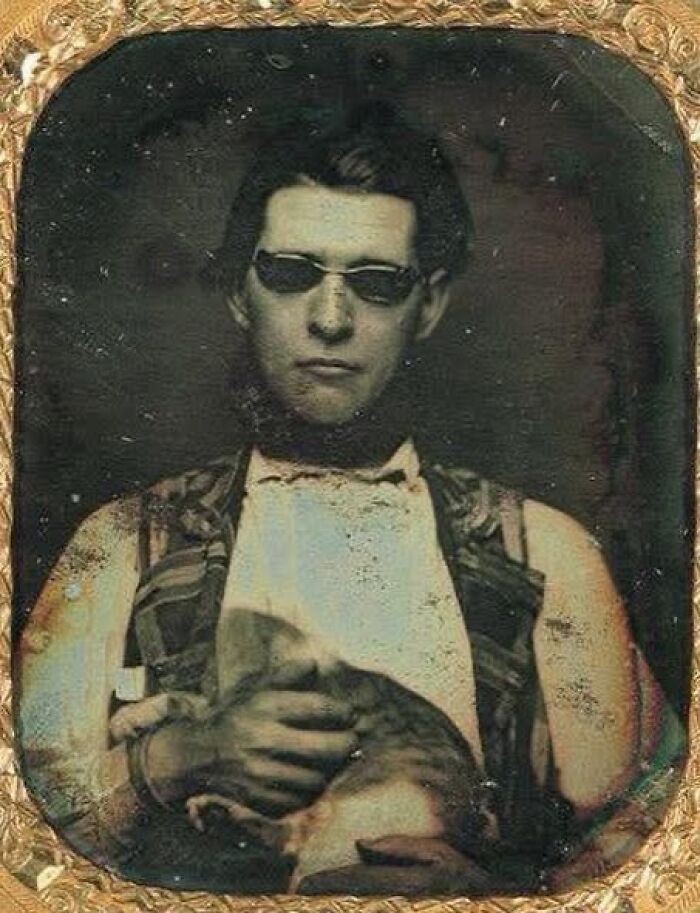
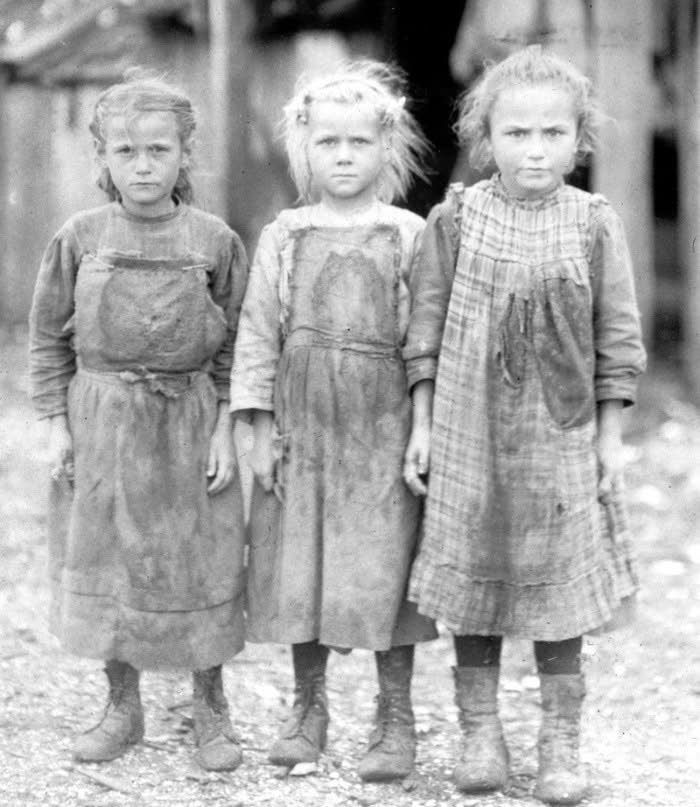
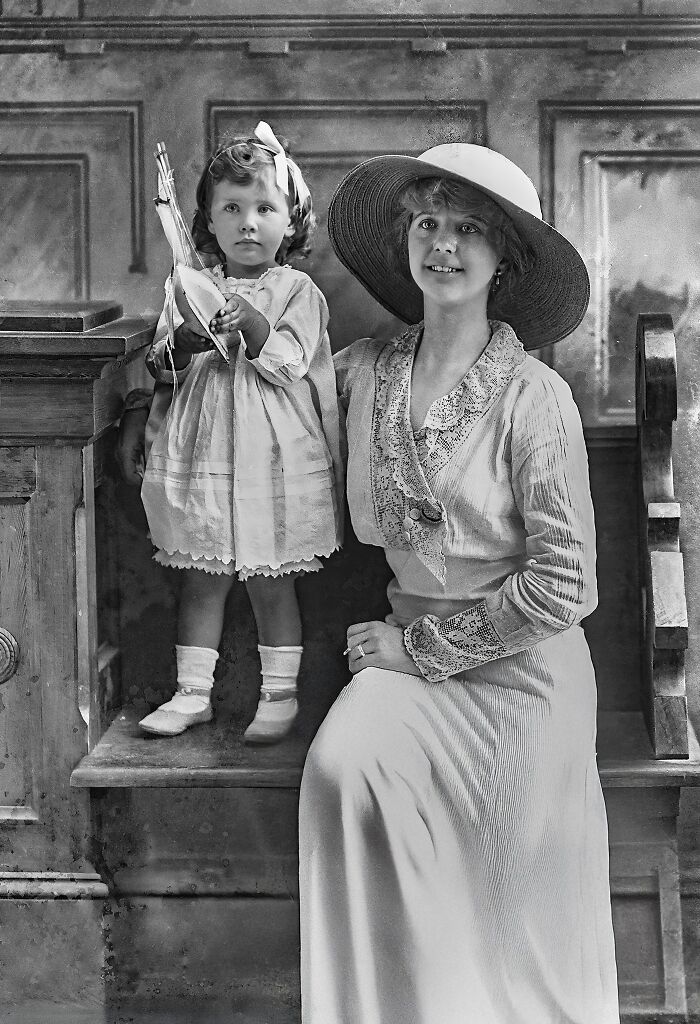
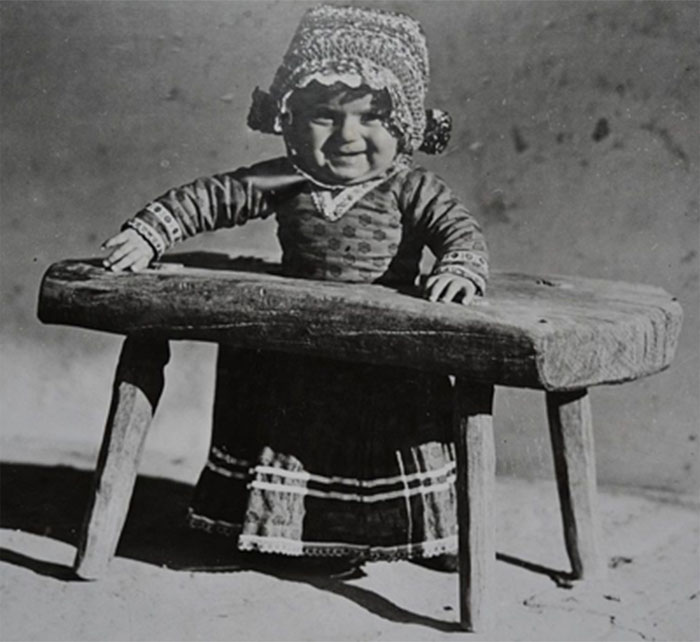
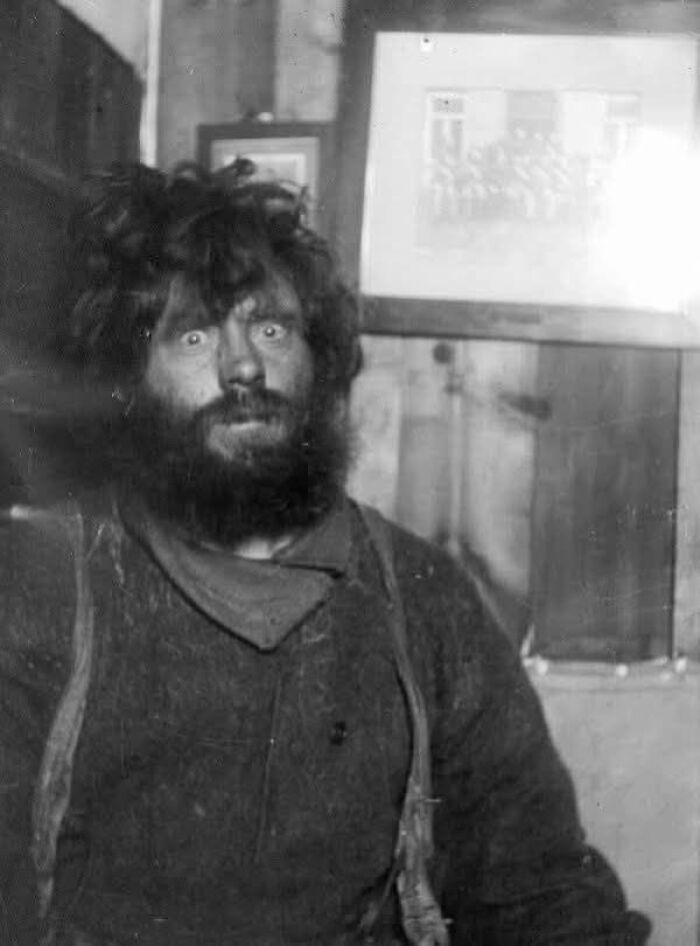
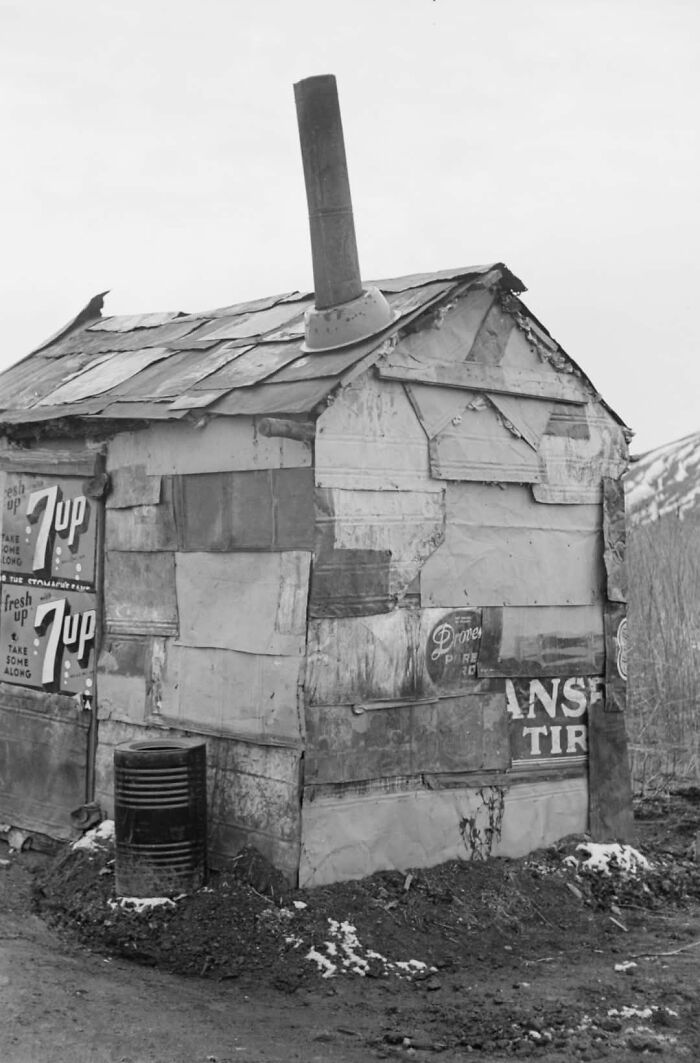
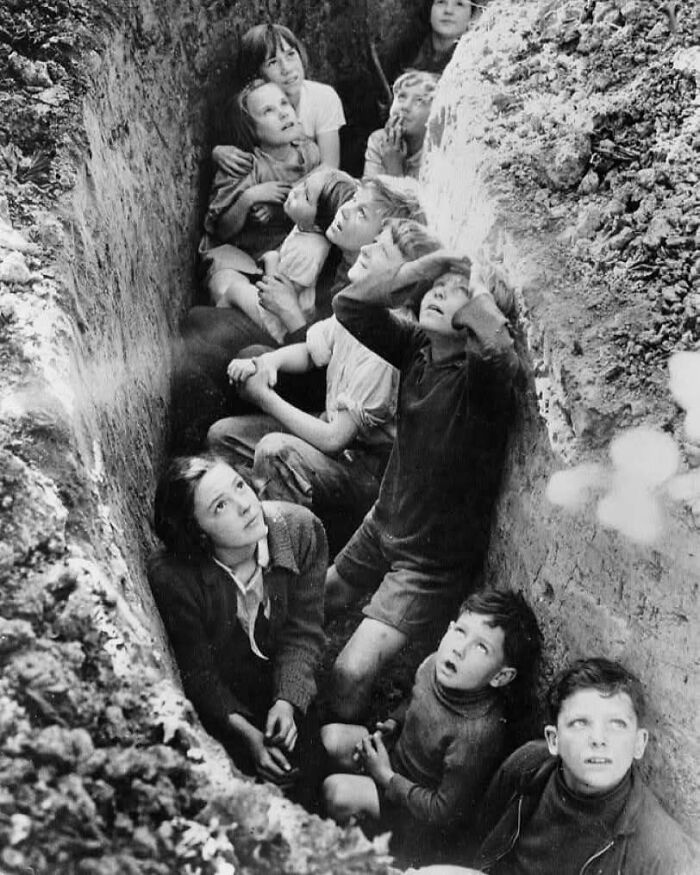
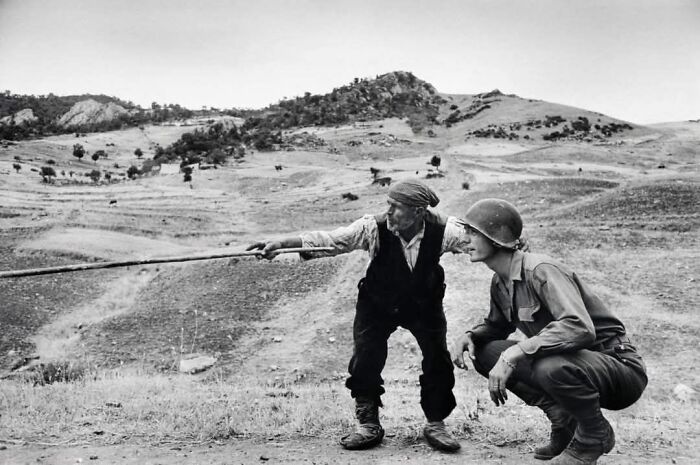
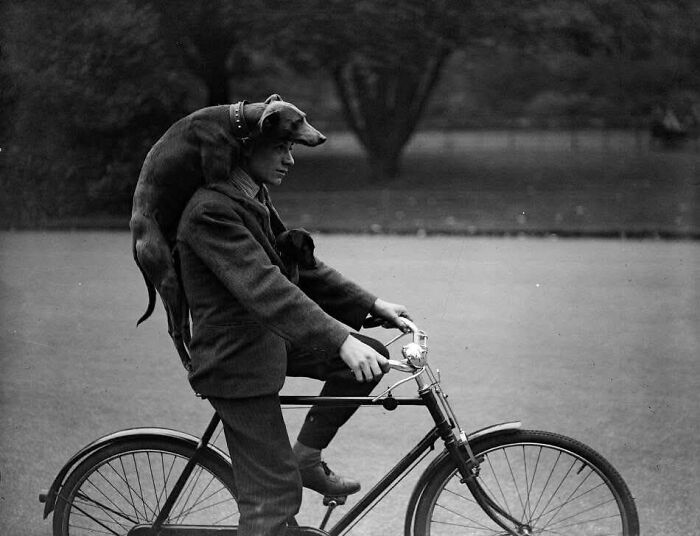
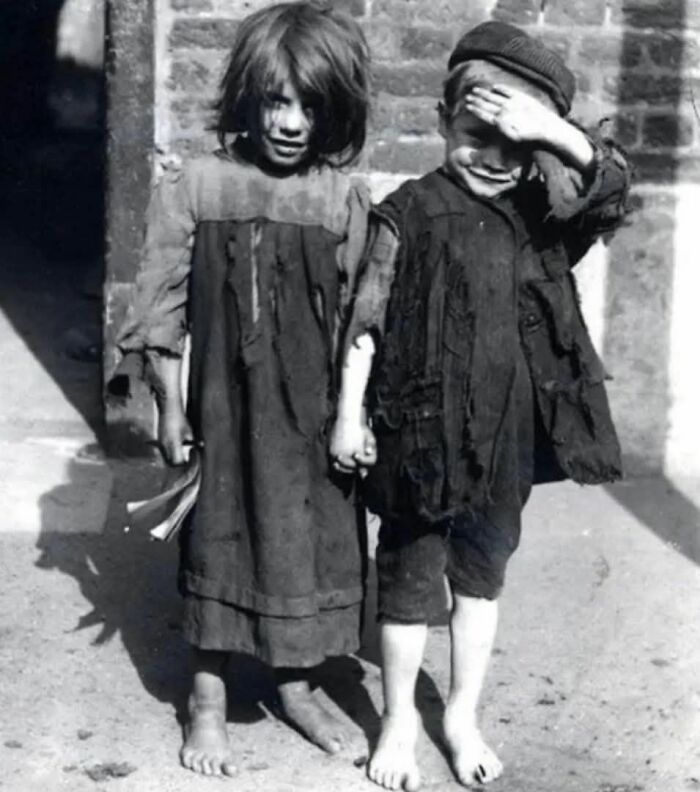
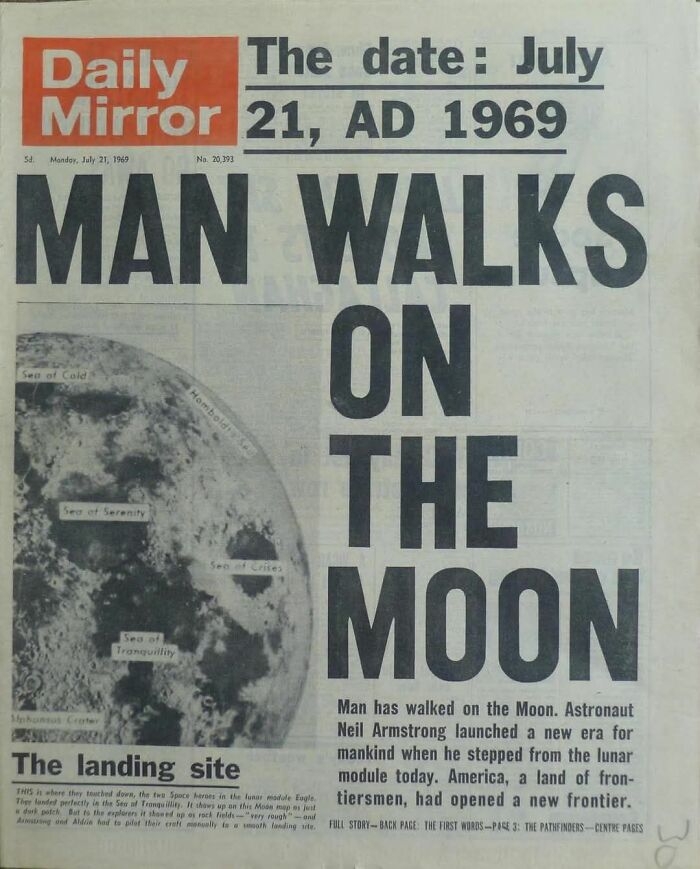
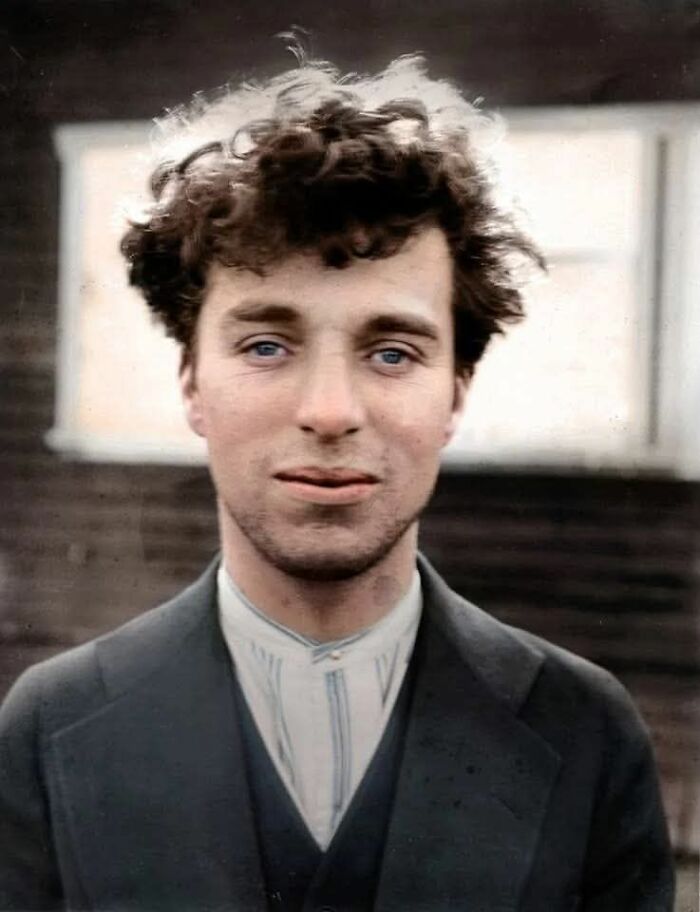
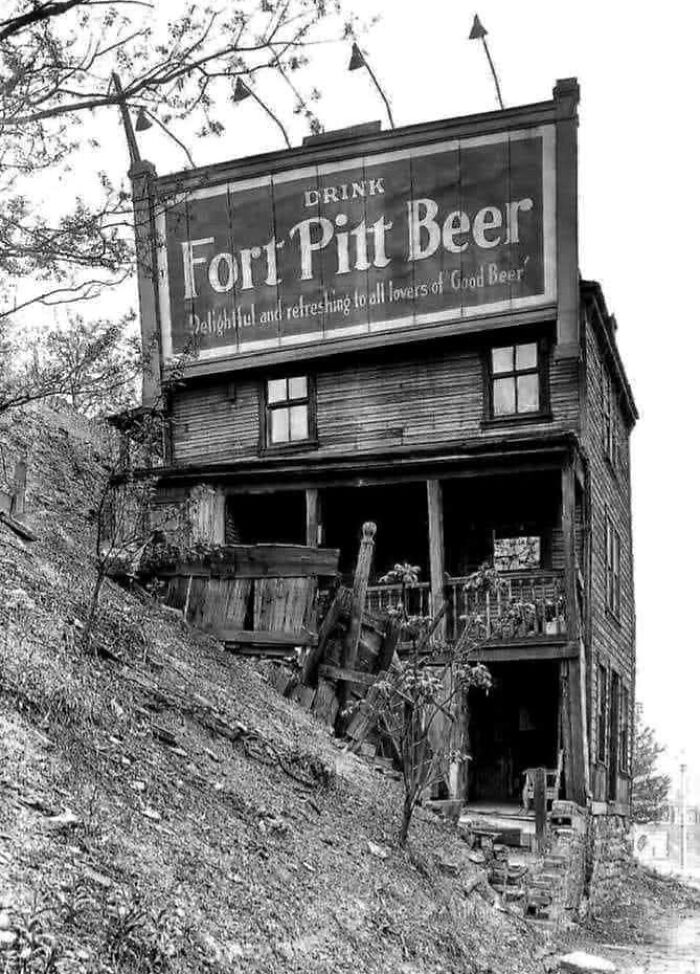
To get you, our dear Pandas, more interested in history, which helps to shape our future, we curated a whole list of historical images from the Historical Pictures Facebook group in hopes that this way of learning about the past is more compelling than reading about it from textbooks. Scroll down to find the photos below, and be sure to upvote those pieces of history you found the most fascinating.
While you're at it, don't forget to check out a conversation with historian and writer Matthew Lewis and history travel blogger Jen Brown, aka Jaunting Jen, who kindly agreed to talk with us more about their love of history.
Click here & follow us for more lists, facts, and stories.
This post may include affiliate links.
Historian and writer Matthew Lewis tells Bored Panda that history really took a grip on him when he started studying the Wars of the Roses at school.
"I was fascinated by the huge characters, the seismic events, the crown swapping hands back and forth, and I was struck by the depth and complexity of it. I think it was this that first made me really think about history as the story of real people, rather than just events and dates. So I blame my fascination with history on my A-level history teacher," Lewis jokes.
The Wars of the Roses that Lewis mentioned took place from 1455 to 1485 in England between two rival branches of the royal House of Plantagenet: the House of Lancaster and the House of York, who essentially fought about who had the rightful claim to the English throne.
At the time, they were considered civil wars. Later, this conflict became known as the Wars of the Roses since the Lancastrians were associated with a red rose and the Yorkists were associated with a white rose.
The Wars of the Roses ended when Henry Tudor defeated Richard III at Bosworth and married Elizabeth of York, uniting the two families.
History travel blogger Jen Brown, aka Jaunting Jen, discovered her love for history in school as well, though thanks to a different subject.
"Making replicas of pyramids first sparked my interest in history, I've been hooked ever since," she shares.
She believes that it's important for people today to understand our history because it tends to repeat itself. "It's hard to understand the present if we don't understand the past. Many of our current problems in the world are rooted in history."
Meanwhile, Lewis thinks it's crucial that we understand because it tells the story of how we got where we are today.
"History is the story of how we got to where we are today, and what greater tale can we tell ourselves? History teaches us to think critically about actions and the motives behind them," he explains.
"In an age of fake news, that skill ought to be prized more highly than it is. If we think about a post-pandemic world, with wage suppression, war in Europe, rocketing taxation, and uncertainty in government, we might be considering today, or the late 14th century, in the wake of the Black Death with the Hundred Years’ War ongoing. If we want an indication of what might happen next, history offers some answers."
So, to expand our knowledge of history, we asked history enthusiasts to share the most fascinating historical fact they know.
For Brown, it was the construction of the Ħal Saflieni Hypogeum, an underground hypogeum in Malta, which was done with primitive tools five thousand years ago.
It's an outstanding underground burial complex carved out of soft globigerina limestone using only Stone Age tools like chert, flint, and obsidian, along with antlers.
The site was accidentally discovered in 1902 by a stone mason who was laying the foundations for a number of houses. In 1981, it was added to the UNESCO World Heritage List as a site that bears unique testimony to a civilization that has disappeared
The most fascinating historical fact that Lewis decided to share is that time immemorial has a start date.
"We use it to mean something out of memory, that has always been the way it is. Medieval law relied heavily on a principle of custom and tradition. When King Edward I set about codifying more English law, he created the Statute of Westminster in 1275. This set the date of time immemorial to 3 September 1189. That was the coronation date of Edward’s great-uncle Richard I, the Lionheart.
It meant that in law, if you could prove something had been a custom since 3 September 1189, it would be considered to have been a custom since time immemorial. In 1275, it was felt that 1189, 86 years earlier, was beyond the reach of the memory of anyone alive," he explains.
Lastly, we couldn't let the history enthusiasts go without asking about the misconceptions people have about our past that they wish more people got right.
"One of the most common misconceptions about history that I constantly find myself correcting is that communism is some wonderful thing," Brown says.
"In reality, it is a failed system that directly caused the deaths of tens of millions of people through starvation, disappearances, and m****r. Many of my students don't know this. They only listen to TikTok, where so many sing the praises of communism, never having passed a world history class."
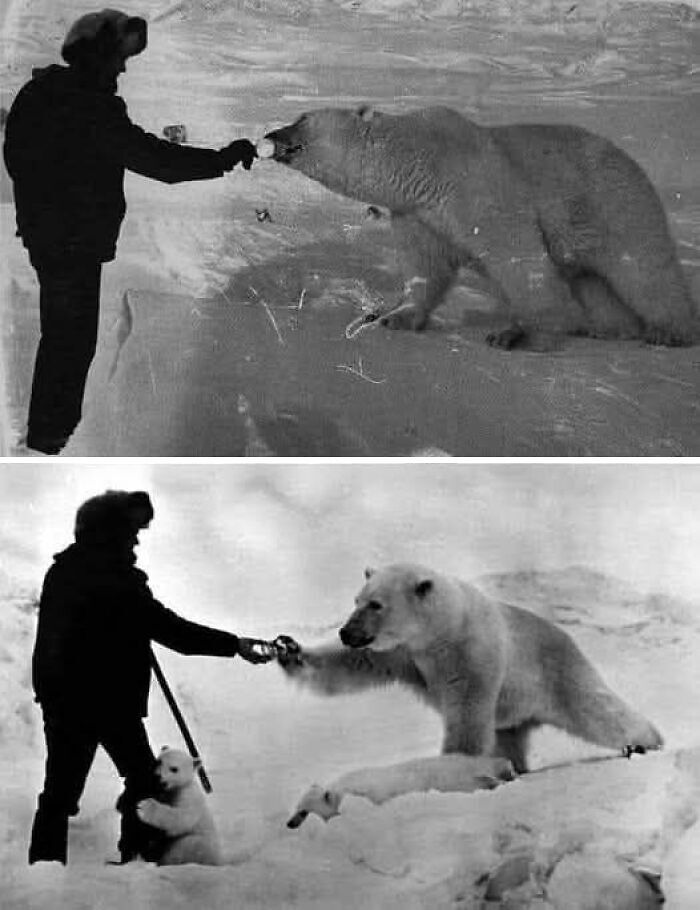
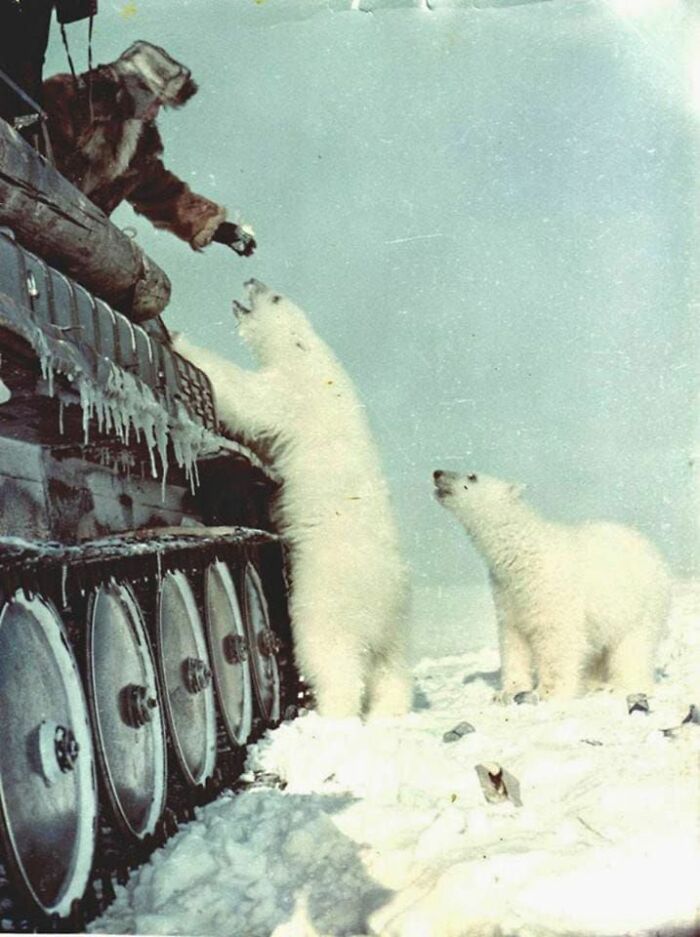
In the frozen wilderness of Chukotka, Russia, back in 1974, a young polar bear cub named Masha was left alone after her mother was shot by a hunter. Too small and weak to survive on her own, her chances looked grim—until explorer Nikolai Machulyak found her in the snow. Moved by kindness, he began feeding the fragile cub throughout the harsh Arctic winter, bringing fish, meat, and condensed milk.
"I could write so much about Richard III and the Princes in the Tower here," says Lewis.
"I have written a biography of Richard III and a book entitled The Survival of the Princes in the Tower to prove it. If I were to swerve that for now, I would say that one of the lingering misconceptions that we have is that the Peasants’ Revolt of 1381 was a revolt by peasants. Whilst peasants were involved, they were not alone.
We call it the Peasants’ Revolt largely because those involved were referred to as rustics, which has become peasants. Rustic at the time meant anyone who lived in the countryside rather than a town. We know from court records after the revolt that many wealthy landowners, merchants, craftsmen, and soldiers were involved in the uprising."
Woah! Our history is truly fascinating, and there's so much more to learn.
If you're interested in doing that, make sure to check out our previous publications on historical facts or more historical pictures!




































 No fees, cancel anytime