Get Premium
Dark mode theme is available exclusively for premium users. Learn more about the benefits of subscribing.
No fees, cancel anytime.

 Dark Mode Ad-Free Browsing Unlimited Content
 Ad-Free Browsing Unlimited Content Dark Mode
Join 1.2 million Panda readers who get the best art, memes, and fun stories every week!
There have been times in history when certain groups of people have faced the unthinkable. The odds were stacked wildly against them. Their limits were tested. Hope seemed like a luxury, and survival was the only goal.
Miraculously, they made it out alive; not necessarily because of skill or strategy, but because there is strength in numbers. These individuals stood together to help each other get through the darkest of times and emerge back into the light - unbeaten.
Someone asked "What's a real historical event where a group of people endured unimaginable hardship and still made it out alive?"
The question sparked a wave of inspiring stories. From miners trapped underground, to people stuck in ice, and communities who withstood brutality and oppression, each tale is a reminder of the unbreakable human spirit and how what might seem impossible can be possible when people stand together.
This post may include affiliate links.

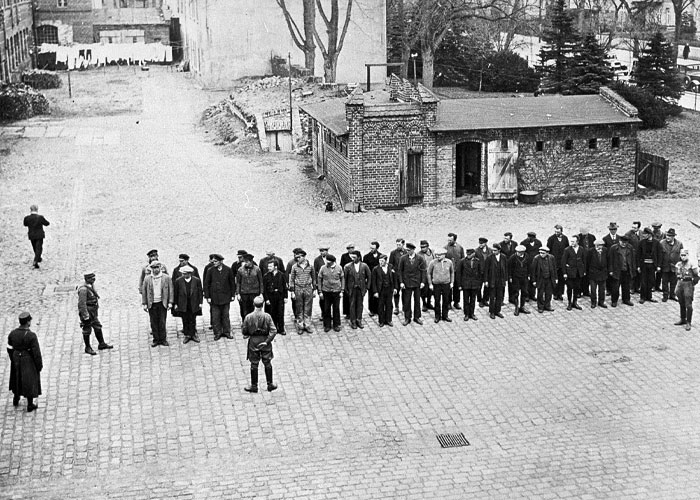 Millions entered the N**i concentration camps; many died there but some made it out alive. Some are still alive to this day, it's worth listening to them.

One of the things about the this was, was how organized it was between concentration camps, death camps, labor camps, mobile gas vans, death squads (that killed 1.5 million with single shot rifles in hundreds of mass graves), etc. And the full cooperation of Civilians (like the German Police, like in the book Battalion 101, the true story of German police who helped the death squads, as volunteers) both German and locals, etc. It was highly organized and calculated. I am the Grandchild of Survivors and grew up knowing many, and the sheer scope and methodical method used is hard to grasp
What do you think of when you hear the word cannibalism? Hannibal Lecter? Silence of the Lambs?
People eating people does sound unreal, and more the stuff movies are made of. But it played a big part in one of the true survival stories that has captivated the world for decades.
In October 1972, a plane carrying members of a Uruguayan rugby team crashed in the Andes. Miraculously, some of them survived the plane going down. They were met with icy cold temperatures, snow and avalanches as they clung onto hope that they'd one day find their way back home again. Apart from the tough environmental conditions, the group had no food.
For more than two months, they stayed alive by eating the bodies of those who had already died in the crash.
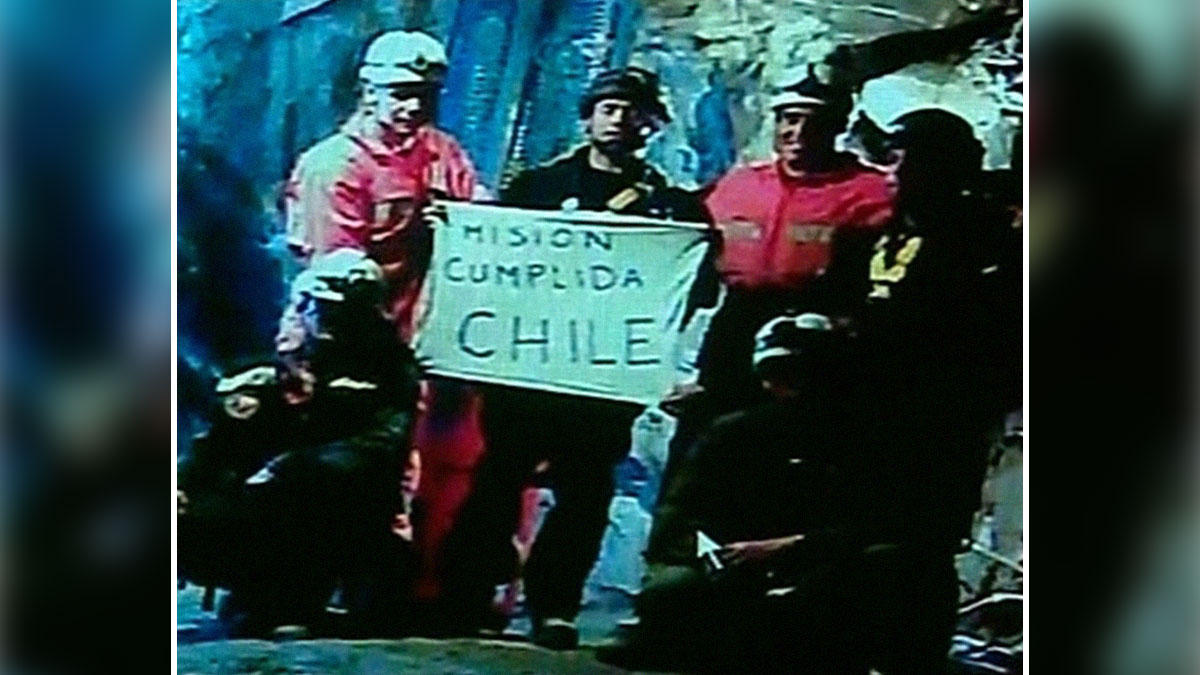
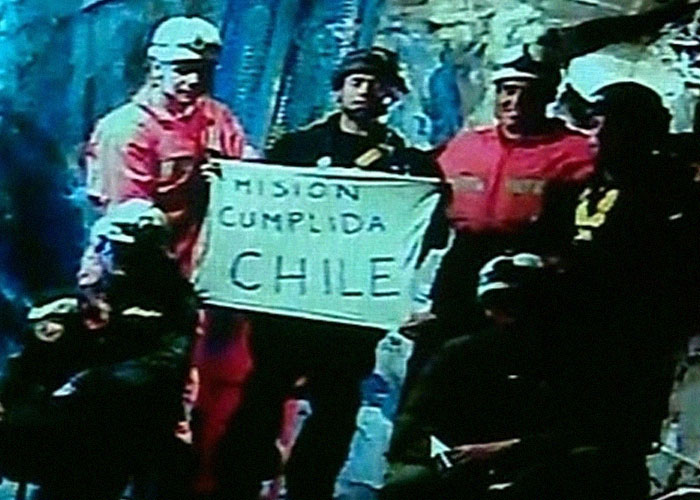 A group of Chilean miners survived for more than a month a mile+ underground after a collapse trapped them in the mine. Rescuers were able to drill down to the "refuge" where they hoped some men had taken shelter. They did find the men there, and gradually brought them up through the hole one by one in a special capsule. Probably the deepest mine rescue ever, by a long shot.

Not as long being trapped, but this reminds me of the Beaconsfield mine disaster in Tasmania. I remember watching the almost constant footage of the rescue over the two weeks they were trapped.
"You are eating a dead person and the person is your friend and you wonder, 'Should I do this? Or should I let myself die?" said one survivor, Roberto Canessa, who was a 19-year-old medical student at the time of the crash.
"But I have seen how mothers cry when they lose their sons and I didn't want my mother to go through that," he continued. "I realized that when you have a reason for doing something, nothing stops you."
Miraculously, rescue helicopters arrived at the crash site more than 70 days after the accident. But only six of the 14 remaining survivors could be rescued that day, due to bad weather. The other eight were fetched the next day.
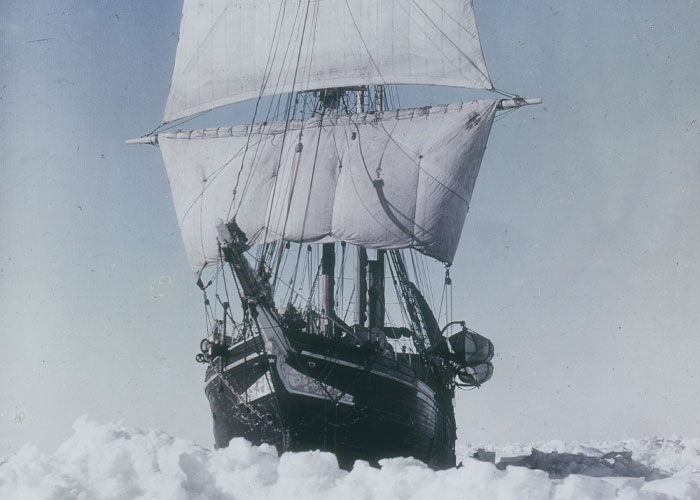 The Shackleton Antarctic expedition (1914–1916), where his crew survived two years trapped in ice without a single death.
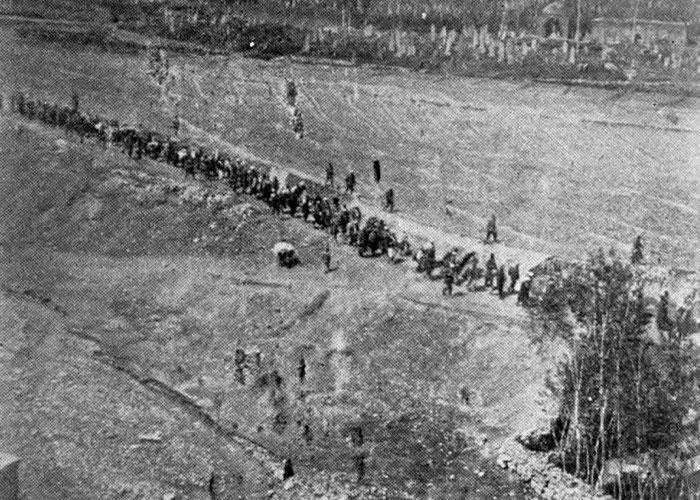
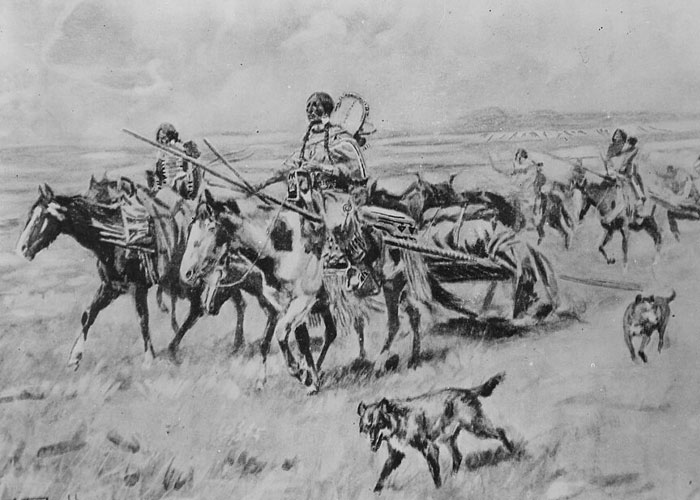 The Trail of Tears. The Long March. The Siege of Stalingrad. .
In a more recent, but also incredible plane crash survival story, five people survived 36 hours surrounded by alligators in a swamp in the Amazon.
In May this year, a light aircraft carrying a child, three women and the pilot was forced to make an emergency landing while flying from Baures to Trinidad over the Beni Department of northeastern Bolivia. The pilot later told local media that it was a "tough landing" and said the plane flipped over when it crashed into the swamp.
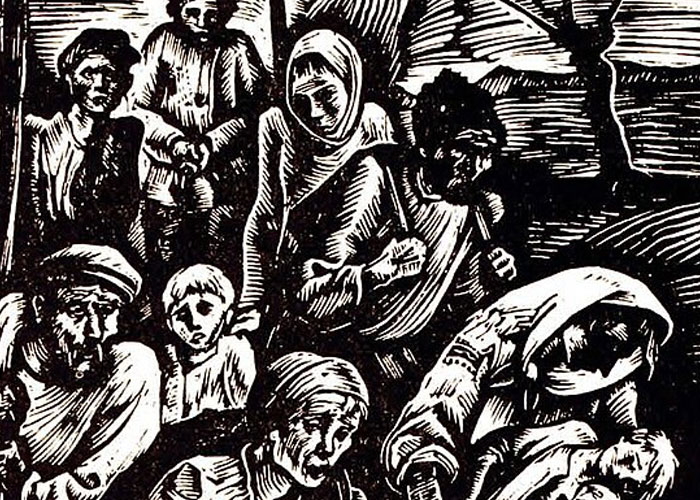 I had great grandparents who survived the Holodomor in Ukraine.

Holodomer was the Ukrainian famine in the 30s. Killed millions. Was engineered by Stalin.
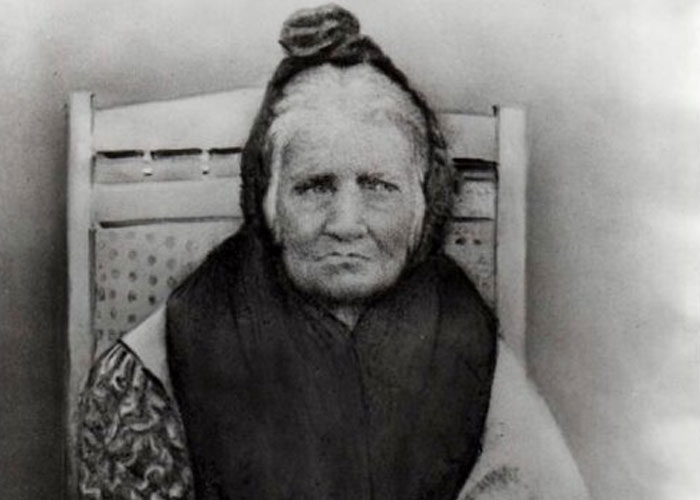 Trail of Tears. As well as other forced relocations. Many didn't make it out alive, but the people endured as a whole.
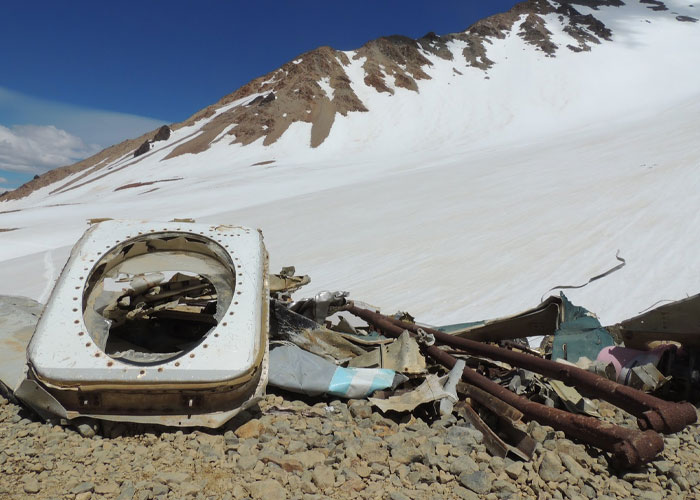 The rugby team that survived a plane crash in the Andes Mountains in the 70s and only survived by eating the dead. An incredible story despite how gruesome it sounds.

I read about this. the majority of the survivors were catholic and were strongly against eating the already dead. Some refused outright and starved to death and others were extremely distraught about it. When they got rescued the pope at the time pardoned them due to extreme circumstance. hopefully gave them some peace of mind.

I am not aware of a Catholic doctrine that forbids eating the dead to save a life.
Load More Replies...
They were called heroes and praised by everyone... until they talked about eating the dead. Then they were hated and called monsters. It shows how dumb the vast majority of people are: they go with the commonly accepted idea that cannibalism is bad and don't even take a second to think that those poor guys didn't *choose* to eat their friends and relatives, it was a matter of life or death.


2 of the original survivors worked as consultant on the set.
Load More Replies...
This is such an incredible story. I've read a couple of books and watched documentaries. The survivors had to eat the dead to live but they did it with incredible respect; I believe they called it a "divine communion" or something similar. If you want gruesome, read about the Donner Party. Not the same thing at all. Also, there is so much more to the story that is truly remarkable. Don't just focus on one aspect.


They were vilified for eating the dead when they returned. They ate the skin of the dead. They did not chop them up and eat them like you would an animal. They did not roast some animal over a fire. The bodies were frozen. They sliced off pieces of skin to sustain them in a barren environment. If they had any other option they would have taken it.
The pilot, Pablo Andres Velarde, said the group was left standing on top of the plane as it lay submerged in the water. Velarde told how they were surrounded by "huge alligators" which came a little too close for comfort to the plane.
"They stayed three to four metres away from us, and stayed there all day and night but never got to us," he said.
Velarde believes the alligators didn't come closer because they were put off by the smell of petrol leaking into the water. He adds that he used the flashlight on his phone to keep a close watch on the creatures.
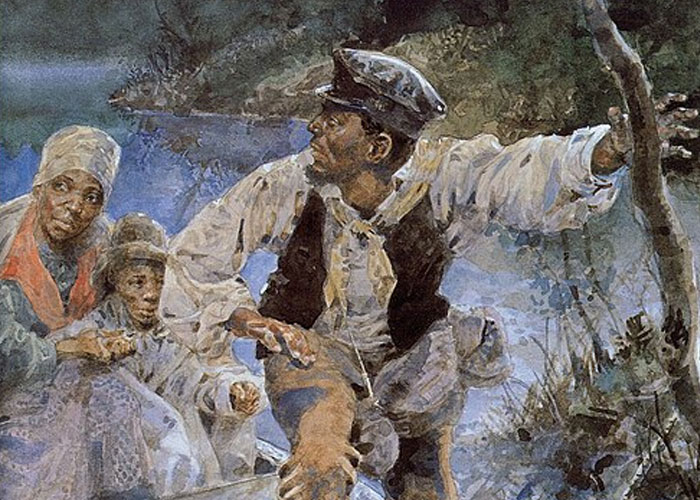 The Harriet Tubman led Underground Railroad is a powerful example enslaved people escaping brutal oppression, navigating dangerous terrain, and risking everything for freedom, with Tubman guiding many to safety despite constant threats. Their courage and resilience under unimaginable hardship changed history.
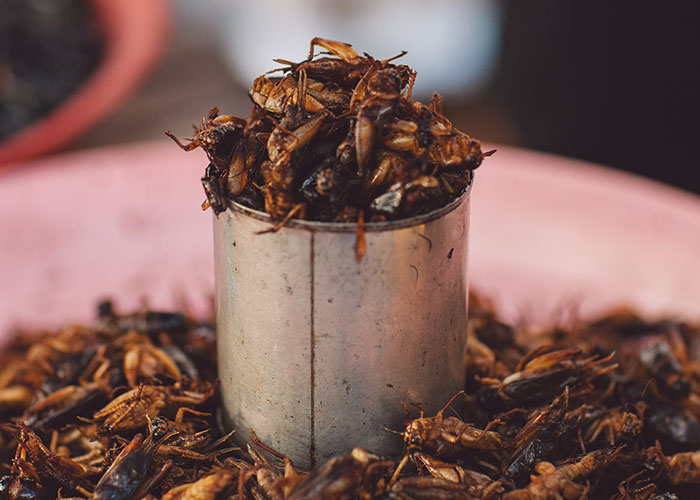 My grandma's village during the Great Chinese Famine. They had to eat insects, tree barks and even actual soil. But most of them made it out alive. Surprisingly most of them lived quite long as well (many are in their 80s to 90s right now and going strong).
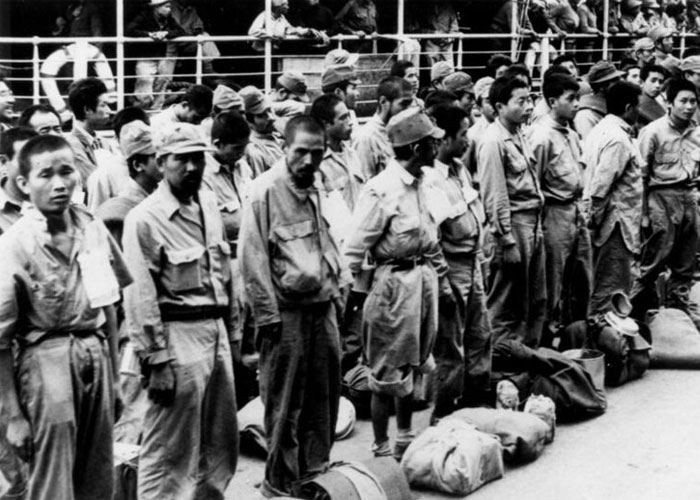 Japanese prisoner of war camps in WW2.

Terrible. If I’d written this I’d have done POW camps in general. Confederate’s POW camps, US ‘Indian’ reservations, English concentration camps in Africa, Vietnamese (both sides) in American War in SE Asia, US detention centres, etc
Sky News reports that the group "couldn't drink anything," and all they had to eat was cassava flour that they found in the plane. Thankfully, a fishing boat passed and the pilot used his phone's flashlight to signal for help. They made it out alive and were airlifted to a hospital.
Velarde says they very well might have died had that boat not come when it did. "We were happy because we could not survive another night," he said. "We were very tired. We couldn't stand anymore, because we had to stand so we could keep an eye on the animals."
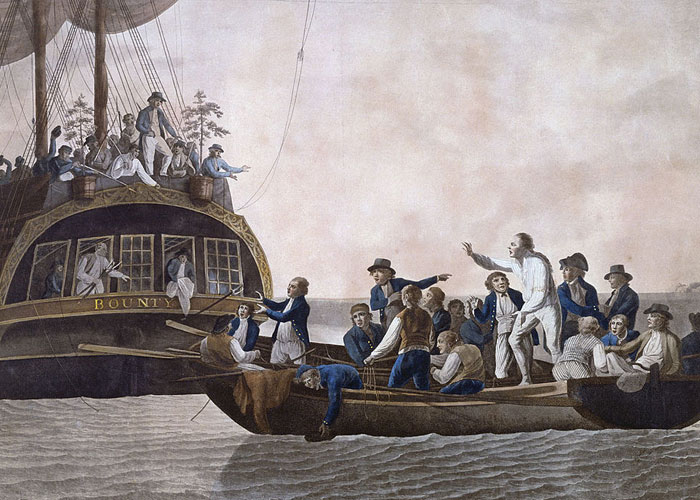 Captain Bligh and the crew released to die in the South Pacific by Fletcher Christian and the mutineers. In an extraordinary act of seamanship Bligh navigated to the Dutch East Indies - a voyage of over 1400 Km in just a launch, and not a single man died.
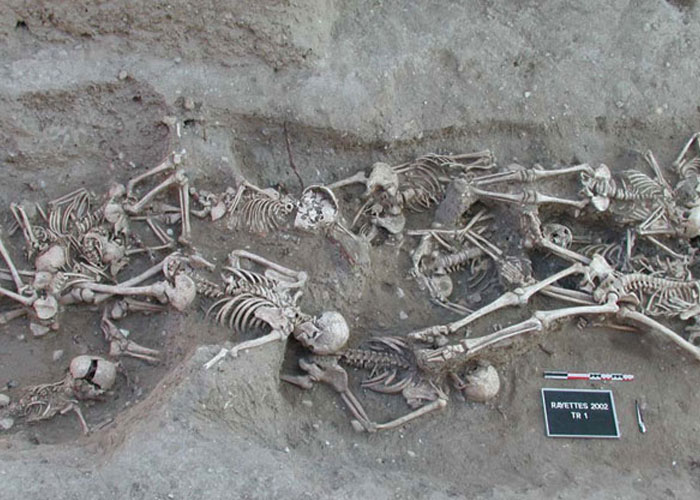 The black death was one of the most traumatic and scarily confusing events in history for those living at the time. To make it out alive when everyone you know died must have changed everything. Young, old, none were safe.

And yersenia pestis, the bacterium that causes bubonic, pneumonic, and septicemic plague, is alive and well. It got a guy in Arizona just last month. Now imagine an antibiotic-resistant strain of THAT one.
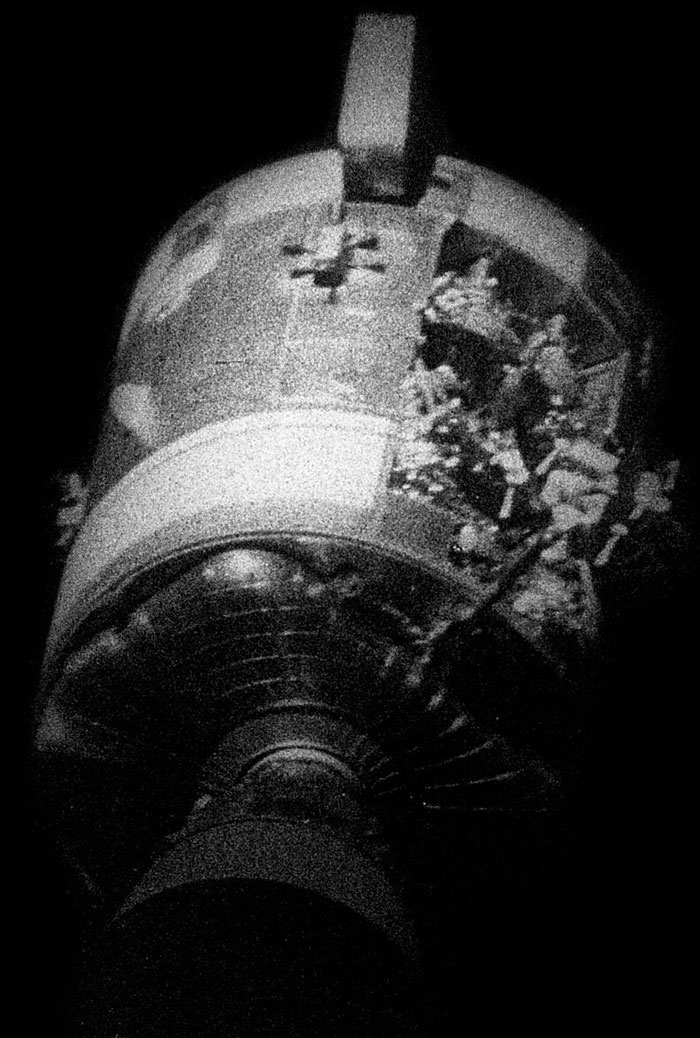 Apollo 13. Absolutely insane. Rest in peace Jim Lovell.
Too bad they refused to represent any of the women who made their safe return possible. Ron Howard made the show with an entirely male NASA cast even though many women were part of the various teams. And the story of Judith Love Cohen (Jack Black's mom) would have been an awesome scene.
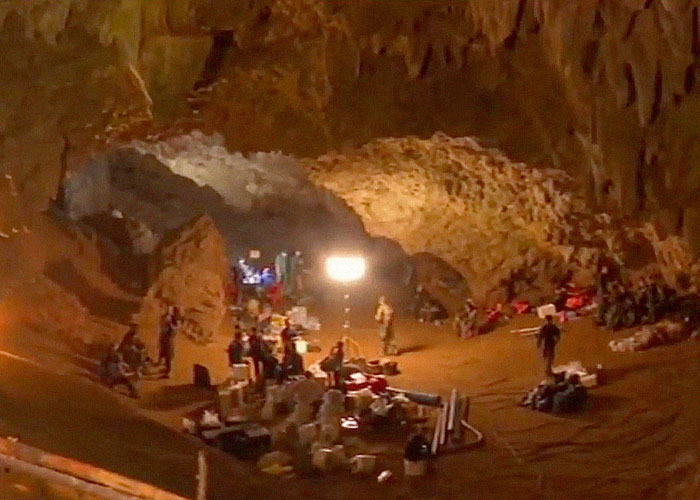 Soccer team stuck underground water cave in South East Asia.

Wasn't that the event at which Egon Murks called one of the divers a "pe dophile", because he, rightfully so, dared to mention that his toy U-boat won't fit through the caves, and therefore, wasn't useful as a means of rescue, and couldn't take that somebody else was right, and he wasn't considered a hero? Egowanker, he is.
 The very young children who survived The Mountain Meadows M******e, in Utah. They had to be bought by federal troops who arrived in force, to retrieve them. They were captured by the Mormons in Utah who had committed the m******e and k****d or ordered the parents to be k****d, in collusion with area native tribes with whom they shared the stolen bounty from the wagon trains passing through.
After k*****g the parents, trail guides, native scouts and all older siblings over the age of 8, they then stole all the children’s and the family belongings, passing them out to other townspeople. The ransoms paid by the federal troops were for food, clothing and shelter allegedly “freely given” to the children, by the caretaker families in town who claimed they saved these kids and hoped to adopt them some day. .

Ffs, stop blanking out words. It makes it impossible to follow stories.
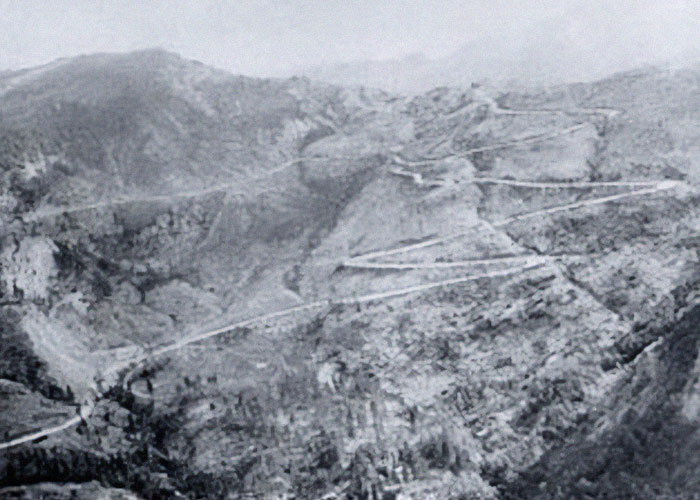 This story stuck with me:
>The following is inspired after listening to George Takei give a lecture on how US Japanese citizens were treated in World War Two. The article tells the story of a group of men, who for the most part, were regarded by the US as being little better than the enemy.
>. . . Perhaps their most amazing battle, happened on the Gothic Line. The Gothic Line formed Field Marshal Albert Kesselring's last major line of defence in the final stages of World War II along the summits of the northern part of the Apennine Mountains during the fighting retreat of the German forces in Italy against the Allied Armies in Italy commanded by General Sir Harold Alexander.
>. . . The men of the 442nd came up with a daring idea. Their commanders realized that while the forward parts of the mountain were heavily defended, the back side of it, a sheer cliff, was not.
>
> A company of the 442nd then, volunteered to climb the rear of the mountain, and to attack the enemy from this point, taking advantage of the fact that the Germans would not be expecting an attack from there.
>
> Late at night, they began the climb. Slowly working their way up the treacherous thousand foot cliff. Not all made it. Many fell to their deaths...but **they did not fall screaming. They fell *silently*.**
>
> These men knew, that if any sound was heard from this area, if any German sentry happened to hear the sound of a man screaming as he fell to his death, then the attack would fail. So they climbed in silence, and they died...in silence.
>
> The men climbed for nearly eight hours, losing close to half their number to falling, before just before daybreak they reached the top of the mountain. Hunkering down they waited for the sun to come up, and then pressed their attack.
>
> The Germans were caught surprised, and that one company managed to not only take the hill, but break the back of the Gothic Line.
>A six month stalemate was broken by the 442nd in roughly 32 minutes of hard fighting.
>When the war ended, the 442nd held the distinction of being the most decorated military unit in U.S. military history.
I can't even imagine the level of discipline and total self-control you'd need to have to not scream as you fell off a mountain to your death.
Also to the survivors, who had to keep on climbing after seeing the risk first-hand by watching their fellow soldiers die. They had to finish the mission or their brothers-in-arms died for nothing.

Lot of embellishment in the story. Let's start 1] No, they did not lose "half their number"; there is no accessible official report for casualties in the climb, but military reports and subsequent historical sources report the casualties in the whole operation as "surprisingly few" and "light casualties", that in WW2 jargon means 5-10% of the force KIA or WIA. Considering the climb on Monte Folgorito employed only three Companies (I and L riflemen companies and machine gunners from M company) out of the 442 RCT, for a total of about 400-500 men tops at a time where American companies in Italy were usually at half strength, the losses were about 50 max, most of whose in combat. There is a single soldier's report of a man falling, and the "in silence" part is typically considered embellishment. Even if we consider all the KIA for the whole RCT in the whole campaign, it would be 114 KIAs, not enough to be "half the forces".
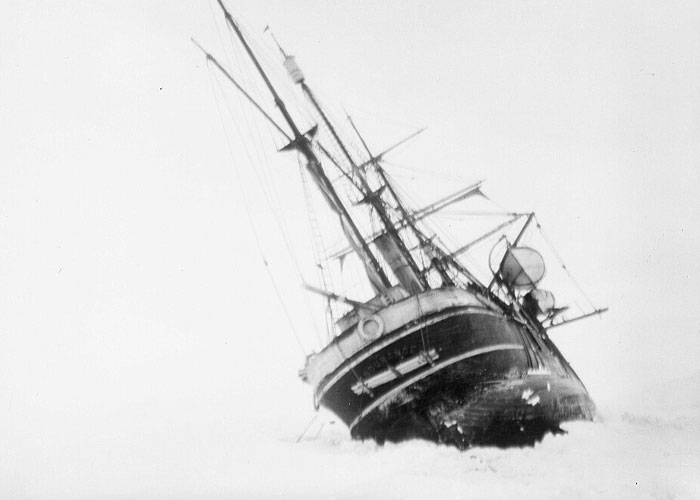 The crew of the Endurance, which survived 2 years in the Weddell Sea after their ship got stuck in the ice.
Then the ice tore the ship to shreds so they had to camp directly on the ice...until it started melting and had to take the lifeboats all the way to Elephant island.
From there, the team leader, Ernest Shackleton took a crew to South Georgia to get some help from whalers there. The problem was that the settlement was on the Eastern shore of the island, and they beached their craft on the West coast. So they made makeshift cleats and pulled off the first crossing of the island (a feat not repeated until 40-ish years later) to reach the nearest whaling station.
There's a great book recounting the expedition. It's amazing how they all made it out alive (just one guy had to be amputated on Elephant island due to frostbite).
 Immaculee Ilibagiza survived the Rwandan h*******t in 1994 by hiding in a bathroom for 3 months, with 7 or 8 other women. The pastor who hid them was able to give them enough calories to barely keep them alive (spies kept track of how many groceries people bought) and they were almost discovered several times.

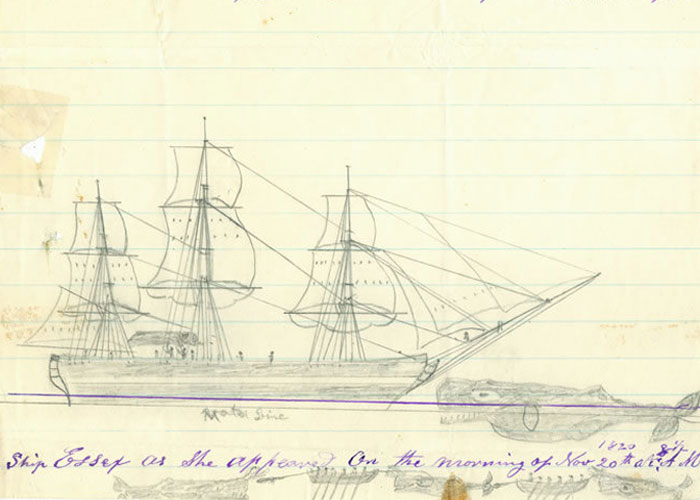 Read In the Heart of the Sea by Nathaniel Philbrick. The true story of Moby D**k. Whale sinks the Essex in the middle of the Pacific, three lifeboats full of crew set adrift, one boat makes it with two survivors, resorted to cannibalism, captain eats his nephew. Crazy story.
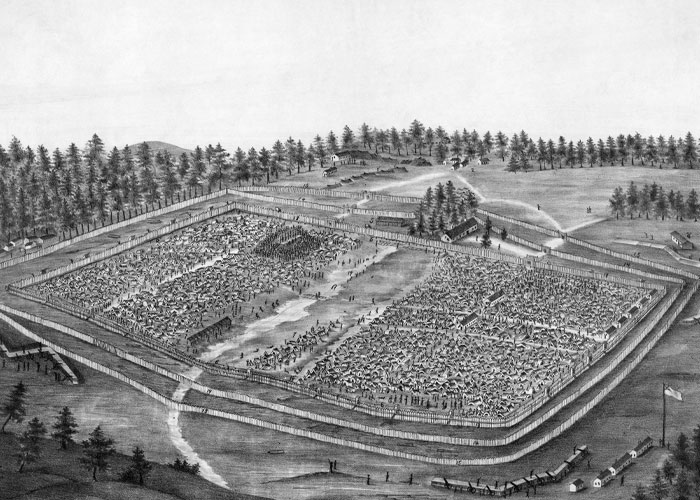 The survivors of the Confederate prisoner of war camp at Andersonville. Most of the pows were effectively slowly starved to death.
My great-great grandfather fought for the Union side against slavery, was wounded and taken captive (not at Andersonville, but one of the other camps). Being an old man (36), they decided he was useless, traded him in one of the last prisoner exchanges and sent him back North to die. His life was saved by a 19 year-old Indian/French-Canadian nurse, and once he recovered - not being a total idiot, he married her. That was my great-great grandmother and grandfather, David Moore White and Harriet Boileau White. (Forgive me if you've read this before, couldn't resist re-telling it here.)
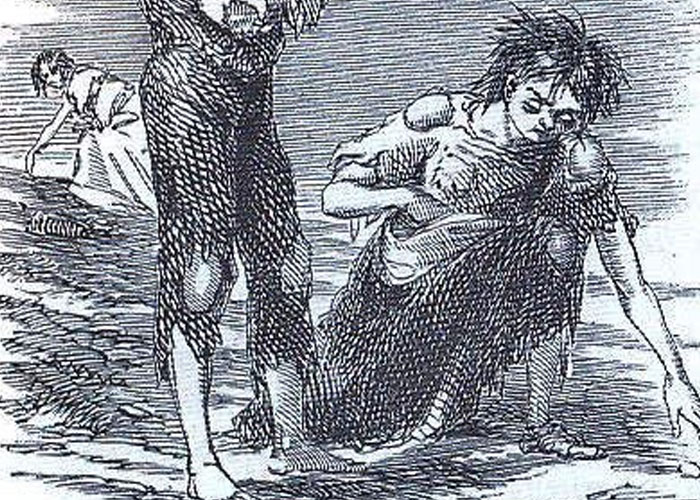 The Irish Potato Famine (genocide). Millions died when the blight struck the potato crop. I say genocide because it wasn’t their only food but the English sent other food offshore to feed their troops in India. Some however, of course, did make it through.
COrrect, there was enough grain, but the British required Ireland to prvoide Grain Levy's and while some in England wanted to waive it, so the Irish could feed themselves grain (Grain was export, Potato was brought to provide domestic food), the Governor refused, and the famine happened. It was a deliberate policy of the British Govt
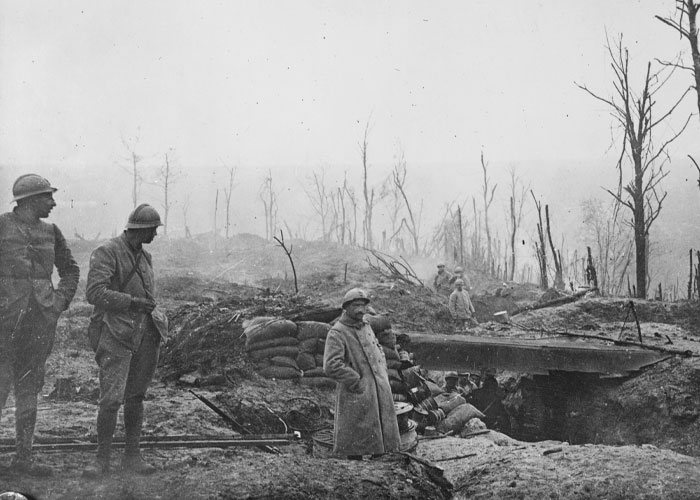 WWI trench warfare was absolutely horrifying. P****n gases, poor ventilation, no way to manage human waste so it was everywhere. More people died of dysentery than anything and being trapped with someone dying of dysentery is its own horror.
[Some people fact checked me on dysentery being the biggest cause of death. Apparently it was a lot smaller overall. Apologies for getting that detail wrong.].
Yeah, WWI didn't so much end as it fizzled out. The influenza pandemic was the real "winner".
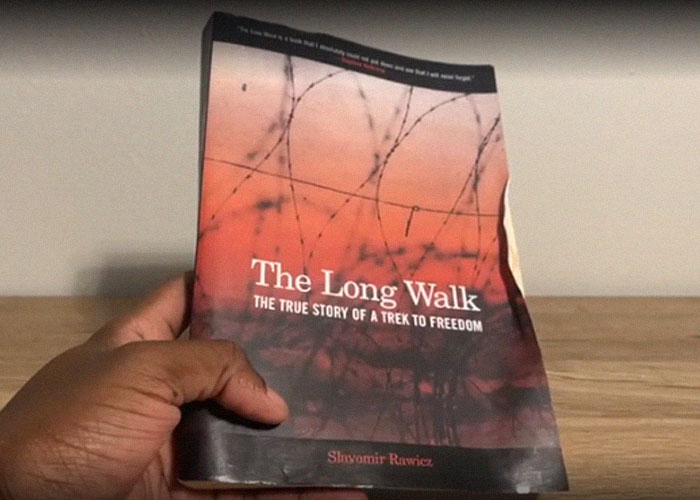 Please take a look at *The Long Walk*.
It's a memoir by a Polish PoW who escaped from a Siberian G***g and walked 4,000 miles, basically the width of Russia, home with a group of fellow escapees.
It's been adapted into a pretty good film starring Ed Harris and Colin Farrell called *The Way Back Home*, definitely worth watching.
Gսlаg is a bad word now? Concentration camp, too? I guess not.
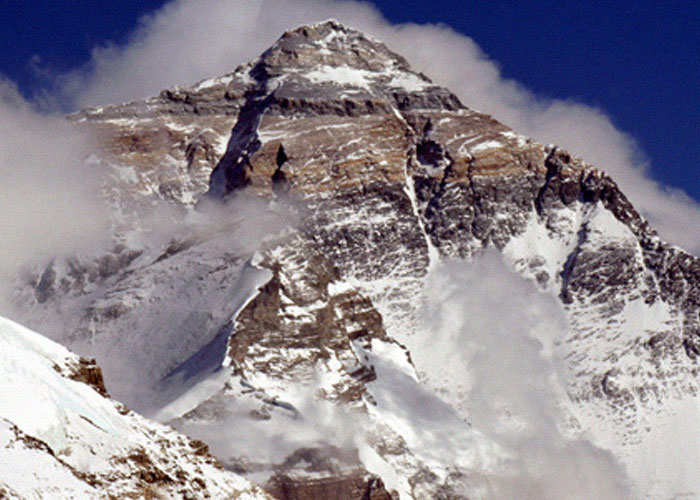 The 1996 Mount Everest disaster. Although not everybody made it out alive.
Jon Krakeur, who was an established writer, was on the expedition and he survived to tell the story beautifully in _Into Thin Air_.
It's probably my favourite book of all time.
Krakauer writes a compelling prose, but his mountaineering expertise leaves something to be desired. I remember I enjoyed the book, but found several parts to be quite "unpolite" towards other people involved, blaming them for basically doing the right thing. If you want something related to the disaster, the 2015 movie is really well done.
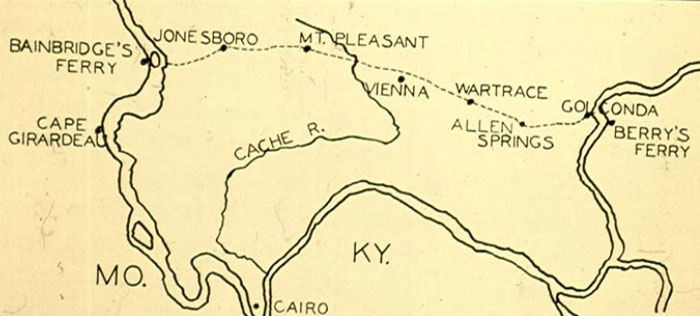 I'd imagine the Trail of Tears is the perfect event for this prompt. Granted not everyone involved survived but a good amount of people did. Genuinely a f****d up and tragic event.
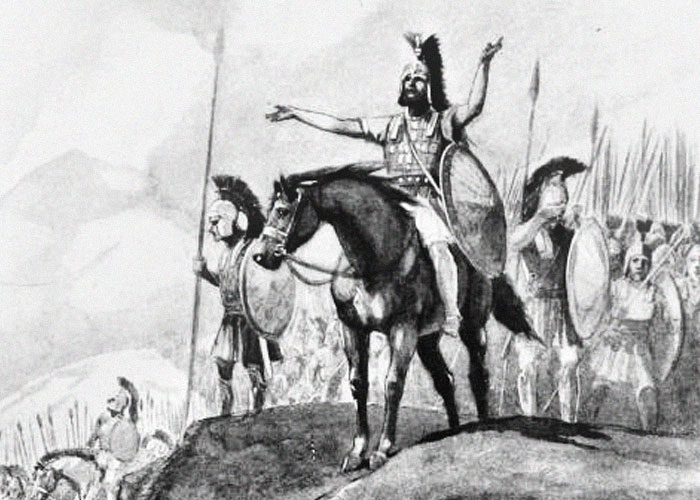 One of the oldest: The March of the 10.000, chronicled in Anabasis by Xenophon, who was there and became one of their leaders. In 400BC 10.000 Greek mercenaries fight for the Persian pretender-king, they win an important battle, but their king dies. Now they're stuck in the middle of enemy territory and everyone is out to get them. Their march lasts two years and a significant portion don't survive.
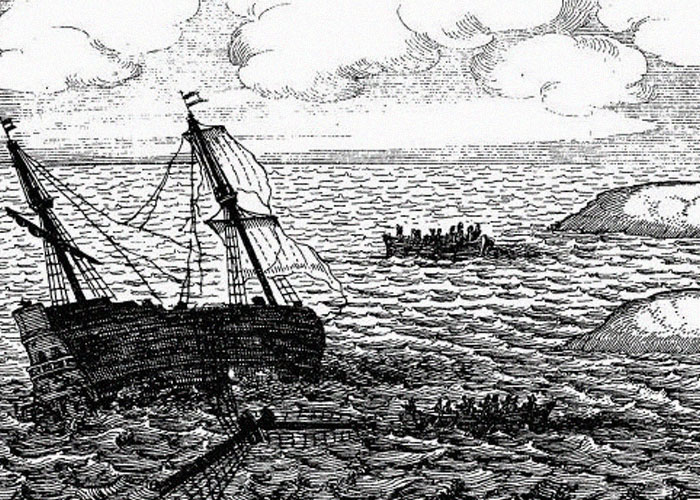 The wreck of the Batavia. A story of shipwreck, mutiny, betrayal, m****r, and in the end, justice.
A Dutch East India company ship call the Batavia on its maiden voyage to Batavia, modern Jakarta. It hit a reef off an isolated archipelago off the Western Australian coast. Most made it to the little islands but there wasn’t any fresh water available so they could only use what they salvaged from the wreck or harvested from occasional rainfall.
The captain and a few others jumped into an open sailboat to try and find water on the mainland. If they couldn’t they were going to end up sailing to the city of Batavia to get help. They couldn’t so they did. This in itself is an amazing tale of survival and seamanship.
Meanwhile back on the islands, the bloke running the show, who was planning on mutinying and seizing the ship before it hit the reef, starts to consolidate his powers.
He divides up the survivors and sends them to various islands under the guise of searching for fresh water.
Meanwhile, he directs his fellow mutineers to start k*****g various people on the main island they are set up on. This develops into wholesale mass m****r on the other islands he sent groups of people too. The women of age are generally spared to be used as s*x slaves.
However a group of soldiers that been sent to a larger island have actually found fresh water, and food. These soldiers are not part of the mutineers and keep signalling to the main group that they have found supplies and to come and pick them up. But no assistance is sent. But they end up hearing of the mass m*****s from escapees from the other islands. They prepare defences for the inevitable showdown.
Eventually, the main mutineer decides that they need to attack this island. There are a series of little battles where the mutineers are prevented from gaining a foothold on the island.
Eventually help arrives from Batavia and it turns into a by the survivors to be able to tell their story, and the mutineers who want to take over the rescue ship.
The survivors win. Justice is swift and harsh. However two younger mutineers are marooned on the Australian mainland as punishment.
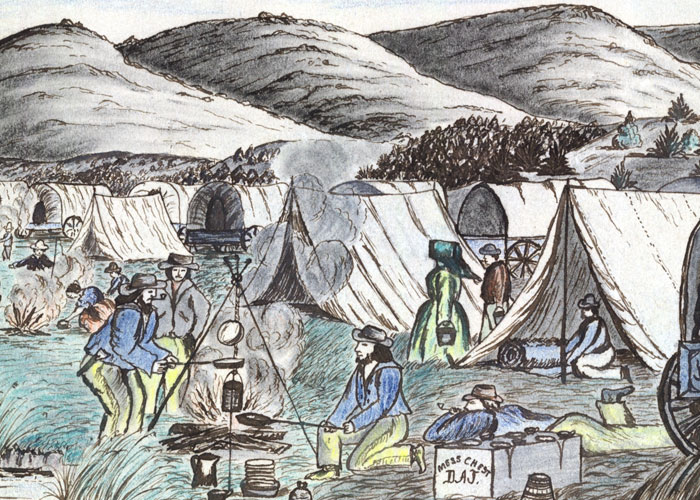 The Donner Party.

Saw a picture of a guy on horseback the next year, the trees cut off at the snow "ground level" during this were over his head. Talk about deep snow!
I am Jewish so vaguely gestures at history.
Well there is a Jewish Song from Yaakov Shwekey "We are a miracle". Between all in History, between massacres in Europe, the Islamic world (yes there were hundreds over history, not to mention plenty of persecutions. It, like Europe, depended what time and place) We have survived. "All things are mortal but the Jew; all other forces pass, but he remains. What is the secret of his immortality?” - Mark Twain. “The Jew is eternal. He is the embodiment of eternity.” -Tolstoy. Jews are the miracle of history, and a people of destiny.
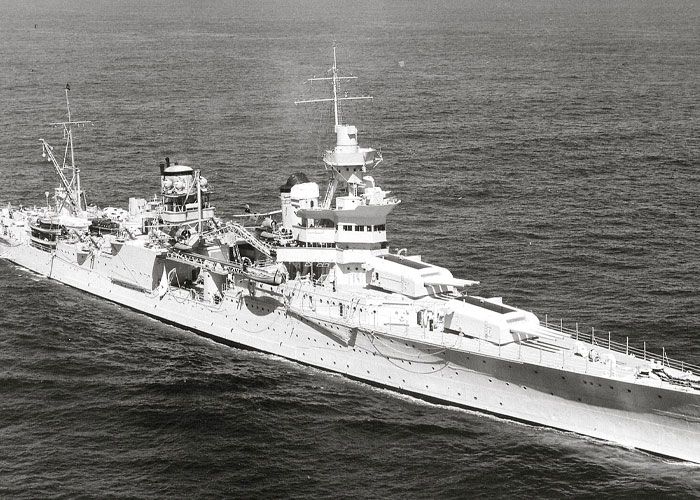 The Indianapolis.
That disaster was half part merit of the Japanese, half made by the US Navy itself... US Navy command severely underestimated the risk of Japanese patrol submarines, thinking a lonely large ship could be faster and move more stealthily, in turn exposing it unnecessarily. They did not even track the ship movement, favoring radio silence, routinely delaying check-ins causing several days of delay in sending help. They found the wreck by chance only four days later, assuming but not verifying they had checked in previously, or imagining they had a change in orders. The crew was completely unprepared, and the ship was not in the correct readiness state for traveling in dangerous waters; they were not wearing their life jackets at all times, bulkheads were left open, causing the fast sinking. Captain did not zig-zag, as the zig-zagging was not formal policy of the Navy at the time. The Court Martial blamed the captain for what were effectively massive chain-of-command failures.
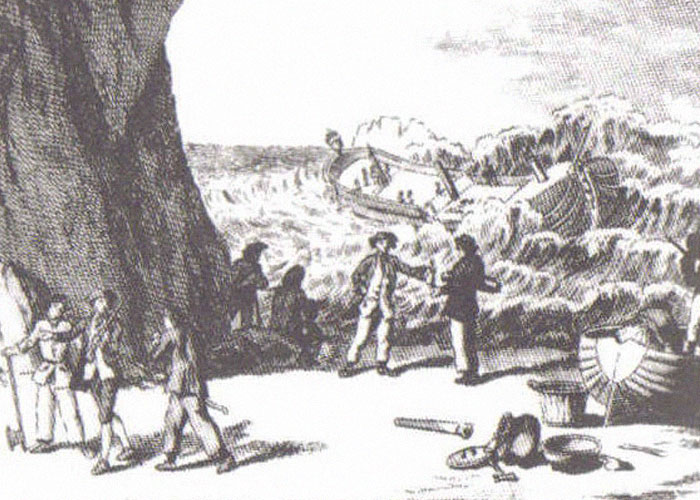 The Wager / the wager mutiny. Especially if you're interested in Shackleton give Granns book on it a read. A British ship disappears while attempting to round cape horn or find drakes passage in the 1740s. Years later some of the crew make it back to London with a story, a long while after others from the same expedition make it back with a different tale (mutiny). The way these guys survived is literally some of the most hardcore endurance I've ever read about, the survivors in many ways beating out Shackleton's crew despite the huge number of deaths. I don't want to spoil it but a story that just gets deeper and deeper into how hardcore, brave, and selfish humans can be. They just. Refused. To. Quit.
The Bataan Death March. So many died, but the stories of survival were somehow even more harrowing because it seems impossible ANYONE could have made it out. Those people had nothing to fear after that. They had already seen hell and the worst of humanity.
I believe the survivors had a great deal to fear after that march. Four years of captivity under brutal conditions.
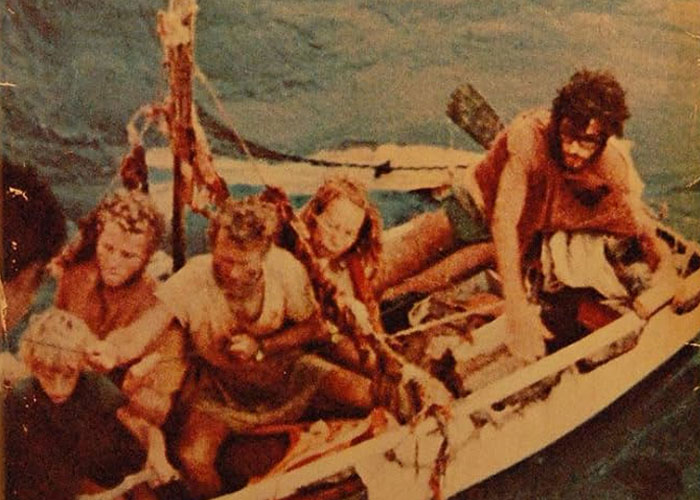 As a teen I was into the 'lifeboat' survival genre. There's several books about people who spent more than a month at sea in a raft or lifeboat. Survive the Savage Sea was a memorable one, as was The Raft and 117 Days Adrift.
New Orleans residents during Hurricane Katrina. Lots died, but many made it out alive.
The open boat voyage of captain Bligh after the mutiny
4000 miles through the South Pacific in 47 days in a 23 foot long skiff carrying 18 men.

An earlier post said it was "over 1400 km", and you say 4,000 mile. Which should we believe? Wikipedia says "After being set adrift in Bounty's launch by the mutineers, Bligh and those loyal to him stopped for supplies on Tofua, losing one man to native attacks. Bligh and his men reached Timor alive, after a journey of 3,618 nautical miles (6,700 km; 4,160 mi)." I wish the writers would do just a little bit of research before posting,
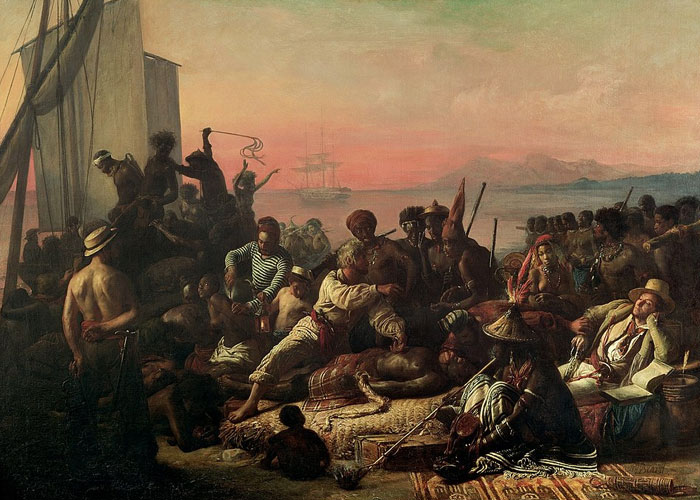
The Transatlantic Slave Trade. Absolutely unimaginable hardship followed by the remainder of their lives being unimaginable hardship followed by their descendants facing unimaginable hardship for centuries.
The difference between north and south education: I went back to complete my education after dropping out of Michigan school and going into the service(can't do that now, must have HS diploma). Went to some refresher courses prior to my GED test, one of which was history in the local Florida school district. We were told slaves "did not WANT to be free".
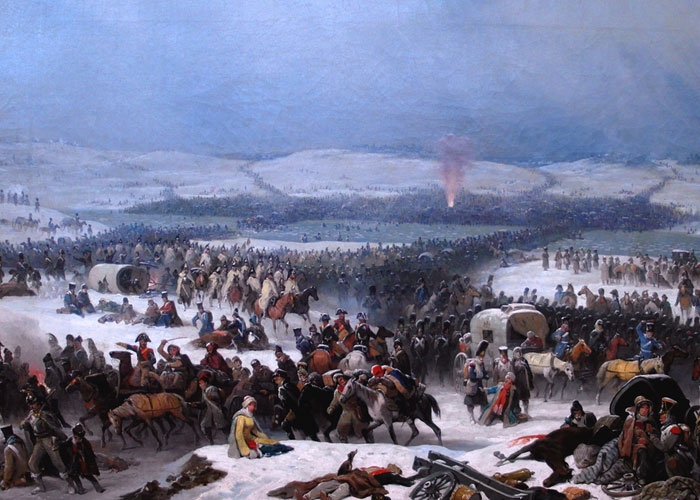 Napoleon's retreat from Moscow.
Most of the folks died, but many somehow managed to live through it and made it back to friendly states or France.
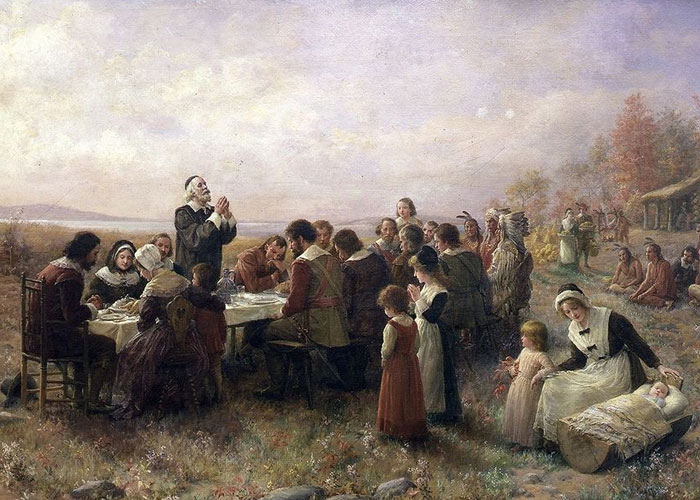 The Plymouth Colony went through a *lot* more than either expression of pop history will tell you.
One that still amazes me is the 2018 Thai cave rescue. A boys soccer team and their coach got trapped deep inside a flooded cave system for more than two weeks after sudden monsoon rains cut off the exit. They had no food at first, the oxygen levels were dropping, and the only light came from headlamps during rare rescue visits. Divers had to navigate dangerous, pitch black underwater passages to reach them, and getting everyone out required an international team of specialists. In the end, every single person survived, even though the situation seemed impossible in the beginning.
Willem Barentsz and his crew in 1596. When their ship became stuck in the ice near Nova Zembla, they build a house which they called ‘Het Behouden Huys’ from the remains to wait out the winter and to go back when the ice would melt in the spring. 12 of the 17 survived.
I used to live in a sanctuary city that took in many migrants who were displaced due to civil conflict around the world. Some of the kids I knew and hung out with included Lost Boys of Sudan and Bosnian immigrants. They were the kindest people I have ever met.
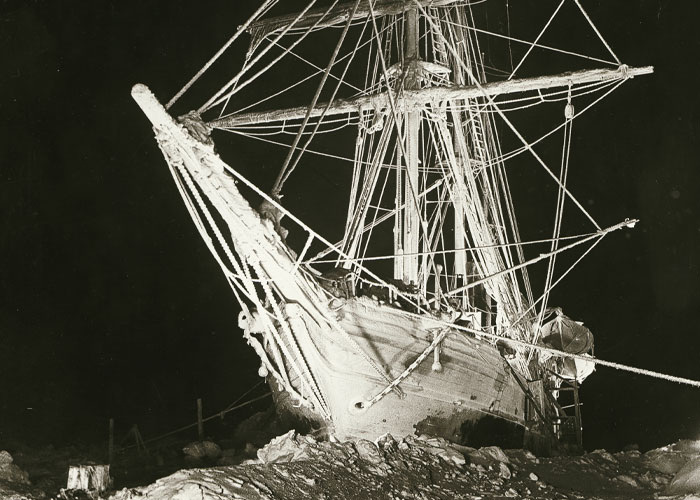 Endurance is the #1 in my mind. Absolutely incredible story of human resilience.
I know we are all nerding out on Shackleton and the Andes plane crash, and rightfully so, but we can't forget the Everest disaster from the 90s, the one Outside Magazine writer Jon Krakauer actually survived. He wrote an incredible book about it called *Into Thin Air* that simply cannot be missed.
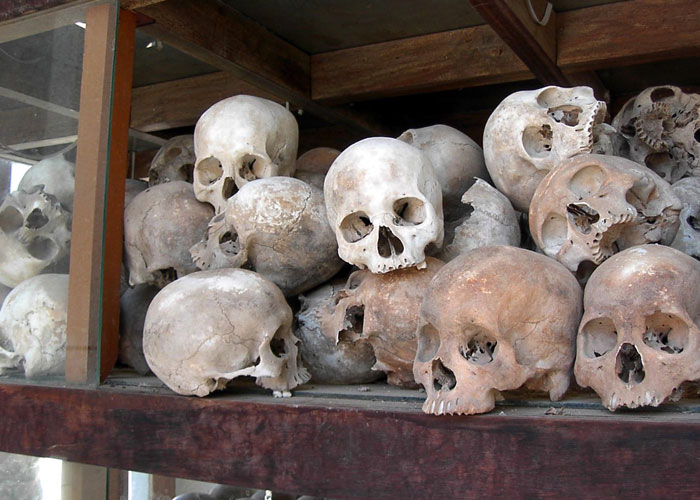
There are so many good examples here: wars and genocides including but not limited to: the trail of tears, residential schools, slavery, the h*******t, the cultural revolution, the khamer rouge, the Rwandan genocide, partition of India, abu graib, the Japanese occupation of Korea and mainland china, the Irish famine, the Sudanese civil war, apartheid, segregation, the Spanish civil war, the Chilean/Argentinian/spanish/cuban/Haitian/Nicaraguan/hungsian/russian… all that facism. The pogroms, the i*********n…
We can be so cruel to each other. We can also be so kind. How we recover as a society from these horrors is what matters:.

Everyone forgets the Raft of the Medusa, now a well known painting. In 1816 150 sailors and officers of the French naval frigite Meduse was broken op on the sea of Senegal for 13 days. 18 survivors. https://www.boatnews.com/story/44465/raft-of-the-medusa-what-is-the-story-behind-the-shipwreck-that-inspired-gericaults-painting
Dancing Plague of 1518. Hundreds in Strasbourg danced for days, some collapsed, and officials literally hired musicians to help them “dance it out.” It made everything worse.
The Endurance Shackleton Expedition.
28 men stranded on the south pole in 1914-1916 for1,5 years. Nothing to eat but seals and fish.
Just imagine the gear they had in that time period in freezing conditions.
The crew survived which is incredible in and on it self, but they also sailed for days to reach the next island, on the south pole, in the antartic in a life boat- crazy accomplishment.
Bonus one would be: Uruguayan Air Force Flight 571.

I believe this at least the fourth time, maybe fifth time this one has been mentioned.
I would add the Aboriginal people who managed to survive Australian colonisation and then the 'stolen generation' (though it was more than one generation).
My great-grandpa was made a POW at a camp during WWII along with his childhood friend. They escaped but guards came shooting at them. My great-grandpa was hit in the shoulder but his friend was hit in the leg and begged him to leave him there because at least one of them had a chance to make it. Well, my great-grandpa made it but he lived in hiding until the end of the war because France considered him a deserter. He only told my grandma (his daughter) about it all near his end, he explained how the guilt of leaving his friend to die never faded even if he knew it was the right decision.

I was reading the autobiography of my favourite scientist, Dr Karl. His father survived two separate captures and concentration camps during WWII, after escaping the first. His mother lived through a polish ghetto and then concentration camp during the war too.




although i never met my great grandparents, they survived the n**i occupation of latvia, which i feel is pretty impressive
"In the Kingdom of Ice: The Grand and Terrible Polar Voyage of the USS Jeannette" by Hampton Sides. Amazing story of survival.

My entry would be for Louis Zamperini, whose plane crashed at sea on a reconnaissance mission (World War 2). He and two others managed to get into a life raft, and then floated for about 45 days (one of the three died during that time). The two were "rescued" by a Japanese ship, and then spent the rest of the war as guests in one of the Emperor's prison camps, where he was the object of no so nice attention from one of the guards. Excellent book by Laura Hillenbrand, "Unbroken". The movie is great, but, as usual the book shows many more layers. He was also a participant in the 1936 Olympics, and was skateboarding at 80.

Thank you for the list, I find history fascinating and if we could only learn from it, we would have a much better world. Bored Panda, I am grateful you exist, and this is literally the only time I object to the site’s censorship of terms to manage SEO. There has to be a way to disable it for educational or historical posts and I wish you would do that. We cannot learn from history being this afraid of what it actually contains.
I would add the Aboriginal people who managed to survive Australian colonisation and then the 'stolen generation' (though it was more than one generation).
My great-grandpa was made a POW at a camp during WWII along with his childhood friend. They escaped but guards came shooting at them. My great-grandpa was hit in the shoulder but his friend was hit in the leg and begged him to leave him there because at least one of them had a chance to make it. Well, my great-grandpa made it but he lived in hiding until the end of the war because France considered him a deserter. He only told my grandma (his daughter) about it all near his end, he explained how the guilt of leaving his friend to die never faded even if he knew it was the right decision.
I was reading the autobiography of my favourite scientist, Dr Karl. His father survived two separate captures and concentration camps during WWII, after escaping the first. His mother lived through a polish ghetto and then concentration camp during the war too.
although i never met my great grandparents, they survived the n**i occupation of latvia, which i feel is pretty impressive
"In the Kingdom of Ice: The Grand and Terrible Polar Voyage of the USS Jeannette" by Hampton Sides. Amazing story of survival.
My entry would be for Louis Zamperini, whose plane crashed at sea on a reconnaissance mission (World War 2). He and two others managed to get into a life raft, and then floated for about 45 days (one of the three died during that time). The two were "rescued" by a Japanese ship, and then spent the rest of the war as guests in one of the Emperor's prison camps, where he was the object of no so nice attention from one of the guards. Excellent book by Laura Hillenbrand, "Unbroken". The movie is great, but, as usual the book shows many more layers. He was also a participant in the 1936 Olympics, and was skateboarding at 80.
Thank you for the list, I find history fascinating and if we could only learn from it, we would have a much better world. Bored Panda, I am grateful you exist, and this is literally the only time I object to the site’s censorship of terms to manage SEO. There has to be a way to disable it for educational or historical posts and I wish you would do that. We cannot learn from history being this afraid of what it actually contains.





































 No fees, cancel anytime