Get Premium
Dark mode theme is available exclusively for premium users. Learn more about the benefits of subscribing.
No fees, cancel anytime.

 Dark Mode Ad-Free Browsing Unlimited Content
 Ad-Free Browsing Unlimited Content Dark Mode
Join 1.2 million Panda readers who get the best art, memes, and fun stories every week!



We've all had that colleague at some point in our careers who constantly gets under our skin. They come in many forms: the chronic credit stealer, the passive-aggressive small talker, or the one who somehow always forgets to clean the toilet after dropping a messy b**b in the office bathroom.
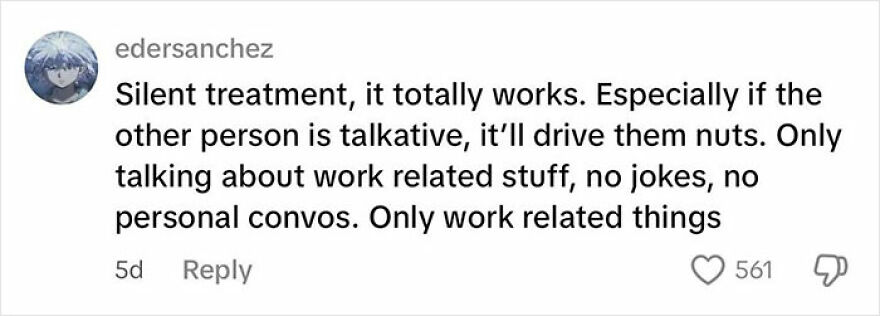
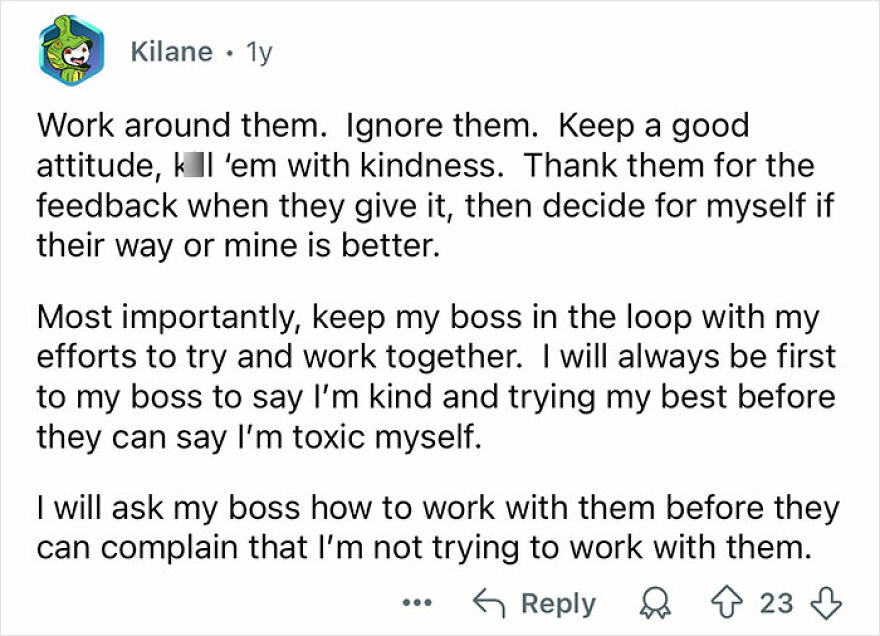
We try to stay professional, take the h**h road, maybe even k**l them with kindness, but if they don't change, eventually we're just done. What happens then? Depends on our pettiness level.
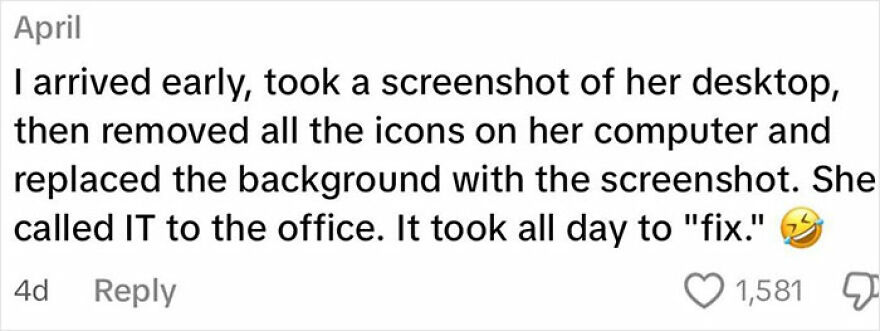
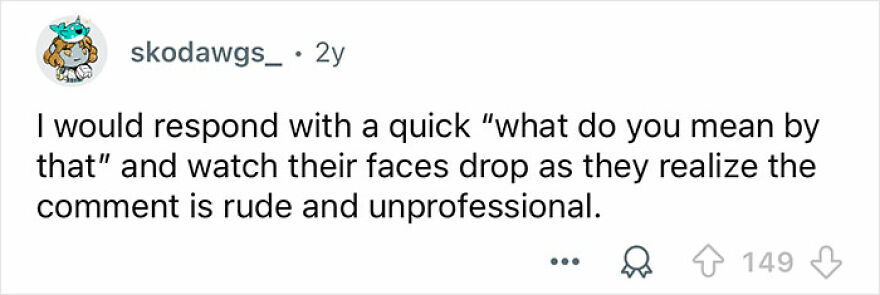
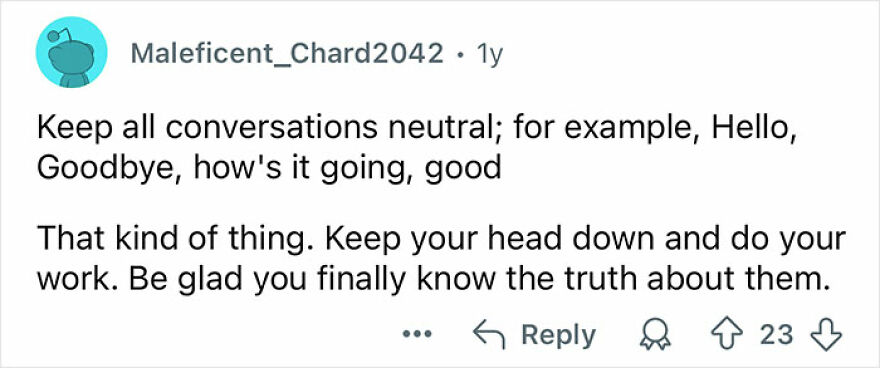
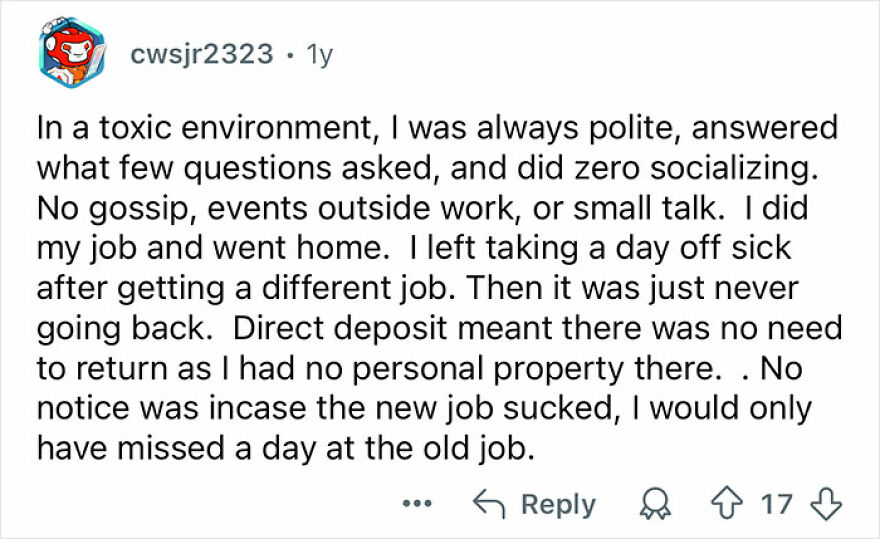
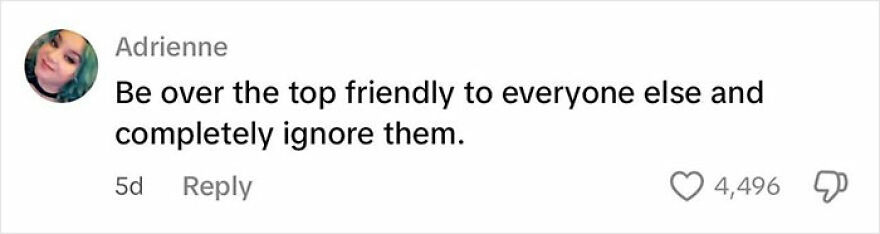
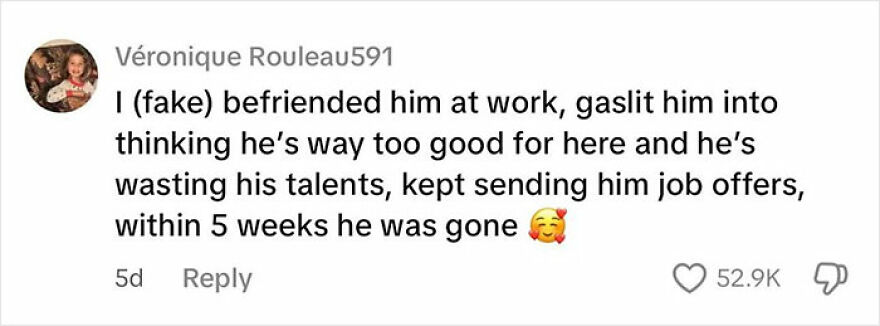
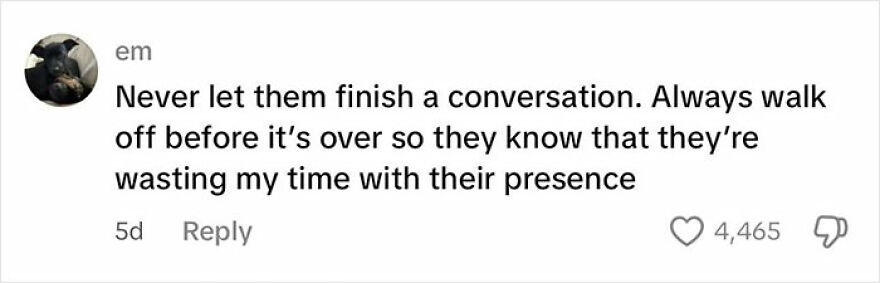
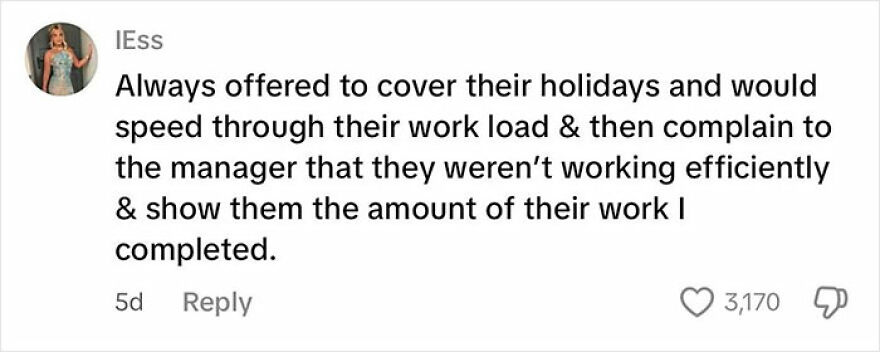
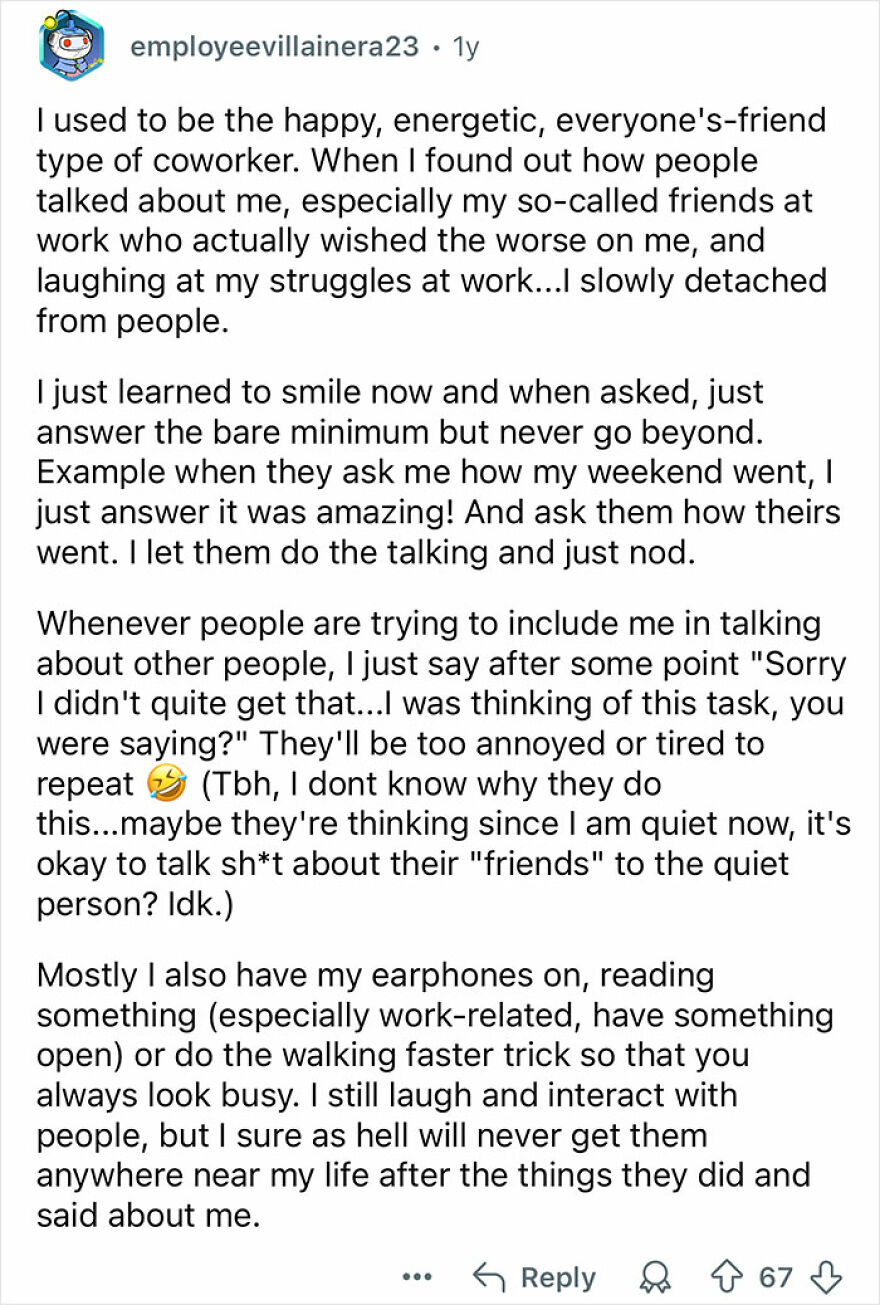
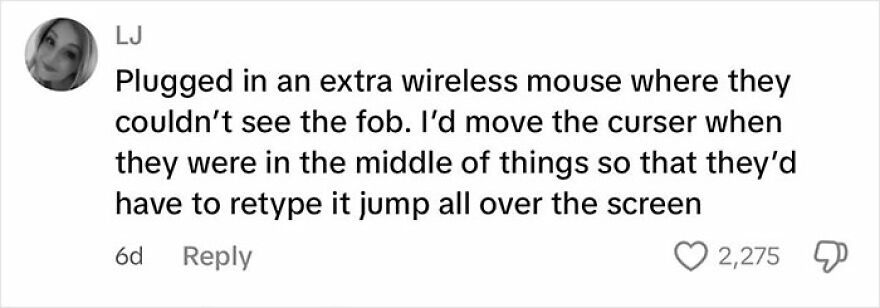
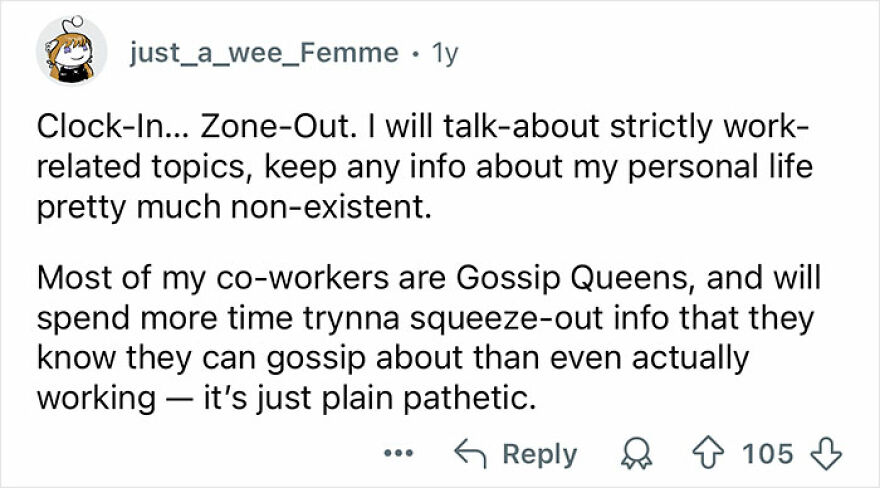
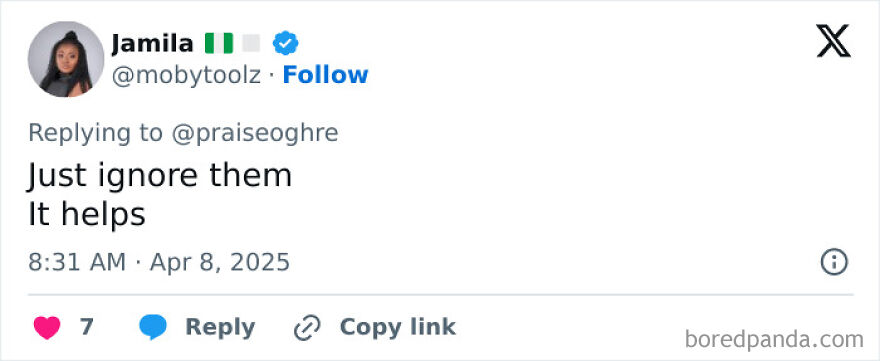
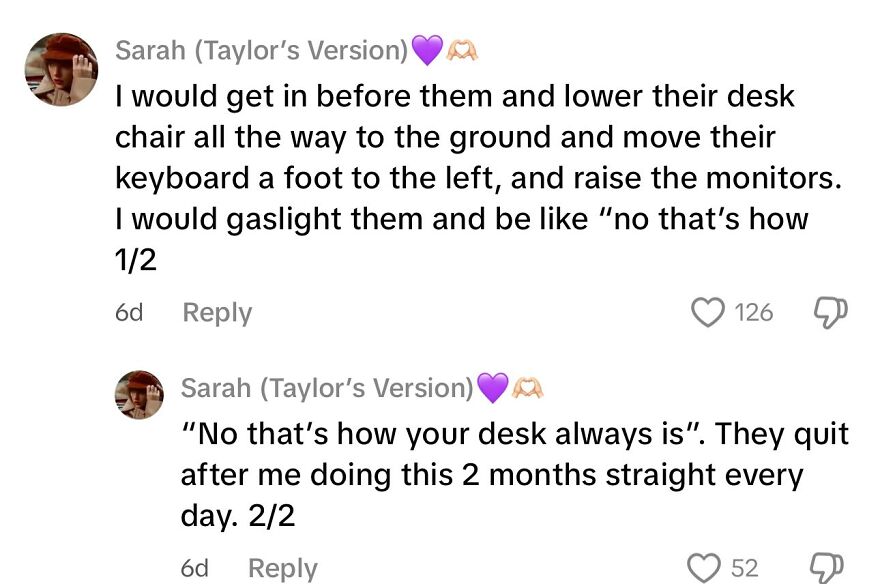
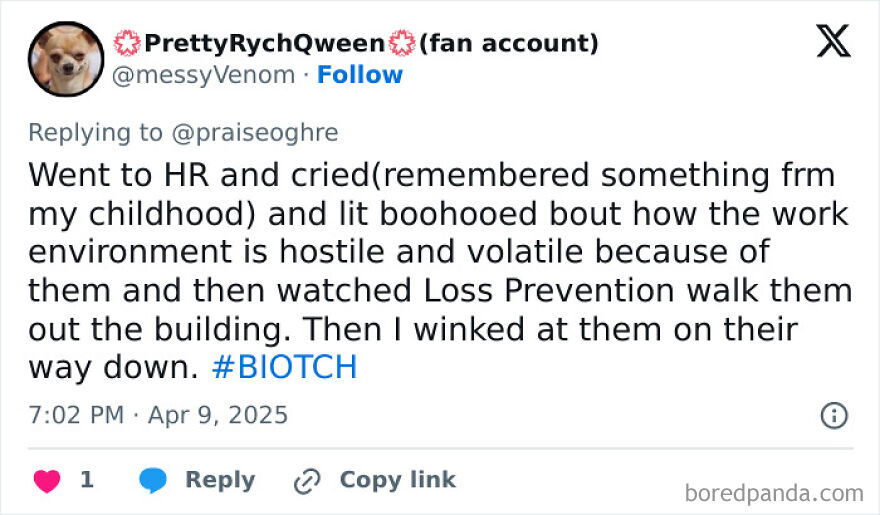
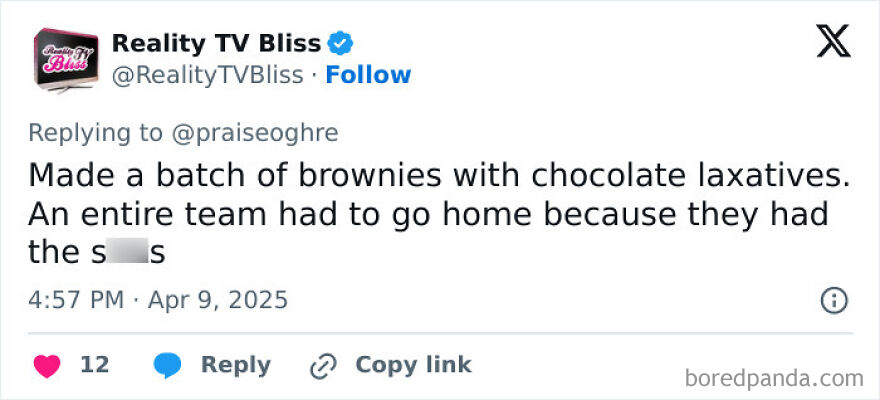
However, in response to a person on X (formerly Twitter) asking for the most unhinged methods to shut down those energy vampires, workers put forward a lot of interesting ideas for when HR isn't looking.
This post may include affiliate links.
To learn just how important our relationships at work are, we contacted Jasmine Escalera, career expert at MyPerfectResume, a platform that provides useful tools and expert advice for job seekers.
"Coworkers play a major role in our overall job satisfaction, and according to a survey by MyPerfectResume, 73% of workers believe that workplace friendships boost collaboration, job satisfaction, and productivity," she told Bored Panda.
Escalera said having strong relationships at work helps employees and teams feel more connected, supported, and motivated. "When you're working alongside people you enjoy being around, it's easier to collaborate, communicate, and navigate challenges."

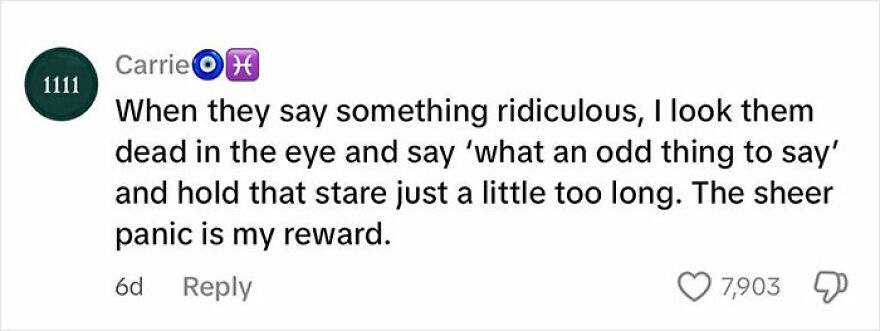
My go-to is to make a quizzical look, pause for a beat then say, “interesting” as I turn & walk away. The alternative is the same puppy dog quizzical look then, “how’s that working out for you?” Followed by a stone silent gaze as I wait for an answer.
More specifically, data from MyPerfectResume shows that 46% of employees say workplace friendships directly increase collaboration, while 42% report they lead to higher job satisfaction, and 38% note a boost in productivity.
So, Escalera pointed out, workplace friendships are about more than just chit-chat. "They can improve how we work, how we feel, and how we grow in our careers," she explained.
However, if you're surrounded by people who irritate you, even the most exciting job can start to feel draining, and motivation can quickly fade.

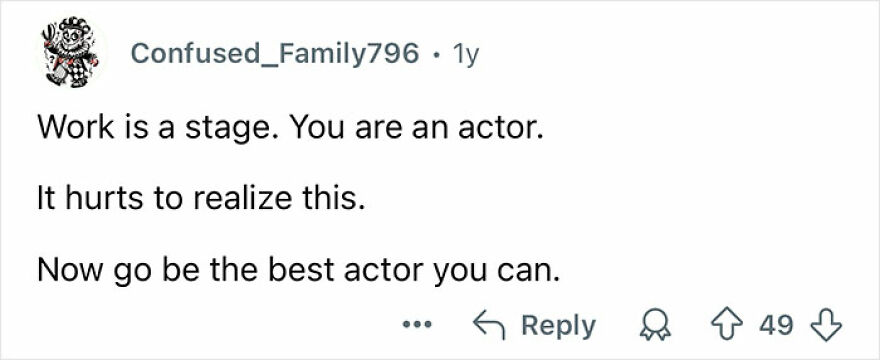
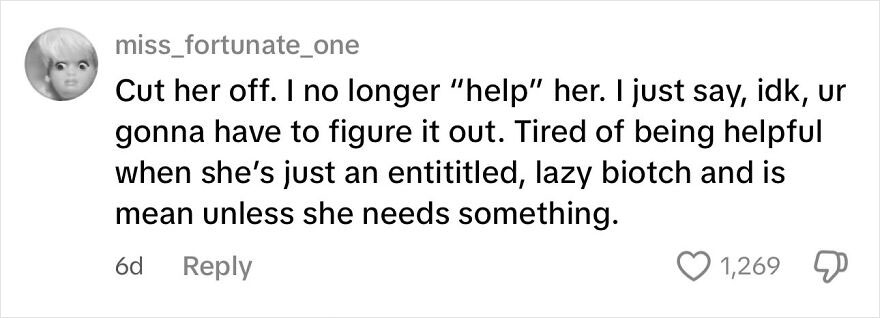
People at work are not your friends. They are just people with who you are trying to get along for a period. You help, sure. Once. Twice. Third time he/she is on their own.

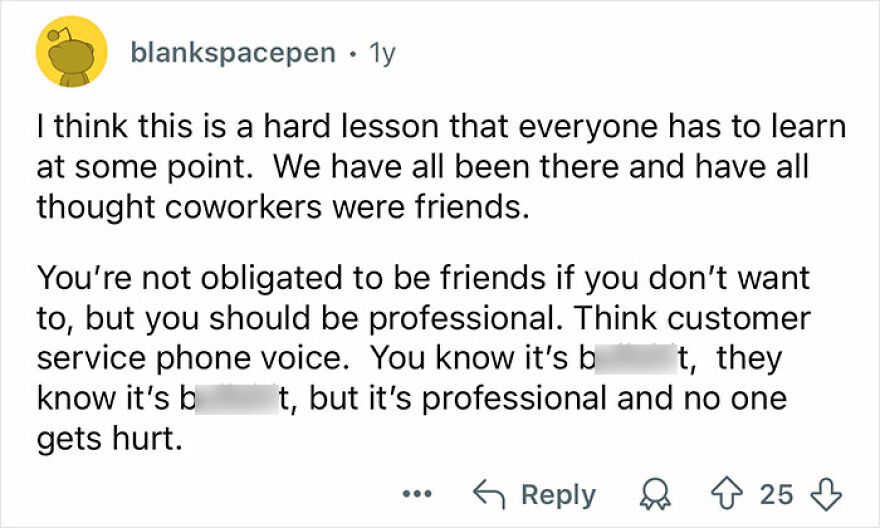
Colleagues are not friends. Though you can have a friendly, healthy relationship.
The survey by MyPerfectResume discovered that workplace relationships also present several challenges that can impact our everyday routines:
By far the most significant concern arising from these relationships is favoritism. It occurs when certain employees receive preferential treatment based on personal connections or biases rather than their job performance or merit.
Favoritism can create perceptions of inequality and erode trust among colleagues, negatively affecting team dynamics and morale.
MyPerfectResume found that 70% of workers frequently observe this issue, and only 1% of respondents reported never witnessing favoritism in their workplace.
If you are unhappy with how things are going between you and your colleague but do not want to resort to tactics seen on this list, know that there are more constructive and respectful ways to address your problems. (Provided your coworkers are open to dialogue, of course!)
"Improving relationships with colleagues doesn’t mean becoming workplace besties. It's about being intentional in how you communicate and connect with others," career expert Jasmine Escalera said.
"Employees who want to build more meaningful relationships can start by checking in with colleagues about work tasks, offering support, and showing appreciation. A simple 'Thank you' can go a long way ... These small, consistent actions generate trust and make colleagues feel seen, supported, and valued."
Escalera said another powerful way to improve your work relationships is through collaboration. "Look for opportunities to partner with colleagues on projects or ask for their input. Doing so shows you respect their expertise and desire to work as a unified team," she suggested.
"Employees can also ask colleagues for career advice to show they value their perspective and experience. This outreach can spark deeper conversations and lay the foundation for career-building relationships like mentorship and sponsorship."

Sadly this can make you an outcast and create a very uncomfortable working environment. I've worked in one too many mean girl companies and while I was happy to leave work at work and keep to myself, I also learned if you're not in the "in crowd" you end up losing out on work opportunities. You don't need to be a water cooler c*nt, just take a few minutes now and then to say hi and ask how people are doing, even if you don't GAS.
Even a simple conversation at the coffee machine can help you build rapport. Escalera said, "Great questions to ask colleagues to create meaningful relationships are 'What helped you get to your current role?' or 'What advice would you give someone navigating a similar path?' People are often pleased to share their journey to inspire someone else's path."
I hate it when managers try s**t like that, wanting everyone to be happy and talking and smiling. It’s usually the shittiest managers who make everyone miserable who expect that charade—-usually when they know the big bosses will be passing through and seeing their department in action. Like some kind of corporate Potemkin Village or something (oh just Google it, ffs).
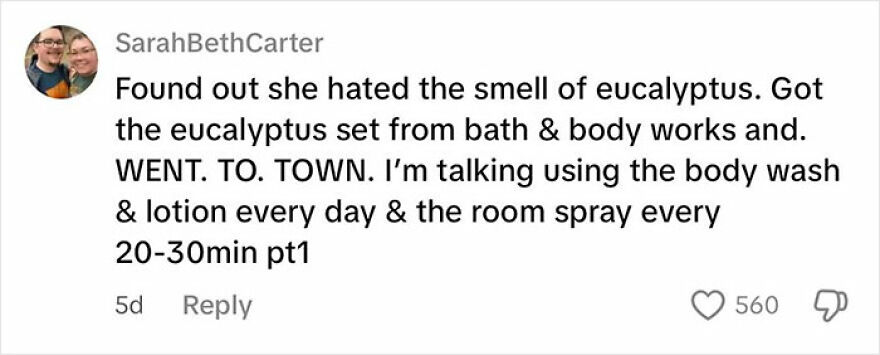
Please do not weaponize scents in the office. It may annoy the person you dislike, but at the same time it could cause allergy or asthma issues for an innocent bystander.
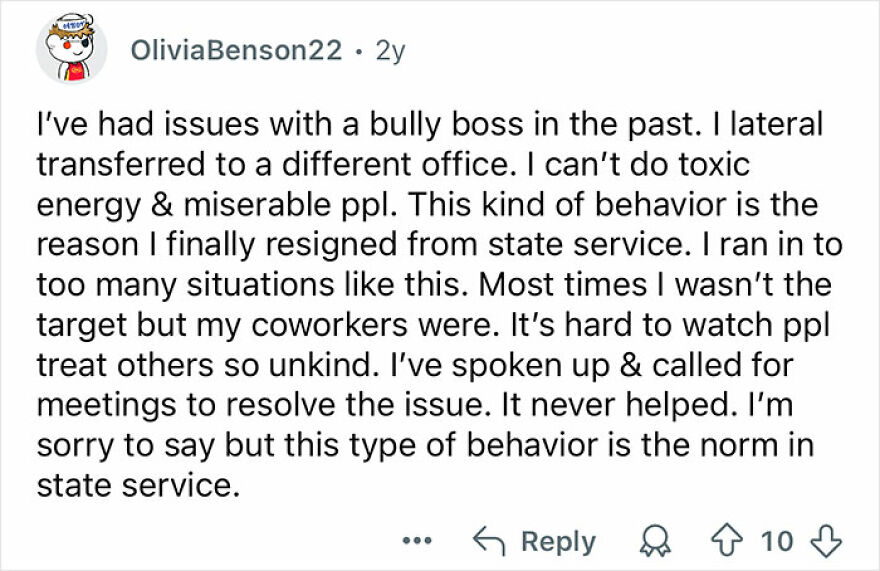
Often because it’s so hard to fire people from government jobs—-or at least it used to be—-that the worst of them knew they could act any way they wanted, once their probationary period was over, and in government work that could be a full year, and it would be like pulling teeth to get them fired. Unfortunate, but true.

Some of these are great advice (keeping professional, remaining kind and calm) while others sounds like they're the toxic coworker

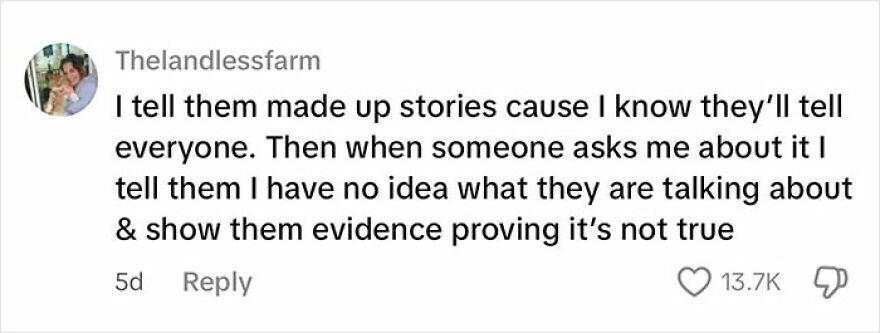
I did something like this when worked in office, I give same story out to people I trusted but the ones I didn't I give same story with different ending , then when the gossip started I knew who was the mega gossip as it was the ending g I told said person (clare)

Some of these strategies are basic self-defense against toxic people or ways of deflecting time wasters. A few are juvenile pranks (but they may keep certain colleagues from wasting one's time and energy). It's hard to justify using laxatives to sicken people, it's not as if poisoning colleagues is the only escape from a crappy workplace.
Some of these are great advice (keeping professional, remaining kind and calm) while others sounds like they're the toxic coworker
I did something like this when worked in office, I give same story out to people I trusted but the ones I didn't I give same story with different ending , then when the gossip started I knew who was the mega gossip as it was the ending g I told said person (clare)
Some of these strategies are basic self-defense against toxic people or ways of deflecting time wasters. A few are juvenile pranks (but they may keep certain colleagues from wasting one's time and energy). It's hard to justify using laxatives to sicken people, it's not as if poisoning colleagues is the only escape from a crappy workplace.























 No fees, cancel anytime