Get Premium
Dark mode theme is available exclusively for premium users. Learn more about the benefits of subscribing.
No fees, cancel anytime.

 Dark Mode Ad-Free Browsing Unlimited Content
 Ad-Free Browsing Unlimited Content Dark Mode
Join 1.2 million Panda readers who get the best art, memes, and fun stories every week!
Mother nature never ceases to amaze us. It’s a source of life for awe-inspiring creatures, from delicate to humongous, and everything in between. However, some of the latter might seem delicate, too, compared to the living things that have gone extinct.
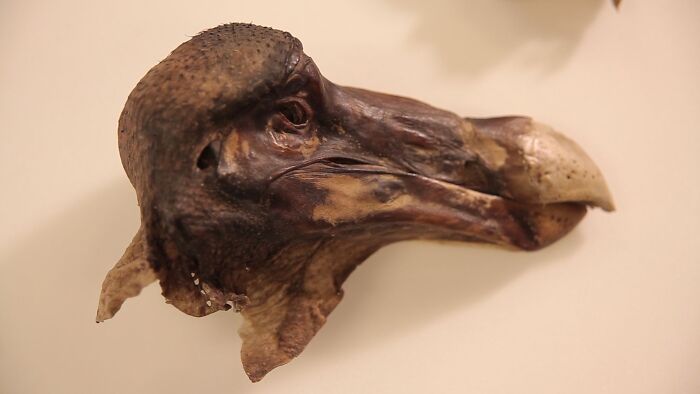
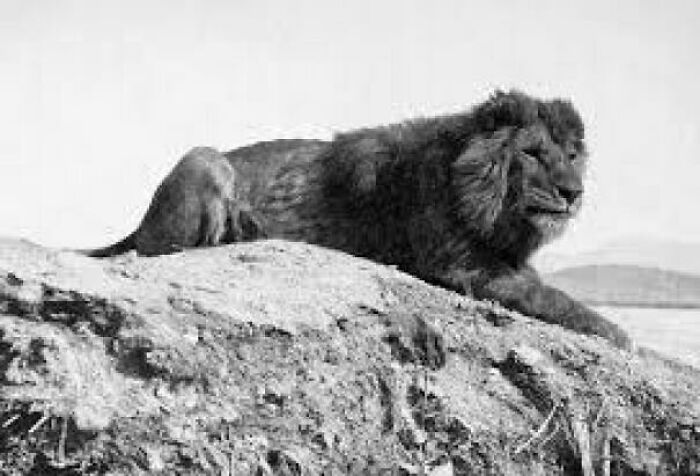
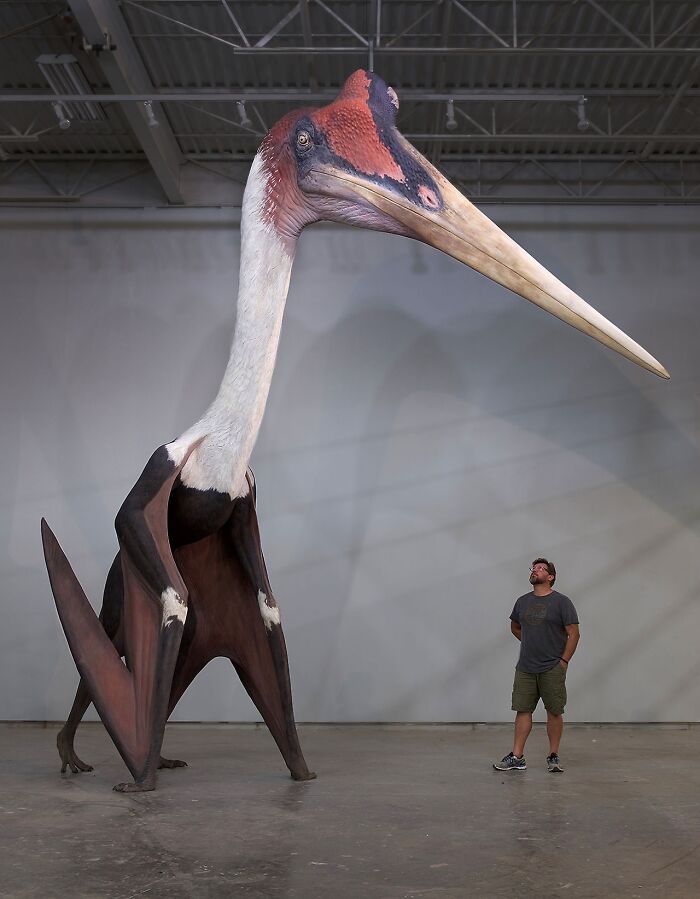
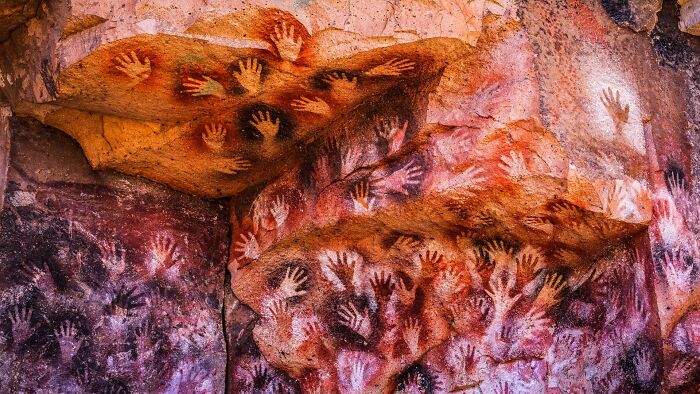
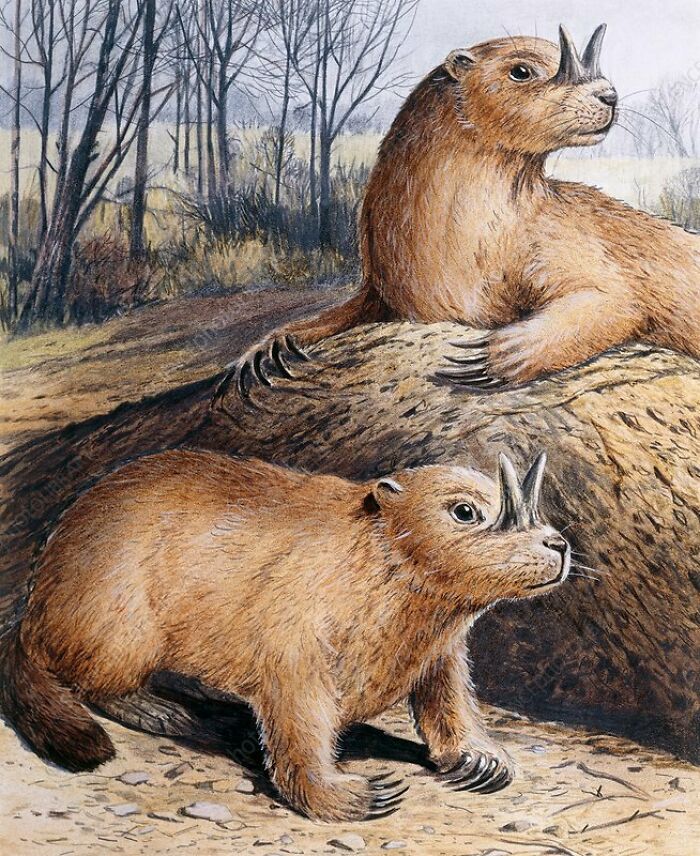
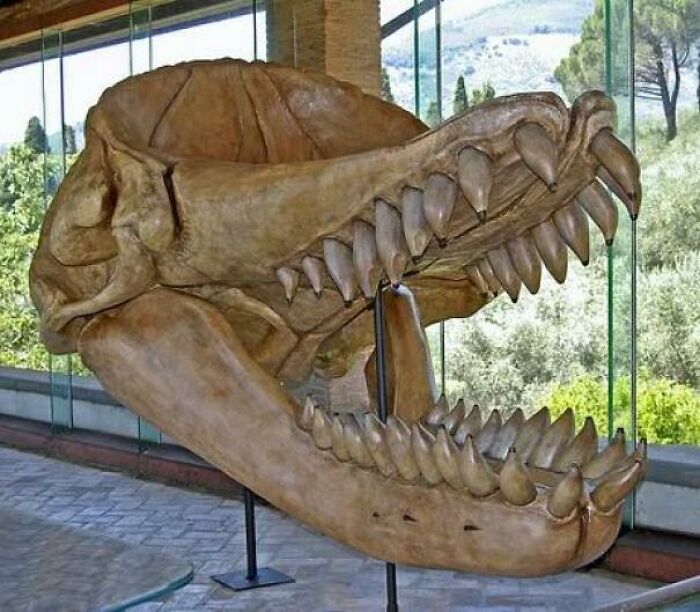
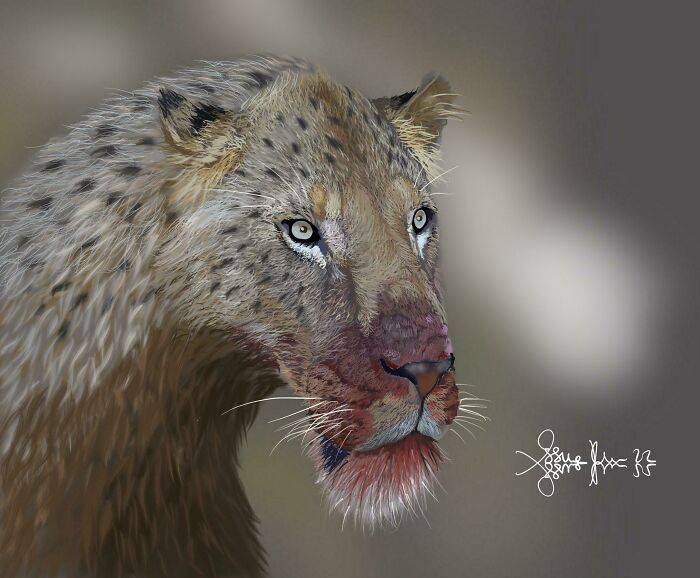
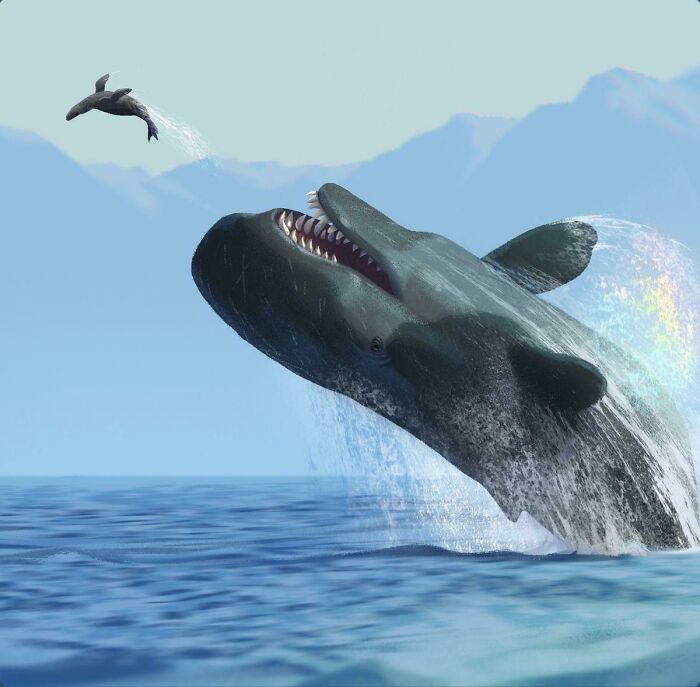
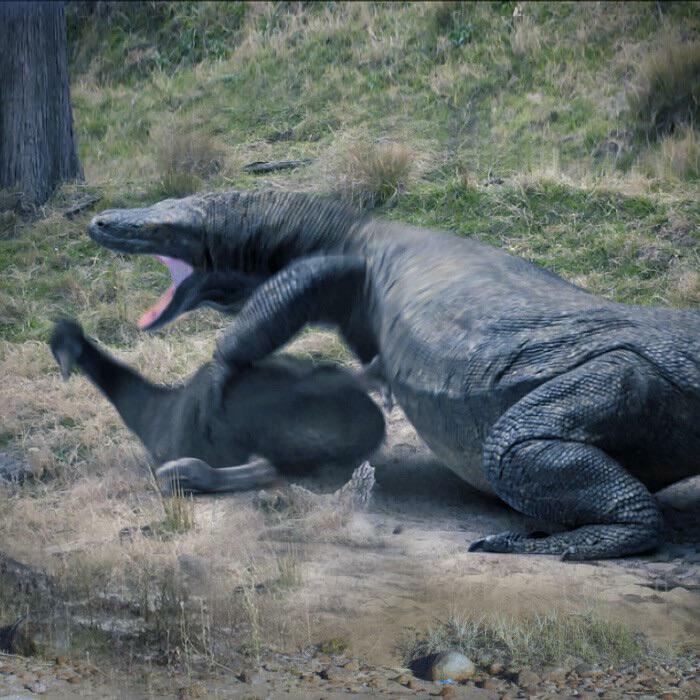
Bugs the size of a human, reptiles of ginormous proportions, and rodents with horns—these are just a few examples proving that “Nature Was Metal” back in the day. That’s why there’s an entire subreddit, under this exact name, dedicated to some of nature’s most extraordinary creations that have vanished from the face of the earth.
Today we’ve listed a bunch of them for you to get acquainted with. Whether you find them atrocious or absolutely fascinating, they show the name of the subreddit is definitely not baseless. Scroll down to marvel at the beauties and the beasts and click here for our previous post about them.
This post may include affiliate links.
The earliest forms of life—microbes—date back to roughly 3.7 billion years ago. They slowly transformed, presenting more and more complex organisms that eventually led to formation of the first animal species. You might be surprised to learn that sponges, also known as poriferans, are considered to be some of the first animals there are.
Most of the pictures on this list represent something slightly bigger and more threatening than sponges, though. Take dinosaurs, for instance. Scientists believe they lived roughly 245 to 66 million years ago, during the Mesozoic Era, and could weigh tens of tons each.
The American Museum Of Natural History (AMNH) revealed that some dinosaurs weighed up to 80 tons and were roughly 120 feet long. To put things in perspective, try to imagine a dinosaur upright by the Leaning Tower of Pisa, being nearly two-thirds its height.
AMNH also pointed out that not all dinosaurs are extinct, though. Birds, also known as avian dinosaurs, actually share an ancestor with the non-avian ones, which makes them the last surviving group of the kind.
When it comes to non-avian dinosaurs, there are roughly 300 genera and 700 species that have been discovered and named. But these numbers are likely to go even higher, as scientists continue to find new fossils.

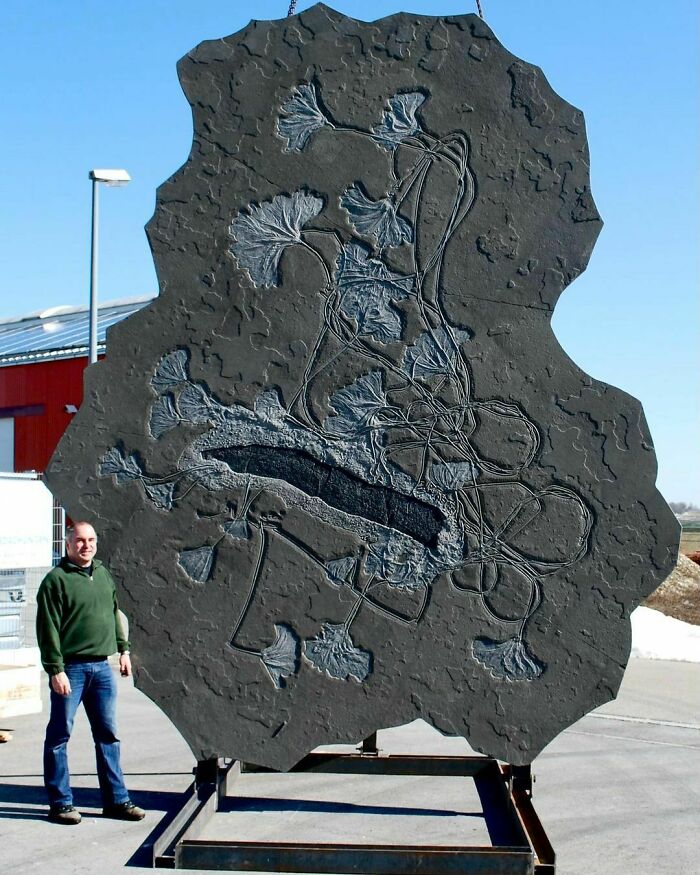
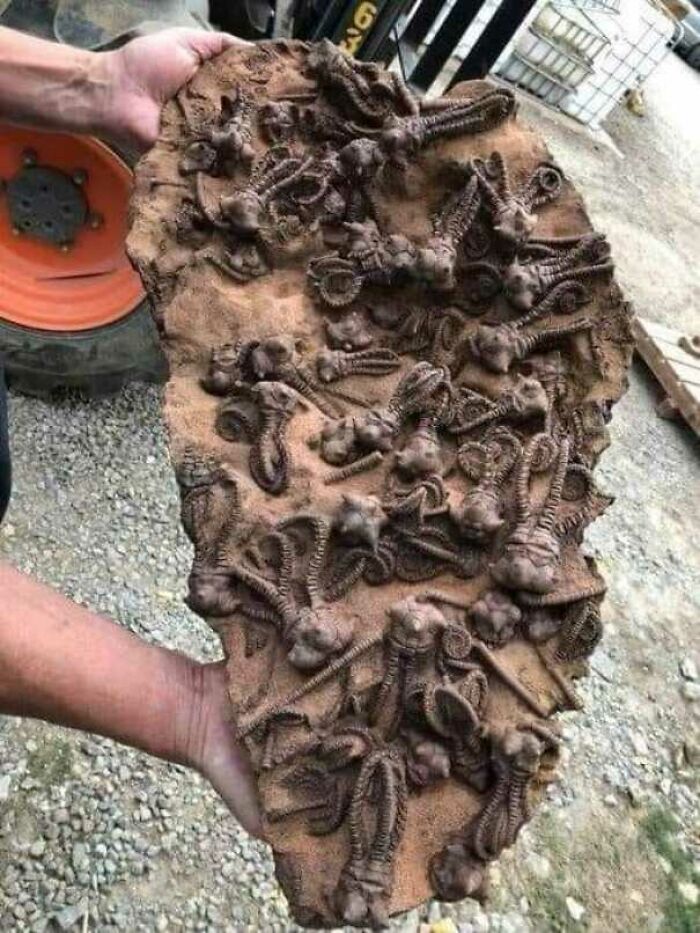
Thanks to paleontologists, we can get a better understanding of what creatures roaming the Earth millions of years ago looked like. They study the history of life based on fossils—rocks that contain remains of plants, animals, or other forms of life.
It takes 10,000 years for such preserved remains to become fossils. In their hardened layers, they provide scientists with information about the organism’s environment, living conditions, and other details.
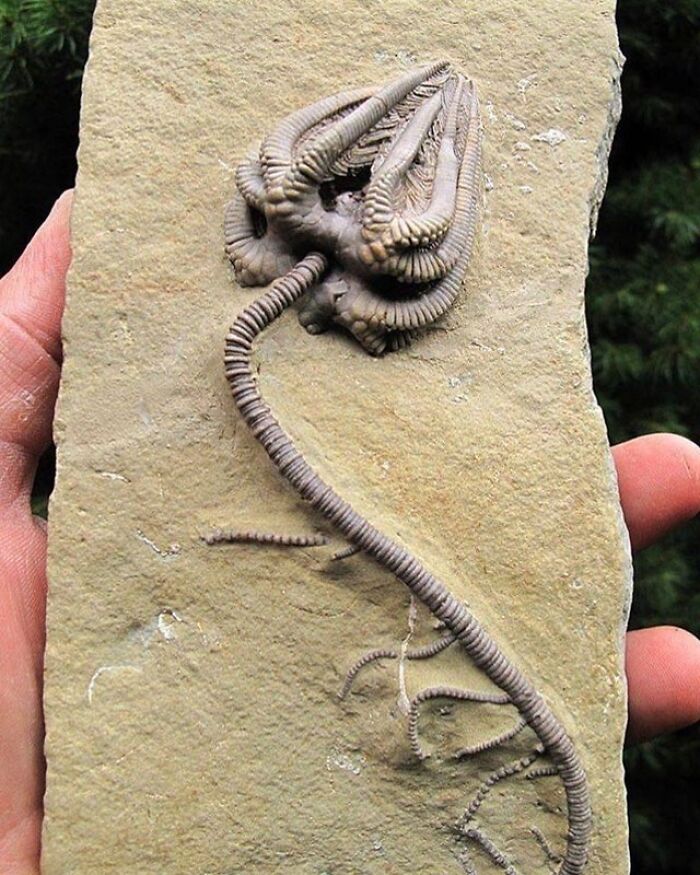
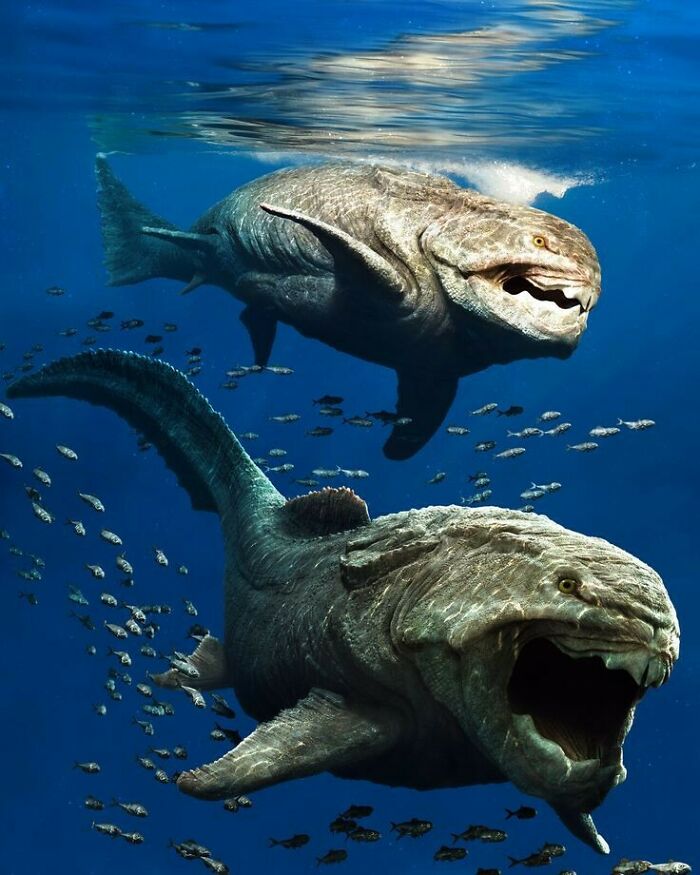
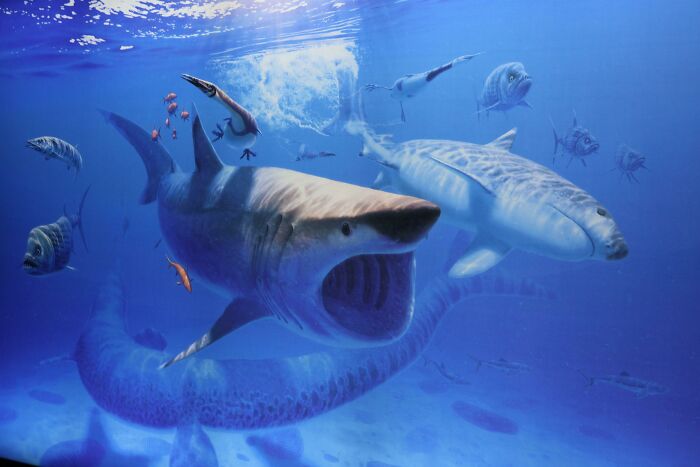
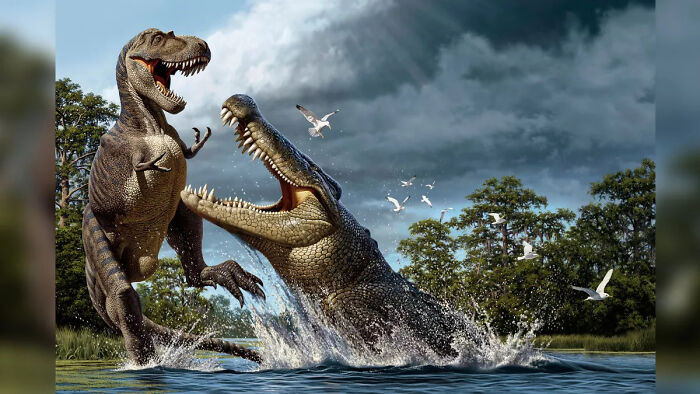
Since the beginning of time, there's always been a solid reason to avoid dark waters.
Some of the first fossils to be recognized as dinosaur remains date back to the 1830s. That’s when, according to the American paleontologist Mark Norell, people in the English countryside found what they believed to be giant extinct reptiles.
When it comes to the first person to study fossils, Georges Cuvier is often referred to as the founding father of paleontology. Back in the 19th century, he was a member of the faculty at the National Museum of Natural Sciences in Paris, which allowed him to access the most extensive collection of fossils available at the time.

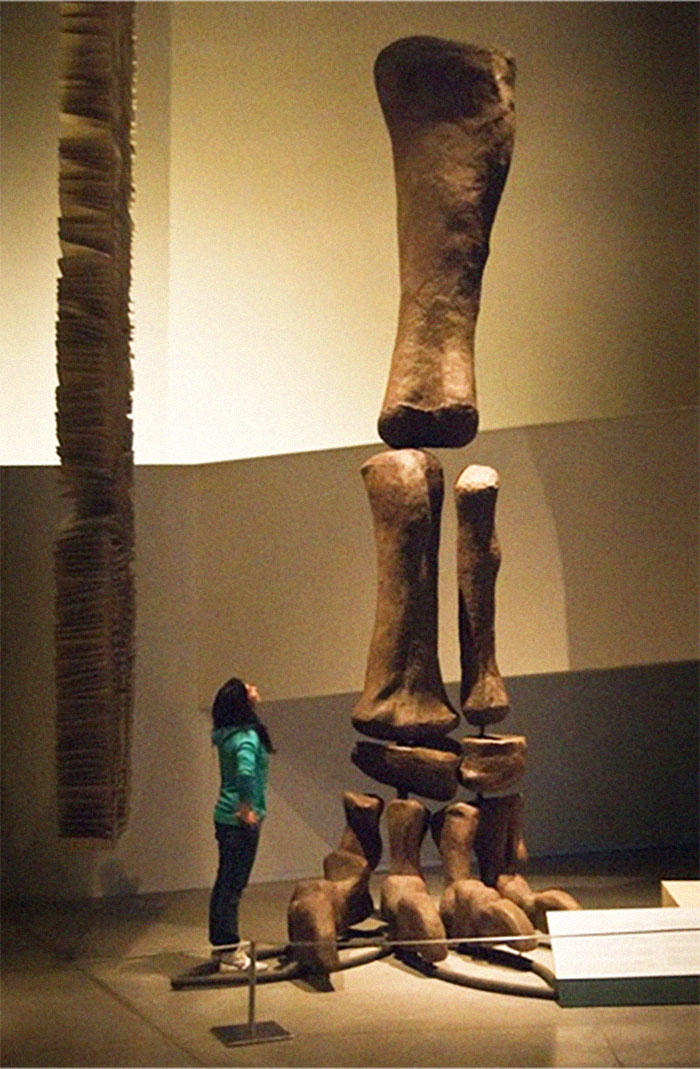
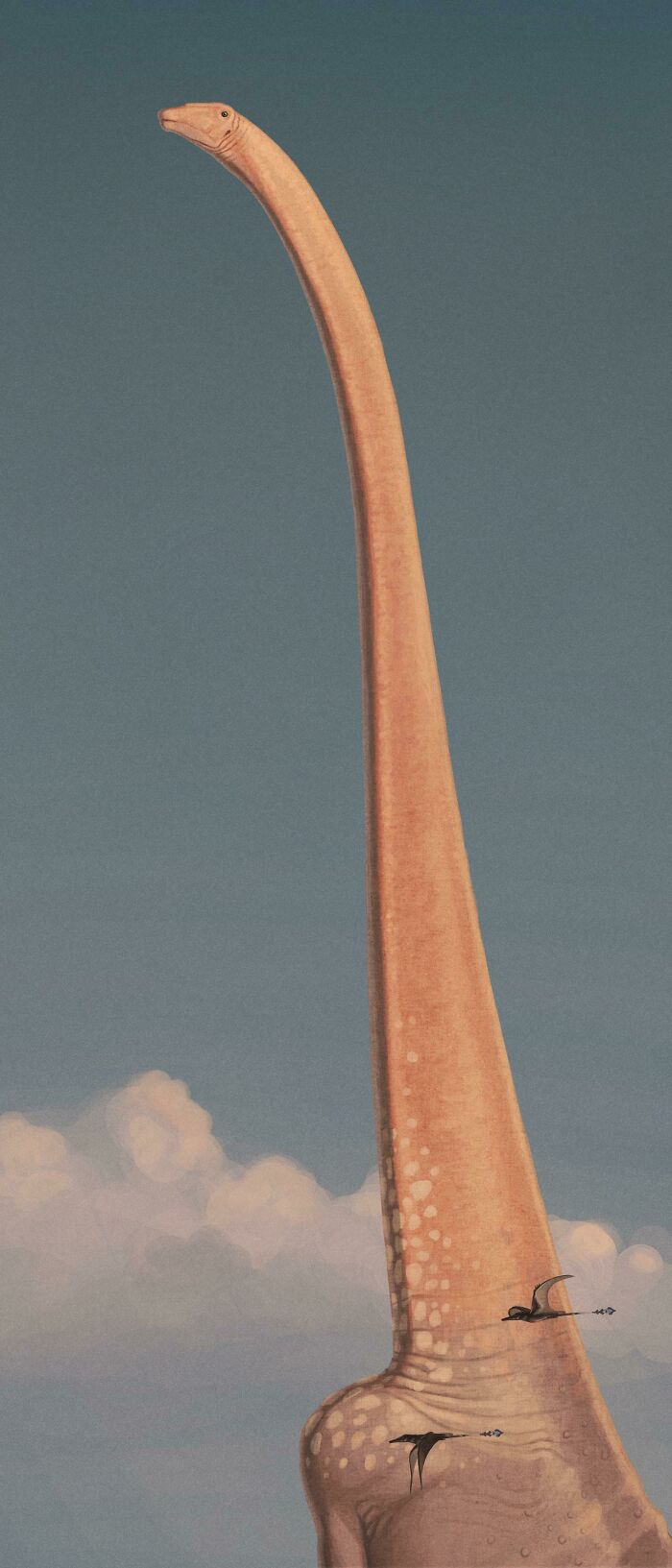
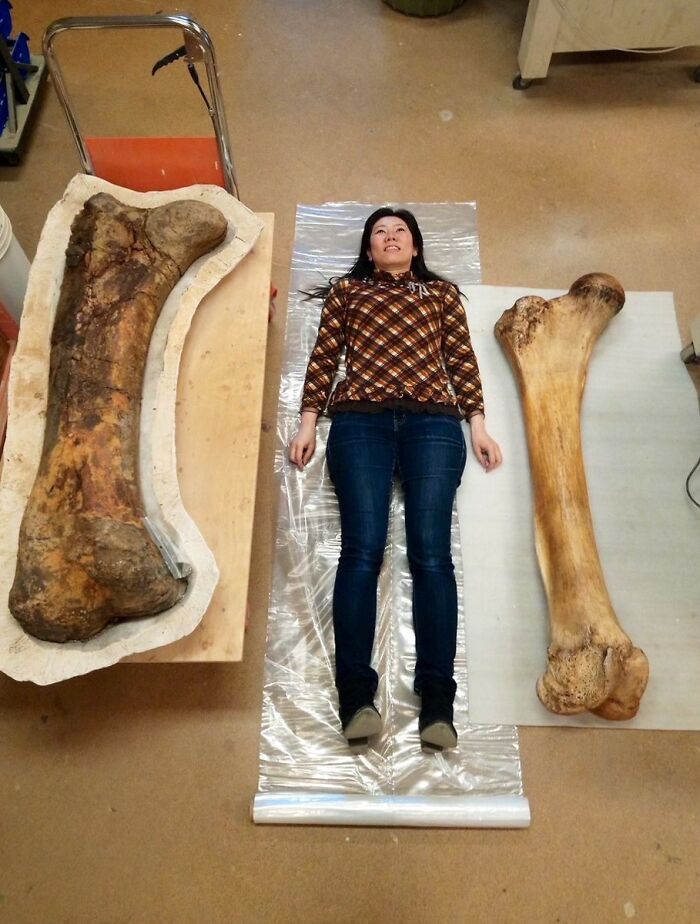
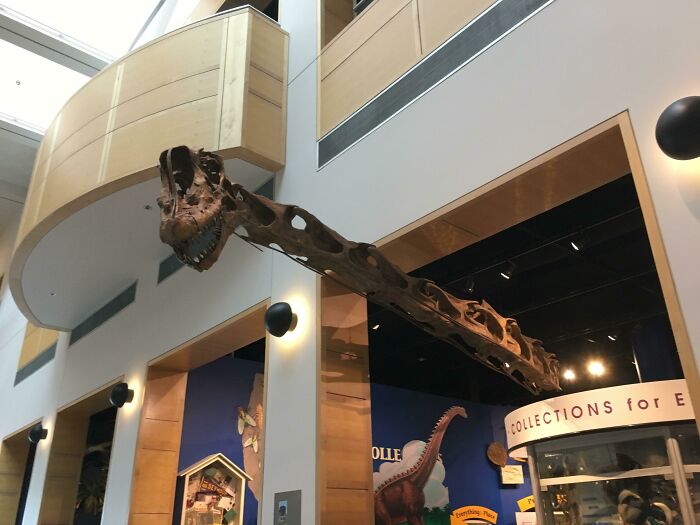
"Don't cry for me, Argentino. The truth is you were a Saurus. A really big one, but you extinct and we digged your bones out!"

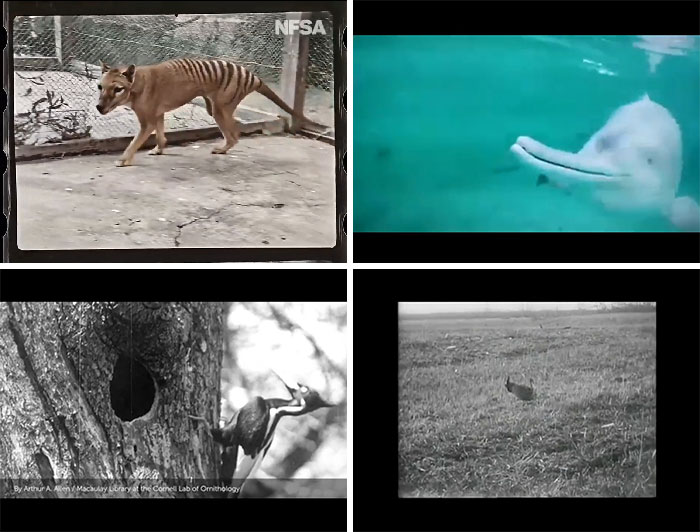
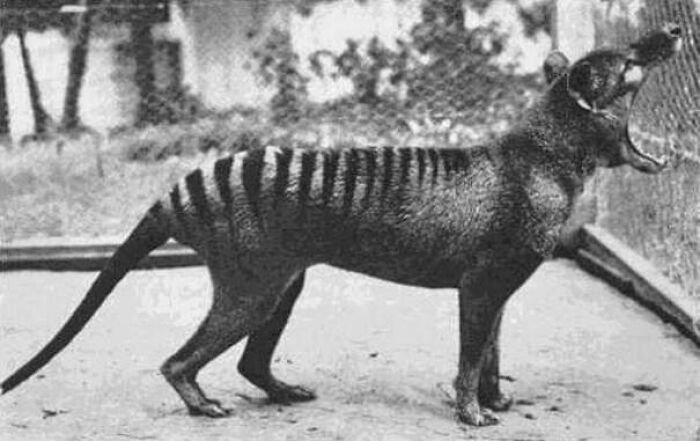
The thylacine footage is digitally colourised if I remember correctly. The footage was taken in 1933.
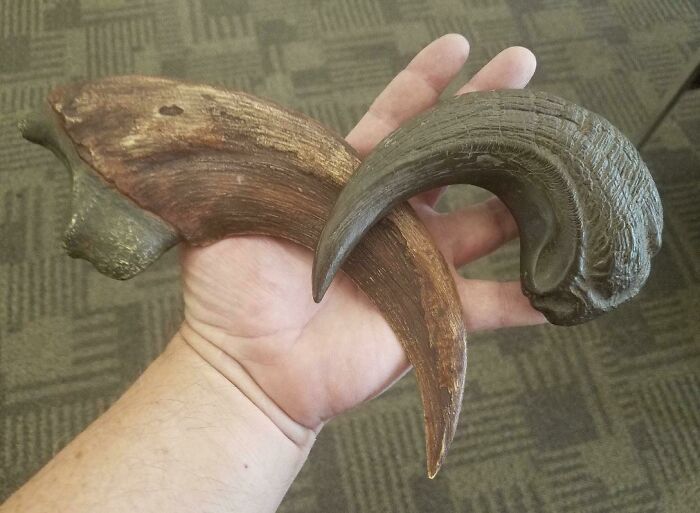
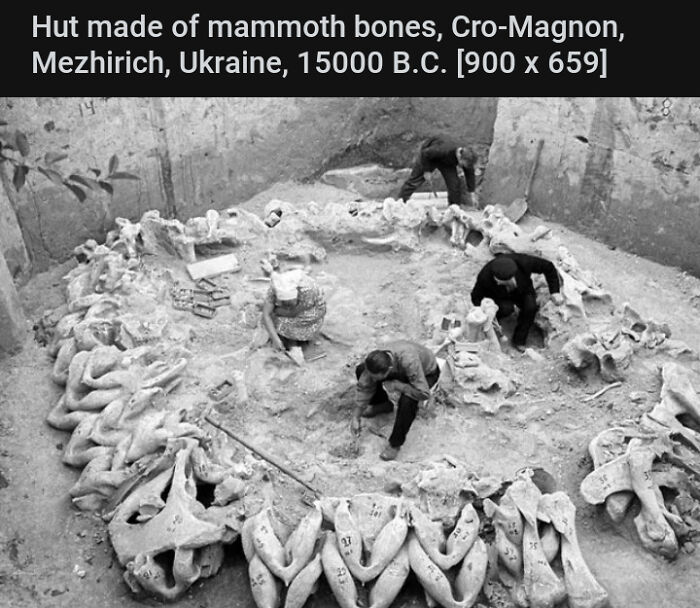
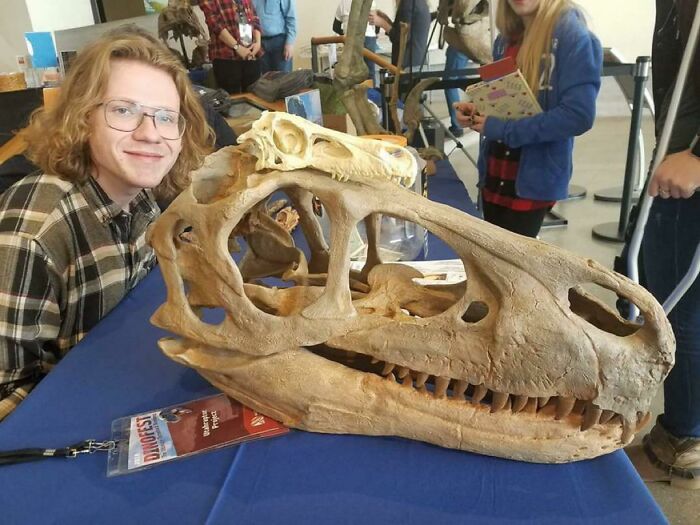
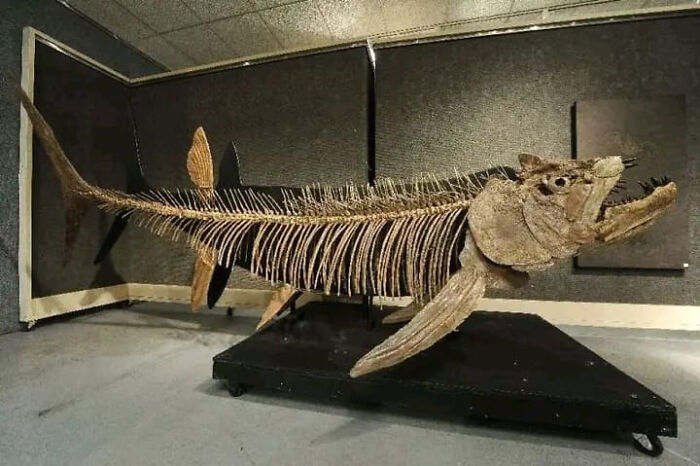
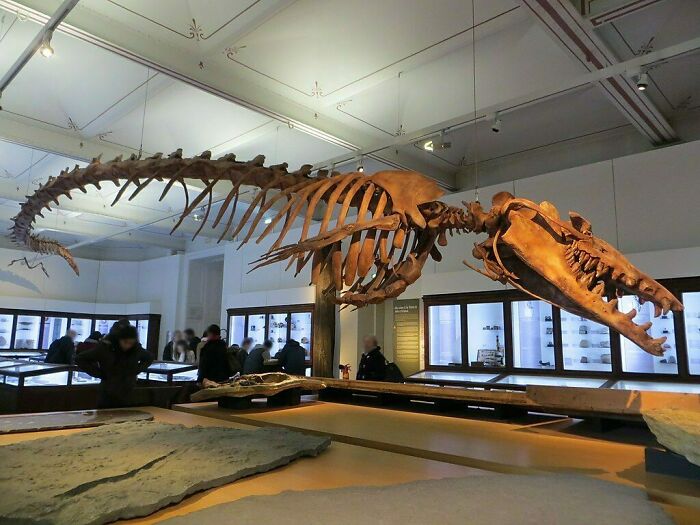
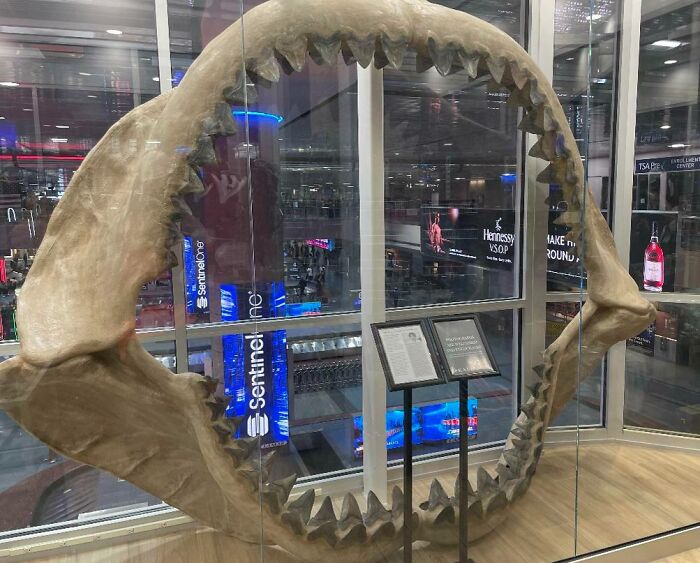
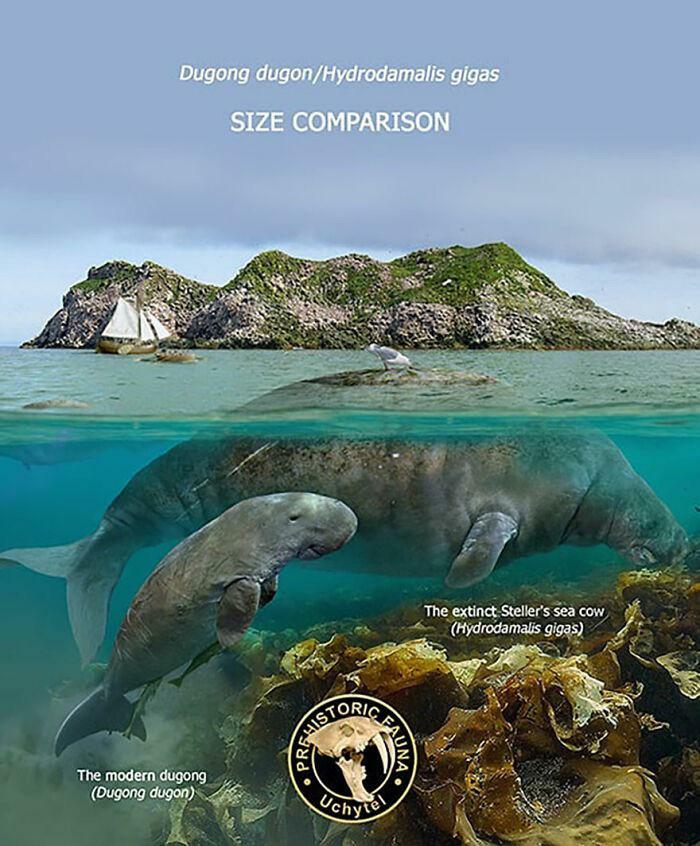
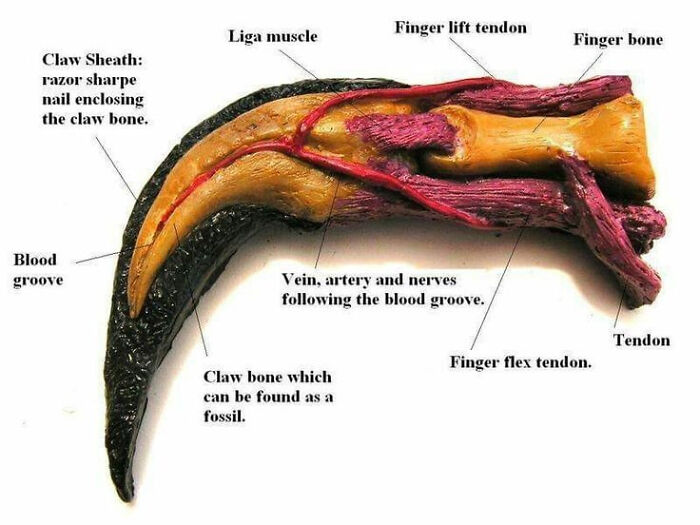
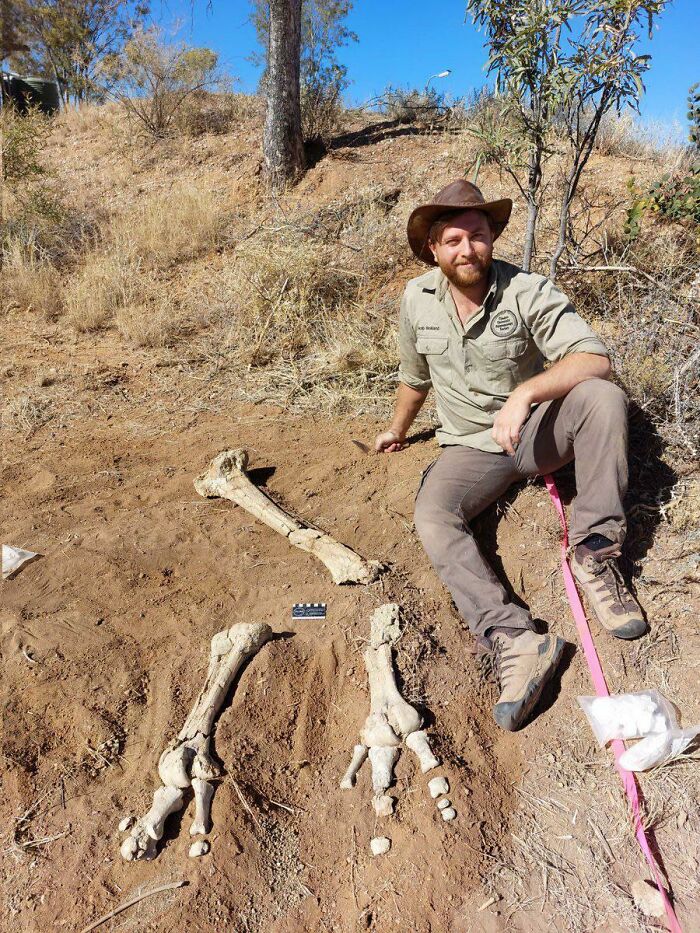
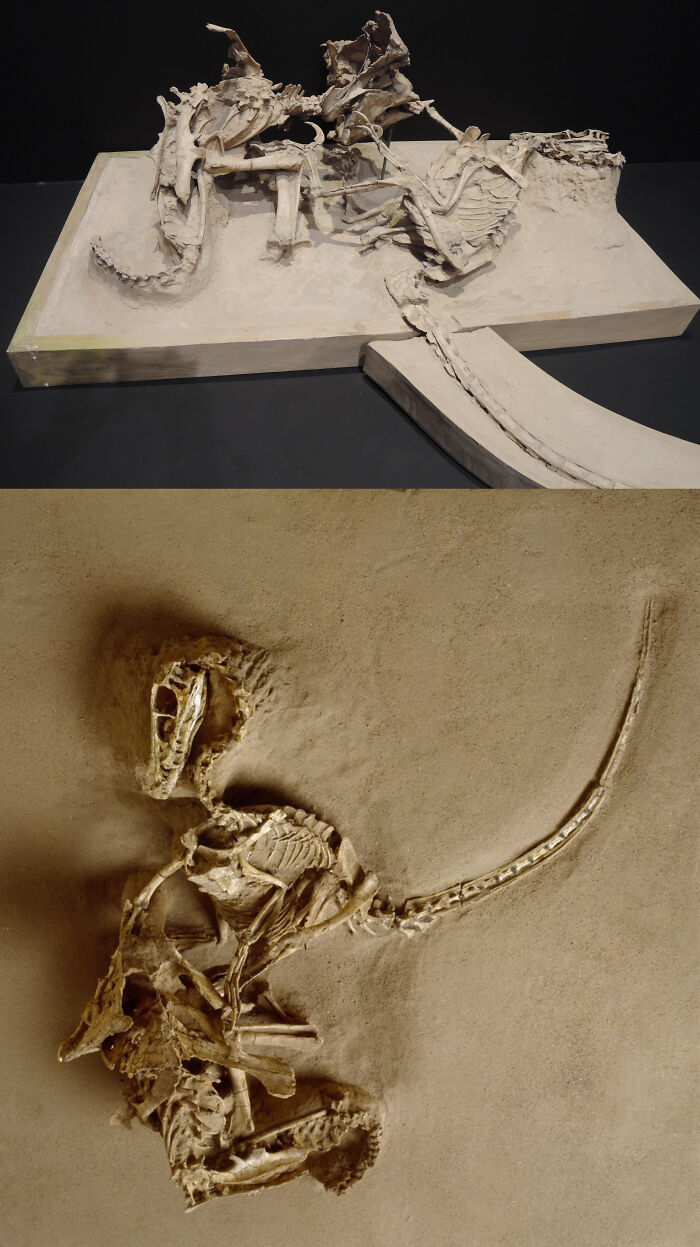
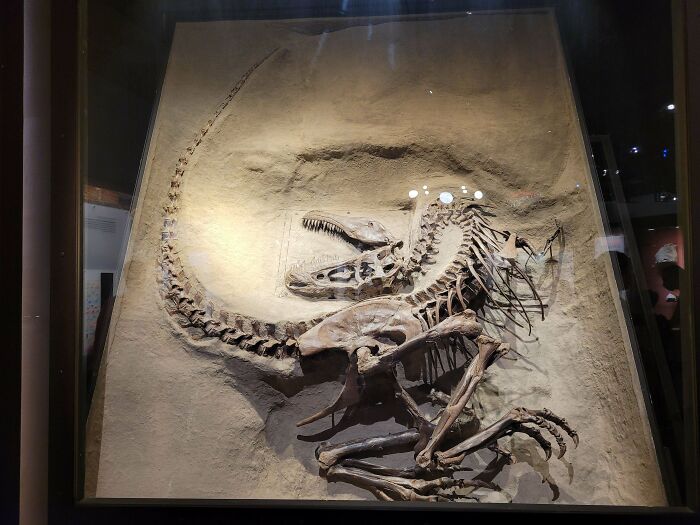
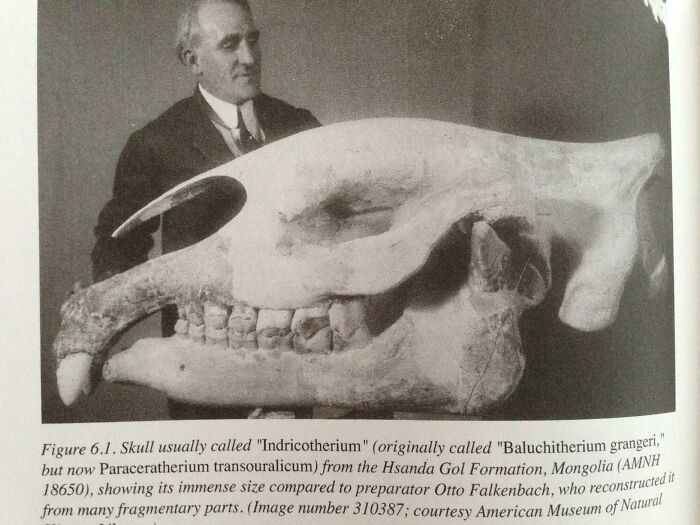
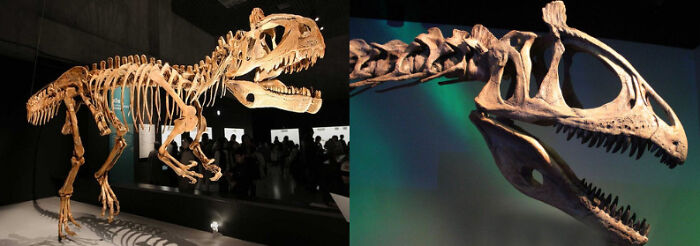
The images of remains on this list are just a tiny fraction of what’s been dug out in the past years. However, they show just how exceptional in size and other features the creatures were.
Some more examples of such fascinating excavations were presented in an article by Geology Science. In addition to the well-known T-rex, it also covered types of feathered dinosaurs and extinct fish, as well as human remains from millions of years ago.

Judging by its name, Utahraptor been found in Utah.. So is there an Ohioraptor??
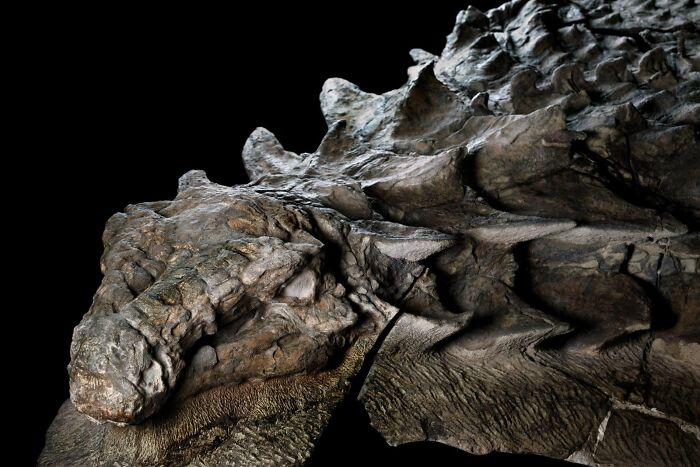
The Smithsonian Channel also covered the process of restoring an incredible 110-million-year-old fossil. Found in an oil sand mine, it turned out to be the remains of a 18-foot-long nodosaur—a nearly 3000-pound type of armored animal with spikes on its shoulders and a long tail.


This. And I'm going to hazard a guess that it moves WAYYYY faster than a little one.
Load More Replies... 

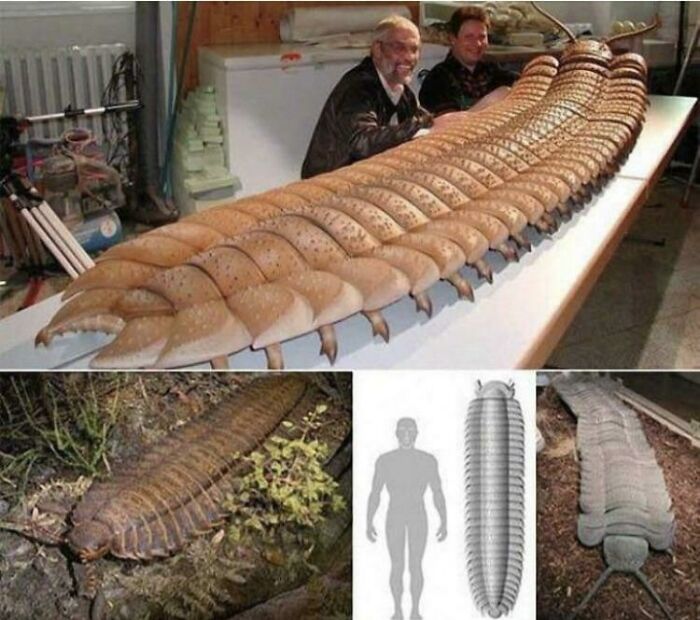
That's true. Arthropleura Millipedes are known to be very polite and always ring the bell before entering.
Load More Replies... 

Mother Nature sure had a strange fetish for gigantism millions upon millions of years ago.
It had more oxygen to work with in the atmosphere, so why not use it?
Load More Replies...
Insects could grow to that size since oxygen levels were far higher than they are today. Plants were proliferating, and few species existed that could break down lignin. So plants fixed CO2, released oxygen, and the carbon remained stored in the lignin, instead of being released when the lignin is digested, as it is today, by assorted bacteria and fungi (many of those bacteria species are symbiotic with herbivores). That's also why there is so much coal from that period - the wood never rotted.

Ok I think I just proved beyond doubt that I am, in fact, an alien
Load More Replies...
I'm throwing my NOPE in the bag on this one. Screw it....I'm throwing ALL my nopes in the bag!



I saw some of their tracks at the Joggins Fossil Cliffs in Nova Scotia. They were SO COOL




It would be hard to smash that bug if it ever came into ur house for sure.



Only 1 pair of legs per segment makes it a centipede, millipedes have two pairs per segment. Other difference - centipedes are carnivorous, millipedes vegetarian



I legit need to know why the men are all smiling and laughing in the picture. I know if a live one walked up on them it wouldn't quite be like that. Psychos.












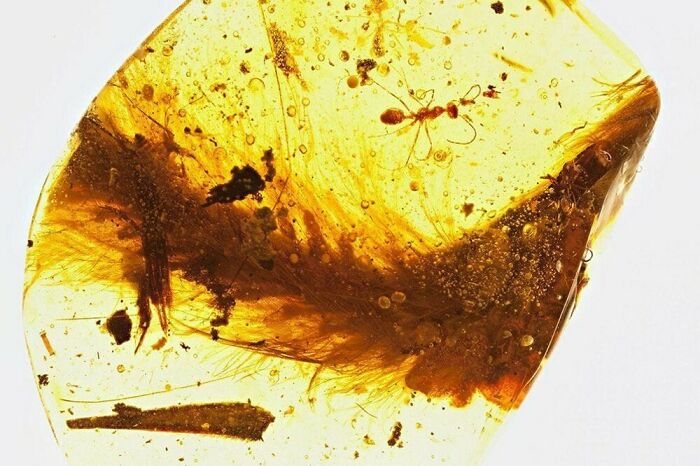
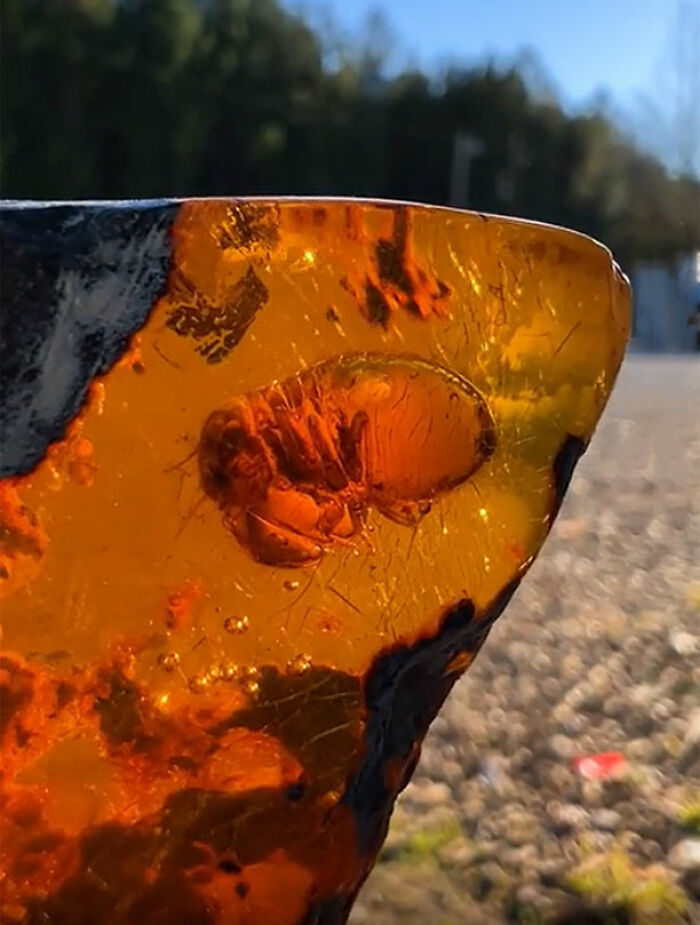
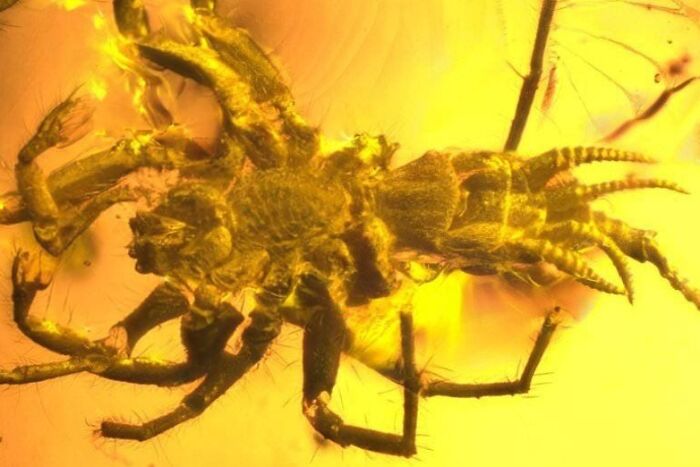
Not all animal remains are encapsulated in fossils, though. Some are often found perfectly preserved in other formations, such as amber, for instance. (Earth Archives have covered some pretty impressive examples of that, which you can find here.)
The colorful tree resin traps certain organisms, which become fully enclosed as it solidifies. Despite usually being smaller in size, pieces of amber conserve the remains of different species, in this way saving the information about them as well.

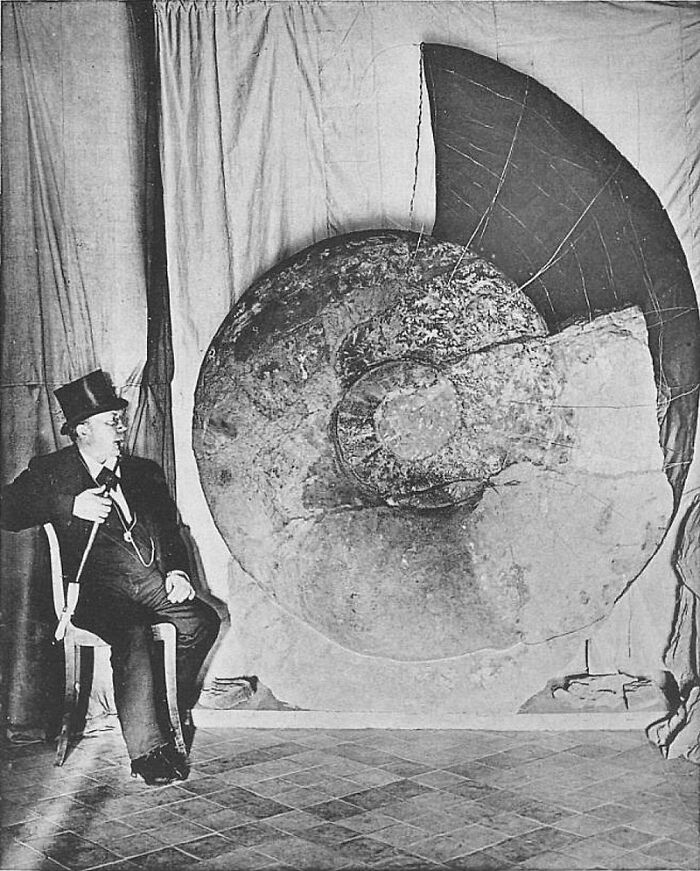
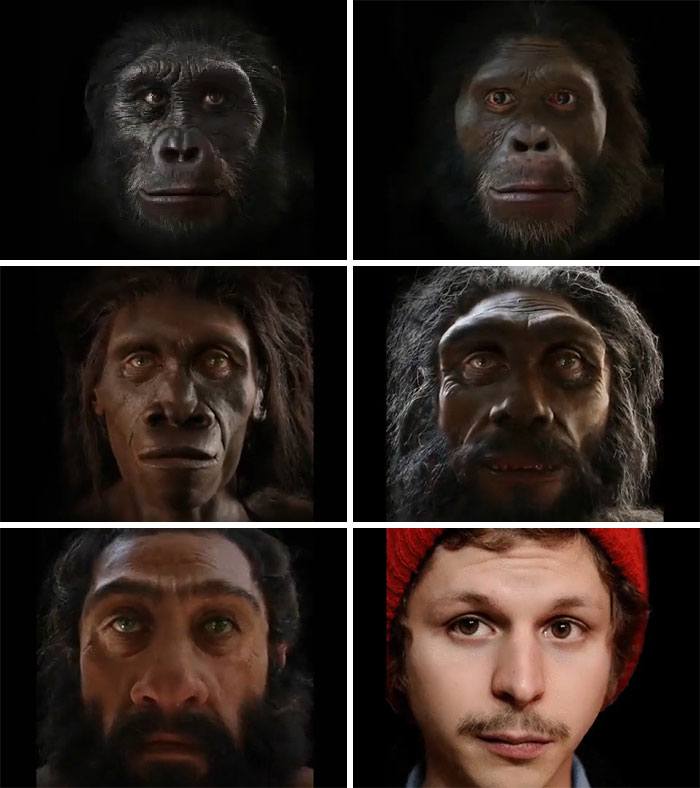
I know the past was in black and white because colors weren't invented yet, but I didn't think it had such bad graphics.

Most fossilized remains are of beings that have been long gone for ages, be it dinosaurs or other creatures. However, some species of animals became extinct as recently as just a few years ago.
Some examples include the Spix’s macaw, also known as the blue macaw, featured in the animated movie ‘Rio’, the smooth handfish that used to roam the coastal waters of Tasmania, and splendid poison frog, a red-colored frog formerly found in Western Panama.
Don't no one get no crazy ideas. We've all seen how that works out.
An astonishingly large number of nature’s creations are on the verge of extinction today. According to Animals Around The Globe, nearly 41,500 species are included in the International Union for Conservation of Nature’s Red List, more than 16,000 of which are threatened with extinction.
For example, there are only 67 Javan rhinos in the entire world. The numbers of mountain gorillas and Asian elephants are dropping rapidly, and so are the ones of Atlantic blue tuna.
The United States Geological Survey pointed out that some of the reasons for the unfortunate changes in such numbers are habitat loss and over-exploitation of wildlife for commercial purposes. Sadly, human activity has made the process of extinction way more rapid than it would have been naturally. Scientists believe that the 20th-century rate of animal species dying is a hundred times higher than it would have been without people’s interference.
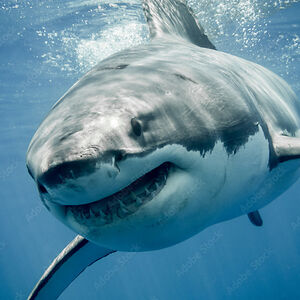
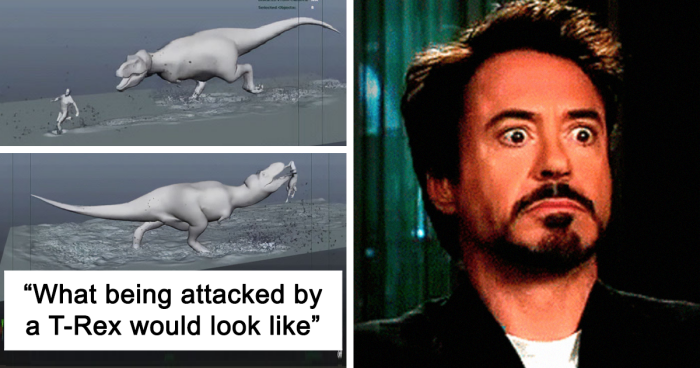
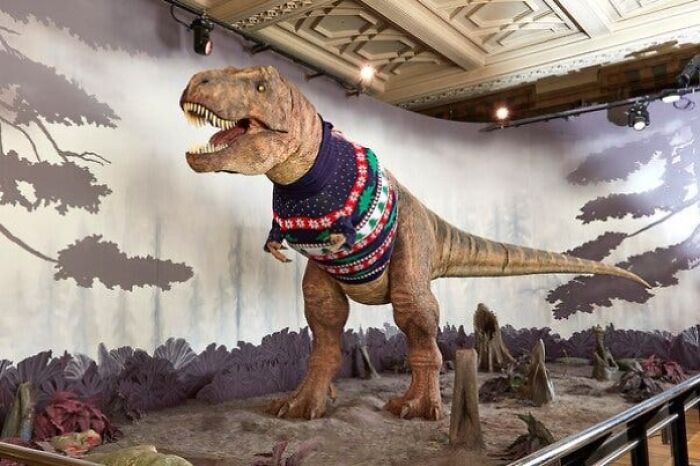
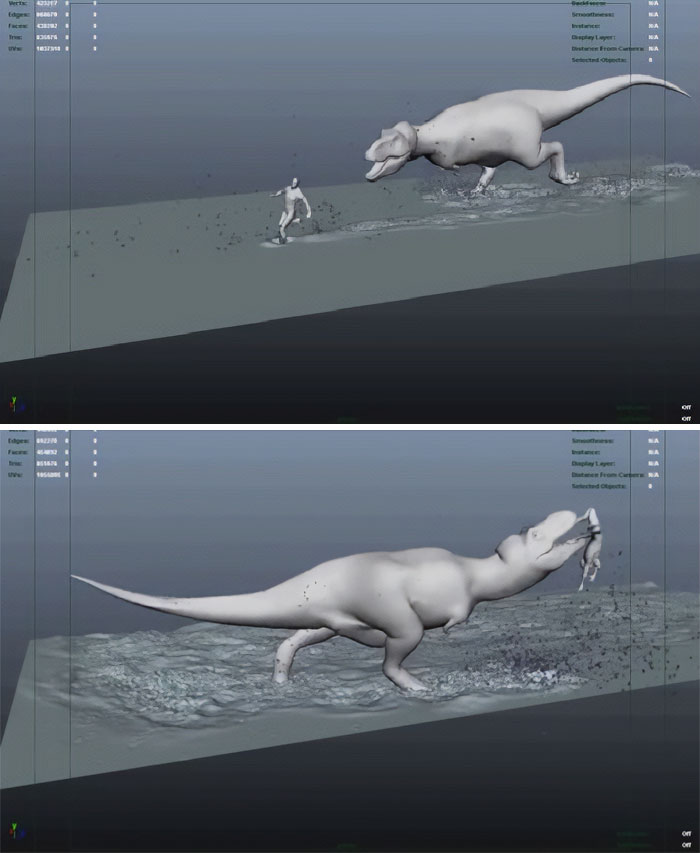
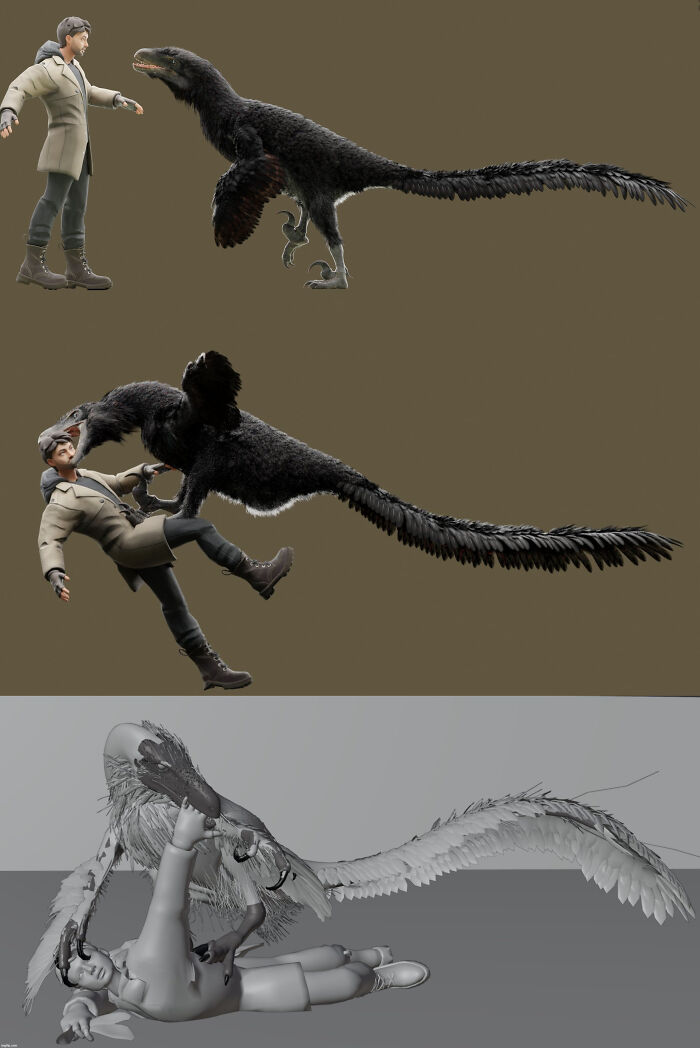
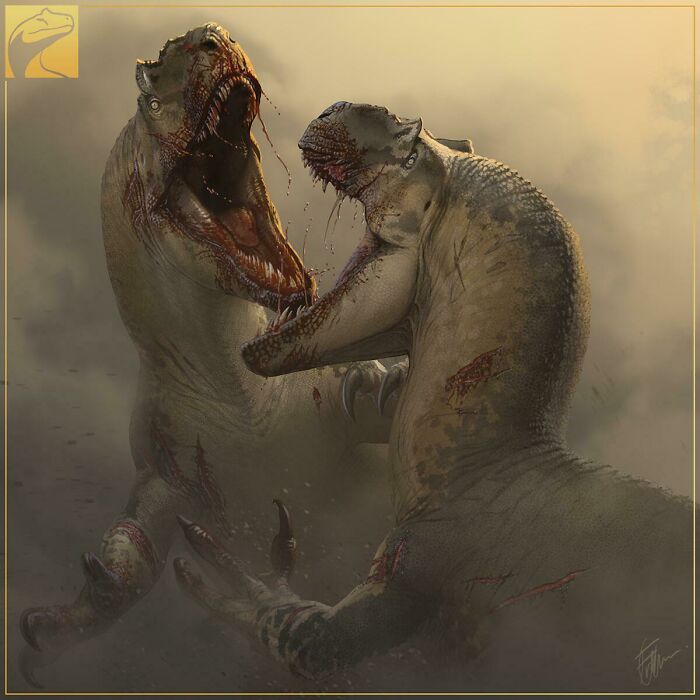
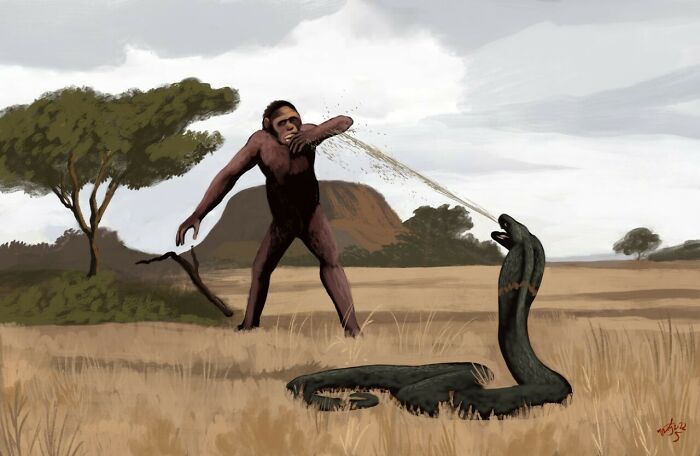
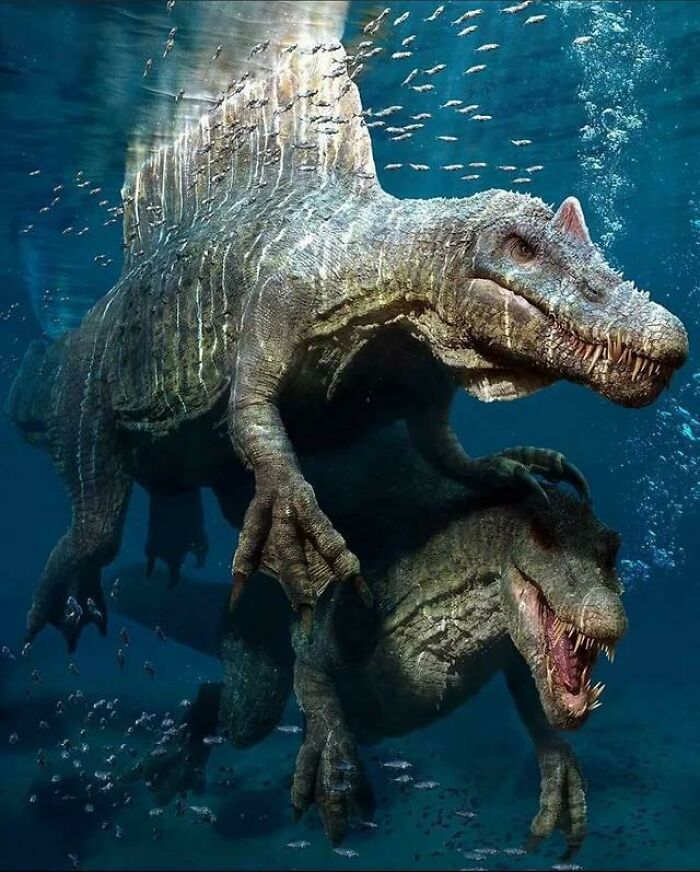
Well now! That shows exactly what would happen if humans had lived along side dinosaurs. The Creation museum should take a look.. humans would be extinct!
There are, however, ways to help save the animals at risk. The Endangered Species Coalition pointed out some easy steps to do it, such as learning about the endangered species in your area or making your surroundings wildlife-friendly. It also emphasized the importance of recycling, cautious driving, and safe use of chemicals in your environment.

Whoever discovered this was either called Basil or a fan of Fawlty Towers.

I lived in Tasmania for over a decade, and I knew someone who'd strongly disagree with them being extinct. They told me that they saw one and this person is not someone who lies.
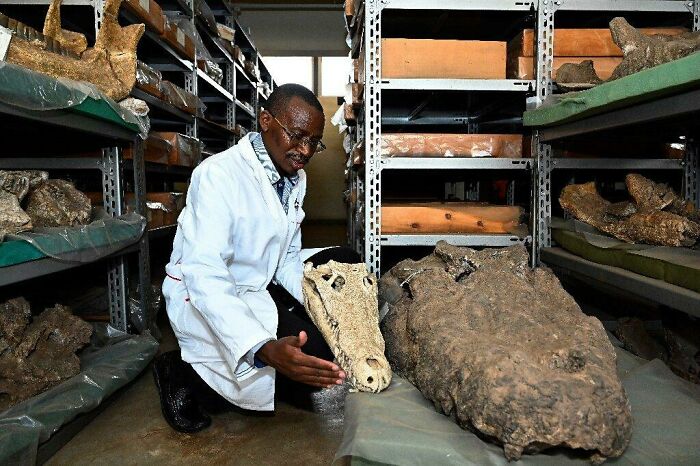
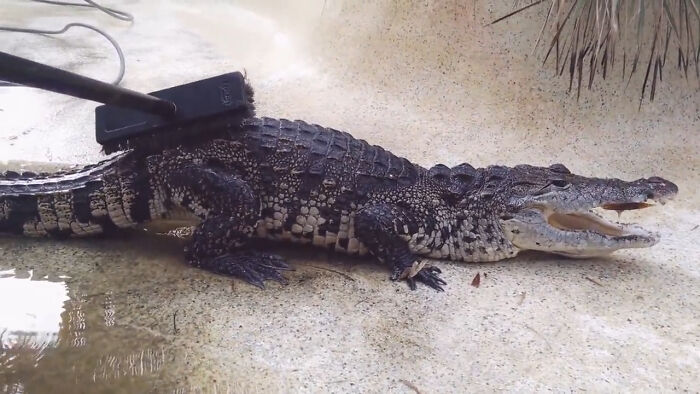
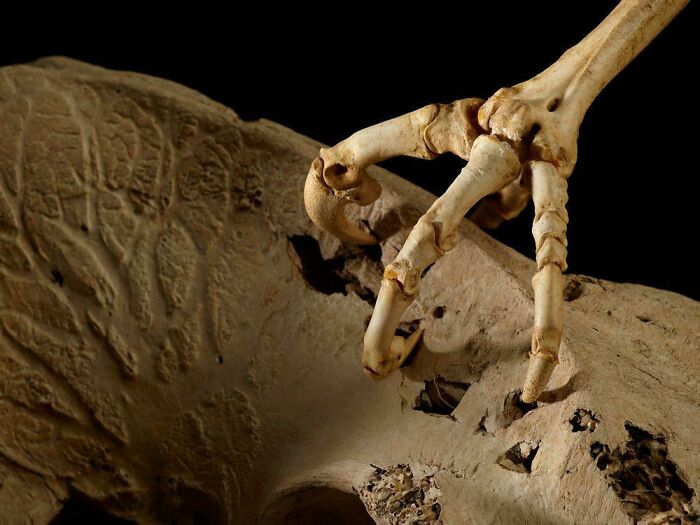
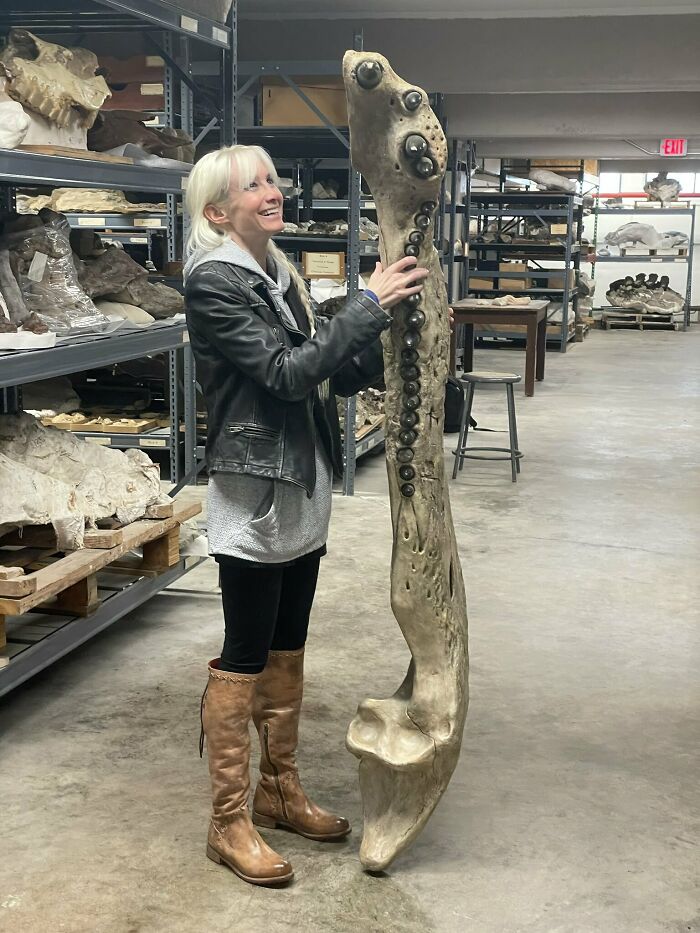
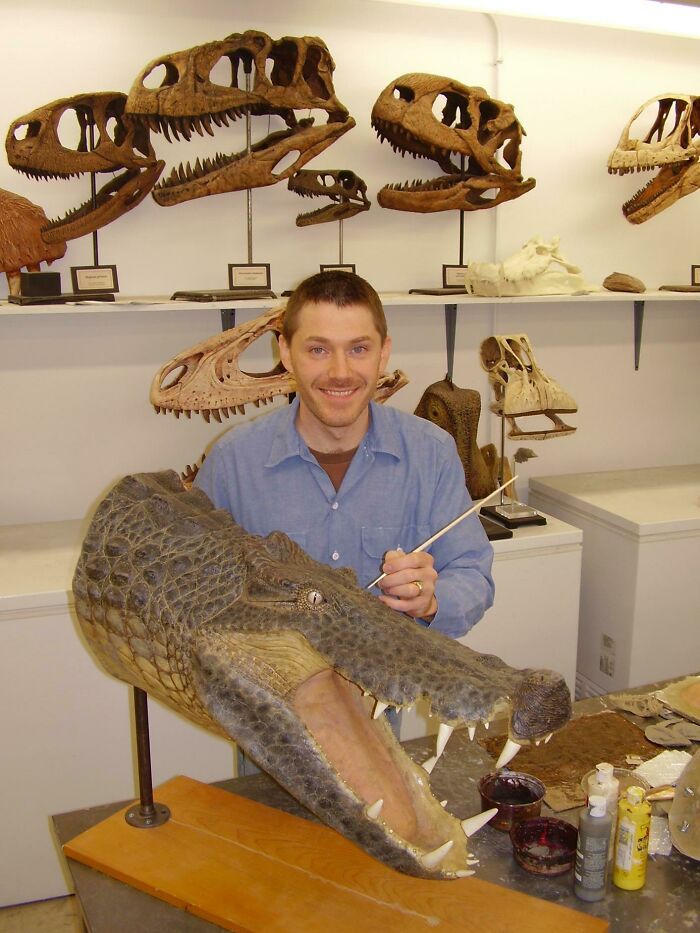
If this area is where the alligator butt is supposed to be, than he poops in reverse position! I think, this picture shows the cleaning of its wisdom tooth spine....
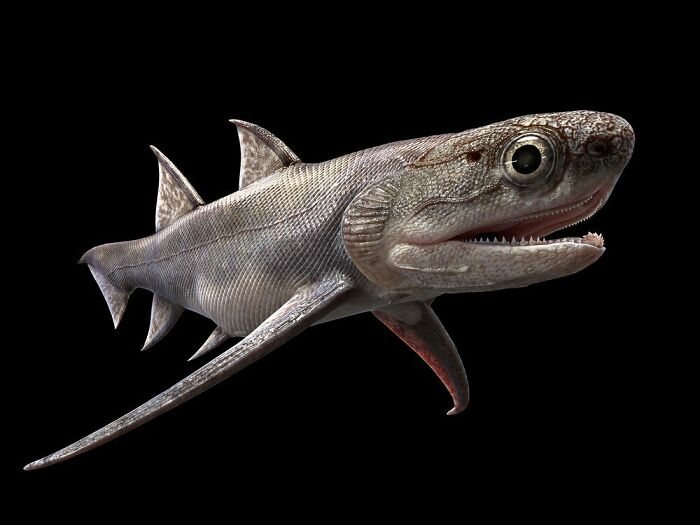
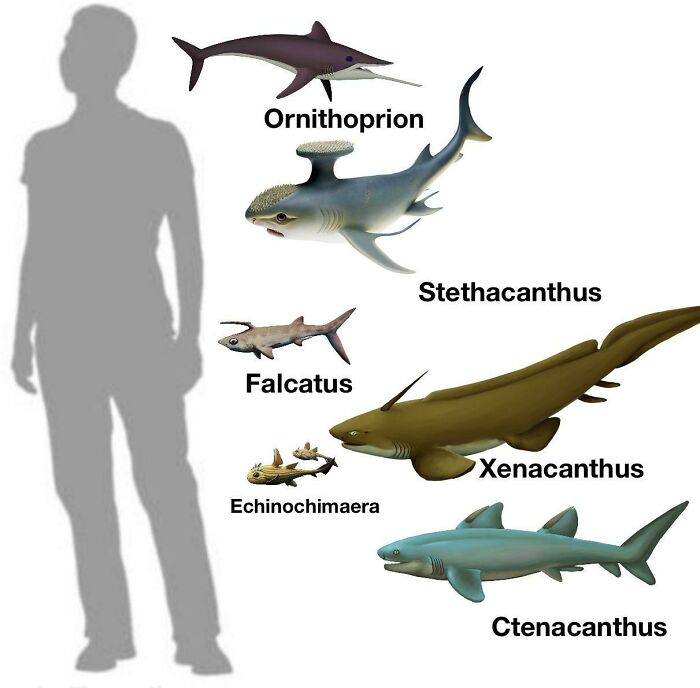
Upvote for that Stethacanthus fellow. That is one strange dorsal fin!
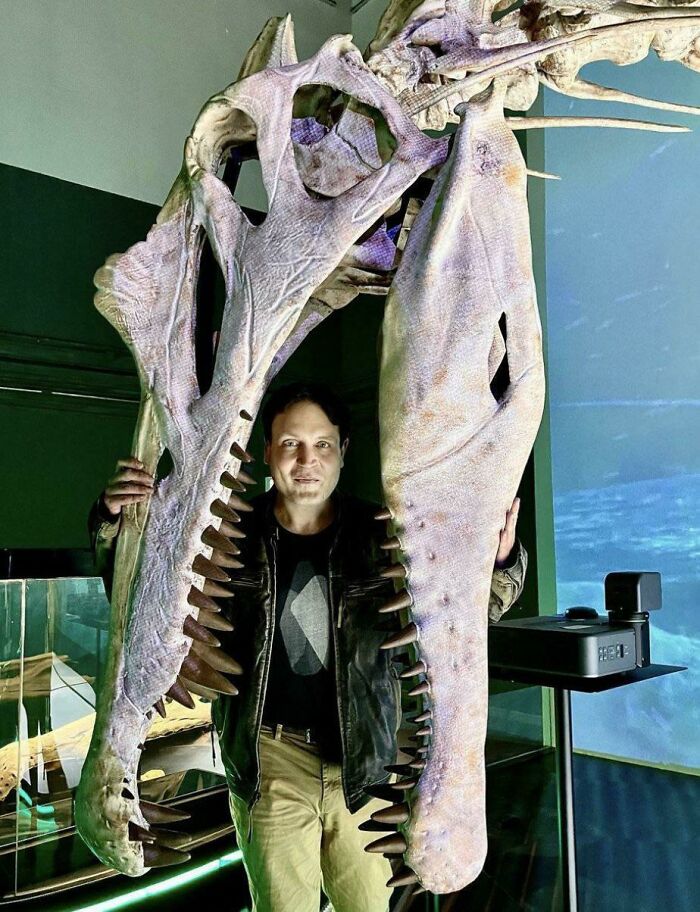
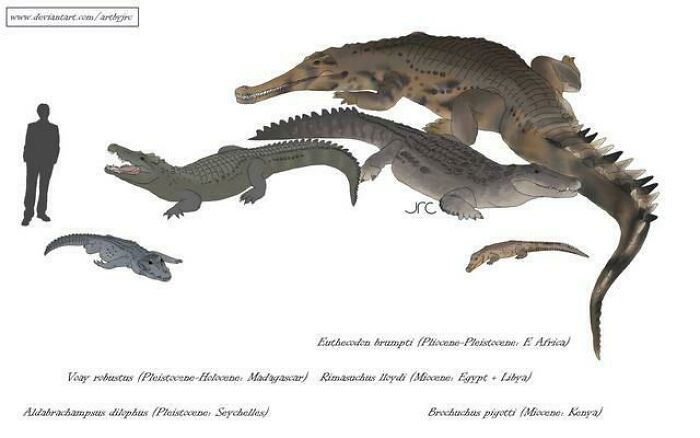
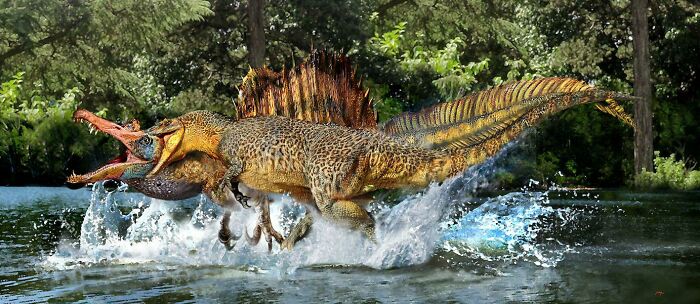
I'd look exactly the same if a giant croc popped outta the water at me.
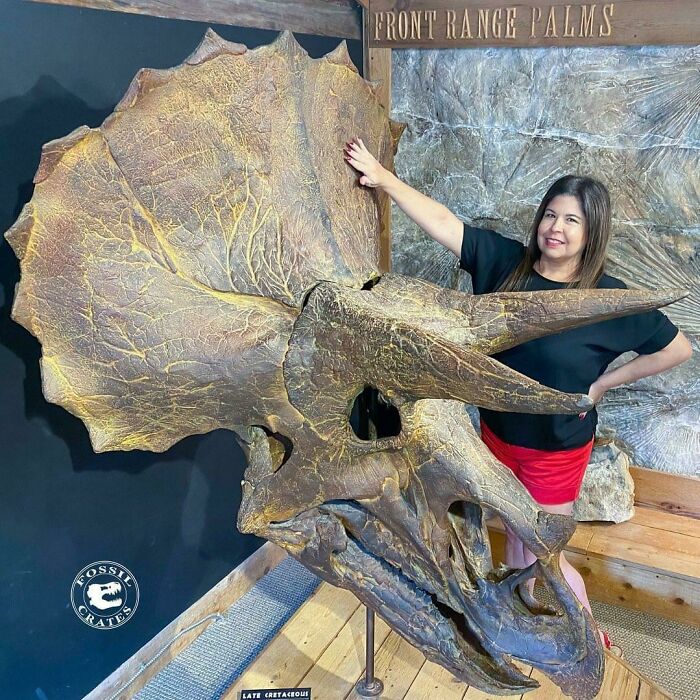
Pretty sure the legends of Dragons started when people found dino skulls. Must have been terrifying to imagine another living one lurking nearby.


These are the best articles and lists on here. Educational, and without any agenda. Love it, well done.

I can recognize so many of these just from playing ARK Survival Evolved lol


While dinosaurs were pretty big, I pictured ALL OF THEM to be the size of the Argentinosaurus as a kid. My biggest fear when I was a little kid with a vivid imagination was looking out the window and seeing a massive claw, and it turns out to just be a T-rex toe
This whole list makes me feel both fascinated and sad at the same time. All the extinct species due to humans, and the prehistoric dinos.

Nature still is metal! Take a closer look at some extant species, such as the blue whale, possibly the largest animal that has ever lived.

Why is this thread called "Nature was Metal"? Is it meant to be mental?
I prefer to not have these sorts of articles truncated, the ones that were cut off were still worth looking at...


I wonder what the next intelligent species will think of all the human kaka they find in a few hundred thousand years? Mankind is not going to last to much longer at the rate we are going.
These are the best articles and lists on here. Educational, and without any agenda. Love it, well done.
I can recognize so many of these just from playing ARK Survival Evolved lol
While dinosaurs were pretty big, I pictured ALL OF THEM to be the size of the Argentinosaurus as a kid. My biggest fear when I was a little kid with a vivid imagination was looking out the window and seeing a massive claw, and it turns out to just be a T-rex toe
This whole list makes me feel both fascinated and sad at the same time. All the extinct species due to humans, and the prehistoric dinos.
Nature still is metal! Take a closer look at some extant species, such as the blue whale, possibly the largest animal that has ever lived.
Why is this thread called "Nature was Metal"? Is it meant to be mental?
I prefer to not have these sorts of articles truncated, the ones that were cut off were still worth looking at...
I wonder what the next intelligent species will think of all the human kaka they find in a few hundred thousand years? Mankind is not going to last to much longer at the rate we are going.







































 No fees, cancel anytime