ADVERTISEMENT

Mother nature never ceases to amaze us. It’s a source of life for awe-inspiring creatures, from delicate to humongous, and everything in between. However, some of the latter might seem delicate, too, compared to the living things that have gone extinct.

Bugs the size of a human, reptiles of ginormous proportions, and rodents with horns—these are just a few examples proving that “Nature Was Metal” back in the day. That’s why there’s an entire subreddit, under this exact name, dedicated to some of nature’s most extraordinary creations that have vanished from the face of the earth.

Today we’ve listed a bunch of them for you to get acquainted with. Whether you find them atrocious or absolutely fascinating, they show the name of the subreddit is definitely not baseless. Scroll down to marvel at the beauties and the beasts and click here for our previous post about them.

#1

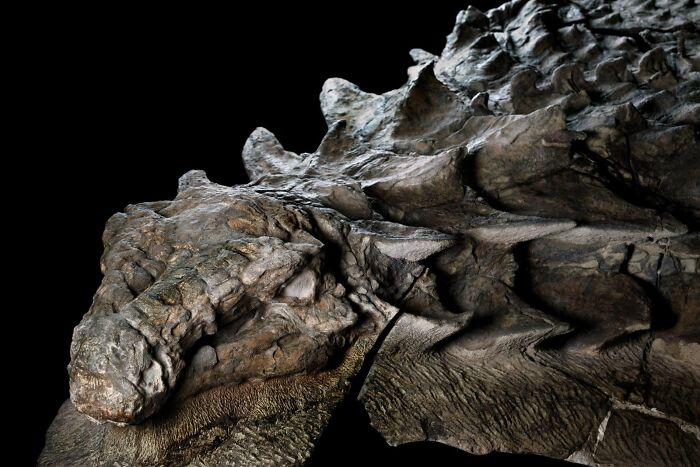
This Is The Best-Preserved Dinosaur Specimen Ever Unearthed. This Mummified Nodosaur’s Bones Remain Covered By Intact Skin And Armor — 110 Million Years After The Creature’s Death

Close-up of a rugged, heavily textured reptile skull showcasing nature was metal in bone structure.

belowshear Report

The earliest forms of life—microbes—date back to roughly 3.7 billion years ago. They slowly transformed, presenting more and more complex organisms that eventually led to formation of the first animal species. You might be surprised to learn that sponges, also known as poriferans, are considered to be some of the first animals there are.

Most of the pictures on this list represent something slightly bigger and more threatening than sponges, though. Take dinosaurs, for instance. Scientists believe they lived roughly 245 to 66 million years ago, during the Mesozoic Era, and could weigh tens of tons each.

RELATED:
    #2

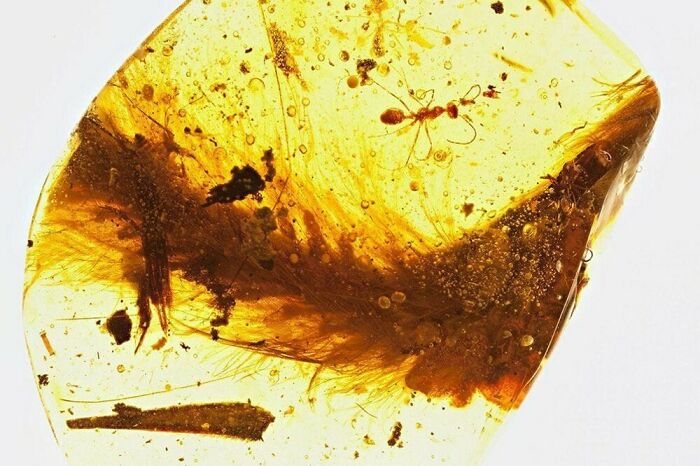
    Tail Of A 99 Myo Dinosaur, The First One Ever Discovered. Perfectly Preserved, Still Covered In Feathers

    Insect trapped in amber fossil, showcasing nature’s preservation and rare metal-like appearance in natural history.

    thereread Report

    #3

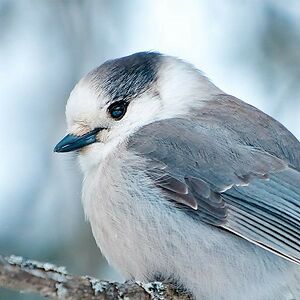
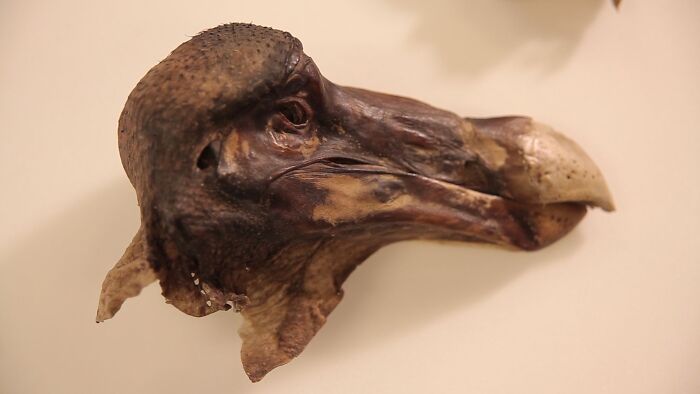
    The Only Preserved Head And Skin Of The Extinct Dodo Bird, Kept At The Oxford University Museum Of Natural History

    Preserved bird head with sharp beak displayed against a neutral background, illustrating nature was metal concept.

    secretlyswear863 Report

    Janine B.
    Community Member
    2 years ago Created by potrace 1.15, written by Peter Selinger 2001-2017

    Seeing this little guy just makes me sad. What a loss.

    View more comments
    ADVERTISEMENT

    The American Museum Of Natural History (AMNH) revealed that some dinosaurs weighed up to 80 tons and were roughly 120 feet long. To put things in perspective, try to imagine a dinosaur upright by the Leaning Tower of Pisa, being nearly two-thirds its height

    AMNH also pointed out that not all dinosaurs are extinct, though. Birds, also known as avian dinosaurs, actually share an ancestor with the non-avian ones, which makes them the last surviving group of the kind.

    When it comes to non-avian dinosaurs, there are roughly 300 genera and 700 species that have been discovered and named. But these numbers are likely to go even higher, as scientists continue to find new fossils.

    #4

    Most Animals Used To Be A Lot Bigger

    Comparison of giant modern and extinct animals in nature, highlighting massive sizes in blue whale, megalodon, and giant turtles.

    sohm113 Report

    Amanda Rose
    Community Member
    2 years ago Created by potrace 1.15, written by Peter Selinger 2001-2017

    The way the human figure changes! The Hell Pig one is great!

    View more comments
    ADVERTISEMENT
    #5

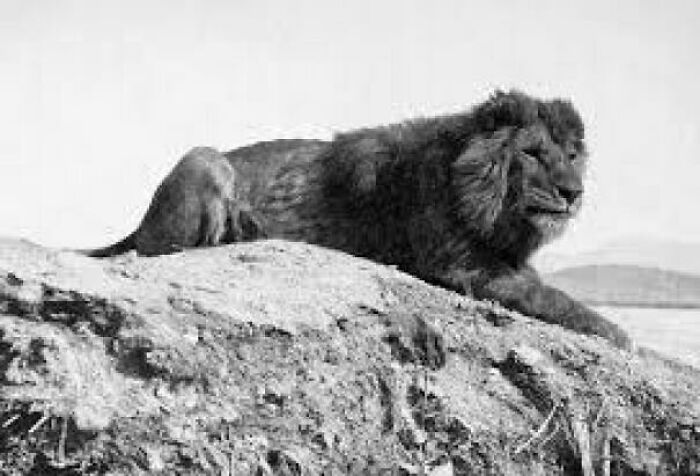
    A Barbary Lion, An Extinct Race, As Photographed In Algeria

    Black and white image of a lion resting on a rocky surface, showcasing nature was metal in wildlife.

    aquilasr Report

    Kat Pekin
    Community Member
    2 years ago Created by potrace 1.15, written by Peter Selinger 2001-2017

    Anyone else see Harrison Ford resemblance or do I need to lie down?

    View more comments
    ADVERTISEMENT

    Thanks to paleontologists, we can get a better understanding of what creatures roaming the Earth millions of years ago looked like. They study the history of life based on fossils—rocks that contain remains of plants, animals, or other forms of life. 

    It takes 10,000 years for such preserved remains to become fossils. In their hardened layers, they provide scientists with information about the organism’s environment, living conditions, and other details.

    #6

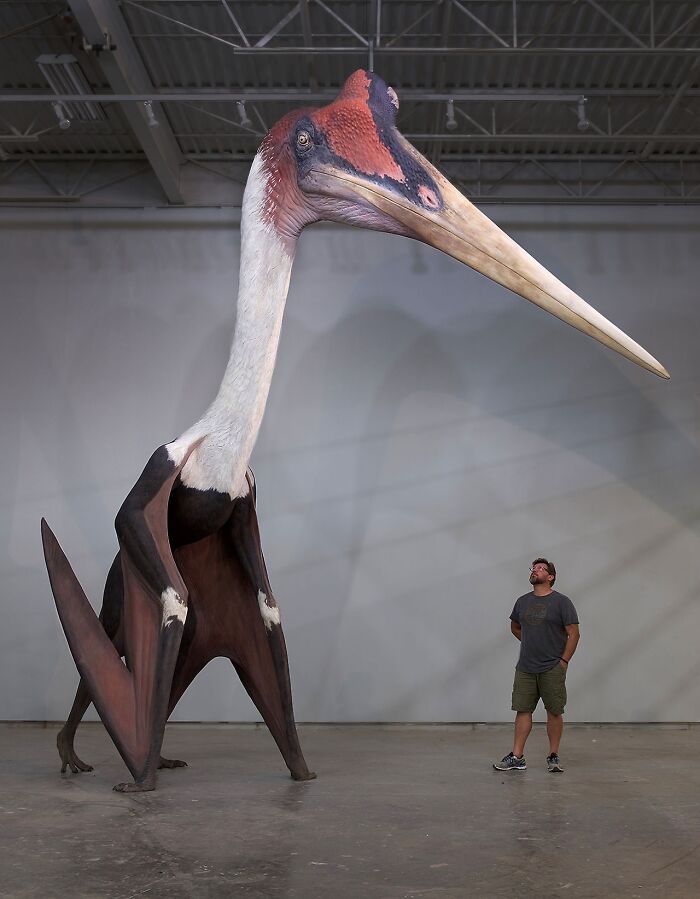
    This Is Quetzalcoatlus Northropi. It Is The Largest Pterosaur Ever Discovered And Possibly The Largest Flying Animal Ever! It Had A Wingspan Of Around 15.9 Metres (59 Feet)

    Man standing next to a giant pterosaur model showcasing the stunning and metal aspects of nature creativity.

    Sidelongape68 Report

    #7

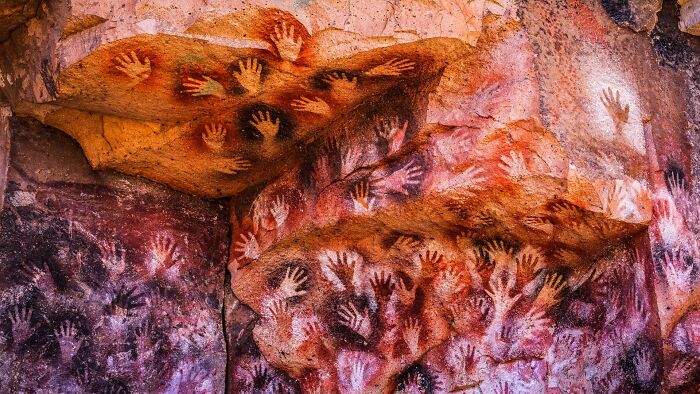
    The Numerous Hand Stencils Of Cueva De Las Manos, Argentina. The Hand Prints Of Many Different People Separated By Hundreds Or Thousands Of Years, Their Stories Lost To Time But Their Art Still Lingers For Us To See

    Ancient cave painting with multiple handprints in red and black pigments showcasing nature was metal in prehistoric art.

    homo_artis Report

    Roger9er
    Community Member
    2 years ago Created by potrace 1.15, written by Peter Selinger 2001-2017

    Other lives, thousands of years ago, also people who had insecurities, fun, jealousy, infatuation...the same as we do now

    View more comments
    #8

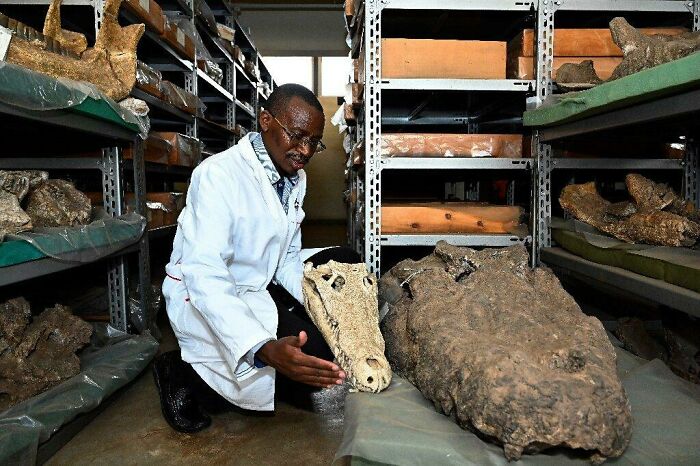
    A Man Holding A Nile Crocodile Skull Next To The Skull Of The Fearsome Crocodylus Thorbjarnarsoni. A Giant Crocodile Species From The Early Pleistocene In The Turkana Basin, Kenya

    Man in white lab coat examining fossilized crocodile skull and remains on metal shelves in a nature museum storage room.

    homo_artis Report

    Weasel Wise
    Community Member
    2 years ago Created by potrace 1.15, written by Peter Selinger 2001-2017

    Since the beginning of time, there's always been a solid reason to avoid dark waters.

    View more comments
    ADVERTISEMENT
    ADVERTISEMENT

    Some of the first fossils to be recognized as dinosaur remains date back to the 1830s. That’s when, according to the American paleontologist Mark Norell, people in the English countryside found what they believed to be giant extinct reptiles.

    When it comes to the first person to study fossils, Georges Cuvier is often referred to as the founding father of paleontology. Back in the 19th century, he was a member of the faculty at the National Museum of Natural Sciences in Paris, which allowed him to access the most extensive collection of fossils available at the time.

    #9

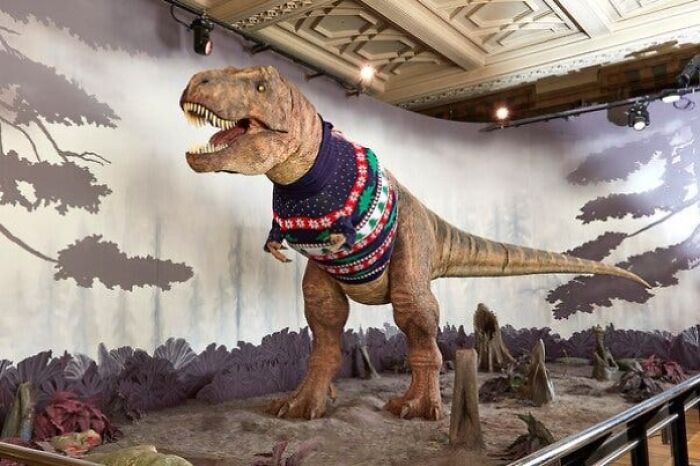
    The Natural History Museum In London Outfitted Its Animatronic Tyrannosaurus Rex In A Colorful Christmas Sweater

    Life-size dinosaur model wearing a colorful sweater in a museum exhibit, showcasing nature was metal theme.

    Forward-Ad-9811 Report

    S Schmidt
    Community Member
    2 years ago Created by potrace 1.15, written by Peter Selinger 2001-2017

    It's like his mum knitted that for him with her tiny dinosaur arms. Took her ages, but that's devotion for you.

    View more comments
    #10

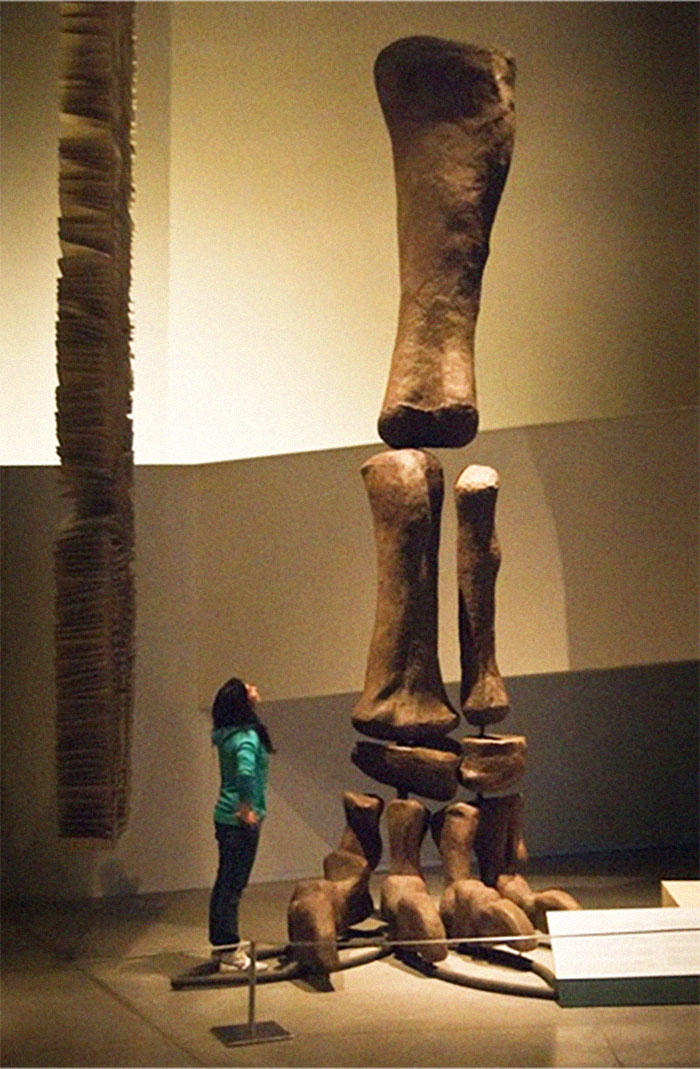
    The Giant Monster That Was Argentinosaurus

    Woman in a museum looking up at giant prehistoric dinosaur bones showcasing nature was metal in size and scale.

    kjmnhbgvfc Report

    martymcmatrix
    Community Member
    2 years ago Created by potrace 1.15, written by Peter Selinger 2001-2017

    "Don't cry for me, Argentino. The truth is you were a Saurus. A really big one, but you extinct and we digged your bones out!"

    View more comments
    #11

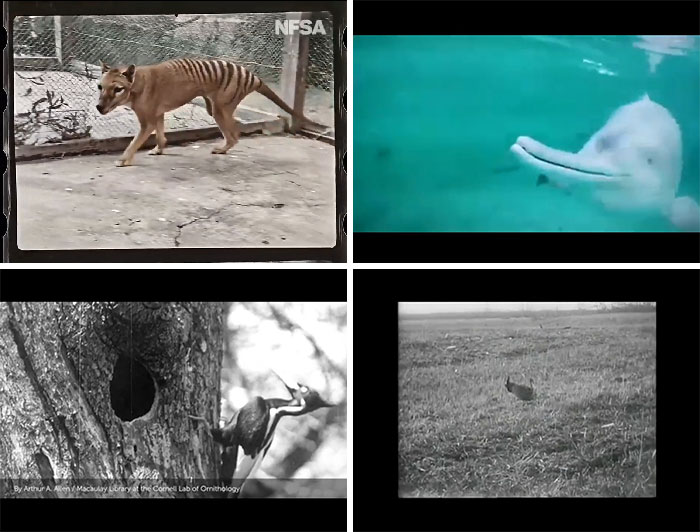
    Real Footage Of 4 Extinct Animals: Thylacine, Ivory-Billed Woodpecker, Baiji River Dolphin, And The Heath Hen

    Thylacine in enclosure, dolphin underwater, woodpecker by tree, and bird in field showing nature was metal moments.

    EmptySpaceForAHeart Report

    Sian Edwards
    Community Member
    2 years ago Created by potrace 1.15, written by Peter Selinger 2001-2017

    The thylacine footage is digitally colourised if I remember correctly. The footage was taken in 1933.

    View more comments
    ADVERTISEMENT

    The images of remains on this list are just a tiny fraction of what’s been dug out in the past years. However, they show just how exceptional in size and other features the creatures were.

    Some more examples of such fascinating excavations were presented in an article by Geology Science. In addition to the well-known T-rex, it also covered types of feathered dinosaurs and extinct fish, as well as human remains from millions of years ago.

    ADVERTISEMENT
    #12

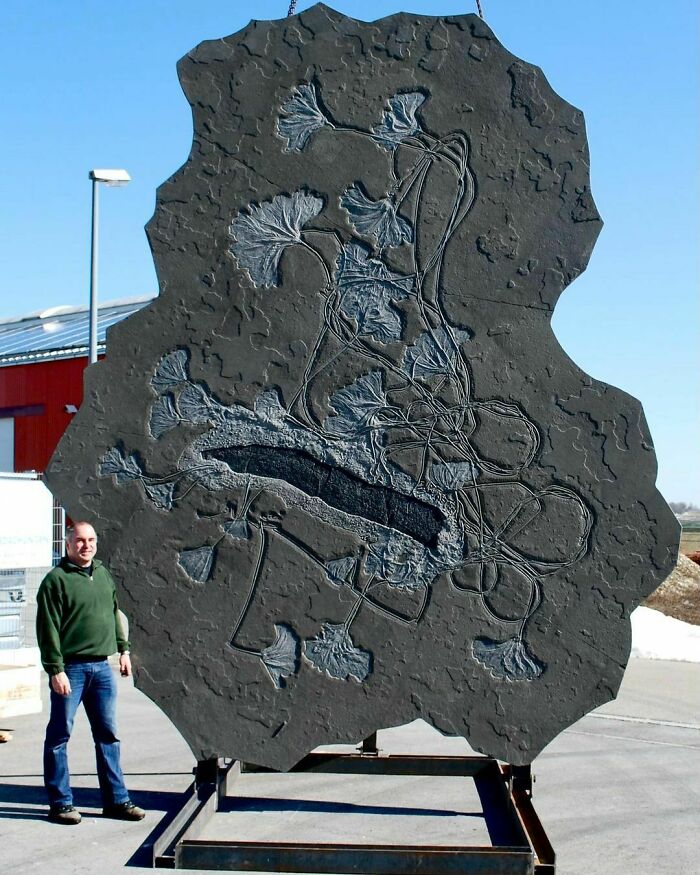
    This Giant Crinoid Colony Is 195 Million Years Old From The Lower Jurassic Is 4 X 5 Meter And Is Now On Display At A Museum In Houston!

    Large metal sculpture of detailed plant fossil design displayed outdoors with a man standing beside it, nature metal artwork.

    GingerMsGeo Report

    Roger9er
    Community Member
    2 years ago Created by potrace 1.15, written by Peter Selinger 2001-2017

    Beautiful! Must have been even more beautiful when it was alive

    View more comments
    #13

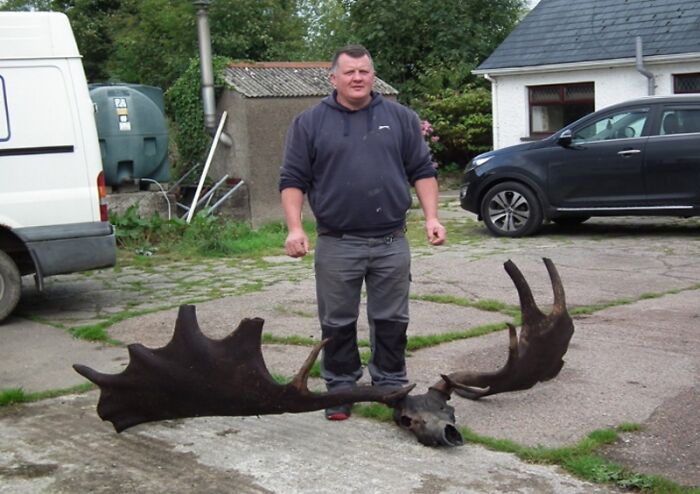
    10,000 Year Old Skull And Antlers Of An Extinct Elk Found By Fishermen In Ireland

    Man standing behind large moose antlers on pavement, showcasing remarkable nature metal elements.

    veinedJamaica Report

    Max Fox
    Community Member
    2 years ago Created by potrace 1.15, written by Peter Selinger 2001-2017

    "Elk" = moose, not the American Wapiti. The species was not actually a moose either, but a different genus entirely. So the "Irish Elk" was neither Irish, nor was it an elk. The antlers are similar to those of a moose, that's it.

    View more comments
    #14

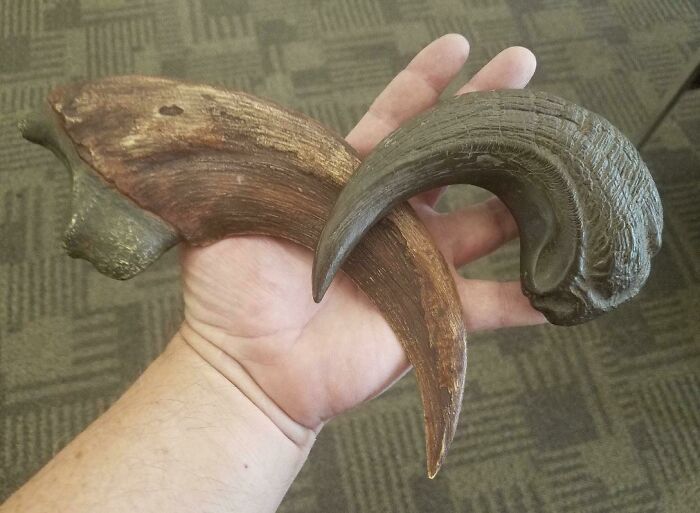
    Utahraptor Claws

    Two large curved animal horns held in a hand, showcasing the raw power of nature was metal.

    TheEternels Report

    Young Minami Kotaro
    Community Member
    2 years ago (edited) Created by potrace 1.15, written by Peter Selinger 2001-2017

    Judging by its name, Utahraptor been found in Utah.. So is there an Ohioraptor??

    View more comments
    ADVERTISEMENT

    The Smithsonian Channel also covered the process of restoring an incredible 110-million-year-old fossil. Found in an oil sand mine, it turned out to be the remains of a 18-foot-long nodosaur—a nearly 3000-pound type of armored animal with spikes on its shoulders and a long tail.

    #15

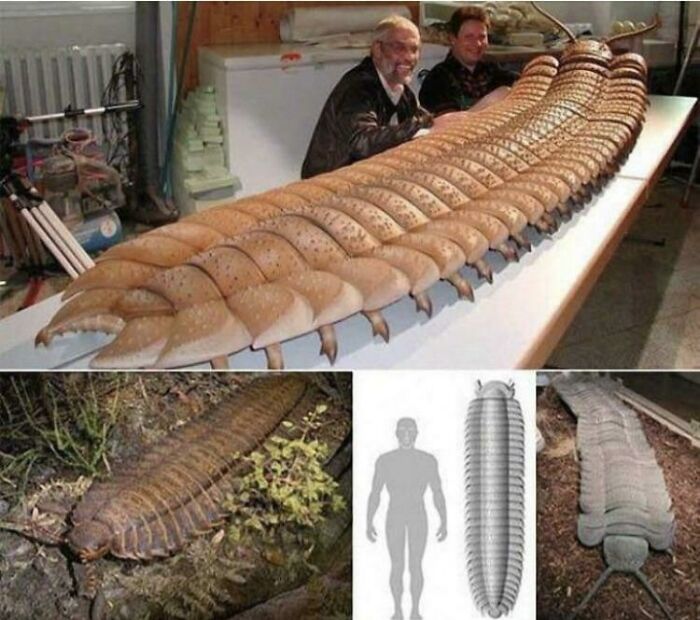
    Arthropleura Millipede Is The Biggest Bug Known To Ever Live

    Giant segmented millipede comparison with human and model showcasing nature was metal creature.

    s3rumanu_bng Report

    ADVERTISEMENT
    #17

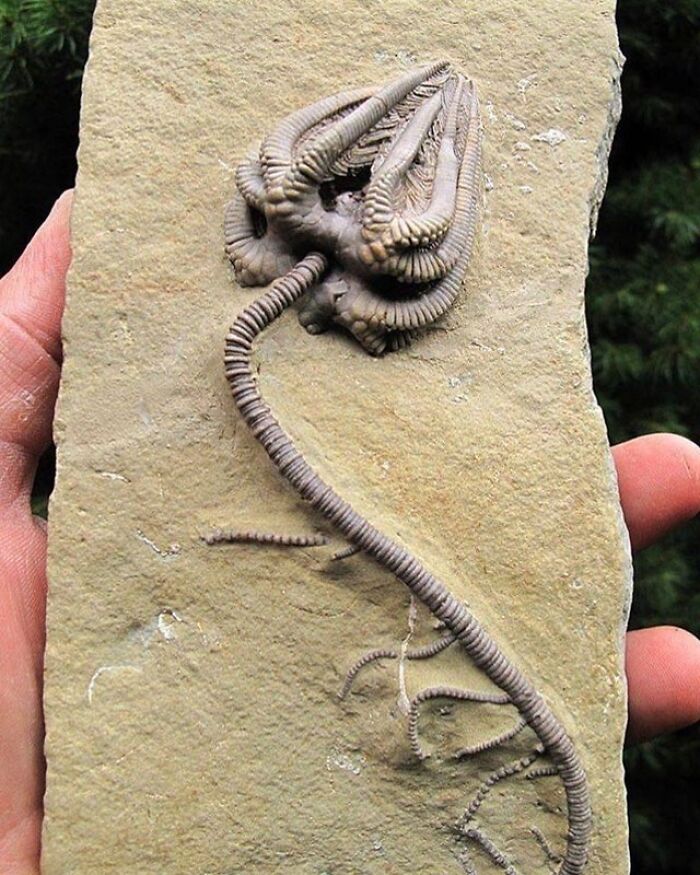
    An Incredibly Intact Crinoid Specimen Fossil Dating Back To About 345 Million Years Ago!

    Fossilized sea creature with long segmented arms embedded in a rock, showcasing nature was metal.

    tanhe123 Report

    Not all animal remains are encapsulated in fossils, though. Some are often found perfectly preserved in other formations, such as amber, for instance. (Earth Archives have covered some pretty impressive examples of that, which you can find here.)

    ADVERTISEMENT

    The colorful tree resin traps certain organisms, which become fully enclosed as it solidifies. Despite usually being smaller in size, pieces of amber conserve the remains of different species, in this way saving the information about them as well.

    #18

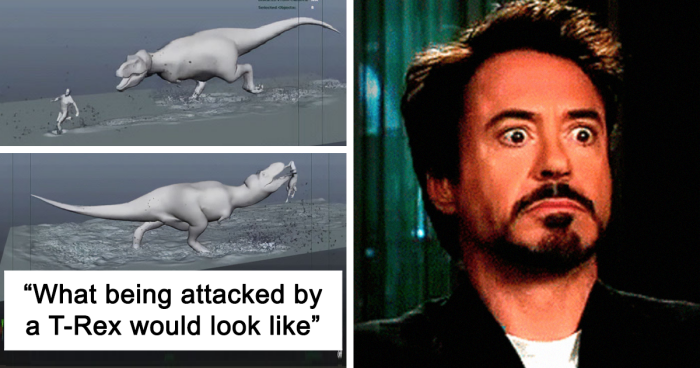
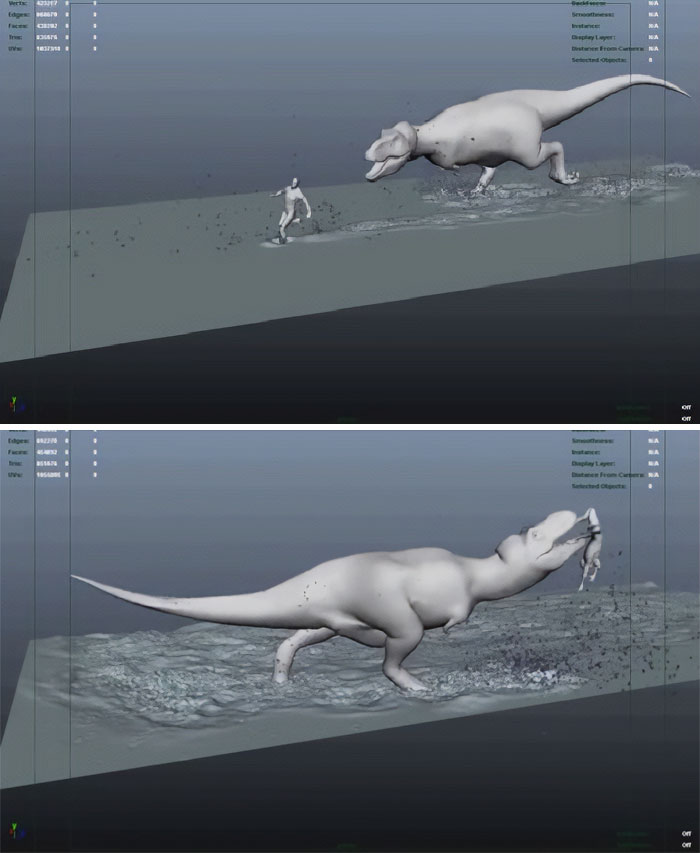
    What Being Attacked By A T-Rex Would Look Like

    3D digital model of a dinosaur catching prey in a simulated natural environment illustrating nature was metal concept

    EmptySpaceForAHeart Report

    RamiRudolph
    Community Member
    2 years ago Created by potrace 1.15, written by Peter Selinger 2001-2017

    I know the past was in black and white because colors weren't invented yet, but I didn't think it had such bad graphics.

    View more comments
    #19

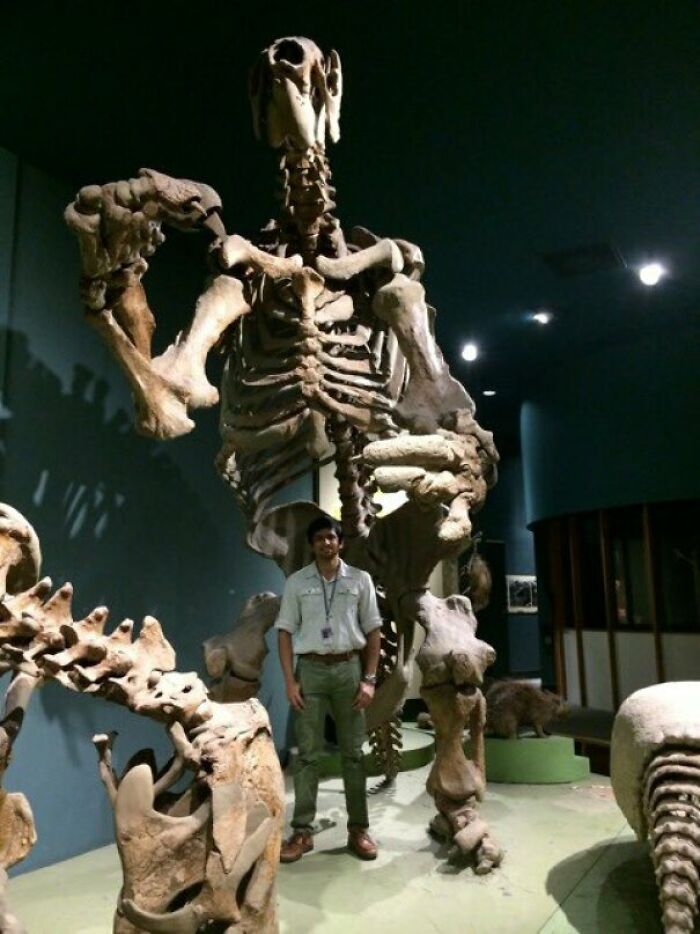
    The Giant Ground Sloth Eremotherium

    Man standing next to a giant prehistoric skeleton in a museum, showcasing nature was metal in paleontology display.

    Shadi_Shin Report

    ADVERTISEMENT
    #20

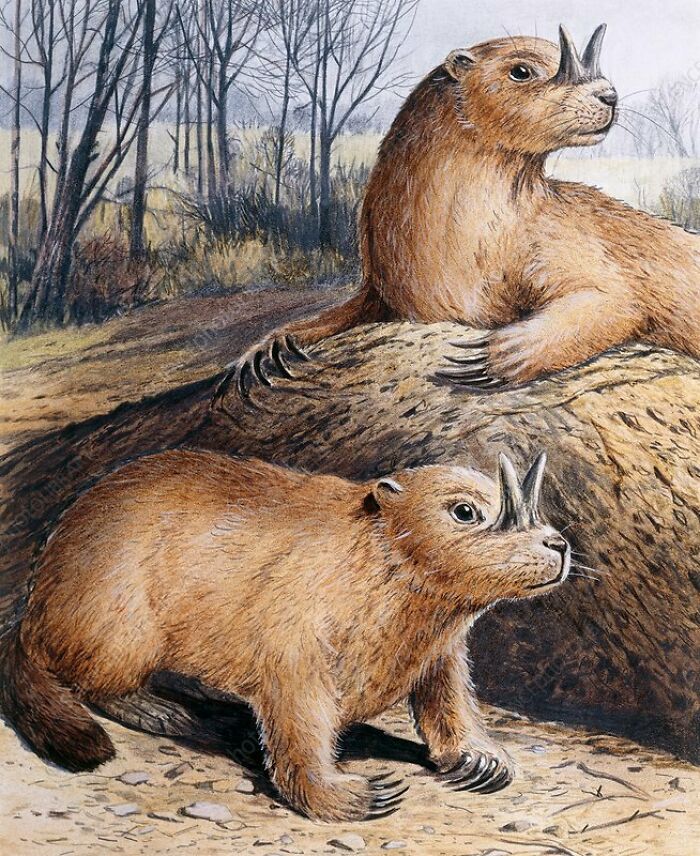
    The Horned Gopher - The Only Known Rodent To Have Developed Horns

    Illustration of prehistoric animals with sharp claws and horned noses in a natural setting showcasing nature was metal.

    MyPhoneSucksBad Report

    ADVERTISEMENT

    Most fossilized remains are of beings that have been long gone for ages, be it dinosaurs or other creatures. However, some species of animals became extinct as recently as just a few years ago. 

    Some examples include the Spix’s macaw, also known as the blue macaw, featured in the animated movie ‘Rio’, the smooth handfish that used to roam the coastal waters of Tasmania, and splendid poison frog, a red-colored frog formerly found in Western Panama.
    #21

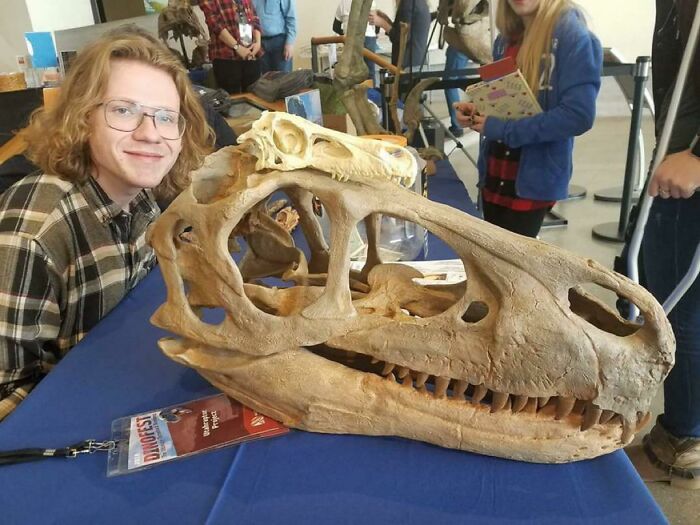
    The Massive Size Of A Utahraptor Skull, With A Velociraptor Skull And Human Head For Scale

    Person smiling next to a large dinosaur skull fossil, showcasing nature was metal with powerful prehistoric bones.

    Mophandel Report

    #22

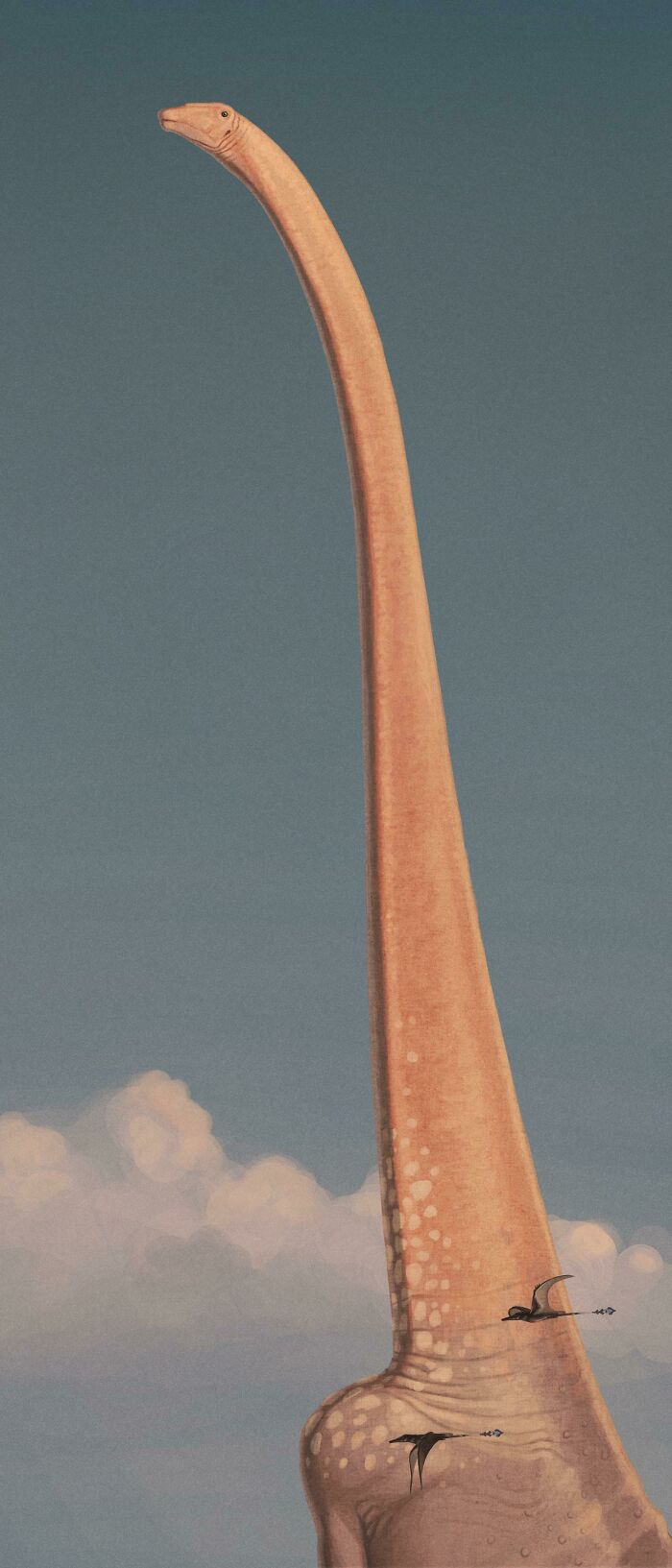
    Barosaurus Had Quite A Long Neck. Art By John Conway

    Illustration of a long-necked dinosaur flying with pterosaurs against a cloudy sky in nature was metal style

    MuadDib2001 Report

    #23

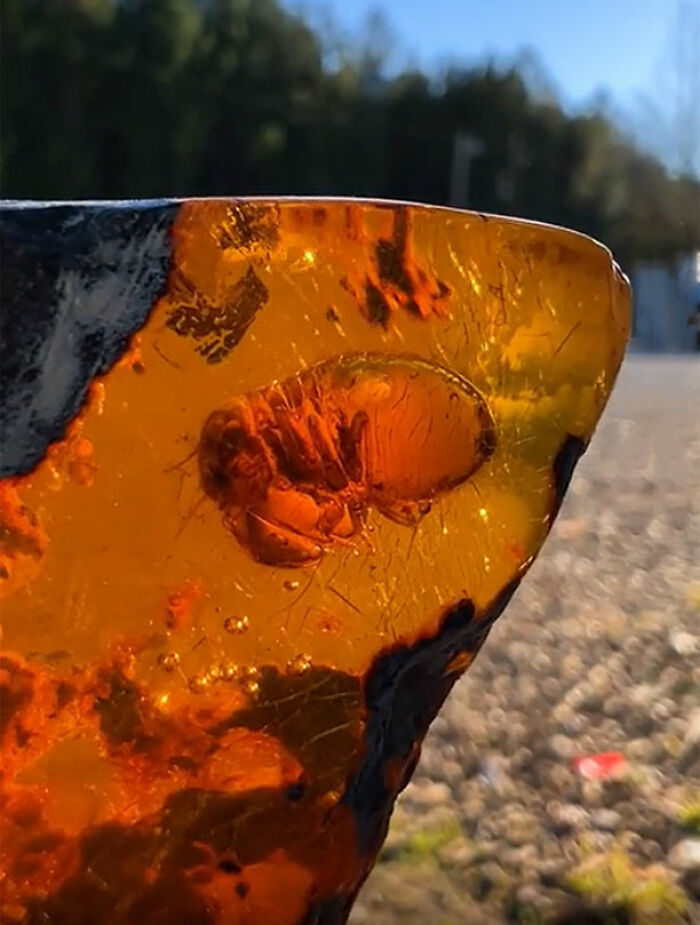
    22 Million Year Old Enhydro Methane Termite With Its Last Meal Preserved In Amber

    Close-up of an insect trapped in amber, showcasing a striking natural metal-like fossil effect.

    Ear_Drumming Report

    White Paper Tsuru
    Community Member
    2 years ago Created by potrace 1.15, written by Peter Selinger 2001-2017

    Don't no one get no crazy ideas. We've all seen how that works out.

    View more comments
    ADVERTISEMENT
    ADVERTISEMENT

    An astonishingly large number of nature’s creations are on the verge of extinction today. According to Animals Around The Globe, nearly 41,500 species are included in the International Union for Conservation of Nature’s Red List, more than 16,000 of which are threatened with extinction.

    For example, there are only 67 Javan rhinos in the entire world. The numbers of mountain gorillas and Asian elephants are dropping rapidly, and so are the ones of Atlantic blue tuna.

    #24

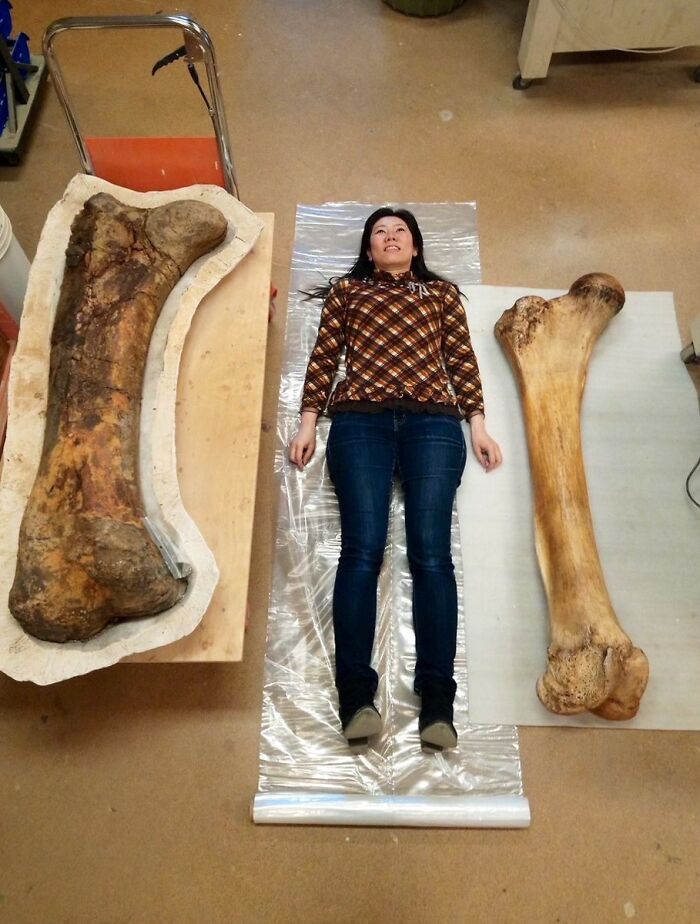
    Triceratops Femur (Left) vs. Elephant Femur

    Woman lying on the floor between two enormous prehistoric bones showing the scale of nature was metal.

    qimingzhuang Report

    #25

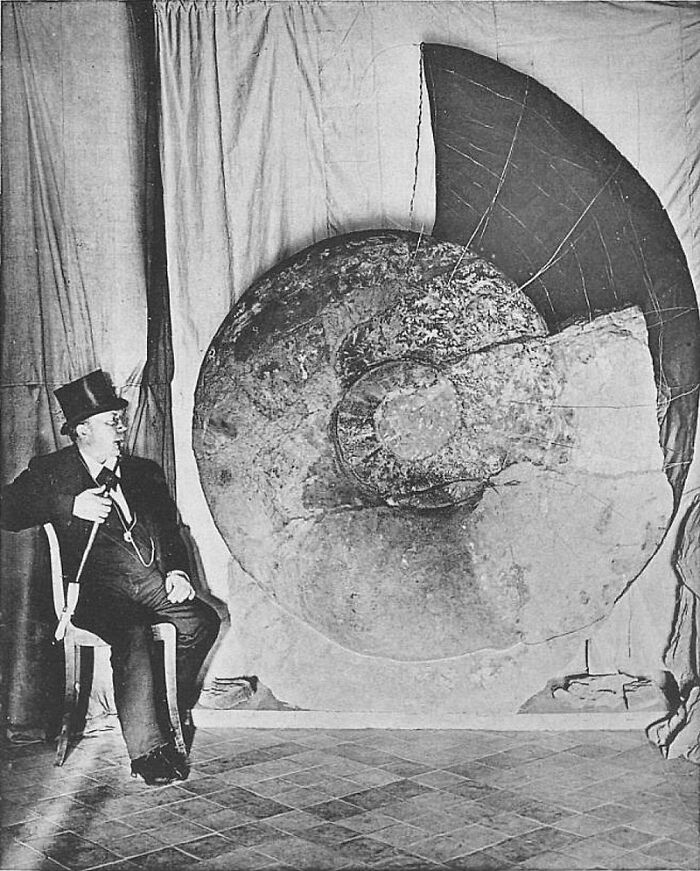
    Parapuzosia Seppenradensis, The Largest Known Ammonite, Photographed In The Late 1800s With The Paleontologist Who Described It

    Black and white photo of a man in a top hat seated next to a giant fossil, showcasing nature was metal.

    EternalPermabulk Report

    #26

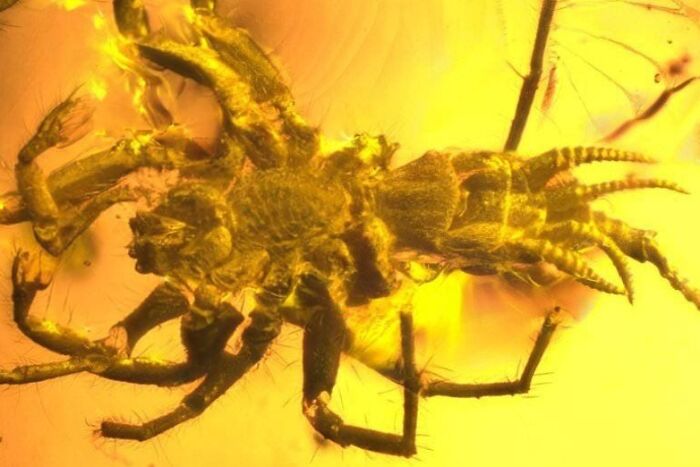
    Prehistoric Spider-Like Arachnid Found Preserved In Amber

    Close-up of an ancient insect perfectly preserved in amber, showcasing nature was metal through fossil detail and texture.

    KunoMochi Report

    ADVERTISEMENT

    The United States Geological Survey pointed out that some of the reasons for the unfortunate changes in such numbers are habitat loss and over-exploitation of wildlife for commercial purposes. Sadly, human activity has made the process of extinction way more rapid than it would have been naturally. Scientists believe that the 20th-century rate of animal species dying is a hundred times higher than it would have been without people’s interference.
    #27

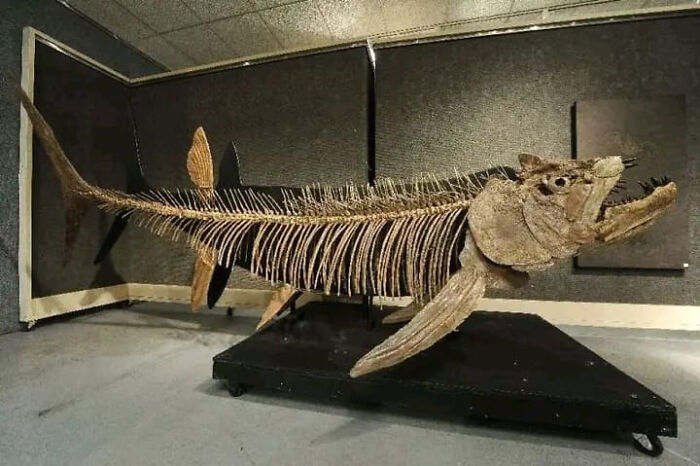
    Fossil Of Giant 40+ Million Year Old Fish Found In Argentina

    Fossilized skeleton of a prehistoric fish displayed indoors, showcasing nature was metal in this striking arrangement.

    Rahab_chloe Report

    ADVERTISEMENT
    #28

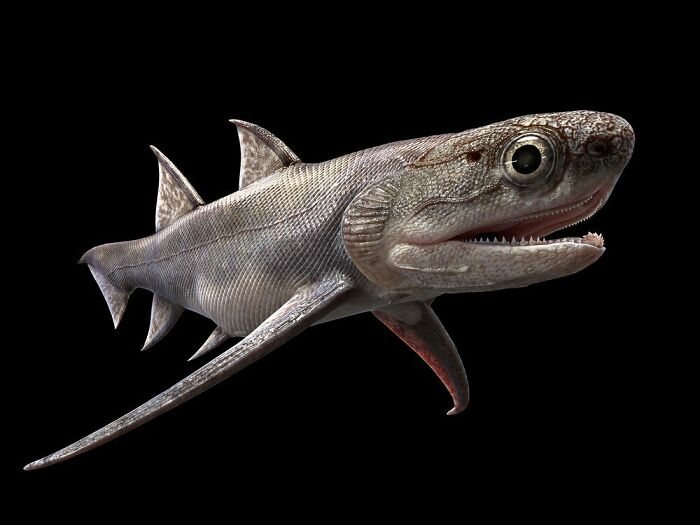
    The Origin Of Teeth And Jaws Has Been Pushed Back To 436 Million Years Ago

    Ancient fish with sharp teeth and textured skin swimming against a black background showcasing nature was metal.

    sylvyrfyre Report

    #29

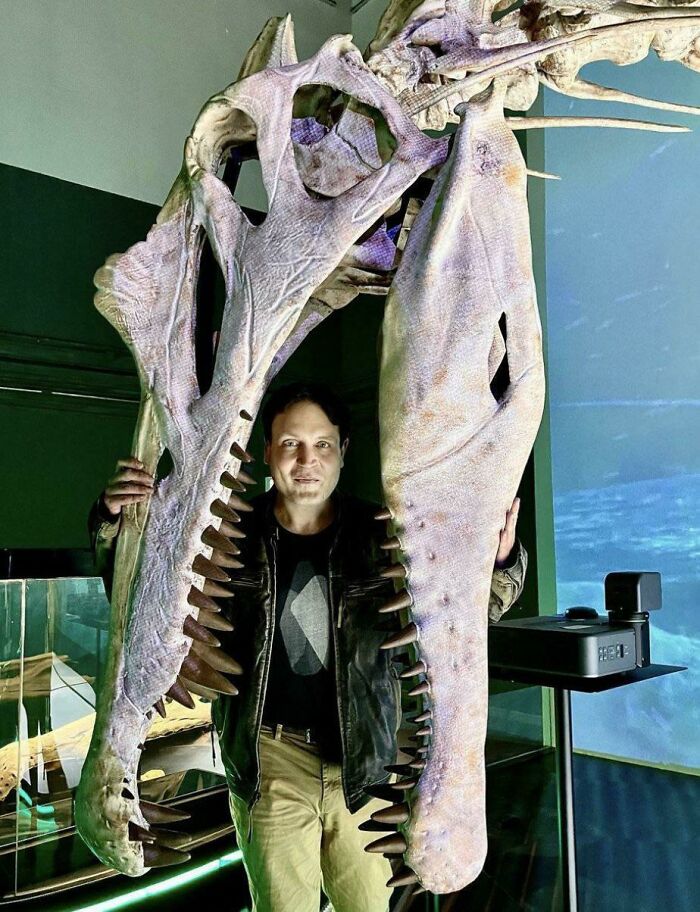
    Nizar Ibrahim Between The Jaws Of Spinosaurus

    Man posing inside large prehistoric reptile skull jaws, showcasing nature was metal with intense fossil display.

    aquilasr Report

    EarthGrowl
    Community Member
    2 years ago Created by potrace 1.15, written by Peter Selinger 2001-2017

    Well now! That shows exactly what would happen if humans had lived along side dinosaurs. The Creation museum should take a look.. humans would be extinct!

    View more comments
    ADVERTISEMENT

    There are, however, ways to help save the animals at risk. The Endangered Species Coalition pointed out some easy steps to do it, such as learning about the endangered species in your area or making your surroundings wildlife-friendly. It also emphasized the importance of recycling, cautious driving, and safe use of chemicals in your environment.

    #30

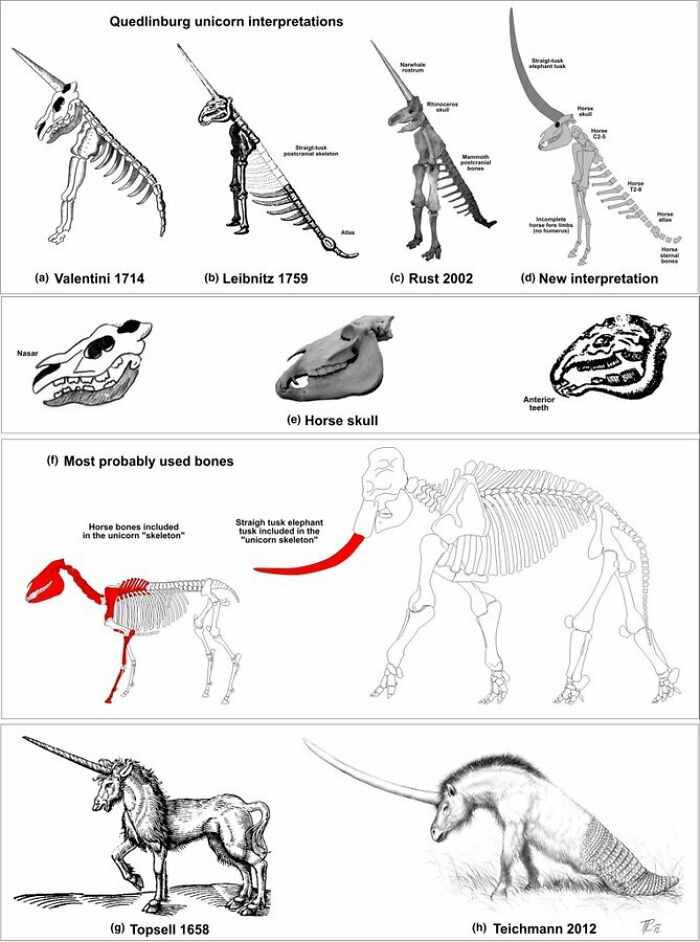
    In 1663, The Partial Fossilised Skeleton Of A Woolly Rhinoceros Was Discovered In Germany. This Is The “Magdeburg Unicorn”, One Of The Worst Fossil Reconstructions In Human History

    Illustrations and skeleton comparisons of unicorn interpretations using horse and elephant bones in nature metal context.

    beachdogs Report

    #31

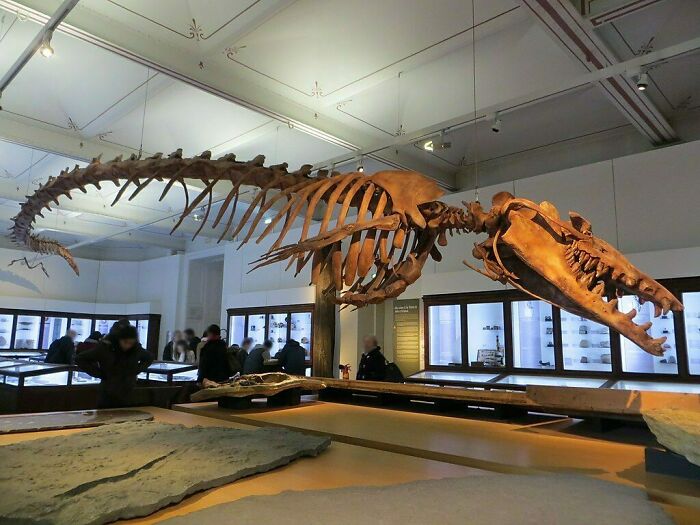
    Basilosaurus, A Large, Toothed Whale Whose Serpentine Appearance Caused Scientists To Initially Believe It Was A Marine Reptile

    Basilosaurus, A Large, Toothed Whale Whose Serpentine Appearance Caused Scientists To Initially Believe It Was A Marine Reptile

    JurassicPark9265 Report

    Katey Doll
    Community Member
    2 years ago Created by potrace 1.15, written by Peter Selinger 2001-2017

    Whoever discovered this was either called Basil or a fan of Fawlty Towers.

    View more comments
    ADVERTISEMENT
    #32

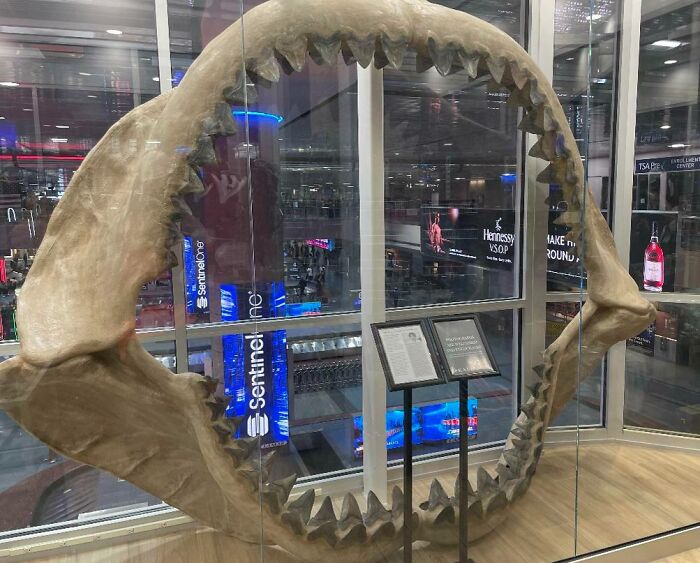
    Til That Las Vegas, Nv Airport Has A Megalodon Fossil With All Original Teeth Found By One Person Who Dives For Them. I Was Walking Through The Airport And Saw The Massive Jaws

    Til That Las Vegas, Nv Airport Has A Megalodon Fossil With All Original Teeth Found By One Person Who Dives For Them. I Was Walking Through The Airport And Saw The Massive Jaws

    VinkyStagina Report

    ADVERTISEMENT
    #33

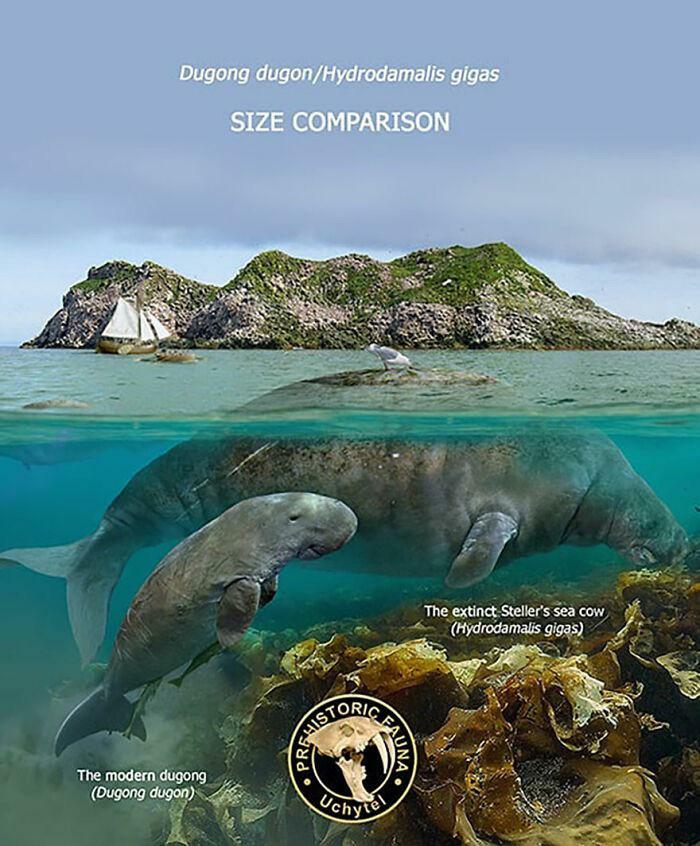
    Steller’s Sea Cow, An Enormous Creature Brought To Extinction By Humans, Compared To The Extant Dugong (Which Is About The Weight Of A Bison)

    Steller’s Sea Cow, An Enormous Creature Brought To Extinction By Humans, Compared To The Extant Dugong (Which Is About The Weight Of A Bison)

    aquilasr Report

    Roger9er
    Community Member
    2 years ago Created by potrace 1.15, written by Peter Selinger 2001-2017

    Ah yes, man...responsible for the extinction of many species

    View more comments
    #34

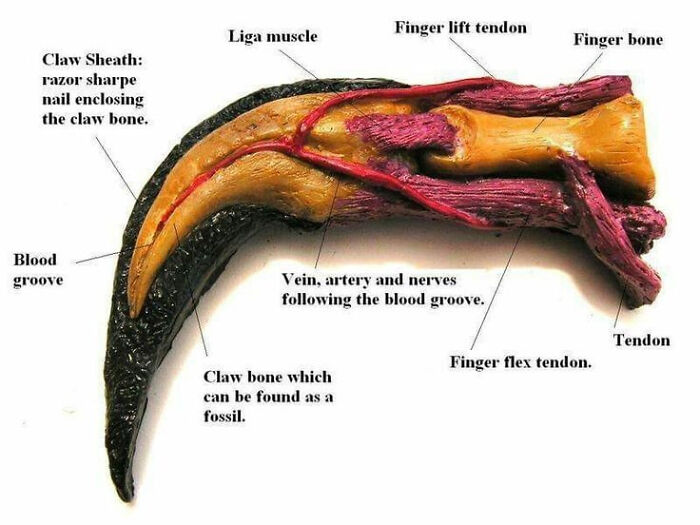
    Dinosaur Claws Were Actually Much Bigger When They Were Alive

    Dinosaur Claws Were Actually Much Bigger When They Were Alive

    EmptySpaceForAHeart Report

    #35

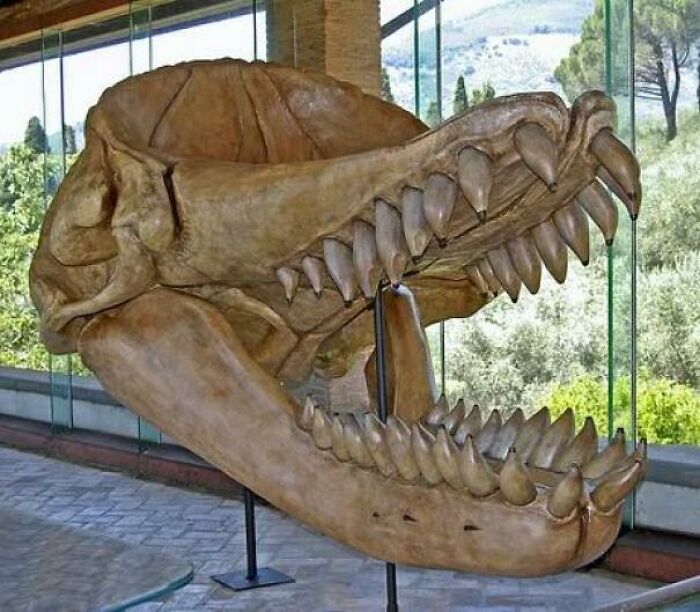
    The Levyatan Was A Whale, An Apex Predator, And A Competitor Of The Megalodon. The Skull Is 3 Meters, The Largest Teeth Are 36 Cm Each - These Are The Largest Among Animals

    The Levyatan Was A Whale, An Apex Predator, And A Competitor Of The Megalodon. The Skull Is 3 Meters, The Largest Teeth Are 36 Cm Each - These Are The Largest Among Animals

    heardyoumeow Report

    SCamp
    Community Member
    2 years ago Created by potrace 1.15, written by Peter Selinger 2001-2017

    What is going on at the top of that head??

    View more comments
    ADVERTISEMENT
    #36

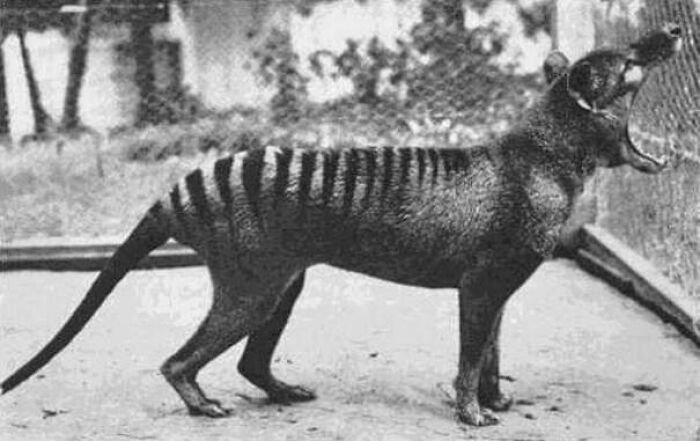
    The Last Known Tasmanian Tiger Photographed In 1933. They Are Now Extinct

    The Last Known Tasmanian Tiger Photographed In 1933. They Are Now Extinct

    Rational_Rick Report

    Raven Sheridan
    Community Member
    2 years ago (edited) Created by potrace 1.15, written by Peter Selinger 2001-2017

    I lived in Tasmania for over a decade, and I knew someone who'd strongly disagree with them being extinct. They told me that they saw one and this person is not someone who lies.

    View more comments
    ADVERTISEMENT
    #37

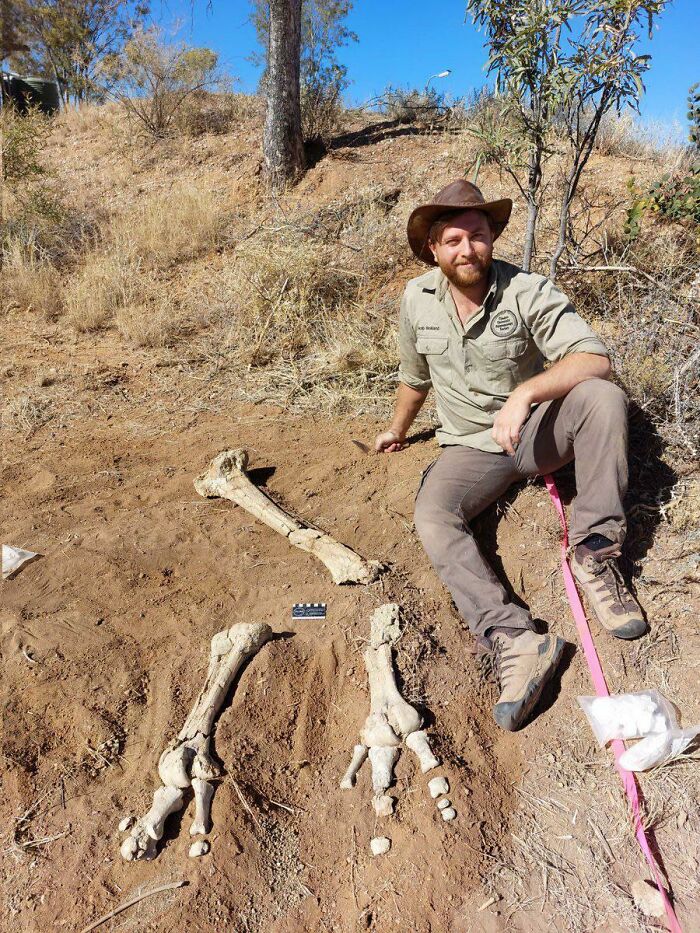
    Dromornis Leg Fossils Upon Excavation

    Dromornis Leg Fossils Upon Excavation

    aquilasr Report

    #38

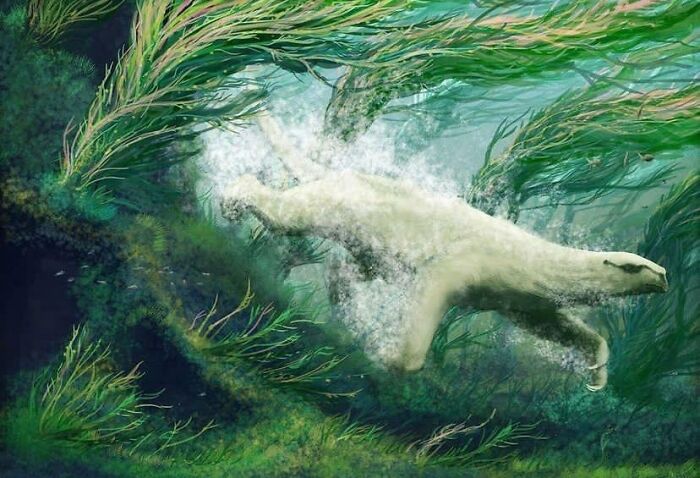
    Thalassocnus Natans, An Aquatic Sloth From The Late Miocene Of Peru And Chile. Art By Mark Witton

    Thalassocnus Natans, An Aquatic Sloth From The Late Miocene Of Peru And Chile. Art By Mark Witton

    imprison_grover_furr Report

    #39

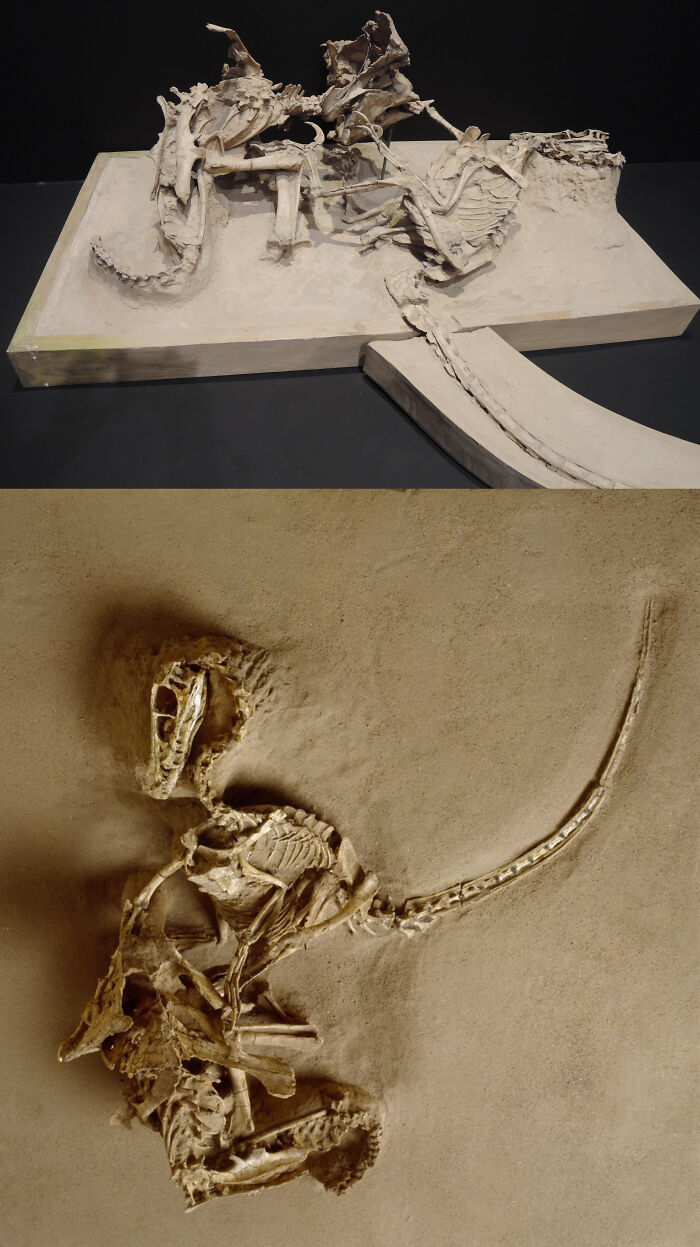
    The Legendary "Fighting Dinosaurs" Fossil, Of Which A Velociraptor And Protoceratops Were Both Preserved In Mortal Combat

    The Legendary "Fighting Dinosaurs" Fossil, Of Which A Velociraptor And Protoceratops Were Both Preserved In Mortal Combat

    EmptySpaceForAHeart Report

    ADVERTISEMENT
    #40

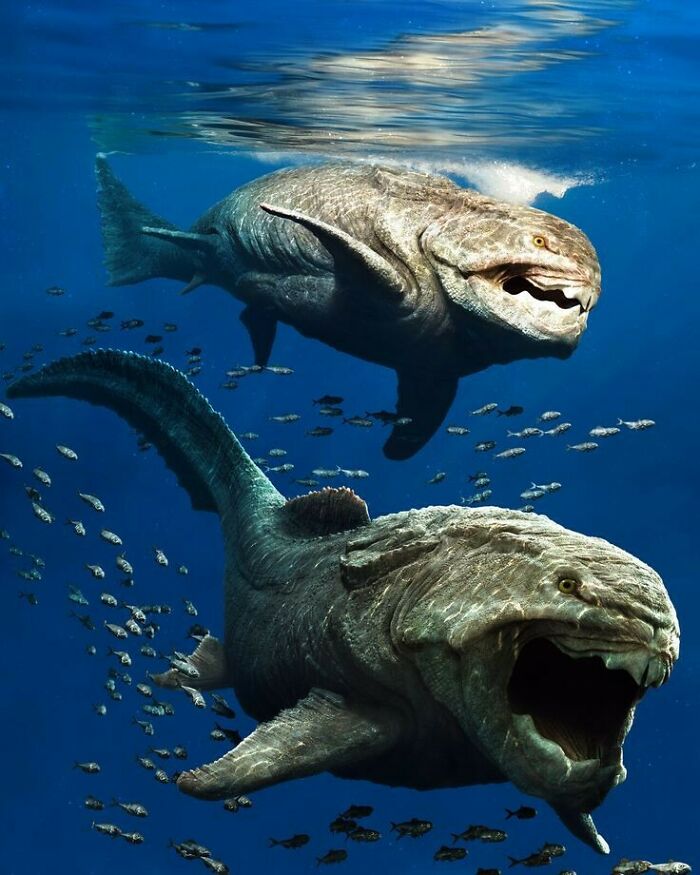
    Dunkleosteus

    Dunkleosteus

    MathiasCruz2099 Report

    ADVERTISEMENT
    #41

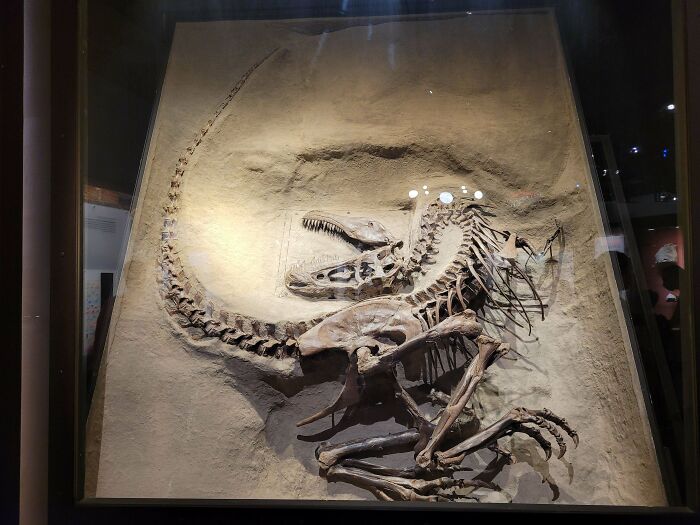
    Gorgosaurus Taken At The Royal Tyrrell Museum

    Gorgosaurus Taken At The Royal Tyrrell Museum

    some_cultured_swine Report

    #42

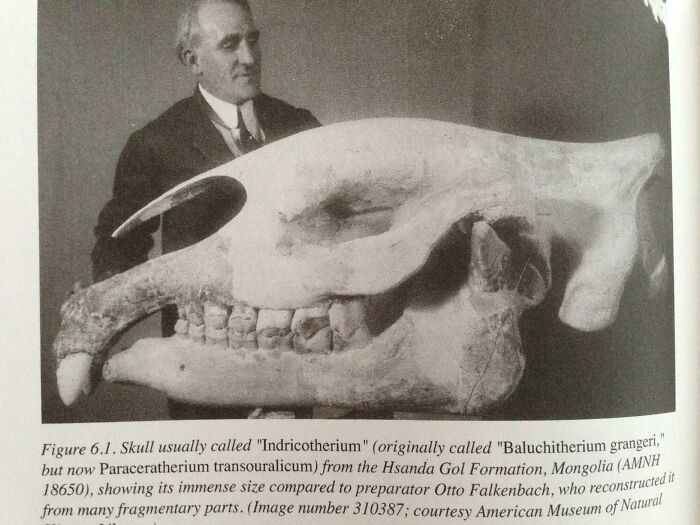
    Enormous Paraceratherium Skull

    Enormous Paraceratherium Skull

    aquilasr Report

    #43

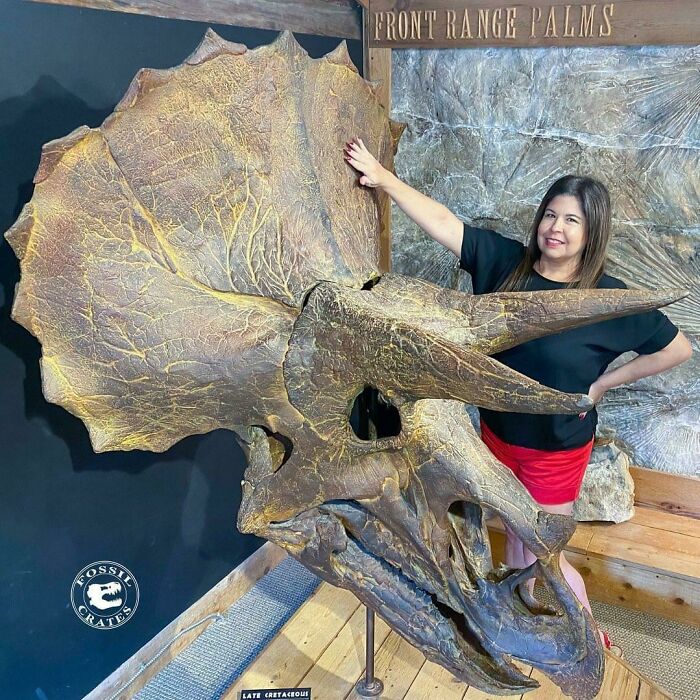
    Triceratops Horridus Skull At The Morrison Natural History Museum, Co

    Triceratops Horridus Skull At The Morrison Natural History Museum, Co

    aquilasr Report

    ADVERTISEMENT
    See Also on Bored Panda
    #44

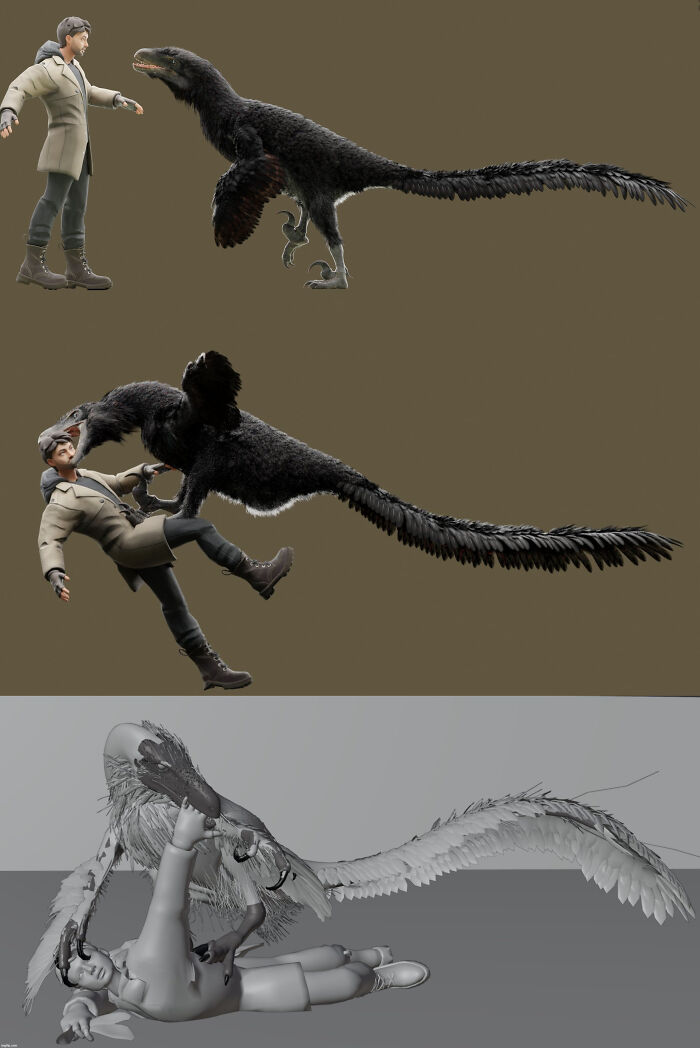
    "Many People Believe The Velociraptors In The Jurassic Franchise Were Utahraptors, They're Not. They're Actually Deinonychus, They Were Huge And You Could Not Beat It In A Fist Fight" By Coolio_art

    "Many People Believe The Velociraptors In The Jurassic Franchise Were Utahraptors, They're Not. They're Actually Deinonychus, They Were Huge And You Could Not Beat It In A Fist Fight" By Coolio_art

    EmptySpaceForAHeart Report

    ADVERTISEMENT
    See Also on Bored Panda
    #45

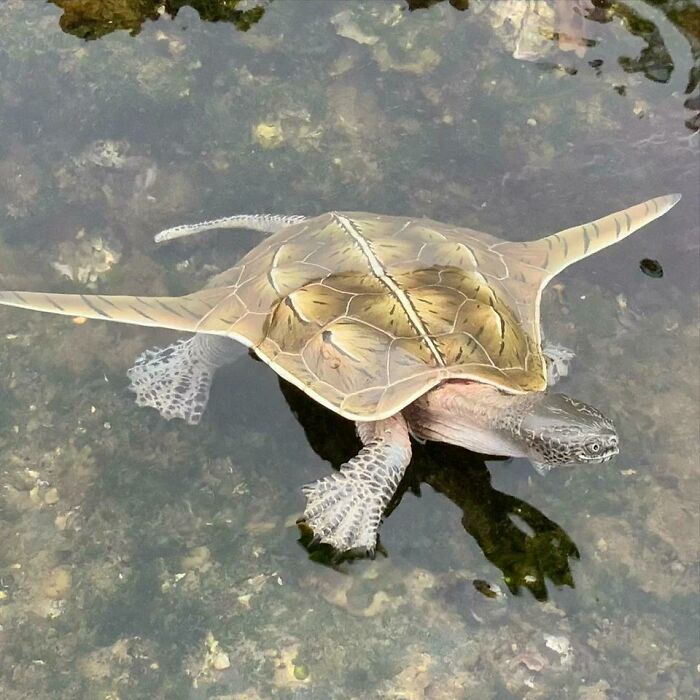
    Sinemys Gamera: An Extinct Turtle From Late Jurassic China

    Sinemys Gamera: An Extinct Turtle From Late Jurassic China

    anscribhneora Report

    #46

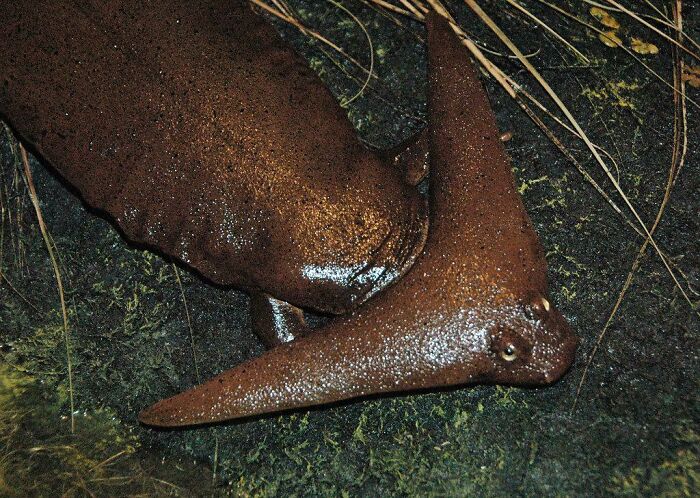
    Diploceraspis.a Prehistoric Amphibian With A Boomerang Shaped Head

    Diploceraspis.a Prehistoric Amphibian With A Boomerang Shaped Head

    shitterfarter58 Report

    #47

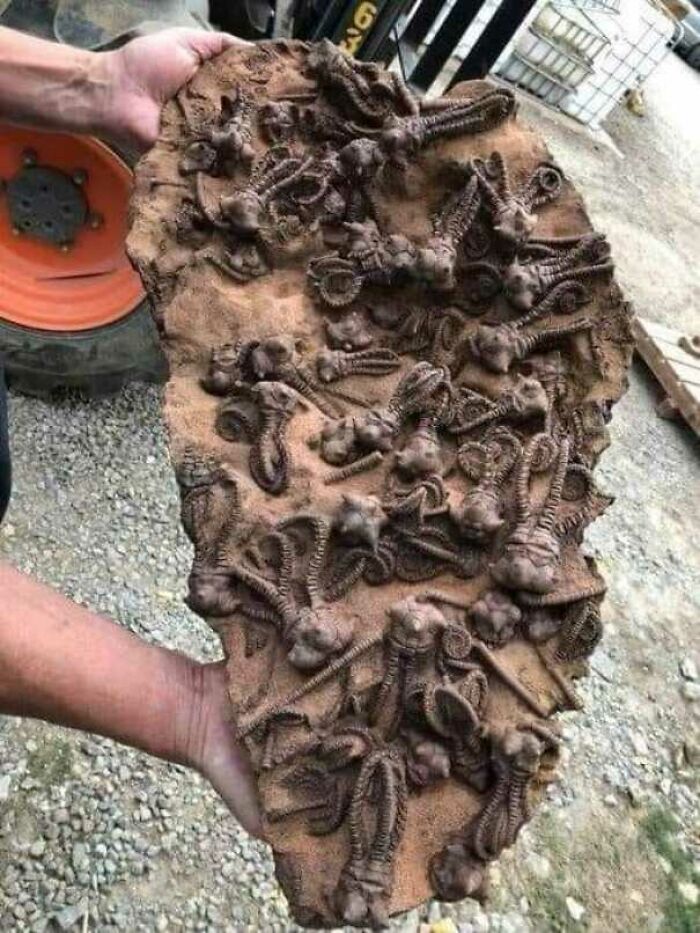
    Jimbacrinus Crinoid Fossils, 280 Million Years Old, Found In Western Australia, Gascoyne Region

    Jimbacrinus Crinoid Fossils, 280 Million Years Old, Found In Western Australia, Gascoyne Region

    Barry-McKocinue Report

    White Paper Tsuru
    Community Member
    2 years ago Created by potrace 1.15, written by Peter Selinger 2001-2017

    That feels like an alien nightmare inducing piece of rock.

    View more comments
    ADVERTISEMENT
    See Also on Bored Panda
    #48

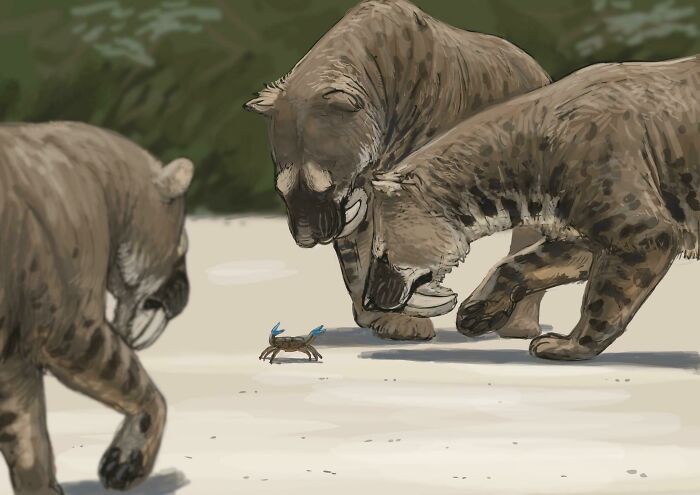
    One Of The Largest Predators Of Late Miocene North America, Barbourofelis Fricki, Bow To The Superior Life Form. Art By Joschua Knüppe

    One Of The Largest Predators Of Late Miocene North America, Barbourofelis Fricki, Bow To The Superior Life Form. Art By Joschua Knüppe

    ImHalfCentaur1 Report

    SCamp
    Community Member
    2 years ago Created by potrace 1.15, written by Peter Selinger 2001-2017

    The crab’s like ‘Yeh? You wanna piece of me? C’mon!’

    View more comments
    ADVERTISEMENT
    See Also on Bored Panda
    #49

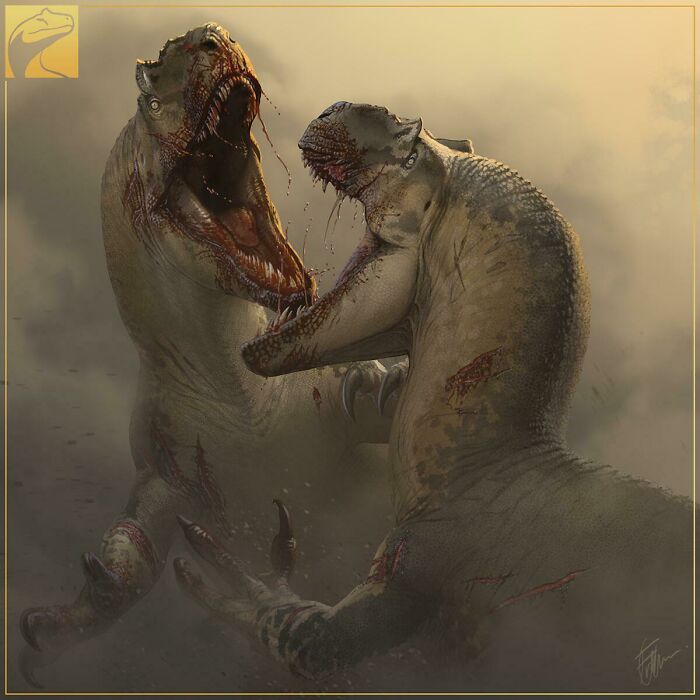
    A Clash Of Allosaurus

    A Clash Of Allosaurus

    Fluid-Ad3991 Report

    #50

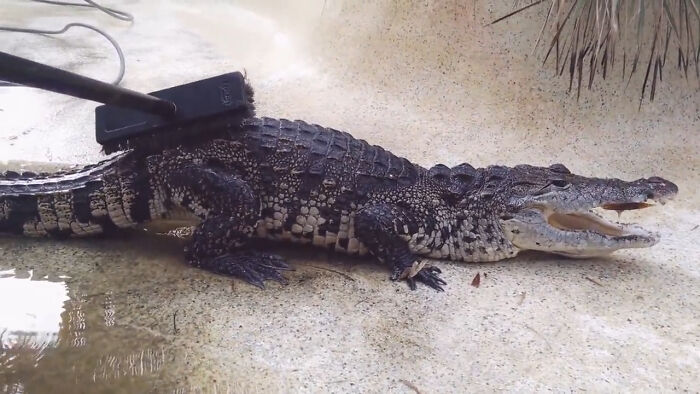
    Seeing As Even Crocodilians Enjoy Butt-Scratches, Does That Mean All Archosaurs Like Dinosaurs And Pterosaurs Enjoyed It Aswell? (Mostly A Joke)

    Seeing As Even Crocodilians Enjoy Butt-Scratches, Does That Mean All Archosaurs Like Dinosaurs And Pterosaurs Enjoyed It Aswell? (Mostly A Joke)

    EmptySpaceForAHeart Report

    martymcmatrix
    Community Member
    2 years ago Created by potrace 1.15, written by Peter Selinger 2001-2017

    If this area is where the alligator butt is supposed to be, than he poops in reverse position! I think, this picture shows the cleaning of its wisdom tooth spine....

    View more comments
    #51

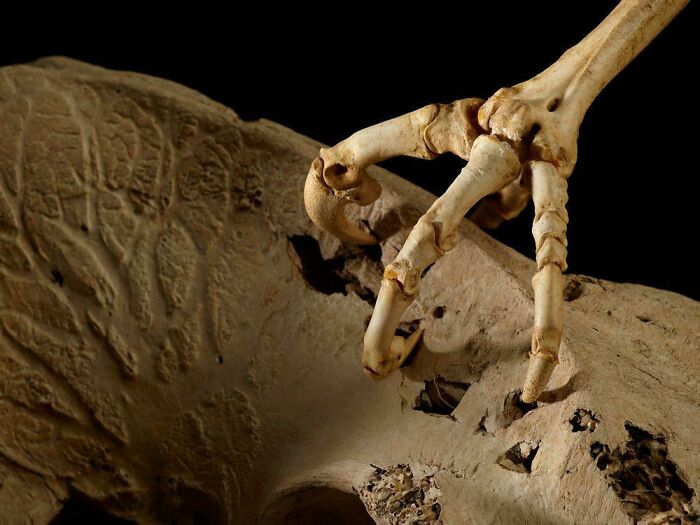
    The Pelvis Of The 440-Pound/200-Kg Giant Moa Showing Puncture Wounds From The Talons The Haast’s Eagle

    The Pelvis Of The 440-Pound/200-Kg Giant Moa Showing Puncture Wounds From The Talons The Haast’s Eagle

    FarTooCritical Report

    ADVERTISEMENT
    See Also on Bored Panda
    #52

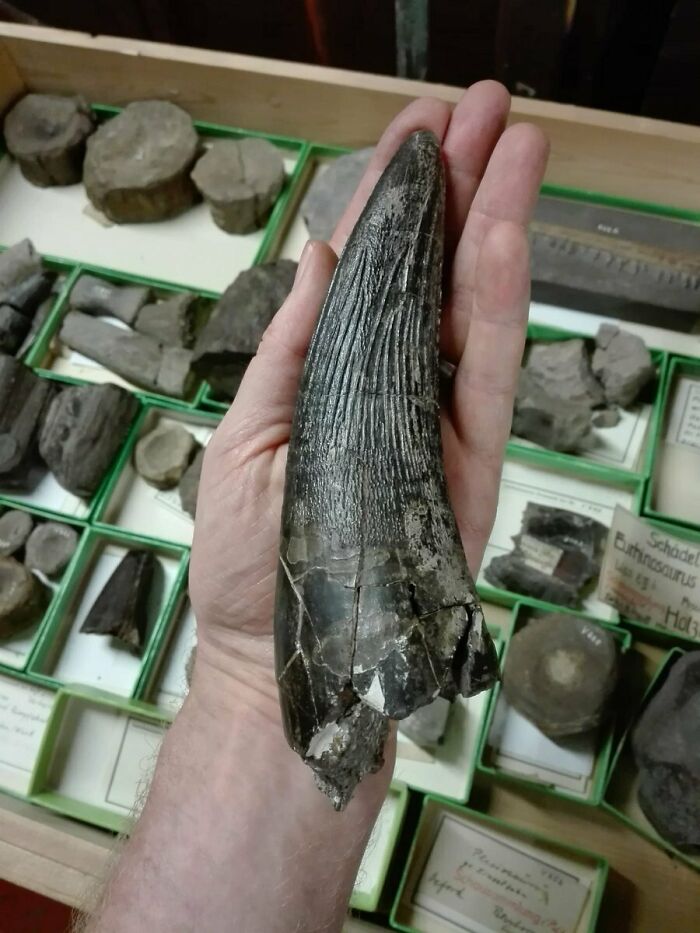
    The Tooth Of A Liopleurodon. Discovered In England's Peterborough Area

    The Tooth Of A Liopleurodon. Discovered In England's Peterborough Area

    JurassicPark9265 Report

    ADVERTISEMENT
    See Also on Bored Panda
    #53

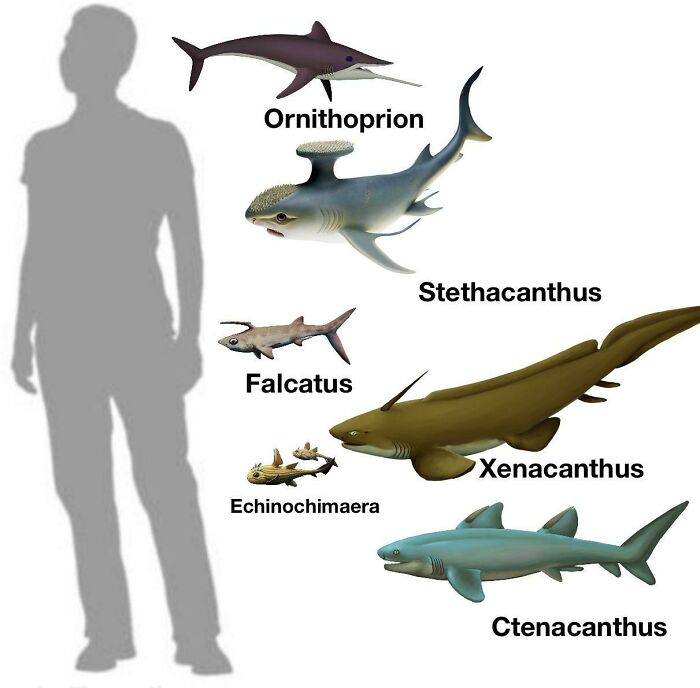
    Cartilaginous Fish Of The Late Paleozoic

    Cartilaginous Fish Of The Late Paleozoic

    crankyjob21 Report

    Nicole Weymann
    Community Member
    2 years ago Created by potrace 1.15, written by Peter Selinger 2001-2017

    Upvote for that Stethacanthus fellow. That is one strange dorsal fin!

    View more comments
    #54

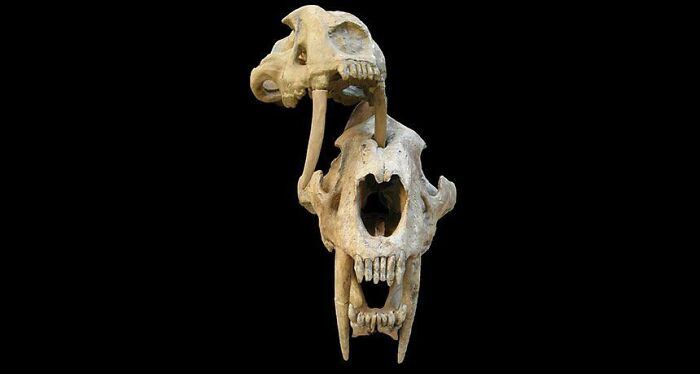
    A Smilodon Populator With A Pierced Skull Likely Due To A Innerspecific Killing (With The Skull Of Another Used To Match The Bite Marks)

    A Smilodon Populator With A Pierced Skull Likely Due To A Innerspecific Killing (With The Skull Of Another Used To Match The Bite Marks)

    aquilasr Report

    #55

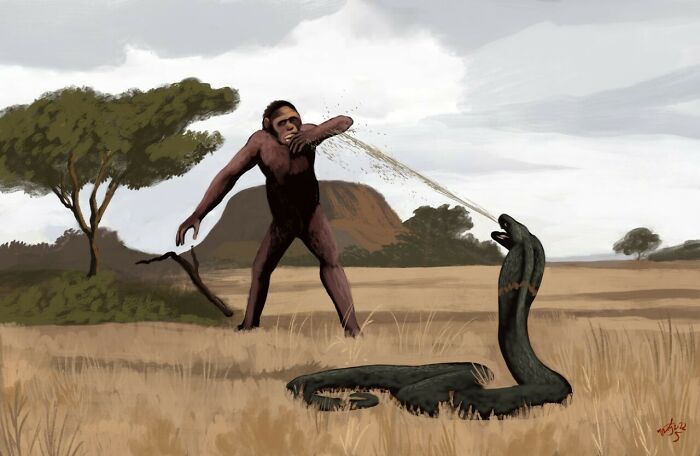
    It's Been Suggested That Spitting Cobras Evolved As A Response To Bipedal Hominins, As Their Ability To Spray Venom Up To 3 M Allowed Them To Neutralize A New Enemy That Could Attack At The Distance With Stick And Stones. Spitting Cobras Appear In The Fossil Record At About The Same Time As Hominins

    It's Been Suggested That Spitting Cobras Evolved As A Response To Bipedal Hominins, As Their Ability To Spray Venom Up To 3 M Allowed Them To Neutralize A New Enemy That Could Attack At The Distance With Stick And Stones. Spitting Cobras Appear In The Fossil Record At About The Same Time As Hominins

    seilasei Report

    ADVERTISEMENT
    See Also on Bored Panda
    #56

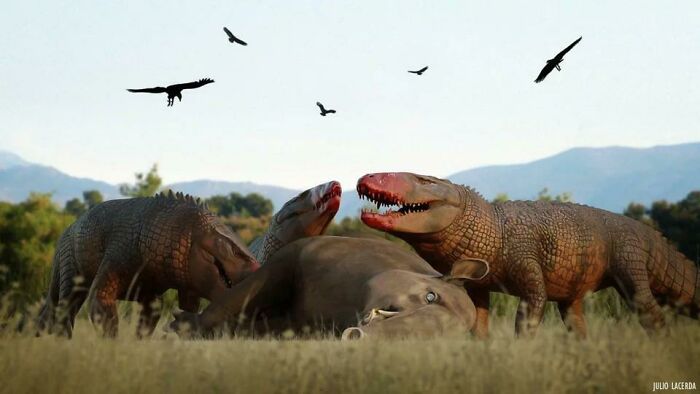
    The Largest Terrestrial Predator Since The K-T Extinction Event, Barinosuchus From Miocene South America

    The Largest Terrestrial Predator Since The K-T Extinction Event, Barinosuchus From Miocene South America

    Spino_Rider_77 Report

    RamiRudolph
    Community Member
    2 years ago Created by potrace 1.15, written by Peter Selinger 2001-2017

    Actually it's BarinAsuchus, thank you very much.

    ADVERTISEMENT
    #57

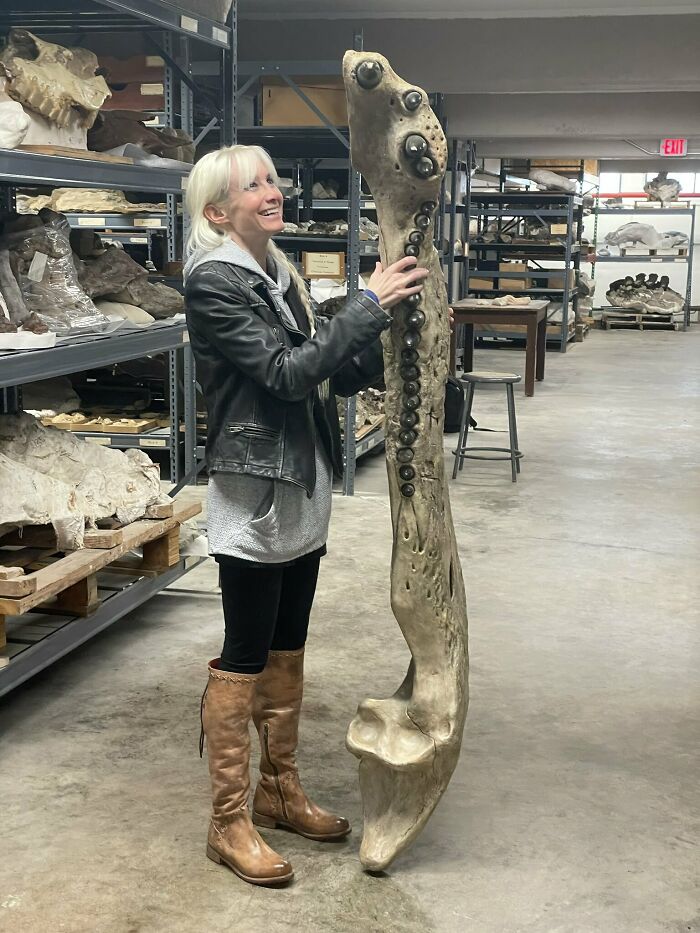
    Mandible Of The Giant Crocodilian 𝘋𝘦𝘪𝘯𝘰𝘴𝘶𝘤𝘩𝘶𝘴

    Mandible Of The Giant Crocodilian 𝘋𝘦𝘪𝘯𝘰𝘴𝘶𝘤𝘩𝘶𝘴

    Zanclodon Report

    #58

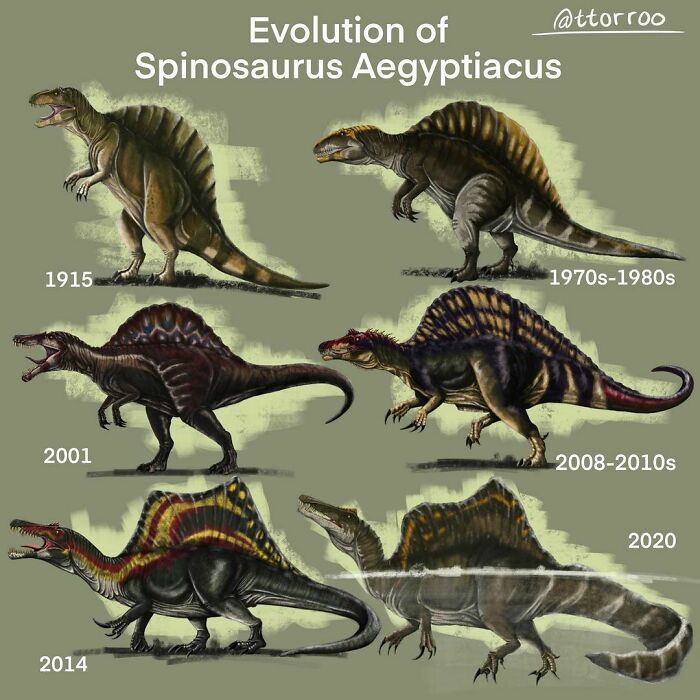
    Spinosaurus Throughout The Decades

    Spinosaurus Throughout The Decades

    MyPhoneSucksBad Report

    #59

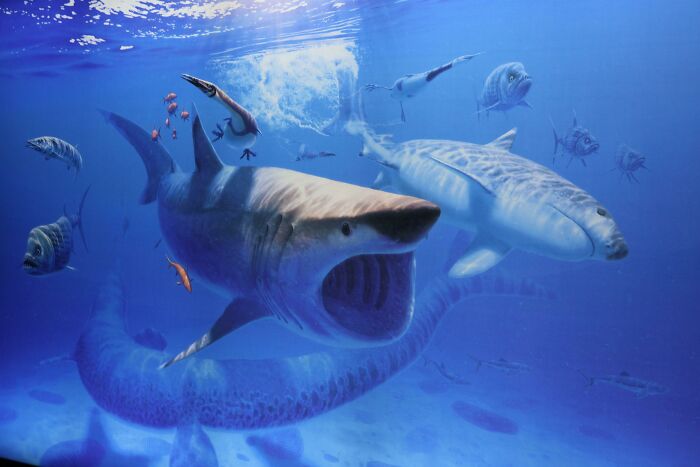
    For Those Who Don’t Know, Earlier This Year, Scientists Found A New, So Far Undescribed Species Of Filter Feeding Shark From Deposits Of The Western Interior Seaway In 1975 From Morden, Manitoba. It Has Been Nicknames “Dave”

    For Those Who Don’t Know, Earlier This Year, Scientists Found A New, So Far Undescribed Species Of Filter Feeding Shark From Deposits Of The Western Interior Seaway In 1975 From Morden, Manitoba. It Has Been Nicknames “Dave”

    crankyjob21 Report

    ADVERTISEMENT
    #60

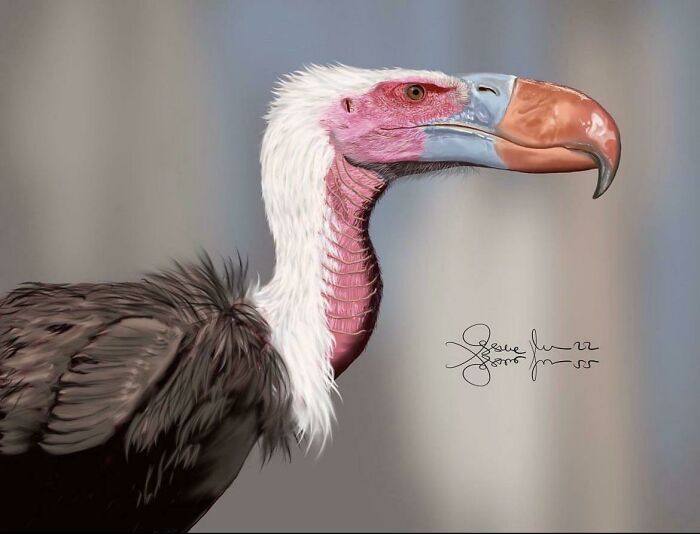
    Kelenken, The Ruler Of The Collón Curá Formation

    Kelenken, The Ruler Of The Collón Curá Formation

    Mophandel Report

    Timbob
    Community Member
    2 years ago Created by potrace 1.15, written by Peter Selinger 2001-2017

    He autographed his photo ? How nice !

    View more comments
    ADVERTISEMENT
    #61

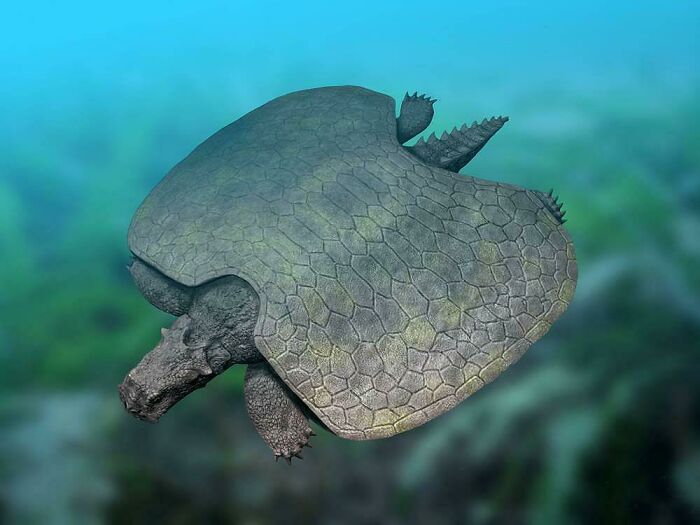
    The Henodus Was A Placodont That Lived In The Late Triassic Period.the Name "Henodus" Translates To "One Thoot" In Greek

    The Henodus Was A Placodont That Lived In The Late Triassic Period.the Name "Henodus" Translates To "One Thoot" In Greek

    arandompersonlol18 Report

    #62

    Gigantoraptor, The Largest Of The Oviraptorosaurs

    Gigantoraptor, The Largest Of The Oviraptorosaurs

    Mophandel Report

    #63

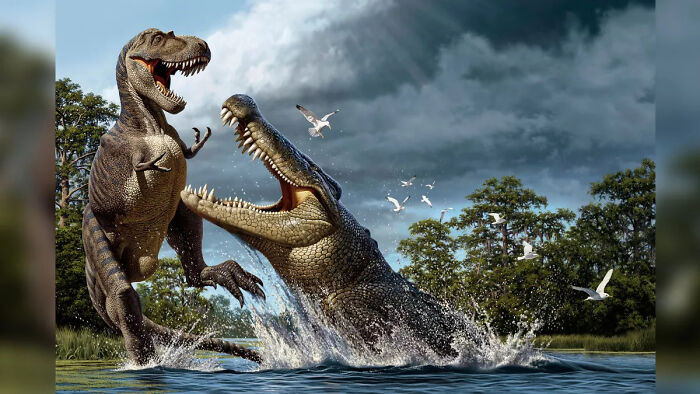
    Deinosuchus, Arguably The Fiercest Predator North America Has Ever Known, Is Seen Here Lunging At An Albertosaurus In This Depiction. Deinosuchus Lived Between 75 Million And 82 Million Years Ago And Had Bodies At Least 33 Feet (10 Meters) Long, Easily Taking Down Any Animal Within Reach

    Deinosuchus, Arguably The Fiercest Predator North America Has Ever Known, Is Seen Here Lunging At An Albertosaurus In This Depiction. Deinosuchus Lived Between 75 Million And 82 Million Years Ago And Had Bodies At Least 33 Feet (10 Meters) Long, Easily Taking Down Any Animal Within Reach

    KimCureAll Report

    Weasel Wise
    Community Member
    2 years ago Created by potrace 1.15, written by Peter Selinger 2001-2017

    I'd look exactly the same if a giant croc popped outta the water at me.

    View more comments
    ADVERTISEMENT
    #64

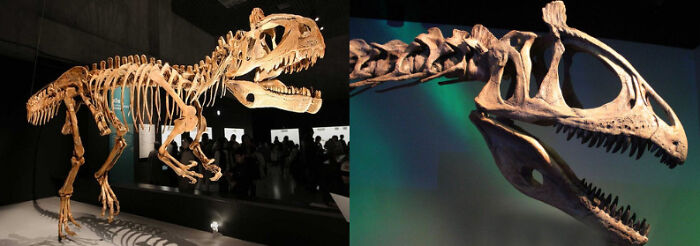
    This Is Cryolophosaurus, Early Jurassic Antarctica's "Cold-Crested Lizard." Take A Look At That Bizarre Crest On Its Head!

    This Is Cryolophosaurus, Early Jurassic Antarctica's "Cold-Crested Lizard." Take A Look At That Bizarre Crest On Its Head!

    JurassicPark9265 Report

    ADVERTISEMENT
    #65

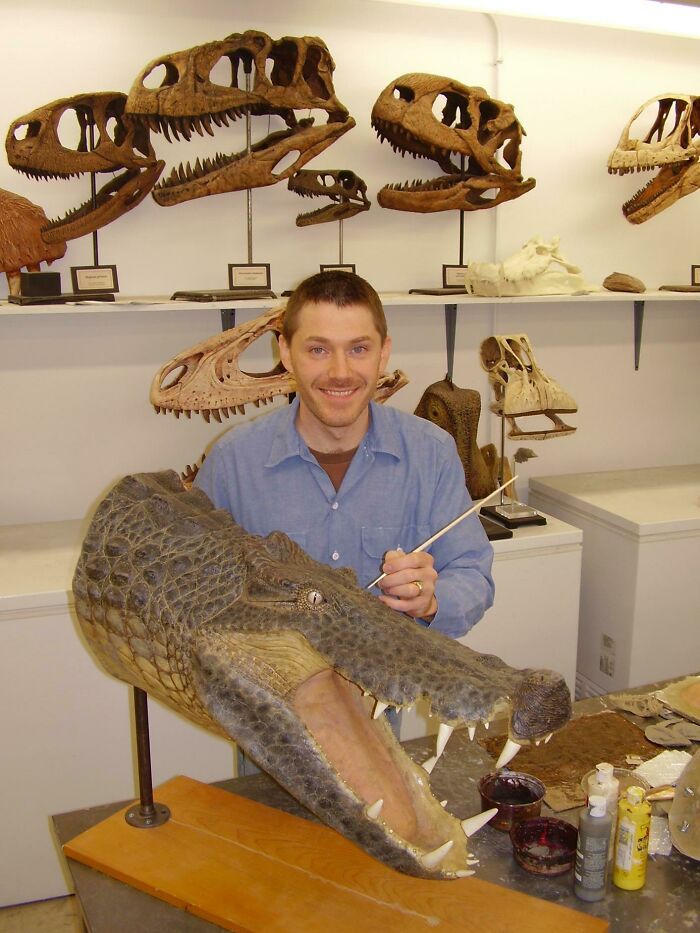
    Artist Working On A Life-Sized Bust Of Kaprosuchus, Sometimes Nicknamed The “Boar-Croc”

    Artist Working On A Life-Sized Bust Of Kaprosuchus, Sometimes Nicknamed The “Boar-Croc”

    aquilasr Report

    Anne Jones
    Community Member
    2 years ago Created by potrace 1.15, written by Peter Selinger 2001-2017

    Handsome devil! The croc’s quite nice too.

    View more comments
    #66

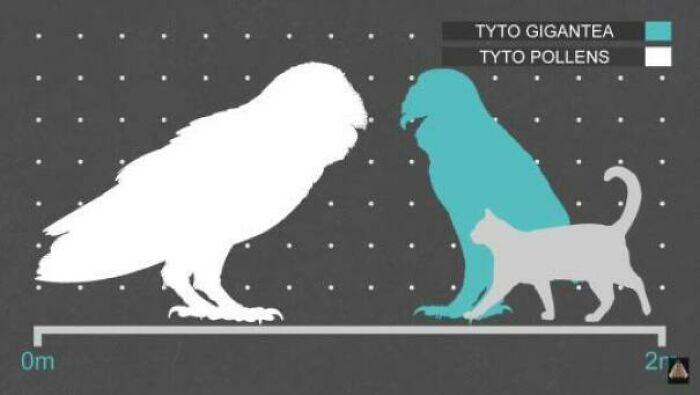
    Giant Insular Species In The Barn Owl Family Compared In Size To A House Cat

    Giant Insular Species In The Barn Owl Family Compared In Size To A House Cat

    aquilasr Report

    Auntriarch
    Community Member
    2 years ago Created by potrace 1.15, written by Peter Selinger 2001-2017

    But cats were bigger then. As were bananas

    #67

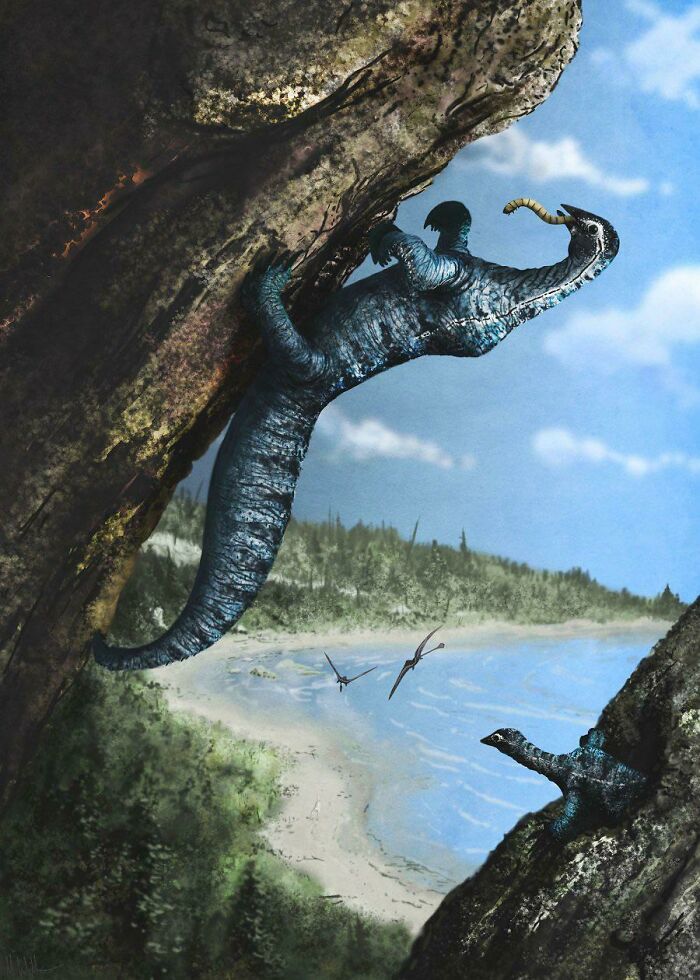
    Drepanosaurus Unguicaudatus, An Unusual Reptile Known For Its Prehensile Tail From The Late Norian Of Northern Italy. Art By Mark Witton

    Drepanosaurus Unguicaudatus, An Unusual Reptile Known For Its Prehensile Tail From The Late Norian Of Northern Italy. Art By Mark Witton

    imprison_grover_furr Report

    ADVERTISEMENT
    #68

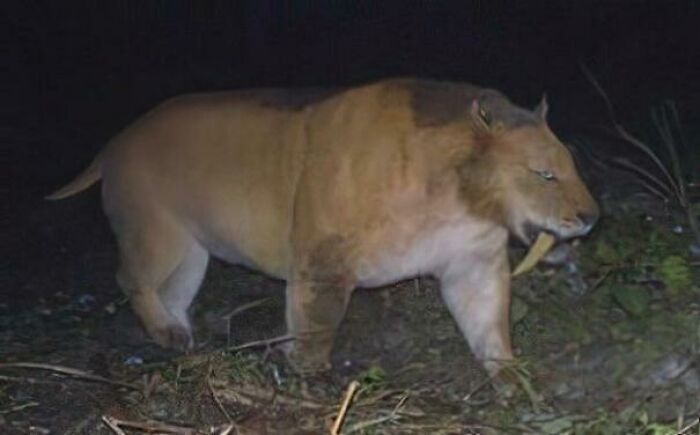
    A Smilodon Fatalis Captured By A Camera Trap

    A Smilodon Fatalis Captured By A Camera Trap

    PantherGhost007 Report

    ADVERTISEMENT
    #69

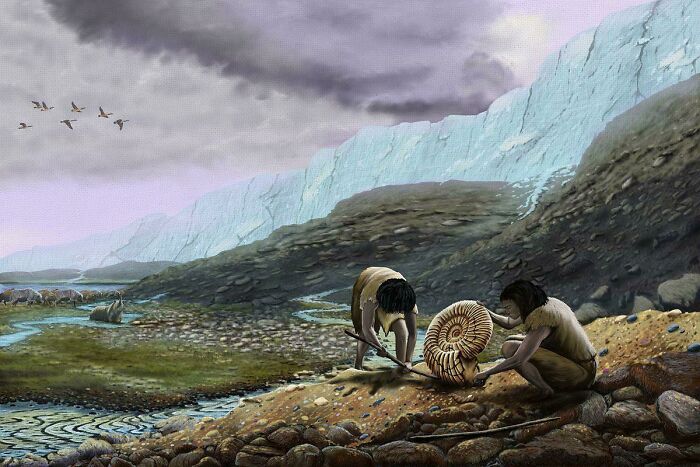
    Neanderthal Hunters Discover A Peculiar Rock, A Fossilised Ammonite, Amongst The Vast Glaciers 125,000 Years Ago. Fantastic Art Piece By Mikhail Shekhanov

    Neanderthal Hunters Discover A Peculiar Rock, A Fossilised Ammonite, Amongst The Vast Glaciers 125,000 Years Ago. Fantastic Art Piece By Mikhail Shekhanov

    tgood139 Report

    EarthGrowl
    Community Member
    2 years ago Created by potrace 1.15, written by Peter Selinger 2001-2017

    Pretty sure the legends of Dragons started when people found dino skulls. Must have been terrifying to imagine another living one lurking nearby.


    #70

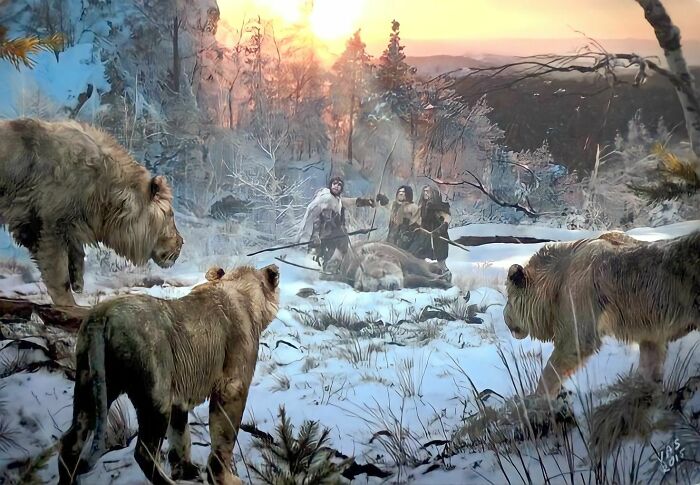
    In The Break Of Dawn, A Group Of Neanderthal Standing Upon Their Cave Bear (Ursus Spelaeus) Kill Find Themselves The Target Of A Pride Of American Cave Lions (Panthera Leo Spelaea) !

    In The Break Of Dawn, A Group Of Neanderthal Standing Upon Their Cave Bear (Ursus Spelaeus) Kill Find Themselves The Target Of A Pride Of American Cave Lions (Panthera Leo Spelaea) !

    Homunculus_316 Report

    der sebbl
    Community Member
    2 years ago Created by potrace 1.15, written by Peter Selinger 2001-2017

    Sooo, how did one of them cross the Atlantic?

    View more comments
    #71

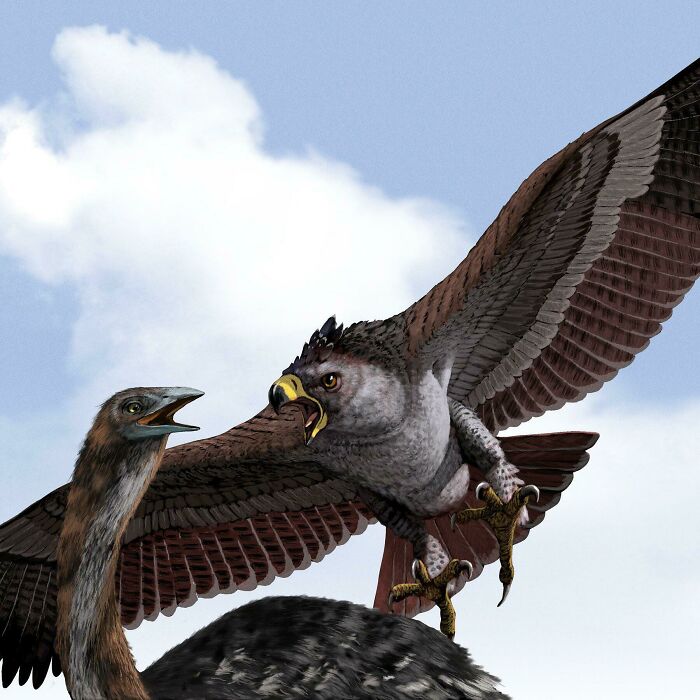
    The Last Moment For A Moa As It Is Attacked By A Haast’s Eagle

    The Last Moment For A Moa As It Is Attacked By A Haast’s Eagle

    aquilasr Report

    Thomas Bentley
    Community Member
    2 years ago Created by potrace 1.15, written by Peter Selinger 2001-2017

    Get this next to the earlier one, for reference.

    View more comments
    ADVERTISEMENT
    #72

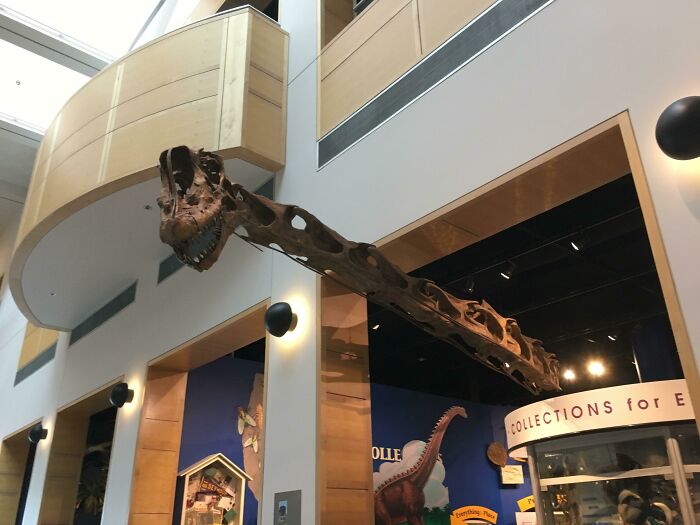
    Sauroposeidon Proteles Is One Of The Tallest Sauropods To Ever Live. A Mount Of The Holotype Of This Early Cretaceous Titan Was Made For The Sam Noble Oklahoma Museum Of Natural History And Was Installed In 2010

    Sauroposeidon Proteles Is One Of The Tallest Sauropods To Ever Live. A Mount Of The Holotype Of This Early Cretaceous Titan Was Made For The Sam Noble Oklahoma Museum Of Natural History And Was Installed In 2010

    sdh96 Report

    ADVERTISEMENT
    #73

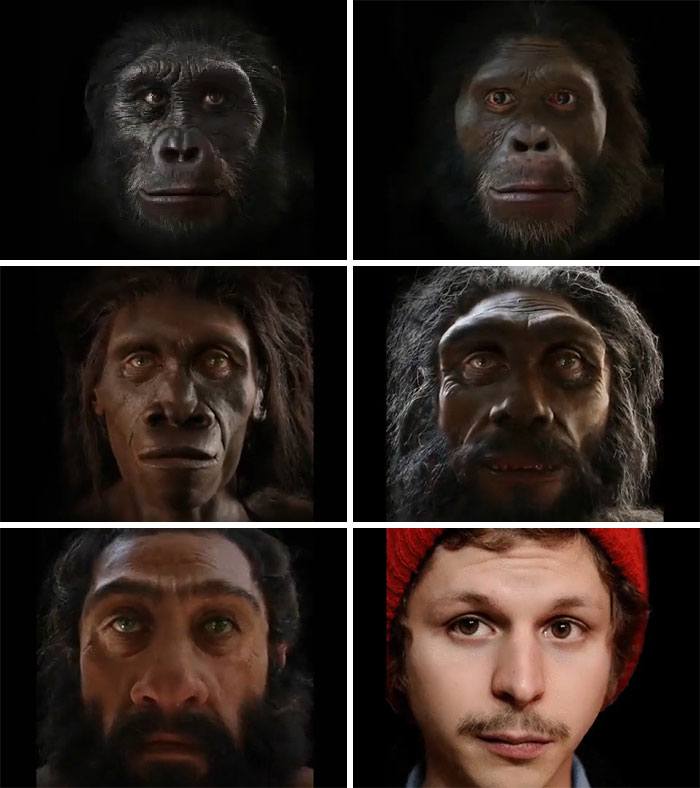
    Our Face From Our Recent Ancestors To Us

    Our Face From Our Recent Ancestors To Us

    Ivan_Botsky_Trollov Report

    #74

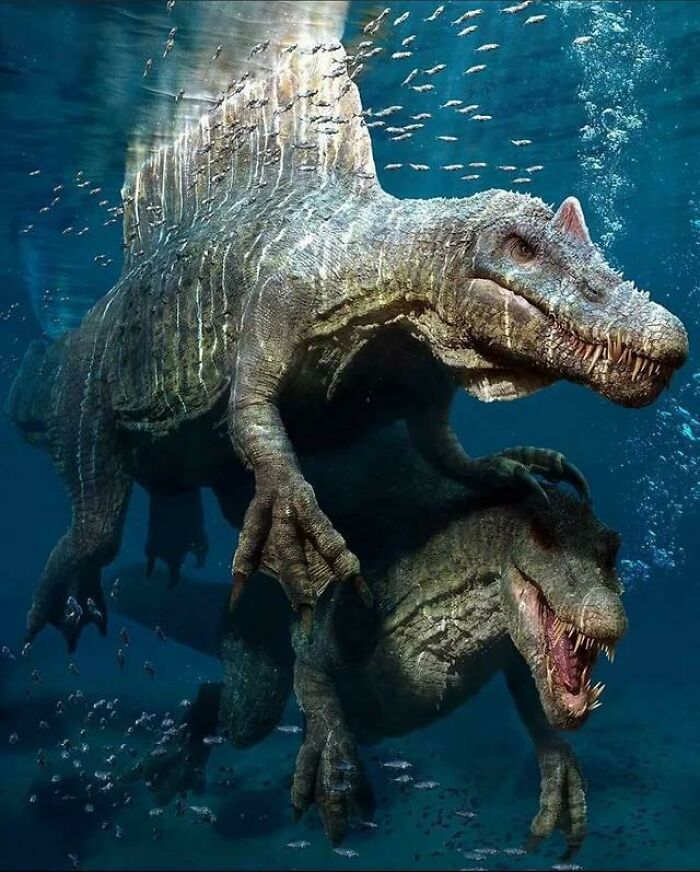
    Spinosaurus

    Spinosaurus

    HarryHarrison54 Report

    #75

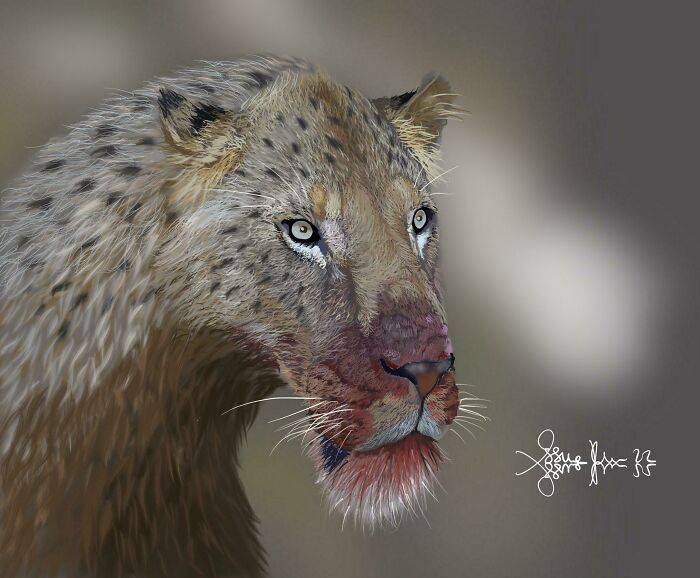
    Megantereon-The Ancestor Of Smilodon

    Megantereon-The Ancestor Of Smilodon

    MuadDib2001 Report

    ADVERTISEMENT
    #76

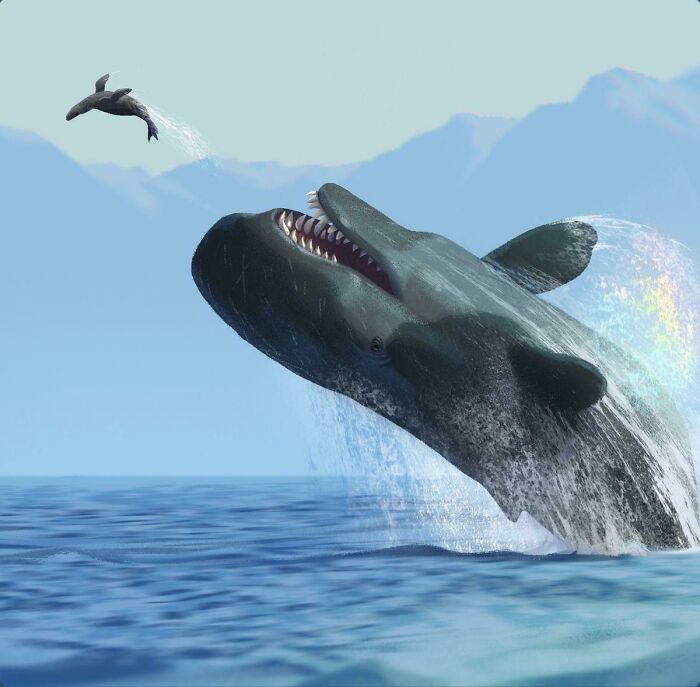
    Livyatan Melvillei “Playing” With Its Prey

    Livyatan Melvillei “Playing” With Its Prey

    MuadDib2001 Report

    ravn
    Community Member
    2 years ago Created by potrace 1.15, written by Peter Selinger 2001-2017

    There was a Time/Life series of nature videos that came out in the mid 80's that shows an orca doing this with a seal.
    ADVERTISEMENT
    #77

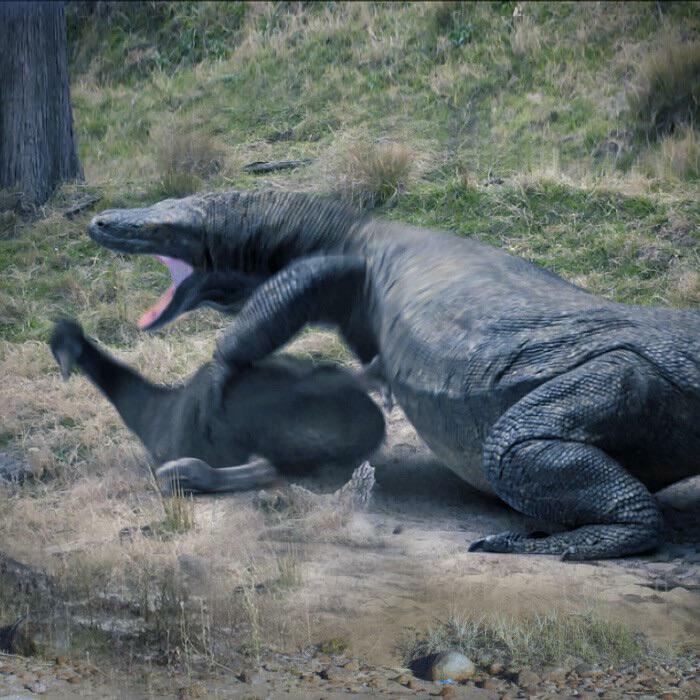
    The Dragon From Down Under: A Massive Megalania Finds A Meal In The Form Of An Unlucky Genyornis

    The Dragon From Down Under: A Massive Megalania Finds A Meal In The Form Of An Unlucky Genyornis

    AJ_Crowley_29 Report

    #78

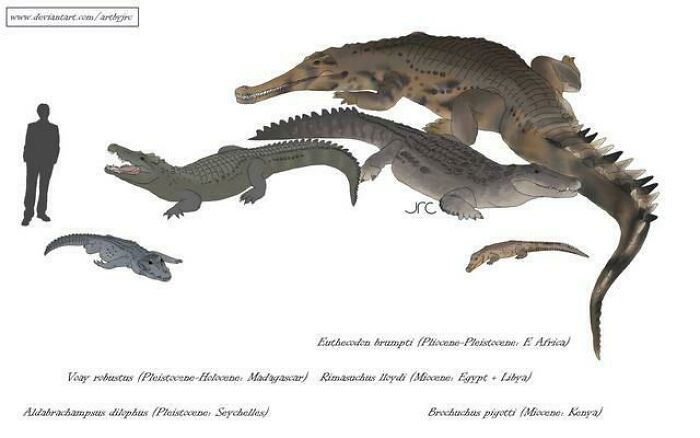
    The Fossil Species Of Incredible Crocodile Subfamily Osteolaeminae, Today Only Represented By Dwarf Crocodiles

    The Fossil Species Of Incredible Crocodile Subfamily Osteolaeminae, Today Only Represented By Dwarf Crocodiles

    aquilasr Report

    #79

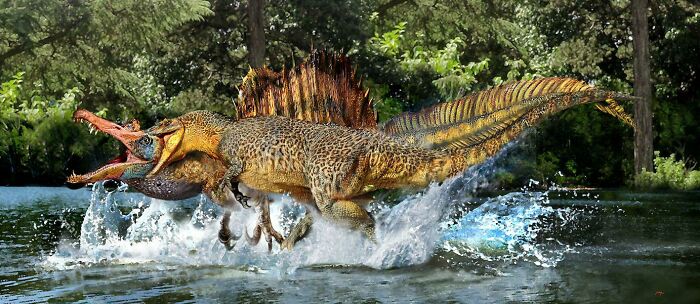
    Carcharodontosaurus vs. Spinosaurus By Luis V Rey

    Carcharodontosaurus vs. Spinosaurus By Luis V Rey

    DreamingSerpent Report

    ADVERTISEMENT