Get Premium
Dark mode theme is available exclusively for premium users. Learn more about the benefits of subscribing.
No fees, cancel anytime.

 Dark Mode Ad-Free Browsing Unlimited Content
 Ad-Free Browsing Unlimited Content Dark Mode
Join 1.2 million Panda readers who get the best art, memes, and fun stories every week!
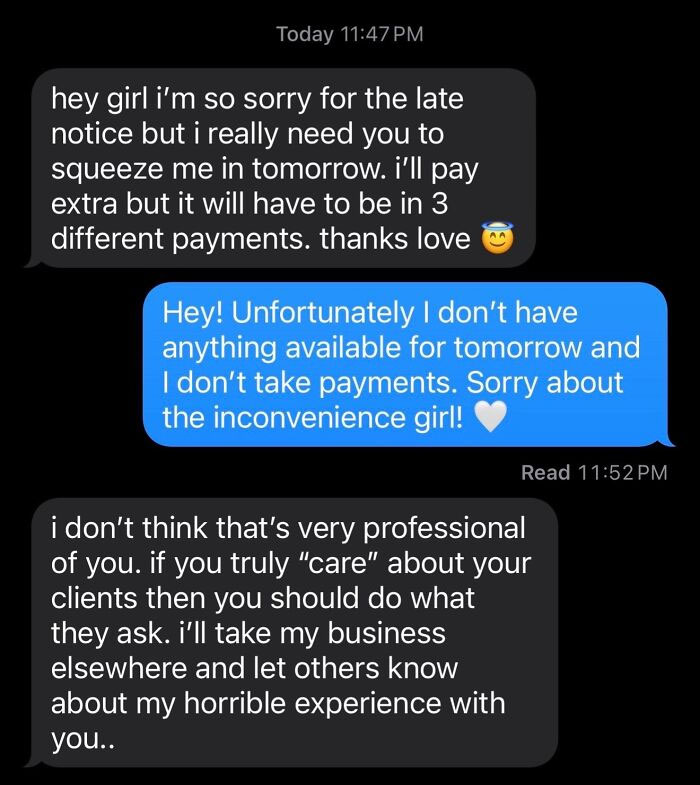
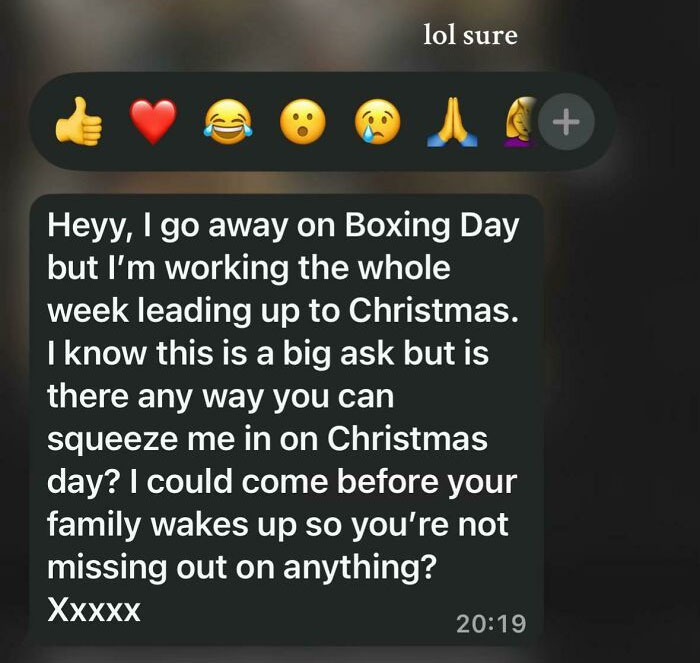
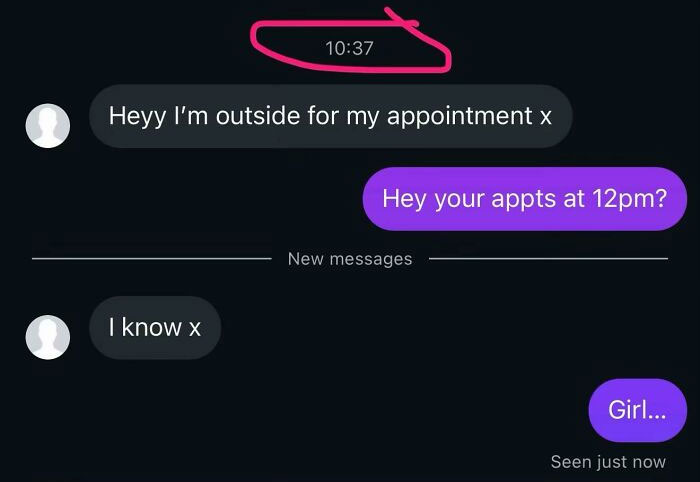
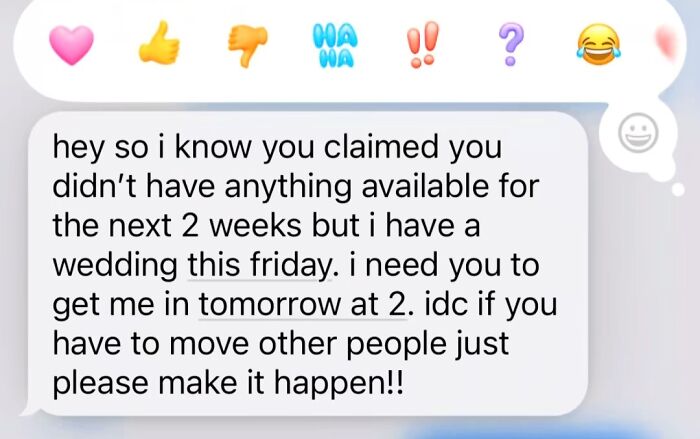
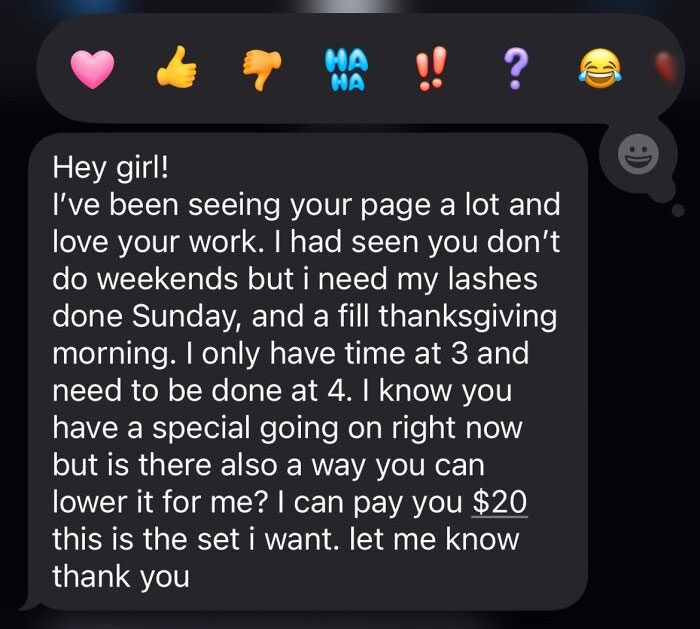
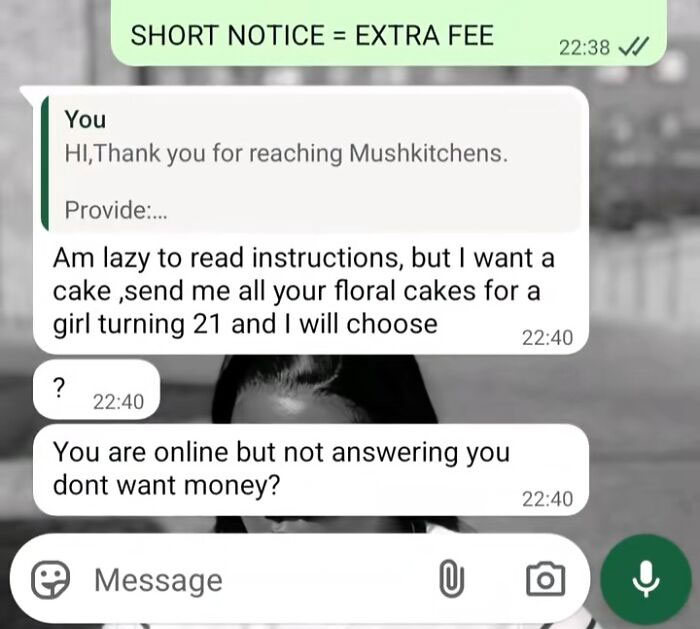
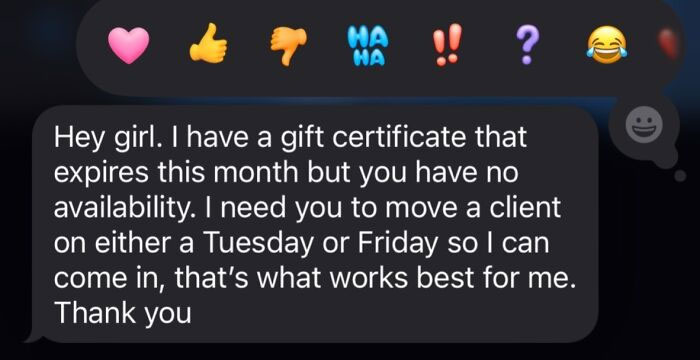
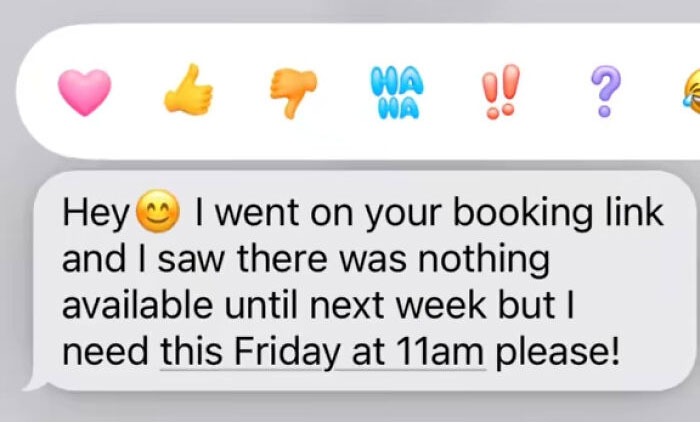
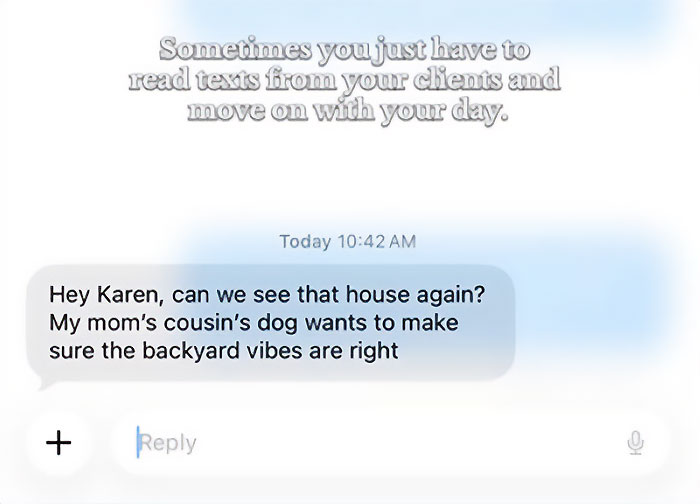
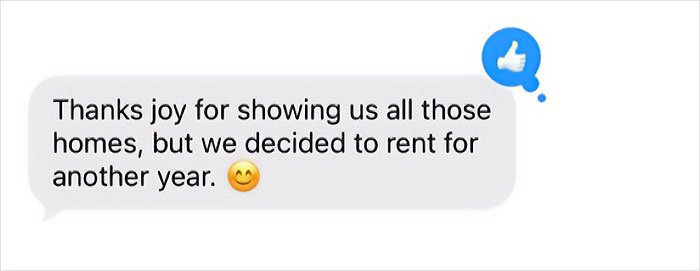
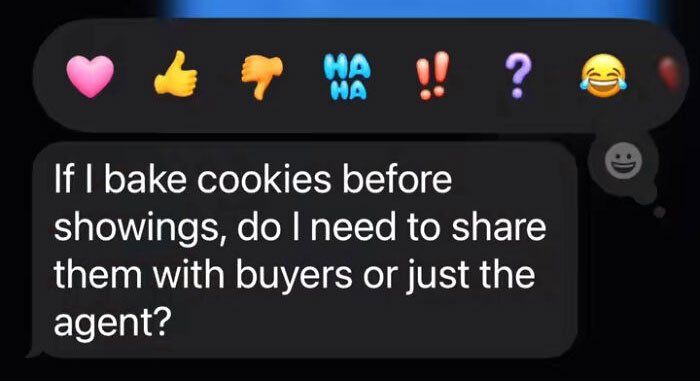
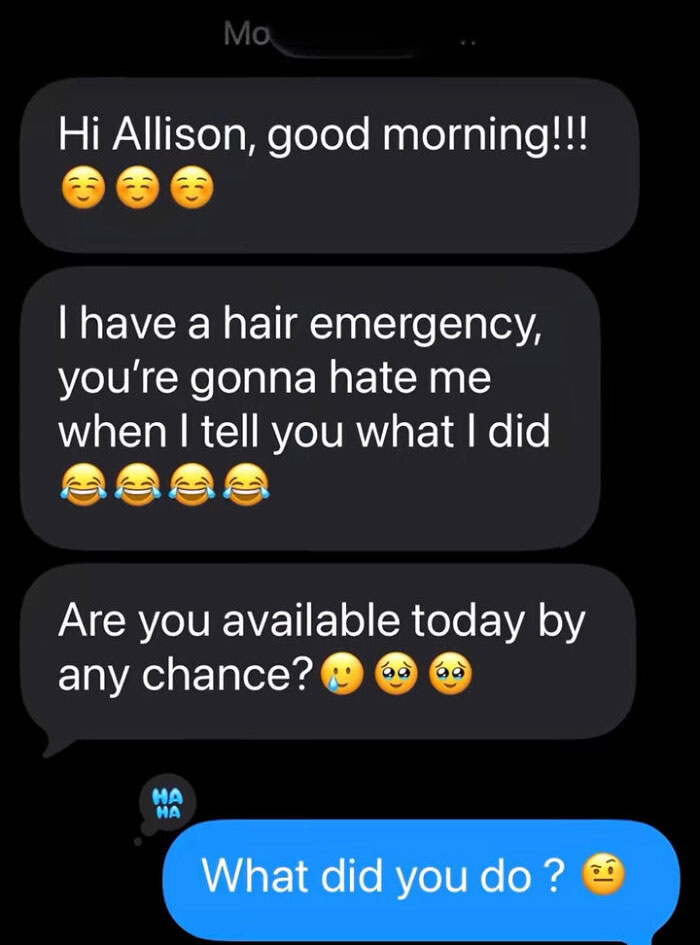
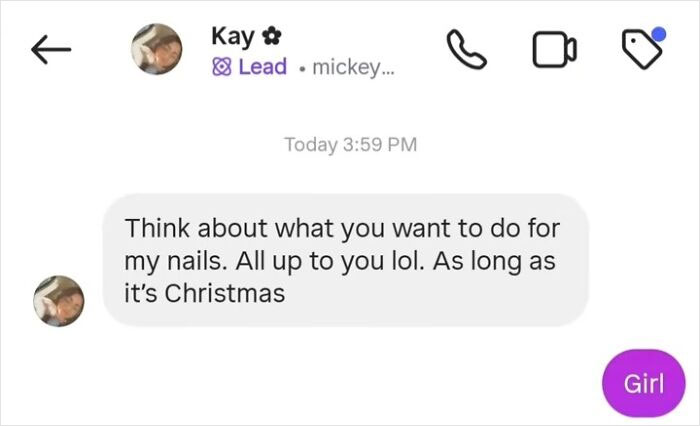
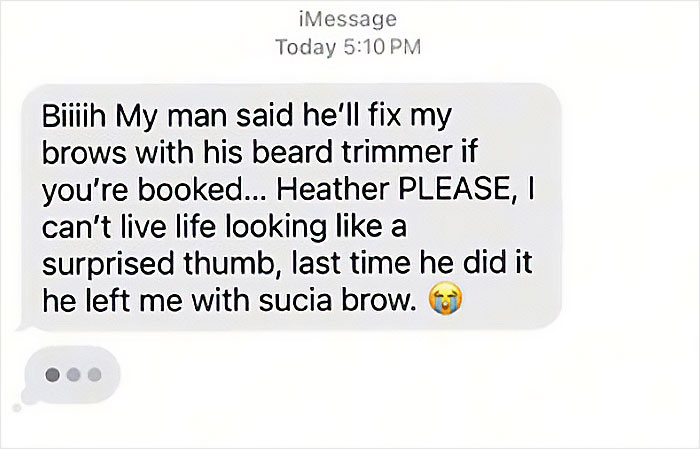
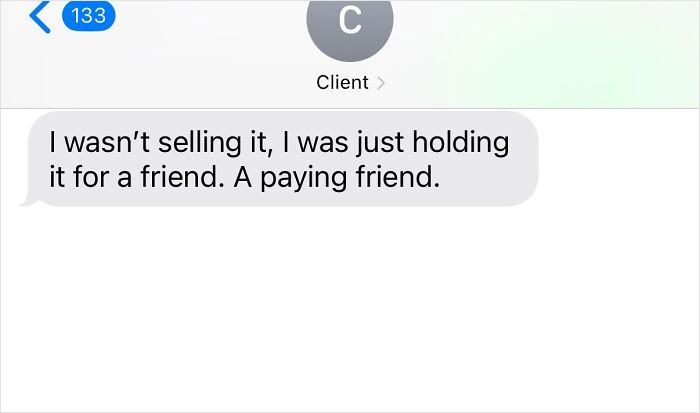
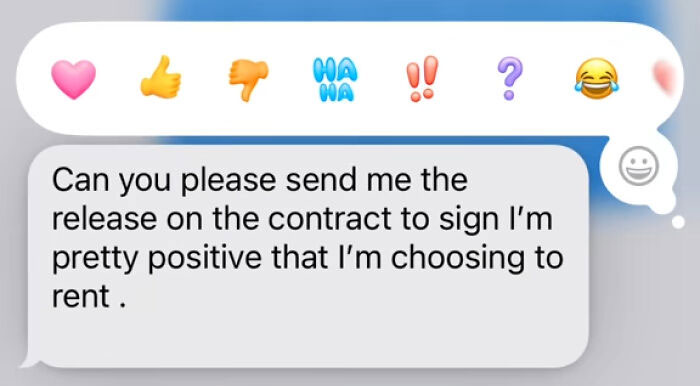
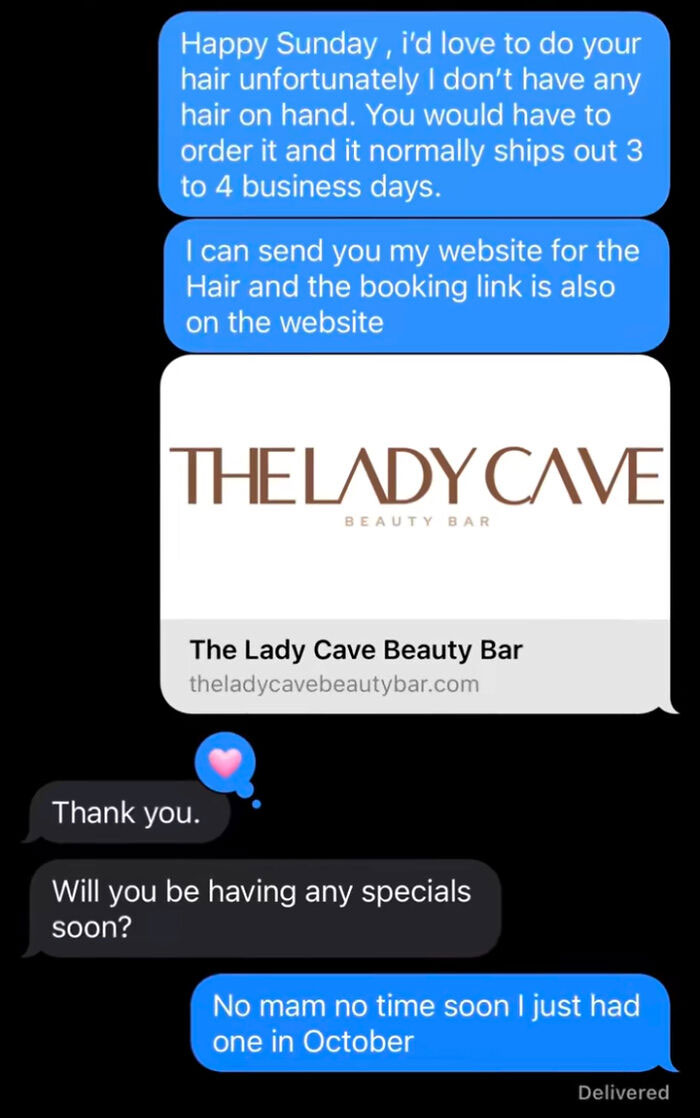
The commonly held belief is that personal communication might be more random, scattered and informal, but when it comes to doing business, people will be professional. However, people who have to deal with clients directly will be the first to tell you it’s anything but.
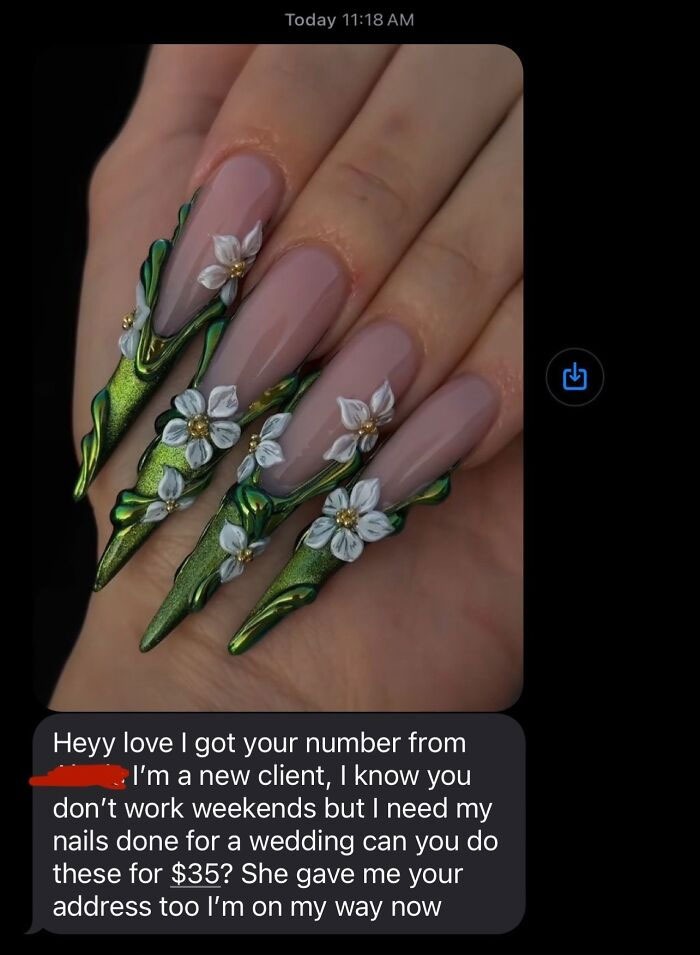
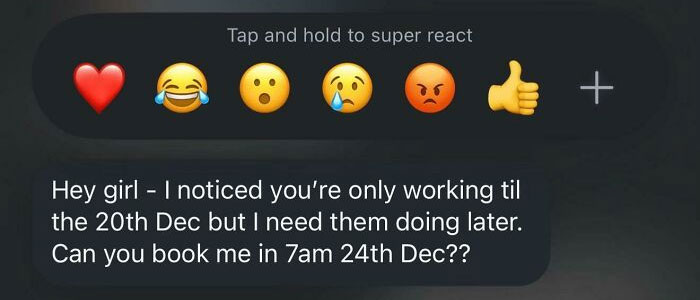
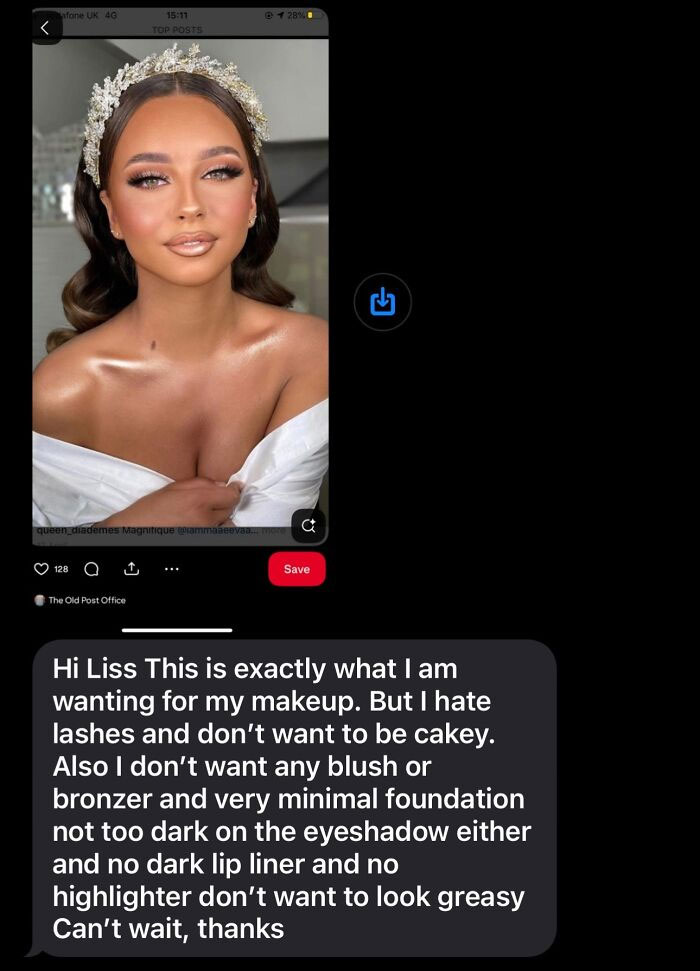
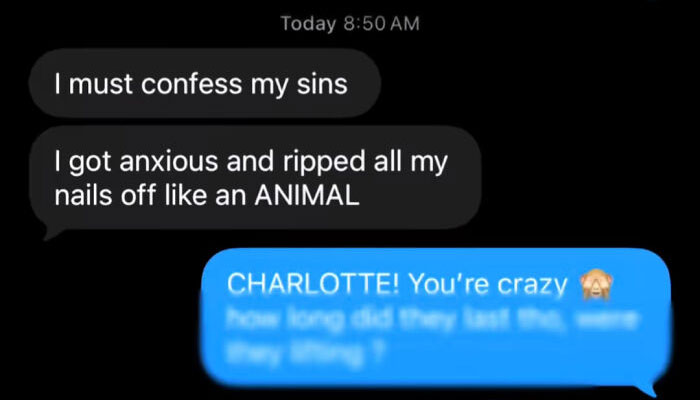
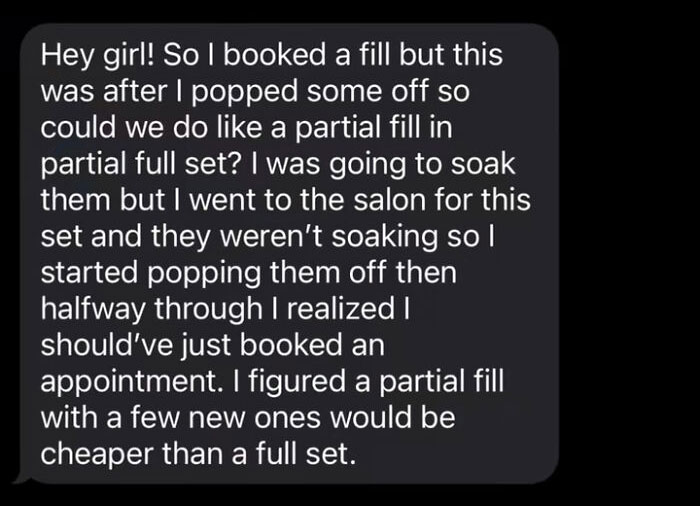
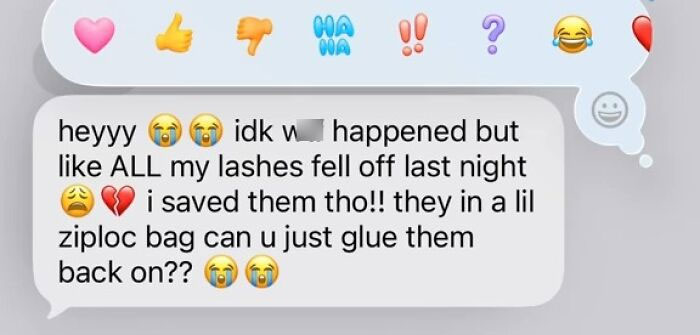
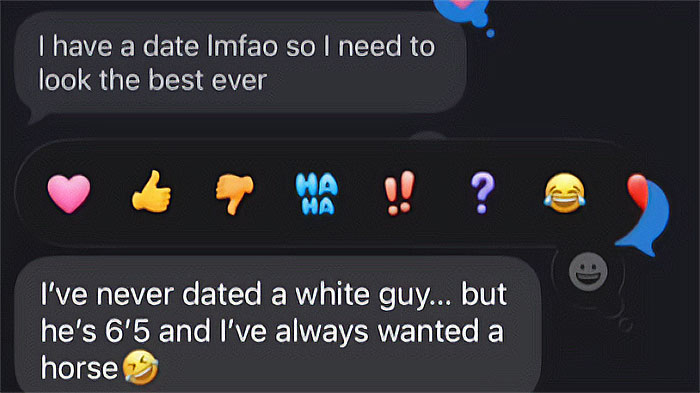
So to give a few examples, we’ve gathered some of the best (or worst, depending on where you sit) examples of entitled, bizarre and unhinged texts people’s clients have sent them. So get comfortable as you scroll though, prepare to raise an eyebrow in shock and concern at these folk’s mental state, upvote your favorites and be sure to share your own thoughts and experiences in the comments down below.
This post may include affiliate links.

The world of client communications has given us some of humanity's most spectacular displays of entitlement, where perfectly ordinary people transform into delusional tyrants the moment they pay a deposit. There's something about the client-service provider relationship that apparently convinces certain individuals they've purchased not just a product or service but the complete subjugation of another human's will, dignity, and possibly their firstborn child.
Understanding the psychology behind these unhinged demands helps explain why someone genuinely believes a wedding photographer should also babysit their flower girl or that paying for a logo design includes unlimited revisions until the heat death of the universe.
Research in consumer psychology reveals that entitlement stems from what experts call "illusory superiority," where individuals overestimate their importance and the value of their business. Studies published in the Journal of Consumer Research show that some customers develop inflated expectations based on a transactional relationship, believing that payment entitles them not just to the agreed upon service but to increasingly absurd auxiliary demands.
This explains why a client hiring someone to design a website might also expect that person to write all the content, take product photos, manage their social media, and apparently develop telepathic abilities to know what the client wants despite providing zero useful feedback besides "make it pop." The phenomenon intensifies with what psychologists call "psychological ownership," where clients begin to feel they own not just the product but the service provider's time, expertise, and personal boundaries.
A bride who hires a makeup artist for her wedding day somehow concludes this also includes being available for panicked 3am text messages about whether her future mother-in-law's cousin's neighbor needs a makeup trial. Research from the American Psychological Association indicates that when people invest money into something, they often irrationally extend their sense of ownership beyond the actual scope of the transaction, which is how we end up with clients demanding photographers delete their own artistic shots because "I'm paying you so I decide what you photograph."
Social media has absolutely turbocharged client entitlement by creating what researchers call "comparison culture." When people see influencers receiving free products and excessive service, they develop skewed expectations about what normal transactions should include. A study in Computers in Human Behavior found that exposure to influencer culture significantly increases consumer entitlement and expectation of special treatment.
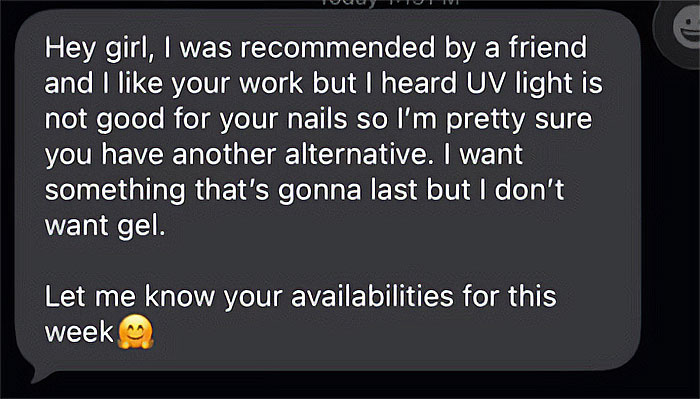
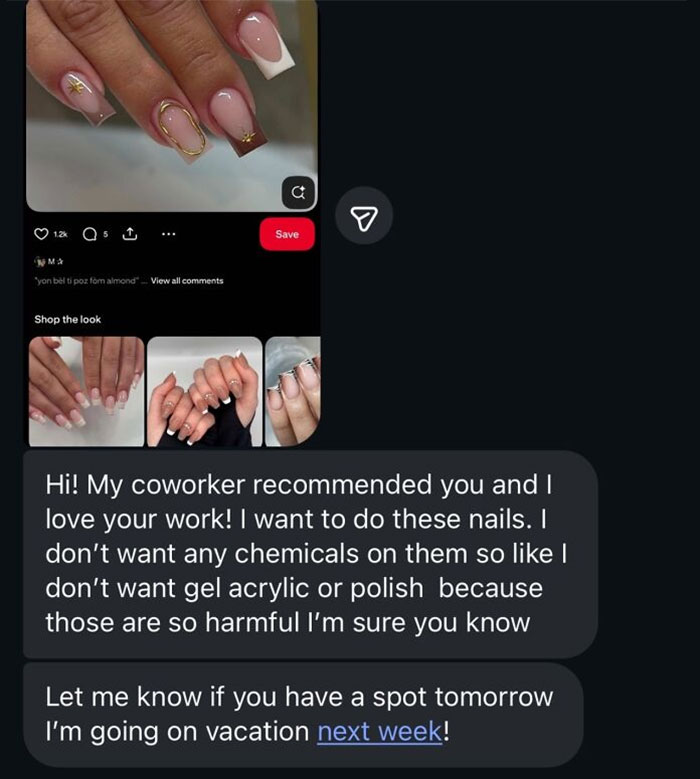
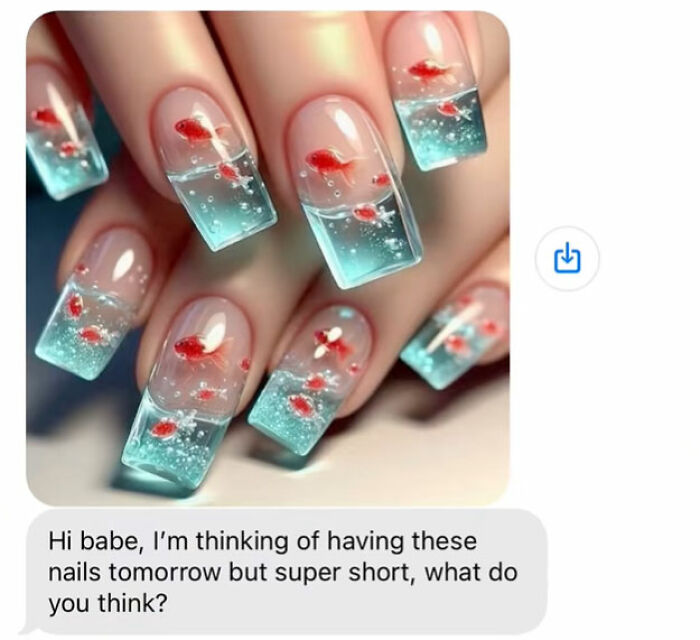
Then how do you expect to get those nails without acrylic chemicals or polish?
This manifests as clients who genuinely cannot comprehend why a graphic designer won't give them a massive discount for "exposure" or why a caterer won't provide service for half price because they might post about it on their Instagram account with 300 followers, most of whom are bots and their mom. The "customer is always right" mentality, which originated as a customer service philosophy, has mutated into a monster that convinces people their desires supersede logic, contracts, and basic human decency.
Business psychology research shows this phrase has been weaponized to justify increasingly unreasonable demands, from clients expecting refunds after they've already received and used a service to people demanding custom work be completed in physically impossible timeframes. The original phrase was never meant to imply customers can demand a photographer show up to shoot an event they weren't hired for or that paying for a cake means the baker must also deliver it at midnight on a Tuesday to a location three states away.
Economic research on consumer behavior reveals that budget clients often display the most entitled behavior, a phenomenon that contradicts logical assumptions. Studies indicate that clients paying premium prices typically respect boundaries and expertise more than those seeking bargains, possibly because budget clients feel they need to extract maximum value to justify their purchase while premium clients trust the expertise they're paying for.
This explains why the client paying $50 for a logo will demand 47 revisions and complain constantly while the client paying $5000 typically approves designs quickly and says thank you. The rise of gig economy platforms has created what sociologists call "service worker devaluation," where the ease of hiring someone through an app psychologically reduces their perceived humanity and expertise. When you can book a photographer with three clicks on your phone, some part of your brain apparently decides they're basically an algorithm you can reprogram with increasingly deranged demands.
The specificity of contracts means nothing when a client has decided in their mind that payment equals unlimited servitude. Behavioral economics research indicates that people dramatically underestimate the labor and expertise required for creative and service work, leading to expectations that would be laughable if they weren't so common and depressing.


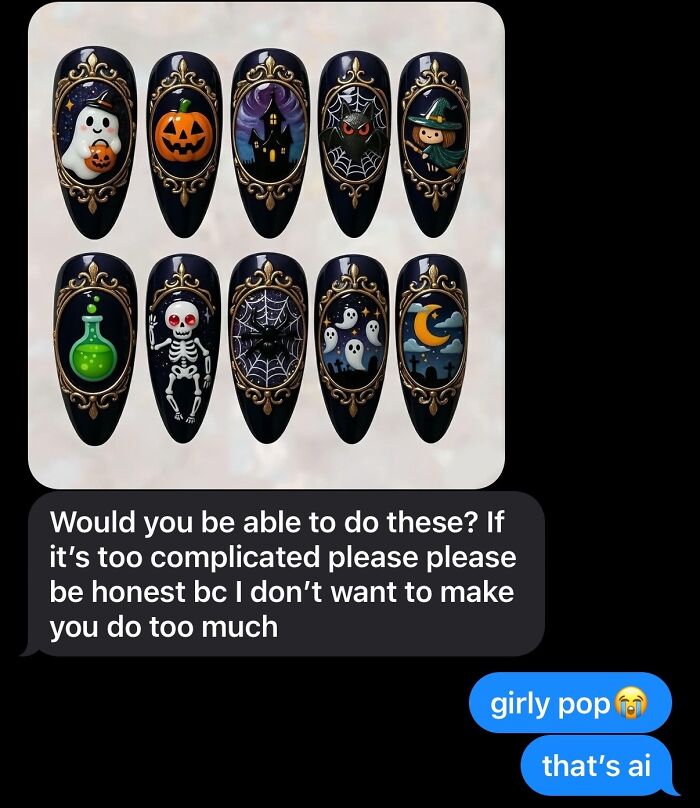
Pretty sure the AI that put together this list is broken.
Load More Replies... Pretty sure the AI that put together this list is broken.
Load More Replies...

















 No fees, cancel anytime