Get Premium
Dark mode theme is available exclusively for premium users. Learn more about the benefits of subscribing.
No fees, cancel anytime.

 Dark Mode Ad-Free Browsing Unlimited Content
 Ad-Free Browsing Unlimited Content Dark Mode
Join 1.2 million Panda readers who get the best art, memes, and fun stories every week!
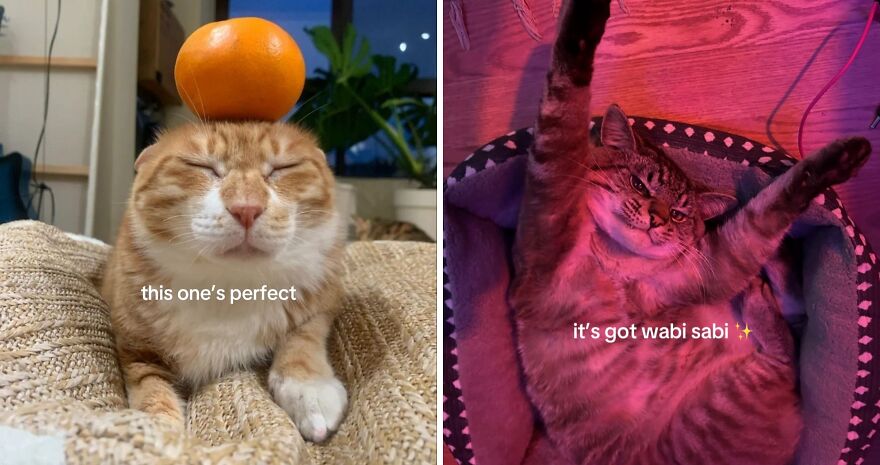
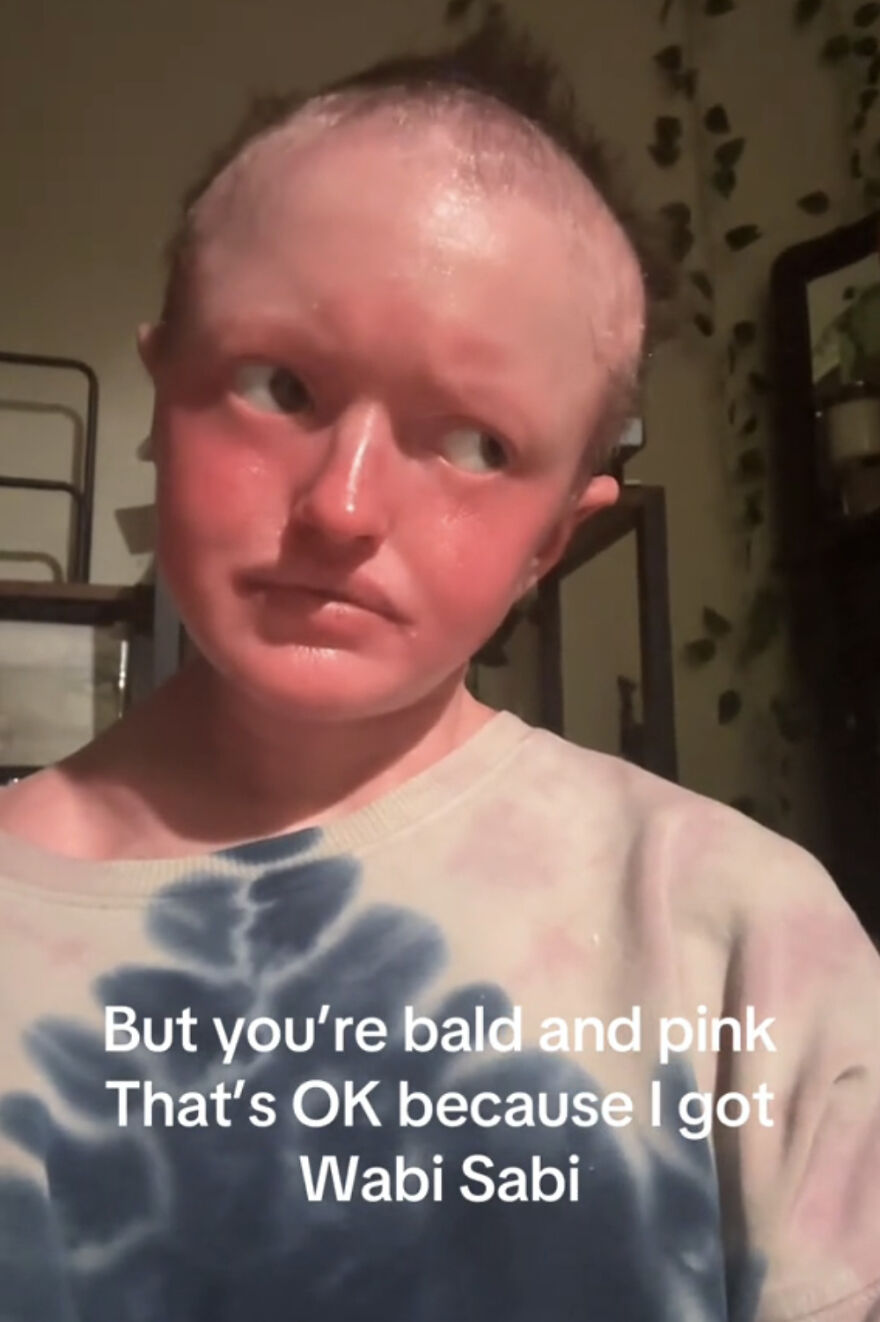
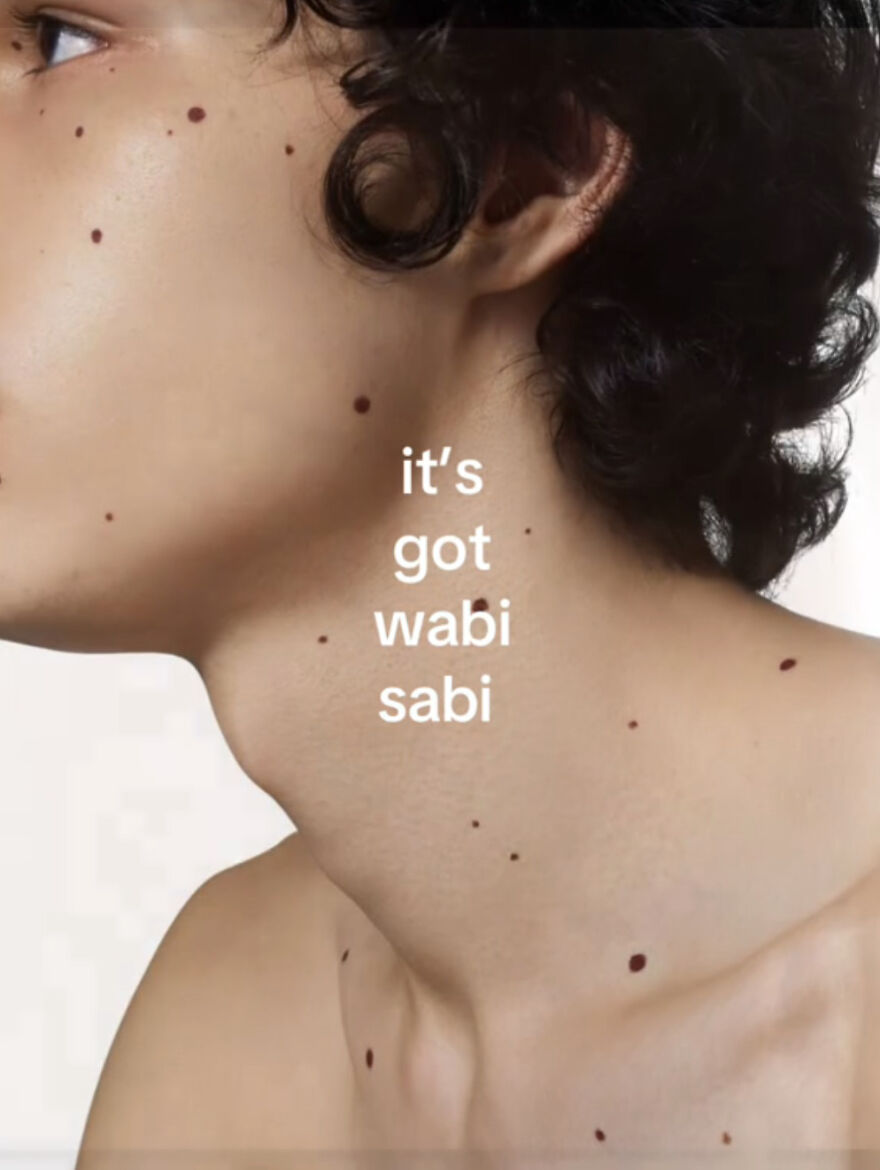
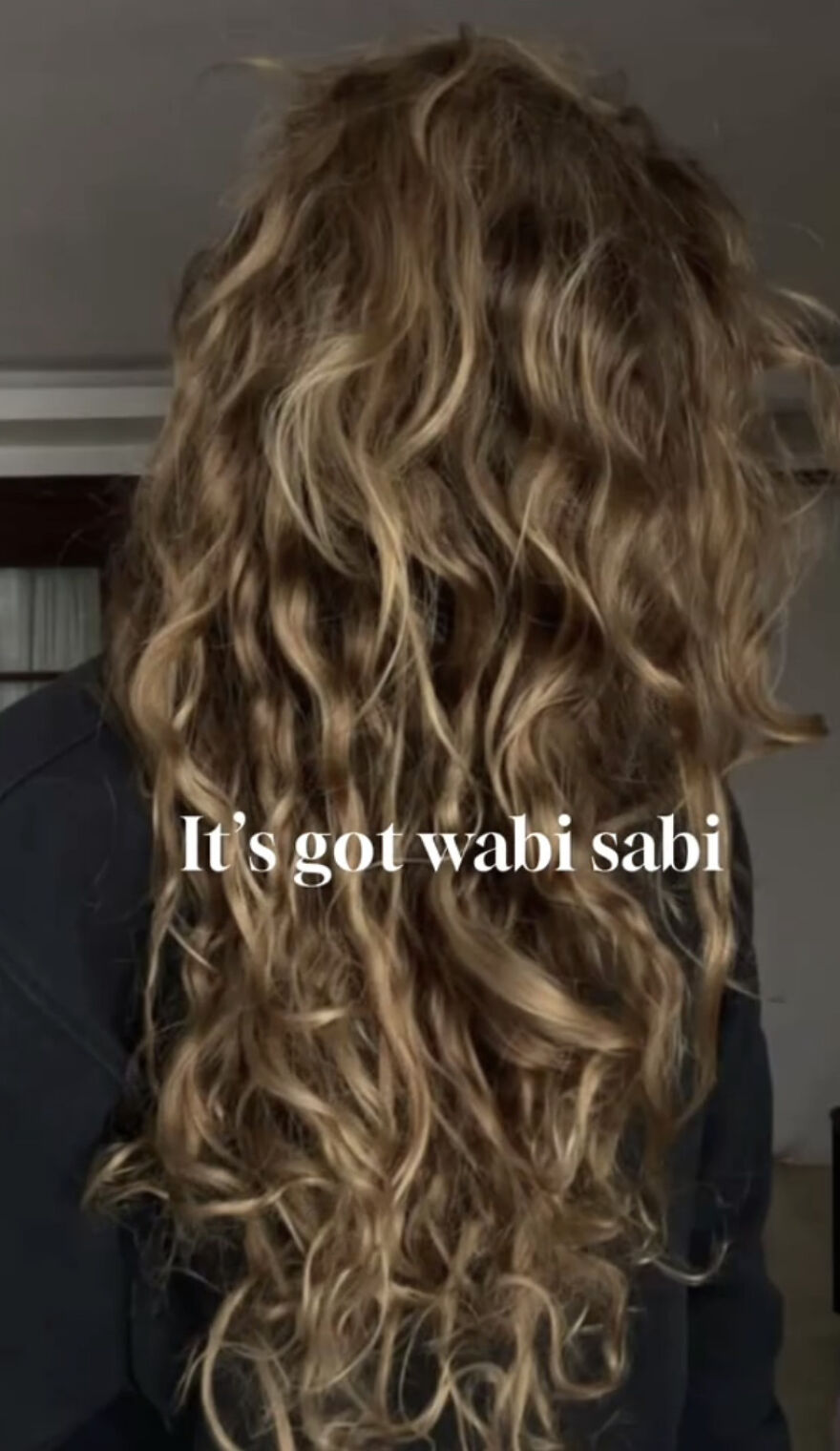
Perfection is boring! It’s impossible to attain anyway and, arguably, it’s overrated. The good news is that being your authentic self is starting to be cool again. And the proof is in the pudding. The Japanese aesthetic and philosophical concept of ‘wabi-sabi’ is going viral online, and people are sharing how they’re embracing their flaws.
Our team at Bored Panda has collected some of the most wholesome and courageous online posts of folks accepting their own imperfections, as well as those of their pets. Scroll down to restore some of your faith in humanity. And remember to be kinder to yourself!
This post may include affiliate links.





Vitiligo. I have it as well, but on my stomach and since I'm white you've got to look closely.
Load More Replies...
At its core, ‘wabi-sabi’ focuses on accepting imperfection, transience, impermanence, and incompleteness.
Essentially, you’re appreciating beauty and the creations of nature despite any asymmetry, roughness, or austerity that you might perceive. In other words, you strive to accept the fact that nothing is ever perfect, finished, or everlasting.

Our big mutt would never win any beauty contest, but his wonky ears and sad-sack eyes make him adorable!
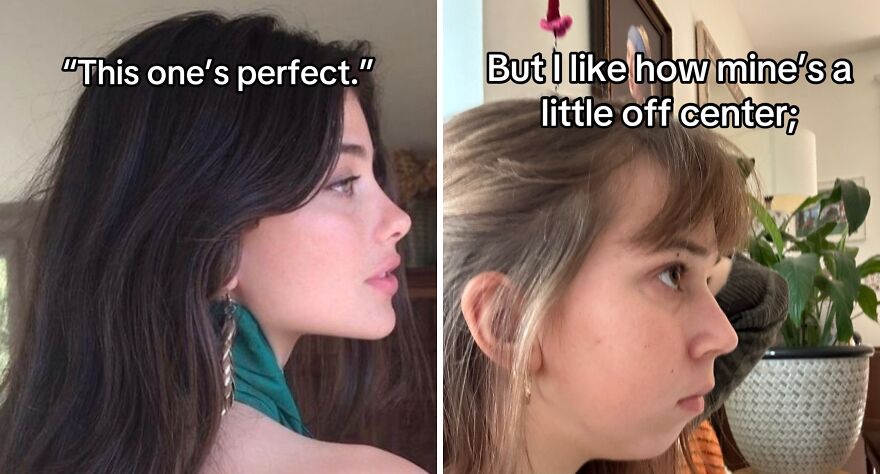
The concept of ‘wabi-sabi’ started gaining more and more prominence online in the autumn of 2025. It spread after internet users rediscovered a clip from the old animated series ‘King of the Hill,’ where Bobby Hill says how he likes that his rose is a “little off-center.” According to Bobby, “It’s got wabi-sabi,” which he refers to as an Eastern tradition “celebrating the beauty in what’s flawed.”
The audio from that scene then became a viral TikTok sound, Know Your Meme reports. And so, more and more internet users are referring to ‘wabi-sabi’ in their clips, photos, and posts.
Meanwhile, the BBC defines ‘wabi-sabi’ as the confluence of “the elegant beauty of humble simplicity” (‘wabi’) and “the passing of time and subsequent deterioration” (‘sabi’). Trying to define ‘wabi-sabi’ is poetically ironic, though.
“Just as Buddhist monks believed that words were the enemy of understanding, this description can only scratch the surface of the topic,” the BBC states.
“The concept of wabi-sabi highlights the importance of acceptance in Japanese culture, a society forced to contend with devastating natural disasters on a semi-regular basis. Rather than casting nature solely as a dangerous and destructive force, it helps frame it as a source of beauty, to be appreciated on the smallest of levels,” the BBC explains.
Tanehisa Otabe, a professor at Tokyo University’s Institute of Aesthetics, told the BBC that the ancient art of ‘wabi-cha’ (a style of tea ceremony) can actually be a good introduction to ‘wabi-sabi.’ In the late 15th to 16th centuries, tea masters Murata Juko and Sen no Rikyu chose rougher, common Japanese pottery instead of imported and technically perfect Chinese items. In doing so, they challenged the rules of beauty.
“Without bright colours and ornate designs to rely on as signifiers of accepted beauty, guests were encouraged to study subtle colours and textures that would previously have been overlooked,” the BBC writes.
According to Professor Otabe, “wabi-sabi leaves something unfinished or incomplete for the play of imagination.” By engaging with something that may be considered to be ‘wabi-sabi,’ you achieve 3 main things:
Through ‘wabi-sabi,’ you gain an appreciation for the relationship between you and the natural world. You’re a part of the world and at its mercy, not separated from it by societal constructs. The ‘imperfections’ you see around you are what nature creates. And so, you’re encouraged to work alongside nature, not against it.
“The aesthetics of wabi-sabi opened our eyes to everyday life and gave us a method of handling what is common in an uncommon, aesthetic way,” Professor Otabe told the BBC.

Omg thats my friend Robbies face?! Right there! On that dog. "Robbie!? Can you hear me?!"
The Japanese art of ‘kintsugi,’ where you repair broken pottery with gold or lacquer, is often associated with ‘wabi-sabi.’ Through ‘kintsugi,’ you highlight the cracks in the pottery, instead of trying to hide them.
‘Hanami,’ the annual celebration of cherry blossoms in Japan, is linked to ‘wabi-sabi,’ too, as you accept the fleeting beauty of nature.

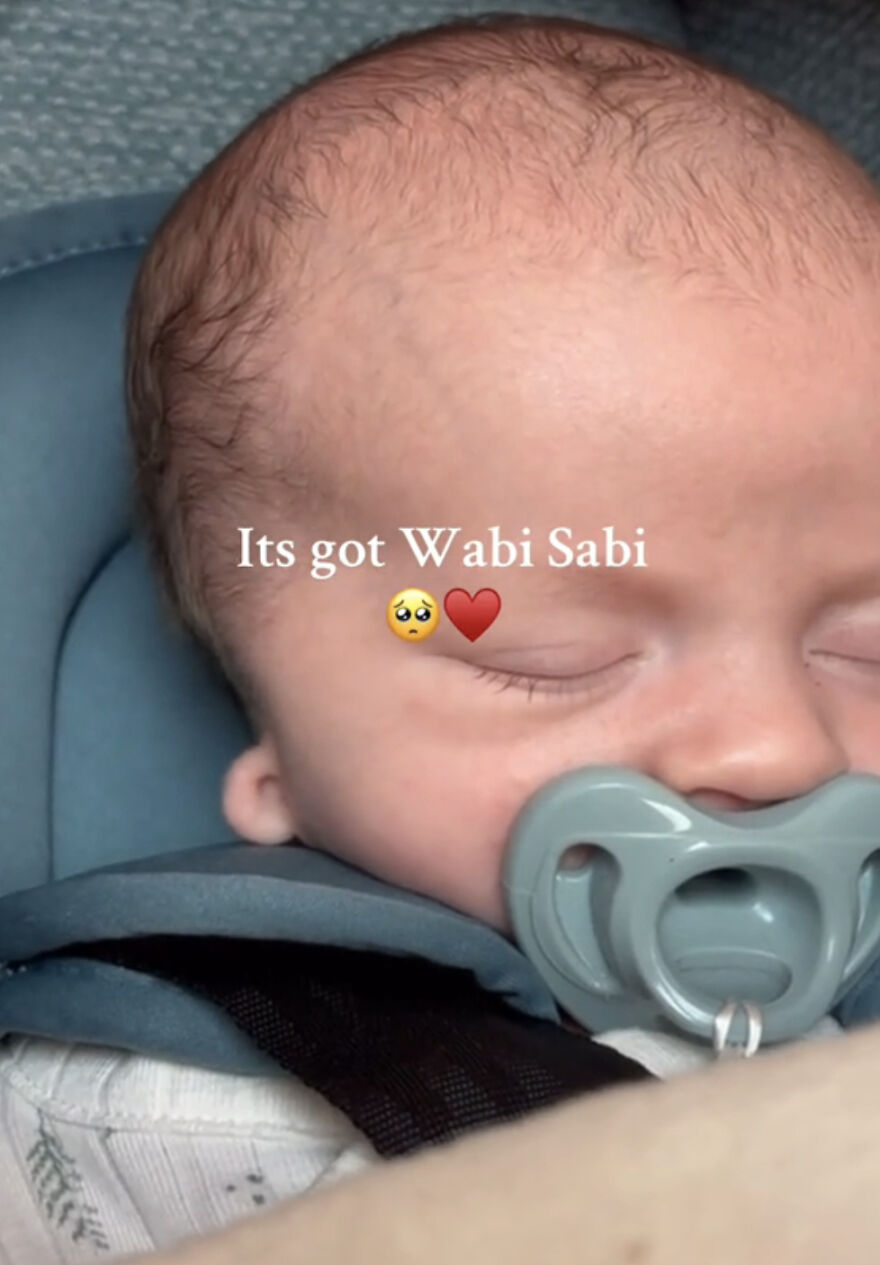
Would this baby have normal hearing? Not worrying about looks is fine. But if there’s a disability…make sure they get help.
We can’t wait to hear what you think, Pandas. If you have a (perfectly imperfect) moment, share your thoughts in the comments down below! Have you heard of the concept of ‘wabi-sabi’ before? How tough do you find it to accept your personal flaws? What are your biggest imperfections and mistakes that you’ve learned to embrace? Let us know!
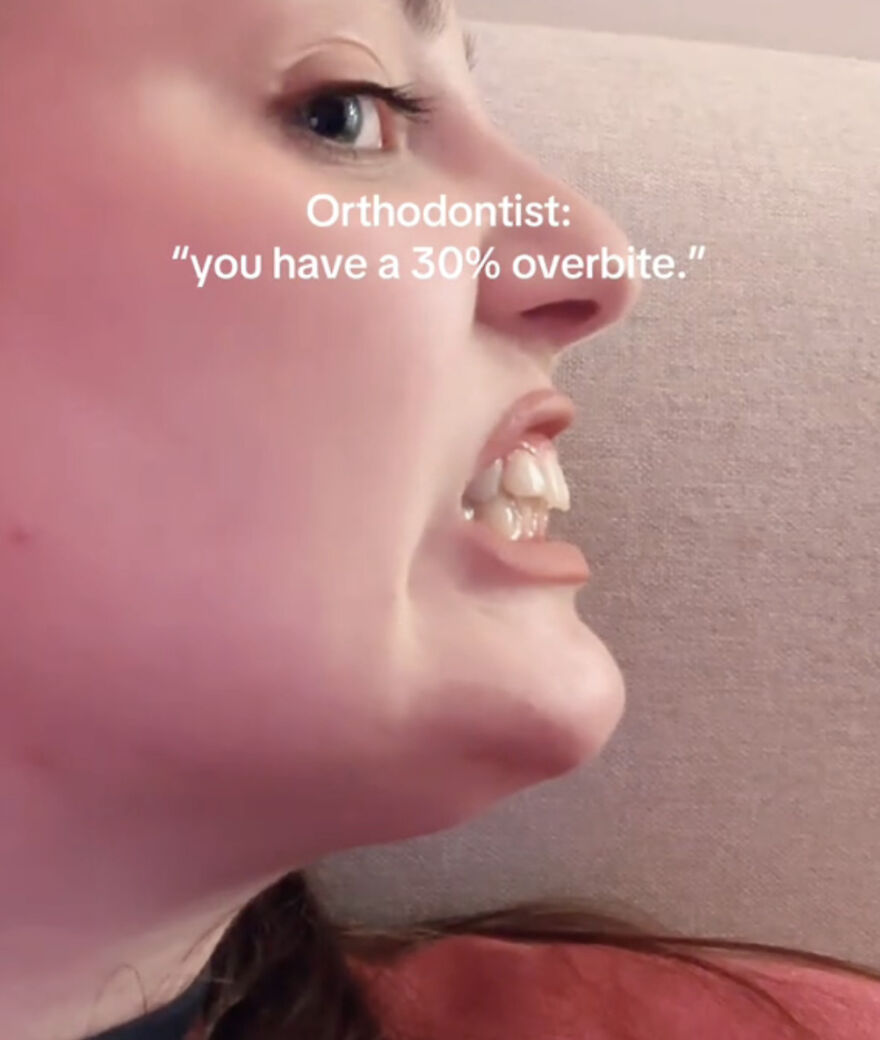
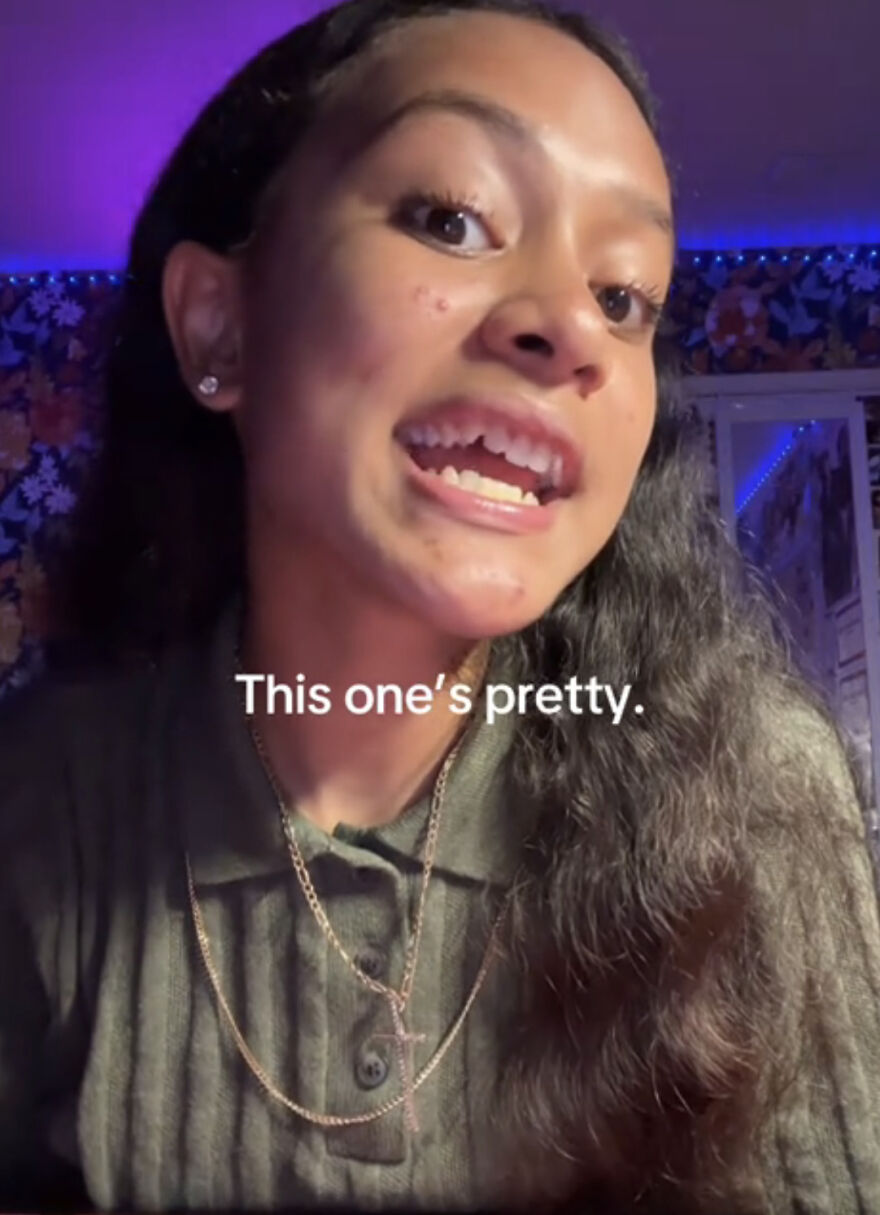
I personally love the look of snaggle teeth but i just wanted to say from an American POV (atleast in my experience and with my children and children i know) our dentists wouldve "nipped this in the bud" (assuming this child has regular visits) so many kids have baby teeth pulled early to insure and start the process of angling adult teeth. They'll start prepping you at 5 or 6 for braces at 11 or 12 if they see youre coming in misaligned. I guess my point was that here...we dont really have the option (assuming you have regular care) to let this happen bc they dont want to work on something thats not going to work long term due to your anatomy. Like im in my 30s and really want my bottom teeth aligned better but they wont do that until i have wisdom teeth removed bc that could affect them in the future
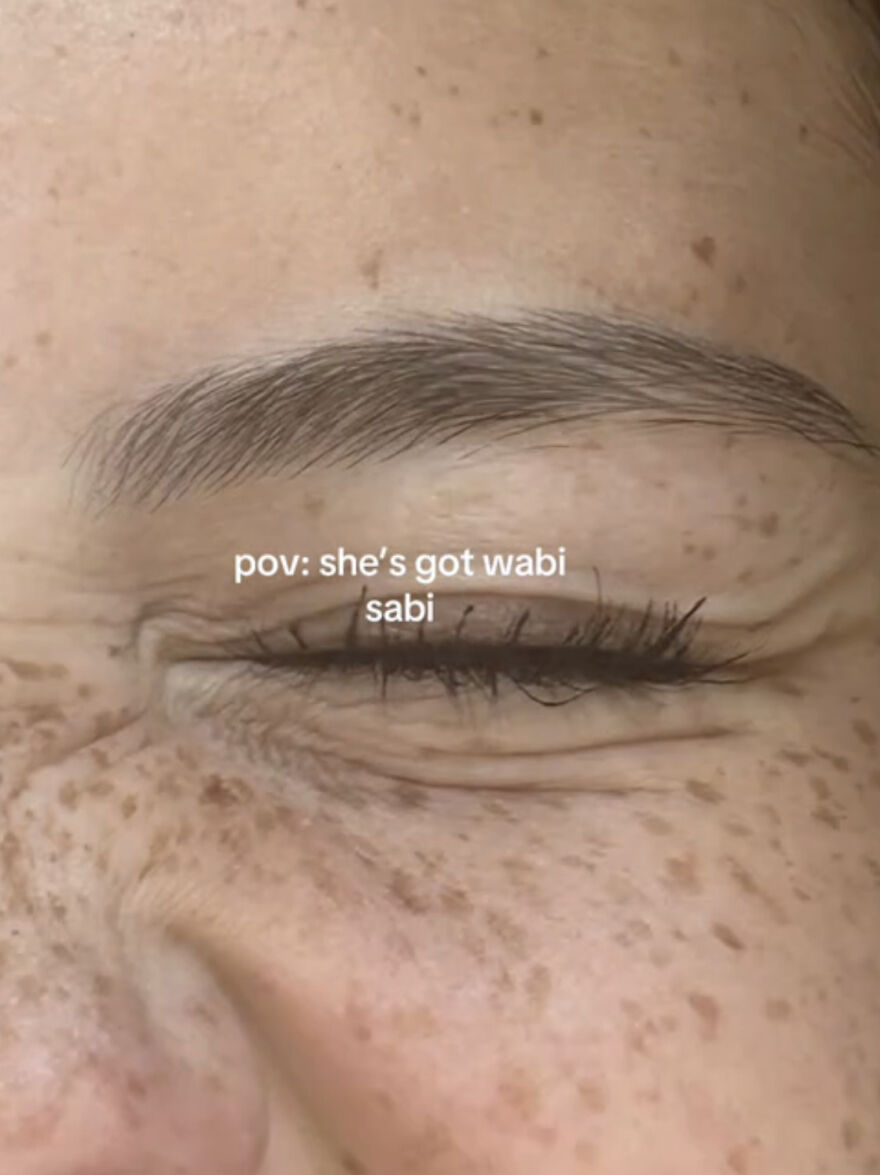
I don't even know what's supposed to be the flaw here? Freckles? Long lashes? Crinkly nose when she scrunches her eyes?
Yeah, I got acne really badly . Into my 60s now. Guess what? You don't get wrinkles like most people! 😎 Oh, and if you do too, moisturise, don't wash more than normal .

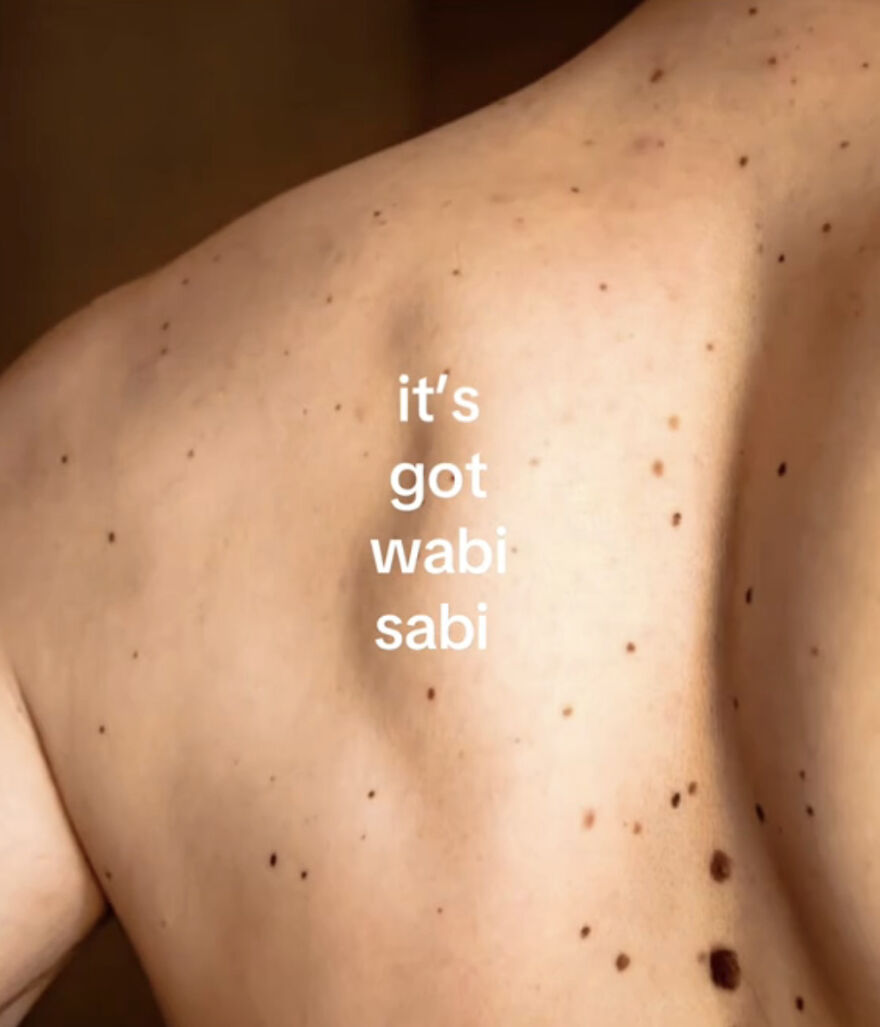
Some of those look like moles, and that could be concerning from a health standpoint. But freckles are lovely!

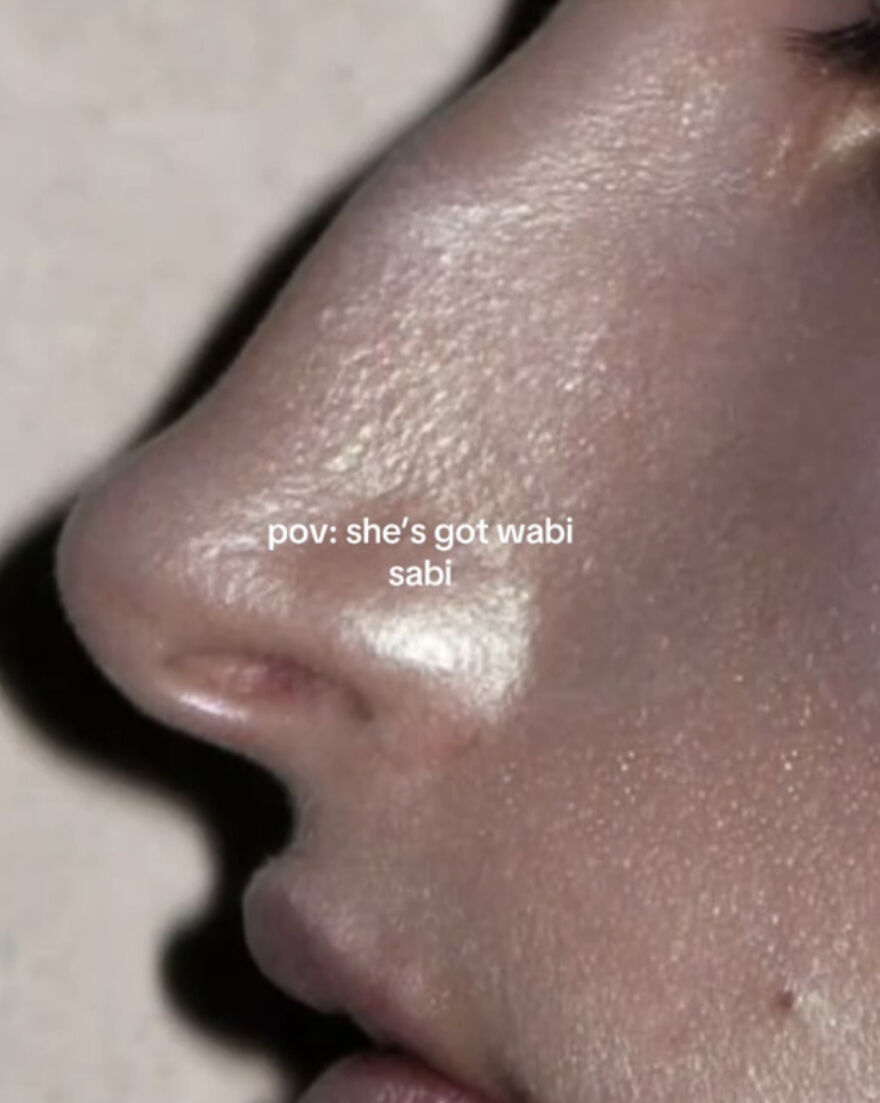
This must be a function of the influencer and filter era. Most of the pics here took me awhile to figure out what was wabi about the sabi. These are just humans looking like humans -- freckles, gap between the front teeth, a nose that isn't a button.
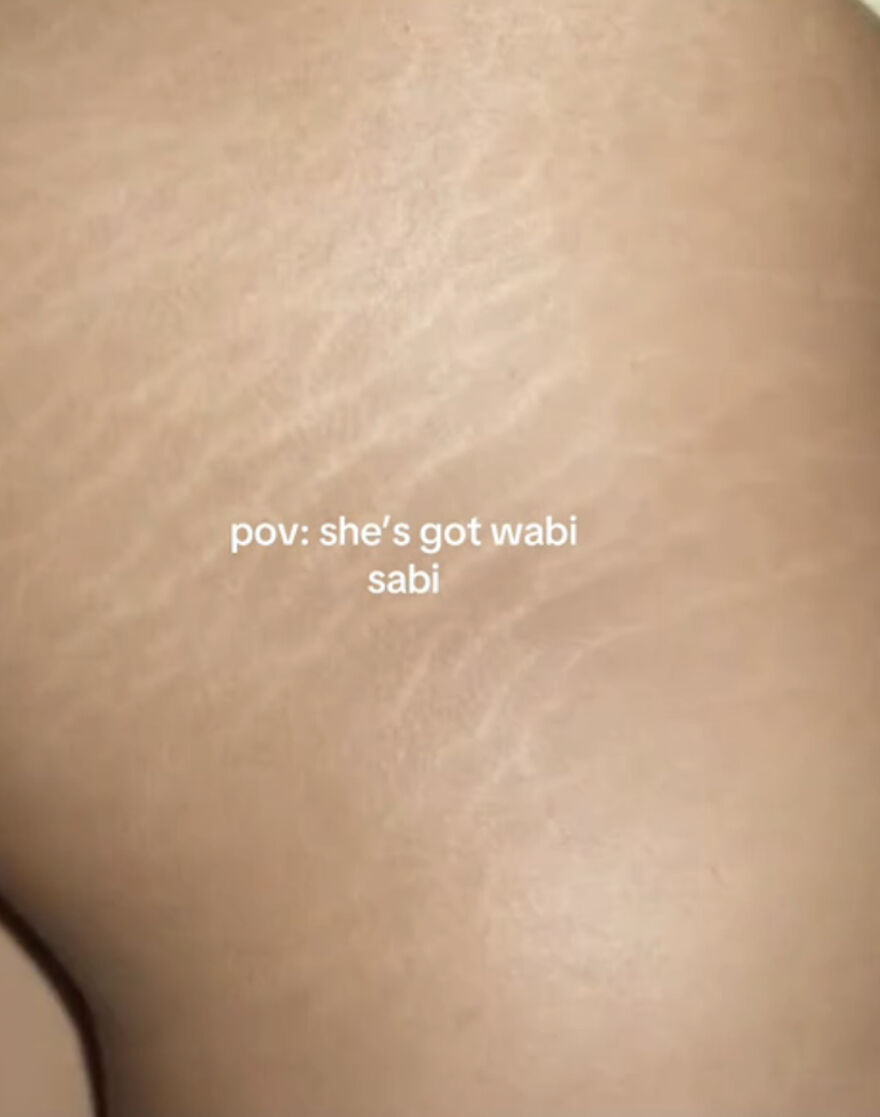
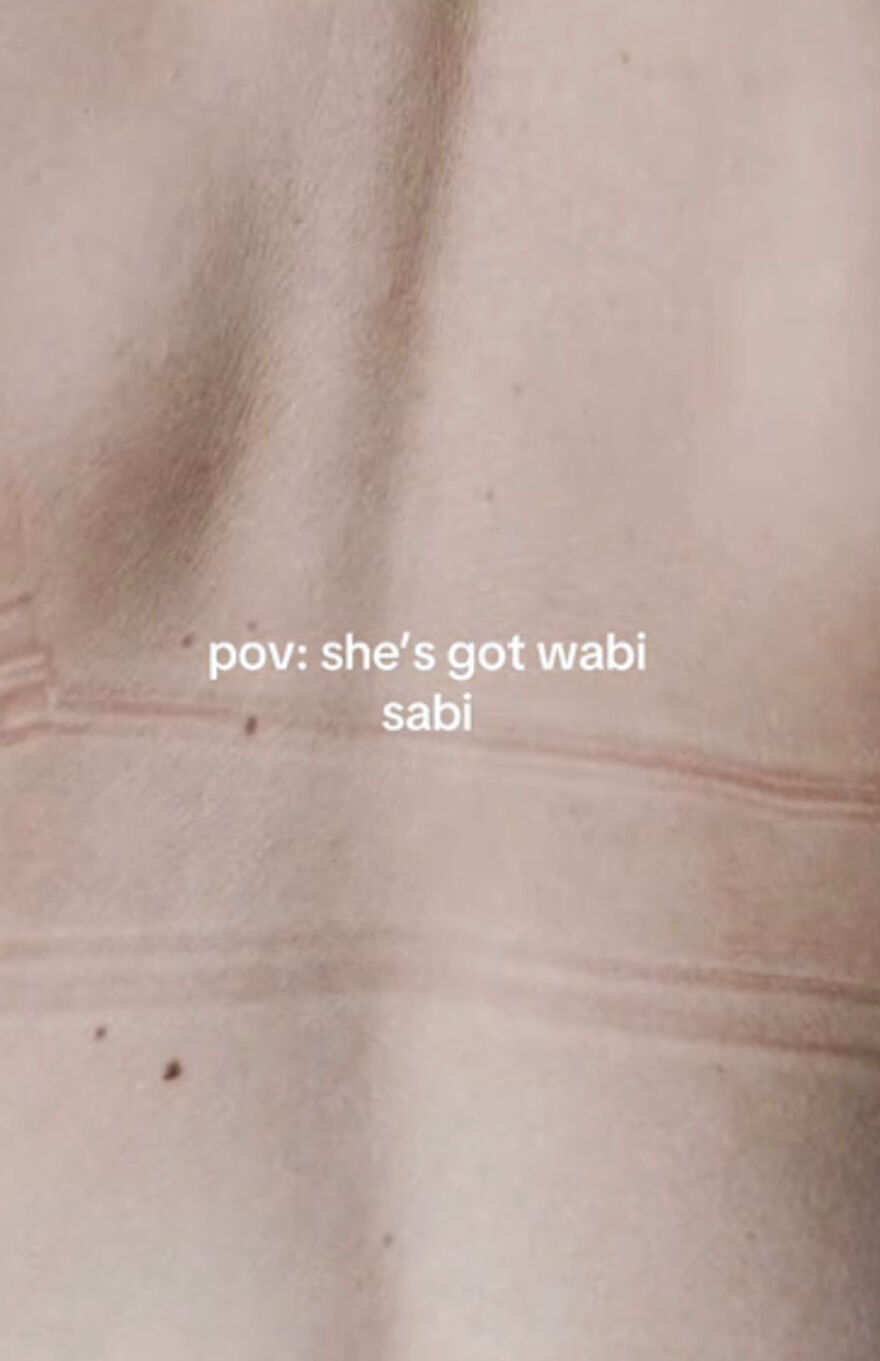
99% of these are perfectly normal human variations. A bump in the nose, freckles, stretch marks, etc. - 100% normal, not flaws.

I think this is the point, so the people who obsess over this will let go and quit annoying others.
Load More Replies... 
it was explained in the text "Bobby Hill says how he likes that his rose is a “little off-center.” According to Bobby, “It’s got wabi-sabi,” which he refers to as an Eastern tradition “celebrating the beauty in what’s flawed.”"
Load More Replies... This must be a function of the influencer and filter era. Most of the pics here took me awhile to figure out what was wabi about the sabi. These are just humans looking like humans -- freckles, gap between the front teeth, a nose that isn't a button.
99% of these are perfectly normal human variations. A bump in the nose, freckles, stretch marks, etc. - 100% normal, not flaws.
I think this is the point, so the people who obsess over this will let go and quit annoying others.
Load More Replies... it was explained in the text "Bobby Hill says how he likes that his rose is a “little off-center.” According to Bobby, “It’s got wabi-sabi,” which he refers to as an Eastern tradition “celebrating the beauty in what’s flawed.”"
Load More Replies... 






















 No fees, cancel anytime
 then open in external browser


 and click "Open in External Browser"