Get Premium
Dark mode theme is available exclusively for premium users. Learn more about the benefits of subscribing.
No fees, cancel anytime.

 Dark Mode Ad-Free Browsing Unlimited Content
 Ad-Free Browsing Unlimited Content Dark Mode
Join 1.2 million Panda readers who get the best art, memes, and fun stories every week!



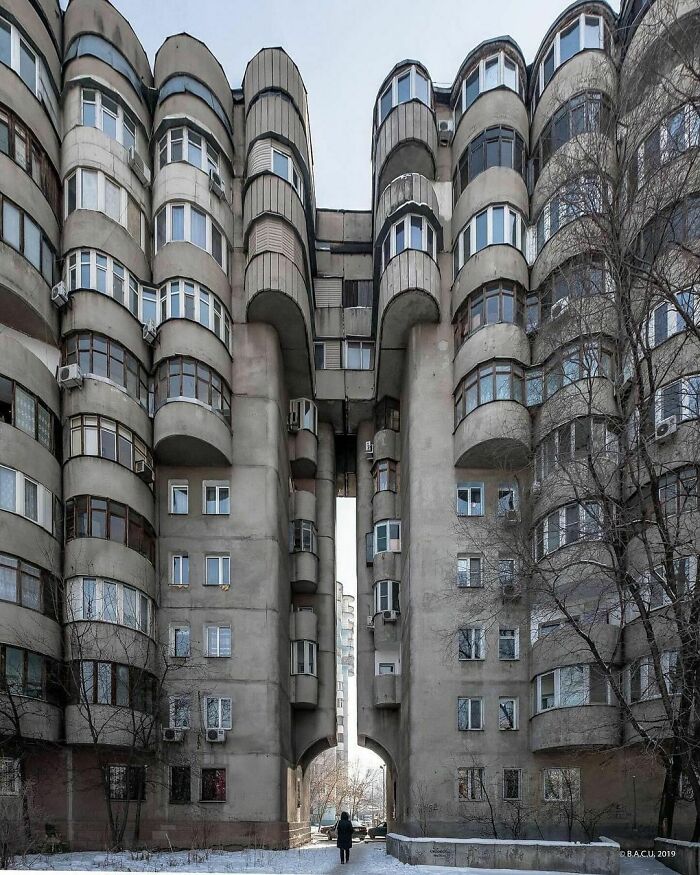
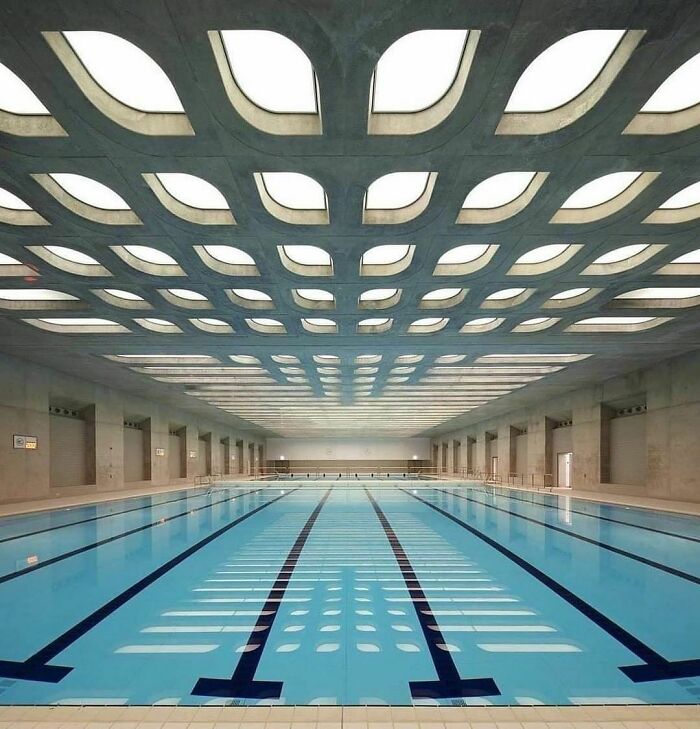
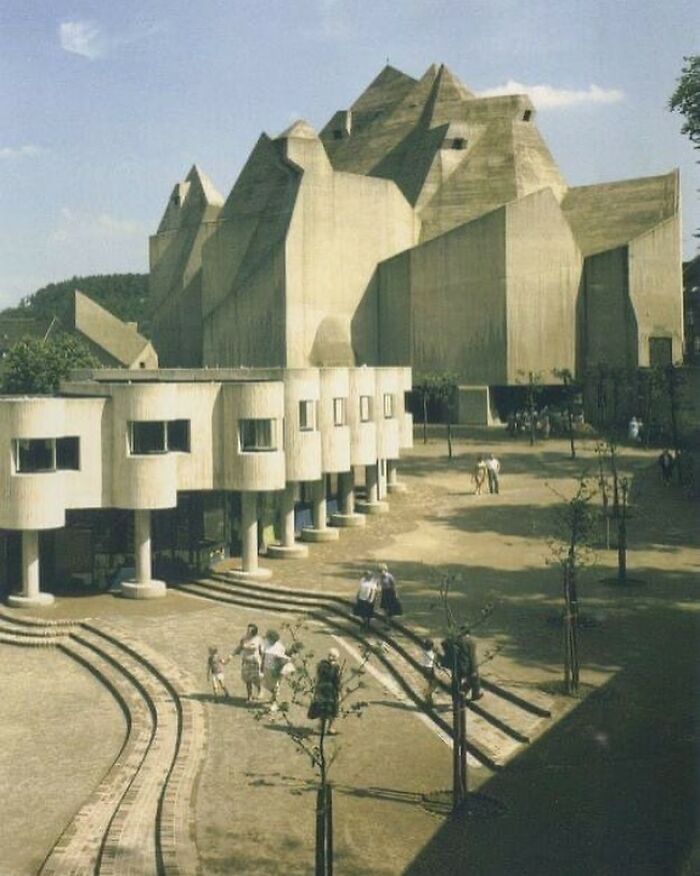
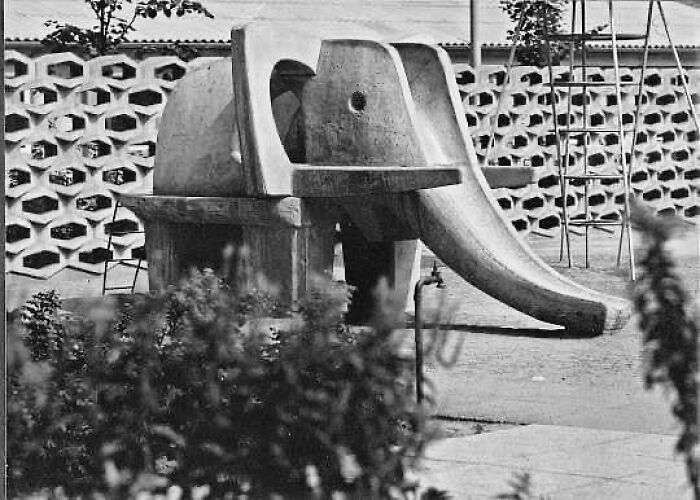
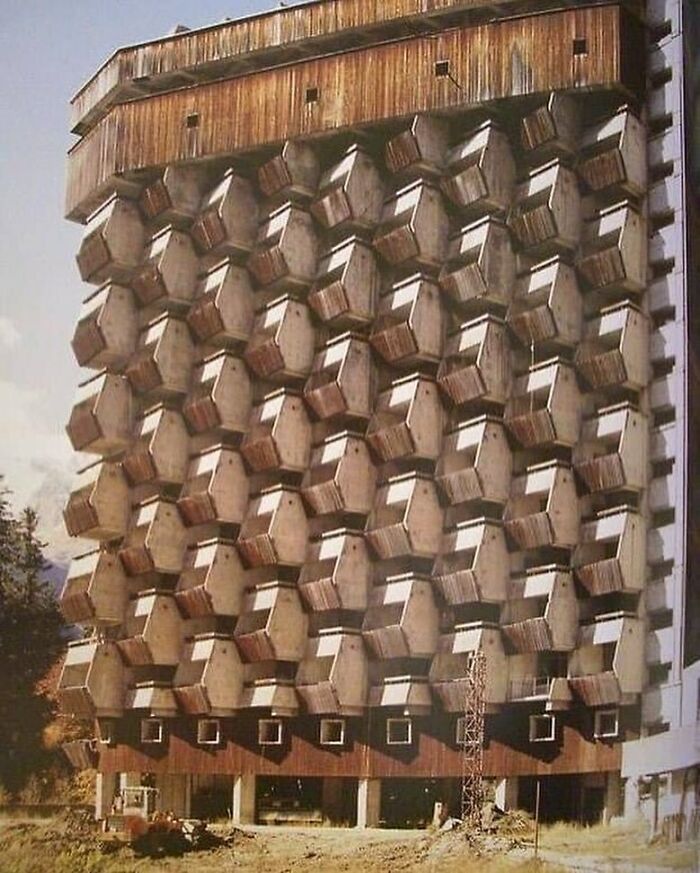
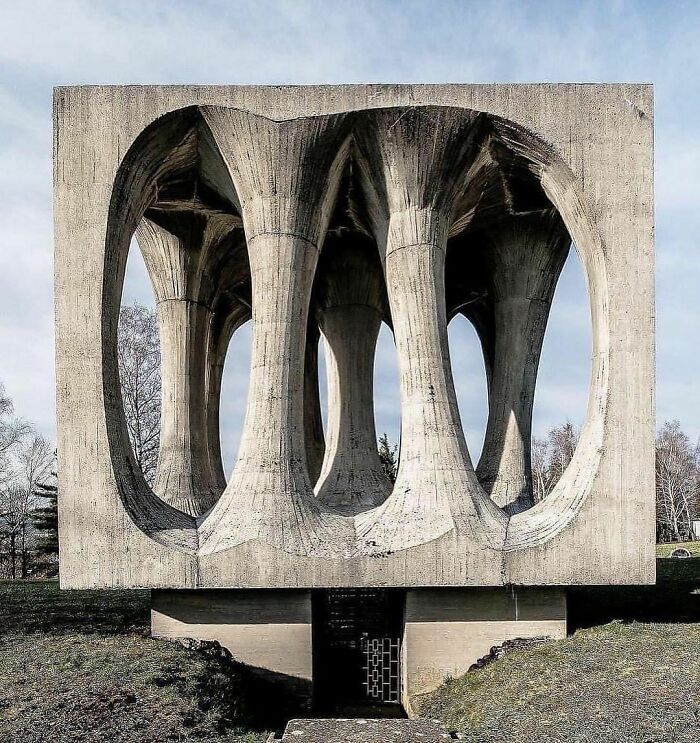
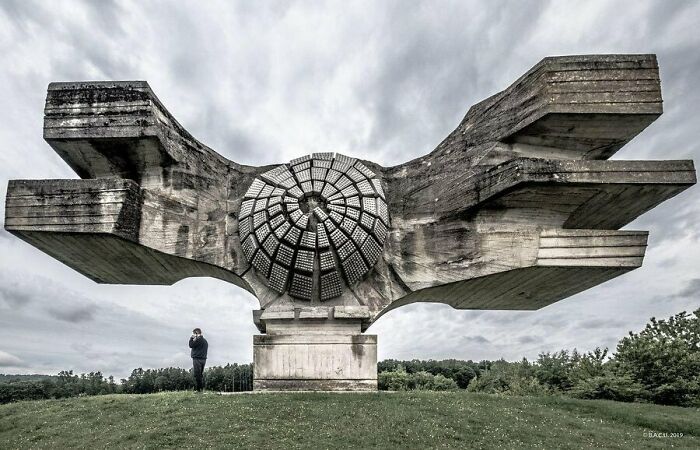
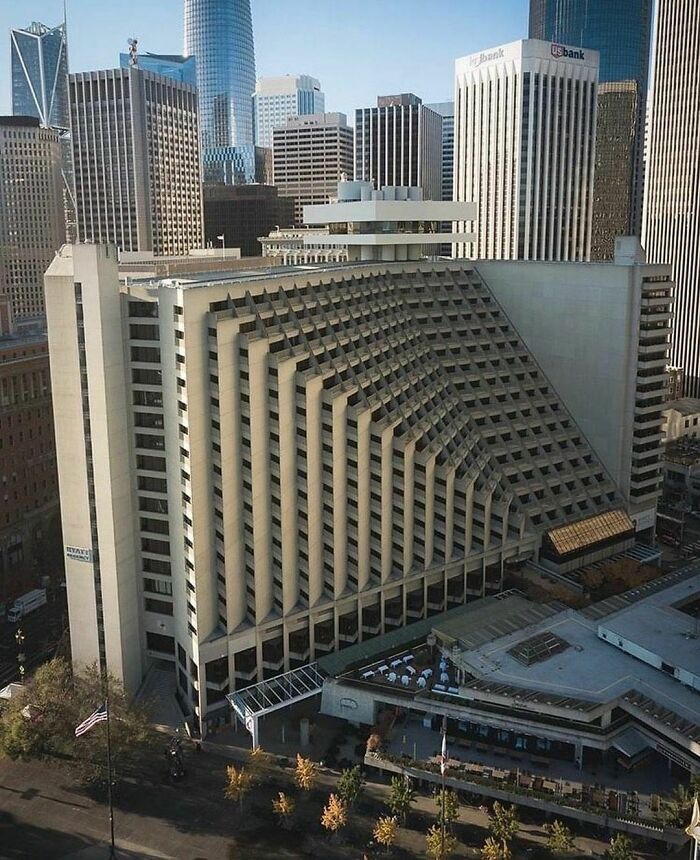
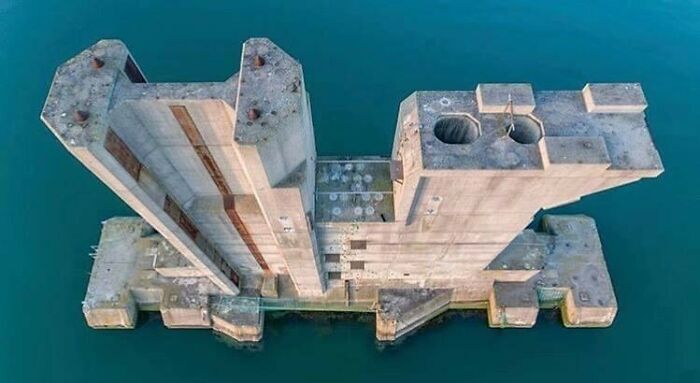
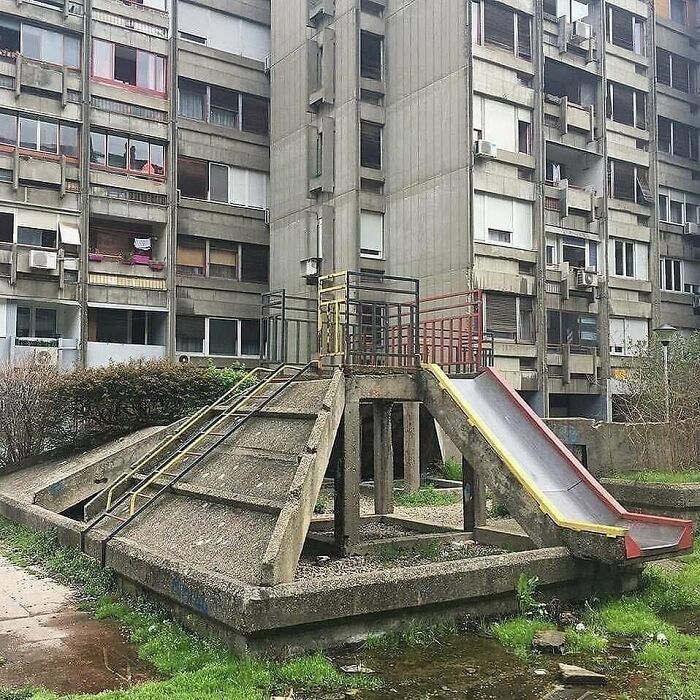
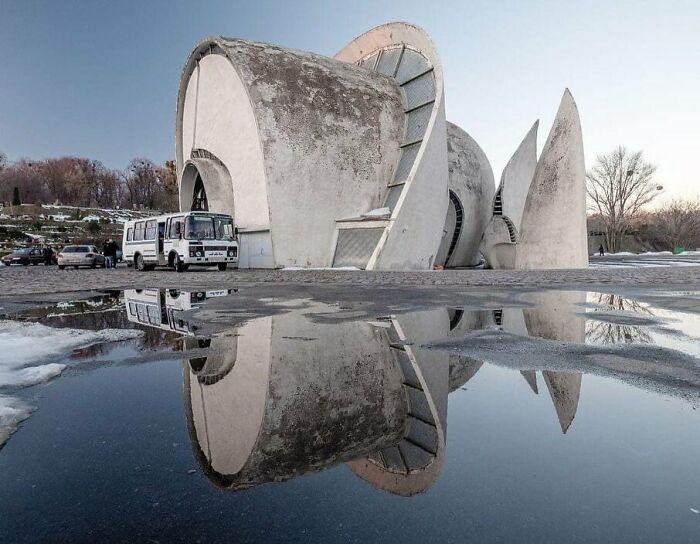
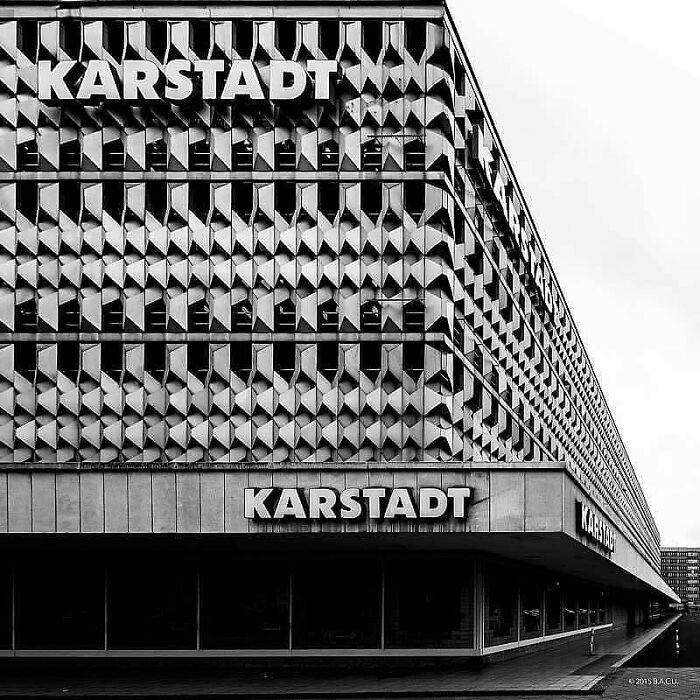
Welcome to brutalism, probably the most divisive aesthetic humanity has created yet. Some may call it ugly and uninspiring. Others believe there are lots of possibilities for creativity using its aesthetics. But whether you’re a lover or a hater, you can’t deny it’s an influential architectural and aesthetic style.
The creators of this IG page also know this, as they are a part of the SocialistModernism project. The Brut Group Instagram is part of the project’s attempt to fight for “the acknowledgment of certain socialist landmarks as historic monuments.” As they continue to do that, Brut Group is a place for examples of brutalist architecture from all over the world, not just the former Eastern Bloc. We’ve prepared a new selection of pics from this IG page for you, Pandas, so scroll down and let us know your favorites.
This post may include affiliate links.
The Socialist Modernism page is an initiative developed by BACU – Birou pentru Artă şi Cercetare Urbană (Bureau for Art and Urban Research). It's an architectural heritage protection community based in Romania. As already mentioned, their goal is to protect built heritage and research within the former Eastern Bloc. Their focus is on the buildings erected between 1955 and 1991.
"We are dealing with the protection/monitoring/research/preservation of the current state of those cities," the group writes on its website. That includes buildings, monuments, parks, squares, entire districts, and green areas.
They describe the process of their work too: "In the first phase of this project, we will concentrate on the analysis/research/study." The second phase will involve the education of local authorities and inhabitants of those protected areas. They seek the protection of brutalist buildings through legislation.
If you go to the Modernist Socialism website, you can find an interactive map. It shows brutalist buildings from all over the world that architects, urban planners, art historians, and activists have submitted to the project.
Although the website's mission statement focuses on former Soviet Union countries, the map also includes buildings from other continents.
Some entries are more or less what you'd expect, The Embassy of the Russian Federation in Cuba, for example. But there are other interesting examples, too. The Geisel Library of the University of California in San Diego might be a more surprising listing.
The origins of the term 'brutalism' come from the French language. 'Béton brut' means 'raw concrete,' referring to the material most architects and designers of the movement used. Brutalism came into prominence in the '50s and '60s. Art historians characterize it as simple, block-like forms and constructions from raw concrete.

There's another theory of how brutalism came to be. New Brutalism, to be exact. Peter Smithson, one of the pioneers of British brutalism, apparently resembled the emperor Brutus. His nickname was Brutus, and people thus theorize that's where the name for the style came from.

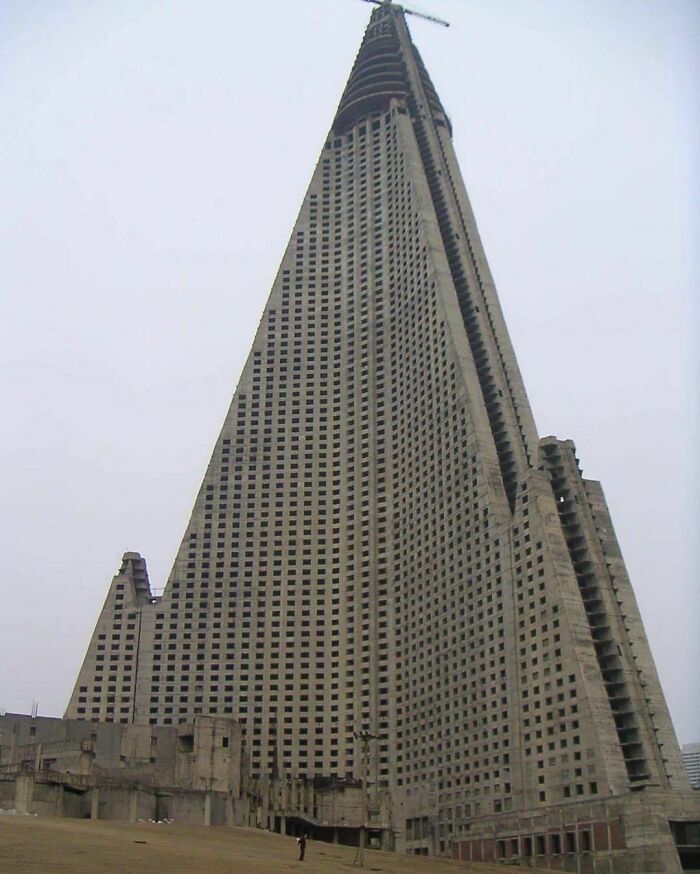
This photograph appears to be from March 2004. Some updated pics, internal & external, are included in this article from Jul 2023 https://www.9news.com.au/world/ryugyong-hotel-north-korea-the-hotel-of-doom-that-has-never-welcomed-a-single-guest/0f1f16df-65bc-41a3-9c79-dc6d9de2afed
It's true that, often, people either love or hate brutalist architecture. Usually, it's because the style lacks ornaments and colors. It's like a blank canvas, and the buildings look unfinished, in a way. But Urban Learners Director Andy Costa says that it's a "misnomer that brutalist buildings have no articulation."

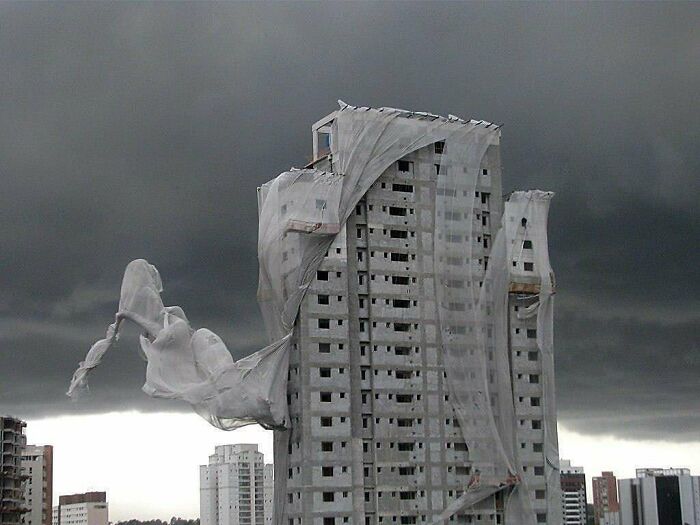
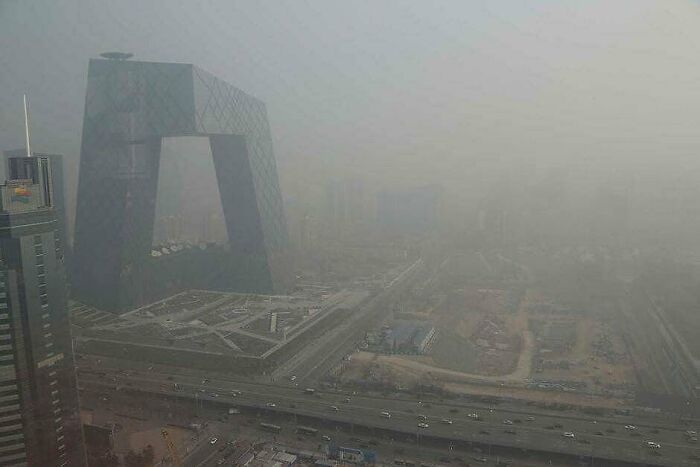
Look! It's the spirit of any lovely architecture style being exorcized from the building!
"They're really full of texture and life," the architecture and development consultant went on to say in his interview with BBC Front Row. He also spoke about the reasons why so many buildings from that time in Britain and Eastern Europe had the brutalist style. "Concrete was cheap, [and] energy was cheap at the time," he simply said. "It was a very affordable material."

This is a bit shopped. There is actually only one of these buildings.
However, cost practicality is not the only quality of brutalism. There's also a philosophical aspect. "It wasn't rendered or covered brick. It didn't present itself as something better than it actually was," Costa added. "There's real honesty about that. And the philosophers and critics of that time taught about that ethic of architecture being accessible buildings."
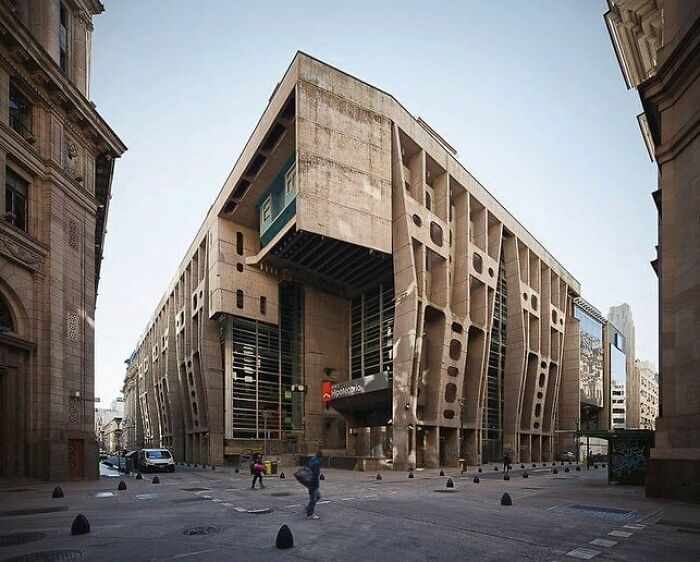
Banco de Londres es una obra de Clorindo Testa construdia en Buenos Aires, Argentina en el año 1959 - 1966, still standing and being a bank
Catherine Croft, Director of the Twentieth Century Society, spoke to BBC Front Row about how brutalism was a response to modernism. "People felt it got a bit too staged, too boring, and a bit too bland."
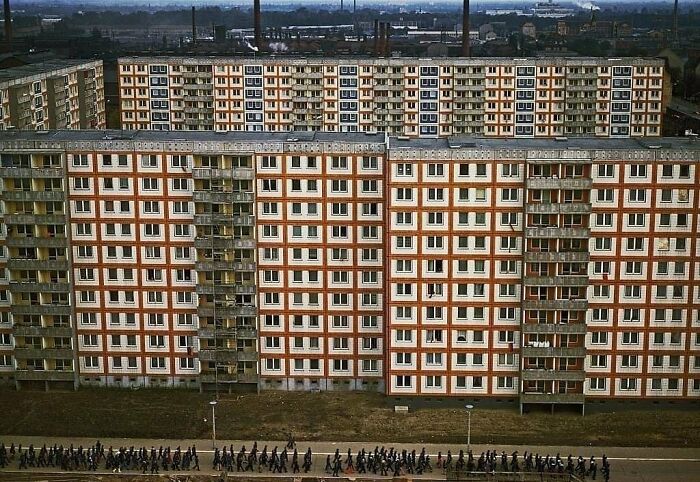
Because the majority of brutalist buildings are in former socialist states, people assume that there are socialist principles behind the style itself. We only need to look at what types of buildings these were: mostly residential.
But Croft gives examples of commercial buildings in Britain as evidence that brutalist buildings are always socialist. There are many car parks and shopping centers of this style, she says. One of them is the Tricorn Centre in Portsmouth. "There was nothing socially ambitious about those," Croft says. "They were designed to make money."

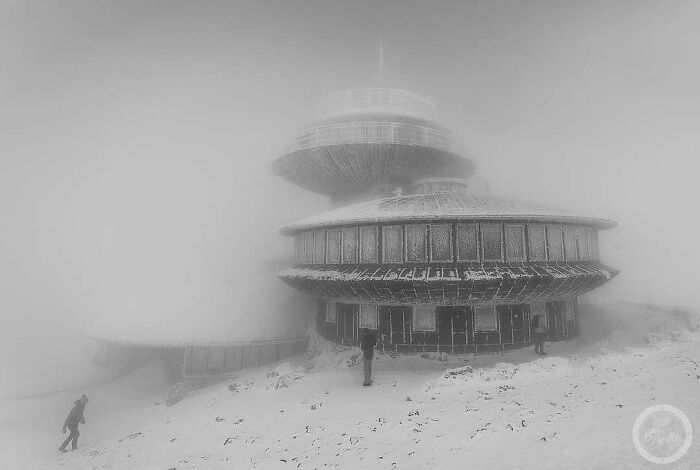
This is at the peak of Mount Sněžka. The border between Poland and the Czech Republic runs across the peak. The photo is taken from the Czech side and shows the weather research station on the Polish side.

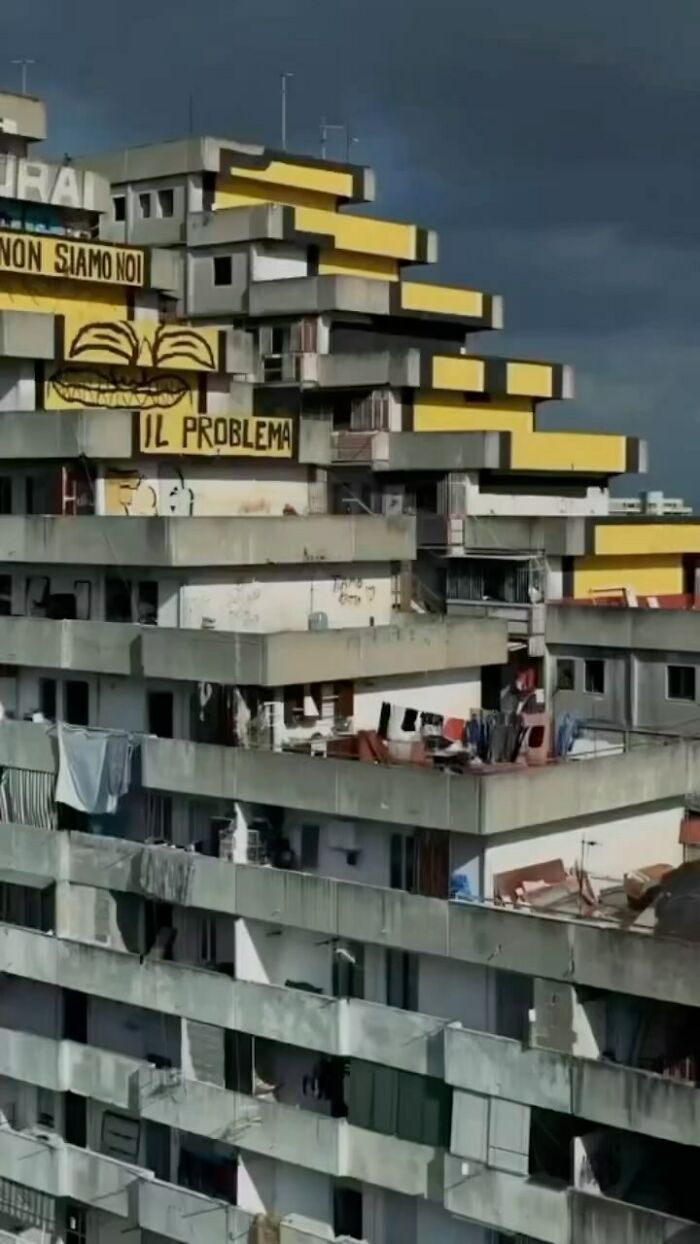
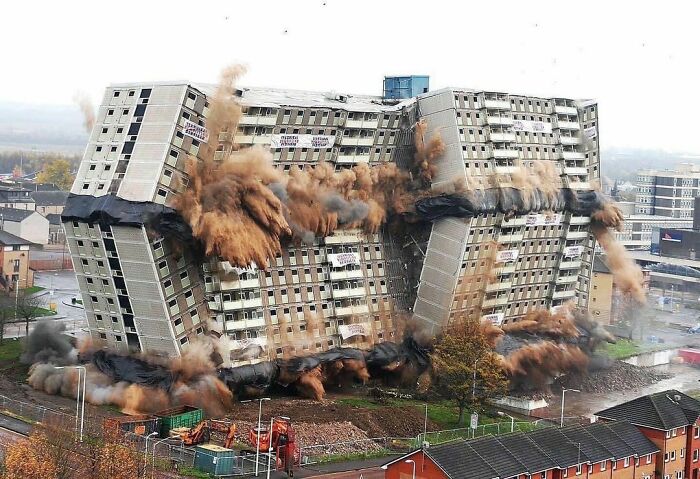
These were "le Vele di Scampia", four residential buildings built between 1962-75 near Milan. They never lived up to their design and, as they decayed they were occupied by progressively poorer people and became a hive of gang activity. They were finally torn down starting in 1997 with the last one, which had been derelict for years, in 2020.
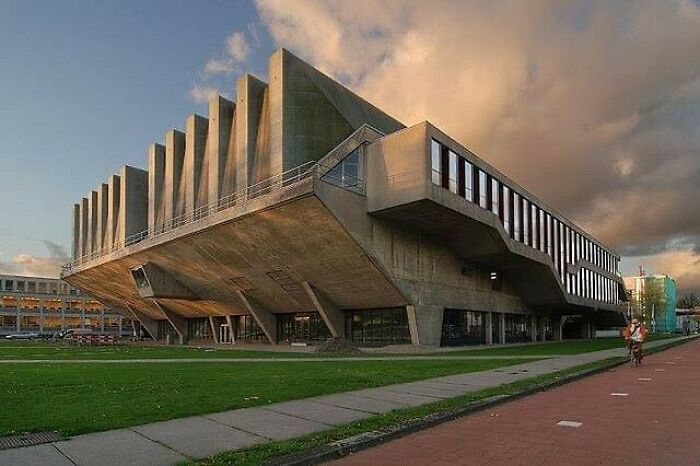
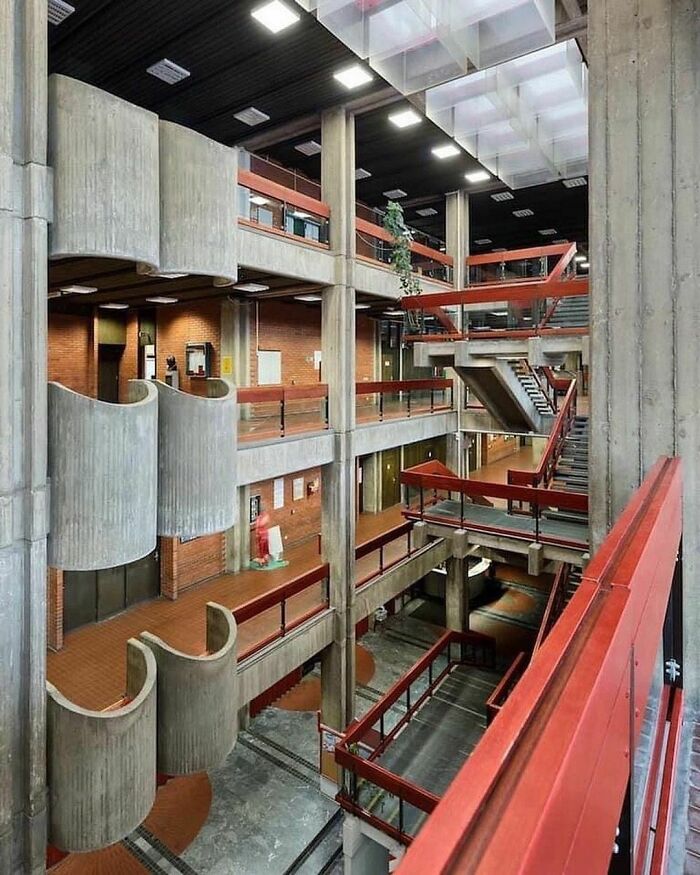
isnt this the University in Delft? I know ive seen it before. edit: yes! *pats self on shoulder*
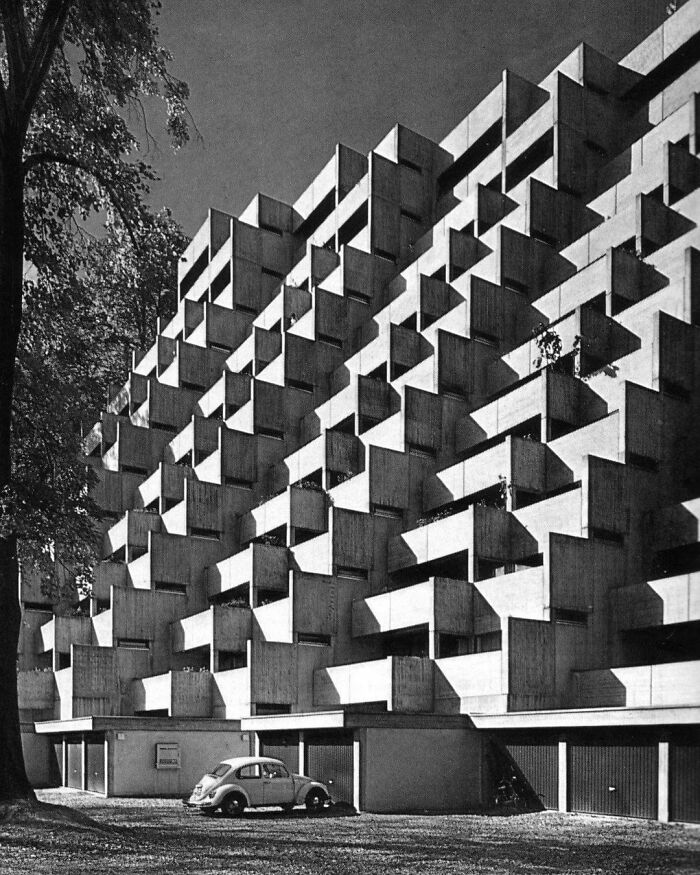
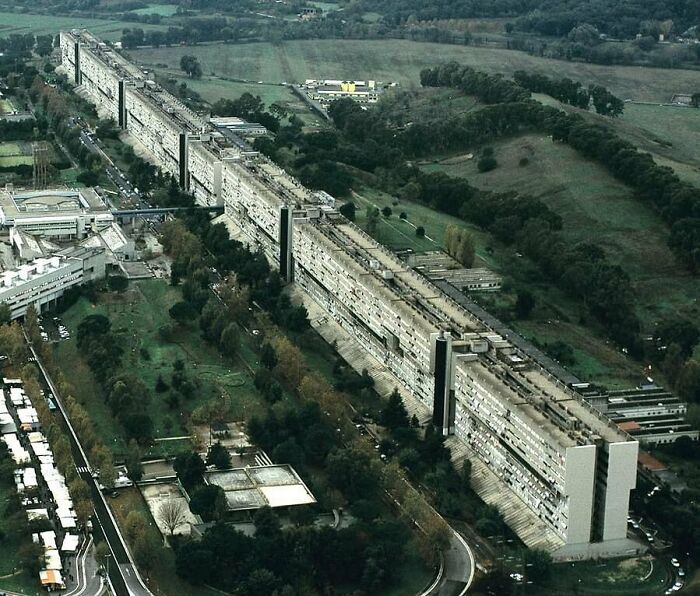
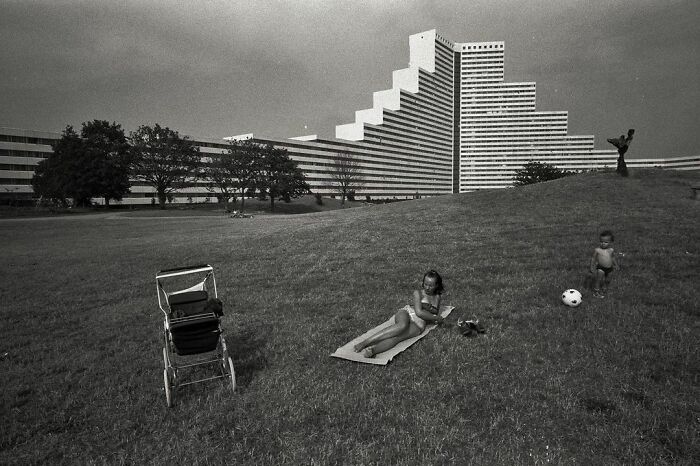
Corviale is an housing projects built in Rome in the 1970's It was conceived as an independent community for about 8000 people.

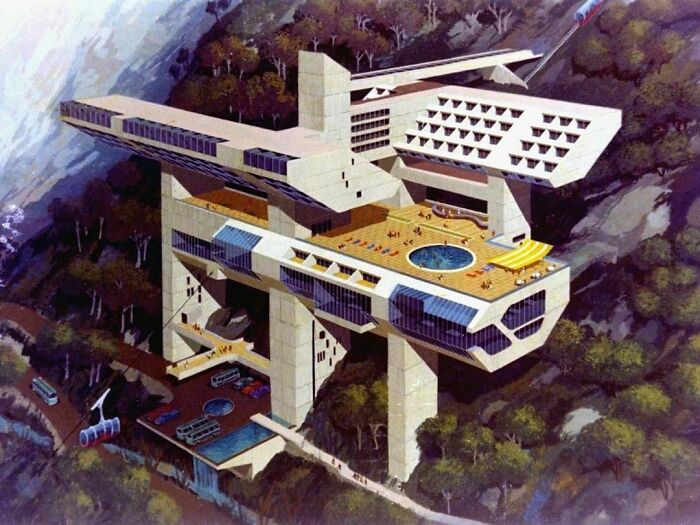
Like the concept, but not the execution. Giving serious dystopian vibes.
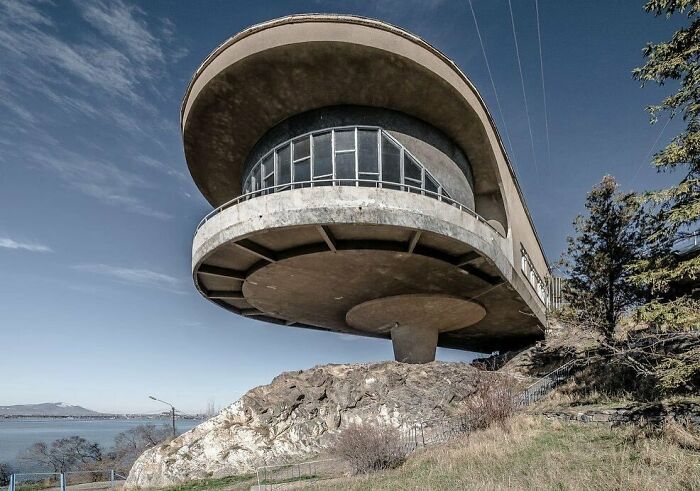
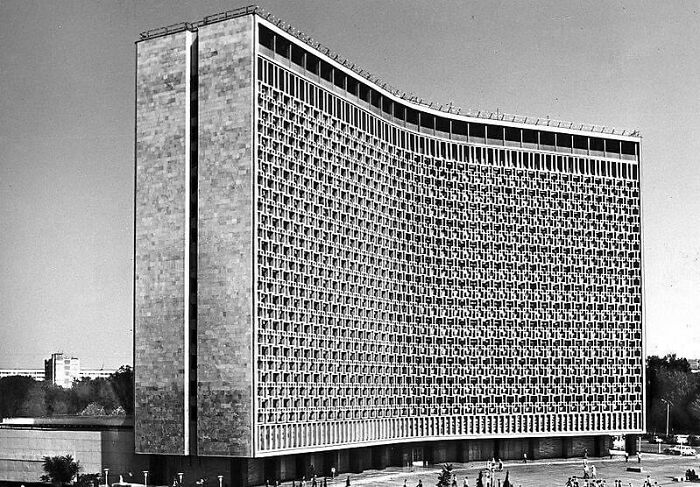
one of my favorites. Hotel Uzbekistan. looks like a giant bent amp :-D
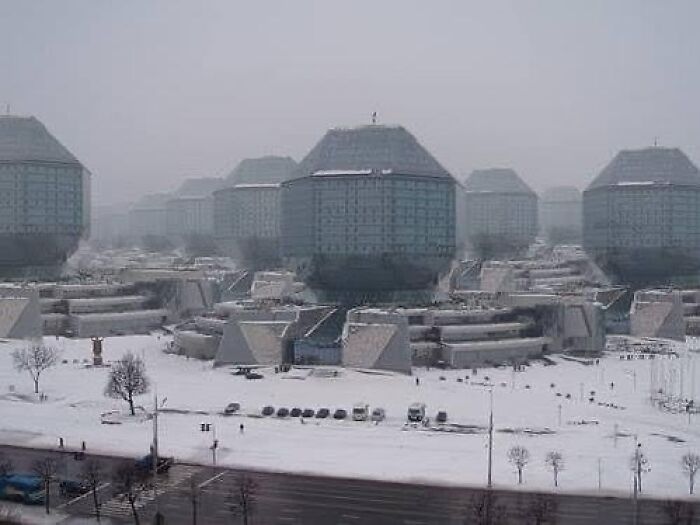
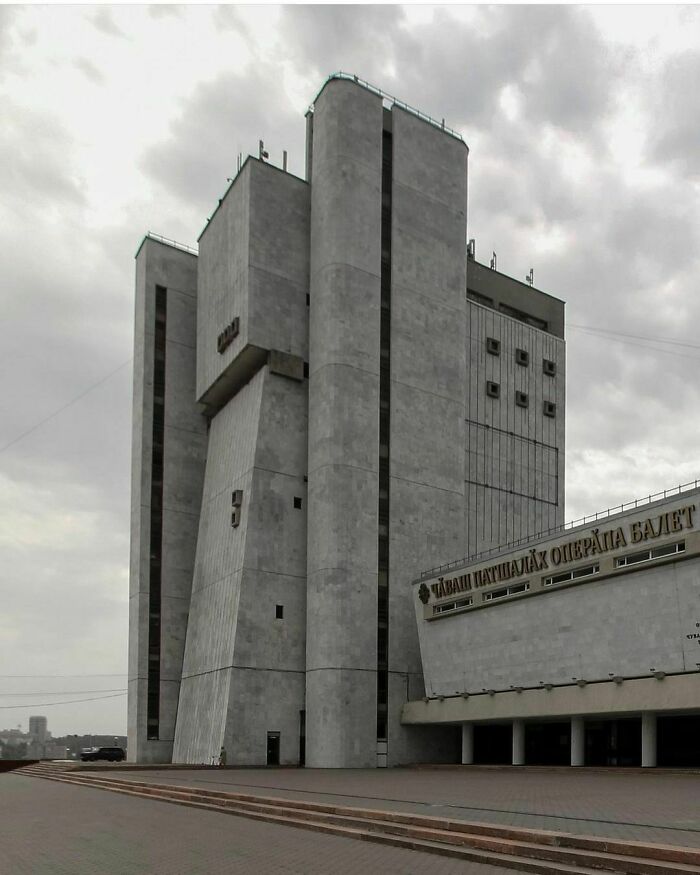
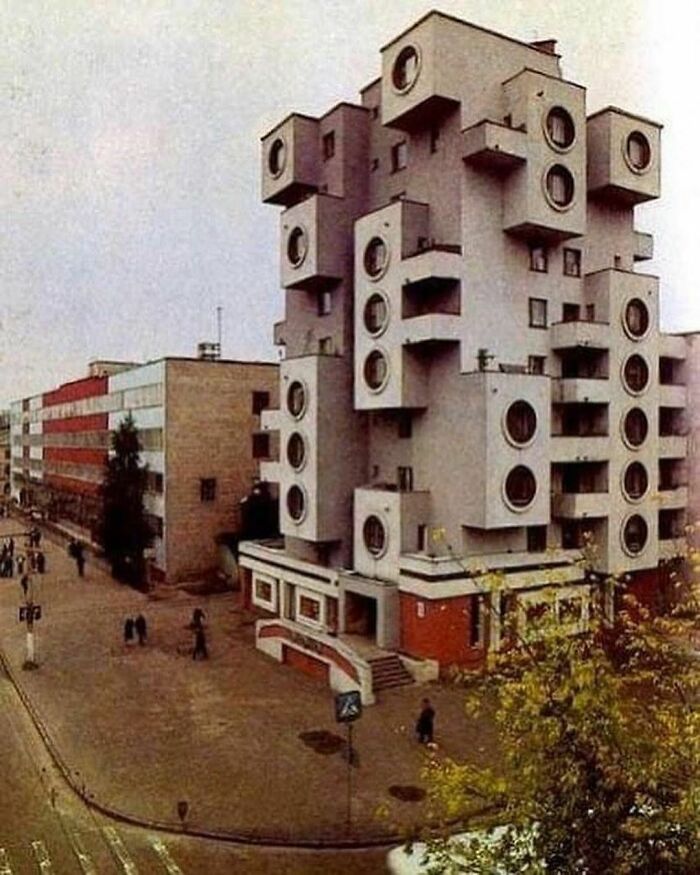
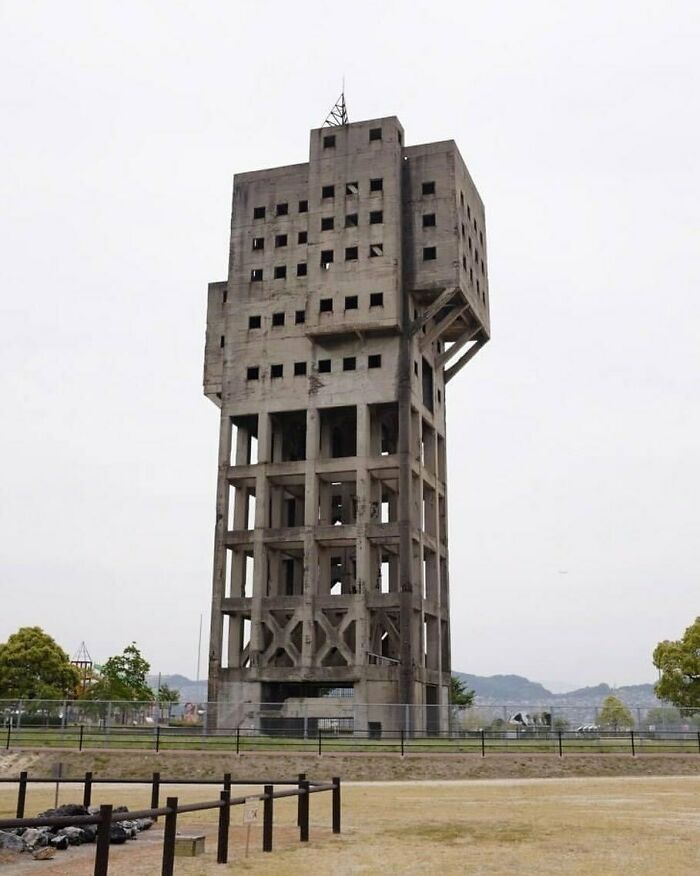
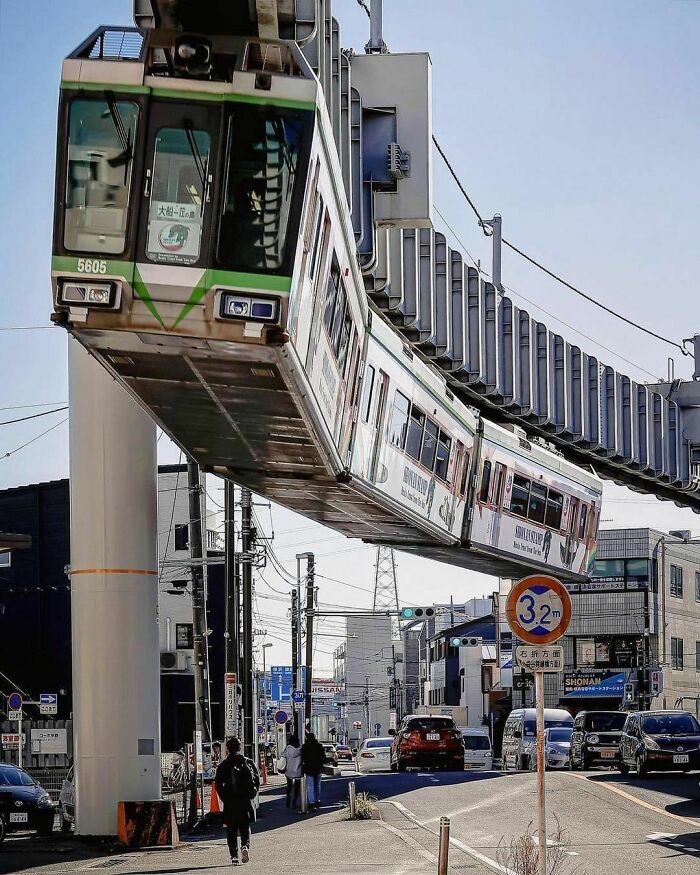
Belarus. obviously inspired by the similar one in Tokyo thats been torn down :-(
Let me know where this is. I've been looking for a place to wait out the zombie apocalypse.

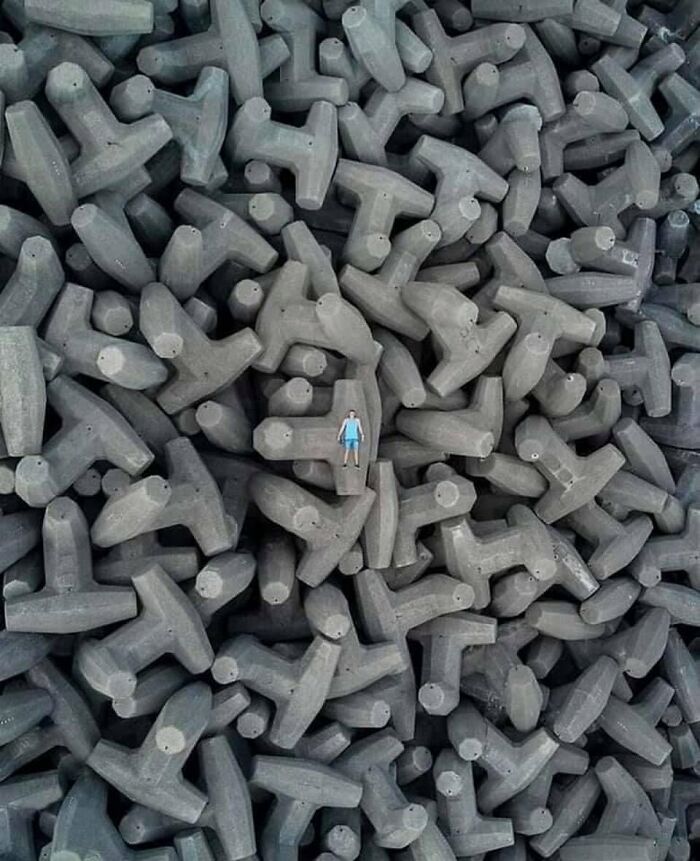
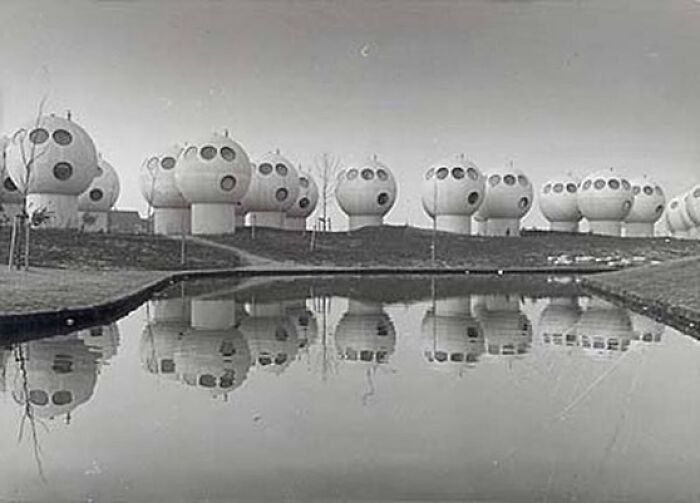
Doesn't look quite so brutal in miniature. Maybe some of the brutal effect resides in size or repetition, both contributing to distain for humans

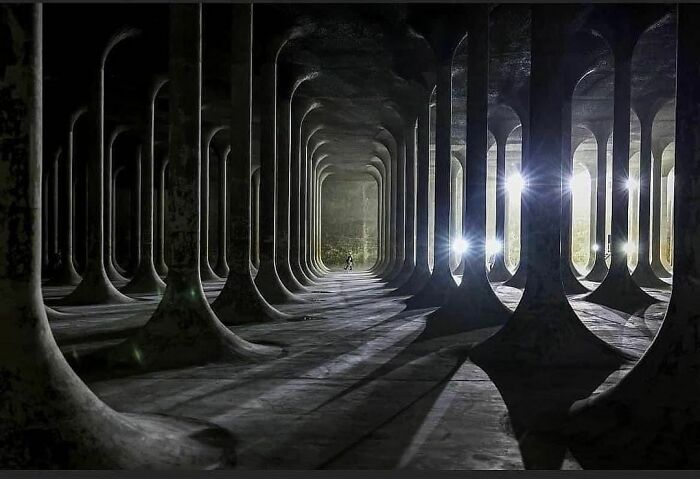
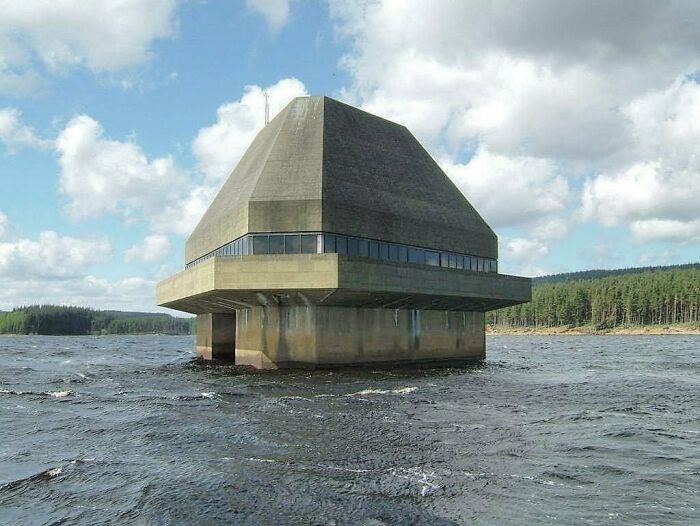
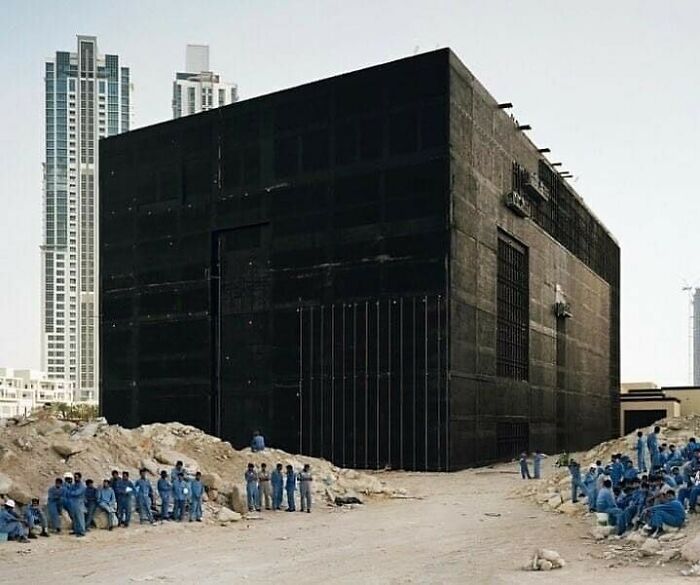
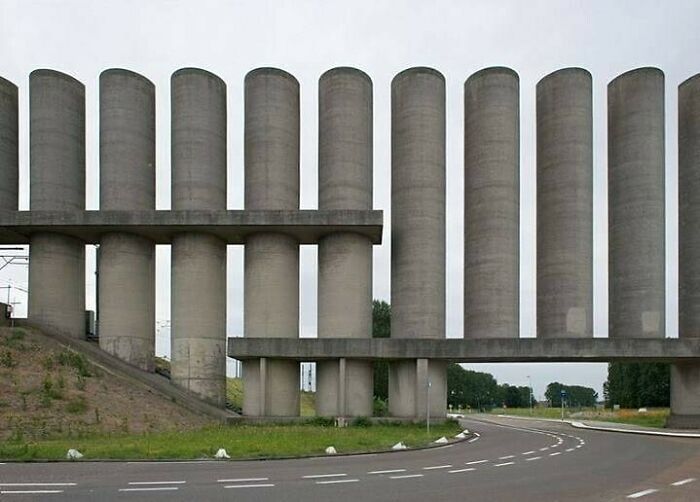
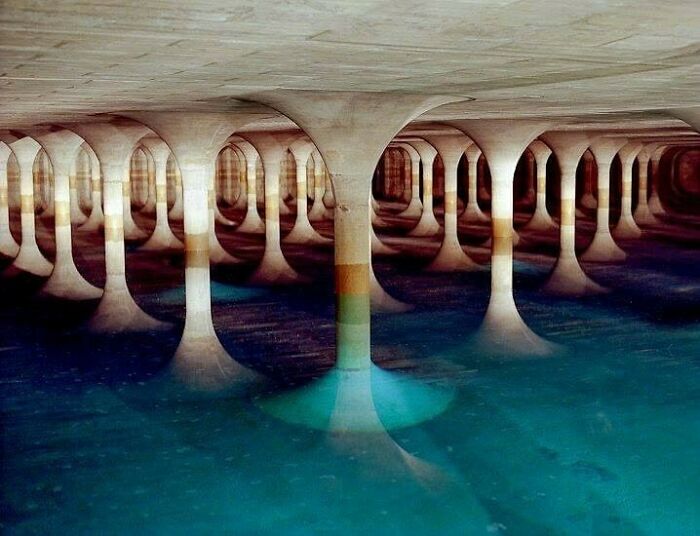
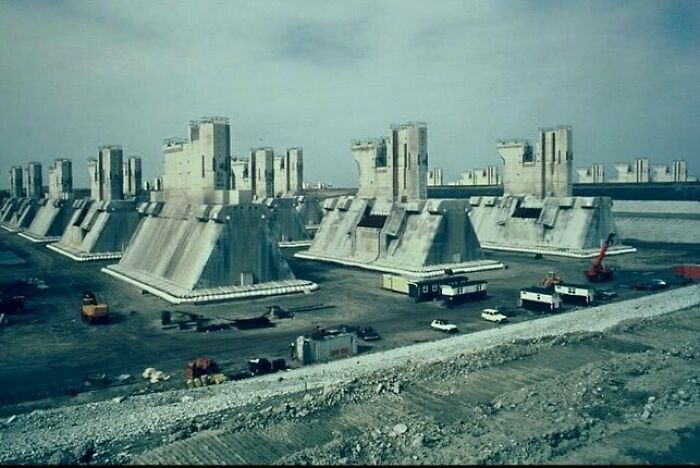
This is an underground reservoir to take water from storms, I think? It's more built to be 100% functional than an example of brutal architalecture.

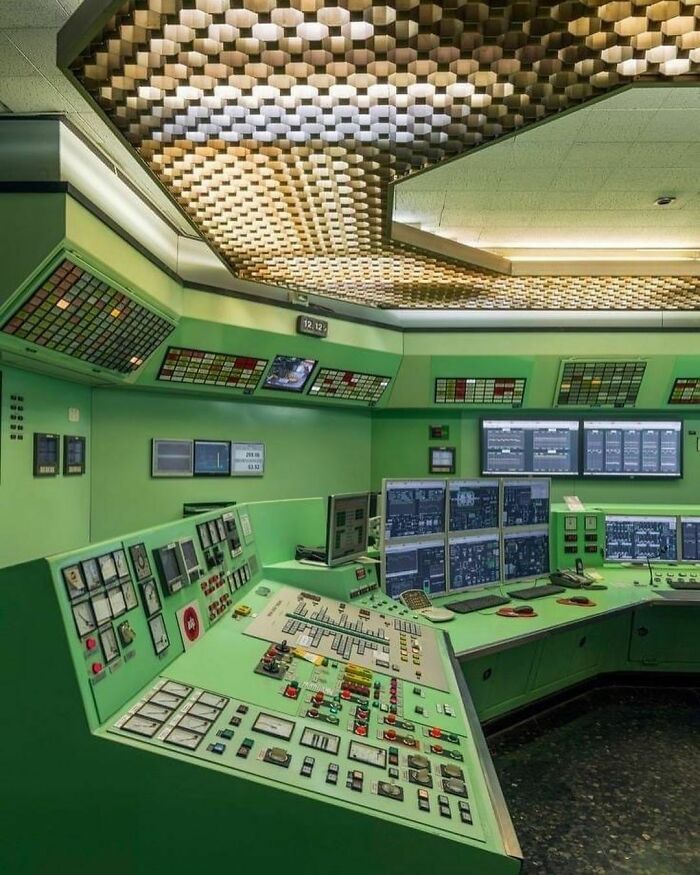
Chernobyl? No..wait...the computer monitors are too modern..

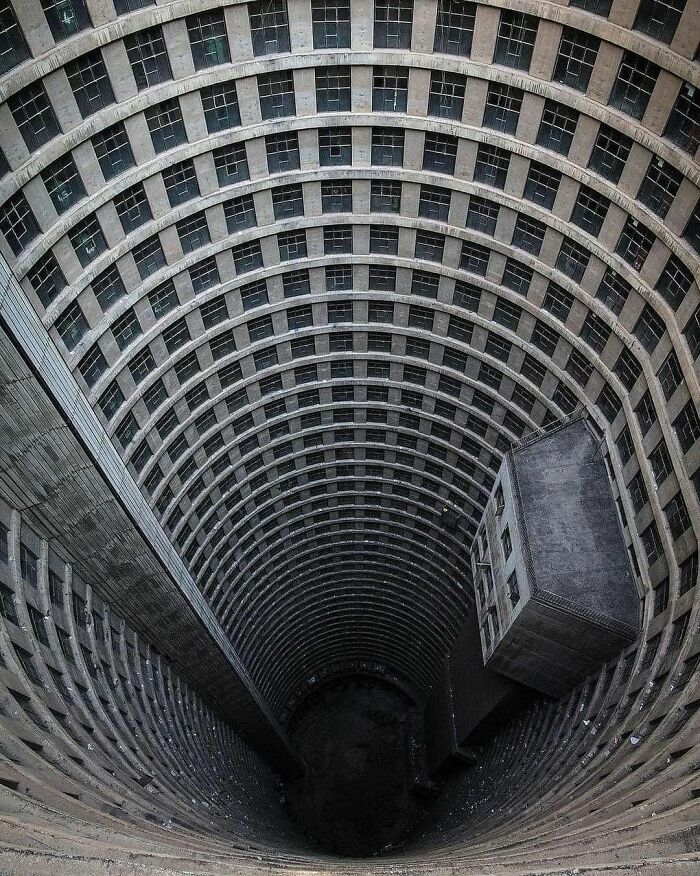
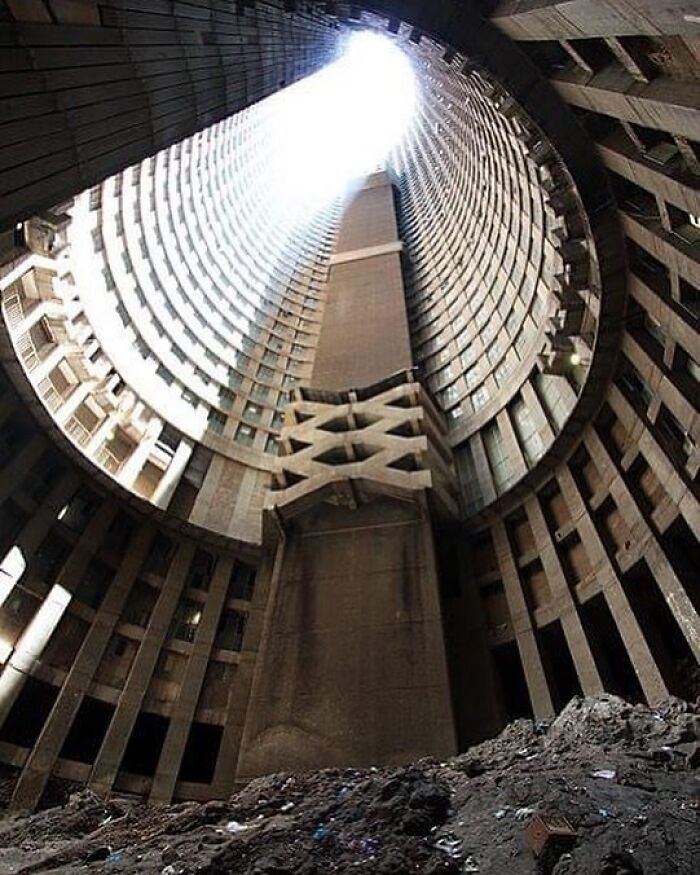
It's Johannesburg. When it was built White families lived in the outside apartments and black servants lived in the internal apartments attached to them. AS grim as it looks now, it was morally a lot grimmer when it was a luxury building.
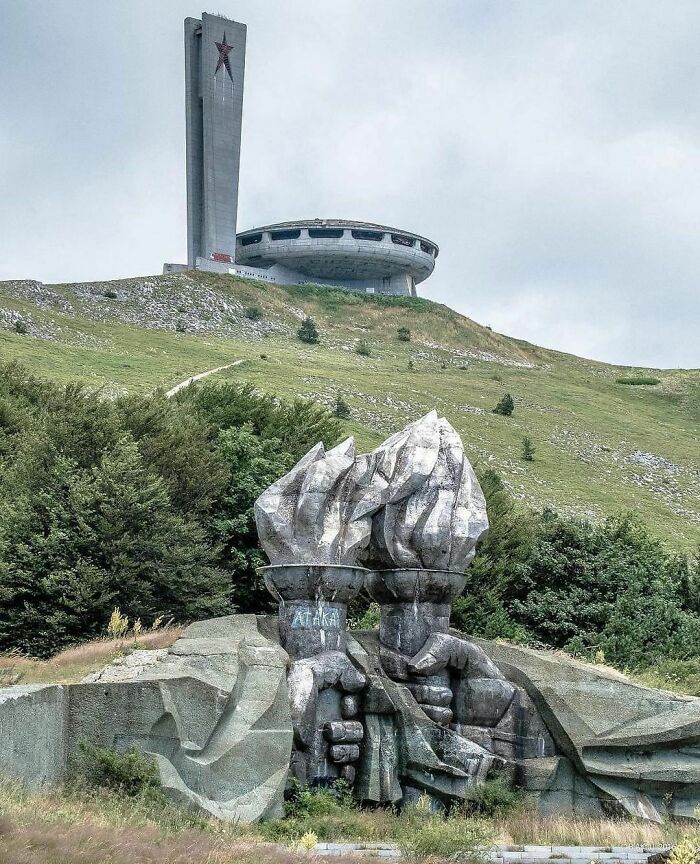
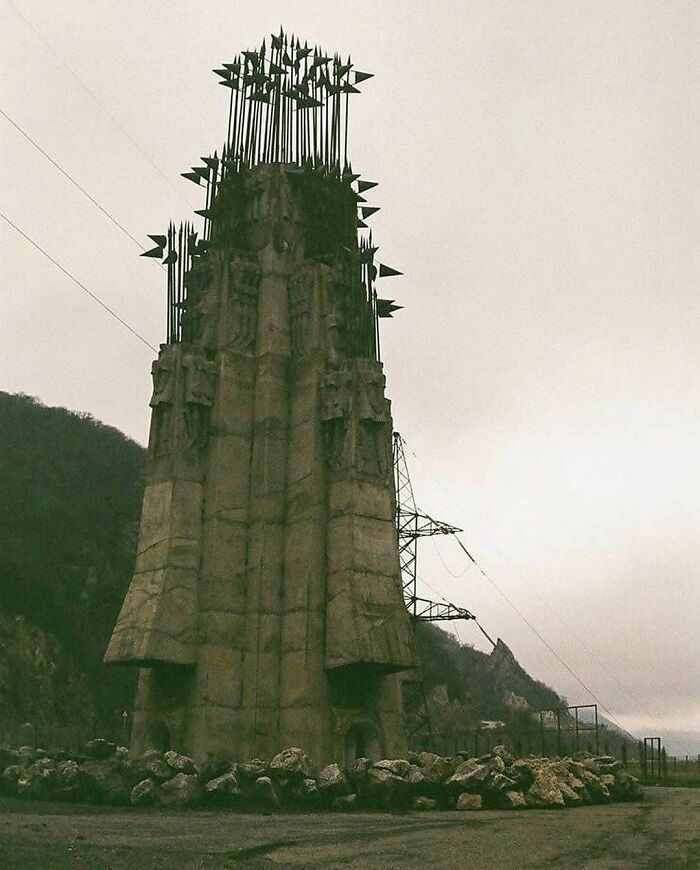
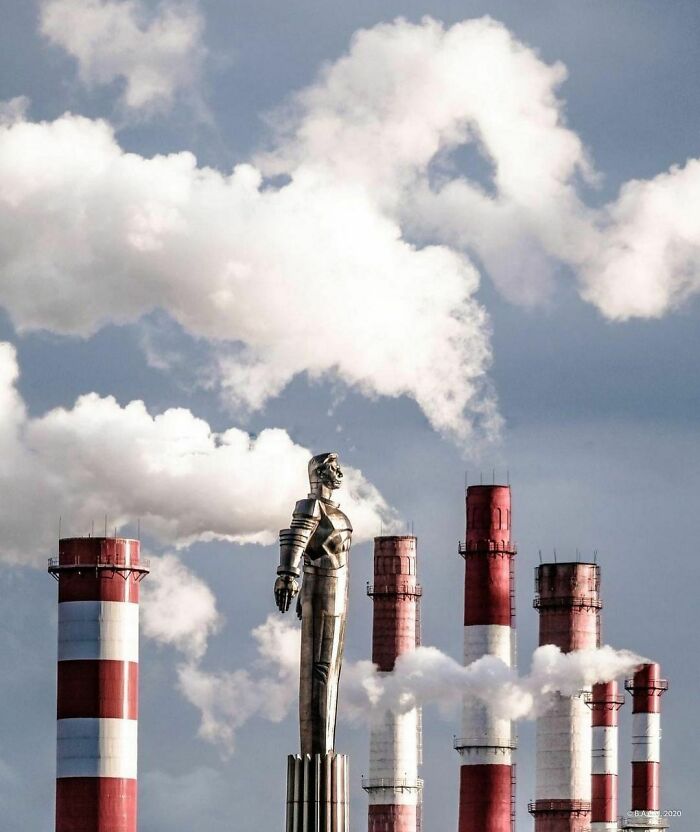
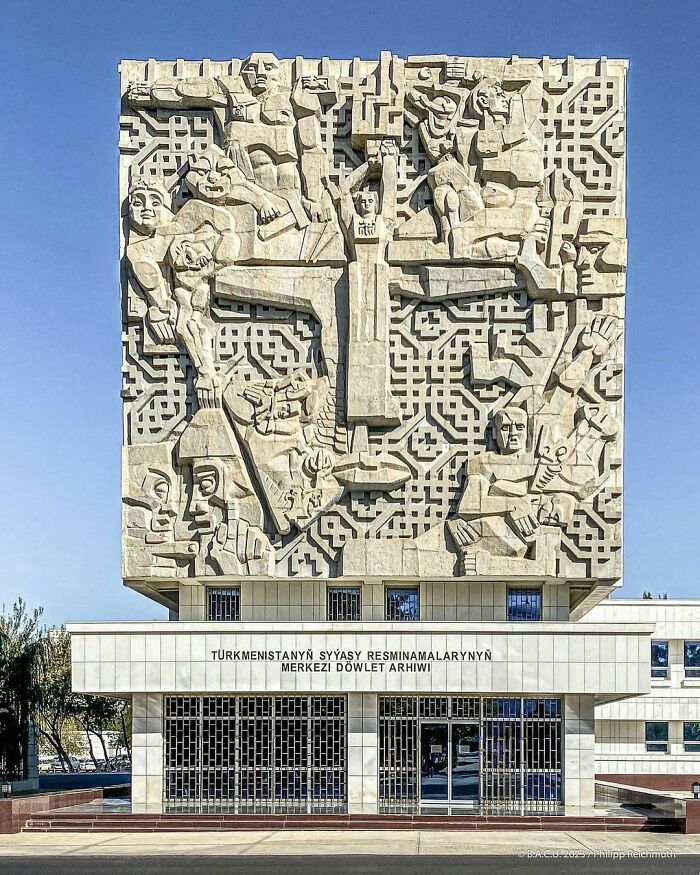
Again, not brutalism, this is an art style called "Socialist-realist". Ironically, despite the name there's a lot of allegorical subjects and the actual sculptures tend to have a lot of angular and exagerated features etc.

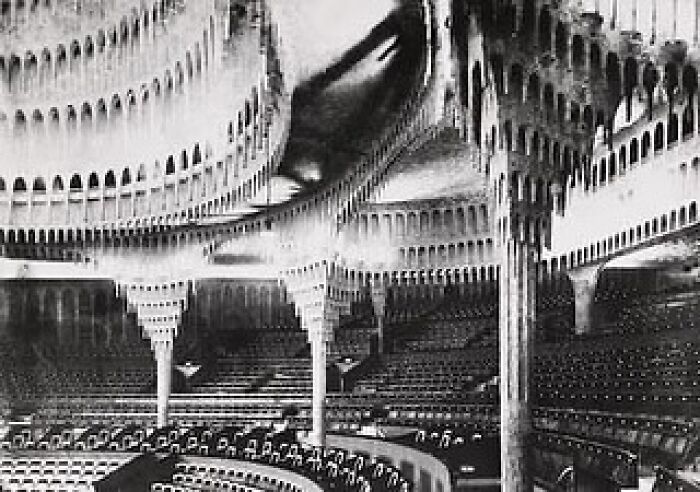
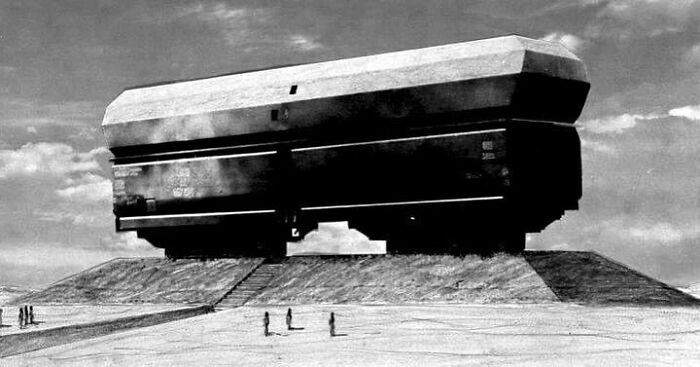
It's the Monument to Victims of the Holocaust by Hans Hollein. This is just a drawing, the monument was never built.
Is it Brutalist? By definition Brutalist is exposed concrete, as in Béton Brut
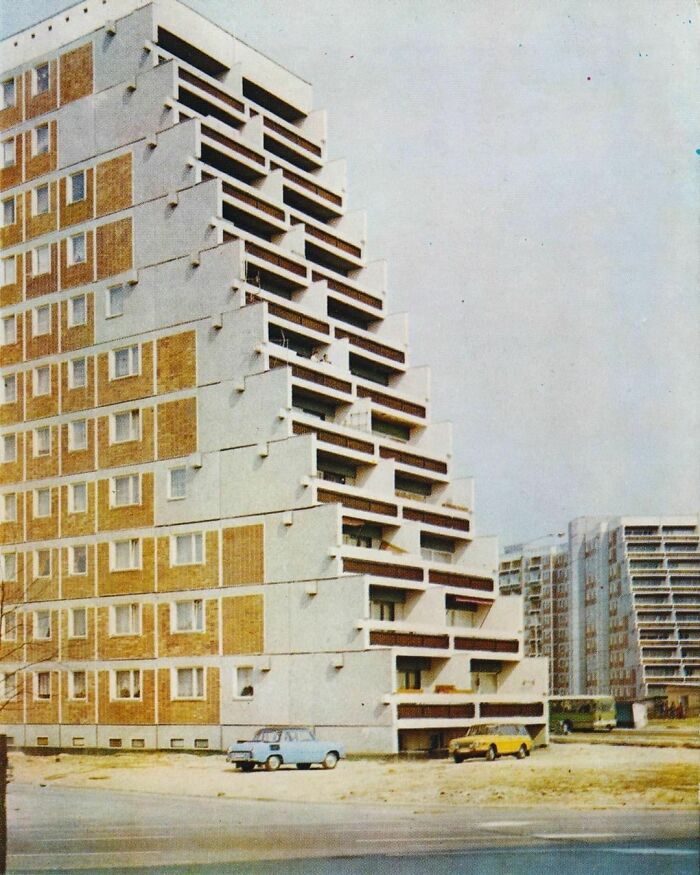
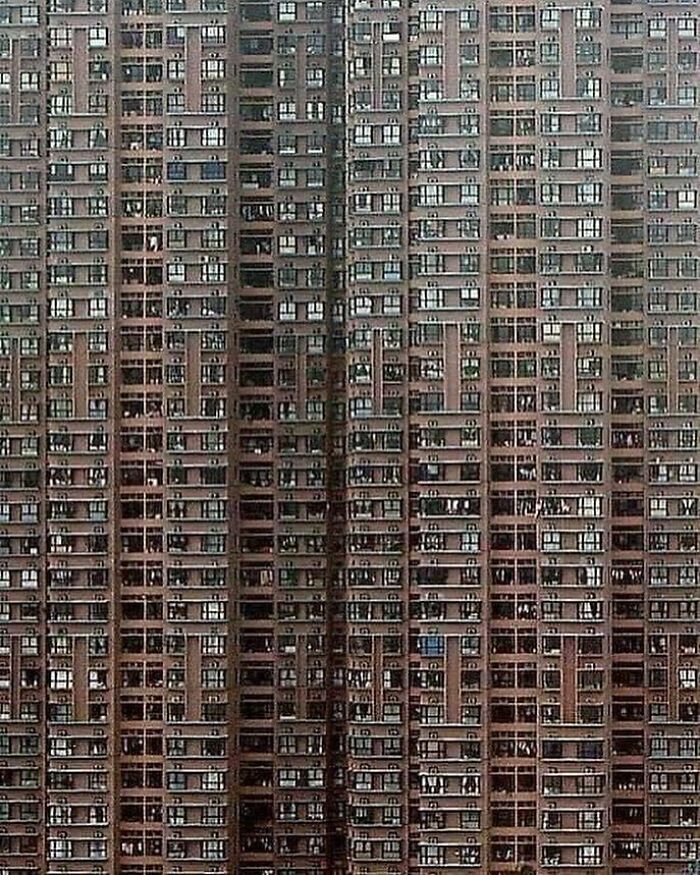
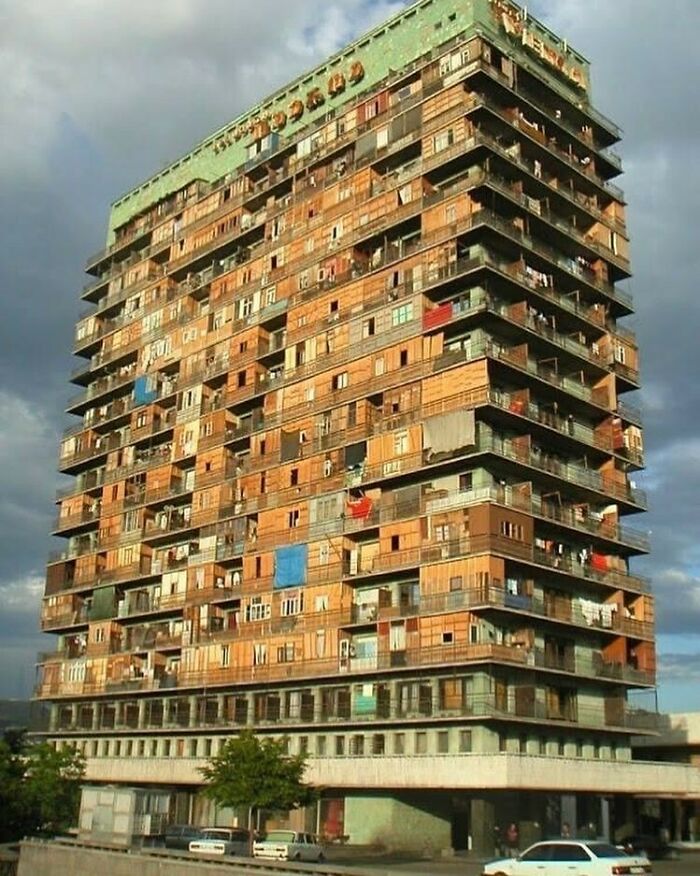
Hey AI, draw me an 18-story residential building with a random floorplan. AI: say no more.
I am impressed, a list about brutalist architecture that maybe shows a handful examples, the rest being random old or ugly buildings. Bravo


TIL: 1. Star Wars' empire used brutalism as inspiration & 2: BP doesn't know what brutalism is
I am impressed, a list about brutalist architecture that maybe shows a handful examples, the rest being random old or ugly buildings. Bravo
TIL: 1. Star Wars' empire used brutalism as inspiration & 2: BP doesn't know what brutalism is
































 No fees, cancel anytime