Get Premium
Dark mode theme is available exclusively for premium users. Learn more about the benefits of subscribing.
No fees, cancel anytime.

 Dark Mode Ad-Free Browsing Unlimited Content
 Ad-Free Browsing Unlimited Content Dark Mode
Join 1.2 million Panda readers who get the best art, memes, and fun stories every week!
Perspective is a powerful thing—more powerful than most people give it credit for.
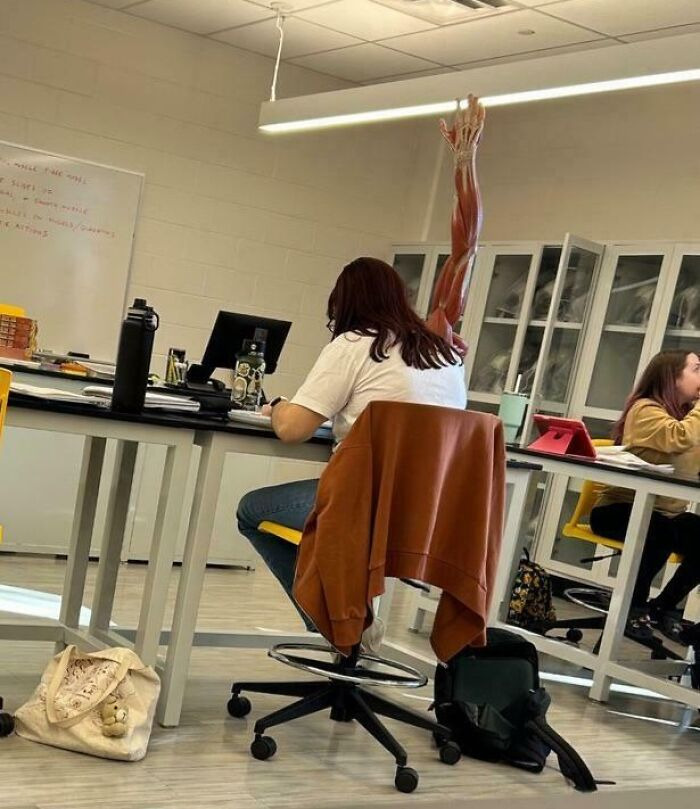
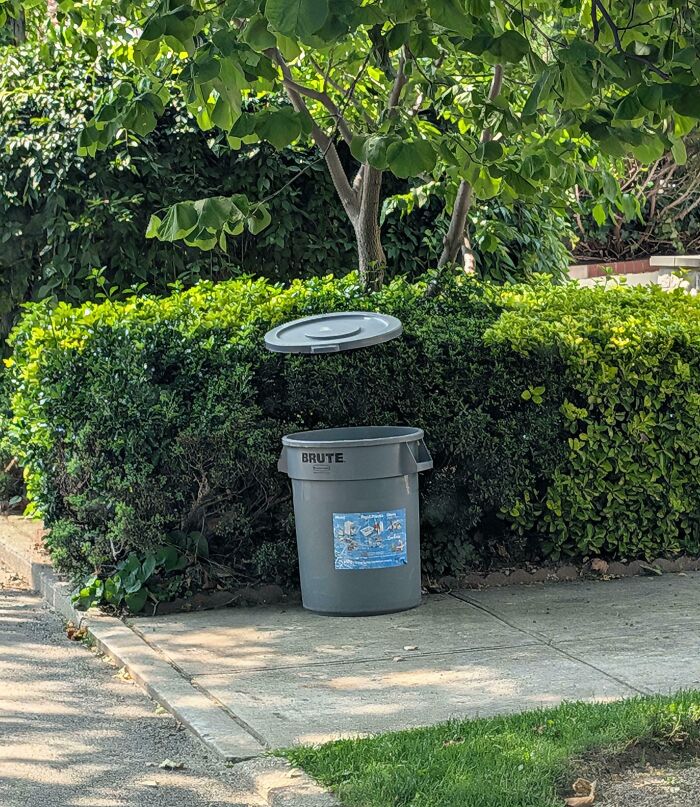
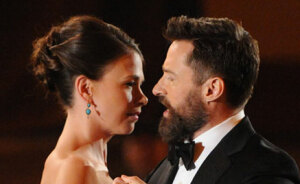
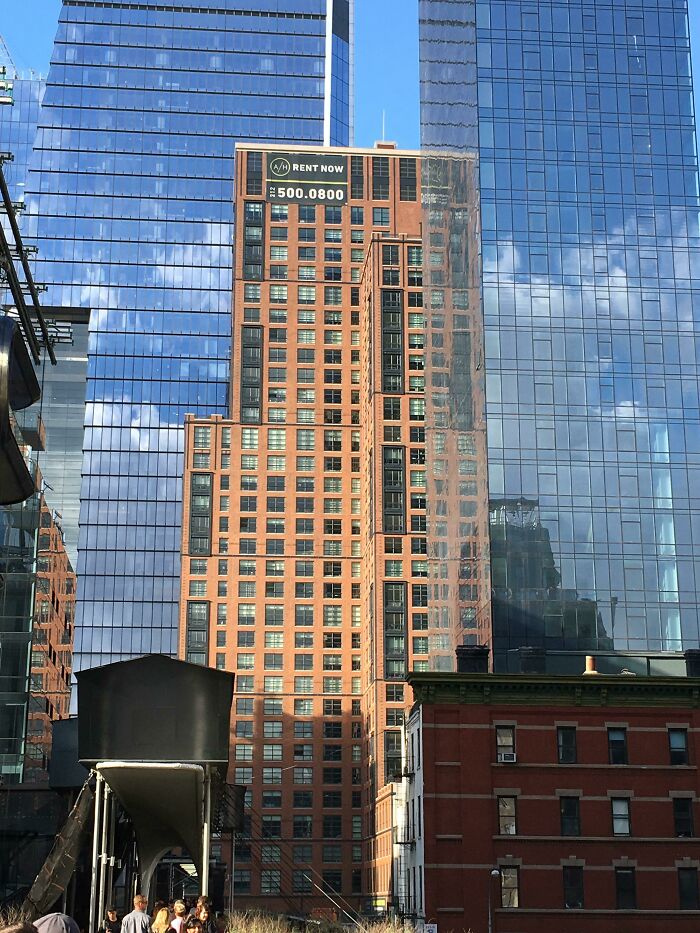
With just the right angle, a toy car can appear as tall as a skyscraper, and a skyscraper can appear as small as a toy car. Two people hugging can suddenly resemble a biblically accurate angel. A perfectly normal street can look like it’s folding in on itself like something out of a Christopher Nolan film.
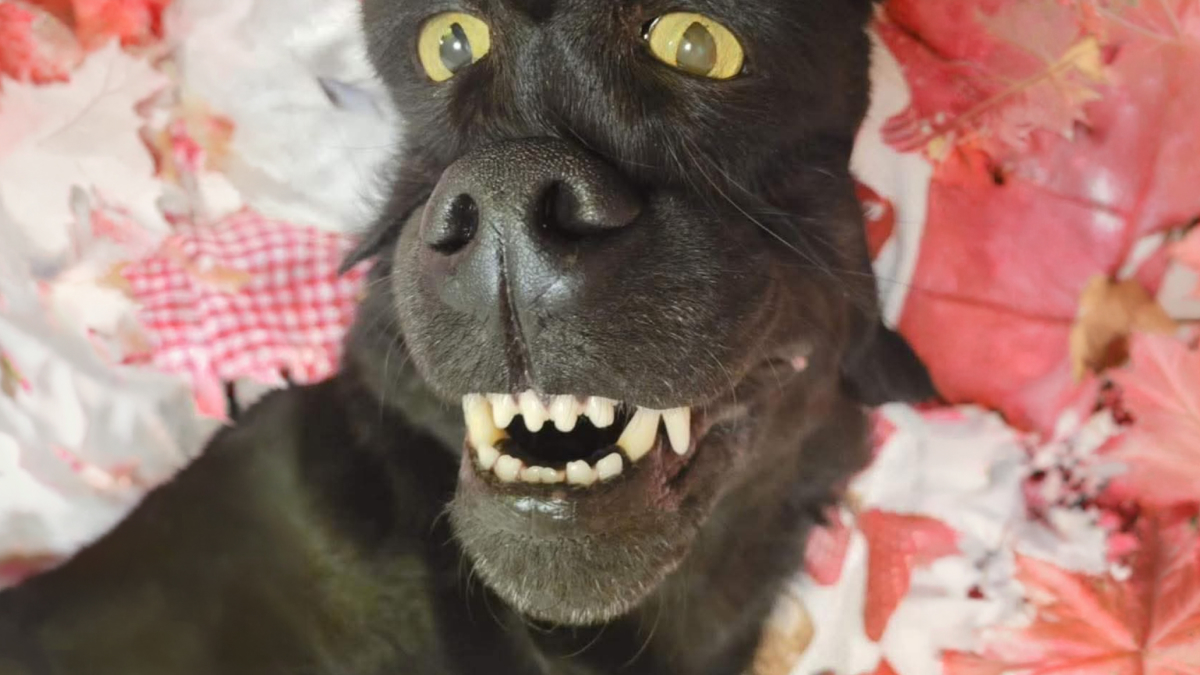
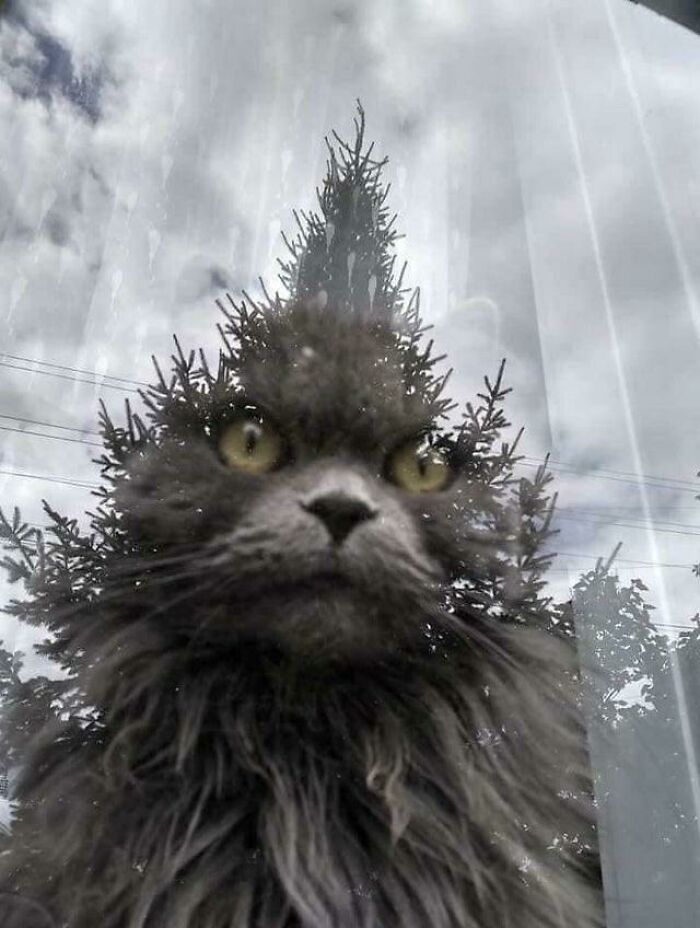
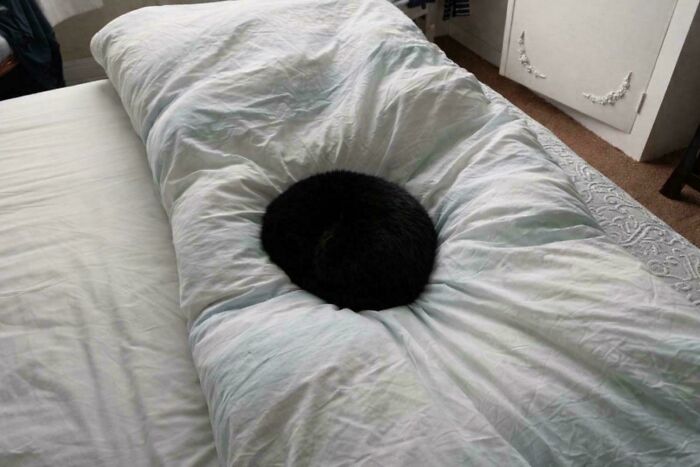
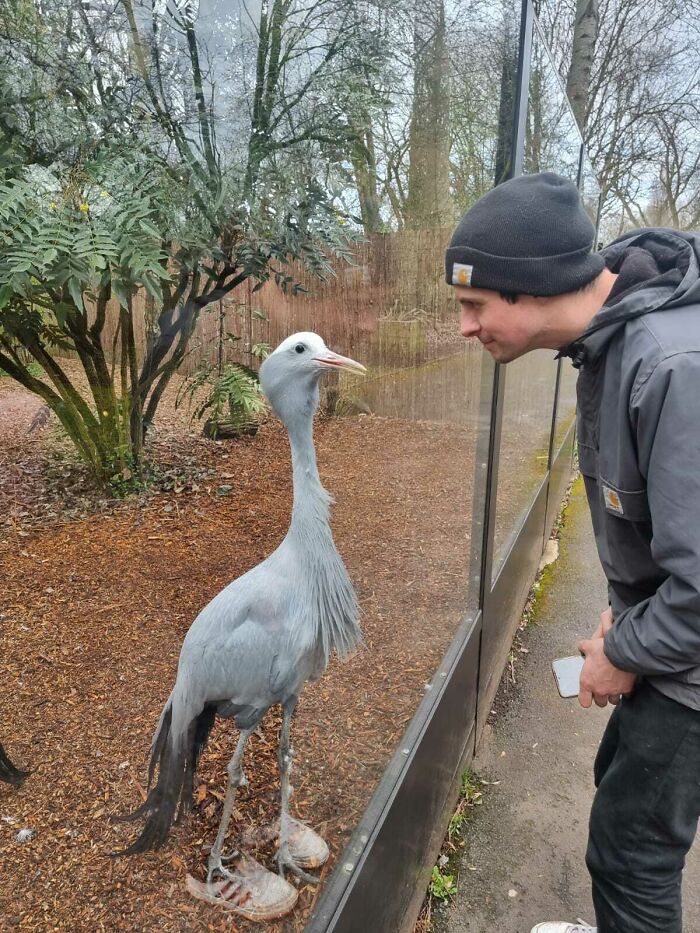
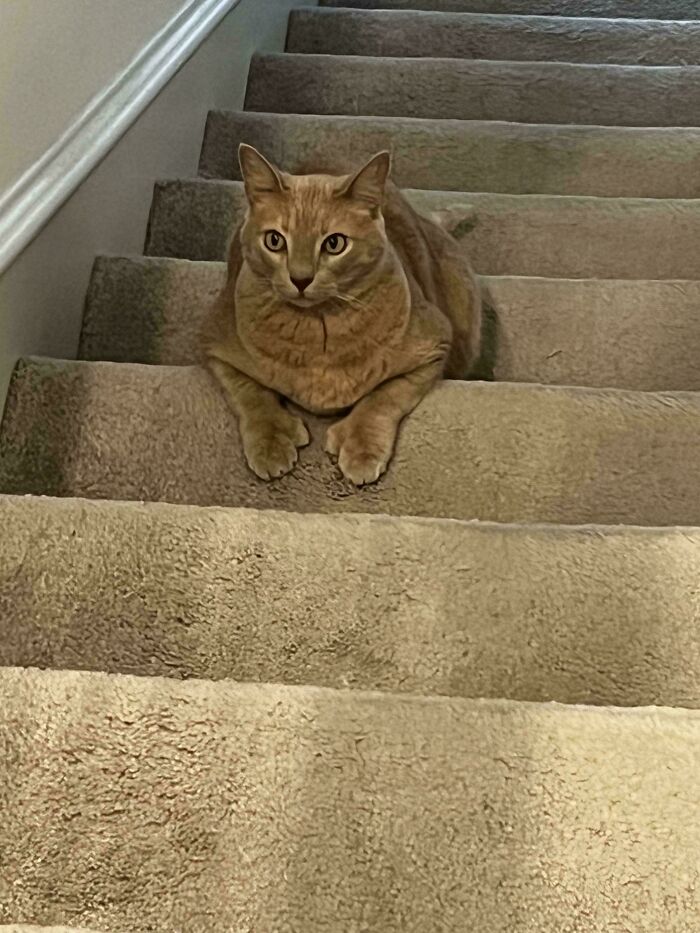
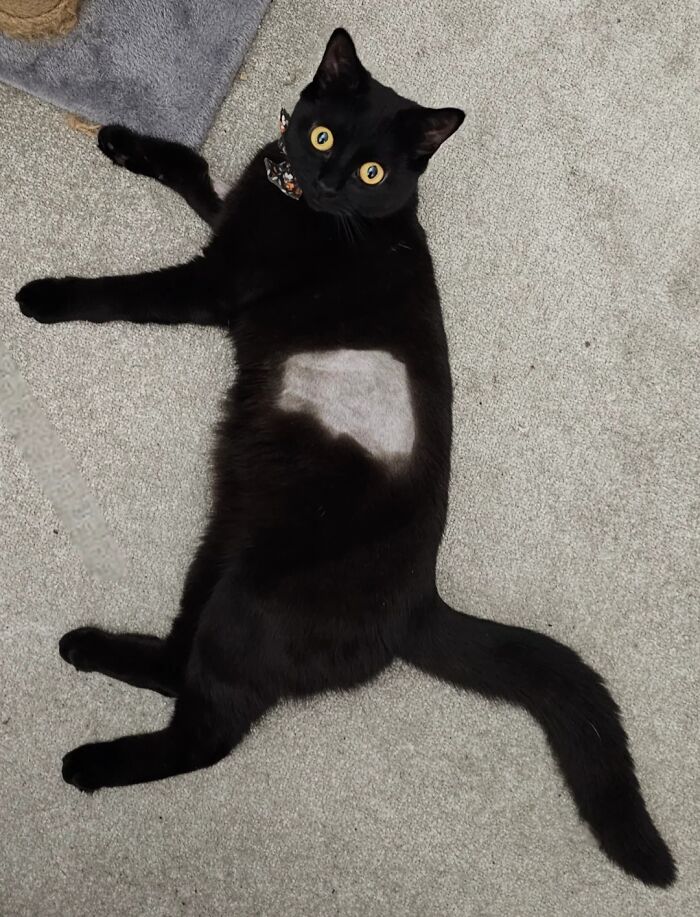
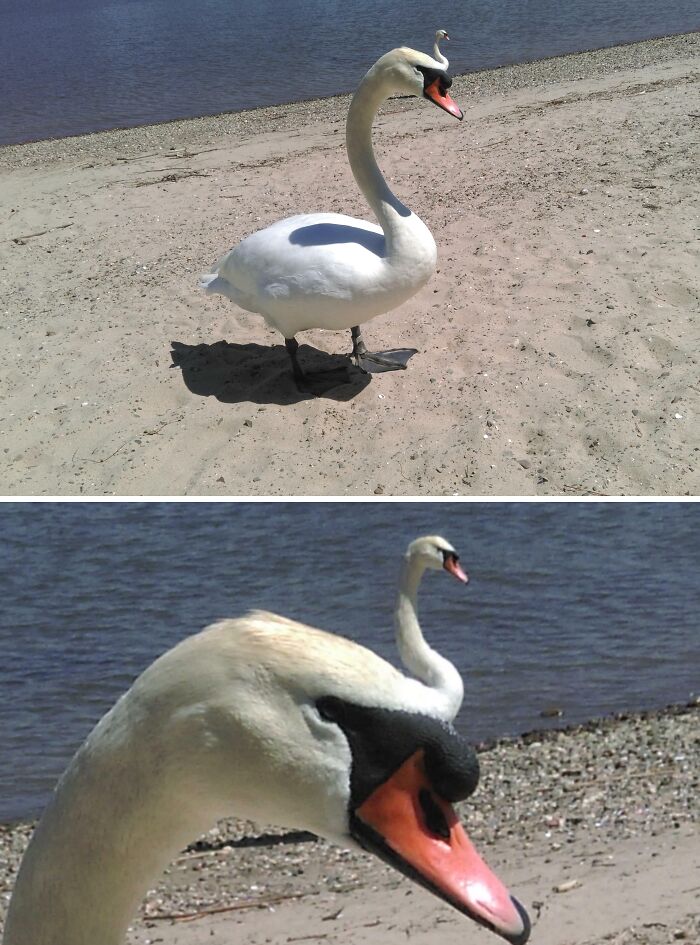
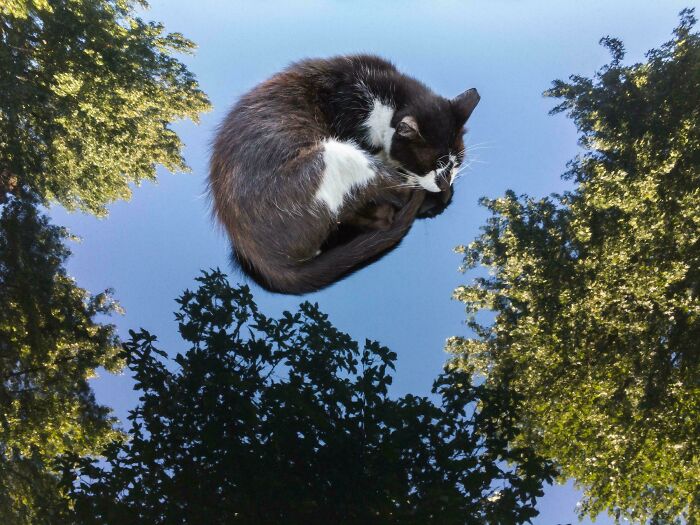
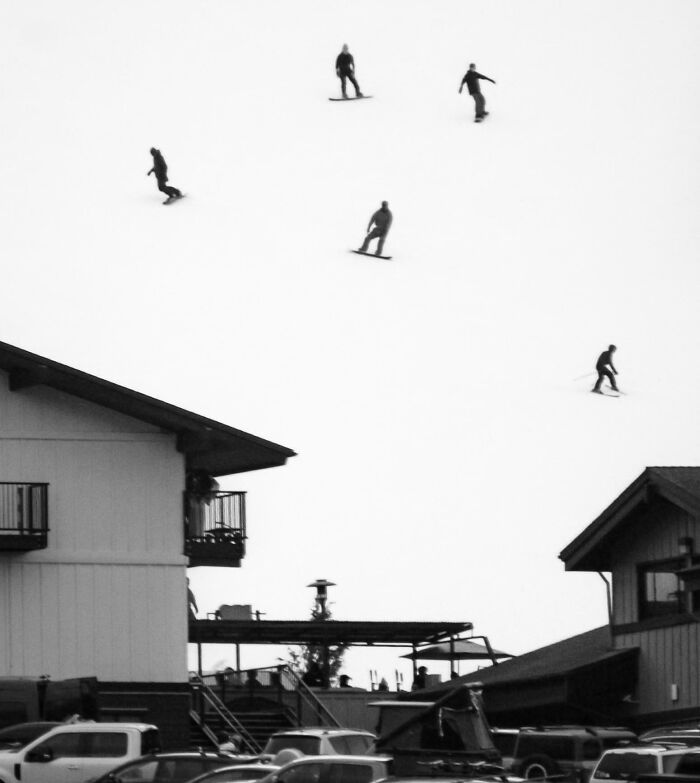
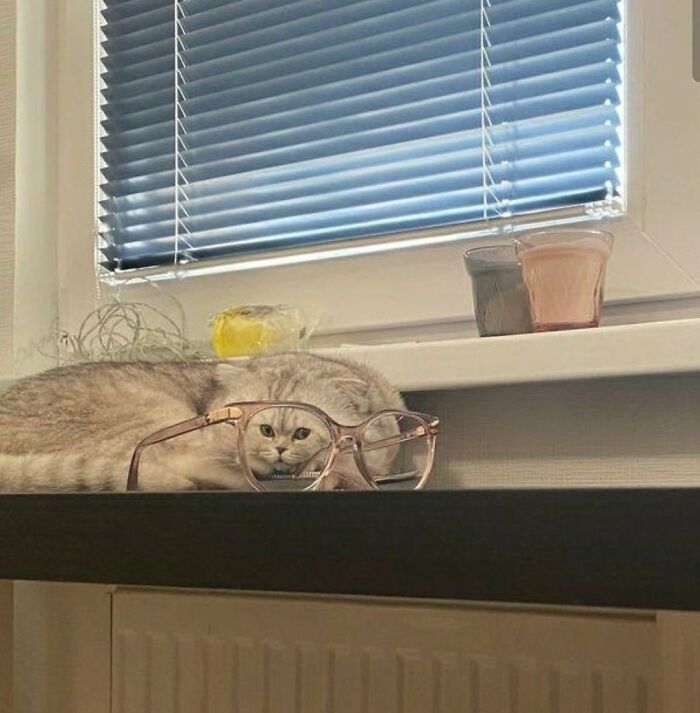
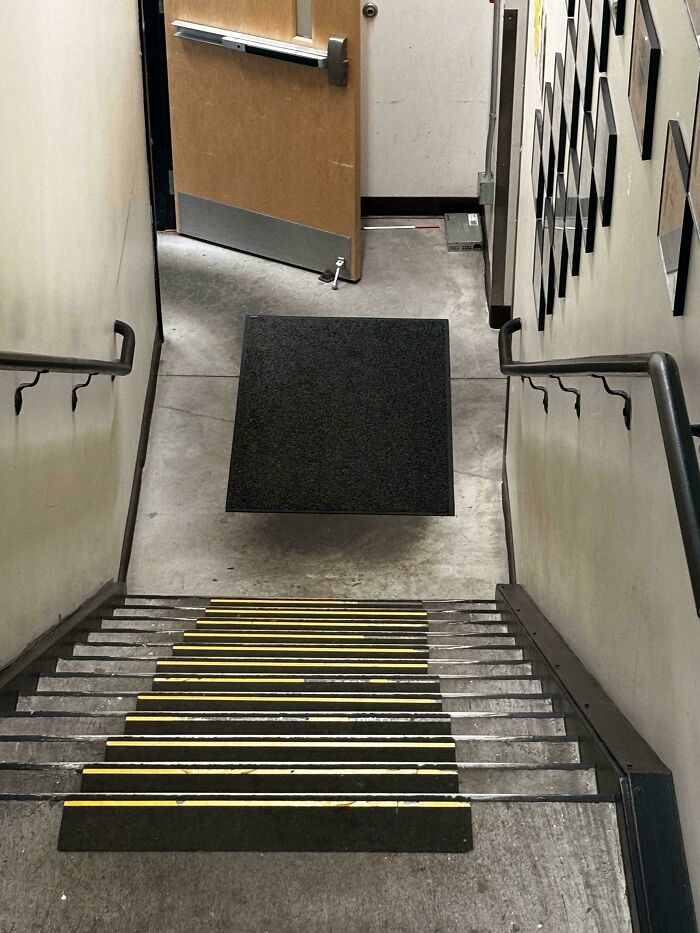
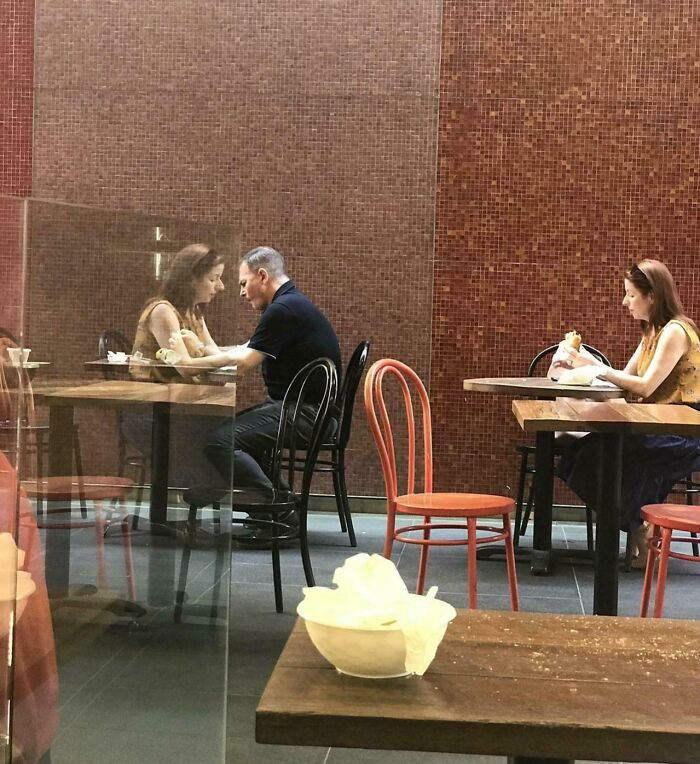
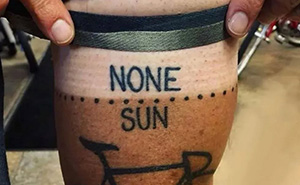
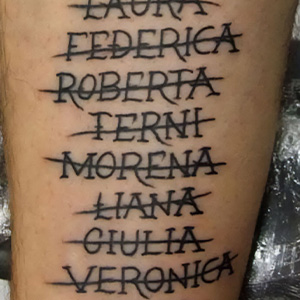
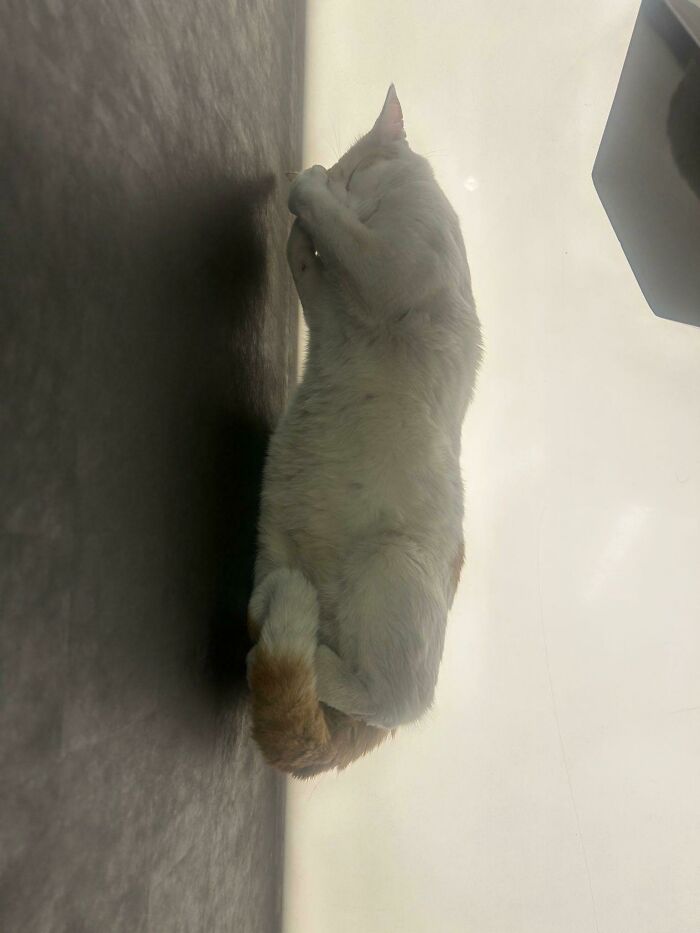
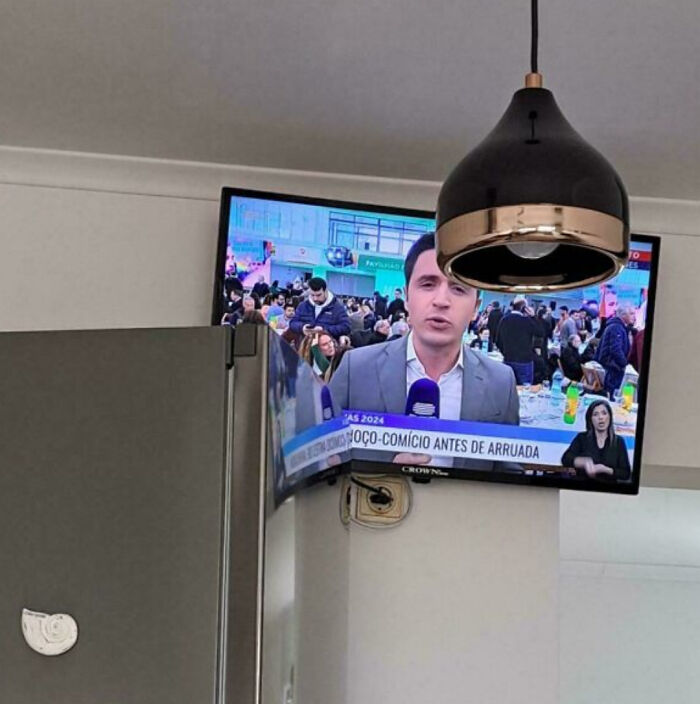
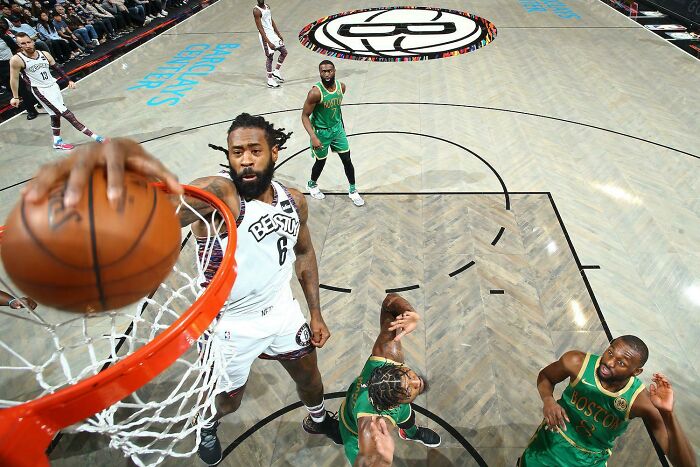
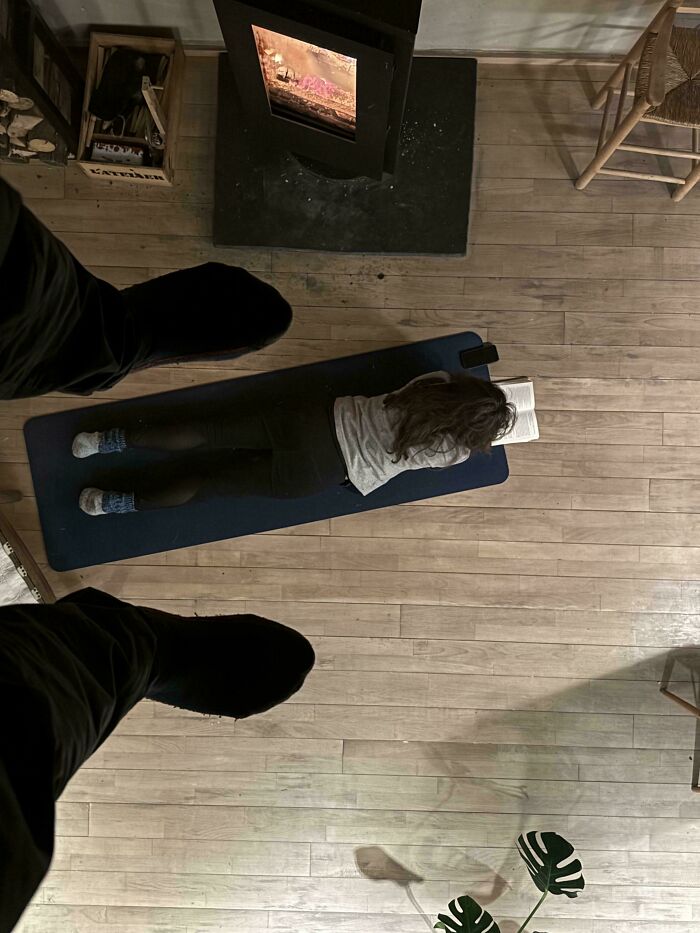
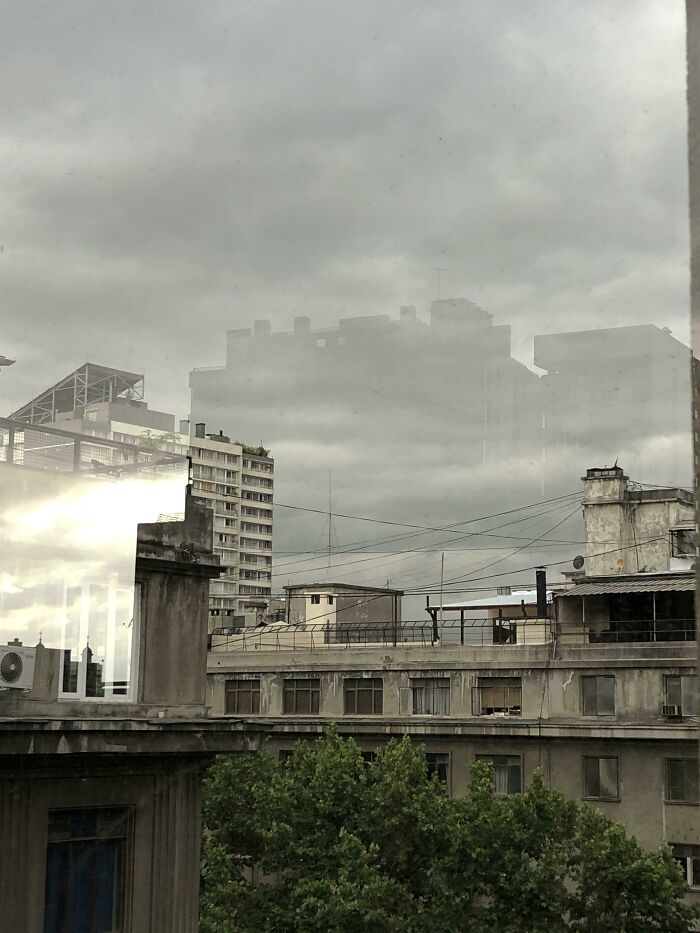
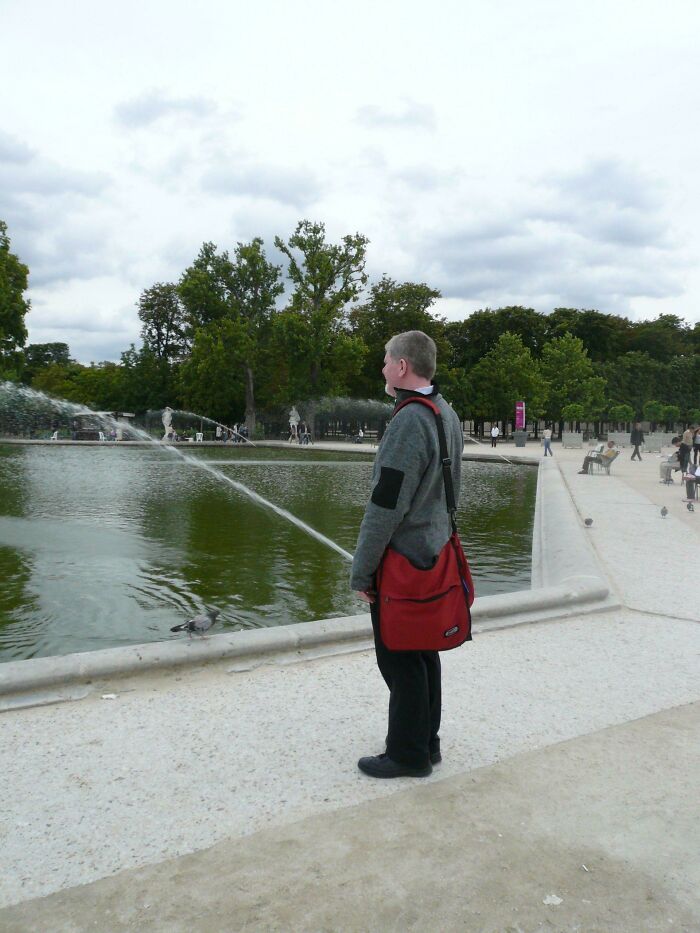
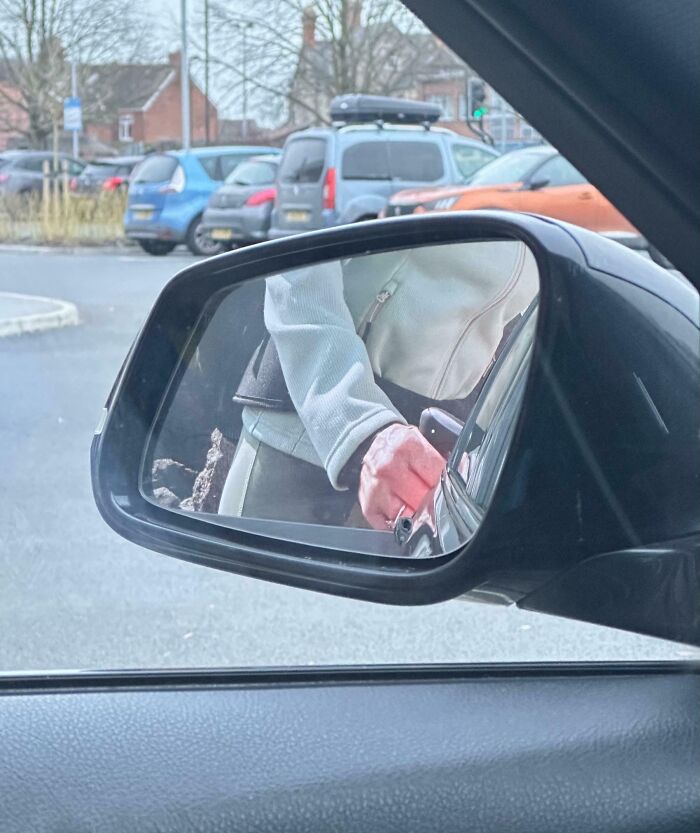
As mind-boggling as it is, though, it’s also pretty fun, which is exactly why we’ve put together this compilation of truly confusing photographs that will have you stopping mid-scroll to figure out what on earth is going on. Scroll down below to gve your eyes a workout!
Click here & follow us for more lists, facts, and stories.
This post may include affiliate links.
We perceive so much of the world through our eyes. Some sources even claim that around 80% to 90% of all sensory experiences are based on vision.
But while that number is debated, most people do consider eyesight to be their most important sense. In one survey, 77% of people felt that way, with hearing, touch, smell, and taste trailing far behind.
It’s pretty ironic, then, how easily our vision can be fooled. Many of the photos on this list require more than one look to fully make sense of, and some of the more famous examples have caused full-blown public meltdowns.
Remember the dress? Blue and black, or white and gold? Entire friendships were tested over that one.
For what it’s worth, the dress was confirmed to be blue and black—but the fact that so many people genuinely saw something different says a lot about how unreliable our eyes can actually be.
In particular, because our eyes don’t always show us exactly what’s in front of us, we can end up tricking ourselves with optical illusions. That said, even scientists aren’t entirely sure why our brains fall for them.
According to HowStuffWorks, the 1981 Nobel Prize in Physiology or Medicine was awarded in part to David Hubel and Torsten Wiesel for their research into how the brain interprets signals sent from the eyes.
What they found was that the brain analyzes visual information in a stepwise process, with different neurons each responsible for specific details in what the eye sees. But even with that knowledge, scientists still don’t fully understand how all those individual signals come together to produce our overall perception of an object.
Using MRI scans, researchers have been able to observe what happens in the brain when we look at illusions.
One thing they’ve discovered is that neurons can actually compete with each other when processing light and dark, and whichever neurons win that competition end up influencing what we actually perceive.
One theory suggests that some illusions trick us because the brain is constantly trying to predict what it’s about to see, partly to make up for the tiny delay between something happening in front of us and us actually registering it.
So when an illusion doesn’t match what the brain was expecting, the two clash and confusion follows.
Another theory looks at illusions that appear to move, like the famous snake illusion where patterns on a flat page seem to shift and swirl.
Some scientists believe this happens because of the tiny rapid eye movements we make without realising it, called saccades. Others argue it’s because the illusion sends so much information to the retina at once that the visual cortex simply gets overwhelmed.
On top of that, not all illusions work the same way, and many theories fall apart when even small changes are made to the image in question.
So in short, scientists are still fairly confused about why our brains get so confused. But that doesn’t make optical illusions any less fascinating to experience.
Take the Müller-Lyer illusion, where two lines of identical length appear completely different because of the direction of the arrows at their ends. Or the famous painting “My Wife and My Mother-in-Law,” introduced to the public by psychologist Edwin Boring in 1930, where the same figure appears to change between a young woman and an old one depending on how you look at it.
Until science catches up with a clearer answer, the best thing to do is sit back and enjoy the bewilderment. And that’s exactly what this list is here for.





















 No fees, cancel anytime