Get Premium
Dark mode theme is available exclusively for premium users. Learn more about the benefits of subscribing.
No fees, cancel anytime.

 Dark Mode Ad-Free Browsing Unlimited Content
 Ad-Free Browsing Unlimited Content Dark Mode
Join 1.2 million Panda readers who get the best art, memes, and fun stories every week!
Learning new skills is fun and exciting, but it can also be incredibly challenging and daunting. Most people don’t enjoy being bad at something and failing over and over again. And yet, you’ll have a tough time learning anything new if you don’t see your mistakes as opportunities for growth, instead of as failure. Meanwhile, some skills are actually fairly easy to learn and can have a massive impact on your life.
Some helpful internet users spilled the tea about what they see as top-tier, life-changing skills that you can learn in just a few short weeks. Keep scrolling to read their suggestions. We know what we’ll be focusing on in the new year. What about you?
This post may include affiliate links.
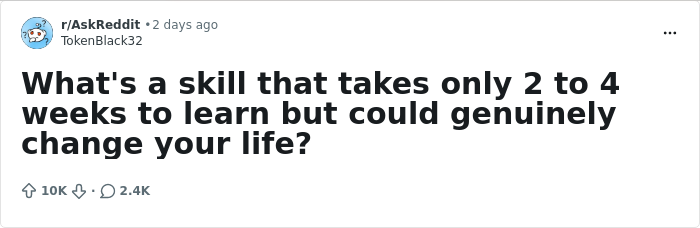
 Researching information and sources.
So much [nonsense] is fed to society that knowing what is a good source and good information is critical to making good decisions.
People make decisions every day so this is huge in the long run.


Wikipedia has Talk and View History tabs where you can see if the info you're reading is controversial.

Back in 2004 when broadband was just coming online rather than dial up, one of the first modules I did at uni involved critiquing large, medium and small organisation’s websites about a health condition.

I blame schools for not teaching media literacy and source criticism enough. The skill of critical thinking has been forgotten and by constantly staring at their phones, many adults have acquired ADT for which the only cure is to limit screen time and even put together a trendy analog bag. (Contains e.g. a physical book, a coloring book and a crossword puzzle magazine). The brain needs to be taught to focus again. In an ideal world, everyone would be offered a media literacy course.
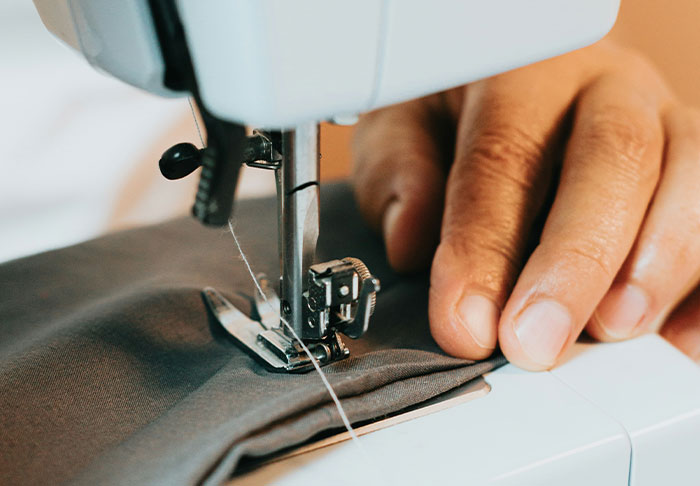 Sewing.
ghostwillows:
This! Mending clothes is the most useful for everyday and it costs almost nothing to start and modern clothes are constructed terribly.



It's more a hobby, don't you think? I mean, sewing a button is easy, but altering second hand dress is another level and I don't see the benefit unless you just like to do it. It's not cheaper or better, right?
It means you can tailor a dress to fit you perfectly, which I would argue is better. Being able to replace a zip etc increases the wear time of something and reduces the need to buy new and replace it. Being able to repurpose something also reduces the need to send things to landfill eg I had a single duvet cover but no longer use a single duvet so turned the cover into a dress for my niece.
Load More Replies...  Saying “no” without over-explaining or feeling guilty.

How long it’ll take you to master a skill will depend on, well, the skill itself, how much effort you put in, and how you apply yourself. However, you don’t necessarily need to perfectly master a skill or spend 10,000 hours honing it, to get use out of it.
Josh Kaufman, the author of ‘The First 20 Hours: How To Learn Anything… Fast!’ explained to Forbes that most people are “deeply disturbed” by the idea of being bad at something, even if it’s temporary.
“When you try something new, you’re usually very bad, and you know it. The easiest way to eliminate that feeling of angst is to quit practicing and go do something else, so that’s what most of us do.”
 Emotional regulation.
Most adults are toddlers with bills.
Learning to pause before reacting is life-changing.
Toddler with bills! I prefer the comparison to a fire-starter with logs!
If someone could teach me to self regulate my emotions, I’d be eternally grateful.
 Reading books. I’ve just gotten back into it and I feel with every book I read, I learn something new, either about myself or about life or I just feel a sense of accomplishment!
Serial Pacifist, I wholeheartedly disagree. Books are an amazing way of experiencing a story, but there are other mediums that can achieve the same thing. I play video games and often get drawn into the story more because I can actively take part in it.
Ever tried LARP? You are not only part of the Story, you can influence it and its ending. Whatever genre you prefer, I am sure the is a matching LARP for you.
Load More Replies... 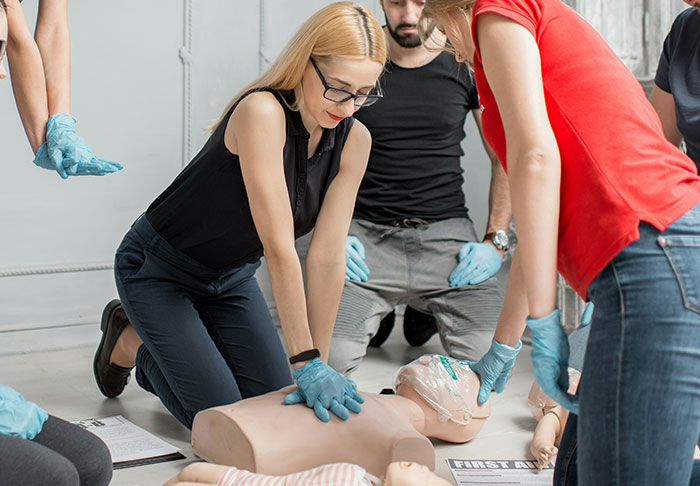 First Aid.
It would change someone elses life far more compared to your own. But that someone could be a friend or relative making it life-changing for yourself as well.
THIS. I recently read about a case of a schoolgirls who choked on gummy bears (this happened at school, with a lot of people around). She passed away suffocated because no one know how to apply a Heimlich maneuver before an ambulance arrived. 😟

So bonkers we don’t teach this stuff in schools, and offer refreshers in the work place :(
Load More Replies...The optimistic thing is that, even though you’ll probably be awful at something in the early hours of doing it, you can quickly improve your skill with even a little bit of persistence and intelligent practice.
According to Kaufman, you could try learning a new skill by first precommitting to putting in at least 20 hours of practice. That way, you’ll find it easier to keep going even if things seem overwhelmingly difficult.
Next, learn just enough about the core concepts of the skill to apply it. And you can always break your learning program up into smaller, more manageable parts. Realistically, after those 20 hours, you’ll become reasonably competent in that particular skill.
 Self Control. It's way easier than you think. You start with delayed gratification. You can have the things you desire, but when you want them you have to set an arbitrary time frame that you have to wait to get them. Start with absurdly easy time frames, like 5 minutes. Keep extending the delayed gratification until you feel like you have better control over your impulses. It happens surprisingly fast and will start bleeding into everything you do. Suddenly, you will find yourself rationally navigating even the most impulsive situations.

Nice idea. I tried this with smoking. I went from 20 or 30 a day to only starting each day after the evening meal. That's serious delayed gratification. I failed to give up. Eventually I cut it out completely one day, and used patches instead. That was my latest attempt. 15 or 20 years on, it's my most successful to date.
I smoked a cigarette once. No desire to repeat the experience.
Load More Replies... This may work for trifles, like a chocolate bar in the photo. But when an add1ction is already developed, your opinions and willpower become irrelevant as opposed to the neuro-chemistry of your brain. It may take years (often decades) and additional support to go through the withdrawal and re-adapting process.

Sure, and also, there's ADHAD. But it's still good advice to go out and try. Just don't beat yourself up if it doesn't work.
Load More Replies... Not so easy for neurodiverse people, especially ADHD. Impulsivity and instant rewards need a lot of therapy and maybe medication to learn to work with. Took me 18 months of intense therapy (plus years of therapy prior to that) to get to a point where I can do this sort of thing.
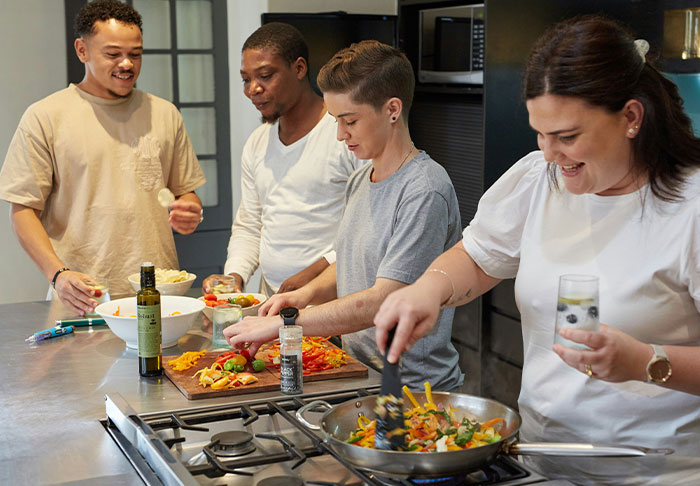 You could become decently skilled at cooking in a month if you tunnel focus. From there you can take control of your health,
finances and if you get really good, it can help your dating and [intimate] life.
Not to mention eating what you like the way you like it :)
 I estimate most people could become financially literate in 100 hours of efficient study: understand the basics of budgeting, saving/investing, banking, insurance, taxation...with potential cost savings of many thousands of dollars in the course of their lives.
I truly think the literacy part isn't that complicated or important, it's the delayed (or canceled) gratification part that gets people every time.
Investing requires several thousand Dollars / Pounds / Euros you can risk to lose. I wish I had that kind of play money around, but not in this economy. Still - budgeting and saving are useful, and taxation for the countries that aren't modern enough to do it for their citizens.
No it doesn't. You can invest with small sums every month in an broad indexfund. Overtime it will grow. You won't get rich but you will have more money than if you save in an bank account.
Load More Replies...Kaufman stressed to Forbes that the idea of mastering a skill can be counterproductive because it might stop you from exploring it in the first place. Instead, you could focus on having fun if it’s a personal hobby or on performing well enough to get meaningful results if it’s a career skill.
On top of that, you don’t even have to master every skill that you learn.
“I believe that developing new skills in a way that allows you to perform well enough for your own purposes is – by far – the most common and valuable purpose of skill acquisition. Based on my research, reaching that level doesn’t take anywhere close to 10,000 hours – you can usually achieve the goals you set yourself in around 20 hours of deliberate practice,” he told Forbes.
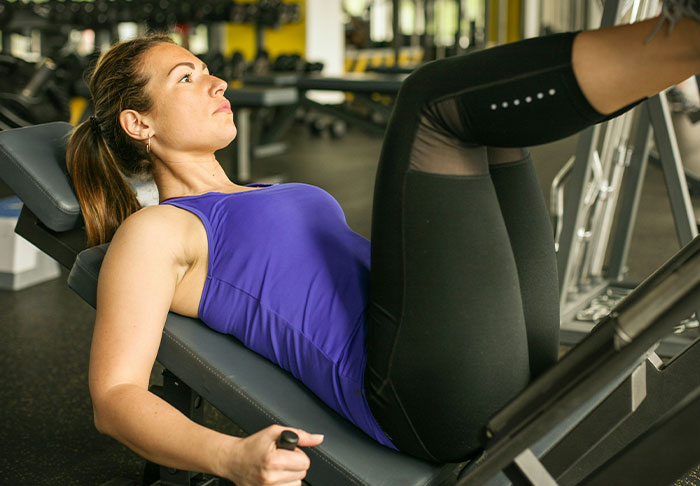 Working out regularly.
It's a lifetime journey of learning, but it only takes a few weeks to start feeling comfortable in the gym & get over the worst soreness from starting weight lifting.
Someday, if you're *lucky*, you will be old. Working out regularly can be the difference between being in an assisted living or living independently. (Also being strong is ridiculously fun).
A lot of people are scared to start lifting because of the misconception that it's only for serious athletes and it's too risky for a regular person. It's true there are some risks involved, but it's far more risky not to lift. Just follow basic safety rules and progress at a reasonable rate.

Yoga has amazing health benefits, but it's not a substitute for strength training. Everyone should get in at least some strength training and some cardio in addition to yoga.
Load More Replies... I remind myself that a light or half-done workout is better than no workout at all and that's how I've successfully maintained my routine. I increase the duration or reps moderately so I can be pleasantly surprised by my progress. Not with a taste of blood in my mouth and forcefully, just reminding myself that this is for me, for myself.
That was my exact motivation to go to the gym in the morning. I hated waking up early, but the idea was to show up and do anything. And anything is better than nothing. Once you learn the habit, it's much easier
Load More Replies... All kinds of exercise. Though the runners in my age group (50s) are now start to complain about their knees. OTOH, yes, that's what happens when you get old - your body won't stay 20 forever. :) Honestly, I so wish I had started jogging when it was a stupid "American" fad in the early 80s. Restarting now, with laughably low running times (I'm at 3:30 minutes, yes, that little - and every 30 seconds I add feel like a win. Don't be too proud to make it stupidly easy, because the important thing is not the time, but to prove to myself that I am a person who runs regularly).
Movement is important, we tell patients that the best form of exercise is one they enjoy doing, because they’ll actually do it regularly. If someone tells me to go to the gym twice a week, I’ll find it boring as heck and not do it, but I’ll happily go to aquarobics twice a week and for a 2 hour walk at the weekend because it’s fun.
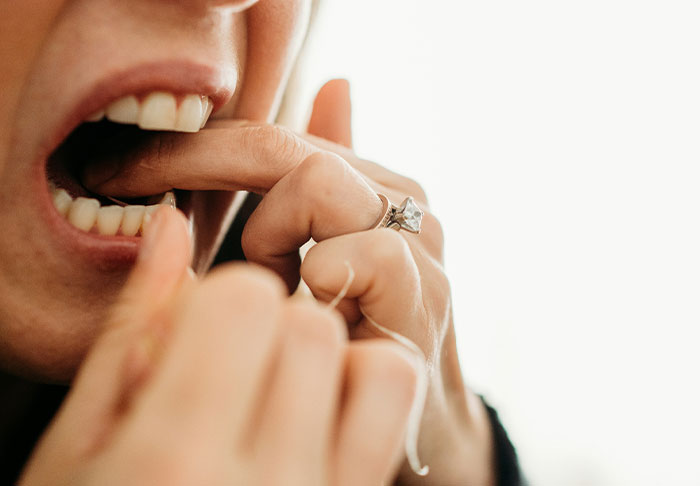 Correctly brushing and flossing your teeth. Remember kids, only floss the teeth you want to keep.
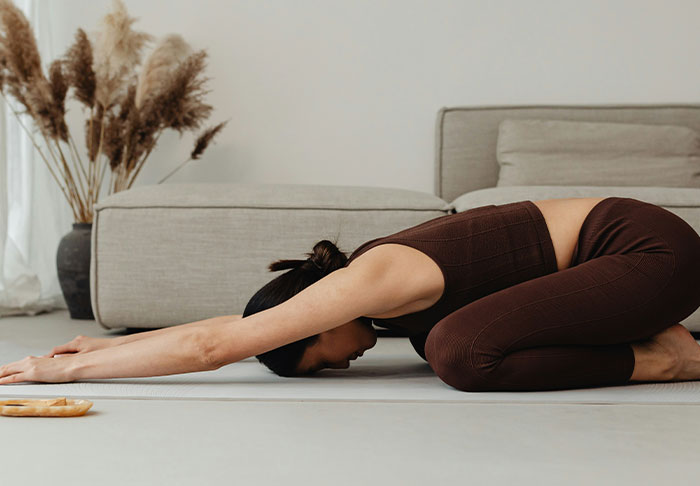 Stretching every day. Spend 10-30 minutes a day stretching and some basic yoga moves, your flexibility will improve so much. Also get yourself a foam roller, my back and legs has never felt so good.
And no gases issue! You will outfart your toddler. Yoga will deflate you like a balloon on a cactus.
I really dislike "do this and that every day for just x minutes". I am only at #13 in this list and I would already have to find 2 extra hours in my day.
Yeah, but on the other hand. How many hours of the day you actually spend on things that are good for you? I recently reached the point of getting bored of scrolling through BP and other websites, I've been sick for a month and it was an easy pleasure. So I asked myself - what can I do if I don't feel like doing anything and tried meditation and reading a book for fun. It really made a difference.
Load More Replies...Which of these life-changing skills do you think you’d like to prioritize? Do you think you’ll pick any of these up in the near future? What new things do you think you’d like to learn this year? What are the most essential skills that you’ve learned that you think absolutely everyone should know? Let us know!
 Practicing not eating mindlessly+snacking unhealthily. It [is a pain] for the first few days due to carb + sugar withdrawal, but your body adapts quickly and will feel much better.
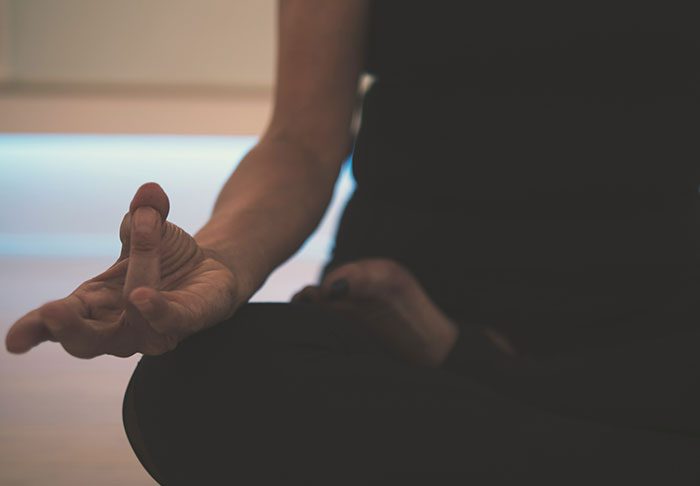 Managing suffering (anxiety/depression, otherwise)
I know it takes a lifetime to feel better, recover from trauma, etc...but learning the skills to deal with these feelings and then implement them doesn't take long to accomplish...the fruits of the labor itself tho takes years, but is something life-changing (speaking from personal experience, as a trauma survivor myself).
I was genuinely surprised to see how many people (many in upper management positions) are unable to regulate their emotions in a healthy way. You look at high placed project managers and CEOs, how they yell like toddlers and create drama out of nothing, dumping their frustration on their co-workers.
 Socratic journaling. Took me about a month to learn how to regulate my thoughts when dealing with anxiety. The best thing I could do for my mental health and it’s free.
There's a page named The Socratic Journal Method: A Simple Journaling Method That Actually Works on mindthenerd dot com that explains it.
 Learning how to communicate clearly and confidently.
In just a few weeks, you can improve how you explain ideas, set boundaries, and express yourself. It helps in interviews, relationships, negotiations, and even daily conversations. People often underestimate how powerful good communication really is.
 If you work in a large company - Excel. Or some sort of data Visualization software.
People will think you’re a genius.
But also, be careful not to boast off with your Excel skills. You may end up with multiple Excel-related tasks that your co-workers should actually do, but they are too lazy to do them 😄
And if it's not in your job description it takes time of things that you do need to do for your job. (Although I often can't resist doing Excel things)
Load More Replies... Know a couple of keyboard shortcuts eg windows key + v will bring up your clipboard history, that one got me a cup of coffee from a colleague!
In general - do things you like. Volunteer for them when they come up. Got me from the basic job to 2 specialist roles, and now I'm enjoying work, because basically they pay me to have fun playing with numbers. Yes, you can like your job even if it's nothing glamorous or exotic. Just find out what tasks you like to do.
 Swimming. Pretty much the number 1 skill to prevent an accident.
 Yoga. Since learning yoga, I've fallen in love with exercise, and it's changed my habit of procrastinating on exercise. I feel a great sense of accomplishment every time I master a new yoga pose. And consistent exercise has definitely made my body better; I no longer get out of breath after climbing just a few flights of stairs like before.
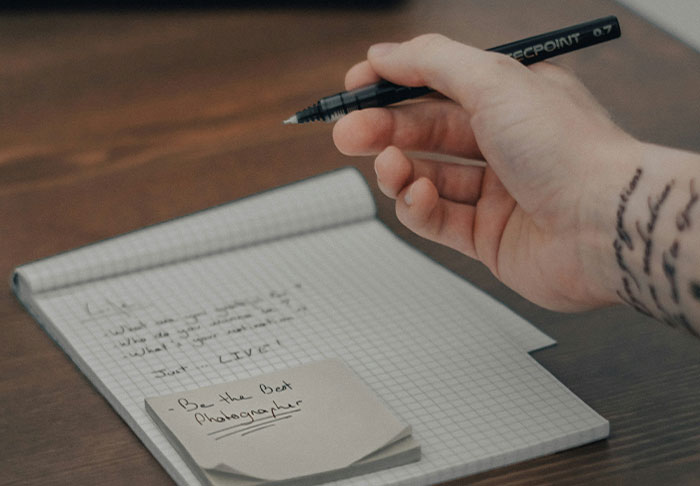 Strategic thinking, i.e. prioritizing the right thing. It changed my life. I used to be busy but doing the wrong things. Now I am pickier on what to invest my time in.
 Kicking the doomscrolling habit…!
A few months ago I deleted all those doomscrolling social media apps (I’m lucky I don’t get the urge to doomscroll on Reddit) after a long period of setting screen time limits, ignoring my screen time limits, setting them harsher etc. Just delete it!
I suddenly have heaps more time in my life to do the things I really want to do— and importantly, the motivation to do them!!! It’s really positively impacted my critical thinking skills, my impulse control, my productivity etc.
Yeah, I’m no longer up to date with the ‘trend of the day’ but the ability to form my own opinions about things has been very refreshing.

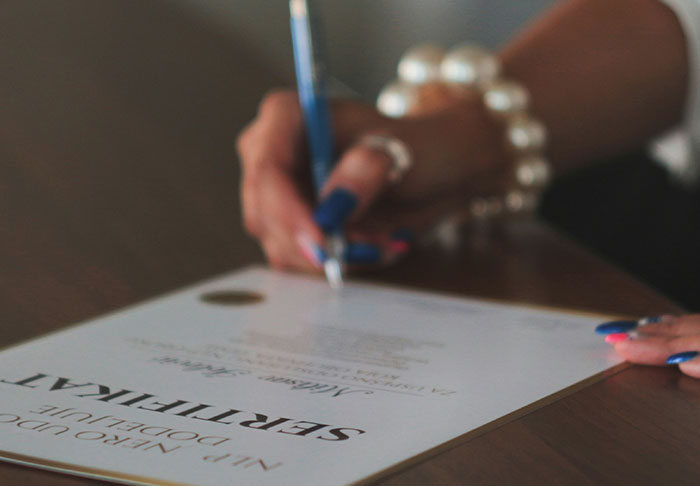 Take an inexpensive, short course related to your career. A little certificate can go a long way especially since most of your colleagues aren't getting them. Do a couple a year and when you're searching for a new job or trying for a promotion, you'll have a lot to show.
 Maybe not drastically change your life, but anyone can learn to type properly in just a few weeks.
El-Snarko-Saurus:
I know most people picture 1950s secretaries taking typing classes and tests as most of the jobs they could get involved that one skill. But I took a computer class in high school where one or two weeks was dedicated to typing/ten key and I work in a highly scientific field now where I watch senior scientists peck at the keyboard to write up their papers and emails and it takes them FOREVER! I guess once AI takes over it won’t be as necessary but I can say that my last 20 years have been greatly efficient!
Typing/keyboarding was probably THE single most useful class I took in high school. Didn’t want to take it but my Dad insisted. I ended up getting a fairly useless degree in English so the first time it came in handy was for the zillion and one papers I had to write. Even now , over thirty years later and a couple of career changes later I use those skills at work every single day as a nurse. Charting and virtually all communications are done on computer. I could have survived hunting and pecking but it would have made things a lot more difficult. Thanks Dad🥰
How to fingerspell and some basic signs in your local sign language.
Get the basics of sign language and you can learn new signs as you need them - it will make a big difference in your ability to communicate when you’re older.
Hearing loss is a strong cause of cognitive decline and dementia because you lose your ability to socialise. Hearing aids are a long way from perfect.

I don't socialise and there's nothing wrong with my hearing (45 and can hear a mouse fart five rooms away) I wish social anxiety could be fixed as easily as sticking in a hearing aid.
How to can and properly freeze fresh food, some degree of butchery. How to garden a multitude of vegetables. Bake bread. Some degree of auto mechanics as well. How to read topographic maps and properly use a compass.
Costs a small fortune to start a worthwhile vegie garden -_-
 Basic DIY. Being able to fix small issues around the house/car/etc can save you a lot of money, stress, and time, and help you create a space you are genuinely happy with. Start with some basic tools, add to them as you tackle new projects. Also helps you maintain your property so you spend less money on replacements.
Going to sleep early and getting a solid 7-8hrs of uninterrupted sleep, try that for 2-4 weeks.
I could go to bed when Big Dog goes but when you wake up from nightmares, or sweating even with a portable aircon blasting, or to pee, or from pain, it doesn't really matter how early you go to bed -_- You still get up exhausted the next morning.
Planning.
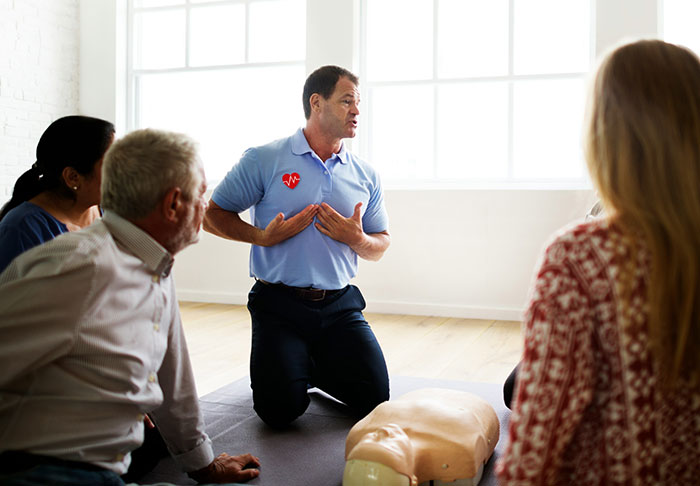 Heimlich manoeuver. I saved a kid in class one day. He was turning purple. It was so surprising how hard I had to do it to make the piece of candy come flying out of his mouth.
 Salary negotiation- learn it from YouTube
Interview skills- a. Learn it from YouTube b. Practice with ChatGPT giving you Interview questions c. Film yourself at least 4x with your phone practicing your answers, it will CALM your nerves in the Interview.
Learning to fold. People think they're achievers if they go all-in. But sometimes you have to call a loss a loss and not go down the drain of sunken cost fallacy. The quicker you get out of a dead end, the better. The best poker players aren't the ones that go all-in in a heads up because they have a full house - the best poker players are the ones that can fold with a full house on hand because they know they're gonna lose to a better hand.
Assertiveness skills. Too many people are either doormats or bullies when proper assertiveness lives somewhere in the middle. You learn how to be confident and how to advocate for yourself respectfully, and how to communicate all of that without leaving anyone feeling stressed or not heard.
Practicing mindfulness. It lets go of negative feelings, thoughts, and you start to enjoy and better understand things.
Estimating calories/protein. Everyone eats food. Look at the package or use an app and start getting a reference for how much XYZ has. It has literally guilt tripped me into eating healthy. Do something long enough and it becomes routine. Eventually you gravitate to the healthier choices and it becomes a lifestyle, not a fad temporary diet.
Just eating healthy is the most important. Then the calories are almost irrelevant.
Critical thinking. Helps you make better decisions and avoid potentially bad mistakes. And helps with a lot of other things that make up everyday life that might seem small at first and on their own, but over time become larger and more consequential. Critical thinking makes you instantly smarter in almost all things that matter, without needing to become an expert in all those things.
This is probably the least known skill. I've had it since a very early age for unknown reasons (odd brain, too focused). I used to despair of most people because they refuse to do it, until I discovered that they don't know how. Almost everything I am informed of, I won't fully believe until I've researched it myself. Fortunately, thei internet cam along and made it easier!
It takes a lot of knowledge to know when to apply critical thinking. Reading comprehension is not a given.
Load More Replies...  Speed reading. It only really takes focus to read words on a page without making your internal voice speak them to you as you go. You'd probably be surprised how much you can comprehend accurately by letting your eyes do the work by themselves.
 How to manage small talk! Learn this now and would prove to be a life-changing skillset.
That is a skill I will never achive. If you want to talk to someone who is perfect in nodding and saying things like yeah, I See or That's right, I am your woman. I am more the 'five minutes after the talking and now I have all the light-hearted, intelligent, funny answers for it'-type of human.
 A really stupid one: juggling. It's not about learning to juggle it's about training your subconscious (cerebellum really) to catch things that you're barely aware of. You can drop a glass bottle you're drinking from and your other hand will shoot out and catch it on the way down before you really realize what's going on. It's the kind of quick reaction time that even sports doesn't teach you, but if you do a sport like baseball, it will help make your catches more automatic.
You could get an amateur (ham) radio license in a few weeks of study and be able to communicate with people all around the world. Not to mention become more capable of surviving major disruptive situations and crises. In major emergencies access to communication is everything.
Basic video editing. Seriously.
I learned the fundamentals in like 3 weeks just messing around with DaVinci Resolve (free version) and suddenly people were asking me to edit their videos for events, social media, etc. It opened up side income possibilities I never expected.
Plus once you can edit, you can create content for yourself - which is a completely different skill that changes how you see storytelling, pacing, and communication. Even if you never make money from it, knowing how to tell a visual story is incredibly useful.
The hardest part honestly is just getting comfortable with the software. After that it's just practice and you get better at it week by week. Totally doable in 4 weeks with an hour or two daily.
I used to do videos for software training. The editing on videos on yt today re horrible. They jump between clips, avoiding all brraks, no real continuity. It's like watching a ranter on amphetamines! Honestly, give me text. I can read way faster than they talk. I don't think people know how to read any longer.
 Learning to mind your business is very rewarding. You may think I’m joking but I’m telling you when you mind your business half the stress goes away.
Controlling your blood glucose.
Gratitude. Take 1-3min every day before you go to bed and write down/say to yourself 3 things you are grateful for in your life or that happened today.
I do the opposite and in the morning I go through three things I am grateful for. Sometimes they are the basic necessities of life like a roof over my head, food in the fridge and warm socks. Sometimes they are much deeper things. I start my day in a positive spirit and the adversities usually feel smaller.
So, I've been doing that for the past 7 years. And just to see what difference it makes, I stopped it last year for a couple of weeks. Nothing. Made no difference. However, I should say that I'm pretty content and even happy in my life, so maybe it's only necessary if you aren't. Don't get me wrong - I started it again because I like to be reminded of good stuff, it just wasn't the mood changer people told me it would be.
Learn about investing. Compounding interest to be specific. It doesn’t matter if you make a lot of
Money during your working years.
Learn this and you will retire rich. I promise.
And then the global economy collapses and your investments are worthless.
A promise no-one can keep. Compounding interest though: if the Global X SuperDividend UCITS ETF yields 8% annually and costs 0.45%, a dollar a week will give you $26,500 in fifty years. If it yields 10% like it sometimes does, that number will be $54,000.
Got my CDL-A in about a month. Changed my career/life for the better.
In the corporate world - public speaking. Getting out of your shell a little bit and having an opinion will do wonders for you. I can’t tell you how many times I’ve seen underperformers get promoted over work horse engineers simply because they speak up more in company meetings.
Just tells how horrible those bosses are. A team leader is supposed to see the worth of their team members, not approximate them from who talks most. If introverts get overlooked in your company, the better strategy is to leave for a better one, even if you're an extrovert. Because it means that the top positions were giving to some self-marketing guys, not people with knowledge or ethics.
Dancing.
When you learn how to dance, you essentially become much more in-tune with your body and relearn how to simply move.
I remember how when I learned as a teen all of a sudden I started to realize how I was being inefficient with little movements and completely changed them so that I was wasting less energy and getting more out of each movement I made.
Welding. With the advent of extremely inexpensive machines and youtoob, it’s very accessible to almost anyone. If I couldn’t weld, I’d go INSANE. Almost every personal project I get involved in includes welding, and I frequently collect some handsome paychecks with those skills, too.
Quite a niche skill. May help some people but the vast majority definitely do not need to learn to weld.
I have managed my entire life without welding anything. I'm pretty certain that I will keep this up, too. My partner used to be a car mechanic, and doesn't see this as a necessity either.
Lock picking.
SlaughterWare:
I had a bit of free time last summer and thought it might be one of those fantastic 'just in case' skills should the situation arrive where I lock myself out or whatever, and taught myself this from youtube vids. Conclusion? a) it's actually really fun and satisfying as a hobby to pick locks, and b) If people knew how easy it is to do in some cases, they'd freak.
Something that shocked me the other when I rewatched Terminator 2 is that there's a scene in the movie where Sarah Connor breaks out of her cell and she rakes a customized pick exactly like you would in real life, authentically.
Frankly I'm amazed that it was even left in the movie! lol!
Bear in mind that laws where you live may prevent you from owning lock picks or purchasing them unless you are a registered/certified locksmith. Even for use on your own house.
Stephen King wrote a description of how to hot wire a vehicle (not a modern one) in a story and he had to change it to be wrong, because it was so ridiculously easy. Trust me, it definitely is, or at least used to be.
Learn to sing healthily, for the health benefits. Popular important songs in different languages. Singing well requires precise coordination of so many muscles you never think about, and striving for that often reveals tensions in your body you don’t realise you have, literally from the top of your head to the tips of your toes. Additionally, musicianship (taught properly) requires combining a whole range of cognitive processes that humans don’t do in any other form, musical practice is truly unique in this way. Singing of course can also be a social activity, there is lots of neuroscience to support the benefits of singing together - both the music itself but also with the addition of languages which work in their own way - but it’s enough to know there’s magic and connection. In all, singing is a unique tool for nervous system regulation and overall physical, mental and spiritual wellbeing, there really is nothing like it. It’s something humans have ALWAYS done. It’s just part of being human.
Document. Especially anytime anyone verbally asks you to do something you are uncomfortable with, in personal life or work. Even if it's just family or friends borrowing money or a personal item. Unless you are fine with never seeing it again.
I learned that in the military. As one example I had a LT and Chief tell me to do something I knew was against our regs. OK. I drew up a "procedure" which happened to include the section of the electric plant installation manual they were telling me to violate. Had them sign it and stuck a copy in my locker. 7 months later, after an external inspection team found it, they called me into the office. "We found out you splicing that feed pump was a serious violation and now we need to figure out what to do about you." "OK, should I go get my copy of the procedure that you signed where I told you it was a violation of the EPISM and you told me to do it anyway?" Never heard another word about it.
Work skills - how to plant the seed for a raise in advance, pitch yourself in interviews or pitch your projects, and manage up so you advance faster. It does not take long to learn these skills at all. The trick is you do need to follow through and be decent at your job, but if you are doing that anyway and not advancing, knowing a little about these things can make all the difference.
Drawing. the ability to draw anything in detail and accuracy is highly unrated. Hand writing and drawing basically allows you to have a better ability to communicate or just have some mild form of entertainment. Alot of people seriously lack penmanship or just a level of artistic design as an outlet.
Making your bed perfectly every morning. Sounds dumb, but two weeks in, you’re suddenly a person who has their life together.
Or better yet: don't bother with random ideas of perfection and find what works for you. If making your bed every morning helps then go for it, if not then leave it messy.
Was that bed perfect when you got up? Of course it was. Why mess with perfection?

Start Learning English Stenography bro.... You won't regret it never in your Life.
How to apologize like you actually mean it and follow through with changed behaviour. can turn a relationship that was going to end into one that has improved. pretty hard to stay mad at someone most of the time if they take responsibility, promise to change, and follow through.
how to say no to something without it being an argument until you say yes. state clearly, firmly, then disengage. also sometimes the right words matter. if i told my parents i couldn't do whatever chores they dreamed up 'because i was reading my textbook' they didn't care. but if i said 'i'm studying' suddenly THAT mattered. even though i was performing the exact same action, their perspective mattered. most of the time people are okay with a no and what they really want is to feel valued. so you gotta strike the right balance between just plain 'no' and 'would if i could.' and if somebody in your life is the type of person to argue about every no, tell them, not only do you not have time for that thing they want, you also don't have time to argue about it and the next time they don't take no for an answer, you'll stop answering entirely.
learning how to learn. focus on finding good sources, a variety of perspectives, and how to review so you remember. try the 3, 3, 3 review method: learn something and take notes. review those notes 3 days later then 3 weeks later, then 3 months later. it is pretty hard to forget after that. also focus on what helps YOU learn and often using a variety of learning styles at once helps. visual, written, spoken, hands-on.
Creativity. Sounds vague, and it could be applied in a countless assortment of hobbies and skills, but the benefits of having a solid level of confidence in a skill that allows you take take creative control has a massive impact on every aspect of your life. Picking a subject and putting 100hours into it will make you hugely competent, and people will notice. Photography, woodwork, painting, writing, whatever.
Speaking from experience, learning how to weight lift and with proper form. Since weight training in some form is so important and beneficial to health throughout all age ranges and genders, finding a place (like a good CrossFit gym) to learn and become comfortable with weights, lifts and workout format is an extremely useful skill that can then be done at home with the right equipment or in any gym for rest of your life.
Learning how to manage your attention instead of your time. Even small changes in focus habits can have outsized effets on everything else.
Learning to drive a manual car. To be fair it's only Americans who make a huge deal out of it as the rest of the world just does it without much thought but it really opens up a lot of job opportunities and people don't realize that. A lot of jobs that are not delivery driving may still require a lot of driving and being able to drive any car makes you much more useful than someone who can't.
In almost all other countries, learn to drive an automatic. I can't tell you how many cars I've seen driving along with the brake lights on. They have their left foot resting on the brake! It's crazy expensive in extra fuel and brake pads.
I admit that the only time I drove an automatic I braked when all I meant to do was put my foot on the clutch. But who uses the clutch pedal as a footrest?
Load More Replies... So, it's hard to say exactly, but I'll throw out "Sentence Composition." I don't mean grammar or grade school stuff, but the strategies writers employ to extend sentences, the ways extending sentences can change how the words in it read, fast and slow, suspenseful or fluid.
I've been reading some on this and, as someone who hated English class, I'm shocked and annoyed how simple some of these ideas are to pick up on.
Edit: I guess I should've added a bit more for people to go on if curious. Rhetoric and Syntax are the main technical terms, but it doesn't have to be a technical study. Check out the article "A Generative Rhetoric of the Sentence" by Francis Christensen (7 pages, free on JSTOR for students or someone with a gmail.).
You can learn to read and write the Korean alphabet in a few weeks, and it will improve your enjoyment of K-pop.
Honestly you can learn a new language in a month maybe not properly proficient but good enough to watch a show. I learned basic Arabic for a prank on my good friend after he got back from a deployment.
Sounds great. Awesome if you can do it , but I assure you this is not nearly as simple for some people as OP makes it sound. Yes, with hard work generally everyone can gain some basic vocabulary, but the ability to really learn other languages with a reliable degree of fluency varies greatly from one person to another. Example: work with two middle aged siblings who have been in the US for quite a while. English is their second language. They do the same work, with the same people at the same time time every day. One is quite fluent in English while the other is can only have very basic “ good morning, have a good day” type interactions with people. If I had to move somewhere English wasn’t widely spoken I’m pretty sure I’d be like the second sibling. I’ve studied both Spanish and French for 2 years each and can barely speak a word of either. It just won’t stick.
Doing my dishes immediately after I use them.
Basic level graphic design.
Then learn as you go.
Eventually get a plotter, cut decals to sell.
Boom, you got a career.


















 No fees, cancel anytime
 then open in external browser

 and click "Open in External Browser"