Get Premium
Dark mode theme is available exclusively for premium users. Learn more about the benefits of subscribing.
No fees, cancel anytime.

 Dark Mode Ad-Free Browsing Unlimited Content
 Ad-Free Browsing Unlimited Content Dark Mode
Join 1.2 million Panda readers who get the best art, memes, and fun stories every week!
It’s nothing short of extraordinary that in the time humans have been on this planet, we went from a species living on a rock floating in space to a civilization with cities, countries, the internet, healthcare, and technology that would seem like magic to anyone born just a few centuries ago. And it genuinely feels like there’s no ceiling to what the mind can achieve when it’s given the right resources and enough time.
Nowhere is this more visible than in art and architecture. The things people have built, sculpted, and imagined into existence are a reminder of just how much ambition can be packed into a single human lifetime.
Archidit on Instagram collects architectural marvels from across the world, each one a testament to human creativity at its most daring. Scroll through and you might find yourself stopping more than once, in awe of everything we’ve managed to make.
This post may include affiliate links.
These days, architecture surrounds us in every direction. The house you wake up in, the café you grab coffee from, the airport you pass through, the stadium you cheer in—all of it is architecture.
It has become such a normal part of daily life that we rarely stop to think about it. But it took a very long time to get from a bare planet to the one we inhabit today, and as humans grew and developed, so did the art of building alongside us.
Architecture is broadly defined as the art and technique of designing and building, as distinct from the practical labor of construction itself. But not every built structure qualifies.
The Roman architect Vitruvius, writing in the 1st century BC in his book De Architectura, laid out three characteristics that separate architecture from mere building. He called them firmitas, utilitas, and venustas—or firmness, commodity, and delight. In simpler terms: a structure should be durable, functional, and beautiful.
These three principles became known as the Vitruvian Triad and still shape how we think about architecture today.
According to Britannica, of the three, firmness—structural stability—tends to stay constant. But how much weight a building places on function versus beauty can change depending on its purpose.
A factory places most of its importance on utility. A monument places it on meaning. A city hall might ask equally of both. The balance is always being negotiated.
Long before anyone thought in these terms, our ancestors were already building things, though perhaps nothing that would have qualified as architecture by Vitruvius’s standards. The instinct to construct goes back hundreds of thousands of years, rooted in something far more basic than art or design—the need for shelter.
Great apes build nests for sleeping, with chimpanzees weaving branches together and orangutans constructing some of the most complex resting structures of any non-human species, complete with roofs and bedding.
Some researchers argue that this nest-building tradition could have been more central to the development of human creativity and construction thinking than tool use itself.
According to ThoughtCo, in prehistoric times, roughly 11,600 BC to 3,500 BC, humans began doing something more deliberate. They moved earth and stone into geometric forms—circles, mounds, and megaliths—creating the earliest human-made formations we know of. Göbekli Tepe in present-day Turkey and Stonehenge in England are among the most striking examples.
Nobody knows with certainty why early people built in circles, though archaeologists suspect they were looking to the sky, imitating the shape of the sun and moon. The circle, it seems, was the first shape humans recognized as significant. That relationship between architecture and geometry runs all the way through to today.

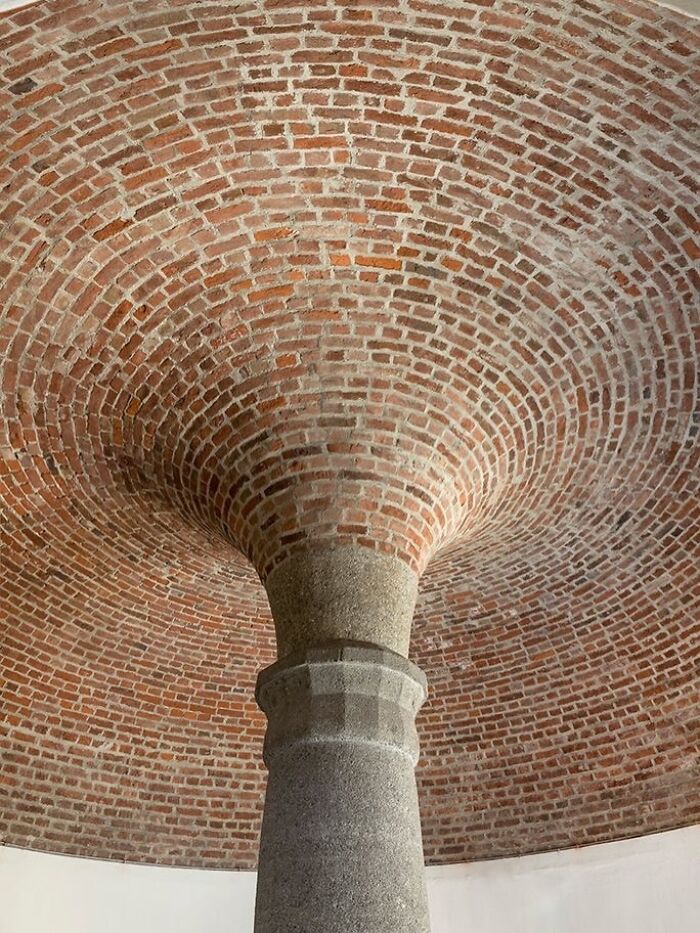
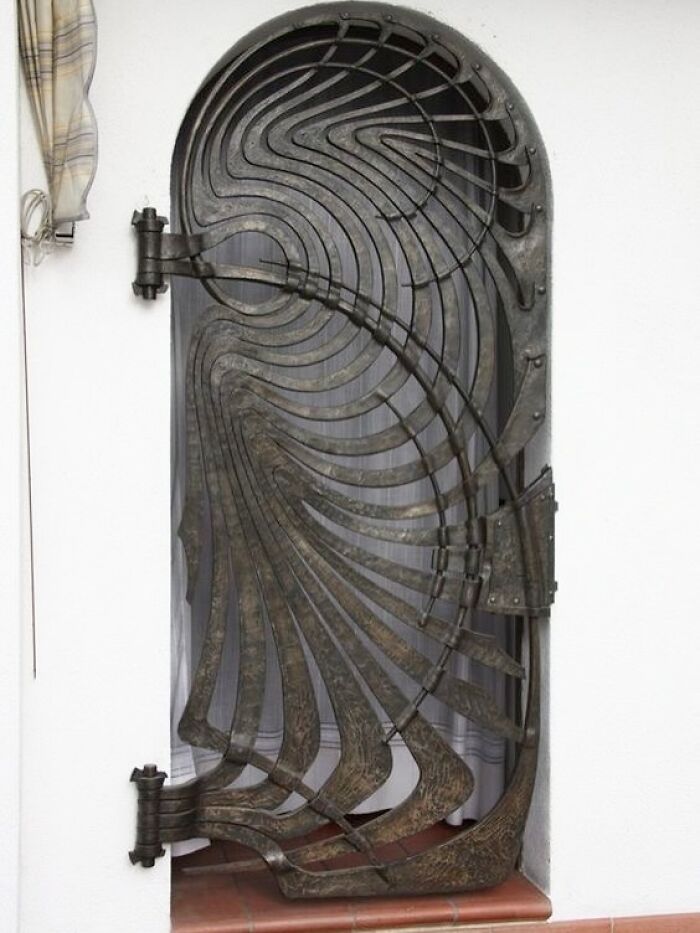
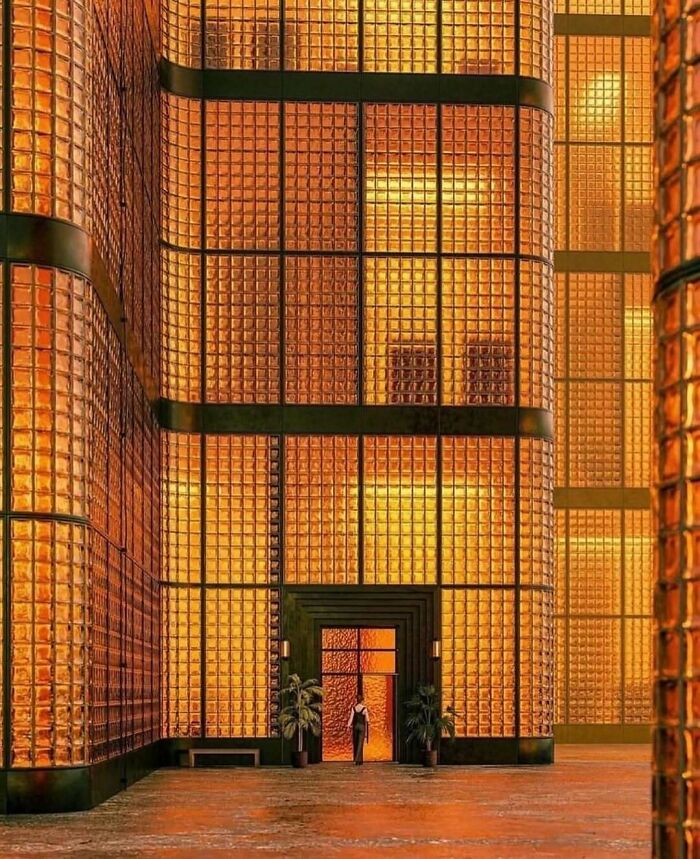
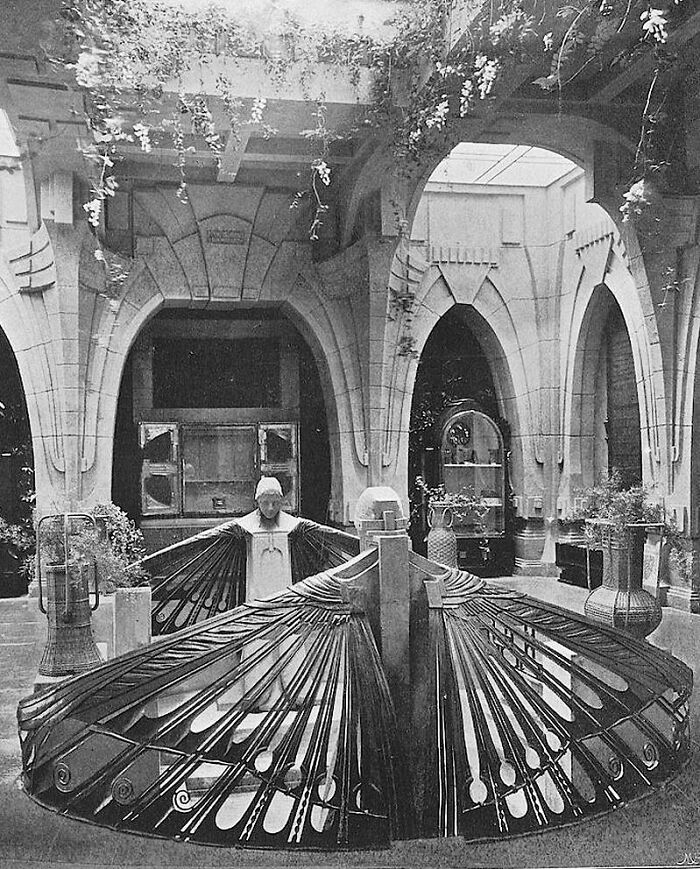
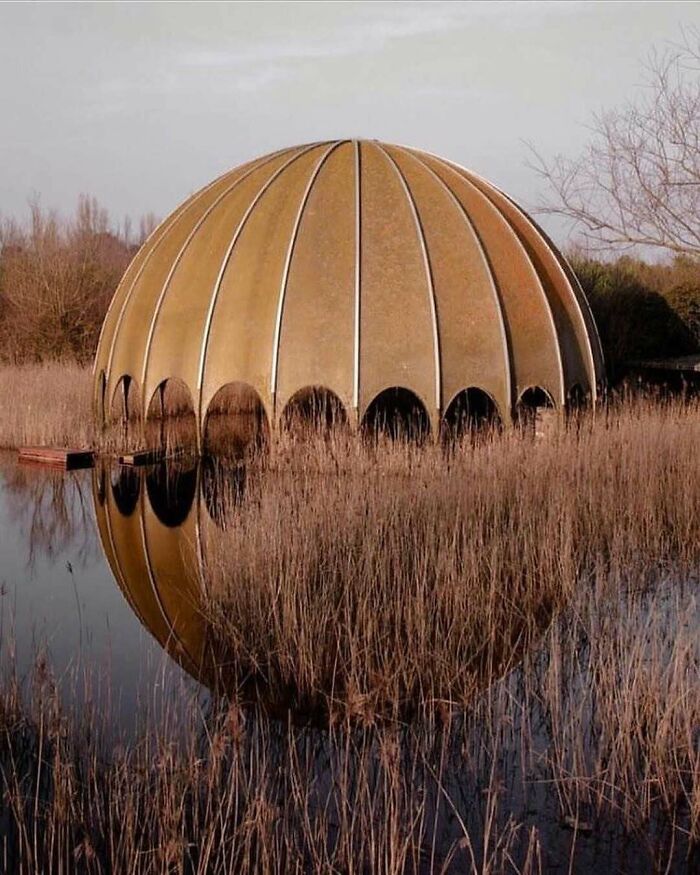
This is very pleasing to the eye. It reminds me of my reproduction lily lamp.

That's about 2 1/2 hours from where I live. I ought to pop on over and check it out.
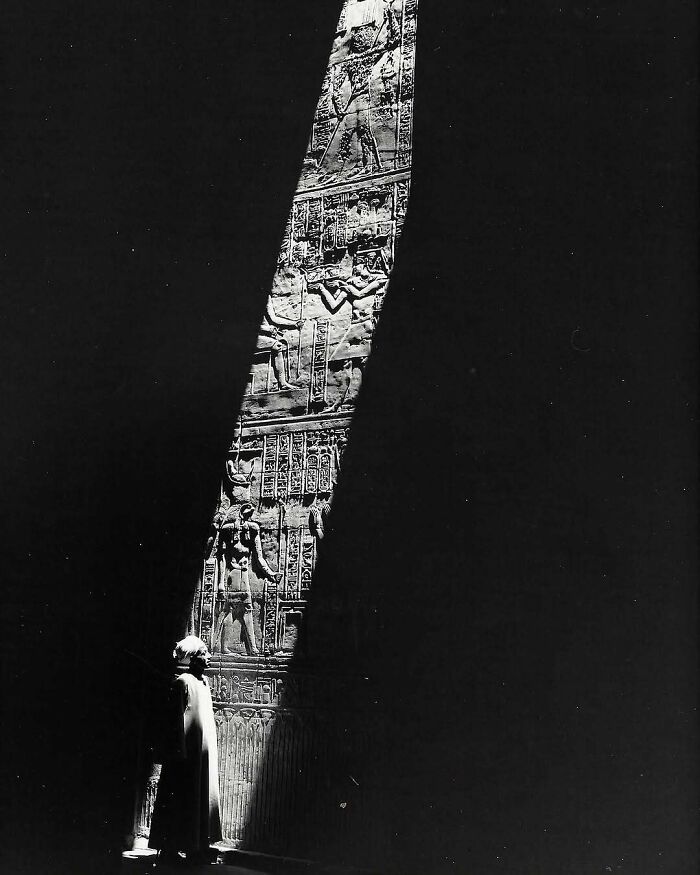
Ancient Egypt, from around 3,050 BC, brought something entirely new in scale. Without abundant wood, Egyptians built with sun-baked mud for everyday life, but for their temples and tombs they turned to granite and limestone. The pyramid form was a remarkable engineering solution—the sloping walls could rise to enormous heights because their weight was carried down through the wide base.
A figure named Imhotep is credited with designing one of the earliest, the Step Pyramid of Djoser, around 2,667 BC. The columns Egyptians developed to support stone roofs were often carved to resemble palms and papyrus plants, and over centuries at least thirty distinct column styles evolved from this tradition.
From around 850 BC, classical Greece and Rome reshaped the entire idea of what a building could mean. Vitruvius, writing during this period, believed that temples should follow mathematical principles—that without symmetry and proportion, a structure had no business being called architecture.
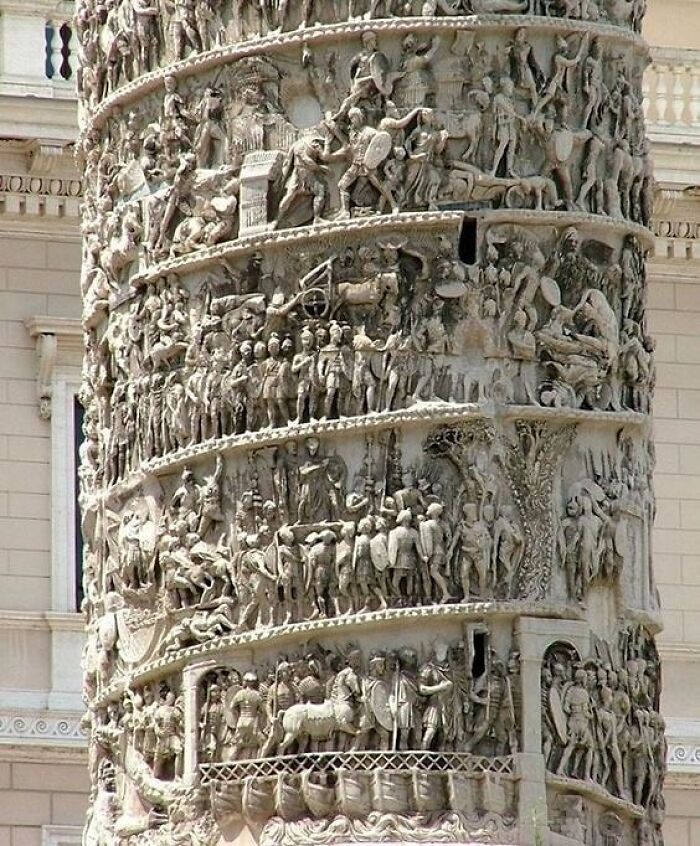
The Greeks developed the Doric, Ionic, and Corinthian column styles, each with its own character and rules. The Romans borrowed extensively from the Greeks but went further, using concrete to build arches, vaults, and domes. The Colosseum and the Pantheon still stand as evidence of what that ambition looked like in stone.
Quite a achievement. I'm guessing that the photo doesn't do justice to it.
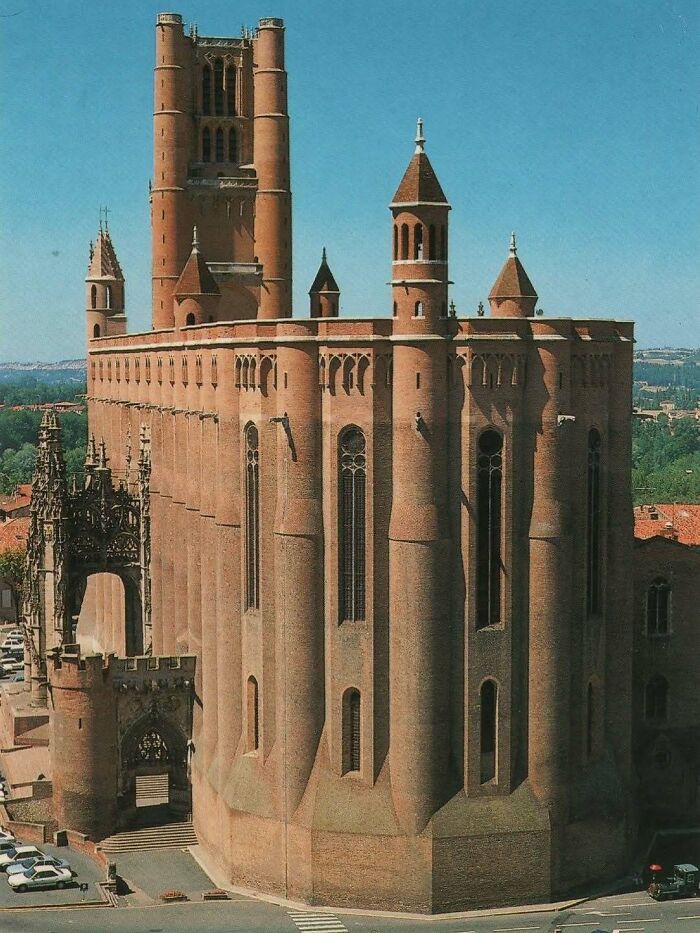
What followed was centuries of evolution. Byzantine domes rose on brick in Constantinople, and Romanesque churches spread thick-walled across medieval Europe. Then came the soaring Gothic cathedrals of the 12th to 15th centuries, with their pointed arches and flying buttresses allowing buildings to reach heights that had never been attempted before. Chartres, Notre Dame, and countless others came from this period.
The Renaissance then brought a return to classical proportion and harmony, with architects like Andrea Palladio drawing on ancient Greece and Rome to build villas and public buildings of extraordinary symmetry. His work would go on to influence Western architecture for centuries.
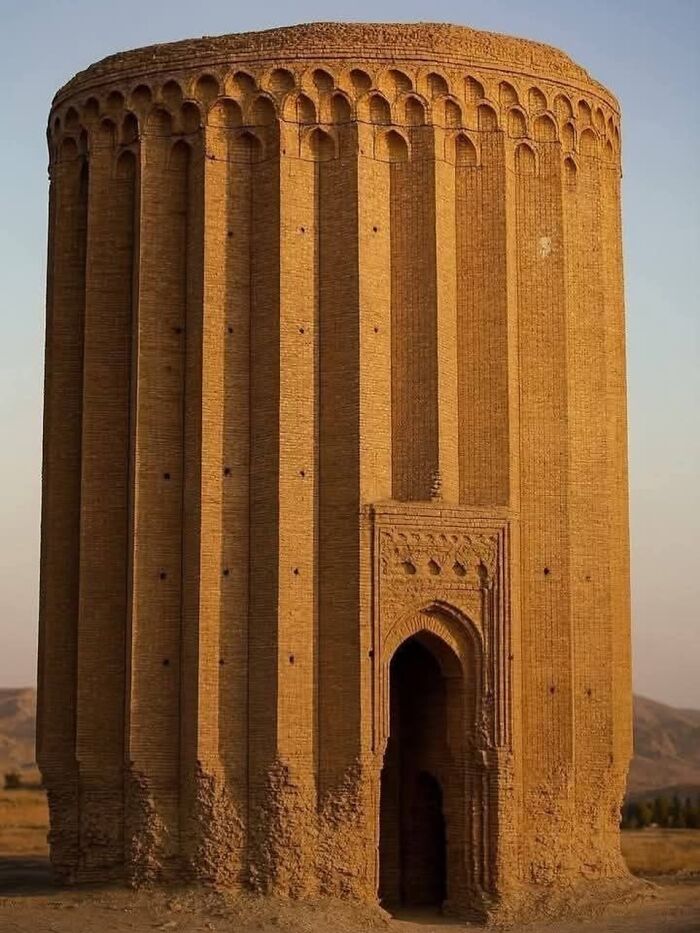
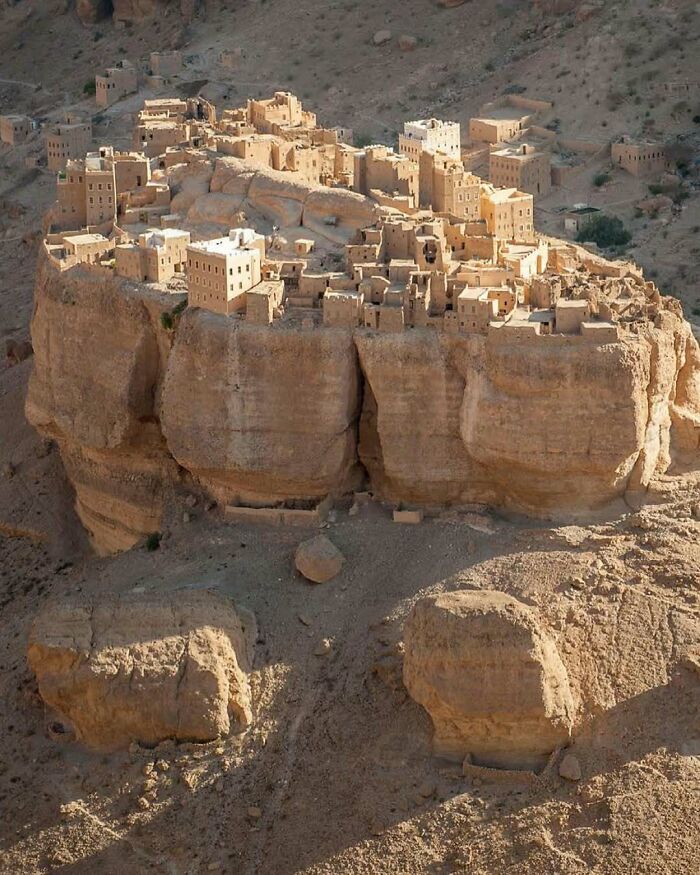
It's amazing that with the various wars and Afghanistan's seismic activity that it has survived.
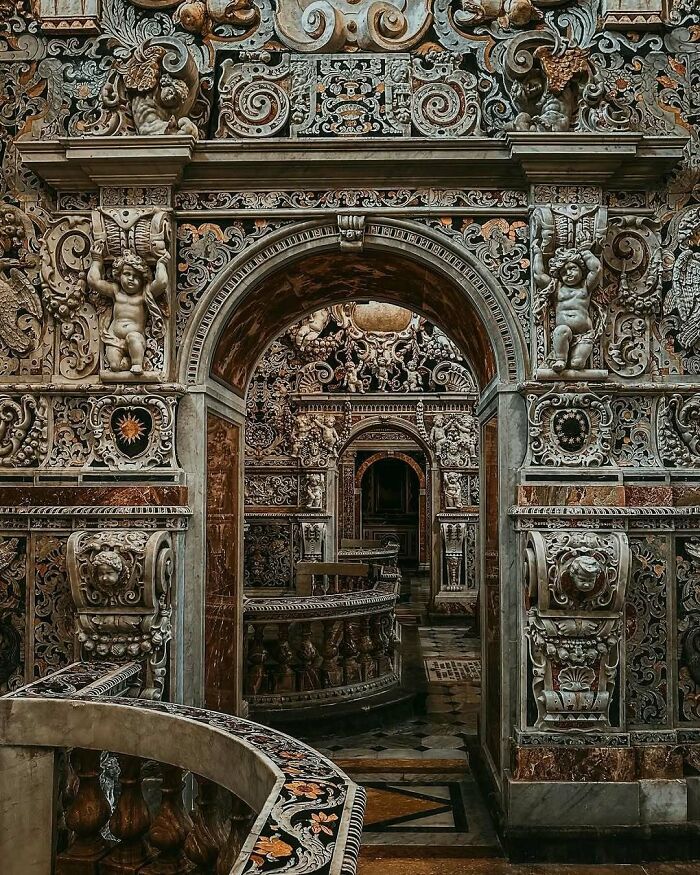
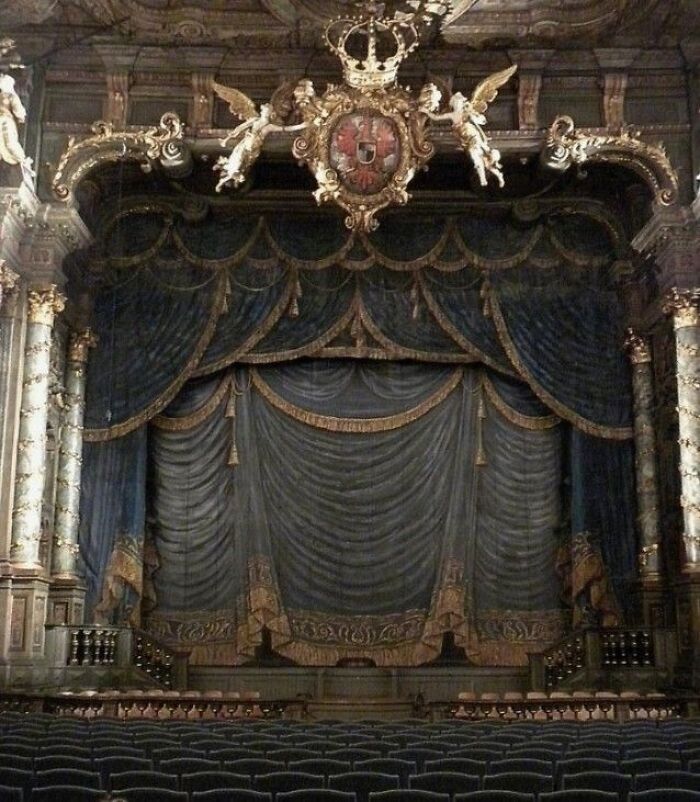
The styles that followed each had their own distinct character. Baroque architecture, which swept through Europe in the 1600s, was lavish and dramatic, with ornate churches in Italy and the overwhelming grandeur of the Palace of Versailles in France. Neoclassicism pulled back from all of that excess, returning to orderly, symmetrical forms that reflected the rational thinking of the Enlightenment.
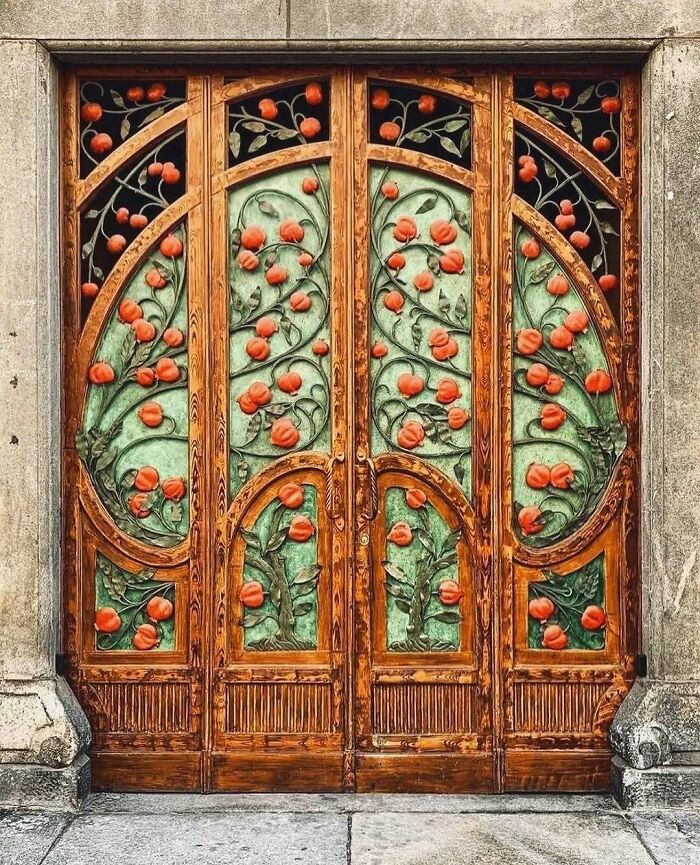
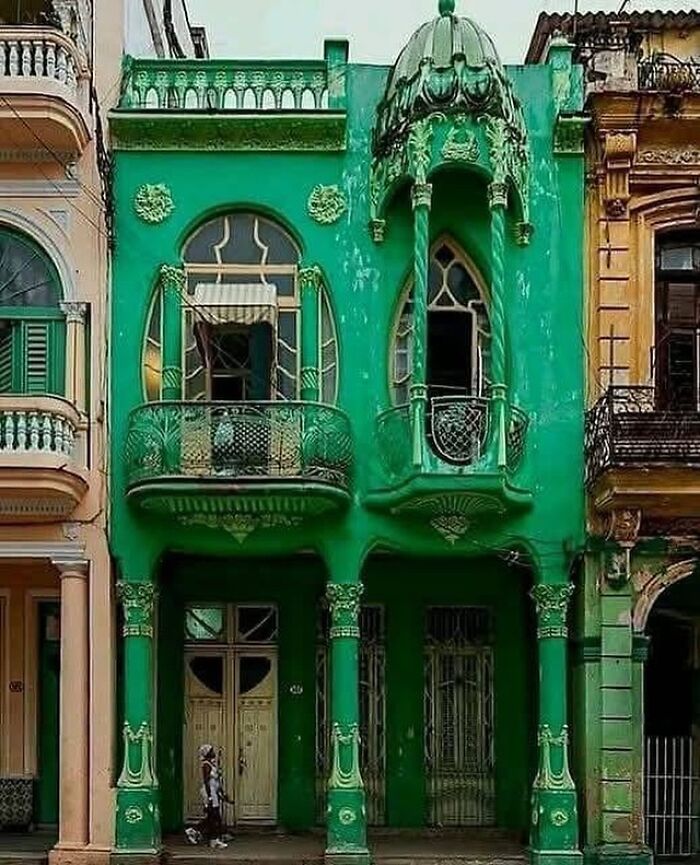
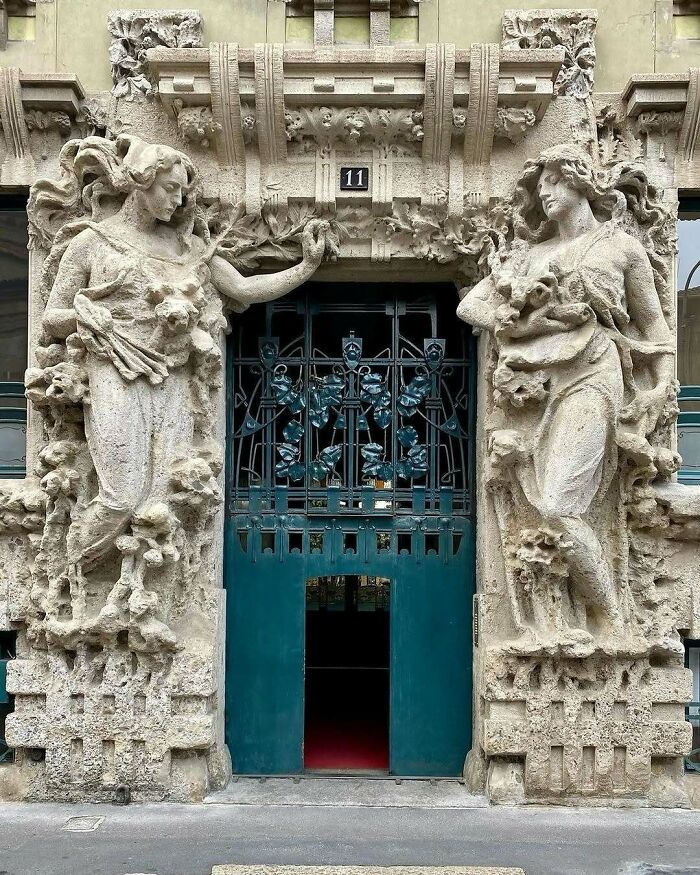
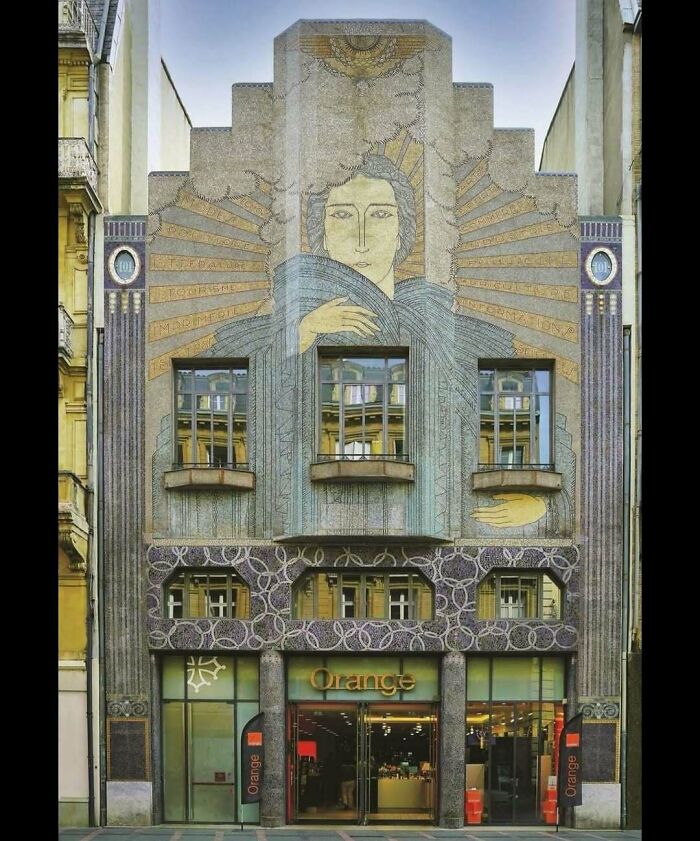
Then in the late 1800s, Art Nouveau arrived as a reaction against industrialization, filling buildings with curved, plant-like forms and elaborate mosaics. Art Deco followed in the early 20th century, trading organic curves for bold geometry and a fascination with the machine age.
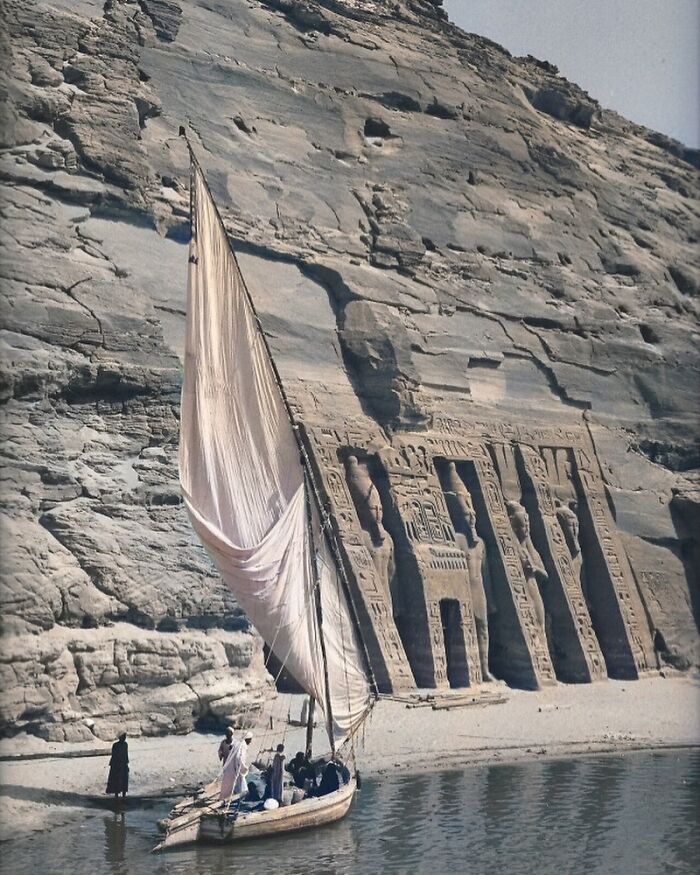
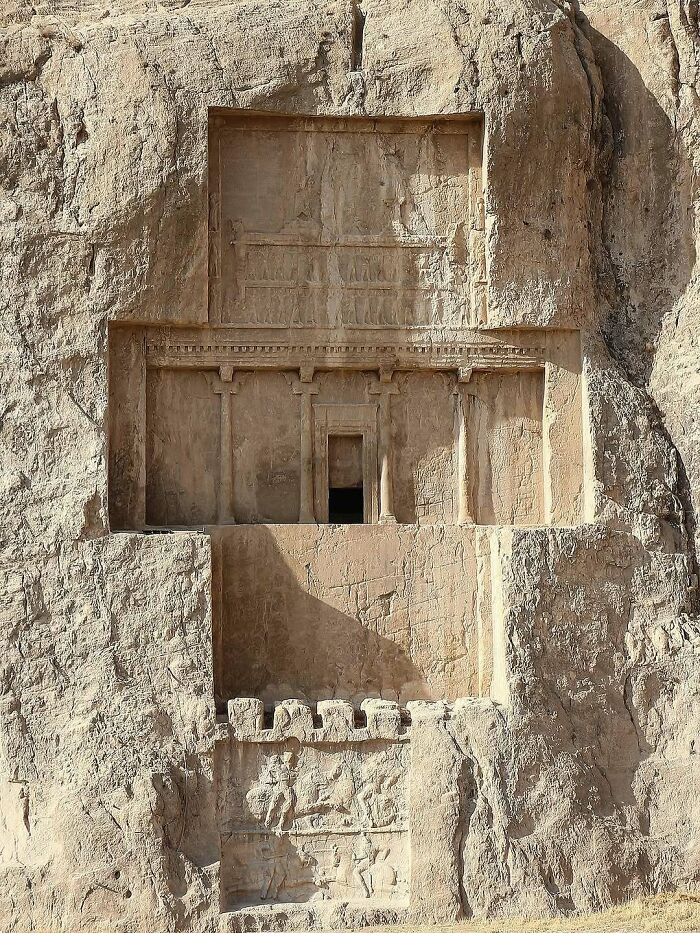
This is one of the monuments which was disassembled and the reassembled at a higher elevation in the 1960s because of the Nasser Dam.
By mid-century, Modernism had stripped much of that away, focusing on function and clean lines, with glass, steel, and concrete replacing older materials and traditions. And when that started to feel too rigid, Postmodernism brought wit and deliberate surprise back into building design.
Today we are in an era of contemporary architecture that allows for experiments that simply weren’t possible before. Architects try to be innovative, but also sustainable, and some of what’s being built right now feels so otherworldly it could have come straight from the future.
But that doesn’t make what came before any less impressive. If anything, considering the limitations people had, it might make it even more so. What it all proves is that architecture has always been, and continues to be, a beautiful art.
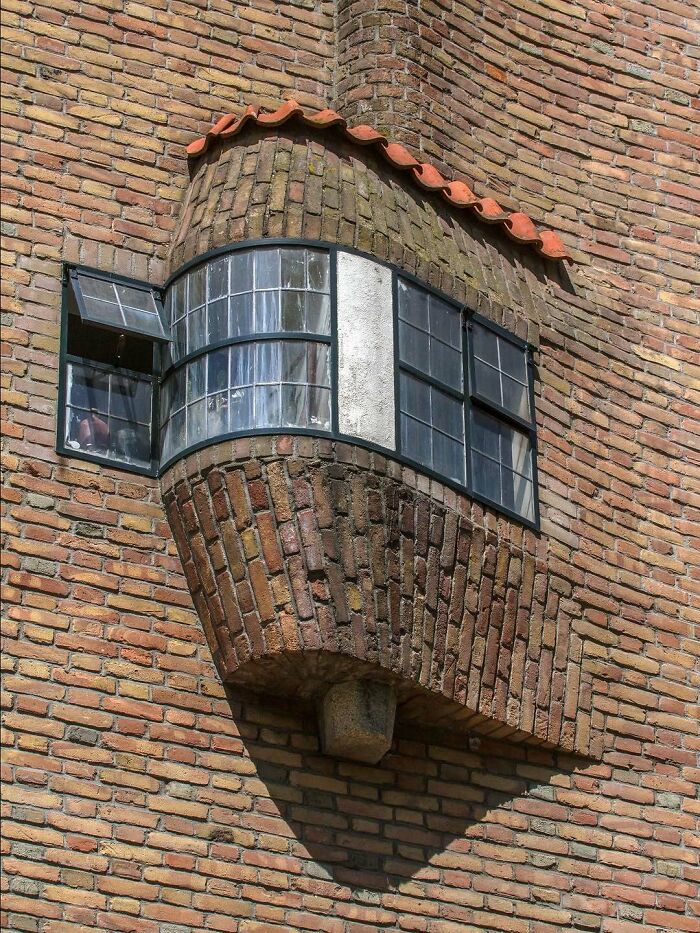
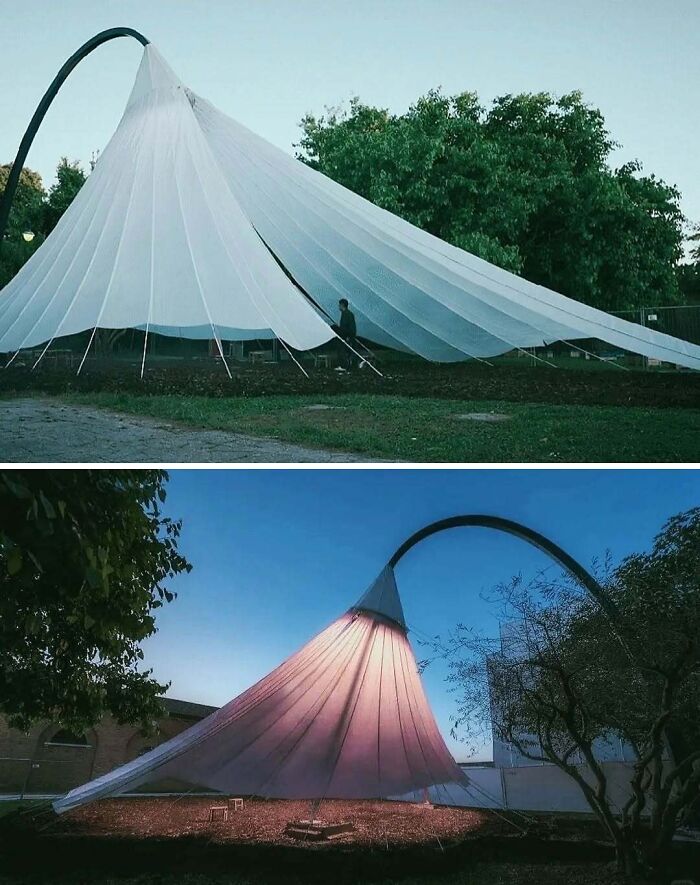
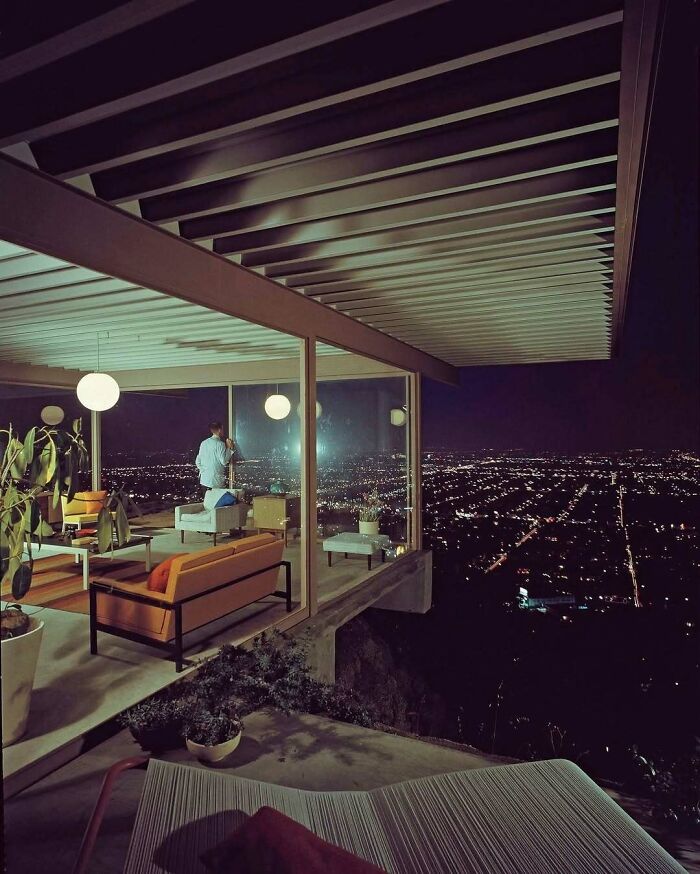
I've only seen the building in photos from this perspective and thought it looked flimsy. But this piqued my interest and a better angle showing it is on Wikipedia. :-)
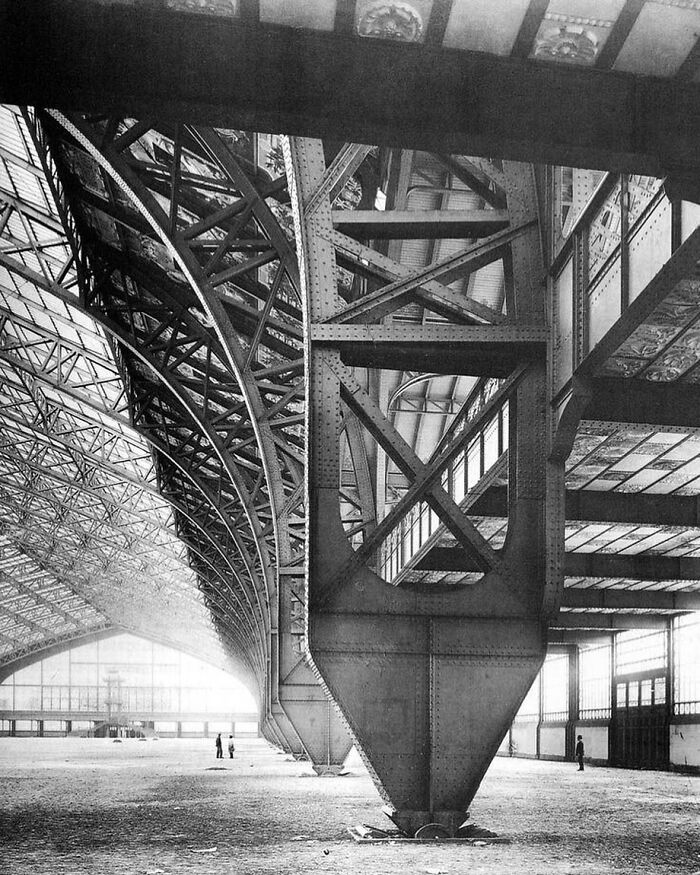
Amazing for the time, and probably pretty impressive by moderm standards, too.

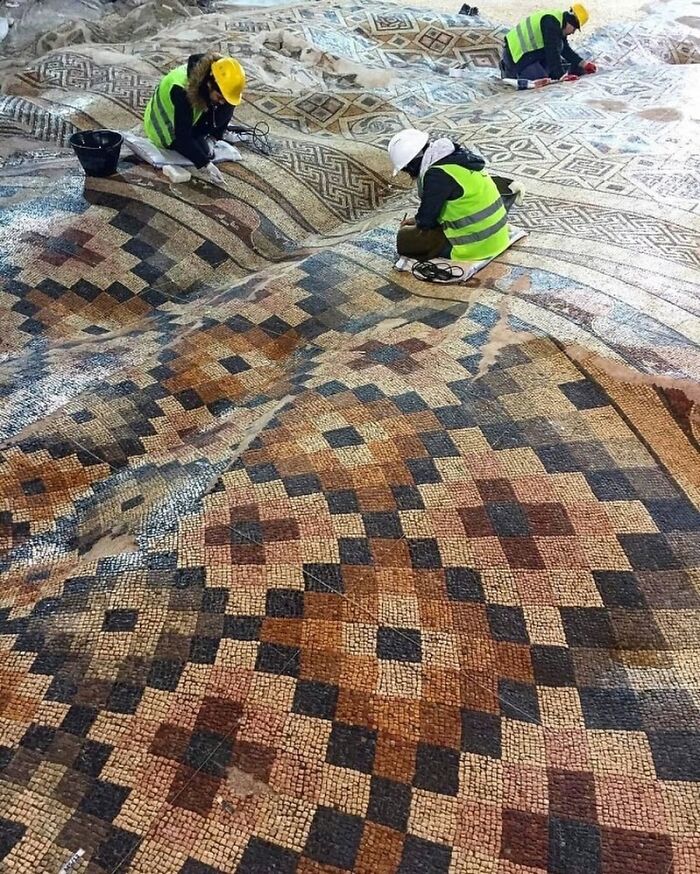
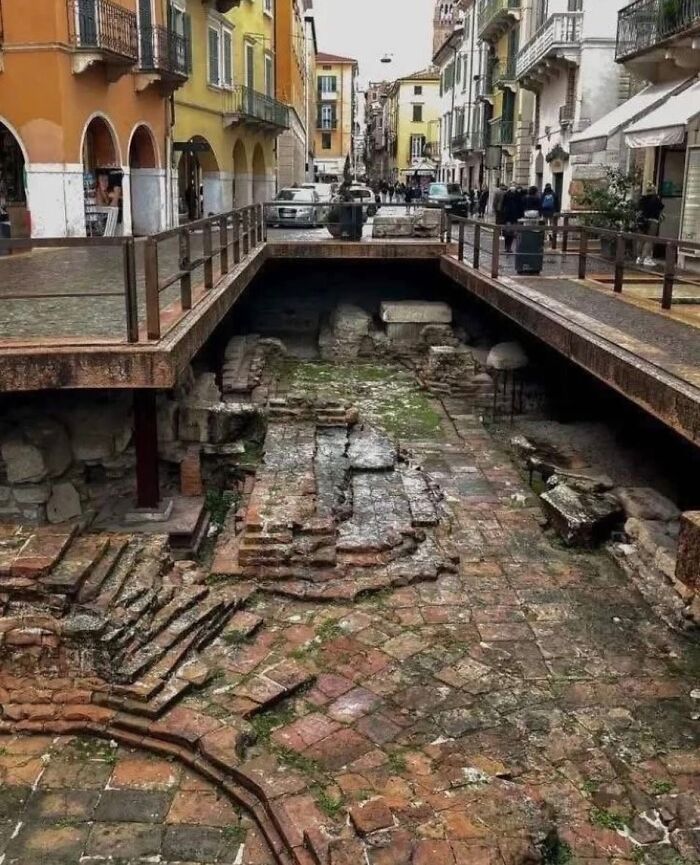
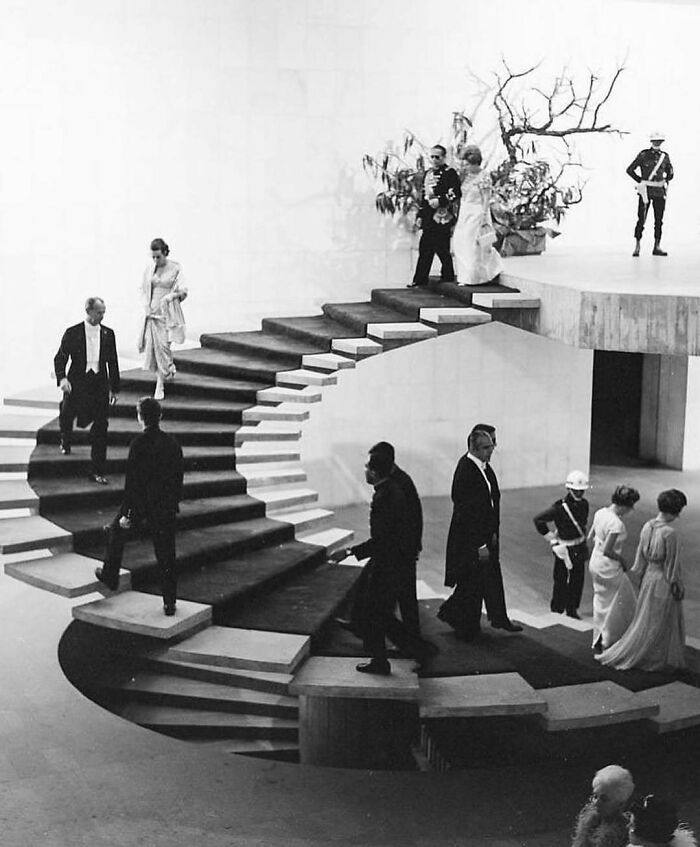
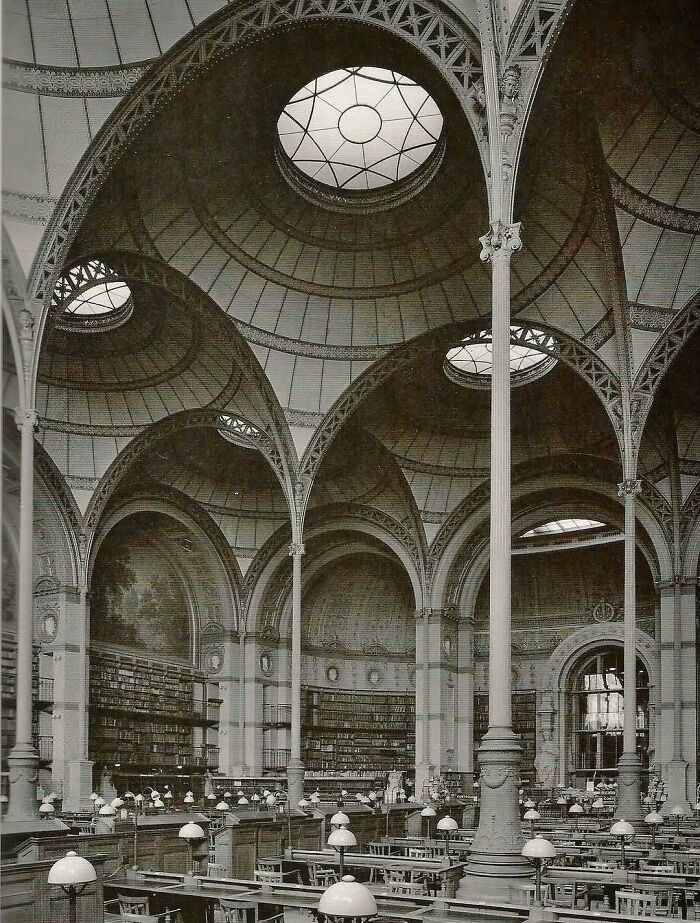
Fascinating to visualize how people were using that space at that time.

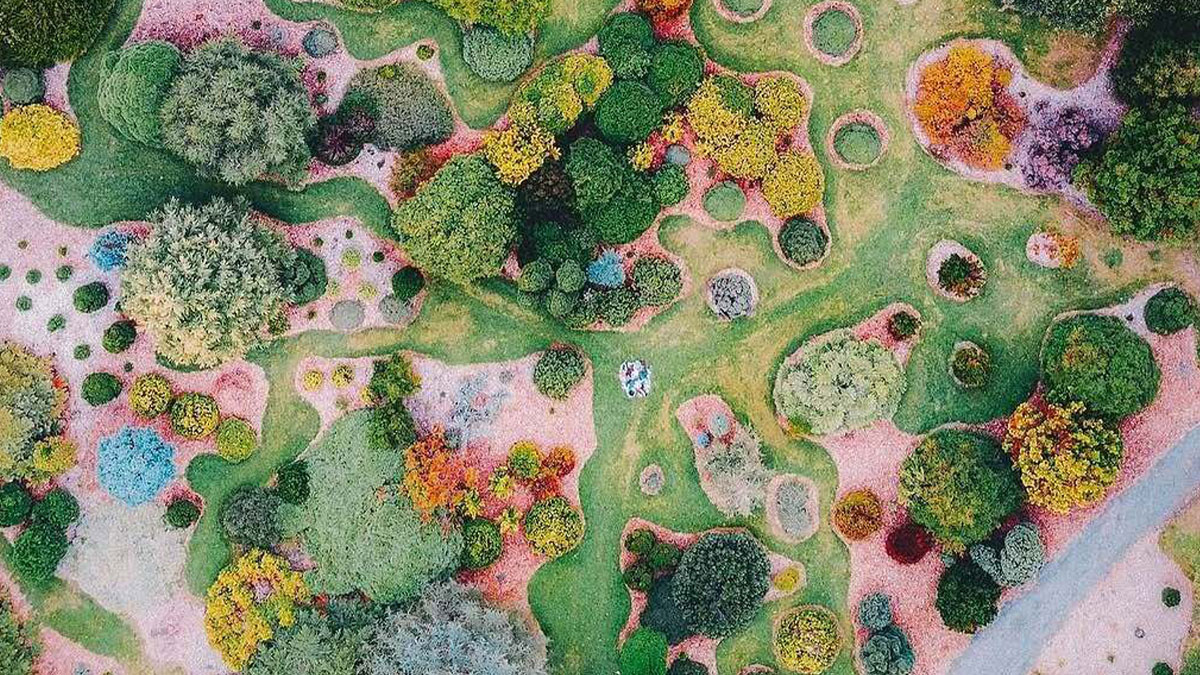
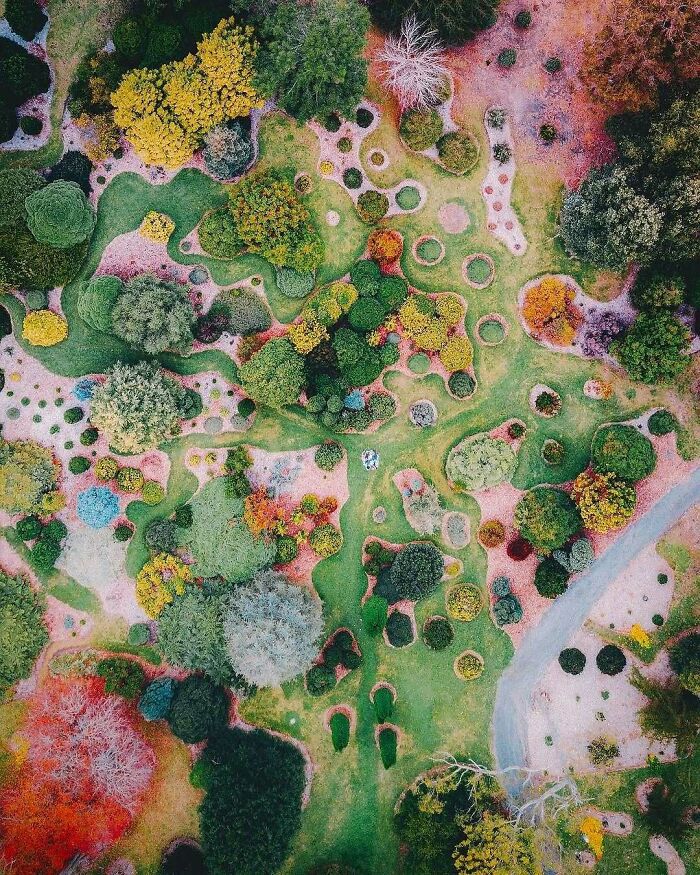
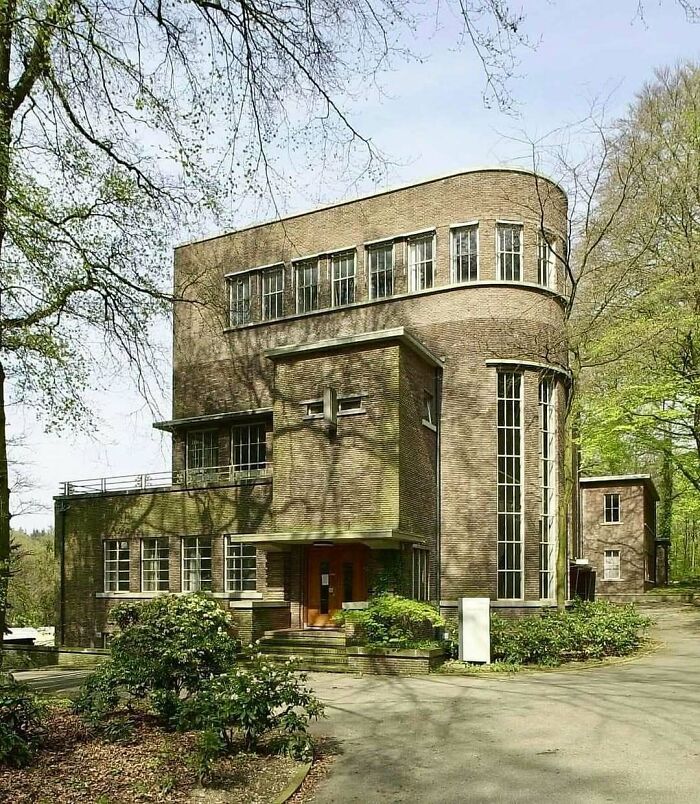
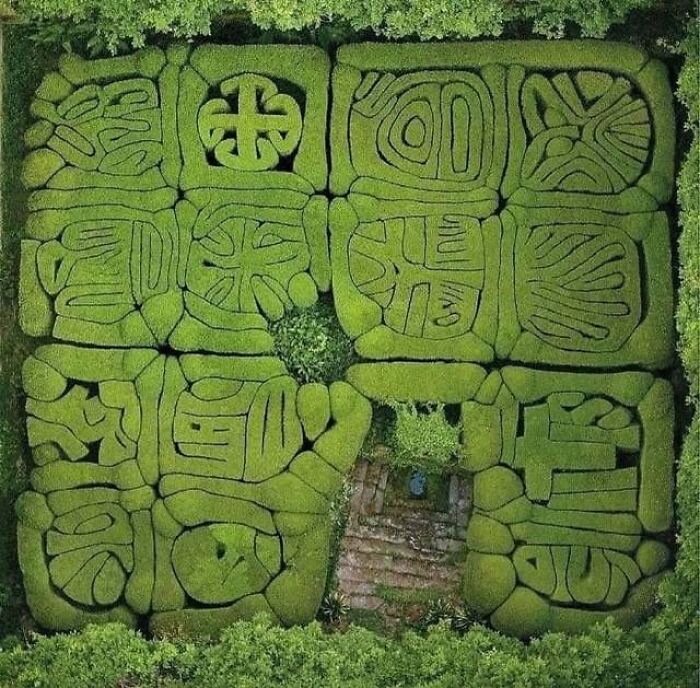
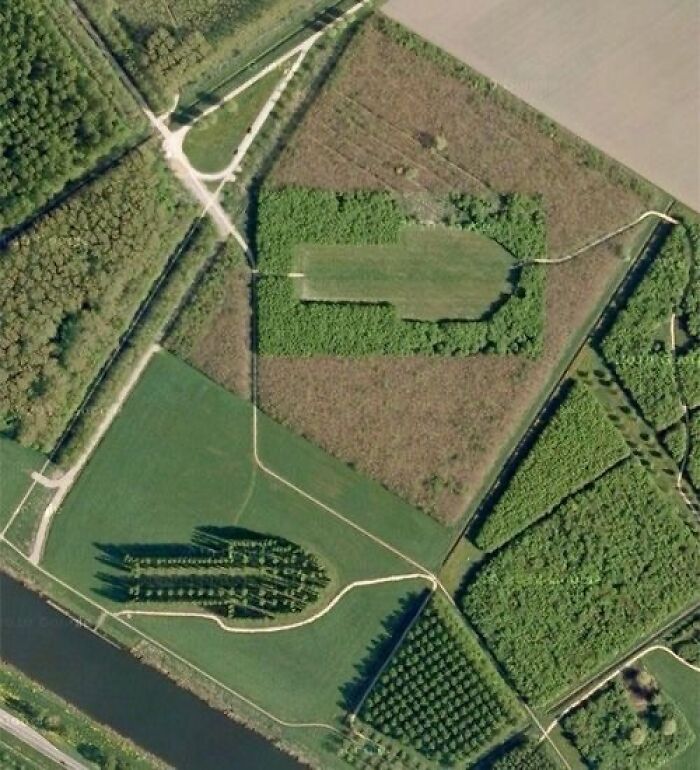
Green cathedral, in Almere, the Netherlands. It look prettier from above than when you visit it in person.
Note: this post originally had 93 images. It’s been shortened to the top 50 images based on user votes.

All wonderful - thank you. There is aesthetic pleasure in all of these photos. For those who don't get it - well, that's okay. For me, this list was a most welcome antidote to the horrors going on at the moment.

I always wonder why th Maison Coilliot in Lille is never mentionned. Try to google it - the Art nouveau interior is absolutely stunning as well.

The current headline - some of the most beautiful and amazing architectural structures... Really? Well, true, only some of them are beautiful.
All wonderful - thank you. There is aesthetic pleasure in all of these photos. For those who don't get it - well, that's okay. For me, this list was a most welcome antidote to the horrors going on at the moment.
I always wonder why th Maison Coilliot in Lille is never mentionned. Try to google it - the Art nouveau interior is absolutely stunning as well.
The current headline - some of the most beautiful and amazing architectural structures... Really? Well, true, only some of them are beautiful.





































 No fees, cancel anytime