Get Premium
Dark mode theme is available exclusively for premium users. Learn more about the benefits of subscribing.
No fees, cancel anytime.

 Dark Mode Ad-Free Browsing Unlimited Content
 Ad-Free Browsing Unlimited Content Dark Mode
Join 1.2 million Panda readers who get the best art, memes, and fun stories every week!
29submissions
Finished
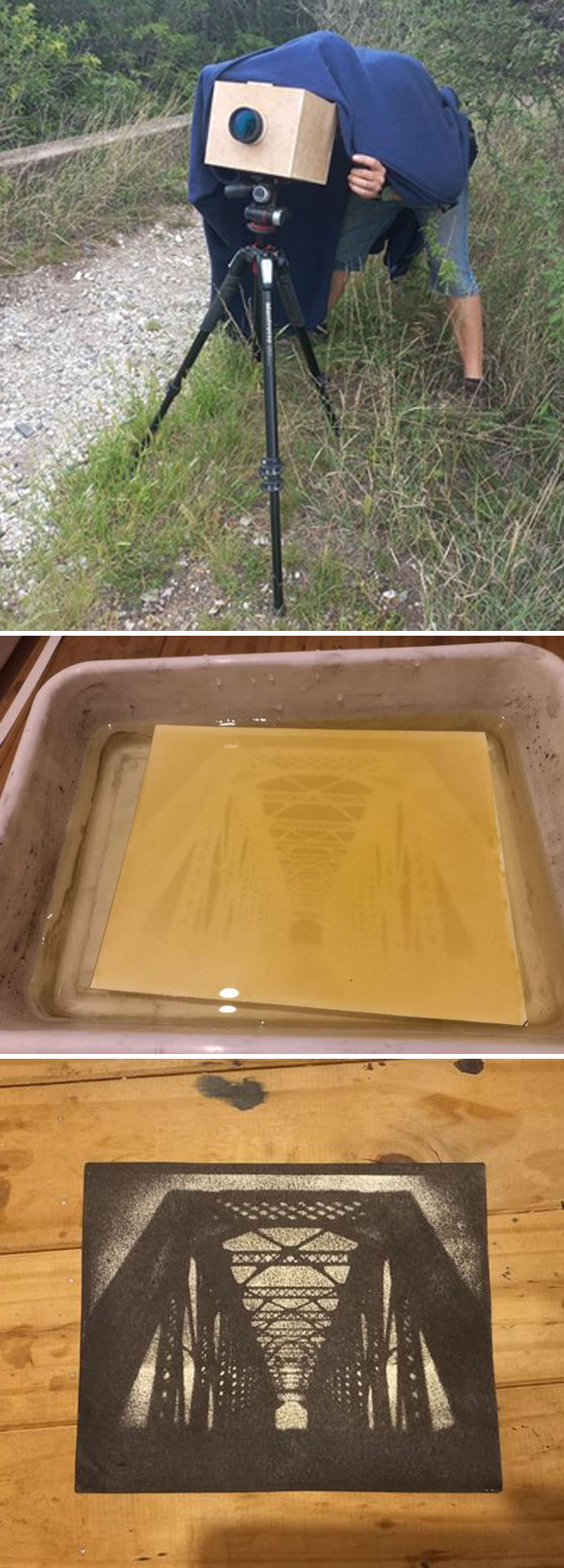
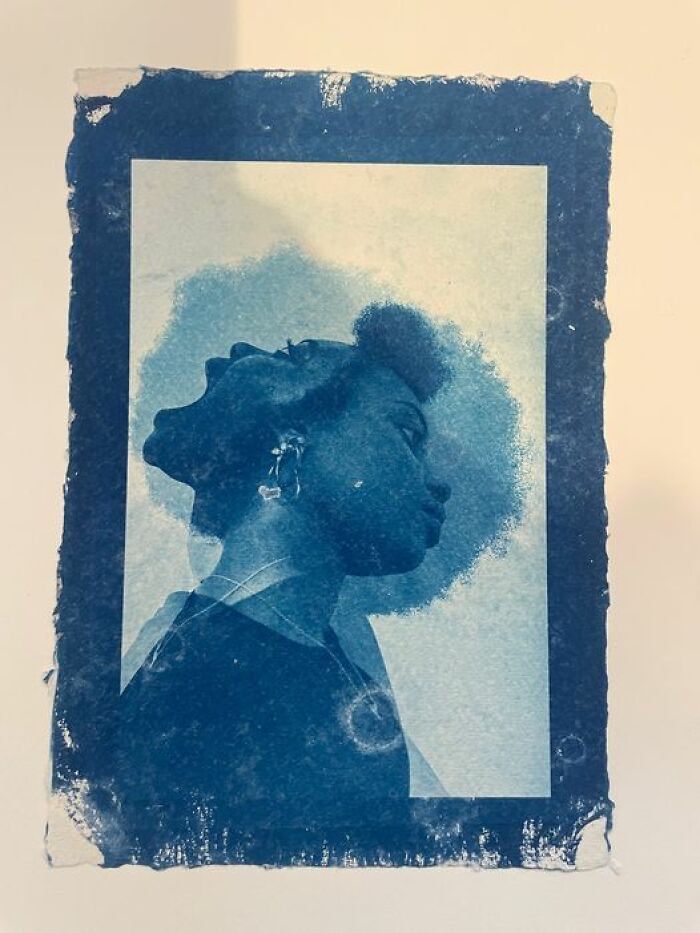
Those seeking to express themselves through art find hundreds of ways to do it. Visual art alone, for instance, boasts an abundance of approaches, from photography to graphics, and beyond. In addition to the rather popular art forms, there are also numerous unique alternatives, often less familiar to the general public, such as gum bichromate, kallitype, or chrysotype, just to name a few.
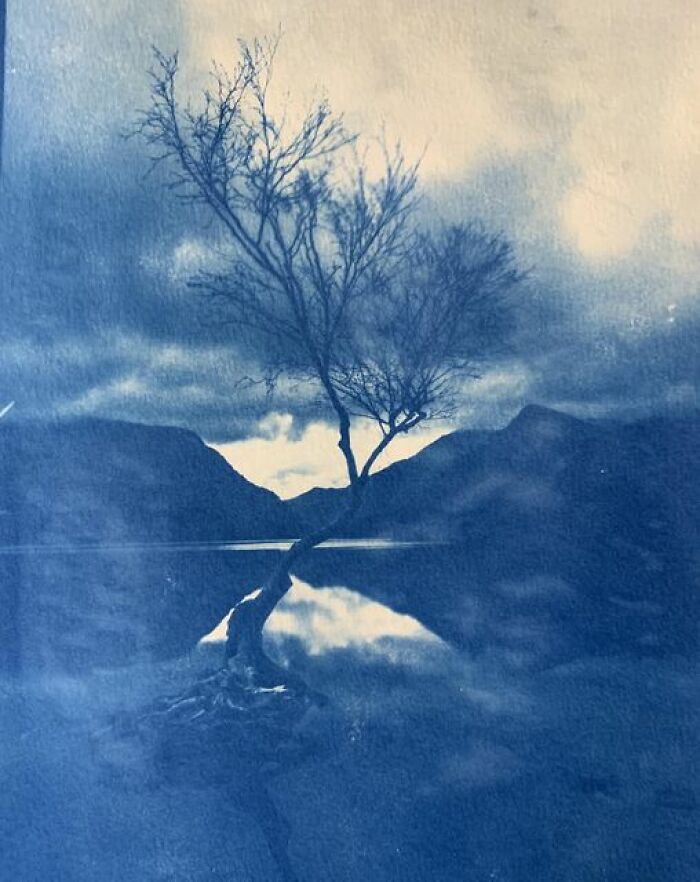
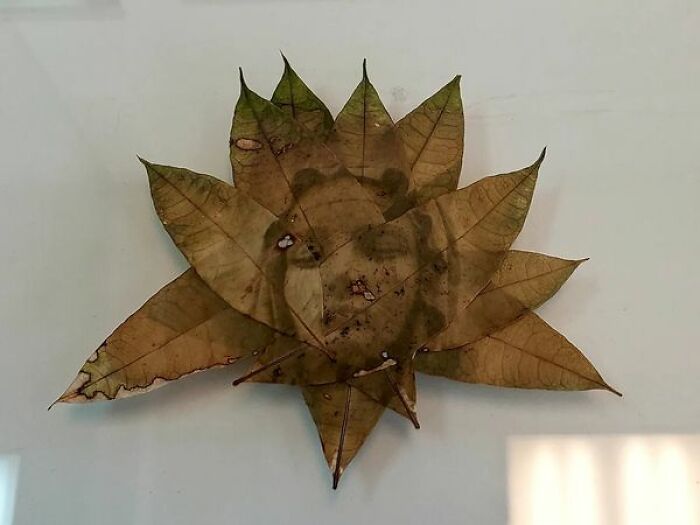
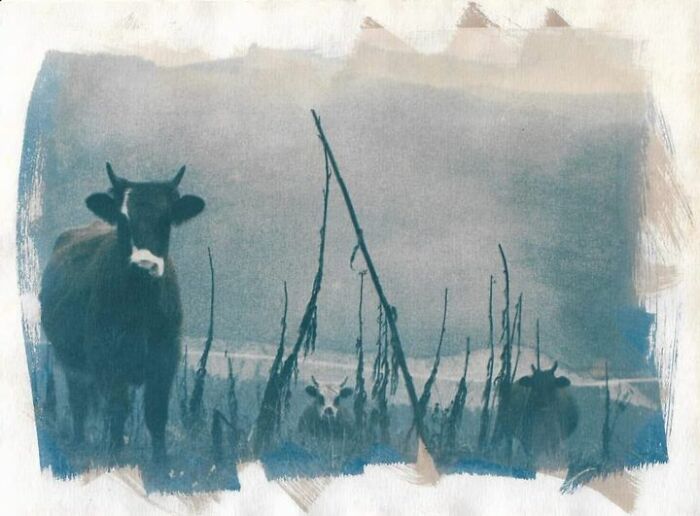
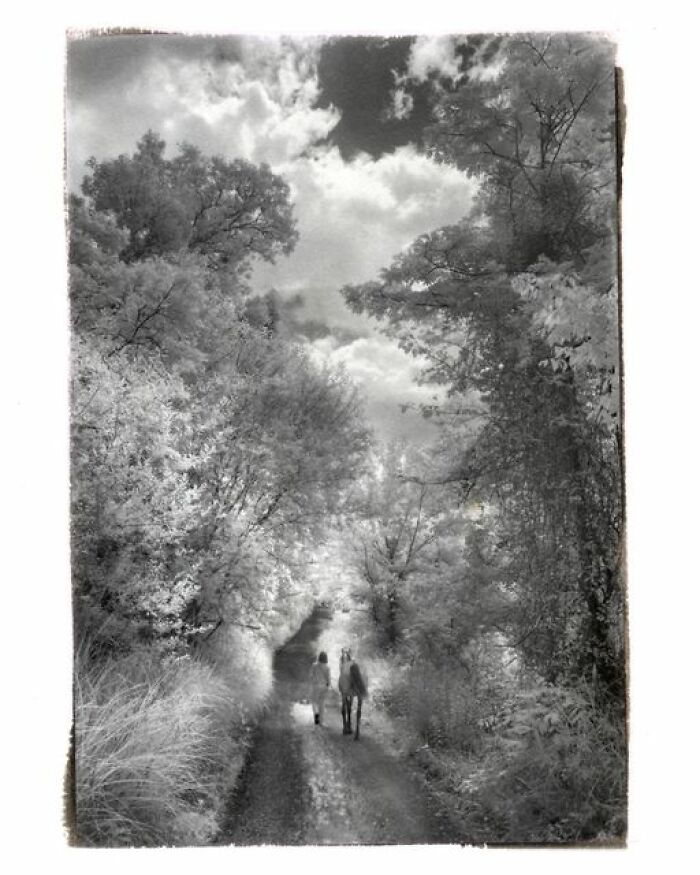
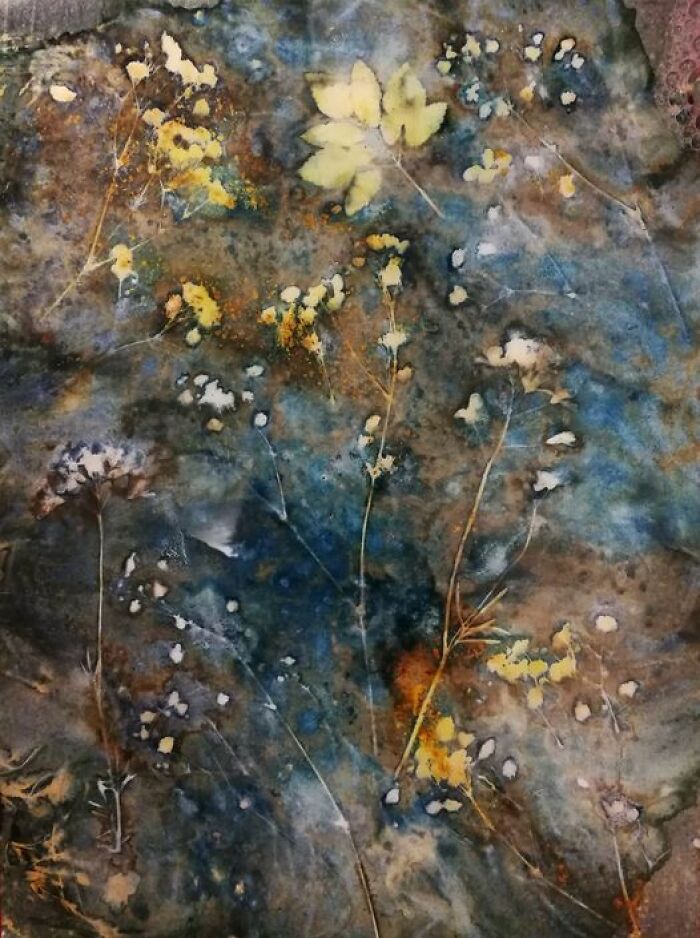
All three of the aforementioned are alternative photographic processes, examples of which can be found on a public Facebook group titled exactly that. The group consists of over 48 thousand enthusiasts of different kinds of methods, who share their beautiful artwork with the world. We have gathered some of their best examples on this list for you to marvel at, so wait no longer and scroll down to find the unique images.
Bored Panda has turned to the editor of the ‘Alternative Photography’ website, Malin Fabbri, to learn more about alternative photographic processes and she was kind enough to answer some of our questions. You will find her insight in the text below.
This post may include affiliate links.
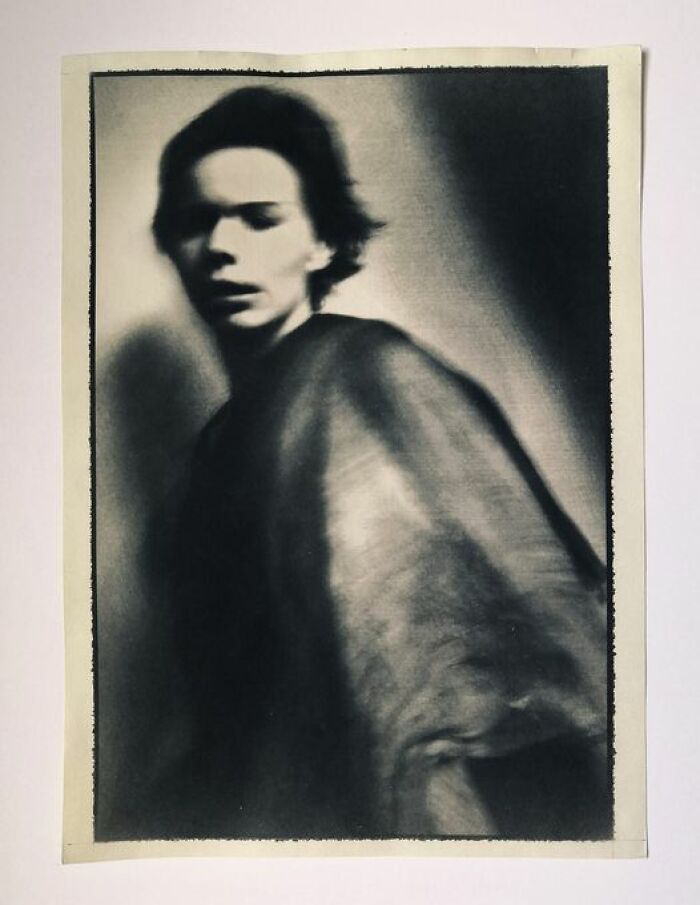
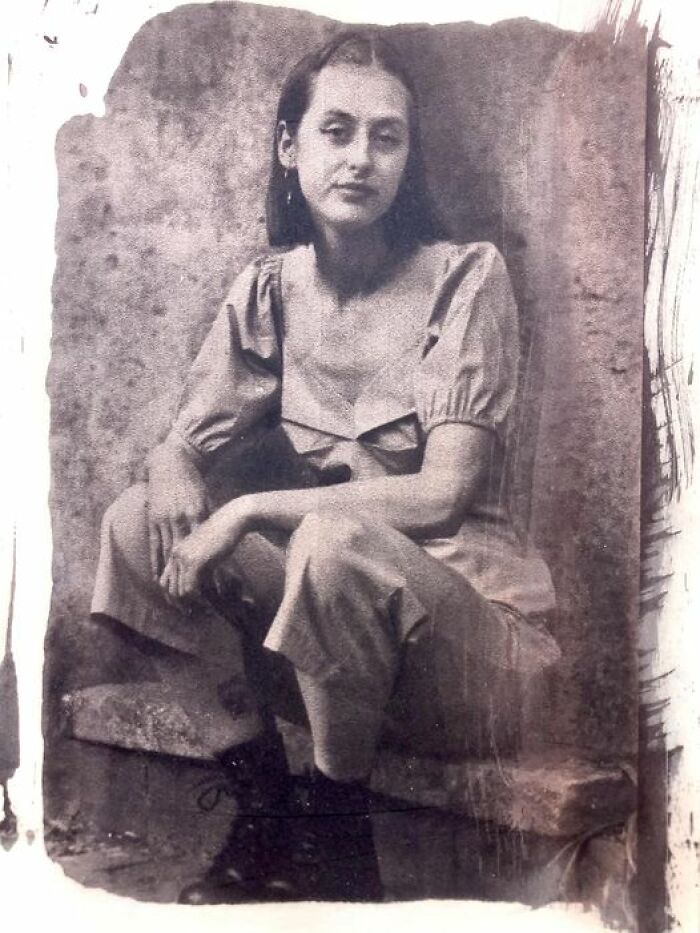
A year ago, I made my first iron-process print, from a digital negative of an image of especial importance for me. A year and many hundreds of prints later, I circled back and reprinted it this week. I still have work to do, but I am reaching a point where I feel as if I am reaching the process's potential. This print: Walking Piper (2021), a platinum-toned kallitype printed onto Revere Platinum paper
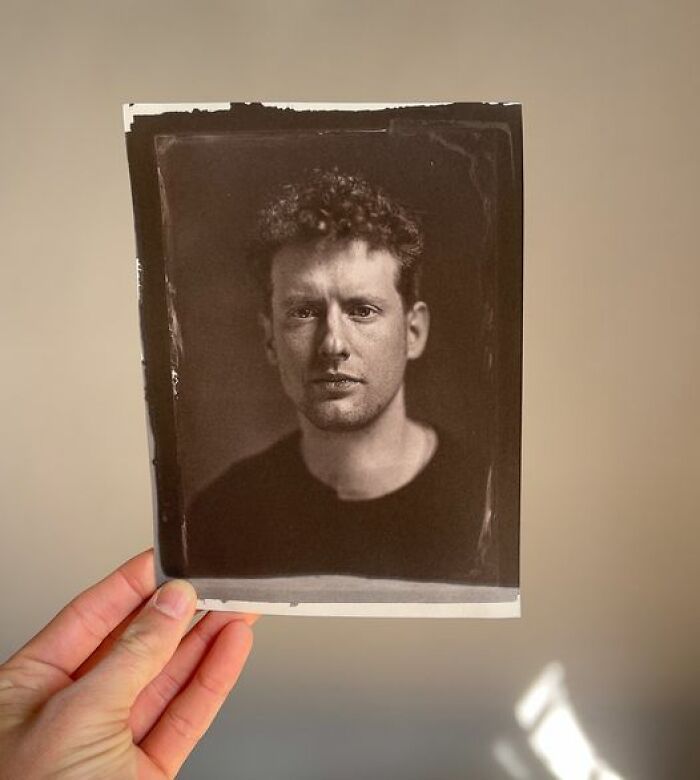
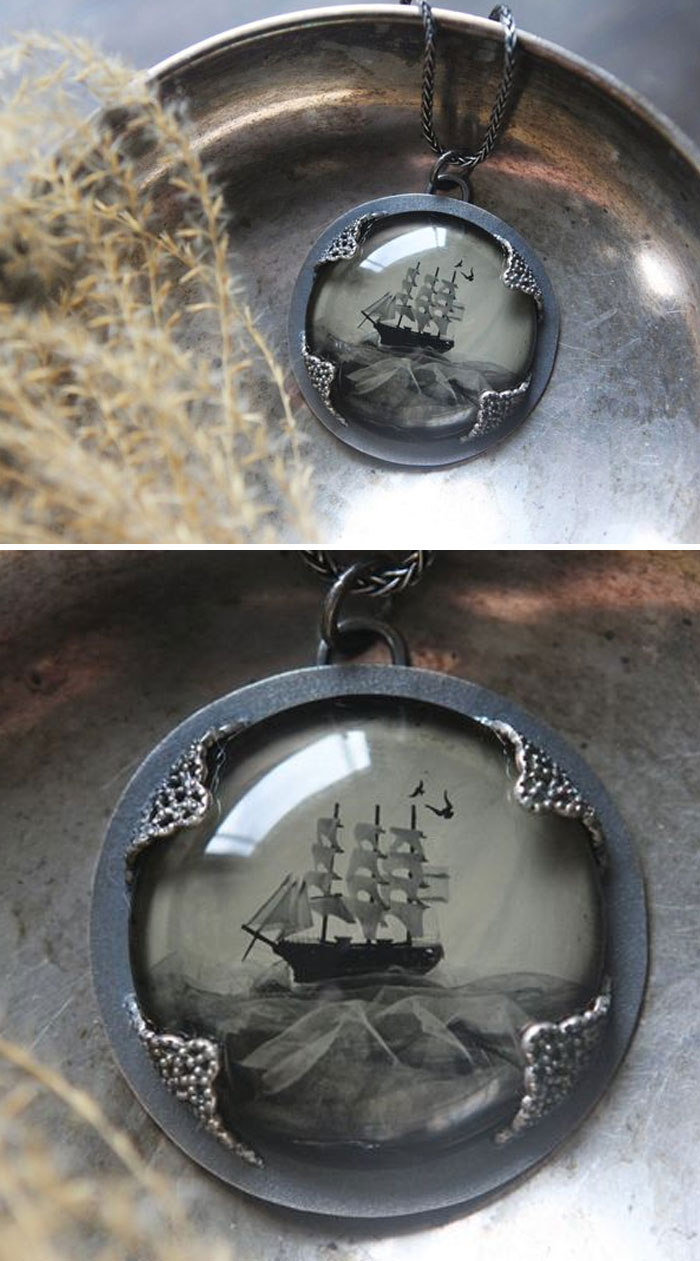
Yesterday, I made the sterling silver filigree setting at my jeweler's bench and carefully set the ambrotype.
Making these tiny collodion images is a labor of love. It takes a certain intensity of work in a category all it's own, which is a challenge to maintain. For me, it's a much more difficult process to capture images on small glass pieces or stone, rather than, for example, a larger 4x6" plate. Here are the reasons why for those who have an interest.
First, it's a challenge to hold on to the tiny piece while pouring on the collodion and not getting my fingers on the poured substance, as many of you in this group know collodion in it's delicate form, while wet. Each finger print is much more consequential on a smaller ambrotype vs. a larger image. Secondly, focusing in camera onto such a tiny surface takes a lot of time and patience and it's a much easier task when working with a larger, regular sized image. The focus really counts on a tiny image. Thirdly, pouring developer on a small surface, many times inhibits the developer flow, as it's optimal to have the liquid flow around the plate for 9 to 12 seconds. Larger plates allow for easier movement of the larger amount of liquid.
I hope this is interesting information for some of you photographer geeks like me. 🙂
I've cut down on making these little collodion beauties, not because I don't enjoy it, but because it truly takes a lot of intense focus, time and effort.
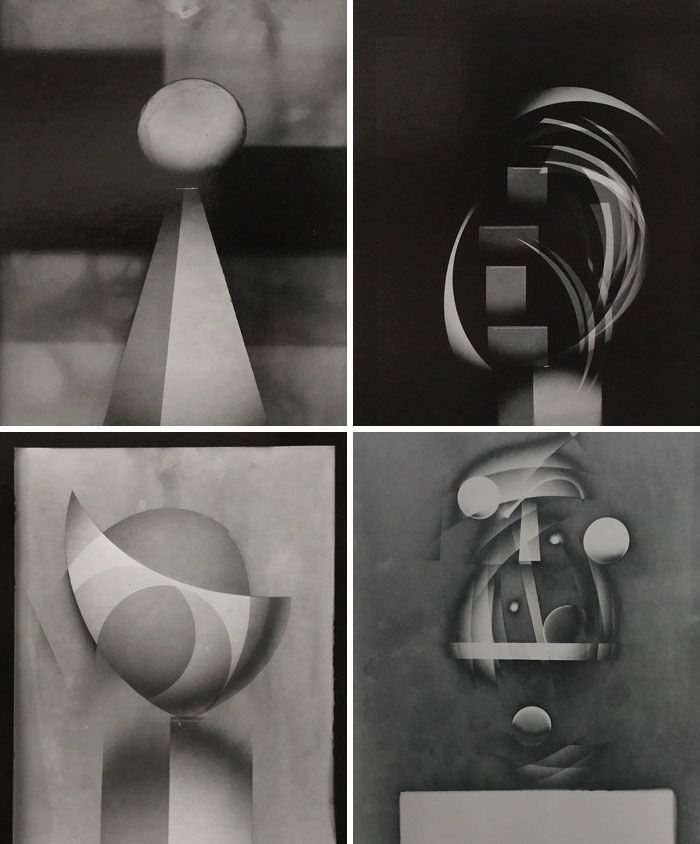
Using traditional darkroom processes with minimal equipment, British artist Mike Jackson creates the illusion of geometric sculptures using just controlled light. Often the work is revealed to the artist himself only upon its last stage of development, requiring Jackson to apply the practice of afterimage memory, relying on drawn guidelines for accurate placement. Jackson creates a distinct camera-less aesthetic by viewing silver gelatin paper as two- dimensional clay shaped by directed light or as a “bell jar ready to be filled” with emotional responses to subjects. His sculptures of light merge the real with the fantastical, pushing photography into a world of three-dimensionality










 No fees, cancel anytime