Get Premium
Dark mode theme is available exclusively for premium users. Learn more about the benefits of subscribing.
No fees, cancel anytime.

 Dark Mode Ad-Free Browsing Unlimited Content
 Ad-Free Browsing Unlimited Content Dark Mode
Join 1.2 million Panda readers who get the best art, memes, and fun stories every week!

Nature gave us sleep as the ultimate reset button, but how much people actually get varies widely by country. While sleep experts recommend approximately eight hours of sleep per night, reality is often shaped by cultural habits, long work hours, or even extreme daylight cycles.
So, who's really getting enough rest? Which countries prioritize sleep, and which ones are running on empty?
Using Time Use data from the Organization for Economic Co-operation and Development (OECD), we ranked 33 nations to see who sleeps the most.
These numbers reflect the most recent available survey year for each country, offering a snapshot of global sleep patterns over the past two decades. We begin with the most sleep-deprived countries and work our way up to the one that gets the most shut-eye.
This post may include affiliate links.
Average Sleep: 7 hours 42 minutes
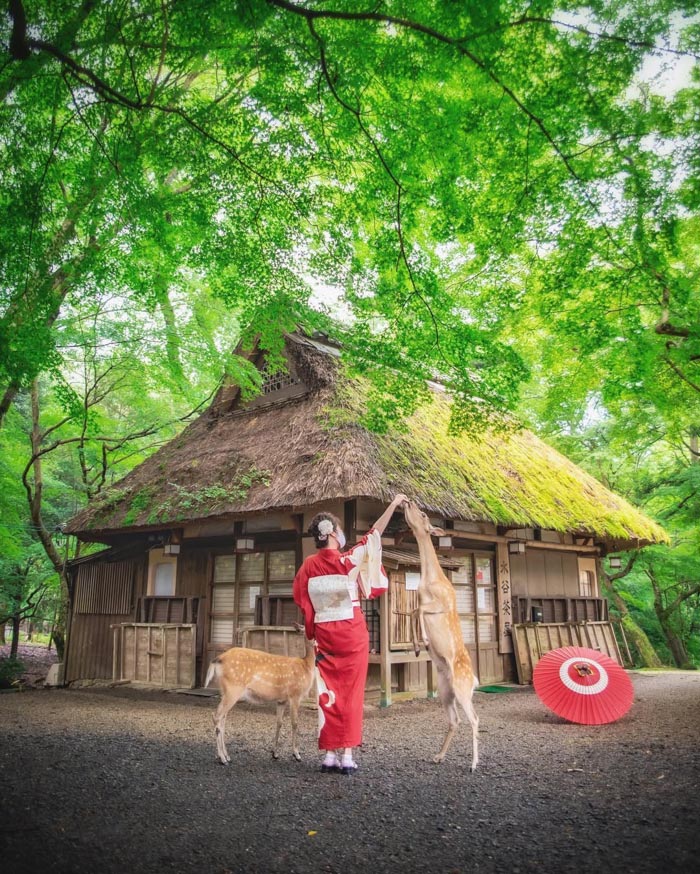
Japan ranks last on the OECD list for sleep duration, with only 7 hours and 42 minutes of sleep per day. This figure is often associated with Japan's intense work culture, in which long hours are the norm and leaving before your boss is frowned upon.
Chronic sleeplessness is a well-documented issue in Japan. In extreme cases, it can lead to karoshi, death from overwork. Singapore and Japan regularly rank among the top countries in global rankings of poor sleep. In a study by Philips, both countries averaged only 6 hours of sleep per night over the week.
According to The New York Times, the cultural concept of "inemuri," or sleeping while present, makes public naps socially acceptable. It signals dedication and exhaustion from working hard.

Isn't it interesting how in Japan a nap in public makes people assume you work hard but a public nap in America makes people assume you don't work at all.
Average Sleep: 7 hours 51 minutes
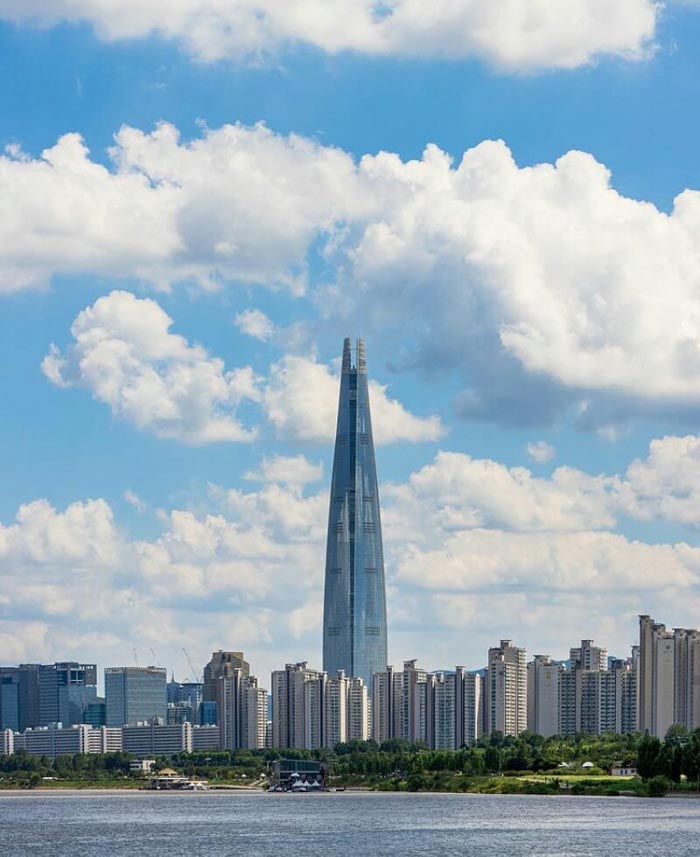
Just nine minutes ahead of Japan, South Korea also struggles with short sleep due to its high-pressure culture. Whether it's academics, sports, or careers, Koreans push hard, often sacrificing rest for performance.
The BBC explored the country's "ppalli-ppalli" ("hurry-hurry") mindset, which permeates everything from internet speed to daily service. This nonstop pace blurs day and night, making uninterrupted rest more difficult to obtain.
Sleep deprivation is also linked to serious mental health concerns. South Korea currently has the highest suicide rate in the OECD, reaching 14,872 deaths (via Asia News).
Average Sleep: 8 hours 3 minutes
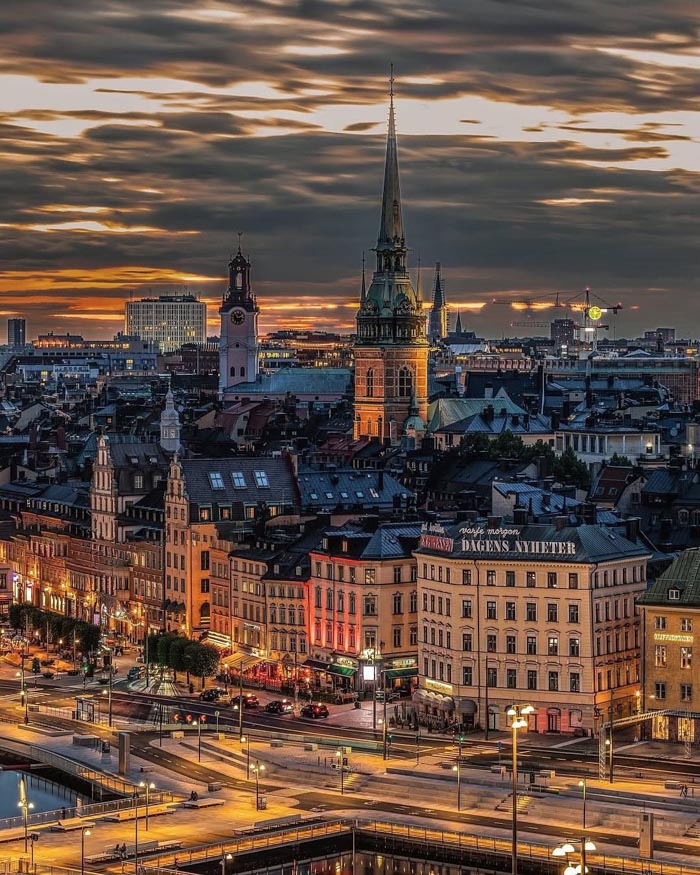
Sweden is often praised for its strong work-life balance, yet high living standards don't always mean more sleep. One likely factor is geography. The country’s dramatic seasonal changes in daylight can disrupt circadian rhythms and affect sleep.
Forbes notes another cultural trait: Swedes love their coffee. Their tradition of "fika," a social coffee-and-pastry break, keeps people energized but may nibble into sleep time.

Hey we need our fika, that's just how it is. Also just like it says the extreme difference in daylight hours makes a big difference. I'm perfectly fine sleeping less than 8h in summer, in winter I would prefer tp sleep +10h a day
Average Sleep: 8 hours 9 minutes
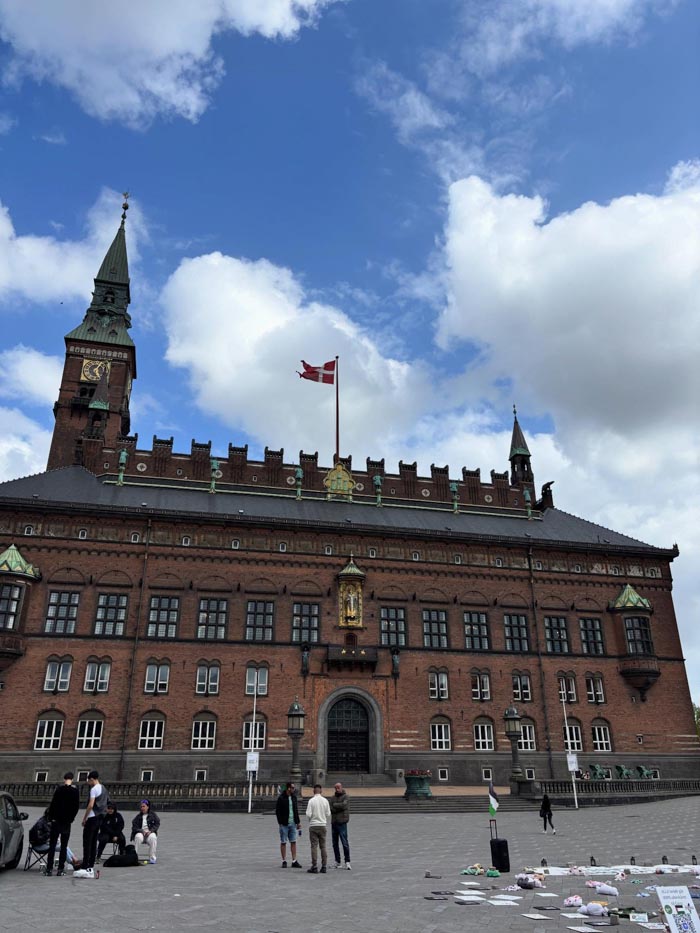
Often ranked among the happiest countries, Denmark clocks just over eight hours of sleep a night. One cultural factor may be "hygge," the Danish tradition of creating cozy, contented moments, often through long, candlelit evenings with loved ones.
As the BBC explains, Danes willingly trade a bit of sleep for quality time. These restful, social nights are emotionally fulfilling, but they often run late into the evening.
While this balance of bonding and rest works well for many, modern routines may look different from those captured in older OECD surveys.
Average Sleep: 8 hours 11 minutes
Ireland shows a moderate average for sleep, reflecting a culture that values social time. With a strong emphasis on pubs and community gatherings, nights out can run late, especially on weekends.
However, in the past two decades, Ireland's growing tech and pharmaceutical sectors may have been reshaping daily routines, possibly affecting overall sleep habits.
Average Sleep: 8 hours 12 minutes
Like neighboring Sweden, Norway experiences extreme seasonal light shifts, from the midnight sun to polar night, which can disrupt circadian rhythms. To counter this, Norwegians embrace "friluftsliv," or open-air living, a cultural habit of spending time outdoors in natural light.
This active lifestyle promotes better sleep by inducing physical fatigue. However, the country’s early-morning culture of hiking and running means that many Norwegians must maintain strict bedtimes to get enough rest.
Average Sleep: 8 hours 18 minutes
Germany is known for its efficiency, and that mindset seems to carry over into sleep. While Germans don't log the most hours of rest, their strictly regulated work schedules help prevent burnout. According to DW, clear boundaries between work and home life allow for meaningful downtime.
That said, early work start times and a cultural emphasis on punctuality leave little room to sleep in. This structure helps ensure that most people get a reliable eight-hour rest, even if it’s not particularly indulgent.
Average Sleep: 8 hours 19 minutes
Mexico's average sleep is shaped by one of the longest workweeks in the OECD. Long job hours and daily commutes leave limited time for rest at night.
Despite the stereotype of midday siestas, The Washington Post reports that modern industrial and service jobs demand more time on the clock. As a result, most working-age Mexicans tend to prioritize productivity over extended rest.
Average Sleep: 8 hours 20 minutes
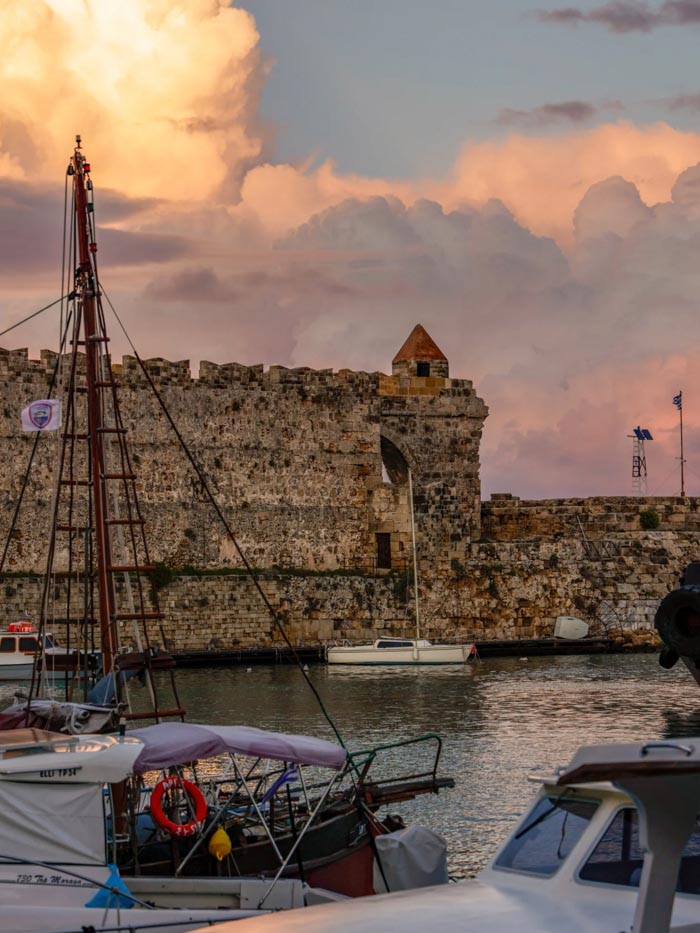
In Greece, the tradition of "mesimeri," an afternoon break to escape the heat, has historically shaped daily routines. This pause often leads to late dinners and even later bedtimes (via Noema).
Though fewer people observe the afternoon rest today, the warm climate still encourages late-night socializing. This can reduce sleep hours, but many choose connection over early bedtimes.
Average Sleep: 8 hours 21 minutes
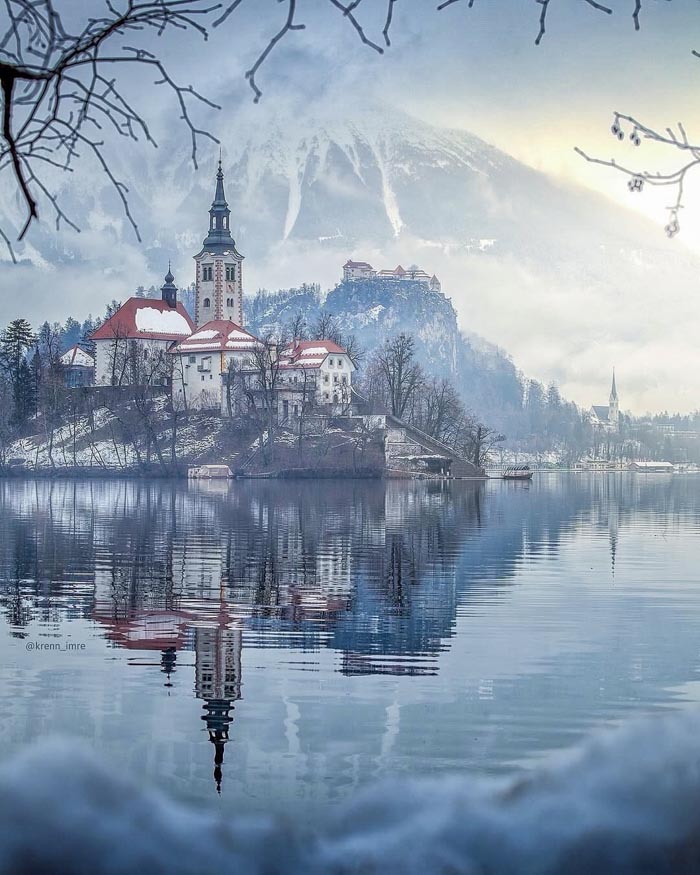
Slovenia ranks just above Greece, and much of its strong average sleep duration may stem from a deep connection to nature. With hiking and outdoor recreation popular across the country, many residents benefit from physical activity that naturally supports restful sleep (per The Guardian).
That said, this data is now decades old, so current habits may look quite different today.
Average Sleep: 8 hours 23 minutes
In the Netherlands, a strong work-life balance plays a major role in boosting sleep. Nearly 40% of working adults have part-time jobs, which gives many Dutch people greater control over their daily routines (per OECD).
This flexibility reduces stress and encourages more consistent rest. CNN also notes that Dutch parents tend to enforce early bedtimes for children, building healthy sleep habits early on.
Average Sleep: 8 hours 23 minutes
Lithuania matches the Netherlands in average sleep duration, although the data are from the early 2000s. As a Baltic country, it experiences pronounced seasonal shifts in daylight, much like Scandinavia (via nomadseason).
Family life is highly important, and the home is often regarded as a restful space. While today's economic demands may have shifted routines, this cultural foundation likely supported healthy sleep habits for many years.
Average Sleep: 8 hours 26 minutes
Portugal’s numbers come from one of the older datasets, but they still reveal a culture that values taking it slow. Like Spain, Portugal is known for late dinners and a generally relaxed pace of life (per Viaggio Magazine).
Outside of major cities, things tend to move unhurriedly. The mild Atlantic climate only reinforces this easygoing approach, creating ideal conditions for getting enough sleep.
Average Sleep: 8 hours 26 minutes
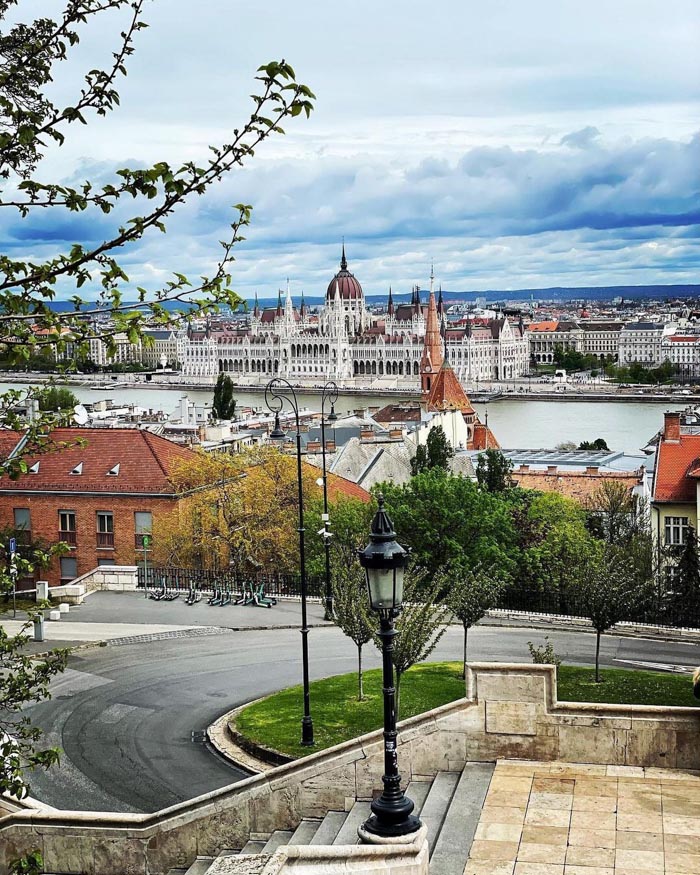
Hungary lands in the middle of the sleep rankings, with data showing a strong preference for balance. The OECD suggests that Hungarians avoid both intense work schedules and excessive downtime.
Early wake-up times are common, says Daily News Hungary, and likely go hand in hand with earlier bedtimes. Another local tradition that helps with rest: the country’s many thermal baths.
As National Geographic notes, these mineral-rich soaks are both relaxing and culturally ingrained.

"Another local tradition that helps with rest: the country’s many thermal baths." = ridiculous. Don't believe Hungarians can soak themselves in the thermal baths daily.
Average Sleep: 8 hours 28 minutes
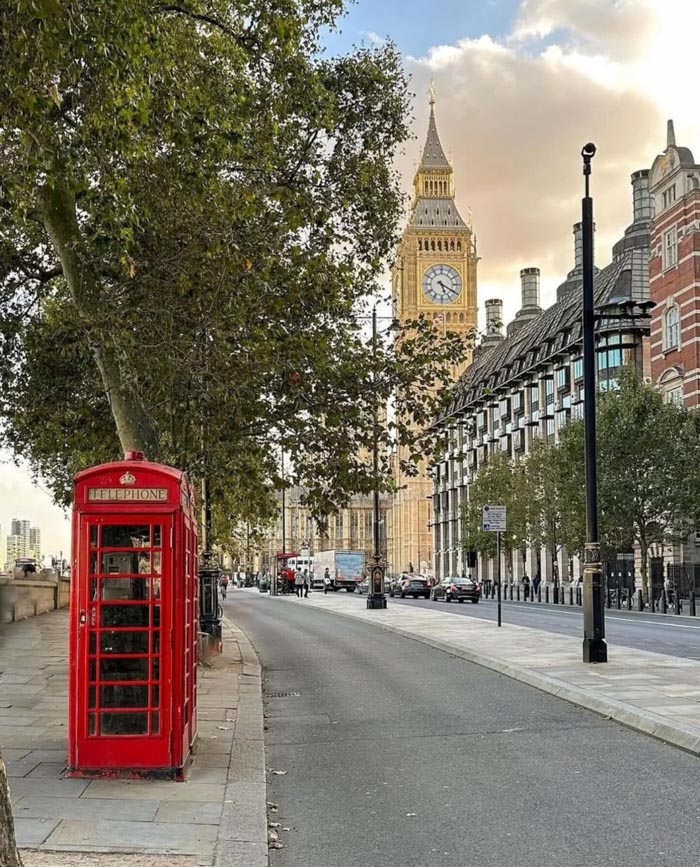
The UK is near the global average for sleep duration, likely due to the contrast between its bustling cities and slower-paced countryside. It often ranks near countries such as Germany and Belgium in global sleep studies, reflecting shared characteristics of developed economies (according to the World Economic Forum).
While Britain’s love of tea might suggest a caffeine problem, the BBC describes it more as a soothing ritual than a stimulant. The UK's famously gray weather may also help boost sleep by nudging people indoors earlier in the evening.
Average Sleep: 8 hours 28 minutes
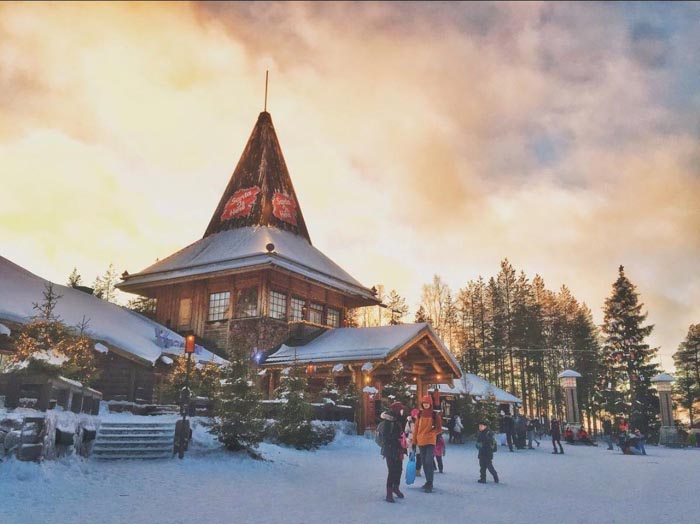
Finland matches the UK in average sleep, and that’s no surprise considering it ranks as the happiest country in the world (per the World Population Review). Schools in Finland often start later, reflecting a cultural appreciation for rest.
Another pillar of Finnish relaxation: the sauna. As the BBC notes, the heat-then-cool ritual helps relax muscles and promotes better sleep. This practice likely helps many Finns avoid the widespread sleep issues seen elsewhere.
Average Sleep: 8 hours 28 minutes
Finland matches the UK in average sleep, and that’s no surprise considering it ranks as the happiest country in the world (per the World Population Review). Schools in Finland often start later, reflecting a cultural appreciation for rest.
Another pillar of Finnish relaxation: the sauna. As the BBC notes, the heat-then-cool ritual helps relax muscles and promotes better sleep. This practice likely helps many Finns avoid the widespread sleep issues seen elsewhere.
Average Sleep: 8 hours 29 minutes
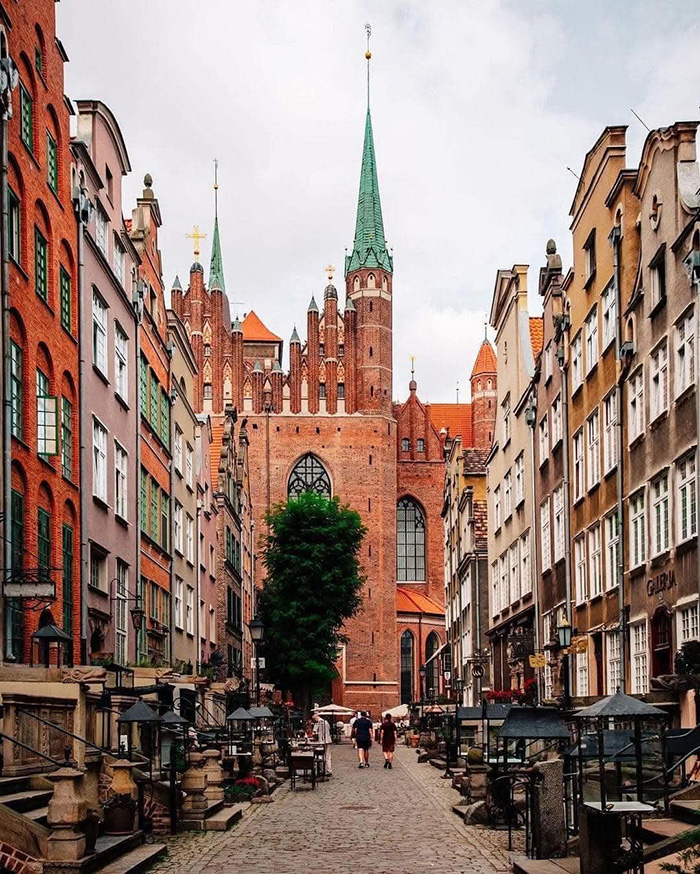
Poland outperforms much of Western Europe in sleep duration, and cultural habits may be the reason. Polish families often end the day with shared meals at home rather than late nights at the office, creating a stable setting for rest (Cultural Atlas).
Long, dark winters are also a factor, naturally encouraging more time in bed and longer sleep durations.
Average Sleep: 8 hours 32 minutes
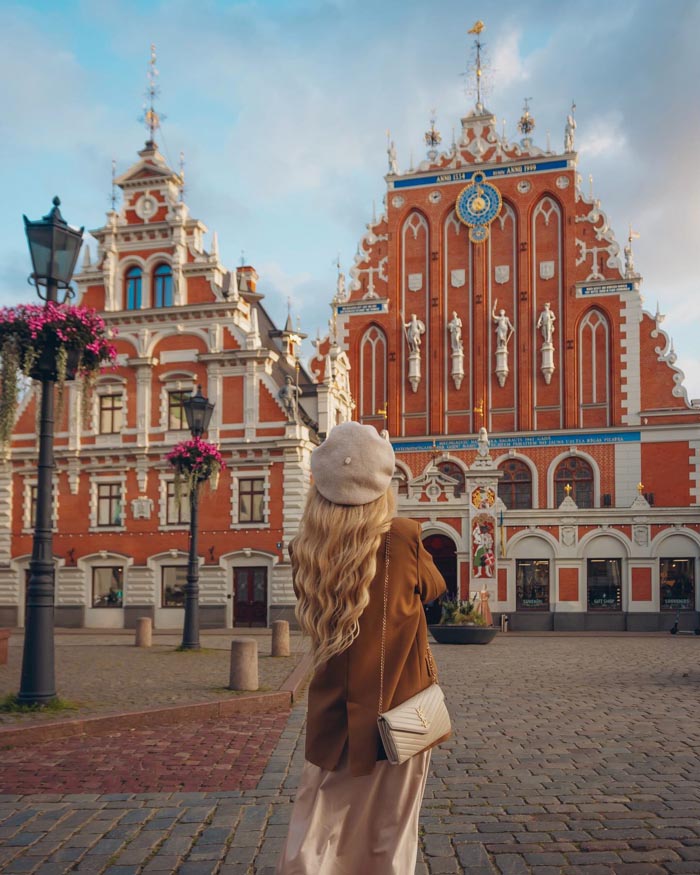
Australia matches Latvia in average sleep duration, and its outdoor lifestyle likely plays a significant role. The “early to bed, early to rise” routine is common, particularly among morning routines that include surfing, swimming, or jogging at sunrise.
This exposure to early sunlight helps regulate melatonin and promotes healthier sleep cycles. Combined with regular physical activity, it promotes more restful nights.
Average Sleep: 8 hours 33 minutes
Belgium ranks high for sleep, and a big reason may be its love of comfort and good food. Belgians are known for enjoying hearty dinners followed by slow, relaxing evenings (via Expatica).
This unhurried rhythm facilitates the transition to sleep, making it easier for people to get the rest they need.
Average Sleep: 8 hours 33 minutes
France ties with Belgium for sleep and may owe its solid average to a firm commitment to leisure. The 35-hour workweek draws a clear line between job and downtime, giving people more space to rest.
As The Guardian notes, French meals are slow and deliberate, not rushed. This relaxed dining ritual allows people to mentally unwind before bed, promoting deeper, more restorative sleep.
Average Sleep: 8 hours 33 minutes
Italy matches France in average sleep duration, and its strong rest culture plays a significant role. The traditional "riposo," a midday break, adds to the overall sleep total and reflects how rest is woven into the daily routine.
Even though evenings can be late and full of socializing, life outside major cities tends to be calm and unrushed. This slower pace provides people with sufficient time for a full night's rest.
Average Sleep: 8 hours 35 minutes
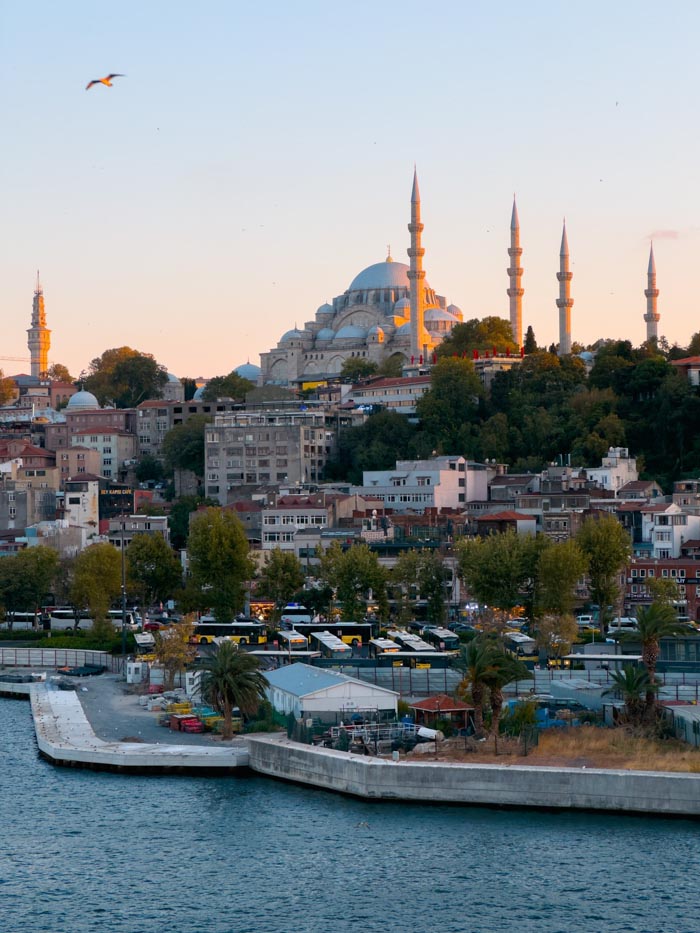
Türkiye blends Eastern and Western cultural influences, and that mix extends to its sleep habits. Despite a strong tradition of late-night hospitality and tea-fueled conversation, people here still get above-average rest.
One possible reason is the homecoming ritual. As Daily Sabah explains, removing shoes and washing up after coming home helps mark the house as a restful, protected space, making it easier to wind down.
Average Sleep: 8 hours 36 minutes
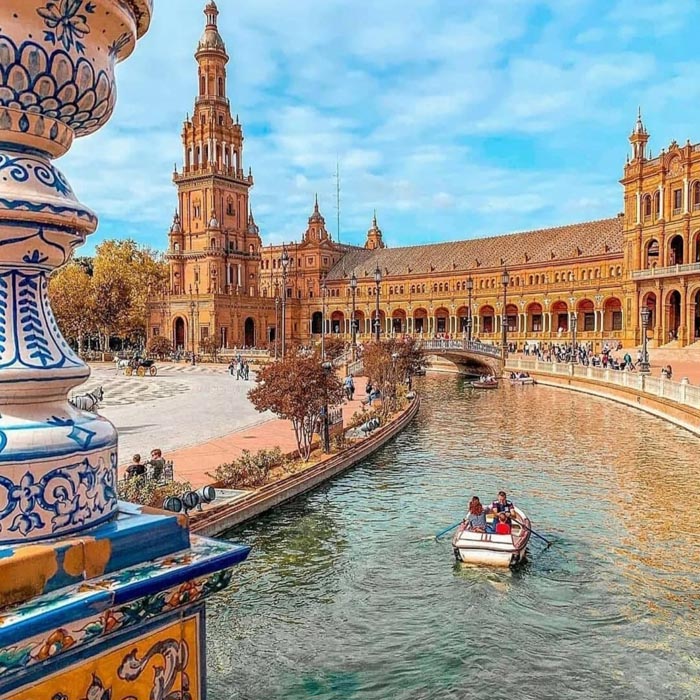
Spaniards often get more sleep than you'd think. Although late dinners and nighttime TV are cultural norms, mornings start later too, balancing things out.
Even though the traditional siesta is less common in modern workplaces, it still shapes the rhythm of Spanish life. CNN notes that these habits help explain why Spain ranks so high in average sleep.
Average Sleep: 8 hours 36 minutes
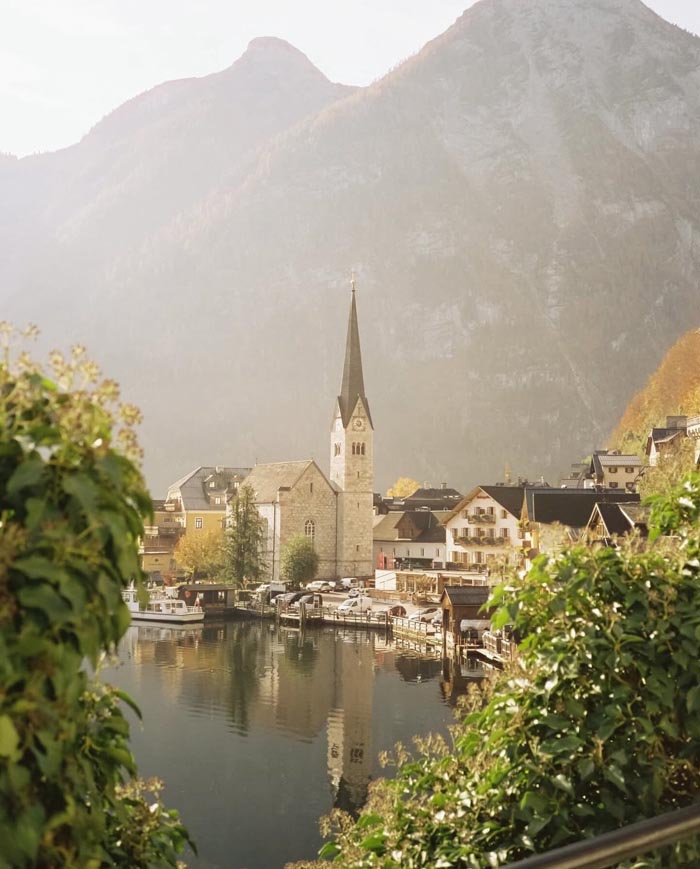
Austria ranks highly in quality of life, and this is evident in how well its people sleep. Clean air, low pollution, and a strong sense of environmental well-being support restful nights (U.S. News & World Report).
Many Austrians spend weekends hiking or skiing, thereby building physical fatigue that may deepen sleep. Combined with a stable economy and strong public services, these factors create near-ideal sleep conditions.
Average Sleep: 8 hours 38 minutes
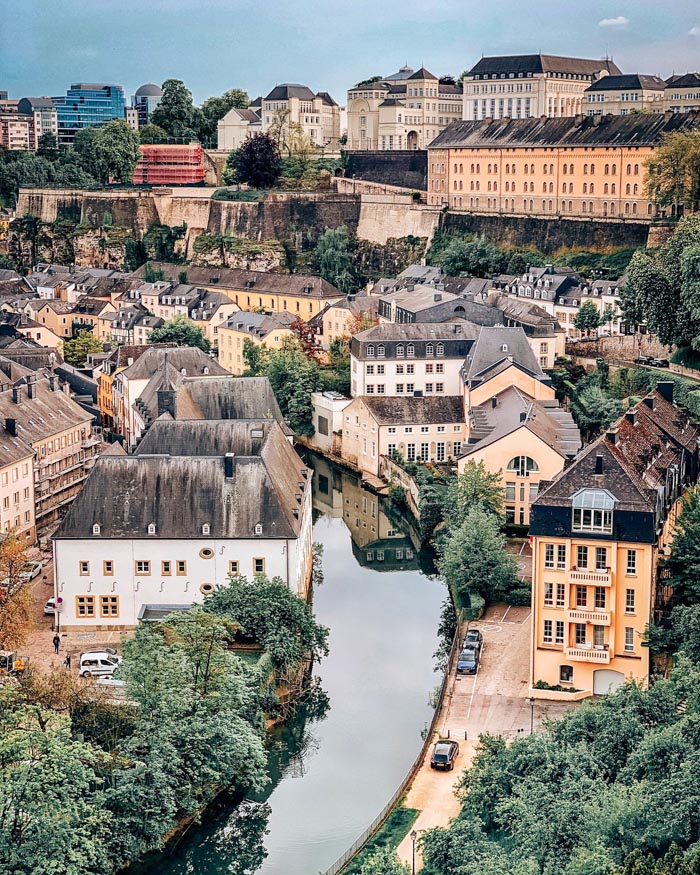
Luxembourg is one of the wealthiest countries per capita, according to the CIA, and such financial security tends to make sleep easier. Low poverty rates and a strong public health system help reduce stress, supporting better rest.
Because the country is small, most people have short commutes. That frees up more time for sleep and less time stuck in traffic.
Average Sleep: 8 hours 40 minutes
Canadians average more than eight and a half hours of sleep each night, and their long, cold winters may be a big reason why. When it's freezing outside, people tend to stay indoors and head to bed earlier.
The Government of Canada has also made sleep a public health focus, promoting it alongside exercise and diet as a foundation for well-being.
Average Sleep: 8 hours 46 minutes
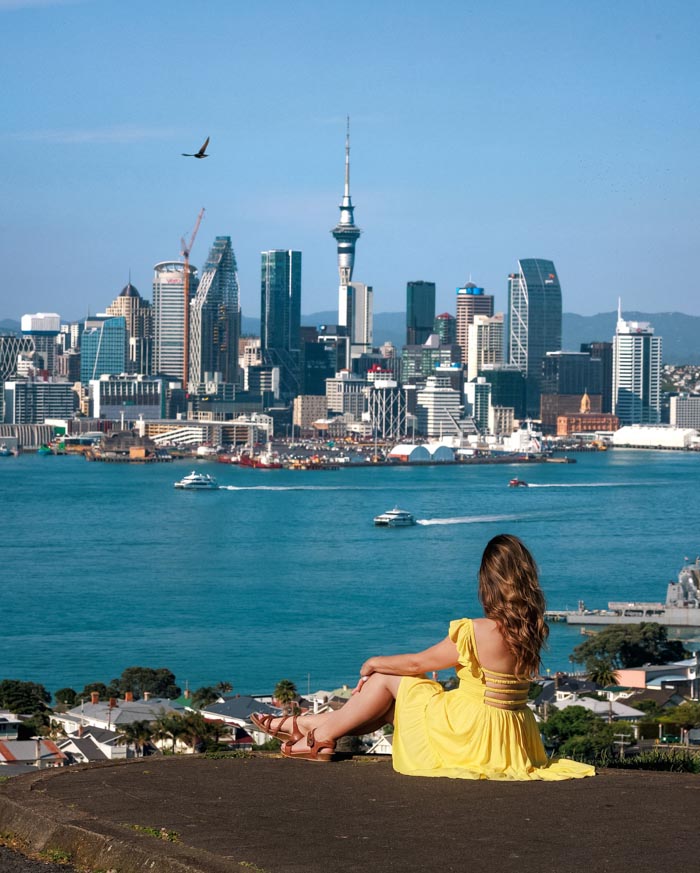
New Zealanders appear to have mastered the art of restful living. The country’s sparse population, as noted by the BBC, means less noise and light pollution, two major sleep disruptors.
Add to that a national love of outdoor recreation and a strong work-life balance, and it’s no wonder they score so high in global sleep rankings.
Average Sleep: 8 hours 48 minutes
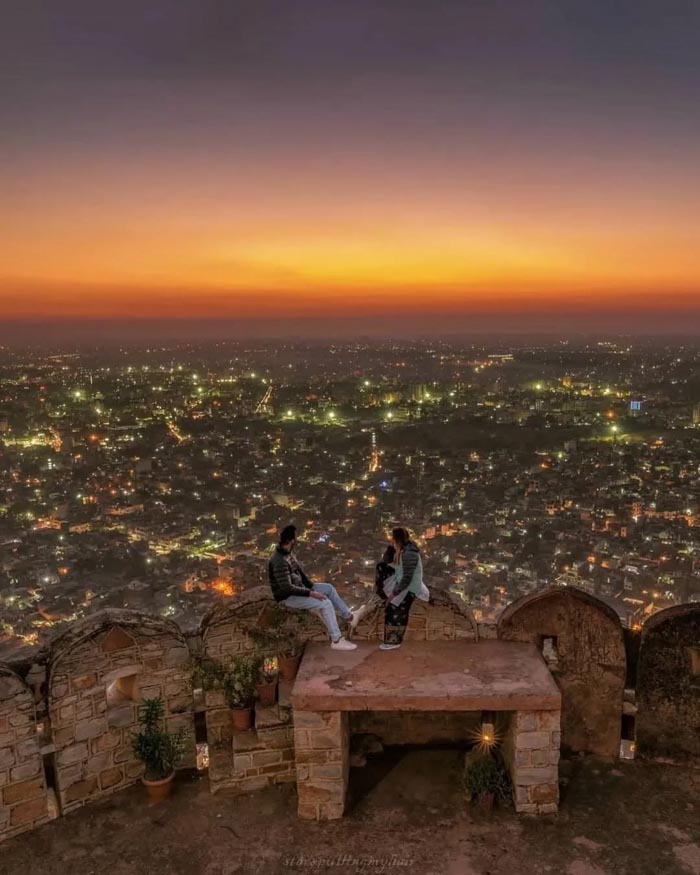
India ranks near the top, although the data predate the country’s tech boom and the rise in overnight work. Back then, a more agrarian lifestyle meant sleep schedules followed natural daylight.
Multi-generational households also play a role. These extended family setups often share childcare and household duties, easing stress that can interfere with restful sleep (via BBC).
Average Sleep: 8 hours 50 minutes
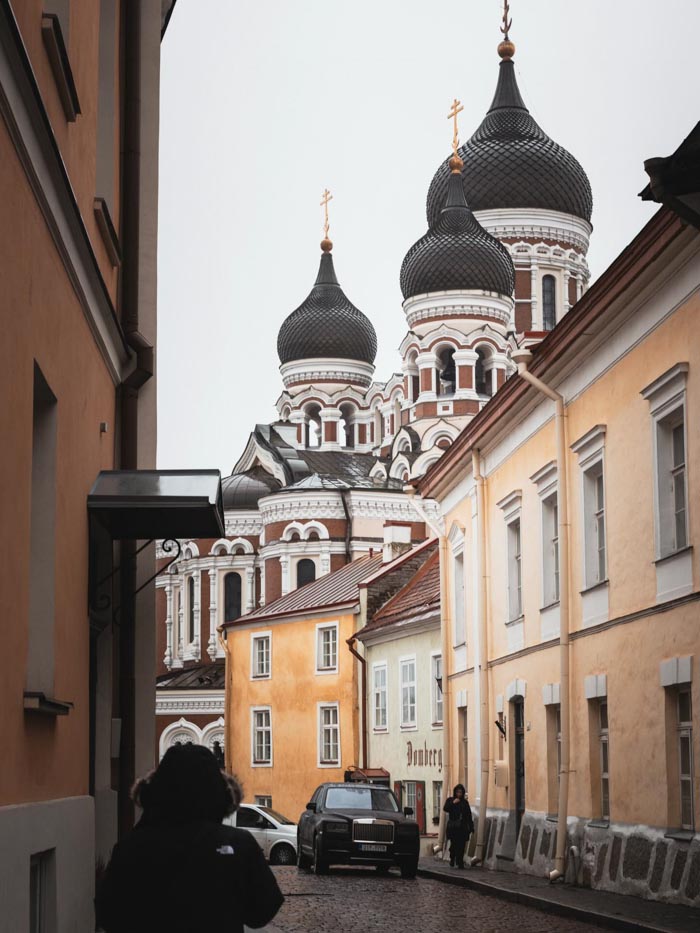
Estonia is often cited as a digital pioneer (via CNBC), but its citizens remain deeply connected to nature. Forest retreats and outdoor escapes are common, fostering relaxation and likely contributing to strong sleep habits.
Long, dark winters may also contribute by naturally extending sleep duration. While more recent startup culture may have reshaped routines, the environment and traditions still support quality rest.
Average Sleep: 8 hours 59 minutes
The US ranks surprisingly high, owing in part to the rise of remote work (according to the Bureau of Labour Statistics). With fewer commutes and more flexible schedules, many Americans can now sleep in longer.
But more time in bed doesn't always equal better rest. Screen-heavy routines and widespread blue-light exposure continue to affect sleep quality.
Yea most of us are NOT sleeping well and the reason our average is probably so high is the number or depressed Americans who can't find the strength and meaning to get out of bed right now.
Average Sleep: 9 hours 2 minutes
China ranks second, thanks in part to the long-standing tradition of the midday nap, or wujiao (per Global Times). Students and workers alike often take a post-lunch rest to recharge.
While this habit increased overall sleep duration, rapid urban development and a demanding work culture in recent years may have eroded that advantage.
Average Sleep: 9 hours 13 minutes
South Africa ranks first in sleep duration, averaging over nine hours per day. Socio-economic factors likely play a role. High unemployment at the time (per Bloomberg) meant more time at home for many people.
The relaxed pace of life in rural areas also contributes to longer rest periods. While countries such as Singapore and Saudi Arabia operate on less sleep, South Africans appear to prioritize downtime.
No human population sleeps for 90% of the day, as that would amount to over 21 hours of sleep.
Best sleep may be difficult to define, but countries such as New Zealand and Finland are rated highly for both sleep duration and overall happiness (according to World Population Review). They tend to prioritise work-life balance and outdoor activities, which contribute to high-quality rest.
I wonder how large the samples were in each case. I also suspect the figures listed are time spent in bed rather than actually asleep.

I'm guessing the data was collected from smartwatches or rings. At least Oura (a smart ring manufacturer) has published similar statistics about users in different countries. The statistics showed that women also slept longer than men, were more stressed during the day, and for all users, the most stressful day was surprisingly Friday, not Monday, which is usually considered the worst day of the week.
Load More Replies... I wonder how large the samples were in each case. I also suspect the figures listed are time spent in bed rather than actually asleep.
I'm guessing the data was collected from smartwatches or rings. At least Oura (a smart ring manufacturer) has published similar statistics about users in different countries. The statistics showed that women also slept longer than men, were more stressed during the day, and for all users, the most stressful day was surprisingly Friday, not Monday, which is usually considered the worst day of the week.
Load More Replies...





























 No fees, cancel anytime
 then open in external browser


 and click "Open in External Browser"