Get Premium
Dark mode theme is available exclusively for premium users. Learn more about the benefits of subscribing.
No fees, cancel anytime.

 Dark Mode Ad-Free Browsing Unlimited Content
 Ad-Free Browsing Unlimited Content Dark Mode
Join 1.2 million Panda readers who get the best art, memes, and fun stories every week!
Loyal Bored Panda readers probably know we have a soft spot for weird photos. But if you're new here, check out these unexplainable stock images or these memorable "pics or didn't happen" moments.
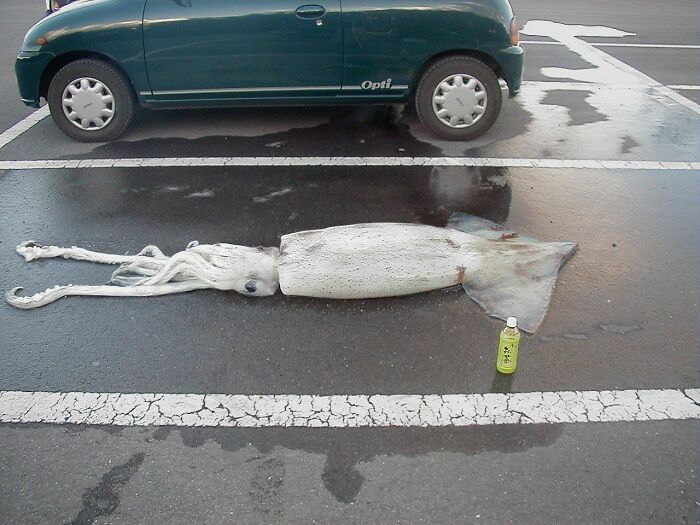
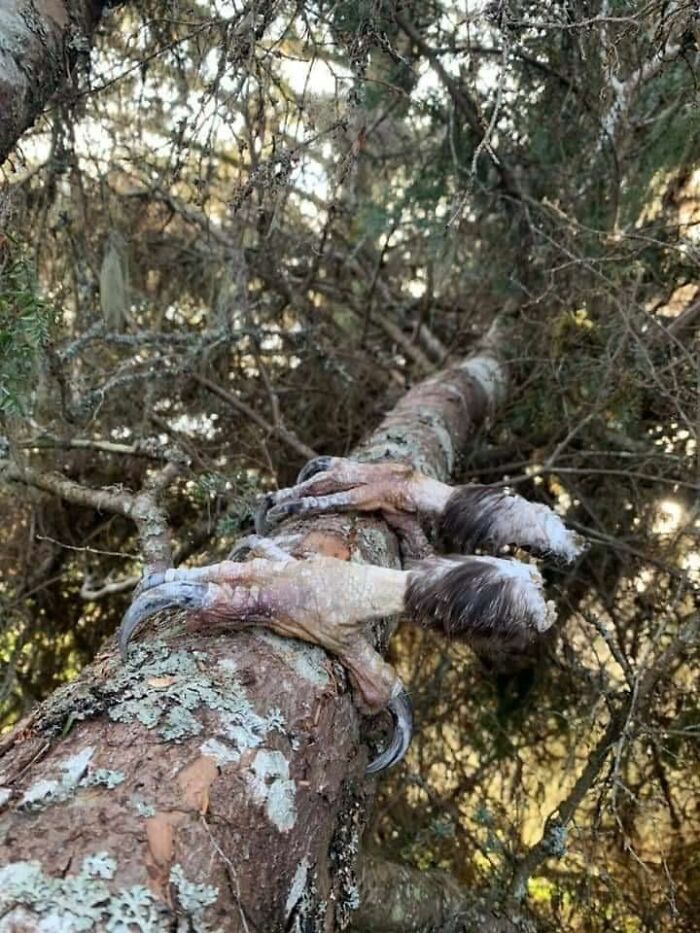
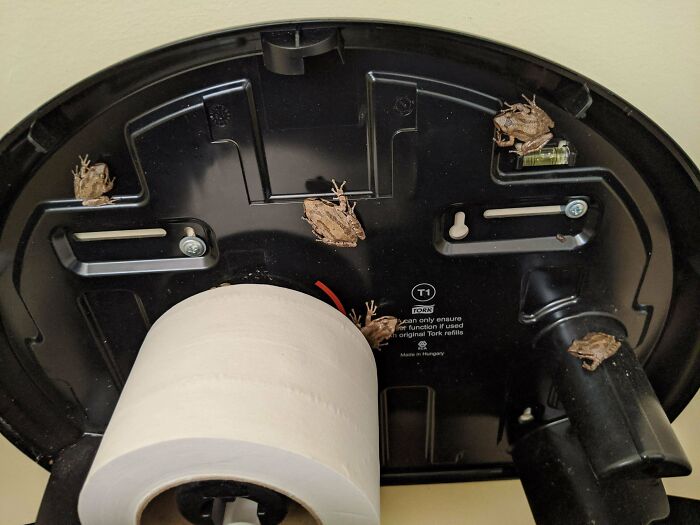
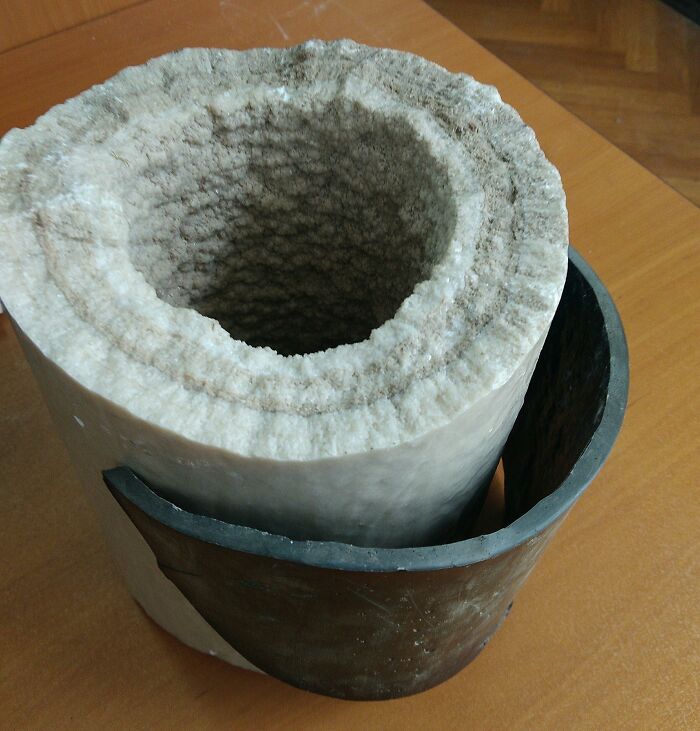
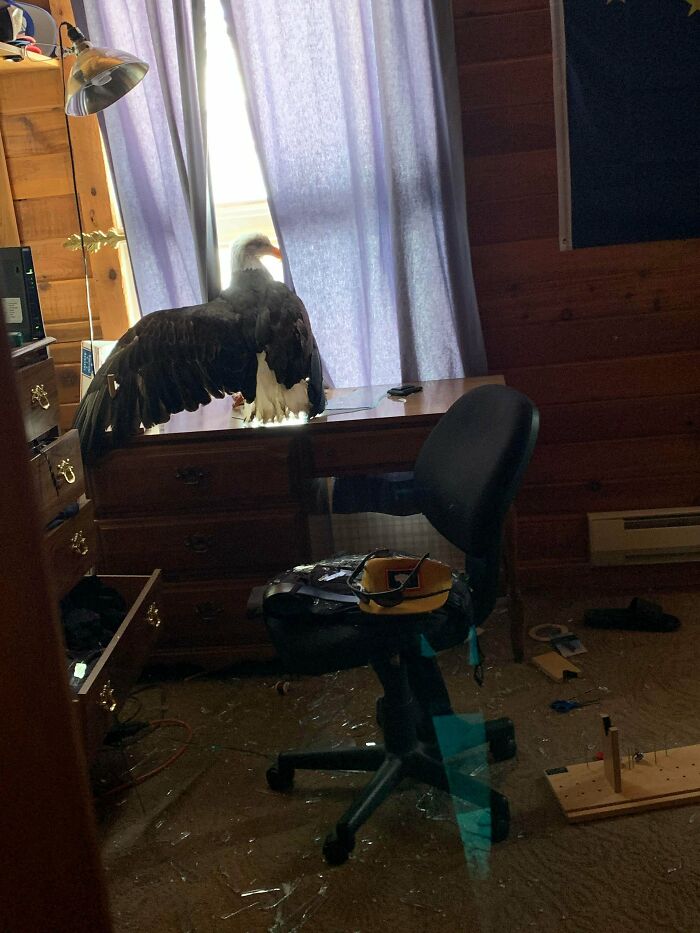
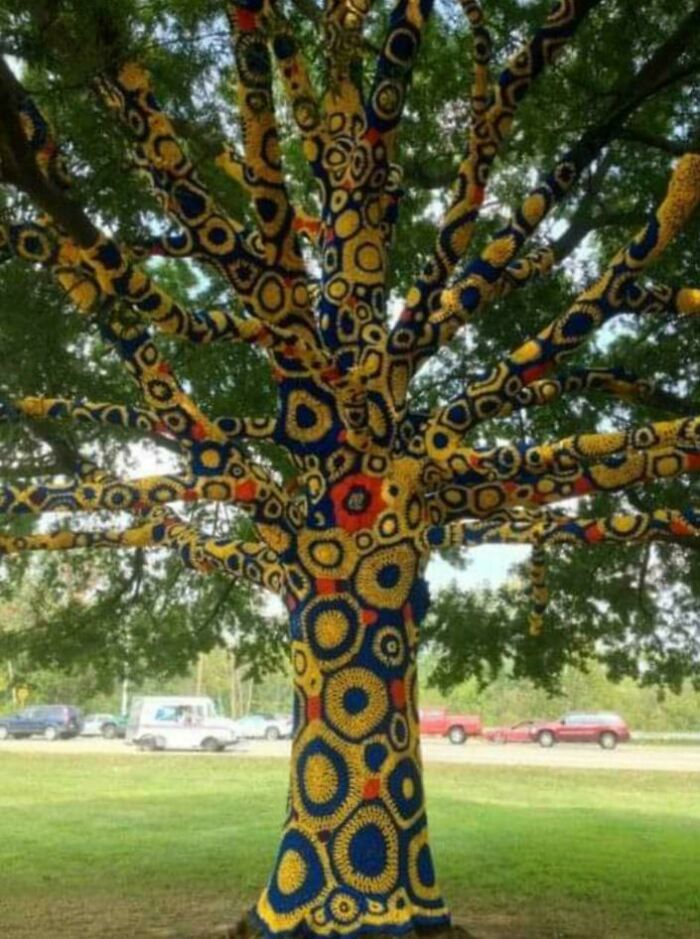
However, there's one place on the Internet that undoubtedly has the most ridiculous shots ever taken — an appropriately called subreddit, w*f. The community is on a mission to collect things that make people say "what the f**k" and they're really devoted to it, too. With over 6.4 million members and thousands online at any given time, nothing is off-limits here. From a lizard living inside of a microwave clock to a 300ft-deep sinkhole in someone's backyard, continue scrolling and check out some of the most popular posts on the subreddit.
Discover more in 50 Of The Most w*f Images From The 'w*f' Online Group
Click here & follow us for more lists, facts, and stories.
This post may include affiliate links.
This list really draws you in, doesn't it? The difficulty to click away, I think, comes from our curiosity. Why wouldn't you like to see the test track Fiat had on its rooftop? Or an oil tanker raising its anchor, discovering it has hooked an unexploded torpedo? The craving to know and understand is the driving force behind our development as individuals and even our success as a species.
In fact, if infants weren't curious, they'd never learn anything. Hundreds of studies show they prefer novelty. A classic 1964 study, for example, showed that infants between 2 months and 6 months old grew less and less interested in a complex visual pattern the more they looked at it. Another study, published in 1983, revealed that once babies got used to familiar toys, they preferred new ones, a scenario that caregivers are probably very familiar with.
There's also something psychologists call epistemic curiosity. It's about seeking knowledge and eliminating uncertainty. Epistemic curiosity emerges later in life and might require complex language.
Agustín Fuentes, a professor of anthropology at Princeton University, believes this form of curiosity has set humans — and probably all members of the genus h**o — apart from other animals and paved the way for us to populate nearly every corner of the world, inventing technologies from hand axes to smart phones.
"Humans, in our distinctive lineage, went beyond simply tweaking nature to imagining and inventing whole new possibilities that emerge from that kind of curiosity," Fuentes told Live Science.
But curiosity comes with a cost. Just think about babies who are perfectly proficient crawlers. Even though they get around, they still decide to try walking. Of course, there's more to see and do when they stand upright. But this milestone comes at a cost: a study of 12- to 19-month-olds learning how to walk documented that these children fell down seventeen times per hour. However, this didn't stop them.
I guess, this list has a price as well. You can miss your stop if you stare at the screen for too long and forget you're on a bus. Or your boss can walk in on you and see that you choose to browse the Internet instead of finishing those reports. If you're not working remotely, of course. Anyway, beware, you've been warned!




































 No fees, cancel anytime