Get Premium
Dark mode theme is available exclusively for premium users. Learn more about the benefits of subscribing.
No fees, cancel anytime.

 Dark Mode Ad-Free Browsing Unlimited Content
 Ad-Free Browsing Unlimited Content Dark Mode
Join 1.2 million Panda readers who get the best art, memes, and fun stories every week!
In these economically uncertain times, it’s a good idea to reevaluate your budget and see where you could potentially cut back. That way, you save more cash and can have a bigger emergency fund. However, advice on the internet is a bit of a double-edged sword: some of it can genuinely help you, while other financial hacks can harm your wallet.
In a no-nonsense thread on AskReddit, thrifty and economically savvy internet users shared the things that can actually make people lose more money, instead of helping them save more like they thought. We’ve collected the most egregiously deceptive examples below, so scroll down to check them out. Don’t forget to take notes so you don’t fall into the same pitfalls as others.
This post may include affiliate links.
 If you're an art/crafts person, seeing something you want and thinking, "I can just make it myself and it'll cost me a lot less." That is the devil whispering sweet lies directly into the tender ear of your hubris. If you don't already have nearly all of the necessary supplies on hand, it *will* cost you more to make it yourself.
 Growing your own food. I garden because I enjoy it, but I’ve always been scared to calculate how much it actually cost for the garden boxes, soil, fertilizer and pest control (not to mention my time) to grow some cucumbers and peppers.
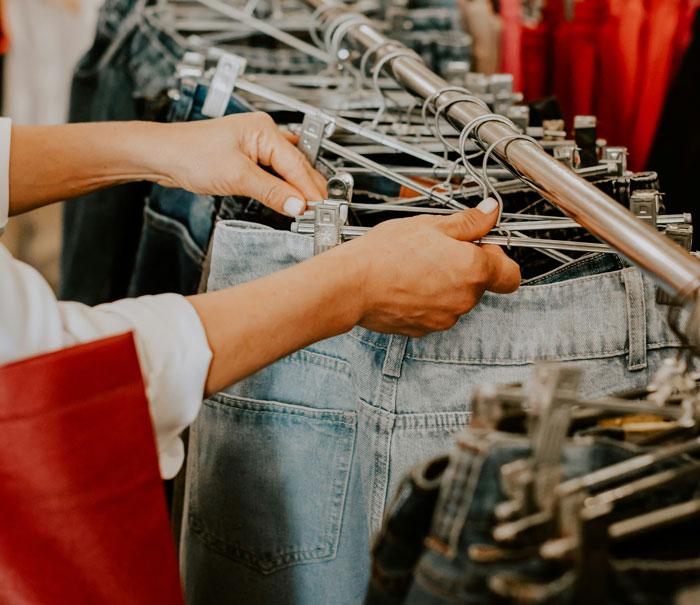 Buying really cheap stuff. I’m not saying you have to buy top of the line but at least get something semi quality so you don’t have to constantly replace it.
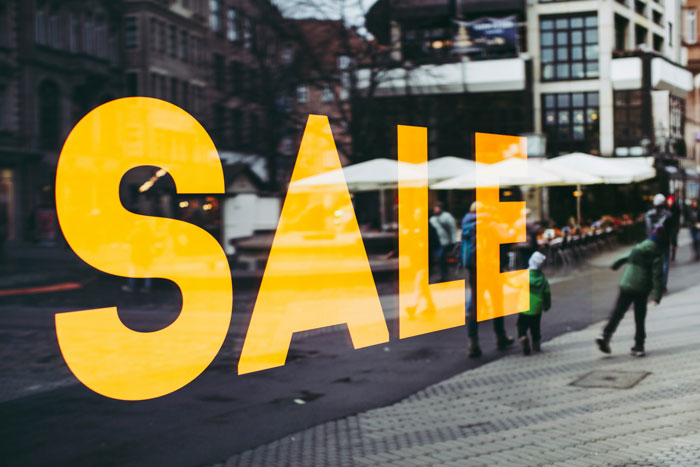 Buying stuff just because it's on sale.
Were you going to buy it at full price?
No? Then it's not savings, it's an expenditure.
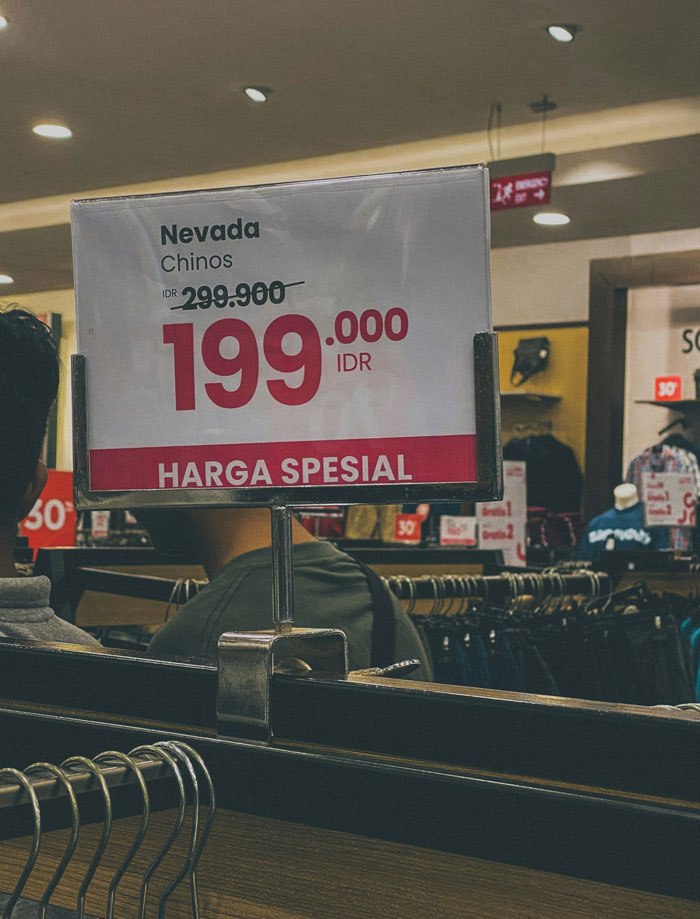 Buying things at a sale price without knowing the average price. Stores artificially inflate prices so that they can lower them and advertise something as being ‘on sale’.
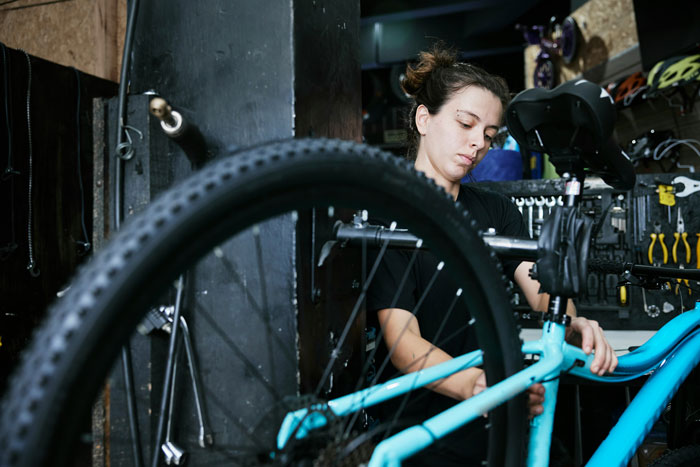 Avoiding doing maintaince on things.
Sure it's cheaper today, and it'll probably all be fine tomorrow, but sooner or later its gonna bite ya.
 Buy now pay later/debt for anything that isn't an appreciating asset or generates cash flow. Like a burrito, refrigerator, phone, wedding etc. I interned at a BNPL firm and I'm telling you all from firsthand experience it's a scam.
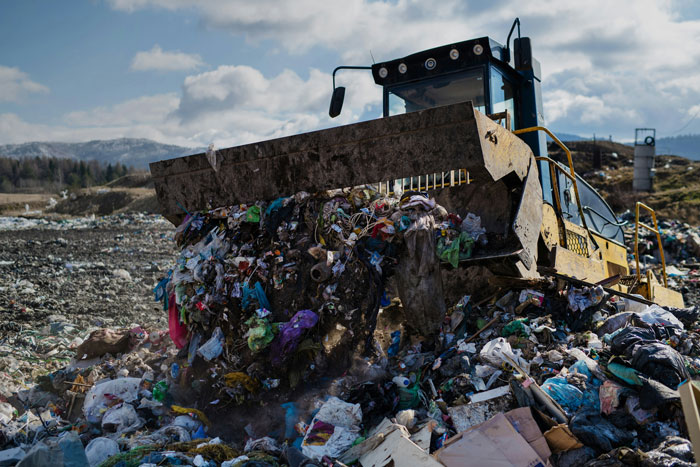 Buying cheaply made or disposable things over and over, throwing them away; instead of buying well-made things just once or twice which can last for decades or a lifetime. .
 Carrying a balance on a credit card to build credit. You don’t need to carry a balance to build credit.
 Cutting corners on professional equipment. A few years back I got a made in China arm for my microphone on Amazon. Cost about 1/4th what the German original did. About 9 months later one night it snapped, fell on my computer, and threw everything to the floor. A $100 item nearly cost me $4,000. I then bought the expensive German model and haven’t had any problems.
 Shopping based on monthly payments rather than total cost (discounted to present value). Most common with cars and houses.
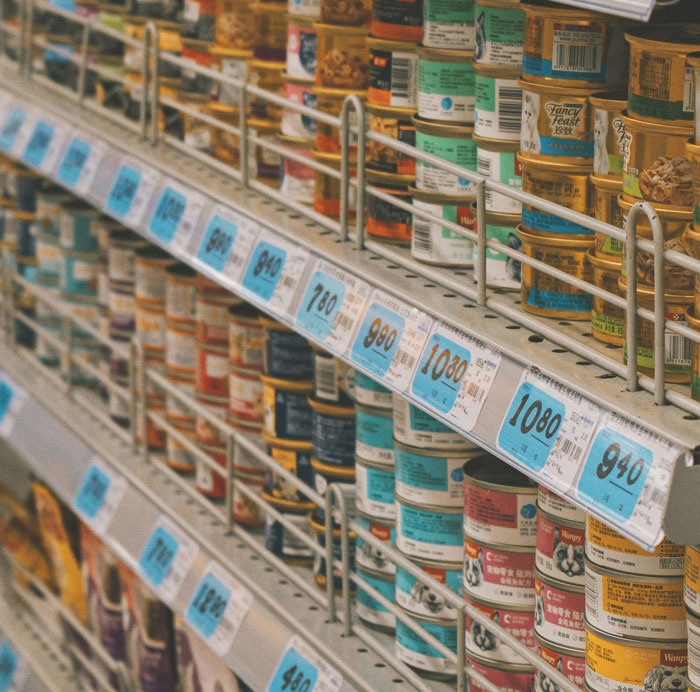 Not reading labels on the shelf in stores or reading the information on the labels. It tells you what you’re paying by volume. The bigger box or bottle is not necessarily the cheapest and you can compare brands this way too. Also , the 2 for $ sales b1g1 sales. A little math and time is worth it in savings.
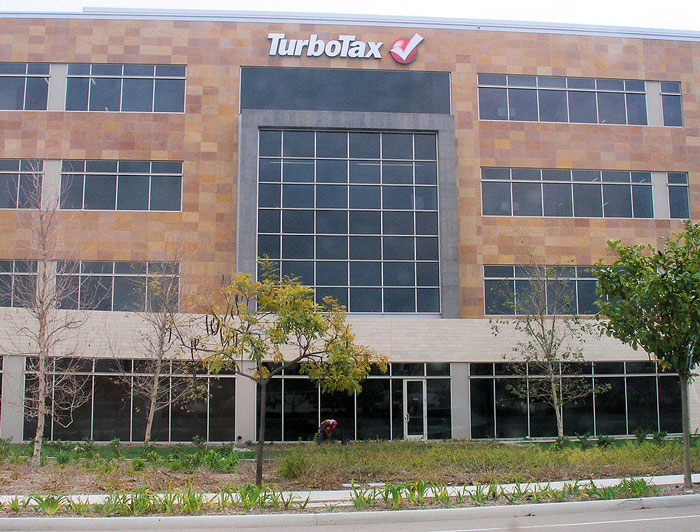 People with basic tax returns paying hundreds of dollars for TurboTax to "maximize" their return.

Be sure you really have a "basic" tax return before you take this advice. I thought I had a basic tax return until I got lazy one year and had a tax accountant do my taxes. He laughed and said if he could not save me double his fee his services would be free. He saved me 4x his fee and has every year since. Perhaps the best advice here, turbotax would not be my first choice in tax accountants.
 The "buy one get one half off or with discount" type of deals. Anything that incentivizes you to buy more by tacking it on as a bonus if you get it.
If you're buying in bulk or such intentionally then it's a good deal. But if you just came in for one box of lets say cookies for $5 and it had one of these deals. So you buy a second box too because its discounted and says if you buy two it will cost $8, as opposed to $10. So you get it thinking you're saving money.
Instead what you just spent was $3 more than you had to on a second box you didn't even come in for.
And it repeats throughout the whole store. It's everywhere, especially in food. The flashy colored tickets, the bold letters, emphasis on how much you save, all to bait people to buy more things than they actually need.
Though it depends on what your actual goals and needs are. It might genuinely save you some and be good, but you could also be getting ripped off.
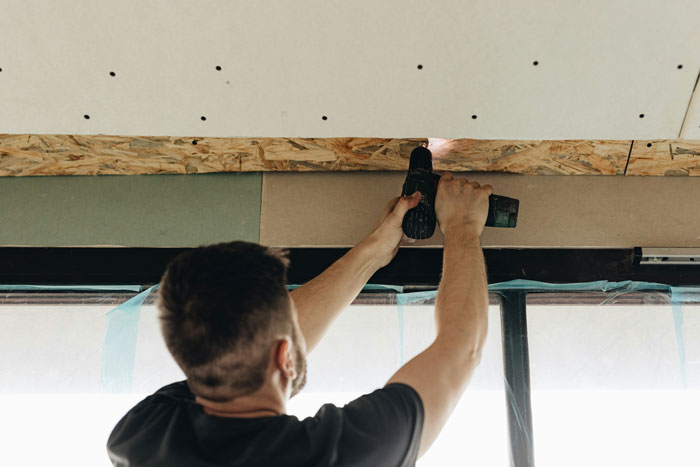 Some DIY home reno stuff you've never done before. Man I wish I had taken a summer job as a teen with a handyman to learn a bunch of that stuff.
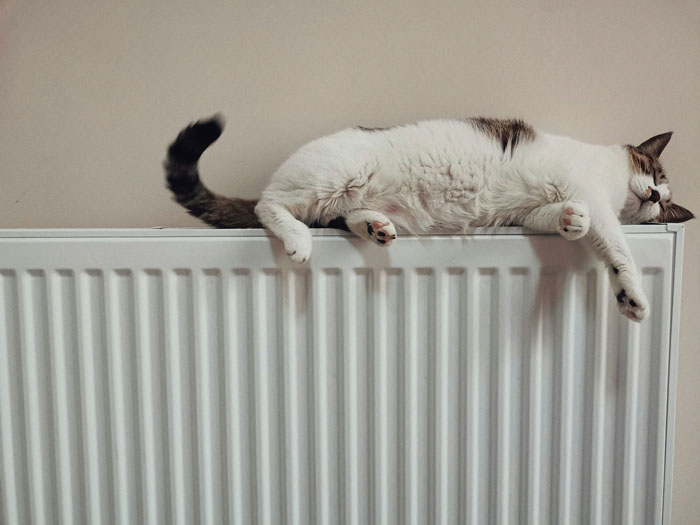 Over the course of his life my father has change his home heating system numerous times. He went from electric board to electric furnace, then wood stove, then oil stove, back to wood stove and now propane stove. Every single time he tried to convince me he was saving 20% on his energy bill. It cost him so much money that he will never ‘’save’’ enough to pay for just one system.
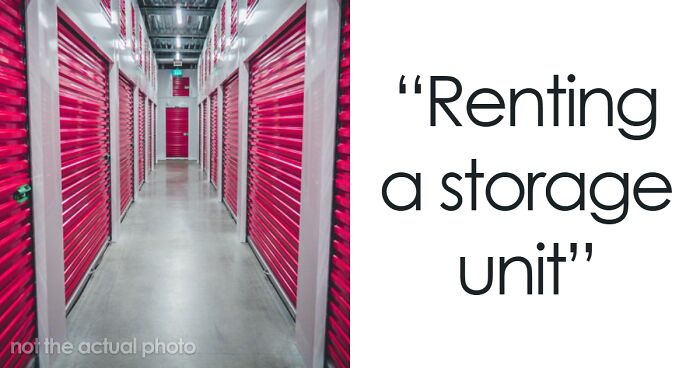
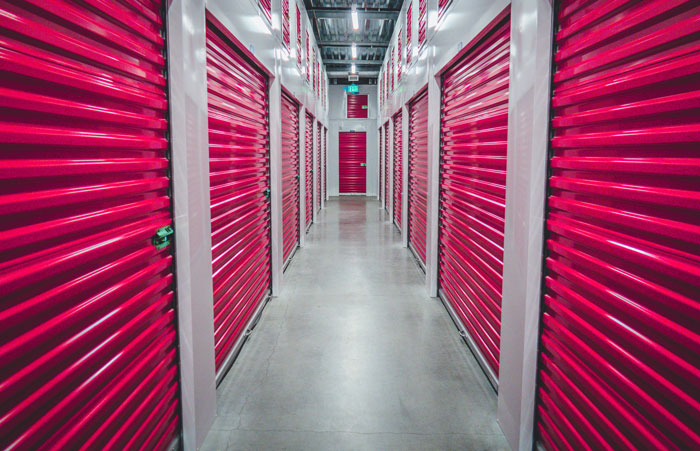 Renting a storage unit.
 Not working overtime or trying to stay below a certain income threshold because of taxes. They don't understand how taxes work.



























 No fees, cancel anytime