Get Premium
Dark mode theme is available exclusively for premium users. Learn more about the benefits of subscribing.
No fees, cancel anytime.

 Dark Mode Ad-Free Browsing Unlimited Content
 Ad-Free Browsing Unlimited Content Dark Mode
Join 1.2 million Panda readers who get the best art, memes, and fun stories every week!
Humans are creatures of habit. As our personalities grow, we also develop behaviors and routines that become automatic and can stay with us for a lifetime if we allow them. So why not install in ourselves healthy or at least useful upgrades?
To find out how can they improve in the kitchen, Redditor Rollotamassii made a post on the platform, asking other users, "What is one small thing you started doing that has had a huge positive impact on your cooking?"
From looking after their knives to using fresh herbs, people immediately started sharing tips with one another, so we at Bored Panda compiled the most popular ones to help you level up as well!
This post may include affiliate links.
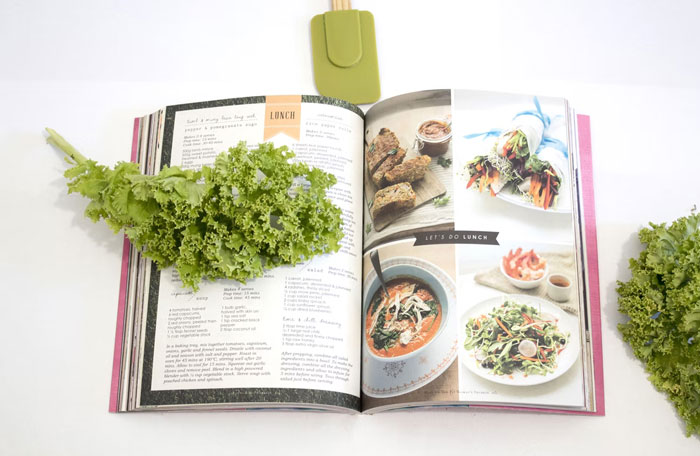 Learn cooking techniques instead of recipes.
Don't approach recipes like they're magic spells in the Harry Potter universe. If you wiggle your nose wrong or put in a spec to much of some seasoning you're not going to end up with a completely different dish.
Alton Brown does an incredible job of teaching a cooking technique and then showing you a recipe that applies that technique. If you learn a process instead of a rote recipe you will know how to cook dozens of dishes, and it's really the only way to develop skills in the kitchen.
Learn cooking techniques instead of recipes.
Don't approach recipes like they're magic spells in the Harry Potter universe. If you wiggle your nose wrong or put in a spec to much of some seasoning you're not going to end up with a completely different dish.
Alton Brown does an incredible job of teaching a cooking technique and then showing you a recipe that applies that technique. If you learn a process instead of a rote recipe you will know how to cook dozens of dishes, and it's really the only way to develop skills in the kitchen.
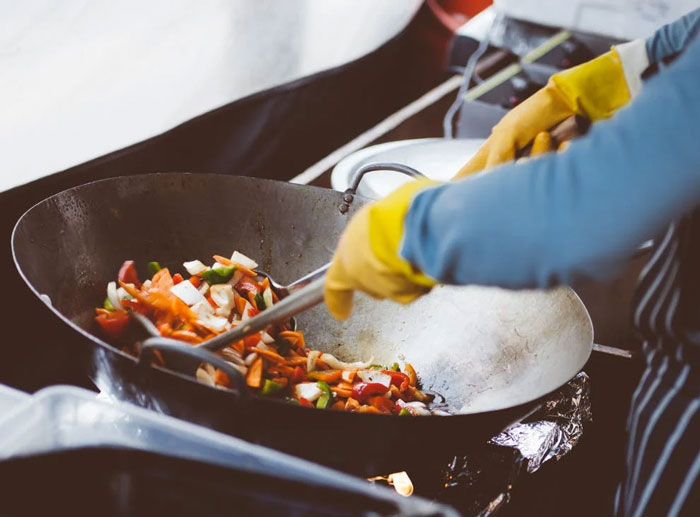
If making a stir fry or other dish that involves lightly sauteed vegetables, I chop up broccoli and carrots before I start and put in a covered bowl of boiling-hot water for about 10 minutes. They're then lightly cooked by the time they're supposed to go in, and there's no messing around trying to get the broccoli cooked without mushifying all the other veg.
Gathering all your ingredients BEFORE you start cooking and get your eggy/meaty/floury hands all over your kitchen, or have to wash your hands 1000x.
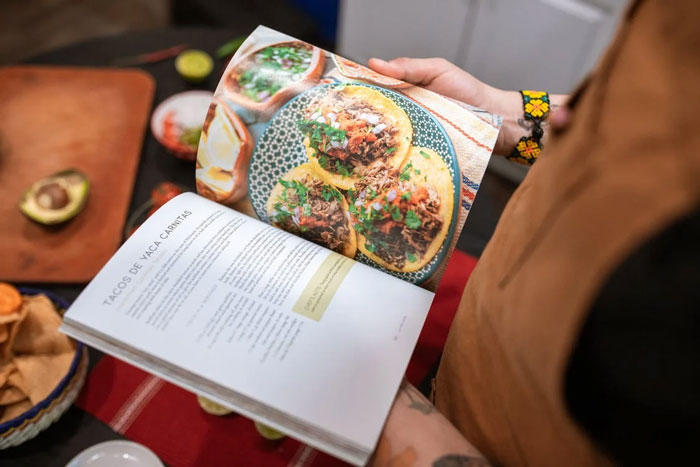 Read more than one version of a recipe to understand what (if anything) should be precise, then tasting as I go and not worrying about measurements.

I do this a lot with some recipes. Read at least 4/5 recipes for the same dish, see what is consistent across all of them, and adjust them based on the ingredients I have.
Cooking potatoes in chicken broth instead of regular salted water for mashed potatoes. Game changer
Sautéing onions for a long ass time. I can always tell in my curries and soups and when the onions were rushed
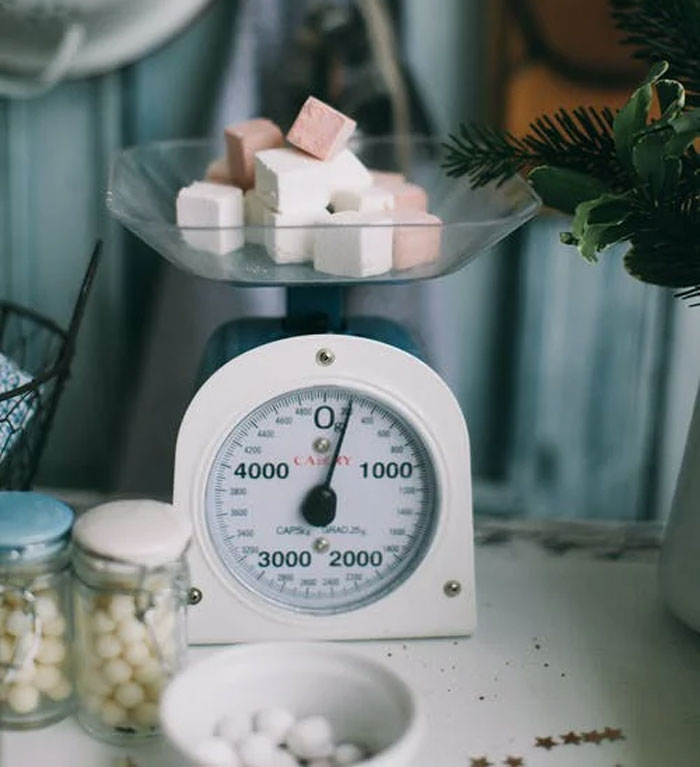 I bake a lot and using a scale was a huge game changer. I also have finally figured out a good rhythm for cleaning as you go and it’s been amazing.

I have two sets of measuring cups, but I will always use the scale for more accurate measurements. They're more like appropriate sized scoops to ladle out the dry ingredients.
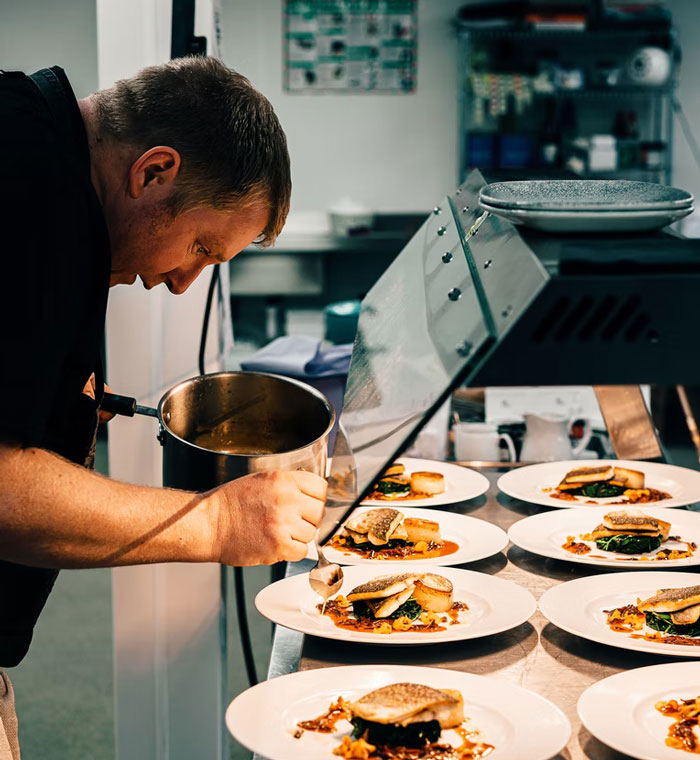 A chef here. Hopefully some of this is helpful. This is general stuff that applies to most people I train or speak to.
Don't watch those cooking videos on Facebook, tasty etc. Or at least don't follow them to a T. They usually don't follow good cooking fundamentals and often overcook thier meats, or have weird steps in them that a chef would probably never do. I usually see them and think they are awful.
Learn how to properly dice an onion into small and even sized chunks. Raw white onion belongs on way less food than you think it does, especially when it's cut into large uneven chunks. If you want onions on something try sweating, roasting, carmelizing, or seasoning them with some acid or salt.
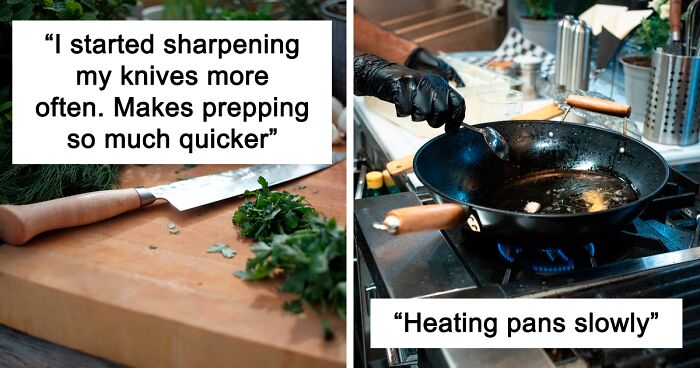
Having a sharp knife and learning how to do basic cuts is very helpful. Learning to cut fresh herbs finely without damaging them, or cut consistent sizes in meats and vegetables for even cooking can help out the taste quite a bit.
Use more salt than you think you need, don't add it all too early into the cooking stage but when you are doing your final taste before you serve something make sure it's seasoned. Use different sizes of salt depending on what you are doing. Typically seared meat is better with coarse salt. Fine salt us best used when you don't want the texture of course salt or you are worried it won't incorporate properly into the food.
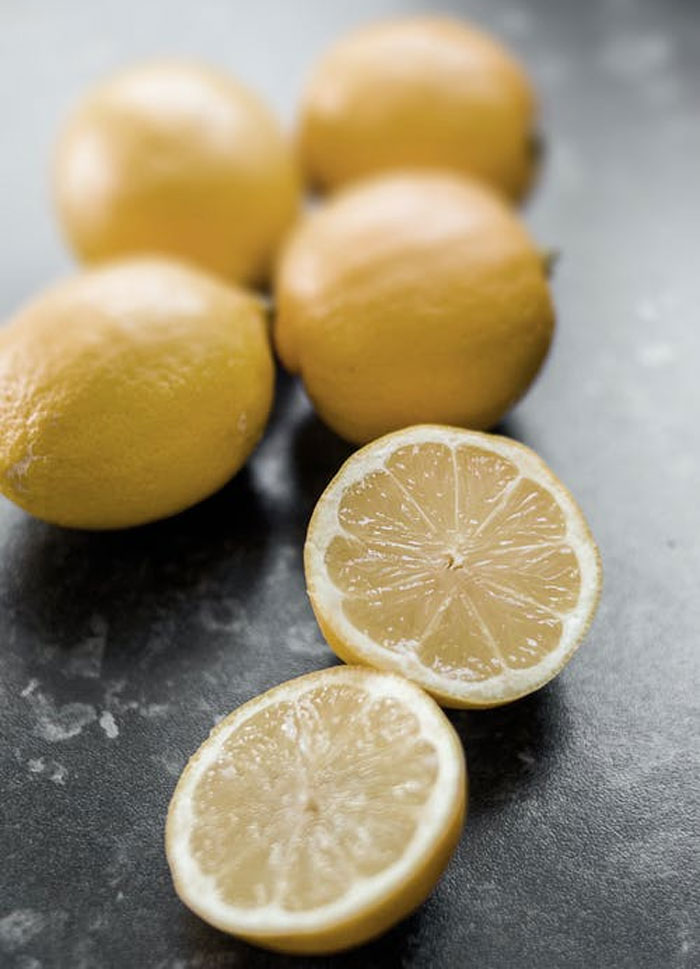
Once you learn to season with salt then balancing dishes with acid is another good step. Citrus juices, vinegars work well and can really take things to the next level.
Taste often, and at every stage of cooking. Make sure you taste it before you serve it.
You probably need less garlic than you think, even though it's delicious, the same goes with herbs and spices, when I was starting out at always over did it. Really good ingredients can speak for themselves.
I always try to look at three recipes before I cook something new. From there I usually free style but if you're less confident just pick one. By looking at a few you get a better idea of key ingredients and ratios.
If you overcook meat a lot. Buy a probe thermometer You should never overcook meat again.
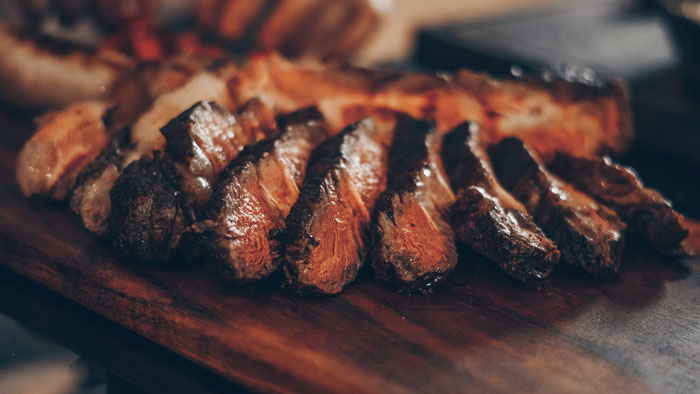
Another meat tip. Think of where on the animal the meat came from. If it's a muscle they use a lot (legs, butt, etc) it probably needs low and slow cooking, if it's a muscle they use a little (back, tenderloin, etc), it probably needs high heat and a faster cook time. There are exceptions to that rule but that works more often than not.
Put butter on or in nearly everything. Mount it(Add it while swirling or whisking) into a sauce at the end of cooking. Baste meat or fish in it. Chefs put butter into way more things than you think.
A chef here. Hopefully some of this is helpful. This is general stuff that applies to most people I train or speak to.
Don't watch those cooking videos on Facebook, tasty etc. Or at least don't follow them to a T. They usually don't follow good cooking fundamentals and often overcook thier meats, or have weird steps in them that a chef would probably never do. I usually see them and think they are awful.
Learn how to properly dice an onion into small and even sized chunks. Raw white onion belongs on way less food than you think it does, especially when it's cut into large uneven chunks. If you want onions on something try sweating, roasting, carmelizing, or seasoning them with some acid or salt.
Having a sharp knife and learning how to do basic cuts is very helpful. Learning to cut fresh herbs finely without damaging them, or cut consistent sizes in meats and vegetables for even cooking can help out the taste quite a bit.
Use more salt than you think you need, don't add it all too early into the cooking stage but when you are doing your final taste before you serve something make sure it's seasoned. Use different sizes of salt depending on what you are doing. Typically seared meat is better with coarse salt. Fine salt us best used when you don't want the texture of course salt or you are worried it won't incorporate properly into the food.
Once you learn to season with salt then balancing dishes with acid is another good step. Citrus juices, vinegars work well and can really take things to the next level.
Taste often, and at every stage of cooking. Make sure you taste it before you serve it.
You probably need less garlic than you think, even though it's delicious, the same goes with herbs and spices, when I was starting out at always over did it. Really good ingredients can speak for themselves.
I always try to look at three recipes before I cook something new. From there I usually free style but if you're less confident just pick one. By looking at a few you get a better idea of key ingredients and ratios.
If you overcook meat a lot. Buy a probe thermometer You should never overcook meat again.
Another meat tip. Think of where on the animal the meat came from. If it's a muscle they use a lot (legs, butt, etc) it probably needs low and slow cooking, if it's a muscle they use a little (back, tenderloin, etc), it probably needs high heat and a faster cook time. There are exceptions to that rule but that works more often than not.
Put butter on or in nearly everything. Mount it(Add it while swirling or whisking) into a sauce at the end of cooking. Baste meat or fish in it. Chefs put butter into way more things than you think.
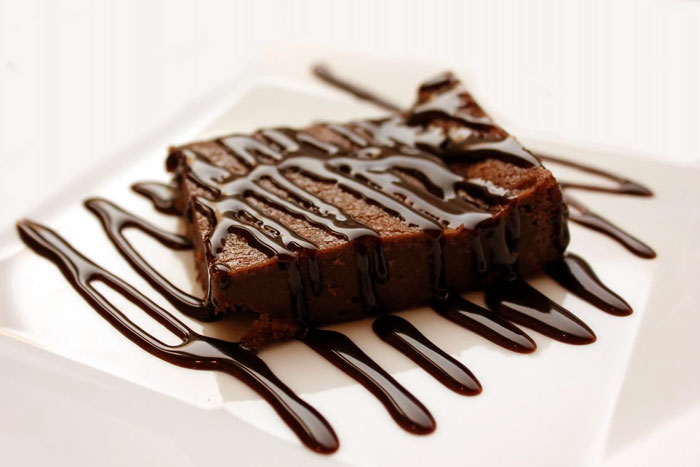 Adding finishing salt to certain desserts such as cookies and brownies.

Understanding the importance of balance between fat, salt, sweet and acid, and being able to taste and adjust accordingly
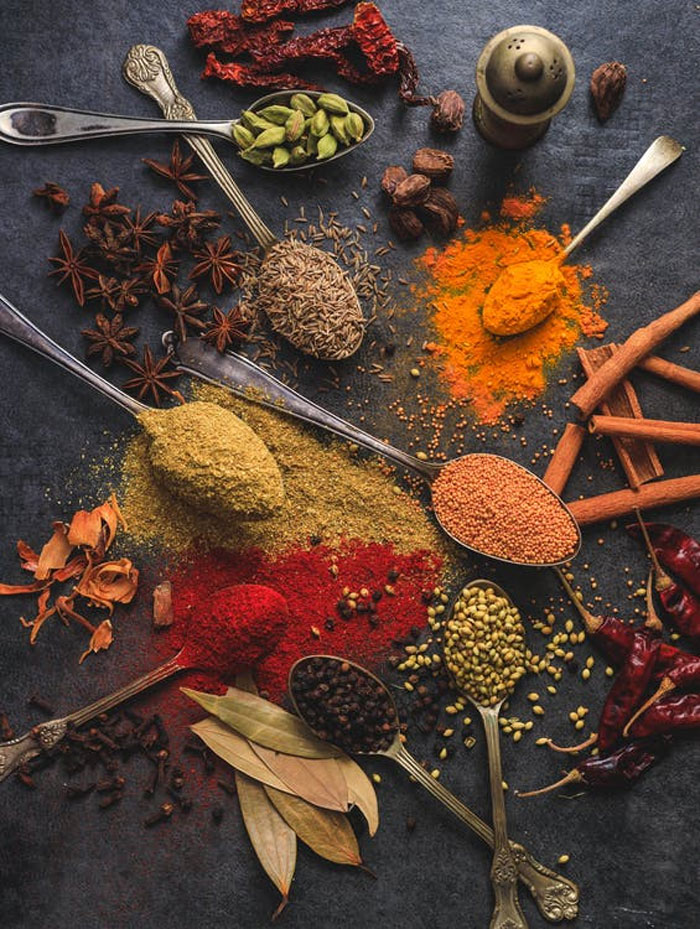 Spices:
(1) Using whole spices and not pre-ground;
(2) Toasting them before grinding; and/or
(3) Frying them in oil to let the the flavors bloom.
Spices:
(1) Using whole spices and not pre-ground;
(2) Toasting them before grinding; and/or
(3) Frying them in oil to let the the flavors bloom.
Clean as you go. If you leave all the dirty dishes cluttering up your kitchen then the last 10 minutes of cooking and plating will be a frantic disaster. You'll forget things, burn yourself, be unable to find free counter space, take shortcuts, and generally just be miserable. The food will reflect it. If your kitchen area is tidy and clean before everything's ready to be plated you're going to feel better, do a better job at plating, remember those last few finishing touches, and be able to relax and enjoy the meal you worked so hard on.
I stopped multitasking. I used to do a bunch of other crap while cooking and the results showed my lack of focus. Now I stay in the kitchen and put on music. I think I went from a B minus to an A minus cook.
Using a bowl for disgarding of leftovers/compost while I cut veggies etc. I can’t stand having clutter on my cuttingboard. Also mise en place.

I have a little kitchen garden right out back kitchen door. All winter long everything scrap-wise that is compostable goes directly in. What the squirrels don't at gets turned over in the spring and it's the best soil in my whole garden. Eggshells, veg bits, even the cooking water from pasta or veggies. It looks a bit of a mess, but in winter - who cares! Super easy compost.
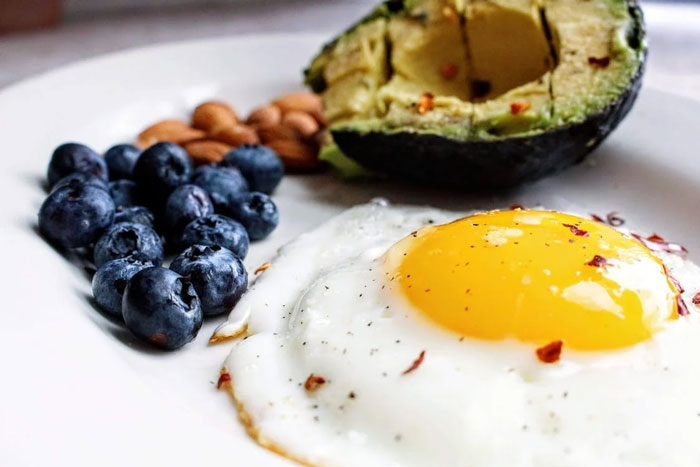 Finishing sunny side up eggs by steaming to get a perfectly soft yolk.
Reading recipes all the way through before starting, even if I've made the recipe before. Also mise en place-ing my ingredients
I don't like mise en place at all. It creates extra clean up from all the extra little bowls and dishes you use, and also wastes time - I am perfectly capable of multitasking!
For me it was the day I learned about mirepoix and soffritto. Adds a whole layer of flavor to my soups, stews and red Italian sauces.
Stop obsessing about everything being piping hot when served. I used to overcook things from keeping them on the heat while I finished up sides.
Not automatically turning the burner to high heat (I know, crazy)

I have this problem with my manfriend. He thinks that everything needs to be cooked on the highest flame possible for the entire cooking time.
Getting an accurate cooking thermometer, and using it for everything in the oven including cakes.

I rely on my sense of smell to know when something is done. It works for meatloaf, steak, chicken, bread, other baked goods, you name it!
Tasting as you go

While making white sauce/ bechamel using a whisk and not a fork or anything else other than a whisk. This way you get smooth and creamy sauce. This also means your pot can’t be nonstick otherwise you can’t use the whisk as you need to.
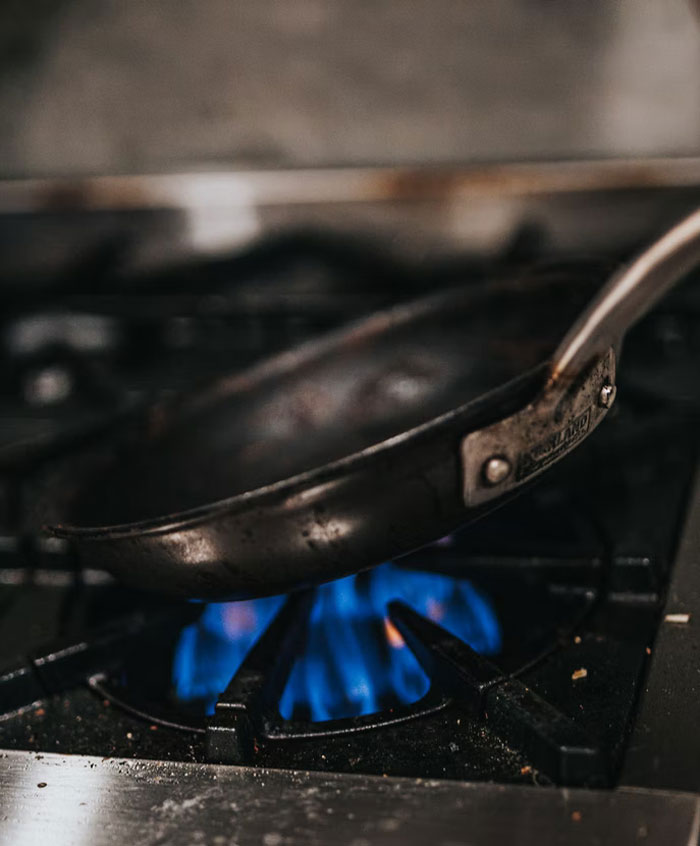 Heating pans slowly. If I know I'm going to use a frying pan, cast iron and otherwise, or my cast-iron grill that I use for tortillas, I put it on the stove at a low temperature for about half an hour, and then bring it up to whatever while I'm prepping the food. I use cast iron and stainless steel, and they are all made non-stick by pre-heating.
Setting out all the ingredients, measuring and possibly chopping ingredients before starting to cook/bake. It not only keeps things flowing smoothly and in a timely manner with much less stress but I also know before starting if I am unexpectedly low or out of stock of an ingredient.
Cook your spices in oil (like with the onions) before adding in the liquid ingredients.

especially ginger, garlic and green onion for asian dishes. I can't eat alot of oil (fats), but makin some szhechuan fish, ya need that oil
if its a salty/savoury dish. add a pinch of sugar in. if its sweet dish. add a pinch of salt in it. the contrast will bring umami flavor
Scrambled eggs also do this. Take them off the stove well before they reach the desired consistency.
Most of the time, use a lower setting on the burner than you think you need. Varies based on your own equipment, of course. But I find it often makes a huge difference.

My mother, the worst cook in the history of food, would cook everything on high and in no less than a cup of shortening.
My house burger game changed recently when I started making smash burgers. My kids aren’t begging for McDonald’s anymore...No more big thick ass house burger patties around here!
I never loved really thick patties - smash burgers really are a game changer!
Thinking about each ingredient and how I want it to be in the end. Helps decide what size to chop, when to put in, heat temp to use, etc. (For stir-fries and soups)
Small half brick of butter in everything
Individually seasoning and taking care of each ingredient in a recipe. Especially with veggies.
This is especially true with stir fry. It's a bigger hassle, but the end result is so much better.
Using an instant read digital thermometer instead of guessing when meat was done. For Baking, weighing ingredients instead of using the cup measures. I would say weighing ingredients has had more impact than using the digital thermometer.
It was ignoring cooking myths. Like letting meat come to room temperature before cooking it.
Depends on the meat and the recipe. An old recipe for roasts from before universal fridges may not allow enough cooking time
Switched to cast iron a good 6 or 7 years ago. I cook everything except pasta in it now. It’s one of my top five. 1.) Cast Iron 2.) iGrill Thermometer 3.) Sous Vide 4.) Mortar and Pestle for whole spices 5.) Sifter (regarding making my gravies)
Hot pan, cold oil. Salt the building blocks of a dish (ie garlic and onion, usually for me.) So you don't forget, get a salt pig.
Switching to cooking with maldon salt. I know it’s technically a finishing salt, but cooking with it makes everything achieve a deeper deliciousness
For me it's just about having the right tools. There are substitutes sometimes. But if you're gonna do anything "right", it's better to invest in the right tools. I recently purchased a rolling pin. Me! It's crazy.
Wash and properly store all produce as soon as I get home from the grocery store. Everything lasts longer, and I can immediately use things whenever I'm ready to cook.

Never store tomatoes in the fridge. The difference in taste is notable. Buy your produce locally from as small a grower as possible.
How does letting meat come to room temperature help? I know a lot of chefs say it makes meat cook evenly but I've never felt any differences myself.
Honestly, I don't love taking daily cooking advice from chefs. They aren't (usually) trained on how to cook meals that we should be eating on a day to day basis. The amount of salt, butter, and sugar they use is significantly more than we should be eating on a regular basis, and the amount of food waste is both terrible for the planet and for the average person's wallet. Professional chefs who cook in restaurants are trained to make food that people can't help but eat. Usually that means making it pretty unhealthy.
Huh? Guess you haven't known too many chefs have you? The idea that pro chefs and cooks are oblivious to food waste; that they do not cook healthy or that they cook food that you cannot help but eat....yeah, not true, not true at all. I have no idea where you live, but around my part of the world the really good chefs heavily rely on fresh foods, herbs and spices. Heard of farm to table? Biggest trend in the industry. The idea that chefs have some magic whereby they force you to eat...comical and so very, very wrong.
Load More Replies...
I use scissors to shred/cut herbs and lettuce, leafy stuff. It's quick and easy, and I can cut just what I need without over doing.

Oh yeah, I have three dedicated kitchen scissors. If they're in the knife rack they are fresh clean from the dishwasher. I have cut up meat for the grandkids, herbs, all sorts of things! A kitchen scissors is SO handy.
Load More Replies...
My best advise is if you are going to bake some pork and you want to add some wine to make a great sauce, don't. Put there apple juice. And some vegetables, I would say carrot and cellery. Pork just loves apple juice.

Am I the only one who just sees a long list of photos with the words "Small-Habits-Massively-Improved- Cooking-Skills" with no additional information...?

Butter and olive oil taste GREAT mixed together. I often add a little of the other to a recipe calling for one of them if I'm aiming to impress.

I had cooked for myself for the past 25 or so years andI am enjoying myself. I taste it to how it suits me. :)
Honestly, I don't love taking daily cooking advice from chefs. They aren't (usually) trained on how to cook meals that we should be eating on a day to day basis. The amount of salt, butter, and sugar they use is significantly more than we should be eating on a regular basis, and the amount of food waste is both terrible for the planet and for the average person's wallet. Professional chefs who cook in restaurants are trained to make food that people can't help but eat. Usually that means making it pretty unhealthy.
Huh? Guess you haven't known too many chefs have you? The idea that pro chefs and cooks are oblivious to food waste; that they do not cook healthy or that they cook food that you cannot help but eat....yeah, not true, not true at all. I have no idea where you live, but around my part of the world the really good chefs heavily rely on fresh foods, herbs and spices. Heard of farm to table? Biggest trend in the industry. The idea that chefs have some magic whereby they force you to eat...comical and so very, very wrong.
Load More Replies... I use scissors to shred/cut herbs and lettuce, leafy stuff. It's quick and easy, and I can cut just what I need without over doing.
Oh yeah, I have three dedicated kitchen scissors. If they're in the knife rack they are fresh clean from the dishwasher. I have cut up meat for the grandkids, herbs, all sorts of things! A kitchen scissors is SO handy.
Load More Replies... My best advise is if you are going to bake some pork and you want to add some wine to make a great sauce, don't. Put there apple juice. And some vegetables, I would say carrot and cellery. Pork just loves apple juice.
Am I the only one who just sees a long list of photos with the words "Small-Habits-Massively-Improved- Cooking-Skills" with no additional information...?
Butter and olive oil taste GREAT mixed together. I often add a little of the other to a recipe calling for one of them if I'm aiming to impress.
I had cooked for myself for the past 25 or so years andI am enjoying myself. I taste it to how it suits me. :)





























 No fees, cancel anytime