Get Premium
Dark mode theme is available exclusively for premium users. Learn more about the benefits of subscribing.
No fees, cancel anytime.

 Dark Mode Ad-Free Browsing Unlimited Content
 Ad-Free Browsing Unlimited Content Dark Mode
Join 1.2 million Panda readers who get the best art, memes, and fun stories every week!


The world has changed quite a bit over the last 120 years. Even many buildings that were constructed only a century ago look vastly different than when they were first unveiled. But if you’re a 20th century architecture enthusiast, today is your lucky day, because below, we’ve gathered some of our favorite pics from the Old Architecture Facebook page.
From massive Brutalist buildings to stunning ski resorts, these photos will give you a blast from the past and some insight into the minds of the architects of the time. Enjoy this gorgeous eye candy, and be sure to upvote the buildings you’d like to see in person!
This post may include affiliate links.

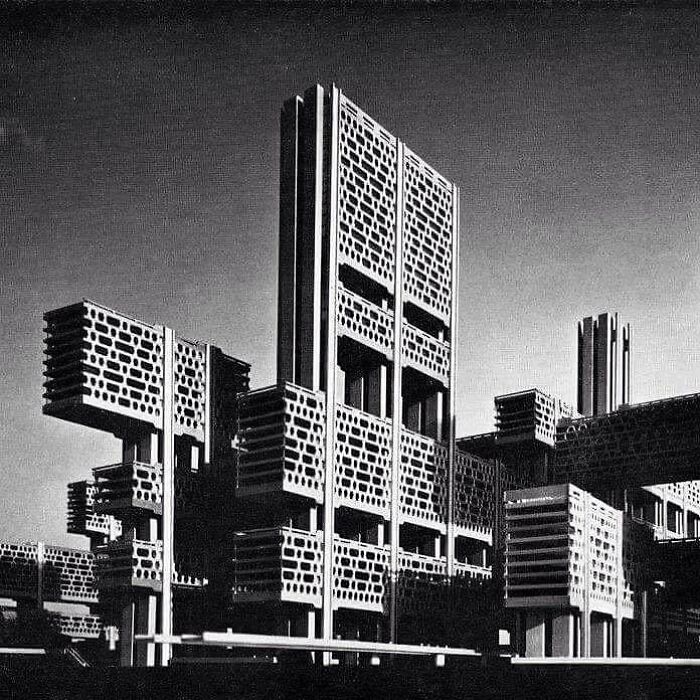
"The Time Variance Authority" from Loki, right? Kinda?? Anyone??? Loki????

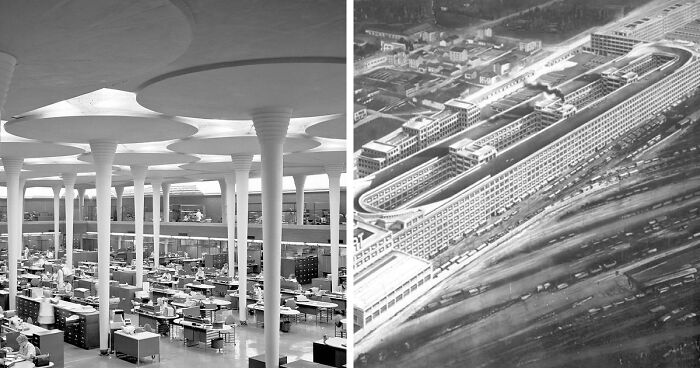
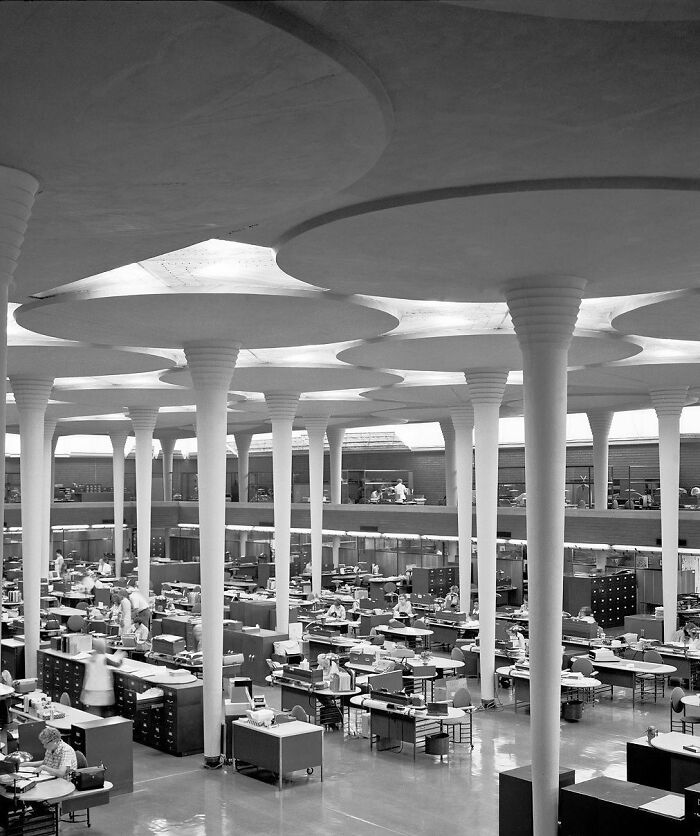
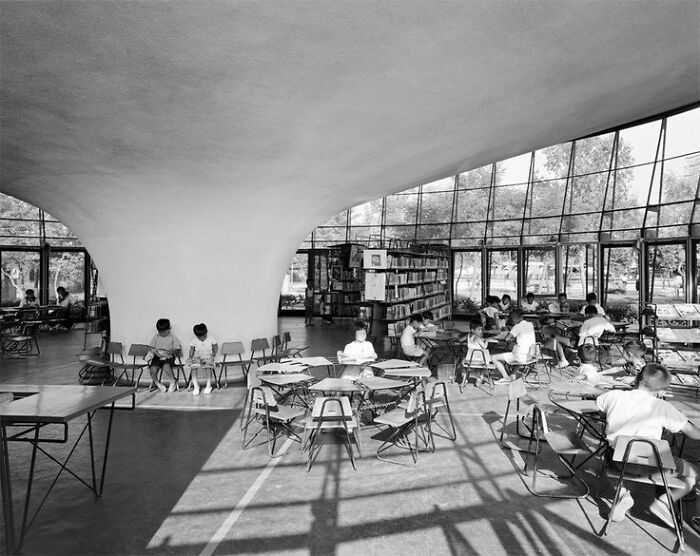
It looks like working in a field of mushrooms! But I think the juxtaposition of that fantasy world superimposed on the drudgery of wall to wall desks and rat race culture leaves the viewer feeling unsettled. (Lack of color in the photo probably adds to that feeling.) I wonder if the building is still standing and if it has been repurposed.

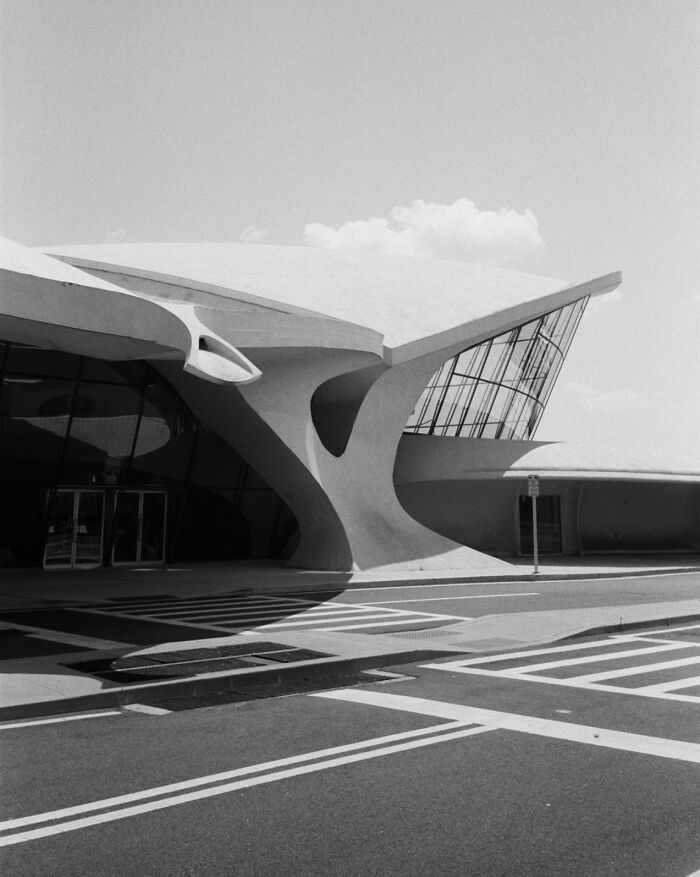
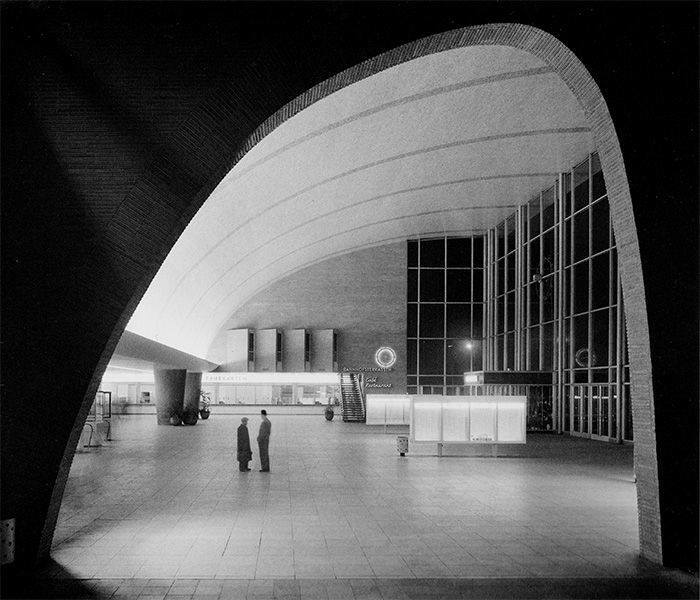
“It can hardly be a coincidence that no language on Earth has ever produced the expression "as pretty as an airport". Airports are ugly. Some are very ugly. Some attain a degree of ugliness that can only be the result of a special effort. This ugliness arises because airports are full of people who are tired, cross, and have just discovered that their luggage has landed in Murmansk (Murmansk Airport is the only exception to this otherwise infallible rule) and the architects have on the whole tried to reflect this in their designs." (Douglas Adams, The Long Dark Tea Time of the Soul)
The Old Architecture Facebook page is dedicated to all of the most stunning buildings that were created in the 20th century. And if you’re not an avid architecture enthusiast, have no fear, the pics are beautiful enough for anyone to appreciate them. This page has amassed an impressive 67k followers since its creation in 2012, and it has managed to find gorgeous photos of the world’s most captivating buildings. But if you’re interested in more than just photos, we’ll discuss 20th century architecture a bit to give you a greater understanding of how these buildings came to be.
Now, the architecture of any given time can vary greatly based on location and the architect in question, but one thought held by Italian architect Bruno Zevi (1918-2000) was that, “Architecture does not derive from a sum of lengths, widths and heights of the constructive elements that envelop the space, but emanates from the void itself, from the enveloped space, from the interior space, in which men die and live.” The 20th century gave birth to many architectural styles and trends that were “largely characterized by the search for functionality and the importance of interior space, to the detriment of the ornamental work of the facade,” STACBOND explains on their site.
In contrast to the Cast-iron architecture of the previous century, modernist architecture emerged in the 1900s, presenting deeply decorative trends with many rounded shapes. “This type of architecture seeks to break the monotony of the lines of the facade through the asymmetry and the curved and free forms,” STACBOND explains. “The most commonly used materials are steel, wrought iron and glass, typical elements of industrial-type architecture, but used in combination with the forms of nature and a revaluation of craftsmanship.”
Particularly in Spain, the modernist school gained lots of traction in Catalonia, with Antoni Gaudí popularizing it. Some of his most famous works include Casa Batlló, Casa Milá, Colonia Güell Church, and Sagrada Família, whose creative designs feature curved lines, a variety of mosaics, polychrome and stucco.
“The complex geometries of a Gaudí building so coincide with its architectural structure that the whole, including its surface, gives the appearance of being a natural object in complete conformity with nature’s laws,” Britannica explains. “Such a sense of total unity also informed the life of Gaudí; his personal and professional lives were one, and his collected comments about the art of building are essentially aphorisms about the art of living. He was totally dedicated to architecture, which for him was a totality of many arts.”

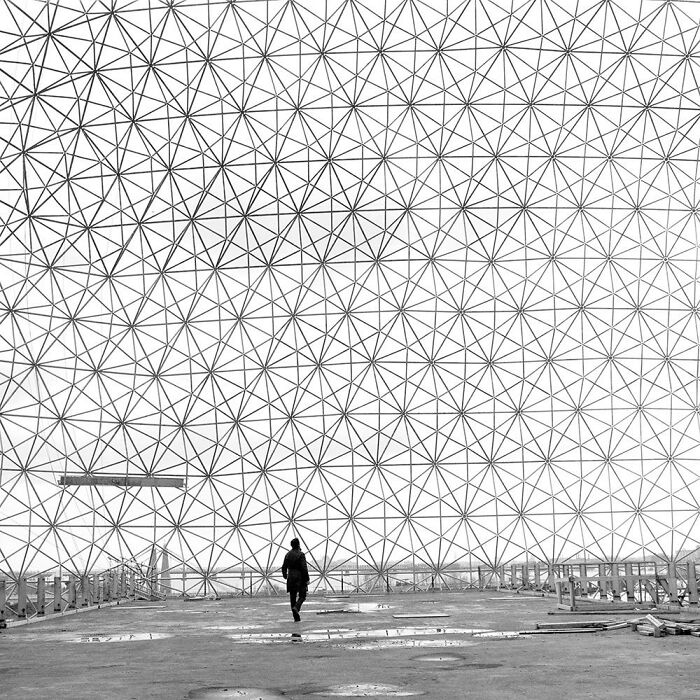
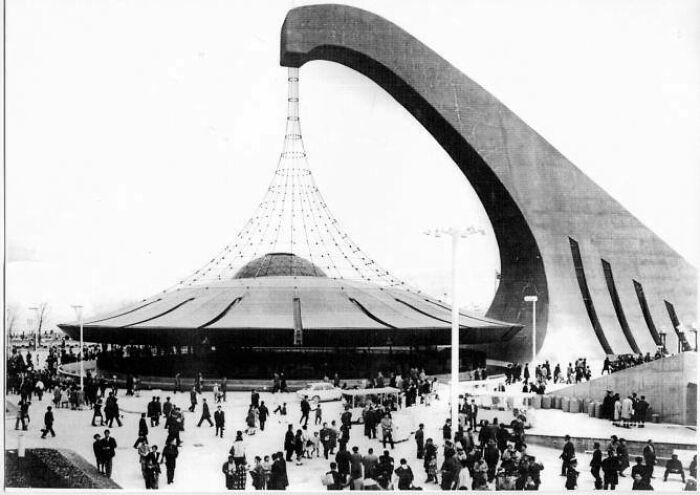
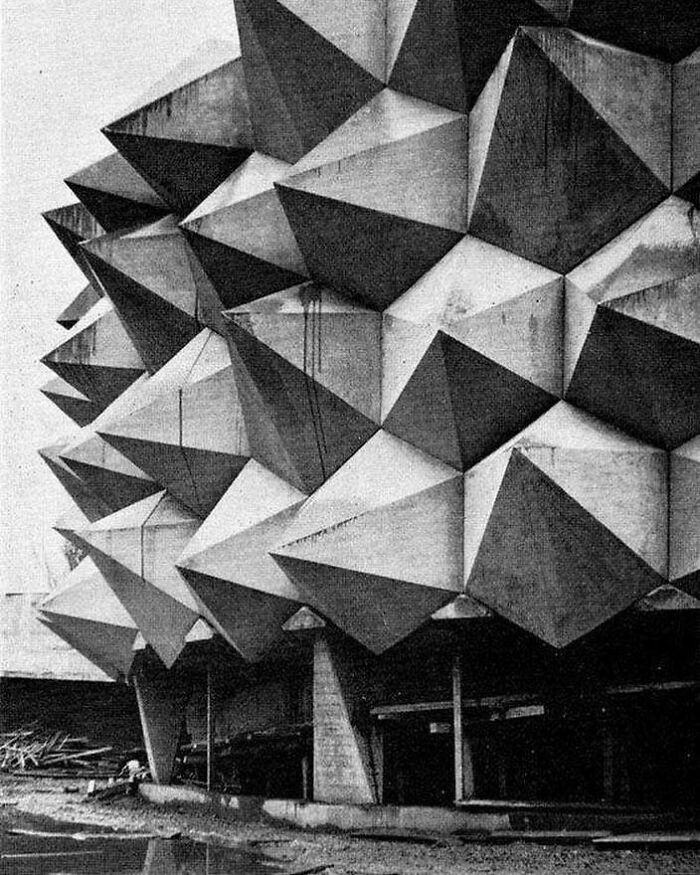
Photo with a little context: https://www.archdaily.com/572135/ad-classics-montreal-biosphere-buckminster-fuller

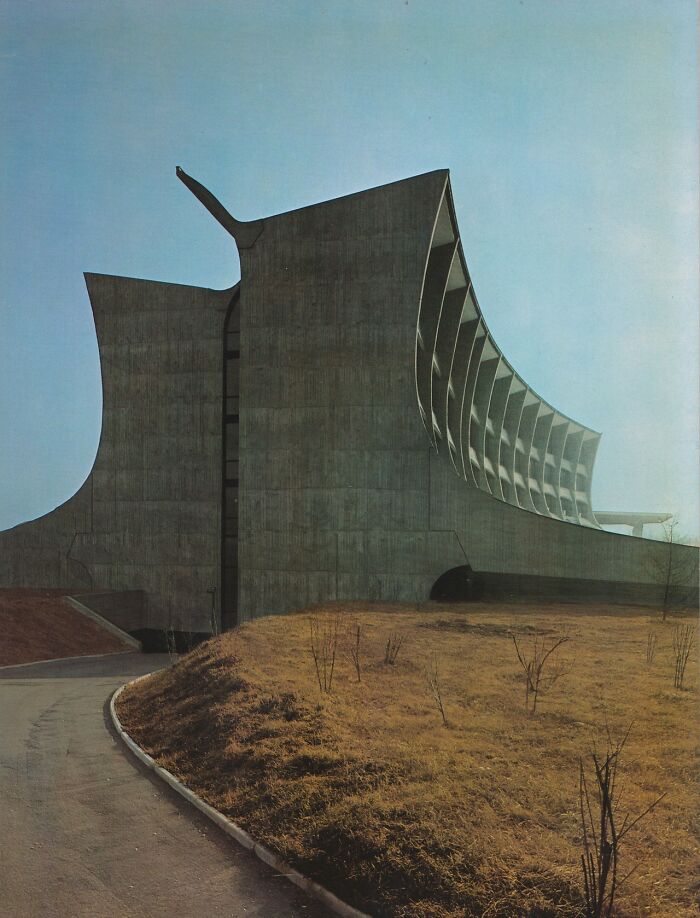
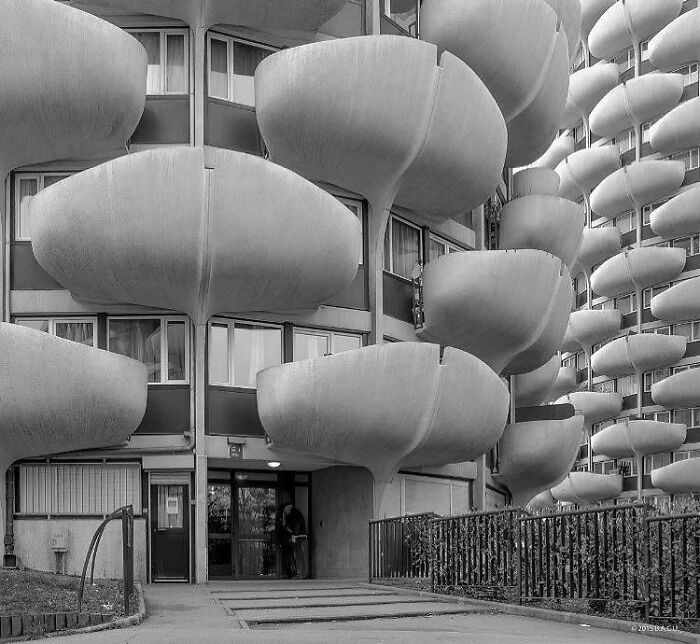
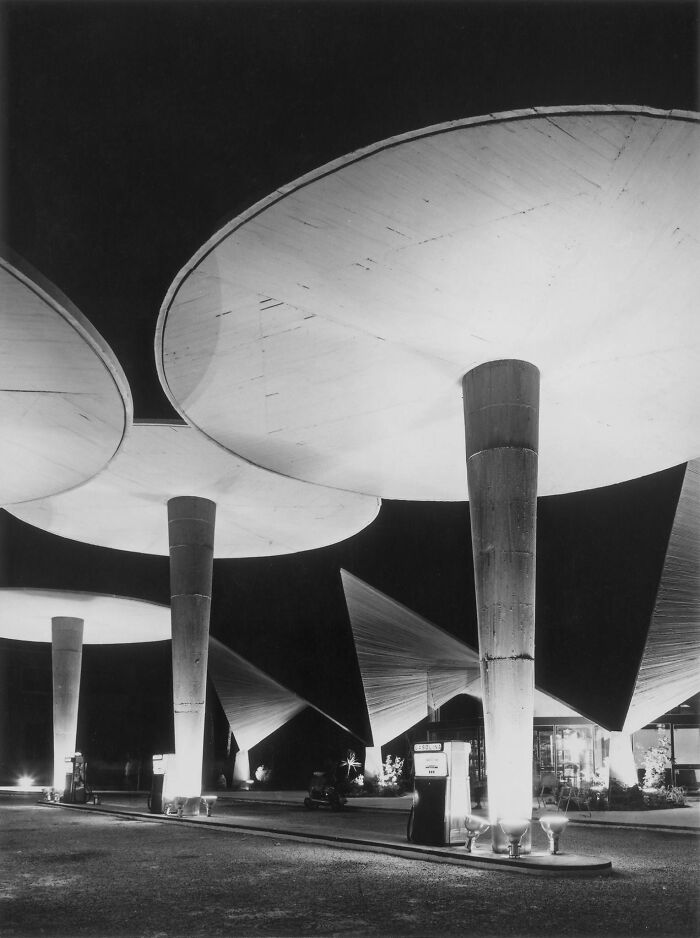
Looks like stems of a plant with really big leaves! Also, I wonder how beautiful it might look when it rains and fills them up!
Following the decline of Art Nouveau during the inter-war period of the 1900s, the Art Deco or Hollywood style became increasingly popular. Contrary to Soviet constructivism, which was simultaneously gaining popularity, Art Deco is a “decorative and eclectic style,” STACBOND writes. “The use of geometry is not dedicated to the straight line, but also to the usual use of curves, circles, polygons, etc. Aztec, Egyptian or Mesopotamian motifs also appear, as well as zigzag lines. Perhaps its greatest representative is the Chrysler building in New York, despite which there are numerous examples throughout the world and the style has transcended popular culture in the form of setting for video games, animation or films.”
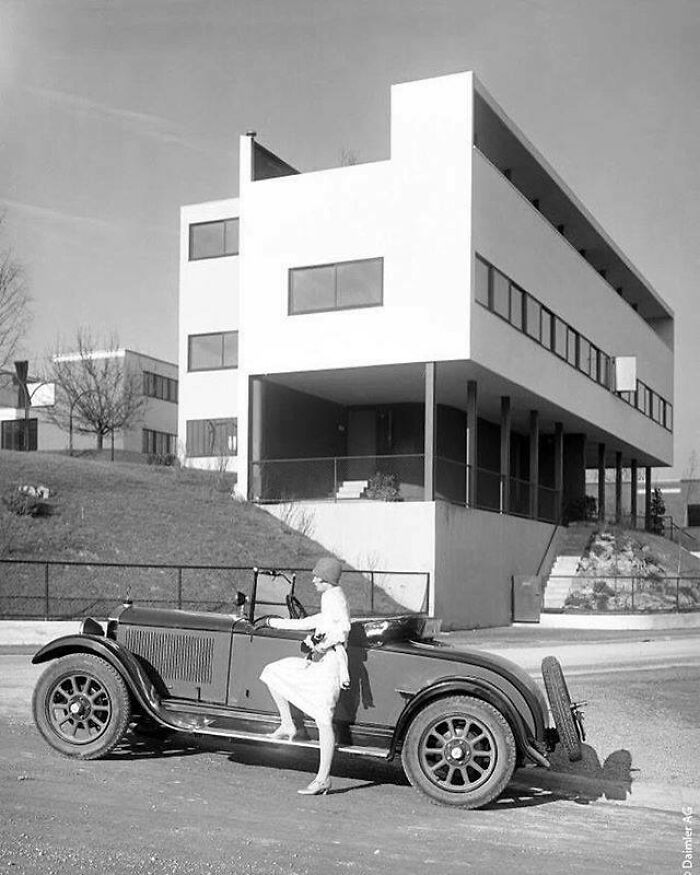
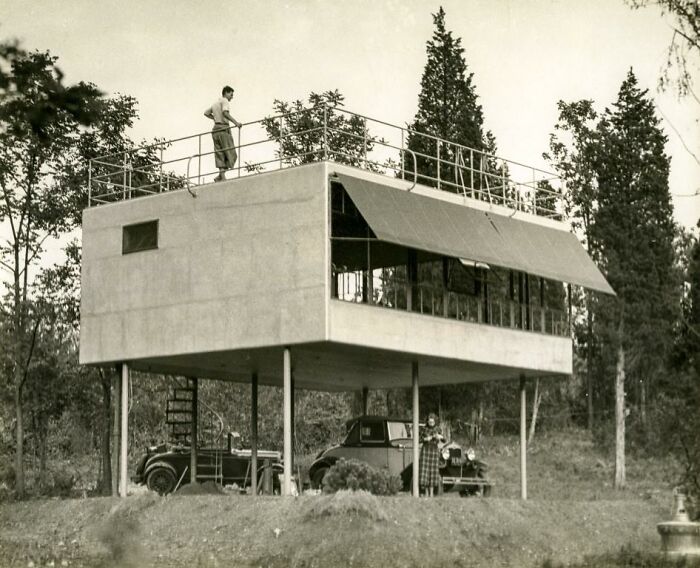
What is considered to be the primary architectural style of the 20th century, which is featured many times on this list, is Rationalism. Rationalism focused on constructing large housing blocks of simple, symmetrical geometric shapes, most often utilizing concrete. There are five main points that Rationalism includes: pilotis, free design of the ground plan, a free facade, the use of light through large horizontal windows, and terrace and roof gardens. The pilotis support the building and allow space for cars, without allowing commercial ground floors and basements, and having a free design of the ground plan “opens the possibility of modifying the uses and interior spaces, making them independent of the structure,” STACBOND explains.

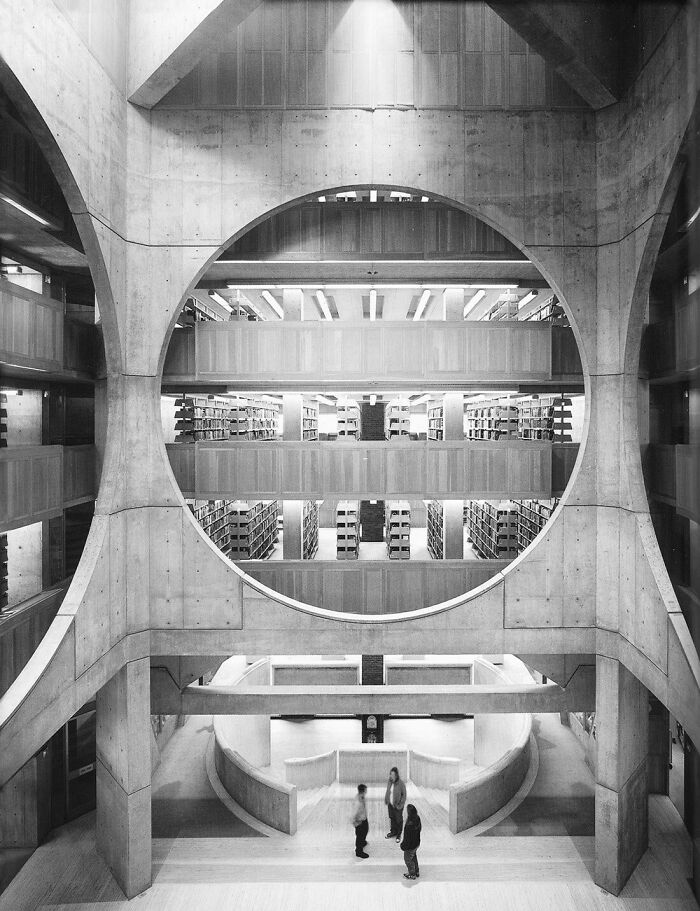
I spent several days there, inside, exploring, during my time as a juror. Spectacular inside as well as outside.

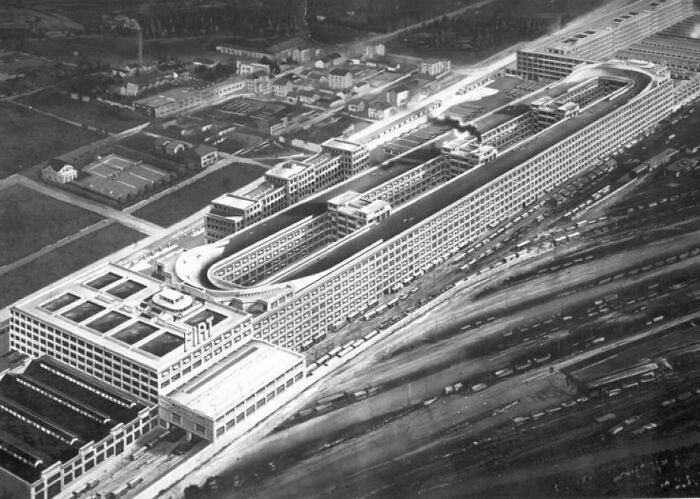
A more recent photo: https://www.facebook.com/SocModernism/photos/a.1316371925172212/1318686324940772/?type=3
Having a free facade means that the building’s skin is mostly used for protection, rather than bearing any structural load. Large horizontal windows are also possible thanks to the loss of supporting walls by means of pillars and slabs. Ideally, light enters the whole room equally through these windows. And the terrace and roof gardens come in contrast to traditional, sloping roofs that buildings before had seen. “In this way, the terraces of the buildings become another element of the development that can be used for different purposes by the tenants,” STACBOND writes.

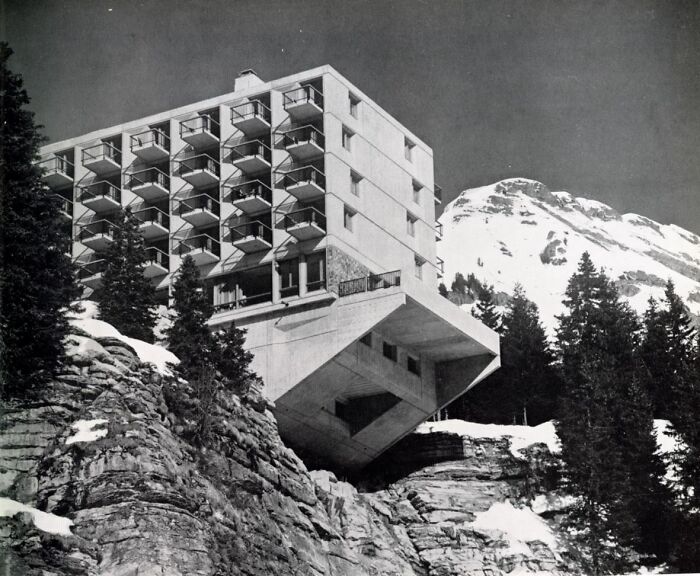
This building is still in very good condition. From the other facades it's much more opened. IMG_9164-6...c51922.jpg 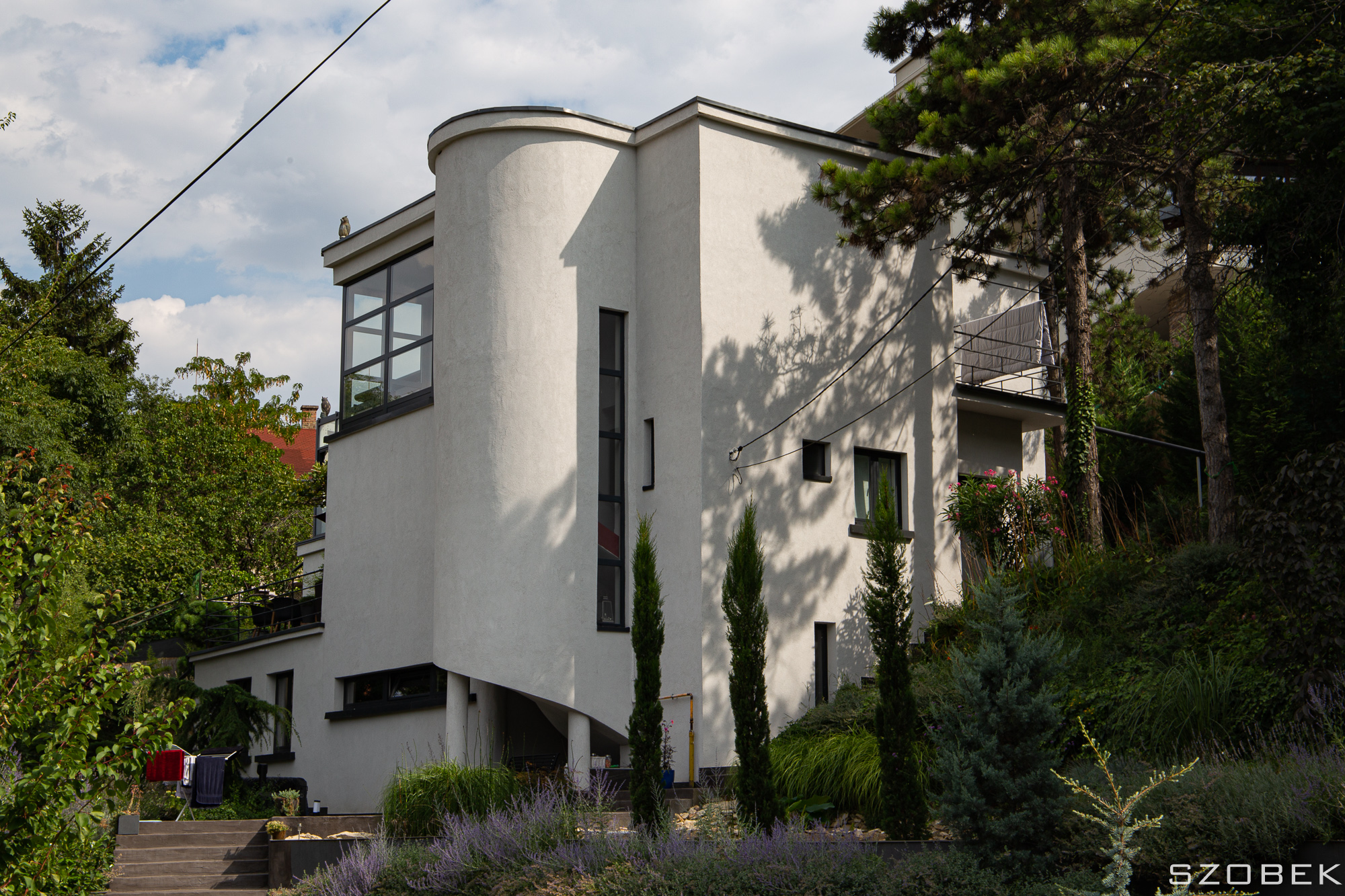
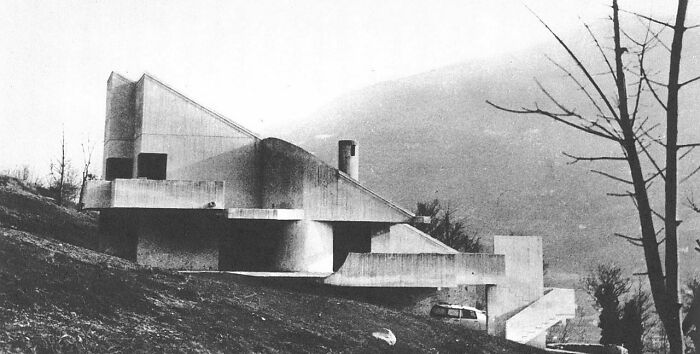
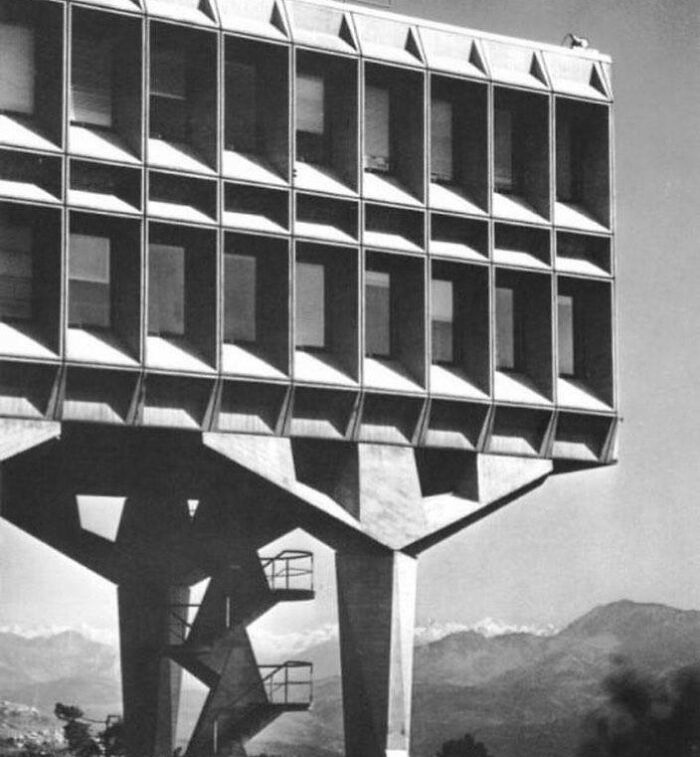
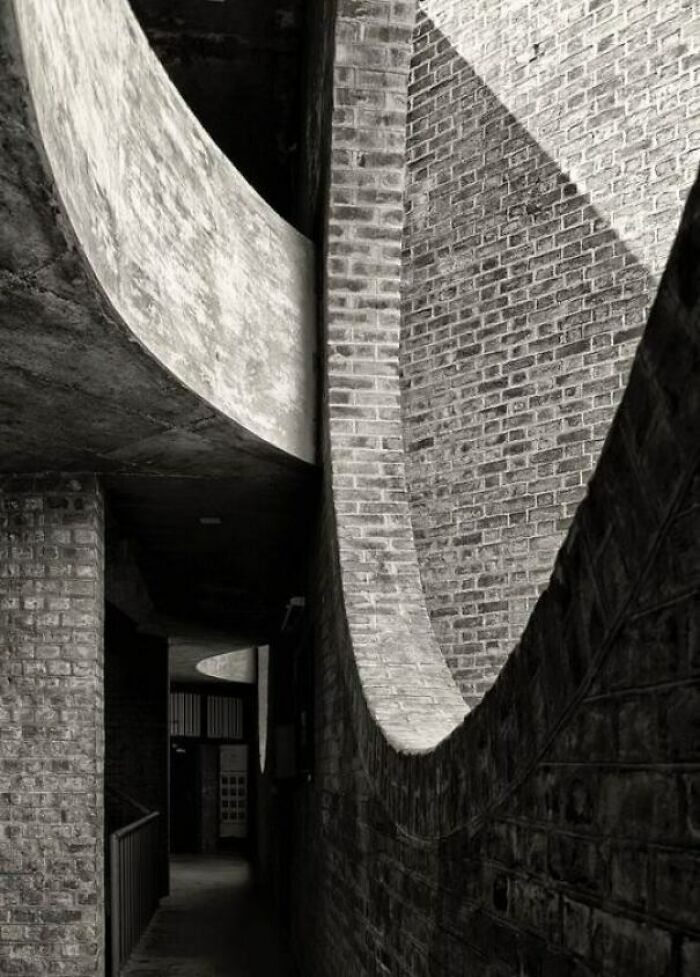
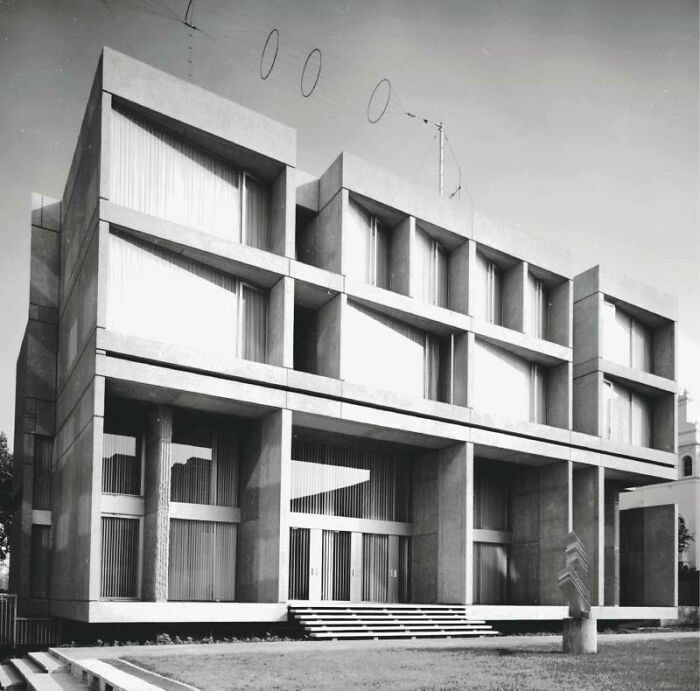
One facet of Rationalism that I’m sure we’re all familiar with is Brutalism. This Soviet-born style was incredibly common during the 1970s in Eastern Europe and Anglo-Saxon countries. Concrete and steel were the main materials utilized, and the buildings included “imposing geometric [shapes] of large volumes” to highlight the raw materials used. These buildings tend to be rather simple, with harsh, straight lines, and according to STACBOND, they’ve recently had a revival, despite the deterioration that many of these structures have suffered over the past few decades.

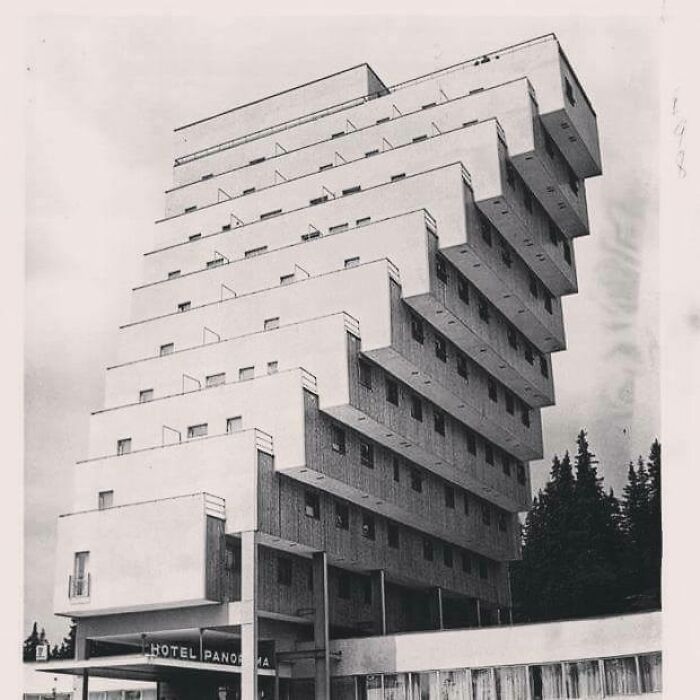
Another trend that emerged in the 20th century was Deconstructivism, or controlled chaos, which “was born in the 1980s as a movement that seeks the fragmentation of buildings, the challenge to straight lines and classic geometric forms,” STACBOND explains. One famous example of this style is the Prague Dancing House, a fascinating building that honestly makes me feel a little seasick just by looking at it. This style experiments with risky forms and presents chaotic-looking buildings within an established order. They also often incorporate innovative materials that architects adapt for their own purposes.
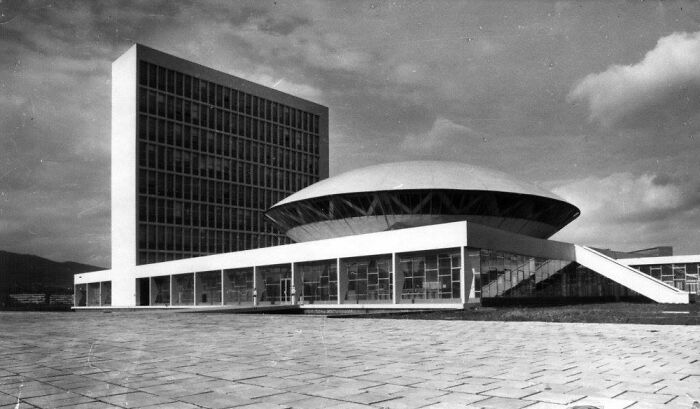
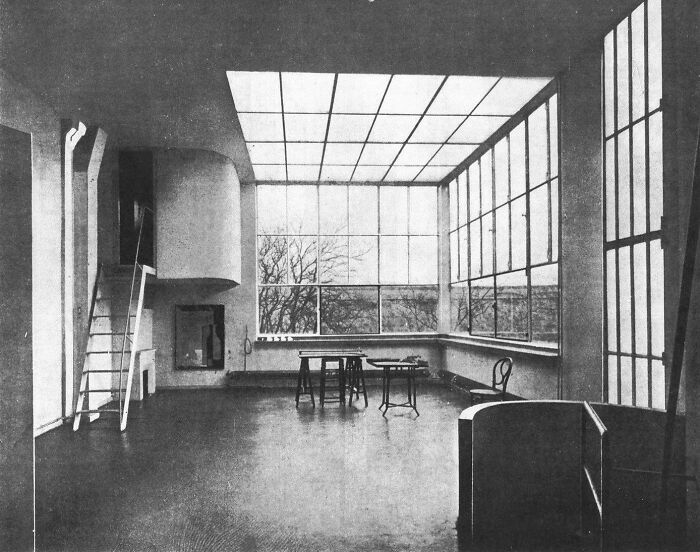
Our conference room doesn't get much use since we took out the windows

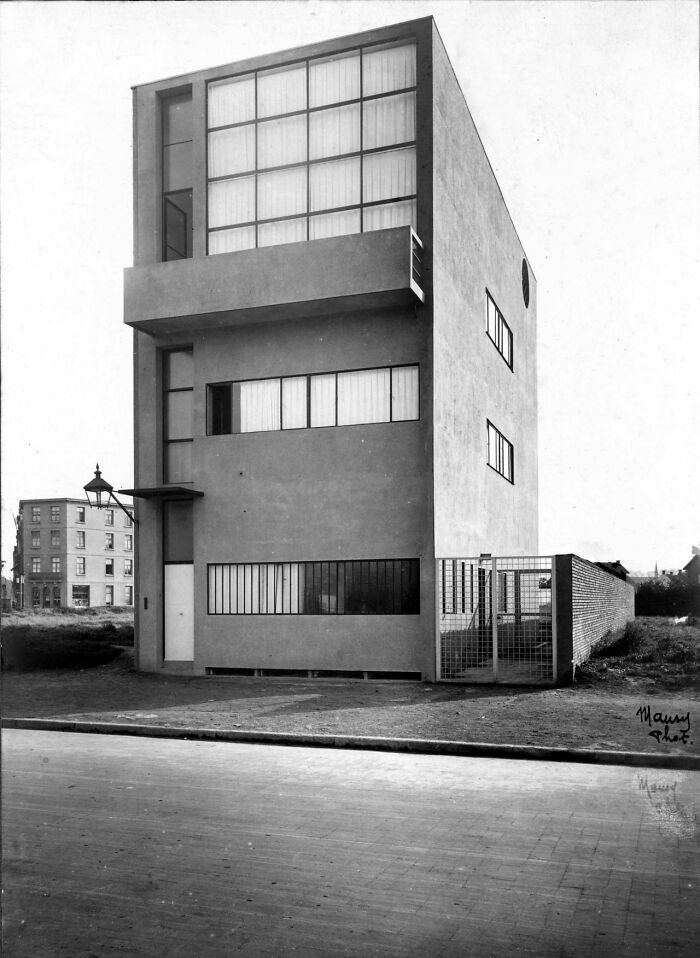
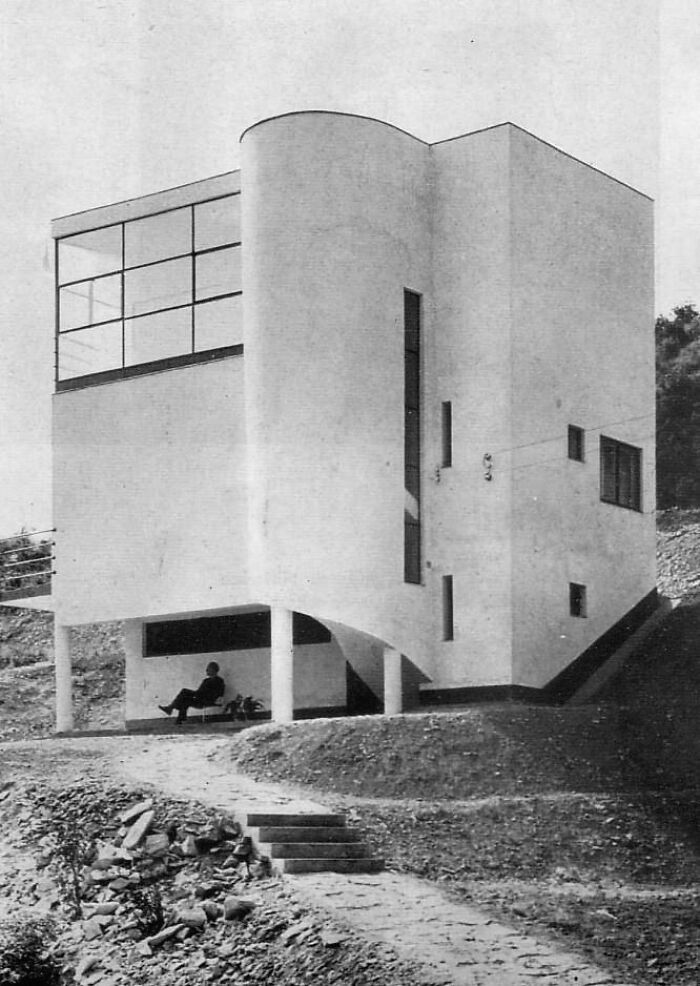
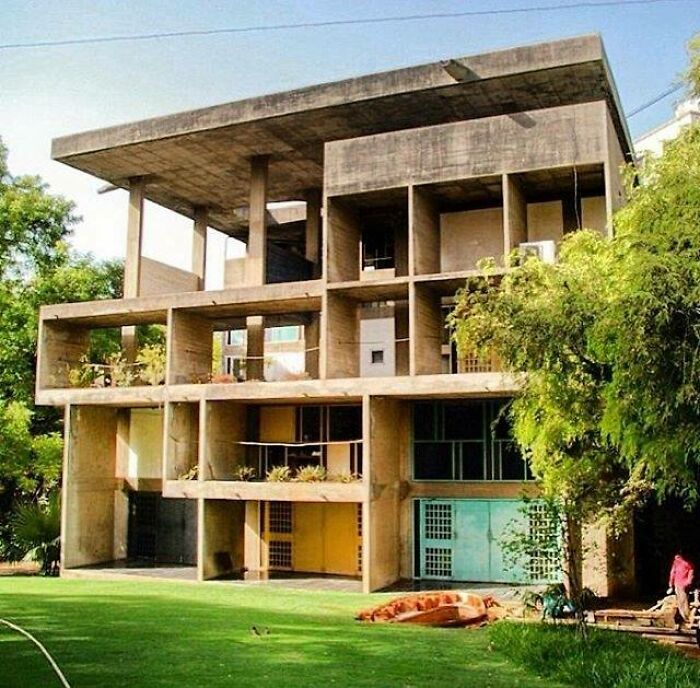
How do one clean the upper windows ??? Le Corbusier built many stylish nighmares for the masses.
Are these photos making you wish you could go back in time and see these buildings when they were first unveiled? We hope you’re enjoying these stunning pics of 20th century buildings, pandas, and please remember to keep upvoting all of your favorites. Let us know in the comments below if you have any personal favorite 20th century architects or structures, and then if you’re interested in checking out another Bored Panda article featuring captivating photos of brilliant and fascinating architecture, look no further than right here!

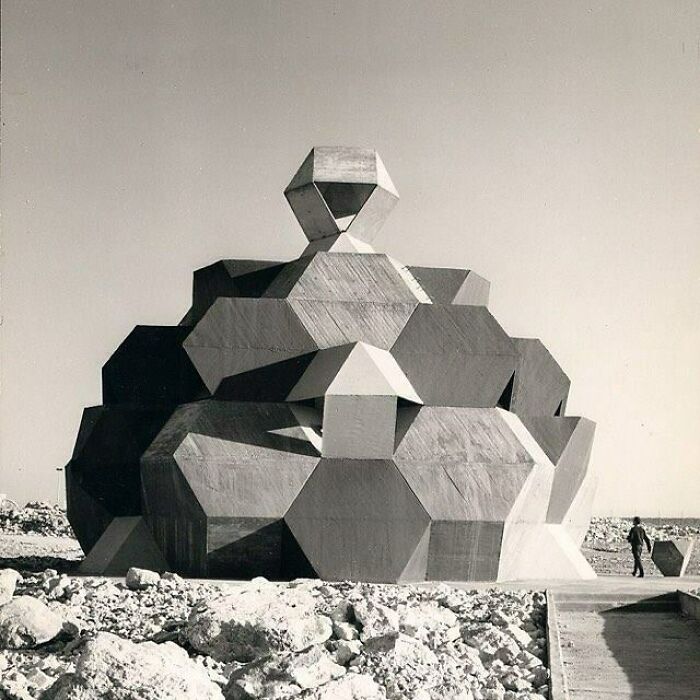
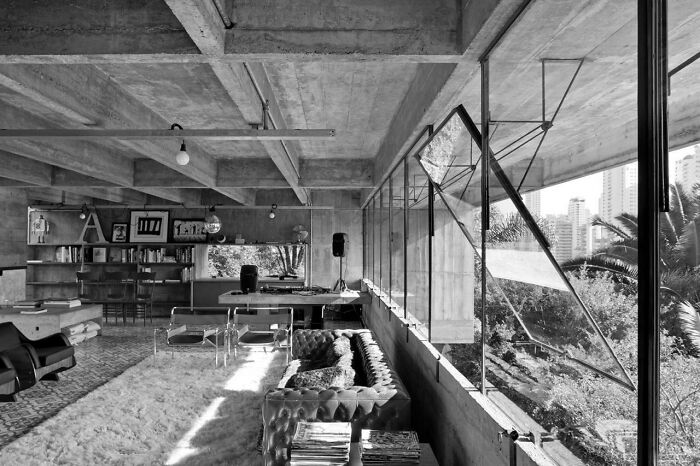
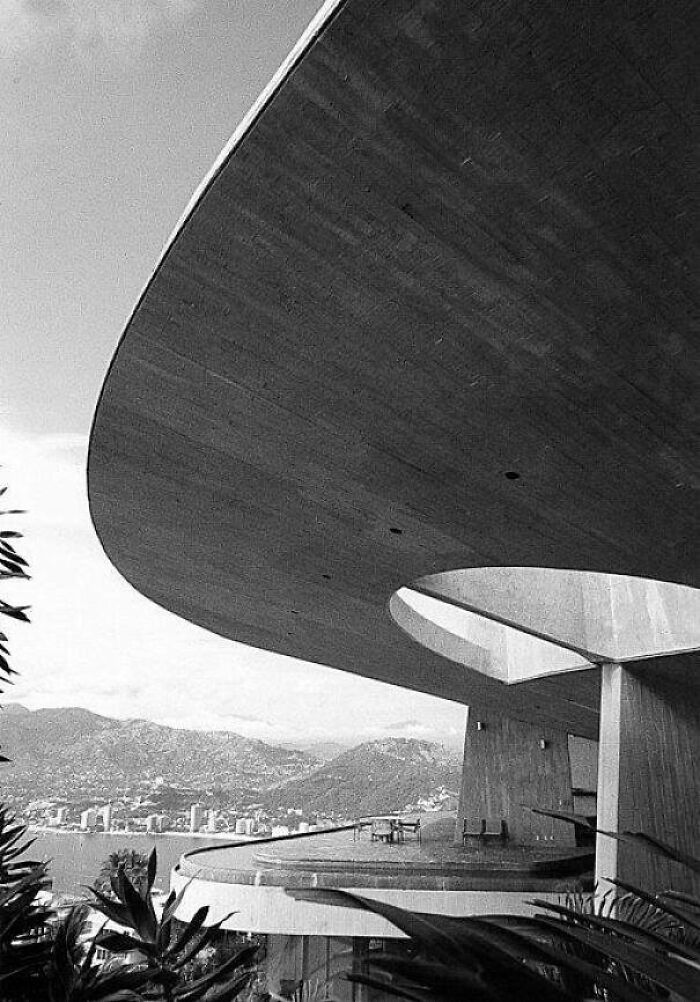
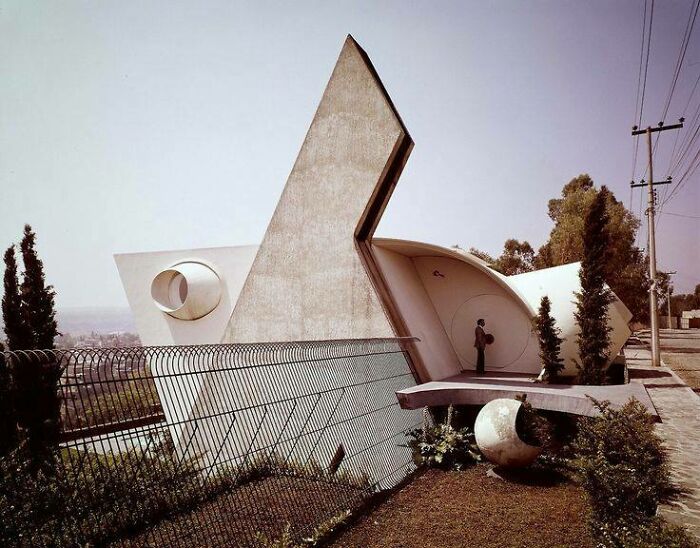
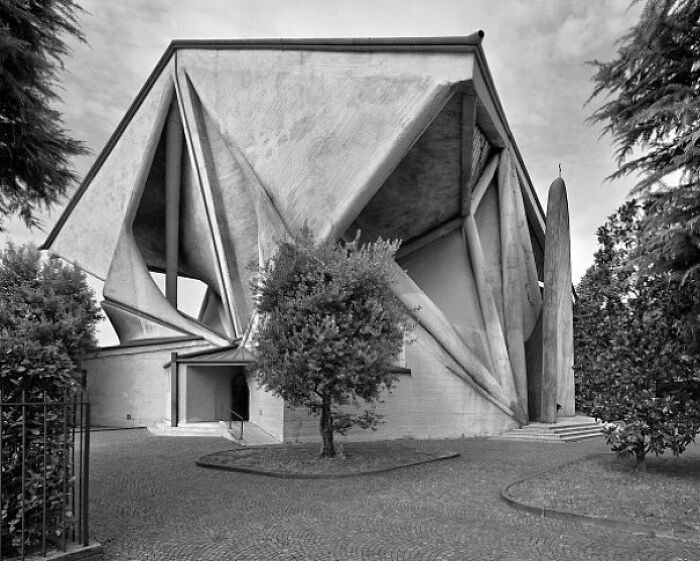
This pic isn't of the "Sculpture House". The real one is completely round. I know -- I lived there for more than a year.

None of his buildings are well. Exposed concrete quickly becomes covered with stains, and are impossible to clean.
Imagine the struggle to just design this, and building it must've been so hard!

As the odd bird that is a fan of Brutalist architecture, this post pleases me. But no Boston City Hall??


I love this architecture. But I find it odd to call it old. Everything here is less than a century old.

Great buildings, and even greater archtectural photography! Beautiful!

I would much rather look at these buildings than the ugly ones they build today. Some dumbass comes along and says let's tear this trash down and build modern. Got news for ya, the trash looks a hell of a lot better

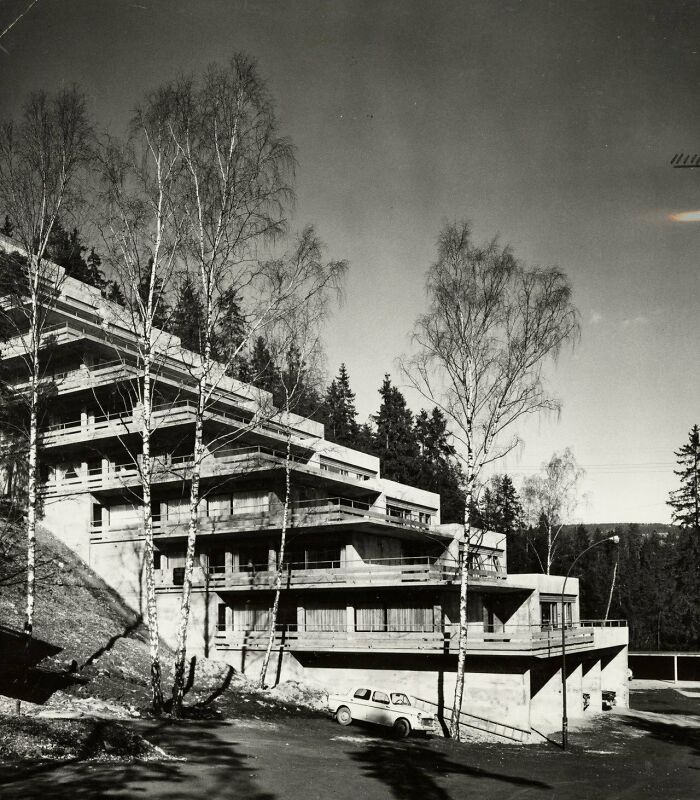
What, no Alvar Aalto? Paimio Sanitarium is a great structure to start with. Dang, couldn't figure out how you necromancers insert an image.

There was never a shortage of shooting locations for 1970s science fiction movies
I’m impressed by the skill and technical abilities of the builders to make these come to life.


Not a single representation from I.M. Pei? Like the Arts center at Choate from 1972.
Structural engineers are the ones that are tasked with making it so these ridiculous designs don't fall over, but they don't get any recognition
I often question why most new buildings built here in the USA are so ugly. It's as of they've gone out of their way to make them ugly. I mean, would it be that hard to make them at least a touch more attractive. It's no wonder, there's litter and graffiti everywhere (although I do love good graffiti in the right places). How is it possible to have civic pride when you're immersed in ugliness--strip malls, office buildings, shops, and let's not forget tract housing! Most of them built strictly for function. They're not just plain, they're downright offensive.


A lot of these give off a Backrooms vibe. Also, who here is a Backrooms fan?
As the odd bird that is a fan of Brutalist architecture, this post pleases me. But no Boston City Hall??
I love this architecture. But I find it odd to call it old. Everything here is less than a century old.
Great buildings, and even greater archtectural photography! Beautiful!
I would much rather look at these buildings than the ugly ones they build today. Some dumbass comes along and says let's tear this trash down and build modern. Got news for ya, the trash looks a hell of a lot better
What, no Alvar Aalto? Paimio Sanitarium is a great structure to start with. Dang, couldn't figure out how you necromancers insert an image.
There was never a shortage of shooting locations for 1970s science fiction movies
I’m impressed by the skill and technical abilities of the builders to make these come to life.
Not a single representation from I.M. Pei? Like the Arts center at Choate from 1972.
Structural engineers are the ones that are tasked with making it so these ridiculous designs don't fall over, but they don't get any recognition
I often question why most new buildings built here in the USA are so ugly. It's as of they've gone out of their way to make them ugly. I mean, would it be that hard to make them at least a touch more attractive. It's no wonder, there's litter and graffiti everywhere (although I do love good graffiti in the right places). How is it possible to have civic pride when you're immersed in ugliness--strip malls, office buildings, shops, and let's not forget tract housing! Most of them built strictly for function. They're not just plain, they're downright offensive.
A lot of these give off a Backrooms vibe. Also, who here is a Backrooms fan?





































 No fees, cancel anytime
 then open in external browser


 and click "Open in External Browser"












































![Virkkunen & Co Architects - Haukilahti Water Tower [finland, 1968]](https://www.boredpanda.com/blog/wp-content/uploads/2023/03/642298716671d_14022357_943129212479118_6549197847686358184_n__700.jpg "Virkkunen & Co Architects - Haukilahti Water Tower [finland, 1968]")