Get Premium
Dark mode theme is available exclusively for premium users. Learn more about the benefits of subscribing.
No fees, cancel anytime.

 Dark Mode Ad-Free Browsing Unlimited Content
 Ad-Free Browsing Unlimited Content Dark Mode
Join 1.2 million Panda readers who get the best art, memes, and fun stories every week!
34submissions
1week left

Don’t you wish you could step back in time for a day—not for a big historic event, but just to watch people go about their daily routines?
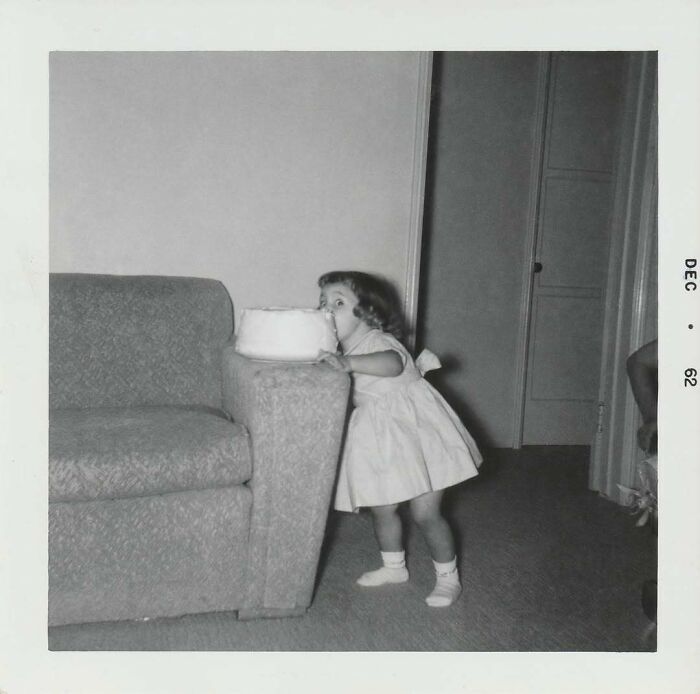
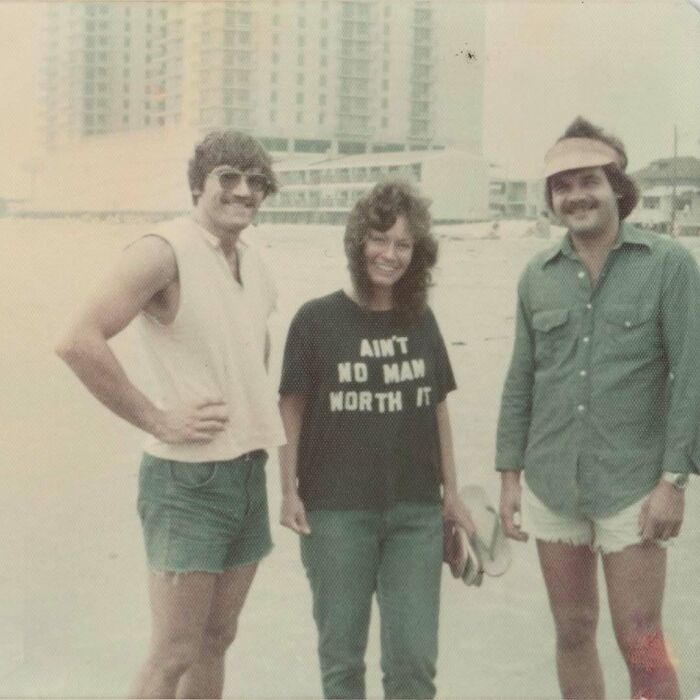
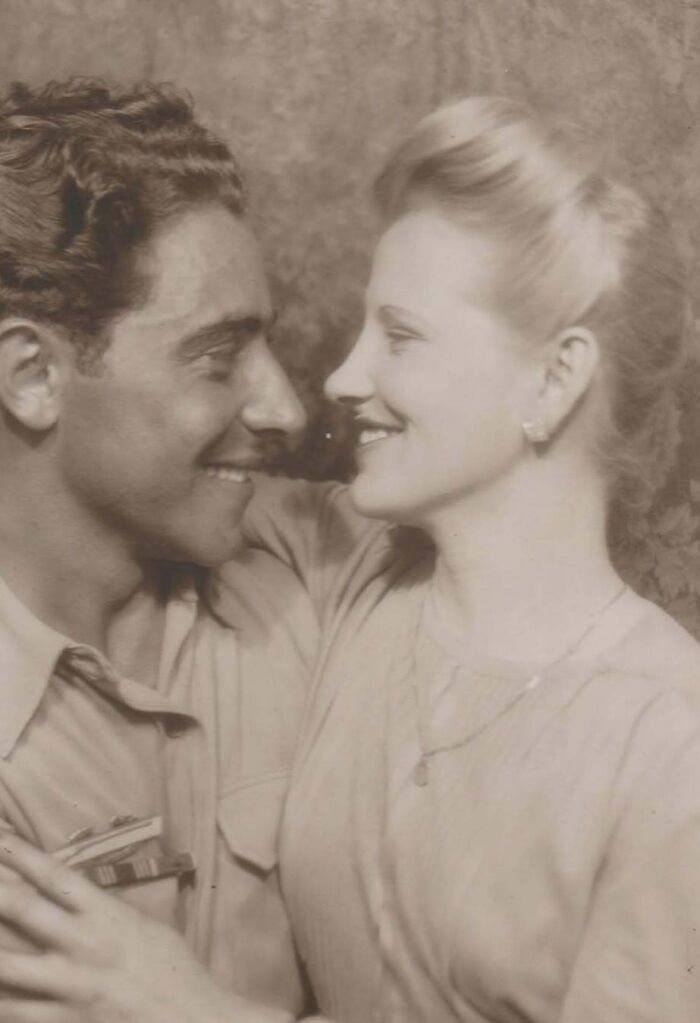
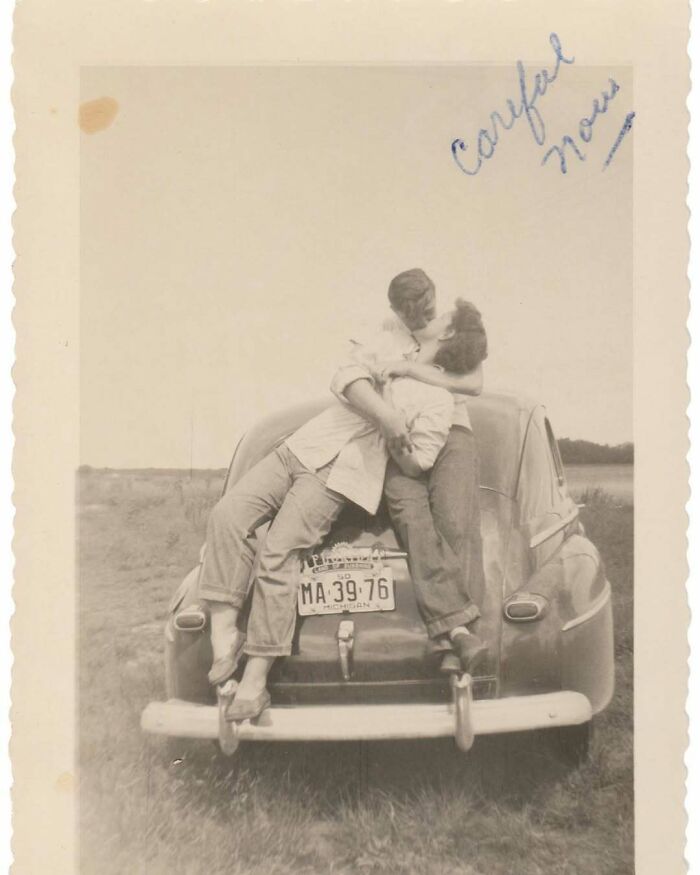
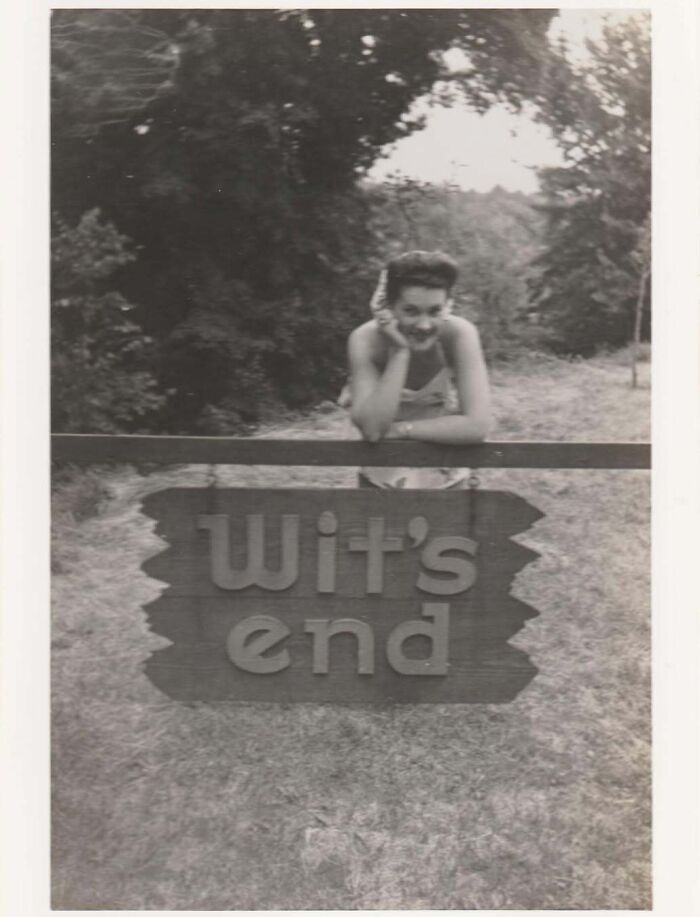
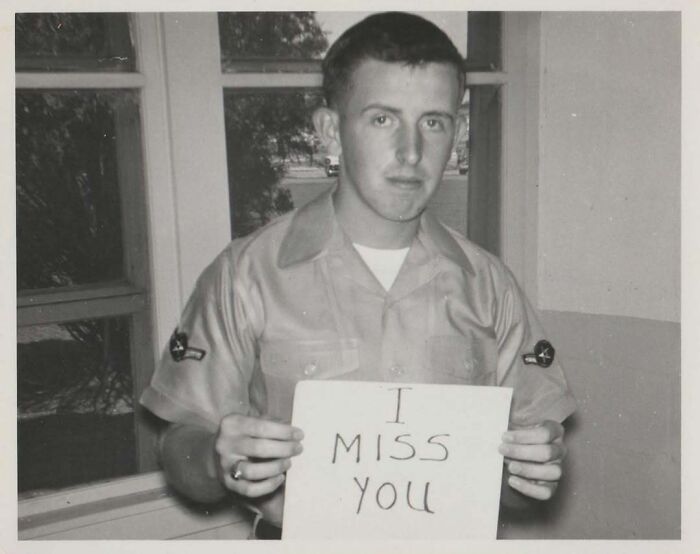
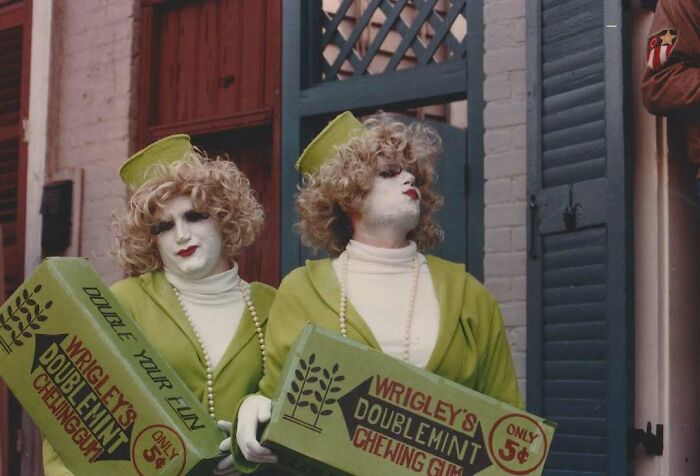
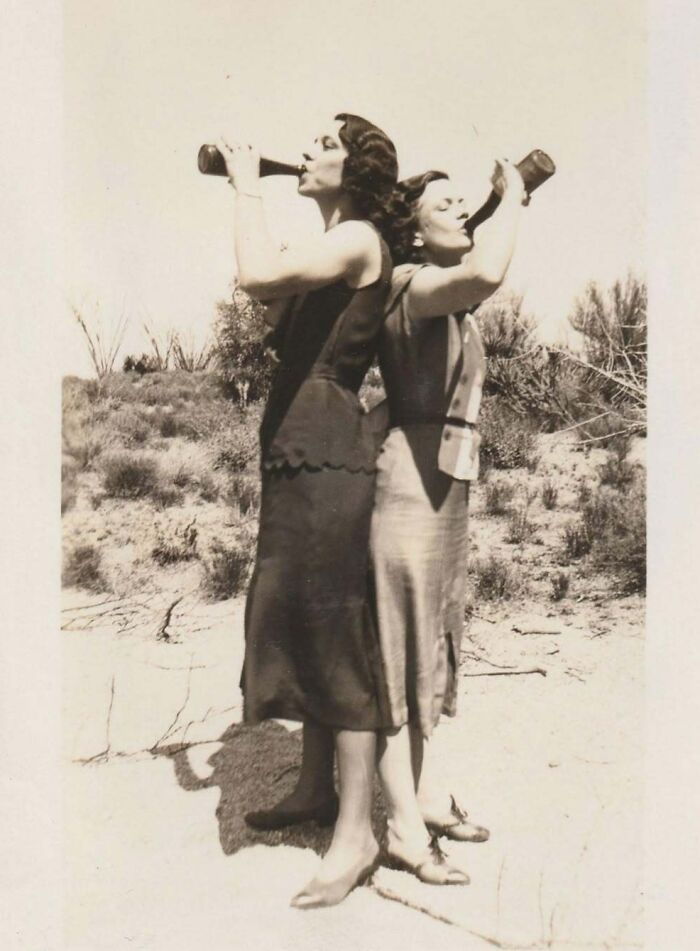
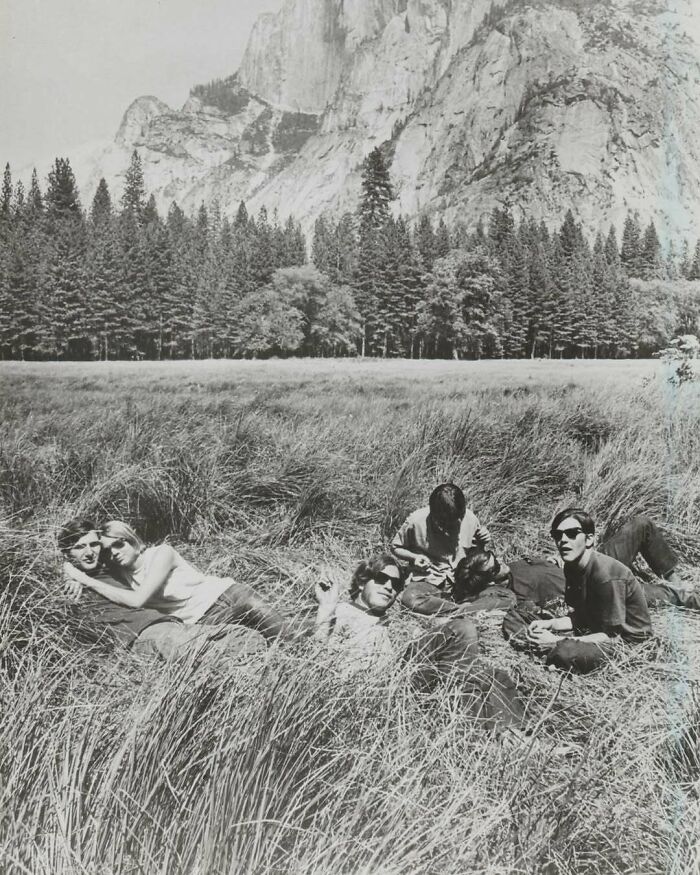
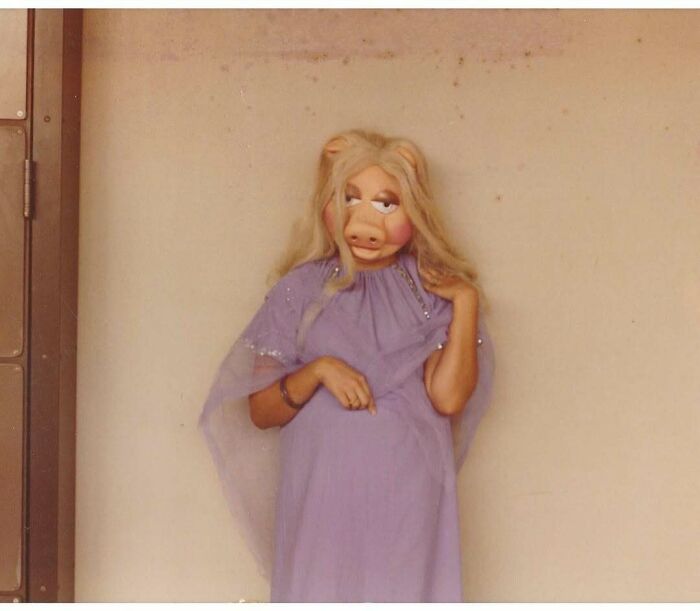
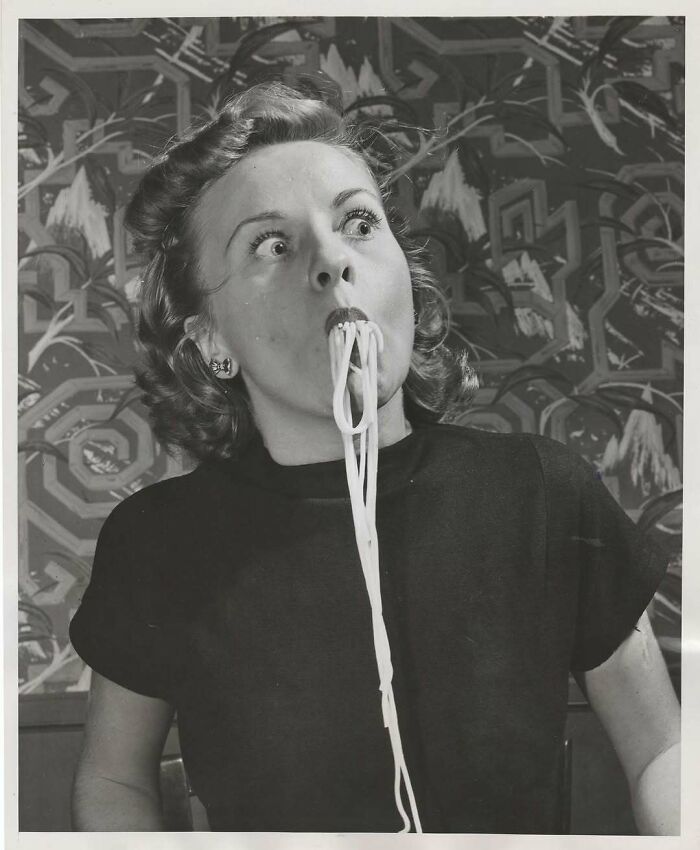
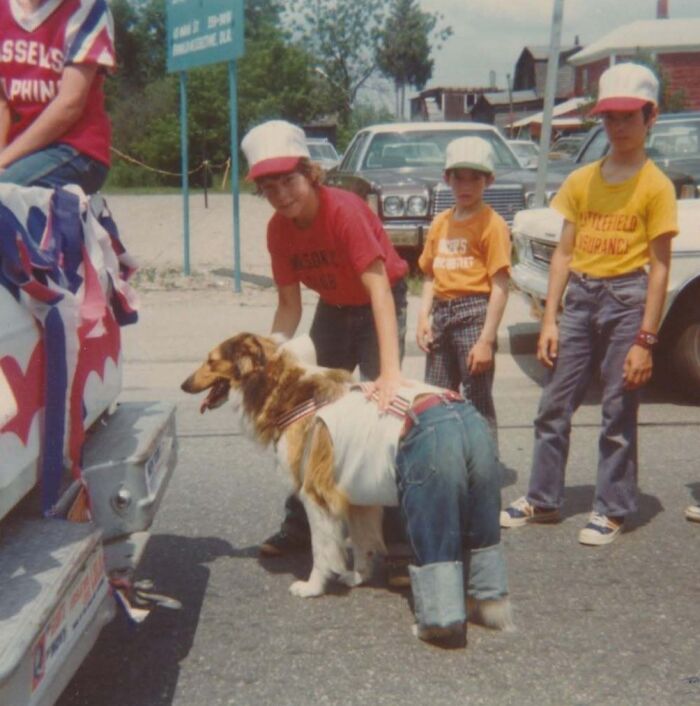
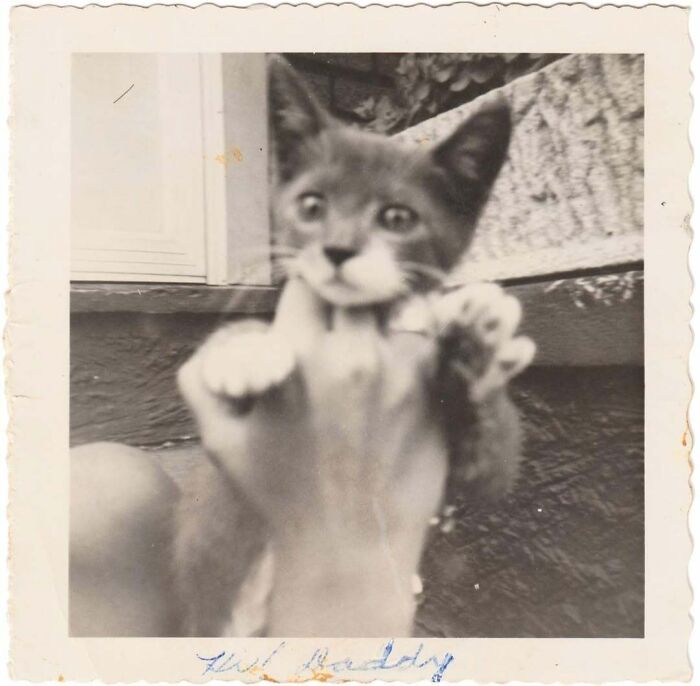
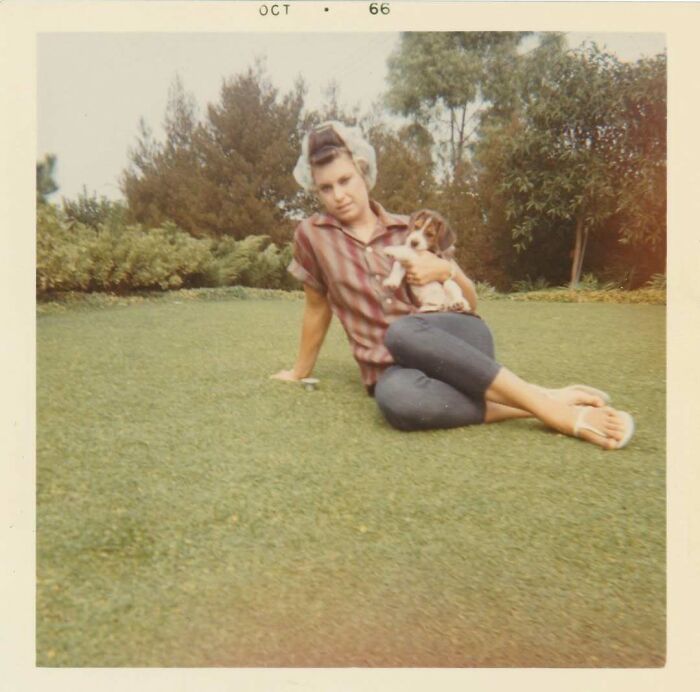
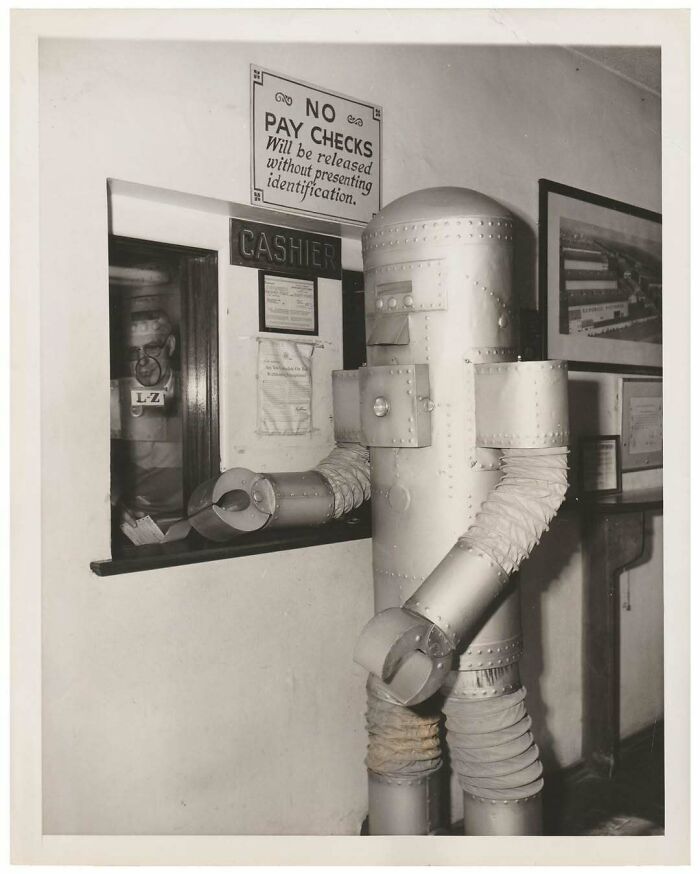
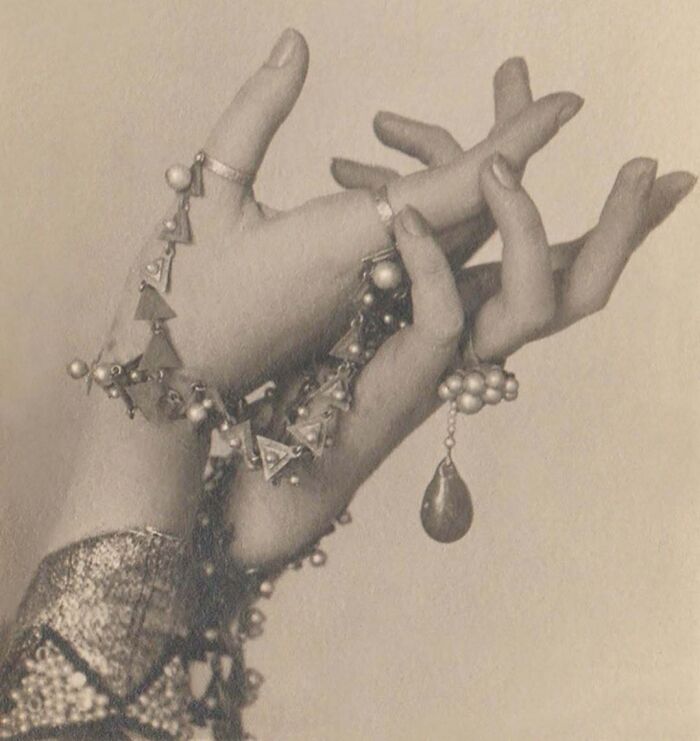
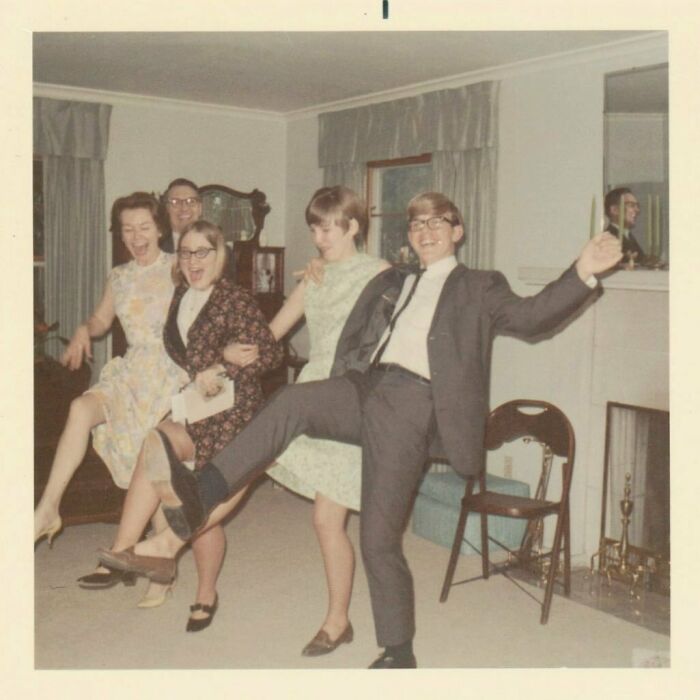
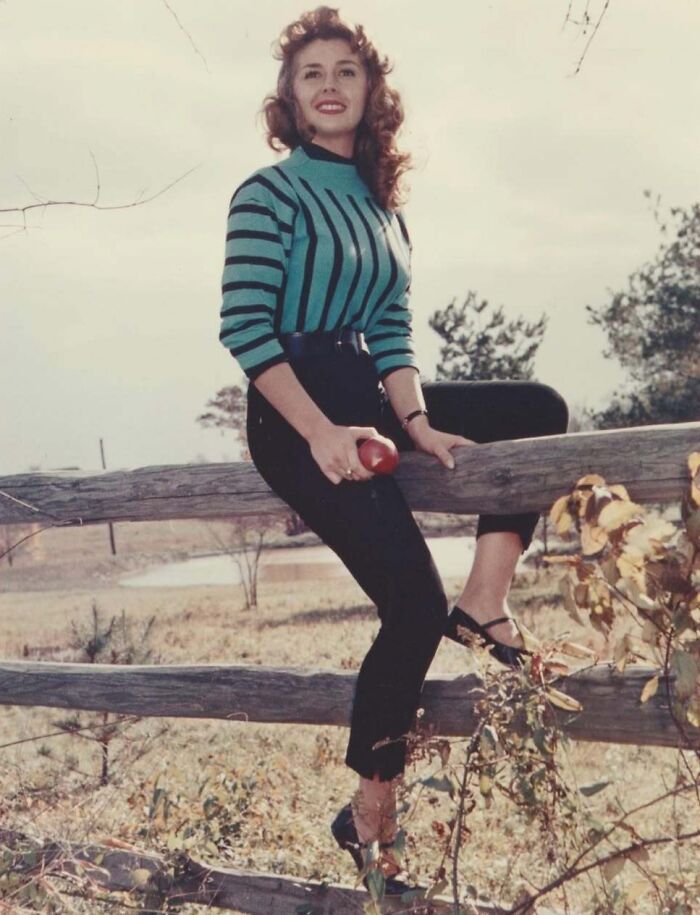
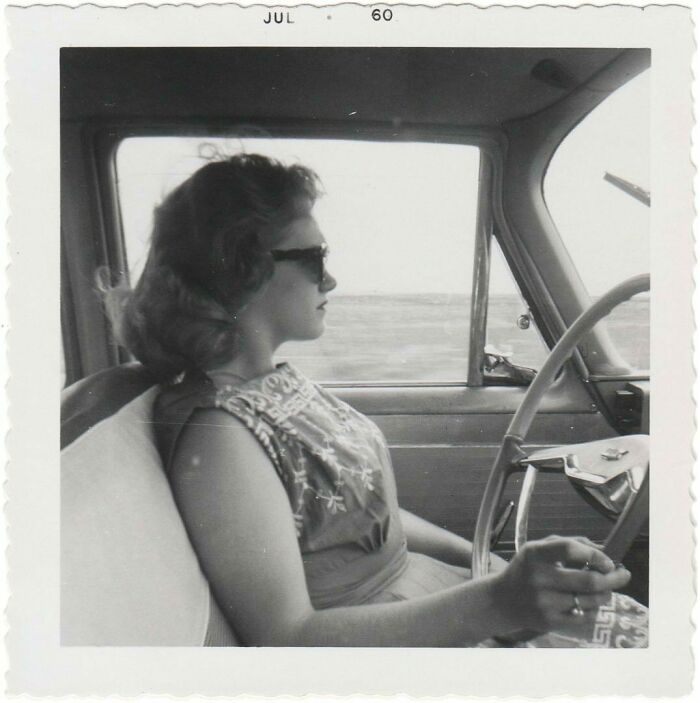
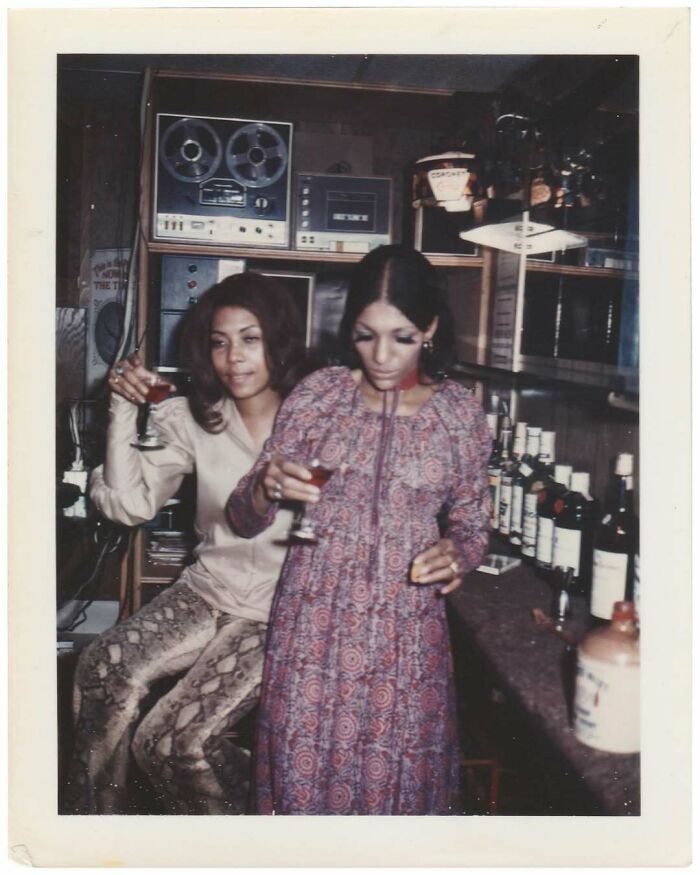
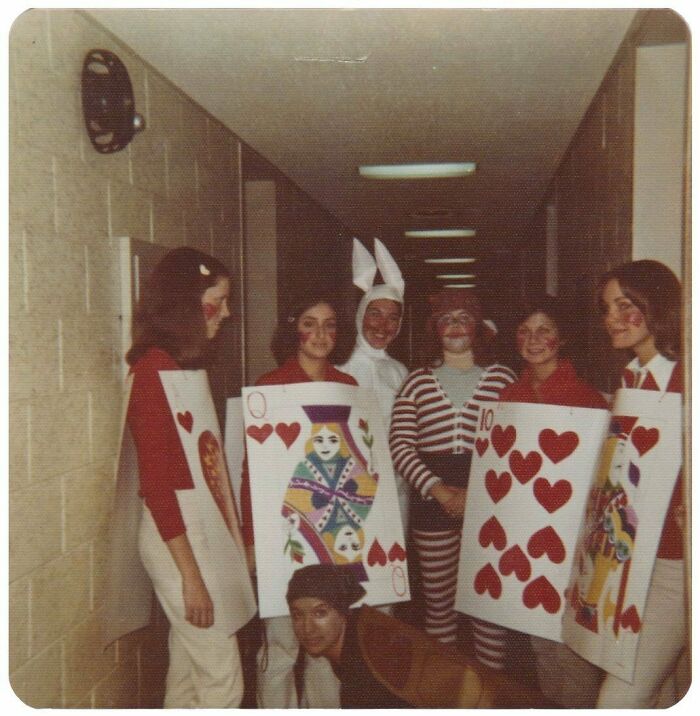
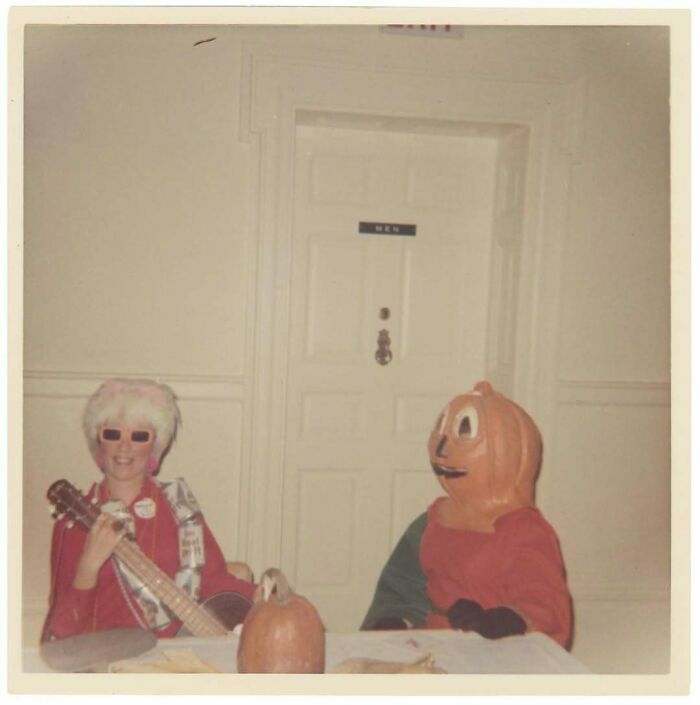
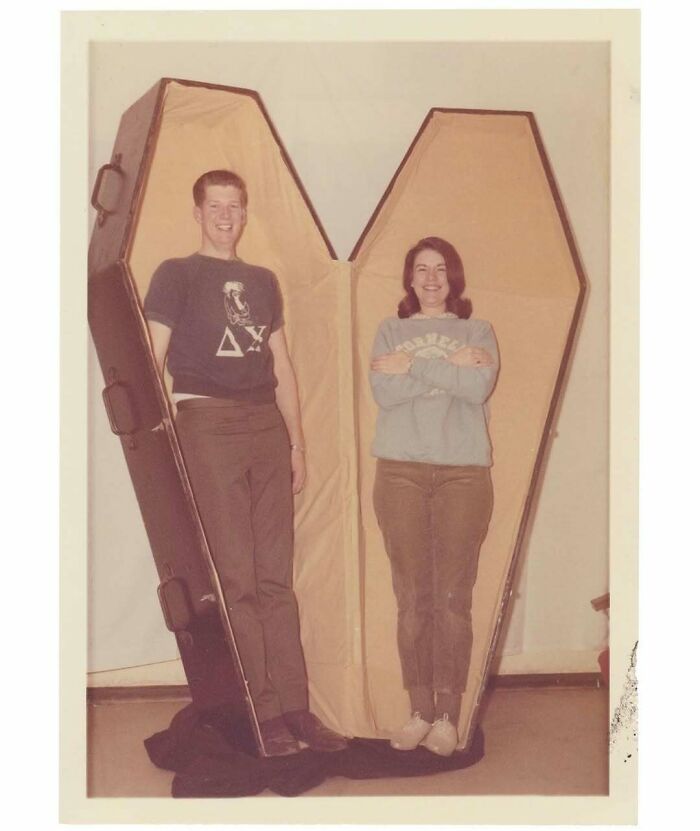
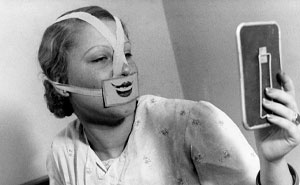
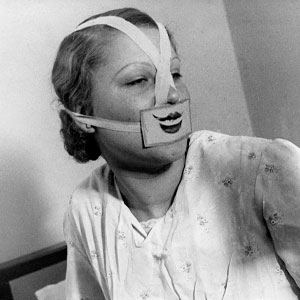
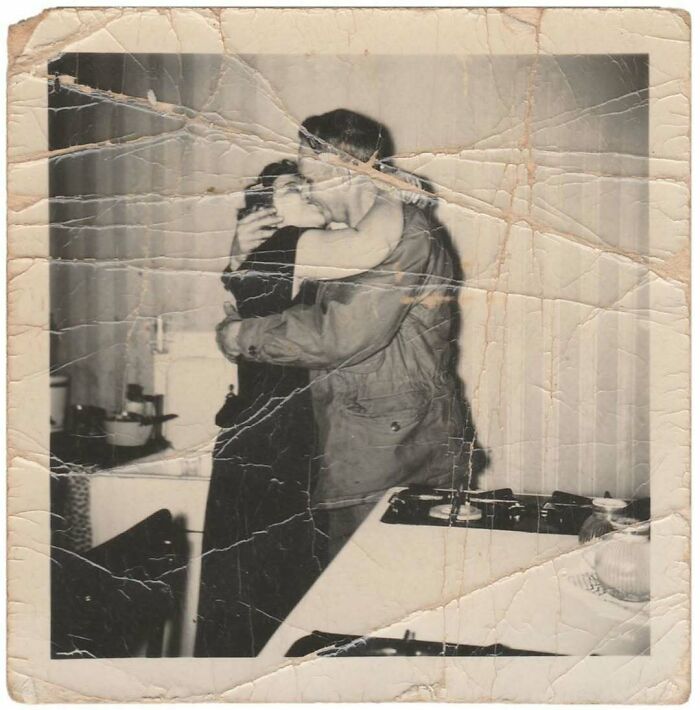
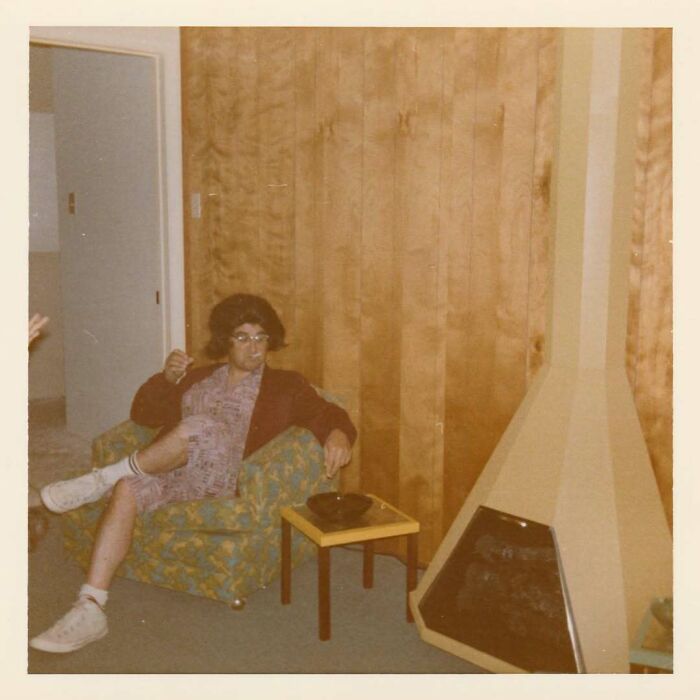
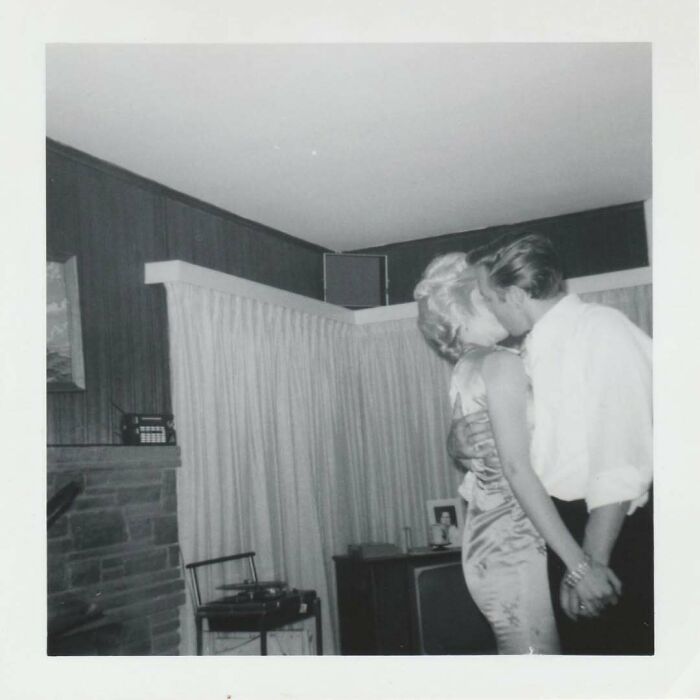
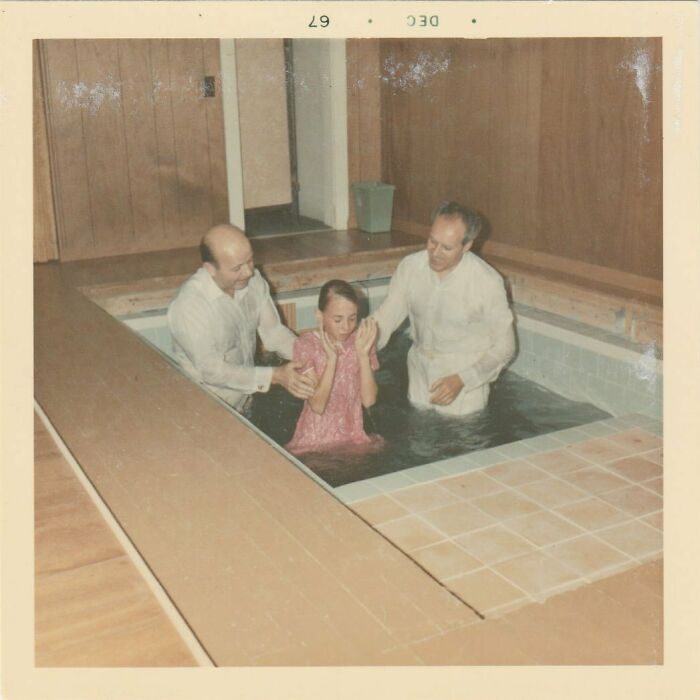
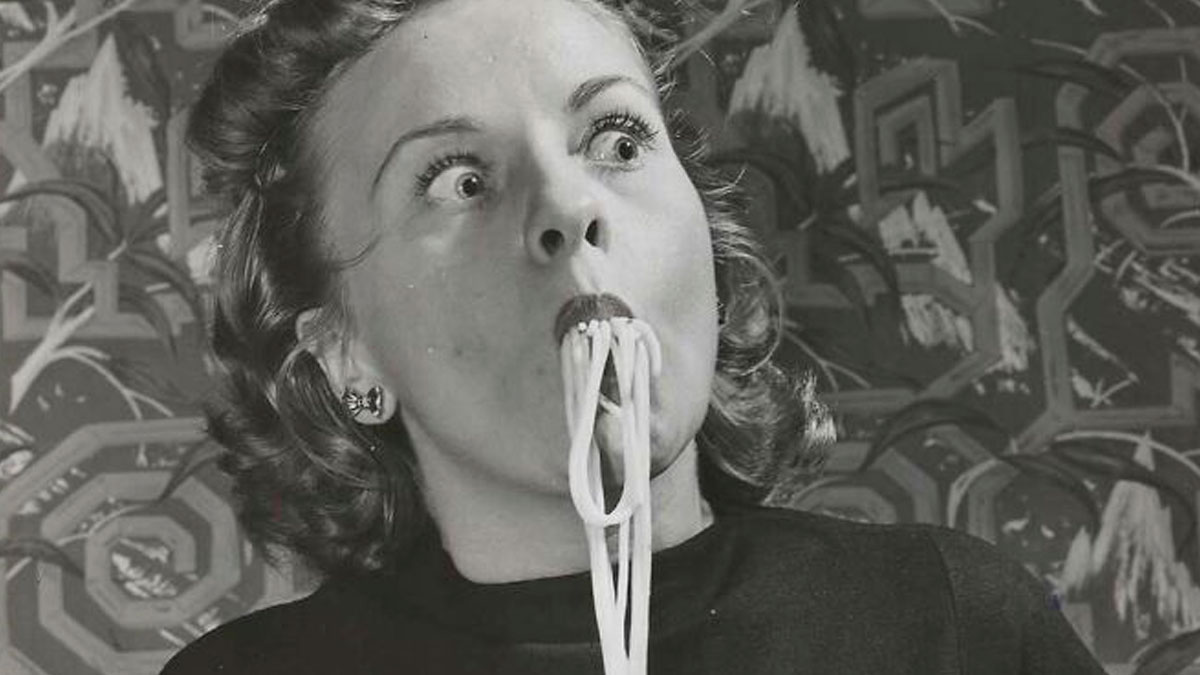
Photo Obscura is an Instagram account that curates vintage photos capturing exactly that. From family dinners and get-togethers with friends to spontaneous street scenes and the occasional passionate kiss, each snapshot offers a glimpse into a world that once was.
Here are some of their most memorable finds.
Click here & follow us for more lists, facts, and stories.
This post may include affiliate links.
One thing that really stands out when looking at photos from the past is just how good they are. In fact, they’re often surprisingly better than many of the photos we take today, even with powerful digital cameras and smartphones in our pockets.
So why is that? There are a few reasons, and it’s not just about how we’ve lost the mindfulness that came with shooting film (though that’s definitely part of it). Let’s dig into what makes vintage photos feel so special.
First up: nostalgia. It’s a powerful emotion. Even if the photo isn’t ours, there’s something about looking at moments that feel far away that tugs at our heartstrings.
Studies show nostalgia can actually boost our mood and sense of meaning. In one experiment, participants who read nostalgic song lyrics rated their lives as more purposeful than those who read neutral lines.
So it makes sense that when we look at old photos, especially those that capture warmth, connection, or simple beauty, they just feel more meaningful. And naturally, we find them more beautiful.
Then, of course, there’s the look. As in, film has a visual quality that digital just can’t fully replicate. But why does it feel richer, softer, or more “alive,” even though the technology behind it is older?
It has a lot to do with the literal chemistry, according to Nice Film Club.
Different types of film have different color profiles, like the warm tones of Kodak Portra or the punchy blues of Ektar. Digital cameras, on the other hand, rely on sensors and a process called demosaicing to interpret colors from red, green, and blue light.
While modern sensors are amazing, they can struggle with subtle color transitions that film handles beautifully, especially in tricky lighting.
Dynamic range is another key factor.
Film has more flexibility in how it handles light and shadow, Nice Film Club explains. You can underexpose or overexpose film and still retain gorgeous detail, especially in highlights. That’s because film reacts to light in a more gradual, non-linear way.
Digital sensors, even the best ones, tend to be more abrupt, sometimes clipping highlights or flattening out shadows, which can result in a more clinical, less dreamy image.
And then there’s the mindset. Shooting 35mm film means you’ve got 36 chances to take a photo, maybe 37 if you’re lucky. That’s it. So every shot has to count.
You have to pay attention to framing, lighting, expression. You have to be more intentional. Compare that to taking 50 rapid-fire shots just to pick one, and it’s easy to see why vintage photos often feel more thoughtful.
But there’s also another factor that doesn’t get talked about enough: the world just looked different back then.
Think about it, when you look at street photography from the ’60s or ’70s, there’s often a sense of style, energy, and interaction that’s hard to find now. People dressed differently. Outfits were made from better materials, often better tailored, and there was less fast fashion.
It all came together to create a visually richer scene.
And let’s be honest: it’s hard to get a compelling candid shot when most people are staring at their phones. Interactions are fewer. Eye contact is rare. Add in cluttered modern environments—billboards, ads, visual noise everywhere—and it’s no wonder some photographers say the streets feel less alive.
As street photographer Joel Meyerowitz told The Guardian:
“Nobody’s looking at each other. Everybody’s glued to their phones. It’s thriving but not in the way I used to do it. The best street photographers now show humans dwarfed by ad billboards. The street has lost its savour.”
Now, that’s not to say great street photography doesn’t exist anymore, it absolutely does. There are still brilliant photographers capturing powerful moments today. But it’s harder to do for the average person.
And maybe that’s what makes it worth chasing. If anything, it’s great motivation to slow down, be more intentional, and look at the world with fresh eyes.
Because one day, today’s photos might be the ones future generations look back on in awe, just like we’re doing now.
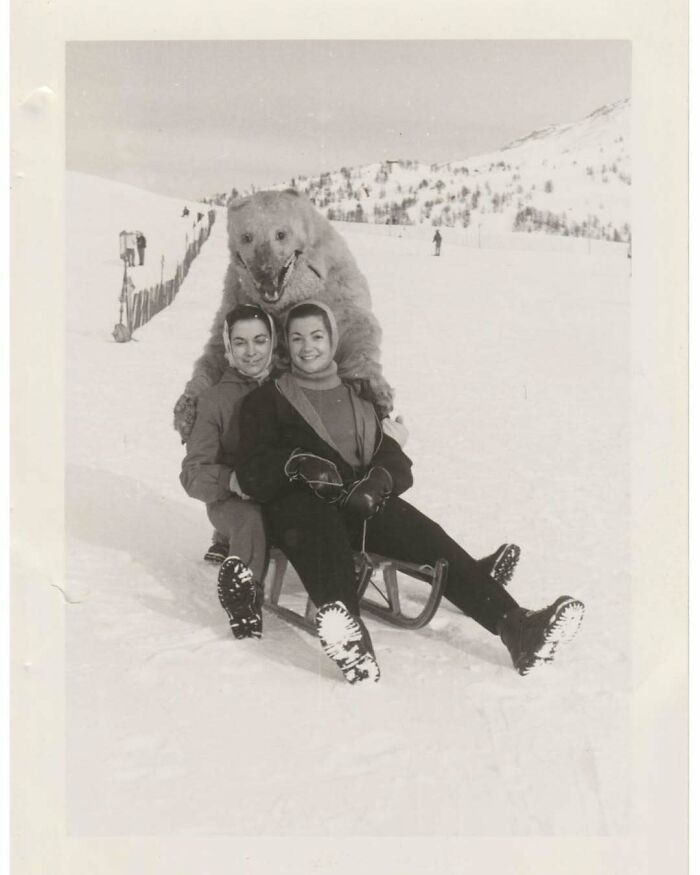
Apparently there was a big trend in Germany from the 1920s - 60s of posing for photos with a guy in a polar bear costume… this one is from 1958 in Siestrere, Italy
You Might Also Like: 38 People Proudly Show Their Most Distinctive Features That Make Them Stand Out
















 No fees, cancel anytime