Get Premium
Dark mode theme is available exclusively for premium users. Learn more about the benefits of subscribing.
No fees, cancel anytime.

 Dark Mode Ad-Free Browsing Unlimited Content
 Ad-Free Browsing Unlimited Content Dark Mode
Join 1.2 million Panda readers who get the best art, memes, and fun stories every week!
The universe is truly magical: vast, mysterious, and endlessly fascinating. There’s something almost unreal about being able to see photos captured from the depths of space, where time and distance stretch beyond imagination.
Today, we’ve gathered some of the most breathtaking astronomy photos ever taken — stunning glimpses of stars, planets glowing in distant systems, and galaxies swirling in cosmic harmony. Each image is a reminder of just how small we are… and how beautiful the universe can be. Keep scrolling, and get ready to be amazed.
This post may include affiliate links.

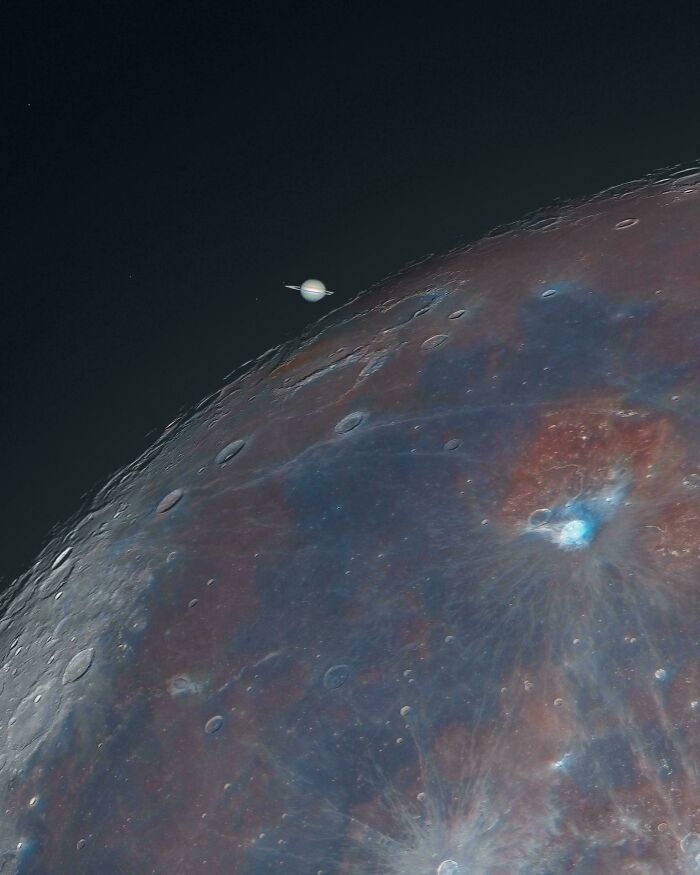
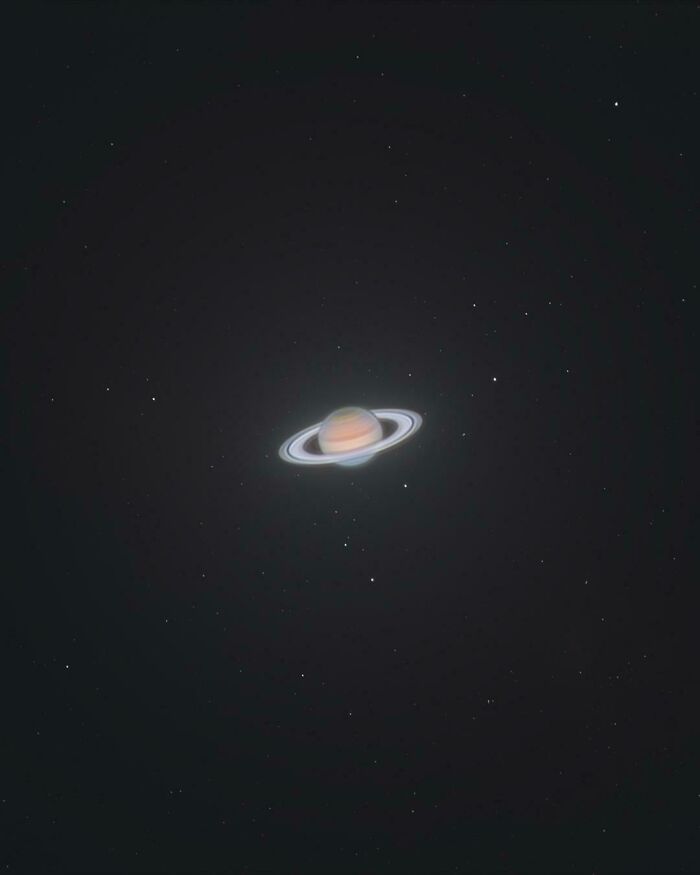
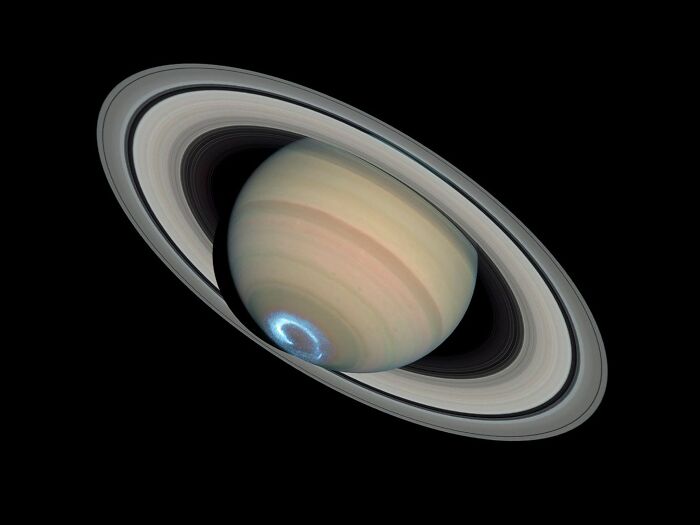
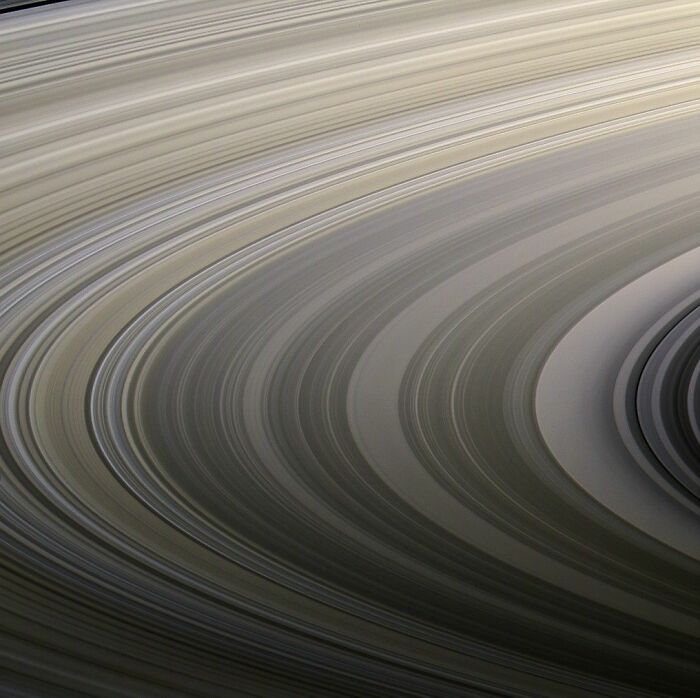
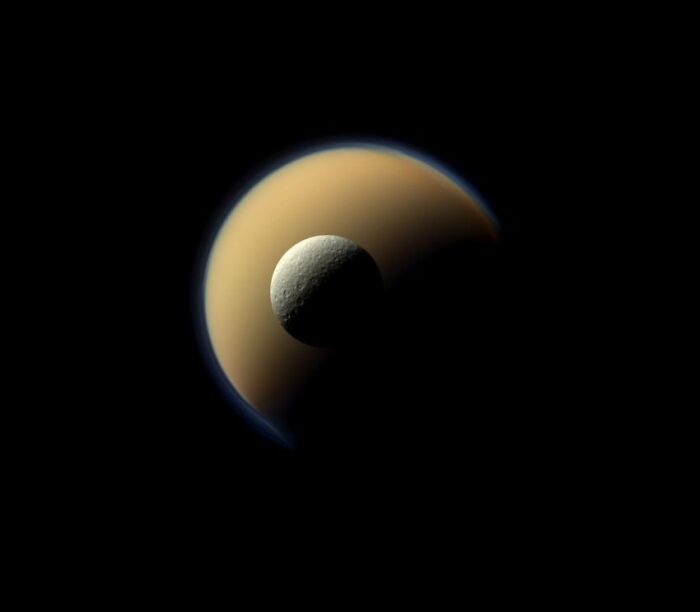
Can you imagine Galileo making that out with a 2" lens? He saw the rings before any other human. Colloquially he thought the planet had ears at first.
The Universe is mind-bogglingly vast, containing everything we know and much we don’t. From galaxies and stars to planets, cosmic dust, dark matter, and even the energy that fuels expansion, the Universe encompasses all of space, time, matter, and energy. And yes, that includes us. With so many mysteries and wonders, it’s no surprise humans have been staring at the night sky in awe for millennia. Each discovery, no matter how small, gives us a glimpse into the sheer scale and beauty of the cosmos.
Let’s talk about age—not birthdays, but cosmic age. The Universe is estimated to be around 13.8 billion years old. It all began with the Big Bang, when everything we know was compressed into an unimaginably tiny, dense, and hot point. Then, in an instant, it began to expand, cool, and evolve, eventually giving rise to galaxies, stars, planets, and the building blocks of life. Essentially, every atom in your body once existed in that first infinitesimal point of cosmic creation.
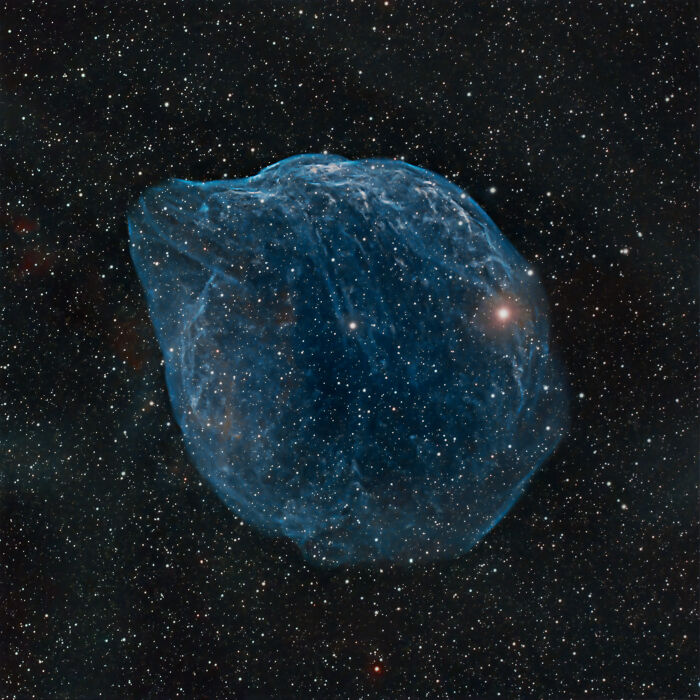
Supernova remnants are so pretty from the outside. Don't get too close or the radiation will melt your face off. Then again that's good advice for any shiny object we see in space.
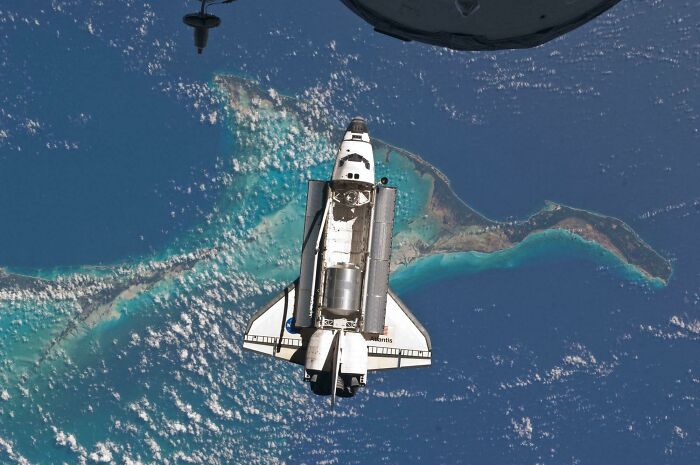
Anyone else remember when Hubble got eyeglasses courtesy of SST Discovery and her crew? One of teh coolest things NASA ever did.
The Universe isn’t random chaos—it follows strict physical laws that govern everything from the motion of planets to the bending of light. Newton’s laws of gravitation explain how celestial bodies attract each other, while Einstein’s Theory of Relativity shows us how gravity affects space and time itself. These rules mean that even the wildest cosmic events, like colliding black holes or exploding stars, operate under predictable patterns, helping scientists make sense of this vast cosmic arena.


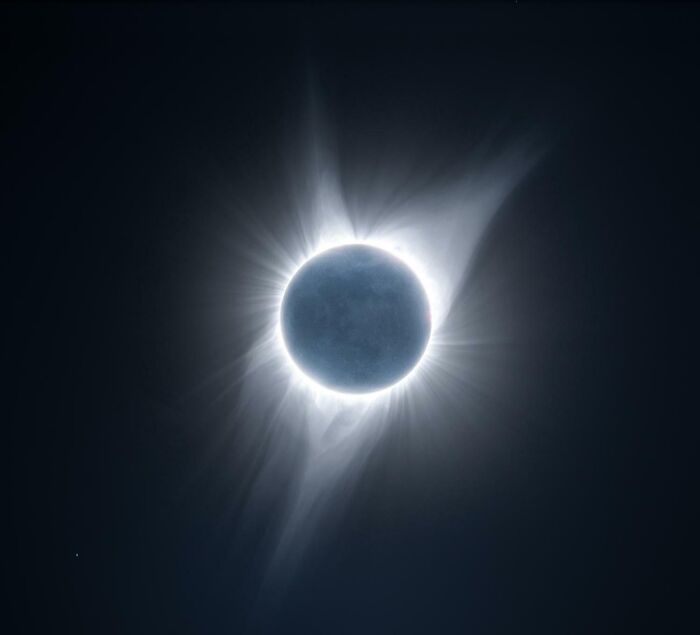
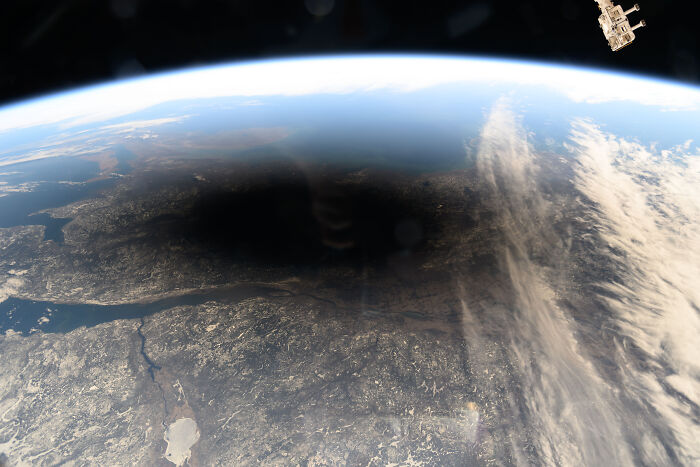
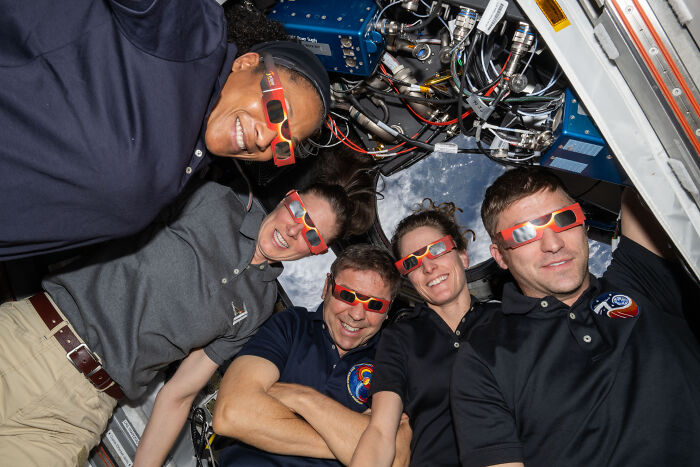
Beautiful! In 2017 another Eclipse was seen and covered my home state of South Carolina. One Facebook user flew from Greenville (northwest corner of South Carolina) to Charleston (coastal town) and was able to see the Eclipse right outside their airplane window! It was beautiful!
Just like an enormous organization, the Universe has a structured hierarchy. Galaxies are grouped into clusters, clusters into superclusters, and these form the large-scale cosmic web spanning billions of light-years. Within galaxies, stars orbit the center, sometimes with planets, moons, asteroids, and comets accompanying them. This layered structure shows that even the seemingly chaotic expanse of space has an elegant and intricate order underlying its immense scale.
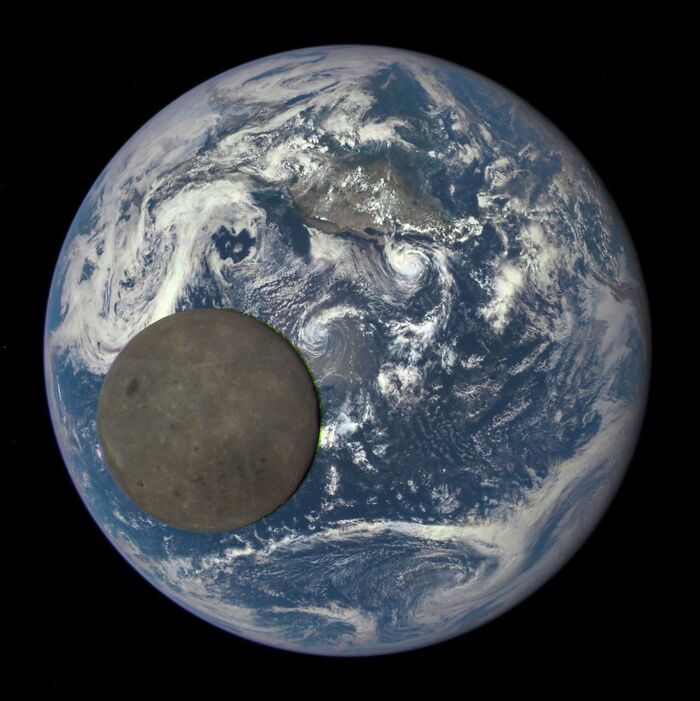
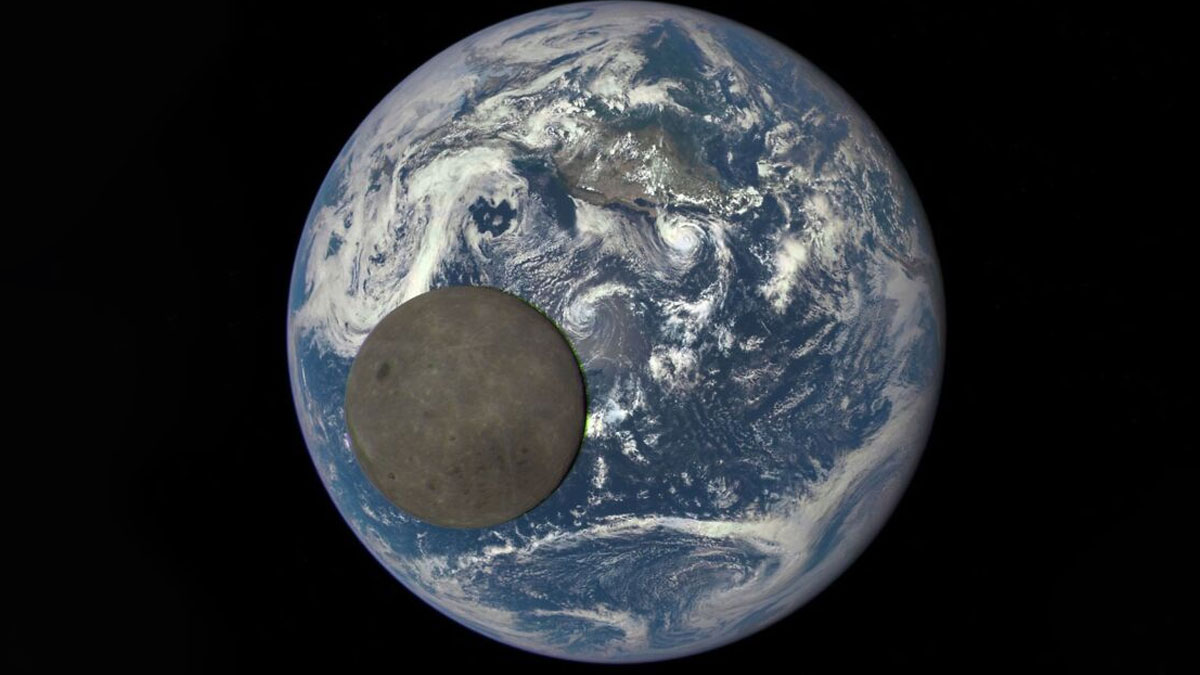
This photo shows the far side of the Moon, illuminated by the Sun, as it crosses between the DISCOVR spacecraft's Earth Polychromatic Imaging Camera (EPIC) camera and telescope, and the Earth, one million miles away. Taken August 5, 2015.
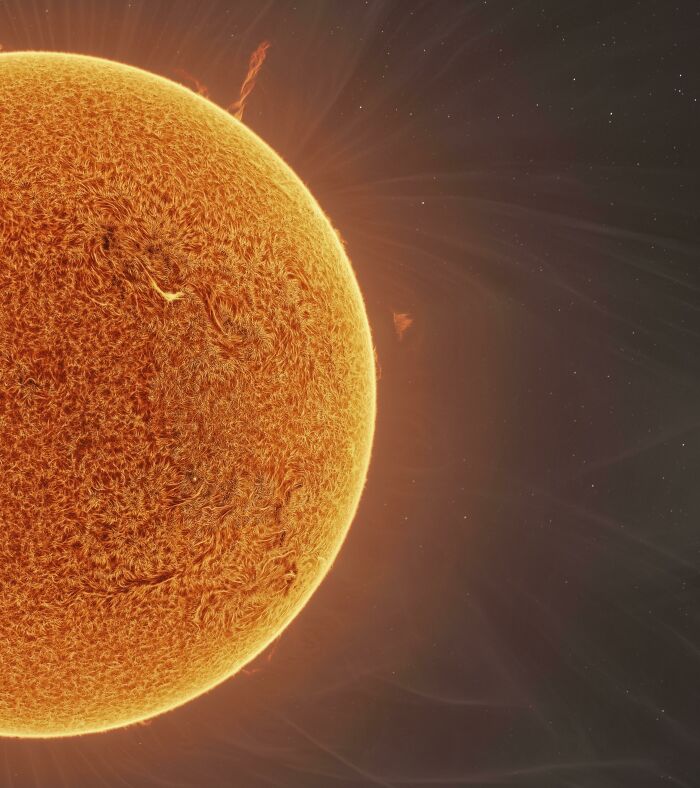
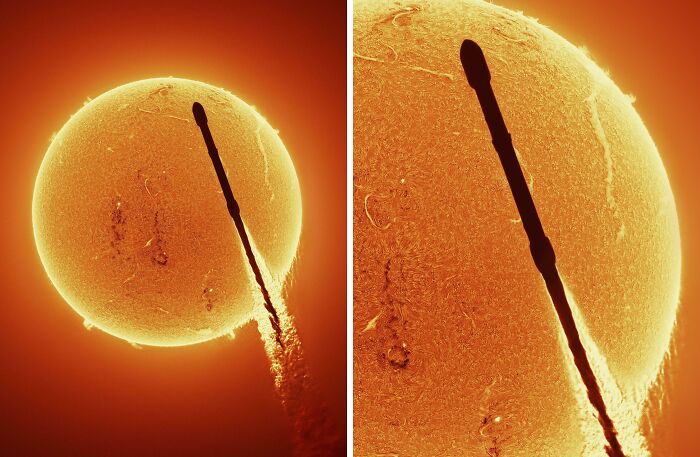
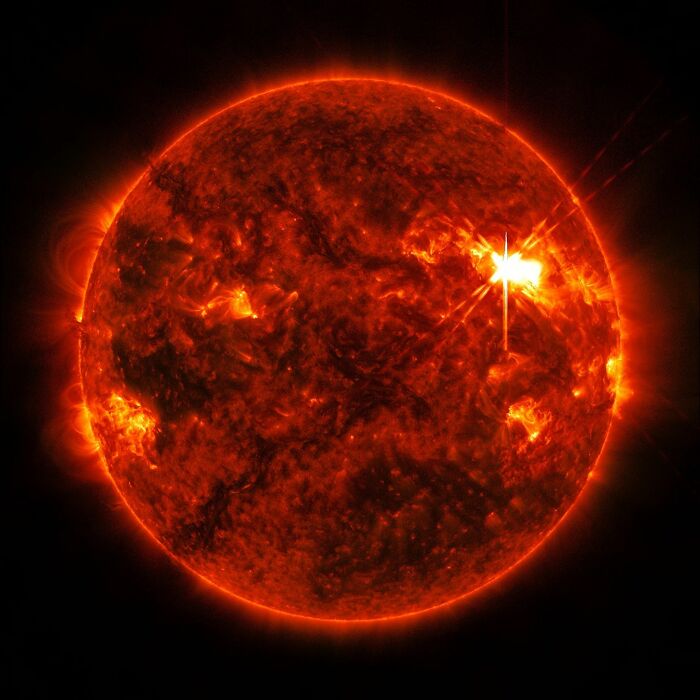
The result was a whopping 140 megapixels, and features a solar "tornado" over 14 Earths tall. This is a crop from the full image, make sure you zoom in.
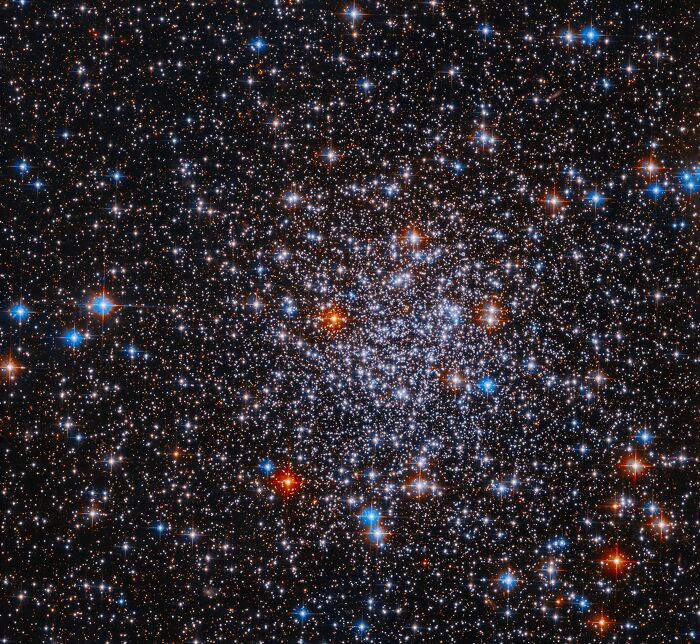
Speaking of galaxies, there are billions of them scattered across the Universe. Each galaxy contains millions, sometimes billions, of stars, each potentially with its own planetary system. Our own Milky Way is just one of these countless galaxies, and yet it holds more stars than we can realistically imagine. Some galaxies are compact and densely packed, while others stretch across unimaginable distances, each a universe of possibility in itself.
Closer to home, the Sun and Moon dominate our sky. While they look about the same size from Earth, that’s a cosmic coincidence: the Sun is roughly 400 times larger than the Moon but also 400 times farther away. Their relative size alignment creates phenomena like solar eclipses, making us marvel at nature’s perfect balance. Beyond aesthetics, the Sun provides life-giving energy, and the Moon influences tides, showing just how essential these celestial neighbors are to our planet.

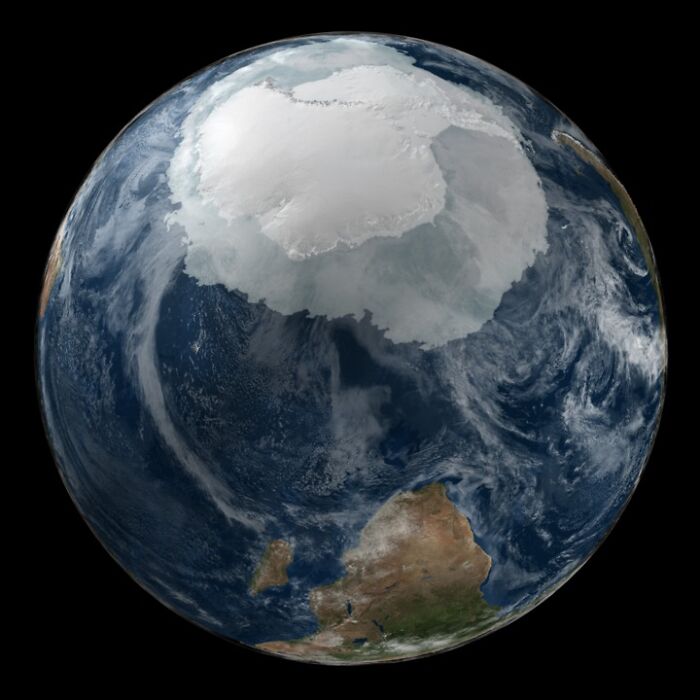
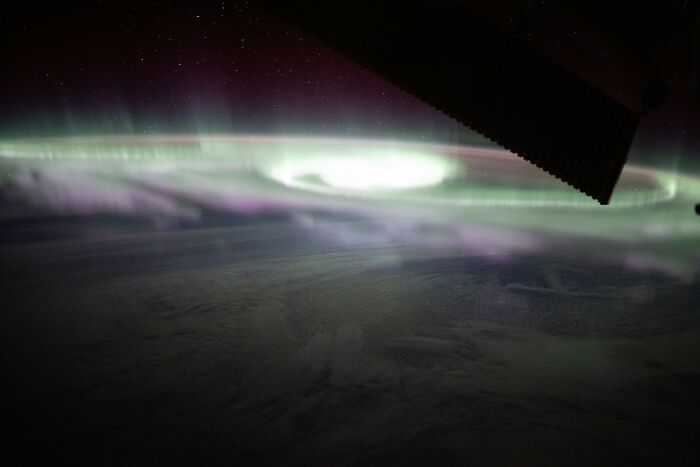
Isn't this Antarctica? I can see Madagascar and the southern tip of Africa, and Argentina.
Here’s a staggering fact: about 95% of the Universe is invisible. According to the BBC, only roughly 4.9% of the mass-energy of the Universe is made of atoms, the kind of stuff we, the stars, and galaxies are made of. Dark matter, which makes up about 26.8% of cosmic mass-energy, exerts gravitational pull but remains unseen.
Meanwhile, dark energy, accounting for 68.3%, fills all of space and drives the Universe’s accelerated expansion. Most of what exists is invisible to our eyes, and scientists are still working to unravel the mysteries of this hidden cosmic majority. It’s a reminder that the Universe is far bigger and stranger than anything we can directly observe.

To put cosmic distances in perspective, imagine driving a car at 70 mph straight toward the nearest star outside our solar system. Even then, it would take more than 356 billion years to arrive. Light itself takes more than four years to reach the nearest star system, Proxima Centauri. These mind-bending scales show just how vast the Universe is, and why even our fastest spacecraft barely scratch the cosmic surface.
Wow! The Universe is both beautiful and humbling, a mixture of mystery, majesty, and mind-boggling facts. And these give us tiny glimpses into this vastness. Which of these cosmic wonders made you stop and stare? Did you gasp at the size of galaxies, the scale of dark energy, or the sheer age of the Universe? Scroll through, and prepare to feel simultaneously tiny and awe-inspired.

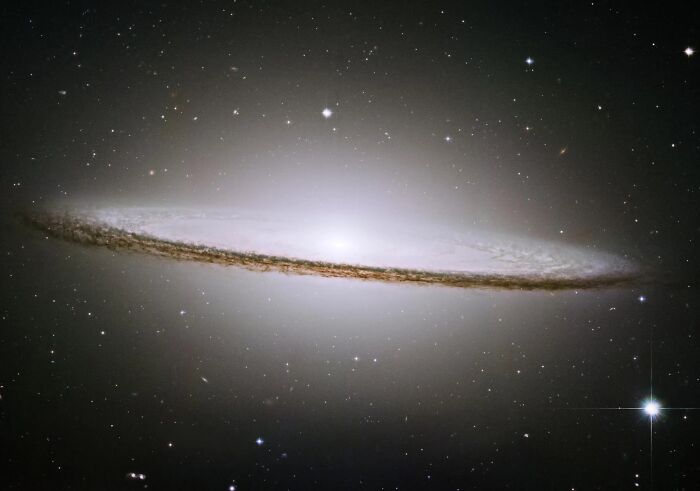
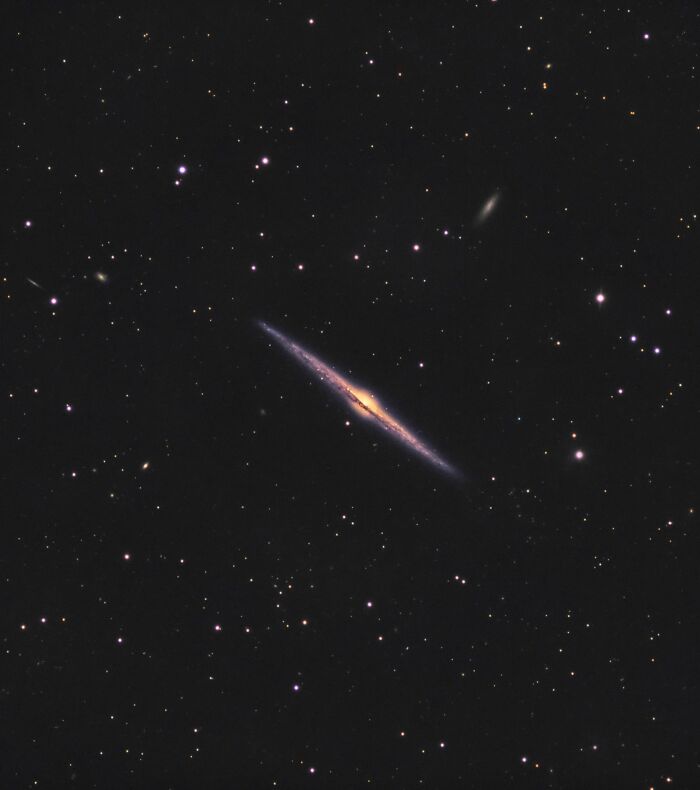
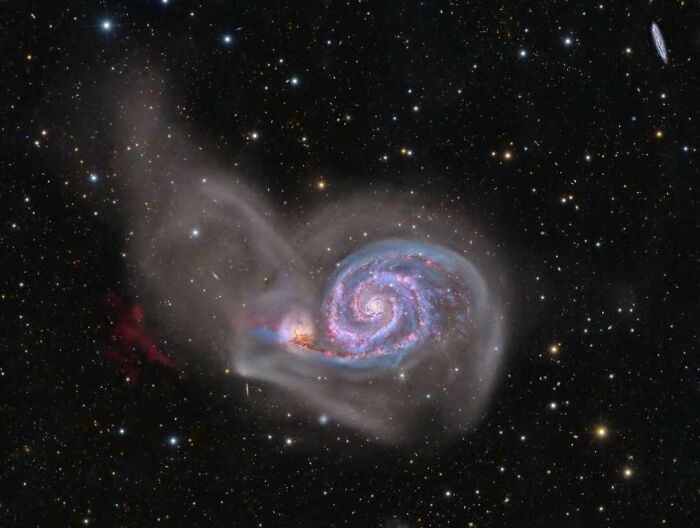
50 years ago our best telescopes couldn't manage this image, and now he can do it in his backyard. It has been so much fun watching all this.
If you zoom in you can see street grids defined in grids, but otherwise I think the sidewalks go up about 8 pm.
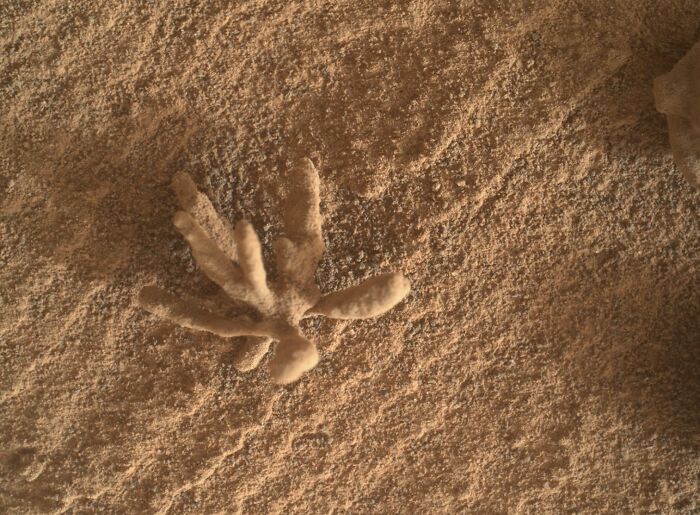
My husband says this is the most sadly confused plant he has seen in his life 🤣🤣🤣🤣🤣🤣🤣🤣🤣

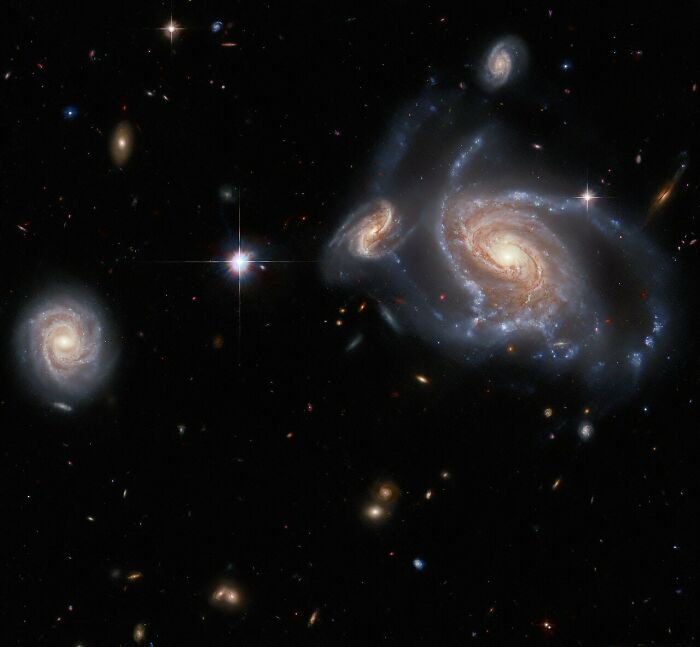
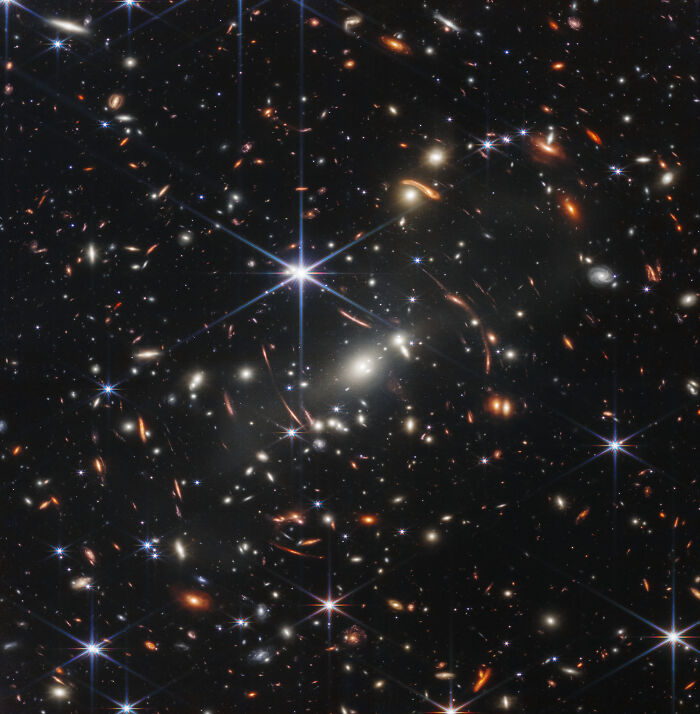
I wonder how far back in time we're seeing here. How many of these galaxies no longer exist, and we just haven't found out yet?
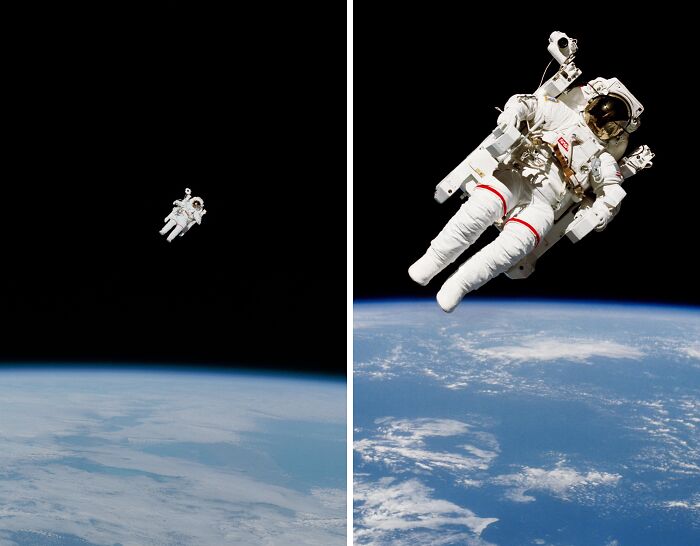
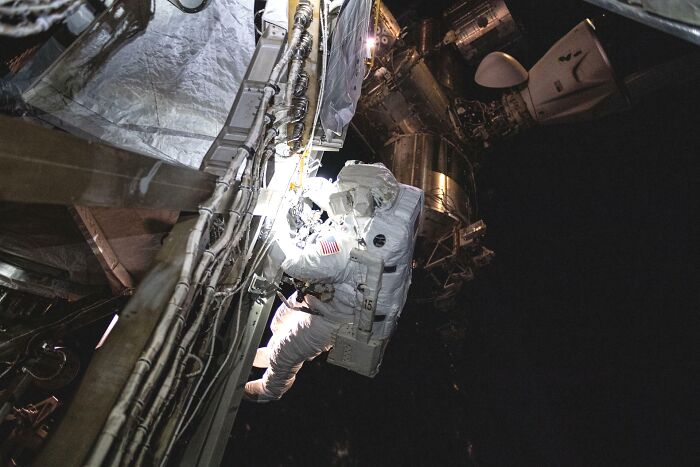
Astronaut Bruce McCandless II approaches his maximum distance from the Earth-orbiting Space Shuttle Challenger in this 70mm photo from Feb. 7, 1984.
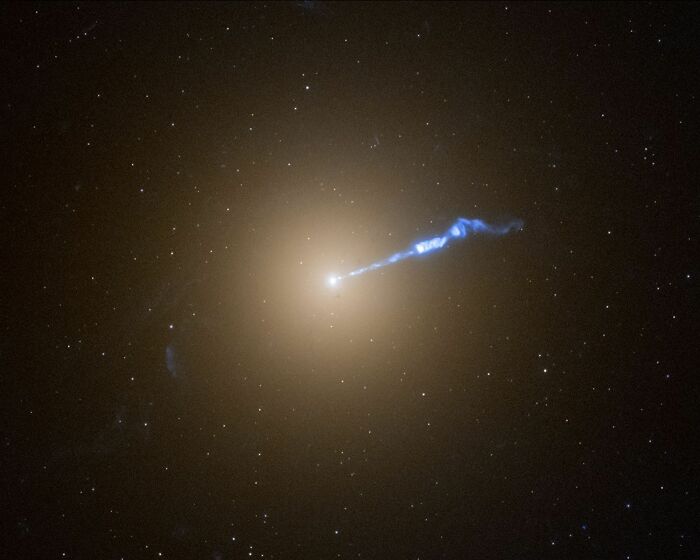
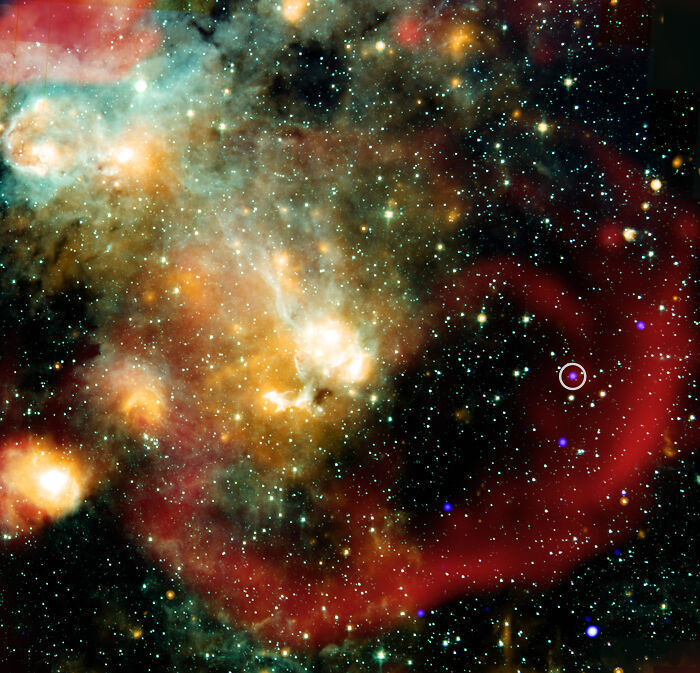
Nopeee nope nope nope. I thought black holes weren't supposed to do that. Edit - read the NASA article, apparently it also made any stars nearby explode. Quoting from the page here: "The blowtorch-like jet seems to cause stars to erupt along its trajectory."

I am prob gonna get busted here, but that looks like a needle doing artificial insemination

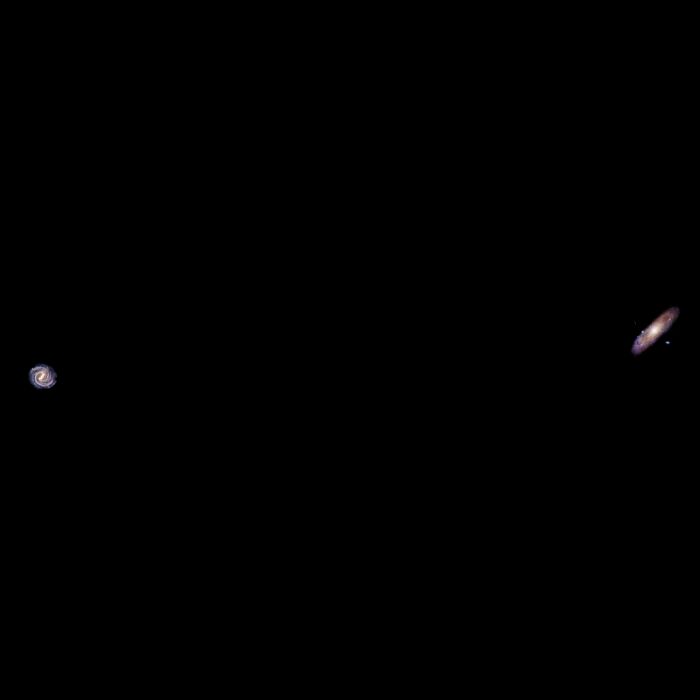
"The Milky Way and Andromeda galaxies are likely to collide in about 4.5 to 5 billion years, or potentially later, as new research suggests the collision is not as certain as previously thought" If they do, practically nothing will collide, stars etc. Space is just ..big
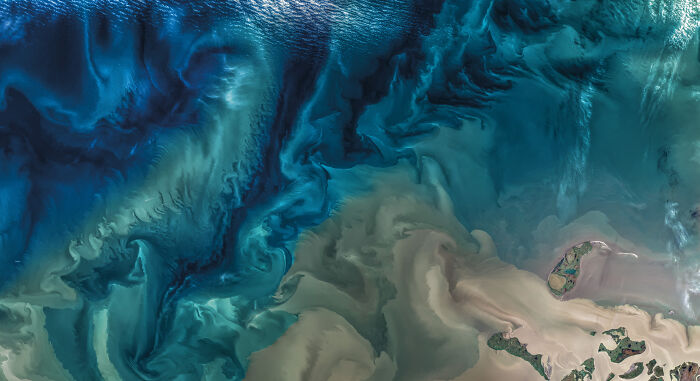
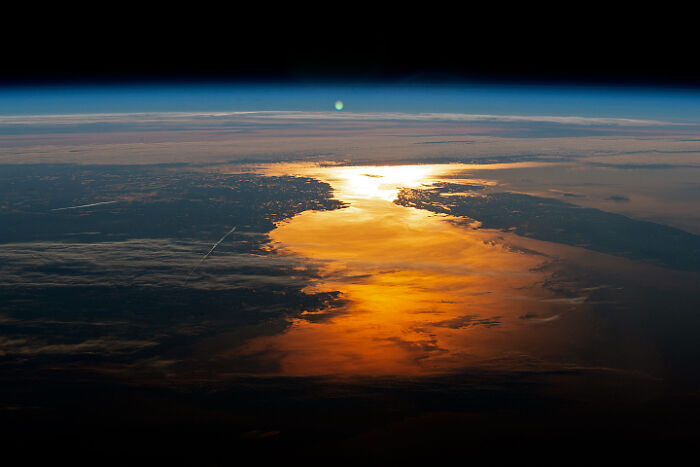
Canada’s largest and longest river delivers vast amounts of fresh water and sediment to the sea.

For just one time I would take the Northwest Passage to find the hand of Franklin reaching for the Beaufort Sea...

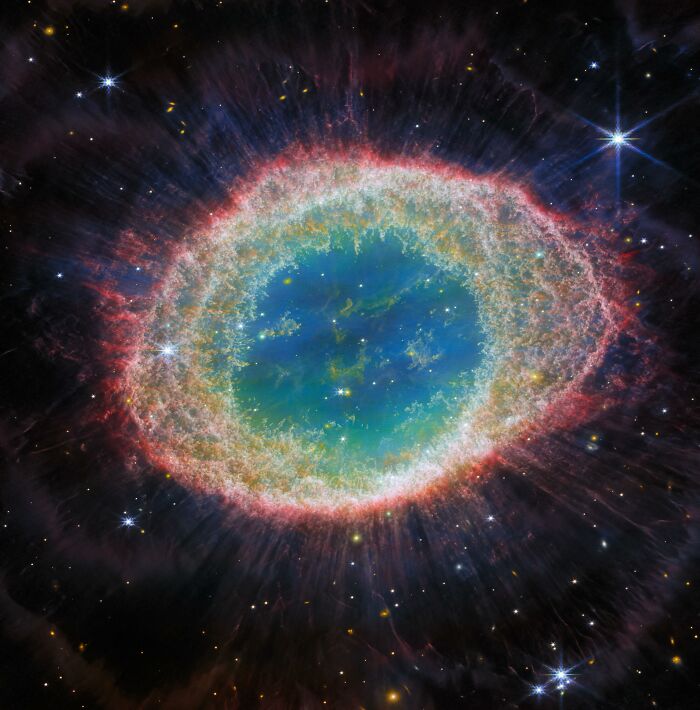
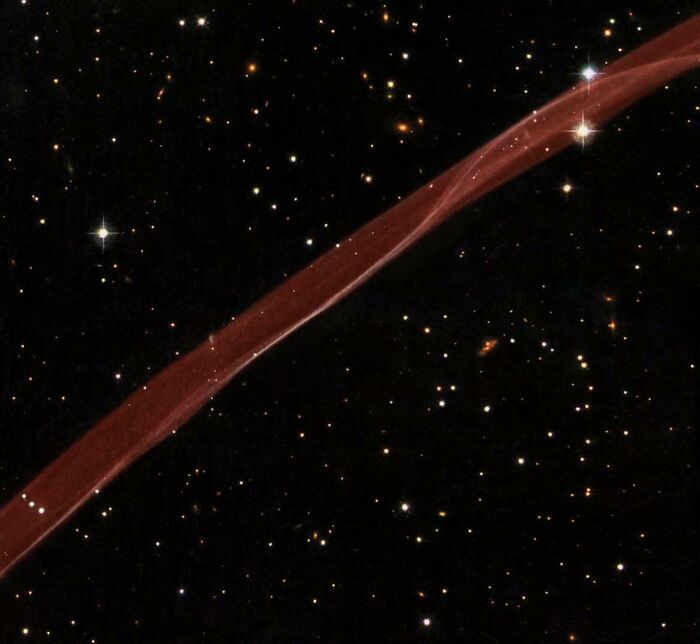
A remnant of a supernova that was viewed by humans 1,000 years ago from 7,000 light-years away. The name of this stellar explosion is SN 1006, and was observed in 1006 A.D. It would have been the brightest star ever seen by humans-so bright that it could be seen during the daytime.
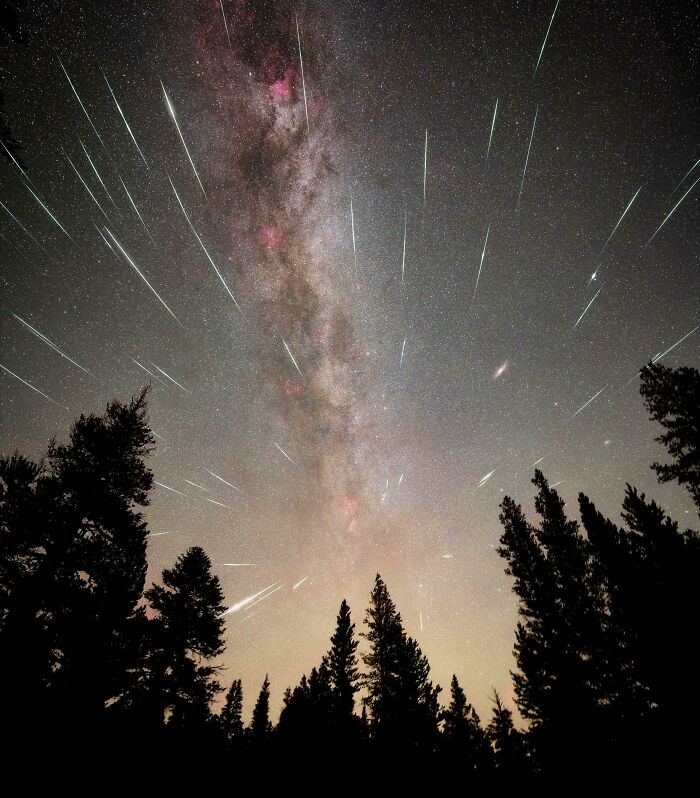
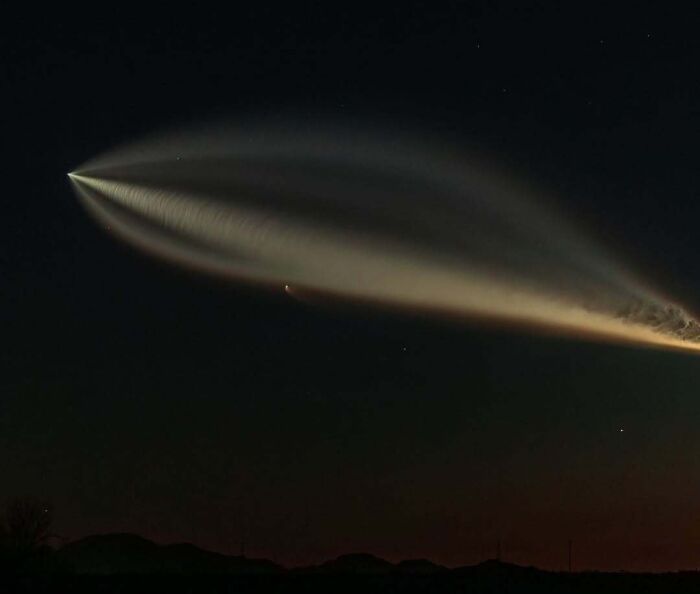
When we speak of meteor "showers", usually it's one every 5 to 10 minutes. Meteors are not fireworks.
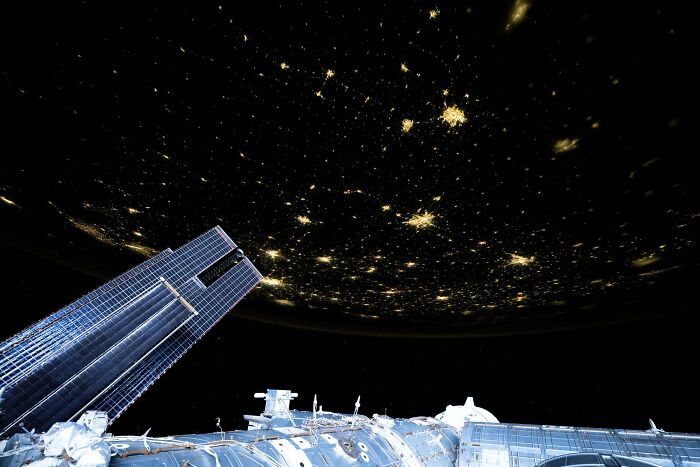
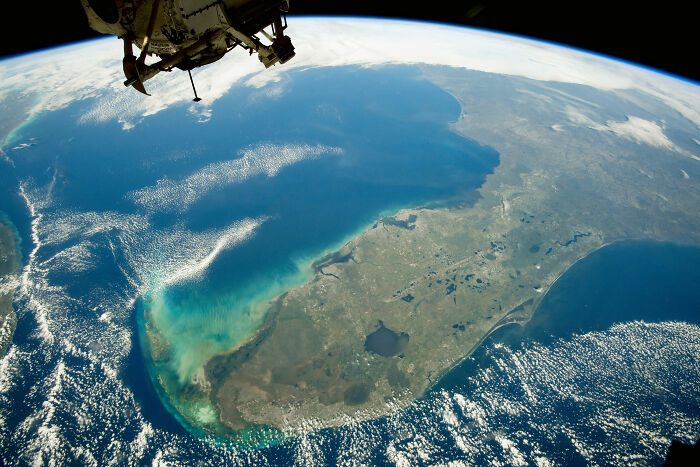
An astronaut onboard the International Space Station (ISS) captured this oblique photograph of Florida, on the southeastern coast of the United States. The image highlights the state’s many lakes, as well as the shallow, light-toned waters of the Florida Keys.
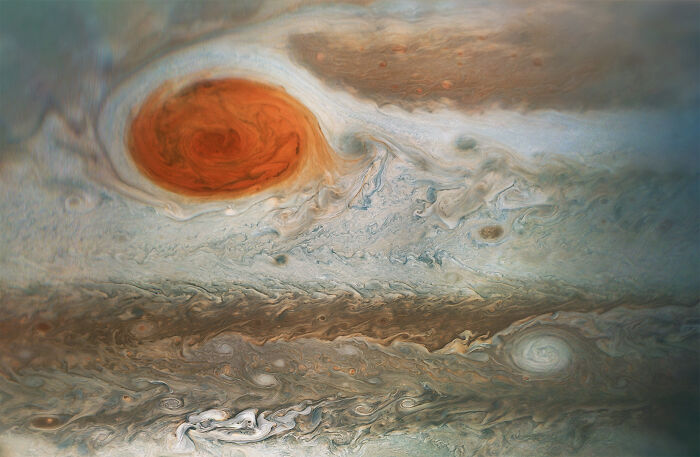
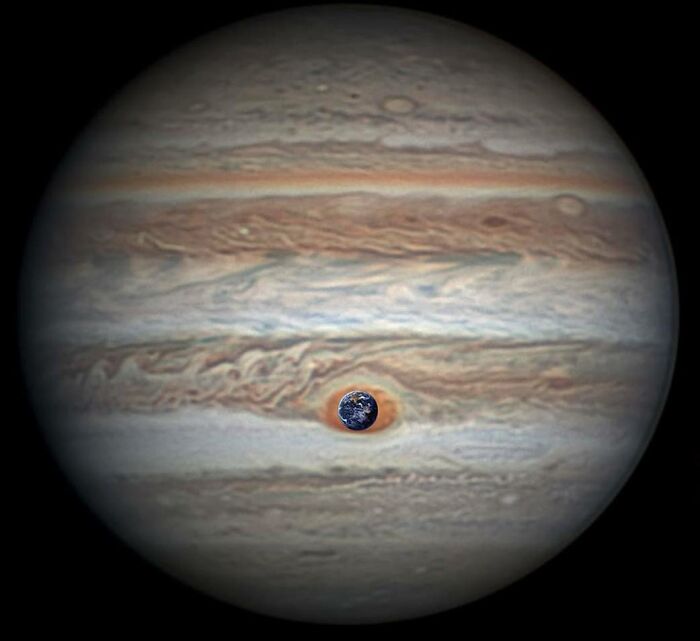
Measuring in at 10,159 miles (16,350 kilometers) in width (as of April 3, 2017) Jupiter’s Great Red Spot is 1.3 times as wide as Earth. This composite image was generated by combining NASA imagery of Earth with an image of Jupiter taken by astronomer Christopher Go.
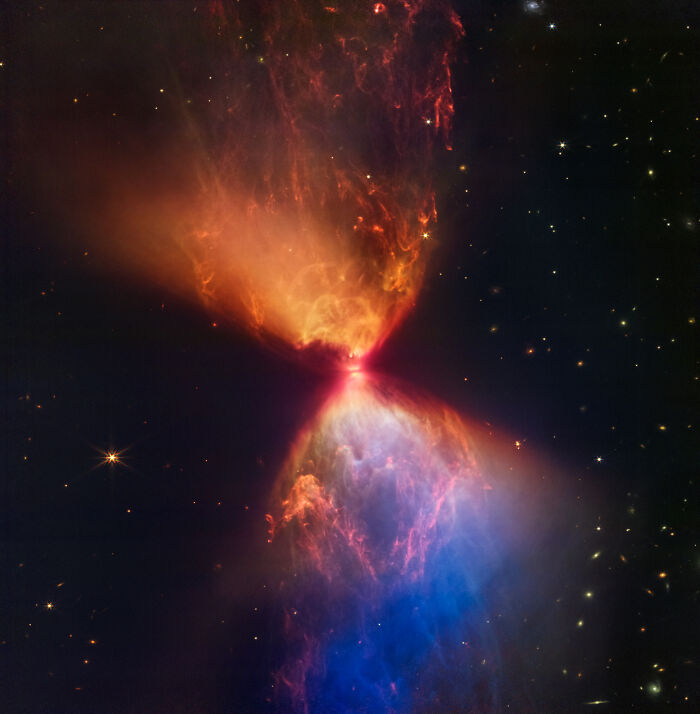
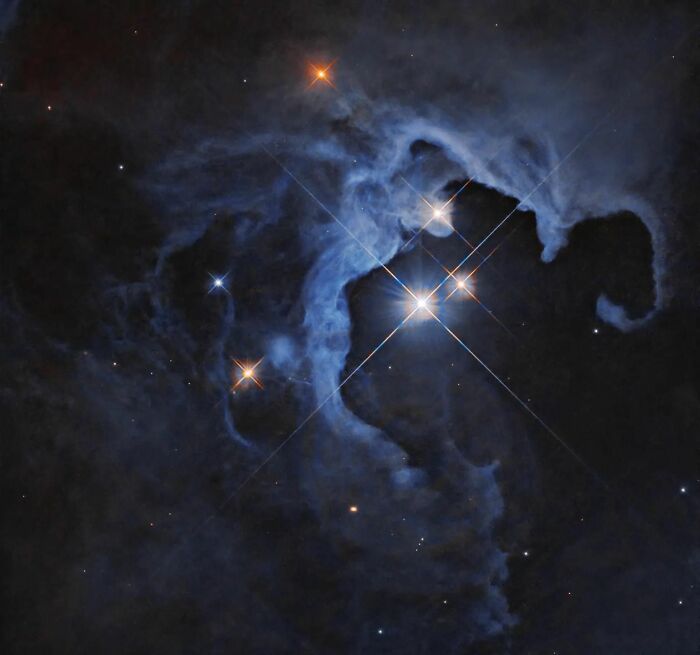
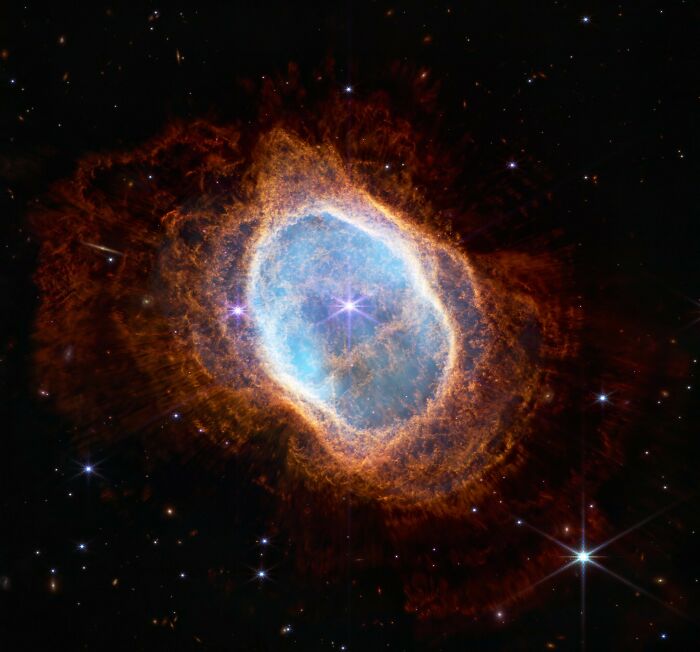
All that will become new stars and worlds. I am totally into the romance of science.
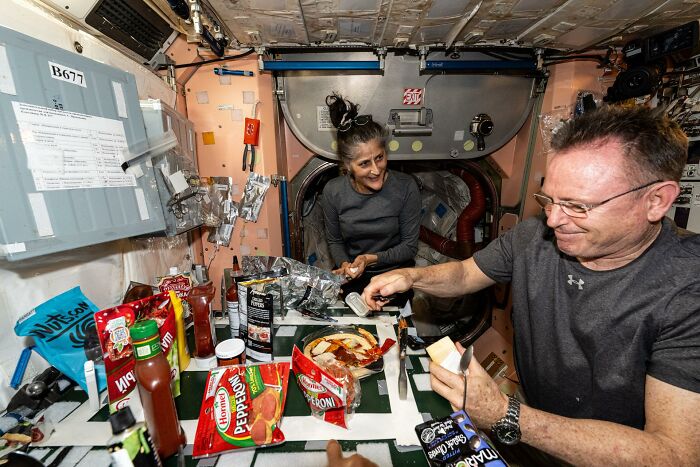
I wonder if they get advertising bucks for the donations from Hormel.
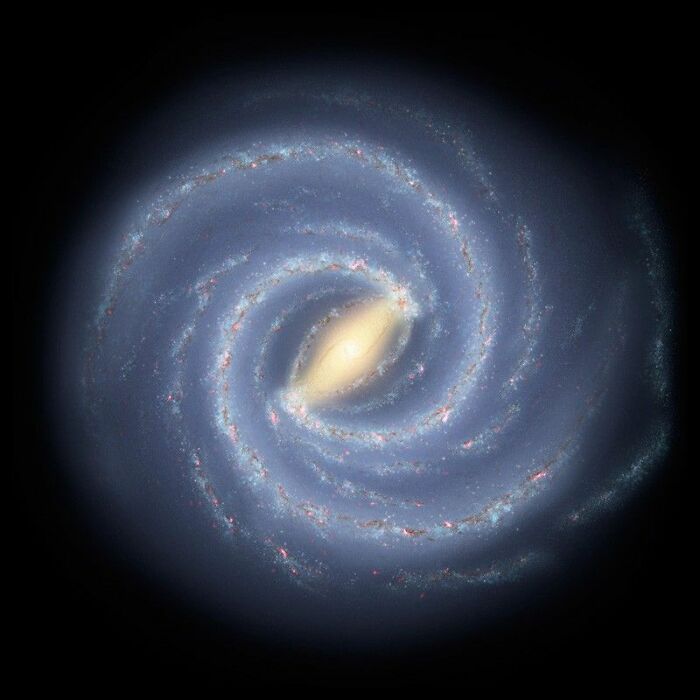
Our home galaxy is called the Milky Way. It’s a spiral galaxy with a disk of stars spanning more than 100,000 light-years. Earth is located along one of the galaxy’s spiral arms, about halfway from the center. Our solar system takes about 240 million years to orbit the Milky Way just once.
Wow. Amazing how they were able to capture the full milky way from outer space, from Earth. /s

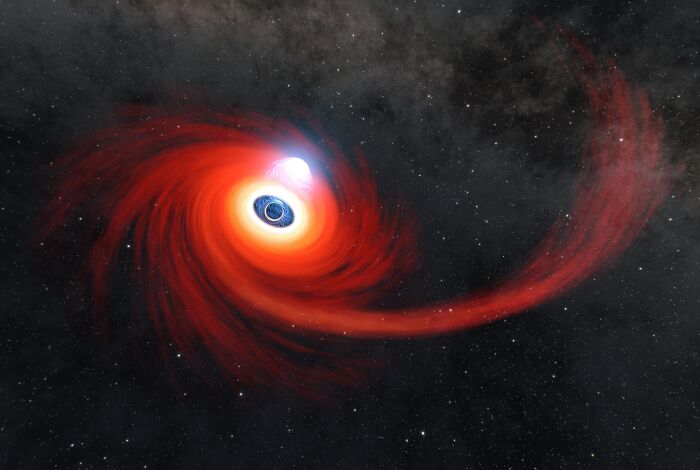
A disk of hot gas swirls around a black hole in this illustration from Dec. 20, 2022. A long stream of hot gas on the right, coming from a star that was pulled apart by the black hole, feeds into the disk.
These events, known as tidal disruption events, can take just a matter or weeks or months from the destruction of the star to the formation of the disk. The gas gets hotter the closer it gets to the black hole, but the hottest material – a cloud of plasma called a corona – can be found above it.
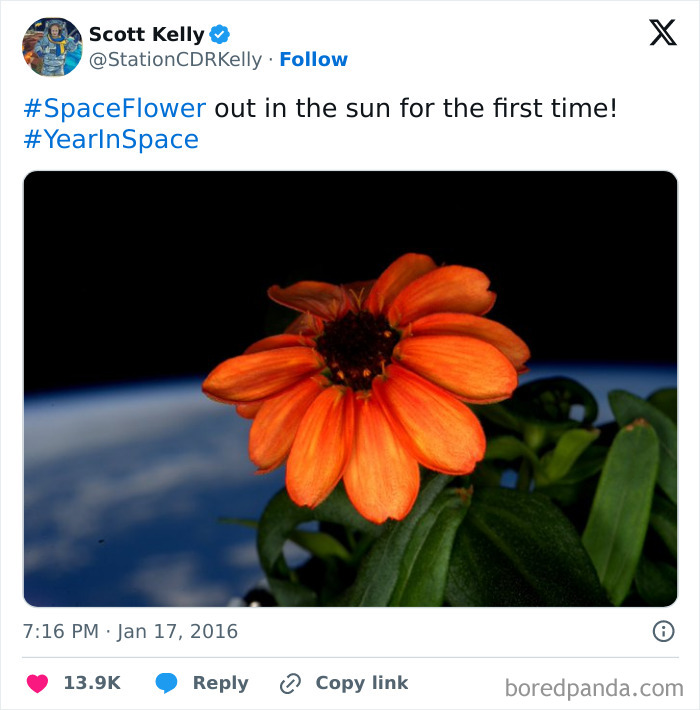
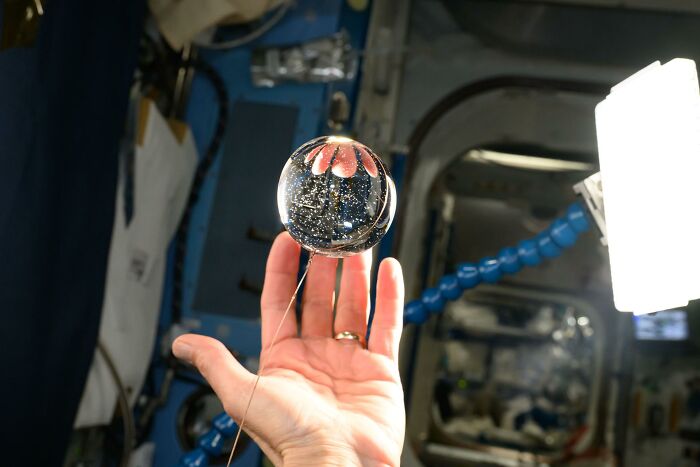
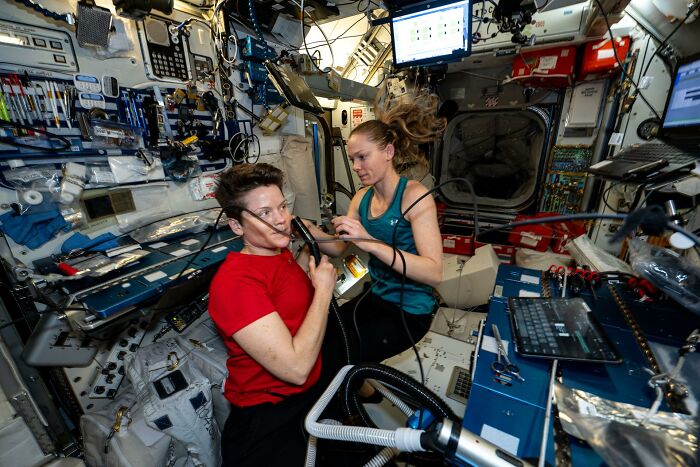
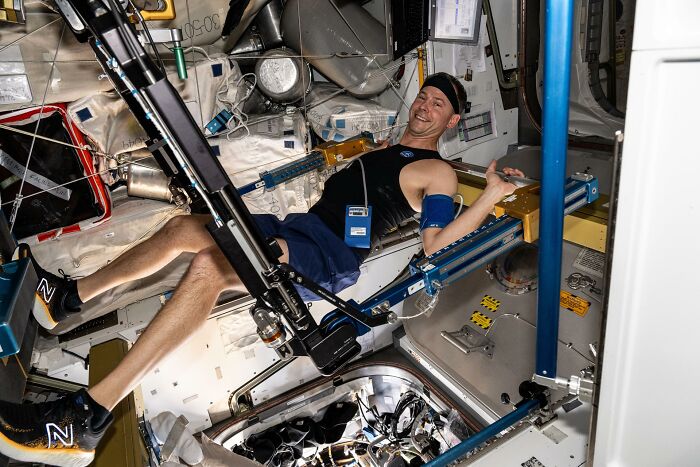
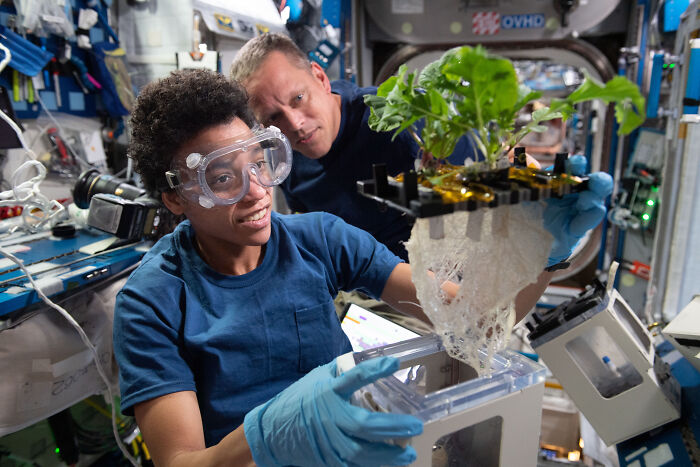
The space botany experiment tests the plants ability to grow without photosynthesis and survive in confined environments in weightlessness potentially supporting crop production on spacecraft.

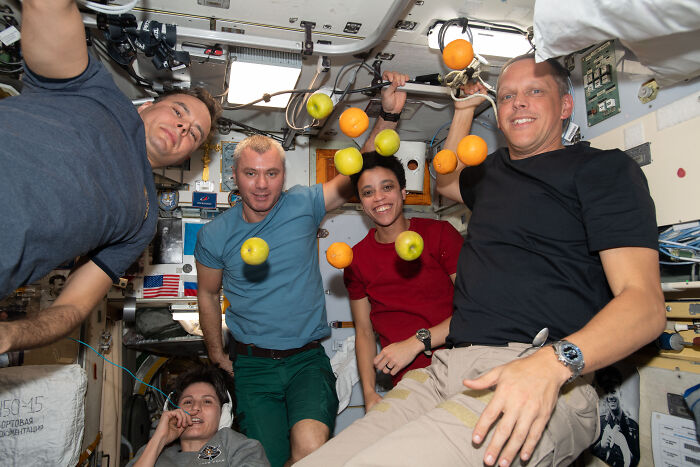
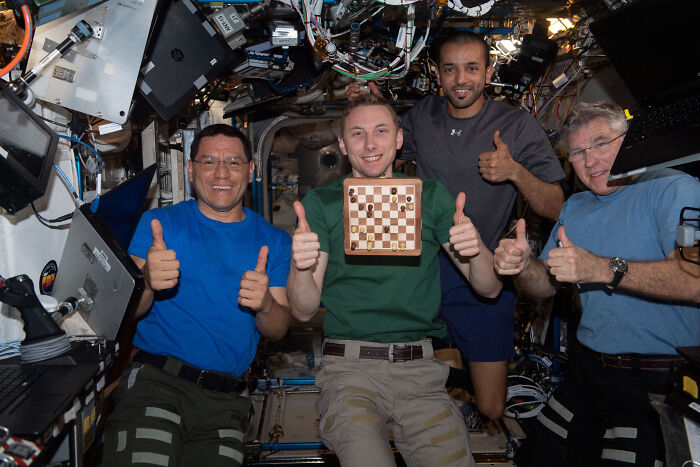
One question: why are they wearing belts? Their pants won't fall down.
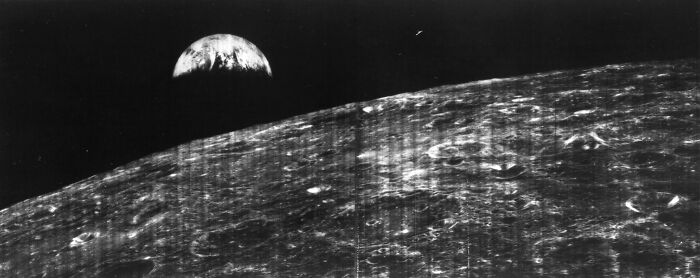
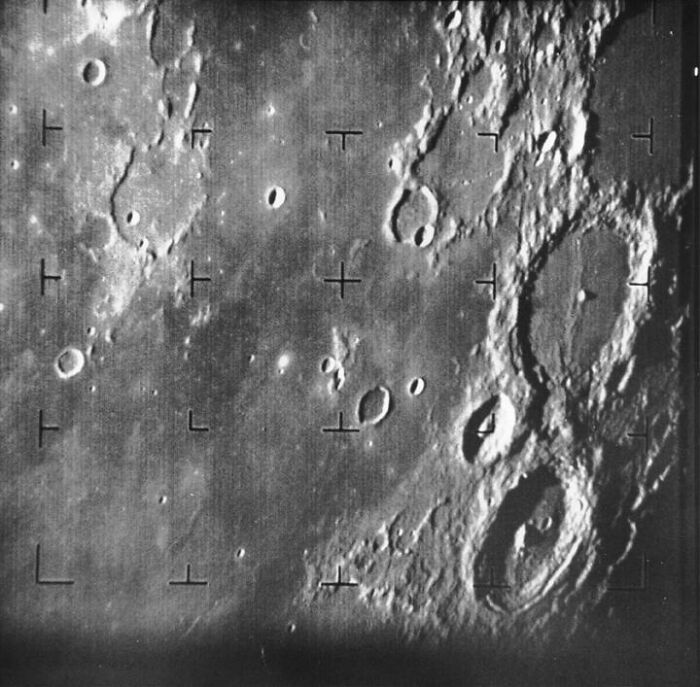
17 minutes later, it crashed into the Moon on the northern rim of the Sea of Clouds as intended. The 4,316 images sent back helped identify safe Moon landing sites for Apollo astronauts.


I like that the romace of science is so well co well captured in these images.
I like that the romace of science is so well co well captured in these images.








































 No fees, cancel anytime