Get Premium
Dark mode theme is available exclusively for premium users. Learn more about the benefits of subscribing.
No fees, cancel anytime.

 Dark Mode Ad-Free Browsing Unlimited Content
 Ad-Free Browsing Unlimited Content Dark Mode
Join 1.2 million Panda readers who get the best art, memes, and fun stories every week!
If someone wanted to make, say, an elephant driving an eighteen wheeler, it would take them just a few minutes with generative AI. But in the past, the tool of choice would be photoshop, where those proficient in it could make whatever they felt like.
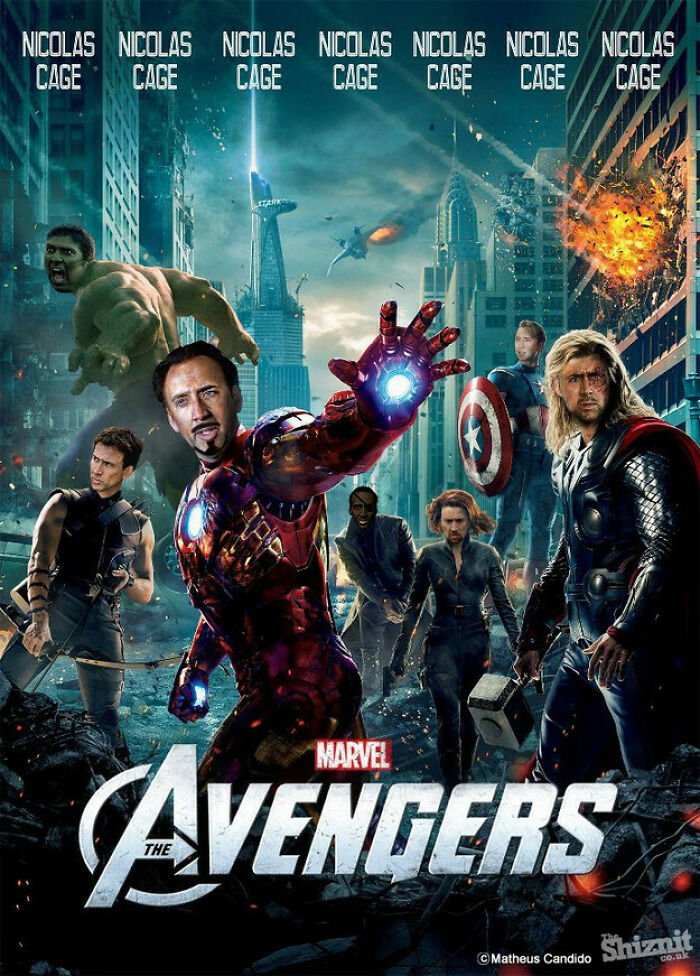
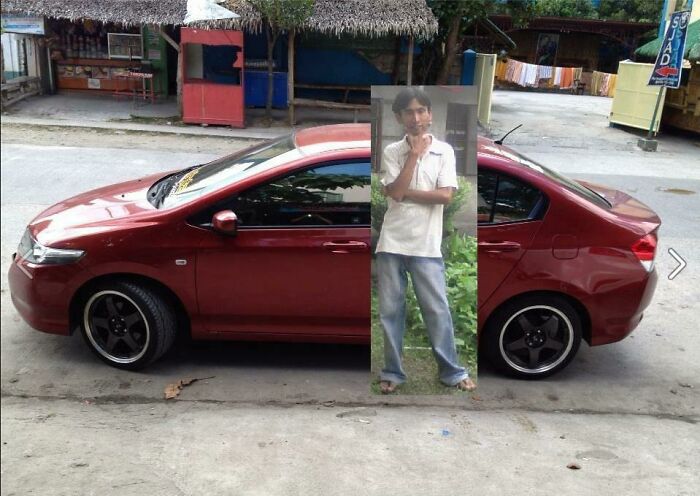
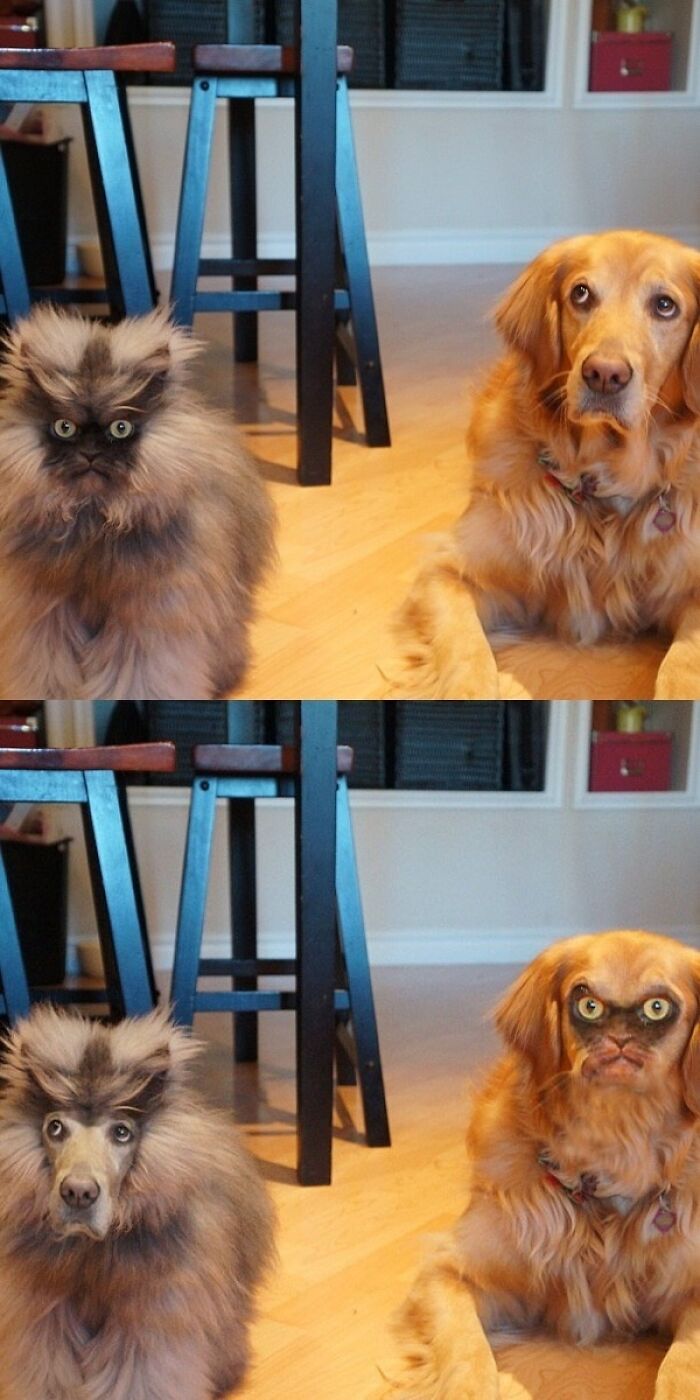
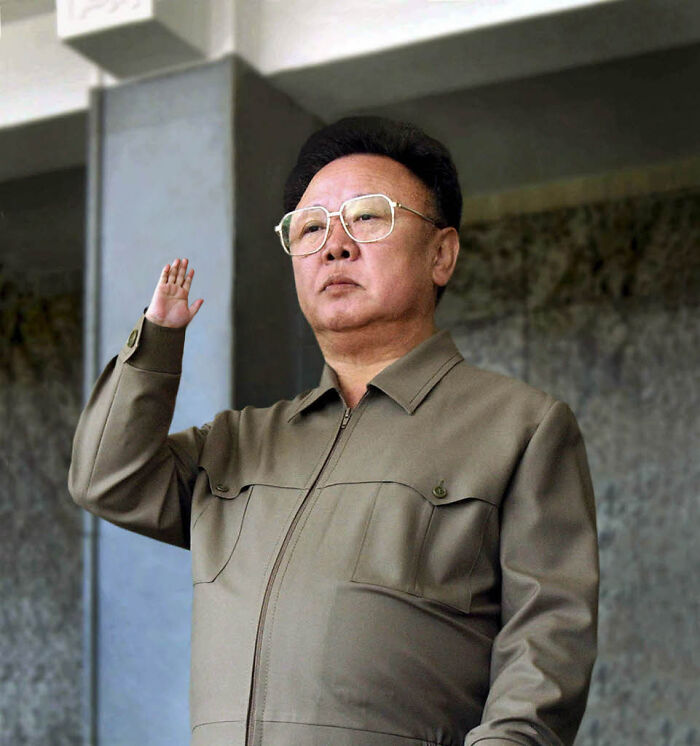
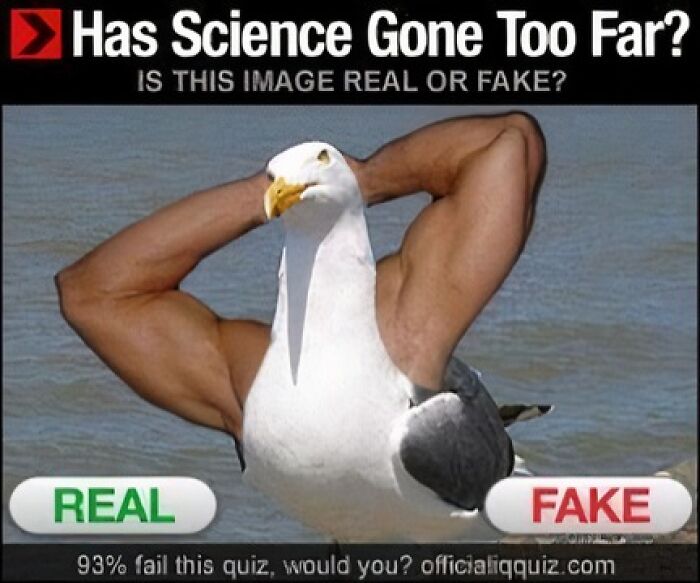
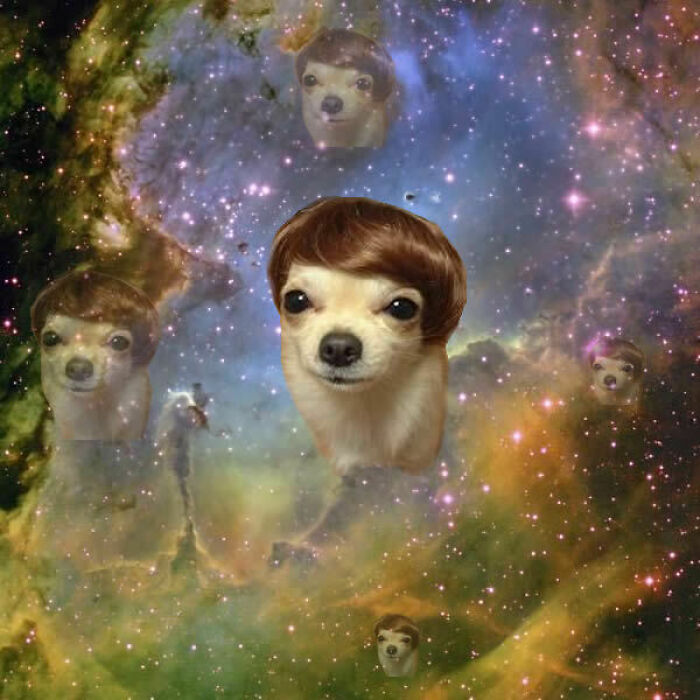
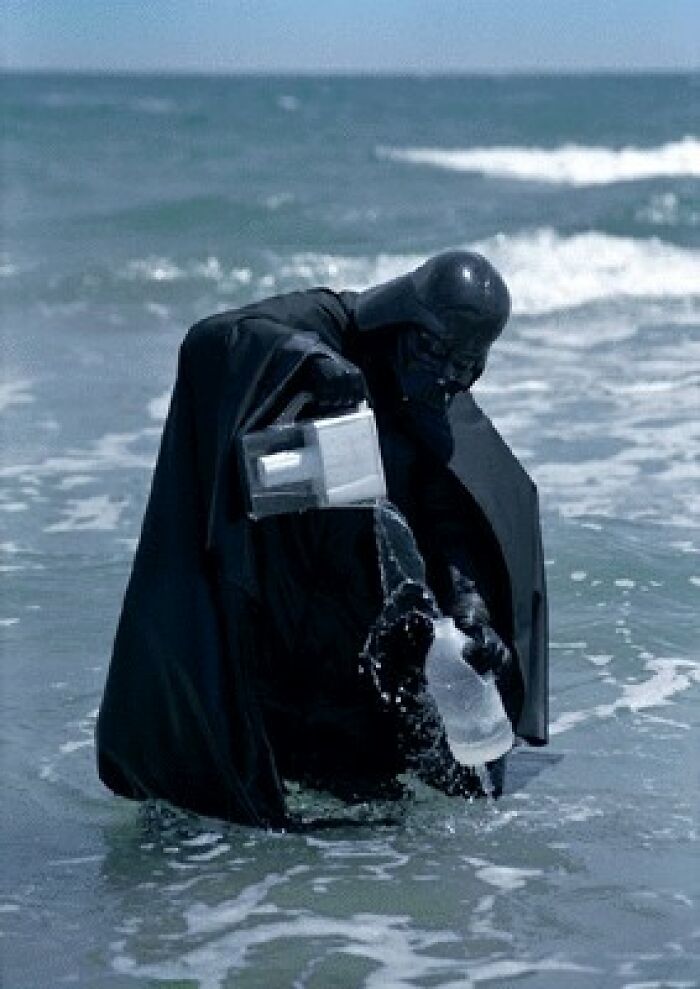
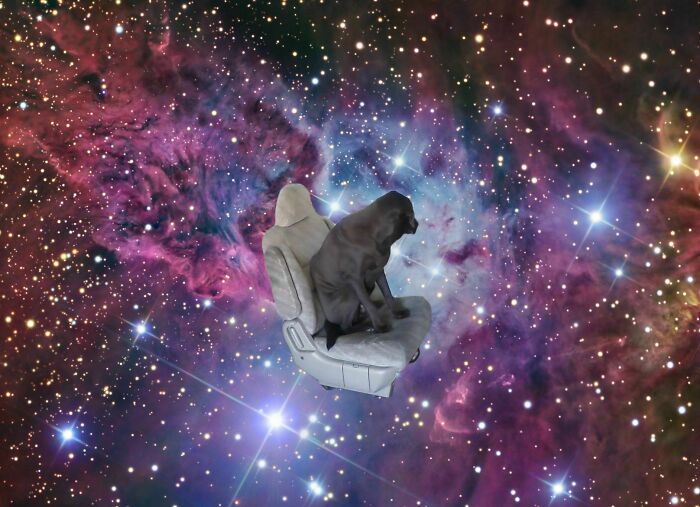
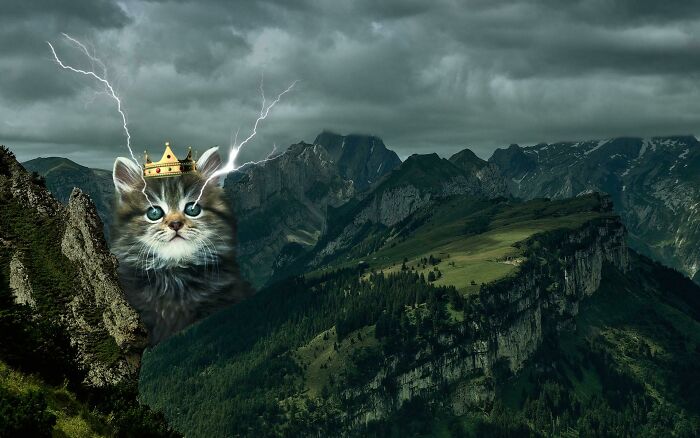
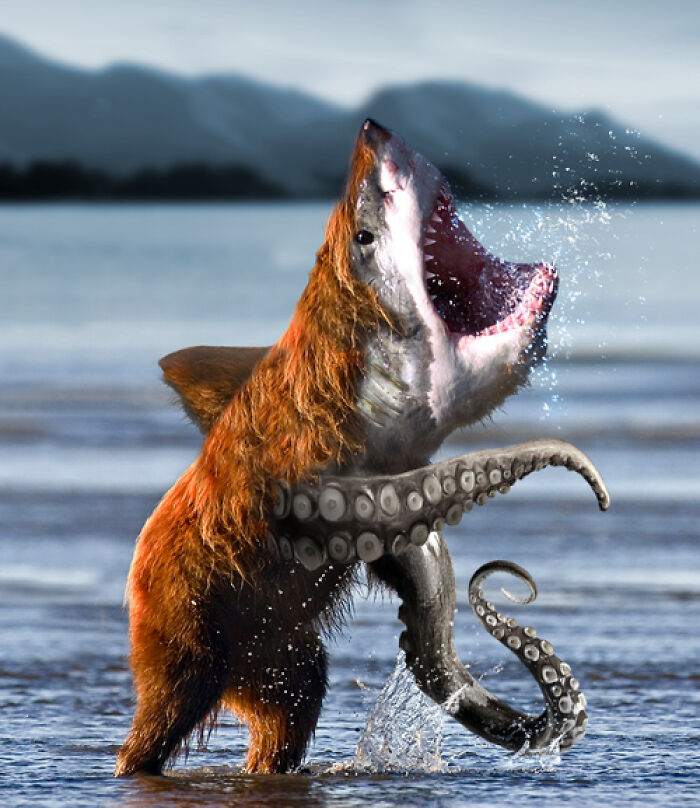
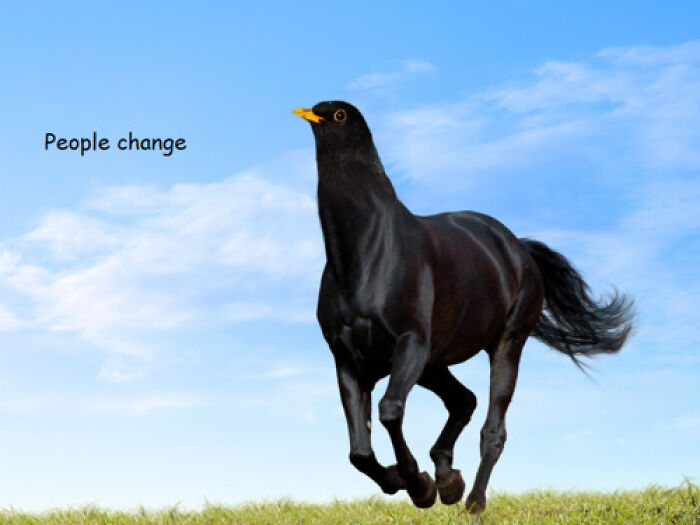
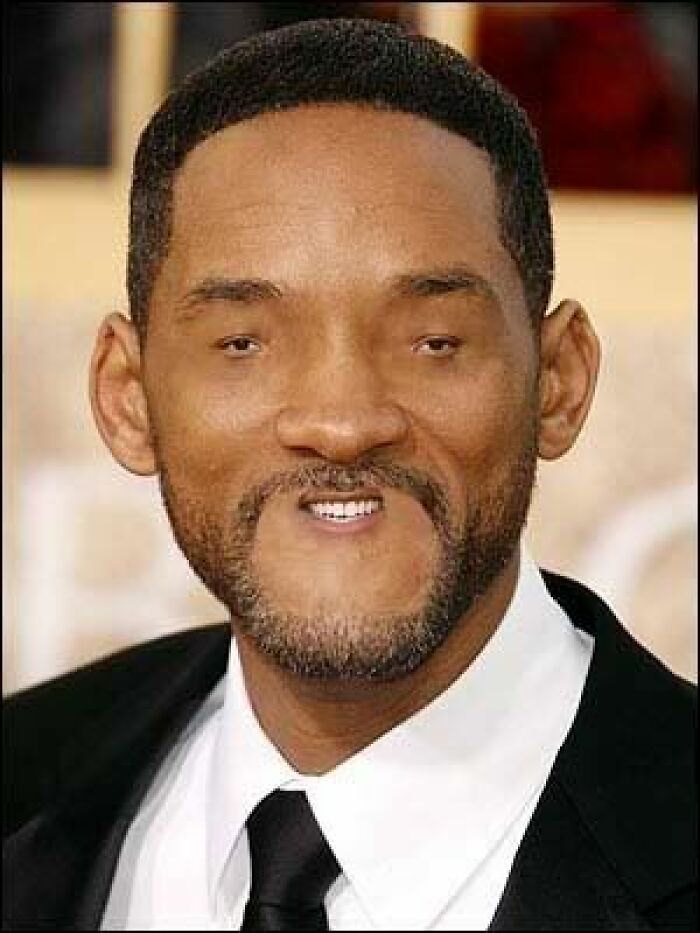
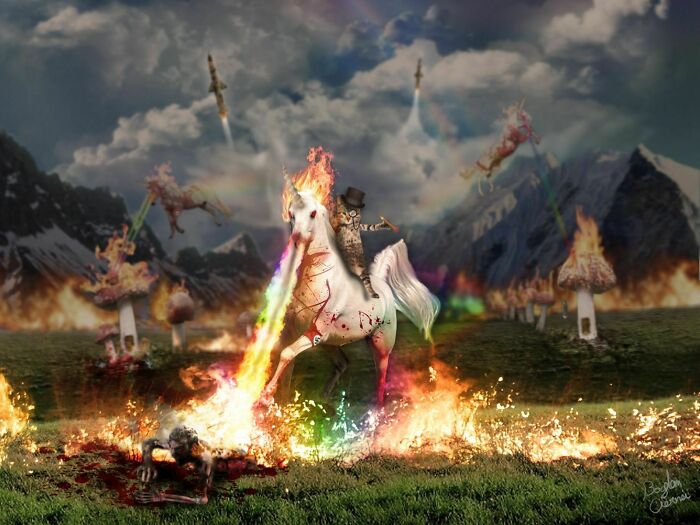
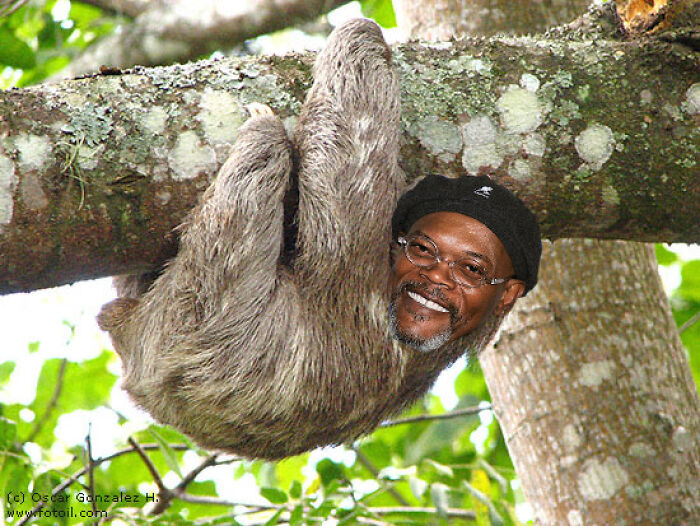
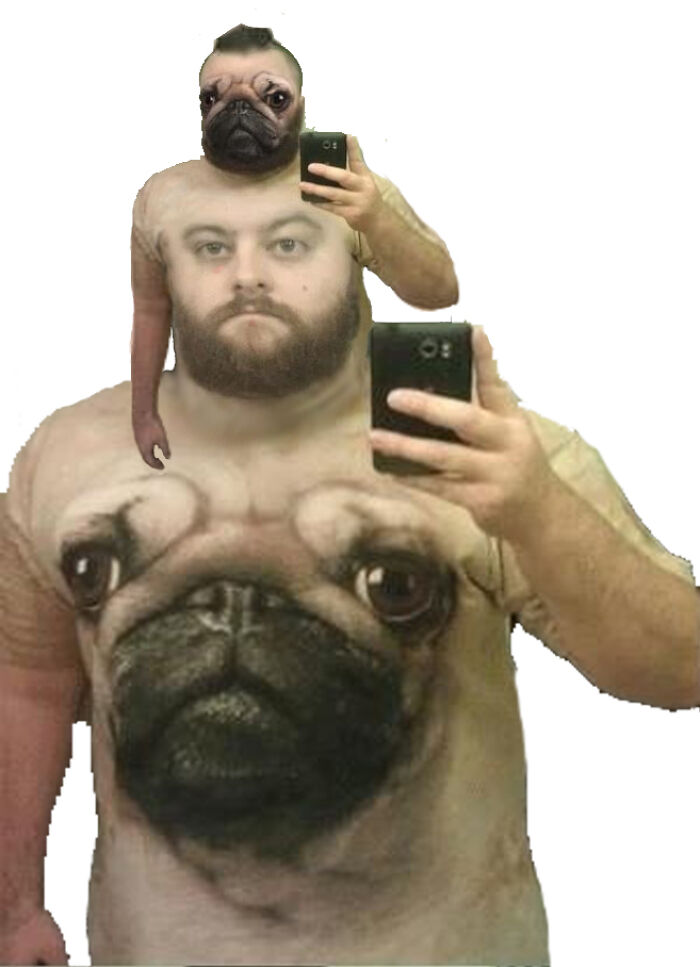
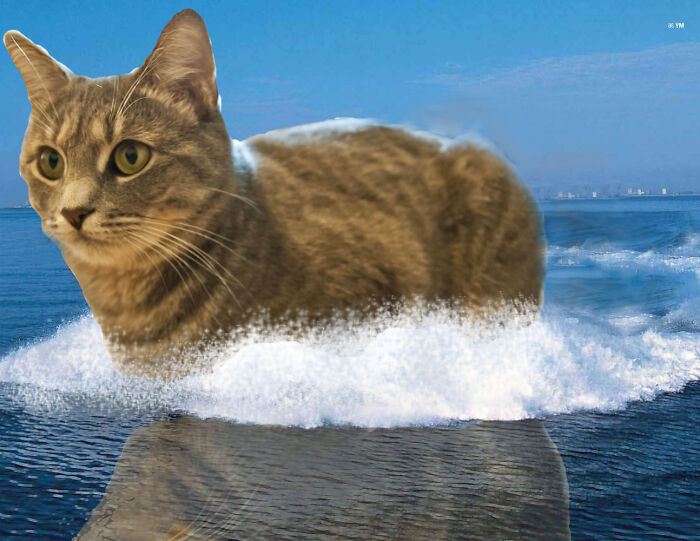
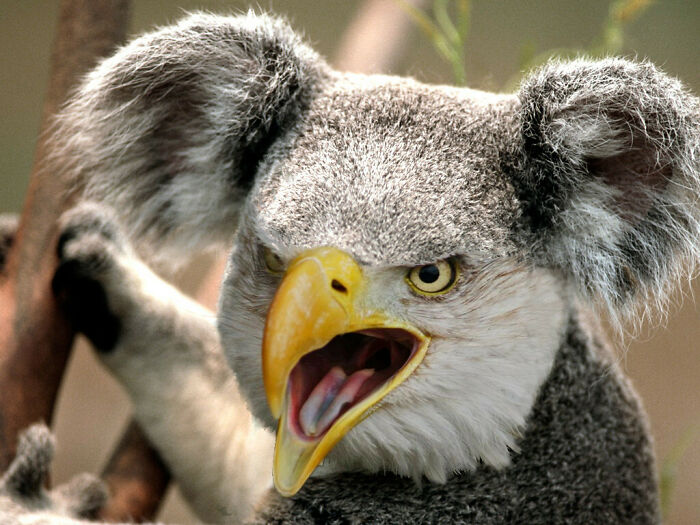
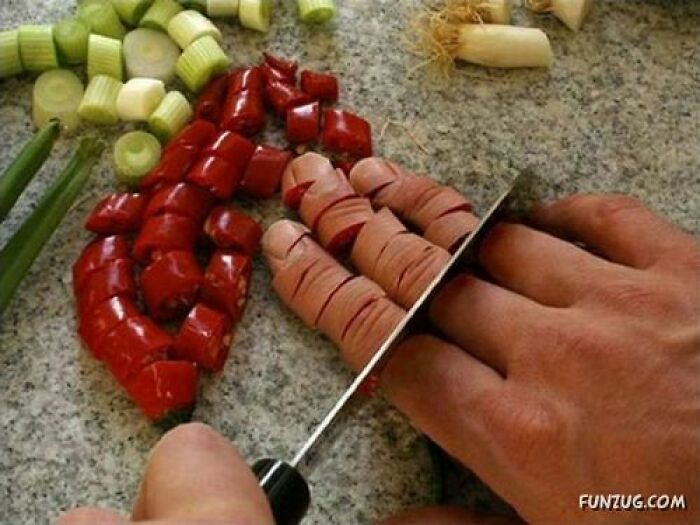
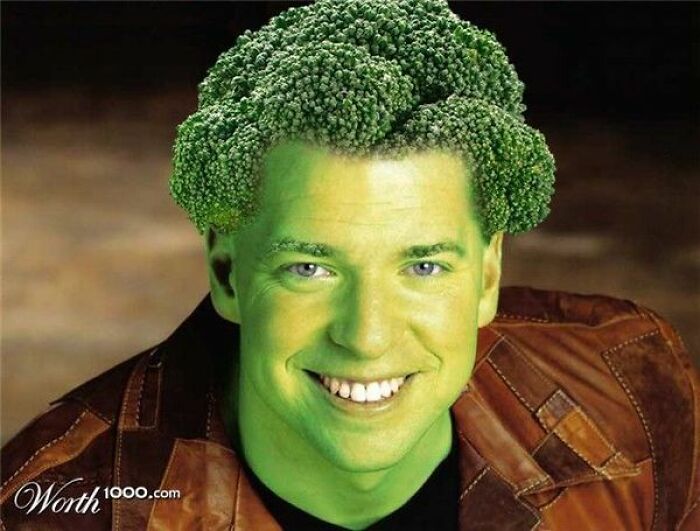
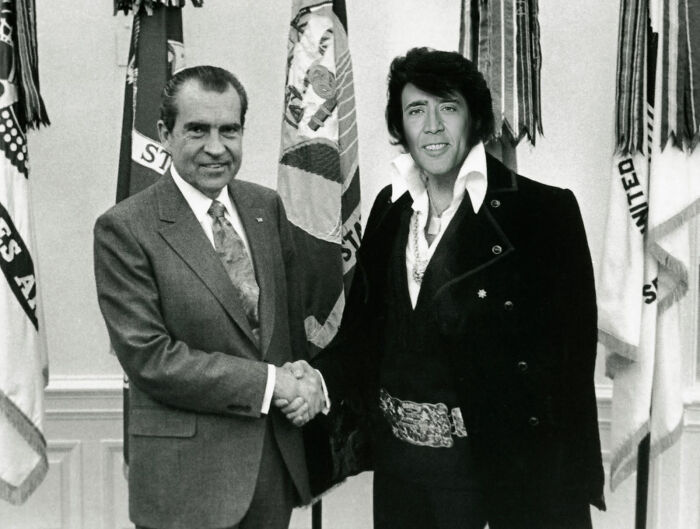
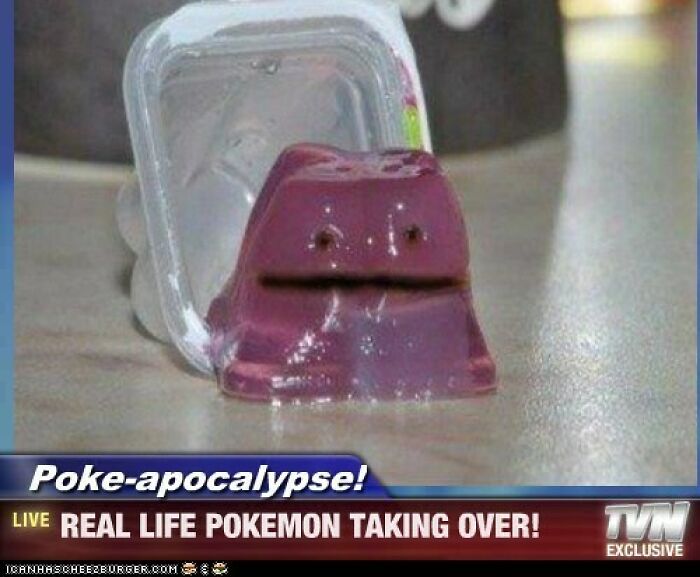
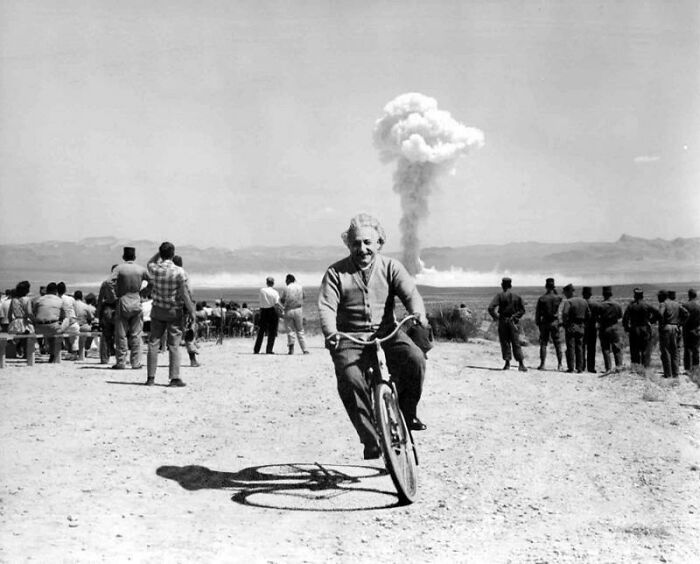
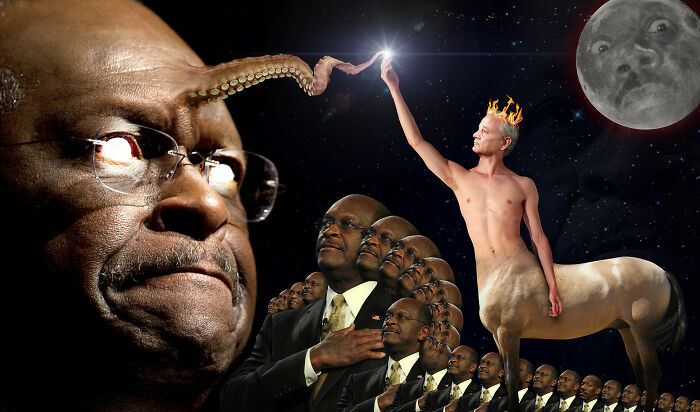
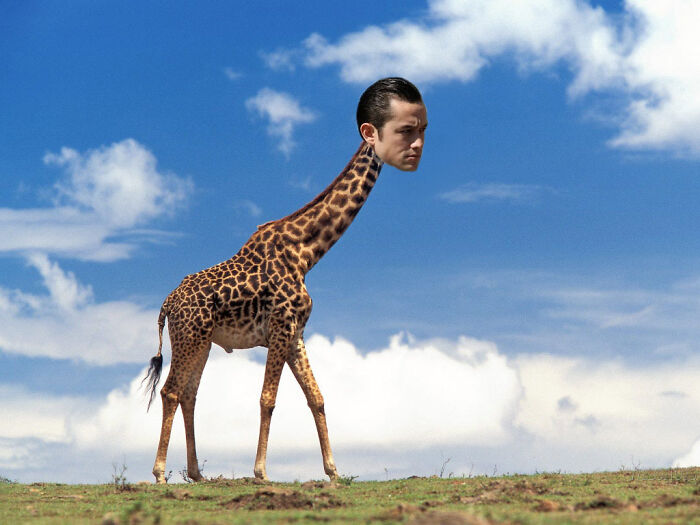
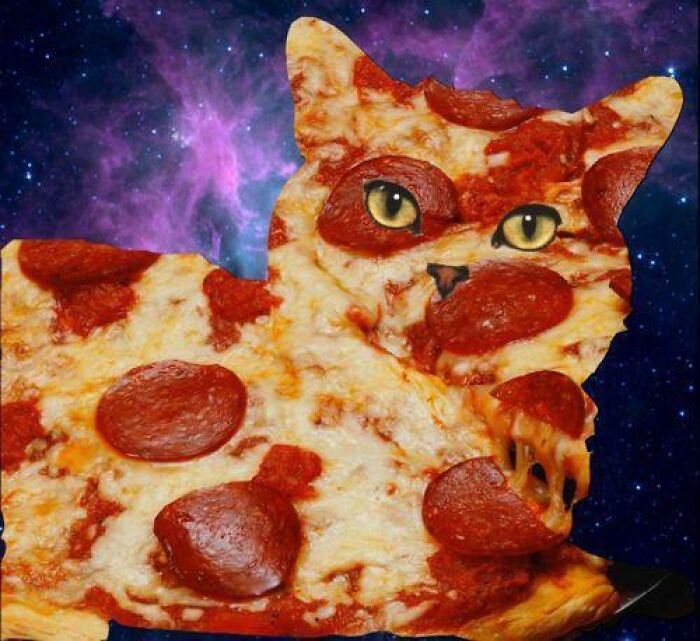
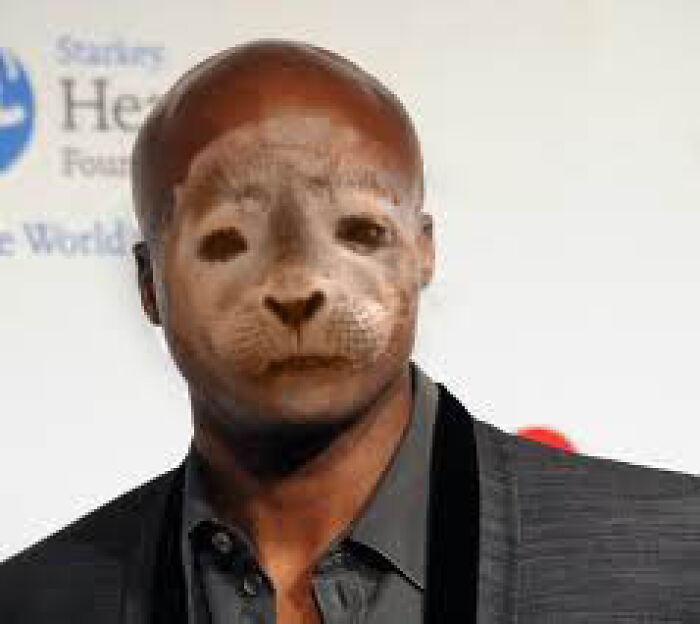
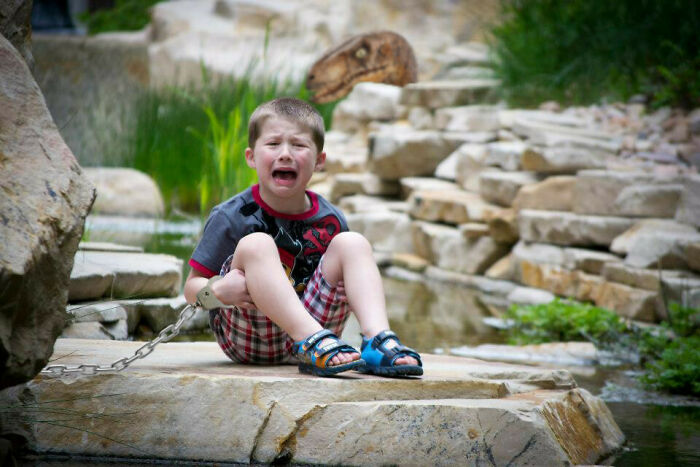
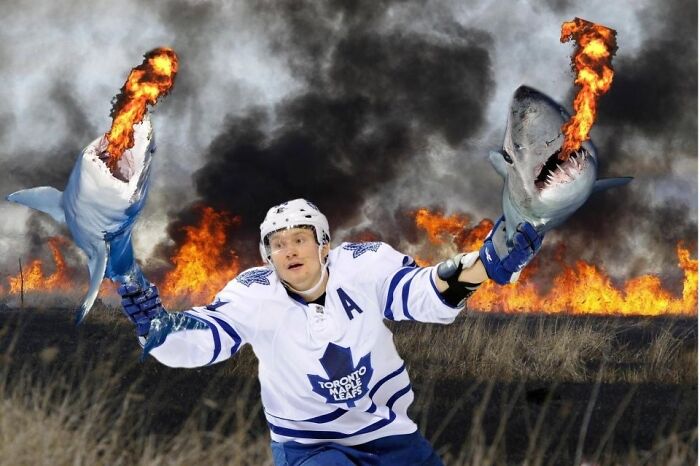
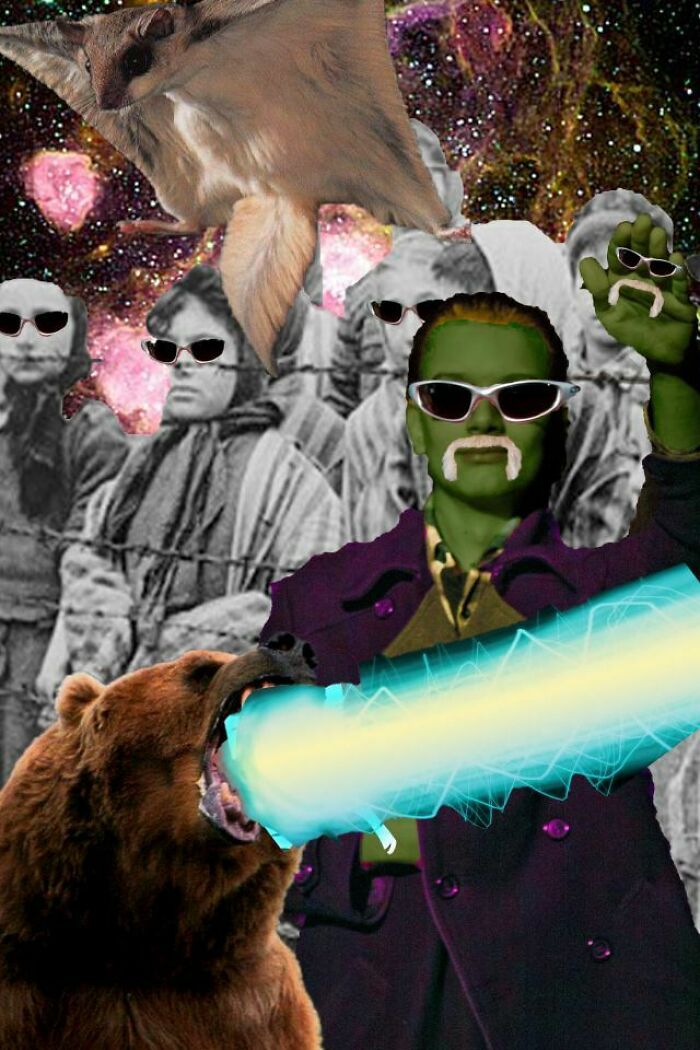
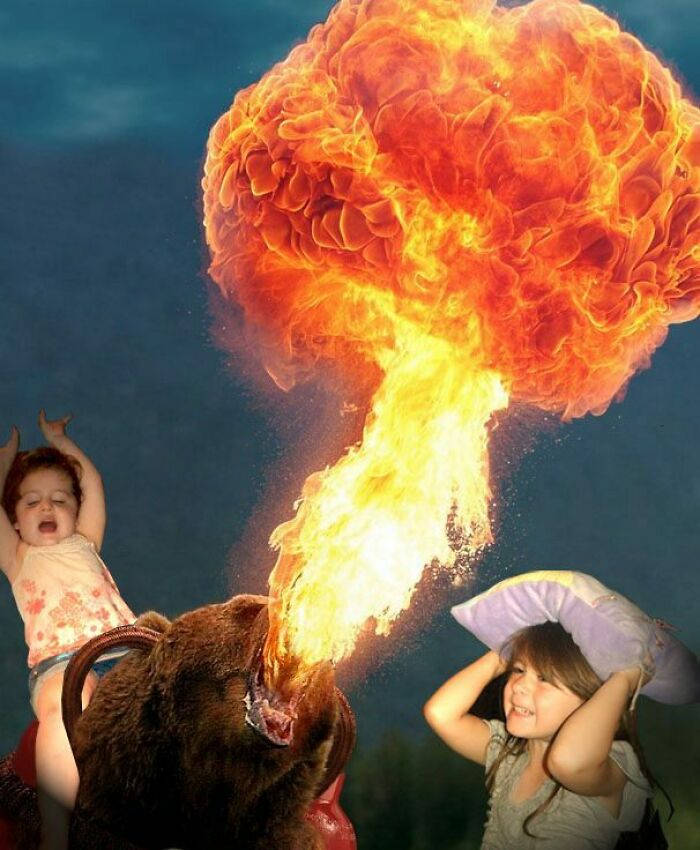
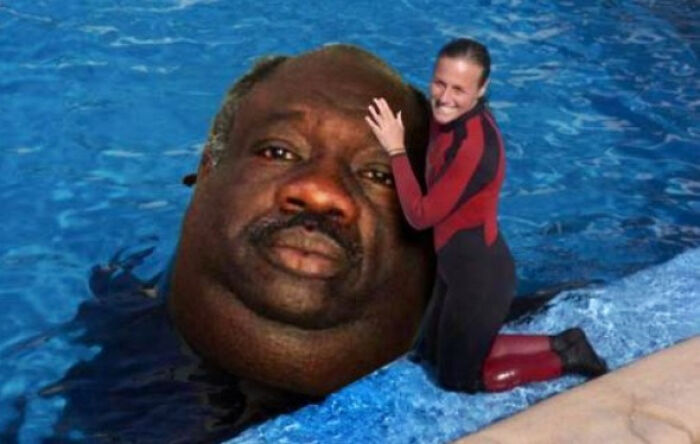
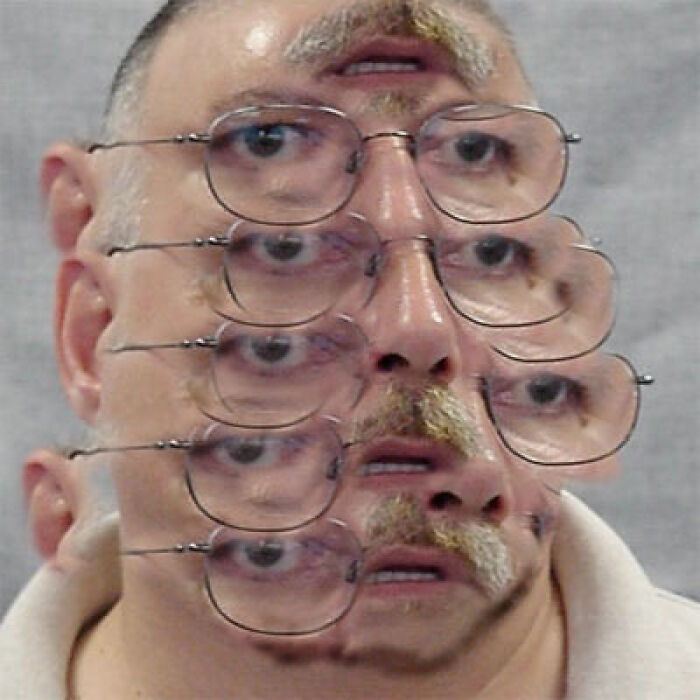
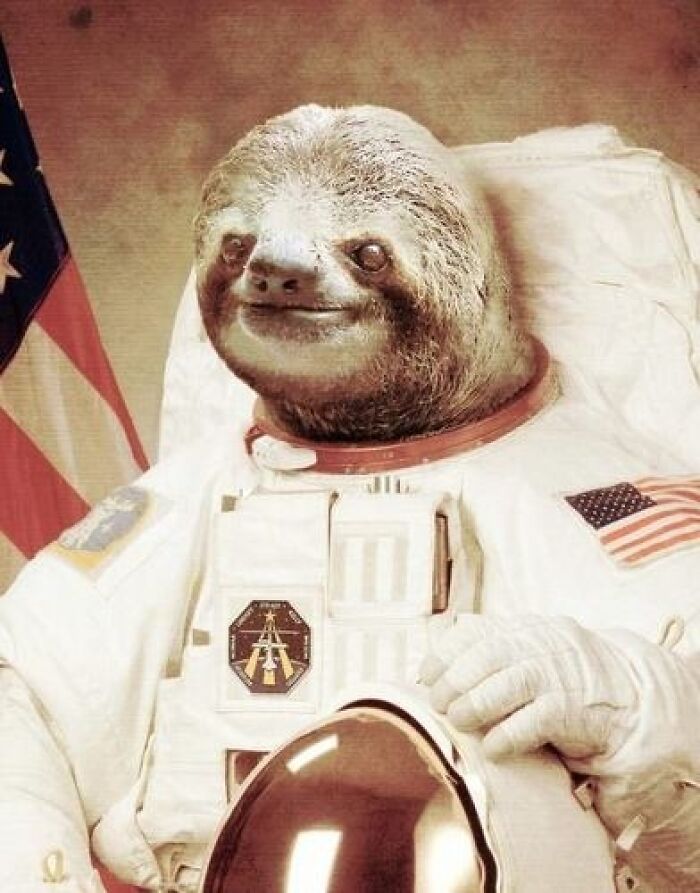
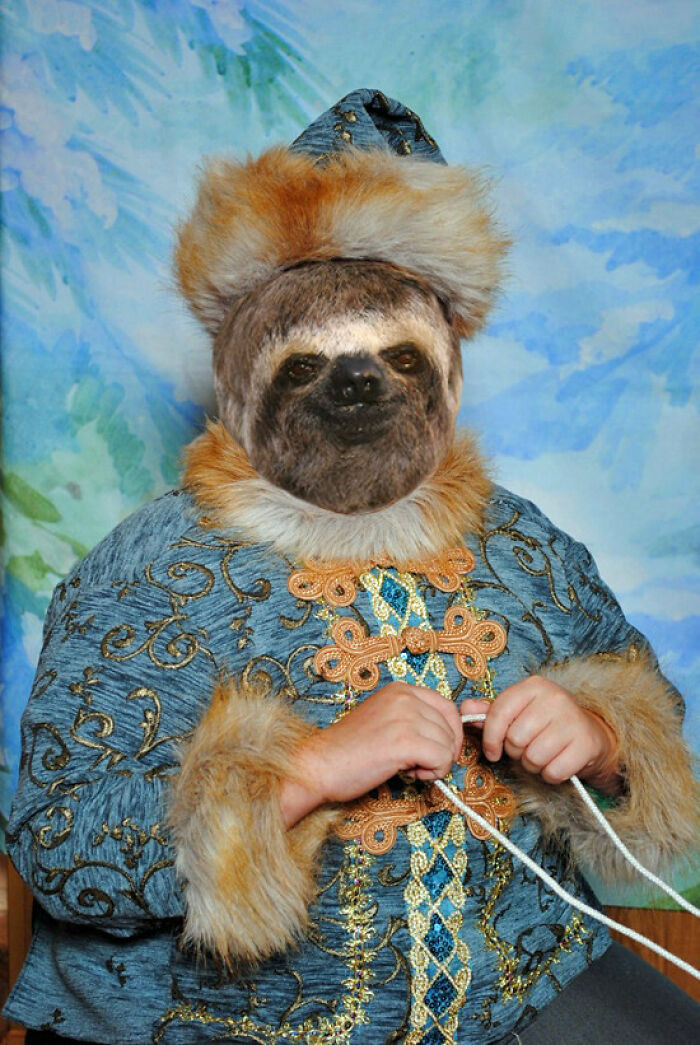
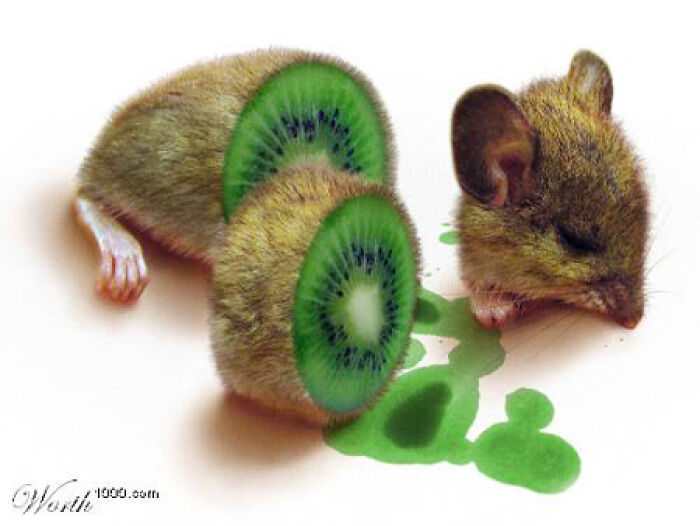
Someone asked “if we lost all memory of photoshop, but the pictures remained, which photo would be hardest to explain?” and people shared their best creations. So get comfortable as you scroll through, upvote your favorites and be sure to post your own thoughts in the comments section down below.
This post may include affiliate links.

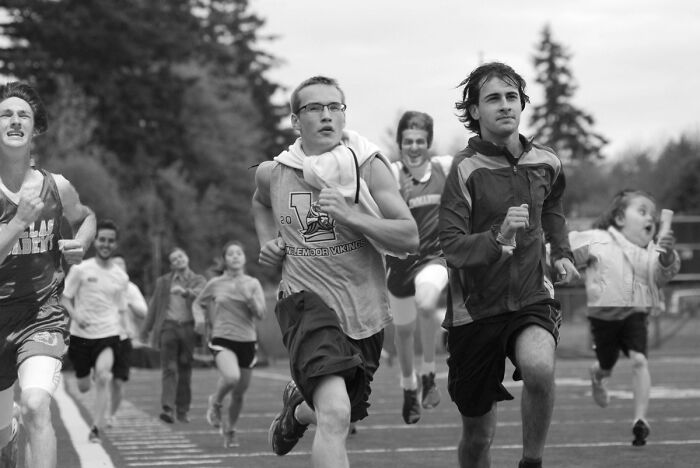
"Young fool, only now, at the end, you understand? That is called a runway."
Long before we had filters that could turn our faces into sentient potatoes or AI that can generate a picture of an astronaut riding a unicycle on Mars, humanity had to work surprisingly hard to lie to each other with pictures. The history of funny photoshopped images is essentially a timeline of humans gaining incredible digital powers and immediately using them to make things look slightly ridiculous.
It all started back in 1987, when a man named John Knoll took a beautiful, unassuming photo of his future wife, Jennifer, sitting on a beach in Bora Bora. This image, known as Jennifer in Paradise, became the very first demo image for a little program called Photoshop. While John used it to show off things like "cloning" and "blurring," he probably didn't realize he was opening a Pandora’s box that would eventually lead to the entire world being obsessed with making cats look like they are playing the piano.
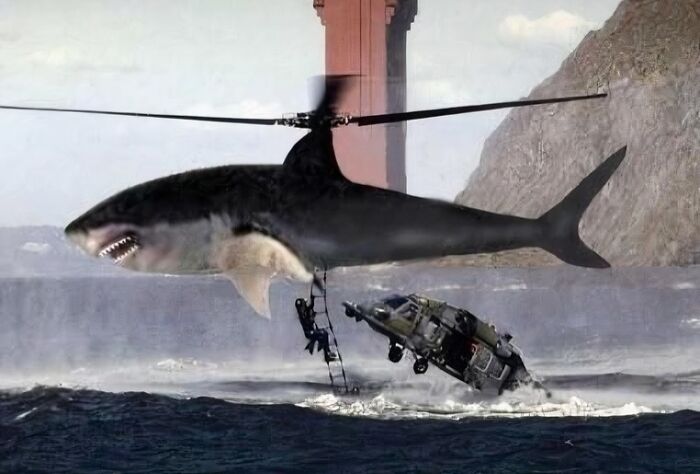
By the late 1990s and early 2000s, the internet was a wild frontier of dial-up modems and chain emails. This was the era of the "is this real?" hoax, where a single, grainy image could convince half the planet that something impossible was happening. Perhaps the most famous example is the legendary Helicopter Shark, a 2001 composite of a Great White shark leaping out of the water to snack on a military diver dangling from a helicopter near the Golden Gate Bridge.

It was completely fake, but it was circulated with a caption claiming it was the "National Geographic Photo of the Year." People loved it because it tapped into our primal fear of big fish and our modern love for high-stakes action movies.
Around the same time, we saw the rise of Snowball, the "Giant Cat," a 87-pound feline that was actually just a normal-sized cat held very close to a camera lens by a man with a very good sense of perspective. These early edits were the birth of digital manipulation, teaching us that we could no longer trust our eyes, but we could certainly enjoy the view.

I just *love* the ocean! It's so mysterious and there's something new to discover every day. That thing looks so majestic! Does anyone know what it's called?
As the internet matured, the humor shifted from "trying to trick you" to "trying to make you laugh until you snort your coffee." Digital communities like Something Awful and Fark became the breeding grounds for organized silliness. Something Awful’s Photoshop Phriday became a weekly ritual where "Goons", as the users called themselves (it was a different time), would take a mundane theme and run it into the ground with absurd edits.
They might take old historical photos and add modern snacks to them or turn Victorian-era families into space-faring adventurers. This was the birth of the "Photoshop battle" format, where the goal wasn't to create a perfect forgery, but to find the most hilariously unexpected way to use a "Lasso" tool.
It was during this era that the "demotivational poster" took off, using the black-bordered aesthetic of corporate office art to deliver punchlines that were decidedly less than inspiring. The democratization of these tools hit a fever pitch with the creation of the Reddit Photoshop Battles community in 2012. Suddenly, anyone with a mouse and a dream could take a picture of a sneezing red panda and turn it into a lead singer for a heavy metal band.
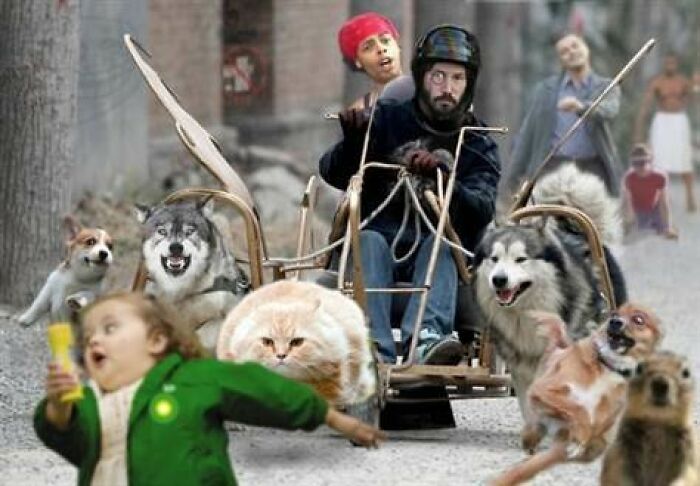
This era gave us some of the most enduring visual jokes of the decade, from "Chubby Bubbles Girl" running away from everything in the universe to the strangely unsettling "E" meme, which combined a YouTuber, a Shrek villain, and a congressional hearing into a single, meaningless letter.
Of course, no history of funny edits is complete without mentioning James Fridman, the internet’s favorite "malicious compliance" editor. When people send him photos asking to "make me look like I’m in a more dangerous place," he might literally paste them into a picture of a kitchen with a slightly damp floor.
His work is a comedy masterclass in taking instructions too literally, and it serves as a gentle reminder that we should probably be careful what we wish for when we ask the internet to change our reality. Even now, as we enter 2026 and AI tools make these edits easier than ever, there is still something uniquely human and hilarious about a poorly-lit, manually-cut image of a dog wearing a tuxedo. We may have moved from Bora Bora beaches to AI caricatures, but the impulse remains the same: the world is a lot more fun when you can rearrange the pixels just a little bit.


This was the opposite of entertaining. I want my three minutes back.

This was the opposite of entertaining. I want my three minutes back.
 No fees, cancel anytime