Get Premium
Dark mode theme is available exclusively for premium users. Learn more about the benefits of subscribing.
No fees, cancel anytime.

 Dark Mode Ad-Free Browsing Unlimited Content
 Ad-Free Browsing Unlimited Content Dark Mode
Join 1.2 million Panda readers who get the best art, memes, and fun stories every week!
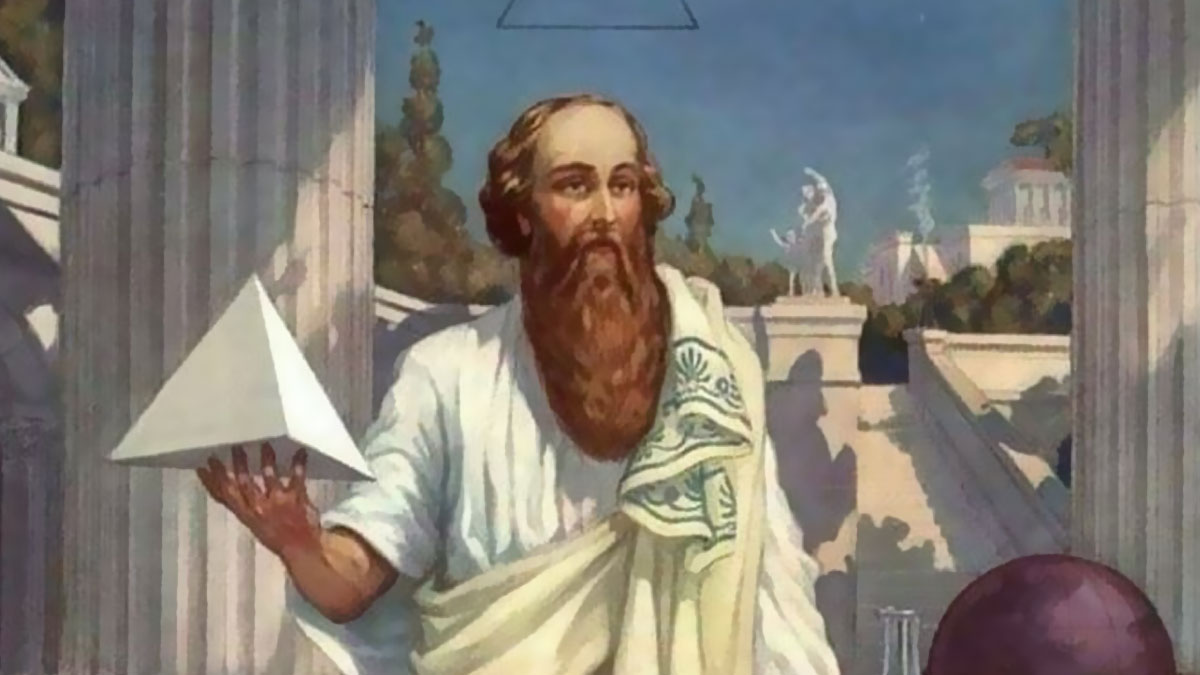
Urban legends about how much students and people hate math might be exaggerated. While we're in school, many of us consider the subject impenetrable. However, at least in England, mathematics has been the most popular subject in high schools since 2014, as a whopping 85,000 to 90,000 students choose it at A-level.
If you're a fan of numbers and science, too, this list might just be for you. Bored Panda came across an Instagram page "Memes for mathematicians," and we just couldn't help but share some of their funniest posts with you. So, if you like equations, theorems, and parabolas, have a chuckle at the memes below!
More info: Instagram
This post may include affiliate links.

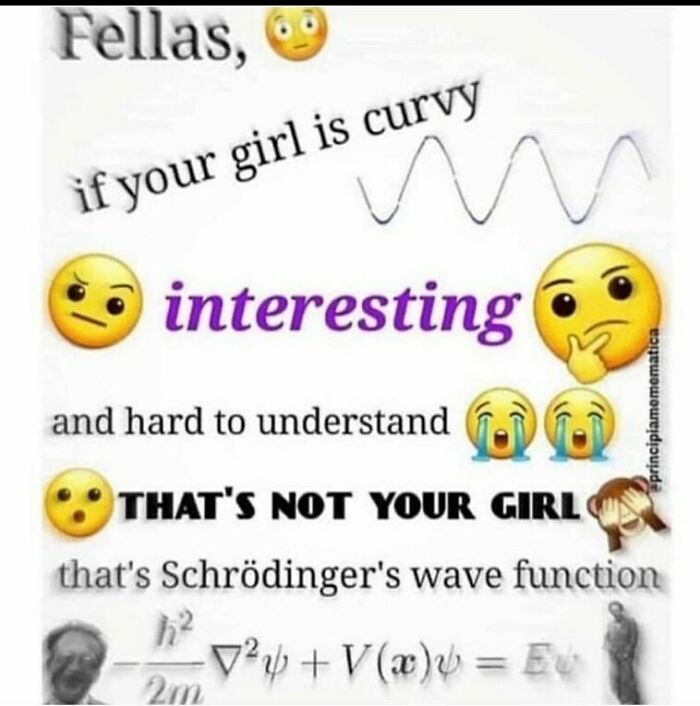
The funny thing about this is Schrodinger created his thought experiment as a joke to criticize the Copenhagen Interpretation of quantum theory. And I'm a huge nerd for knowing that.
Even if you're not a mathematics nerd, let us persuade you to come to the nerd side with a few interesting math facts. Are you familiar with the interesting number paradox, for instance? Basically, there's a theory in mathematics that some numbers are interesting and some are uninteresting.
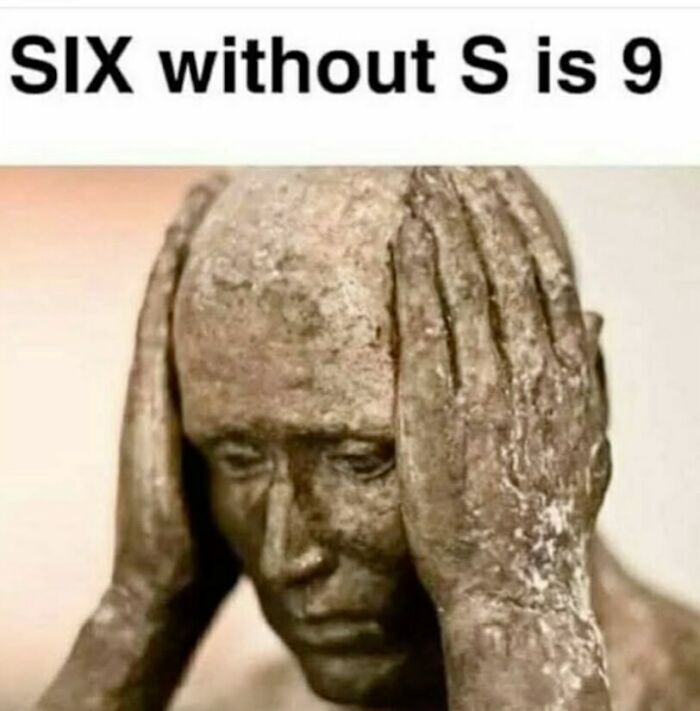
Examples of interesting numbers would be prime numbers, because we can only divide them by 1 and themselves. So, 2, 3, 5, 7, and so on are considered interesting numbers. Perfect numbers are also interesting because they are equal to the sum of their factors: 6, 28, 496, and 8128. Square or cube numbers are also considered interesting.

But the interesting number paradox states that all numbers are, in fact, interesting. If we were to take an otherwise insignificant number like 51, we could call it the smallest uninteresting number. However, that would by design make it interesting: its status as "the smallest uninteresting number" would qualify it to become interesting.
If we were to apply this logic to all the other "uninteresting" numbers, they would all, one by one, become interesting. In the attempt to classify each of them as "the smallest uninteresting number," we would effectively make them interesting. "It is also the first number to be simultaneously interesting and uninteresting," popular mathematics author David Wells wrote in "The Penguin Dictionary of Curious and Interesting Numbers”.

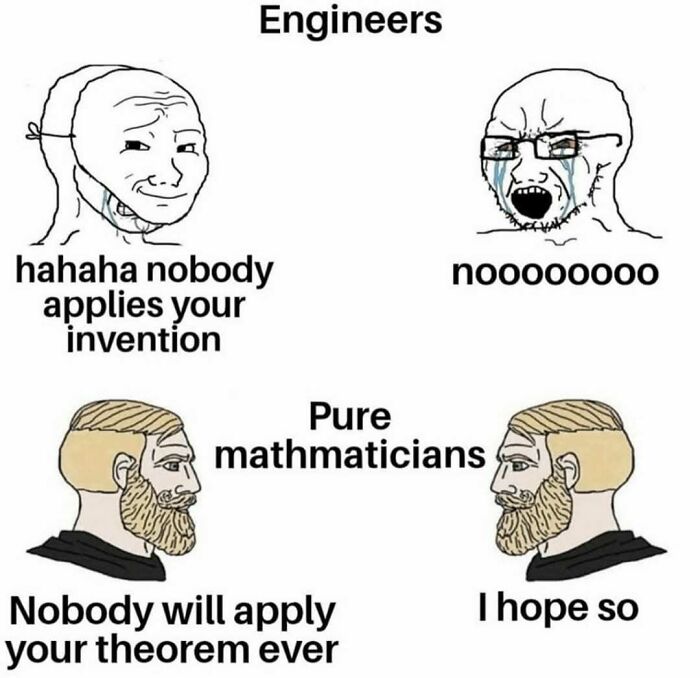
Not without motion they can't. Through piezoelectricity, stress gives charge. So when someone overcharges me, that stresses me.
If you're a fan of any kind of board game that requires a die, you might be familiar with this next one. The sum of the two opposite sides of a standard six-sided die will always be seven. Why is that? It has been done this way since ancient times as both the Greeks and the Ancient Egyptians produced dice like that.
But, according to osteoarchaeologist Hans Christian Küchelmann, there is no other explanation than the fact that it's a neat and harmonious trick. "Seven is a prime number and thus of special mathematical significance," Küchelmann writes. Ancient Greeks were really into that kind of stuff, so they made such dice the standard. "While in today's dice games the least probable combination is the most valuable, in antique times the most harmonic combination […] was the highest valued."
A standard deck of playing cards includes 52 cards. But did you know that if you shuffle it, the number of possible combinations that the cards might fall into is an 8 followed by 67 zeros. According to McGill University, there are more ways to shuffle a deck than there are atoms in the universe. Essentially, every time you shuffle a deck of cards, you're getting a unique arrangement of the 52 cards that may have never been made in history.
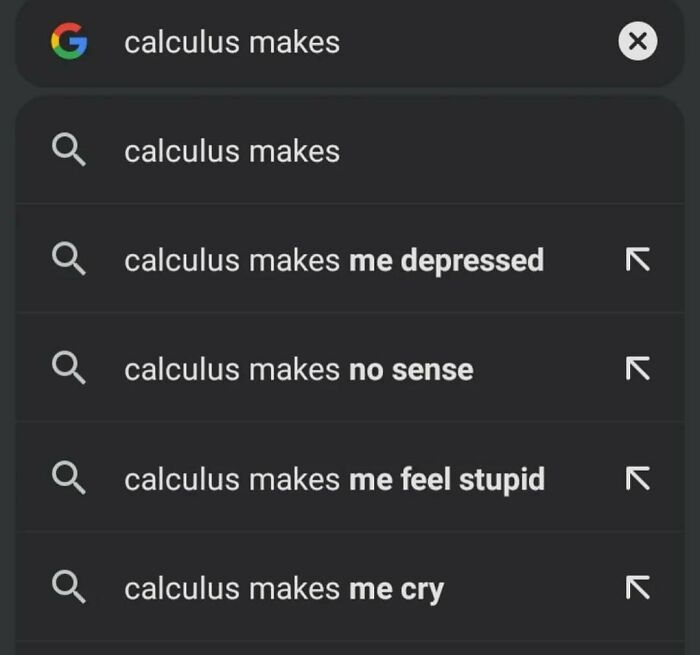
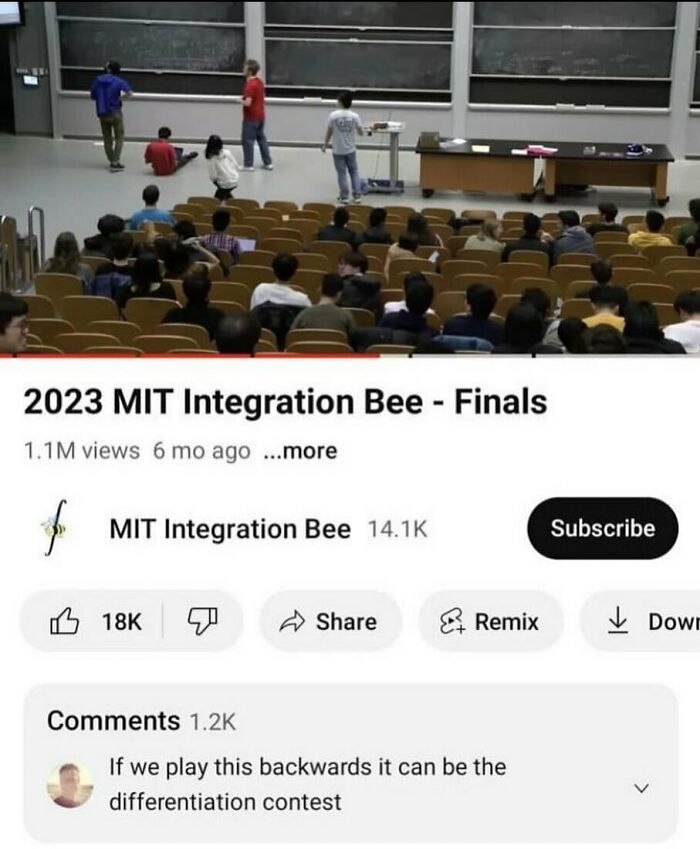
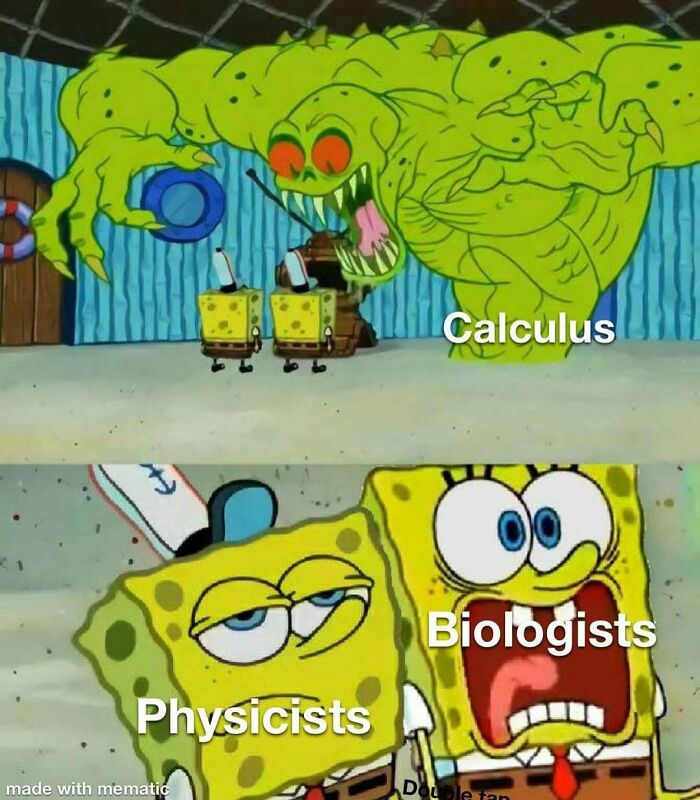
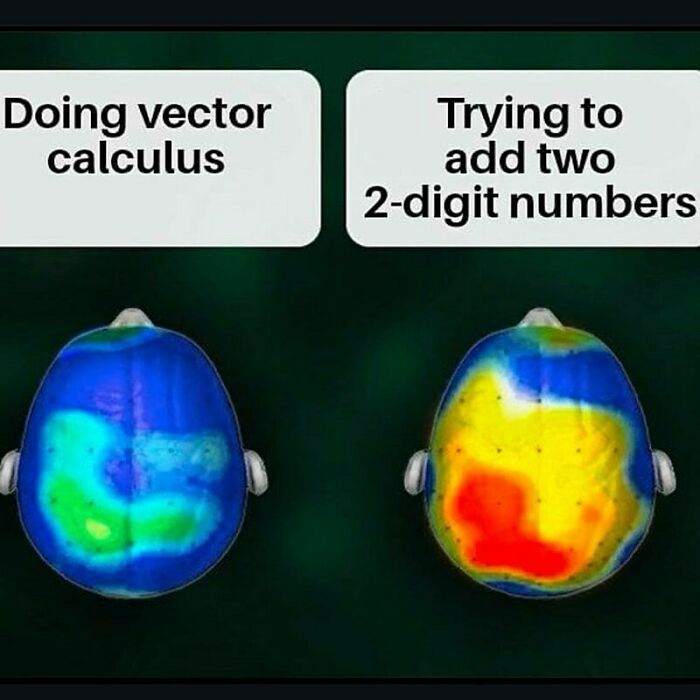
If you change Calculus to Statistics you get the opposite result.
"Though a long-time blackjack dealer might feel like they have shuffled thousands of cards in their lifetime, against a number this big, their rearrangements are irrelevant," Cassandra Lee writes for McGill University. "There are simply too many ways to arrange 52 cards for any randomly organized set of cards to have repeated itself."
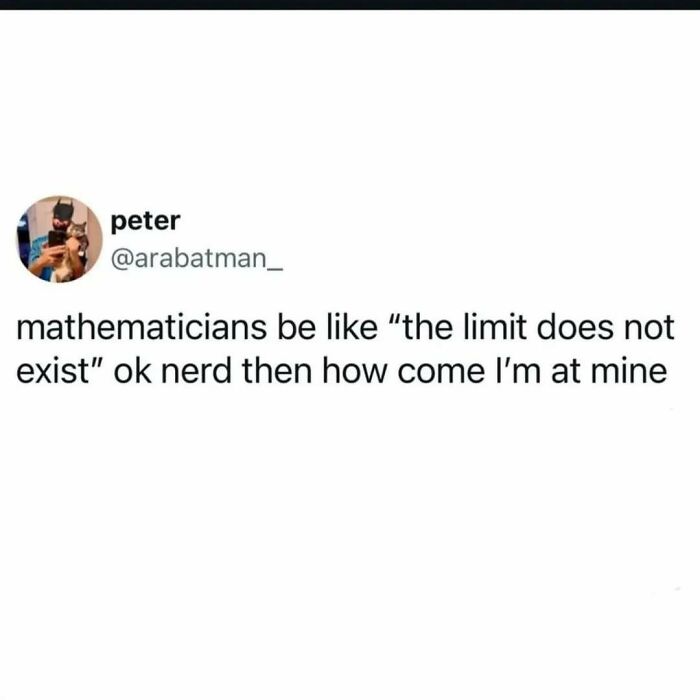
The limit always exists. Sometimes it exists on the infinite numbers but it still exists.
You see? Learning math can be pretty enjoyable and fun. That's even backed up by research. In 2011, researchers found that even mobile game apps can help children learn math. The results of a study showed that fifth graders improved their fraction test scores by 15% on average after playing the Motion Math game for 20 minutes every day. "Gameplay can boost kids' confidence and enthusiasm for academic subject matter," the researchers concluded.

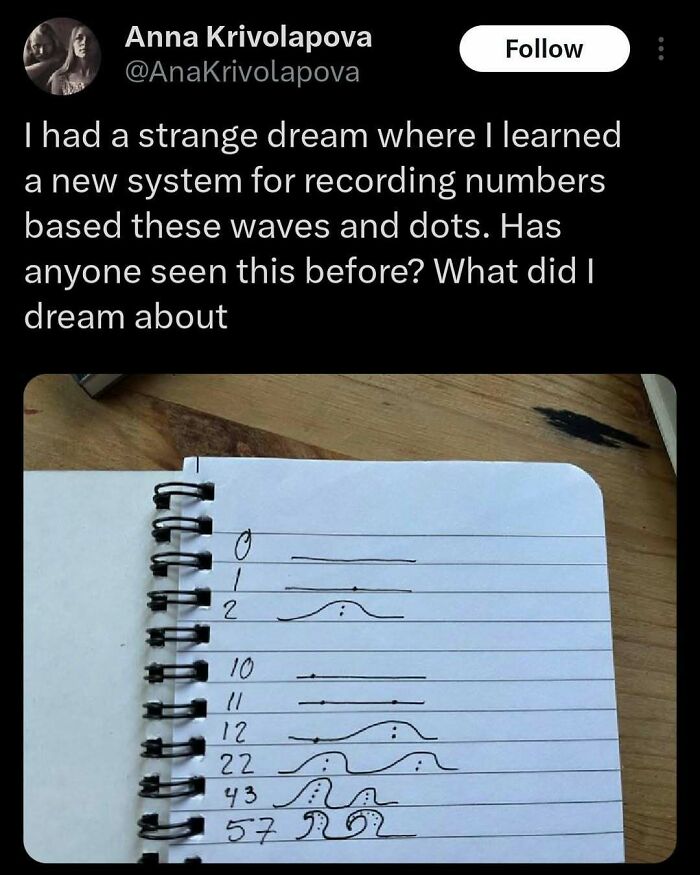
If I recall correctly, wasn’t the structure of benzene found when a scientist was dreaming?
Kids and adults can also brush up on their math skills outdoors. Math walks or math trails can be a great way to turn everyday life into a fun puzzle. Math trails use streets, parks, campuses, and so on to solve problems with signs, buildings, and patterns. The tasks on a math trail can be as simple as counting the windows on a building, estimating the height of a cathedral while looking at its reflection in the pond, and so on.
What are your thoughts on math, Pandas? Are you a fan of equations, geometry, and numbers? Let us know your favorite funny math fact in the comments! And be sure to check out other articles on Bored Panda about the scariest science facts and what scientific breakthroughs we are closer to than most people realize.

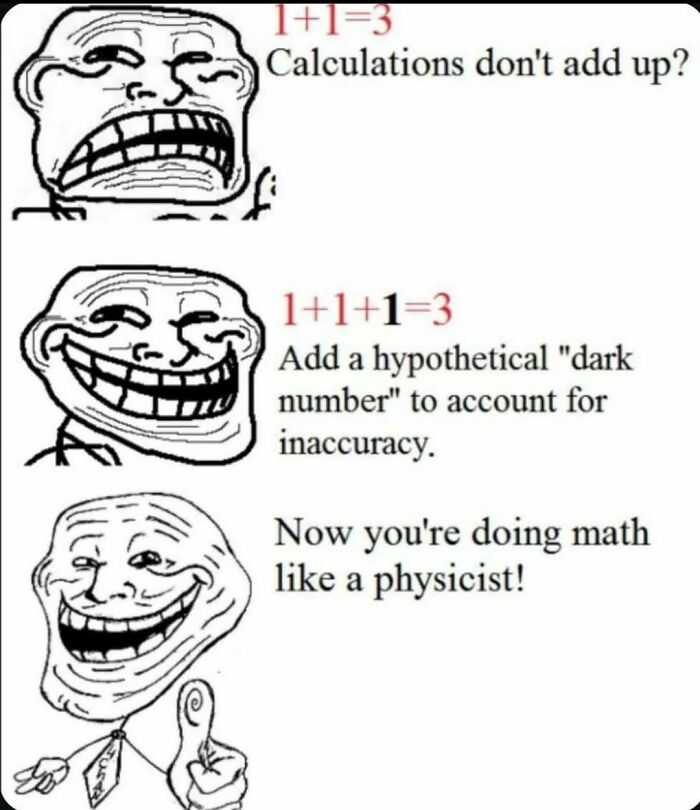
Do that on a test tho and suddenly the same prof is all about showing your work

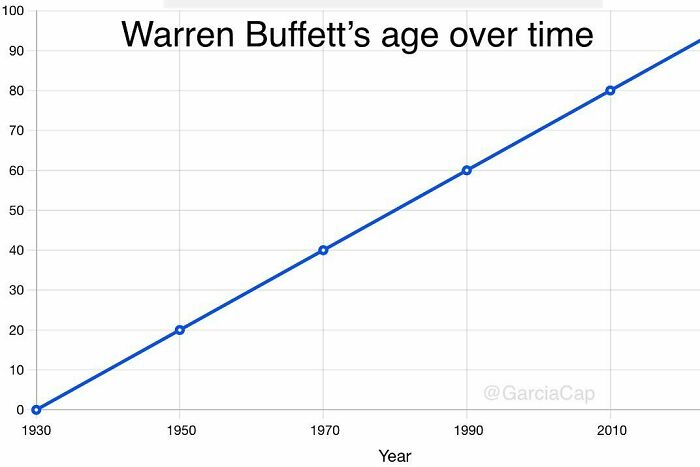
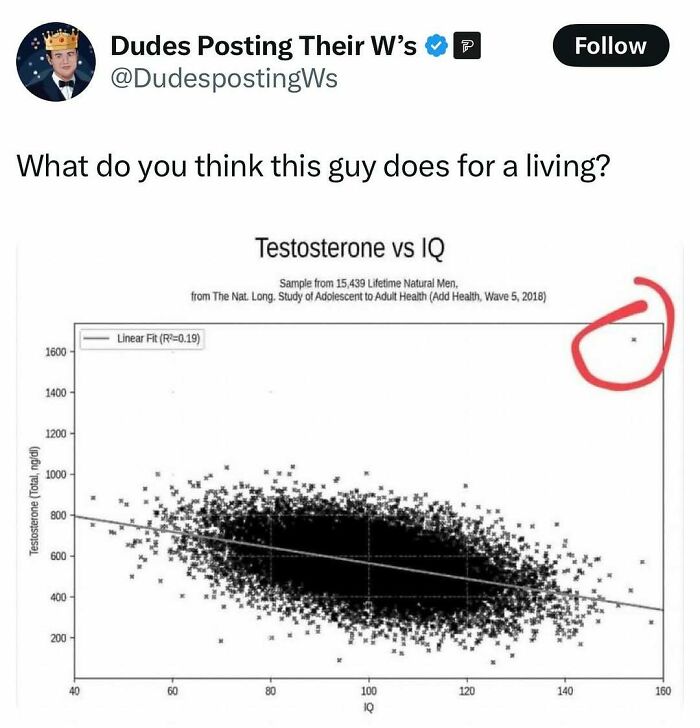
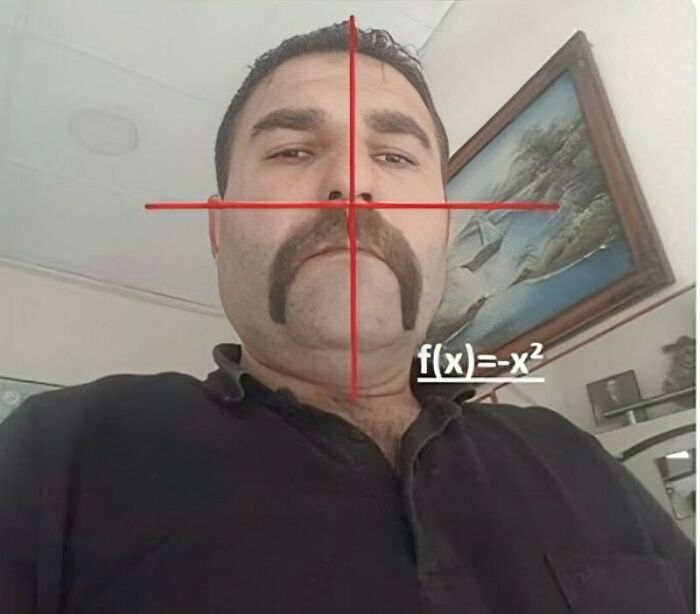
Well, if it were not a linear function, I would be rather confused.

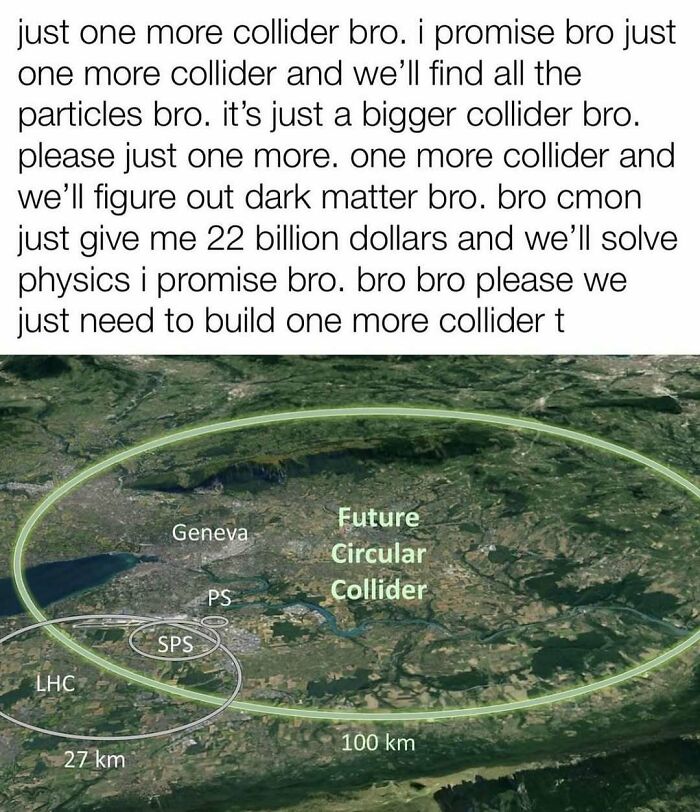
I'd take a collider over new generations of tanks, jet fighters or ballistic missiles every time. Maybe not the best way to spend taxpayers money, but certainly not the worst.

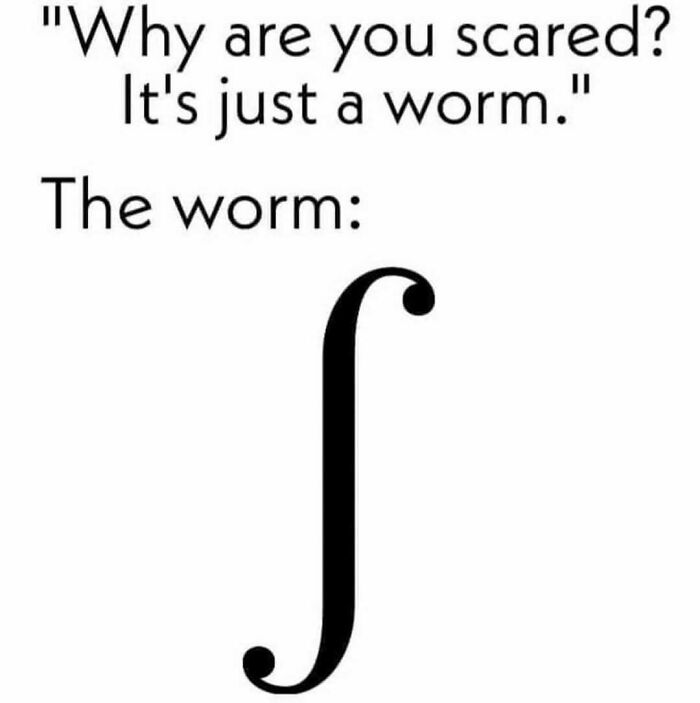
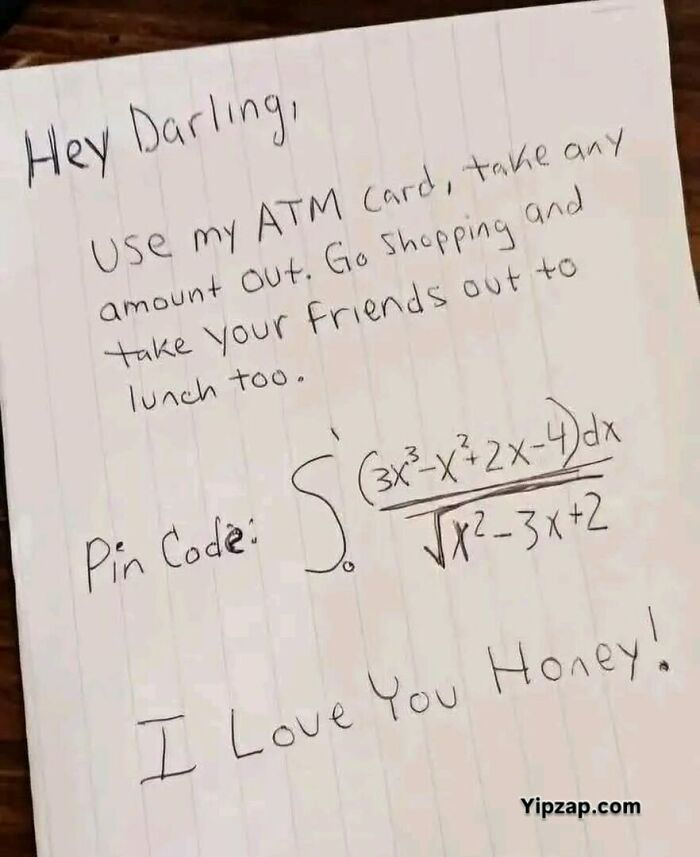
It's just an area. Put the function on graph paper and count the squares.
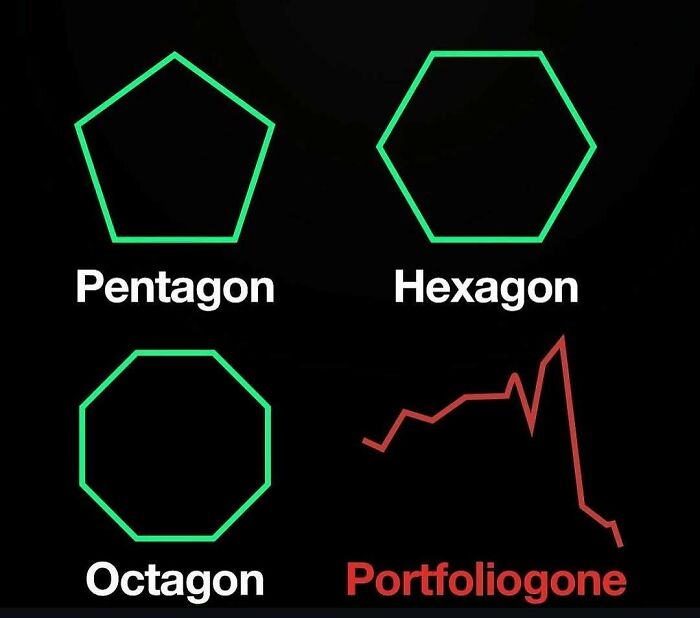
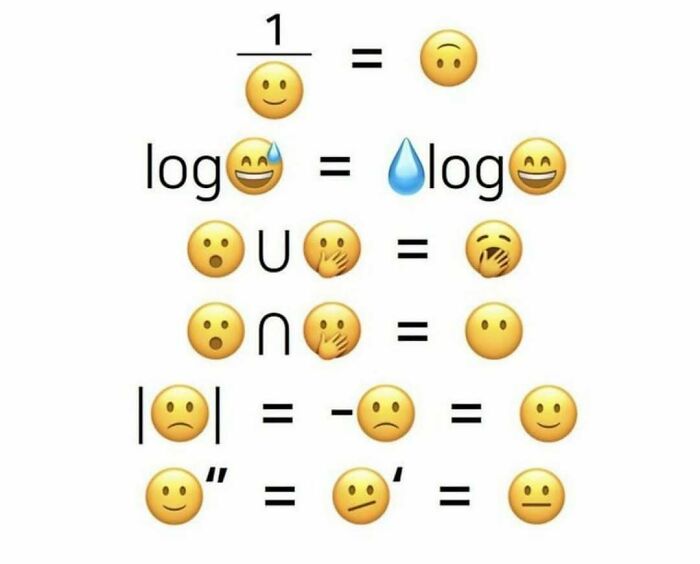
Imagine that as a sad frown emoji and you'll never unsee it.

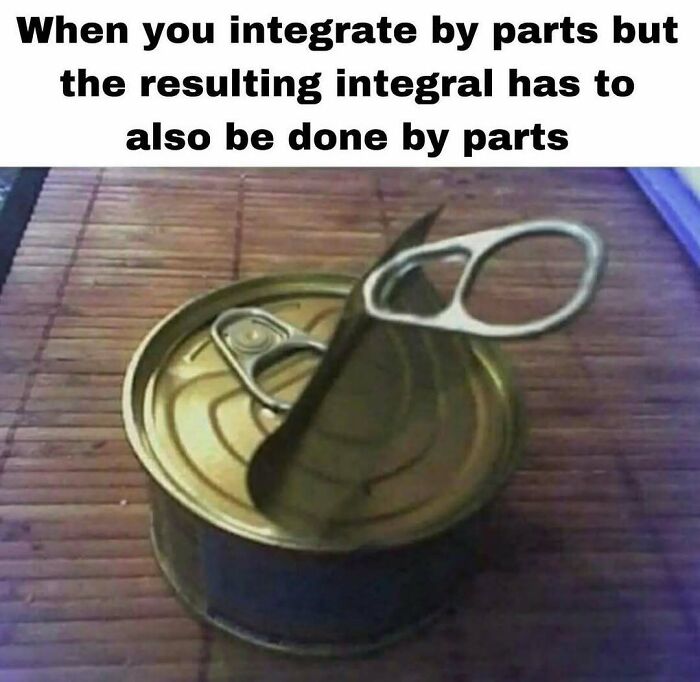
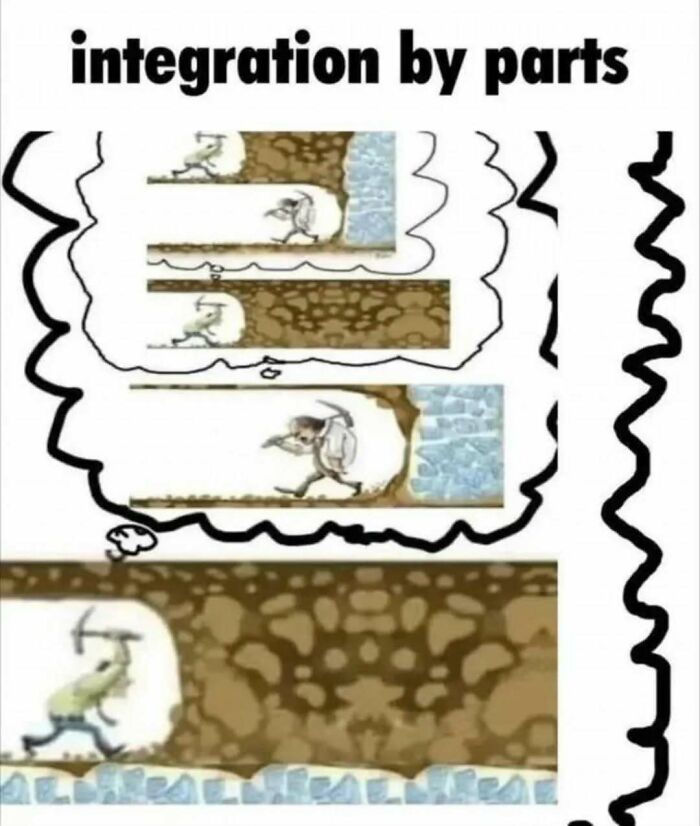
So you do it again. Eventually you may get the original integral back, which is OK if it's co-efficient isn't 1.

Maths is the language of physics. This is like saying 'I like spelling but don't like literature'.
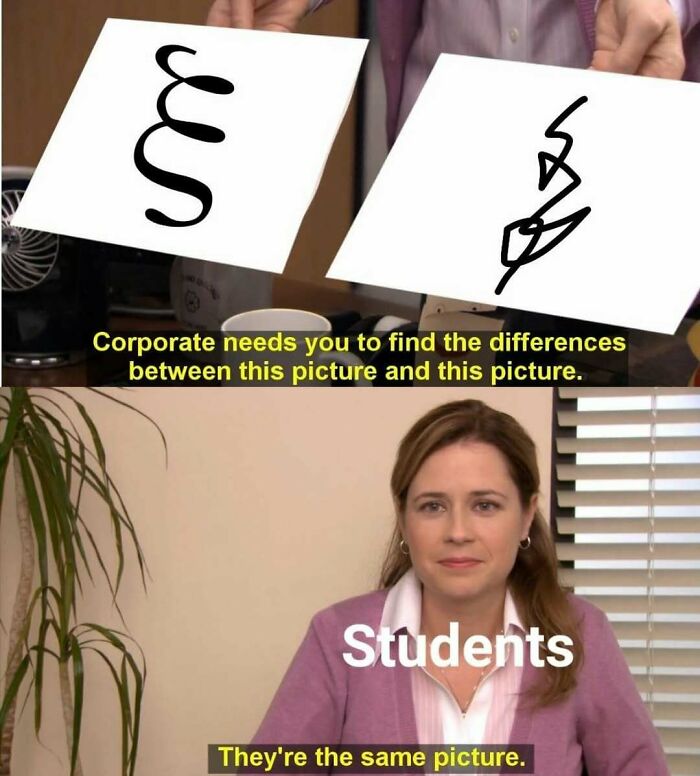
The Greek lowercase letter xi is the equivalent of the normal x, so it is very useful. When written by hand, any illegible scribble suffices for xi ! I'm serious.
Have you guys ever managed to beautifully prove that -1=17? Would not recommend doing that during a national exam
Never use them. I prefer real calculators. I never go anywhere without my trusty Ti-34. It's small, solar powered and does everything I need.
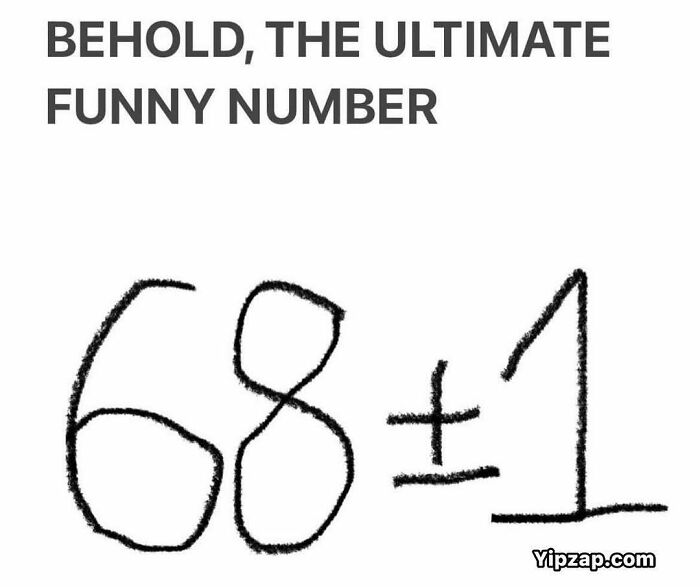
Looks like Trump's identity matrix. If you ain't number one, you're nothing. (And may we consider all Trump number two jokes as having been read?)
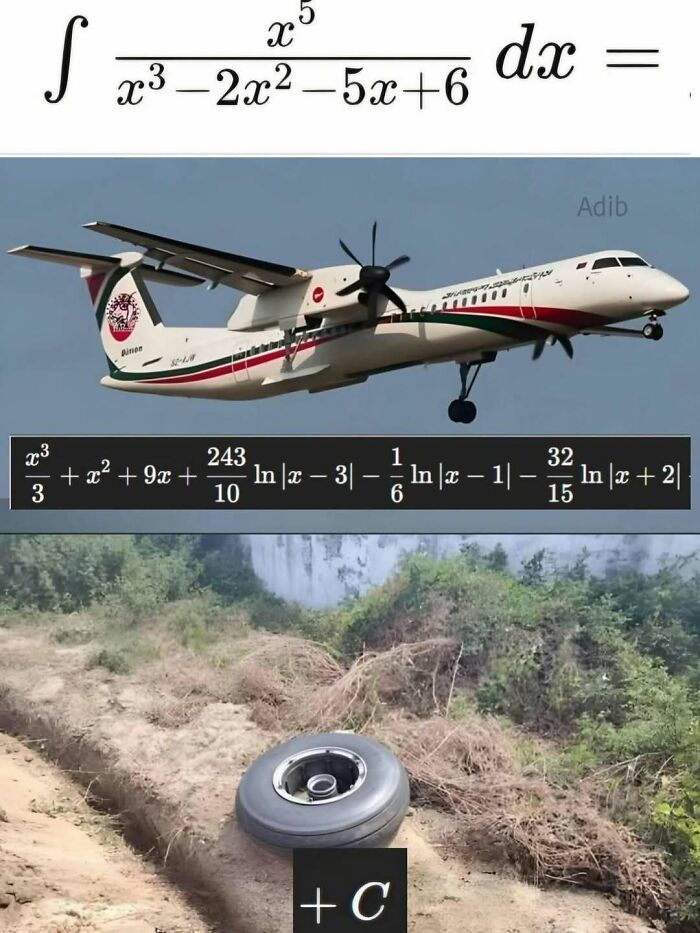
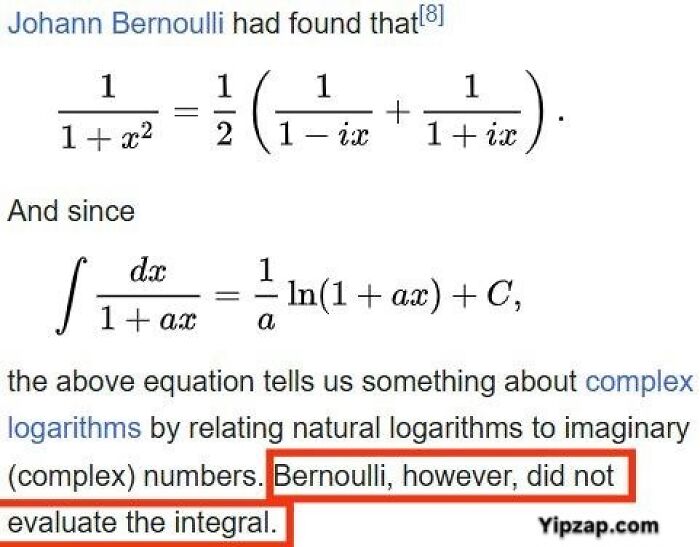
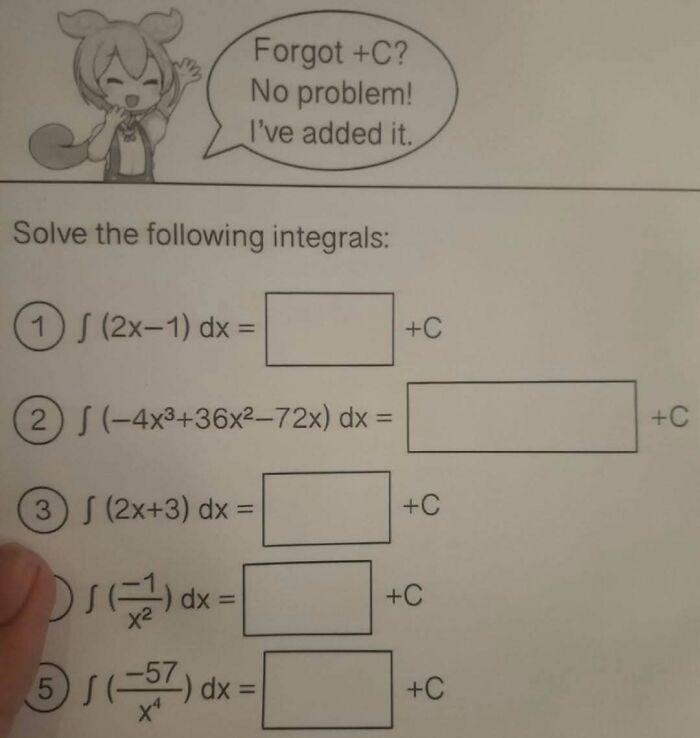
There are two challenges with + C. (1) getting your students to use it on indefinite integrals. (2) Getting them to stop using it when you get to definite integrals.
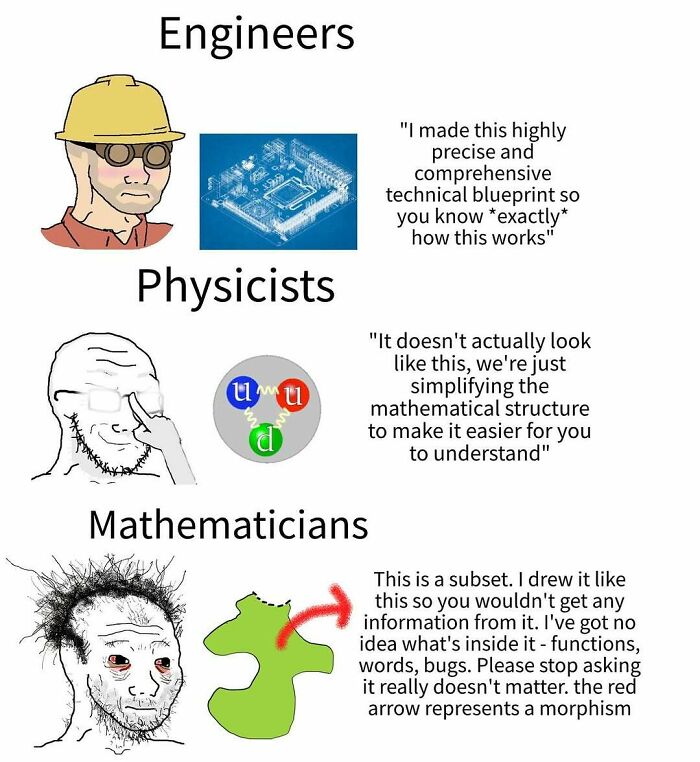
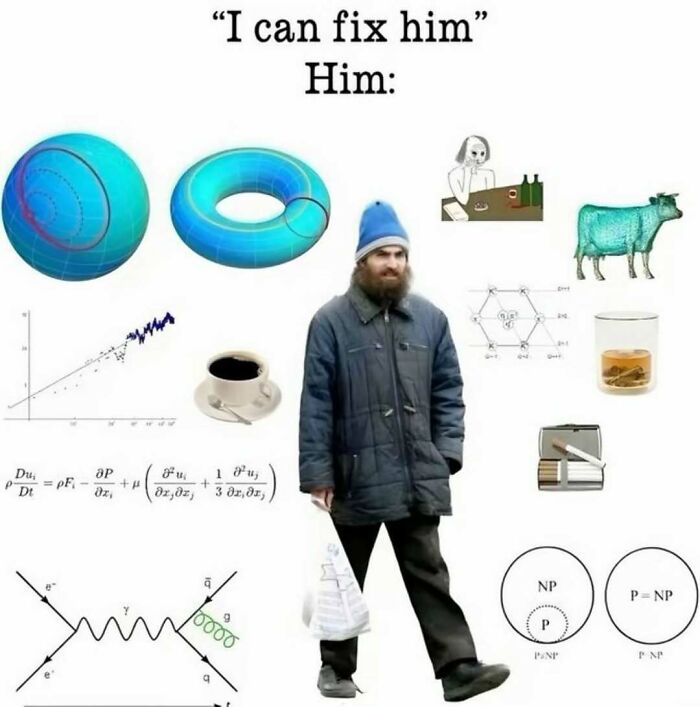
That's only the incompressible Navier Stokes equation, to fix it you need Favre averaging which will put the density inside the differential. The cow should be spherical in order to get get an exact analytical solution. For P = NP you need to be aware that NP complete is not actually complete. The quark diagram is incomplete. The Feynman diagram needs an extra loop. I wish my extrapolations worked that well. See, he's easy to fix.

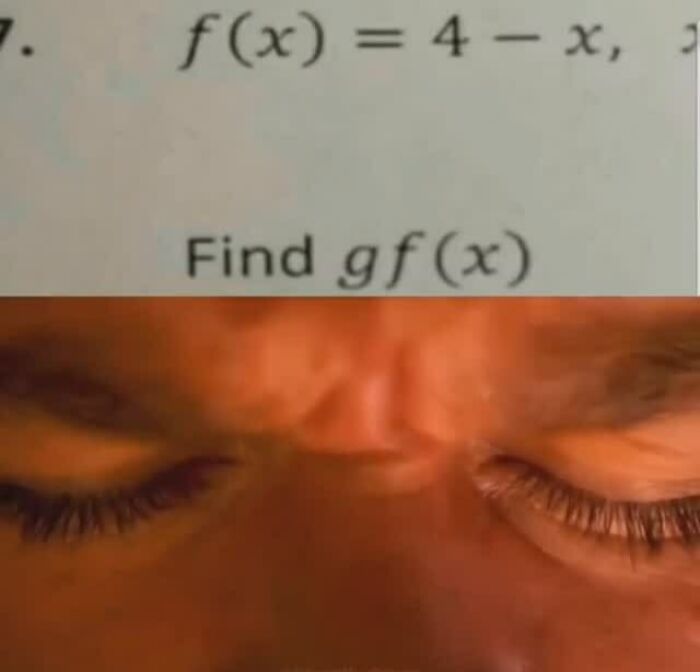
The lower picture is definitely what I feel like when the upper picture is going on. Jus' sayin'.
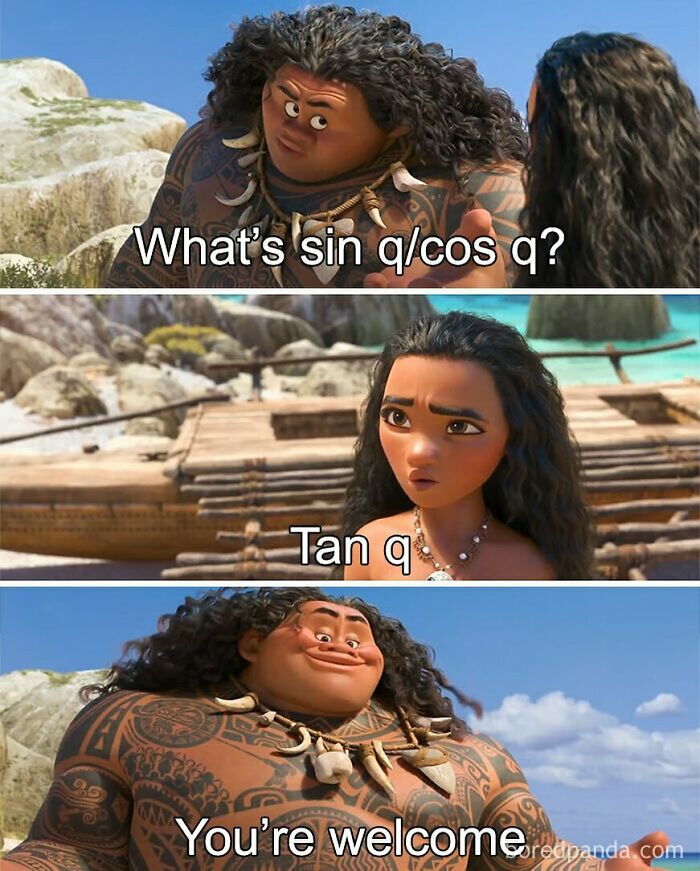
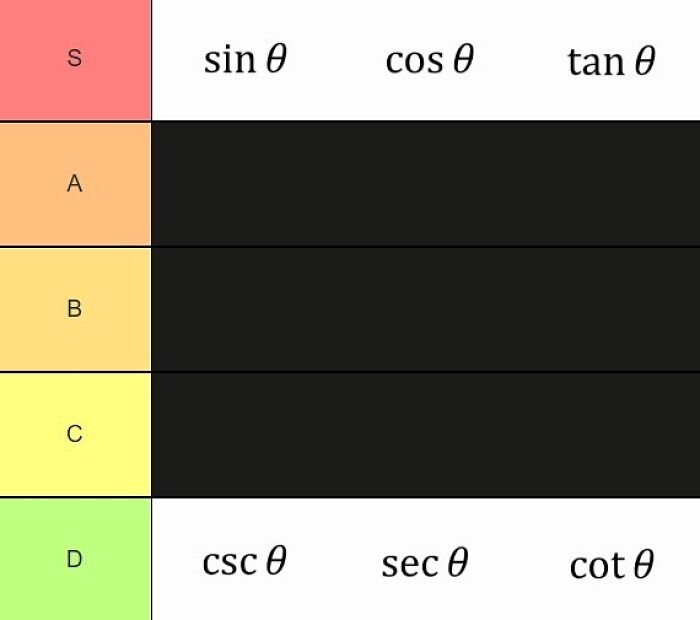
I don't get what's going on here with the blacking out. Is this the trigonometry section of the Epstein files?




































 No fees, cancel anytime