Get Premium
Dark mode theme is available exclusively for premium users. Learn more about the benefits of subscribing.
No fees, cancel anytime.

 Dark Mode Ad-Free Browsing Unlimited Content
 Ad-Free Browsing Unlimited Content Dark Mode
Join 1.2 million Panda readers who get the best art, memes, and fun stories every week!
Our food laws are strict and often puzzling, covering everything from exotic delicacies to common ingredients. But have you ever wondered which foods are completely off-limits in the USA?
Look no further! We’ve compiled a list of 26 foods banned or heavily restricted in the country, ranging from unusual delicacies to everyday staples. These foods are not allowed on American plates, whether due to health concerns, conservation efforts, or cultural differences.
Let’s look at the surprising items you won't find on a menu in the USA anytime soon.
This post may include affiliate links.
Shark fin sales are banned in 13 US states, though enforcement remains inconsistent. While shark finning – the cruel practice of removing fins from live sharks – is outlawed nationwide, shark fin may still appear on menus in several states.

That is such a horrific and barbaric way to treat a living, breathing creature. I thought that the sharks were caught humanely for consumption of their meat and they didn't want to waste any of it. Those who get caught should have to get an arm cut off with no medications to ease the pain.
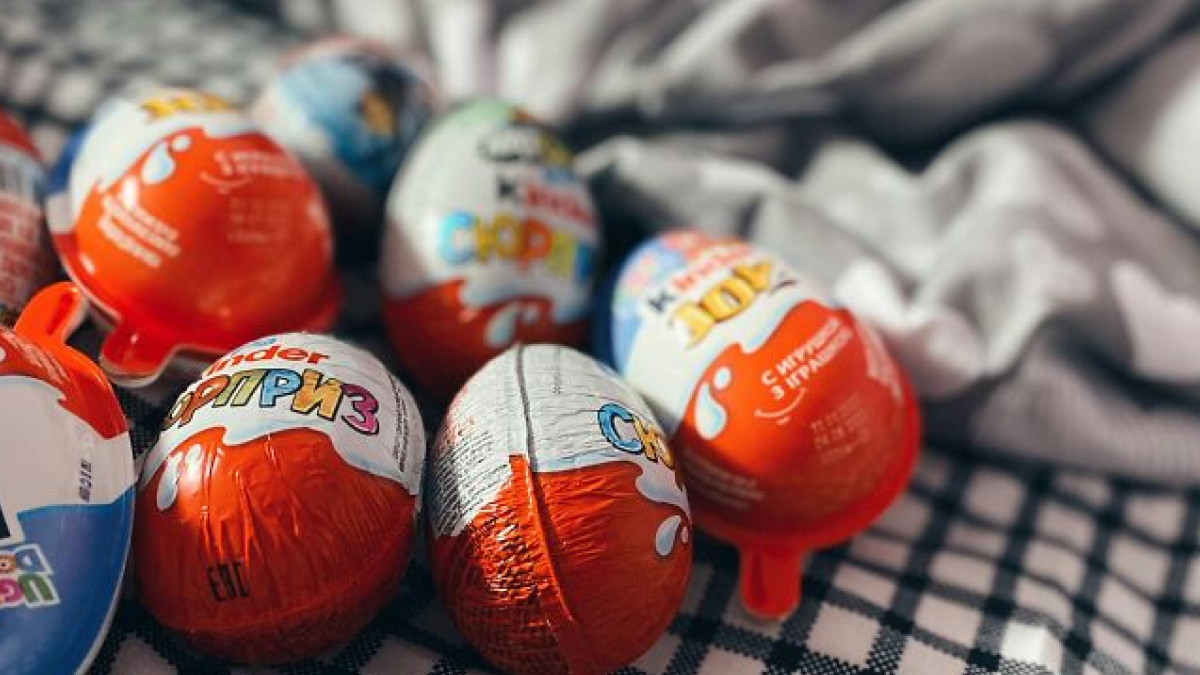
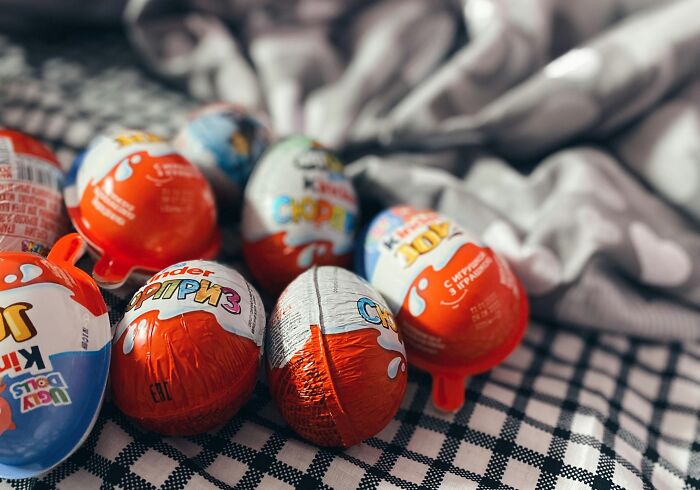
The classic Kinder Egg isn't sold in the United States today. A 1930s FDA law restricts candies that include non-food items, citing safety concerns. This regulation prevents the hollow chocolate egg with a toy inside from being available for purchase. A variation called Kinder Joy is permitted and keeps the candy and toy separate, but the original design remains banned in the US.

I wonder about this “1930s FDA law” because I sure remember growing up in the 1960s and 70s and getting toys right inside my breakfast cereal boxes, boxes of Crackerjack candied popcorn, and cartoons wrapped around Bazooka bubblegum.
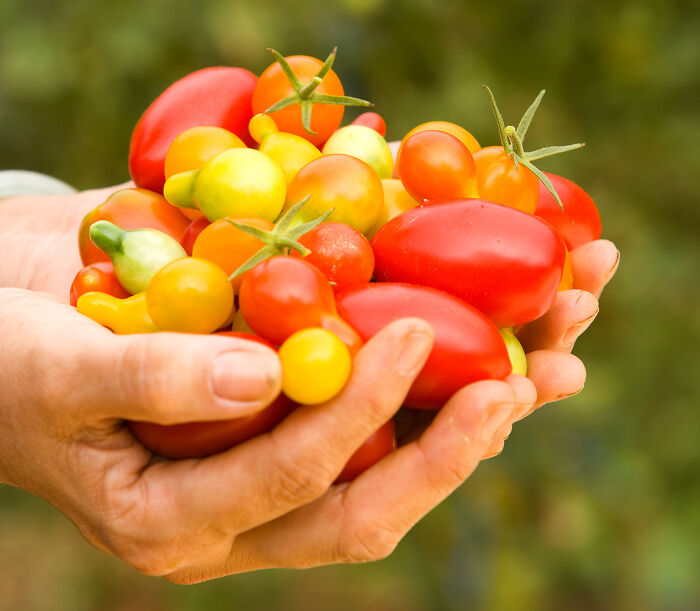
The US prohibits travelers from importing tomatoes from Canada, but the reason is more complex than it seems. Canada imports tomatoes from regions known for invasive crop species. This restriction aims to prevent the introduction of these potentially devastating species into the United States. Therefore, the ban isn't specifically against Canadian tomatoes, but rather a measure to protect US agriculture from broader import risks.
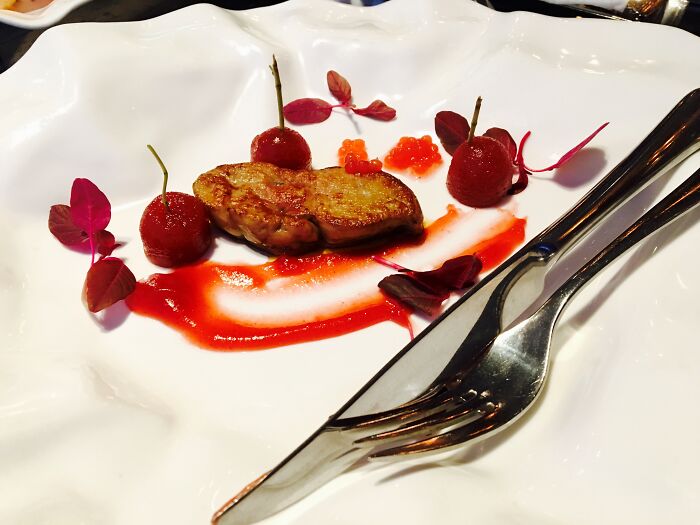
Foie gras, a luxurious food item, faces restrictions due to ethical concerns. The production process involves force-feeding ducks and geese to enlarge their livers, which raises animal welfare issues. Consequently, California has banned the sale of foie gras within its state.
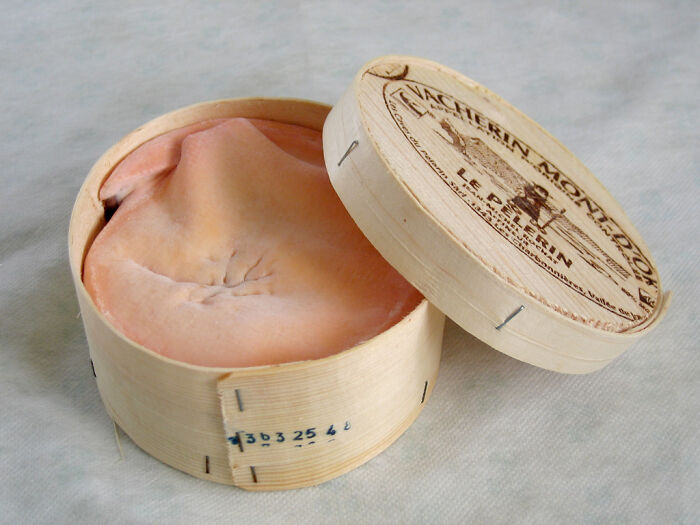
Mont d'Or is a highly sought-after French cheese, produced annually from August to March. Its unpasteurized milk composition prevents its sale in the US due to regulations. This unique cheese boasts a creamy interior revealed by peeling back the rind. Some enthusiasts consider Mont d'Or a delicacy worth seeking out, with its intense flavor often compared to truffles.
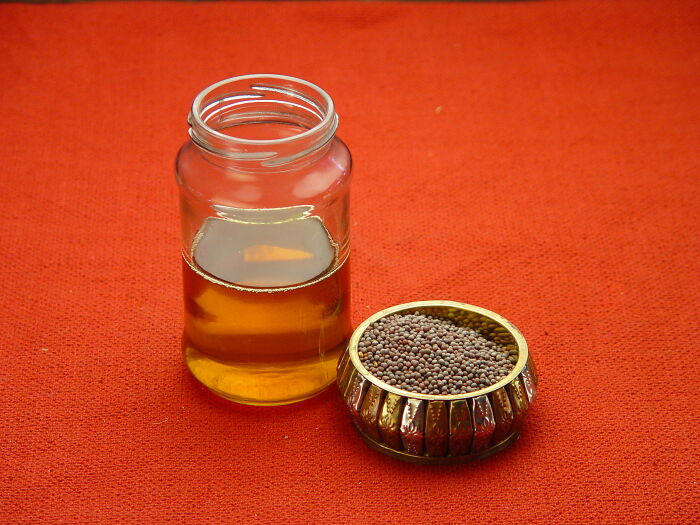
While a staple in traditional Indian cuisine, mustard oil is banned for cooking in the United States due to its high erucic acid content, potentially linked to heart problems. It's primarily found in Indian and ethnic grocery stores, marketed for external use only with a strong warning.
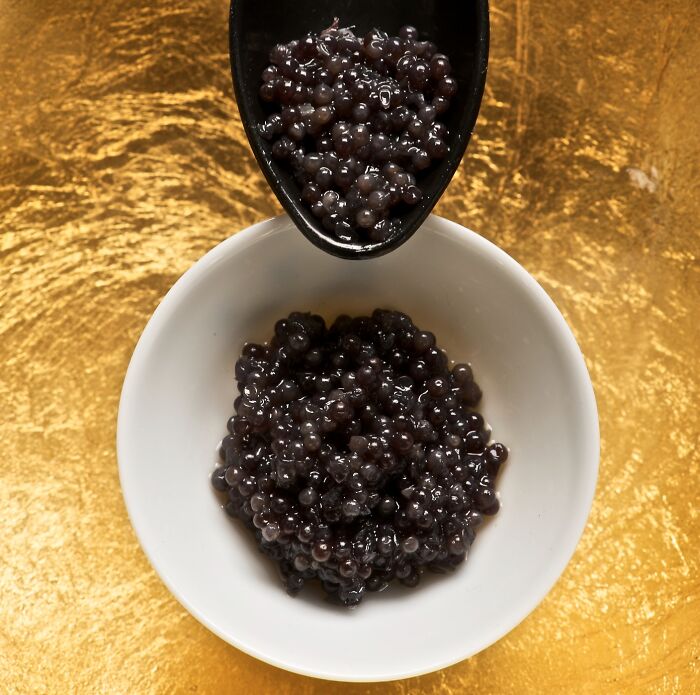
Beluga caviar's popularity led to the overfishing of beluga sturgeon, resulting in its current ban in the United States. Now a protected species, the sturgeon cannot be commercially harvested. Sturgeon AquaFarms, America's only legal beluga sturgeon breeder, partners with the government to donate fertilized eggs, contributing to efforts to increase the wild population.
Several swan species face endangerment, including the native North American trumpeter swan. While hunting tundra swans is permitted in certain regions, the trumpeter swan is protected from hunting across much of the United States.
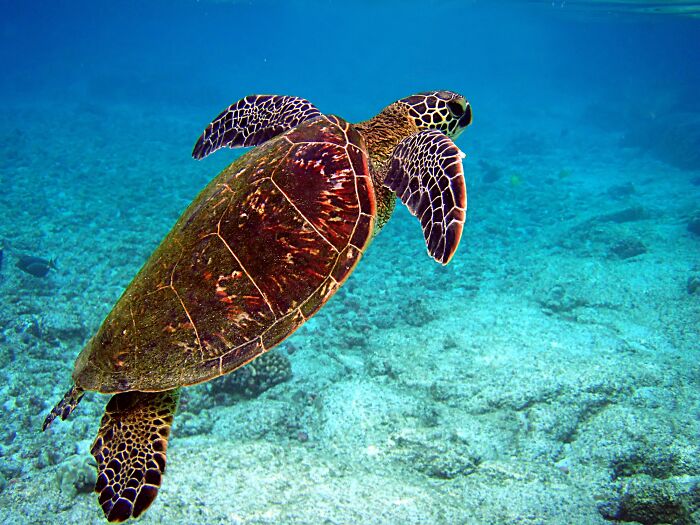
Sea turtles are endangered globally, but hunting them remains legal in numerous countries. The United States prohibits sea turtle hunting due to conservation efforts. Historically popular for dishes like turtle soup, the consumption of sea turtles has declined due to their protected status.
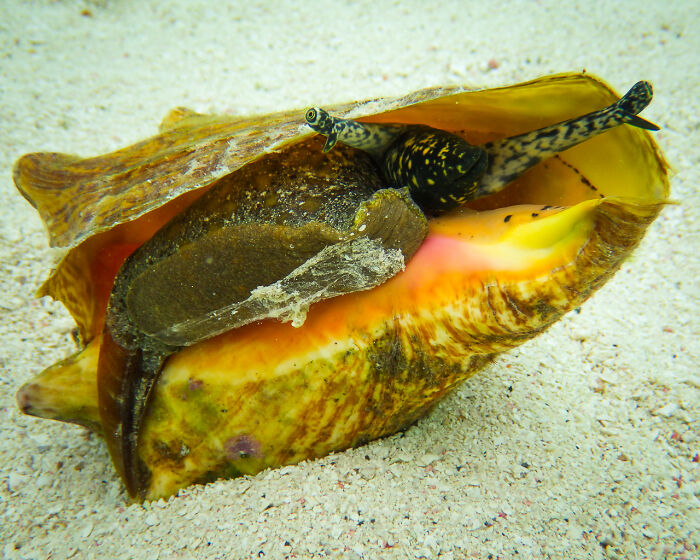
Queen conch is a popular seafood in the Caribbean, but overfishing has led to harvesting bans. The U.S. is responsible for a significant portion – approximately 80% – of the world’s imported queen conch.
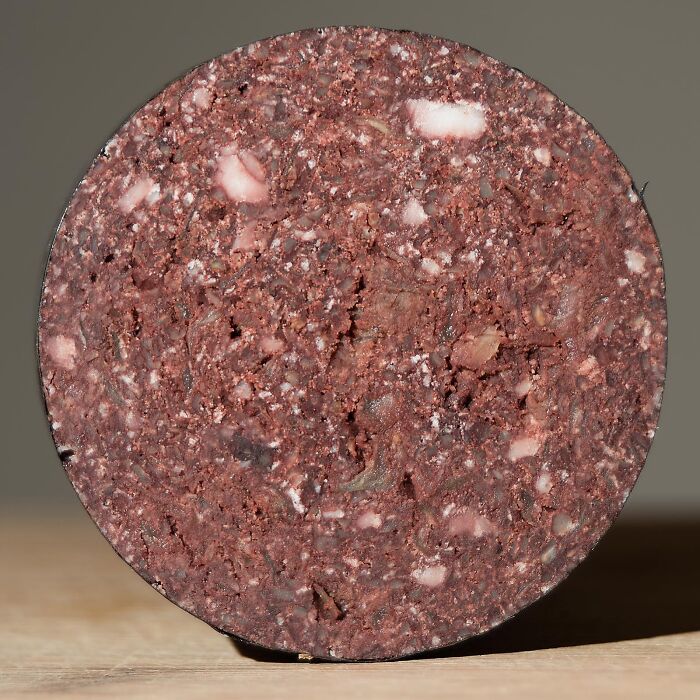
Stornoway Black Pudding, a popular UK dish made with sheep's lungs, is prohibited from import into the United States. This ingredient makes it non-compliant with U.S. food safety regulations.

I think they are getting mixed up with haggis, which has lung in it. Stornoway black pudding is suet, oats and blood. And equally delicious 😋
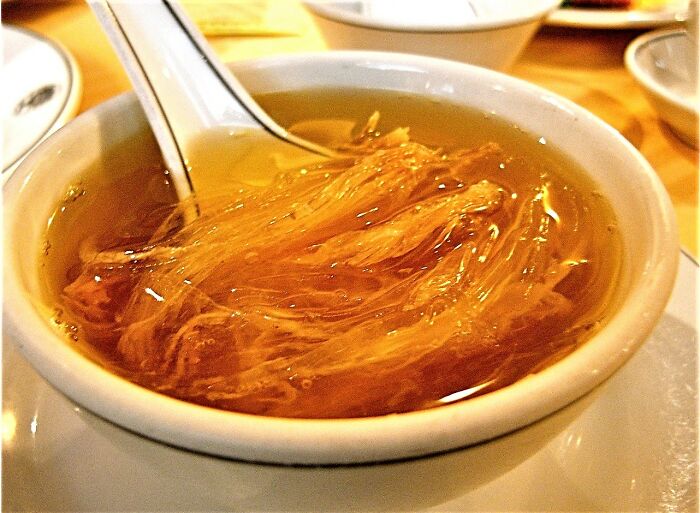
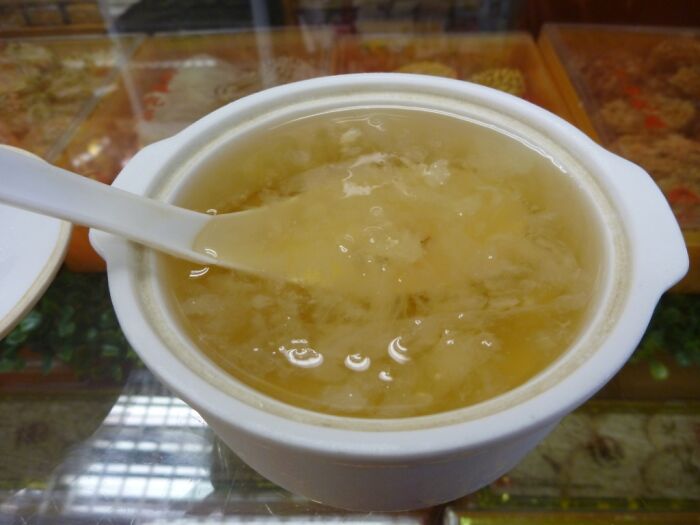
Bird's nest soup, a coveted dish in Asian cuisine, is not found on US menus due to health concerns. Made from swiftlet saliva, these nests are rich in calcium, iron, and magnesium, but the FDA raises concerns about the potential for highly pathogenic avian influenza virus. As a result, they are not served in restaurants in the United States.
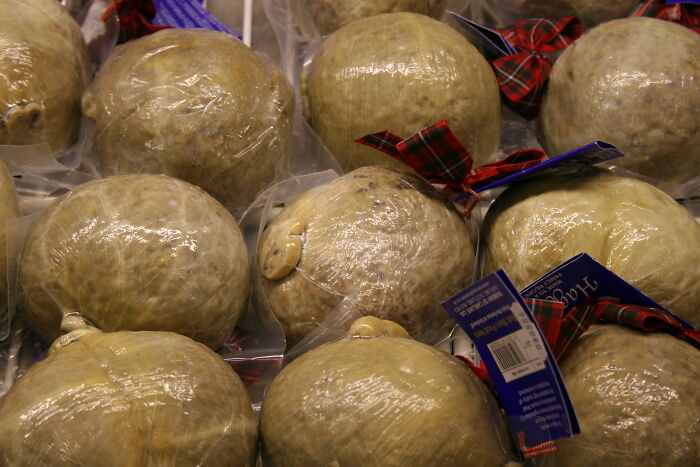
Haggis, Scotland's national dish, has been excluded from US menus since 1971 due to an FDA import ban. The dish, made from sheep's heart, liver, and lungs, along with spices and oatmeal, is prohibited because US regulations prohibit the use of livestock lungs as human food. Despite this, the Scottish government hopes to have the ban lifted, allowing Americans to enjoy this traditional delicacy.
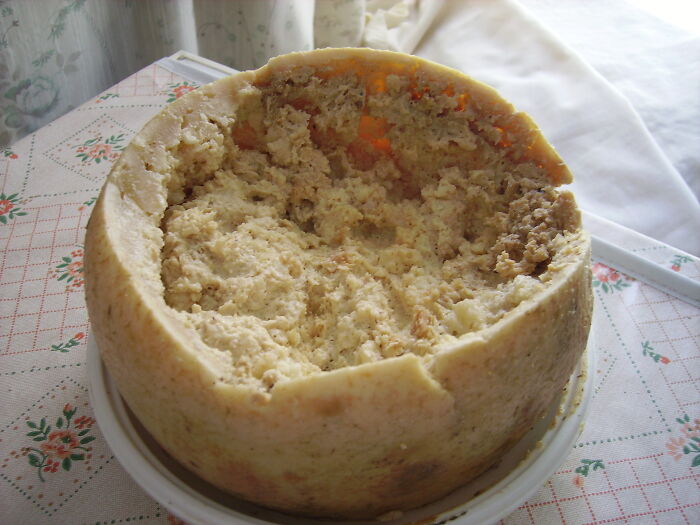
Casu Marzu, a Sardinian cheese made from sheep's milk and infested with live maggots, is banned in the United States due to hygiene concerns. Although the European Union initially banned it, the restriction was lifted in 2013, allowing its sale as a traditional Italian food product.
Ortolan, a songbird considered a delicacy in France, is subject to a cruel preparation process involving capture, forced feeding, and drowning in Armagnac. Due to concerns over the bird's extinction, eating ortolan is prohibited in the United States and the European Union, despite ongoing efforts by France to revisit the ban.
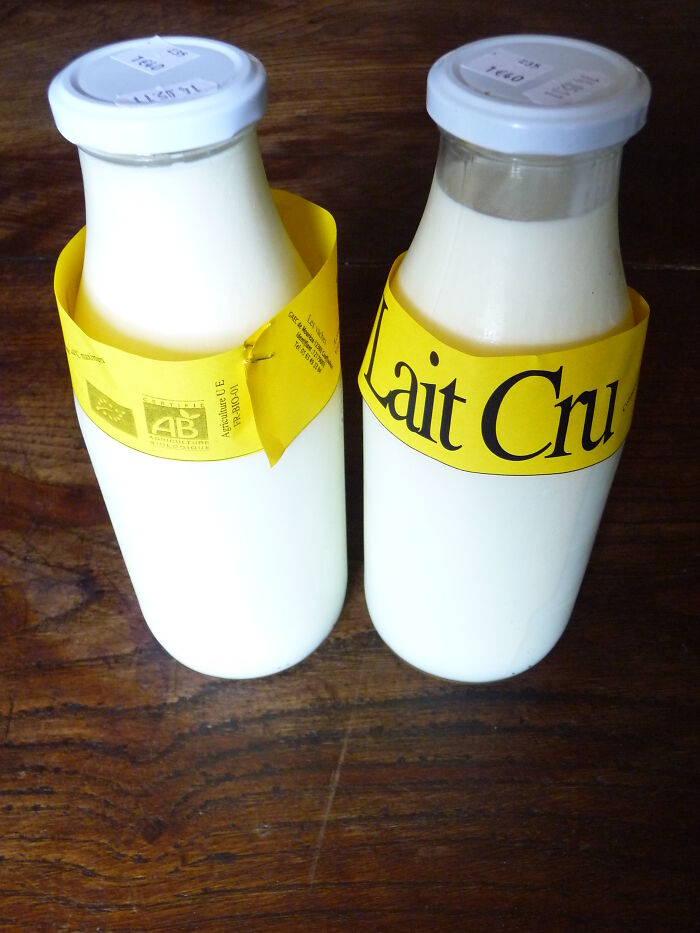
The FDA cautions that raw milk can contain harmful microorganisms, posing potential health risks. Due to a lack of federal regulation, raw milk cannot be transported across state lines. Availability varies significantly by state, with some allowing sales at specific locations and others maintaining outright bans.
Although this is often available directly from dairy farmers on an unofficial basis. Knowledge about where it can be purchased is spread by word of mouth.
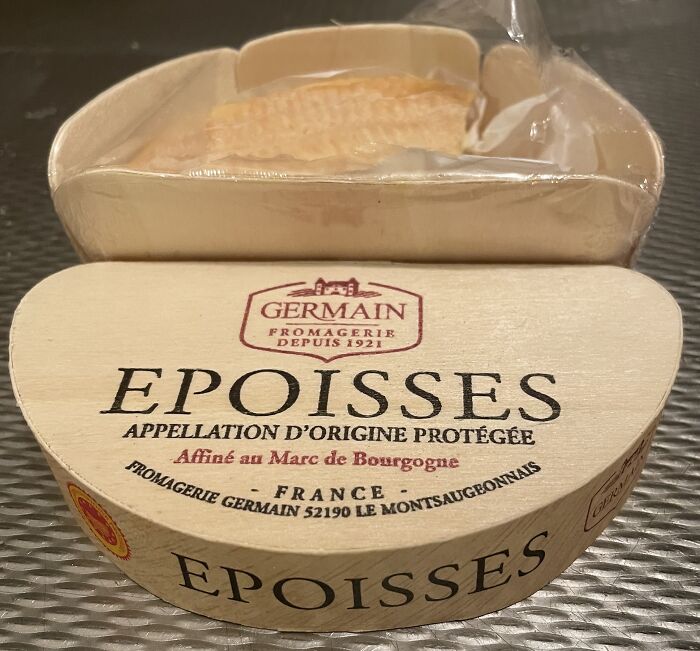
Époisses, a strong and pungent French cheese, is not sold in the US in its traditional form due to USDA regulations. Made with unpasteurized, raw milk and aged under 60 days, it doesn't meet US safety standards. However, pasteurized versions of the cheese are available in the US, and for a true Époisses experience, one may need to travel to Europe.
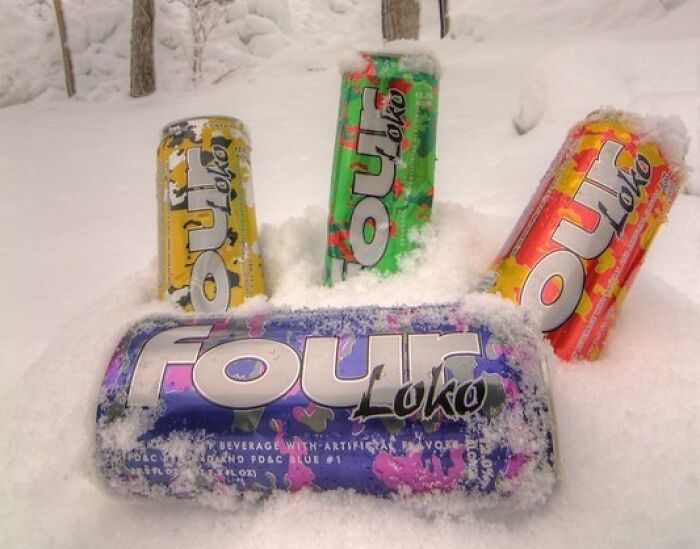
Four Loko generated controversy upon its 2005 release due to its combination of alcohol and caffeine. Marketed as a potent beverage, it gained a reputation as "blackout in a can," leading to concerns about consumer safety. Several states responded with bans, and the FDA challenged the product's classification. Eventually, Four Loko reformulated to remove caffeine, and a non-caffeinated version remains available.
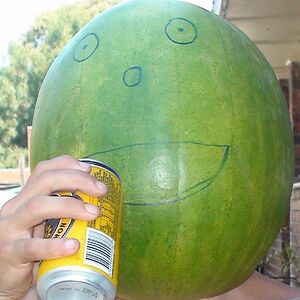
This reminds me of the vodka & red bull pre-mixed cans that were available in Australia in the mid-late 2000s.
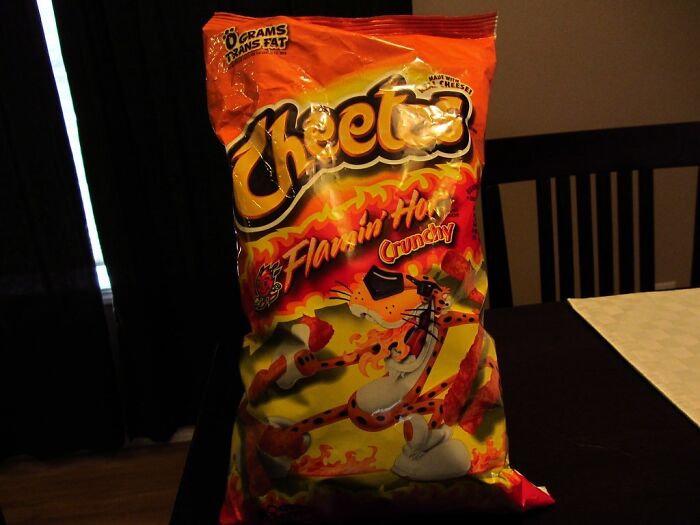
Flamin' Hot Cheetos have faced a wave of school bans across the US. Concerns center on the snack's nutritional profile and the mess it creates. Starting in 2012, some school districts in California, New Mexico, and Illinois began restricting access to the spicy chips. The popularity persists despite the challenges!
No problem with getting these in Ohio. Maybe I should start a black market business?
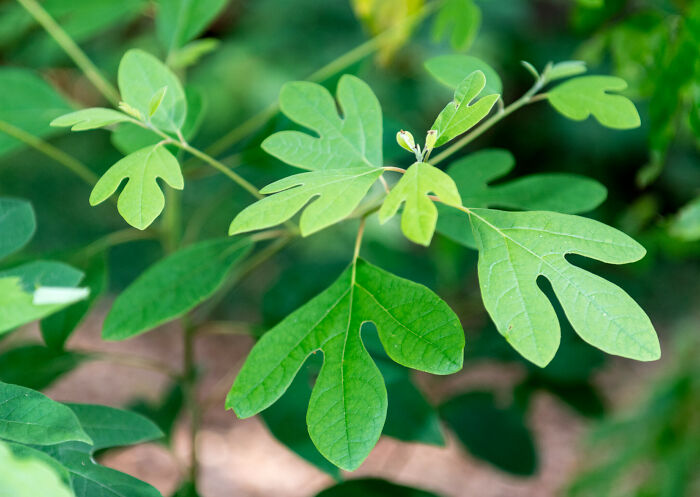
Authentic sassafras oil is no longer used in root beer due to concerns about its potential carcinogenicity, leading to a national ban. However, it remains permitted in naturally occurring substances like cinnamon and basil.
I drank a lot of this as a child in KY. My mom would boil down sassafras and make the best drink. She would also one in a while boil down birch bark and birch leaves to make tea.
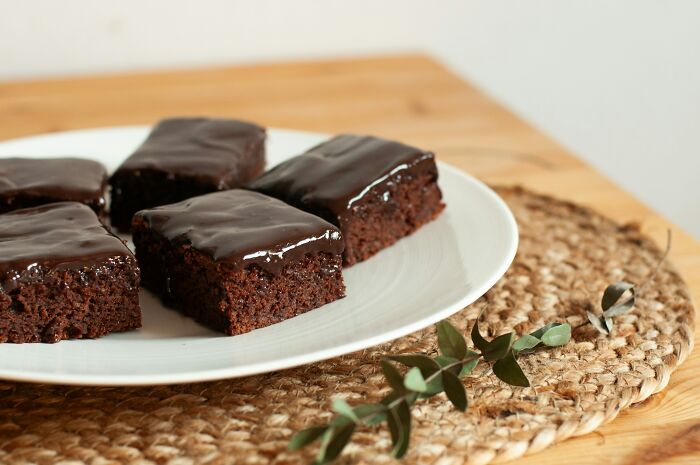
In 2011, Lazy Cakes, a brownie containing melatonin, drew FDA concern after some children experienced adverse reactions. The state of Arkansas considered a ban on the snack following these incidents. The FDA later stated that melatonin wasn't an approved food additive. Lazy Cakes responded by reclassifying the product as a dietary supplement and rebranding to Lazy Larry.
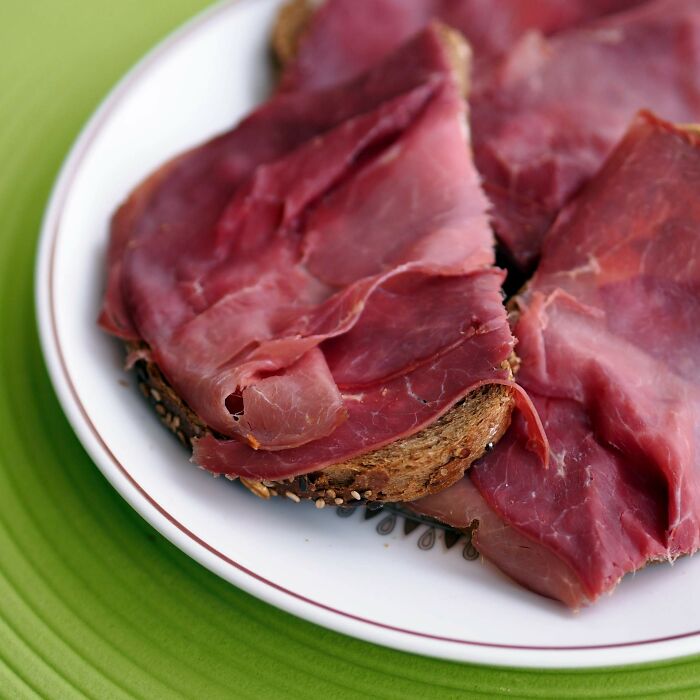
While not strictly illegal, consuming horse meat is uncommon in the United States. The US does export horse meat, reflecting cultural practices in other nations. However, a Congressional ban on funding Department of Agriculture inspections has created significant obstacles. Without inspection, horse meat cannot be legally sold or served, effectively limiting its availability in the US.
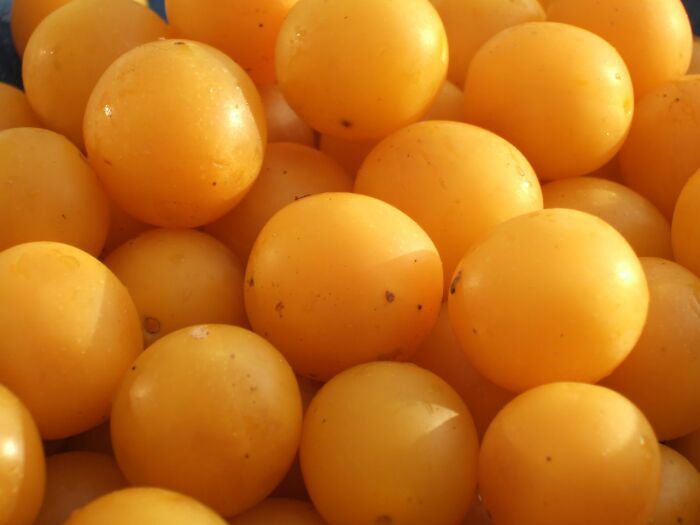
Mirabelle plums are not banned due to health concerns, but are restricted from import to the United States. These plums are grown exclusively in Lorraine, France, and protected by a trade agreement designed to safeguard the French market.

In Denmark we have a lot of Mirabelle plum trees free for everyone to enjoy. Also a lot of people are growing them in their garden.
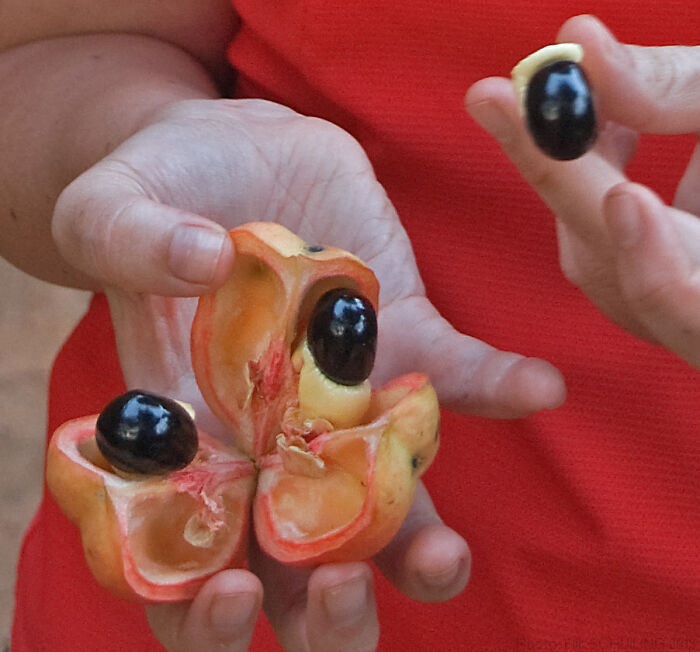
Ackee fruit, native to West Africa and popular in Caribbean countries, is restricted in the US due to its toxic compound, hypoglycin A. While fresh ackee is not available in US supermarkets, it can be found in canned or processed forms from FDA-approved, trusted growers.
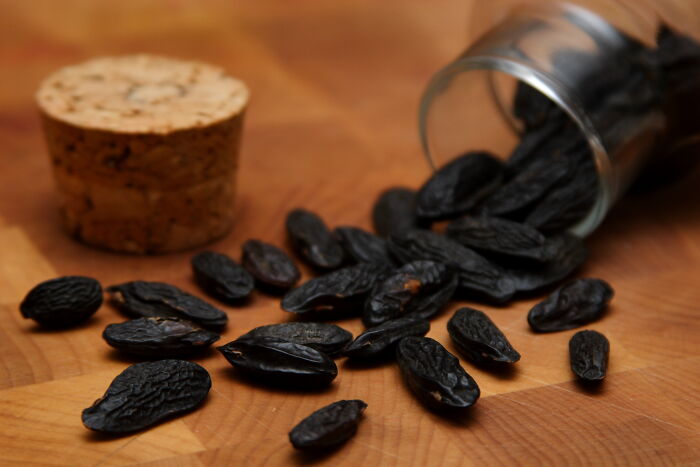
Tonka beans, known for their sweet and pleasant aroma, have been banned from US importation since 1954 due to their high coumarin content. Although coumarin can cause liver issues at high levels, the amount in tonka beans is generally considered safe, making the ban more precautionary than strictly necessary.
The FDA classifies silver dragees – silver-coated almonds – as inedible due to the presence of silver, which is prohibited as a food additive or color. Found for sale in all states except California, they are legally designated for decorative use only.



Available in a lot of Asian marts, just sold whole and frozen so it doesn't smell as pungent
Load More Replies... Available in a lot of Asian marts, just sold whole and frozen so it doesn't smell as pungent
Load More Replies...































 No fees, cancel anytime