Get Premium
Dark mode theme is available exclusively for premium users. Learn more about the benefits of subscribing.
No fees, cancel anytime.

 Dark Mode Ad-Free Browsing Unlimited Content
 Ad-Free Browsing Unlimited Content Dark Mode
Join 1.2 million Panda readers who get the best art, memes, and fun stories every week!
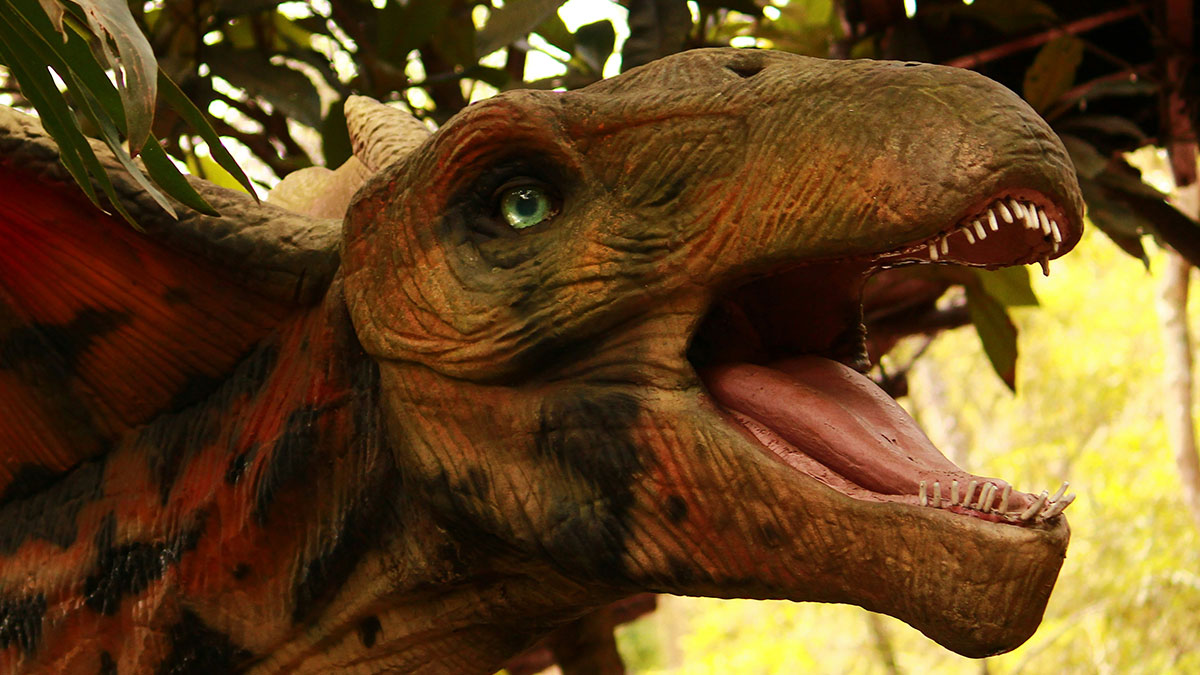




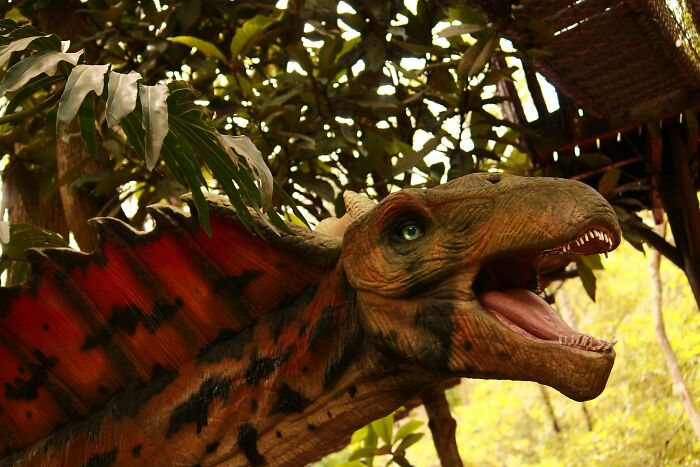
Imagine the sound of a dinosaur roaring... Super loud, right? Wrong... It turns out the giant prehistoric creatures almost certainly didn't roar. You might be surprised to hear that some scientists believe they cooed, whistled and gargled instead. Strange but true.
And the parts of Jurassic Park when the dinos have their mouths wide open, sending rumbles through the jungle? Also unlikely to have happened in real life. Those in the know say it's far more plausible that non-avian dinosaurs communicated with their mouths closed by inflating the soft tissues of their throats.
If you found that interesting, keep scrolling. They're among the fun facts we've put together for anyone looking to add something extra to their database of dinosaur knowledge. Upvote your favorites and tell us in the comments below how many of these you already knew.
This post may include affiliate links.
The sounds dinosaurs made were probably not the loud roars we often imagine. Instead of a larynx like lions, they had a syrinx, similar to birds and crocodiles. This means they likely produced softer noises, such as low rumbles, gargles, or even whistles and pops.
The Jurassic Park films have got it wrong. That's according to at least one expert. Julia Clarke is a palaeontologist at the University of Texas at Austin. And unlike many people who have a pure fascination with the great prehistoric creature, she dedicates her time to really delving into what they really looked and sounded like.
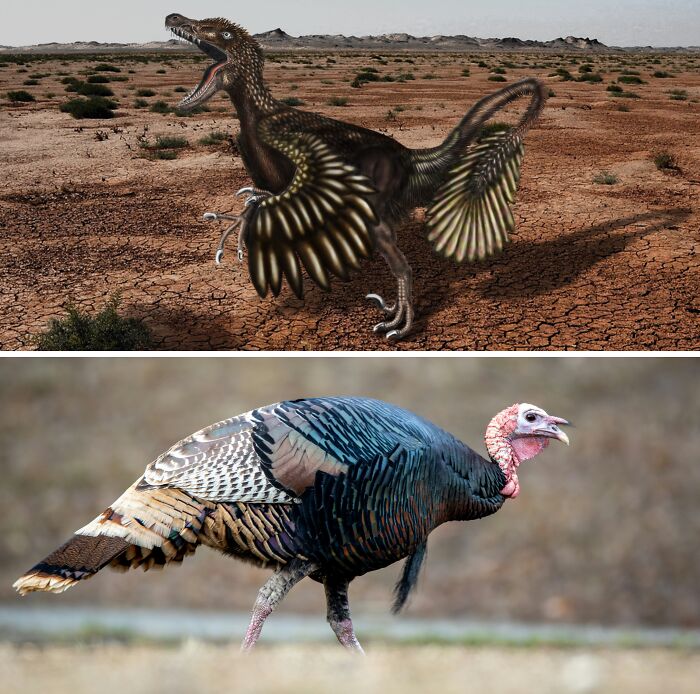
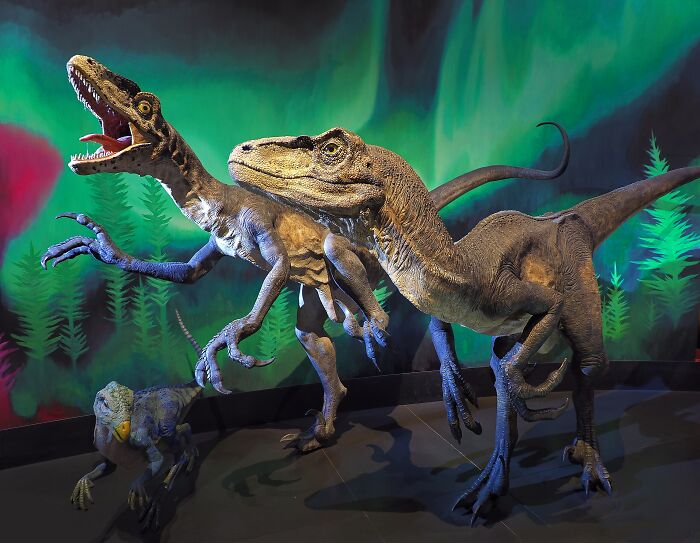
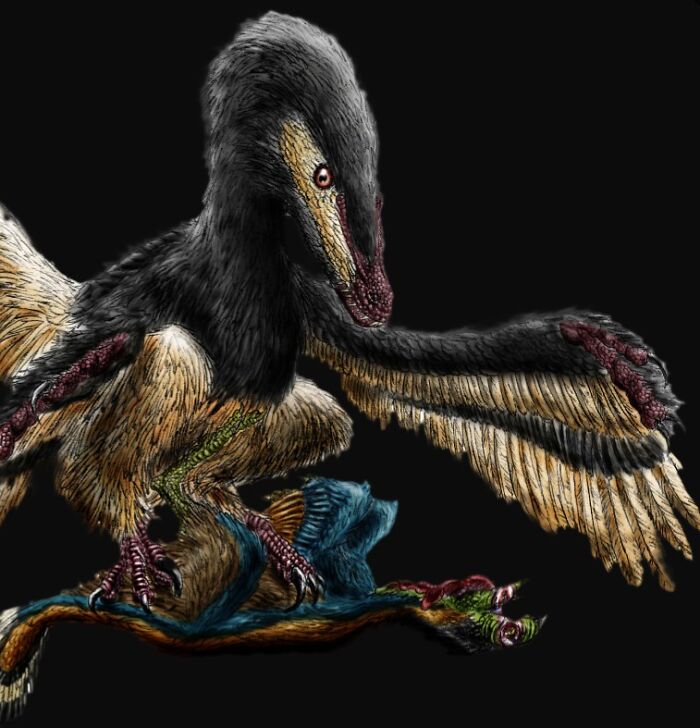
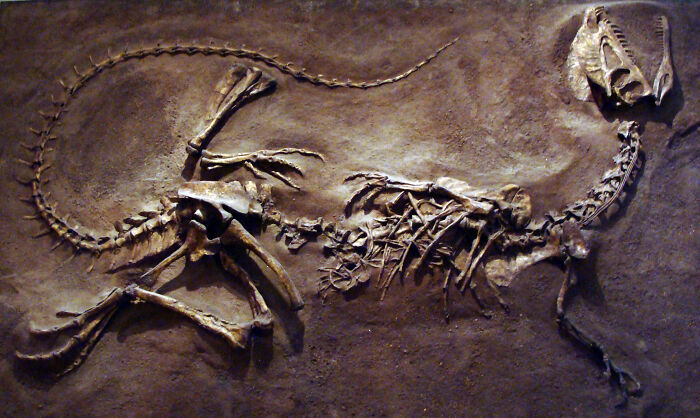
Contrary to their depiction in Jurassic Park, actual Velociraptors were much smaller, roughly the size of a turkey, with skulls around six inches long. The fearsome, human-sized predators shown in the film more closely resemble another dinosaur, Deinonychus. Deinonychus was indeed a formidable creature, a fast, bipedal hunter equipped with deadly sickle-shaped claws capable of swift, fatal attacks.

Idk but the image of a lightning-fast murder turkey with razor claws is more than enough scary for me
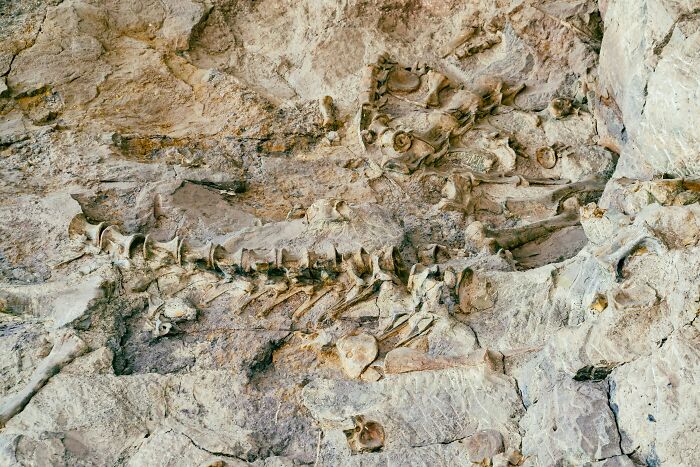
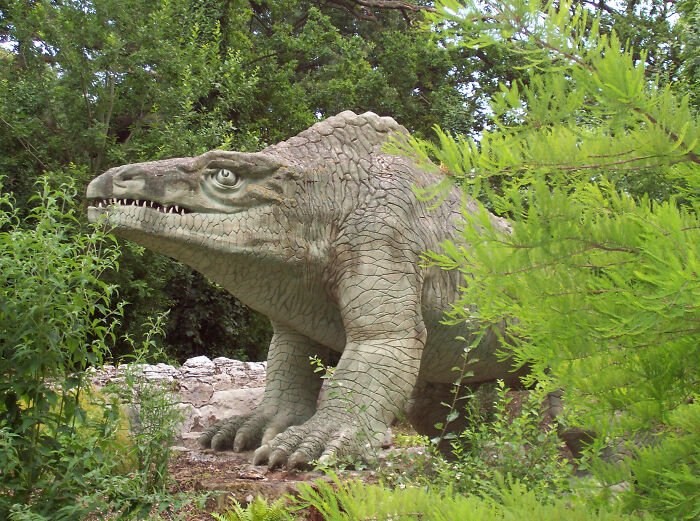
In 1677, the first known scientific publication about a fossil emerged from Europe, detailing the discovery of a Megalosaurus thighbone. Megalosaurus was a carnivorous dinosaur that moved on its two back legs. This early scientific description marked an important step in understanding prehistoric life.
"A lot of the early reconstructions of dinosaurs have been influenced by what we associate with scary noises today from large mammalian predators like lions," Clarke told the BBC.
"In the Jurassic Park movies they did use some crocodilian vocalisations for the large dinosaurs, but on screen the dinosaurs have their mouths open like a lion roaring. They wouldn't have done that, especially not just before attacking or eating their prey," she added.
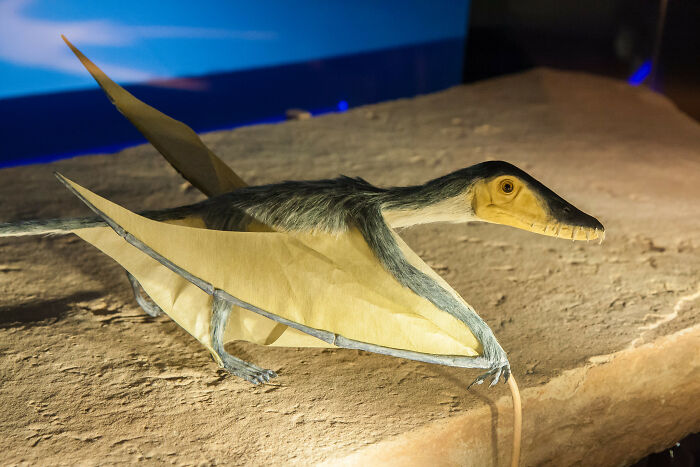
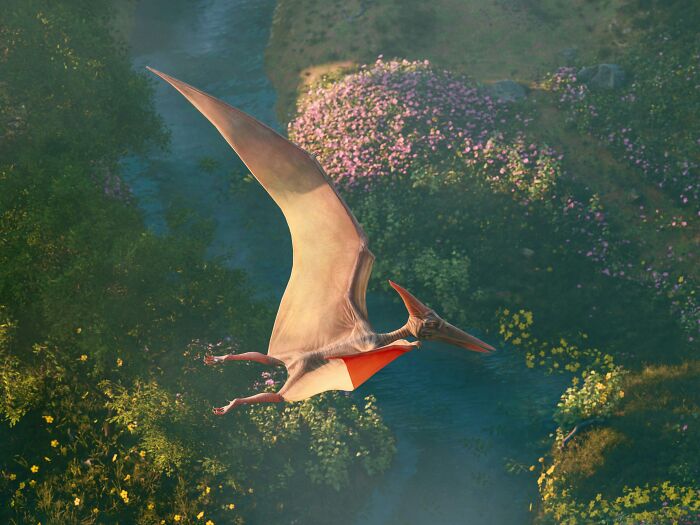
Although they lived alongside dinosaurs, Pterosaurs are classified separately by scientists as flying reptiles. These airborne creatures are distinct from dinosaurs, despite sharing the same prehistoric era. Therefore, while often associated with them, Pterosaurs do not fall under the "dinosaur" category.

Just as what lived in the oceans back then wasn’t dinosaurs. Marine reptiles and flying reptiles.
Long before dinosaurs first appeared, a diverse array of animal life, including frogs, turtles, sharks, clams, and various fish, already populated the Earth. These creatures existed for millennia prior to the era when dinosaurs began to roam. The planet, therefore, was home to many established animal groups well before the rise of the dinosaurs.
Well, mf'ing sharks were there before bones and before the rings of Saturn. I bet when God was creating the universe, they had to take a break because a shark bit them.
The name "Deinonychus," which translates to "terrible claw," actually refers to the dinosaur that served as the primary inspiration for the "raptors" in Jurassic Park. While the film used the name Velociraptor because it sounded more dramatic, the physical characteristics and size of the movie's creatures more closely matched those of Deinonychus. This highlights a creative choice made for cinematic appeal.
Clarke explains that predators don't do that. If they did, they'd be giving their game away. "It would advertise to others nearby that you have got a meal, and it would warn their prey they are there," she says.
The earliest known dinosaur, a relatively small creature perhaps the size of a golden retriever, lived in Tanzania around 237 million years ago during the Triassic period; other early dinosaurs were even smaller, some akin to house cats. At that time, the world was largely dominated by crocodiles and other large reptilian animals. It wasn't until about 36 million years later, during the Jurassic period, that dinosaurs became the prevailing creatures.
Pterosaurs hold the distinction of being the first creatures larger than insects to achieve flight. Some of these ancient flying reptiles reached impressive sizes, with the largest having wingspans around 36 feet. This wingspan is comparable to that of a small modern airplane.
Since the title is all capitalized, it gave me a brief mental image of Bugs Bunny on a hang glider flying next to a pterosaur before I realized it means, like, insects
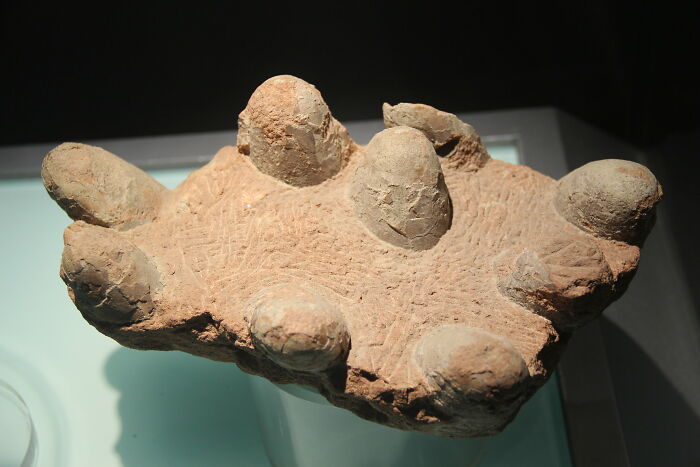
Discoveries of nesting colonies, such as those of Maiasaura, indicate that not all dinosaurs were solitary creatures. This evidence points to some species exhibiting social behaviors. These findings suggest a more complex social structure for certain dinosaurs than previously thought.
The lineage of modern birds traces directly back to dinosaurs, from which they evolved around 150 million years ago in the Jurassic period. Contrary to some popular depictions, pterosaurs were not flying dinosaurs but a distinct group of flying reptiles. In fact, birds are the only type of dinosaur that ever developed the ability to fly.
A portion of a femur discovered in the 17th century resulted in Megalosaurus becoming the first ground-dwelling dinosaur to be documented in scientific writing. This particular fossil find marked an early step in the formal study of dinosaurs that lived on land.
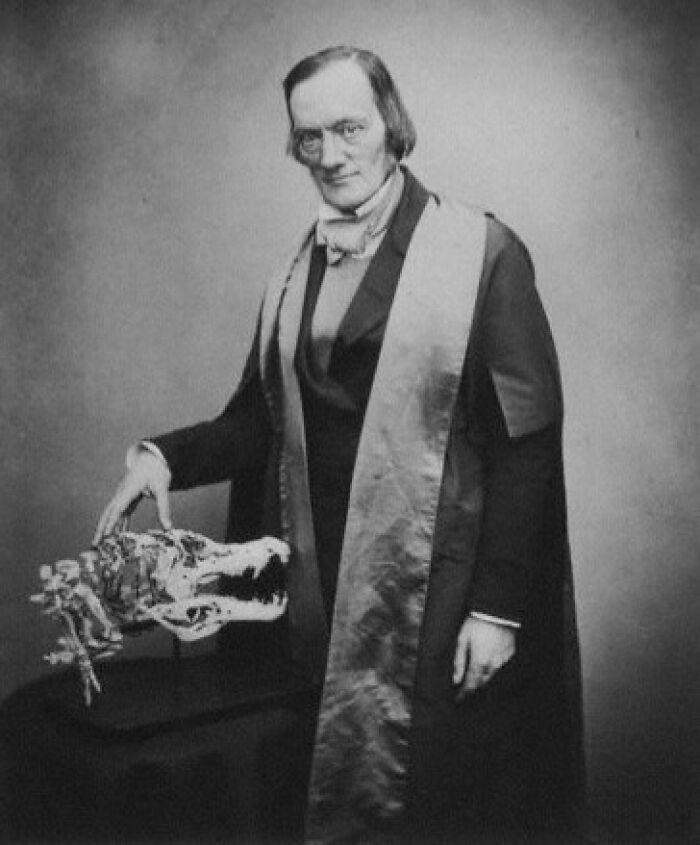
The word "dinosaur," which translates to "Terrible Lizard," was first introduced in 1841. It was Sir Richard Owen who coined this term to describe these ancient reptiles. This new classification helped to define these creatures for scientific study.
Dinosaurs roamed the Earth for an extensive period, well over 165 million years. This is a remarkably long time, especially when compared to the approximately five to seven million years that humans have existed. The vast difference in these timelines underscores just how briefly humans have been present relative to the dinosaurs' long era.
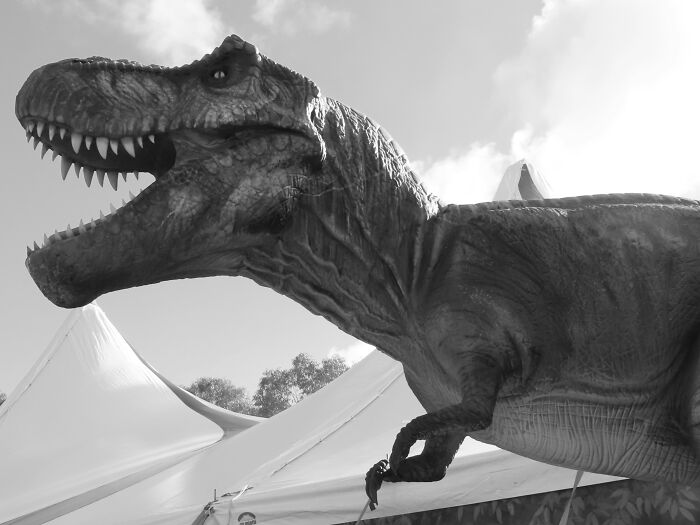
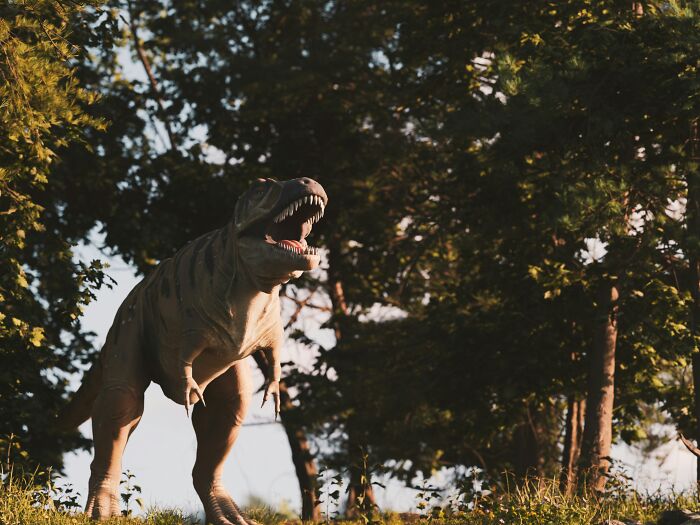
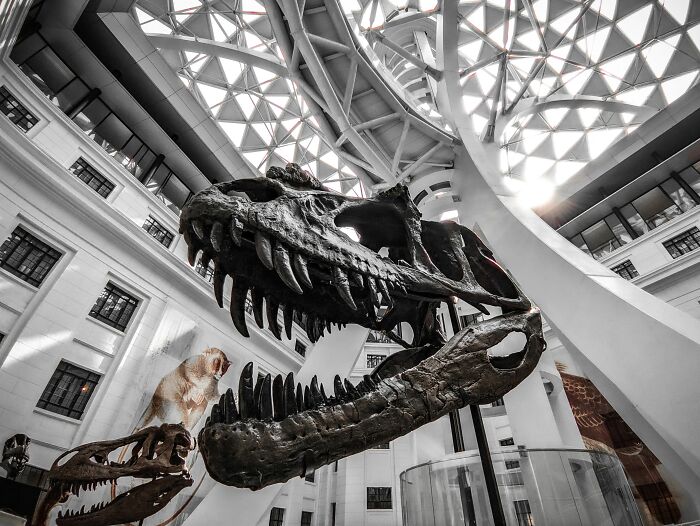
The Tyrannosaurus Rex was an exceptionally dangerous predator, possessing vision significantly sharper than that of humans and even falcons. These massive carnivores could also perceive a broader spectrum of colors, including ultraviolet, and had a keen sense of smell, allowing them to detect prey even if it stood still. Adding to their formidable capabilities, T-Rex were surprisingly fast, able to outpace top human sprinters.
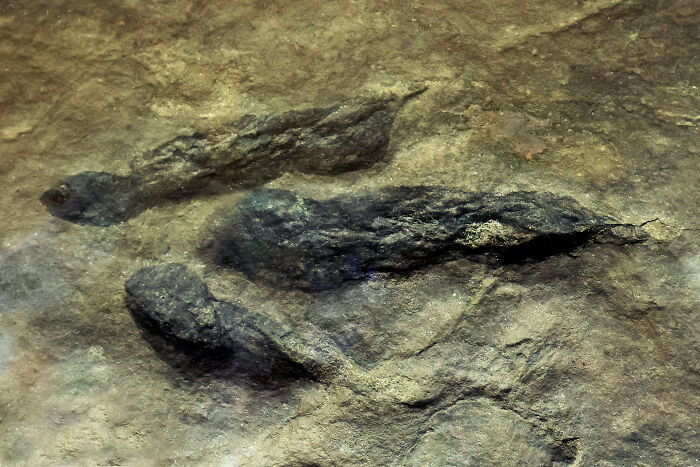
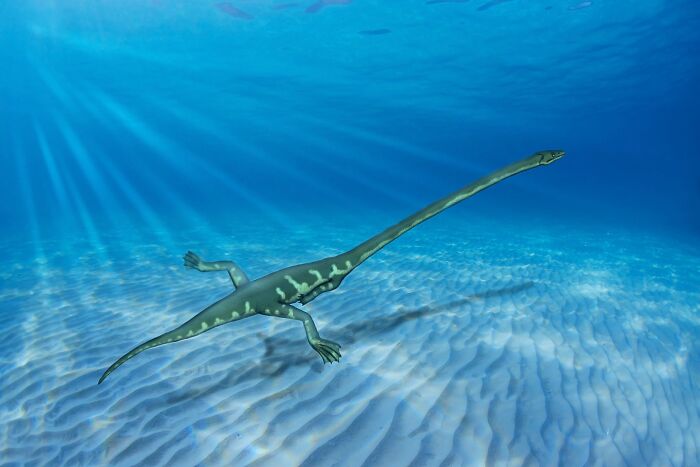
Evidence such as fossilized trackways showing dinosaurs entering water, with their footprints becoming lighter and eventually showing claw scrapes in the mud, suggests that many dinosaur species possessed swimming capabilities. Like other vertebrate animals, these ancient creatures could navigate aquatic environments. It's important to distinguish them from marine reptiles like Mosasaurs and Plesiosaurs, which were not dinosaurs, even though they lived in the water during the same era.
The era of dinosaurs is divided into three distinct periods: the Triassic, Jurassic, and Cretaceous. During the Jurassic period, long-necked sauropods emerged, and overall dinosaur diversity greatly increased. The subsequent Cretaceous period was characterized by the presence of massive carnivores, titanosaurs, and various ornithopods such as Lambeosaurus and Iguanodon. Earlier, in the Triassic period, the dinosaur landscape included large herbivores like Plateosaurus and smaller carnivores such as Coelophysis.
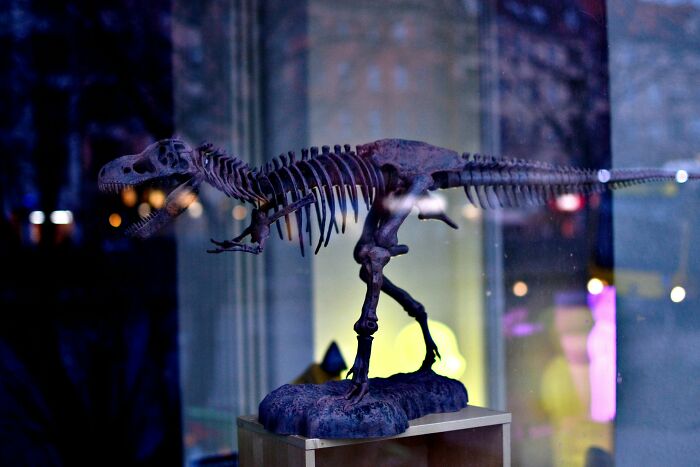
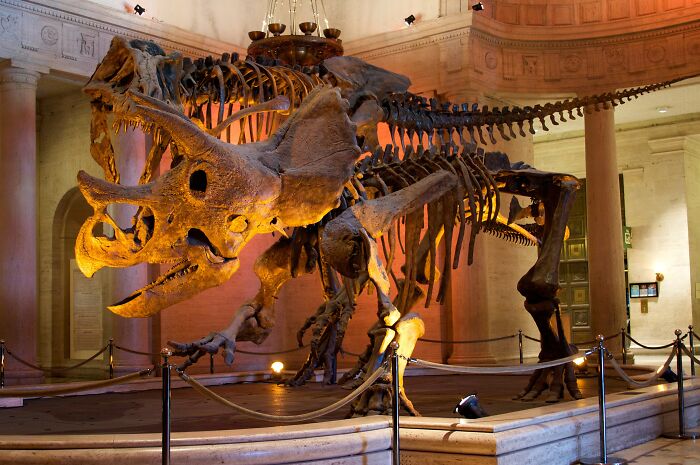
The vast timeline of dinosaur existence, spanning over 165 million years, means that many iconic species never actually lived at the same time. For example, a T-Rex from 66 million years ago would have roamed landscapes containing the fossilized bones of earlier dinosaurs like Stegosaurus, which lived many millions of years prior. This chronological separation placed creatures like Dreadnoughtus and T-Rex in entirely different prehistoric eras, preventing them from ever meeting.
Its more time between the stegosaurus and the trex then between the trex and us. I always find that fascinating.
While a T-Rex was incredibly fast, its ability to turn sharply was limited. The significant distance between its head and tail created a lot of angular momentum, making quick changes in direction difficult. Therefore, if you ever encountered one, attempting to out-maneuver it by changing your path frequently would have been a more effective survival tactic than trying to outrun it.
Due to its high encephalization quotient (EQ), which compares brain size to body size, Troodon is often considered one of the more intelligent dinosaurs. This feathered predator lived in North America during the Cretaceous period. However, Dr. Lacovara suggests that while paleontologists use EQ to estimate intelligence, it's an approximate measure, and dinosaurs essentially possessed the brainpower they needed to survive.
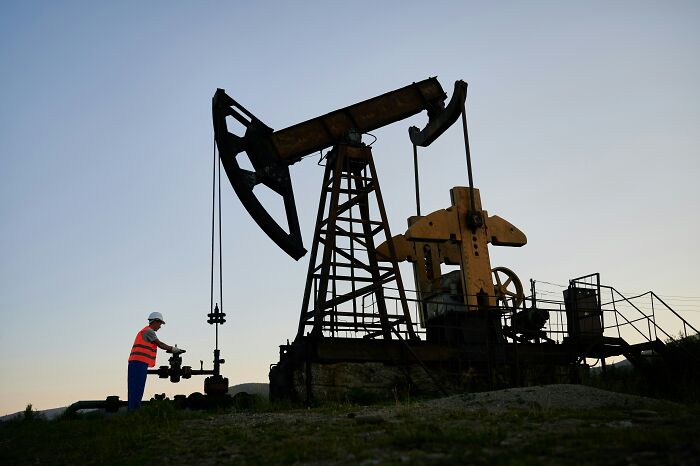
The vast oil reserves we utilize today actually originate from ancient marine plankton, not from dinosaurs. According to paleontologists, the sheer volume of petroleum found globally could not have been produced by the total mass of dinosaurs that ever existed. This understanding corrects a common misconception about the source of fossil fuels.

Fossile fuel, not a CO2 friendly way to store sun energy.. (well, the storage, but not the usage..)
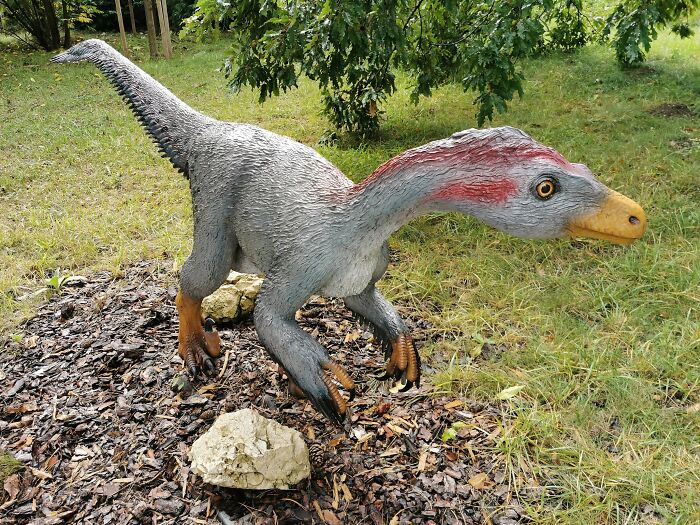
Scientific evidence suggests that Velociraptors were likely covered in feathers, not scales as commonly depicted. This characteristic is also believed to be true for Deinonychus, another dinosaur species. This understanding shifts the visual representation of these creatures from reptilian to more bird-like.
There's a video edit of Jurassic Park where the raptors have feathers. Let me tell ya it's f@cking creepy
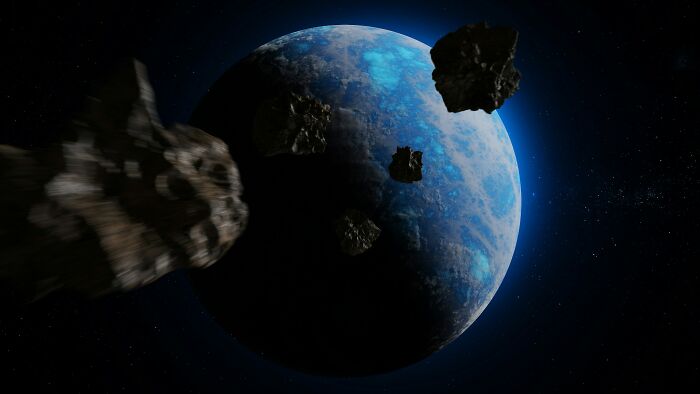
The leading theory for the dinosaurs' demise points to a massive asteroid impact, though large-scale volcanic eruptions and gradual climate shifts may have also played significant roles. This major extinction event, which occurred approximately 65 million years ago, is still a subject of ongoing scientific study. The combination of these factors likely led to the end of the dinosaurs' reign.
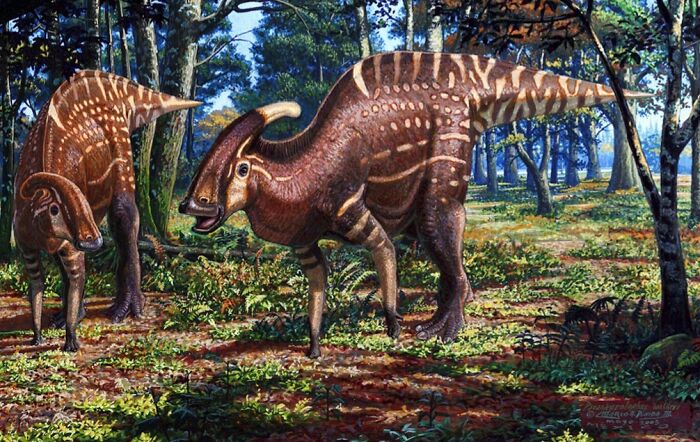
Despite common portrayals of Hadrosaurs as gentle, approachable creatures, paleontologist Dr. Lacovara warns that these duck-billed dinosaurs were, in fact, dangerous. He emphasizes that the idea of them being friendly "gentle giants" is a misconception and that no dinosaur should be considered safe. According to Dr. Lacovara, an encounter with a Hadrosaur in reality would likely be perilous.
Certain dinosaur species, such as titanosaurs, were precocial, meaning their young were self-sufficient almost immediately after hatching, much like an antelope calf today. This contrasts with other dinosaurs whose offspring were altricial, born helpless and entirely dependent on parental care, similar to a baby robin. This variation in early development highlights different survival strategies among dinosaur groups.
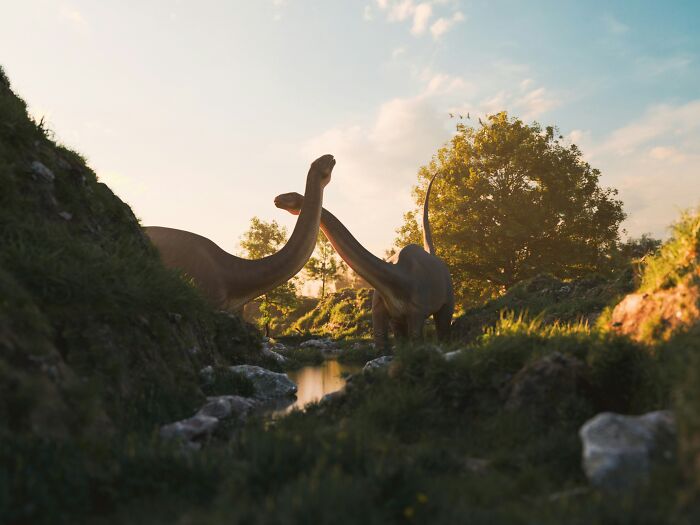
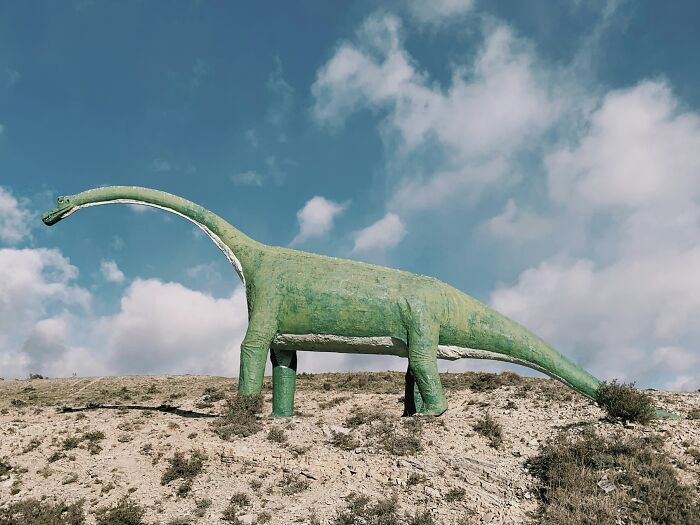
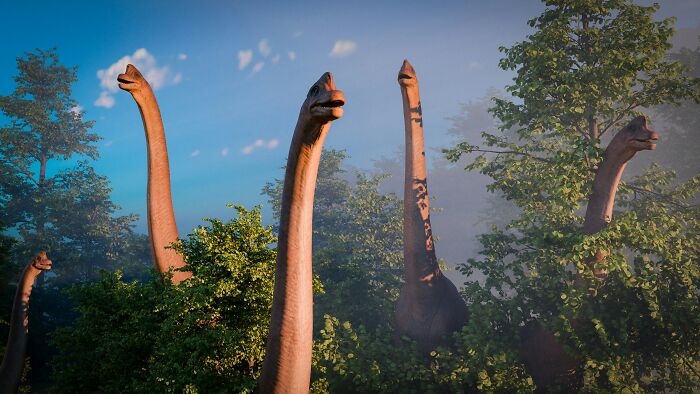
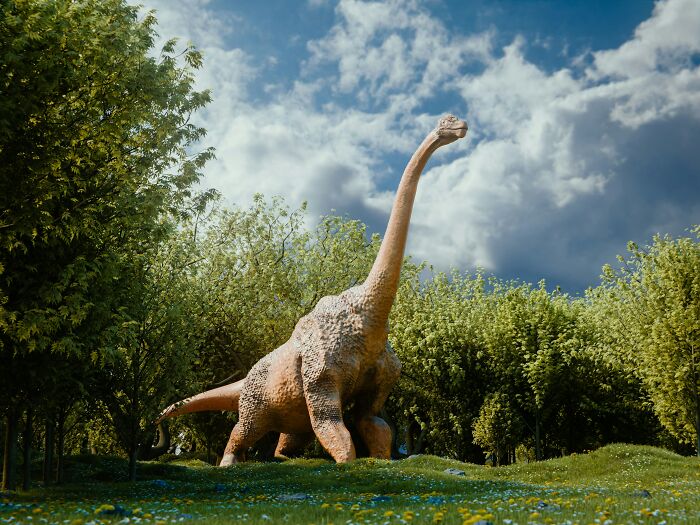
Many of the most massive dinosaurs to ever exist, such as the Brachiosaurus and Apatosaurus, were actually plant-eaters. These enormous creatures sustained their huge bodies solely with a vegetarian diet.
The name "dinosaur" itself comes from two Greek words: "deinos," meaning terrible, and "sauros," which translates to lizard. Thus, the term directly means "terrible lizard," a fitting description for formidable species like the T-Rex, even if not all dinosaurs were aggressive carnivores. This Greek origin provides the well-known classification for these ancient creatures.
With a genus name consisting of 23 letters, Micropachycephalosaurus holds the distinction of having the longest dinosaur name. When its full scientific binomial is considered, the letter count impressively reaches 37. This lengthy name makes Micropachycephalosaurus notable in paleontological records.
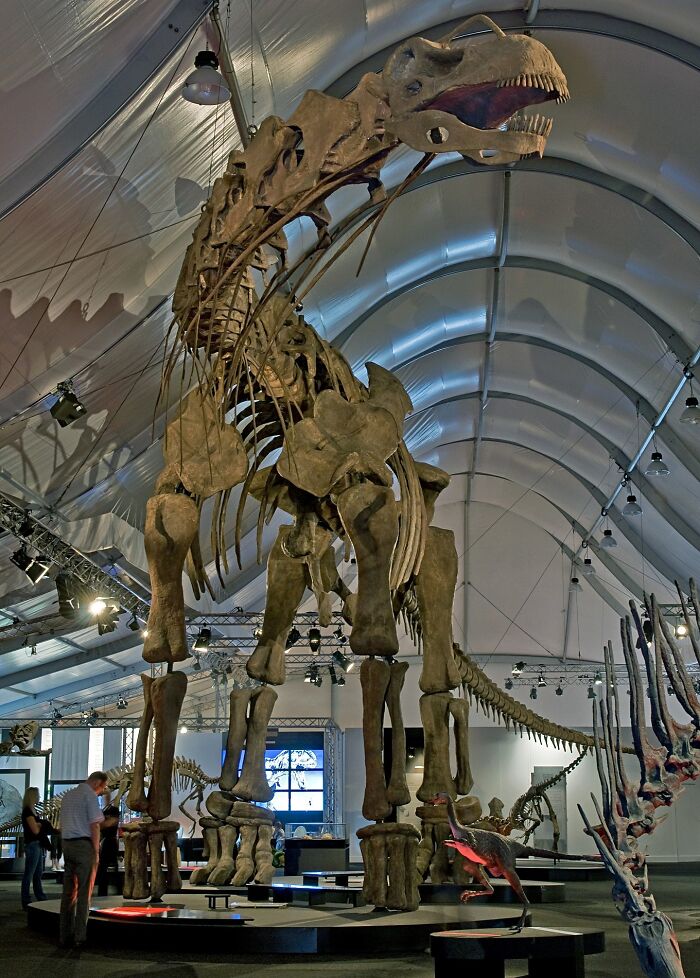
Weighing an estimated 65 tons, the massive Dreadnoughtus was so colossal that it could overpower even formidable predators like a T-Rex simply by using its immense weight. This makes it about nine times heavier than a T-Rex and roughly ten times heavier than a Boeing 737. Its sheer size meant it could crush its adversaries, for instance, by pressing a T-Rex against a tree.

Ten times heavier than a 737?!? A 737 would be ultralight at 6.5 tons. An empty 737 actually weighs around 45-47 tons. (And Dreadnoughtus is more like 40-65 tons).
Reaching lengths of up to 40 meters and standing as tall as 21 meters, the Argentinosaurus holds the distinction of being the largest known dinosaur to have lived on land. To put its immense scale into perspective, an average blue whale measures only about 4 to 5 meters long. This truly massive herbivore was a colossal presence in its environment.
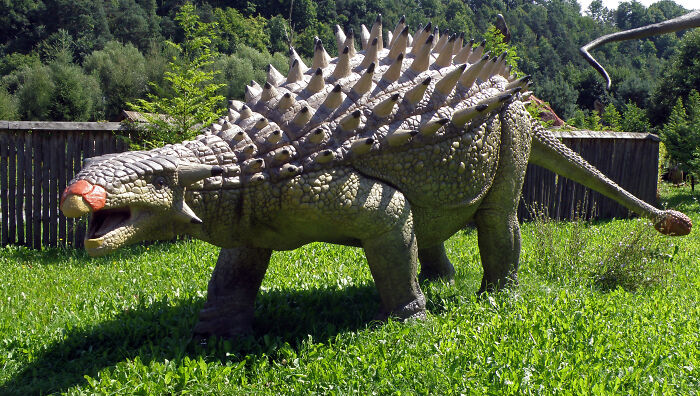
The prominent tail clubs of Ankylosaurs likely played a significant role in conflicts between individuals of the same species. While these bony appendages could also have served as a defense against predators, recent research indicates that competition among Ankylosaurs themselves may have been the primary driver for the evolution of this iconic feature. Thus
The prevailing scientific theory attributes the extinction of the dinosaurs to the impact of a massive asteroid. Evidence of this cataclysmic event includes a colossal crater, approximately 110 miles (or 180 kilometers) wide, situated off the coast of Mexico. This impact event is understood to have caused widespread devastation, ultimately leading to the end of the dinosaurs' reign.
The exact colors of dinosaurs remain largely unknown to scientists. To make educated guesses, researchers often look at the coloration of very large animals alive today, such as whales, hippos, and rhinoceroses. Since these modern giants tend to be gray or have otherwise subdued, drab colors, it's probable that many of the enormous dinosaurs shared a similar, less vibrant appearance.
Dilophosaurus was a notable apex predator of its time, a large carnivorous dinosaur reaching about 2 meters in height and 7 meters in length. Contrary to popular depictions, scientific understanding indicates it was not venomous and did not possess a neck frill. Furthermore, a 2020 re-examination of its skull revealed that Dilophosaurus had a surprisingly powerful bite.

You serious? Among all the carnivorous dinosaurs, Dilophosaurus was rather small.
The dietary habits of dinosaurs were quite varied, with some species consuming only plants as herbivores, while others were meat-eaters, known as carnivores. Additionally, certain types of dinosaurs were omnivores, meaning their diet included both vegetation and animals. This diversity in food sources was a key feature of prehistoric ecosystems.
Dinosaurs inhabited every part of the globe, with their remains found even in places like modern-day Belgium, because their reign began when Earth's landmasses were joined as the supercontinent Pangea around 230 million years ago. Throughout the 165 million years that dinosaurs existed, this massive landform gradually broke apart. The ongoing process of plate tectonics drove this continental drift, eventually scattering dinosaur habitats across the forming continents we recognize today.
I'm assuming AI is writing this drivell? A 4 metre blue whale? A 6.5 ton Boeing 737?
If you like dinosaurs, listen to the podcast "Terrible Lizards" by palaeontologist Dave Hone and writer/comedian Izzy Lawrence. They are both funny and very interesting!

Thanks! I was looking for a nice podcast to finally give in to the hype. This one seemes like a nice one to start with!
Load More Replies...
Yeah, after the first 3rd this is largely a crock of shiitake. My favourite fact is from study of the teeth its very likely T-Rex had proper cheeks. You wouldn't see all those teeth, even with its mouth open. They just show them that way in movies, as its more scary to see lots of teeth.


Just as a curiosity: Kepler "assumed" that in the Moon, giant lizards lived (The Dream, finished around 1611, published 1634.)
I'm assuming AI is writing this drivell? A 4 metre blue whale? A 6.5 ton Boeing 737?
If you like dinosaurs, listen to the podcast "Terrible Lizards" by palaeontologist Dave Hone and writer/comedian Izzy Lawrence. They are both funny and very interesting!
Thanks! I was looking for a nice podcast to finally give in to the hype. This one seemes like a nice one to start with!
Load More Replies... Yeah, after the first 3rd this is largely a crock of shiitake. My favourite fact is from study of the teeth its very likely T-Rex had proper cheeks. You wouldn't see all those teeth, even with its mouth open. They just show them that way in movies, as its more scary to see lots of teeth.
Just as a curiosity: Kepler "assumed" that in the Moon, giant lizards lived (The Dream, finished around 1611, published 1634.)





































 No fees, cancel anytime