Get Premium
Dark mode theme is available exclusively for premium users. Learn more about the benefits of subscribing.
No fees, cancel anytime.

 Dark Mode Ad-Free Browsing Unlimited Content
 Ad-Free Browsing Unlimited Content Dark Mode
Join 1.2 million Panda readers who get the best art, memes, and fun stories every week!
What makes a place instantly creepy in your eyes? Is it its history? Is it about aesthetics: how it looks and what it reminds you of? Or is it more of a feeling, just a vibe you're getting while being there?
There's usually something about a building being abandoned and empty that almost instantly makes us feel uneasy. And here we have for you a compilation of eerie, deserted places that were once vibrant with life and chatter, yet now the only thing they can show for is their ghost-like architecture that fascinates as much as it scares those who set foot in them.
If you're a fan of the uncanny and the weird, this one is probably for you!
This post may include affiliate links.
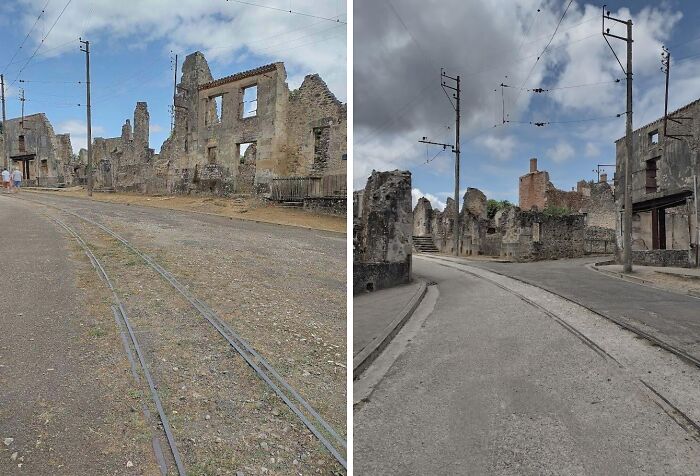
The skeletal remains of Oradour-sur-Glane in France stand as a permanent memorial to a horrific World War II m******e. On June 10, 1944, a Waffen-SS company systematically m******d 642 of its residents, locking women and children in the church before setting it ablaze. After the war, French President Charles de Gaulle ordered the original village to be left exactly as it was found, an eternal testament to the atrocity. Today, the martyred village remains frozen in time, with rusted cars and personal belongings still littering the silent, ruined streets.
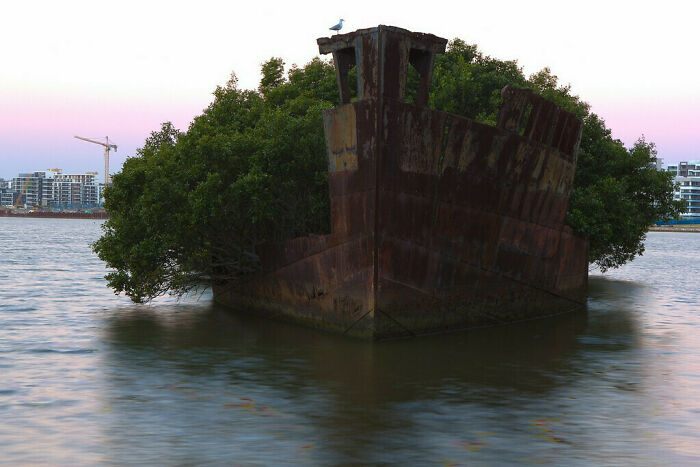
Built and launched in 1911, this ship was used to transport supplies during WWII before being returned to service as a steam collier after the war. Its last recorded use was in the early ‘70s, and since then, the abandoned ship has floated in the bay with magnificent mangrove plants filling its hull.

The SS Ayrfield was finally decommissioned in 1972 and sent into Homebush Bay in Sydney, Australia. Ships didn't come back from Homebush Bay. This is where the old marine wrecking yards were, where vessels were winched out of the water and stripped of anything of value to be melted down and repurposed. But something happened in the weeks the Ayrfield was floating in the bay, waiting to meet its fate. The value of scrap metal plummeted and the wrecking yards went out of business. There are several shipwrecks in a group of at least seven rusted hulks that still rest in plain sight in one of the world's most beautiful waterways. Once a center of industry, Homebush Bay is unfortunately contaminated with toxic waste. SS-Ayrfiel...67d1da.jpg 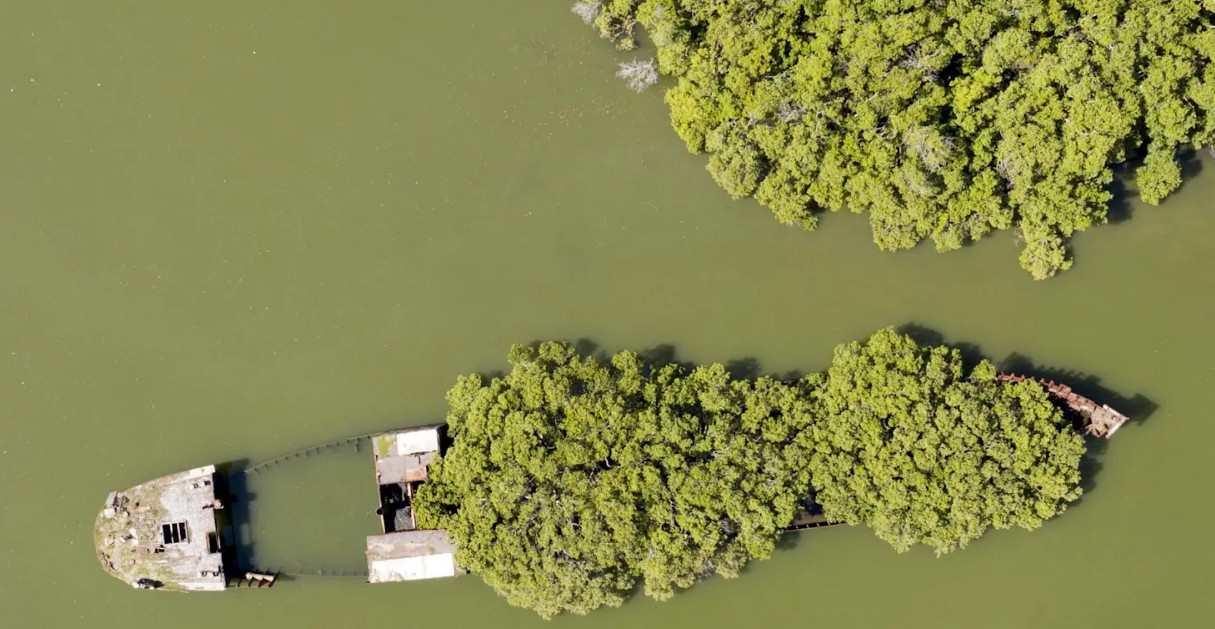
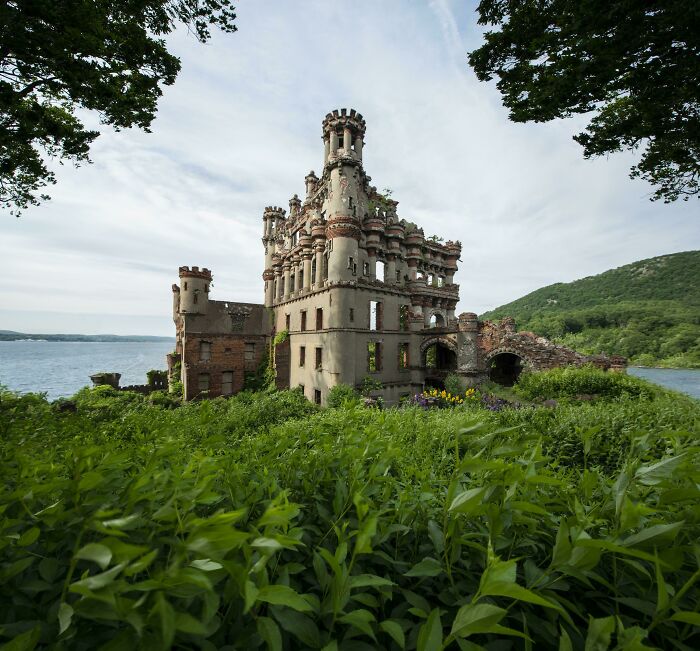
Located in New York, this mock-Scottish castle was constructed in the early 1900s after the Bannerman family purchased the island on which it was built. Surprisingly, the castle only served as a safe storage site for military equipment and ammunition. In the 1950s, Bannerman Castle was damaged by fire and has remained abandoned since then.

This is where that couple was supposed to be kayaking to when the husband's got mysteriously swamped.. I'm pretty sure.
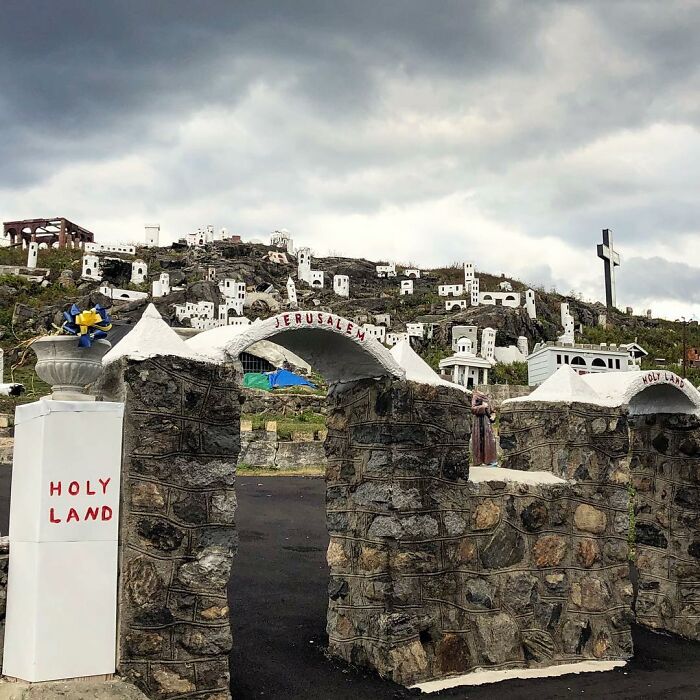
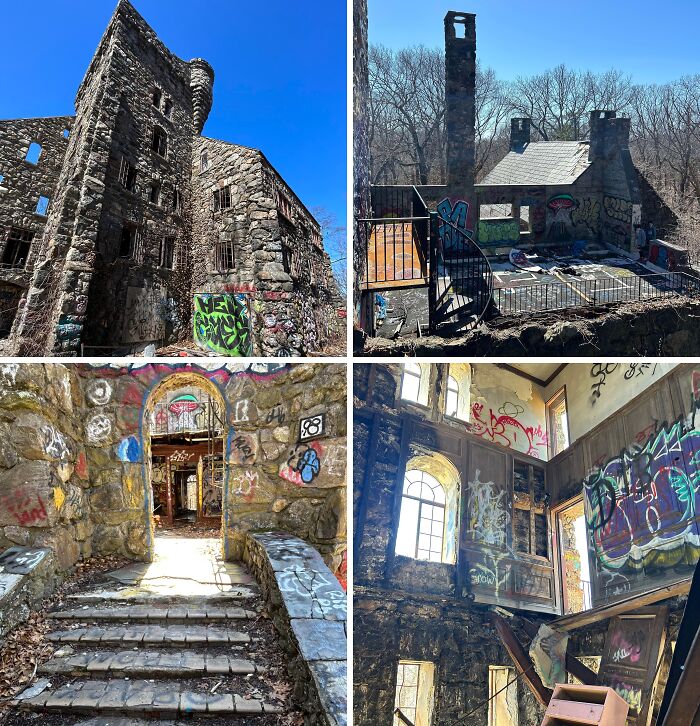
Overlooking Waterbury, Connecticut, is a hillside is dotted with the decaying remnants of a biblical theme park called Holy Land USA. Once a popular attraction featuring miniature versions of Jerusalem and Bethlehem, the park closed for renovations in 1984 and never reopened following the owner's death. Time and vandalism have since transformed its pious statues and grottos into a bizarre and eerie spectacle of crumbling plaster and headless angels. A large cross on the summit is still illuminated nightly, shining down on the forgotten, kitschy ruins of one man's devotional project.

It appears it was purchased by a nonprofit in 2014 with plans to reopen in 2019, but from what I can tell that never came to fruition. Although there's still a website that refers to it as a "historic landmark", they haven't had any events since 2019. People can walk around it during the day, but not after sunset... No other recent info or photos that I could find
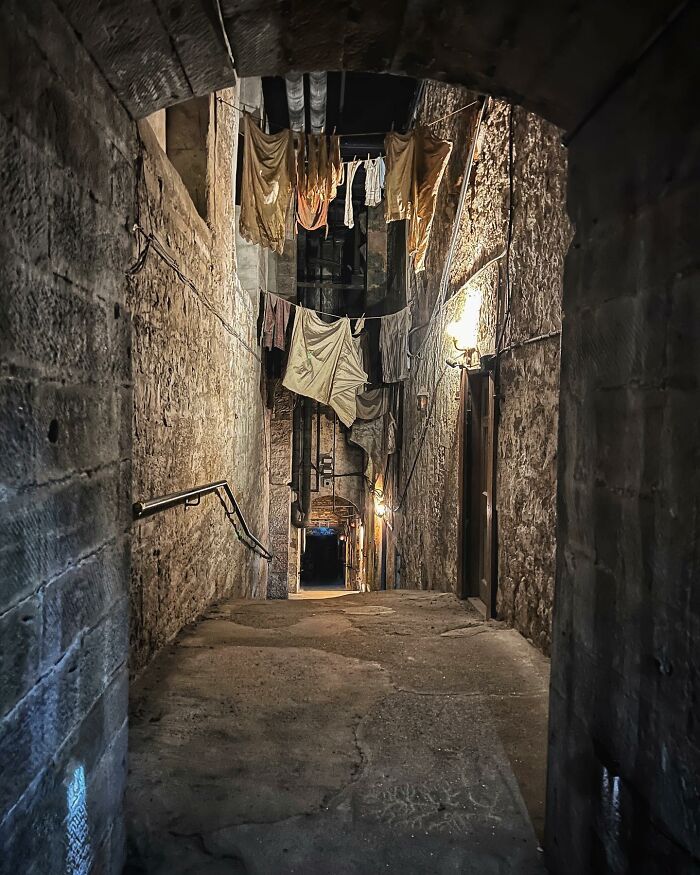
Beneath the bustling Royal Mile in Edinburgh lies a hidden street frozen in the 17th century. Mary King's Close was a lively street until the city constructed the Royal Exchange directly over it in the 1750s, sealing the alleyway and its tenement homes below ground. For years, the close served only as foundations for the new building, entombing the stories of its former residents who lived and died there, particularly during plague outbreaks. Today, it operates as a popular tourist attraction where guides lead visitors through the dark, preserved streets and tell tales of its haunted history.
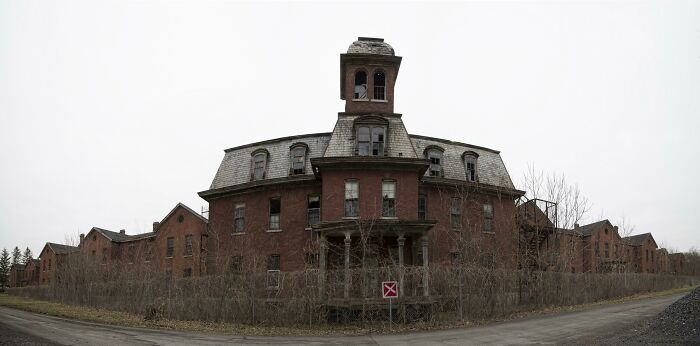
Located in New York, the Willard Asylum for the Chronic Insane has been mostly abandoned since 1995. The asylum started off as an impressive hospital with state-of-the-art facilities for patients until its practices fell out of favor. Today, some of the facilities are used by the Department of Correctional Services for training and housing, but most of the others have fallen into ruin.

That sign in front of it is a Fire Marshall’s sign that basically means “Let it Burn”. The building is too structurally unsafe to send firemen into. I first came across it on a building on Main Street, Monticello, NY, and had no idea what it represented, at the time.
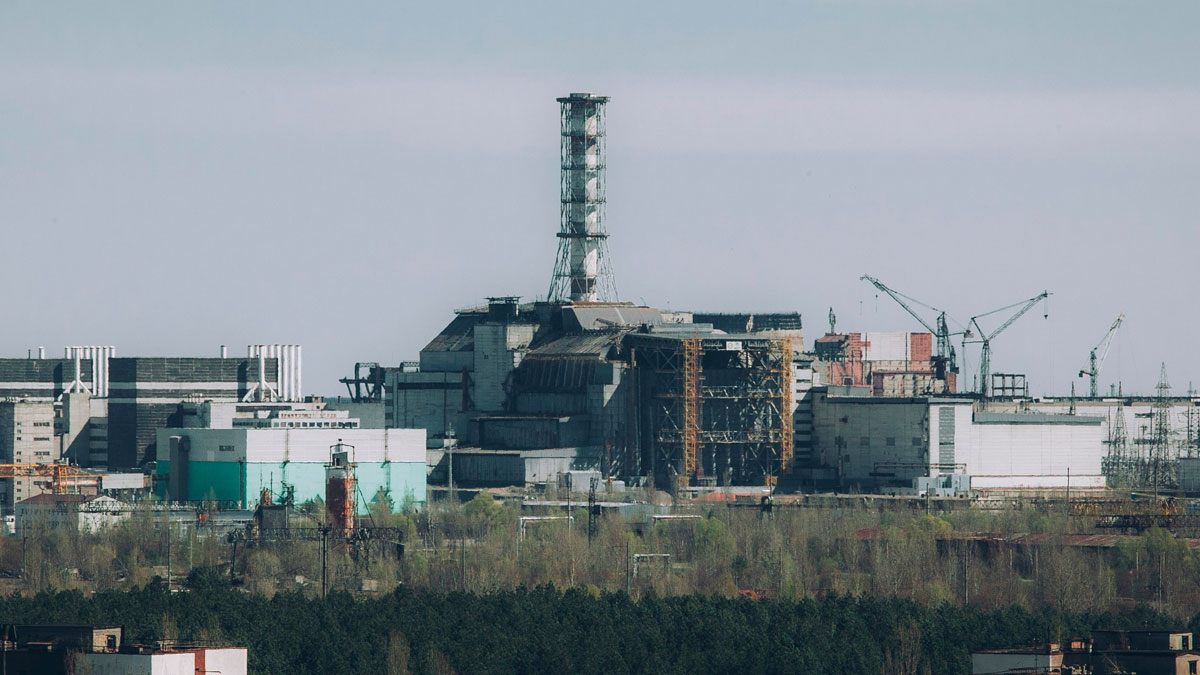
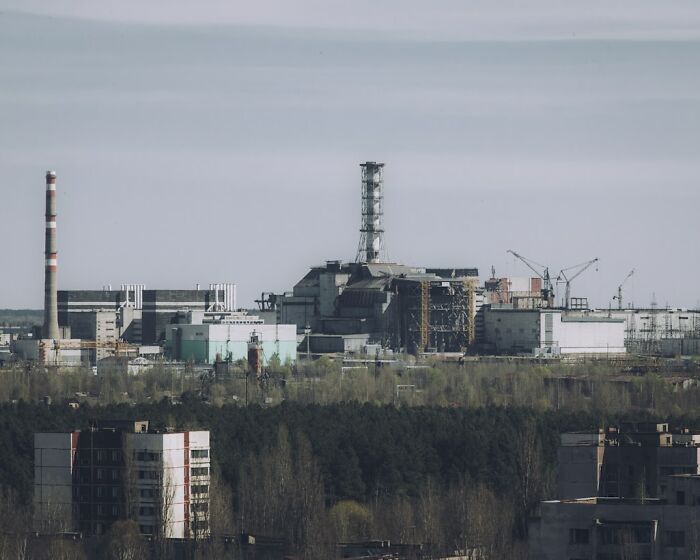
Before the Chernobyl disaster in 1986, Pripyat had a population of over 49000. However, three days after the blast, it had become a ghost town because of the severe radiation contamination. Today, Ukraine’s Ministry of Emergencies controls access to Pripyat, and although radiation levels have dropped significantly since 1986, the city remains deserted.
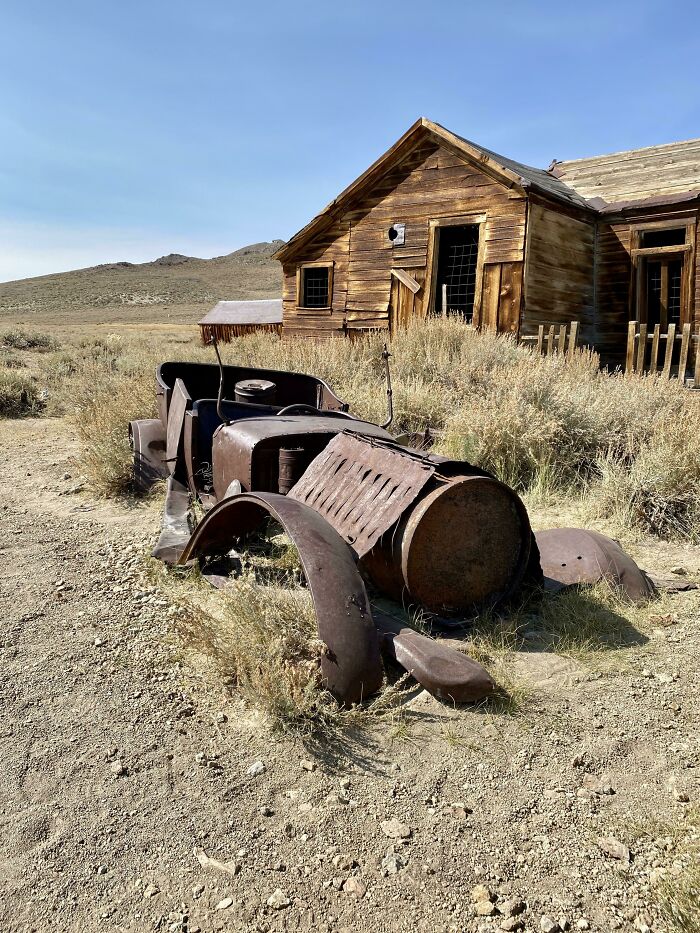
Once a bustling and lawless gold-mining town with a reputation for shootouts, Bodie is now one of America’s most famous ghost towns. After the gold dried up in the early 20th century, its thousands of residents departed, leaving behind fully stocked homes, saloons, and shops. The town is now a California State Historic Park, preserved in a state of "arrested decay" to appear exactly as it was abandoned. Visitors report an eerie feeling that the former inhabitants have only just stepped out, with some even claiming misfortune befalls anyone who steals a souvenir.
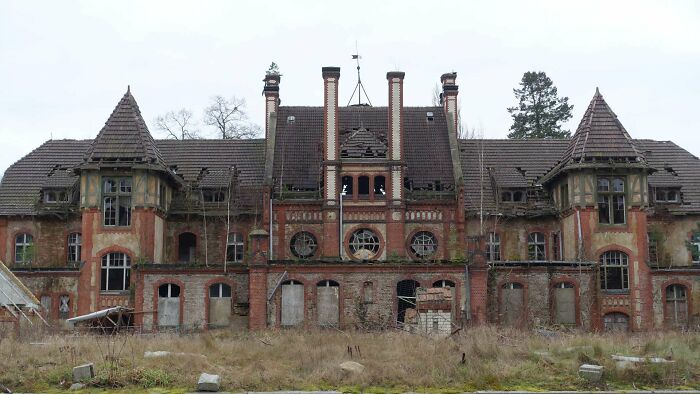
Within the decaying walls of Beelitz-Heilstätten, a vast hospital complex near Berlin, a young Adolf Hitler once recovered from a leg wound sustained in World War I. This sprawling site later served as a major Soviet field hospital for decades following World War II, treating the elite of East Germany and the Red Army. After the last Russian patient departed in the 1990s, the grand buildings with their silent operating theaters and long, peeling corridors were left to the elements. Today, it stands as a haunting monument to a century of medical and military history, where nature slowly reclaims the architecture of human suffering.
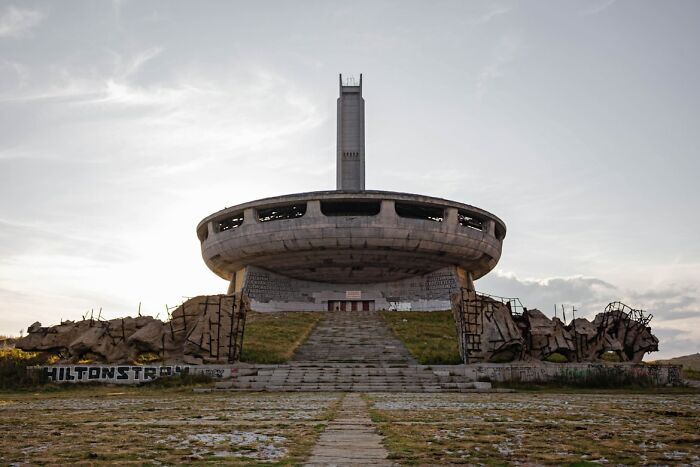
Once home to the Bulgarian Communist Party, the Buzludzha monument is now one of the creepiest abandoned buildings in the world. After a regime change in 1989, the new government showed no interest in maintaining the monument or keeping it open to the public for tours, so it was eventually shut down. Today, Buzludzha is closed to the public after suffering heavy damage due to theft and vandalism.
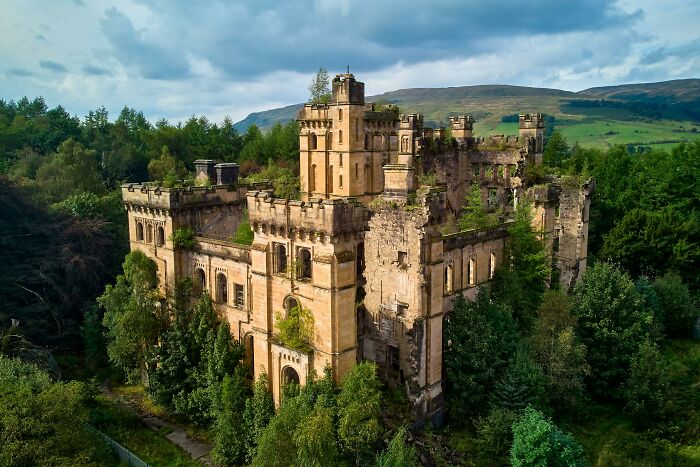
Built in the early 1800s, Lennox Castle was home to a prominent Scottish family until it became an asylum for mentally ill patients in the 1930s. This asylum was the subject of controversy due to the harsh conditions that the patients had to live through while there, such as beatings, strict curfews, and malnutrition. By 2002, the asylum had been shut down, and today, the ruins of the castle serve as a reminder of the atrocities that happened in the decades before.


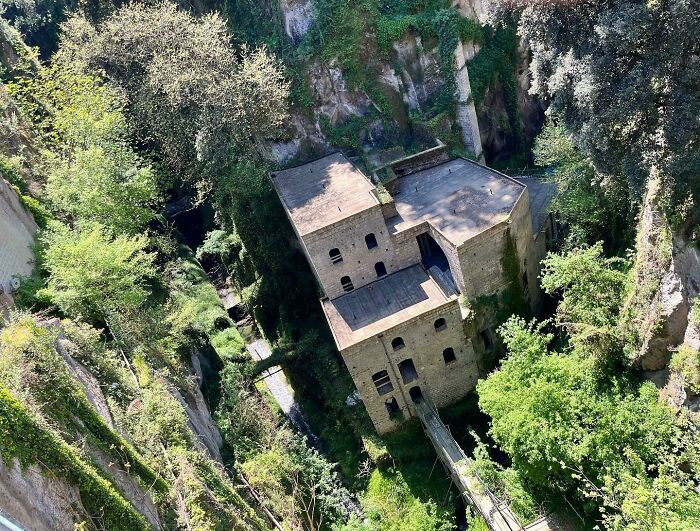
Located in Sorrento, Italy, this valley is home to a collection of abandoned mills, dating back to the 10th century. After Piazza Tasso was established in 1866, the surrounding sea and the mills were isolated, rendering them impractical. By the 1940s, the mills had closed down, and today, these buildings have been reclaimed by nature.
Lucy Abbot Cate, David T. Abercombie’s wife, was the architect responsible for creating Elda Castle in the 1920s. She named the house after their four children, Elizabeth, Lucy, David, and Abbott. Chillingly, after the house was completed in 1928, a series of tragedies struck the family, leading the surviving members to abandon their home. Several other owners have made attempts to restore the Elda Castle since then, but none have been successful.
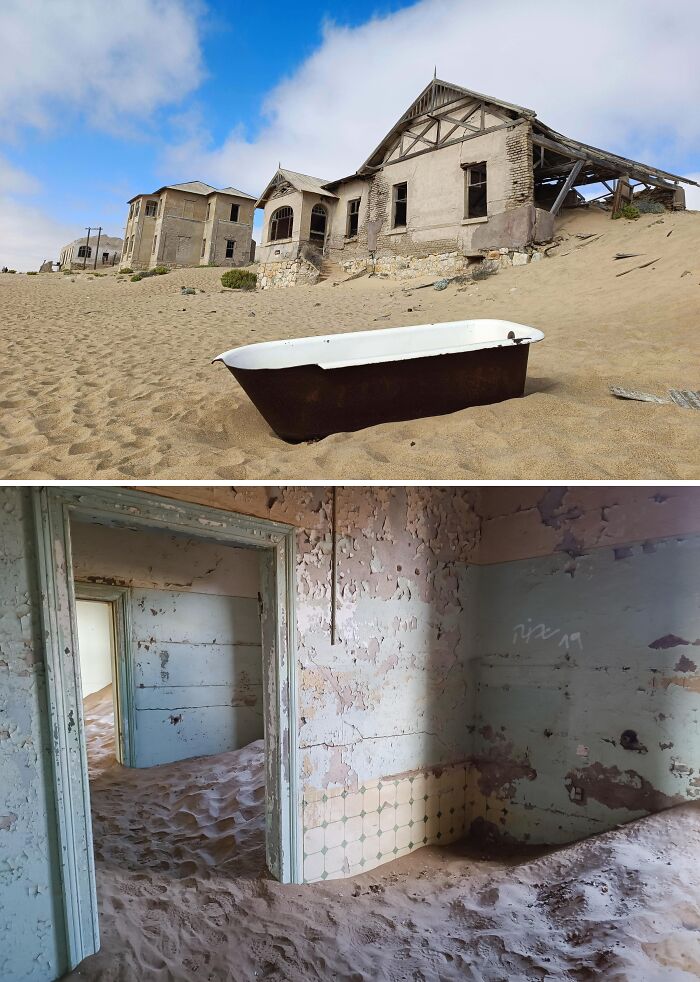
Knee-deep in desert sand, the ornate homes of Kolmanskop are being slowly consumed by the Namib Desert. This town sprang from a frantic diamond rush in the early 20th century, quickly becoming one of Africa's wealthiest places with amenities like a ballroom, casino, and an ice factory. When the diamonds ran out, its residents deserted it just as quickly, leaving it completely abandoned to the elements by 1956. Today, dunes pour through doorways and broken windows, burying bathtubs and furniture in a silent, haunting testament to fortune swallowed by nature.
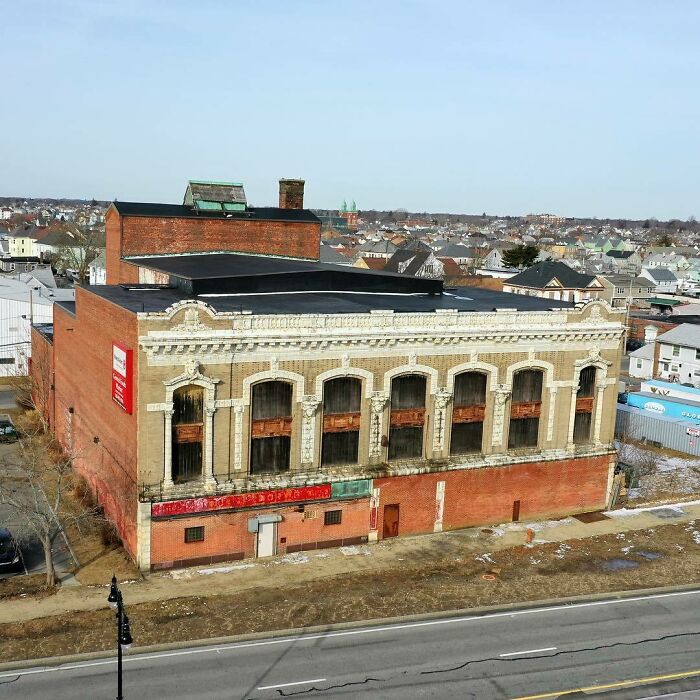
On the same day the Titanic sank beneath the icy Atlantic, the grand New Bedford Orpheum opened its doors to applause and celebration. This magnificent Beaux-Arts theater, part of a larger complex housing a ballroom and even a rifle range, hosted vaudeville acts and motion pictures before its lights went dark for good in 1958. The opulent auditorium now sits in silence and ruin, its gilded plaster crumbling and velvet seats rotting away under decades of neglect. Urban explorers and paranormal investigators report disembodied whispers and sightings of a spectral little girl, ensuring the Orpheum's final act is one of chilling ghost stories.
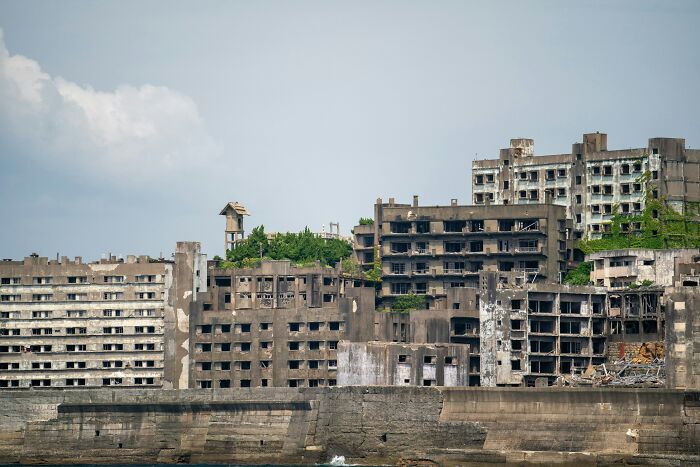
Hashima Island is one of 505 abandoned islands in Nagasaki, Japan. Once a symbol of Japan’s rapid industrialization, it now serves as a reminder of war crimes like forced labor before and during World War II. The island’s most notable features include its abandoned concrete buildings, representative of the Taishō to Shōwa period. In 2015, the island was declared a World Heritage site and has since offered restricted access to the public and enthusiasts.
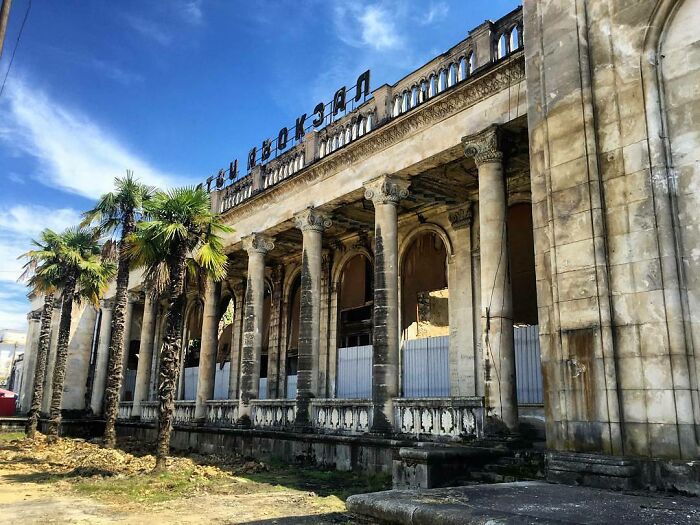
A monument of foreboding Stalinist architecture stands derelict in the city of Sukhumi, Georgia. This grand train station, once a thriving hub on the Transcaucasian Railway, saw its last train depart during the brutal War in Abkhazia between 1992 and 1993. Today, its soaring main hall is a ruin of crumbling plaster and shattered glass, with intricate carvings on the ceiling being slowly reclaimed by nature.
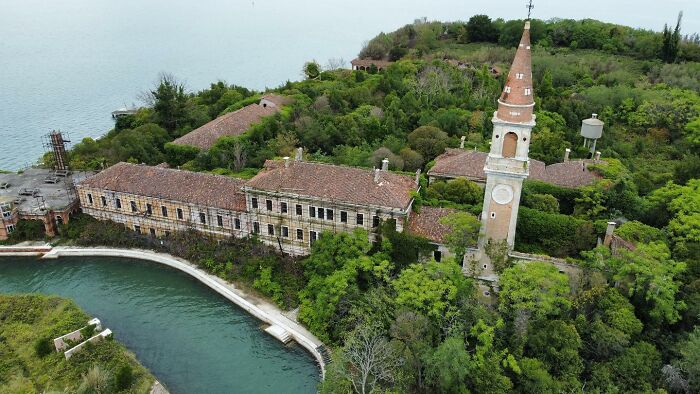
For centuries, the small island of Poveglia in the Venetian Lagoon served as a quarantine station and a mass burial ground for plague victims. An estimated 100,000 people were sent here to die and be burned, a dark history that was compounded when the island later housed a mental hospital until 1968. Following the hospital's closure, the island was completely abandoned, its buildings left to the elements. Today, Poveglia is strictly off-limits to visitors, its decaying asylum and overgrown fields fueling its reputation as a place of profound sorrow.

Poveglia use as a quarantine station was real but the number of dead has been very limited. The primary hospital in the lagoon were the Lazzaretti, Poveglia in 1793 was hastily converted for quarantine of a single knowingly infected merchant ship (an Ottoman tartan named San Nicolo, by Captain Zuanne Mechx, loaded with salted cheese). There is only ONE other recorded instance of plague ships being quarantined on the island (a Spanish brig). In total the island saw about 20 deaths (8 ottoman sailors, 4 porters, 8 spanish mariners), all recorded by name on their graves. It NEVER was a mass burial ground, part of it was used as cemetery for the Venetian population. After that, Poveglia was NOT an asylum, it was a geriatric hospital. The confusion stems from the presence of asylums in two nearby islands (San Servolo and San Clemente). The geriatric hospital was active until 1968 and by then was a dated facility. The bell tower of the hospital chapel has been working as a lighthouse in Napoleonic times.
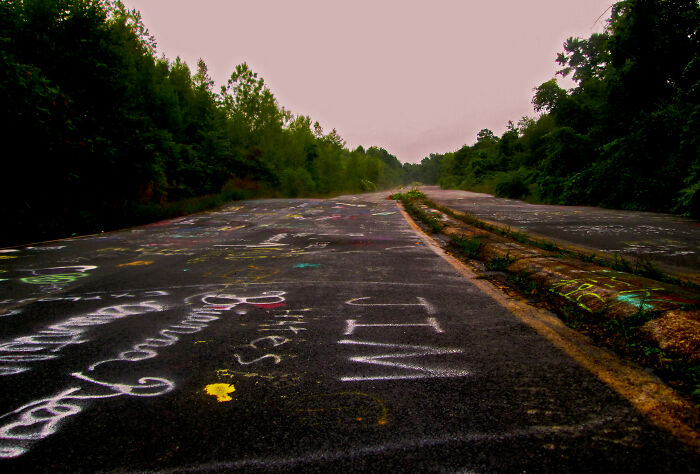
Centralia is a near-ghost town located in Pennsylvania, United States. The town’s population plummeted from 1,000 in 1980 to just five residents in 2020 due to a coal mine fire that has burned beneath the borough since 1962. Expected to keep burning for the next 250 years, the blaze prompted the Commonwealth of Pennsylvania to condemn all of the town’s real estate in 1992. A decade later, the Postal Service discontinued Centralia's ZIP Code.
I have visited there. Centralia is very creepy indeed. From the Orthodox church that looks down on where the town once was (with a little teddy bear sitting at the base of the chairs). The burnt Barbie Dolls impaled on the branches of a bush. The empty EMT station whose siren started up as I walked through the ruins of the town. And Centralia is the inspiration for the town of Silent Hill.
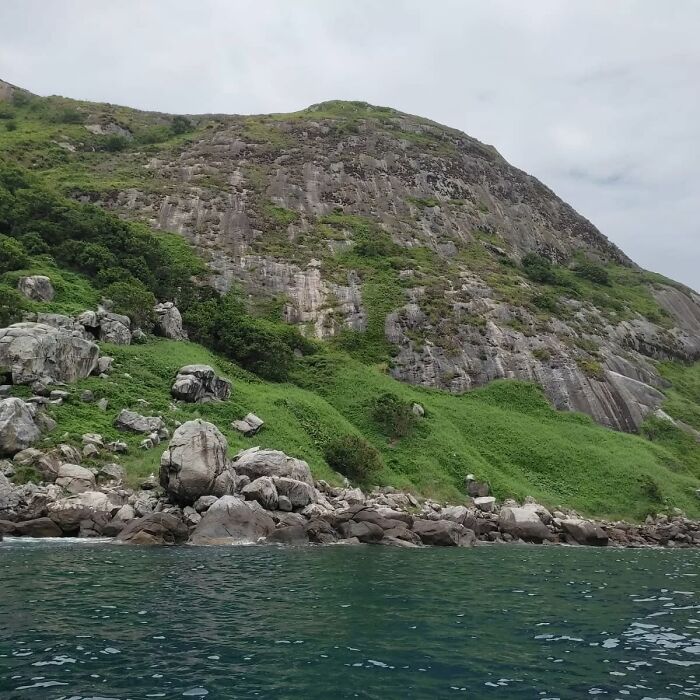
An island off the coast of Brazil is so infested with venomous snakes that the Brazilian Navy has forbidden all visitors. Known as Ilha da Queimada Grande, or "Snake Island," it is the only known home of the critically endangered golden lancehead pit viper. Scientists estimate there is one snake for every square meter, a population that became trapped and thrived after rising sea levels cut the island off from the mainland. The island’s lone lighthouse, once manually operated, is now automated.
Why would anyone want to visit Snake Island?? Oh, wait. Some stupid TikTok "influencer" might try.
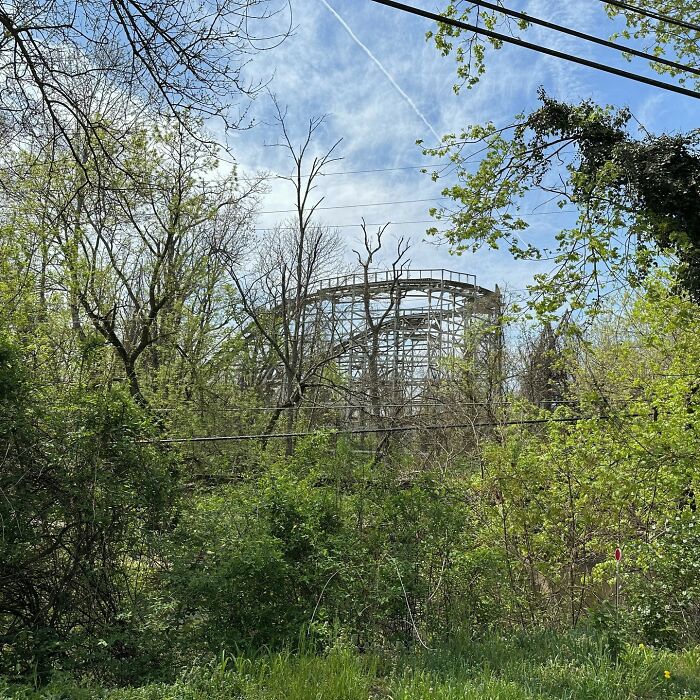
In the woods of Mechanicsburg, Pennsylvania, the skeletal frame of a wooden roller coaster still stands among the trees. This is the Williams Grove Amusement Park, a place that delighted visitors for over a century before shutting down permanently in 2005. Today, its rides, including the iconic Cyclone, are being slowly dismantled by rust and overgrown vegetation.
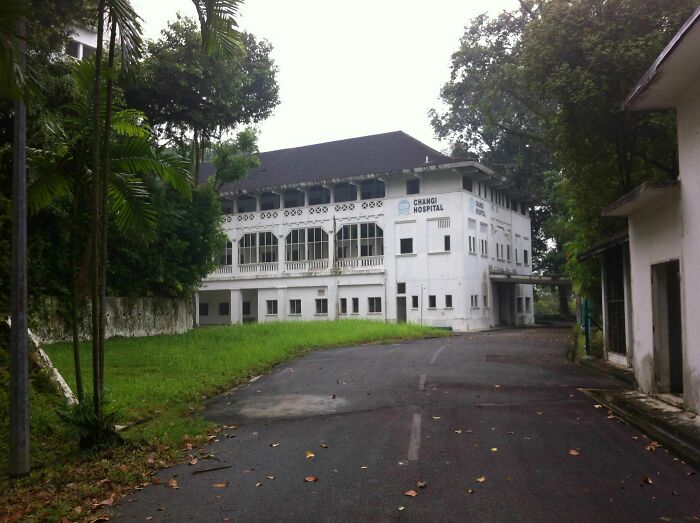
Built as a British military hospital, this complex in Singapore gained a grim reputation during World War II. The Japanese secret police, the Kempeitai, reportedly used the facility as a prison camp and t*****e chamber after capturing the island. The hospital continued to operate until 1997, when it moved to a new location and left the old site completely empty. Its history of wartime suffering has since made it a legendary haunted location, fueling stories of paranormal encounters in its decaying halls.
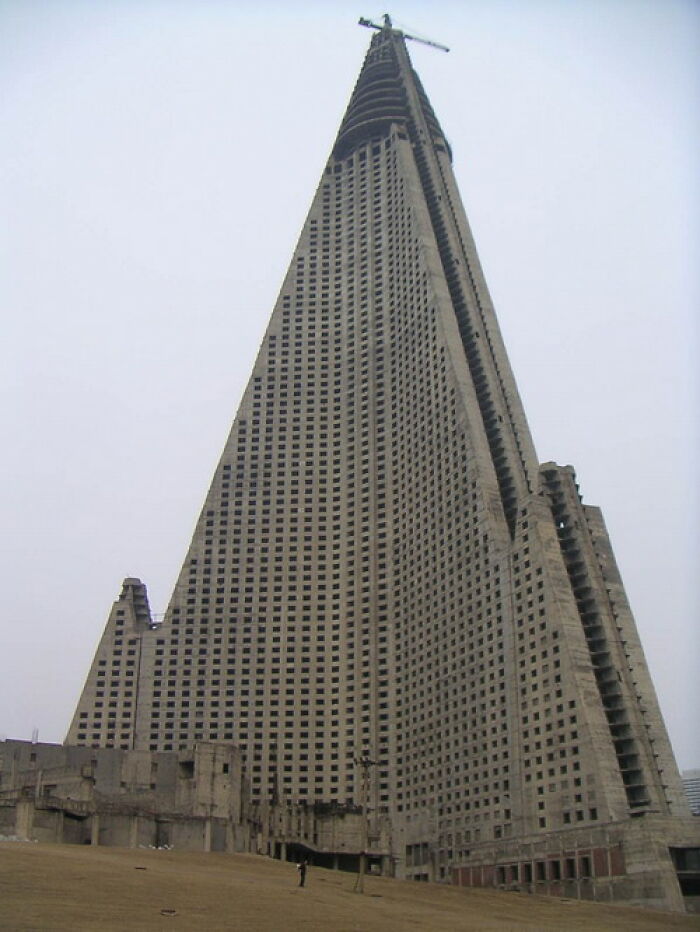
Known as the tallest unoccupied building in the world, the Ryugyong Hotel, located in North Korea, is yet to be fully completed since its construction began in 1987. Interestingly, construction on the building was suspended twice, once in 1992 and again in 2011, supposedly due to the country’s severe economic crisis. Today, the Ryugyong Hotel is mostly used as a massive TV screen and was never actually occupied.
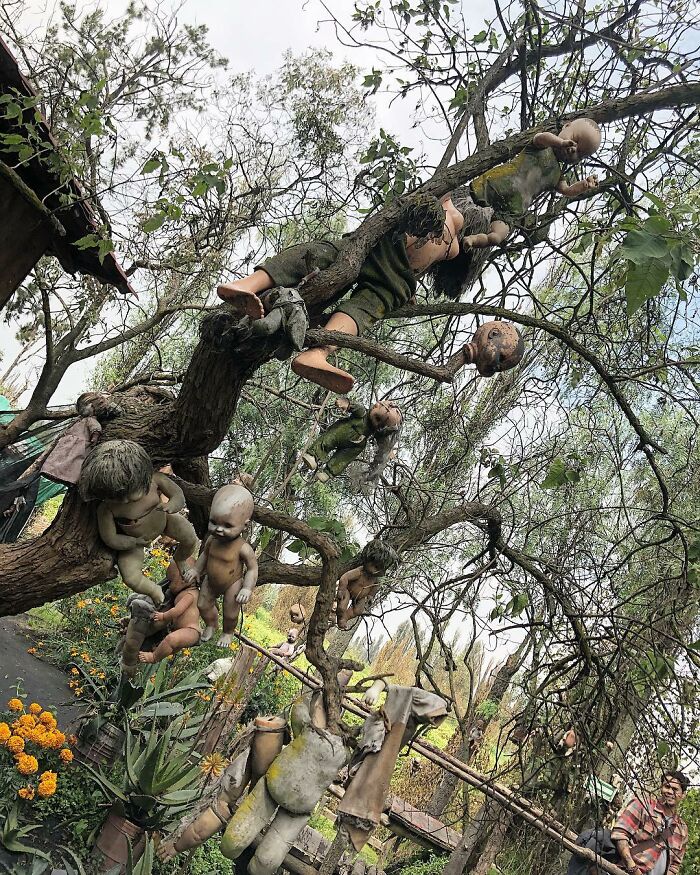
Hundreds of decaying and mutilated dolls hang from the trees on a small island in Xochimilco, Mexico. The island’s former caretaker, Don Julián Santana Barrera, began collecting and displaying them to appease the spirit of a young girl he believed had drowned nearby. For 50 years, he added to the eerie collection, creating a bizarre and unsettling shrine from toys found in the trash and canals. After Don Julián's own death, his family turned the strange island into a dark tourist destination for those brave enough to visit.

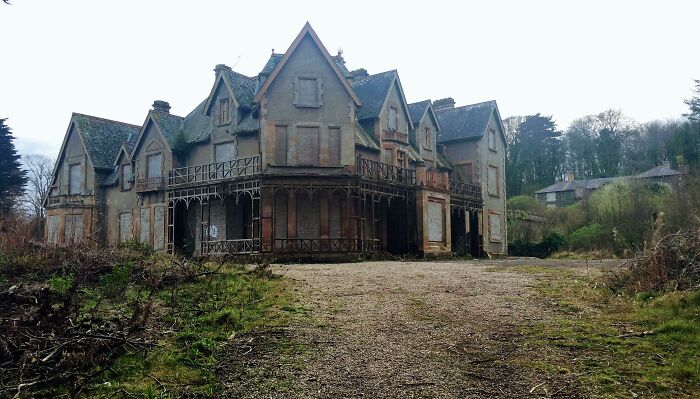
Located in Northern Ireland, this 1875 home is now known as the most haunted house in the area. Before falling into disrepair in the ‘80s, Cairndhu was a state-owned convalescent hospital donated by Lady Dixon. Now, multiple people have reported paranormal activity in and around the house, and access to it is restricted.

If I saw something and had to guess if it was haunted...yep, this is it.
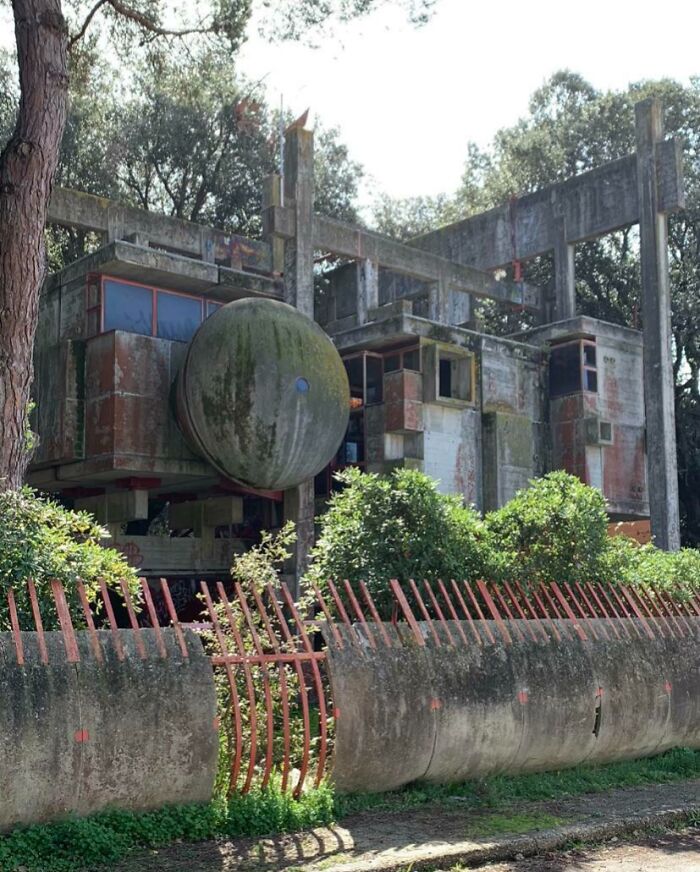
Built by Giuseppe Perugini as an experiment in the late 1960s, this treehouse in Fergene, Italy, was meant to be his family’s holiday home. Only accessible by a drawbridge staircase, the house was designed to feel isolated from the rest of the world. It is said that Casa Sperimentale fell into disrepair after Perugini’s passing in 1995.
The place is in Fregene (not Fergene), a popular seaside location frequented by the people of Rome on summer weekends. The house features a very interesting design of volumes and structural solutions. It's called "Experimental house" because it was used to test innovative designs, structural connections, materials etc. The house is now undergoing slow restoration and preservation projects, financed through visits led by Perugini son (who is also and architect and participated in the construction).
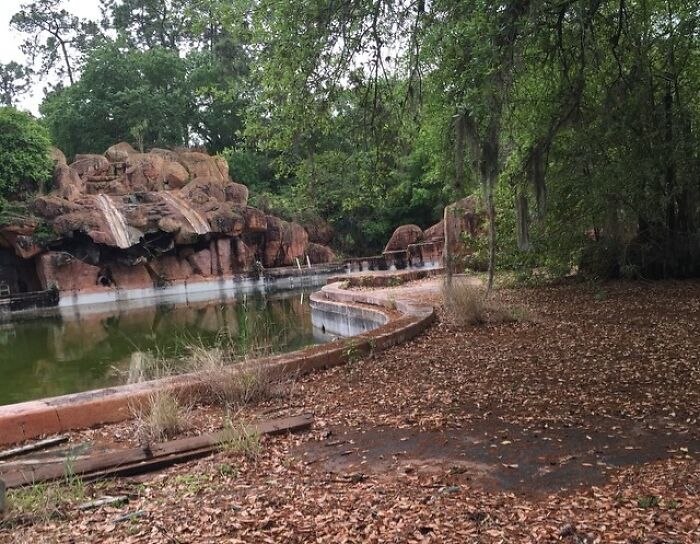
On the shore of Bay Lake, Disney's first water park, River Country, sat abandoned for nearly two decades. The company closed the park to the public in 2001 but left all the structures standing. Over the years, nature overtook the property, covering slides in thick vines and filling pools with murky water. This created a strange and overgrown scene of decay right in the middle of the meticulously maintained Walt Disney World resort.
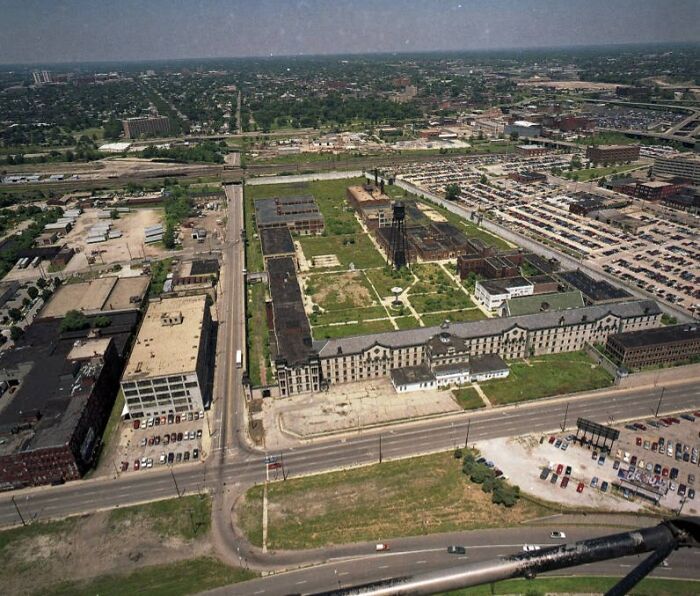
For more than 150 years, the Ohio State Penitentiary in Columbus held thousands of inmates within its imposing walls. The prison gained a grim reputation for overcrowding, riots, and especially the deadly fire of 1930 that k****d over 300 prisoners. After closing for good in 1984 due to its poor conditions, the massive, empty structure decayed for over a decade. The city finally demolished the buildings in 1998, and today Columbus's Arena District stands where the notorious prison once was.
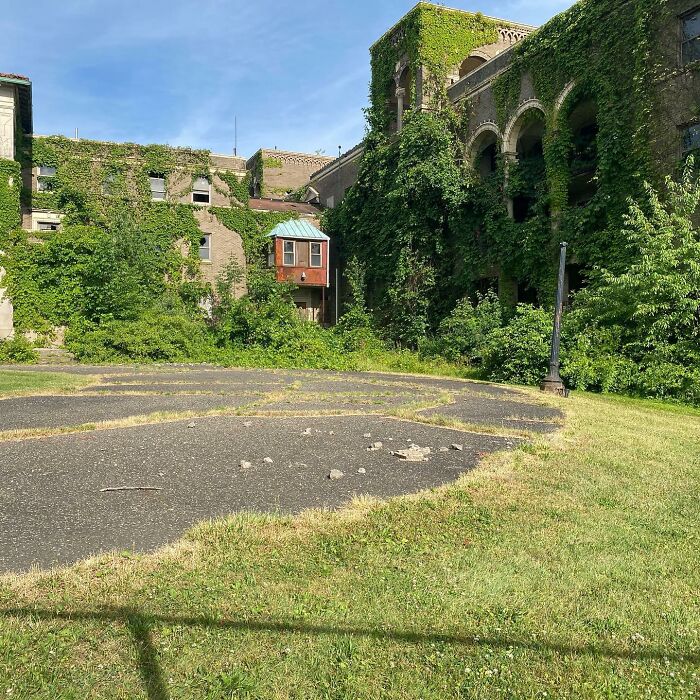
Molly Stark Hospital in Ohio served as a large sanatorium to isolate and treat tuberculosis patients. Medical advancements eventually made the facility obsolete, and it closed down for good in 1995 after serving other public health roles. The massive brick building then sat empty, falling into extreme disrepair and becoming a popular target for vandals and paranormal investigators. The county now owns the hazardous site and has sealed it off from the public due to its dangerous condition.

With Kennedy in charge of health, it's probably a good idea to get that baby up and running...
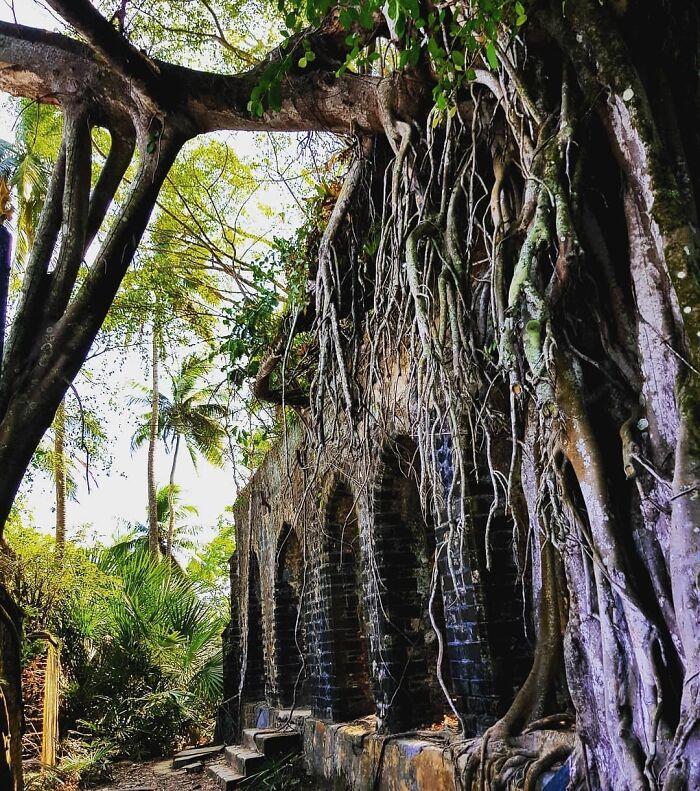
Once the administrative headquarters for the British in the Andaman Islands, Ross Island was a lavish settlement often called the "Paris of the East." It featured grand Victorian homes, a church, a ballroom, and tennis courts for its colonial residents. An earthquake in 1941, followed by the Japanese occupation during World War II, prompted its complete desertion. Today, massive fig tree roots completely encase the crumbling brick buildings, creating a unique spectacle where nature has fully reclaimed the architecture of a former empire.
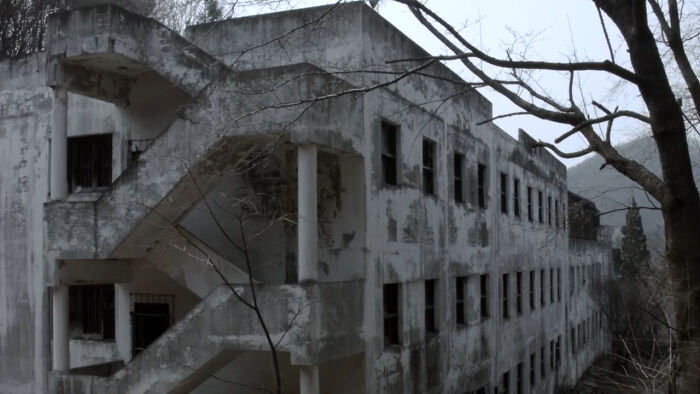
Rumors of insane doctors and mysterious patient deaths gave Gonjiam Psychiatric Hospital a reputation as one of South Korea's most haunted places. The reality is more practical, as the hospital actually closed in the late 1990s due to sewage and economic issues. For nearly two decades, its decaying, graffiti-covered halls attracted ghost hunters and urban explorers, solidifying its place in local lore. Due to its hazardous condition and constant trespassing, the entire building was demolished in 2018.
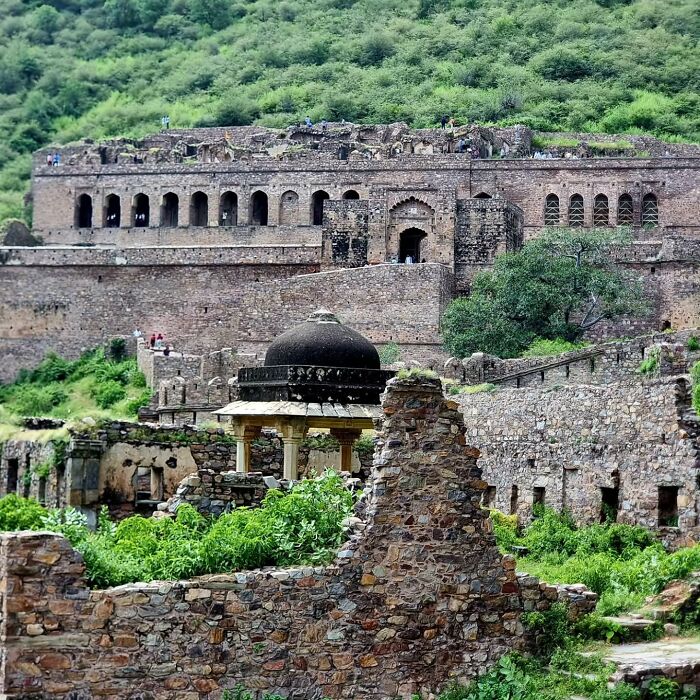
A government sign outside Bhangarh Fort in India legally prohibits anyone from entering the ruins between sunset and sunrise. Legends claim a powerful curse caused the 17th-century city to be completely deserted shortly after its construction. Inside the fort walls, the remains of temples, palaces, and marketplaces stand in a state of well-preserved ruin. These stories, combined with the official government warning, reinforce its widespread reputation as the most haunted place in the country.
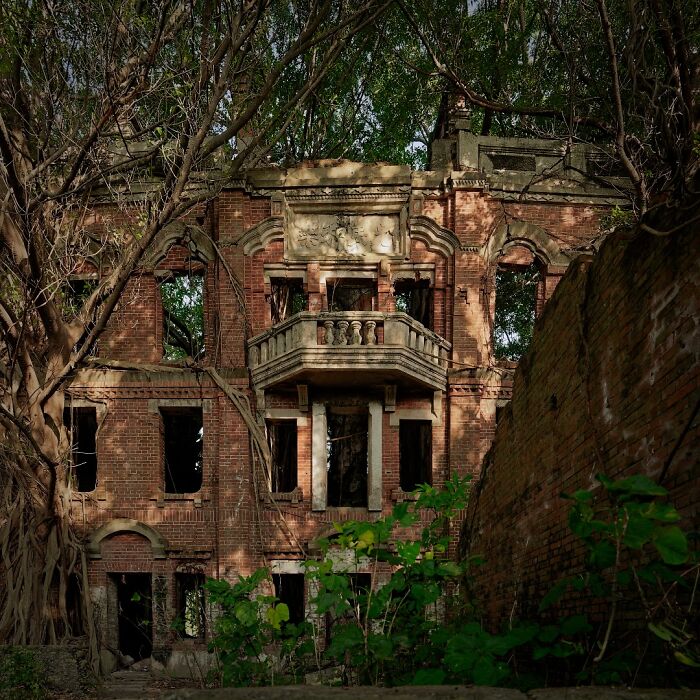
Multiple dark legends surround the crumbling walls of the Minxiong Ghost House in Taiwan. The wealthy Liu family built the grand Baroque-style home in the 1920s but abandoned it for reasons that fuel local speculation. The most popular story involves a maid who, after being mistreated, drowned herself in a well and now haunts the property. Today, the ruin is famously overgrown with tangled tree roots and draws curious visitors to what is often called Taiwan's most haunted house.
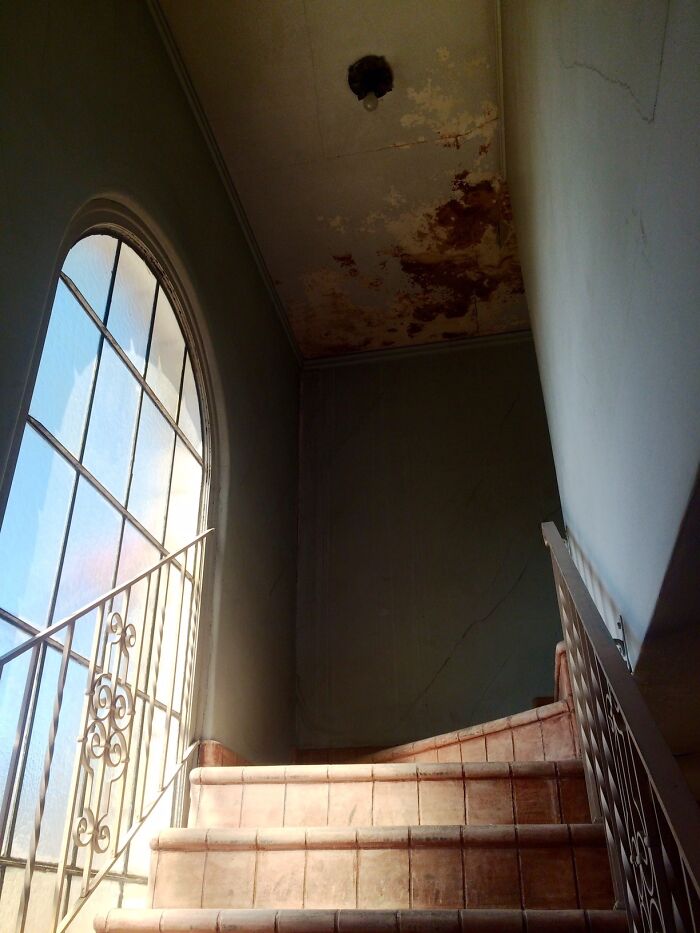
2475 Glendower Place, located in Los Angeles’ Los Feliz neighborhood, has been abandoned for over 60 years. This follows the infamous and gruesome events of December 6, 1959, where a renowned doctor fatally attacked his family and took his own life. While the mansion has had several owners, it has remained largely vacant and untouched. Since October 2024, the mansion has been on the market for a jaw-dropping $3.649 million.






I recognize many of these from Science Channel's excellent "Mysteries of the Abandoned" series.

I recognize many of these from Science Channel's excellent "Mysteries of the Abandoned" series.





































 No fees, cancel anytime