Get Premium
Dark mode theme is available exclusively for premium users. Learn more about the benefits of subscribing.
No fees, cancel anytime.

 Dark Mode Ad-Free Browsing Unlimited Content
 Ad-Free Browsing Unlimited Content Dark Mode
Join 1.2 million Panda readers who get the best art, memes, and fun stories every week!
Historical artifacts serve as tangible connections to the past, helping us understand and preserve the memory of civilizations. These objects can tell us stories about how people lived, what they valued, and how societies evolved over time.
The good thing is that you don't even need to go to museums to enjoy this anthropological journey.
Thanks to the Facebook group 'Ancient Marvels Of Mankind,' you can do it from your device! Members of this online community are constantly sharing pictures of the best finds from across the globe.
This post may include affiliate links.
Archaeologists excavate areas in which ancient cultures lived and use the artifacts found there to learn about the past because many ancient cultures did not have a written language or did not actively record their history, so these finds sometimes provide the only clues about a particular group or site.
For example, artifacts have provided essential information about life in ancient Egypt. There, people believed in an afterlife and buried the dead with things they would need after they left their bodies behind.
As a result, the tombs of ancient Egypt provide a wealth of artifacts that give insight into the culture.
That's lovely, I'm assuming it must have had even more detail before the sea got hold of it

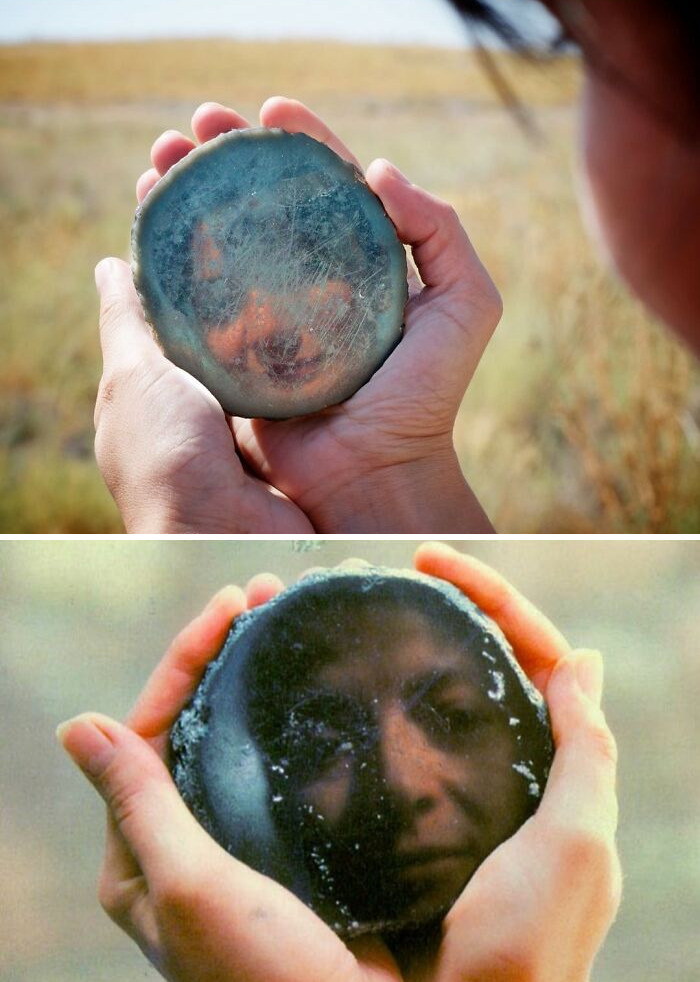
Approx 8000 years old. The description in the title is a general onez applied to all mirrors found in the area from this time period.
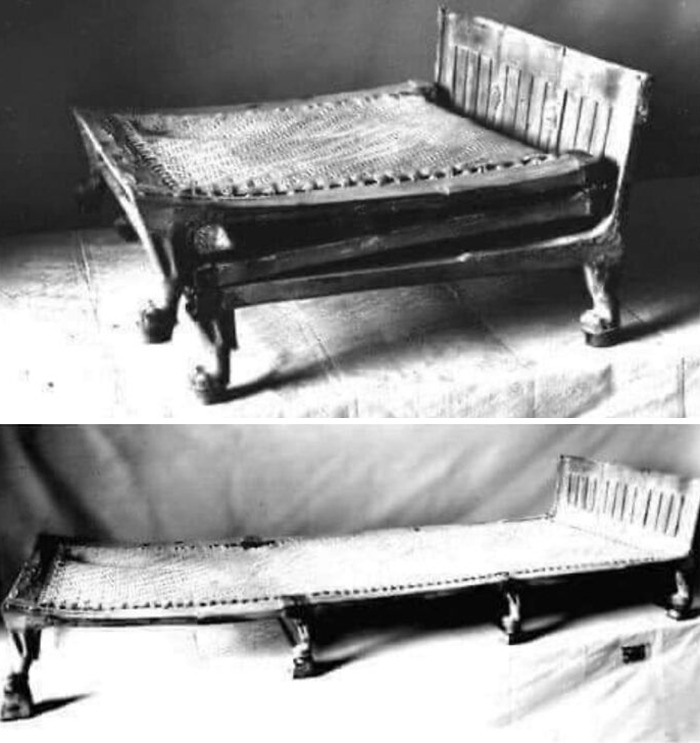
The tomb of King Tut is perhaps the most famous. In 1922, British archaeologist Howard Carter came upon the tomb of the Egyptian Pharaoh Tutankhamun, more commonly known as King Tut.
His tomb had been undisturbed since he was buried around 1323 B.C.E. Murals on the wall of the tomb told of King Tut’s funeral and journey to the afterworld. The tomb also included more than 5,000 artifacts, including perfumes and oils, jewelry, statues, and toys from Tut’s childhood.
Carter led a team of archaeologists in cataloging the items from King Tut’s tomb. This took them over a decade, but the artifacts continue to help historians better understand life in Egypt.

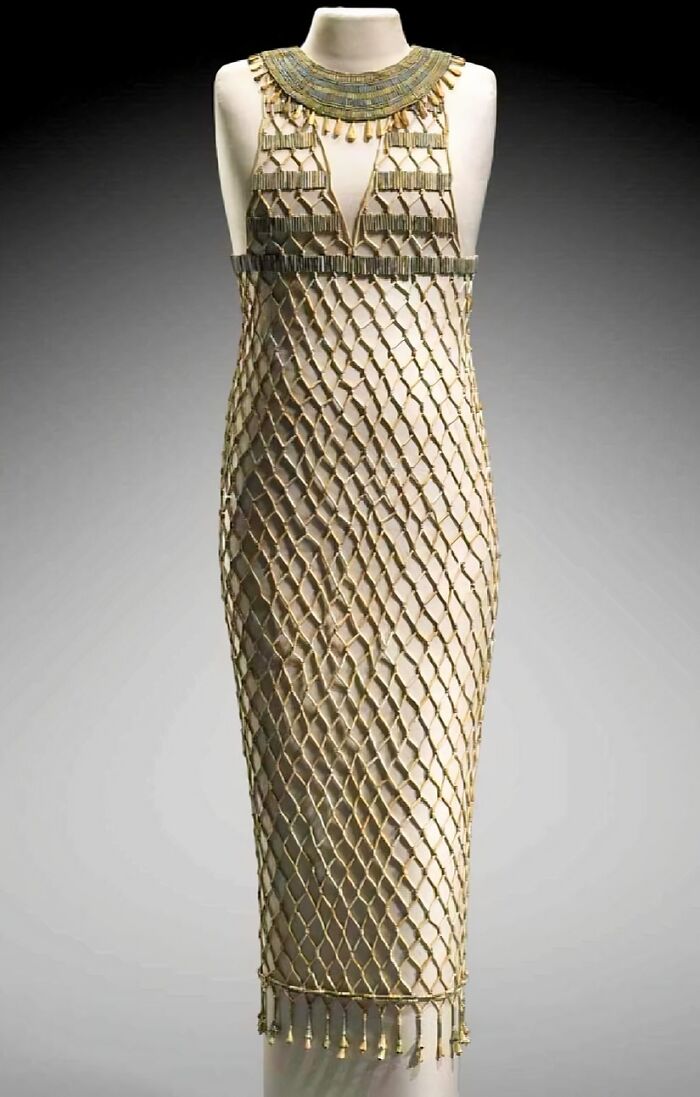
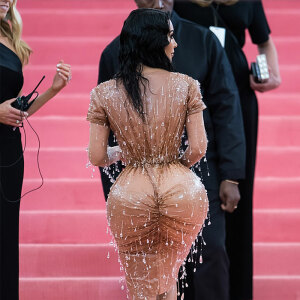
See-through was all the rage in ancient Egypt, as lots of paintings show. Egyptians had a very different approach to everything concering the human body, but bead dresses like this are explicitely mentioned as seductive in texts. And yes, they were worn without anything under it. A royal poem from the 18th dynasty actually starts "Take some young women, and give them nets of beads instead of clothes, then let us make a (pleasure) cruise on the beautiful nile...". As sexuality was seen as a pleasure as well as sacred, even godesses were sometimes depicted in outfits like this.
Even though specialists have a good grasp of what most historical objects were created for, every now and then they unearth a few exceptions.
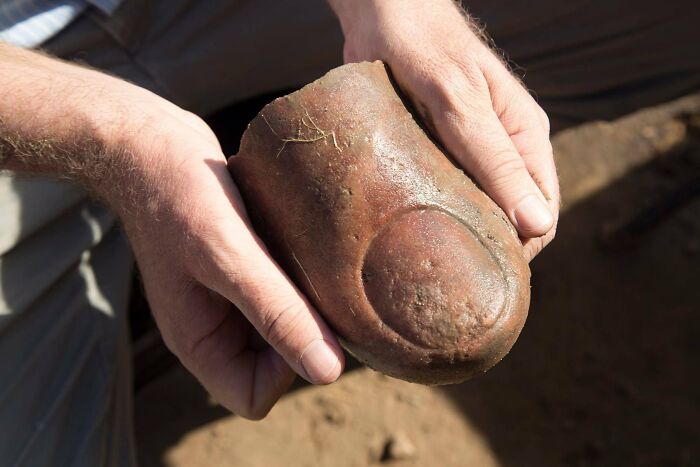
Take the neolithic stone balls for example. They were found predominantly in Scotland and date back to the later Neolithic period (circa BC 3,200-2,500).
So far, more than 425 of these balls have been discovered. They are generally the size of a cricket ball and made from a wide variety of stones. Their surfaces are sculpted, sometimes into raised circular discs and sometimes with deep incisions defining knobs and lobes in high relief. Decoration takes the form of spirals or concentric shapes, echoing those found in pottery and monumental stones of the era.

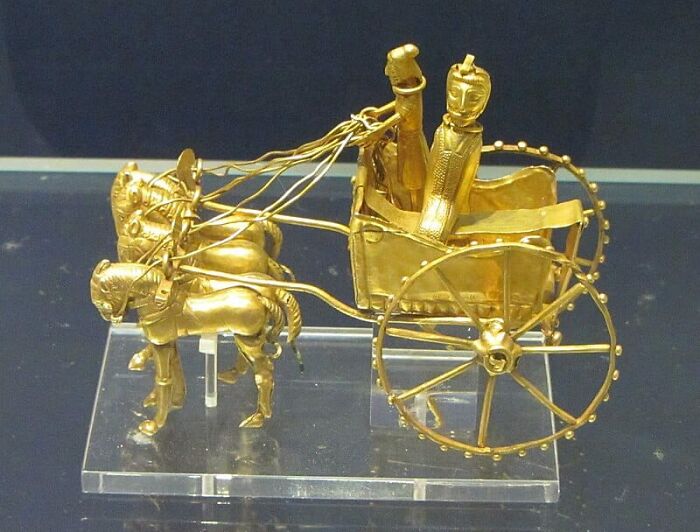
The 1950s date on the item's discovery makes me immediately think that it came from Dingling; the tomb of Emperor Wanli, Empress Xiaoduanxian, and Empress Dowager Xiaojing, which was ransacked in the Cultural Revolution (and the bodies of the Emperor and at least one Empress were destroyed). However, I can't find what tomb it came from, so it might not be Dingling. Close excavation date though.

The last 2 words brought to mind a book I read once, decades ago: The Clan of the Cave Bear (1980). A novel by Jean M. Auel, set in prehistoric times. theclanoft...734de0.jpg 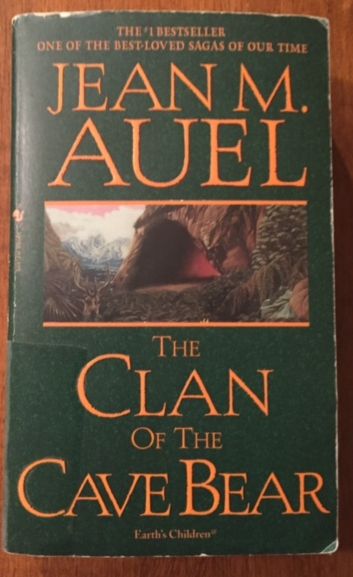
Some have been found in burials, others in settlements, and they are rarely, if ever, identical. Most are also found alone, so don’t seem to have been part of a set. Some appear to have been heavily handled during their lifetime.
The original use of these stone balls has been a source of much debate, right back to their earliest discovery in the 19th century. It doesn't help that many were chance finds or circulated with little provenance in art collections and have rarely showed up in an archaeological context.

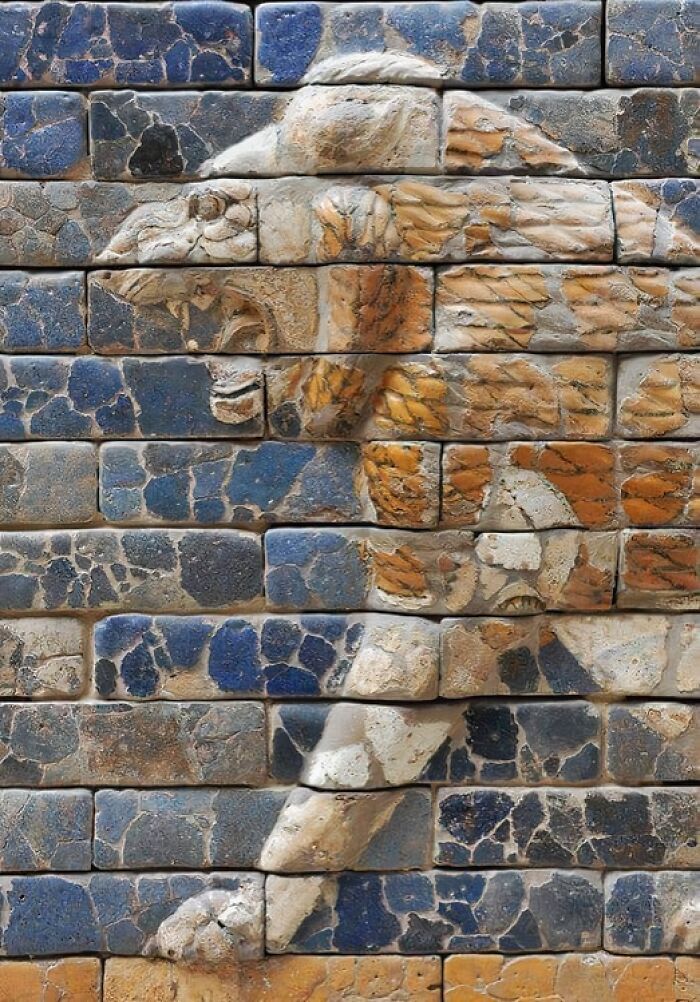
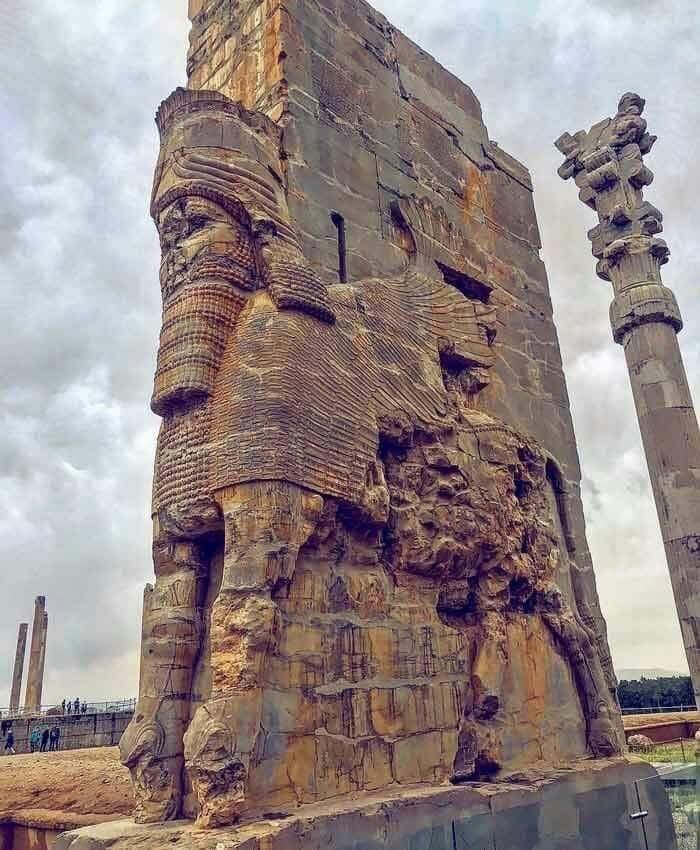
Liberated by the Germans, as it's in the Pergamon Museum in Berlin. But I actually have mixed feelings about this one, since I'm not sure it would have been preserved at all if it remained in Iraq. https://en.wikipedia.org/wiki/Ishtar_Gate
"Were these stones missiles for deterring predators and pests?" asks Natasha Harlow, an honorary research fellow at the Department of Classics and Archaeology, University of Nottingham. "Weapons of war? Toys? Or perhaps measuring weights, household ornaments, mnemonic devices, and ball bearings to move megaliths or holders for yarn? The answer still escapes us."
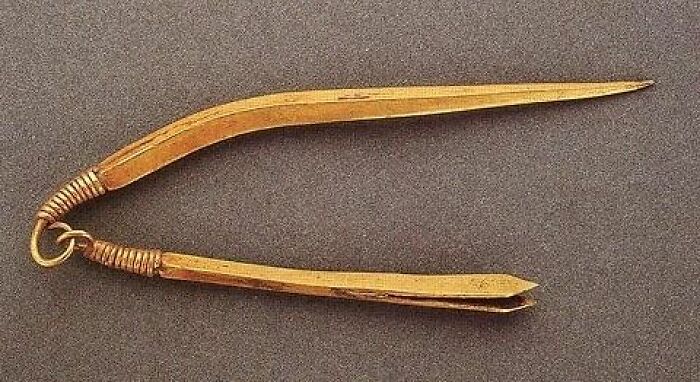
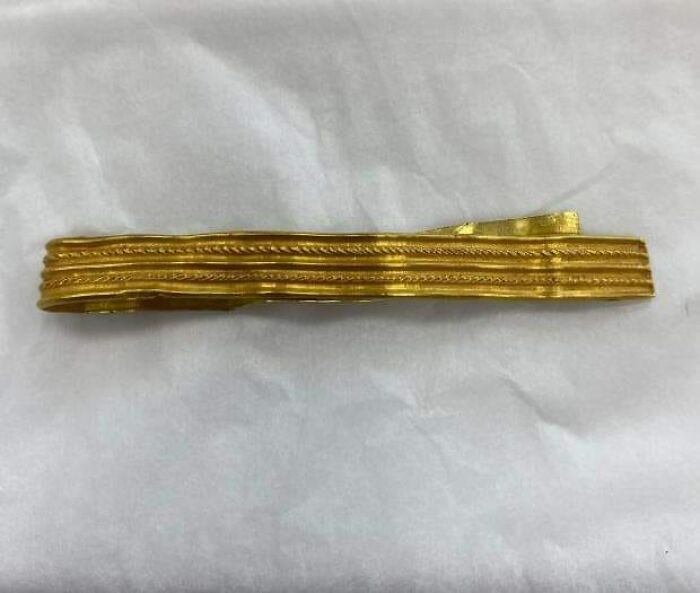
Another mysterious example is the bronze age "lock-rings." The period was a time of exceptional craftsmanship, and highly decorative personal ornaments were made from gold sheets and wire.
These small penannular (open) rings date from the late bronze age (circa BC 1,000-800) and are found in Ireland, Britain, and parts of France.
They are frequently unearthed in matching pairs and can be plain or have delicate, geometric engravings.
"Recent interpretations have suggested they could have been nose rings, earrings, or hair ornaments," Harlow explains. But, "none of these explanations is terribly satisfactory, as various elements of their design would make the rings difficult or uncomfortable to wear.
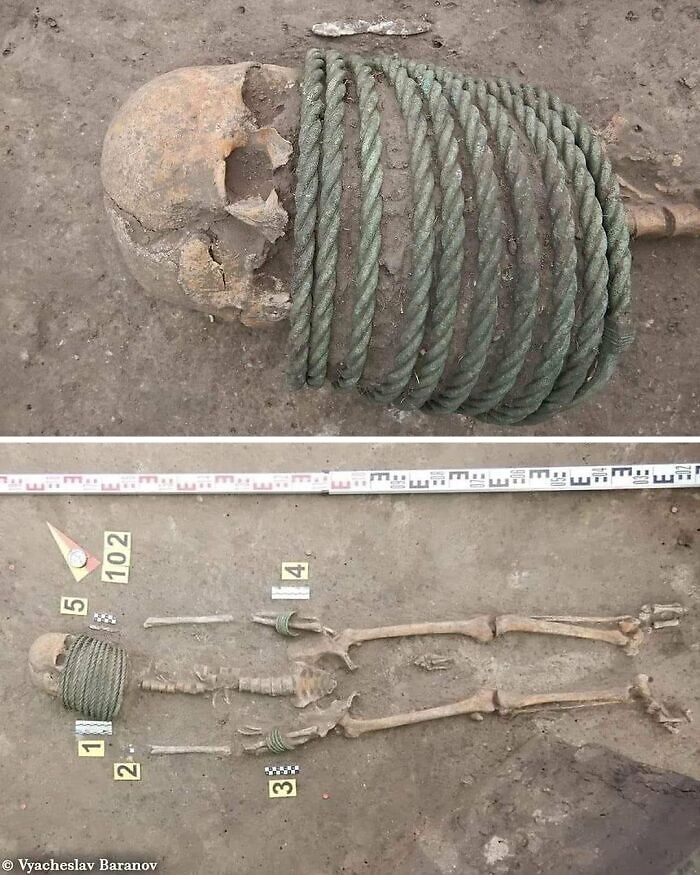
What we lack is context – like the recent discoveries at Boncuklu Tarla, in Turkey, of burials with facial jewelry found close to skulls.
Not to mention looting — some people dig up artifacts from sites and they end up in private collections before they are able to be excavated and analyzed using formal scientific principles.
Hopefully, we'll grow more aware of the need to protect our history, and we'll see more cool discoveries on 'Ancient Marvels Of Mankind.'

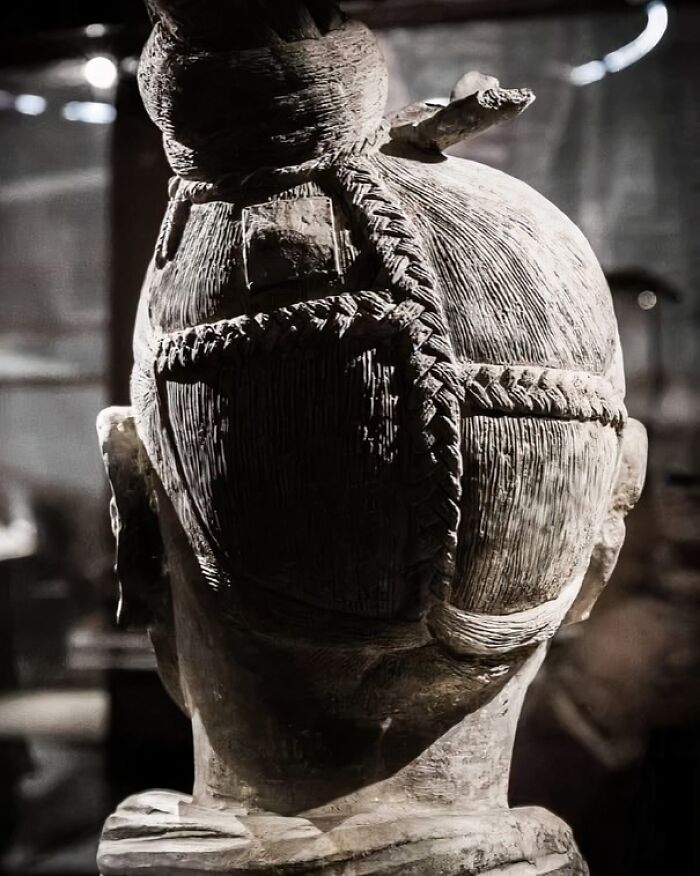
Not only they are detailed, each statue is unique. They all look similar from afar. Upon a closer inspection, each one of has a different face with a different body pose.

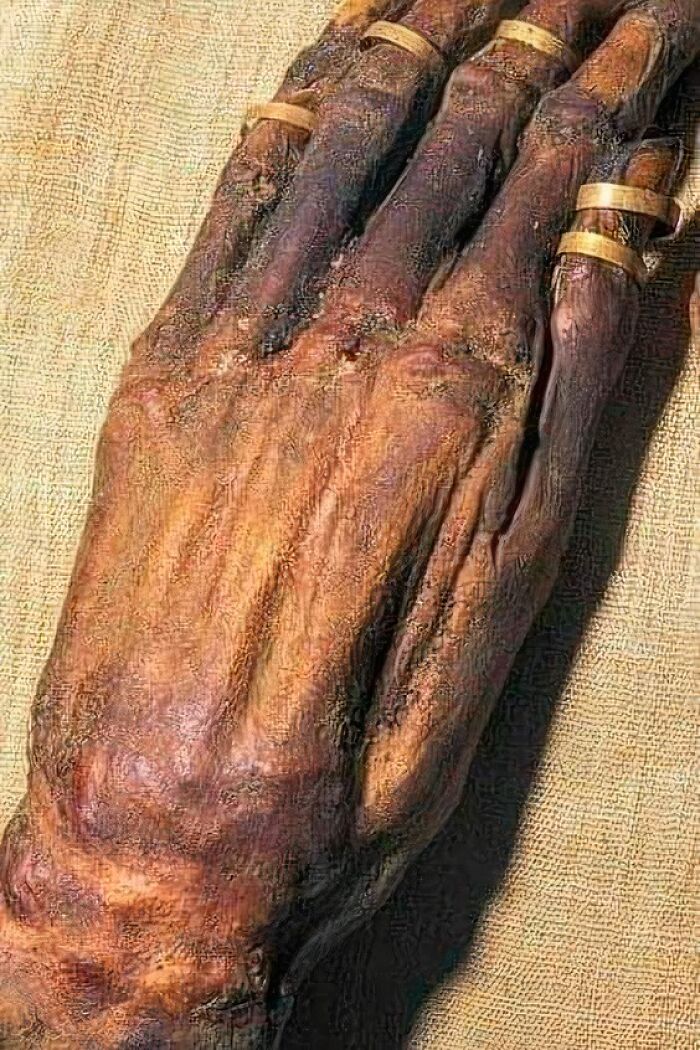
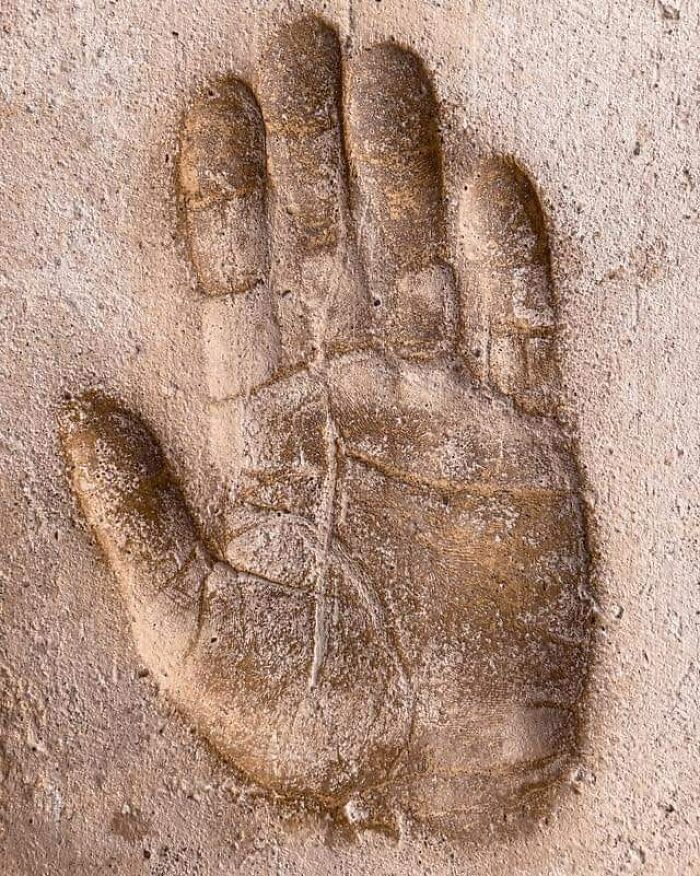
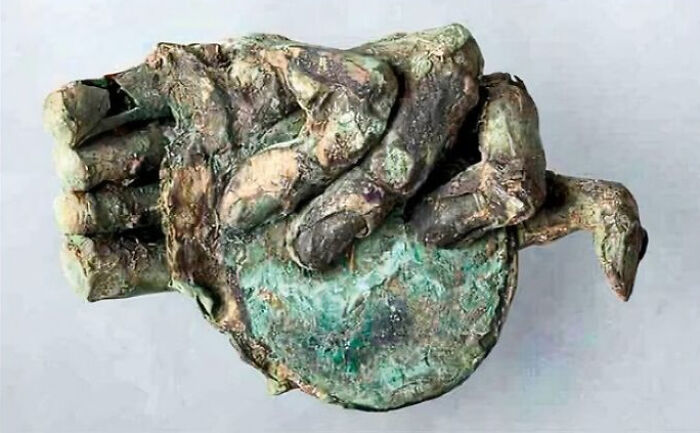
Apart from being all shrivelled and dry, yeah, wow, that really is some amazing embalming! Most ‘human’ looking hand from a mummy I’ve personally seen.

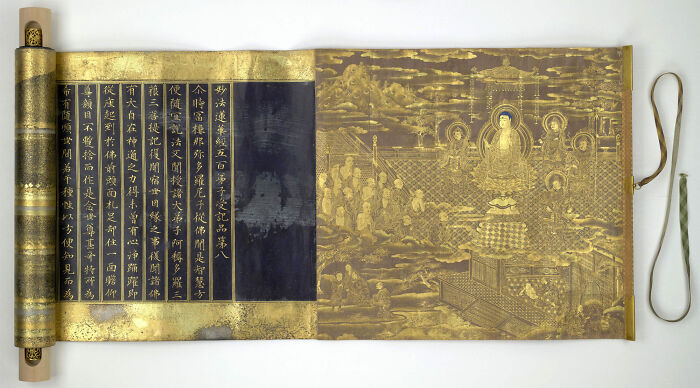
About The Lotus Sutra for this interested: The Lotus Sutra is regarded as the single most important text of Mahayana Buddhism. It crystallizes the entire system of Indian Buddhist philosophy as created by Shakyamuni. The unique teaching of the Lotus Sutra and its ultimate goal—indeed of Buddhism as a whole—is to enlighten all people; to relieve them of their suffering and enable them to experience genuine happiness, thereby establishing a society that values peace and the dignity of life.

This kind of stuff is why I always wanted to be an Egyptologist. The craftsmanship, the detail, how well it's been preserved - absolutely amazing!

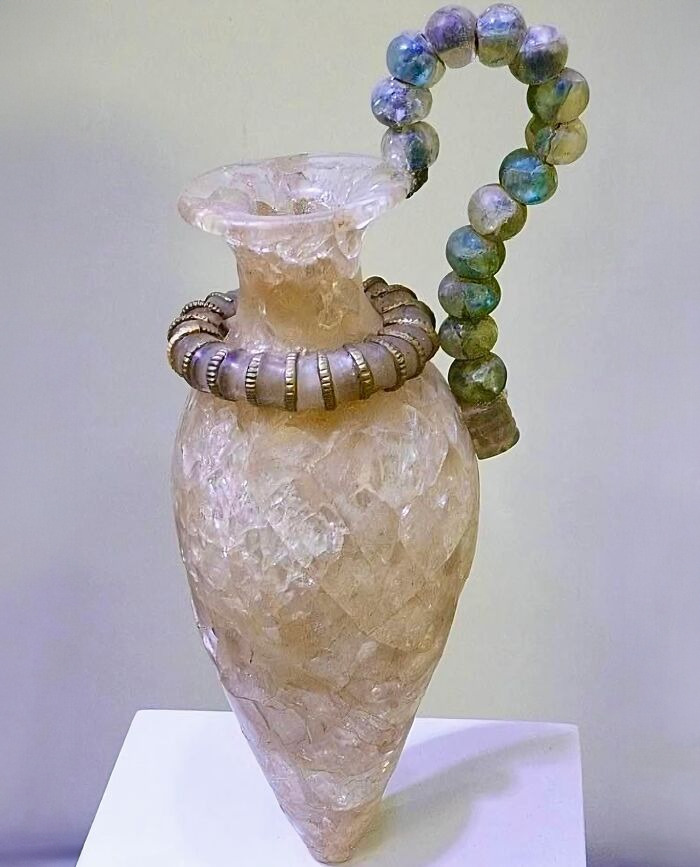
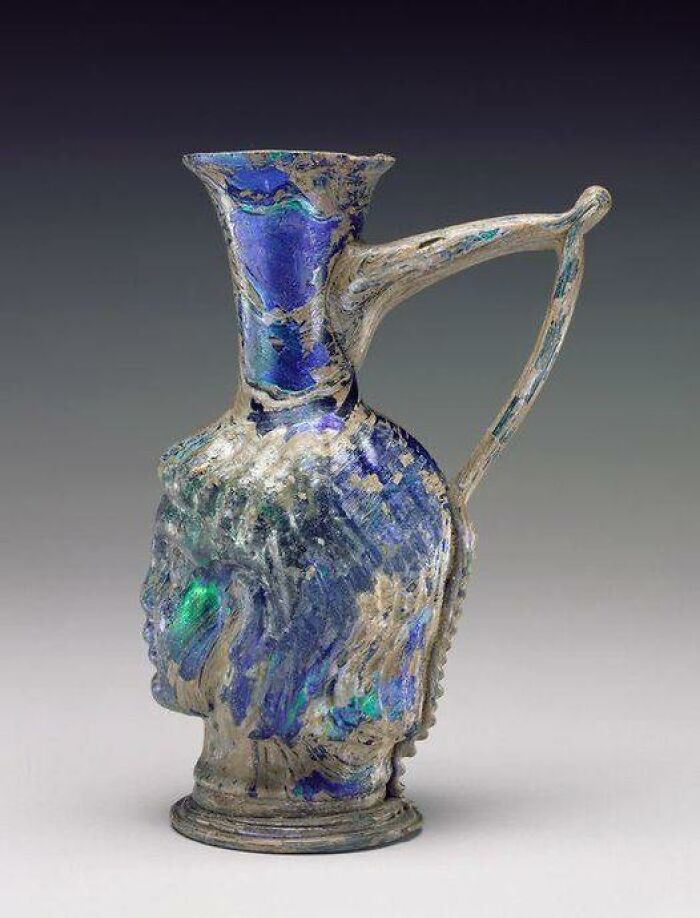
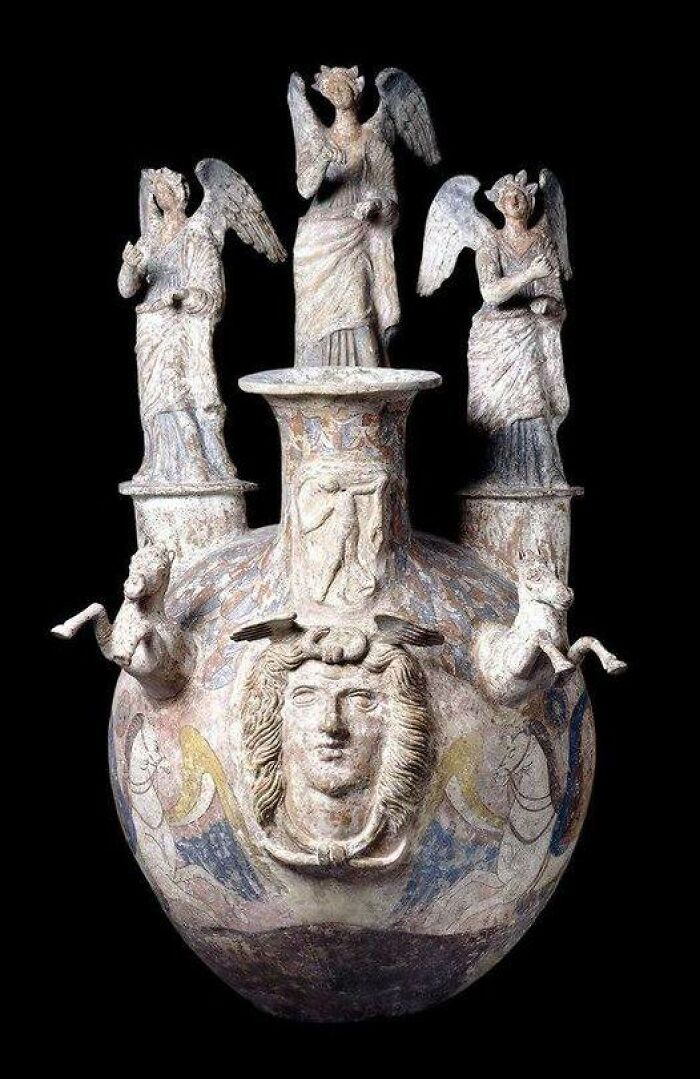
Would this have been used as a vase or something? Any knowledgeable Pandas know?

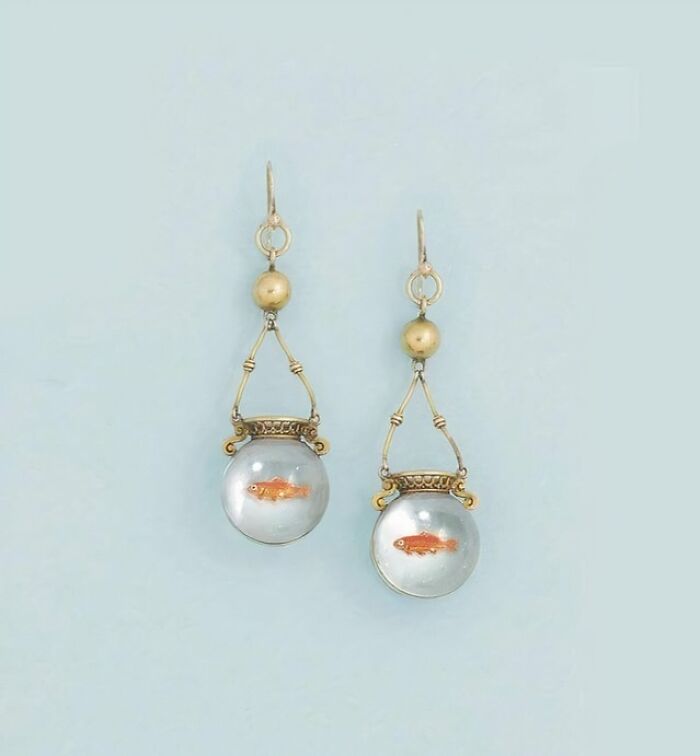
I'd really like to see how they crafted rock crystal items like this.
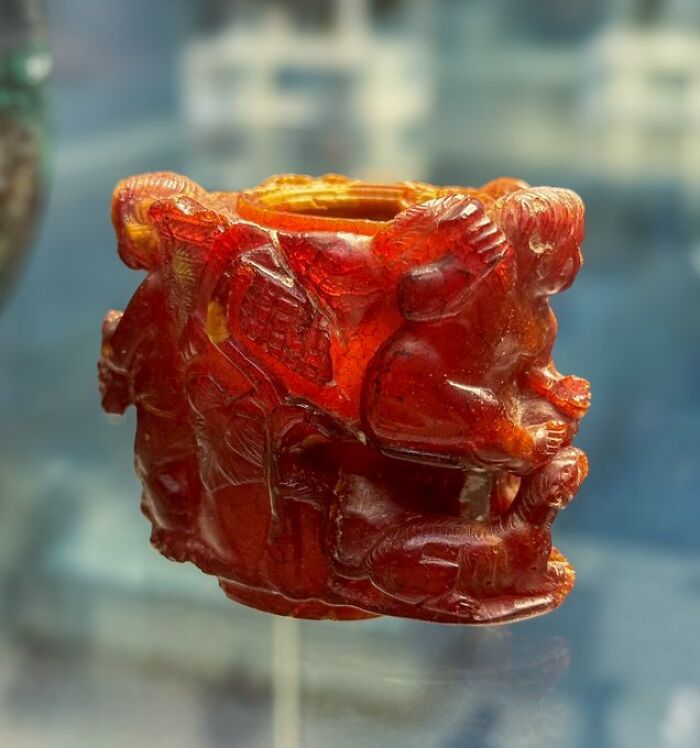
My first thought was that some of them seem like they’re dancing.
Is that a scar going up the palm to the middle finger? if so ouch that had to hurt.
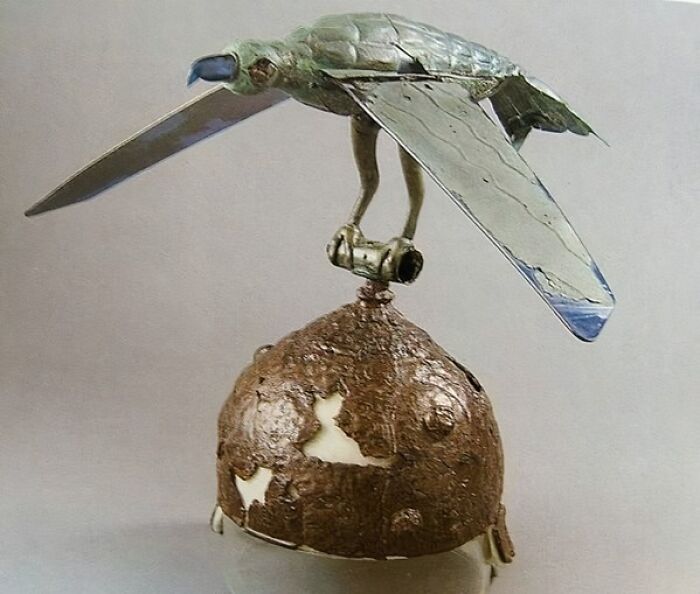
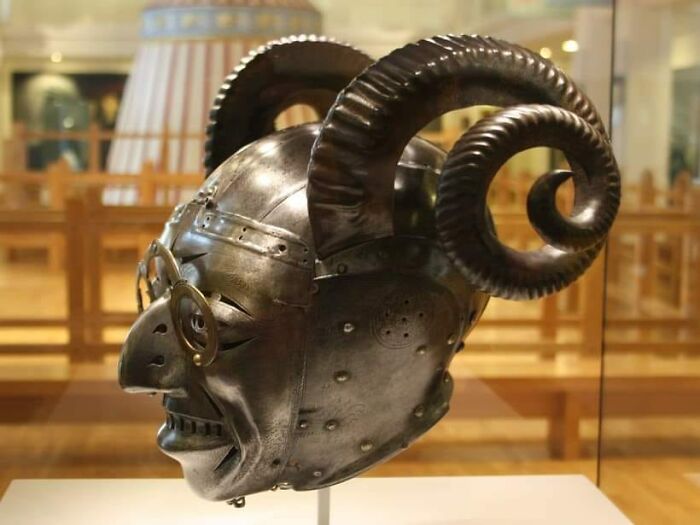
Noting mysterious about it The horned helmet of Henry VIII (more properly called the parade armet) is the surviving part of a full suit of armour made by Konrad Seusenhofer between 1511 and 1514. The armour was a gift from the Holy Roman Emperor Maximilian I to the English king Henry VIII, following their alliance in the War of the League of Cambrai. The suit was elaborate and intended for display at tournament parades. It is unclear who was the intended wearer of the armour, but it appears to have been modelled on one of Henry's court fools. Henry may have worn the armour as a jest.
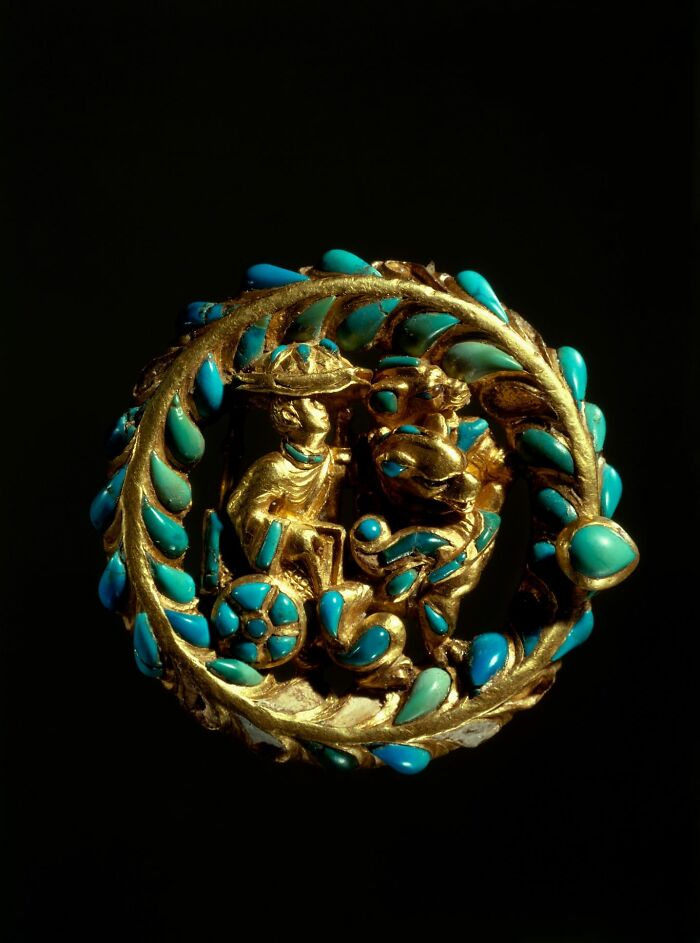
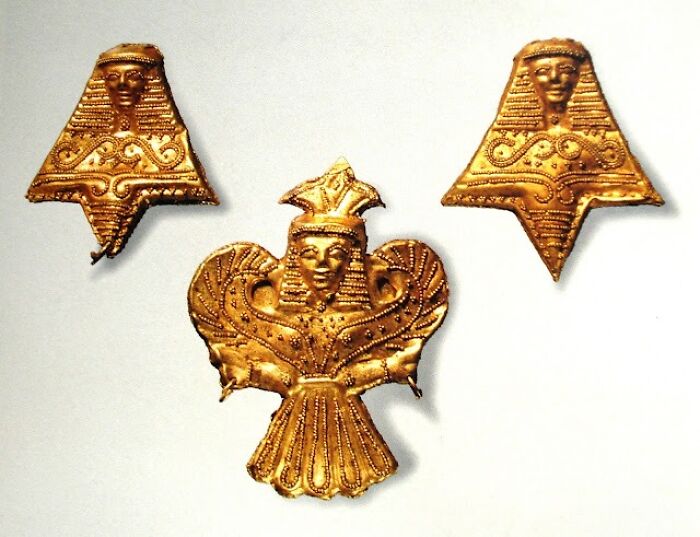
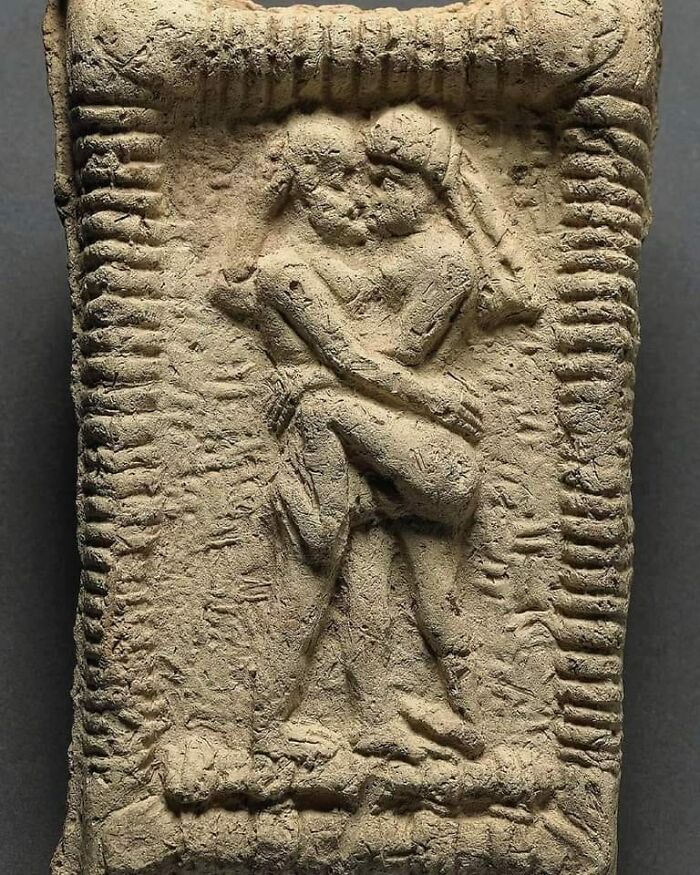
This is probably my personal favourite of the list, being a basic mythology nerd. I just wonder if those are supposed to be a depiction of Cupid or a depiction of Dionysus/Bacchus? Some of their representations have been more well-rounded men than the usual youthful god.


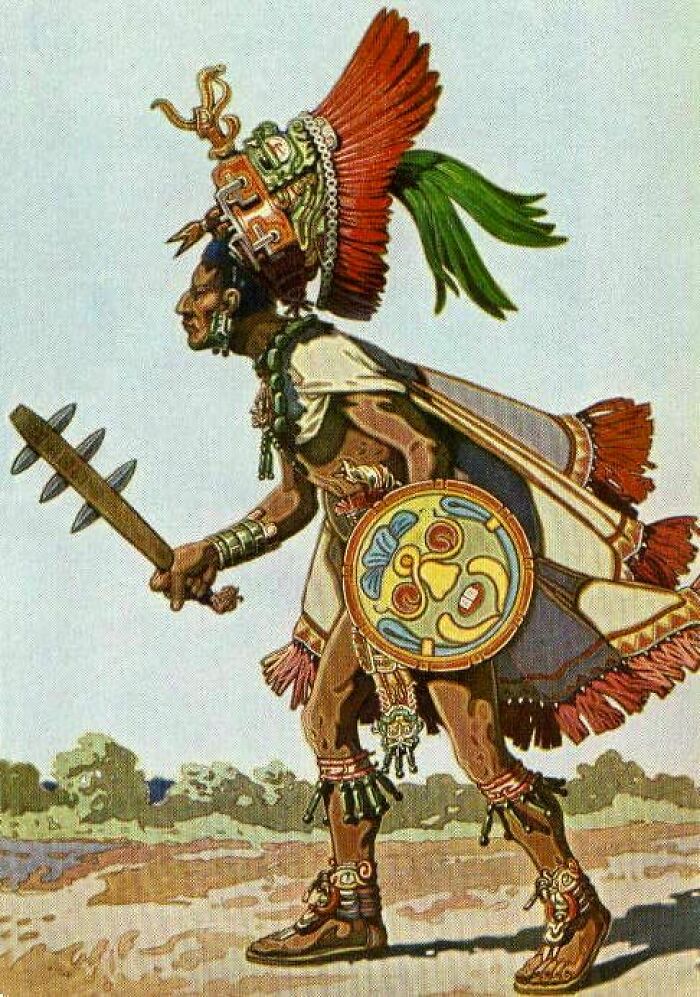
Metals available to them were too soft for use as weapons, just gold or copper they dug out of the ground in metallic form. They didn't have any technology to extract other metals from ore, nor to make alloys like Bronze (that was used for weapons elsewhere until iron extraction and production was developed).

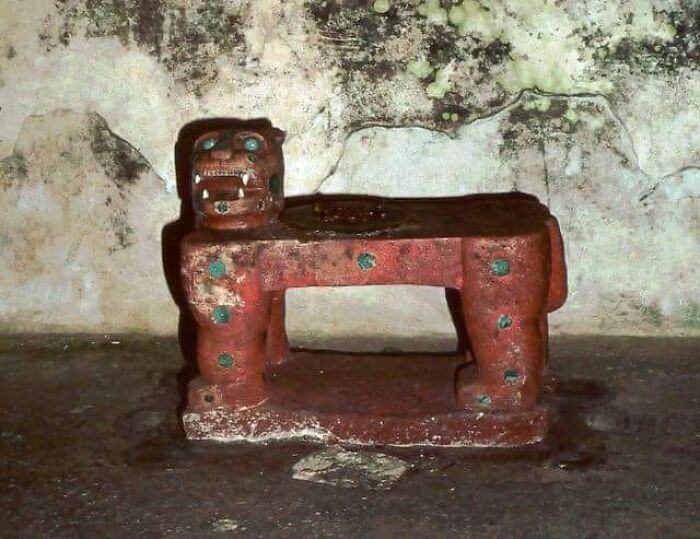
Before everything was roped off at Chichen Itza, we were able to climb up thru the insides of the Temple (there are at least 3 older versions built over) thru a dark and claustrophobic walkway that led to this altar. I'm glad we were able to see the site before it became overrun by tourists and hordes of vendors.
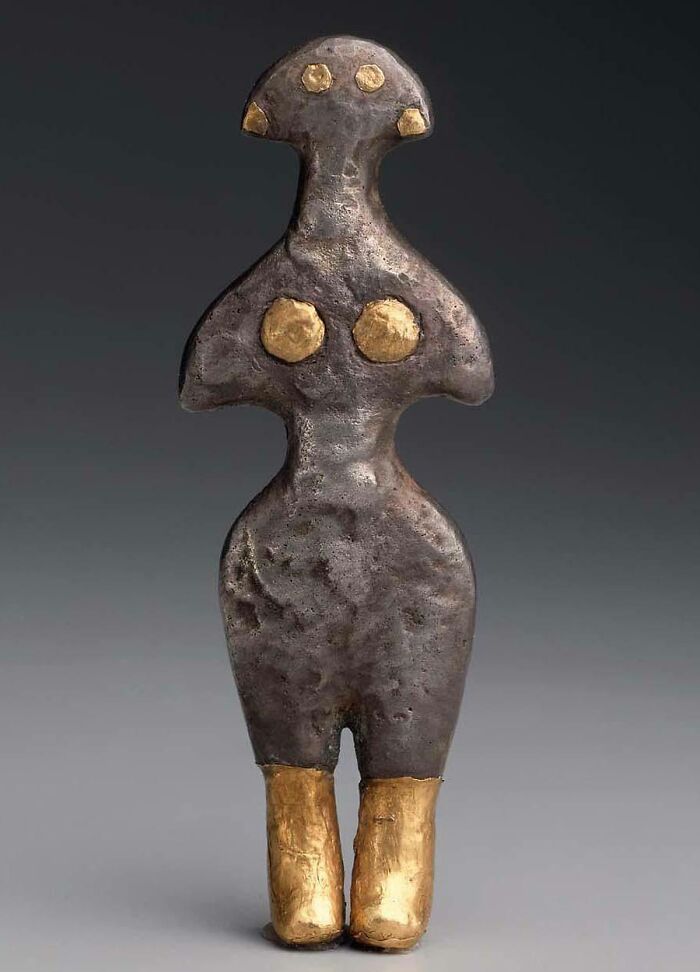
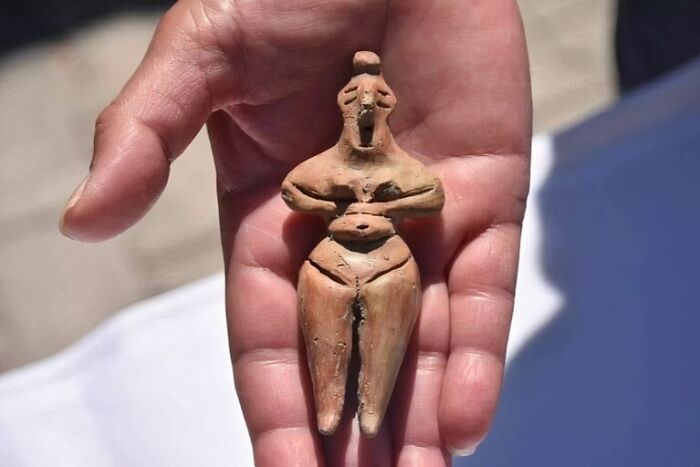
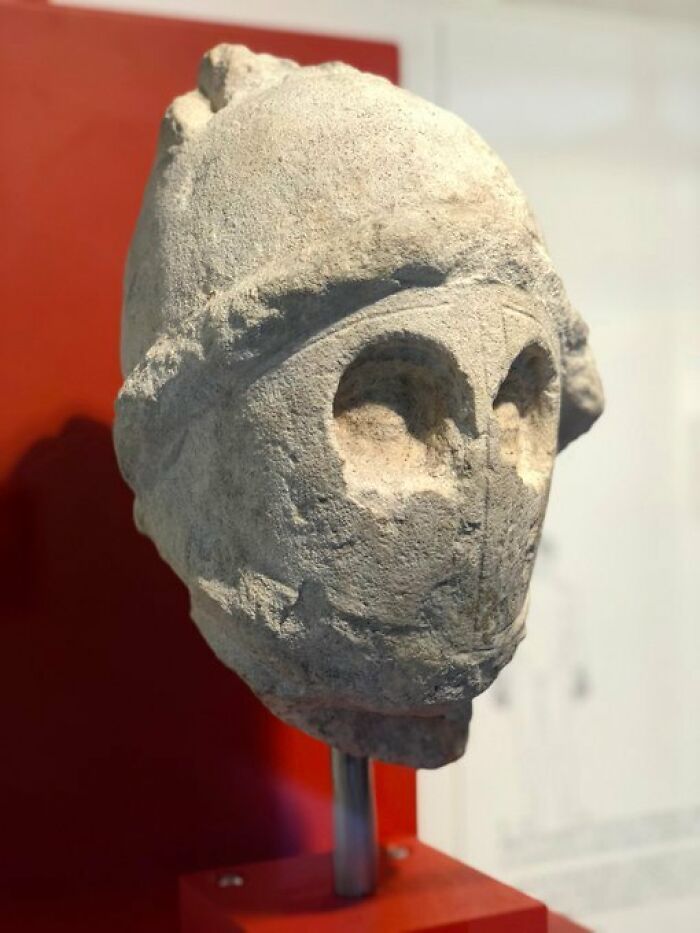
I was curious how they know that's a female figure, given the lack of typical indicators. Apparently this determination is an extrapolation based on the forms of similar free-standing figures. Mycenaean_...78e88c.jpg 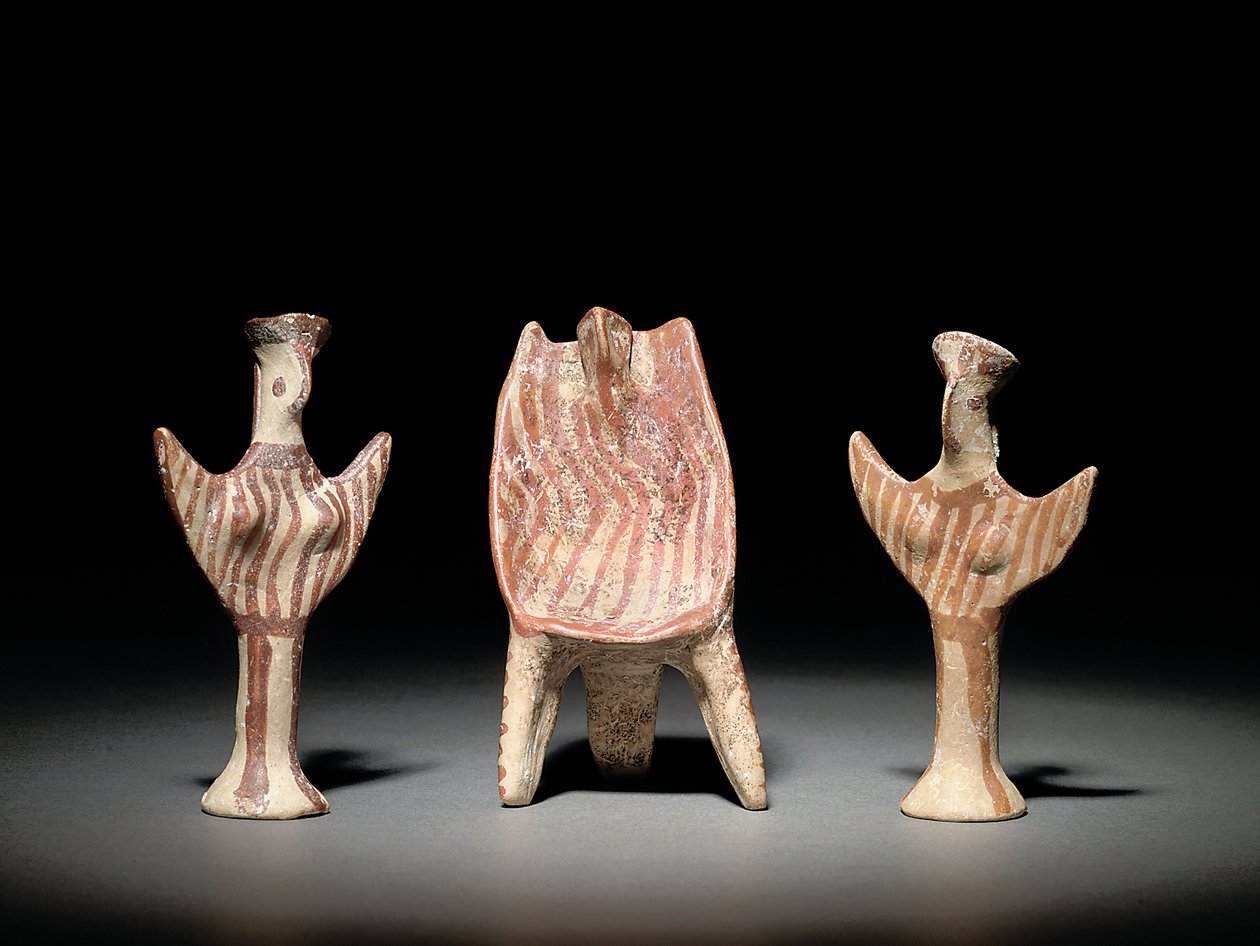

Definitely. Less people whining because someone mildly annoyed them, more like this, animals, fun stuff, positive stuff.
Load More Replies...
We see these and wonder why they can't make a refrigerator last 10 years with our modern technology.

Definitely. Less people whining because someone mildly annoyed them, more like this, animals, fun stuff, positive stuff.
Load More Replies... We see these and wonder why they can't make a refrigerator last 10 years with our modern technology.






























 No fees, cancel anytime