Get Premium
Dark mode theme is available exclusively for premium users. Learn more about the benefits of subscribing.
No fees, cancel anytime.

 Dark Mode Ad-Free Browsing Unlimited Content
 Ad-Free Browsing Unlimited Content Dark Mode
Join 1.2 million Panda readers who get the best art, memes, and fun stories every week!
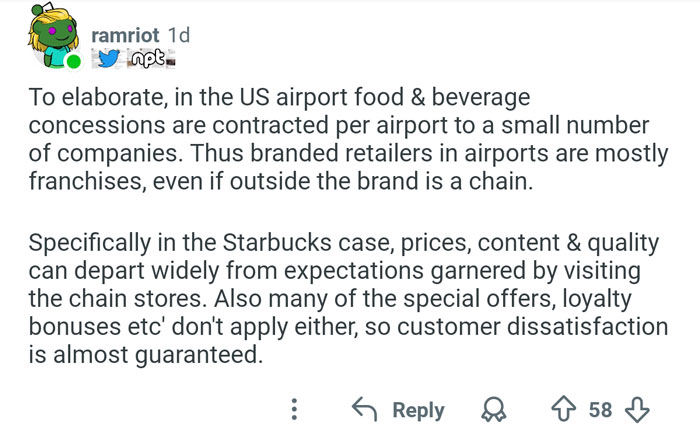
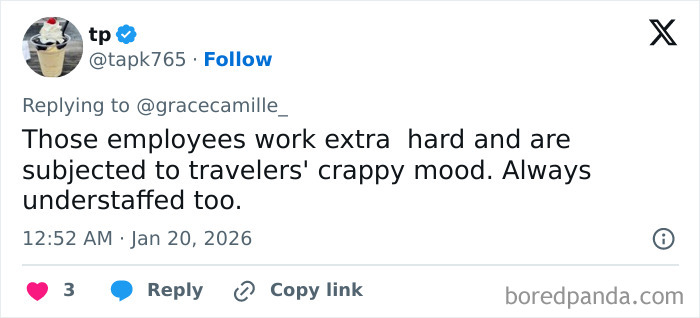
To say that airports can get chaotic at times is an understatement. With so many different people passing through them all the time, flights getting delayed, and folks running late, there’s a lot of tension in the air. So, for some airport cafe employees, dealing with stressed-out, exhausted, and entitled passengers isn’t exactly fun.
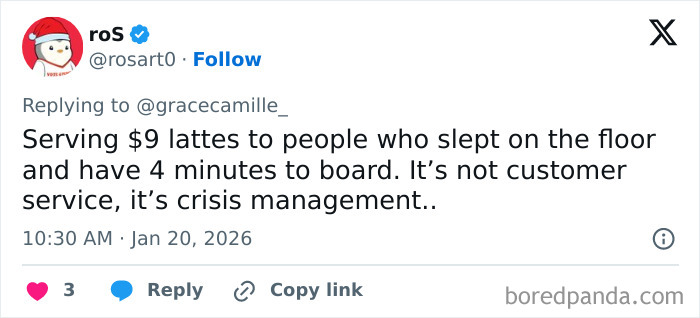
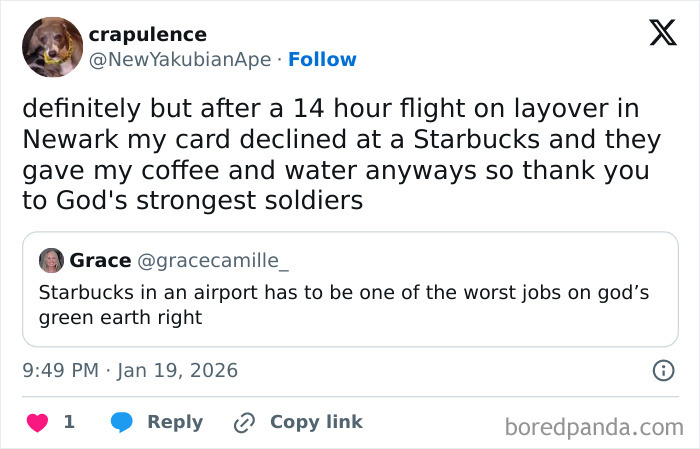
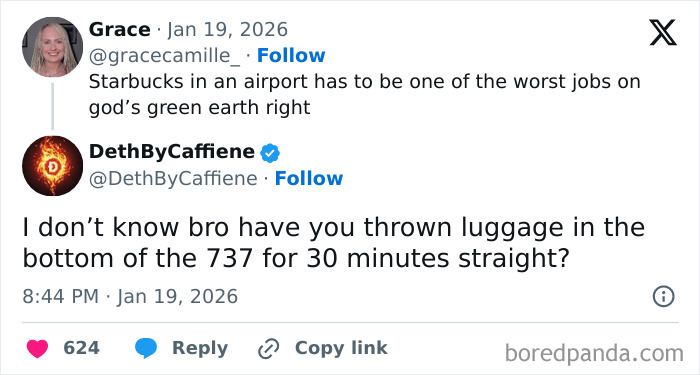
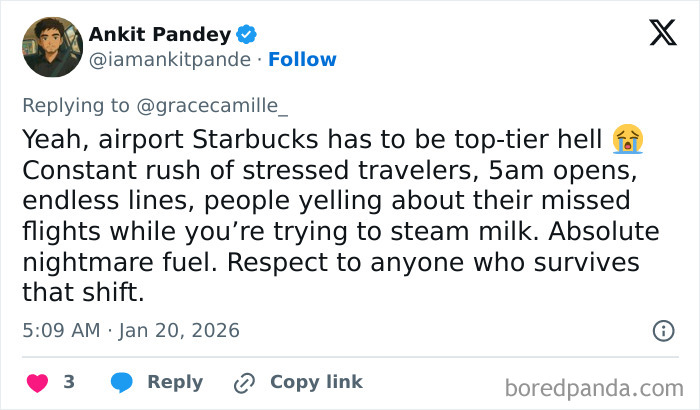
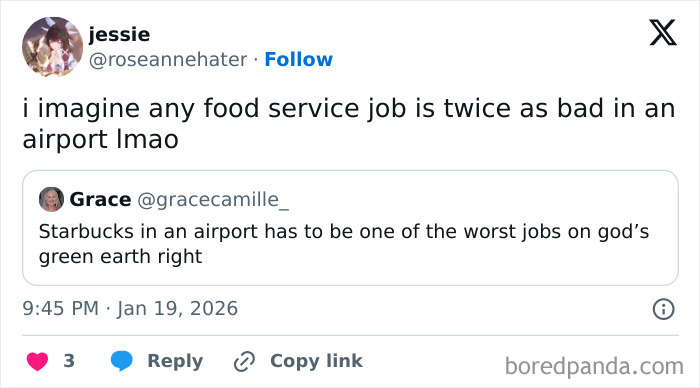
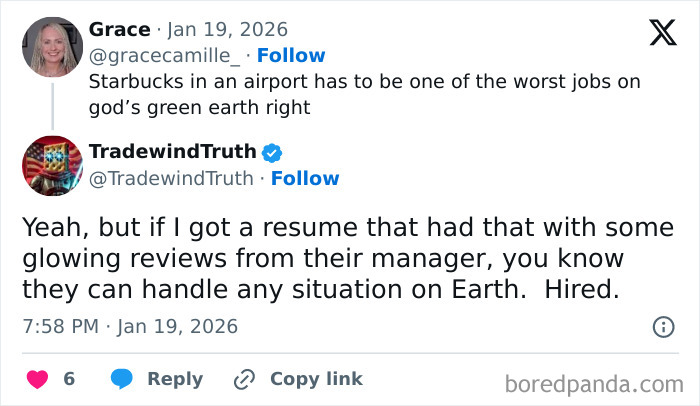
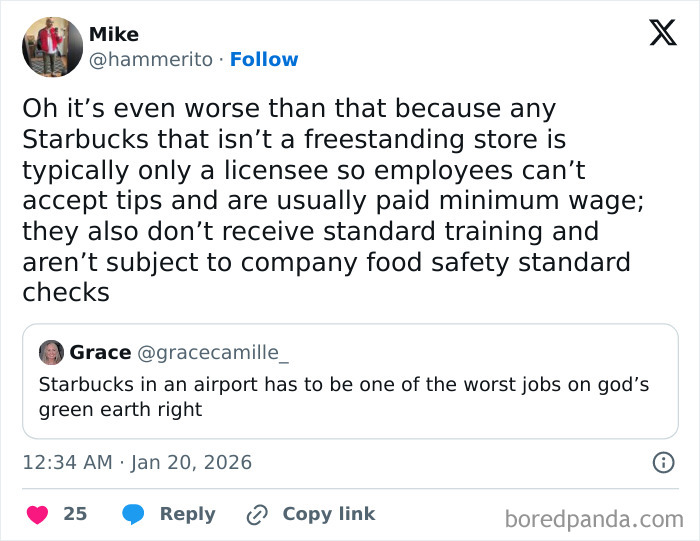
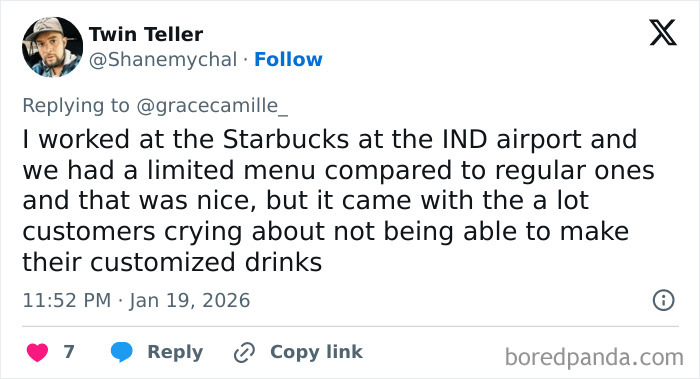
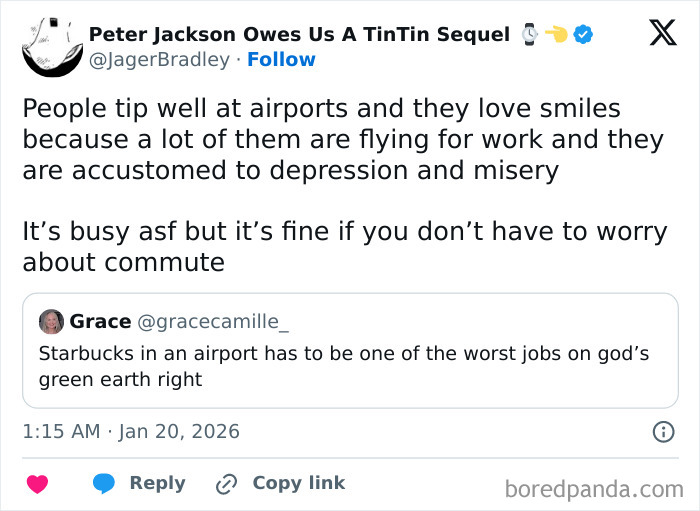
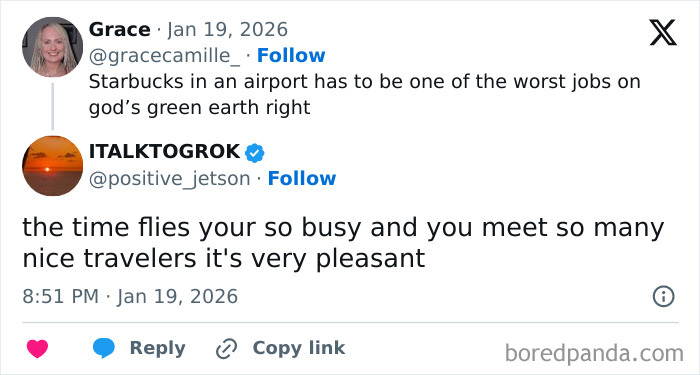
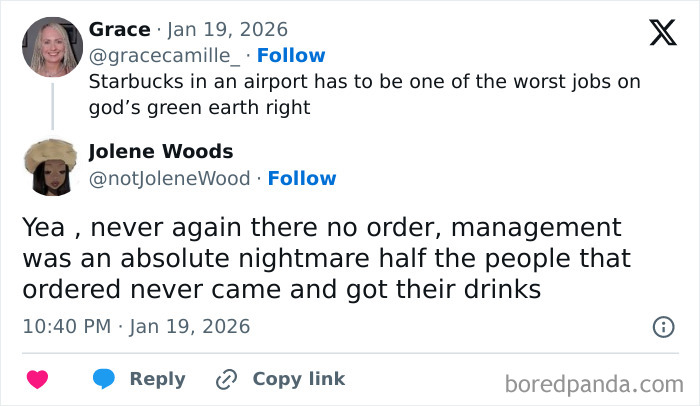
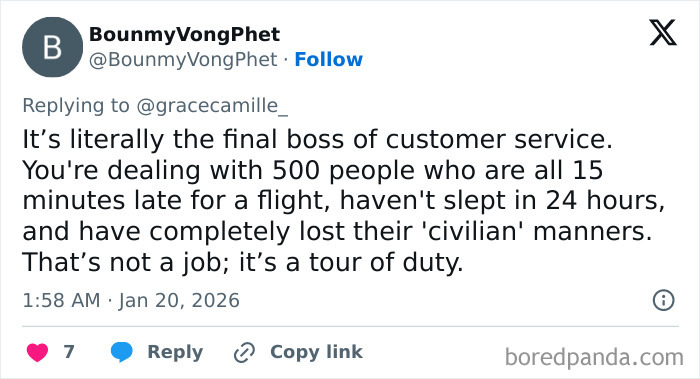
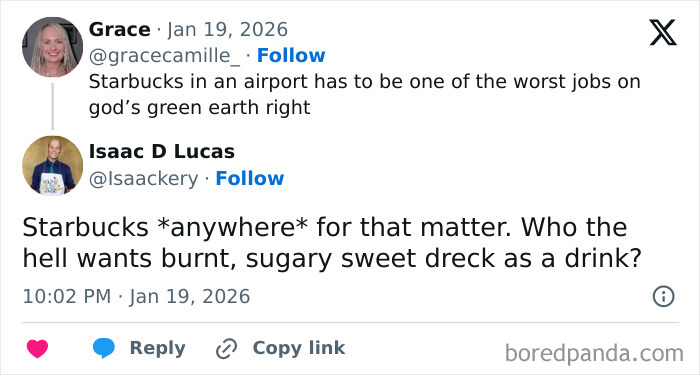
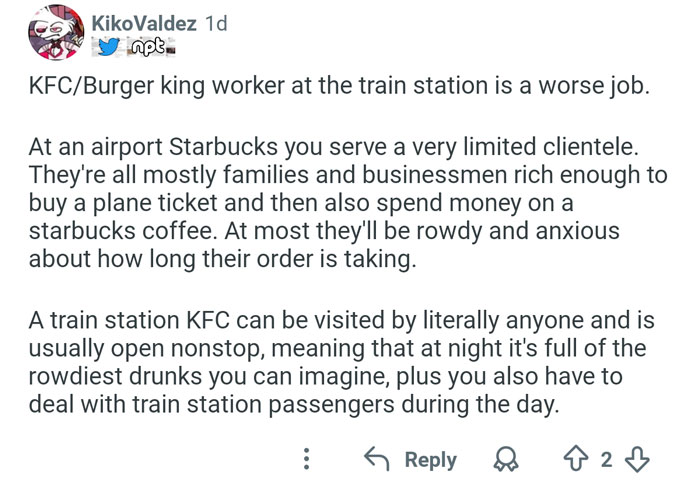
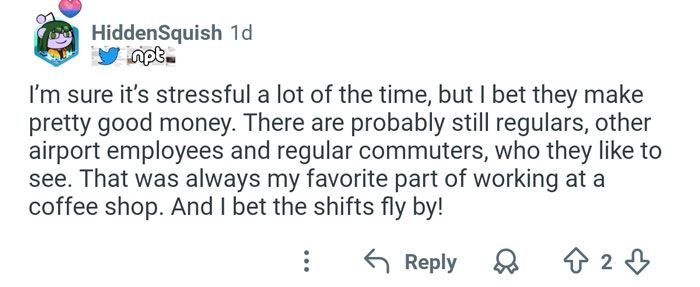
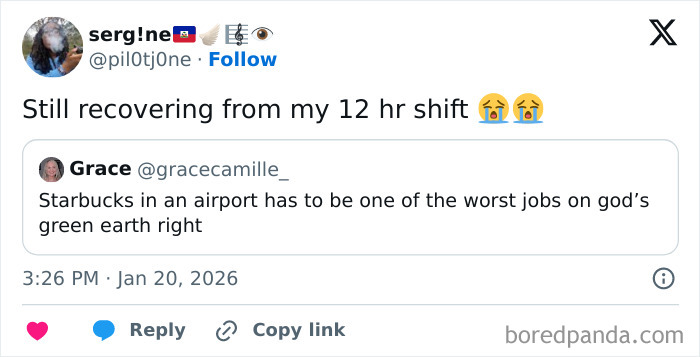
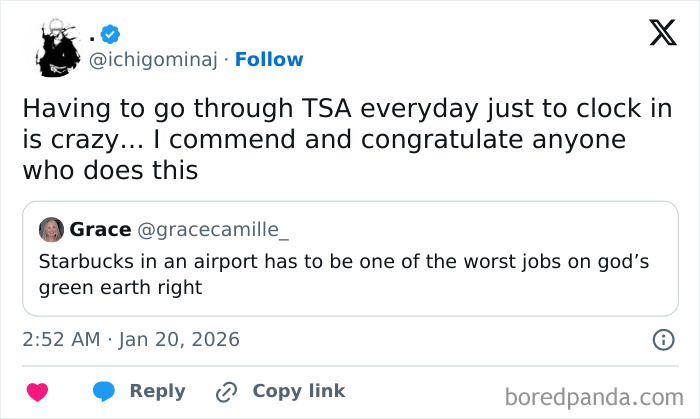
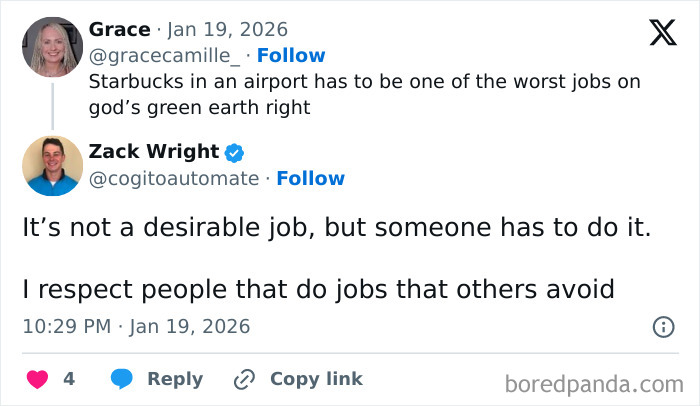
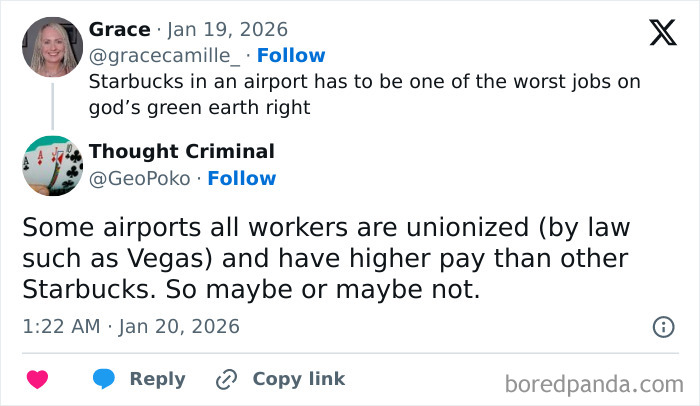
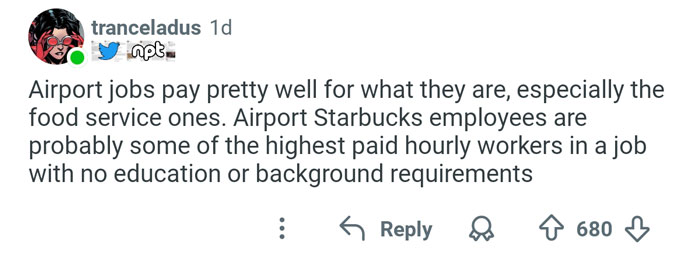
Baristas and travelers took to a thread on X to share why, in their experience, working at an airport Starbucks is one of the worst jobs anywhere. Scroll down for their insights.
This post may include affiliate links.


I'm so tired of everyone wanting a tip for basically doing their job. I understand waitresses, valet, and other jobs that actually do service you but tipping when you order a coffee and you are the one to pick it up.
Who wins the ‘most stress-inducing job of the year’ award isn’t an actual competition. You can feel stressed, burned out, demotivated, and miserable, no matter your specific job.
But some professions are, in and of themselves, more likely to be stressful than others.
Being a firefighter, working in law enforcement, saving people in the emergency room, flying planes, working in construction—these are vocations that will test your limits.
That being said, working at a busy airport cafe as a barista isn’t exactly a walk in the park either.
Not all. I worked at bank inside of an airport terminal in San Francisco and never did I run into anyone that was disrespectful. If anything, you hardly see the same people twice. We did see movie stars and musicians come in. That was cool.
As an airport barista, you’re constantly on your feet, working odd hours and long shifts, and dealing with a non-stop flow of frustrated, annoyed, tired, and sometimes even panicky customers.
Being criticized by angry people who nitpick everything you do, day in and day out, can wear you out. Eventually, your physical, mental, and emotional health will suffer.

Can you imagine how pissed off you probably are if you’re traveling and standing in a 4 hour line at sbux at 5sm? Clearly something - most likely out of your control - totally screwed everything up. I don’t envy those travelers and I certainly don’t envy the wrath those employees had to endure!
The appeal of some stressful jobs is that they can be very fulfilling and impactful. On top of that, they can also be incredibly rewarding. So, depending on your financial needs and goals, you might decide that it’s worth pushing yourself to the limit for a few months or years.
There are two caveats here, though.
First, not every stress-inducing job is going to be financially or emotionally rewarding. If you’re burning out and getting nothing in return, you need to objectively evaluate the situation and look for better opportunities elsewhere. And secondly, you have to realize that chronic stress is going to wreck you, and you need to know when to pull back.
The American Psychological Association explains that some of the most common sources of work-related stress include things like excessive workloads, low salaries, and a lack of social support.
Other sources of stress are having very few opportunities for growth or advancement, unengaging and not challenging work, conflicting demands, unclear expectations, and not having control over job-related decisions.
Meanwhile, Forbes points out that some of the main indicators of a stressful workplace are long average weekly hours, lower earnings, higher layoff or discharge rates, and higher quit rates. What’s more, other red flags include larger burnout rates, higher job opening rates, and more workplace injuries and illnesses due to demanding and hazardous work environments.
The issue with chronic, uncontrolled work-related stress is that it doesn’t simply disappear the moment your shift ends and you clock out.
The APA highlights the fact that stressful work environments can lead to a whole host of health and well-being problems, from sleep disturbances and difficulty concentrating to headaches, stomachaches, and having a short temper. But that’s just the tip of the iceberg.
Chronic stress can lead to even more serious conditions, such as anxiety, insomnia, high blood pressure, and a weakened immune system. Furthermore, long-term health problems caused by constant stress include depression, obesity, and heart disease.
Someone who deals with uncontrolled stress by overeating, smoking, drinking, or misusing substances makes things even worse.
The good news is that you can change your relationship with stress and develop a healthy work-life balance. In small doses, stress can be healthy for your body and mind.
But the bad news is that shifting your perspective on work won’t happen overnight. It will take patience, sustained effort, and multiple setbacks until your new mindset becomes a habit.
And even then, the problem might not be your sensitivity to stress. Some workplaces are downright toxic, and only you know when you’ve reached your limit and need to change jobs.
In the meantime, you can make incremental changes at work and in your lifestyle to become more resilient.
The APA suggests keeping a journal of all the situations that stress you out and how you respond to them. That way, you can find patterns and know what to change.
In the meantime, develop a habit of responding to stress in healthier ways. Instead of binging food, alcohol, or nicotine, you need to focus on nutritious food, regular exercise, and quality sleep.
What’s more, you need to make time for socializing with positive people and doing hobbies and activities that bring you genuine joy. If all you ever do is work and worry about work, it’s no wonder that you’re burning out.
In a nutshell, you need to enforce better boundaries when it comes to work. Don’t be available for work all the time. Talk to your supervisor or manager about what you’re going through. Actively make space to recharge. Focus on relaxing (try walking, meditation, mindfulness, breathing exercises, etc.).
And if your family and friends’ support isn’t enough, reach out to a mental health specialist so that they can help you reframe your perspective on work.
Have you ever worked at an airport cafe or store before, dear Pandas? Or maybe you’ve worked as a barista in a particularly busy spot? What were the biggest challenges that you had to overcome? How did you deal with all the stress and antsy customers? You can share your experiences in the comments at the bottom of this post.



































 No fees, cancel anytime
 then open in external browser


 and click "Open in External Browser"