Get Premium
Dark mode theme is available exclusively for premium users. Learn more about the benefits of subscribing.
No fees, cancel anytime.

 Dark Mode Ad-Free Browsing Unlimited Content
 Ad-Free Browsing Unlimited Content Dark Mode
Join 1.2 million Panda readers who get the best art, memes, and fun stories every week!



Arguably, the most important thing you can have in this life is your health. No matter how much money you have or resources you have access to, if you’re stuck in a hospital bed for the rest of your days, it will be hard to enjoy your life. Even if you have some struggles or chronic medical issues, it might be important to remember that things could be much worse.
Redditors have recently been discussing the most tragic medical diagnoses a person can possibly receive, so we’ve gathered some of their replies below. We’ll warn you right now, pandas, that you’ll probably want to skip this list if you’re a hypochondriac. But if you can make it all the way through, we hope that it will provide you with a greater appreciation for your own health.
This post may include affiliate links.
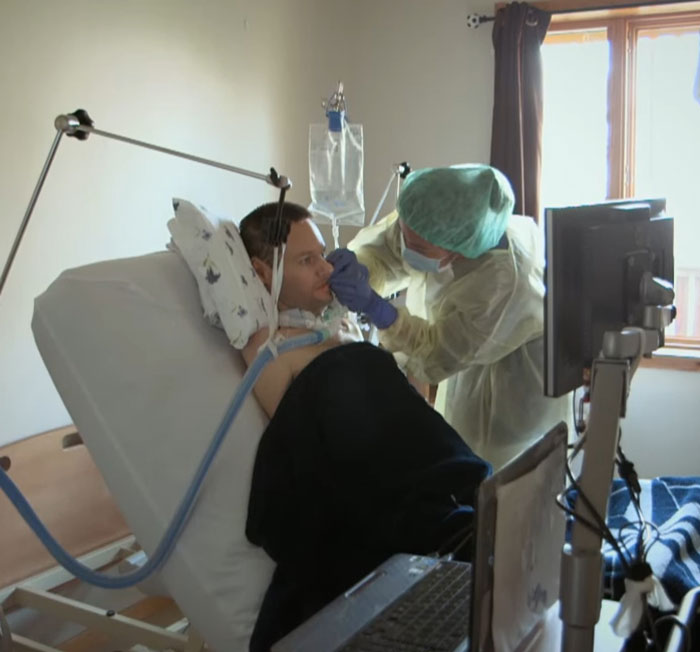 ALS. Lou Gerig disease. Slowly takes away your ability to move your arms, legs, eyes, takes away every muscle in your body. Your ability to talk, eat. But you have your mind and you experience the decline but can't do anything about it. Horrible disease.

My maternal grandmother had this in the 1990s. I was a kid and watching her slowly díe was awful. When she got to the point that she couldn't take care of herself, we moved her into our house and my family took care of her, including us kids. I changed her diaper and sometimes had to clean the carpet when she would walk around the house and she'd "leak". It was awful when she started having difficulty swallowing and she couldn't eat normally or drink non-thickened liquids (there's a special powder you can mix into liquids to make them thick for people with swallowing difficulties.) She would sometimes choke horribly on food. When I was 12 or 13, she díed in our house from respiratory failure - the muscles that controlled her breathing eventually stopped working one night. It's a terrible disease.
 My cousin had Alexander's disease. She was born totally normal, healthy, bright. Around 2 she started having seizures. By 6 she needed a walker. Wheelchair bound with a shunt in her head by 12. Couldn't speak by then but she understood what you were saying. Diapers by then, a feeding tube. Stopped being able to draw. She survived to the age of 27, feeding tube removed, after being given a life expectancy of five, spending her entire adulthood bed bound. Even at the end she could nod or shake her head to questions, she smiled seeing her favorite actors on TV, knew her family, but her brain was mostly liquified .
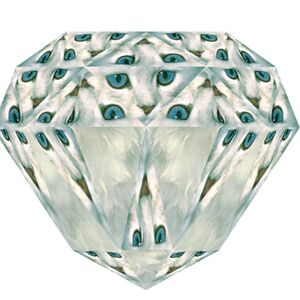
I’m at #3 and already completely gutted. Knew I should’ve skipped this link
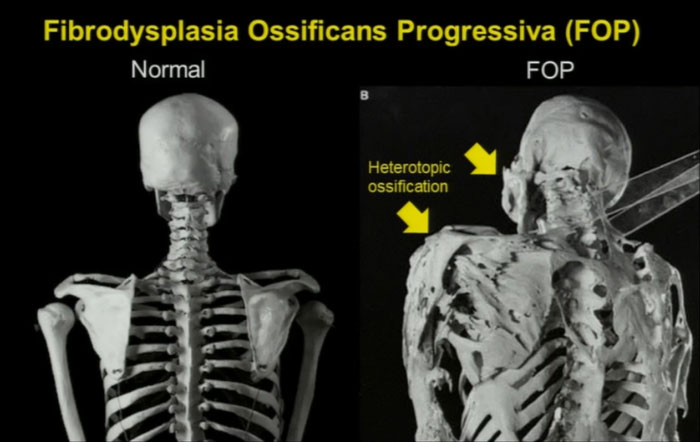 Fibrodysplasia Ossificans Progressiva (FOP). It's a rare genetic disorder where muscles, tendons, and connective tissues gradually turn into bone, progressively limiting movement and creating a "second skeleton" that traps the body.

I remember seeing a documentary in high school with an interview with someone who had that. Can't remember the exact words after a couple decades, but the gist of her quote was "The doctor told my mom that I wouldn't live to adulthood. Well, I just turned 50, and the doctor's dead!"
To find out more about this conversation, we reached out to the Reddit user who started this thread, Aggravating-Sun-5699. They were kind enough to have a chat with Bored Panda and explain what inspired their post.
"I’ve always been curious about the different diseases that exist in the world," the author shared. "Most people are familiar with illnesses like cancer or rabies, but reading personal stories made me realize how many terrifying conditions we rarely hear about. Seeing these experiences was both scary and fascinating at the same time, and it really highlights how fragile human life can be."
 Prion disease. Prions are misfolded proteins that can cause other proteins to misfold. They are not alive, cannot be eliminated, and attack brain tissue. Mad Cow Disease is one varient.

 Rabies
you can be asymptomatic for *years* (depending on where you get infected), not realizing that you have it, and the moment you start feeling any symptoms, it's already too late for treatment.

Cases where people have it for years are very rare. Usually it goes much quicker than that, few weeks max. It is a nasty way to go, really. If something bites you or you find a bat in your bedroom, get shots, better safe than sorry
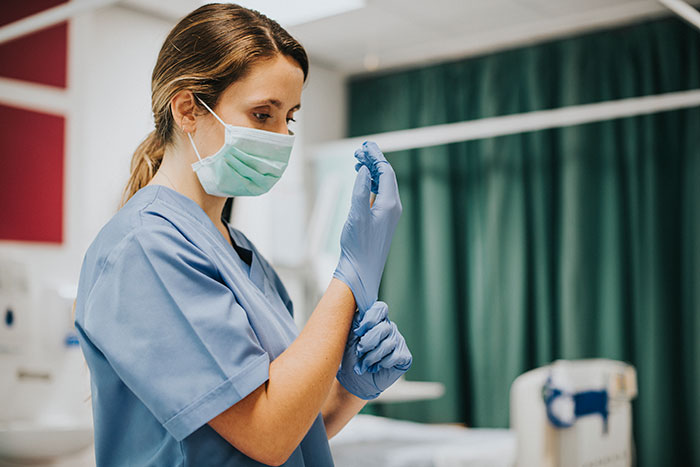 Think everyone has covered the worst of the worst on here, but as a nurse I’ll have to throw in sickle cell anemia. I wouldn’t say it’s the “worst” especially compared to ALS or dementias, but working in a hospital you have your frequent flyer patients with sickle cell. They come in often with pain crisis that’s unmanaged and even we can barely help. It breaks my heart. I also notice a lot of nurses and other healthcare workers don’t really understand their pain and like to diminish their feelings. It’s a hidden disease and you can’t see it and I’ll never know how they feel.
We also asked the author what they thought the most devastating diagnosis would be. "ALS is absolutely terrifying," they shared. "The idea of slowly losing control of your own body while your mind remains fully aware is something I wouldn’t wish on anyone. I truly hope governments and medical institutions invest more funding and effort into researching conditions like this and finding effective treatments or cures."
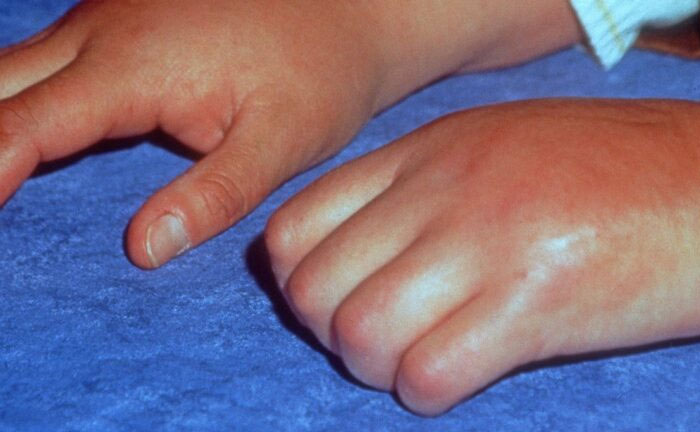 I'm going to strongly say CRPS (complex regional pain syndrome). Many people can find some sort of remission or reduction of symptoms. But for those people who have long term CRPS are generally quite profoundly disabled.
It's a disease that just causes pain, immense pain without a reason. Like the highest pain levels recorded are from this, period. Like levels comparable to amputation without medication.
It develops typically after an injury or surgery but can also happen spontaneously or from something as small as a needle puncture. It often affects a limb. But it can spread to your whole body, jump to other limbs.
It can cause severe swelling and contracture to the point limbs become non functional.
Many people are so sensitive that a touch from the wrong fabric can put people in excruciating pain.
The daily pain these patients live with would put normal people in the hospital. For the most part people have no frame of reference for this type of pain and It never stops, ever, it's inescapable. Sometimes it just gets so bad people will do anything escape the pain including leaving this world.
There is no cure. If you manage to go into complete remission (not very common) it can come back at any time in your life, 10, 20 years later. It can be hard to find successful treatment options and a lot of people can find some relief or be stable at a "livable" but definitely disabled level. Fit example, my wife might need to take a solid dose of hydromorphone (the strong one) just to get to a manageable level of pain at a 7 or 8 out of 10 pain score. That is on top of a neurostimulator and a pain pump that delivers morphine directly into her spine 24/7. She will also getting another stimulator in her spine as it has spread to her other leg.
The worst or those who suffer from this, suffer an unimaginable existence for most people.
Honestly there's even more absolutely stuff with this but it's too long to cover.
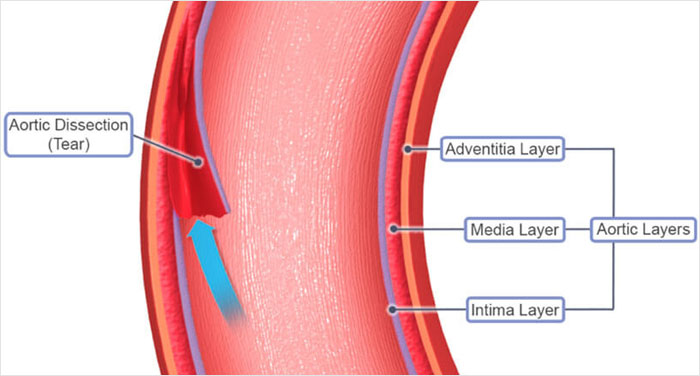 Aortic dissection. 2% chance of survival when it rips.
When I woke up my surgeon told me "you just survived one of the worst, most painful things a human body can go through"
Everyone I meet in medicine drops their jaw when they find out I survived it.

SCAD. I had this in March 2025. Still recovering. Slow going.
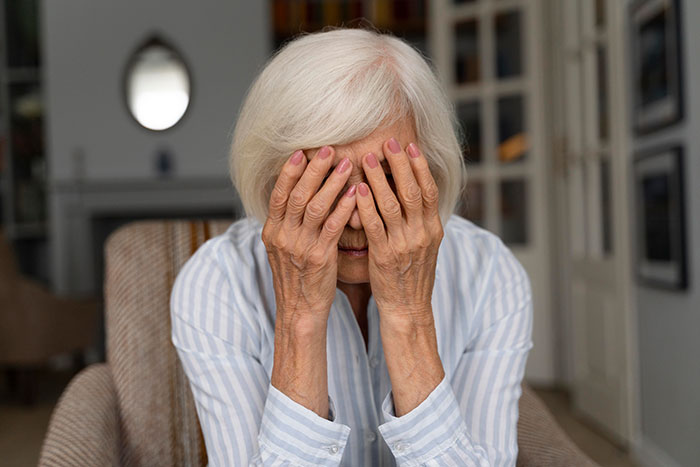 Frontotemporal dementia. You become unlike yourself, often inappropriate and aggressive, alienating your loved ones before the dementia worsens to the point of dependency. You can hurt a lot of people before losing your mind and folks are usually on the younger side when it starts.

The husband of one of my mum's oldest friends has this. She can't leave him on his own at all now, had to have my stepdad stay with him while she and my mum went on an overnight donkey trek.
Next, we asked Aggravating-Sun-5699 what they thought of the replies to their post. "[They] were heartbreaking. Reading brief descriptions doesn’t always hit hard at first, but when people who are actually affected share their experiences, it becomes very real and emotional," they told Bored Panda. "I learned about many conditions I had never heard of before, and it gave me a deeper understanding of the suffering people go through."
 Fatal Insomnia (whether inherited or sporadic). SUPER rare disease but it makes it physically impossible to fully fall asleep and there's no cure.
ALS is also worse than just about anything else.

The British TV series "Lewis" had an episode where a couple of characters had Fatal Familial Insomnia (FFI). Series 4, episode 4, "Falling Darkness." It was a big part of the storyline.
 Physician here- neurological disorders where movement is affected is pretty bad. psychiatric disorders like bipolar and schizophrenia where mania leads to life destructive behaviors and psychosis is overall awful. other medical conditions that can causes chronic fatigue- cancer/chemo therapy, heart failure, autoimmune disease etc. all come to mind.
but any neurological disorders vs psychiatric disorders i’d say are the worst.
 I have ME/CFS that is normally mild (able to work from home and live a somewhat normal life) but was unfortunate enough to drop to profoundly severe for about six months. It was hell. It was like my body and brain had mostly shut down but somehow I was still conscious. I could barely move, speak or think, any light or sound hurt me so I had to wear earplugs and a blindfold 24/7, my loved ones would accidentally hurt me every day trying to take care of me by doing something as small as bumping against the bed or whispering “I’m sorry”. I don’t even have the chronic pain variant of ME/CFS which would add even more to the suffering.
I was extremely lucky to recover from that state, but there are people who have been living in such a state for decades. There is currently no cure and funding for research is extremely low compared to comparable diseases like MS.

I also ME/CFS too. It can be quite debilitating and it's not understood well. Invisible disabilities as a whole are extremely difficult to live with because "you look fine". We are not fine.
Finally, the author wanted to add that people who have the means should consider helping those affected by these illnesses. "Even small donations can make a difference," they noted. "Instead of spending money on unnecessary things, contributing even one dollar toward medical research or patient support could help someone who truly needs it."
 About a year ago I had necrotizing fasciitis (flesh eating disease) and it absolutely blows. I got a small cut on my foot from the beach and a few days later I was so sick I passed out and was in a coma that lasted 2 weeks and then I woke up in the hospital without a leg. I do consider myself lucky though since it has like a 40ish% mortality rate.

 Endometriosis. Spent 5 years in excruciating pain while my internal organs were being dealt irreparable damage and told first that nothing was wrong and then second that it didn't matter because the only way to fix it meant I couldn't have kids and what about my husband's needs? I went from literally bedridden to living a normal life after my hysterectomy.

I had endometriosis and after my hysterectomy I got scolded by the doctor for not resting enough afterwards. I was pain free for the first time in a long, long time! I did take it easy until the doctor said I could run a muck.
 So many that suck, but pancreatic cancer has my vote. The symptoms mimic normal aging or bloating for so long that by the time it’s bad and you get your diagnosis it’s almost always too late.
We were told my MIL broke a record for diagnosis to departure. We were told optimistically a year with chemo, but she had her death sentence already. She had literally been up and moving and normal, she was having an increase in falls which is why she went in. She’d been in and out of ERs and doctors offices with her falling spells for a couple of years. Final ER visit and we got a doc who knew to probe deeper. 3 days later we had the oncologist appt and the diagnosis. 19, NINETEEN, days later we watched her take her last breath. 19 days.
 My friend got Stephens Johnson Syndrome last year. Pretty rough. All his skin basically turned into an open weeping wound (basically raw meat) for a couple months. He was on a ventilator because he stopped breathing when they tried to fit membranes over his eyes and hold them on with rings to preserve his eyesight. His mucus membranes were the worst. Couldn’t eat, couldn’t poop or pee without feeling like you were pouring food or poop into an open wound.
He had specialists that would change the dressings every few days and they had to take pictures of his body to track the healing. .
 Dipg. Cancer of the brain stem that can’t be cured. Usually only happens in children.
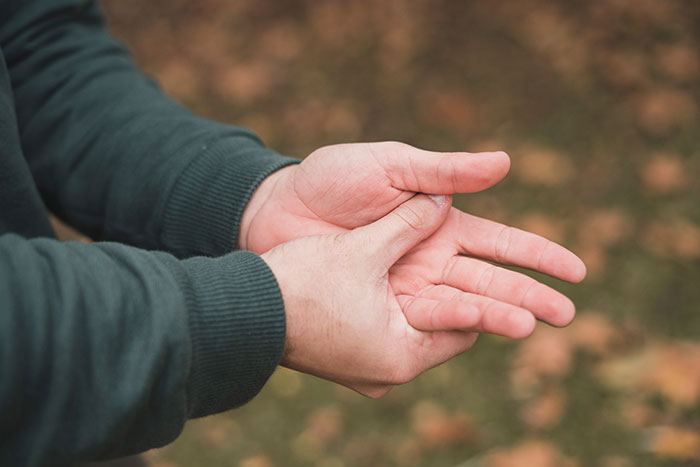 Foreign Hand Syndrome. Reading the stories of people’s own hand attacking them and they are powerless to do anything about it…it’s haunting.

* Foreign Hand Syndrome, more commonly called Alien Hand Syndrome (AHS), is a rare neurological disorder where a person's limb (usually a hand) moves involuntarily, performs purposeful actions, and feels like it's not their own, leading to a sense of estrangement or lack of control. It's caused by damage to specific brain areas, often after stroke, surgery (like corpus callosotomy for epilepsy), or with neurodegenerative diseases, and involves a disconnect between conscious intention and motor command, sometimes causing the "alien" hand to undo actions made by the other hand. *
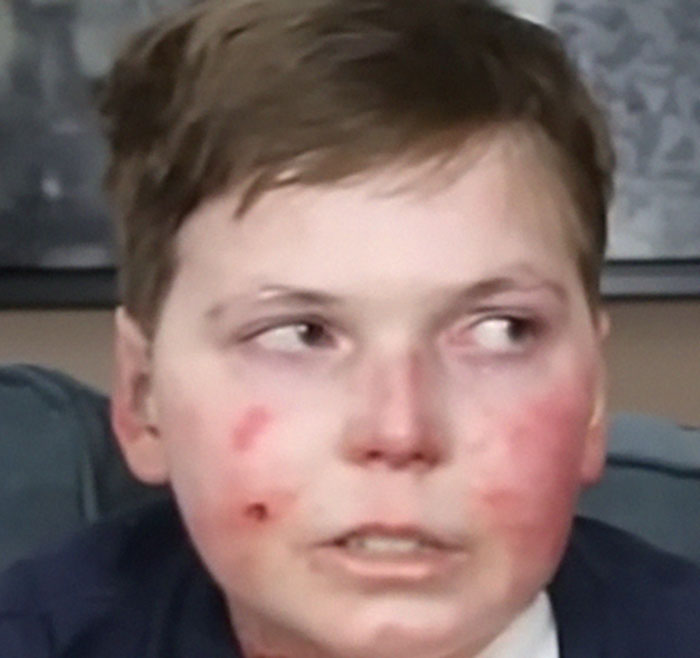 Epidermolysis Bullosa (EB), also known as “butterfly skin” is a rare genetic disorder making skin so fragile it blisters and tears from minor friction or trauma, like a butterfly's delicate wings, leading to chronic wounds, pain, and infection, requiring extensive wound care and affecting hands, feet, mouth, and other areas of the body.
That's John Hudson in the photo! Chris from the "Special Books by Special Kids" YouTube channel has interviewed him many times. John Hudson has a pretty severe form of EB. Chris and John have raised a ton of money for EB research and there are now several medications/treatments that show promise for treating EB, which is amazing. John Hudson is 22 years old now, and his health has been declining lately. :( The SBSK channel is really worth a watch, if you're feeling a bit low emotionally - the host, Chris, is so compassionate and amazing with the kids/people that have unusual/terrible medical conditions and watching him interact with them and make them laugh gives me hope for humanity.
 Locked in syndrome. It's what happens after you have a massive stroke or cerebral hemorrhage yet survive. You're completely paralyzed, the only thing you can do is blink your eyes. Yet you're completely mentally/cognitively aware of what's going on you, you just can't respond to it at all.
Probably the most terrifying disease to have.
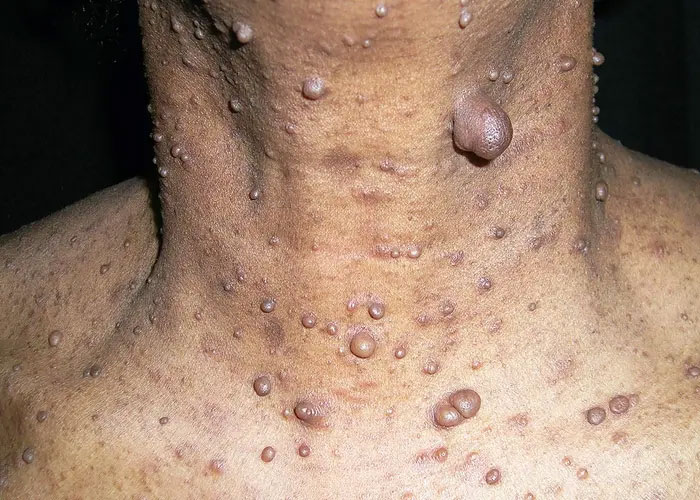 Neurofibromatosis comes to mind. Body is covered in benign tumors, painful tumors, tumors that if you removed would come back.

There's a local woman covered head to toe in these lesions, as in 3-4 per square inch. She's invisible to most folks but if you take the time to smile, she'll reward you with a beautiful smile of her own.
 Surprised nobody mentioned Myalgic Encephalomyeltis.
Worse quality of life than a stage 4 cancer patient. Most common onset is post-viral and if you don’t realize what’s happening and over exert yourself you can enter a degenerative spiral that may lead to you stuck alone in a dark room unable to care for yourself. Even “mild” cases lead to significant reduction in daily activities. No known cure and the only management technique is pacing yourself, which is deceptively hard to do.
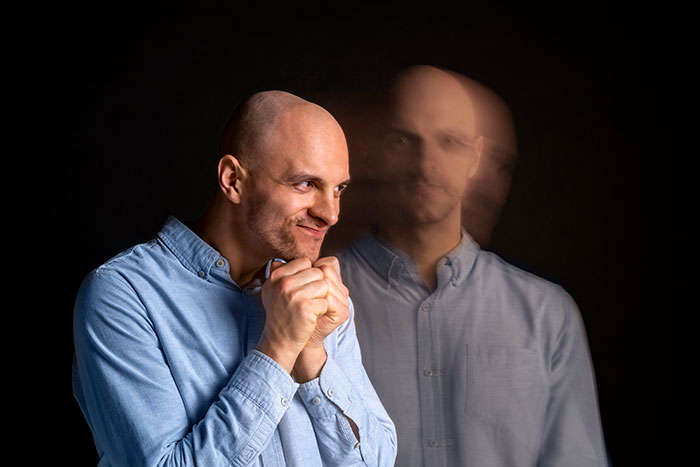 Schizophrenia or bpd, 10% mortality rate and lifetime suffering
ETA : as the user below pointed out, this is not across the board. And BPD is borderline personality disorder, not bipolar. I think a lot of people confuse those. I’m just saying these tend to be things. People have to manage for a lifetime and they are chronically hard to treat.
Several experts think borderline personality disorder may just be complex PTSD for about 90% of cases and so a lot of it is actually complex trauma related to attachment systems. It’s very hard to cure after a lifetime of being brought up in a trauma environment.

BPD patient here: I think the personality disorder is not the worst part, but the comorbities (additional mental disorders) like PTSD, EDs, depression, a*******n... I basically try to k**l myself as slowly as possible because I don't want to die and have sometimes a pretty good life, but the comorbities try the whole time to finish me off. The worst part is that it's a very stigmatized illness and the constant hiding is... exhausting 😔
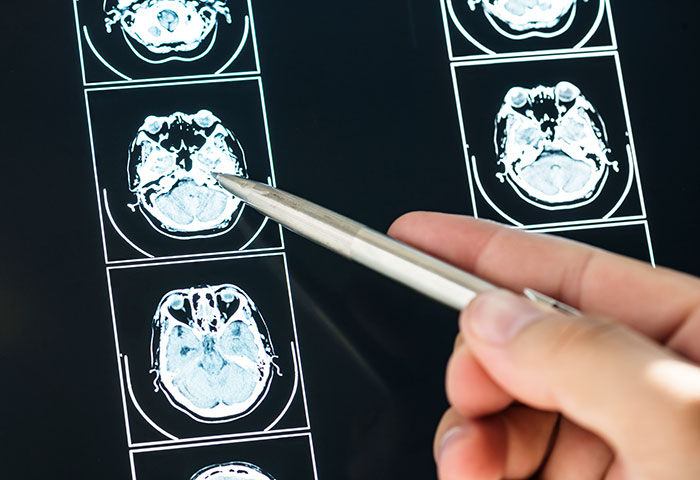 DIPG - a pediatric incurable brain tumor. Prognosis is 12-18 months from diagnosis. It's in the brain stem so the patient watches all their faculties leave but are still mostly themselves. My 8 year old daughter was diagnosed with this amd it was the most horrific, traumatic thing ive ever witnessed and experienced. She was my baby and I miss her so much.
 ALS.. My husband has it..
Amyotrophic Lateral Sclerosis is a progressive neurodegenerative disorder that attacks nerve cells (motor neurons) in the brain and spinal cord, leading to muscle weakness, twitching, and eventual loss of voluntary muscle control, affecting the ability to walk, talk, eat, and breathe, with no known cure, but management can improve quality of life and some medications can slow progression. .

My uncle suffered for around 6 years with this before he passed. It was awful.
 Radiation poisoning.
No thanks I’m good.
I highly recommend watching the TV drama Chernobyl (based on the real Chernobyl nuclear disaster, obviously) starring Stellan Skarsgård and Jared Harris.
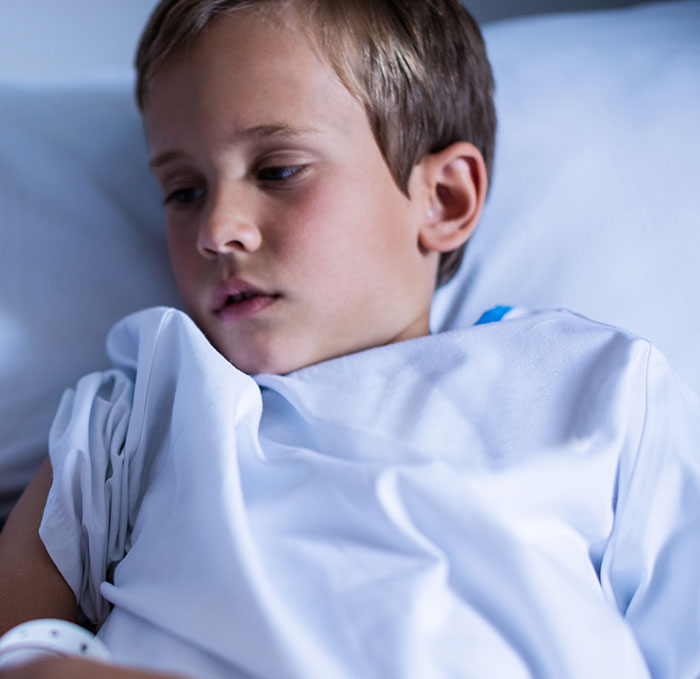 Tay Sachs disease. Onset is three to six months, quickly devolves quality of life by the infant losing the ability to crawl, sit, walk, etc. It then presents as seizures, hearing loss, blindness, inability to swallow, and complete inability to communicate or move. Death occurs between three and five years of age.
There is no cure, and worse, truly no treatment for it. Most children don’t survive beyond four years. And those years are absolutely agonizing for the child, and the worst nightmare you could ever imagine for a parent.
If I remember correctly, the longest living patient since they began tracking survived to nine years old.
 Tertiary Syphilis. Don't Google photos. If you contract syphilis, the symptoms will go away after about 2 years. 12-16 years later, it comes back and attacks your spinal cord, bones, and brain.
Nowadays veeeeeery rare thanks to widely used antibiotics. Getting it and not noticing any symptoms is very unlikely. The nasty thing about it is that people sometimes have symptoms they would not think of and STD. Syphilis can cause pretty much anything. We had once a person send to us from otorhinolaryngology because he had a sore thorat for weeks and it would not go away. One of his tonsils was actually almost rotten away and the smell was what you would imagine. I had no idea why they send him to venerology because that was his only symptom and surprisingly not very painful, just annoying. It was syphilis, one of the older guys knew right away.
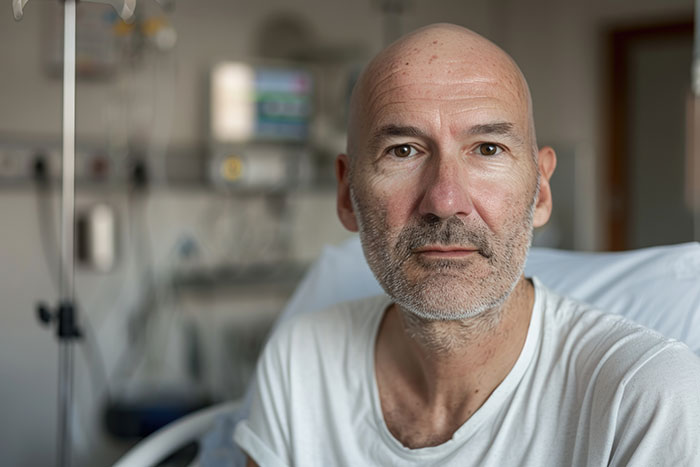 My dad had stage 4 leukemia. One single infection took him. He coughed and coughed for months… until sepsis. Imagine a simple flu that only got worse over time.
Had leukemia but the treatment was successful in my case. There was a period where I was in an isolation ward and even when I got to being an outpatient I was told to stay away from people, forests, mold etc. Wore a mask and carried hand sanitizer before it was cool :P Immune system pretty much shut down. The other danger was my blood would not clot properly and there was a real danger of internal bleeding. for a few weeks a light tap would give me large black/purple bruises. Not planning to repeat the experience.
 PSP - progressive supranuclear palsy. My grandmother came down with horrendous condition, it’s a form of Parkinson’s that essentially presents like ALS. It was a horrible slow decline that robbed her of her walking and speech pretty early on that kept the rest of her brain intact. I don’t wish it on anyone.
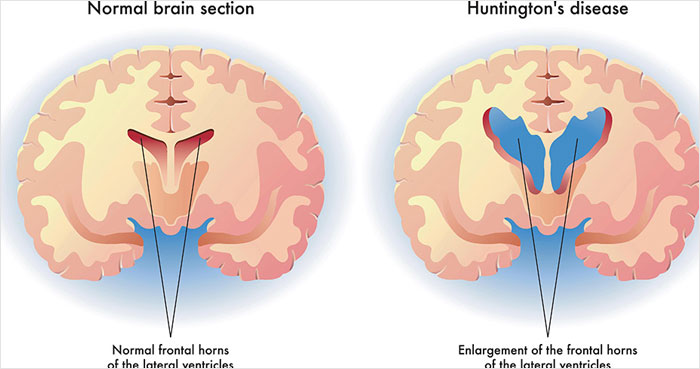 Huntington's disease (HD) is a rare, inherited neurodegenerative disorder caused by a mutation in the HTT gene. This mutation leads to the progressive breakdown of nerve cells in the brain, affecting movement, cognition, and emotional health. Symptoms typically begin in adulthood, usually between the ages of 30 and 50, but can also appear in children and teenagers, known as juvenile Huntington's disease.
Unfortunately, it is a fatal neurodegenerative disease, and since symptoms usually don't present until well into adulthood, many times people will have already had children - and since Huntington's is an autosomal dominant disease, those children will be at risk for inheriting/developing Huntington's disease as well.
Prob not the worst but for me I developed a pregnancy rash called Pupps. It’s rare auto immune triggered during pregnancy. It usually comes at 36 weeks. Mine started at 24. It started on my stomach and spread everywhere. Looking like hives. But the itch was unimaginable. It’s the worst thing I’ve ever been through. It’s been 6 years and I still get emotional and panic thinking about what I went through. I begged my husband to 💀me begged an end. I did get 2 weeks of relief with steroids. I had to quit my job. And my husband worked from home as he was terrified what might happen. I slept in frozen towels and cold bath water. It goes away almost immediately after delivery.
Some people get really mild cases. Mine was the most severe my doctor had ever seen.

All posts here are terrible. It's not a competition who has the worst illness
 I was once in the hospital for a year, and I became very close friends with a gentlemen that had Bone Cancer. I watched him progress through the stages into hospice and eventually pass away. The pain he went through, and amount of bones broken or nerve pain symptoms, has lasted with me as a deep fear.
I would answer dementia, but I also made friends with those patients in the hospital too and tbh they were *mostly* happy.

I would disagree with the idea that most people with dementia are happy. In the earlier stages some people (not all) can be quite upbeat, but there is no happiness in later stages. I worked on a dementia unit and the "middle" stages of dementia are when the real despair and terror kicks in. The later stages you're just a zombie - hard to know if there is any "happy" or "sad" left. It's a horrible, heartbreaking disease and personally I would opt to be euthanised if that was my diagnosis
I've been an RN since 1984. I've worked in ICUs, hospice.
I'm now a college professor.
I think that the worst disease is diabetes.
Eta oh yeah I have MS & I'd take that anyway over diabetes.
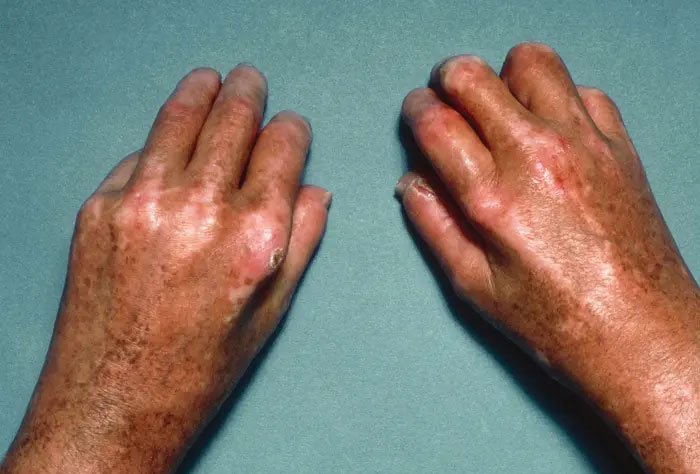 Scleroderma. Your arteries slowly narrow over time starving all the body of blood and oxygen with horrible joint pain, difficulty swallowing, fibrotic lung disease .
I’m a pulmonary and critical care physician, I do not pity patients because i give them all my full effort …but I absolutely have pity/sorrow for patients with scleroderma.
Not just skin."Scleroderma (meaning "hard skin") is a chronic autoimmune disease where the body produces too much collagen, causing tissues in the skin, joints, and internal organs to thicken and harden, leading to symptoms like skin tightness, Raynaud's (finger color changes), joint stiffness, fatigue, and potential organ issues (lungs, heart, kidneys, digestive tract."
 Lysosomal storage diseases (e.g. Tay-Sachs, GM1 gangliosidosis, Batten disease, Sandhoff, Niemann-Pick, etc). Onset usually in infancy or early childhood: a period of normal development, then unstoppable regression into a vegetative state until it takes a patient's life. The parents usually have no idea they are carriers, and specifically with Batten disease, the onset is usually delayed enough that they may have had another child in the interim before the older one starts showing symptoms. So then they have to get testing to see if the younger sibling has it, too.
Crabbe is another awful one. There are a couple of families I've seen on YouTube who have 2 children with one of these diseases mentioned. They are basically just waiting for both of them to die. I can't imagine how horrifying that would be.
Multiple system atrophy (MSA). It’s very similar to Parkinson’s but is almost always fatal. My mom’s best friend that I grew up with was diagnosed with it and she slowly lost the ability to walk, speak, and do everything she had learned since she was a baby. Eventually the disease claimed her since her body could no longer basically remember to function.

If you get Parkinson's, you'll die with it. You may also die because of it (my grandmother did. Parkinson's stopped her being able to swallow properly and she choked to death). Not saying I disagree with the poster, but just wanted to clarify that Parkinson's isn't exactly a walk in the park, either.
 Surprised to see not many people mention cancer.
I will say brain cancer cause it takes your loved ones away bit by bit. You’re never truly your self after diagnosis and there is no remission.
That depends very much on what sort of brain cancer. Some are treatable, some like a glioblastoma are pretty much the end and there is a lot between.





























 No fees, cancel anytime