Get Premium
Dark mode theme is available exclusively for premium users. Learn more about the benefits of subscribing.
No fees, cancel anytime.

 Dark Mode Ad-Free Browsing Unlimited Content
 Ad-Free Browsing Unlimited Content Dark Mode
Join 1.2 million Panda readers who get the best art, memes, and fun stories every week!
Discover more in 30 Of The Most Powerful Press Photos Of The Year Just Announced
Click here & follow us for more lists, facts, and stories.
This post may include affiliate links.
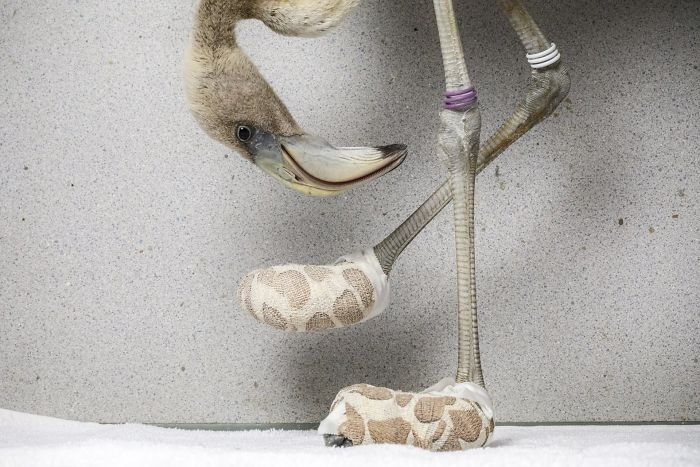
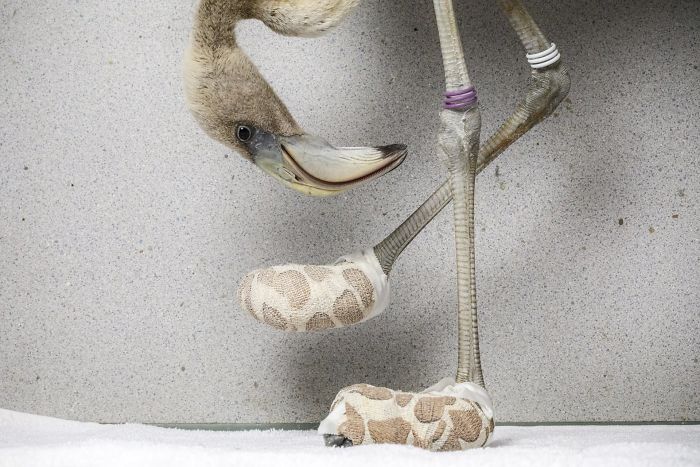
Caribbean flamingo inspects the improvised socks created to help heal its severe foot lesions, at the Fundashon Dier en Onderwijs Cariben, Curaçao. The bird was brought by plane from neighboring island Bonaire, after spending a few weeks in a local rehabilitation facility. Such lesions are common among captive flamingos, as they have very sensitive feet and are used to walking on soft ground. After a few weeks of care the bird was transported back to Bonaire. There are around 3,000 breeding pairs of Caribbean flamingos on Bonaire, and a further 200 to 300 birds on Curaçao.
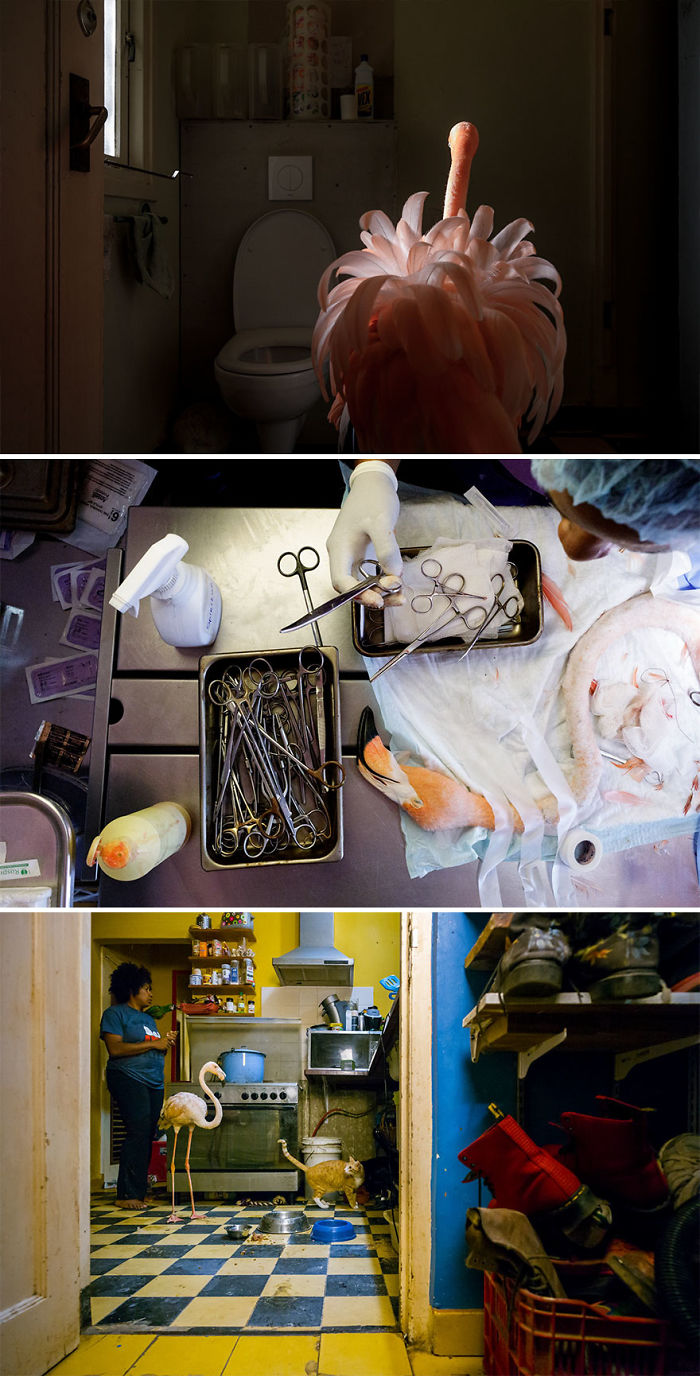
Bob, a rescued Caribbean flamingo, lives among humans on the Dutch island of Curaçao. Bob was badly injured when he flew into a hotel window, and was cared for by Odette Doest who runs Fundashon Dier en Onderwijs Cariben (FDOC), a wildlife rehabilitation center. During Bob’s rehabilitation, Odette discovered that he had been habituated to humans, and so would not survive if returned to the wild. Instead, he became an ‘ambassador’ for FDOC, which educates local people about the importance of protecting the island’s wildl
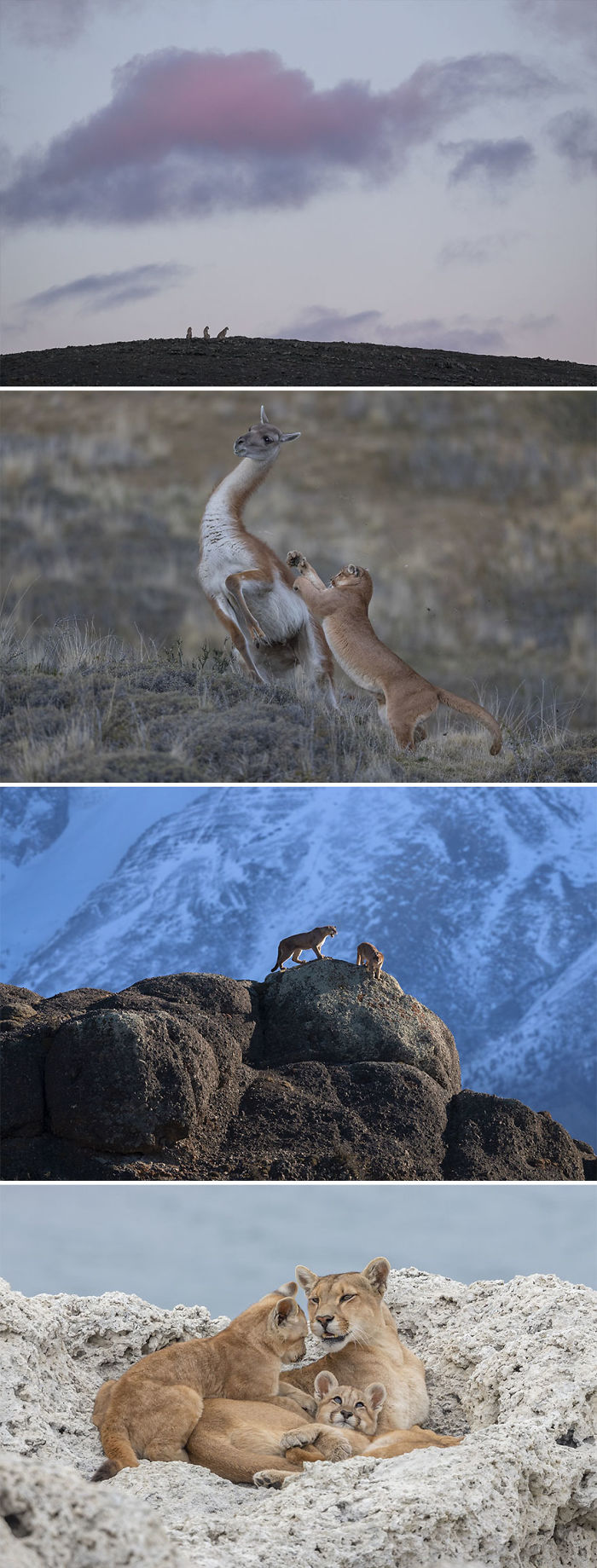
Pumas, also known as mountain lions or cougars, are found from the Canadian Yukon to the southern Andes, the widest range of any large wild mammal in the Western Hemisphere. They can survive in a variety of habitats, from deserts and prairies to forests and snowy mountains, but are generally shy and elusive to humans. The Torres del Paine region in Chilean Patagonia is thought to contain higher concentrations of pumas than anywhere else in the world. Pumas are ambush predators, stalking their prey from a distance for an hour or more before attacking. In Torres del Paine, pumas feed mainly on guanacos, which are closely related to llamas.
Alyona Kochetkova sits at home, unable to face borscht (beet soup), her favorite food, during treatment for cancer. Alyona shot this self-portrait following surgery and chemotherapy, when, although she knew the vital importance of food, she struggled to eat. Taking photos was not only a way of sharing a difficult and personal story in the hope that it might support others with a cancer diagnosis, it was also a means of accepting her ordeal by doing what she loved.
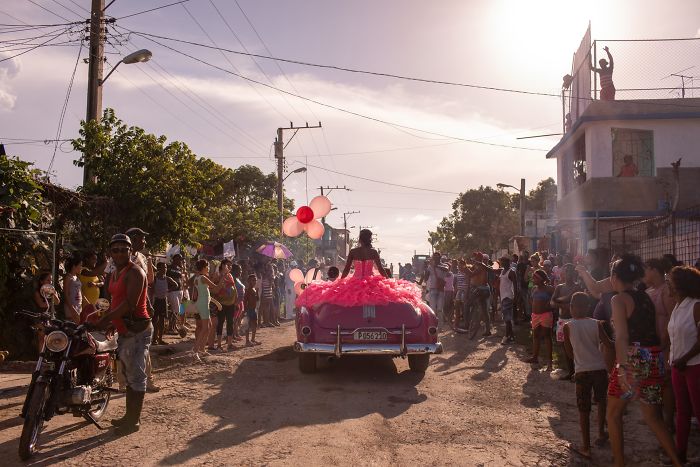
Pura rides around her neighborhood in a pink 1950s convertible, as the community gathers to celebrate her fifteenth birthday, in Havana, Cuba. A girl’s quinceañera (fifteenth birthday) is a Latino coming-of-age tradition marking transition into womanhood. It is a gender specific rite of passage, traditionally showcasing a girl’s purity and readiness for marriage. Families go to great expense, often celebrating with a lavish party. The girl dresses as a princess, living out a fantasy and perceived idea of femininity. In Cuba, the tradition has transformed into a performance involving photo and video shoots, often documented in a photobook. Pura’s quinceañera had a special poignancy, as some years earlier, having been diagnosed with a brain tumor, she was told she would not live beyond the age of 13.
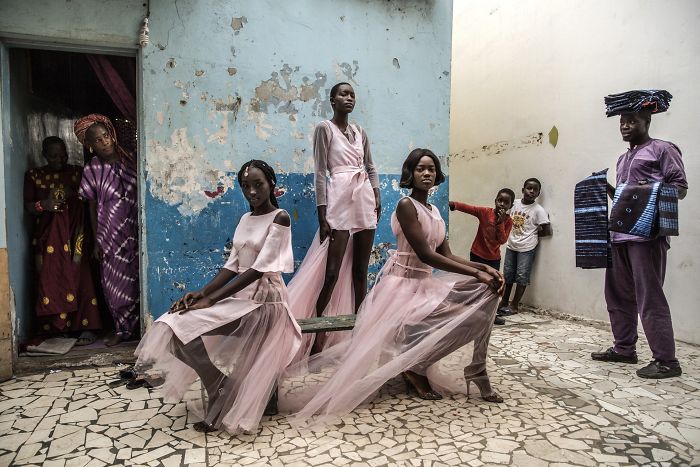
Diarra Ndiaye, Ndeye Fatou Mbaye and Mariza Sakho model outfits by designer Adama Paris, in the Medina neighborhood of the Senegalese capital, Dakar, as curious residents look on. Dakar is a growing hub of Franco-African fashion, and is home to Fashion Africa TV, the first station entirely dedicated to fashion on the continent. The annual Dakar Fashion Week includes an extravagant street show that is open to all and attended by thousands from all corners of the capital. Adama Paris (who has a namesake brand) is a driving force behind the fashion week, and much else on the design sce
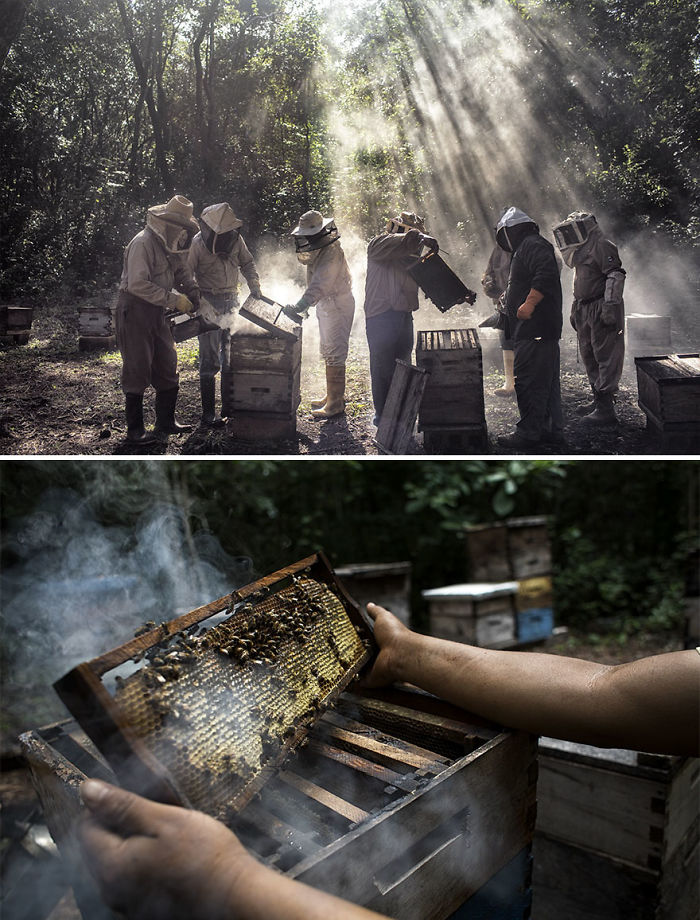
Beekeepers, led by Russel Armin Balan, tend their hives in Tinúm, Yucatán, Mexico. Mennonite farmers growing soy in Campeche, on the Yucatán Peninsula in Mexico, are allegedly adversely impacting the livelihood of local Mayan beekeepers. The Mennonites farm large tracts of land in the area. Environmental groups and honey producers say that the introduction of genetically modified soy and use of the agrochemical glyphosate endangers health, contaminates crops, and reduces the market value of honey by threatening its ‘organic’ label. Soy production also leads to deforestation, as land is increasingly bought for farming, further affecting bee populations.
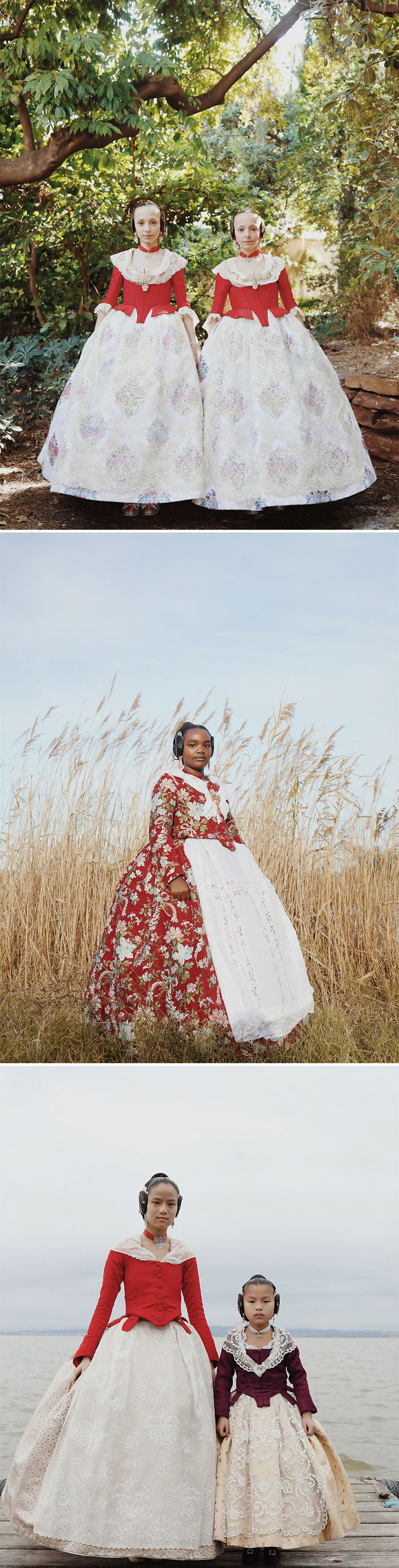
Women and girls wear fallera dresses for the Fallas de Valencia festival in Valencia, Spain. Inspired by clothes worn centuries ago by women working in rice fields around the city, the dresses have changed over time and are now elaborate creations that can cost in excess of €1,000. Made mainly of lace and silk, fallera dresses are worn by anyone who wants to take part in what is one of Spain’s biggest street festivals. To complement the gown, falleras set their hair in a traditional three-bun style adorned with ornate combs and jewellery, often handed down through generations. Different parts of the city each have a fallera mayor (and maybe also a young fallera mayor infantil)—a woman who represents her falla (neighborhood group) at the festivities. It is an honor to be chosen, and can mean even greater expense being lavished on the outfit.
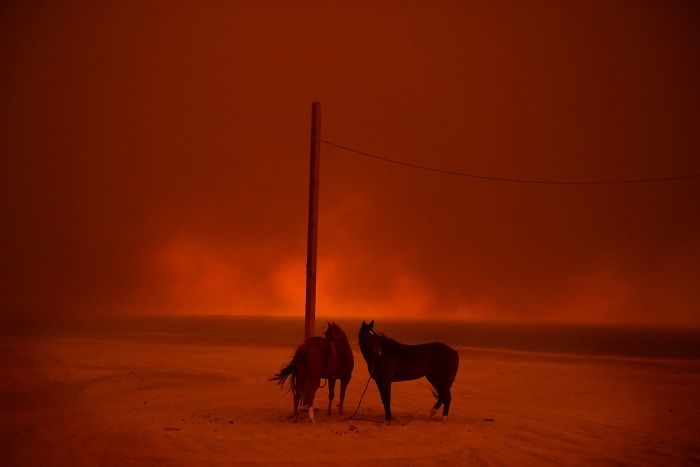
Evacuated horses stand tied to a pole, as smoke from a wildfire billows above them, on Zuma Beach, in Malibu, California, USA, on 10 November. The 2018 wildfire season in California was the deadliest and most destructive on record, burning an area of more than 676,000 hectares. While scientists pointed to the effects of climate change as a cause, US President Donald Trump blamed forest management.
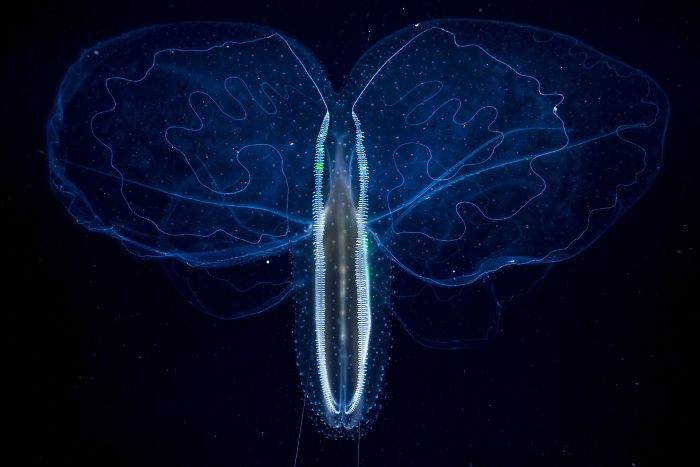
A winged comb jelly, Leucothea multicornis, its wings widely opened, propels itself through waters off Alicante, Spain. Leucothea multicornis, like other comb jellies, is a voracious predator, capturing its prey using sticky cells rather than by stinging. Little is currently known about the biology of comb jellies. Because the creatures are so fragile and fold their wings in reaction to the slightest vibration, they are extremely difficult to study and to photograph.
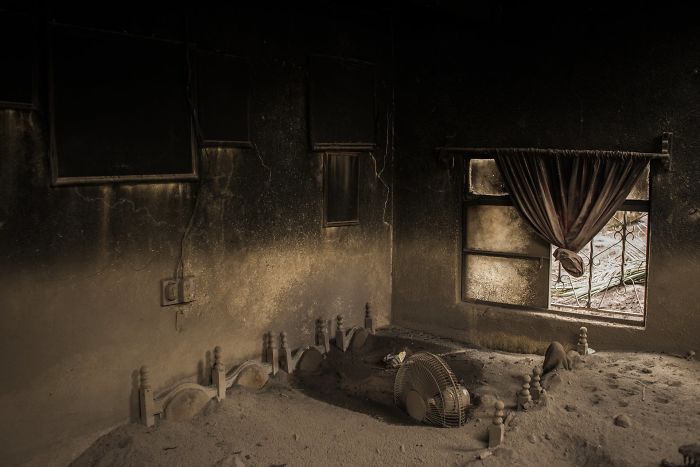
The living-room of an abandoned home in San Miguel Los Lotes, Guatemala, lies covered in ash after the eruption of Volcán de Fuego on 3 June. Fuego, around 40 km southwest of the capital Guatemala City, is one of Latin America’s most active volcanoes, and has been erupting periodically since 2002. It is monitored by volcanologists, but this eruption came without warning. People living around the volcano, many at Sunday lunch, were surprised by the suddenness of the event, as Fuego spewed red-hot lava, ash, poisonous gases and flaming debris onto villages below. The eruption was one of the deadliest in Guatemala for over a century. Guatemala’s National Institute of Forensic Sciences reported the recovery of 318 bodies, over a third of them unidentified.
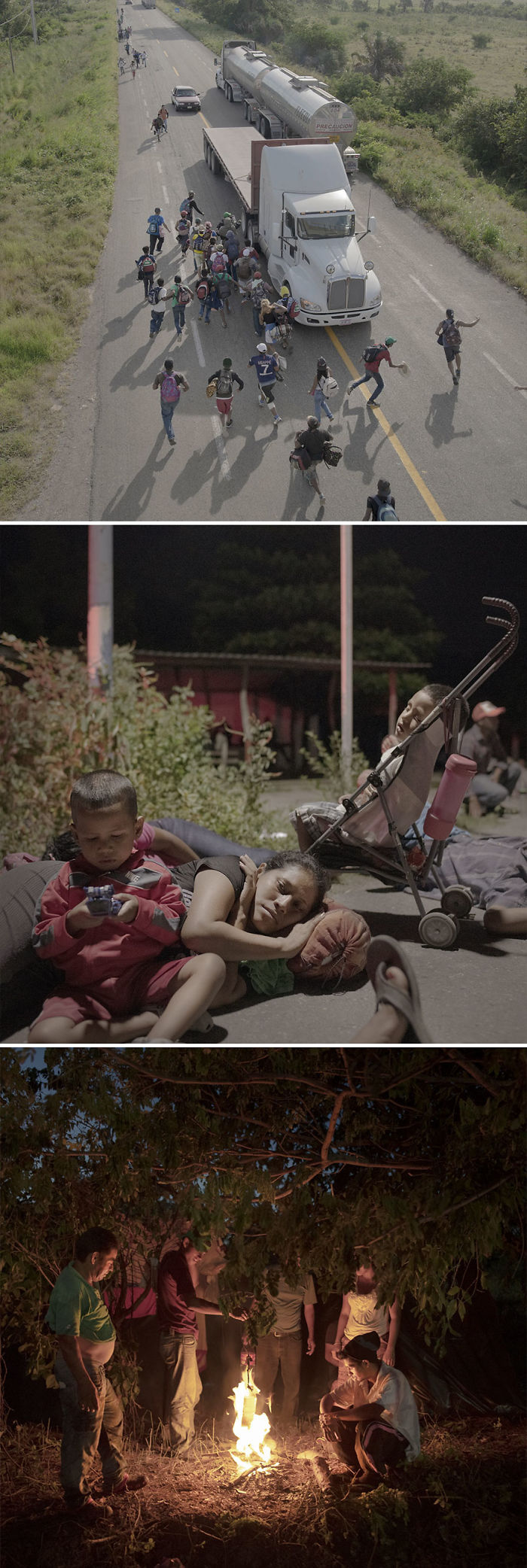
During October and November, thousands of Central American migrants joined a caravan heading to the United States border. The caravan, assembled through a grassroots social media campaign, left San Pedro Sula, Honduras, on 12 October, and as word spread drew people from Nicaragua, El Salvador and Guatemala. They were a mix of those facing political repression and violence, and those fleeing harsh economic conditions in the hope of a better life. Traveling in a caravan offered a degree of safety on a route where migrants have previously disappeared or been kidnapped, and was an alternative to paying high rates to people smugglers. Migrant caravans travel to the US border at different times each year, but this was the largest in recent memory with as many as 7,000 travelers, including at least 2,300 children, according to UN agencies. Conditions along the way were grueling, with people walking around 30 km a day, often in temperatures above 30°C. The caravan usually set off at around 4am each day to avoid the heat. Like others, the caravan drew condemnation from US president Donald Trump, who made it a focal point of rallies and used it to reiterate his call for tough immigration policies and the building of a border wall.

Transgender individuals around the world are still exposed to widespread social stigma and abuse. For many transgender women, coming to terms with their female selves is an ongoing process. Some find resourceful ways in which to express their identities in private. Senior transgender women in northwestern USA are pictured in the places where they hid their female identities for decades.
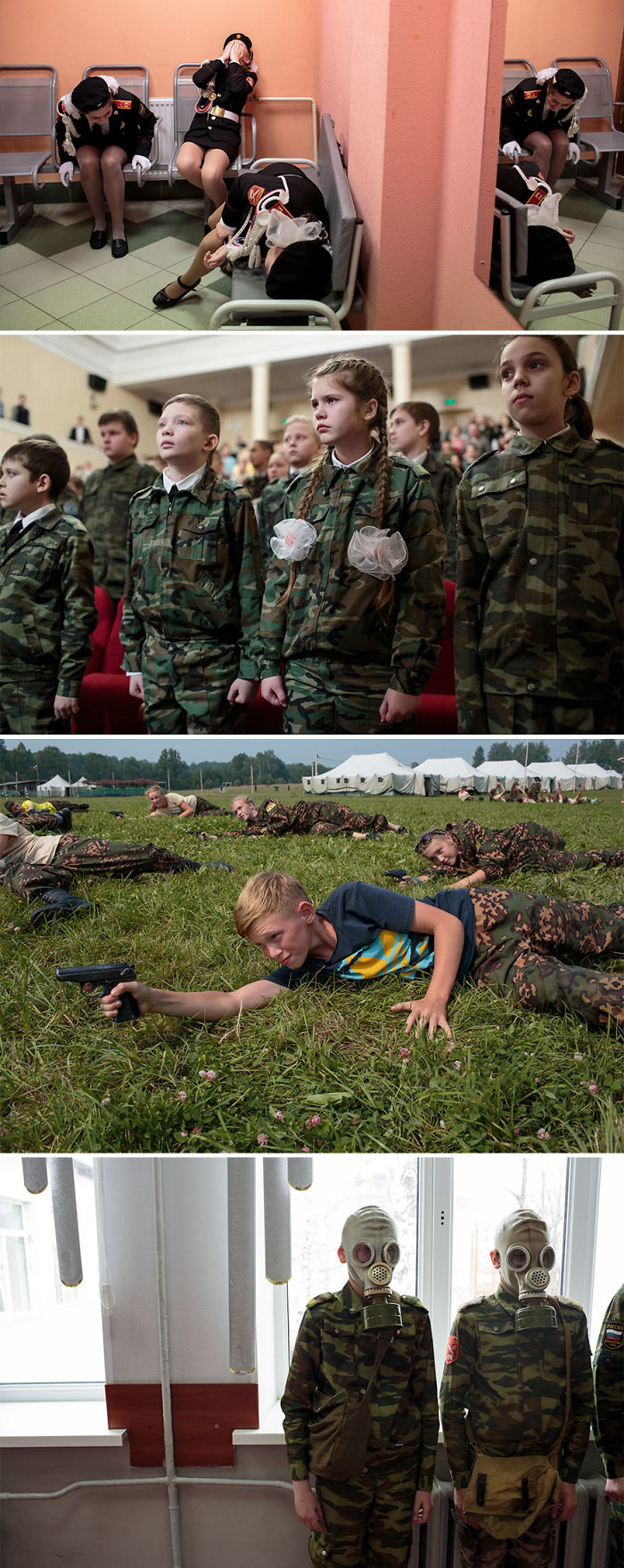
Patriotic education, often with a military subtext, forms the mainspring of many youth programs in both Russia and the United States. In America, the dual messages of ‘America first’ and ‘Americanism’ can be found not only as a driving force behind adult political movements, but around the country in camps and clubs where young people are taught what it means to be an American. In Russia, patriotic clubs and camps are encouraged by government. In 2015, President Vladimir Putin ordered the creation of a Russian students’ movement whose aim was to help form the characters of young people through instruction in ideology, religion and preparedness for war. The ‘Patriotic Education of Russian Citizens in 2016–2020’ program called for an 8 percent increase in patriotism among youth, and a 10 percent increase in recruits to the armed forces. The photographer visited ten youth programs in the US, as well as schools and military summer camps in Russia. The aim of the series is to use these young people and their lives as the focal point in an open dialogue around the ideas instilled in future generations, and examine how young people are responding to contemporary society.
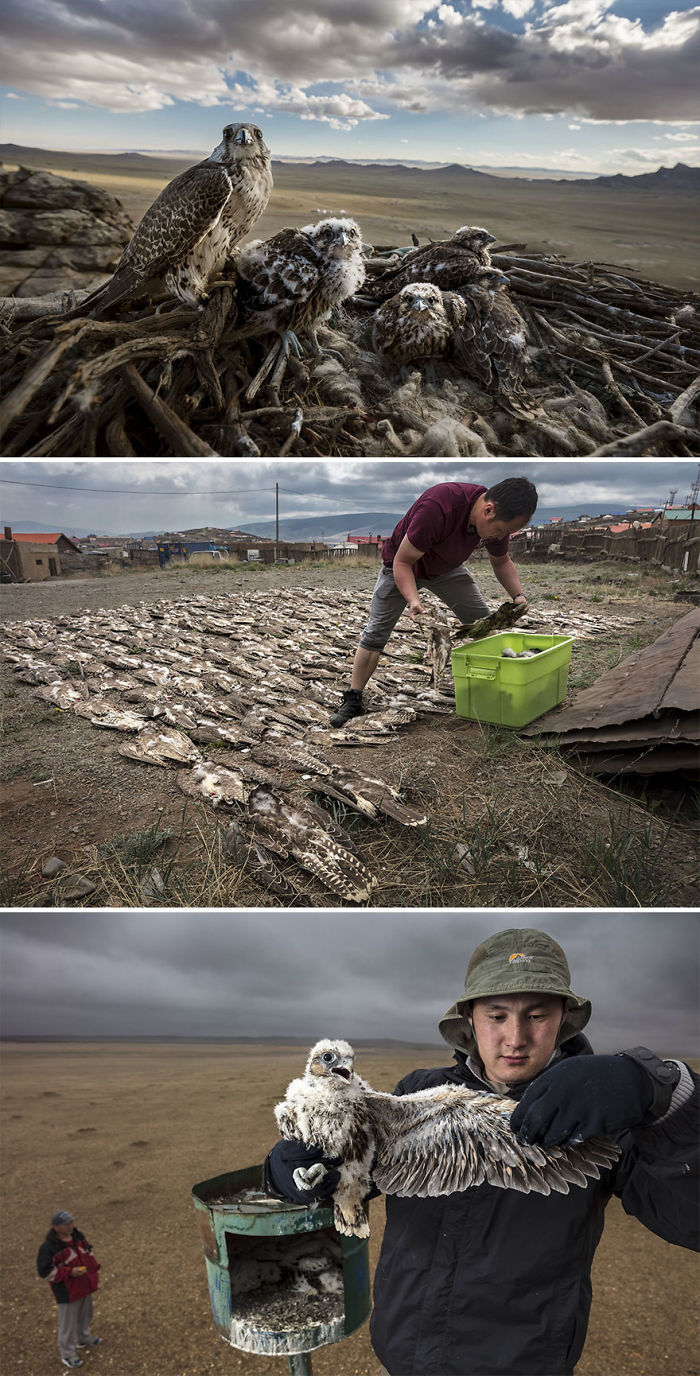
The millennia-old practice of falconry is experiencing an international resurgence, especially as a result of efforts in the Arab world. UNESCO now recognises falconry as an Intangible Cultural Heritage of Humanity (ICH), a status enjoyed by no other hunting sport. Falcons bred in captivity have helped diminish the trade in captured wild birds, including some species that are listed as endangered. But some falcons in the wild continue to be at risk from capture and other anthropogenic factors such as electrocution on badly designed powerlines, habitat degradation and agrochemicals. Similarly, although the breeding of birds such as houbara bustards for prey has made hunting a more sustainable practice, the British Ornithologists’ Union reported that the wild houbara population continued to decline
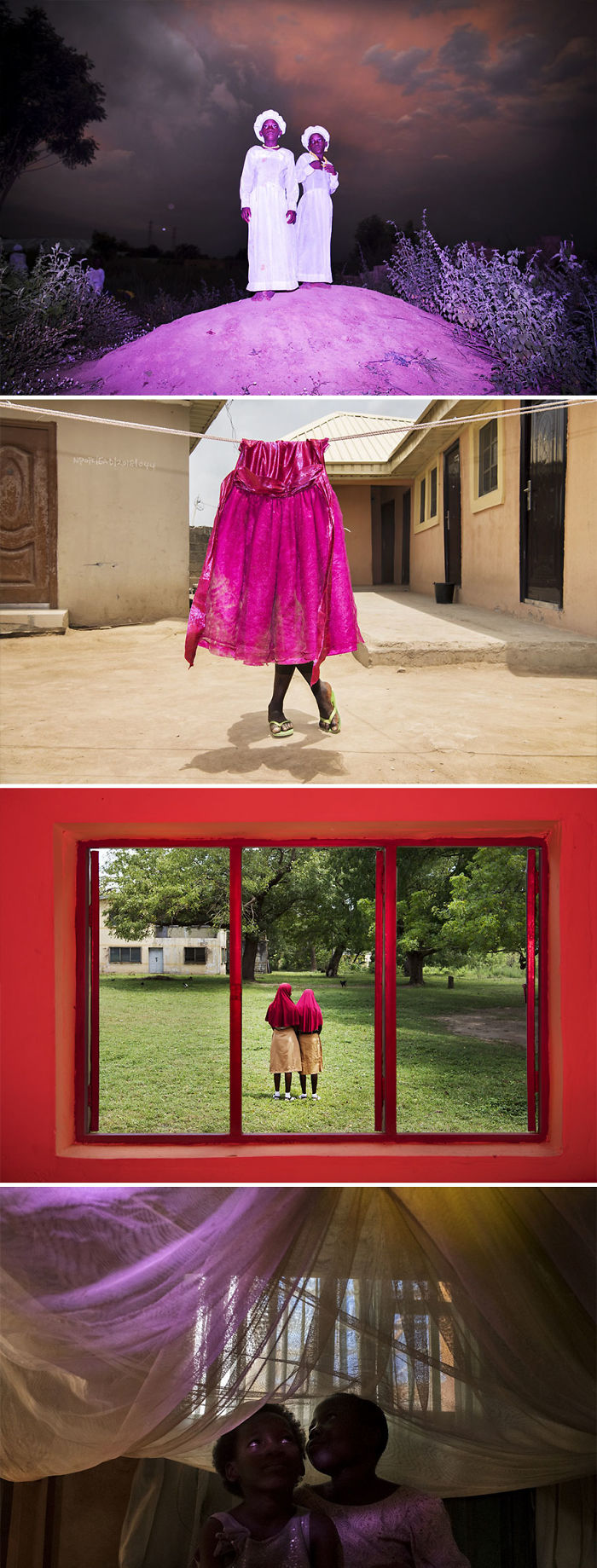
Nigeria has one of the highest occurrences of twins in the world, particularly among the Yoruba people in the southwest. In the southwestern town of Igbo-Ora, dubbed ‘The Nation’s Home of Twins’, reportedly almost every family has at least one set. In 2018, the town hosted a Twins Festival, attended by over 2,000 pairs. The first-born twin is usually called Taiwo, meaning ‘having the first taste of the world’, while the second-born is named Kehinde, ‘arriving after the other’. Communities have developed different cultural practices in response to this high birth rate, from veneration to demonization. In earlier times, twins in some regions were considered evil, and vilified or killed at birth. Nowadays, the arrival of twins is generally met with celebration, and many think they bring good luck and wealth. Two color filters were used, to express duality: of identity, of photographers, and of attitude to twins.
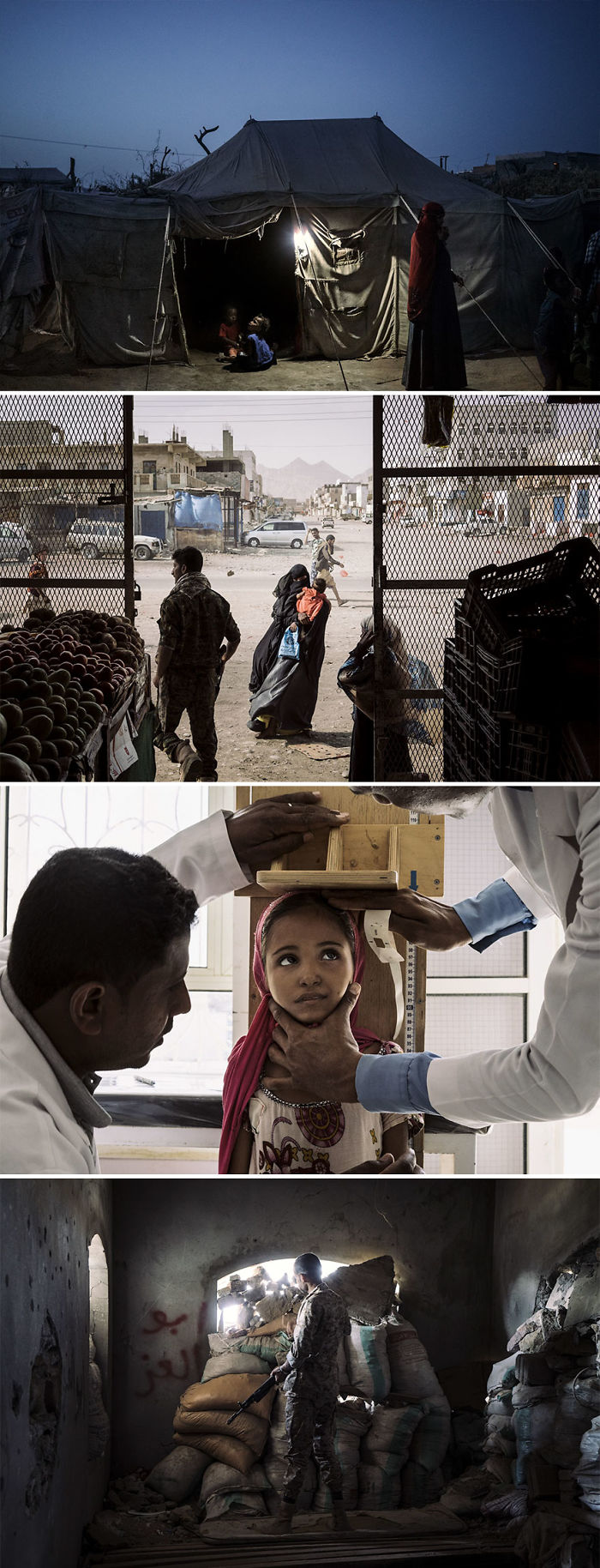
After nearly four years of conflict in Yemen, at least 8.4 million people are at risk of starvation and 22 million people—75% of the population—are in need of humanitarian assistance, according to the UN. In 2014, Houthi Shia Muslim rebels seized northern areas of the country, forcing the president, Abdrabbuh Mansour Hadi, into exile. The conflict spread, and escalated when Saudi Arabia, in coalition with eight other mostly Sunni Arab states, began air strikes against the Houthis. By 2018, the war had led to what the UN termed the world’s worst man-made humanitarian disaster. Saudi Arabia said that Iran—a Shia-majority state and their rival regional power—was backing the Houthis with weapons and supplies, a charge Iran denied. The Saudi-led coalition implemented a blockade on Yemen, imposing import restrictions on food, medicines and fuel. Resulting shortages exacerbated the humanitarian crisis. In many cases, conditions of near-famine were caused not so much by the unavailability of food, but because it became unaffordable, priced out of reach to most Yemenis by import restrictions, soaring transport costs due to fuel scarcity, a collapsing currency and other man-made supply disruptions.



































 No fees, cancel anytime