Get Premium
Dark mode theme is available exclusively for premium users. Learn more about the benefits of subscribing.
No fees, cancel anytime.

 Dark Mode Ad-Free Browsing Unlimited Content
 Ad-Free Browsing Unlimited Content Dark Mode
Join 1.2 million Panda readers who get the best art, memes, and fun stories every week!
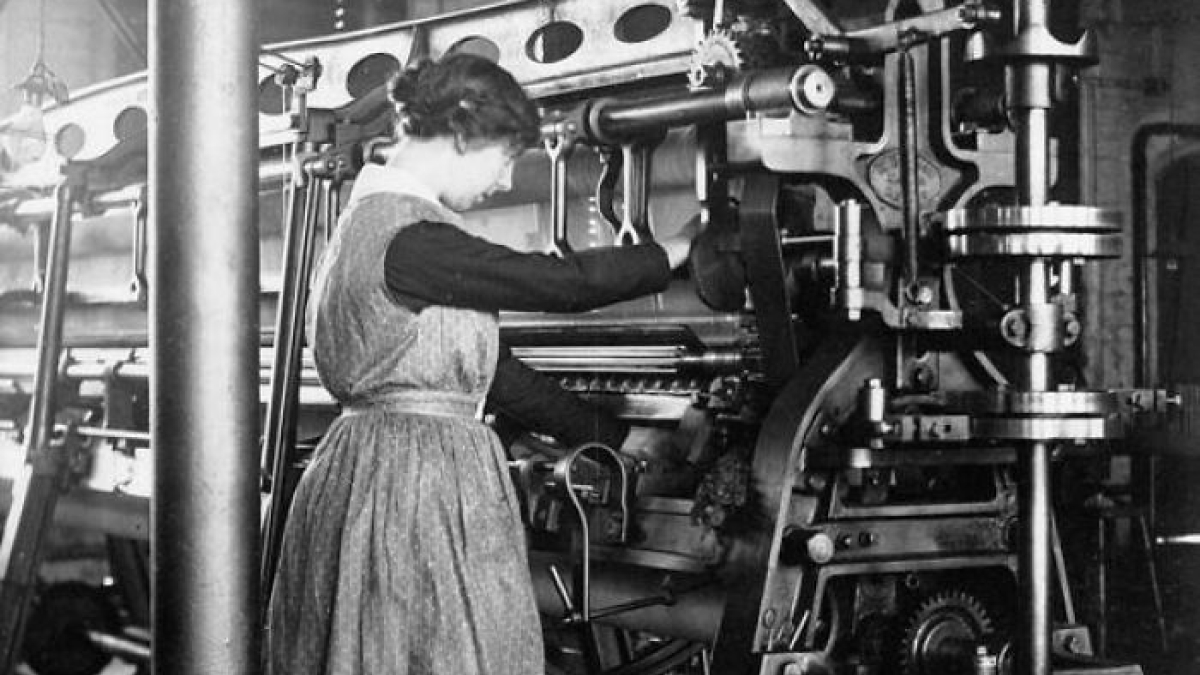
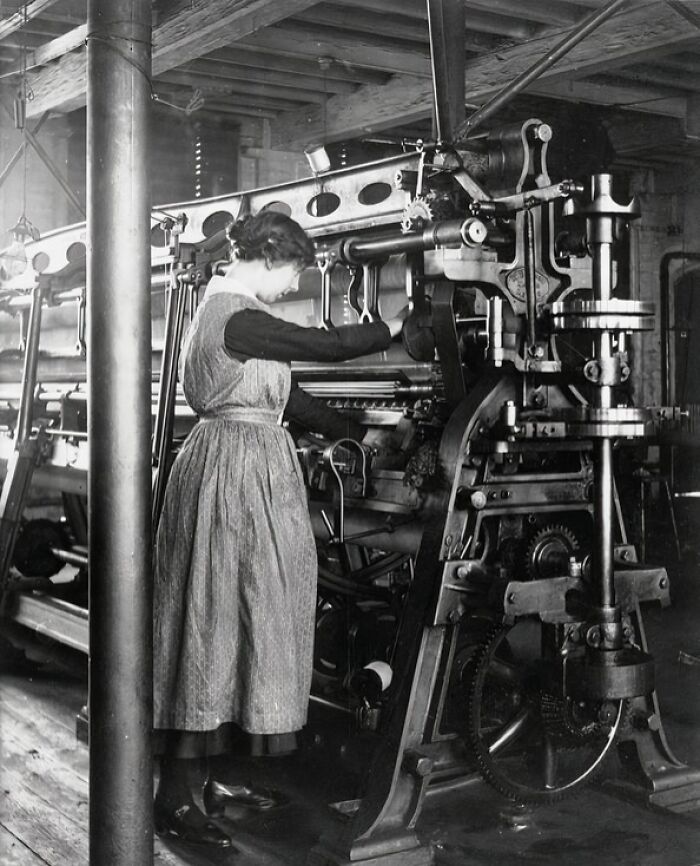
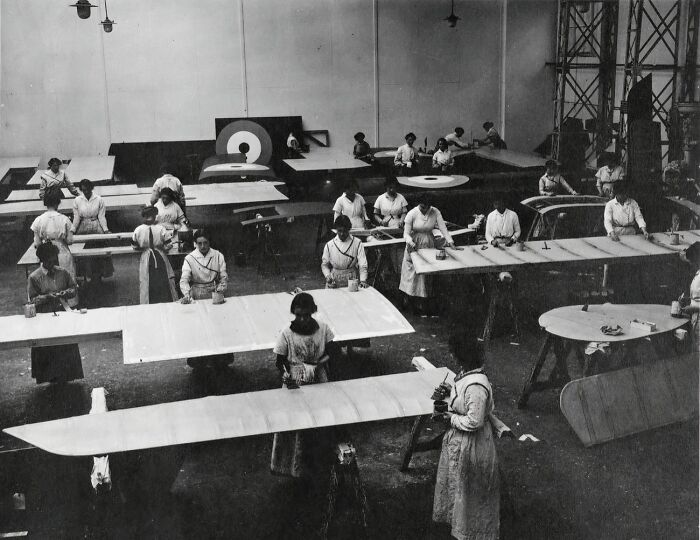
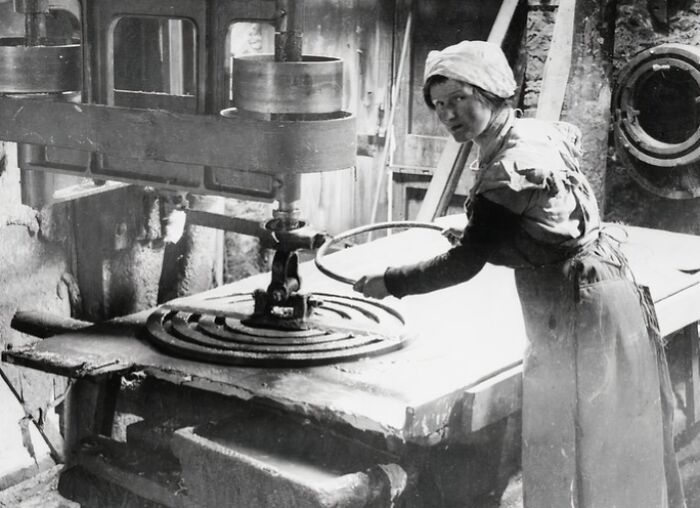
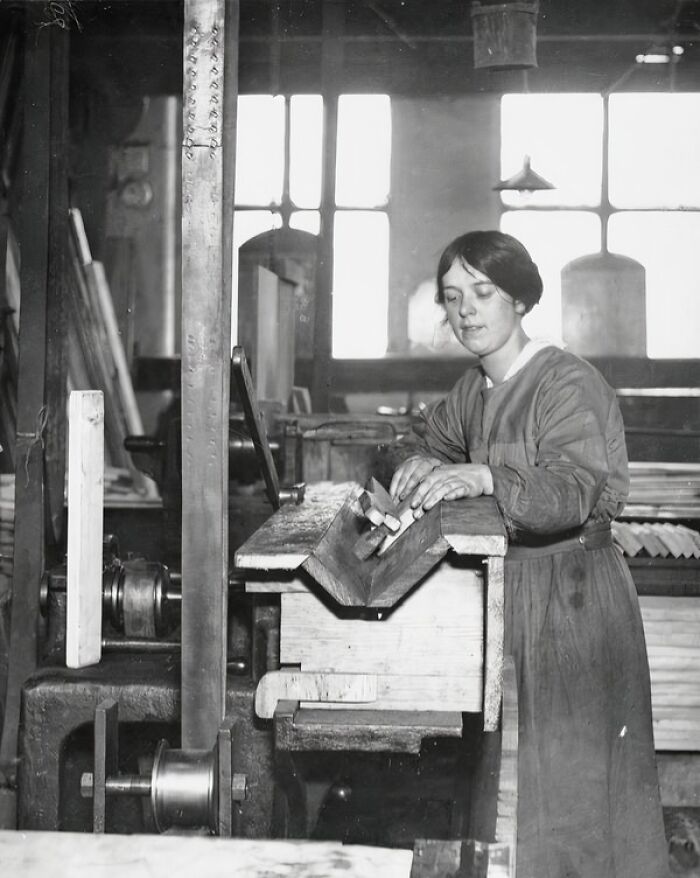
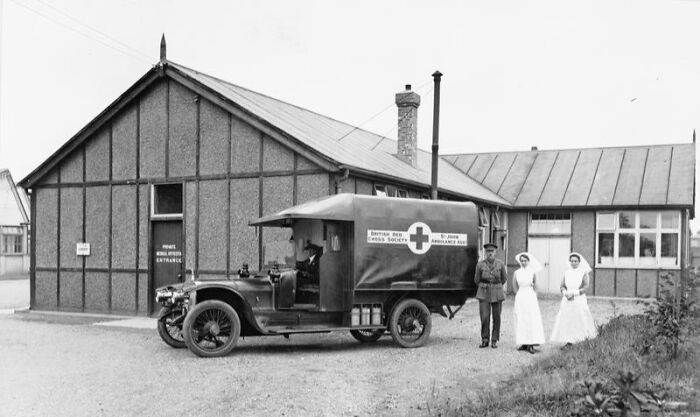
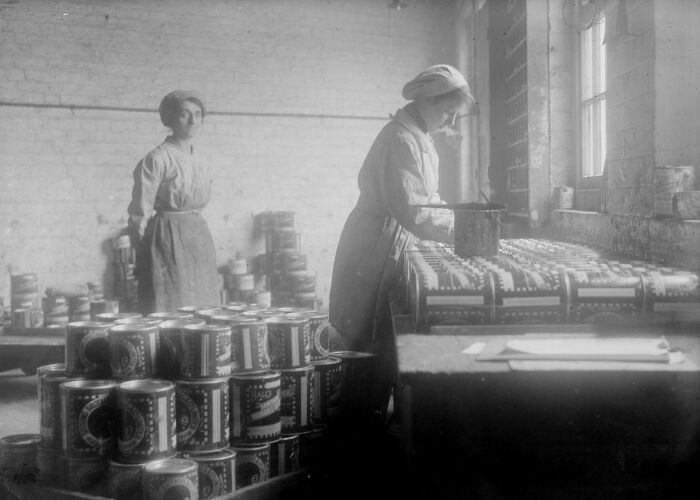
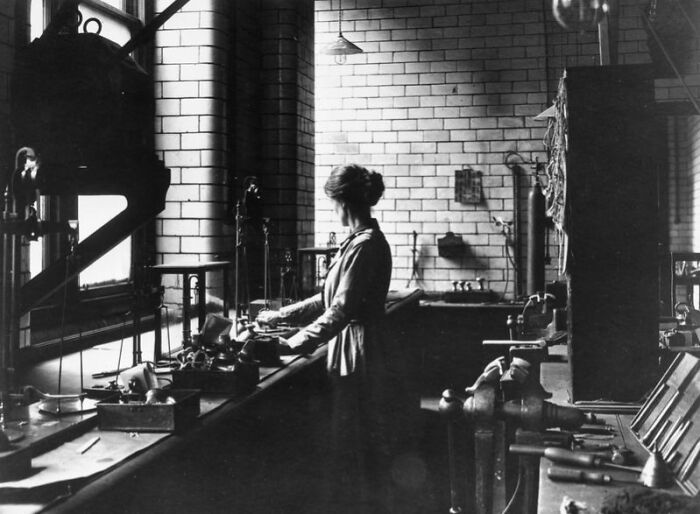
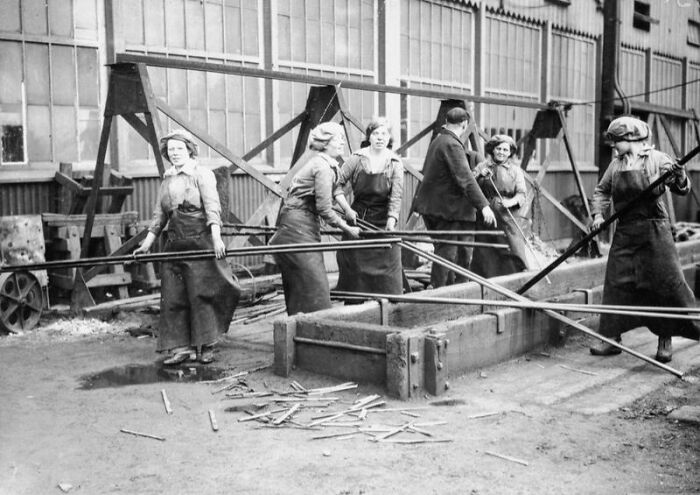
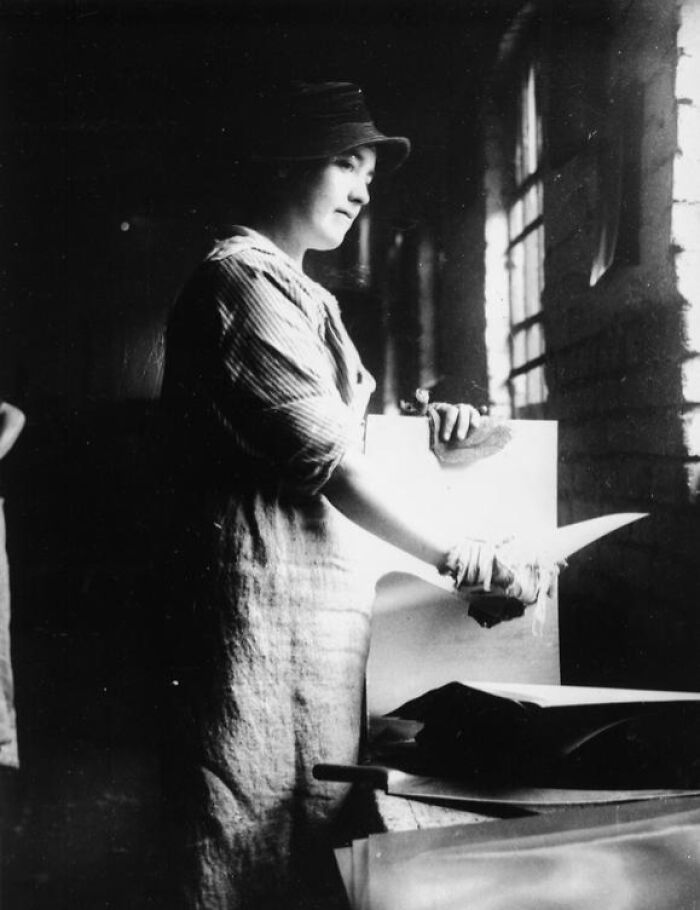
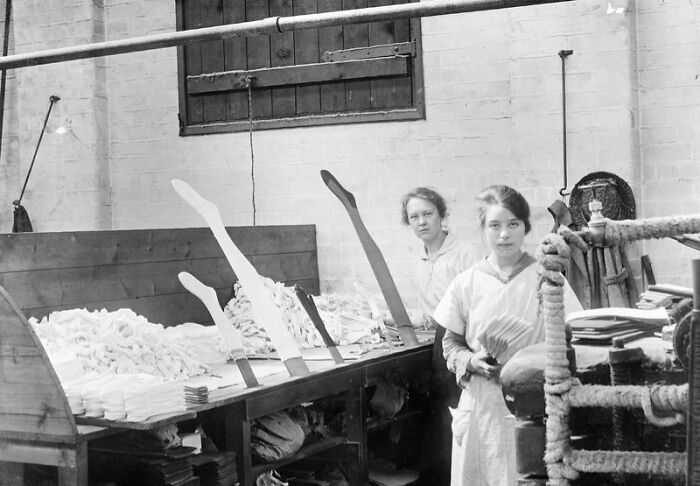
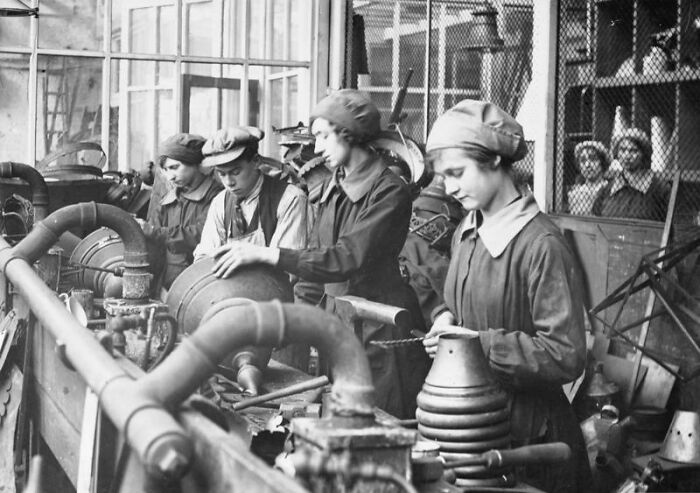
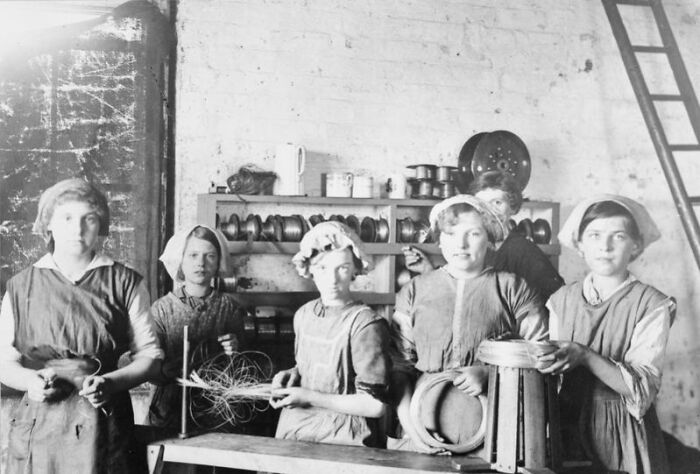
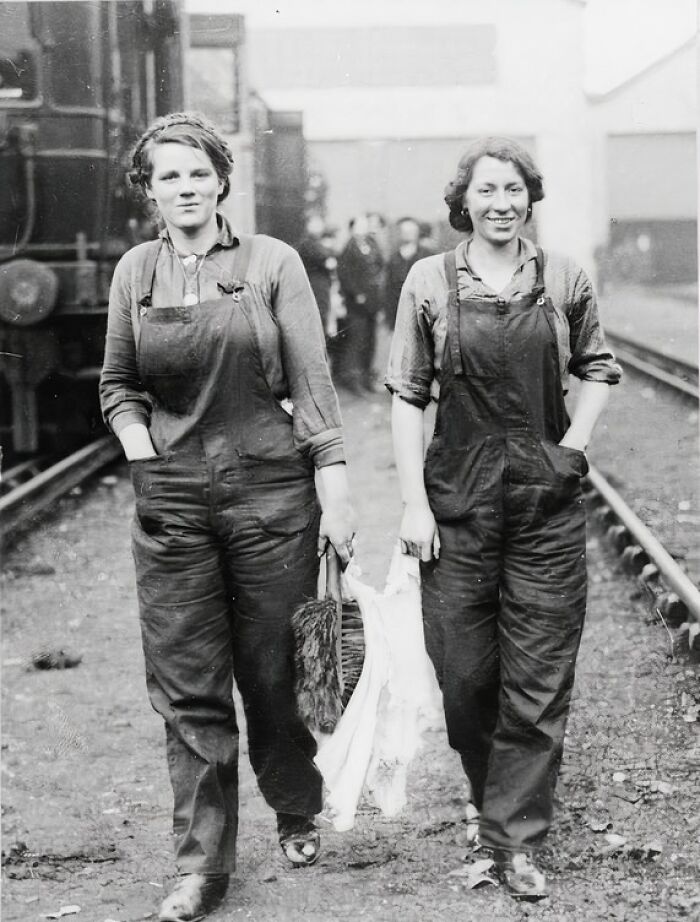
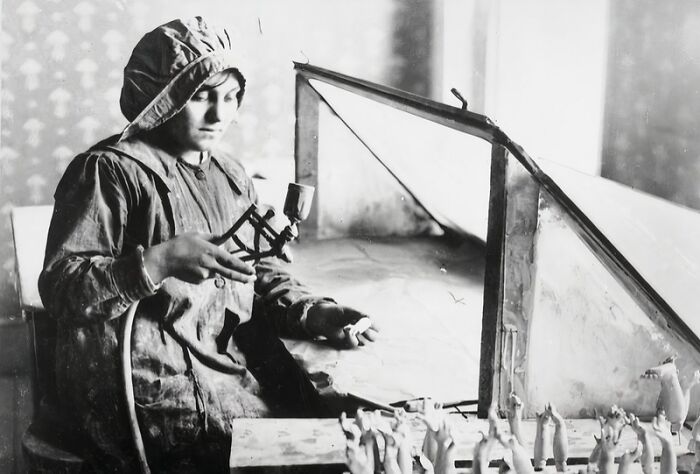
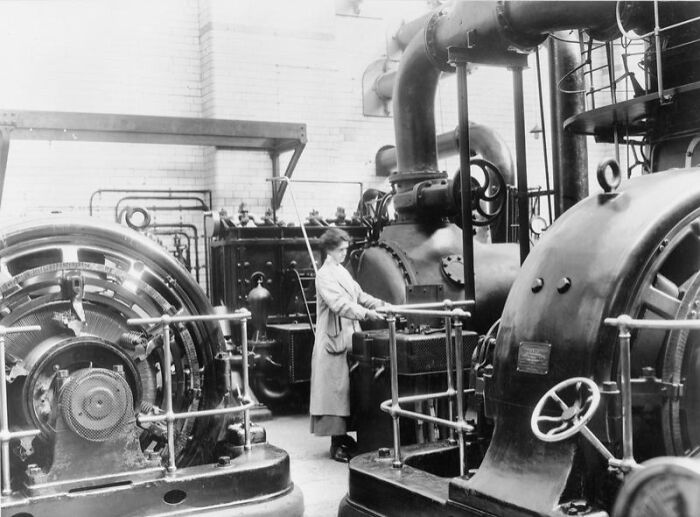
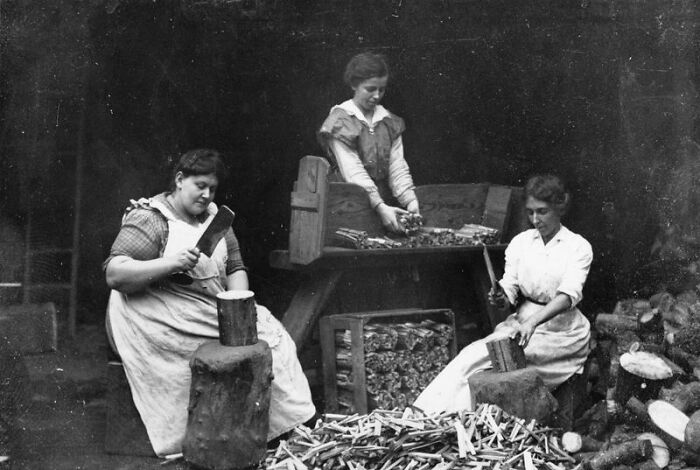
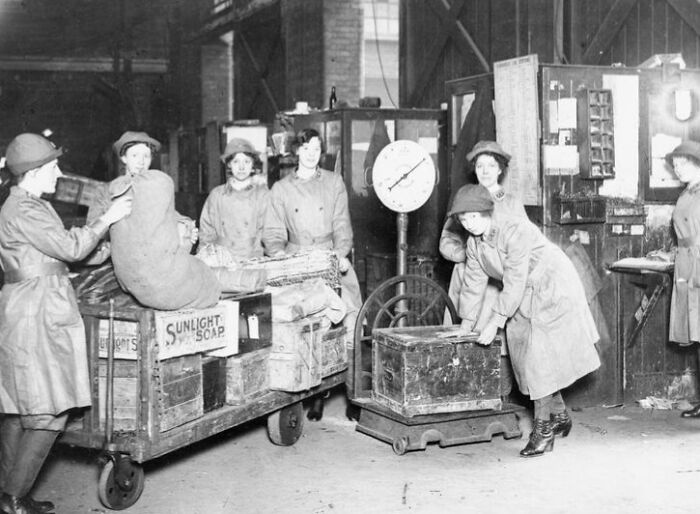
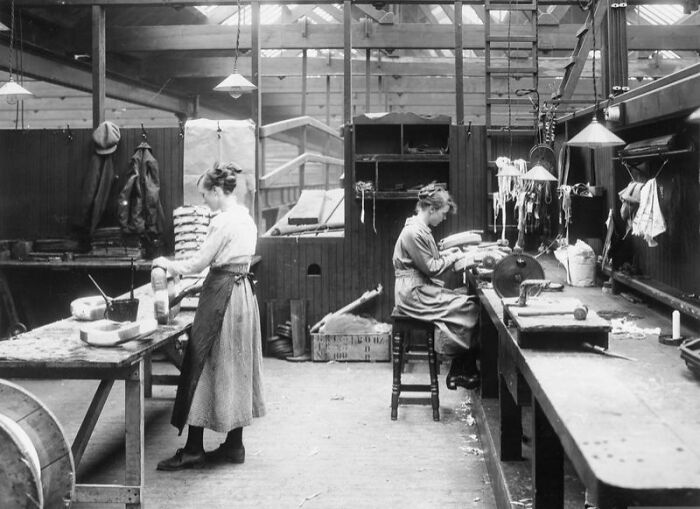
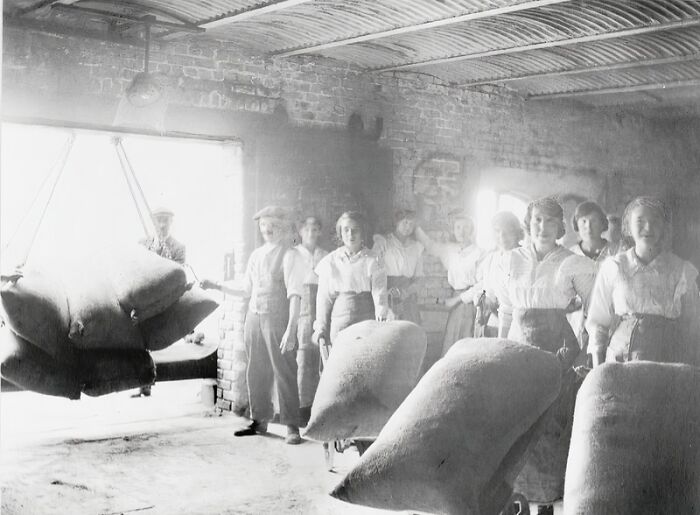
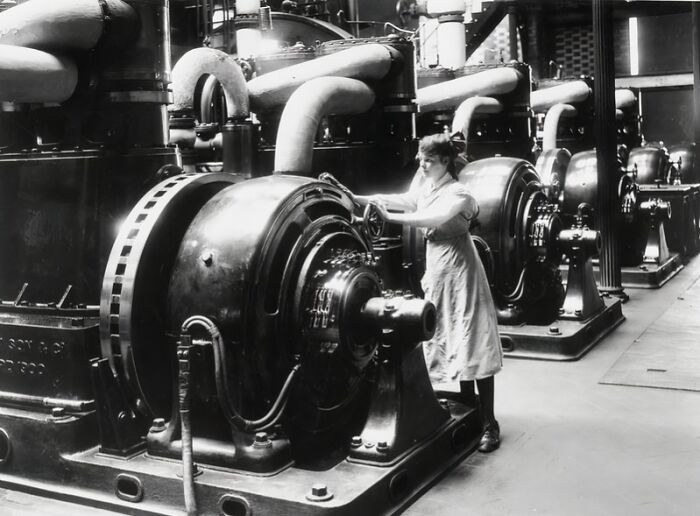
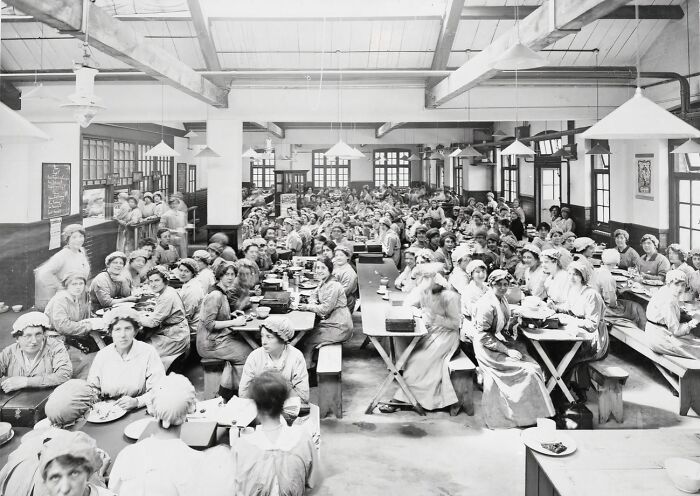
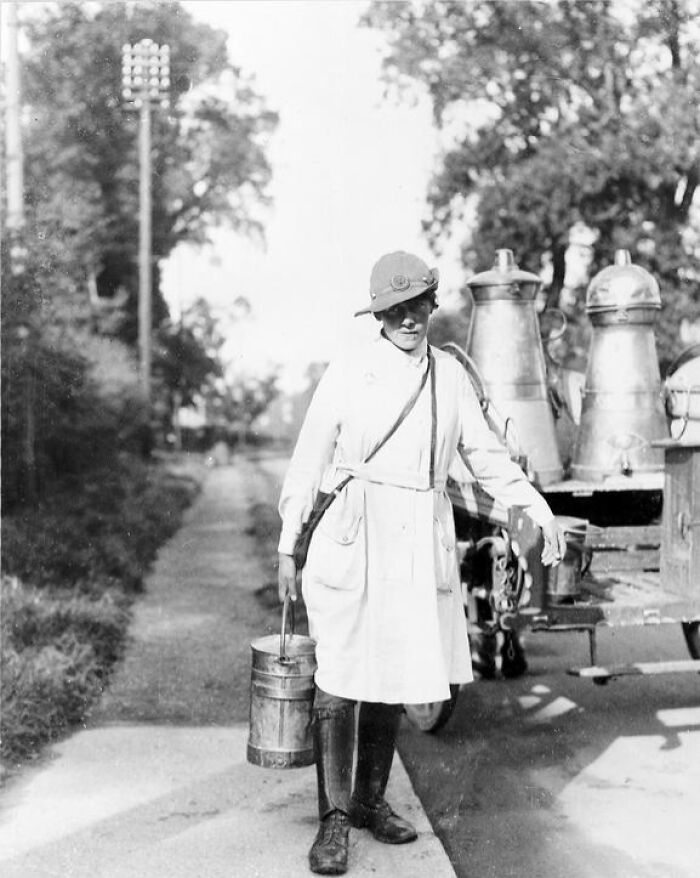
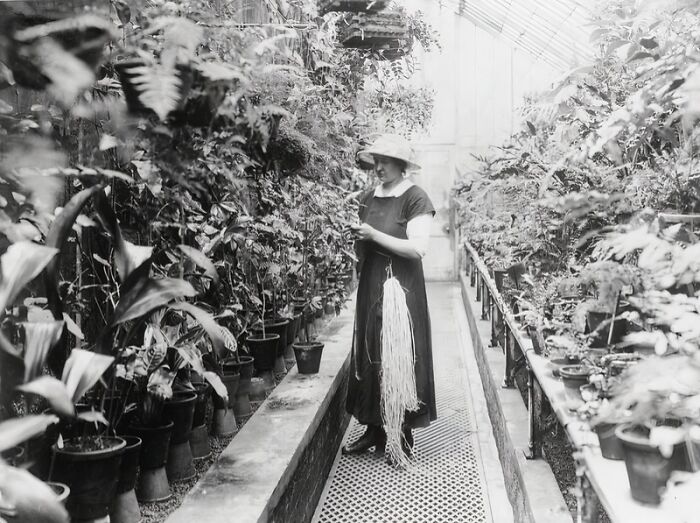
When radios across the UK announced that Britain would be joining WWI, women took up arms. But instead of fighting on the battlefields, they fought in the factories and warehouses that fueled the war machine. These photographs reveal that profound, almost seismic shift in what it meant to be a woman. Here we see women, whose hands were once assumed to be too delicate for anything but domestic tasks, confidently mastering heavy machinery and assembling the very munitions that armed the front lines.
In the grease-stained workshops and high-risk factories, these women discovered a resilience and competence within themselves that society had never acknowledged. They weren't just contributing to the war effort; they were fundamentally redrawing the boundaries of their own lives, proving that their strength was not a substitute for men's, but a powerful, capable force all its own.
This post may include affiliate links.
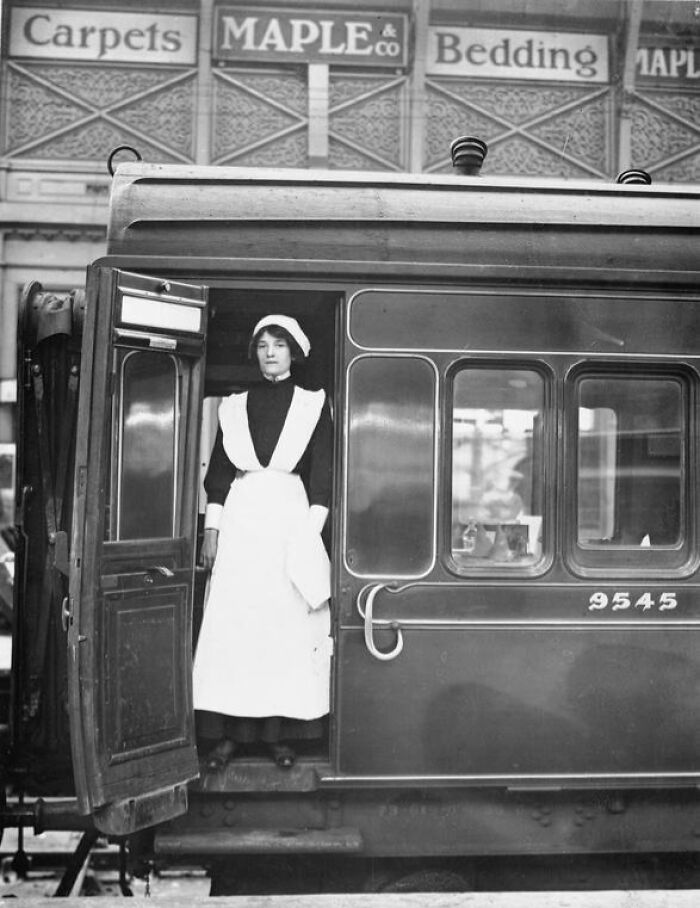
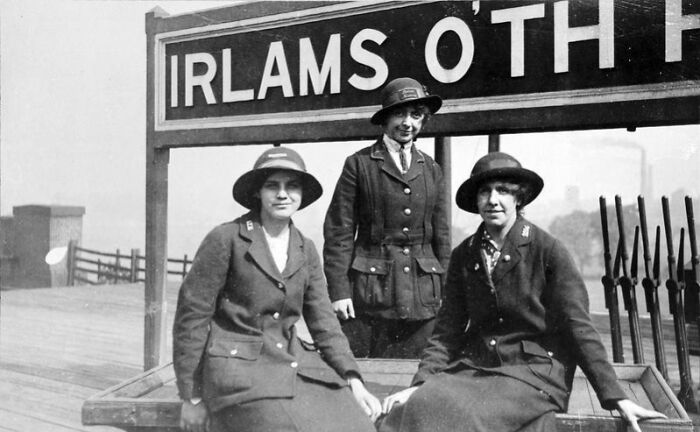
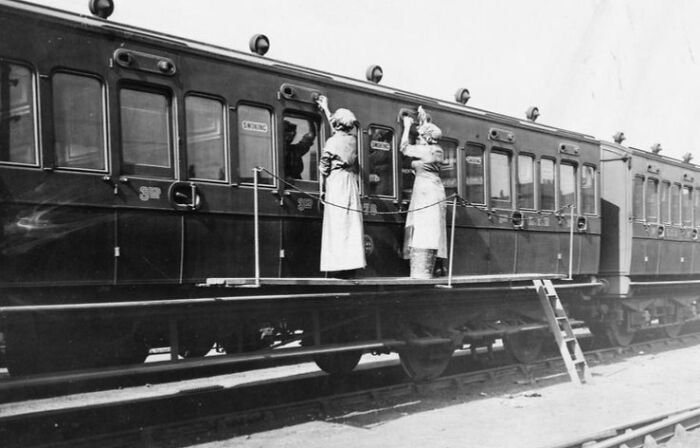
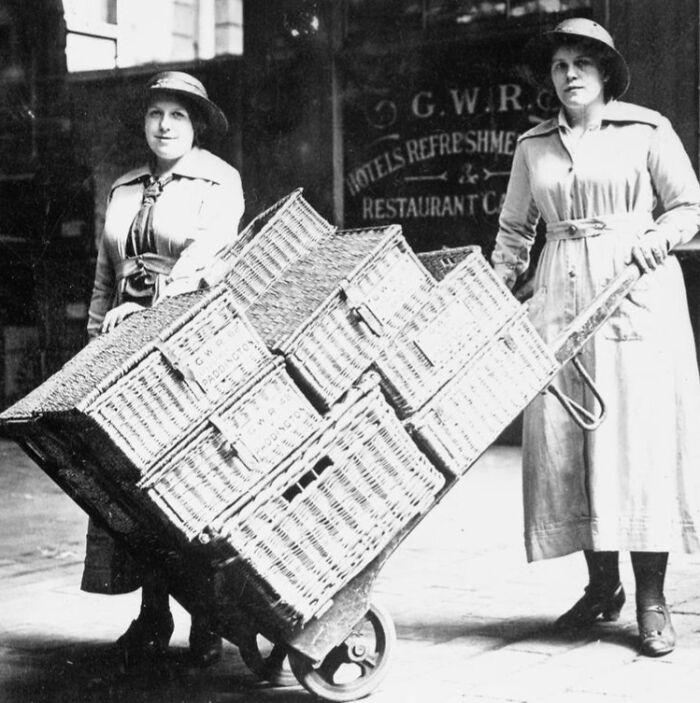
In 1917 the Lancashire and Yorkshire Railway appointed its first female station master at Irlams o' th' Height. Soon afterward this station became the first on the network to be staffed entirely by women. By 1918 the Lancashire and Yorkshire Railway was employing 4,459 women.
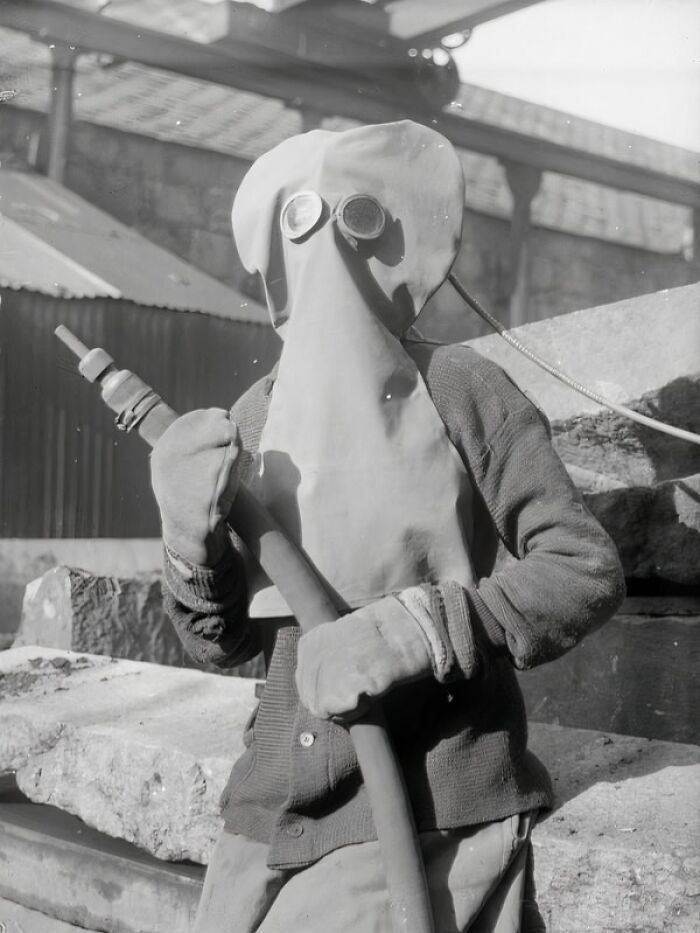
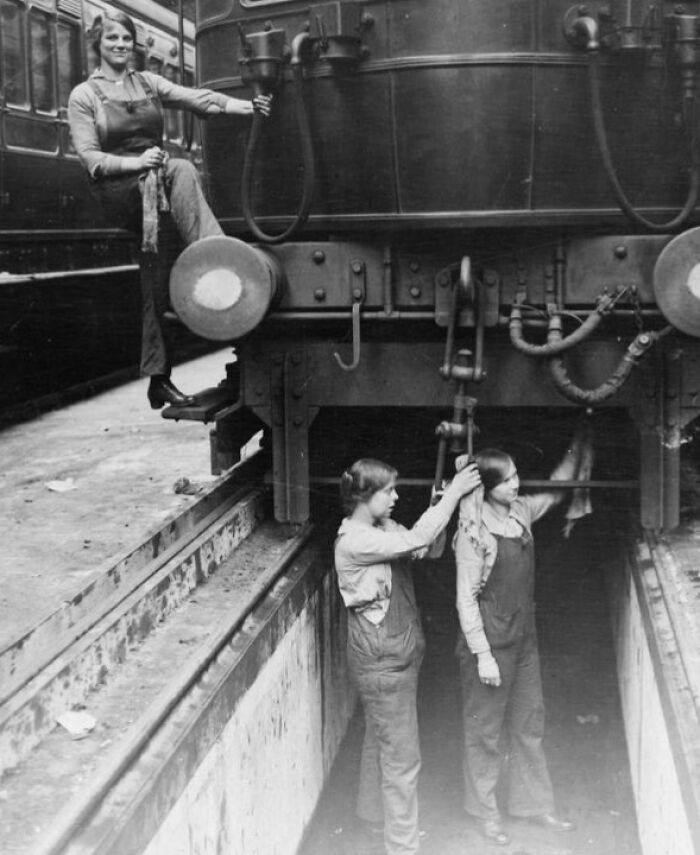
Many of these ladies probably never imagined they'd be wielding hammers or handling dangerous chemicals, yet here they are, sleeves rolled up and getting the job done. The next set of images shows even more of these everyday heroes, and you'll notice how they're not just surviving this massive change in their lives but many of them seem to be discovering just how capable they really were.
Two such women were employed by the department, starting in April 1918. They worked fifty-one hours per week and earned 23 shillings and 4 pence per week, including a bonus.










 No fees, cancel anytime