Get Premium
Dark mode theme is available exclusively for premium users. Learn more about the benefits of subscribing.
No fees, cancel anytime.

 Dark Mode Ad-Free Browsing Unlimited Content
 Ad-Free Browsing Unlimited Content Dark Mode
Join 1.2 million Panda readers who get the best art, memes, and fun stories every week!
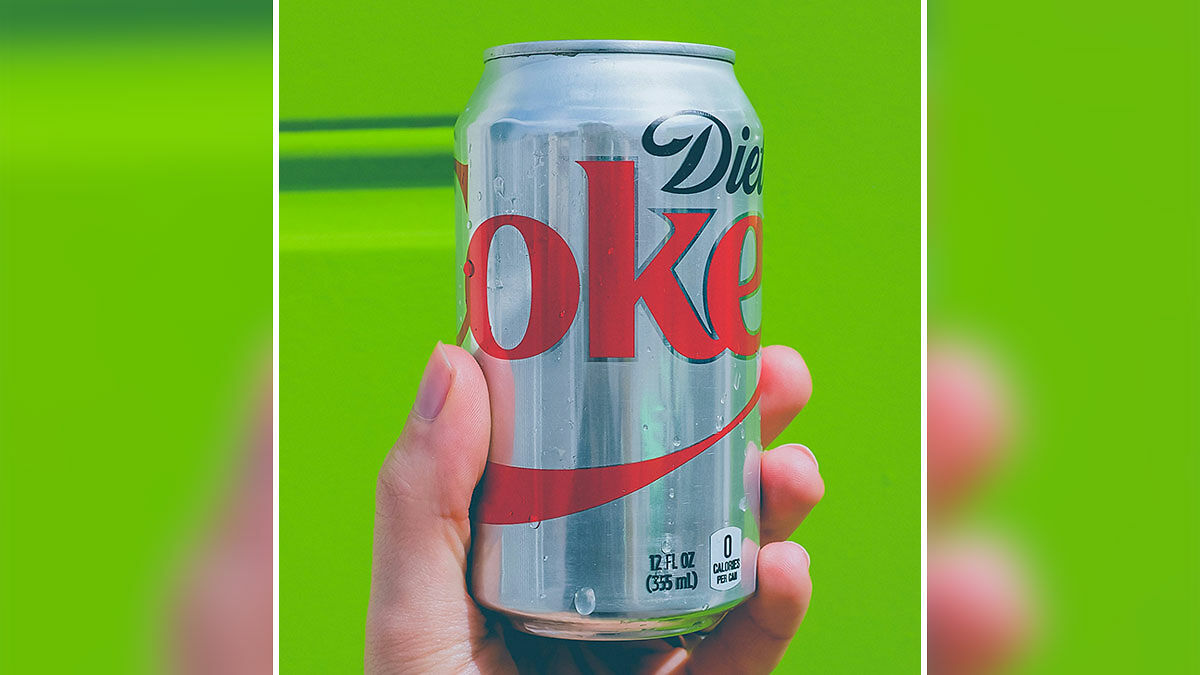
A Massachusetts woman suffering from severe stomach pain, nausea, and vomiting was given an unexpected treatment after doctors discovered a large mass of undigested material inside her stomach.
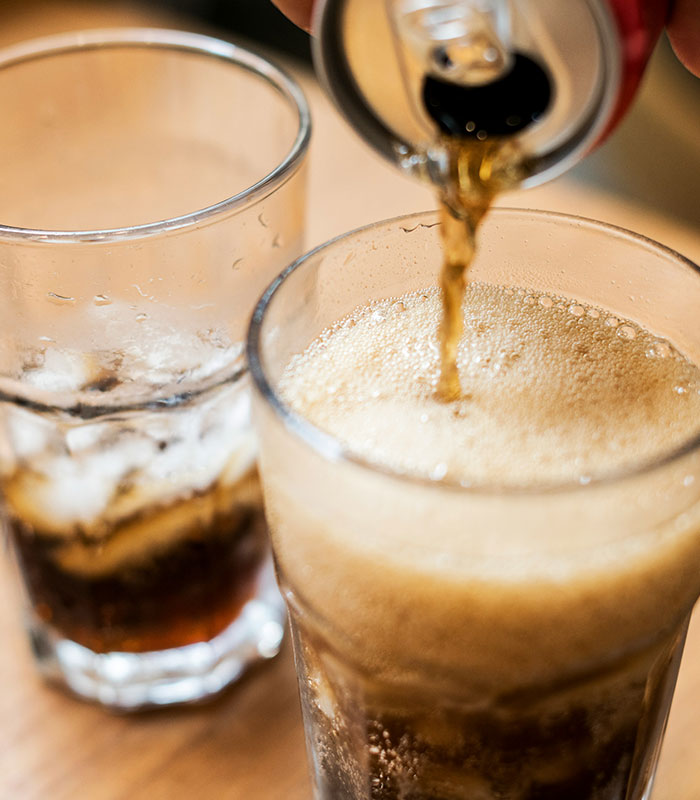
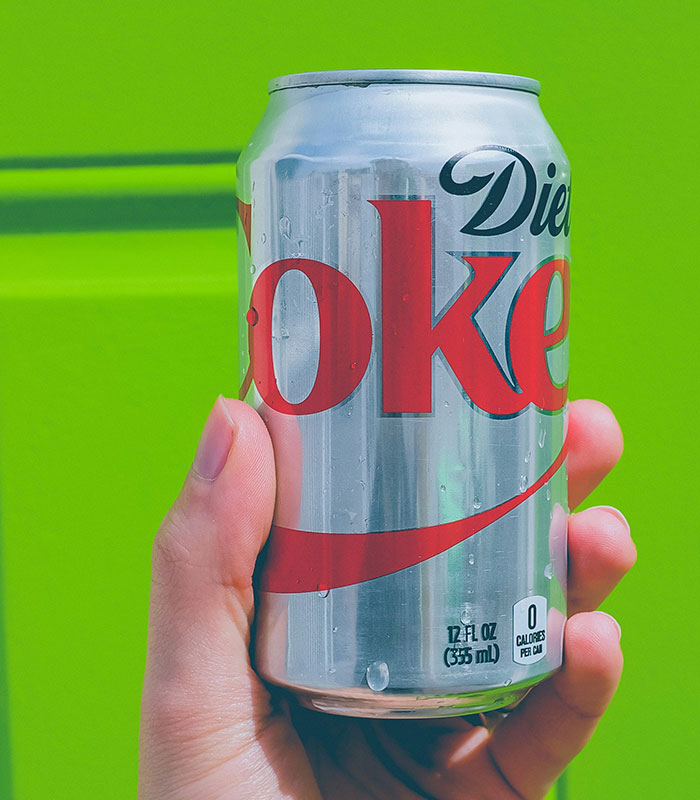
Instead of rushing her into an invasive procedure, they advised her to drink 1.5 litres of Diet Coke over two days.
The unusual treatment worked, leaving several netizens surprised.
“Coca-Cola paid y’all for this, huh,” wrote one commenter.
Image credits: Katemangostar/Magnific
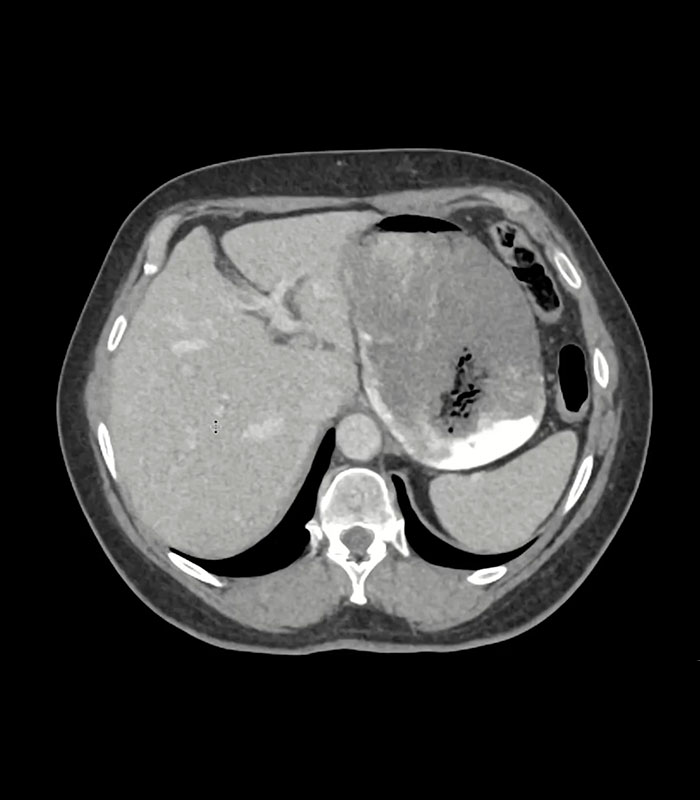
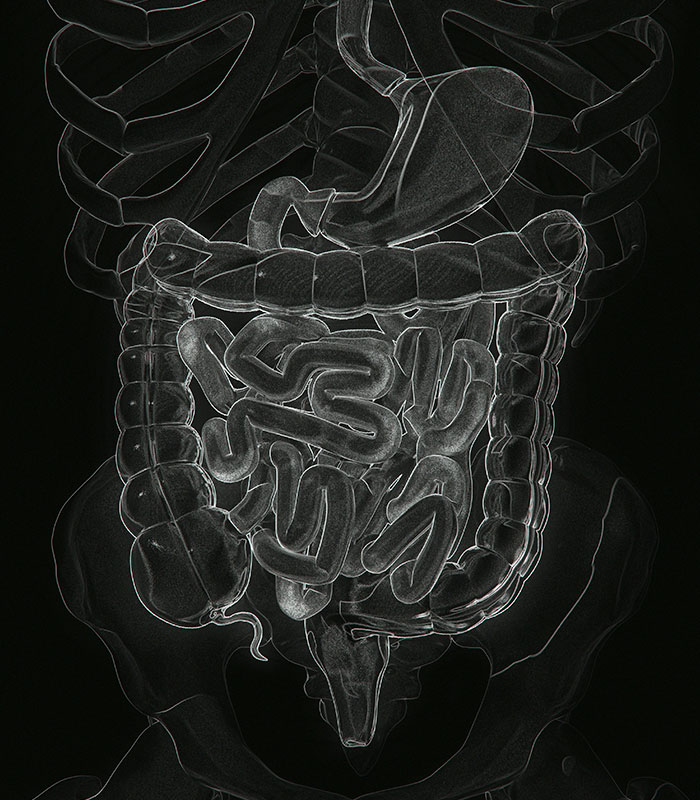
Doctors at Brigham and Women’s Hospital carried out several tests, including CT scans and specialised imaging. Although they found stool backed up in her digestive system, they could not see a blockage.
An endoscopy eventually revealed that a large gastric bezoar, a tightly packed mass of partially digested food, was sitting inside her stomach.
Doctors believed the bezoar formed because semaglutide slows gastric emptying, meaning food stays in the stomach much longer than normal.
In some people, that delayed emptying allows food to collect and harden into a solid mass.
The medical team immediately stopped her semaglutide treatment before deciding on the next step.
Image credits: Getty Images/Unsplash
Doctors advised the woman to drink 1.5 litres of Diet Coke because of her diabetes.
In a 2025 report,A Fizzy Fix, published in The New England Journal of Medicine, doctors suggested around three litres of cola over a 12-hour period; the amount was reduced because she disliked carbonated drinks.
Doctors also admitted they still do not fully understand why cola works.
“It is not well understood whether acidity, carbonation, or another mechanism accounts for dissolution of the bezoar,” they wrote in the case report.
Despite the uncertainty, the treatment surprisingly worked.
Image credits: Rawpixel/Magnific
On the second day, the woman felt what she described as a “tugging sensation” inside her abdomen. Soon afterwards, her nausea and stomach pain disappeared.
A follow-up endoscopy confirmed that the bezoar had completely dissolved.
The woman was able to return to a normal diet before leaving the hospital.
She did not restart semaglutide, was prescribed medication for acid reflux, and remained free of her abdominal symptoms during the following months.
Image credits: Curated Lifestyle/Unsplash
Doctors also noted that for stable patients with food-related gastric bezoars, cola is often considered the preferred first treatment because it is inexpensive and carries fewer risks than invasive procedures.
The report concluded, adding, “Bezoars formed from food material may be initially managed with oral administration of cola in patients in a clinically stable condition. This intervention is generally cost-effective and is associated with a lower risk of complications than invasive procedures.”
Image credits: Quilia/Unsplash
Some people were amazed that something as common as Diet Coke could solve a medical problem.
“Coca-Cola does work. Back in 2010, I had severe pain from the epidural after I had my daughter, and they told me to drink a 2-litre Coke, and that shit worked,” one person claimed.
Another joked, “Let me make an investment in Coca Cola stock.”
Others said the story reminded them of personal experiences.
Image credits: Radiology Educational Videos
“And I thought my dad was joking when he said Diet Coke helped with his digestion.”
However, not everyone was convinced.
“Solve one problem just to give them another,” one commenter wrote.
Another questioned the advice, asking, “What type of doctor was that?”
Image credits: Resource Database/Unsplash
Others remained unconvinced of the report altogether.
“Y’all don’t fall into this nonsense! Fix one problem just to have another one!” one said.
Another viewer also joked, “So Coca-Cola over Paracetamol for pain relief? Got it.”
Meanwhile, one more person speculated, “Whatever in Coca-Cola it works, it will eat up everything you ate. If it can eat acid off a battery, it can clear your stomach.”
Image credits: Yunus Tuğ/Unsplash
One comment pointed out that Coca-Cola has medical roots, “Coke was originally used as medicine, so it makes sense.”
That claim apparently has some historical basis.
Coca-Cola was first created in Atlanta, Georgia, on May 8, 1886, by pharmacist Dr John Stith Pemberton. He originally developed the syrup as a medicinal tonic before mixing it with carbonated water and selling it at Jacobs’ Pharmacy as a soda fountain drink for five cents a glass.
Image credits: Michael T/Unsplash
His business partner, Frank M. Robinson, came up with the name “Cola-Cola” and designed the famous flowing logo that is still used today.
Although Coca-Cola eventually became one of the world’s most popular soft drinks rather than a medicine, doctors still occasionally use cola in specific medical situations, such as food-related gastric bezoars.
In the Massachusetts woman’s case, however, physicians stressed that the treatment was carefully chosen for a diagnosed medical condition and carried out under medical supervision.
They also noted that gastric bezoars are rare, occurring in fewer than 0.5% of upper digestive tract endoscopies, and that cola is considered appropriate only in selected, clinically stable patients.

By entering your email and clicking Subscribe, you're agreeing to let us send you customized marketing messages about us and our advertising partners. You are also agreeing to our Privacy Policy.
Thank you! You've successfully subscribed to newsletters!


This article is glossing over the fact that the gastric bezoar resulted from semaglutide/Ozempic use. My mother and sister have both started using it and I've tried to warn them of the gastric side effects - my mother already has a lot of trouble with her stomach and digestive tract (food sensitivities and very bad IBS) so I worry that something like this could happen to them. My mom is the kind of person who refuses to alter their extremely unhealthy eating habits and want meds and liposuction to do their weight loss for them, though, so there's that. You might be seeing a news story about an elderly California woman with a bezoar soon :p

I might have been lucky but I was on Mounjaro for 11 months and and no gastric issues whatsoever.
Load More Replies...

I'm betting the nausea stopped because she stopped taking the semaglutide, it's a really common side effect.

The nausea stopped because they weren't all backed up with merde anymore
Load More Replies... This article is glossing over the fact that the gastric bezoar resulted from semaglutide/Ozempic use. My mother and sister have both started using it and I've tried to warn them of the gastric side effects - my mother already has a lot of trouble with her stomach and digestive tract (food sensitivities and very bad IBS) so I worry that something like this could happen to them. My mom is the kind of person who refuses to alter their extremely unhealthy eating habits and want meds and liposuction to do their weight loss for them, though, so there's that. You might be seeing a news story about an elderly California woman with a bezoar soon :p
I might have been lucky but I was on Mounjaro for 11 months and and no gastric issues whatsoever.
Load More Replies... I'm betting the nausea stopped because she stopped taking the semaglutide, it's a really common side effect.
The nausea stopped because they weren't all backed up with merde anymore
Load More Replies...


























 No fees, cancel anytime



















27
12