Get Premium
Dark mode theme is available exclusively for premium users. Learn more about the benefits of subscribing.
No fees, cancel anytime.

 Dark Mode Ad-Free Browsing Unlimited Content
 Ad-Free Browsing Unlimited Content Dark Mode
Join 1.2 million Panda readers who get the best art, memes, and fun stories every week!
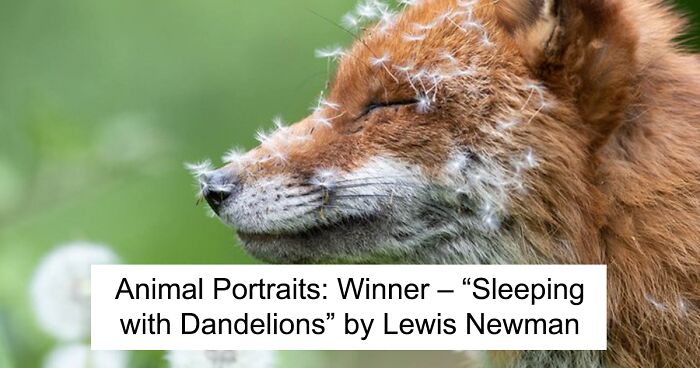
Wildlife photography is granting us the possibility to peek into intimate moments of nature. This time, we invite you to emerge into British wildlife through the lens of this year's winners of the British Wildlife Photography Awards 2023.
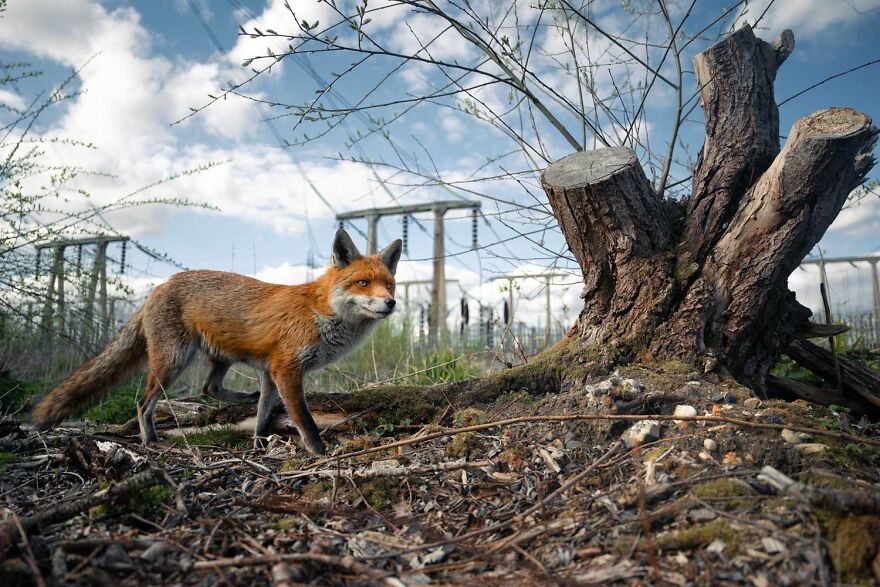
A 28-year-old Charlie Page was nominated as an overall winner for his image of a fox moving through woodland, winning him a grand prize of £5,000. There was a total of 10 categories in the competition, and Charlie submitted his to Urban Wildlife. 9 others were: Animal Behaviour, Animal Portraits, Black and White, Botanical Britain, Coast and Marine, Habitat, Hidden Britain, Wild Woods, and Youth.
So without further ado, we invite you to meet this year's category winners and runner-ups.
Bored Panda got in touch with Charlie Page to learn more about him and his winning photo. Read the full interview below.
More info: bwpawards.org | Instagram | Facebook | twitter.com | charlieswildlifephotography.com | Instagram
This post may include affiliate links.
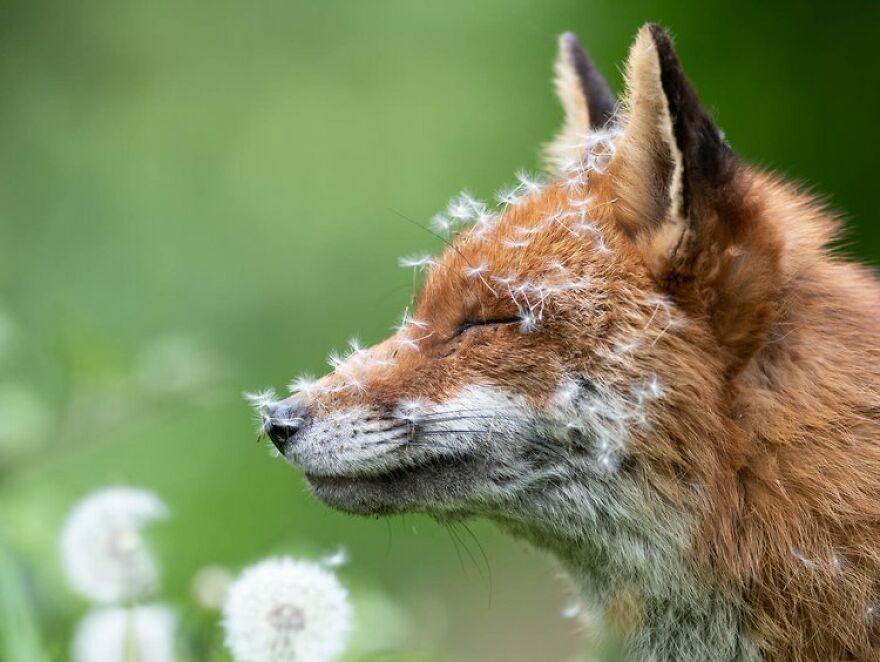
Red fox. London, England.
First of all, congratulations to Charlie, the overall winner of The British Wildlife Photography Awards 2023. Winning such an award must feel overwhelming, so we asked Charlie to share his experience with the win.
“Winning the British wildlife photographer of the year is by far the proudest moment of my career to date. Having a photo as part of the exhibition and in the book has been a huge goal for me since I started wildlife photography, so to win the overall prize is an incredible feeling,” shared Charlie.
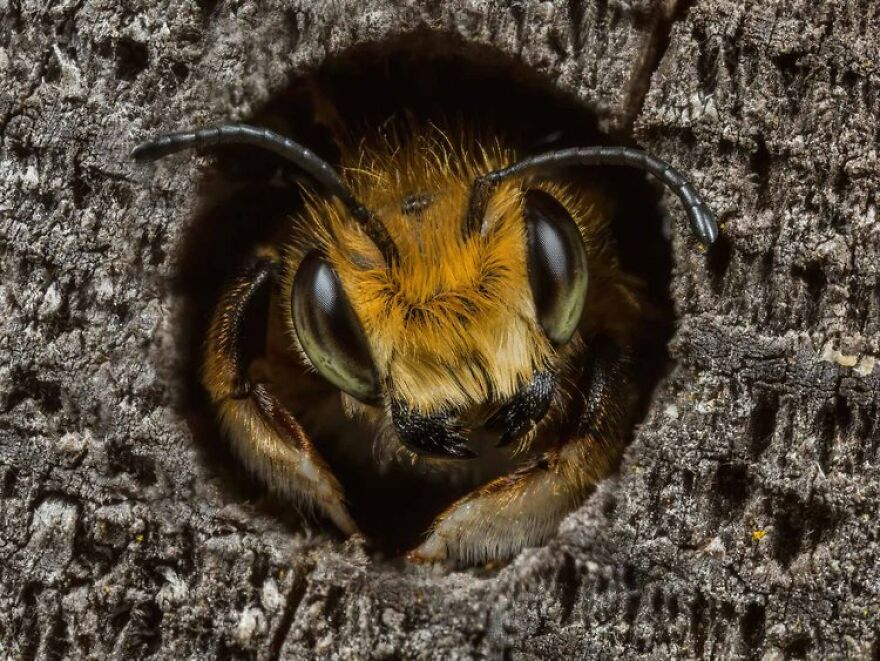
Willughby’s leaf cutter bee. Staffordshire, England.
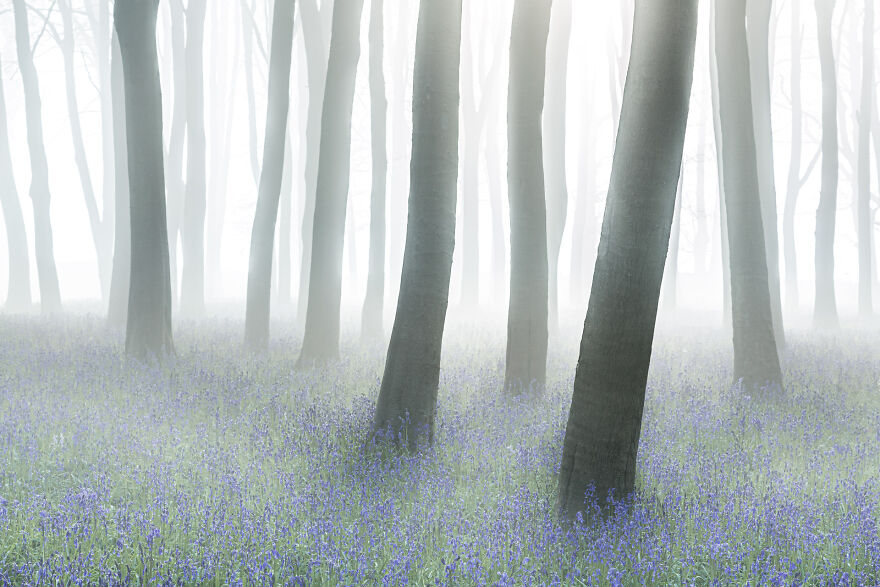
Beech. Oxfordshire, England.
Charlie's photo is not only spectacular, but it conveys an important message. He wrote: “The story behind the image and what I wanted to convey was the effect deforestation has on wildlife and nature. I wanted to create an evoking image that told an emotional story as well as a factual one.”
“In terms of how I took the shot, I knew the area was reliable for foxes as I had shot them nearby there before. Once I found the spot with the industrial backdrop, I knew that was the image I wanted to capture. I came back every day setting up my camera with a remote shutter release and a wide-angle lens. On the day I got the shot, I was setting up my camera when the fox approached from my left. Hesitant about what to do, I stayed still, composed the image, and pressed the shutter. In hindsight, the fact the fox was so comfortable to come this close probably told the story more than the image itself.”
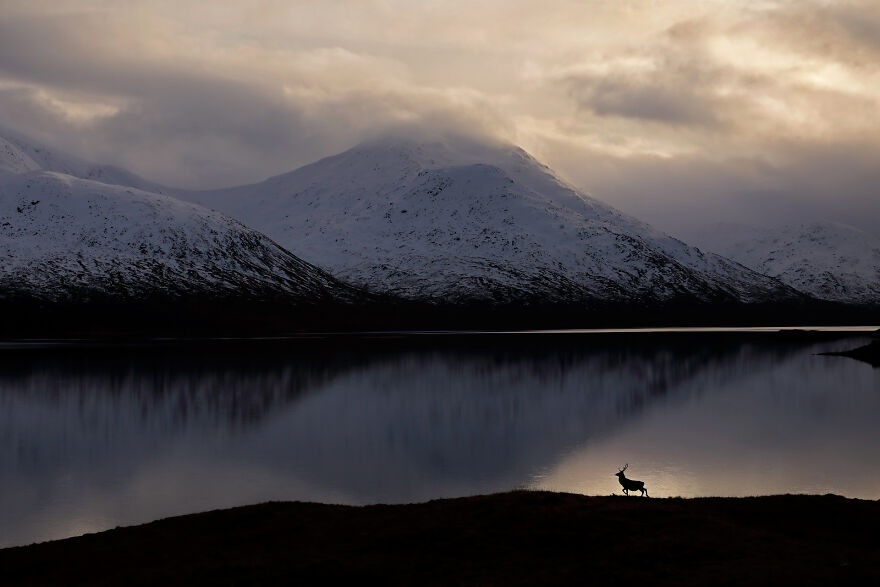
Red deer. Western Highlands, Scotland.
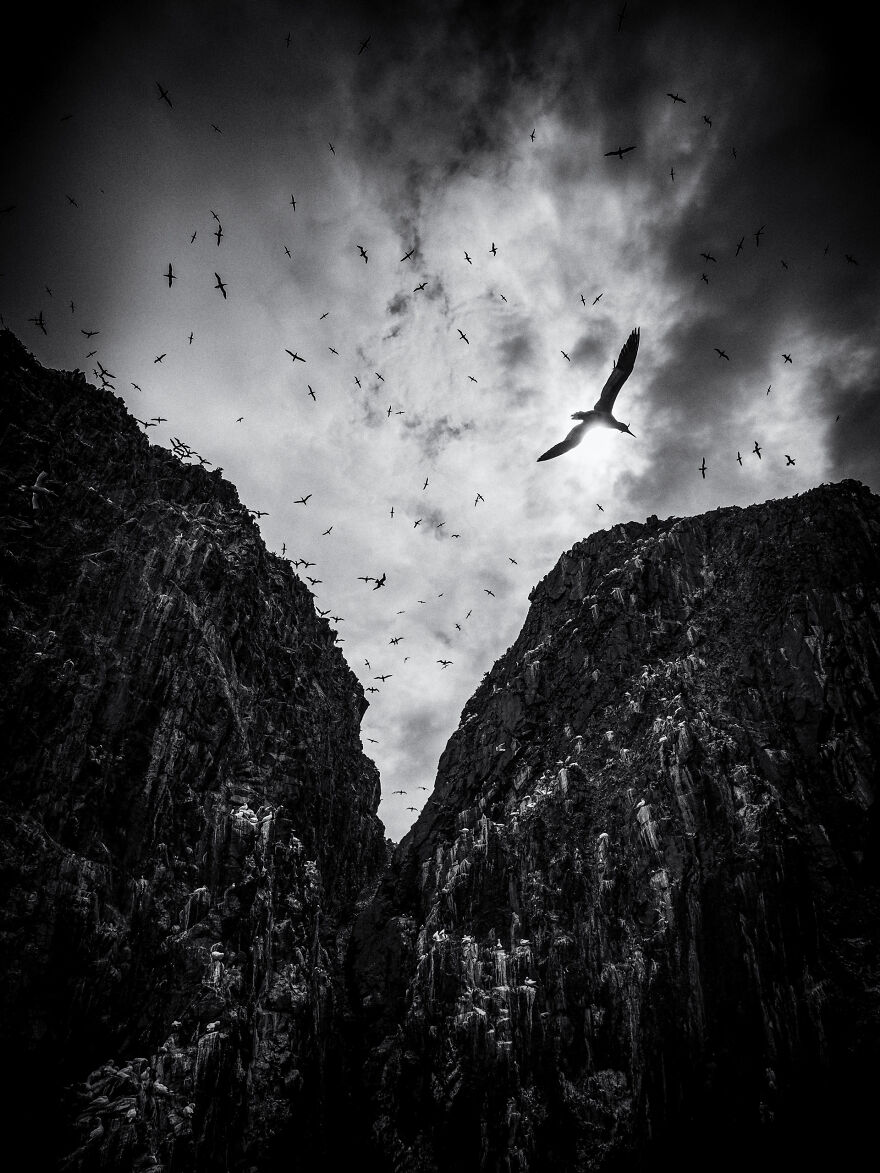
Gannet. Bass Rock, Scotland.
Charlie has a vast portfolio of wildlife photography. The admiration and interest for him started at an early age. He shared what motivated him to take this path of career.
“My inspiration for wildlife photography definitely came in part from a childhood obsession with Sir David Attenborough’s incredible programs along with other wildlife heroes such as Steve Irwin. The tipping point, however, was a scuba diving trip I did in Indonesia. After that, I knew I wanted to pursue a career focused on wildlife and nature. What keeps me motivated now to continue going out with my camera is the desire to capture moments in nature that would have otherwise been unseen. Another huge motivation for me is teaching others how to get great wildlife photos through my workshops. I find it very rewarding to see the excitement in someone’s face when they get a shot they are happy with,” shared the photographer.
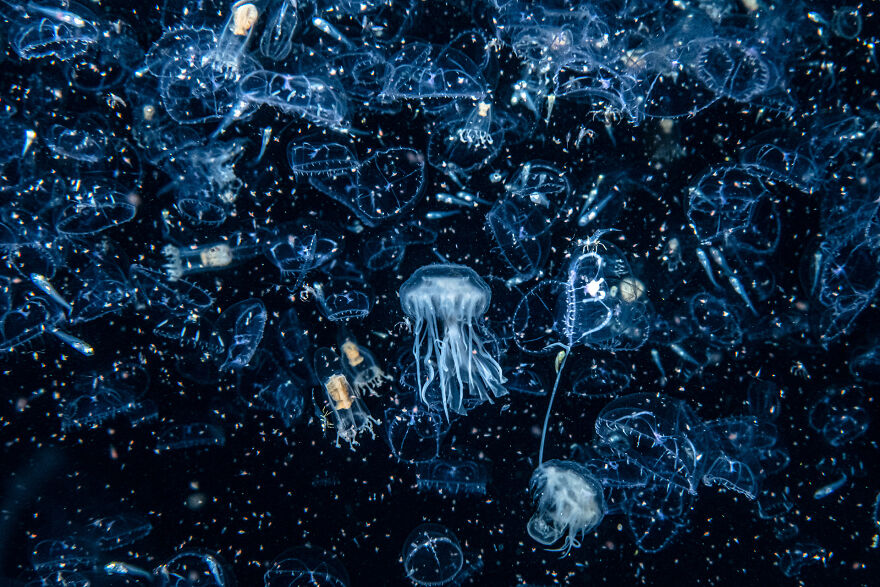
Jellyfish. Shetland, Scotland.
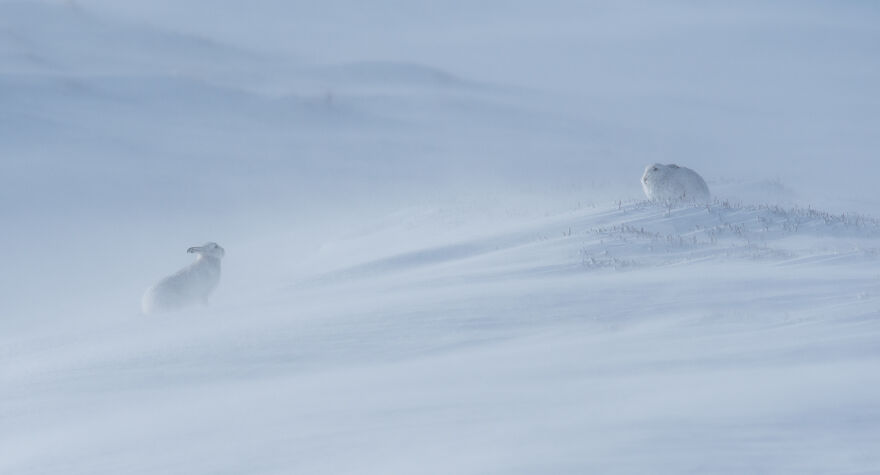
Mountain hare. Cairngorms, Scotland.

This looks like he/she is at the end of their journey for enlightenment and is speaking to the wise sage atop the mountain.
Wildlife photography does not come without challenges. Therefore, we wanted to know what those challenges are for wildlife photographers. Charlie shared: “One of the challenges I think you face as a wildlife photographer is capturing images that stand out from the crowd. One way to do this is to think about the shot you want to achieve and then devise a plan of how to get it. Sometimes one great photo is worth a hundred mediocre ones, and sacrificing the blue tit on a branch for the fox cub emerging from its den for the first time is a worthwhile trade-off.”
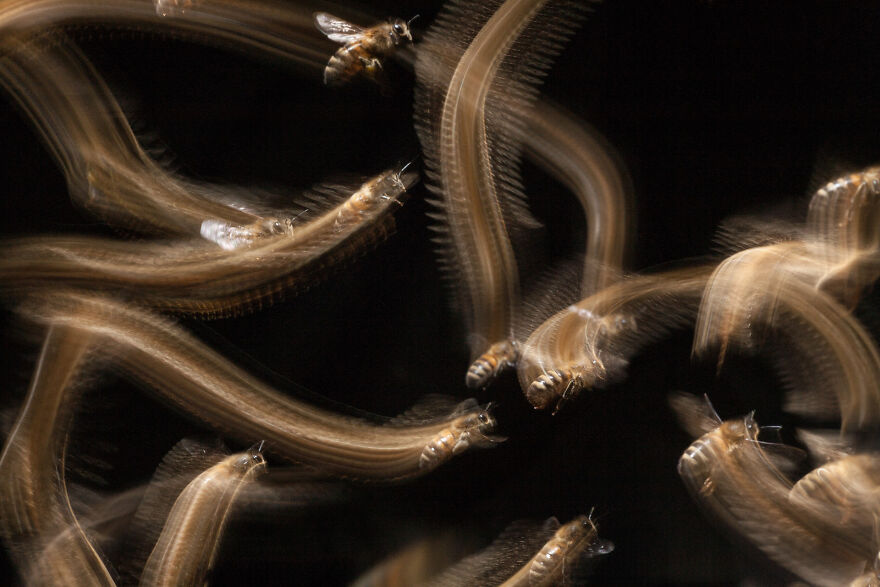
Western honey bee. Bristol, England.
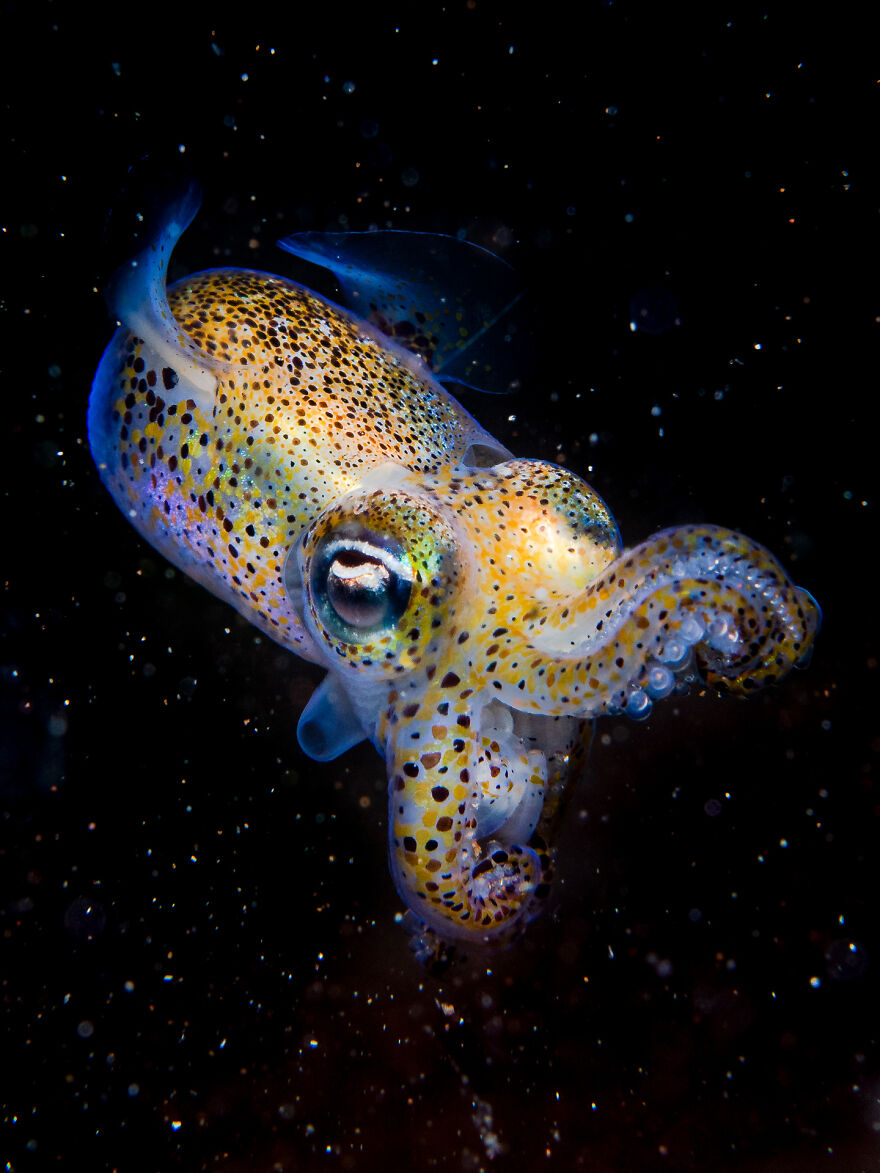
Bobtail squid. Devon, England.
And lastly, Charlie shared his advice for aspiring wildlife photographers who want to follow in his footsteps and make a career out of wildlife photography.“My advice for aspiring wildlife photographers would be to spend as much time in nature as possible learning animal behavior patterns, how light falls at different parts of the day in different environments, but most of all just enjoy being out there. My second piece of advice is to try different approaches when it comes to monetizing your photography and find a way that works for you. Finally, don’t be afraid to reach out to anyone you think could help you on your journey, whether it’s a magazine, gallery, or fellow photographer,” shared Charlie.
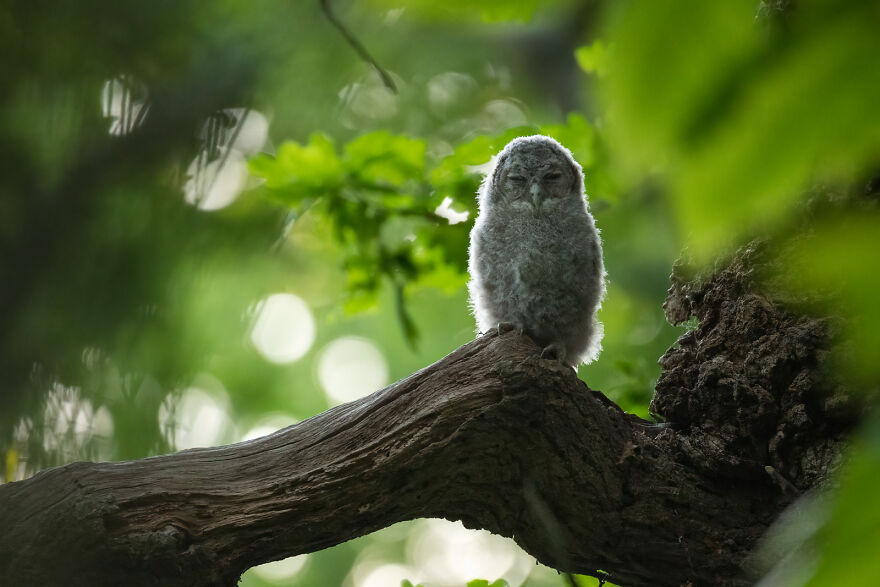
Tawny owl. East Sussex, England.
"I was sitting outside when I heard some blackbirds going mental in the woodland next to my house. I went in to have a look, as I knew that meant there was a tawny owl out and about. Whilst searching for this elusive owl, however, I heard a high-pitched squeak. My heart leaped into action as I knew that this meant that somewhere nearby was a tawny owlet! After ten minutes or so, I got closer to the owlet but still hadn’t spotted it. Then I suddenly caught a white ball of fluff in the corner of my eye. I maneuvered myself into a better position so that I had a nicer background and started taking shots."
Wonderful photo, and astute reading of the signals to find the owlet.
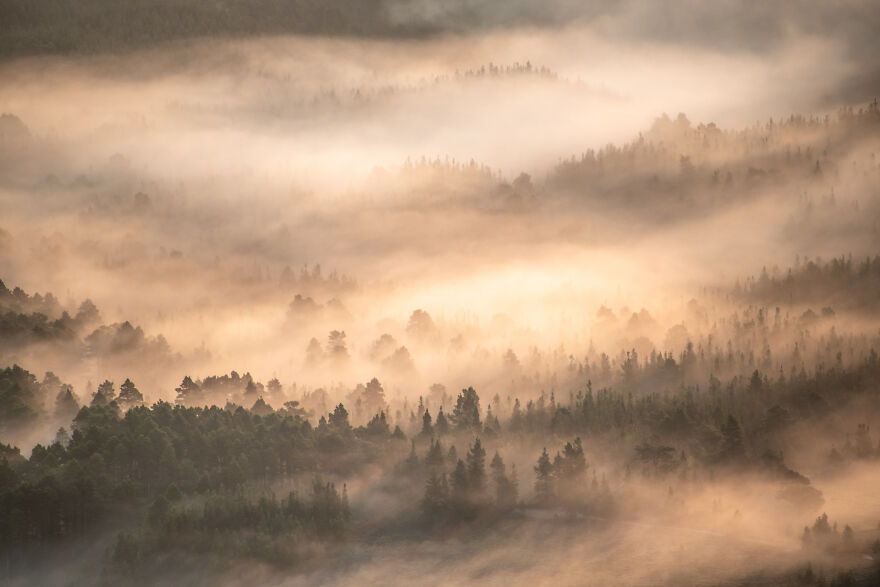
Caledonian pine forest. Abernethy, Scotland.
Red fox. Lee Valley Park.
"I knew this area was reliable for foxes, and I wanted a shot with the industrial backdrop. One day when setting up my camera with a remote shutter release, a fox approached from my left. Hesitant about what to do, I stayed still, and surprisingly the fox stopped right in my frame. I took the shot but was confused why it had come so close. In hindsight, this encounter probably tells the story more than the photo itself. Wildlife has become used to us encroaching on them. I think the felled tree and longing look on the fox’s face portray this tragedy perfectly. I hope that all wildlife photography doesn’t look like this in years to come."
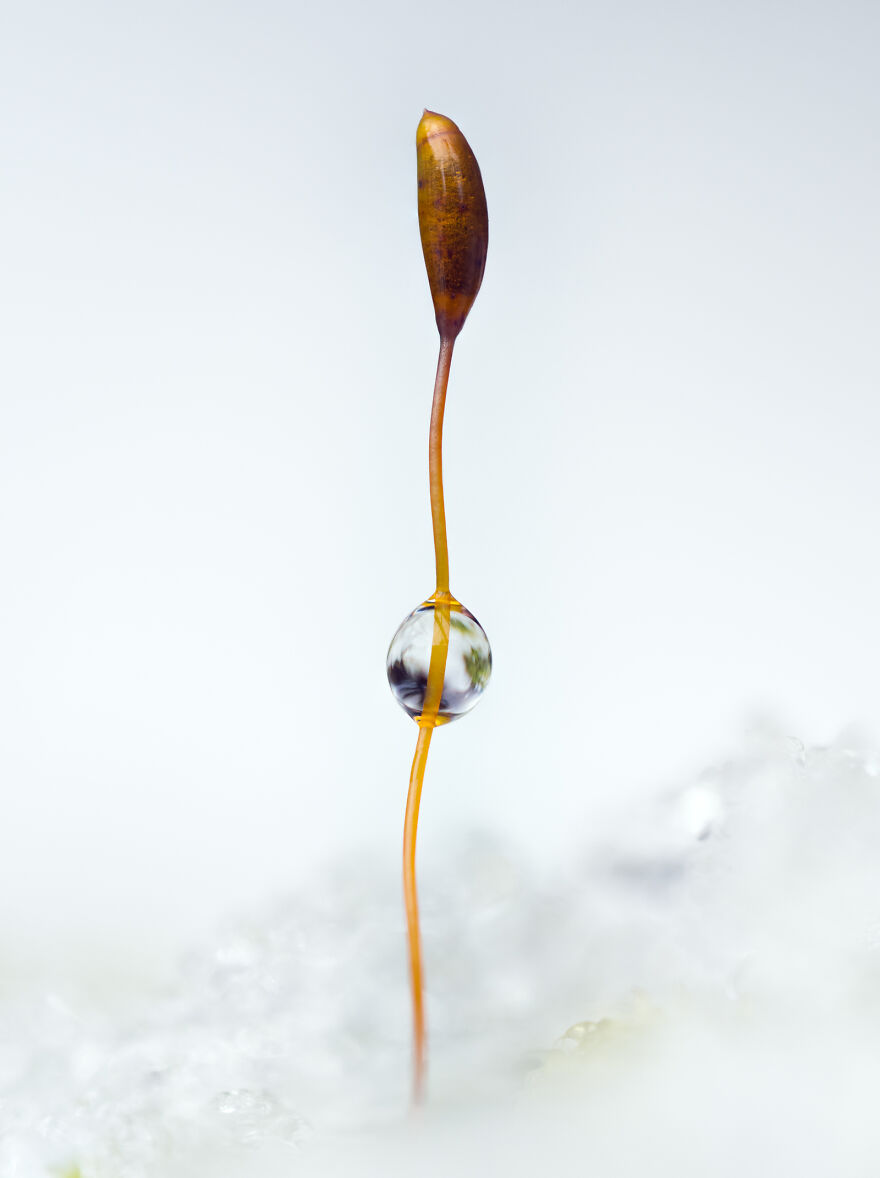
Moss sporophyte. Swansea, Wales.
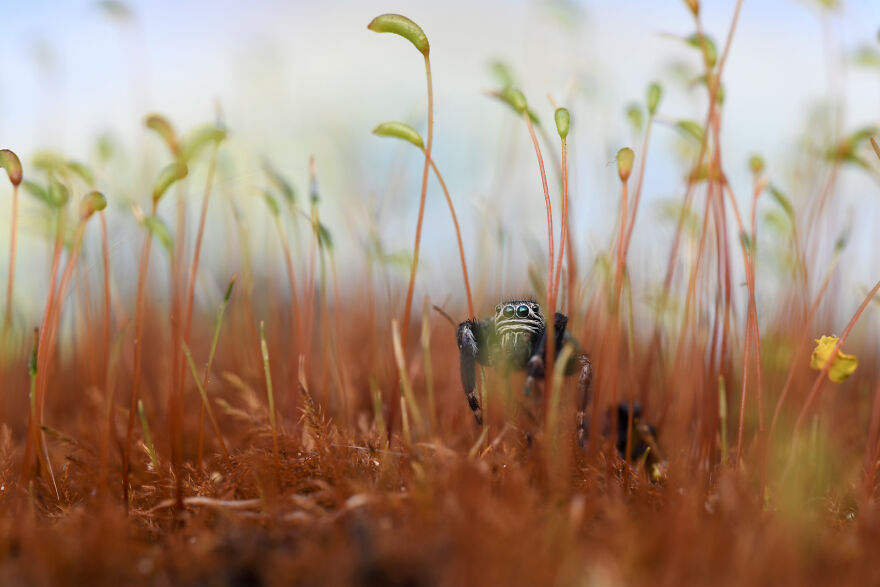
Jumping spider. Dorset, England.
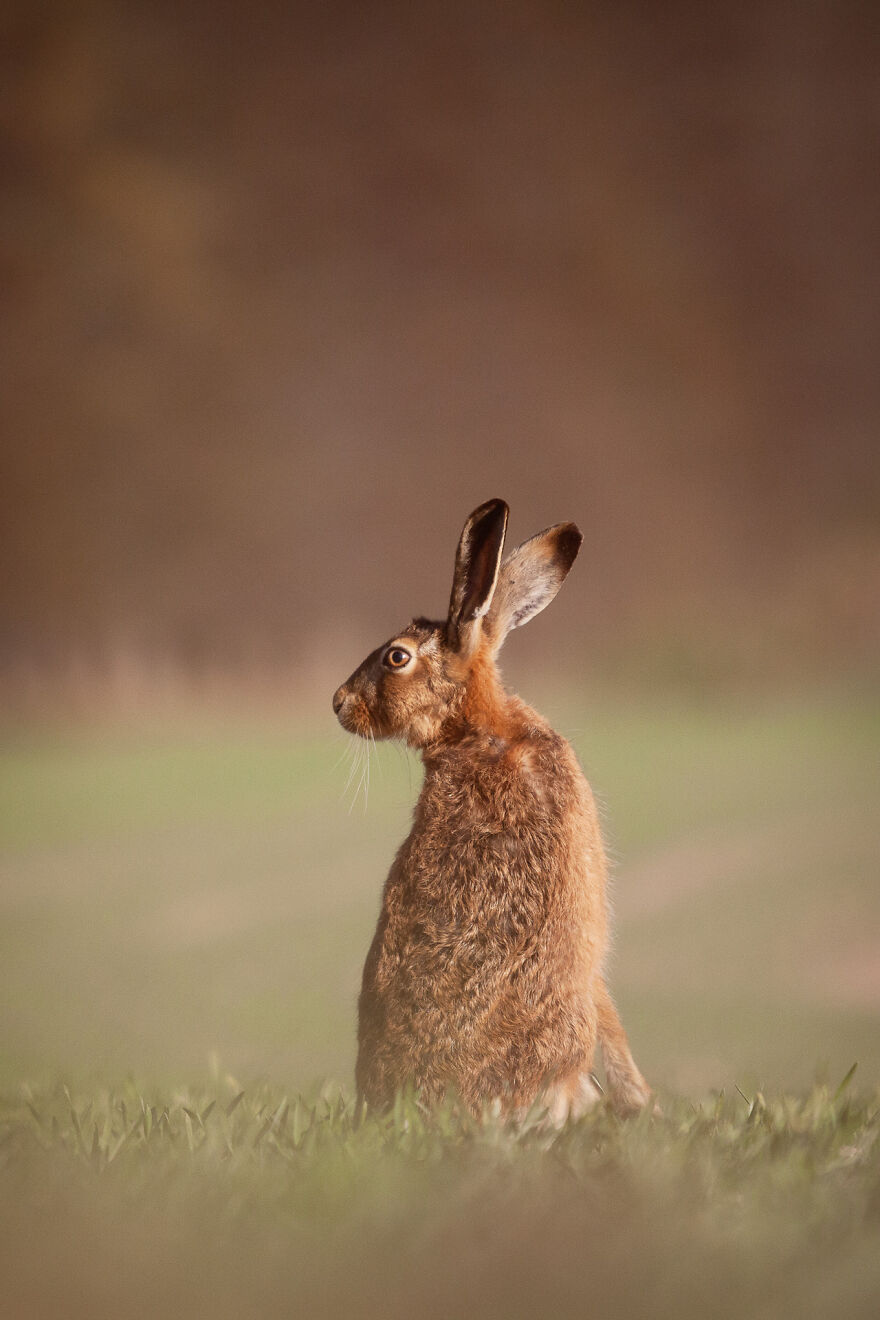
Brown hare. Winchester, England.
Lake District, England.

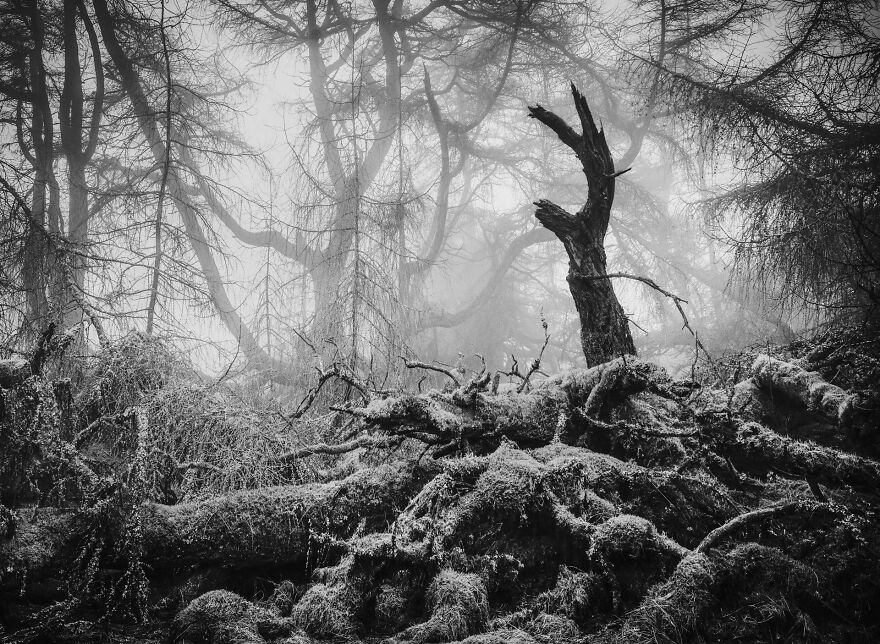
Oh geeze, I thought that was a hand at first! Like the fallen tree is reaching out for help ☹️
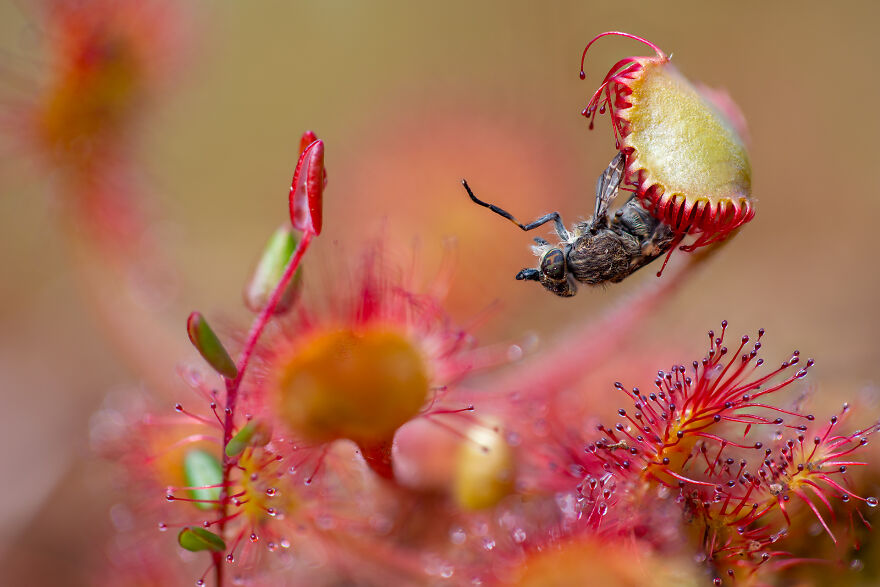
Sundew. Sevilla Forest, Scotland.
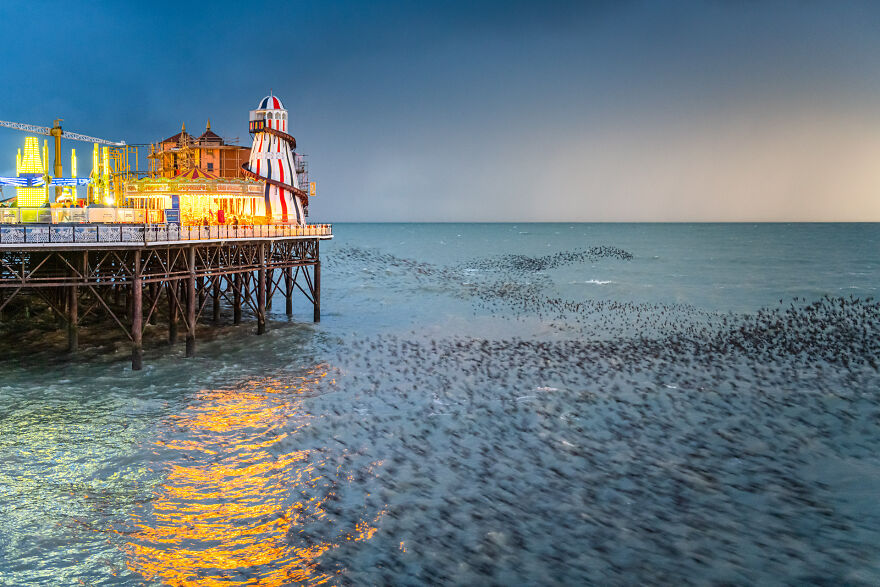
Starling. Brighton, England.
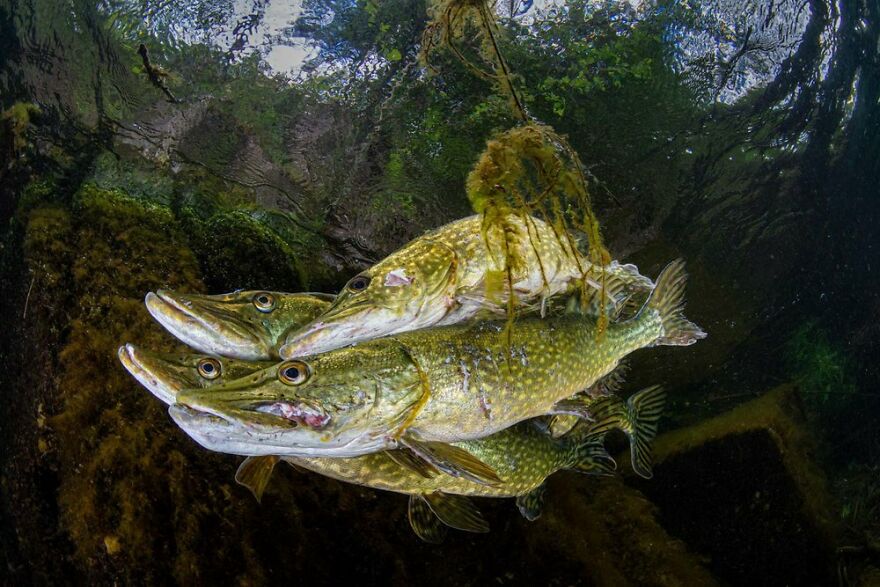
Northern pike. Leicestershire, England.
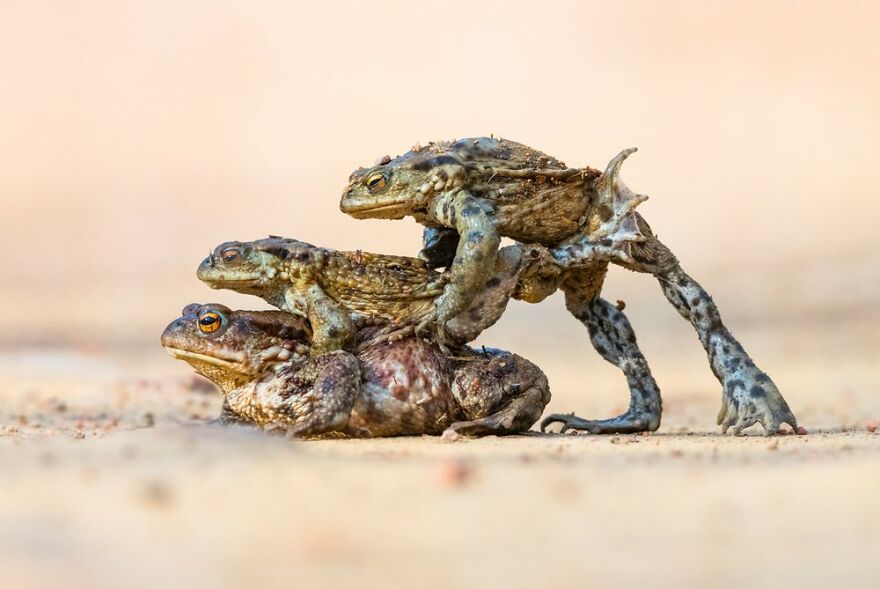
Common toad. Cromarty, Scotland.
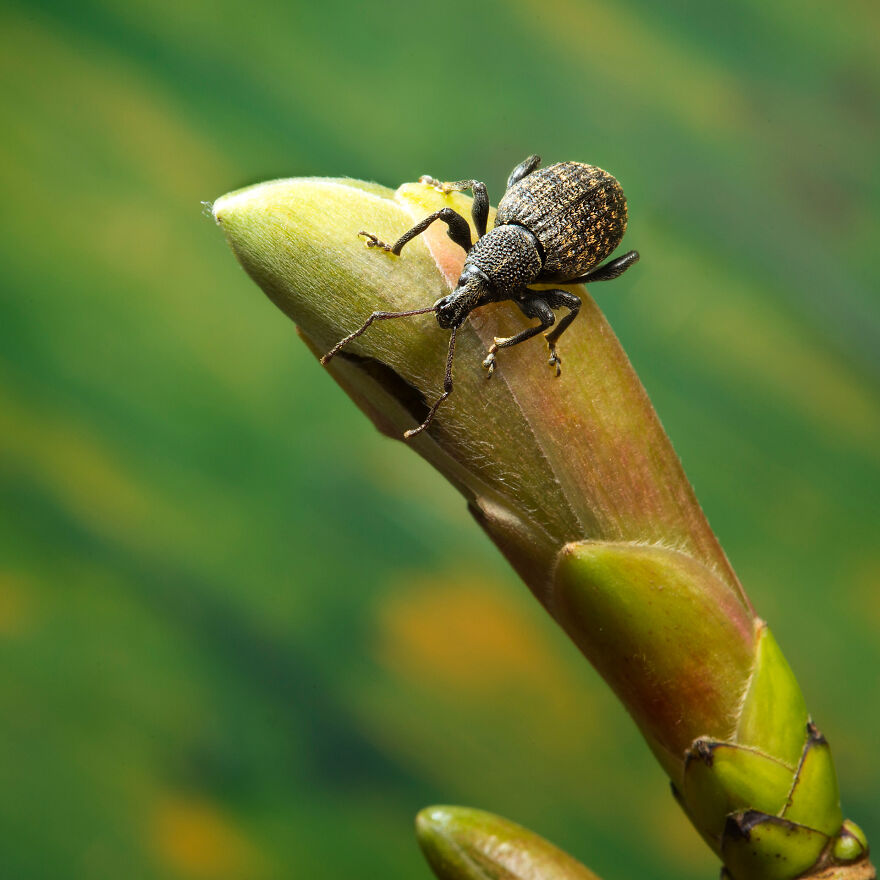
Black vine weevil. Devon, England.








 No fees, cancel anytime