Get Premium
Dark mode theme is available exclusively for premium users. Learn more about the benefits of subscribing.
No fees, cancel anytime.

 Dark Mode Ad-Free Browsing Unlimited Content
 Ad-Free Browsing Unlimited Content Dark Mode
Join 1.2 million Panda readers who get the best art, memes, and fun stories every week!
An architect or an interior designer is a pretty respected career. About 6,000-7,000 new architects graduate each year, and in 2024, over 5,000 students earned degrees in interior design. The point of studying is to learn how to create beautiful, practical, and sellable places, but it seems that not all interior designers and architects are created equal.
Sometimes, it’s not enough to know how to sketch blueprints and come up with gorgeous ideas — they need practical execution, too. This list is dedicated to the architects and interior designers who failed to do that. Stairs that lead to nowhere, public restroom doors that expose their occupants, and other nonsensical design decisions that should’ve stayed on paper await your attention below!
This post may include affiliate links.
Architects aren’t gods who can just go in and do whatever they want; there are rules they have to abide by. It’s not uncommon for architects to get sued for their poor projects, and, judging by the number of badly executed designs on this list, some architects really deserve to answer for their crimes against aesthetics and practicality.
There’s no single statistic that tells us exactly how common it is for architects to get sued. However, American insurance companies claim that 60% of the claims they receive against architects and engineers have become increasingly severe in recent years. The lawsuits end up costing insurance carriers a pretty penny, as 82% of them have to pay out multi-million-dollar sums.
If architects don’t want to get sued, they probably shouldn’t build houses and condos. These are two types of buildings for which architects are most often sued. Between 2013 and 2022, 23.9% of all claims against architects involved houses or townhouses, and around 13% involved condominiums.
House projects may be the most common to bring architects to court, but condominiums are usually the lawsuits that end up costing the most. A common deficiency in condominiums, townhouses, and apartments is water intrusion. It affects multiple residents in a single building, and they often band together to bring the developers to justice.
For architects, there’s something called the “Standard of care.” It’s the golden rule that professionals abide by, meaning an architect’s job isn’t to deliver perfect results but to adhere to the standards and regulations for safe buildings.
The Young Architect Academy likens it to a professional chef cooking a steak. It’s impossible to deliver a perfectly-cooked meal every time, but a chef always uses proper technique, follows food safety guidelines, and thus meets the standard of care. An overcooked steak isn’t negligence, but failing to follow food safety rules would be.
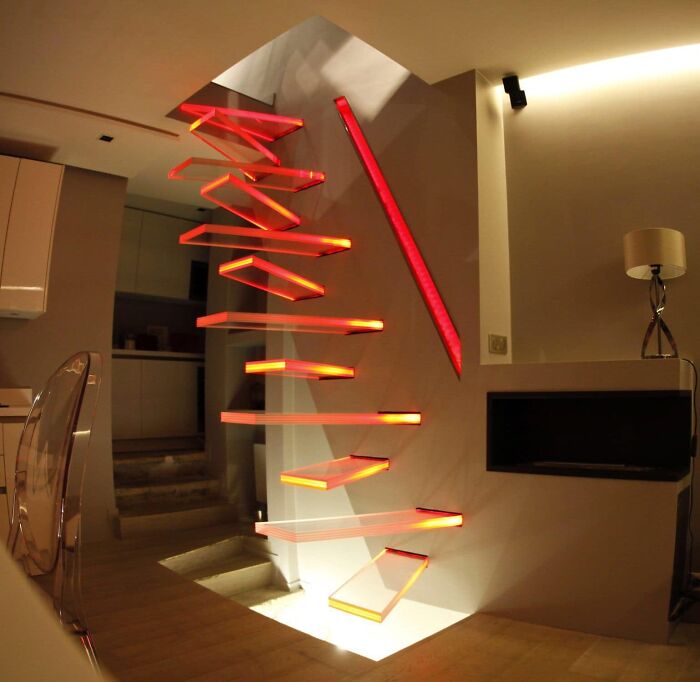
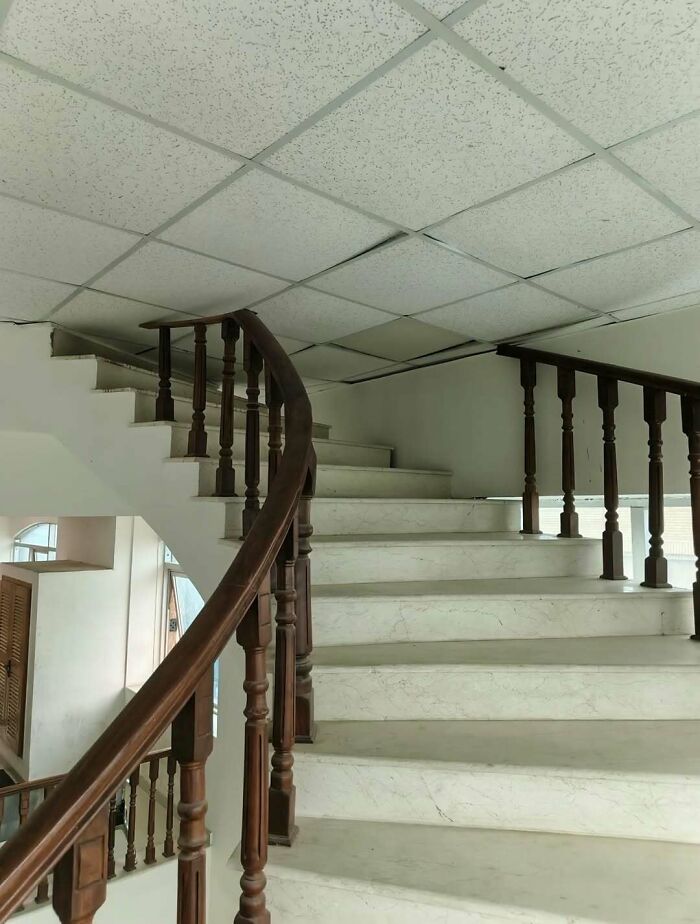
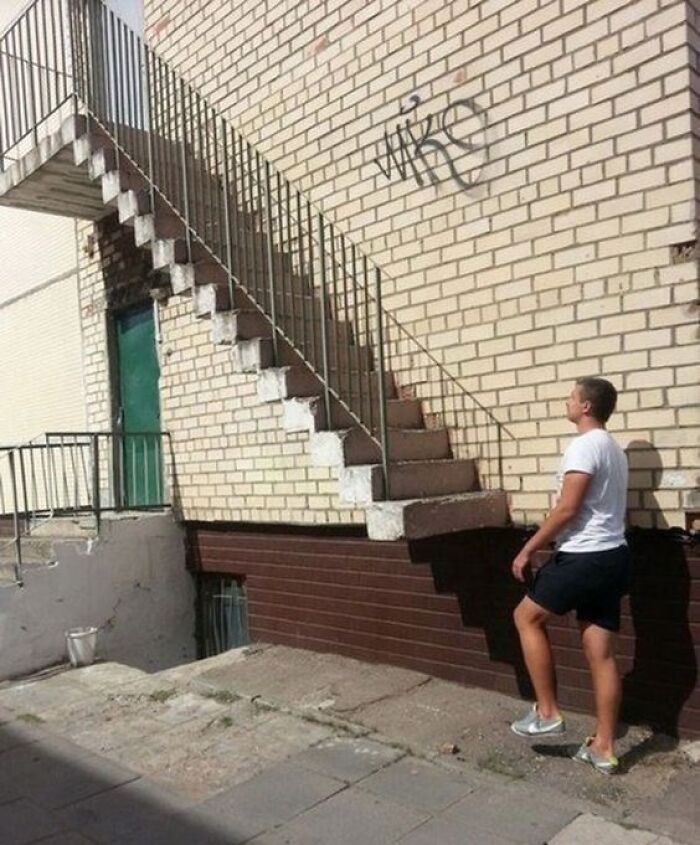
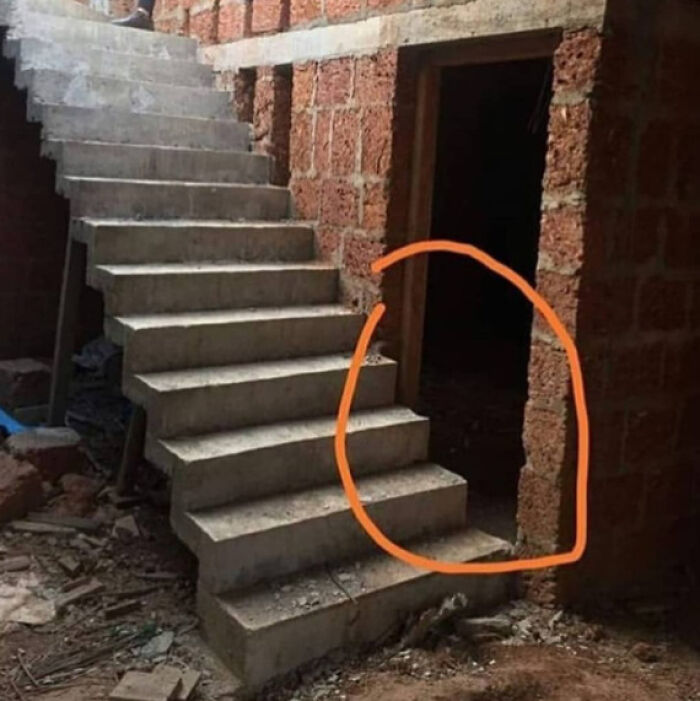
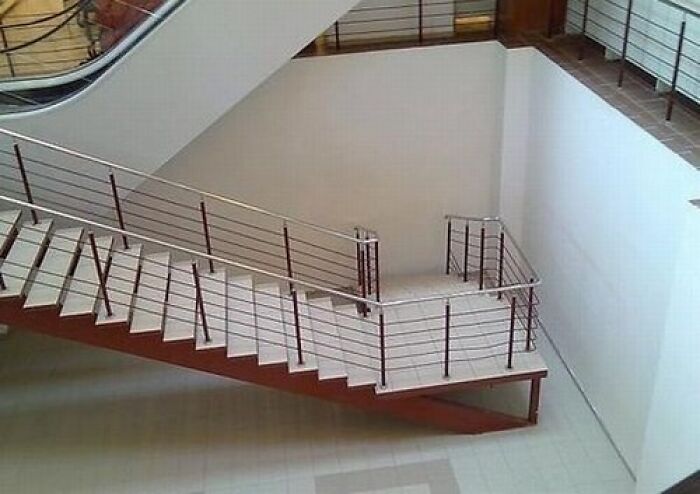
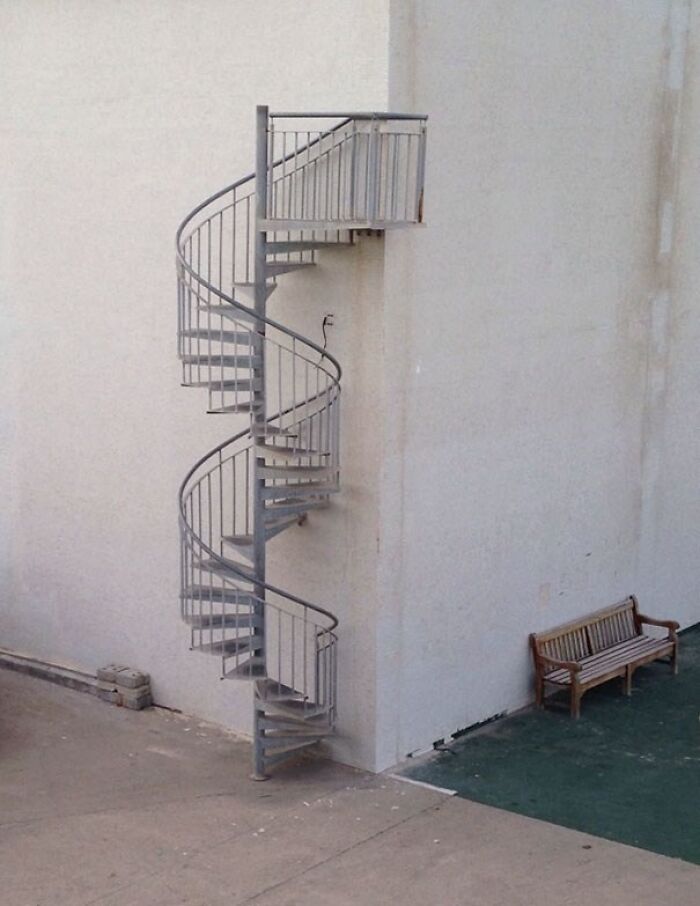
In that metaphor, are the stairs that lead nowhere similar to an overcooked steak or a steak that has salmonella? We’ll let you be the judge of that one, Pandas.
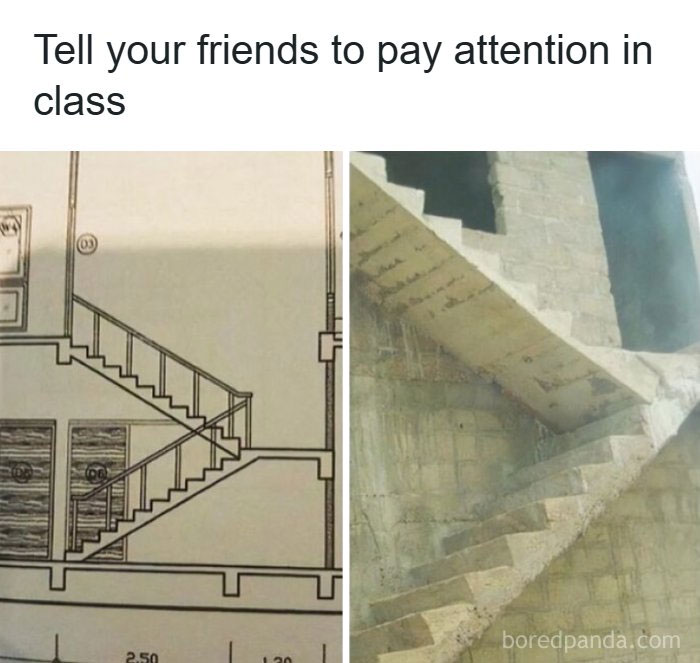
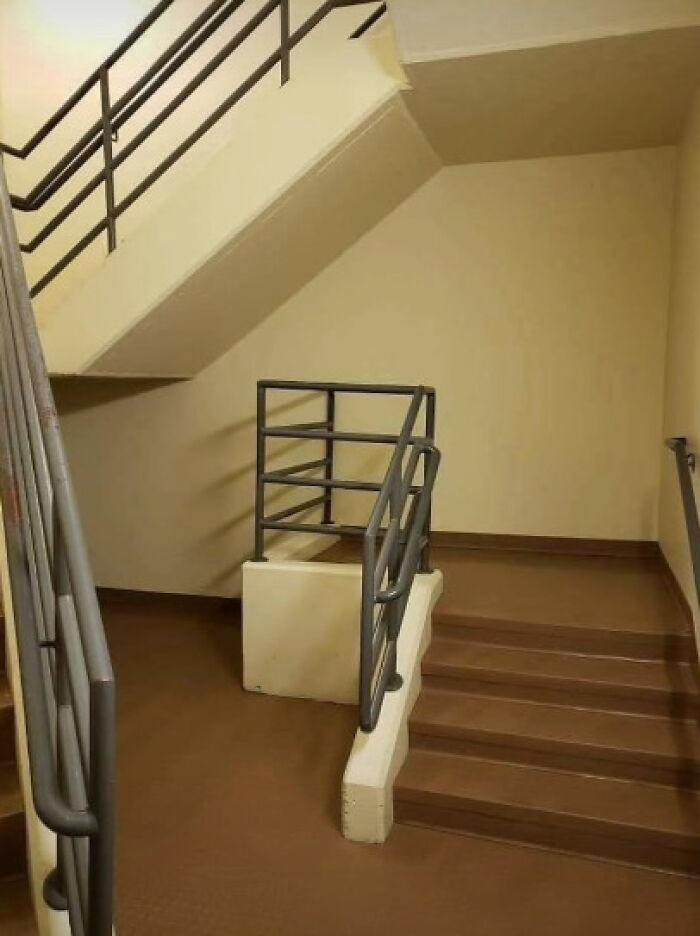
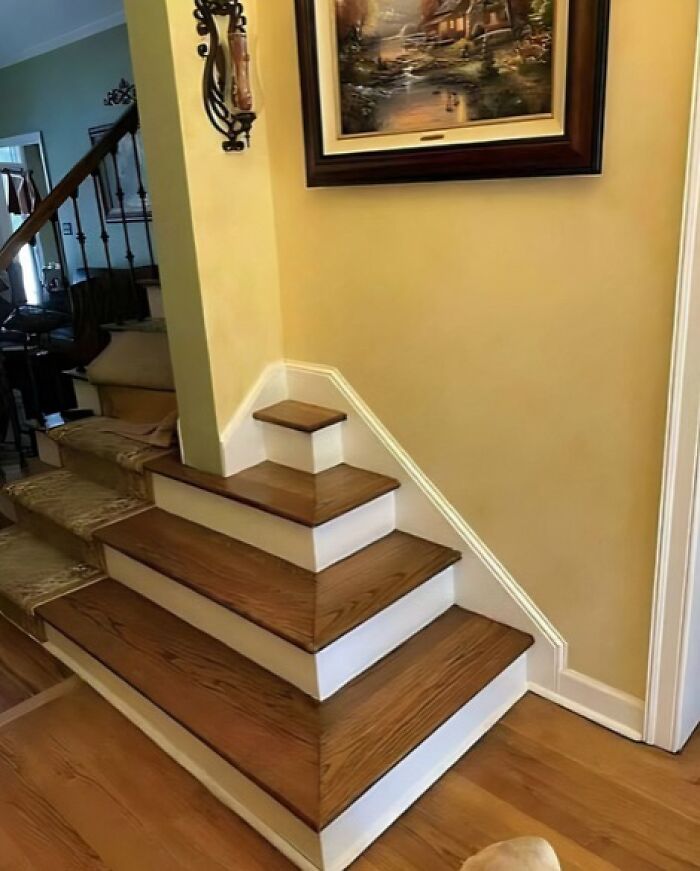
When git solves merge conflicts
Architects’ mistakes can be costly, and not only when the company they work for gets sued. Sometimes changes need to be made during construction. The Construction Industry Institute (CII) estimates that correcting design errors and omissions costs companies around 3% of the project’s entire cost. And while that doesn’t seem much, keep in mind that most projects cost multiple millions.
Architects say there are three types of changes they make when doing projects: The Good, The Bad, and The Ugly.

Ha, that's on the Boston University campus in Boston, MA. It's nicknamed the Jenga building, but was supposedly designed to look like a haphazard stack of books.
Still, experts estimate that design professionals are “perfect” 95% to 97% of the time. That probably means that the entries on this list are the remaining 3-5%.
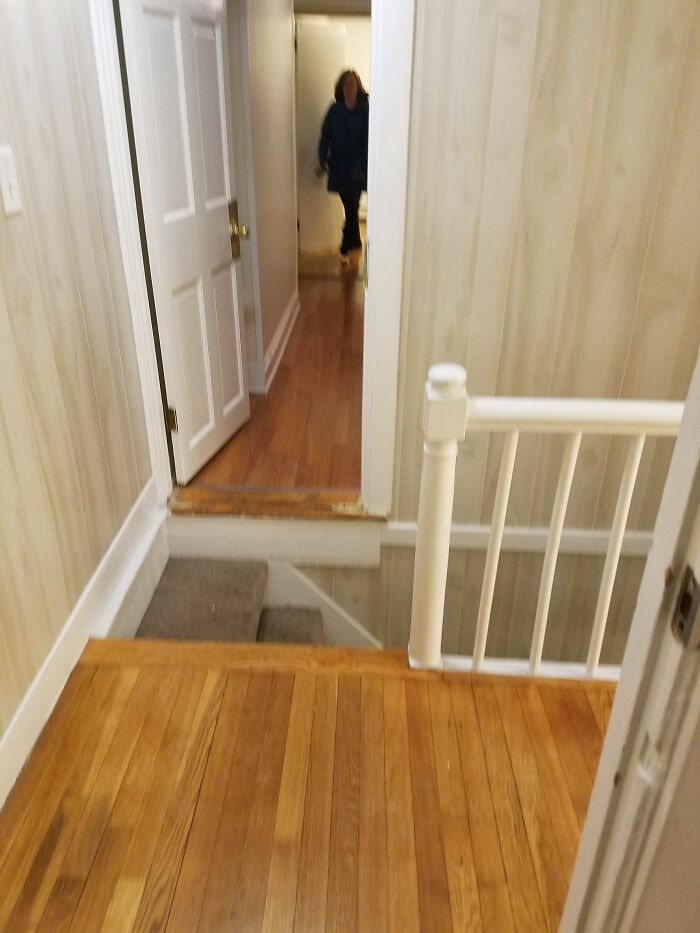
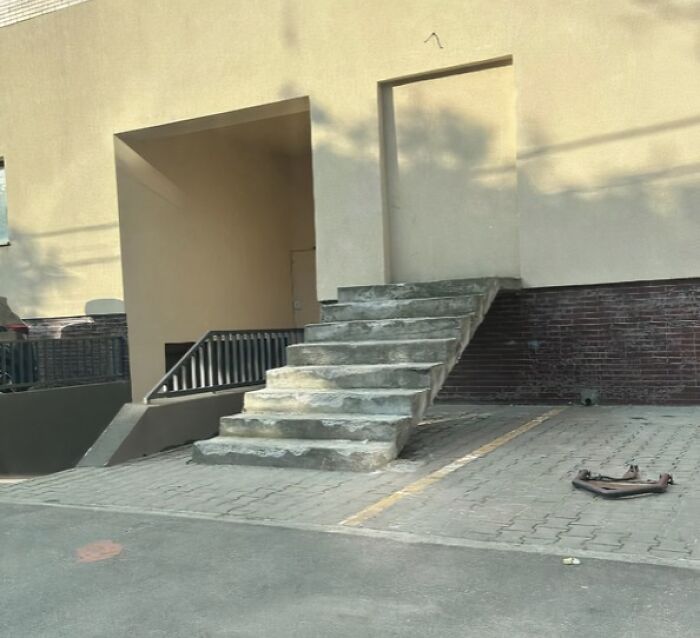
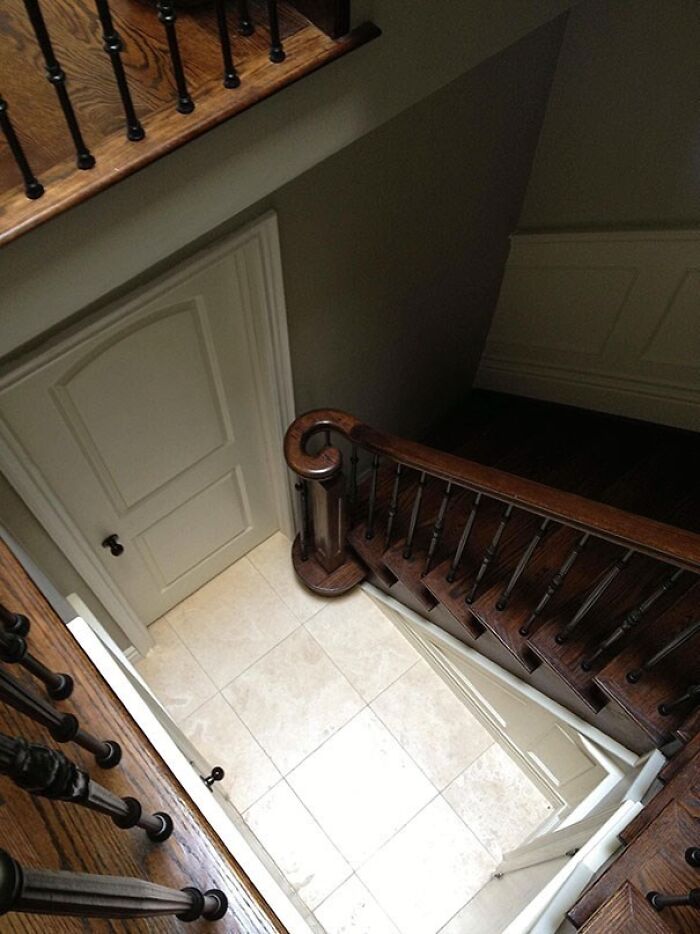
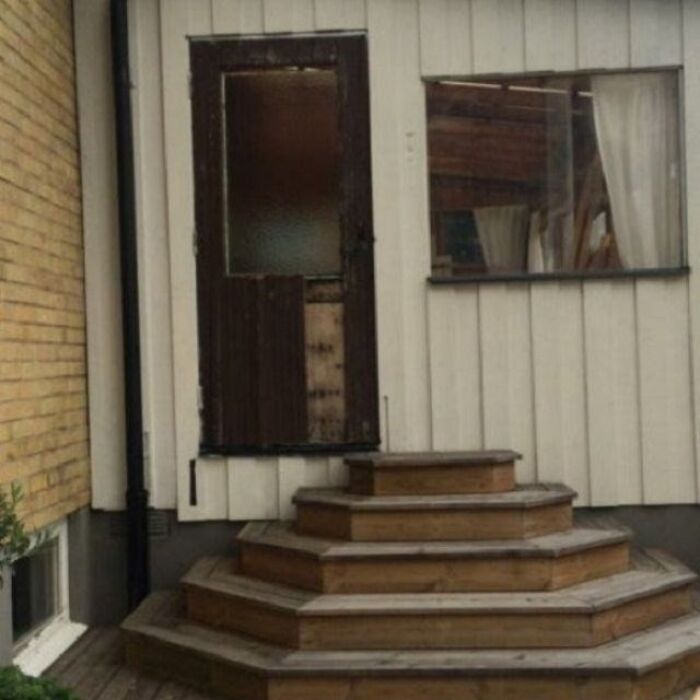
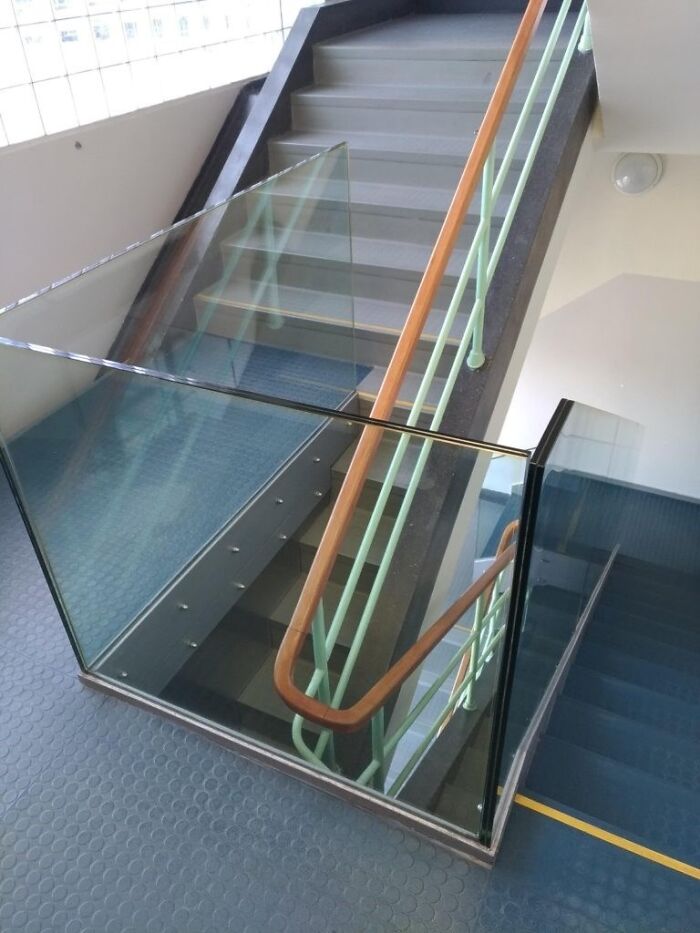
This flight of stairs outside a door is a disaster waiting to happen.
What’s the worst crime against architecture and interior design that you’ve ever seen, Pandas? Share your design nightmares with us in the comments! And if you feel like you need some eye bleach in the form of gorgeous architecture, check out our previous publications about the times architects create something extraordinary, and marvel at these dream homes people would love to live in.
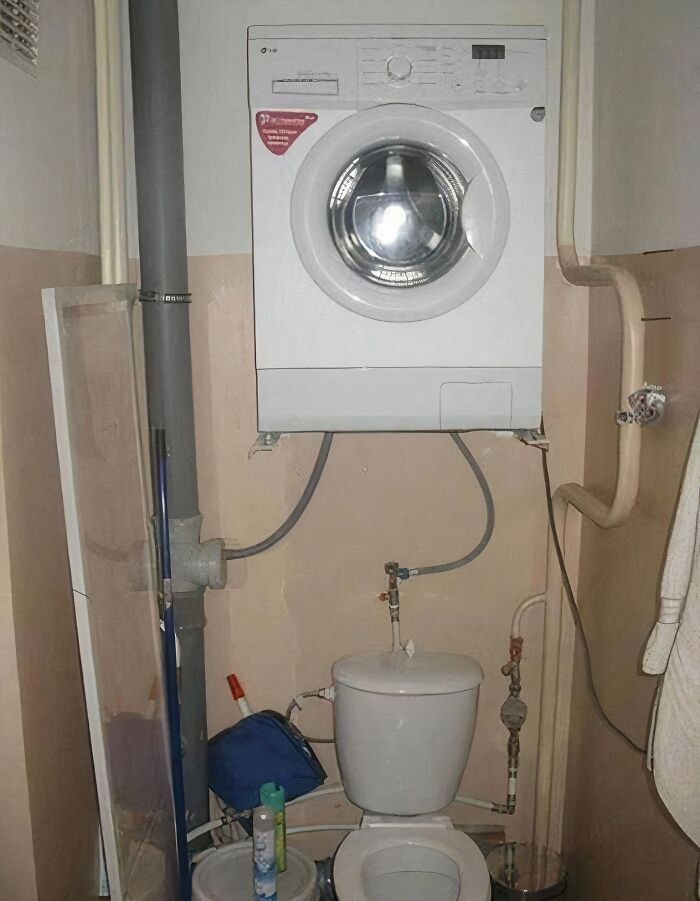
It may look like a washing machine but this actually the A*s Blaster 3000 Bidet

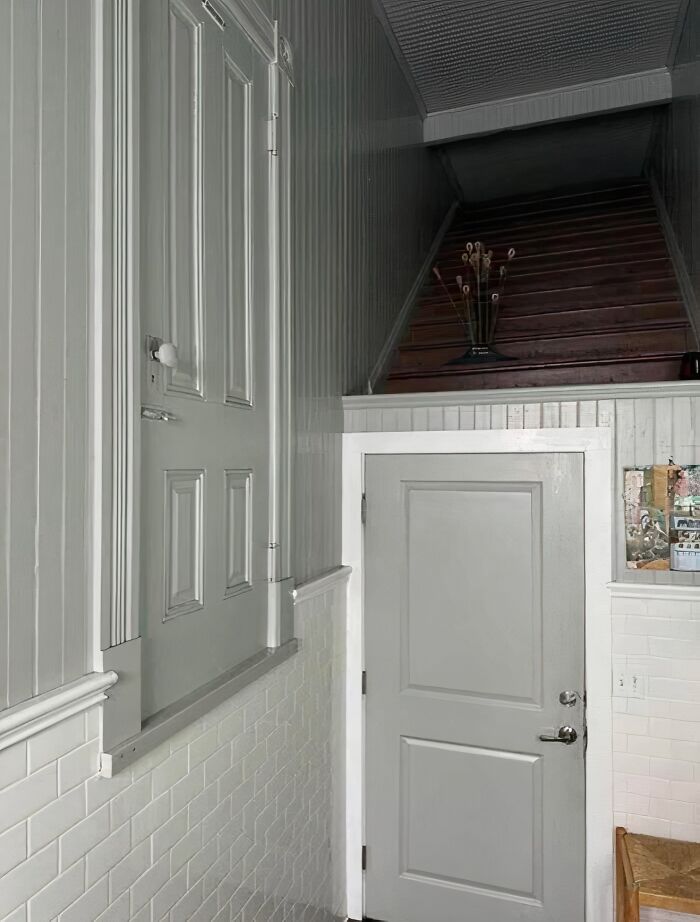
Clearly a landlord took a fine old house and cheaply cut it up into apartments.
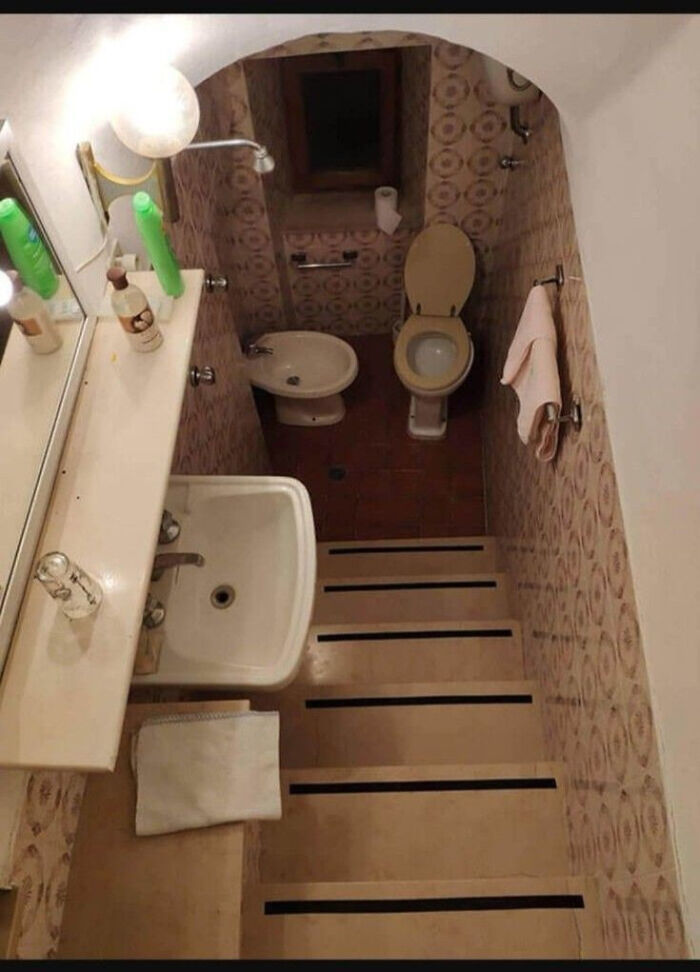
That's just our living room-kitchen-kids playroom- toilet...

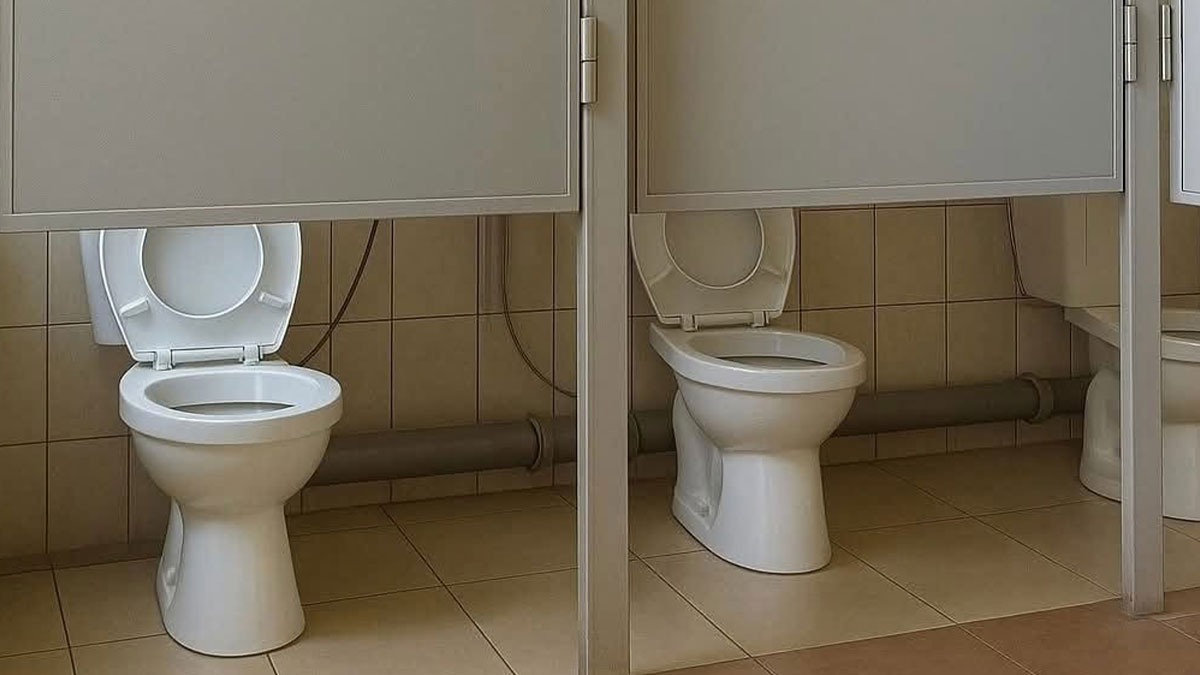
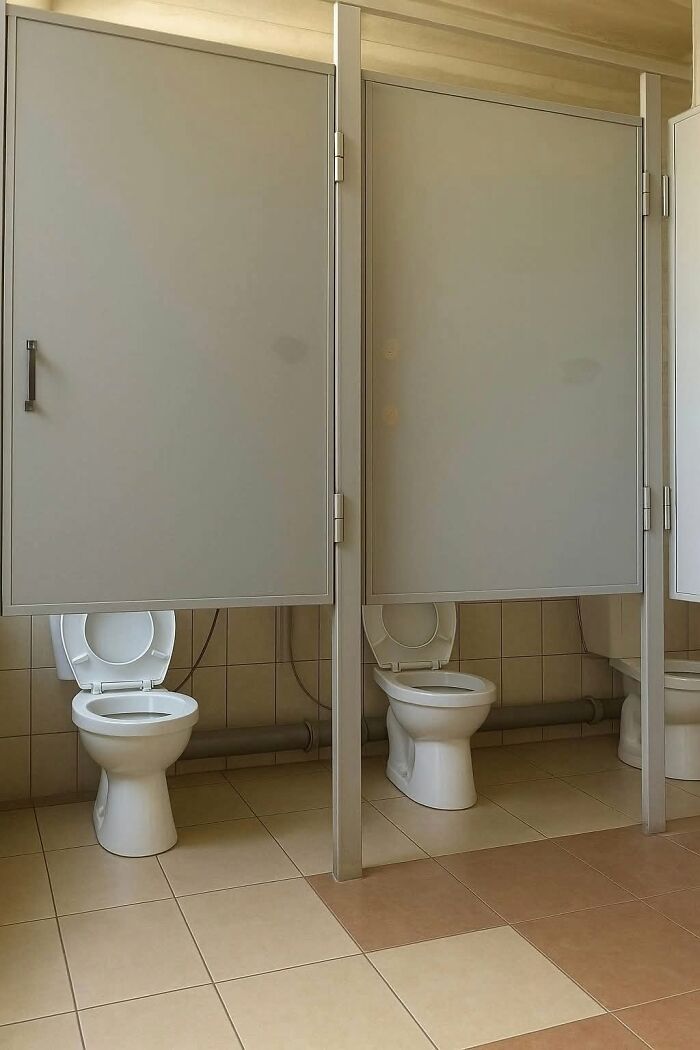
If everyone will just close their eyes for a minute--oh, and maybe hum to yourself to mask the sound...
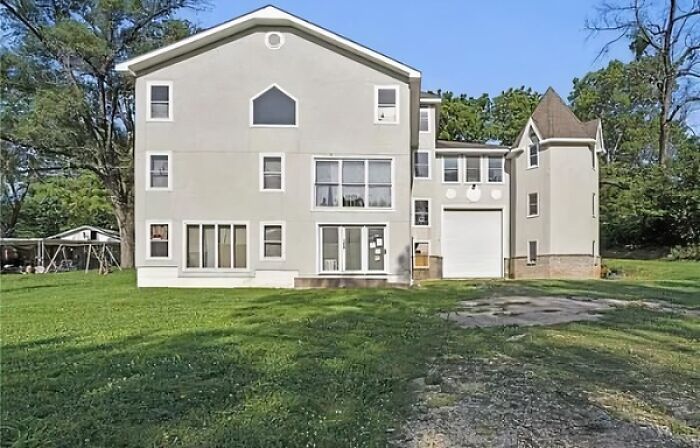
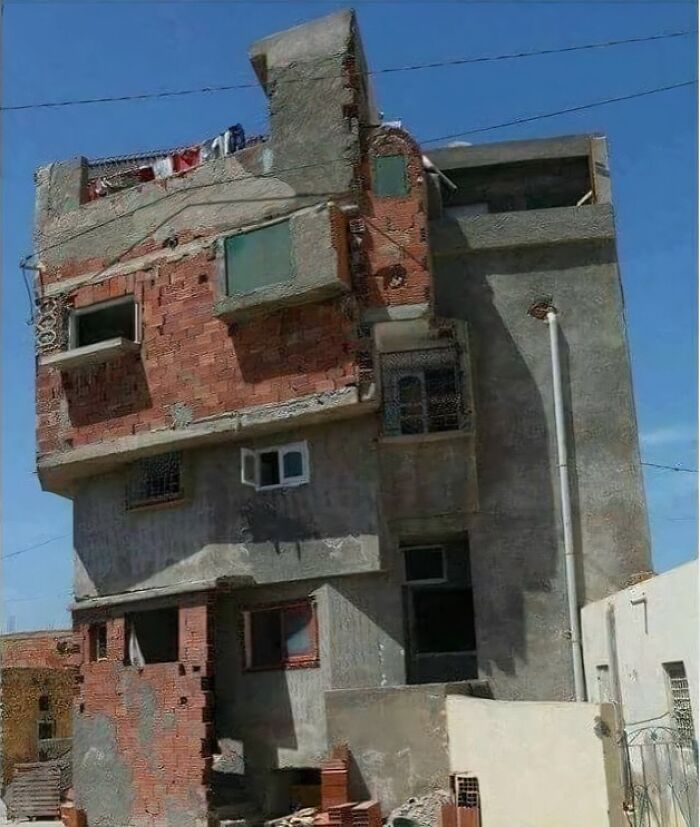
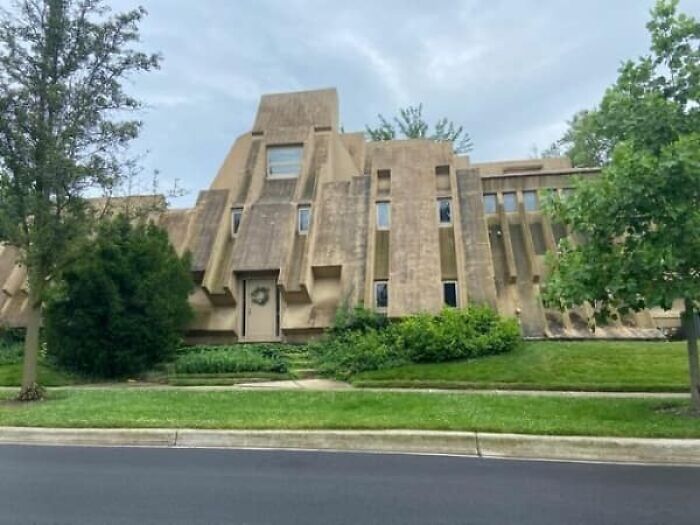
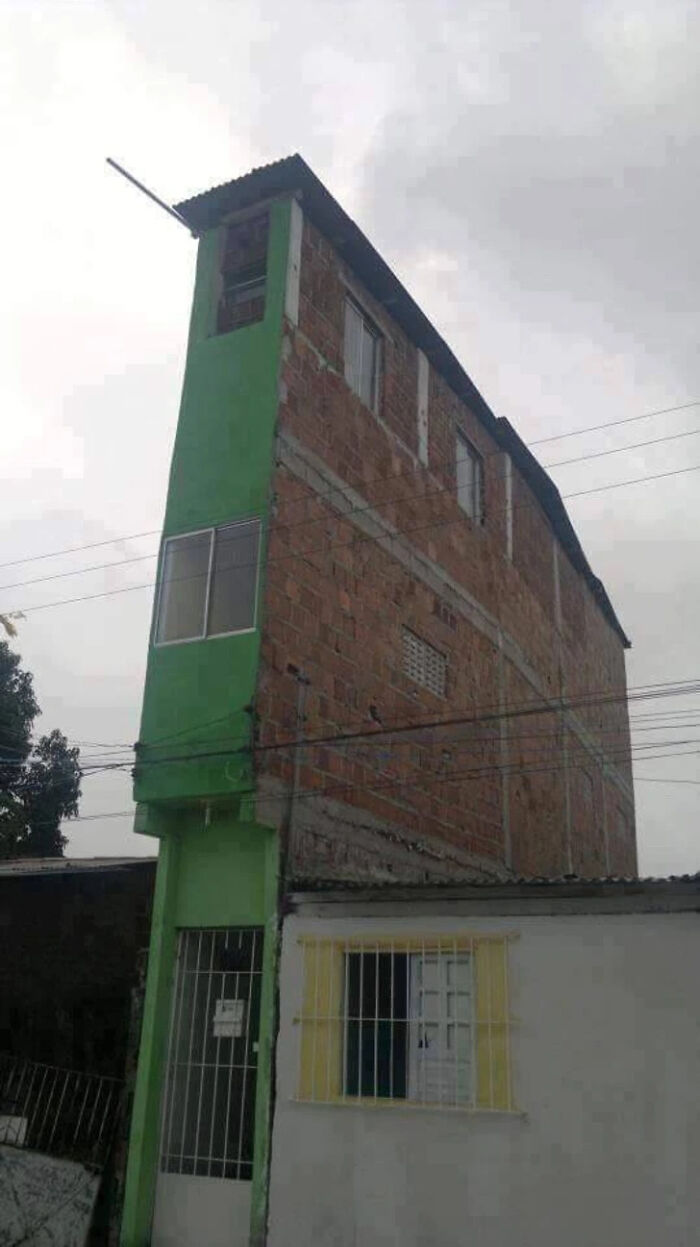
This house and also why?
Most likely because they weren't allowed/didn't want to pay for a bigger foundation. Looks ugly and unstable to me, but many house owners in medieval Europe did similar things, with the fronts reaching ever further out with every floor until they almost touched.
I was looking to buy a house, when I suddenly found this abomination

I think this one looks like a spite house, built to annoy some neighbour they had beef with, spoiling their view or selling price.
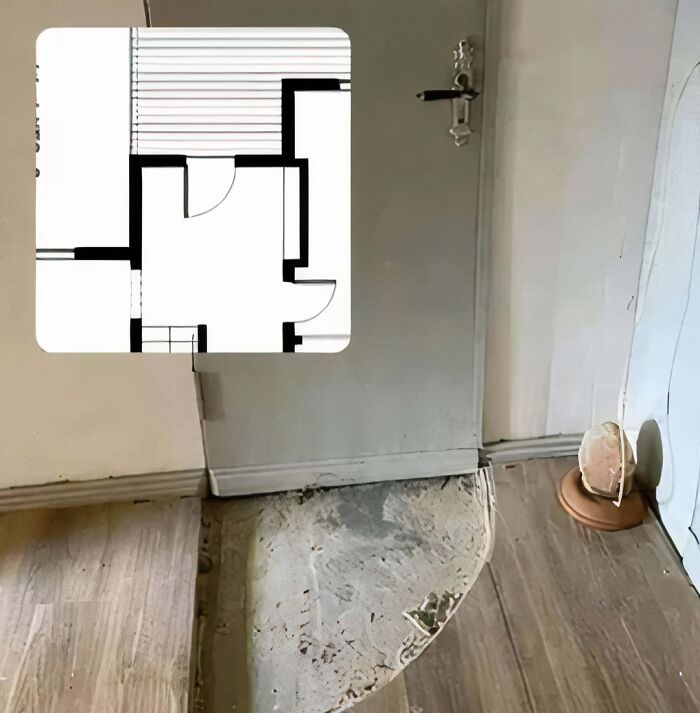
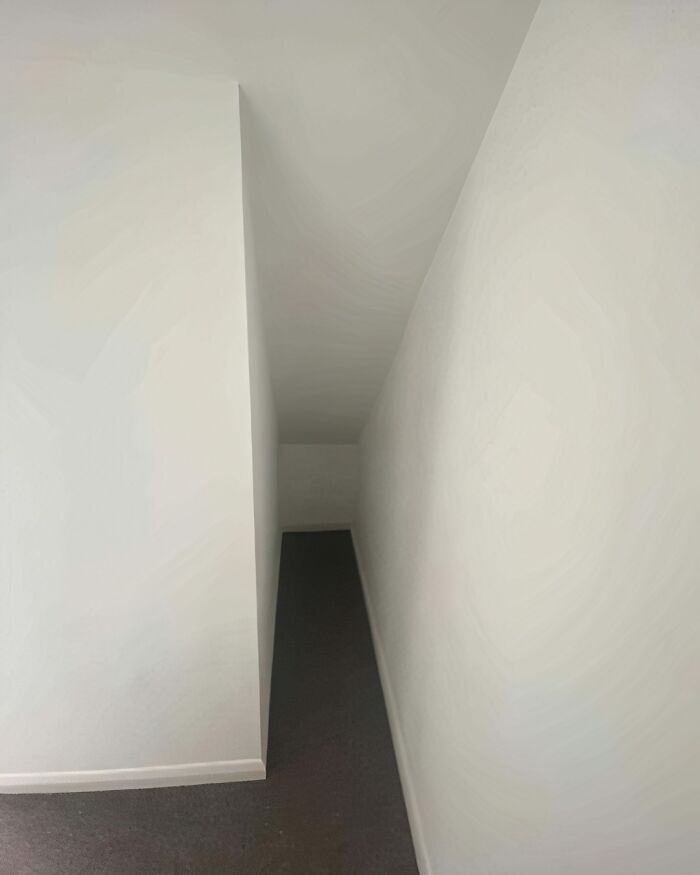
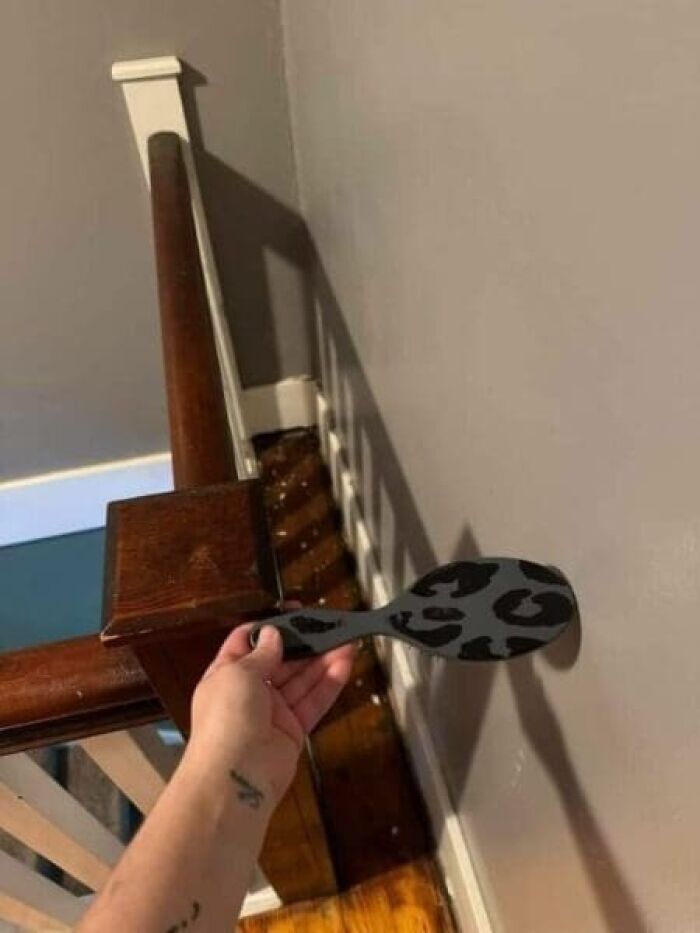
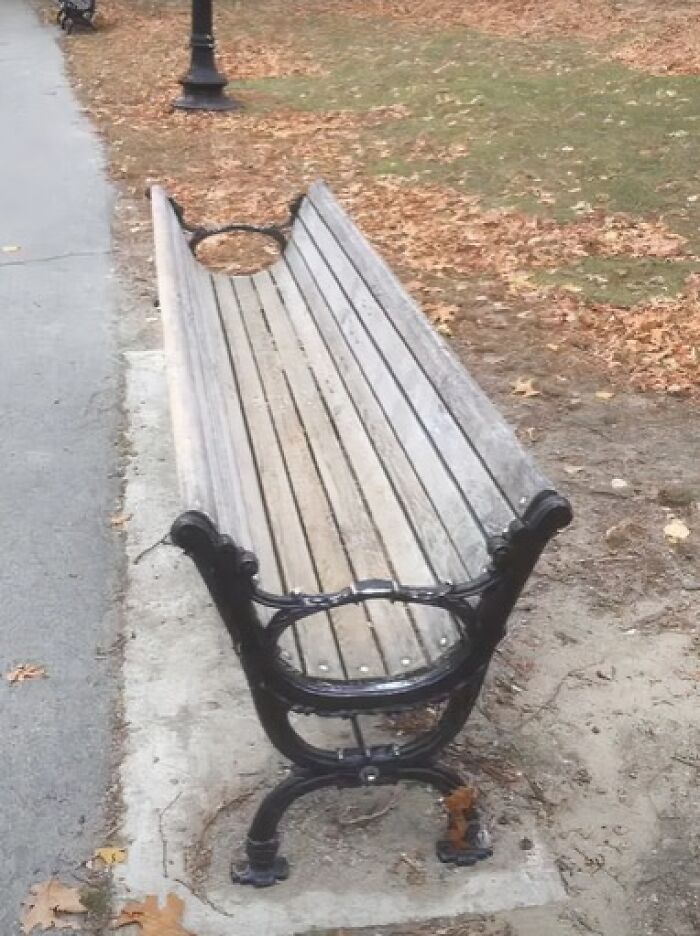
When you're dragging the body in the carpet and get tired you can pop it in here and it won't roll away while to take a quick rest.
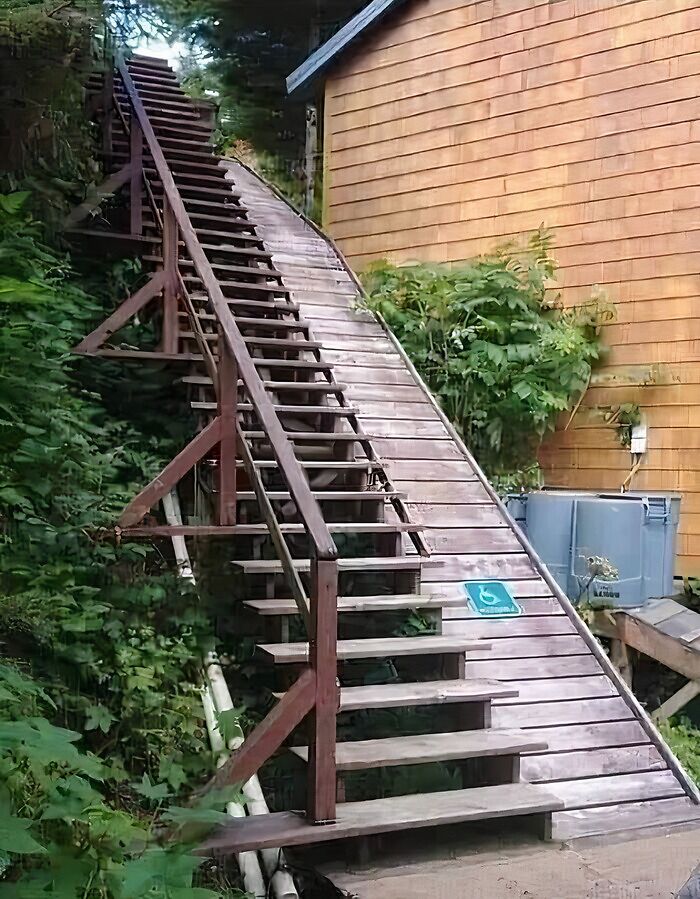
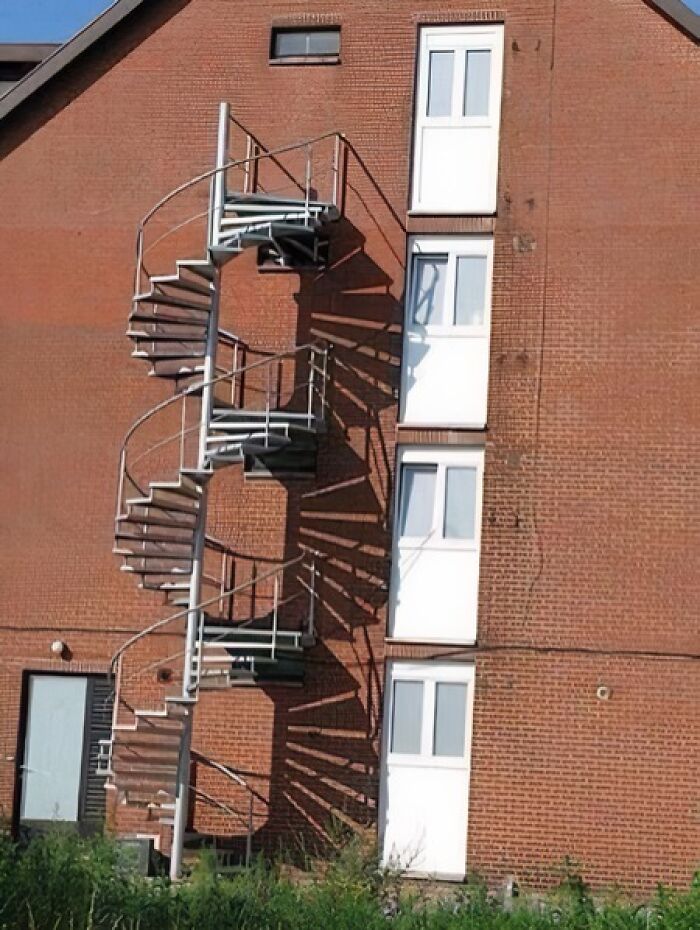
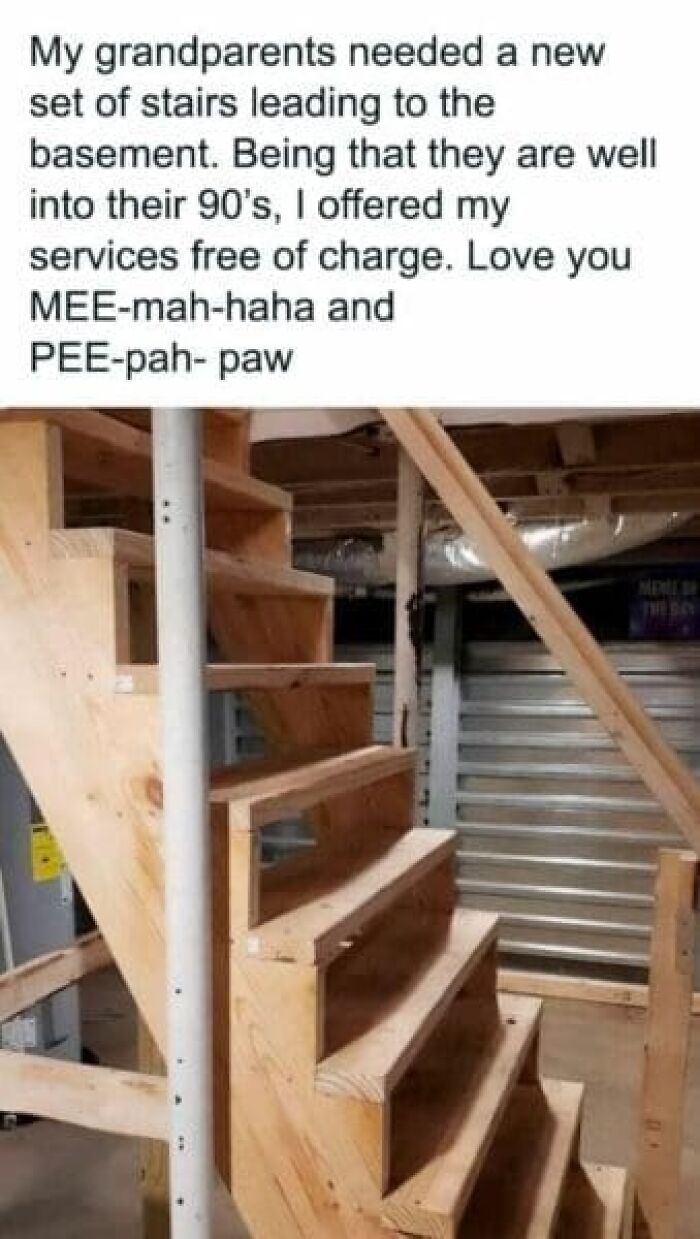
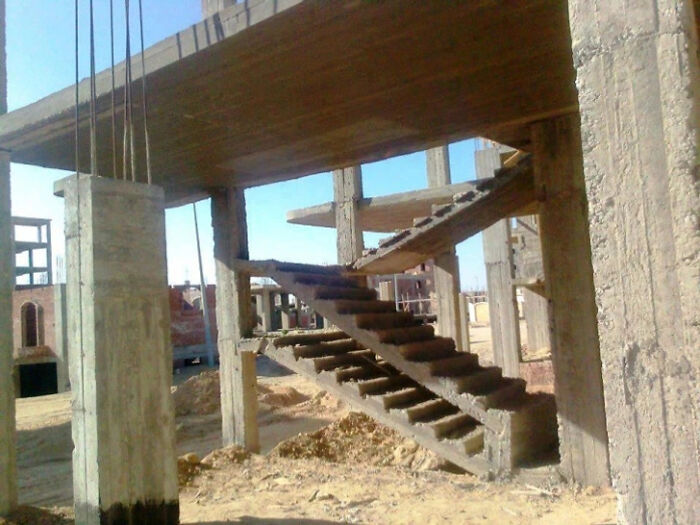
Due to the height. The owners asked for 13 steps. This is what my 2 new guys came up with. 1 is a dear devil & the other is afraid on heights. :)

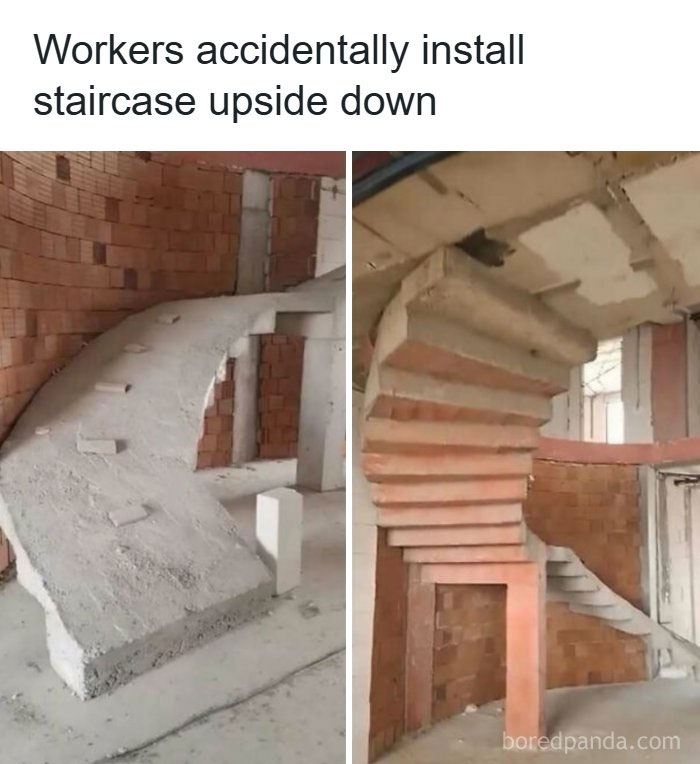
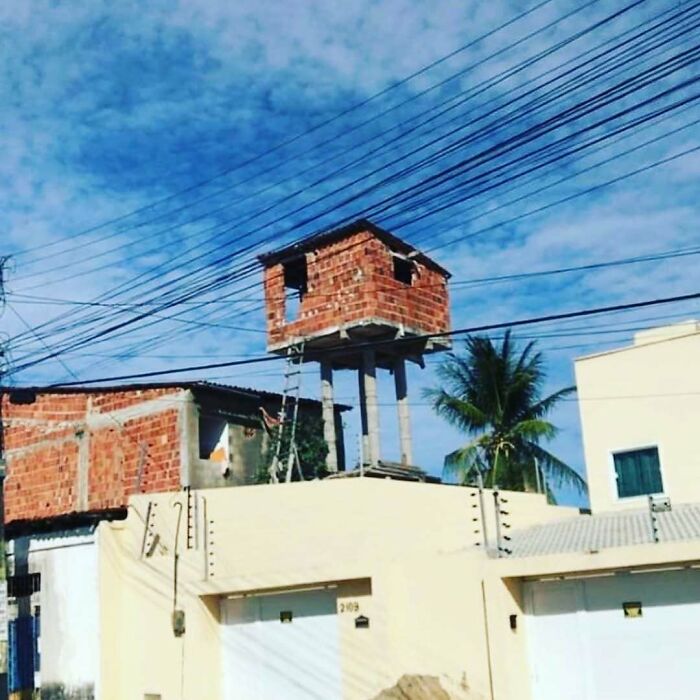
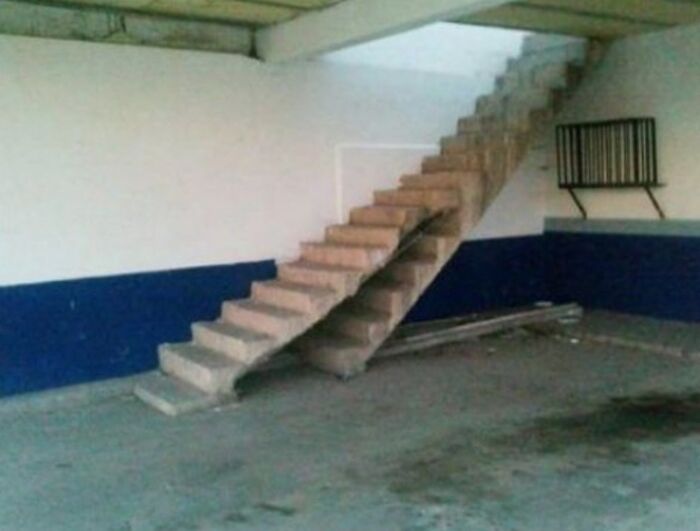
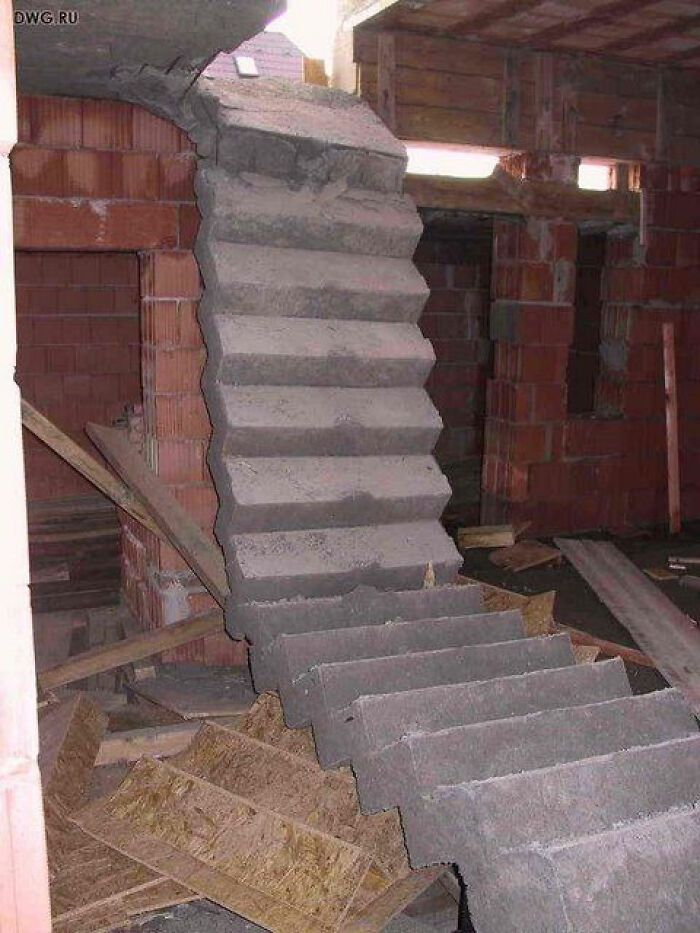
Someone doesn't know that formwork requires scaffolding that is strong enough.

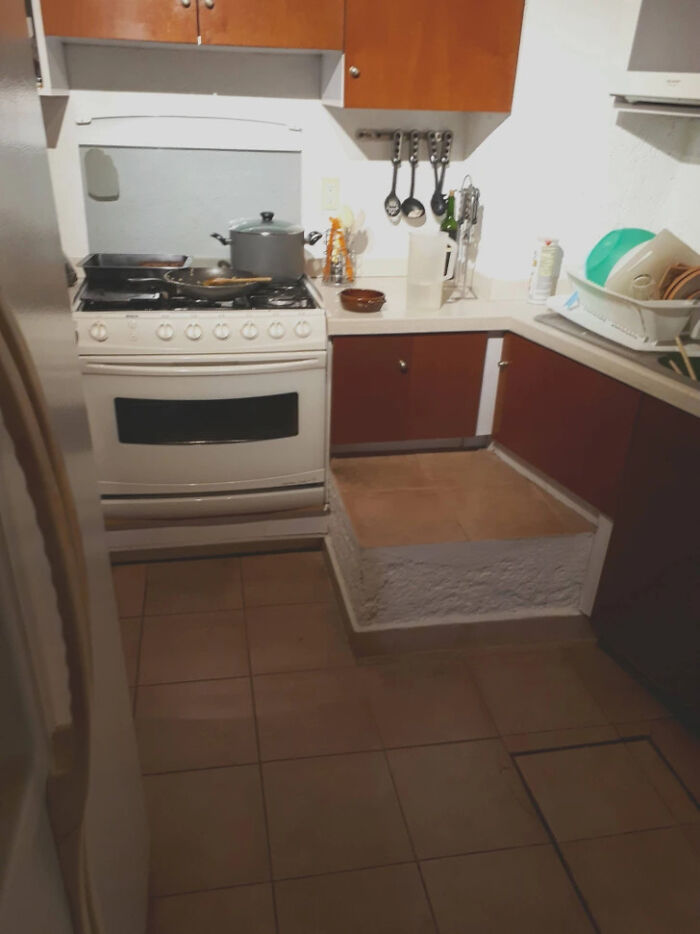
They might not have been useless until that humongous fridge was put there

Seventy-five percent of these are NOT the fault of the architect or the designer, but are poor e*******n by the contractor. Many show poorly done renovations where a wall cuts off a previous stairwell, etc. They are all bad, but place the blame where it belongs.

As an architect and designer....a lot of these are not the fault of the designer. No one in their right mind would do a lot of those. 9 times out of 10 its a builder thinking they "don't need no d**n architect" telling them how to do their job.
Seventy-five percent of these are NOT the fault of the architect or the designer, but are poor e*******n by the contractor. Many show poorly done renovations where a wall cuts off a previous stairwell, etc. They are all bad, but place the blame where it belongs.
As an architect and designer....a lot of these are not the fault of the designer. No one in their right mind would do a lot of those. 9 times out of 10 its a builder thinking they "don't need no d**n architect" telling them how to do their job.

































 No fees, cancel anytime