Get Premium
Dark mode theme is available exclusively for premium users. Learn more about the benefits of subscribing.
No fees, cancel anytime.

 Dark Mode Ad-Free Browsing Unlimited Content
 Ad-Free Browsing Unlimited Content Dark Mode
Join 1.2 million Panda readers who get the best art, memes, and fun stories every week!
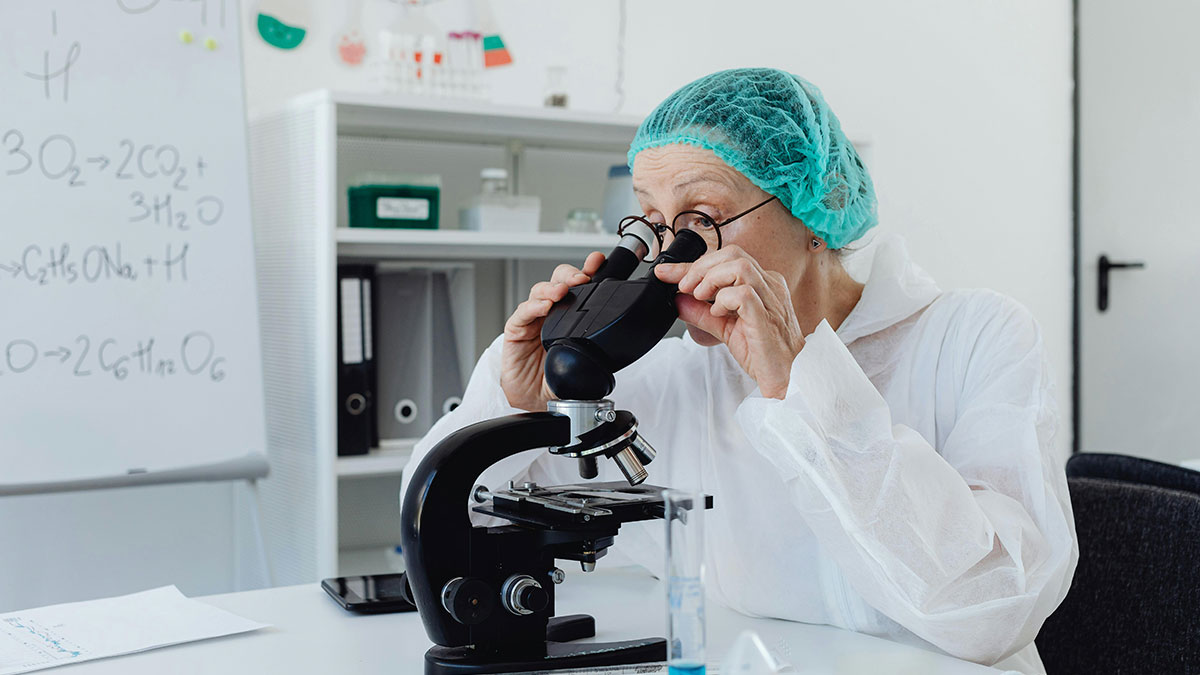


Science has significantly benefited from human body donation because it helps provide a clearer picture of what is happening below the surface. To decide to donate one’s organs or body after death is a big deal that requires careful thought, but once done, it can do a lot of good.
Most folks might think that the donated cadavers are just used for research purposes, but there are actually many ways they are useful. This list explores all of the cool ways a body donation can be used, and some may surprise you.
More info: Reddit
This post may include affiliate links.
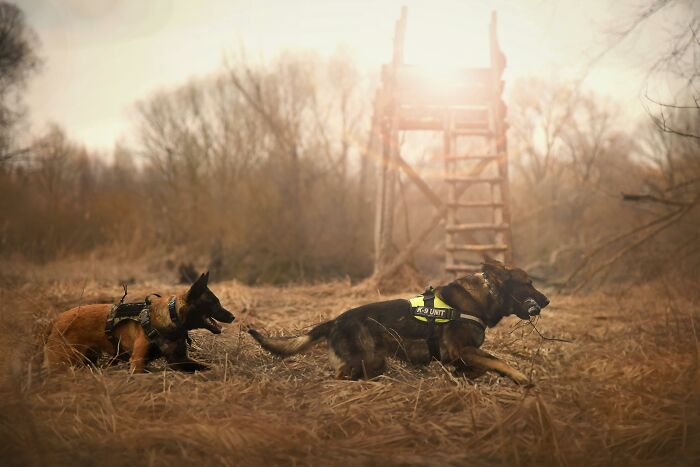 I used to be on a K9 search and rescue team, and we used donated human remains to train our cadaver dogs. Only partial remains for logistical reasons (hard to drag an entire body around the mountains), though, so you have to be okay with getting dismembered and potentially used for multiple things for that one.

I am a current SAR Team member and I can vouch for this. We get a lot of placenta, liposuction containers, and odd ends and bits. Bones are very hard to get, for some reason...
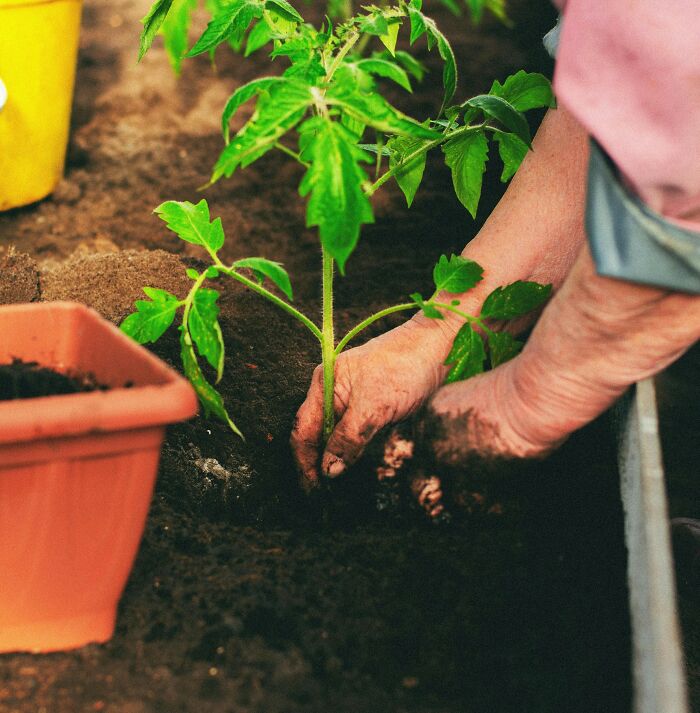 I just read something interesting in the compost sub about how you can be composted into plantable soil when you die. I’m starting to lean toward this idea.
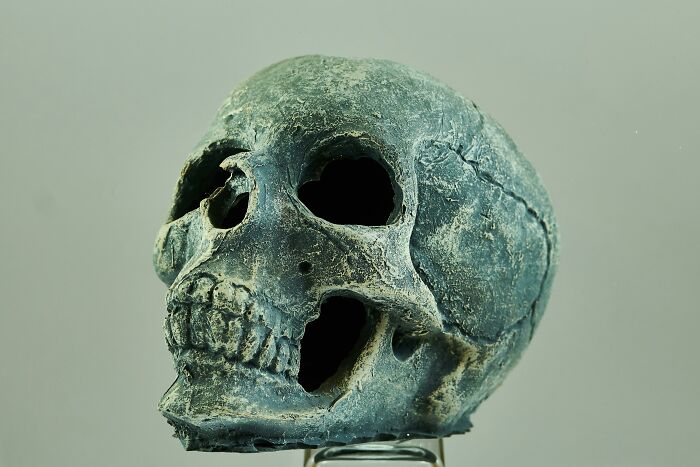 Forensic facial approximation from the skull database 💀 I’m a retired forensic artist, and I started a project to collect skull scans and life photos from the UTK Body Farm. I’ve been there 6 times, scanned over 100 skulls to be able to sculpt more accurate likenesses for unidentified skulls. It was fascinating as all get-out to go there!
Even though donating one’s body to science might seem like a scary prospect, more than 20,000 people in the U.S do it every year. There are many reasons why people choose this option. The main one is to help with scientific research so that their death can be meaningful and help people even if they are gone.
Another interesting reason is that many folks aren't so happy with the death industry and feel that by donating their body, their family won’t be burdened by the cost of burial or cremation. The medical college or research centre is then tasked with taking care of the cadaver and cremating it once it’s served its purpose.
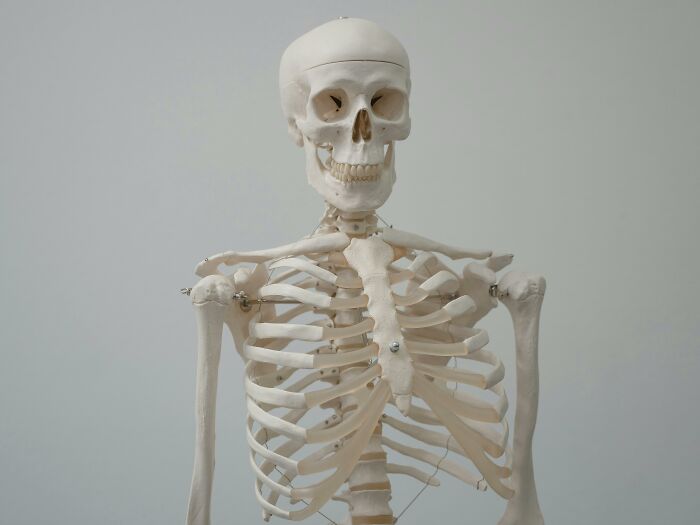 As someone who is registered to be a full body donor, what a cool thread. I always thought they'd just use me for autopsy practice, or understanding connective tissue problems, or something like that. The possibility of being blown up to test safety measures is pretty gnarly and I kinda hope I get that one. I know realistically I will probably be used for anatomy lessons but the small possibility is cool.
If I'm dead you're welcome to blow me up or use me as a crash test dummy. Or whatever you want really. I won't be using the body anymore.
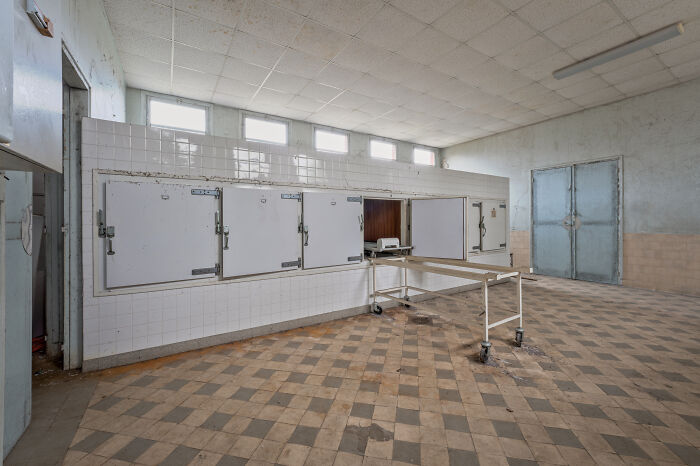 I renovated a morgue at a teaching hospital 7 years ago. The cadavers were all plasticized in a process using acetone( I was told). Was very interesting to be doing some piping overhead and a student and teacher below and off to the side doing an actual physical exam on an arm. Very respectful culture as they view the donated bodies as teaching instruments and the decedents families are returned ashes after their usefulness is complete. The hospital holds a memorial ceremony once a year and recognizes the families sacrifices and extends their gratitude. A big luncheon follows. I found it very interesting and humbling to work there.
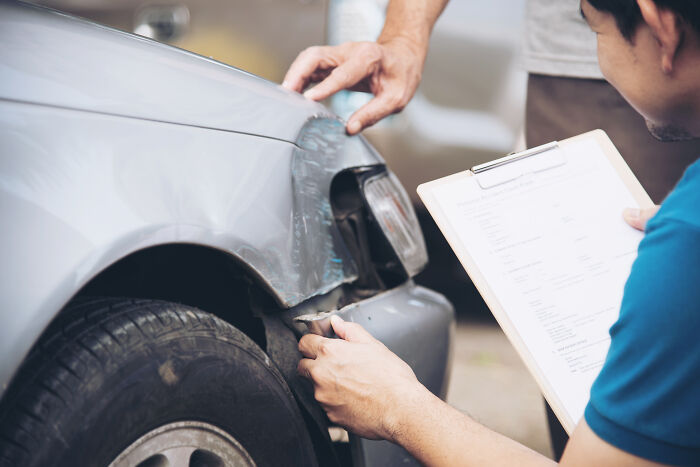 There's a whole book -- *Stiff: The Curious Lives of Human Cadavers* by Mary Roach -- which talks about this.
One thing I recall is that such bodies are still used in car crash tests to calibrate what crash-test dummies should indicate from trauma.

Mary Roach is a great author. All her books are really funny and informative.
There are many branches of science that can benefit from research on cadavers. An interesting one is forensic research, which can help solve legal cases. A donation like this can guide researchers on how a body decomposes in different scenarios. This data can then be applied to open or cold cases.
A cool example of this is the research done by law enforcement in Florida. Since it is such a humid and wet place, it creates a unique condition for body decomposition. Researchers have been able to replicate these conditions on cadavers, which has helped them solve many criminal cases and get justice.
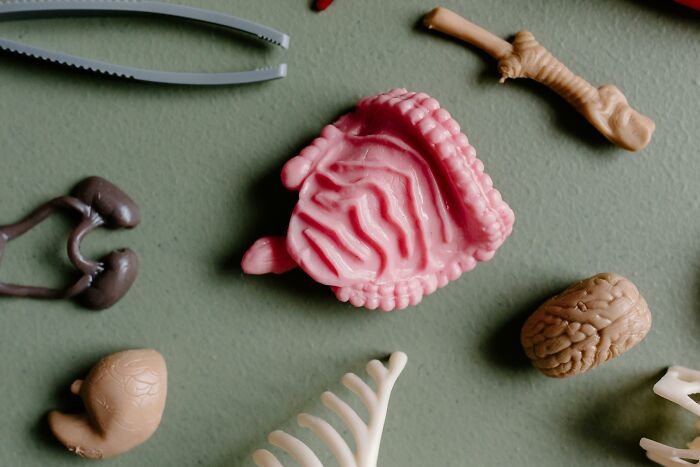 We had "the organ lady" who also happened to be a family friend, come to my middle school with a bunch of donated organs. We got to hold a brain and compare regular lungs to smokers lungs and see a heart.
Doubt most people want a bunch of 13 year olds squishing their brain for educational purposes, but it was neat.

That's a good purpose! I wouldn't mind having kids say, "Wow - cool!" over my disembodied brain.
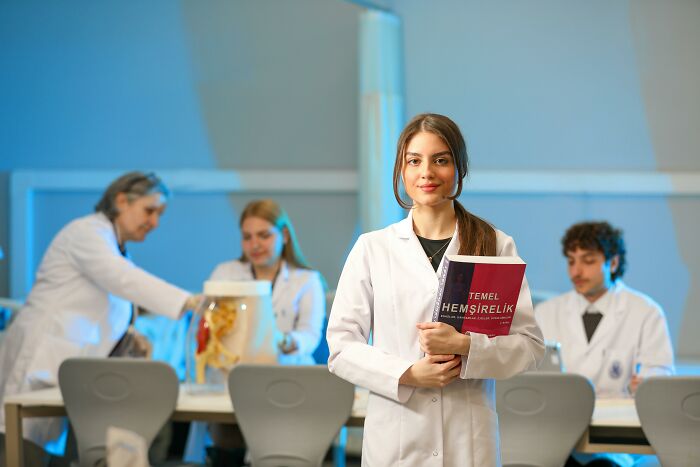 There’s a newer company that perfuses the bodies with cow blood and simulates a pumping heart so that surgical students/medical researchers can practice operating on bodies that actually bleed.
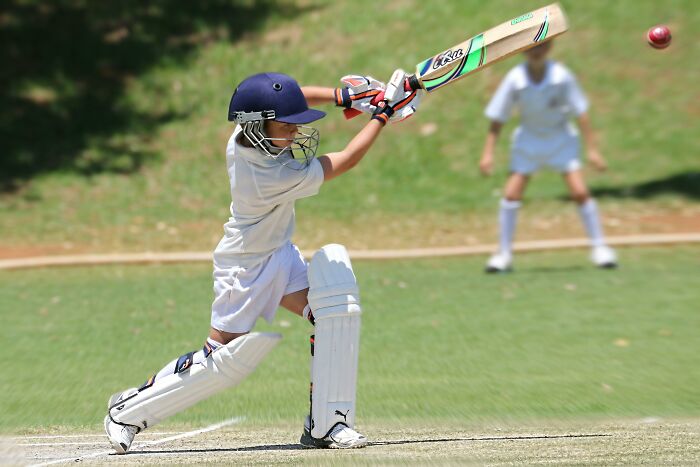 My mum used to be on a hospital board and had to expel some medical students for playing cricket in a hallway with a human leg.
Many folks want to be organ or body donors because they know how many people they can help after they pass. The problem is that sometimes the body may not be accepted, and one reason for it is if a post-mortem has already been performed. This is because the process leaves an open wound, and embalming can't be done, which then hinders the research.
Other conditions for cadaver refusal are transmissible infections, which can be a safety risk for medical students. It’s shocking, but even patients with Alzheimer’s Disease are turned away because there is some evidence to suggest that it could be transmitted through body tissue. Therefore, researchers need to protect themselves from possible infection.
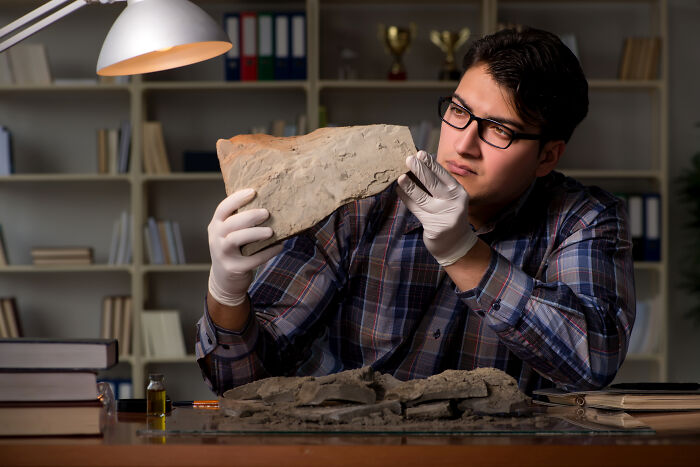 I’m an archaeologist and I’d consider donating my body to a body farm if I had the opportunity.
Forensic anthropologists and archaeologists use body farms to study taphonomy, i.e. how post-depositional processes affect, in this case, a human corpse. In other words: how does a human body behave when decomposing in different environments, fx. in the woods vs. in a pond vs. in an oil drum or if the body is left above vs below ground as well as in different climates.
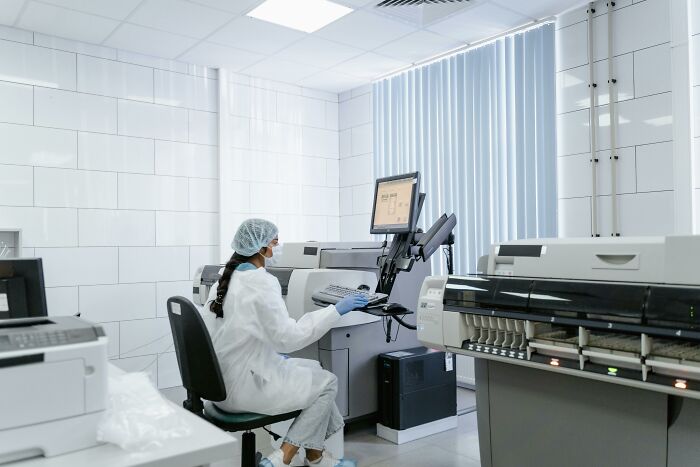 My ex helped design medical equipment and was brought a cadaver head to test one of the pieces on.

Please, please tell me that the immediate response when seeing the cooler was "WHAT'S IN THE BOX?!"
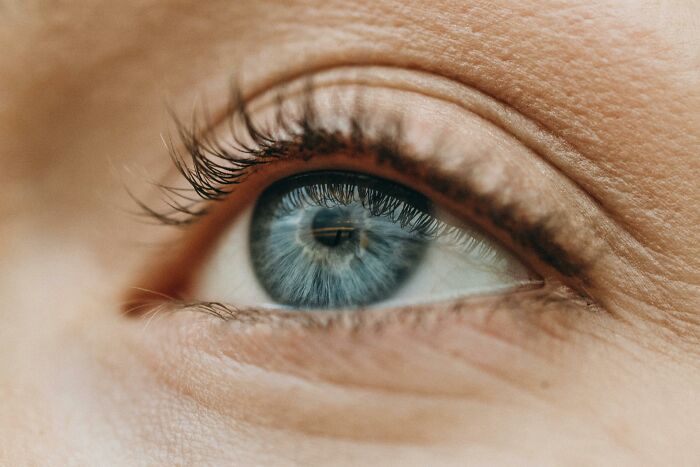 My son passed away a few years ago and we donated parts of his body. We made our names available to be "thanked" by those who benefited, but haven't heard anything. So we don't REALLY know what happened to his body parts.
But here's what was donated, at least from what I remember, and what they are typically used for:
Eyes for cornea transplants and medical research
Long bones for medical research and potential bone graphs (leg and arm bones)
Heart valves for potential heart defect and heart disease patients or medical research
Ligaments, likely for ACL/MCL repairs.
I have registered for donation of all organs, including skin. It is nice to know there are also options for what is leftover being used for research etc, I will have to find out how to register for that. I don't think my eyes would be suitable for donation, but I think my left one would probably be important for research given I had an unusual condition and unusual surgery on it. I have never wanted to be buried (or my family to have to pay for that) and I don't really like the sentimental scattering of ashes etc, though I'm sort of resigned to that being the choice for those I leave behind.
It’s an incredible feeling to know that even after death, you can help so many people by donating your body. This process can help support medical education and give students the hands-on experience that they require to become better professionals.
Learning about medical procedures through a simulation can only provide a certain amount of information, but actually working on the human body makes a big difference. Apart from research, it can also help in the development of medical devices for hips, knees, and joints. There’s so much that a whole body donation can help with, and it’s an incredible end-of-life path to consider.
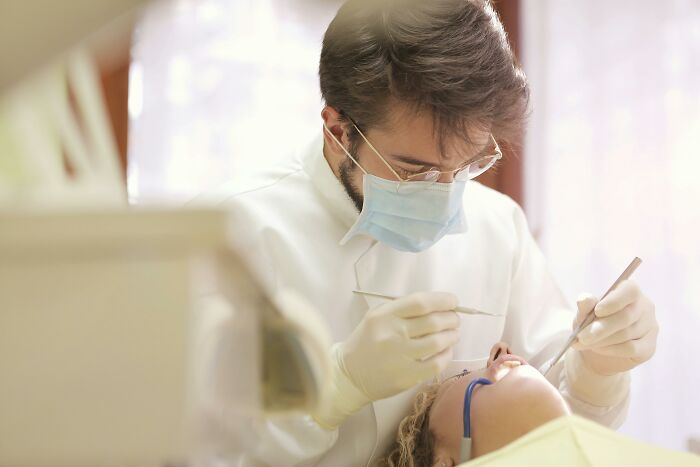 Not a scientist, but dated the son if a dentist whose sister was a dentist in training... yep, they practice dentistry on cadavers. That was something I'd never thought of, but makes a lot of sense. Kinda freaked me out at the time lol.
Only problem is the cadavers stay just a little too still and don’t have to be constantly told to open wider :D
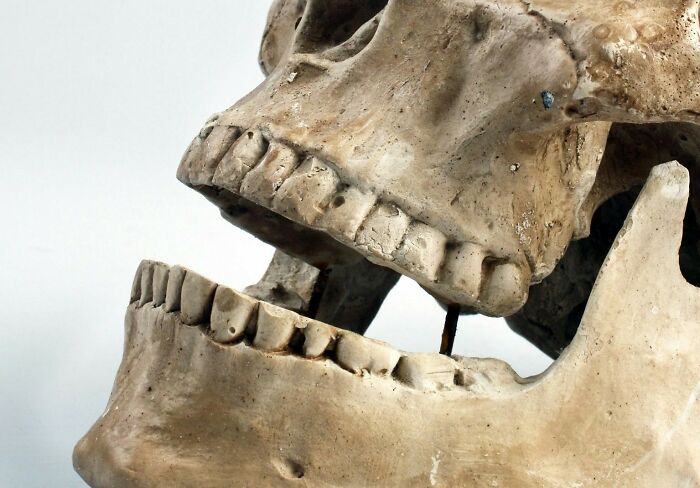 Cadaver bone is used to pack sockets where teeth were extracted. I don't know if that's from "donated to science" bodies or what.
Oh yeah, my mom had to have oral surgery after an accident and she had to have bone dust put in her jaw. I had fun joking about her dead people face.
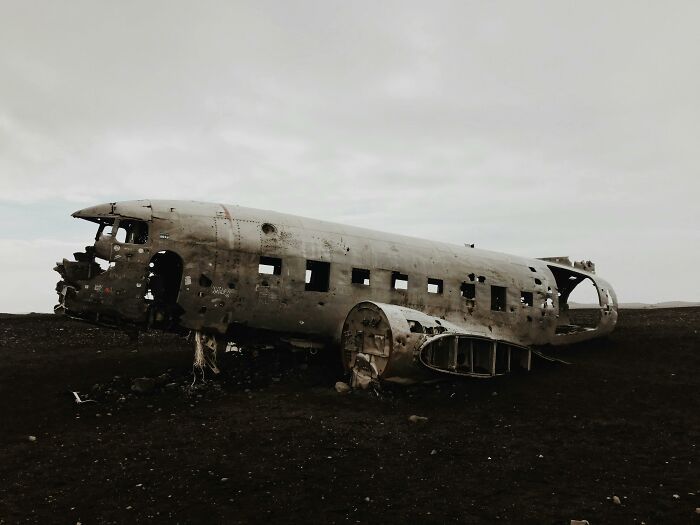 Sometimes they're used to test things like how a body reacts in plane crashes, car collisions, or even military-grade blasts.
You thought you were donating to save lives… but you might be helping engineers build better seatbelts.
Many people shy away from talking about death because they feel like the subject is too macabre, but topics like full-body donation force people to jump right in. Even though it may be hard to think that the cadaver was once a living, breathing human, it’s important to recognize the beautiful gift that they’ve given to society.
Is there any use for cadavers on this list that shocked you? Let us know your thoughts in the comments section below.
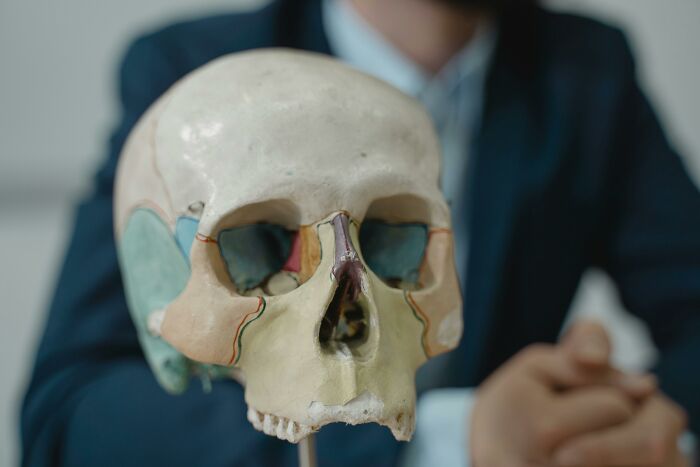 As a professor who teaches neuroanatomy at a medical school, here are a few:
1. Plastination - preserving body parts, organ systems, or entire cadavers forever through a process that converts them to plastic
2. Full body imaging for use in digital dissection software (via Anatomage or other)
3. In a group of 20 cadavers, at least 1 will have something strange about one of their organs that’s worthy of a case study, often that was not known or documented while they were alive
4. I personally like to take the brains out of the head to show off to students as young as 3rd grade.
 Google the Body Farm in TN. Interesting place doing interesting research.
I read a novel by Patricia Cornwell called The Body Farm and they used a cadaver to solve a murder by testing how a coin impression on dead skin would look.
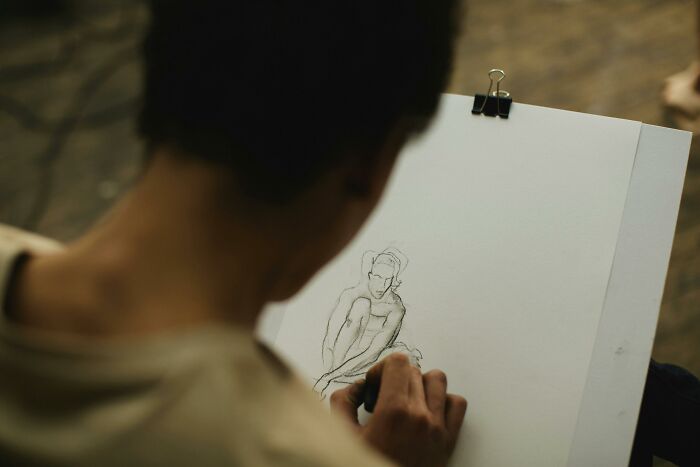 Former art student here : we studied cadavers for anatomy.
I hated the naked drawing part of my college art classes. Because I suck at drawing people and I always felt bad for making the models look deformed. 😂
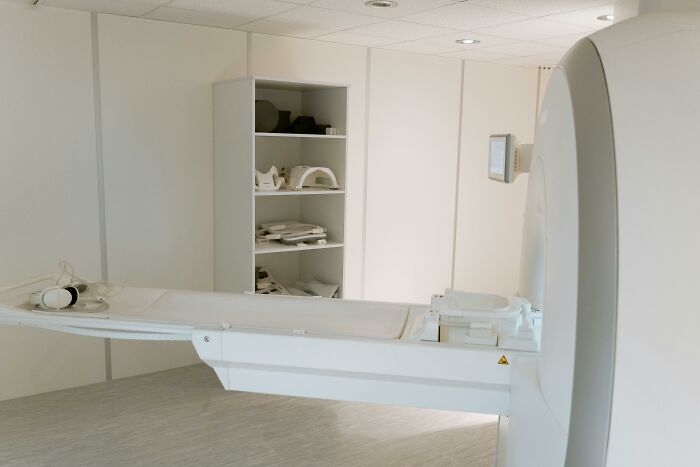 At one point I spoke to someone who was using cadavers to develop a new medical imaging technology.
It was my understanding they would run body parts through their machine then dissect them.
 My local teaching hospital was literally using bodies to test better ways of making medical cadavers.
Like testing various concoctions to preserve corpses. Better corpses.
So your body could be considered disposable to allow others to be used for teaching.
Great, so you're telling me my body could be the substitute teacher of cadavers?
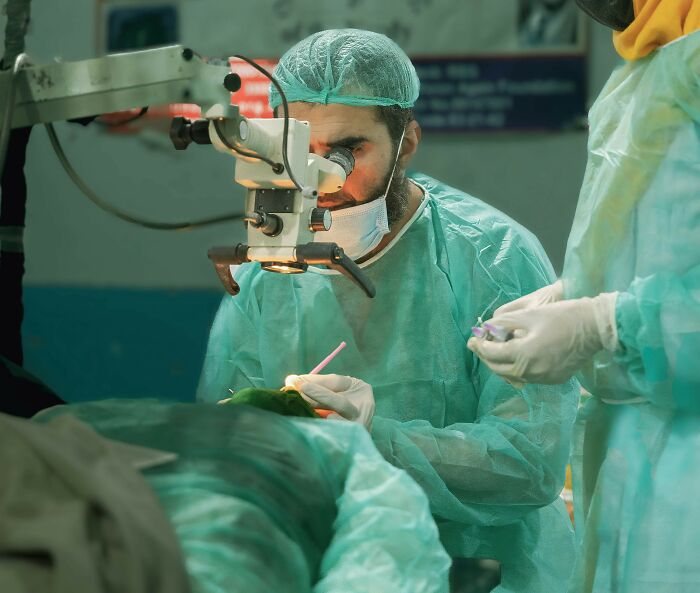 When my father died, as an organ donor, he actually had his corneas taken to be used in corrective surgery, as well as skin for skin grafts. They were the only things safe to use, he died of metastatic pancreatic cancer.
I plan to donate my busted disabled a*s, I'm crossing my fingers that they can use my body for something useful, for once.

Same, I have EDS and a bunch of spinal issues. I'd like to think my body would be useful after I die since it's pretty useless for me right now
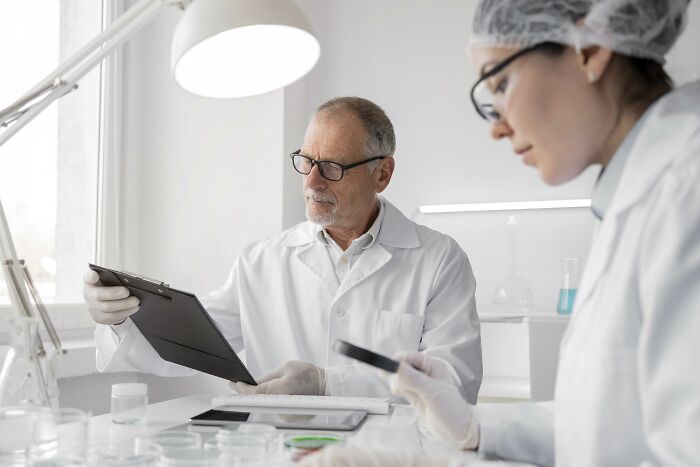 I used to work in a diabetes research lab with human pancreatic cells that were not good enough (viability and purity) for transplantation. The donors opted to have their organs and cells also used for research. There were some cells that after all that effort to isolate and test them, were not good enough for transplantation but there was no consent to use for research so they just discarded. I wish people could understand how important it is to be able to do some experiments with human samples... if they knew I am sure every organ/tissue donor would also opt to donate to research.
Question: How do we do this? The only option we officially get in the US is to indicate we're an organ donor on our driver's license. Which I assume is meant for transplant? Like I said before - you're welcome to do whatever you want with my body after I'm done with it.
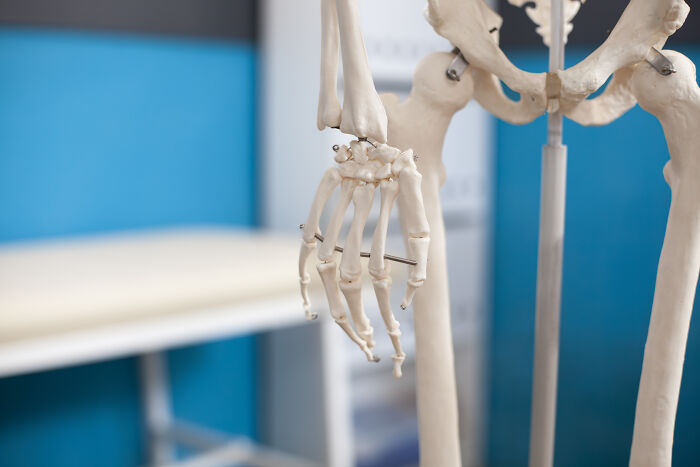 Not really donating to science, but if you or your family chooses to donate your tissue after you die, they’ll be used to help other people get better. Even if you’re not eligible to be an organ donor, you can still donate bones, skin, tendons, and even your corneas to help other people! Corneas can restore sight, your bones are made into grafts that are used in orthopedic surgeries, and your tendons can be used to replace someone’s ACL, Achilles tendon, or diminish pain in someone’s rotator cuff. Your skin can be used to help a burn victim! By donating your tissues you can help so many other people live pain-free lives and greatly improve their quality of life.
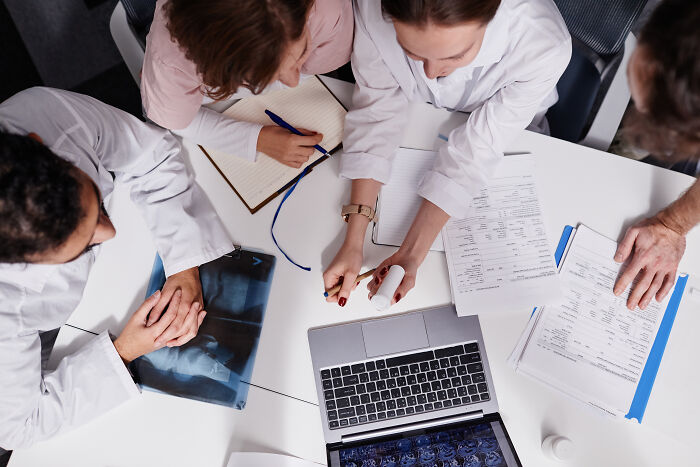 Human cadavers are so valuable for research (especially medical and biomedical engineering studies) that they are maximized to get as much research out of them as possible and researchers typically only use/get the absolute bare minimum to do their study. Meaning, the bodies are separated into many different parts and sent out to multiple different research teams doing all kinds of research. Someone doing ankle research might get just a foot and ankle. Someone else will get the eyes. Someone else might get segments of bone they will cut into little cubes and test for strength. Someone else might get just the head. Individual organs...one arm sent to one lab, the other hand, elbow, skin samples, shoulder sent to four or five more labs. Someone else gets the knees to study how a new knee replacement might work. Etc, etc.
Typically, the research teams have to return everything that remains back to the donation center when they are done. Everything is tracked/serial numbered. The donation center collects it all up. Once everything is used and has all been returned, they then return the remains to the family (usually cremated).
Getting approval for a full body cadaver to use in one research study is really hard and expensive. There is a LOT of other studies that could have happened instead of just the one.
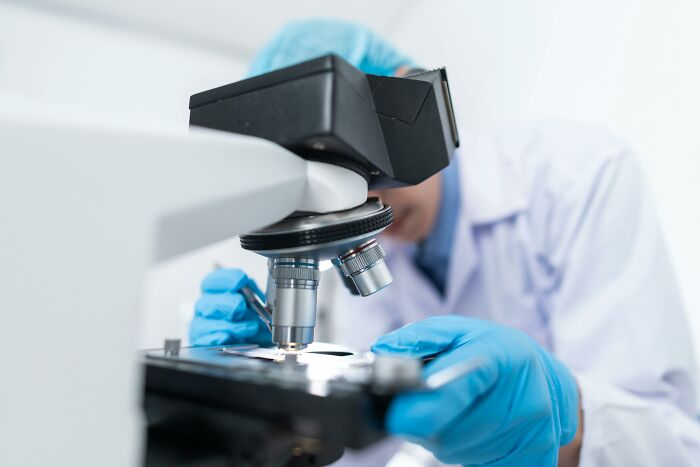 I was talking to my wife the other day when we got to the topic of my minor, which has two excursion days to the cadaver lab of another university (my uni has a cadaver lab, but I assume space or resource restrictions detour non-medical students to a different university). We're going to be looking at human soft tissue physiology to better understand what we look like now, as a basis of understanding human evolution.
My wife asked, "Wait, do they use actual human corpses for that? I always kind of assumed they used realistic dolls."
Now, admittedly, I'm not 100% sure if we're looking at actual human tissue, but I'd assume we wouldn't go to a cadaver lab if models would do the trick here. I assume people who donate their body to science are told that might include education of medical students, but education of students of human evolution is probably not on their mind.
I've worked on the admin side of cadaver labs, and yes it's all dead bodies. No dolls used.
It's a noble thing to do - donating your body - knowing it can help all kinds of people and researchers!


I don’t want to discourage anyone but as a med student with 1st hand experience, I can say that cadavers aren’t always treated with respect. The school & lecturers constantly remind us to be respectful & students can be failed if their treatment of the bodies is questionable, but there isn’t someone always supervising the students. My uni has anatomy dissections in the 1st year which is helpful to visualise everything but given that most of our knowledge at that time is limited, students don’t always take the dissections seriously. I particularly struggled but being a nerd I tried to participate as much as possible with students who were better at it while some others in my group thought making fun of the cadaver (even playing with some of the discarded fat when we were trying to visualise the muscles) was the way to “learn”. It wasn’t just my group & the if the lecturers noticed, the students got warnings, but it still continued behind their backs. I still feel bad about it!
If my carcass can not only be useful for science, but also give someone a laugh, I would consider that a bonus.
Load More Replies... It's a noble thing to do - donating your body - knowing it can help all kinds of people and researchers!
I don’t want to discourage anyone but as a med student with 1st hand experience, I can say that cadavers aren’t always treated with respect. The school & lecturers constantly remind us to be respectful & students can be failed if their treatment of the bodies is questionable, but there isn’t someone always supervising the students. My uni has anatomy dissections in the 1st year which is helpful to visualise everything but given that most of our knowledge at that time is limited, students don’t always take the dissections seriously. I particularly struggled but being a nerd I tried to participate as much as possible with students who were better at it while some others in my group thought making fun of the cadaver (even playing with some of the discarded fat when we were trying to visualise the muscles) was the way to “learn”. It wasn’t just my group & the if the lecturers noticed, the students got warnings, but it still continued behind their backs. I still feel bad about it!
If my carcass can not only be useful for science, but also give someone a laugh, I would consider that a bonus.
Load More Replies...





 No fees, cancel anytime