Get Premium
Dark mode theme is available exclusively for premium users. Learn more about the benefits of subscribing.
No fees, cancel anytime.

 Dark Mode Ad-Free Browsing Unlimited Content
 Ad-Free Browsing Unlimited Content Dark Mode
Join 1.2 million Panda readers who get the best art, memes, and fun stories every week!
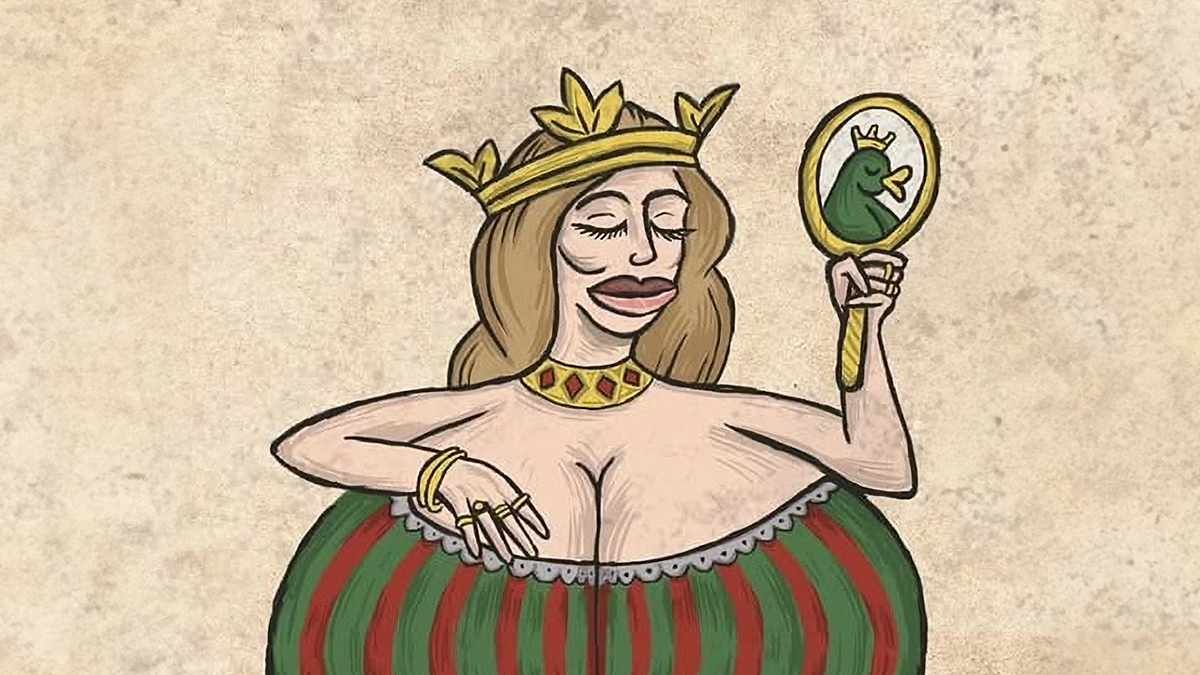
Ilya Denisov, better known by his pseudonym Ilya Stallone, is likely a familiar name to many Bored Panda readers.
In the past, he took the internet by storm with his witty medieval reinterpretations of iconic movie posters like Titanic, Star Wars, and The Lord of the Rings, as well as his clever redesigns of famous logos—adding ironic, thought-provoking twists. Who could forget the gothic-style McDonald’s emblem or YouTubeum, elegantly rendered in script that looked straight out of an illuminated manuscript?
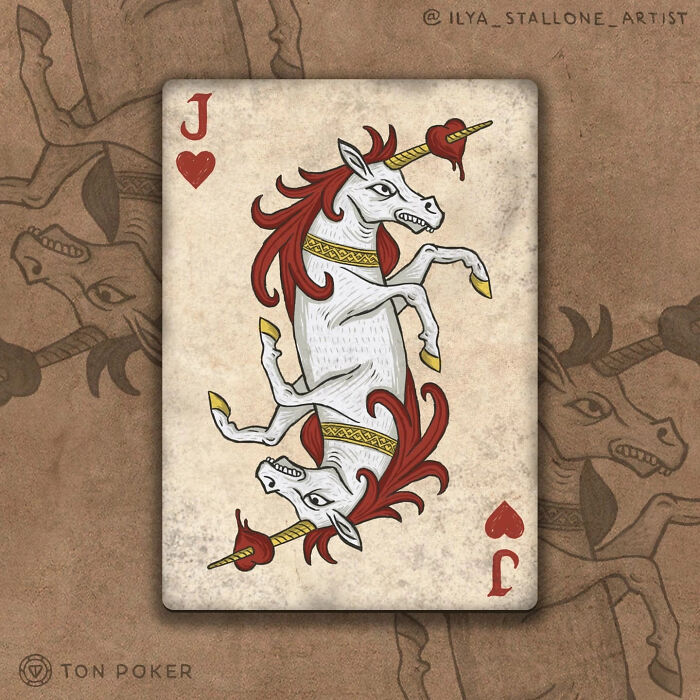
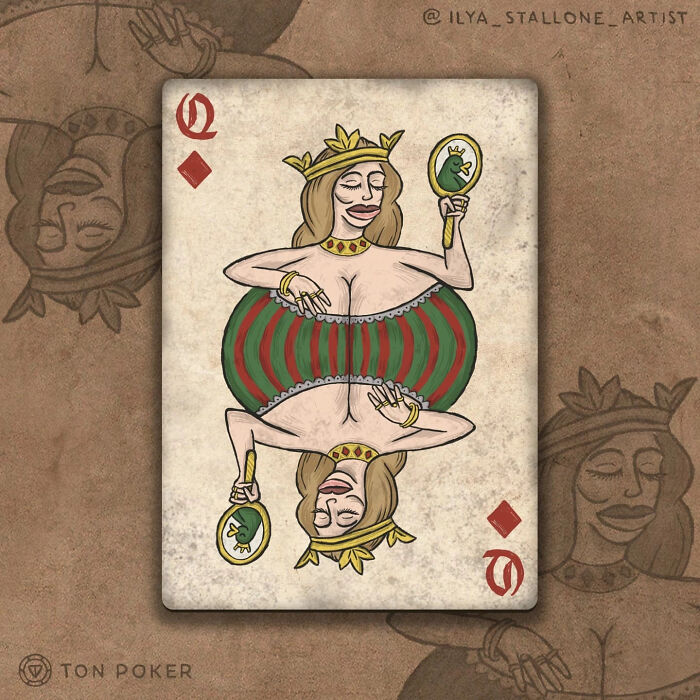
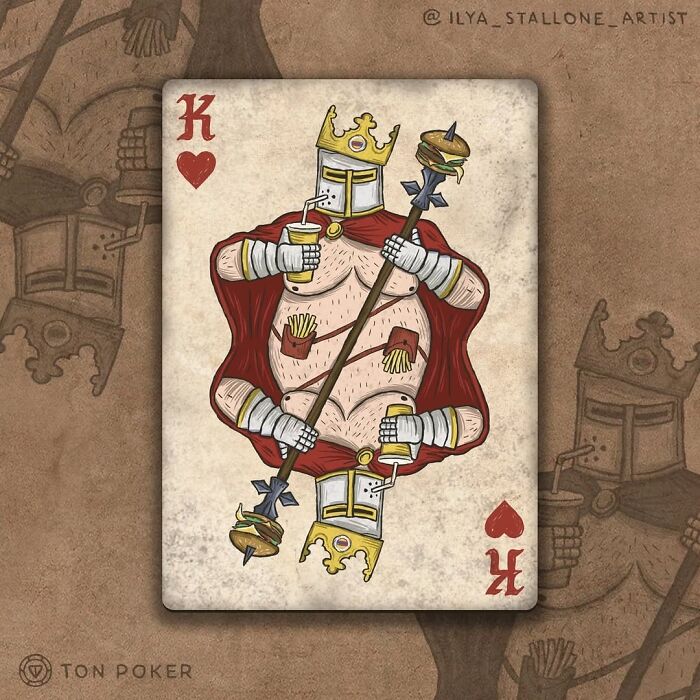
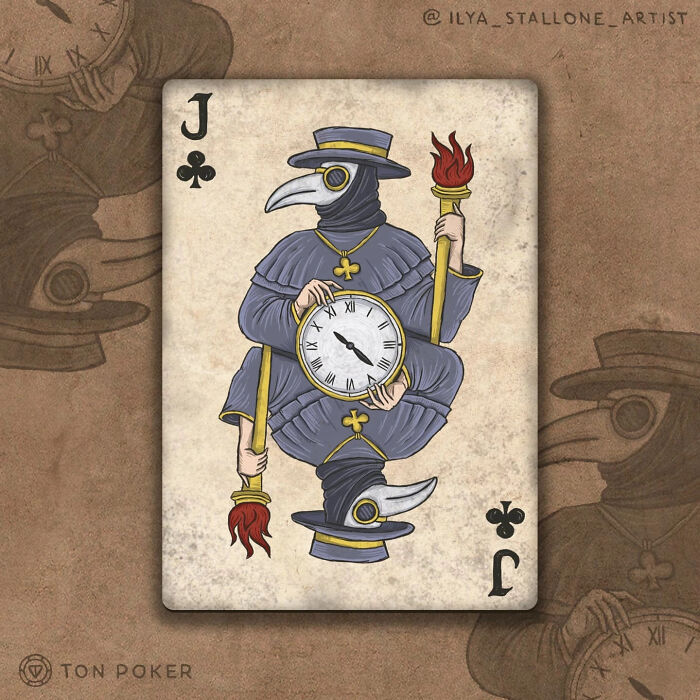
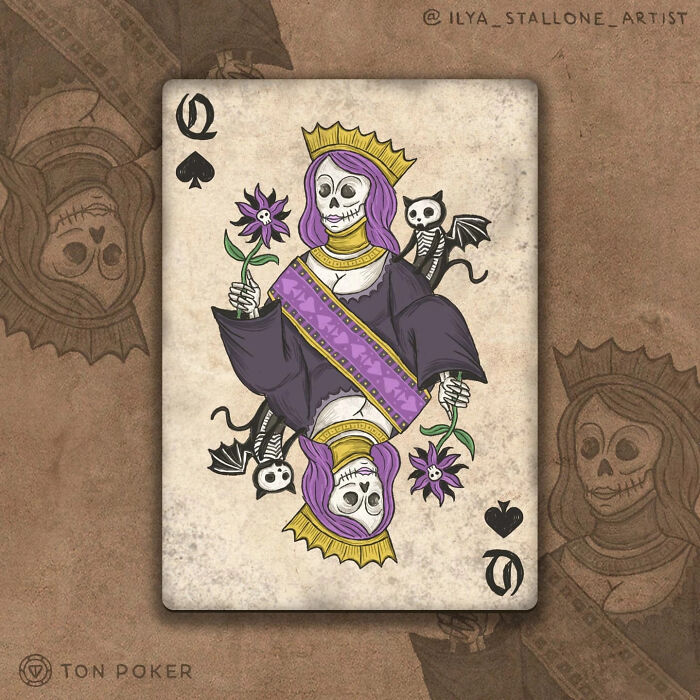
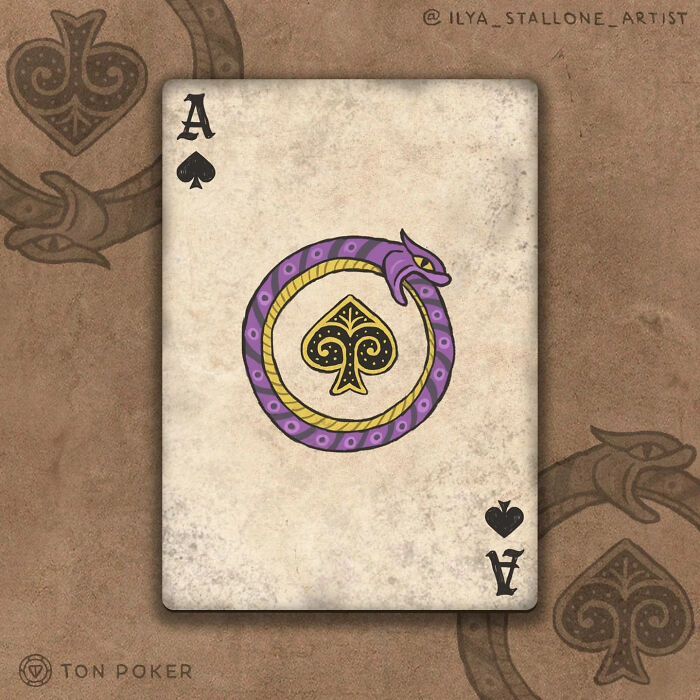
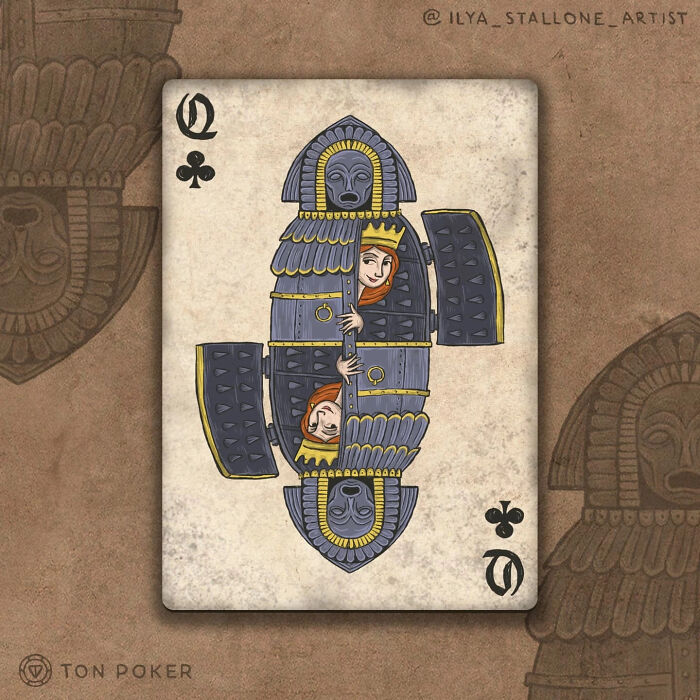
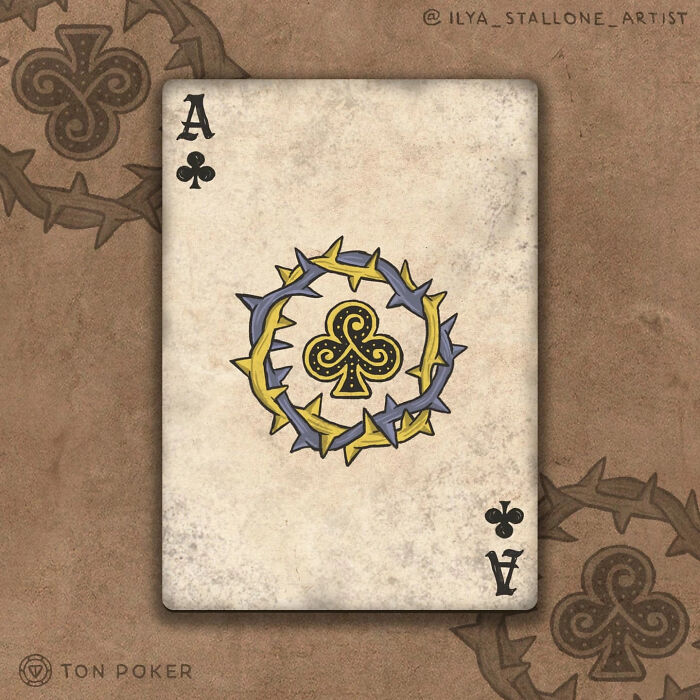
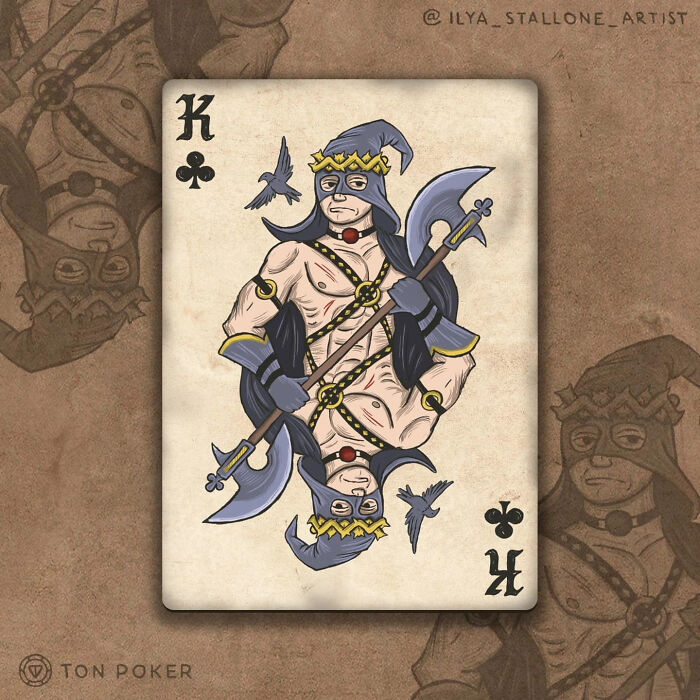
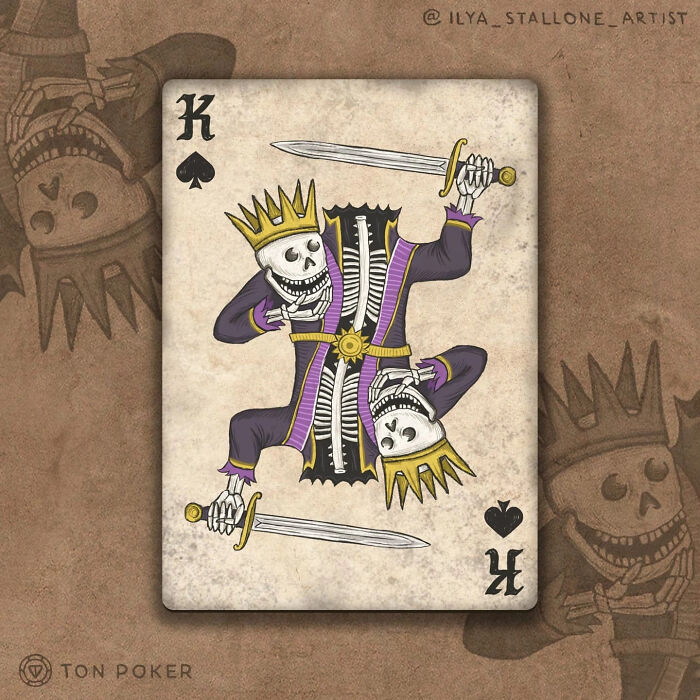
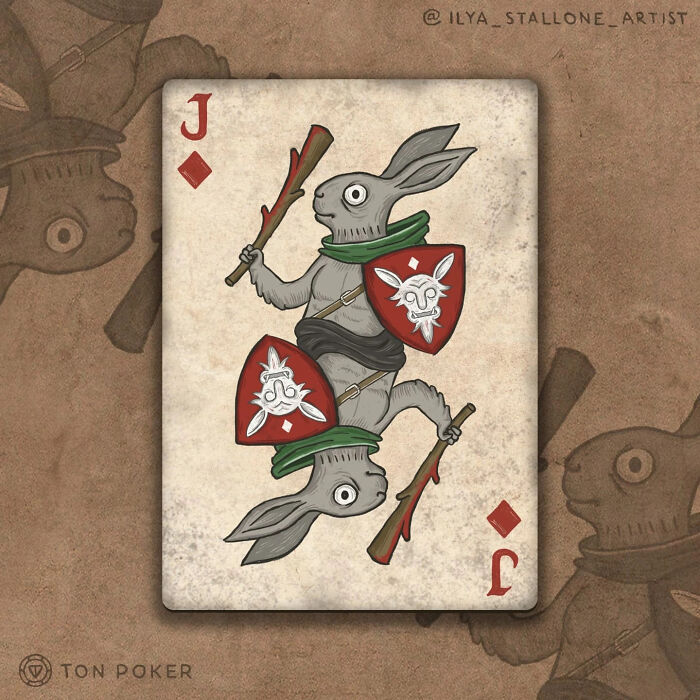
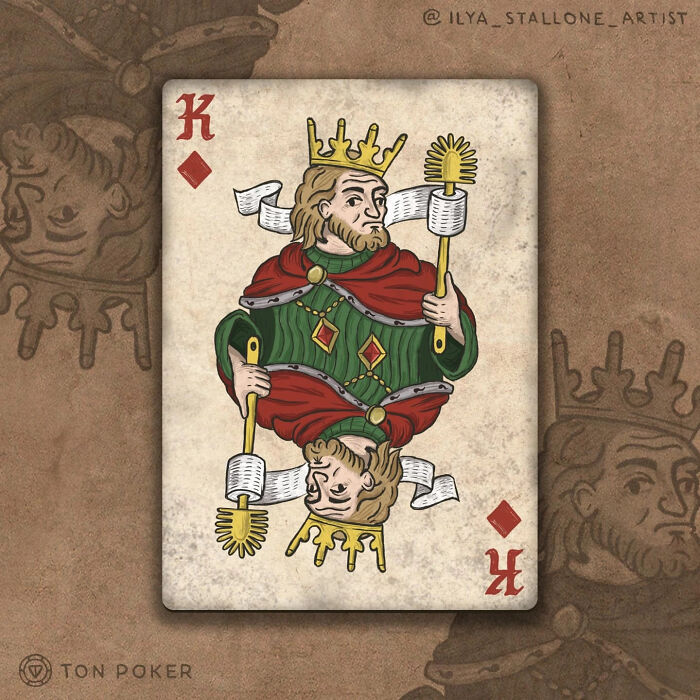
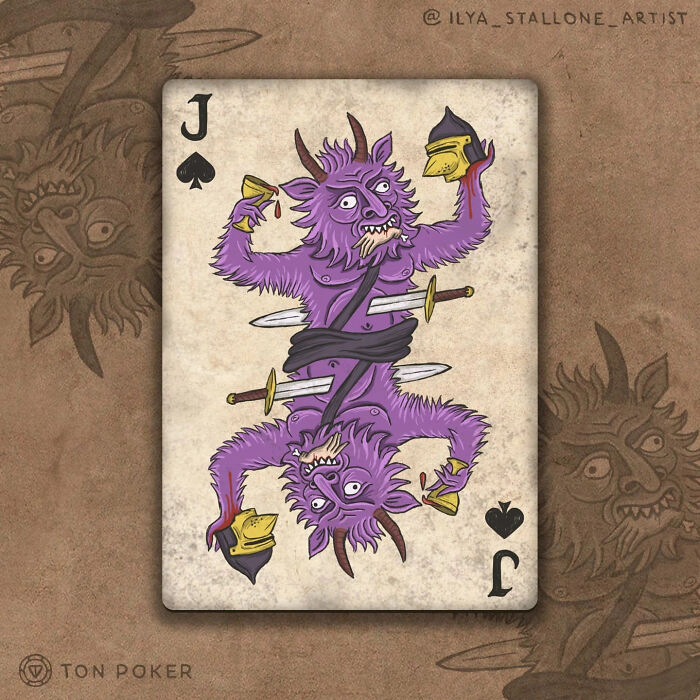
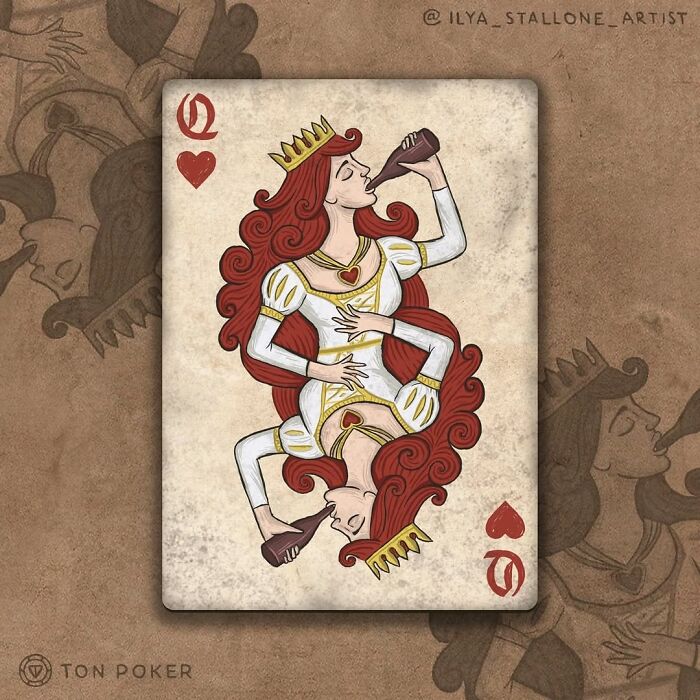
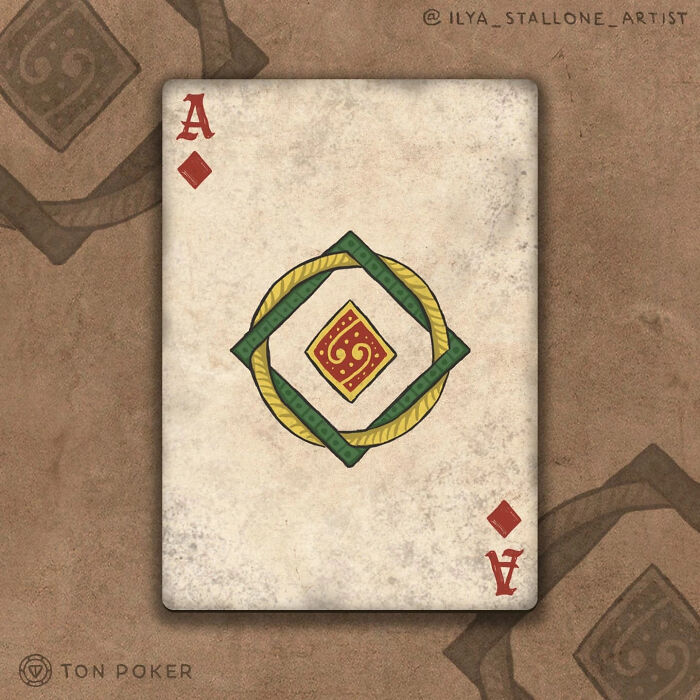
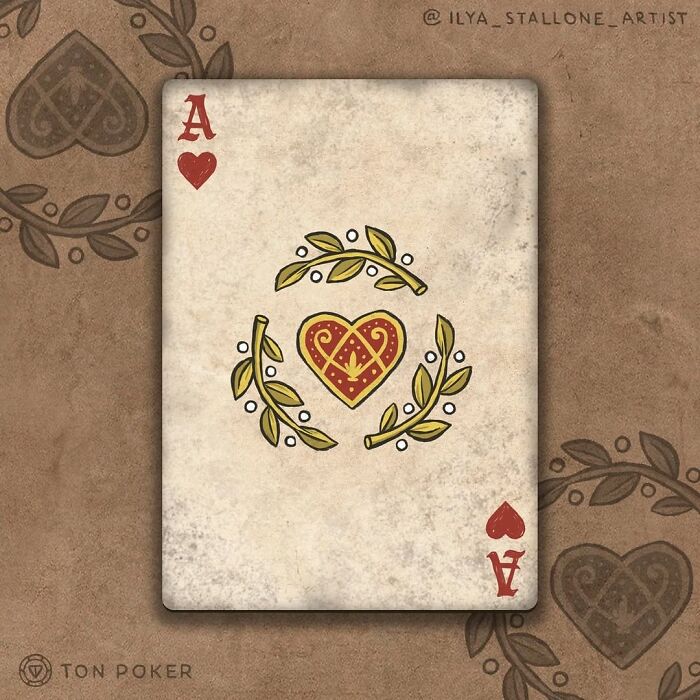
Now, Ilya is back with another captivating project: a Medieval Deck of Cards, designed for an online poker platform and brought to life directly through Telegram. Rich in detail and full of character, this series continues his tradition of merging history with modern culture in the most unexpected and delightful ways.
This post may include affiliate links.
Get ready to be dealt a royal hand of creativity! These cards are anything but ordinary—imagine your favorite poker night hosted by medieval monks with a wicked sense of humor. Scroll down to see how Ilya Stallone turned a simple deck of cards into a gorgeously illustrated time-traveling twist that’s equal parts clever, whimsical, and downright beautiful.
In his interview with Bored Panda, Ilya revealed that his creative journey began at just three years old, when he turned his parents’ bathroom wallpaper into what he proudly calls a masterpiece.
“They called it ‘vandalism’—I called it my first solo exhibition,” he recalled with a smile. Not long after, he staged a second “exhibition” of similar artwork in the same bathroom.
This bold act earned Ilya a one-way ticket to art school—a decade-long “sentence” that ultimately led him to study design at university and pursue a career as a medievalist, which he describes as a chronic inability to stop.
When asked about the inspiration behind his Medieval Deck of Cards, Ilya explained that it sprang from his deep fascination with medieval art—a world where sanctity and madness intertwined.
“I was exploring archives filled with ancient manuscripts when I discovered marginalia—those wild, whimsical drawings scribbled in the margins: geese with human teeth, knights battling snails, angels sporting claws,” he said.
“That’s when I wondered: Why do modern playing cards feel so predictable? Where is the chaos? The blend of past and present? Where is the dark humor that defined the Middle Ages?”
“These aren’t just cards—they’re portals into the mind of a medieval miniaturist,” the artist explained.
“I preserved the traditional suits, but each one tells its own unique story, its own clan’s tale,” he continued. “The jacks aren’t gallant young men; instead, you’ll find bloodthirsty hares, plague doctors, devils from hell, and even mythical unicorns. The queens aren’t your typical royalty—one might show the effects of plastic surgery, while another reveals a fondness for alcoholic drinks. As for the kings? They could be sitting on golden toilet brushes or ruling over burger joints.”
He chuckled and added, “Now do you understand why my deck won’t be making an appearance in any Las Vegas casino?”
When it comes to the definition of a perfect creative day, Ilya shared that he usually wakes up at noon.
“Because a real artist must suffer from lack of sleep,” he explained, adding that he wakes up with a noble mission—to revive the spirit of the Middle Ages.
“My first ritual is sacred—I brew coffee in a turk. It always tastes terrible, but the morning suffering is essential. The more I suffer, the better my day.”
Settling at his table, he follows his first rule of creative flow: ignore all rules. Then, he plays his unique soundtrack—a playlist blending Gregorian chants with rap. “If the music doesn’t irritate me, it’s not inspiring enough,” he says.
Ilya’s day always concludes with a critical review of his drawings. “If, after an hour, I still like them as they are, I know I haven’t pushed them far enough,” he admitted. Refusing to settle for anything ordinary, he returns to his work to inject even more layers of absurdity, chaos, and dark humor—hallmarks of the medieval spirit he so passionately channels.
“This is what I call real post-conceptual medievalism,” he explained—a creative process that blends historical madness with contemporary irreverence, challenging conventions and breathing new life into ancient traditions.


































 No fees, cancel anytime