Get Premium
Dark mode theme is available exclusively for premium users. Learn more about the benefits of subscribing.
No fees, cancel anytime.

 Dark Mode Ad-Free Browsing Unlimited Content
 Ad-Free Browsing Unlimited Content Dark Mode
Join 1.2 million Panda readers who get the best art, memes, and fun stories every week!
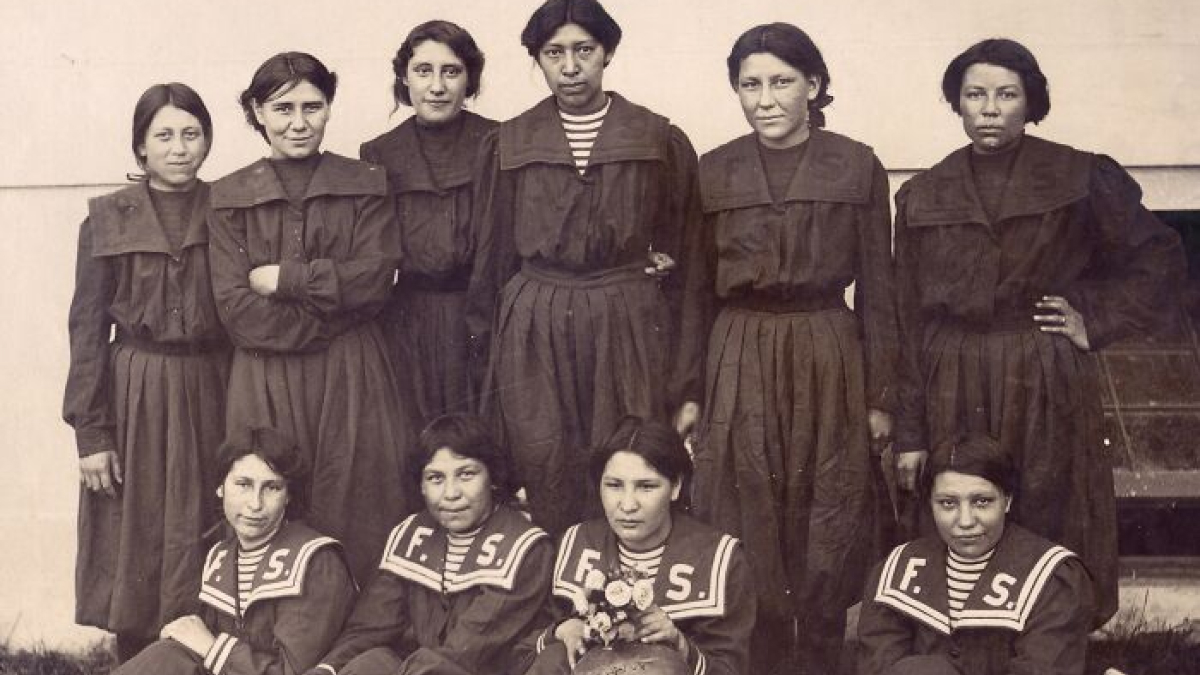
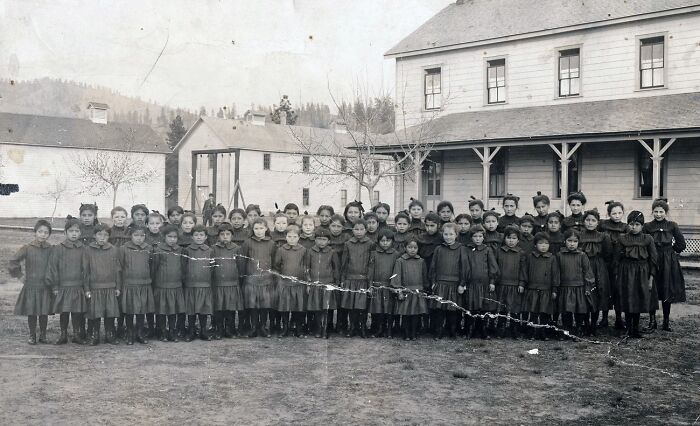
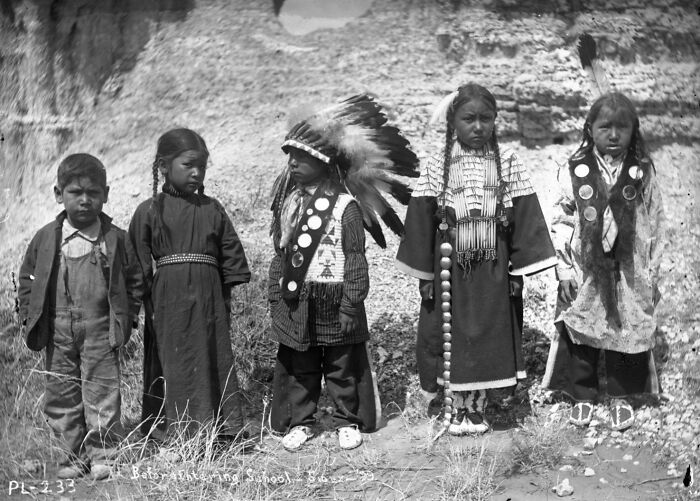
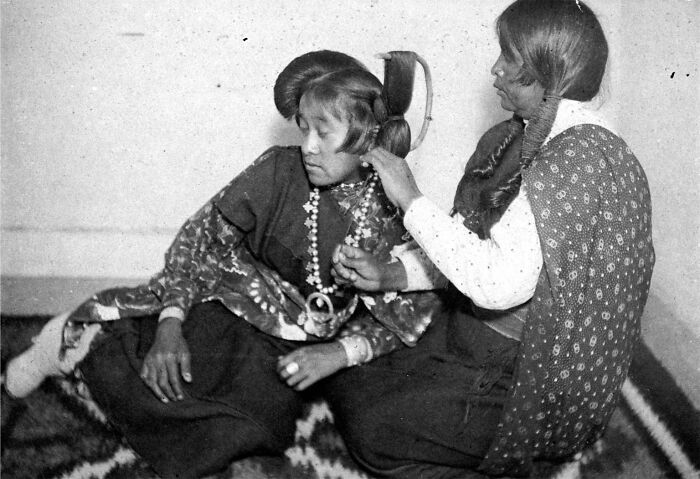
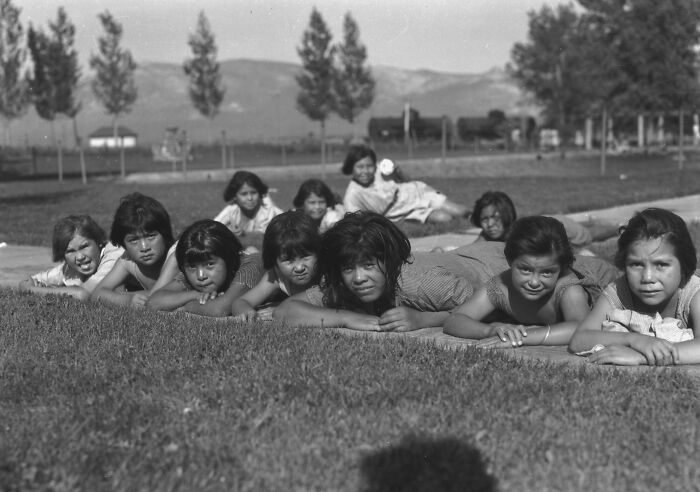
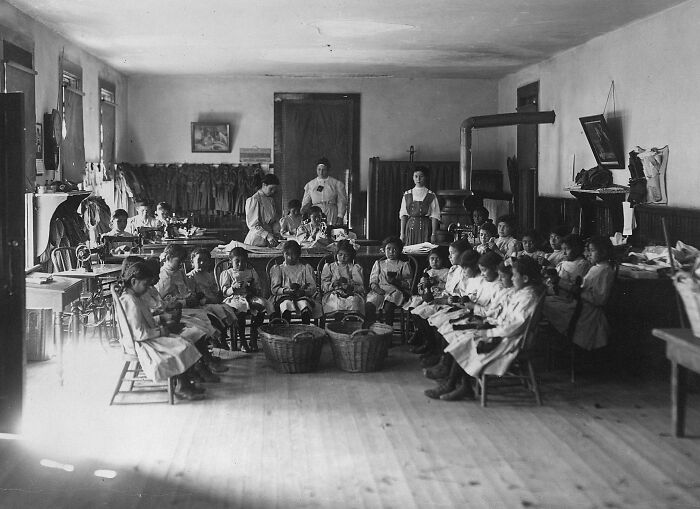
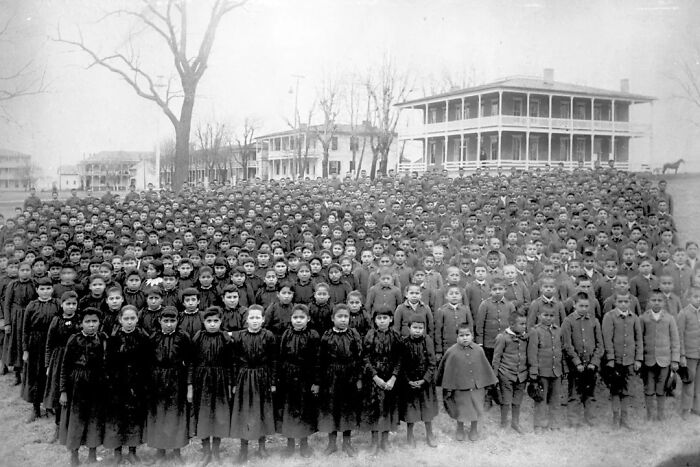
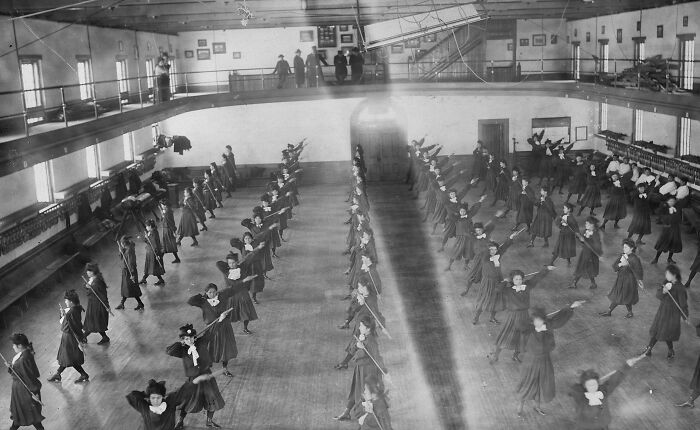
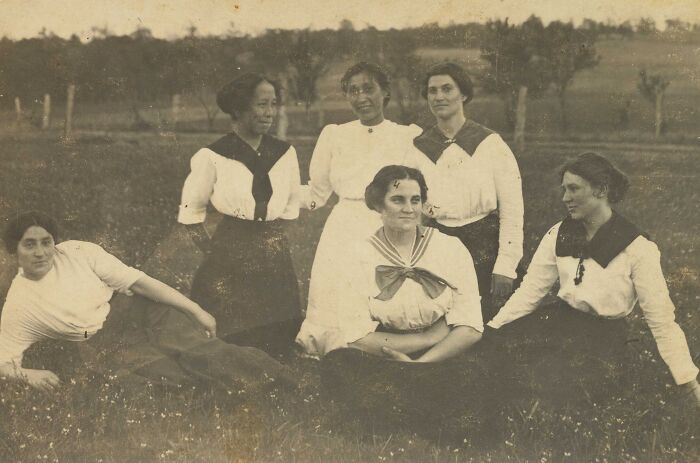
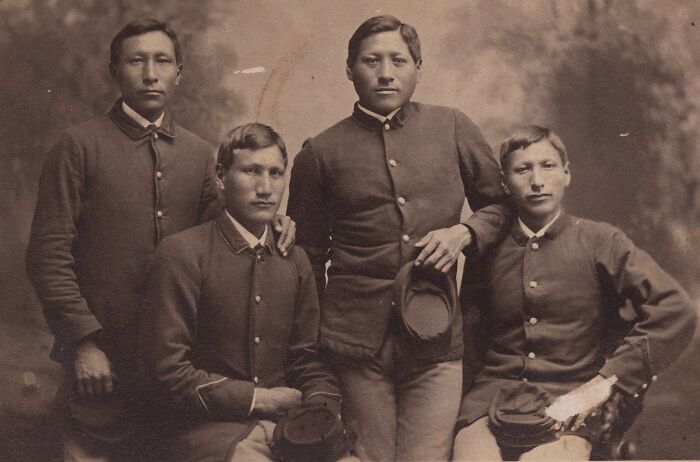
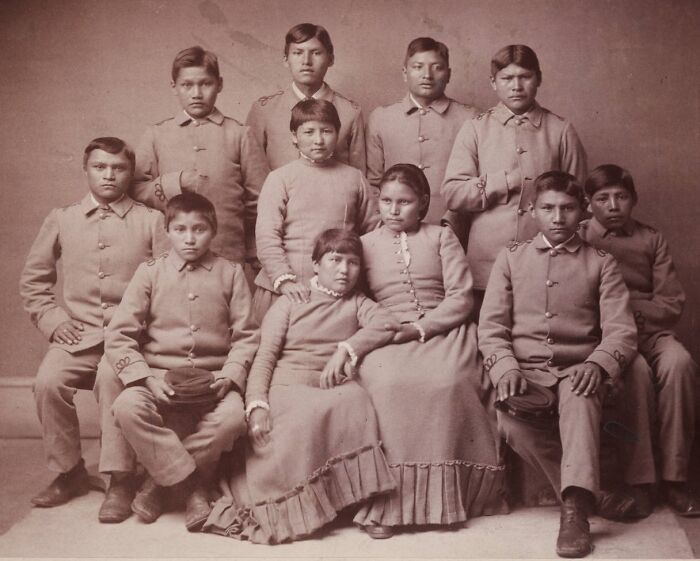
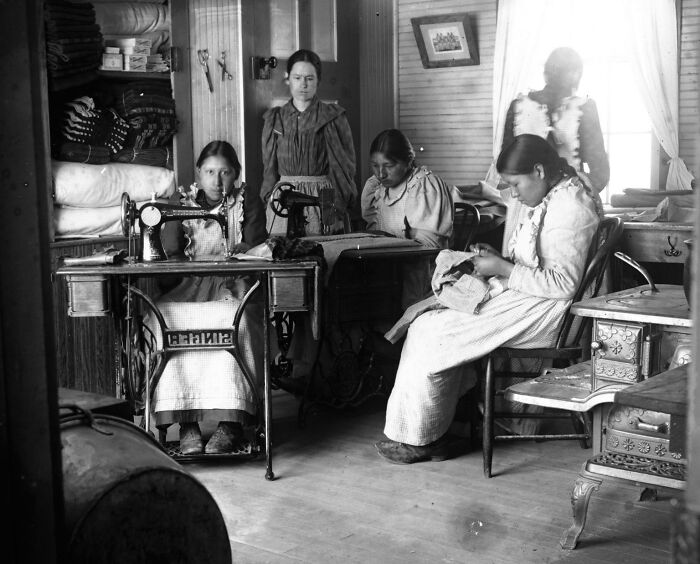
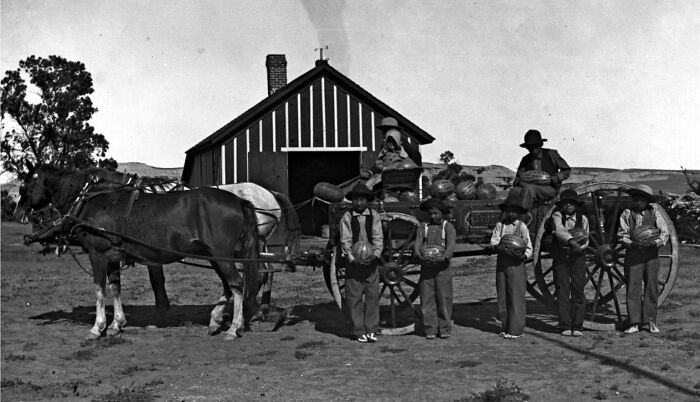
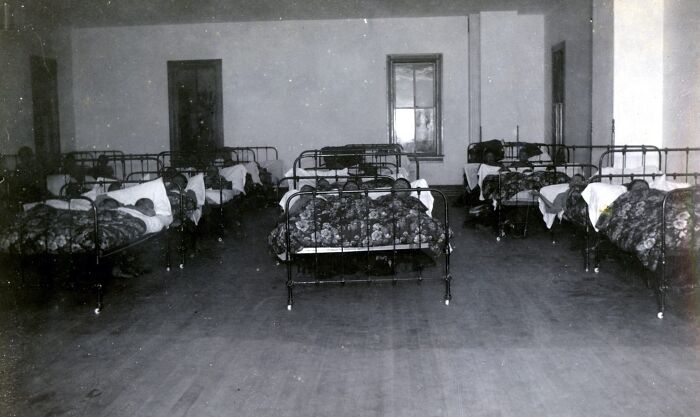
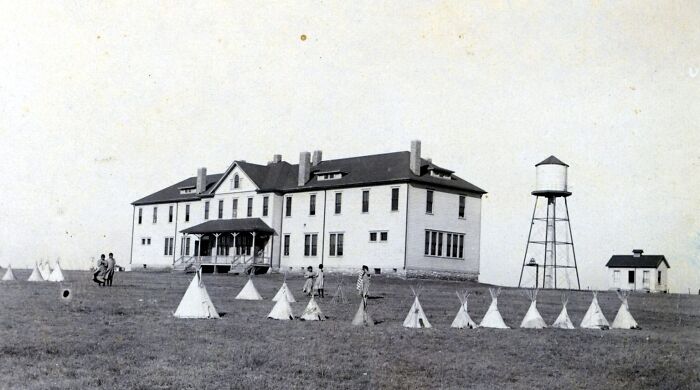
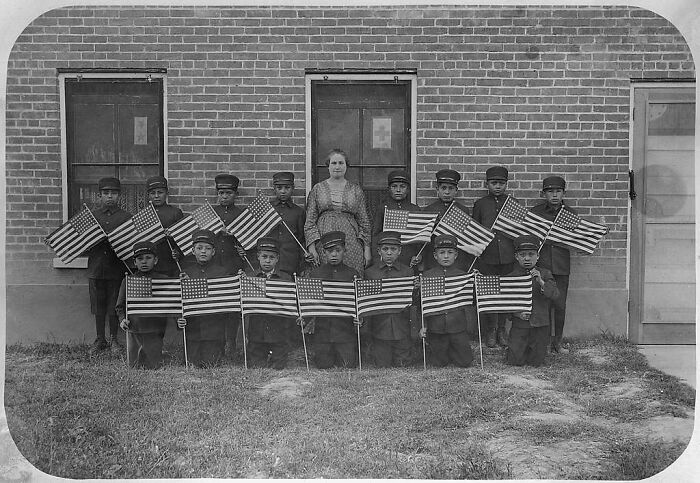
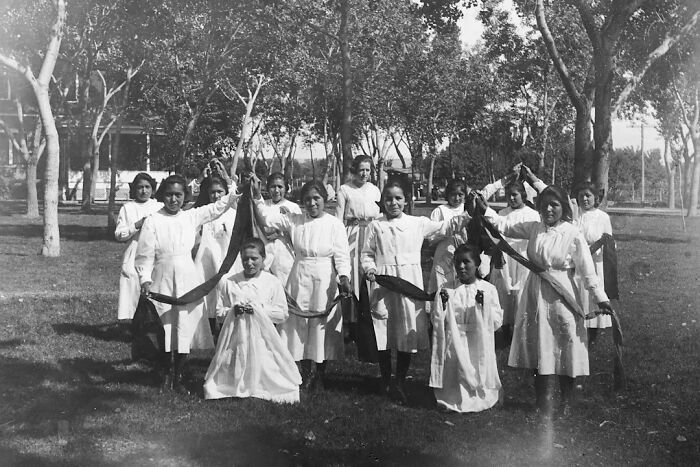
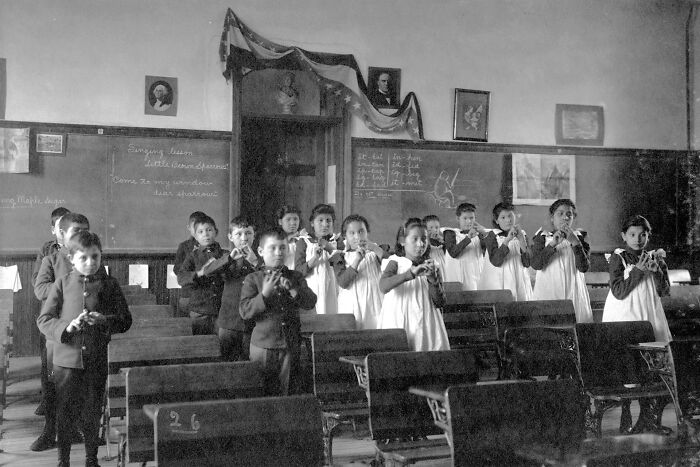
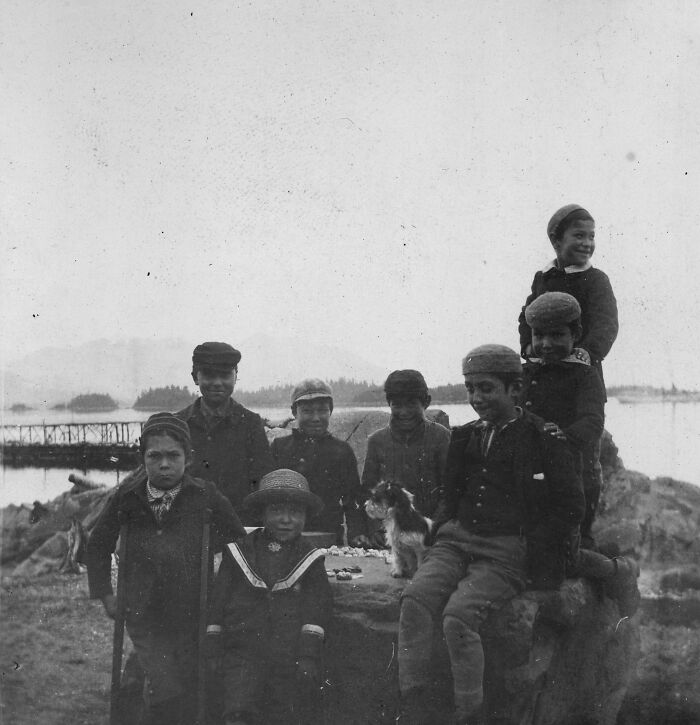
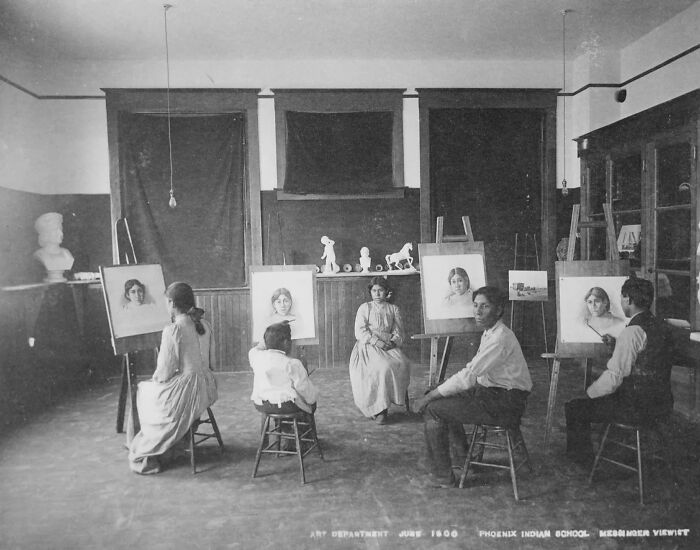
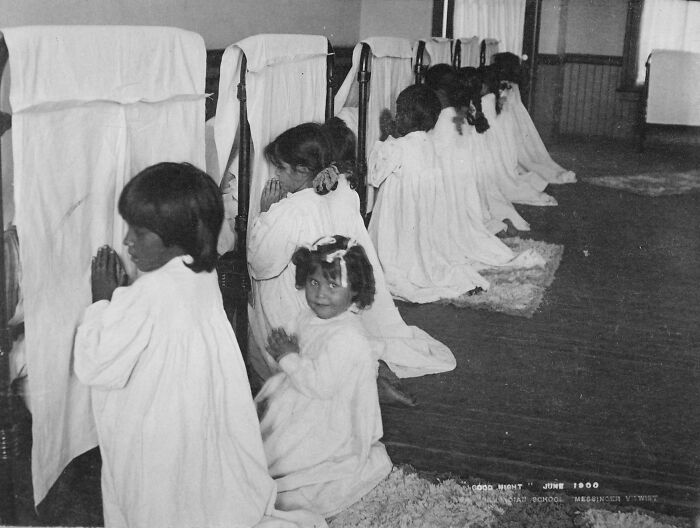
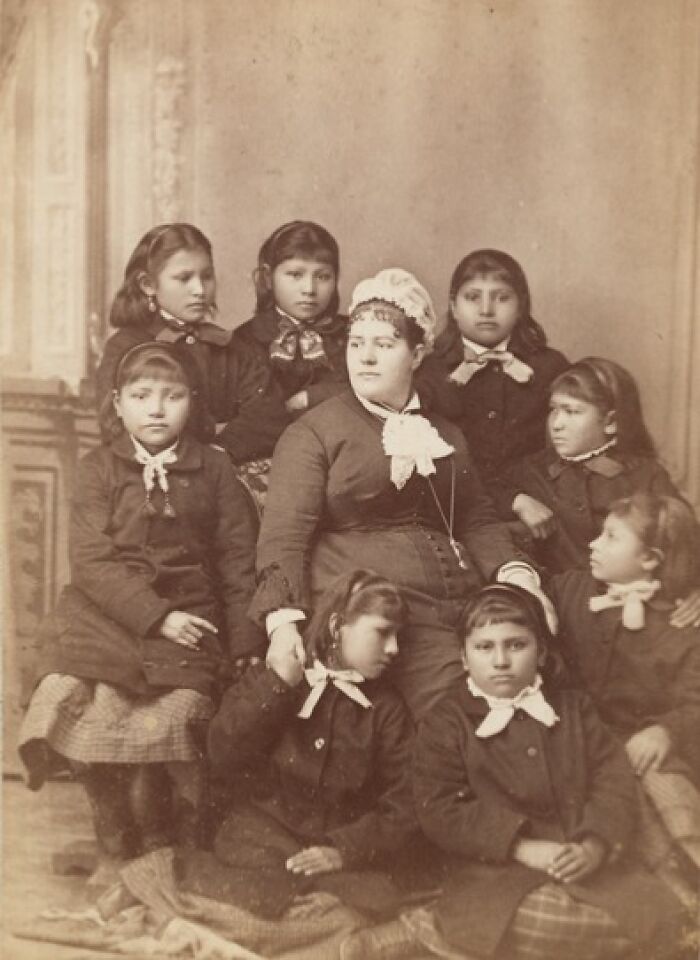
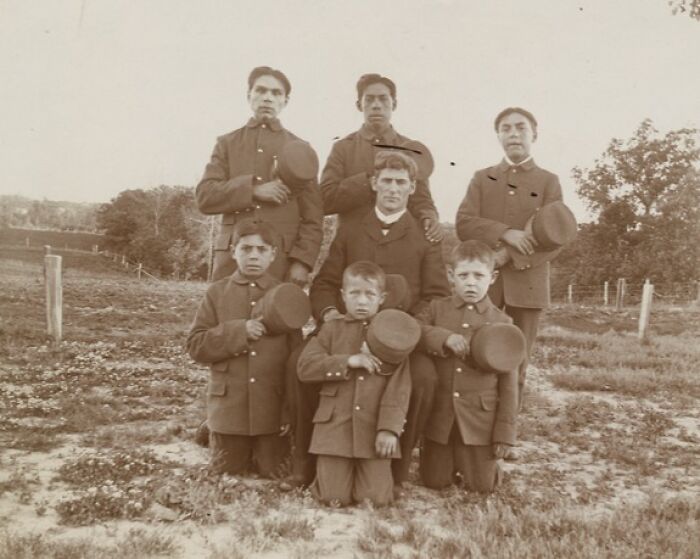
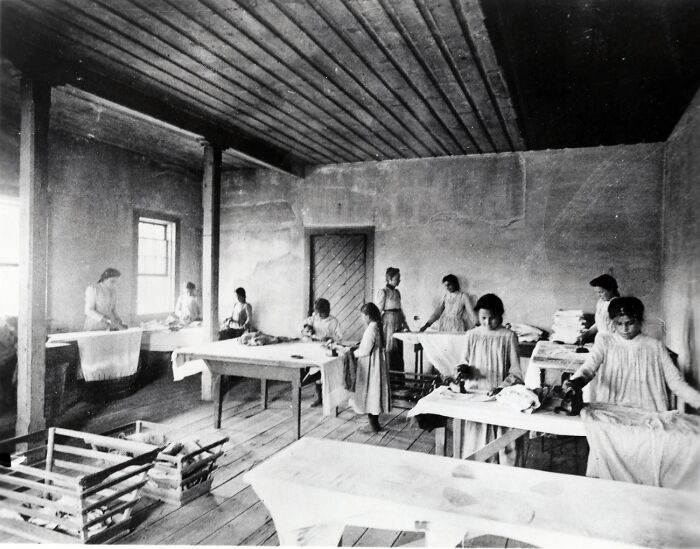
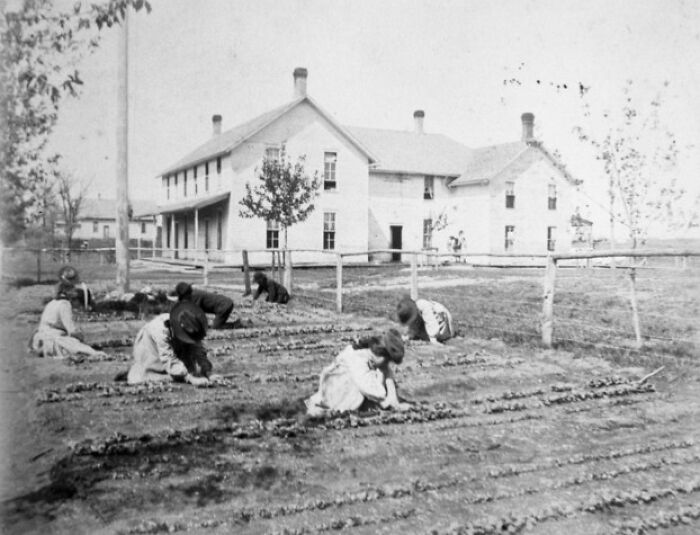
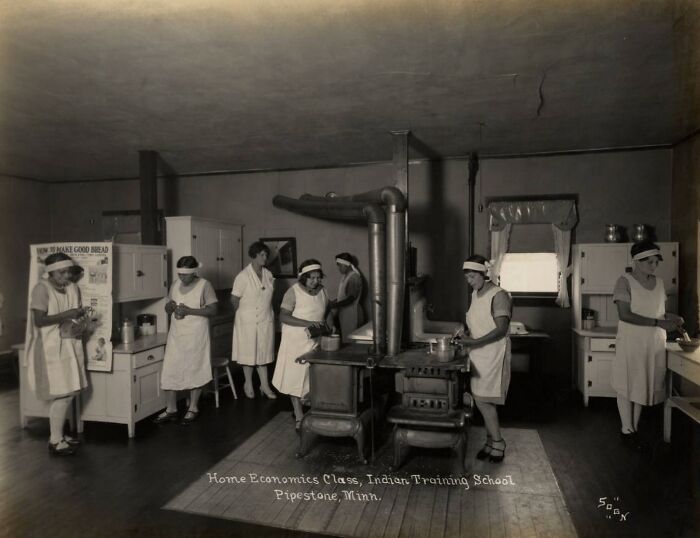
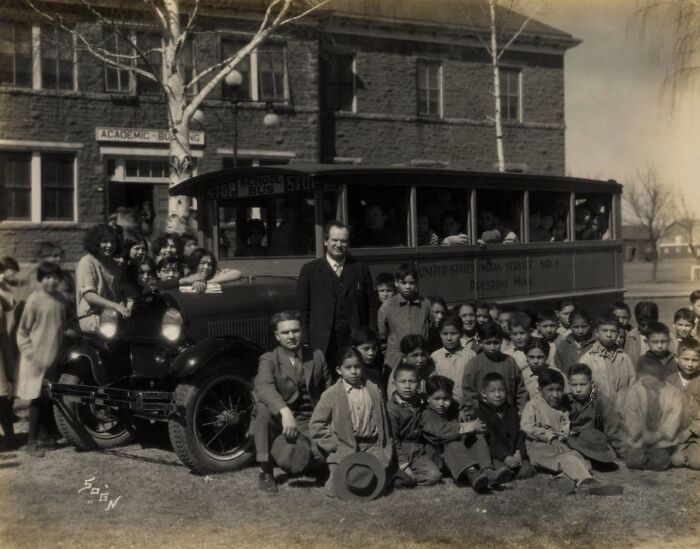
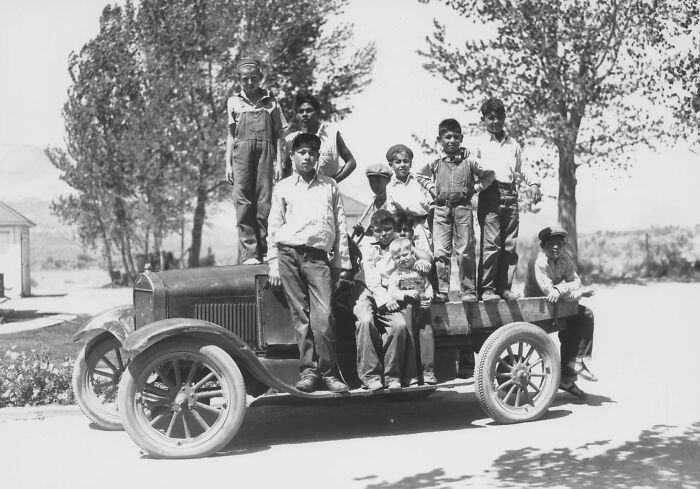
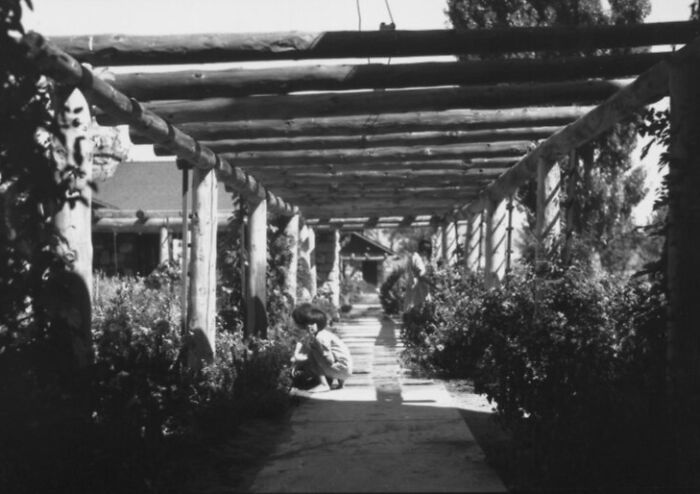
In the 1910s, the United States government's policy toward Native Americans was one of forced assimilation, and its most powerful tool was the off-reservation boarding school. These schools were founded on an inhumane principle of eliminating the "Indian" to save the man. This means children were taken from families, usually by force, and put into boarding schools. At these schools, their hair would be cut, they would be dressed in military-style uniforms, and forced to abandon their native tongue. These gripping photographs show this profoundly complex time in American history and were often used as marketing material to show everyday Americans what kind of "progress" was being made by the policies. Looking back, these photos tell the heartbreaking story of a systematic effort to erase an identity, rather than a governmental success.
This post may include affiliate links.
The structure of daily life in these schools was a lesson in itself. The rigid lines of students marching, the sparse functionality of the dormitories, and the emphasis on industrial labor were all designed to break down a worldview centered on community and nature, and replace it with one of rigid individualism and hierarchy. Every detail in these photographs, from the uniformed clothing to the barren walls of the classrooms, was a deliberate part of this immense and often brutal social experiment.
It is essential to look beyond the posed nature of these photographs and into the eyes of the children themselves. In their expressions, one can sometimes see a profound loneliness and a quiet, guarded watchfulness. This is the look of a child navigating a foreign world far from the warmth of family. They were taught to be ashamed of who they were, yet the very act of their survival within this system is a story of immense, unspoken strength.




























 No fees, cancel anytime