Get Premium
Dark mode theme is available exclusively for premium users. Learn more about the benefits of subscribing.
No fees, cancel anytime.

 Dark Mode Ad-Free Browsing Unlimited Content
 Ad-Free Browsing Unlimited Content Dark Mode
Join 1.2 million Panda readers who get the best art, memes, and fun stories every week!
30submissions
Finished


Most of the time, new inventions only see the light of day after months and months (if not years!) of careful scientific research, planning, constructing, trial-and-erroring, and tons upon tons of hard mental and physical work. And, once they do see the light, it isn’t guaranteed that they will change the world, make a big impact, or even be remembered years later (hello pagers and beepers!). Yup, even in the case where they are the predecessors of something as great as the smartphones we all have nowadays! However, if some cool inventions require tons of effort, some of them happen, well… accidentally. And you know what they say - everything unexpected is not an error but a happy little accident! Thus, these accidental inventions are probably the happiest little accidents ever, since we all know them, use them, and love them. And in some cases - we cannot imagine our lives without them!
Not only did all of these crazy inventions stick around, but they can also be named as the accidental inventions that changed the world, quite literally! Well, okay, cornflakes might not have changed the world, but could you imagine a breakfast without them? However, penicillin, X-ray machines, and superglue did change the course of history, as did chewing gum, matches, and bubble wrap. See, we weren’t kidding when we said these cool inventions were groundbreaking, even if completely accidental. What’s even better is that each of the amazing stories of the invention is usually rather funny, which makes for awesome reading material – both entertaining and actually useful!
Now, ready to take a look at all of these awesome, accidental, serious, and at times funny inventions that have made it to our list? If so, be our guest and scroll down below! Be sure to read the fun facts about accidental inventions accompanying each of the submissions and give your vote to the stories (or inventions) you enjoyed the most.
This post may include affiliate links.
One of the first antibiotics in human history, Penicillin, was discovered in 1928. However, its discoverer, Dr. Alexander Fleming, never intended for it to "revolutionize all medicine," as he subsequently put it. Fleming discovered the antibiotic entirely by accident when he left out cultures of Staphylococcus aureus in his lab for two weeks and discovered that a mold called Penicillium notatum had stopped their growth.
Scientist Edward Benedictus was working in his lab one fateful day in 1903 when he unintentionally knocked over a flask. As Benedictus looked down, he saw that the glassware had only slightly cracked while preserving its shape, instead of shattering into a million tiny pieces. Further investigation revealed that the cellulose nitrate coating on the interior of the glass had held the glass together, leading to the invention of safety glass.
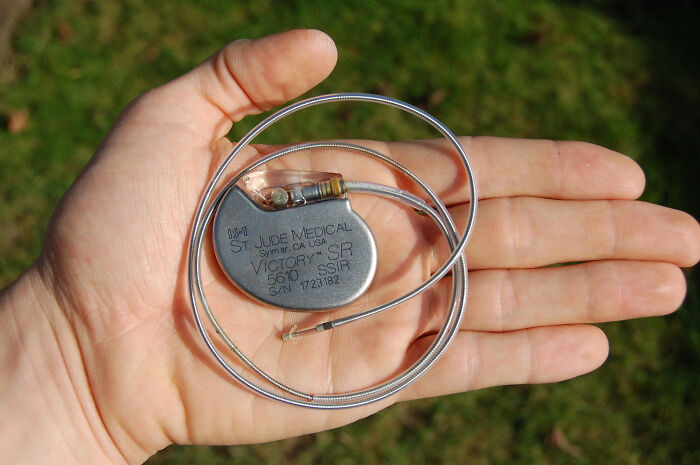
Wilson Greatbatch, an associate engineering professor at the University of Buffalo, unintentionally created the pacemaker in 1956. The scientist was developing equipment to record heart sounds when he used the wrong transistor and found that instead of recording noises, his creation produced an electrical pulse that resembled the heart's. Together, Greatbatch and William Chardack, a surgeon at Buffalo's Veterans Administration Hospital, were successful in controlling a dog's heartbeat in 1958 and a human heartbeat in 1960.
A 22-year-old chemist Robert Augustus Chesebrough was intrigued by the potential uses for petroleum and decided to travel to the location of its discovery - Titusville, Pennsylvania to experiment with it. The substance known as Vaseline was created due to Chesebrough's observation that the workers drilling for petroleum would apply a byproduct of the pumping equipment - a jellylike substance that was cleaned off of it and often applied to their skin to treat cuts and burns.
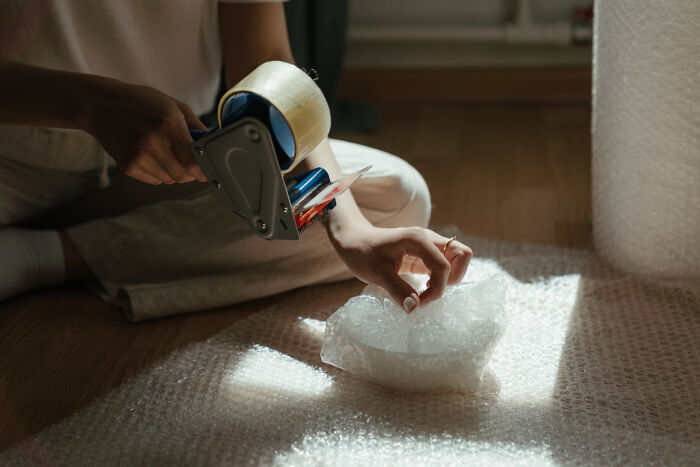
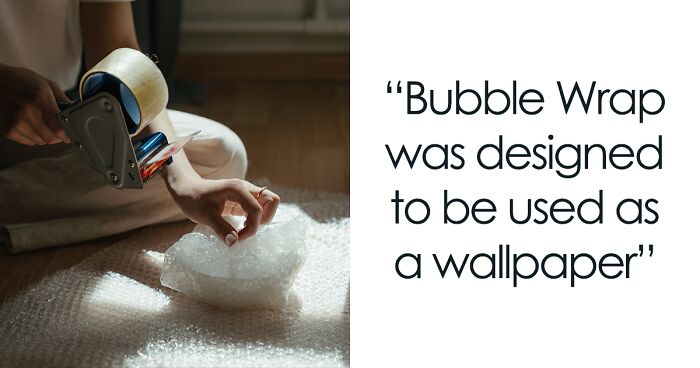
Although bubble wrap was intentionally created by engineers Marc Chavannes and Alfred Fielding, it was never intended to be used as packing material. Nevertheless, after the two business owners' bubbling wallpaper failed to catch on, they changed course and began selling their product as greenhouse insulation and then, in 1960, as protective packaging.
While walking his dog, Swiss engineer George de Mestral noticed the bothersome burrs that clung to his clothing. He discovered that the burrs possessed tiny hooks that gave them the ability to attach to clothing and fur with ease. De Mestral was motivated to create a fastening mechanism that made use of the same idea by Nature's design for the burrs. The end result was what is now known as Velcro.
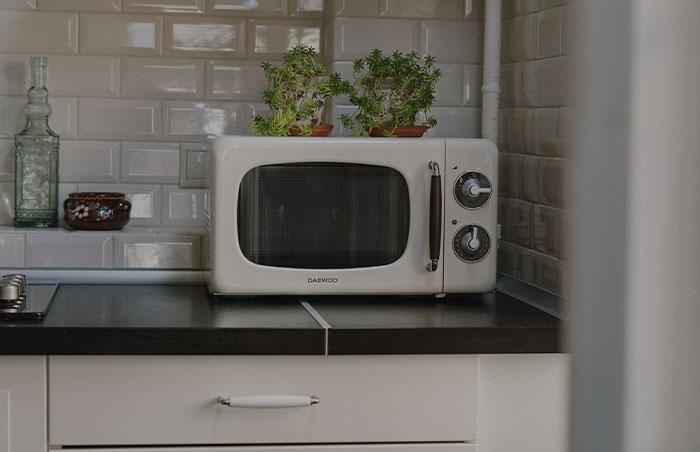
Percy LeBaron Spencer was doing his job as usual, working on high-powered vacuum tubes that generate short radio waves. He noticed the candy bar that he had in his pocket had melted. The engineer understood that the magnetrons were responsible for this phenomenon. And in 1945, he had already applied for a patent for his microwave-powered metal frying box or a microwave oven as we know it today!
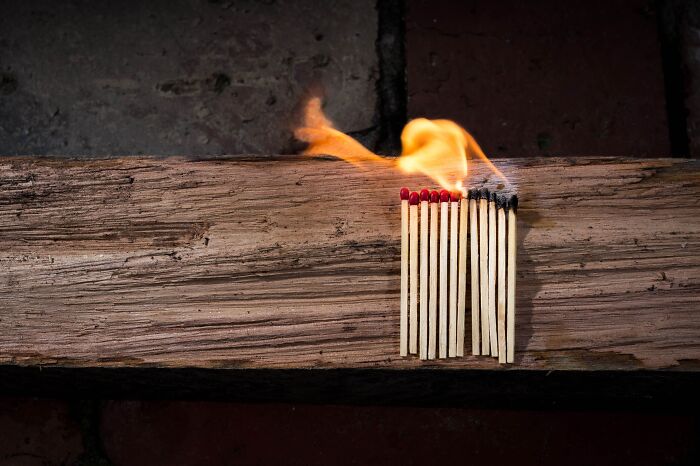
When chemist John Walker unintentionally scraped a stick wrapped with chemicals across his fireplace and noticed that it caught fire, he made the discovery that would later become known as matchsticks. Walker initially used cardboard to create his "Friction Lights," as he dubbed them but soon converted to utilizing wooden splints and sandpaper. By the way, this invention dates back to 1826!
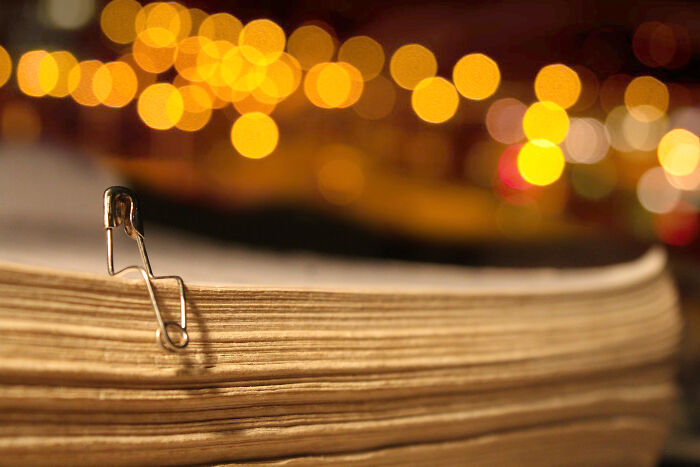
Walter Hunt, an inventor, is said to have started playing around with some wire while working at his desk and trying to figure out how to pay off some debts. Hunt invented the safety pin on April 10, 1849, after experimenting with a scrap of metal and discovering that, when coiled, it could clasp to itself and unclasp once more.
According to the Post-it website, while researching powerful adhesives, 3M scientist Dr. Spencer Silver discovered one that "stuck gently to surfaces but didn't strongly adhere to them." When Silver first discovered it, he had no clue what to do with it. However, years later, Art Fry, another 3M scientist, approached Silver to develop a bookmark that could adhere to paper without tearing it. That bookmark eventually evolved into the Post-it note - the ultimate piece of paper to write little "I love you" notes on!
Scientist Wilhelm Conrad Rontgen was working on a vacuum tube experiment at his lab in Wurzburg on November 8, 1895, when he became aware of a strange glow coming from a nearby chemically coated screen. Confounded and intrigued, he gave the mysterious new rays causing this glow the name "X-rays" because of their then-unexplained origin. After experimenting with the new rays, he discovered that holding his hand in front of the glow allowed him to see through his skin to his bones, creating the first X-ray picture in history.
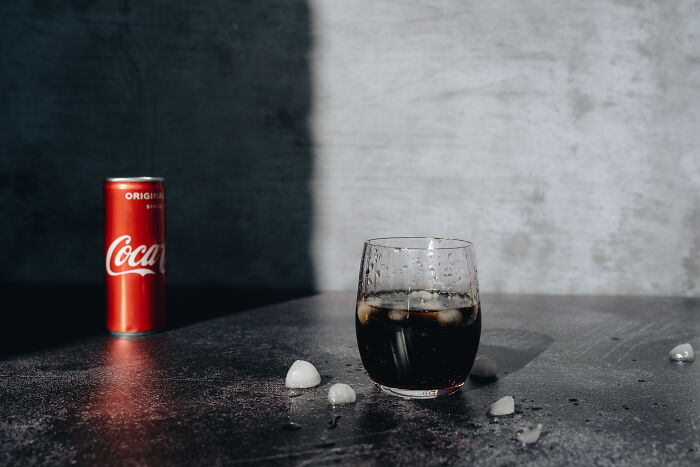
The man who developed the syrup for Coca-Cola was not a chef and had no business with the food industry. Instead, Dr. John Stith Pemberton was a pharmacist. He wanted to make an alcoholic beverage that was loaded with caffeine and cocaine so that drug addicts like himself could use it to wean themselves off of morphine and other substances. The first bottle of Coca-Cola was created in 1886 when Pemberton removed the alcohol from the recipe due to Prohibition. However, cocaine remained a part of the concoction for years to come!
Dr. George Nicholas Papanicolaou developed the concept for the Pap smear, a procedure used to check for cancer while looking at a slide of cells extracted from a woman's uterus. Papaniculaou's first goal was to merely track cellular changes that occur during a woman's menstrual cycle. Still, as he conducted his research, he learned that one of his patients had uterine cancer and that her cancer cells were simple enough to examine under a microscope.
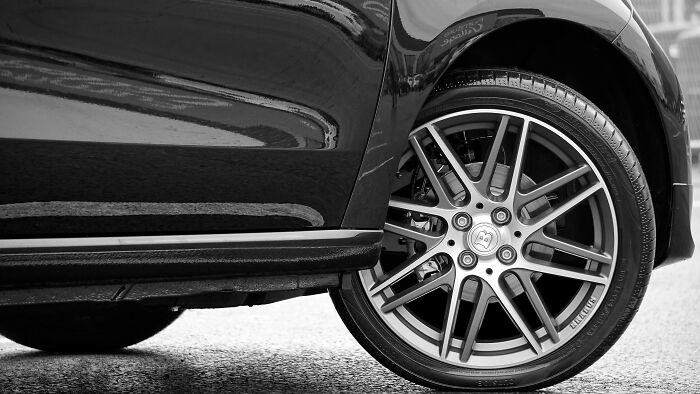
Charles Goodyear accidentally created vulcanized rubber in 1839, which is now used to create durable items like car tires. He had been trying to make a weatherproof rubber for years, but only succeeded when he put some conventional rubber mixed with sulfur onto a hot fire by mistake and discovered that it retained its structure.
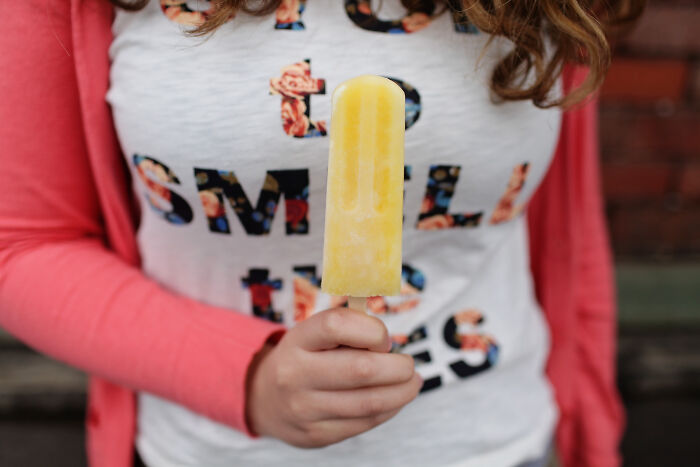
Frank Epperson, an 11-year-old child, created the popsicle when he accidentally mixed soda powder with water and left it out overnight with the stirrer still in. Epperson decided to lick his frozen blend and discovered that it tasted, well, pretty great. The young businessman originally called his creation the Epsicle (a combination of the word icicle and his name), but he later changed the name to popsicle because kids would already call the ice pops "Pop's 'Sicle" anyhow.
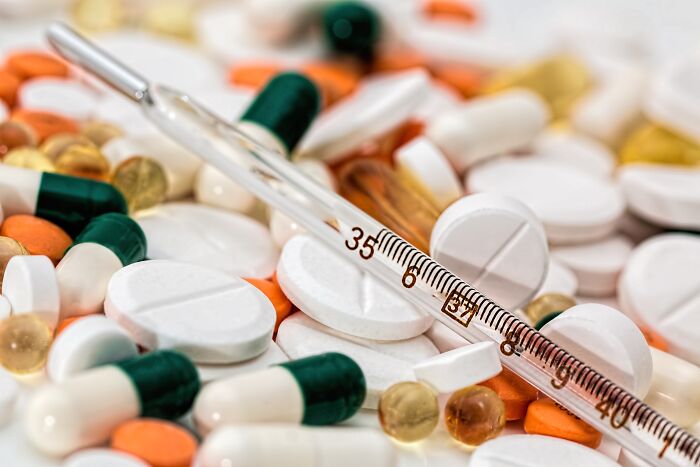
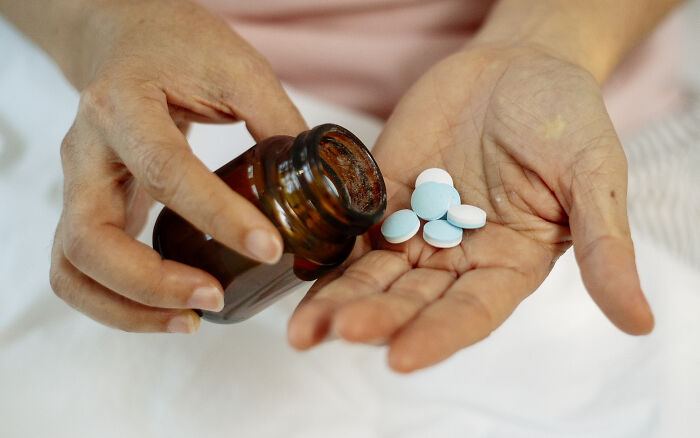
Despite being one of the pharmaceuticals with the highest sales rates ever, Viagra is no longer used for its intended purposes. During its testing phase, Viagra was promoted as a treatment for angina, a cardiac ailment that generates chest tightness. The little blue pill also boosted the frequency and strength of erections, despite the fact that it was unsuccessful in treating angina in research participants.
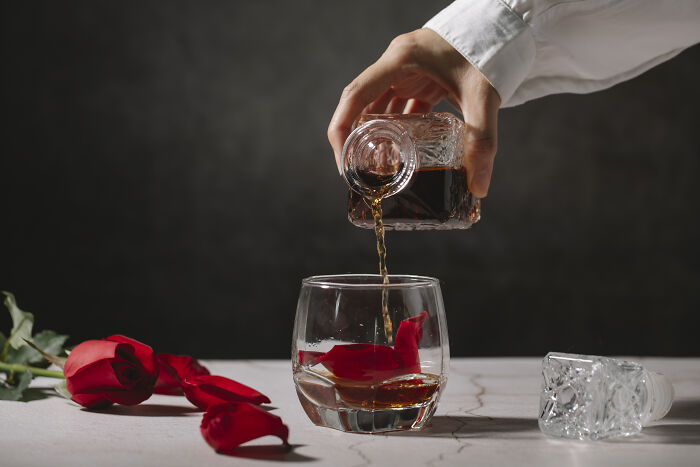
A Dutch shipmaster tried to make wine more transportable in the 16th century by using heat to concentrate the alcohol to add water before consumption. But, he soon realized that concentrated wine tastes far better than wine watered down. As a result, he abandoned the water portion of his idea and gave his new alcoholic beverage the Dutch name brandewijn, which means "burnt wine."
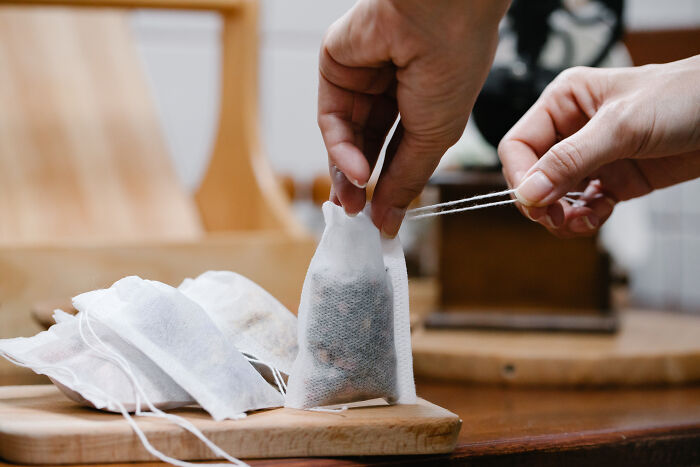
A mesh "Tea-Leaf Holder" was the subject of a patent application by two ladies in 1901, but Thomas Sullivan, a tea trader, is credited with creating the modern tea bag in 1908. Although it wasn't Sullivan's intention for consumers to use the little silk pouches in which he sent his tea samples as tea bags, they did so anyway and enjoyed how convenient it was.
Although quinine was a known healing substance for ages, its first use as an anti-malaria drug is attributed to Charles Marie de La Condamine in 1737.
You can thank Henri Becquerel and Mother Nature for this one. In 1896, the chemist was attempting to make fluorescent materials emit X-rays when exposed to sunshine. He had to leave the goods in his drawer because it was a week of clouds and overcast, which was unfortunate. He opened the drawer when the sun finally emerged and discovered the uranium rock he had been using had left its mark on a nearby photographic plate without being exposed to light.
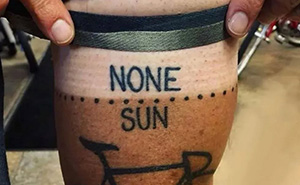
In 1938, Albert Hofmann created his first synthetic version of lysergic acid, a potent molecule that was first discovered from a fungus that grows on rye. He investigated compounds that would be used to make medications, and many of their derivatives are still in use today. He unintentionally sampled his creation in 1943. Hoffmann claimed that while using this drug, he experienced agitation and lightheadedness. He continued to test it, and, well... you heard the legend surrounding The Bicycle Day, right?
Harry Coover was looking for materials to make clear plastic gun sights for the war in 1942 when he came across a chemical mixture that stuck to everything it came in contact with. It wasn't until 1951 that Coover and fellow Eastman Kodak researcher Fred Joyner adopted and repurposed the same recipe as "Alcohol-Catalyzed Cyanoacrylate Adhesive Compositions/Superglue," as the patent says because researchers didn't perceive a need for such a sticky solution.
Teflon is a synthetic polymer that is used to create anything from nail paint to nonstick frying pans. Roy J. Plunkett, the person who found the product, did it entirely by mistake. When the scientist realized that some of the gas he was working with at the time had changed into a white powder, he tested the material further. Plunkett concluded that the substance had low surface friction and was heat-resistant, making it the ideal material for its current uses.
Although Jean Baptiste Jolly worked as a textile maker in the apparel sector, he discovered a new dry cleaning technique by mistake. Jolly didn't realize that kerosene made the tablecloth cleaner until his maid unintentionally toppled a light over it; this observation gave rise to the first dry cleaner.
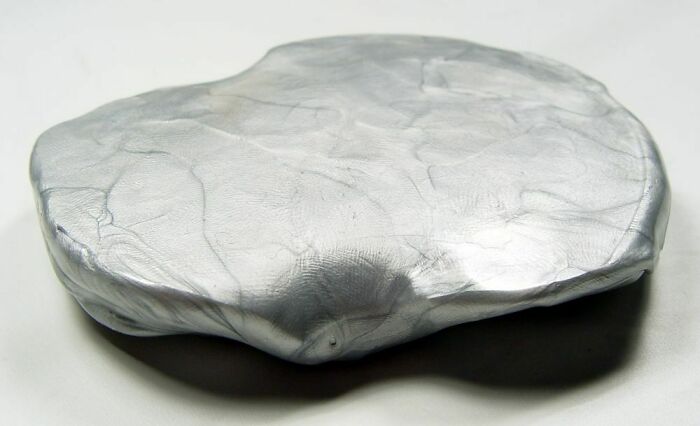
James Wright, an engineer, was charged with developing a less expensive substitute for synthetic rubber during World War II. To develop a replacement, Wright mixed silicone oil with boric acid and found that the resulting substance was flexible and bouncy with the ability to copy words from comic books and newspaper articles. Wright's bosses, however, were displeased by his "nutty putty," and it took a few years before businessman Peter Hodgson saw its potential.
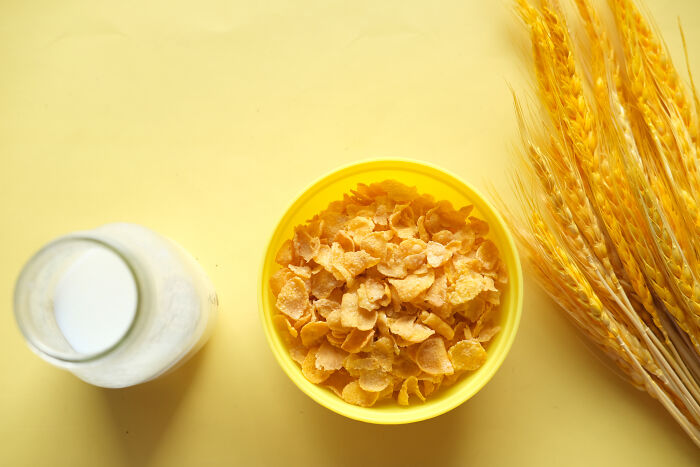
A failed attempt to cook wheat in 1894 was what gave rise to the recipe for Corn Flakes.
John Kellogg was in charge of the medical department at the Seventh Day Adventist Battle Creek Sanitarium at the time. John was attempting to develop a diet for the patients at the sanitarium with the help of his brother William, who also worked there.
The brothers mistakenly overcooked some wheat one day while attempting to prepare it. The wheat was instead divided into flakes when they tried to roll it out into dough after taking it from the burner. As the brothers discovered, the flakes could be baked into a crunchy snack.
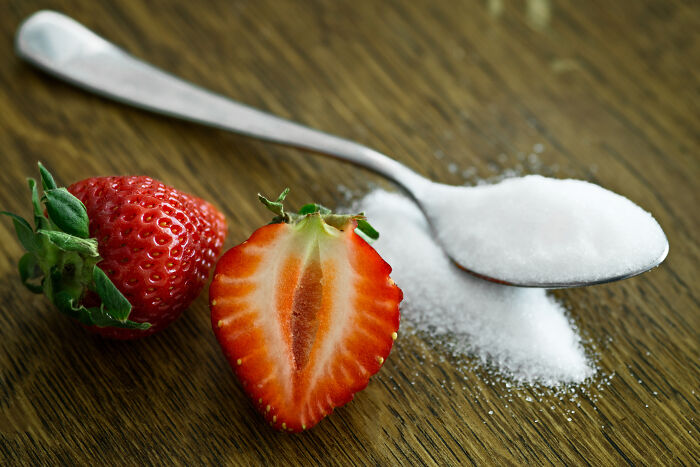
Constantin Fahlberg made the first artificial sweetener, saccharin, in 1878. The Russian chemist discovered how sweet some of the substances he was handling were when he unintentionally tasted them while working in Ira Remsen's lab. After conducting some research, Fahlberg concluded that the reaction of o-sulfobenzoic acid with phosphorus chloride and ammonia produces benzoic sulfinide, or saccharin. That was what gave it the sweet taste without any calories!
Although Ascanio Sobrero created the explosive nitroglycerin, Alfred Nobel was the one who employed it to create dynamites. While living in Paris, Nobel started experimenting with nitroglycerin. Eventually, by mixing the substance with kieselguhr, he unintentionally discovered a means to control it. Several people perished in the invention process, including Nobel's brother Emil.
Even though chewing gum has existed in various forms since the time of the ancient Greeks, the modern variety was not created until the late 1800s. The chewy treat was discovered by an American inventor by the name of Thomas Adams, Sr., but only after attempting and failing to transform chicle, the ingredient used to make gum, into rubber.
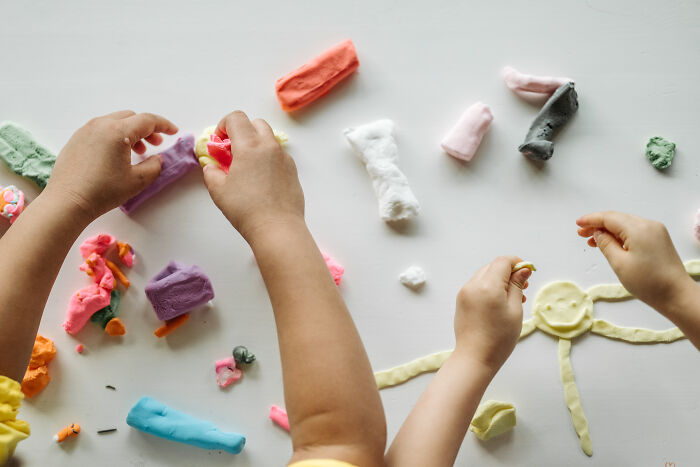
The Strong National Museum of Play claims that the first version of this well-known kids' toy was a cleaning solution. The soap manufacturer Kutol Products created the product, which was on the verge of bankruptcy in the late 1920s. However, Cleo McVicker secured a contract with Kroger grocery stores to produce a ready-made wallpaper cleaner for their stores.

















 No fees, cancel anytime