Get Premium
Dark mode theme is available exclusively for premium users. Learn more about the benefits of subscribing.
No fees, cancel anytime.

 Dark Mode Ad-Free Browsing Unlimited Content
 Ad-Free Browsing Unlimited Content Dark Mode
Join 1.2 million Panda readers who get the best art, memes, and fun stories every week!
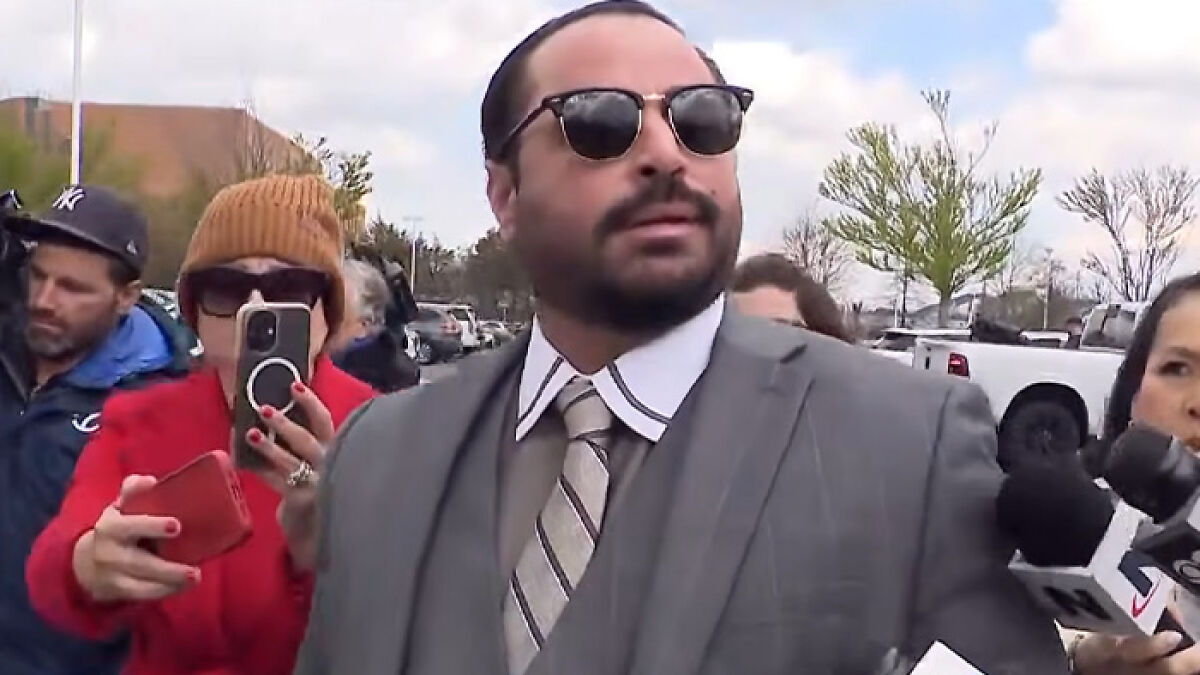
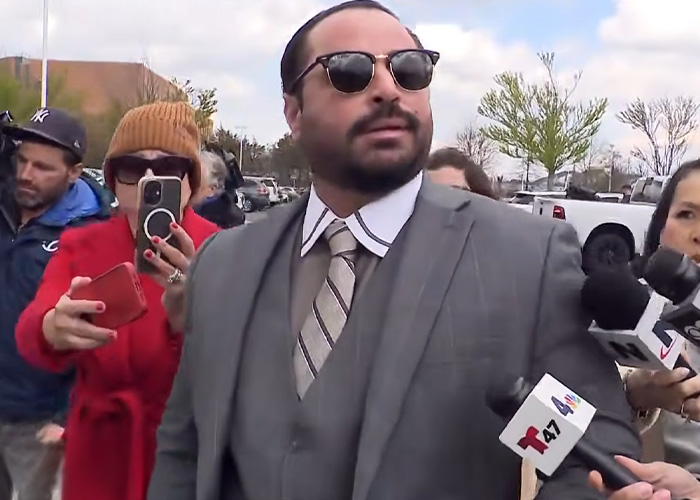
John Gotti’s grandson, Carmine Agnello, has been given an unusual choice by a federal judge.
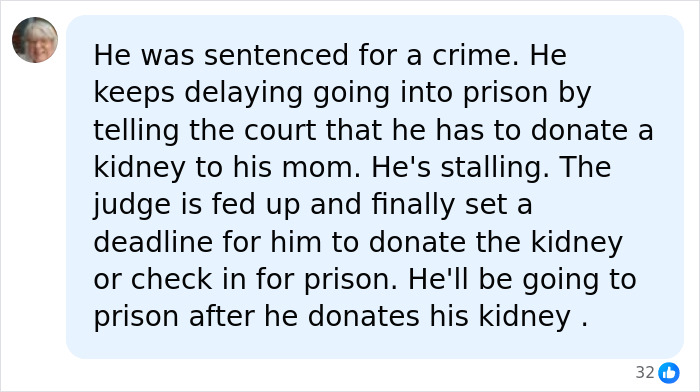
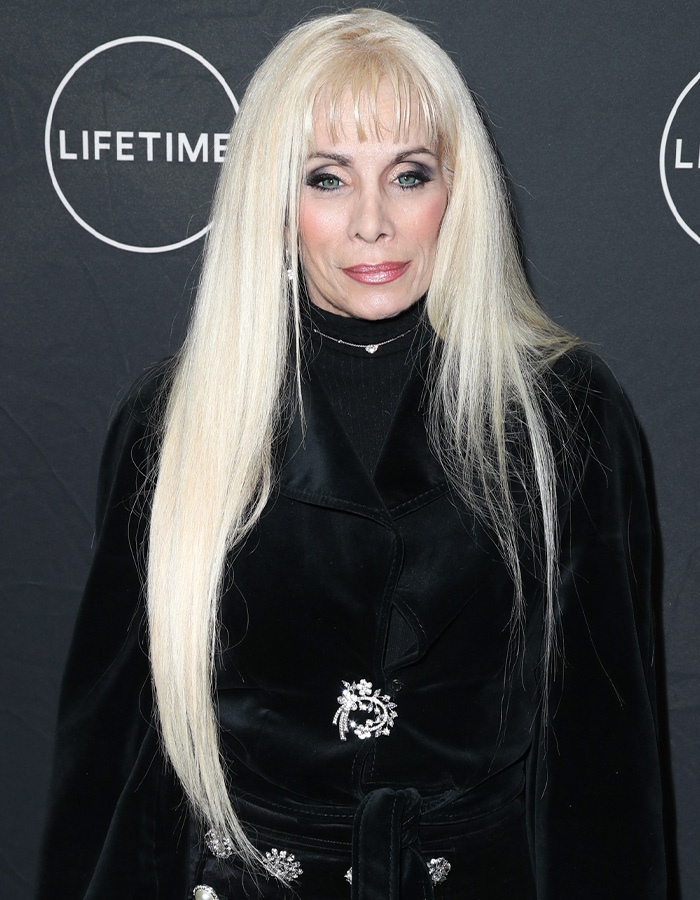
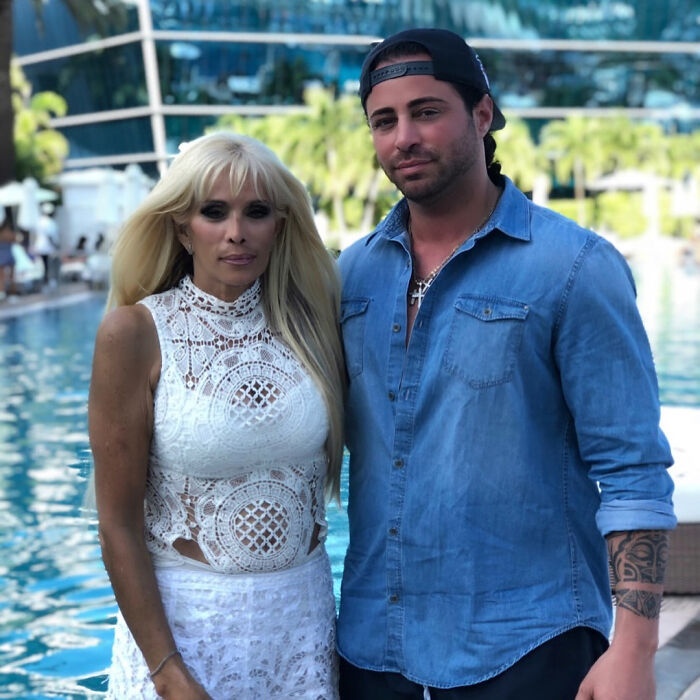
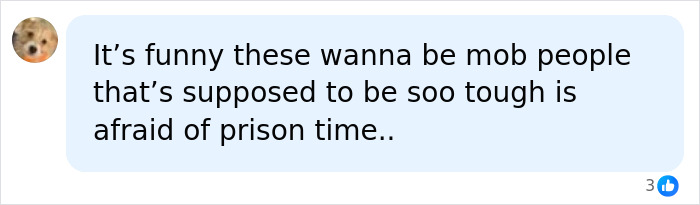
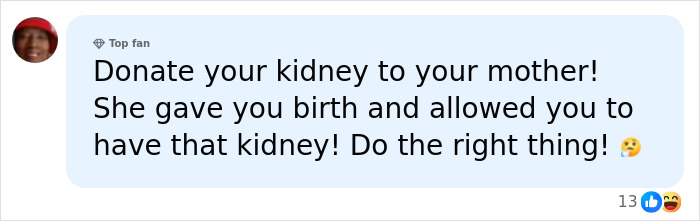
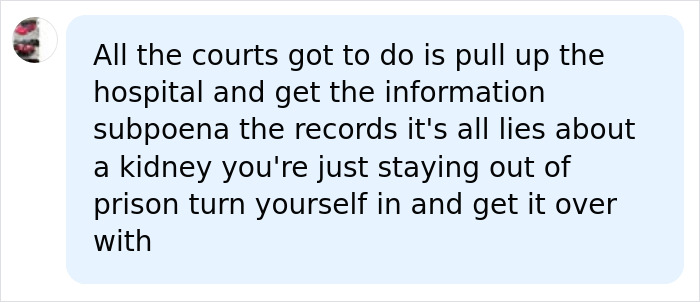
The 39-year-old, who was convicted in a COVID-19 relief fraud case, must either donate a kidney to his mother, Victoria Gotti, by Monday, August 10, or report to prison to begin serving his 15-month sentence.
The judge’s decision came after Agnello asked for more time because his mother’s planned transplant was postponed due to a serious infection.
Agnello, the grandson of later Gambino crime boss John Gotti, was originally scheduled to report to prison on June 20 after being sentenced to 15 months for a COVID relief fraud scheme.
However, the court agreed to delay his surrender because he was expected to donate one of his kidneys to his mother, Victoria Gotti, who is battling end-stage renal disease.
The transplant had been scheduled for August 3, but it did not happen.
According to Agnello, doctors postponed the surgery after Victoria developed a serious infection and needed what he described as a “battery of antibiotics.”
His attorney, Robert Beltrani, told the court that Agnello remained ready to donate.

“Mr. Agnello stands ready to provide the donation and simply awaits word of a green light for surgery.”
After the surgery was canceled, Agnello asked the court to move his prison surrender date again, this time from August 10 to September 18, when he said the transplant was expected to take place.
Instead, Judge Nusrat J. Choudhary issued a firm ultimatum.
According to court records, if the kidney transplant happens on or before Monday, Agnello can remain free until September 18.
If the surgery does not take place by then, he must report to prison by 2 p.m. Monday to begin serving his sentence.
Federal prosecutors have repeatedly opposed Agnello’s requests for additional time.
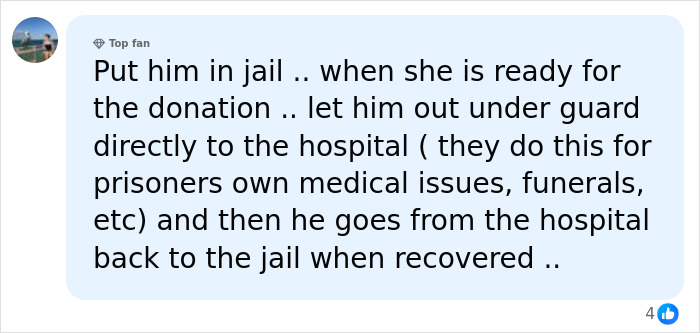
They argued that donating a kidney does not justify delaying his prison sentence because the procedure could still be arranged while he is in federal custody.
Court filings noted that the Federal Bureau of Prisons has medical facilities capable of handling inmates who undergo organ donation.
Prosecutors previously told the court, “Planning to donate does not preclude BOP custody without a delay in surrender date.”
They also argued that becoming a kidney donor does not amount to an “extraordinary family circumstance” that would justify a lighter sentence or further delays.
Despite those objections, the judge initially granted Agnello extra time, but only because the transplant appeared to be scheduled.
Now that the original surgery date has passed, the court has made clear that no further extension will be given unless the operation happens immediately.
Agnello pleaded guilty in 2024 to fraud after admitting he illegally obtained more than $1.1 million in Economic Injury Disaster Loans that were created to help businesses survive the COVID-19 pandemic.
According to prosecutors, he submitted fraudulent loan applications through Crown Auto Parts, falsely claiming the number of employees and how the money would be used.
Instead of using the funds to help businesses recover, much of the money was invested in cryptocurrency.
Along with the prison sentence, the court ordered Agnello to repay approximately $1.2 million in restitution.
View this post on Instagram
Following the sentencing, Joseph Nocella, the U.S. attorney for the Eastern District of New York, said, “During the height of the COVID-19 pandemic, the defendant shamefully lined his own pockets with government and taxpayer dollars, which he must repay as part of today’s sentence.”
Federal prosecutor Charles Kelly also pushed back against suggestions that Agnello’s famous family influenced the case.
“This case is not about John Gotti. It’s about Carmine Agnello. At some point, his actions must become his own.”
View this post on Instagram
His mother, Victoria, wrote directly to the judge before sentencing, asking for compassion.
In her letter, she praised her son’s decision to become her donor.
“He is giving me the GIFT OF LIFE.”
Her lawyers have said she suffers from end-stage renal disease and needs the transplant.
At one stage, Agnello’s attorney argued that sending him to prison before the operation could prevent the life-saving procedure from happening.
During sentencing, however, the defense also told the court that Victoria’s condition had improved enough that the transplant could safely be delayed if necessary.
Even so, Agnello continued asking for more time outside prison so he could undergo the surgery before reporting to federal custody.
@bunniehilton Mother’s Day🌷 Pt.4 (I only found this version of the episode) #growingupgotti#victoriagotti#gottibrothers#viral#fypシ#mobwife♬ original sound – Bunnie
Although prosecutors stressed that the case was about Agnello’s own actions, his family background has remained part of the public conversation.
He is the grandson of John Gotti, the notorious Gambino crime family boss who was convicted on racketeering charges in 1992 and passed away in federal prison in 2002.
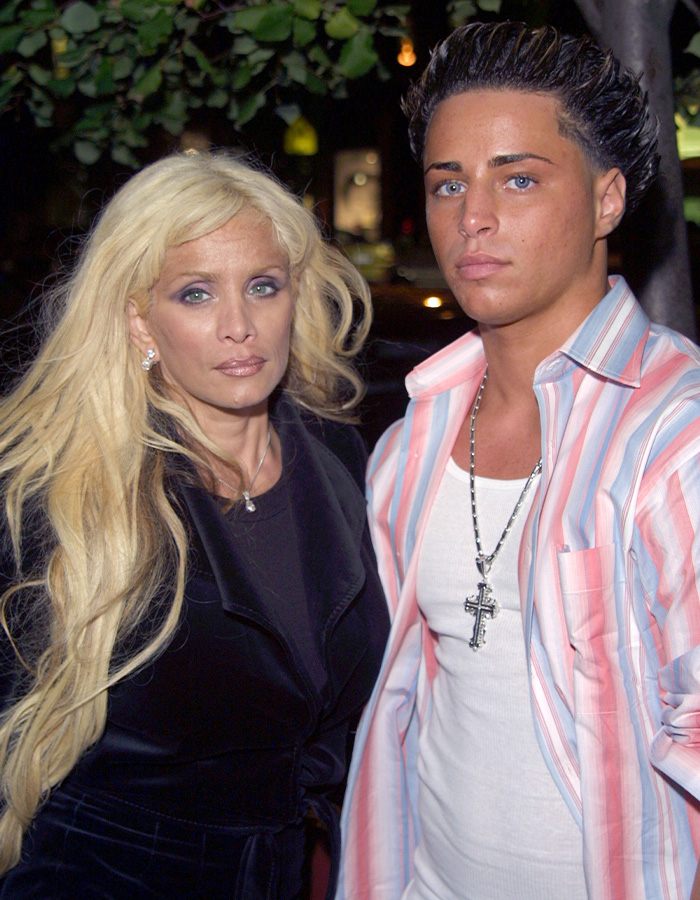
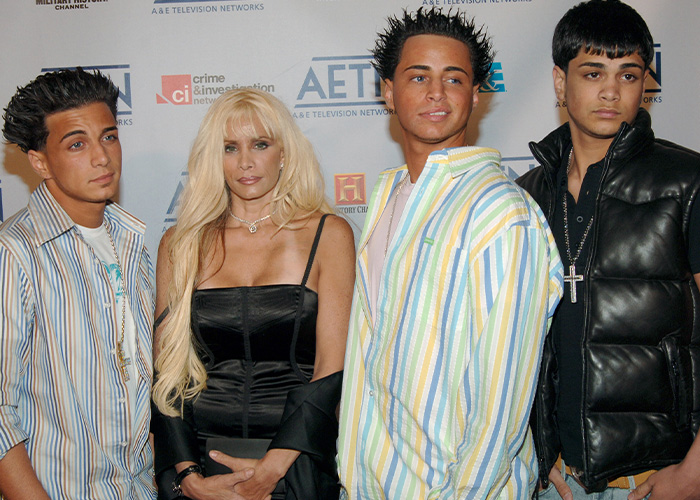
Agnello also grew up in the public eye after appearing as a child on the 2004 reality television series Growing Up Gotti, which followed Victoria and her three sons.
View this post on Instagram
At sentencing, defense attorney Jeffrey Lichtman argued that Agnello’s upbringing shaped much of his life.
“There were really no male role models for Carmine — they were all in jail.”
He added, “He tried to live up to the family name. He didn’t have a childhood that would have led to anywhere besides here.”
For now, Agnello’s immediate future depends on whether his mother’s transplant can move forward before the court’s Monday deadline.
If it does, he will receive one final delay before reporting to prison. If not, he will have to begin serving his 15-month federal sentence while the transplant plans remain uncertain.

By entering your email and clicking Subscribe, you're agreeing to let us send you customized marketing messages about us and our advertising partners. You are also agreeing to our Privacy Policy.
Thank you! You've successfully subscribed to newsletters!














 No fees, cancel anytime









22
8