Get Premium
Dark mode theme is available exclusively for premium users. Learn more about the benefits of subscribing.
No fees, cancel anytime.

 Dark Mode Ad-Free Browsing Unlimited Content
 Ad-Free Browsing Unlimited Content Dark Mode
Join 1.2 million Panda readers who get the best art, memes, and fun stories every week!
21submissions
Finished

Living in the digital age also means learning something new every time you go online. It’s all thanks to resources like the Inside History Instagram page, an account dedicated to providing random trivia.
With over three and a half million followers, it has tidbits of information about life, entertainment, current events, and history from all eras.
We’ve compiled a list of noteworthy images from the page. Scroll through them, and you might find an excellent conversation starter.
This post may include affiliate links.
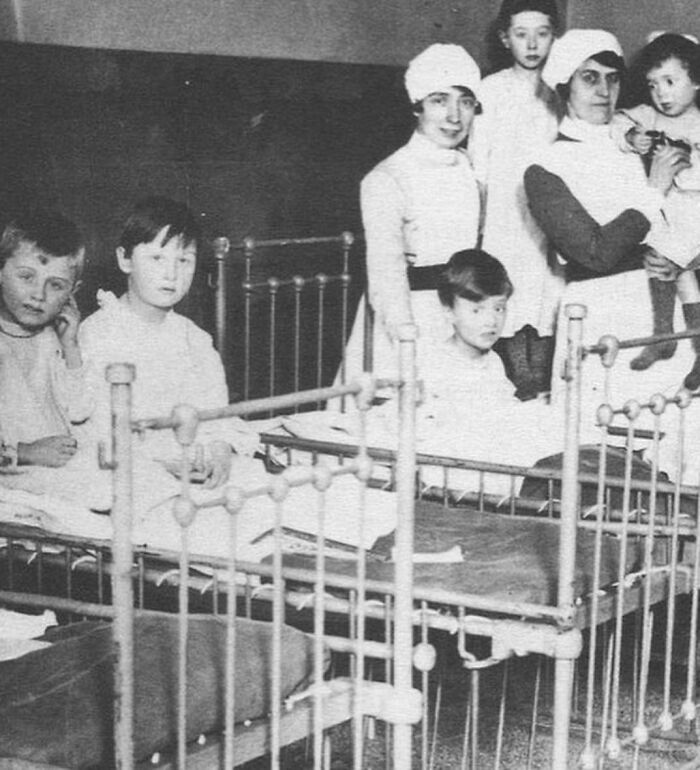
IN 1922, CHILDREN WERE INJECTED WITH INSULIN, ONE BY ONE, ALL OF THEM AWOKE FROM THEIR COMAS
In 1922, a group of scientists went to the #Toronto General Hospital where diabetic children were kept in wards, often 50 or more at a time. Most of them were comatose and dying from diabetic keto-acidosis. Others were being treated by being placed on an extremely strict diet, which inevitably led to starvation. These children were essentially in their death beds, awaiting what was at the time, certain death. The scientists moved swiftly and proceeded to inject the children with a new purified extract of insulin. As they began to inject the last comatose child, the first one to be injected began to wake up. Then one by one, all the children awoke from their diabetic comas. A room that was full of death and gloom, suddenly became a place of joy and hope. In the early #1920s, Fredrick Banting and Charles Best discovered insulin under John Macleod at the University of Toronto. With the help of James Collip, insulin was purified, making it available to successfully treat diabetes. Both Banting and Macleod earned Nobel Prizes for their work in 1923. In the same year, Banting, Collip, and Best decided to sell the insulin patent to the University of Toronto for $1. Banting famously went on to say, “Insulin does not belong to me, it belongs to the world.”
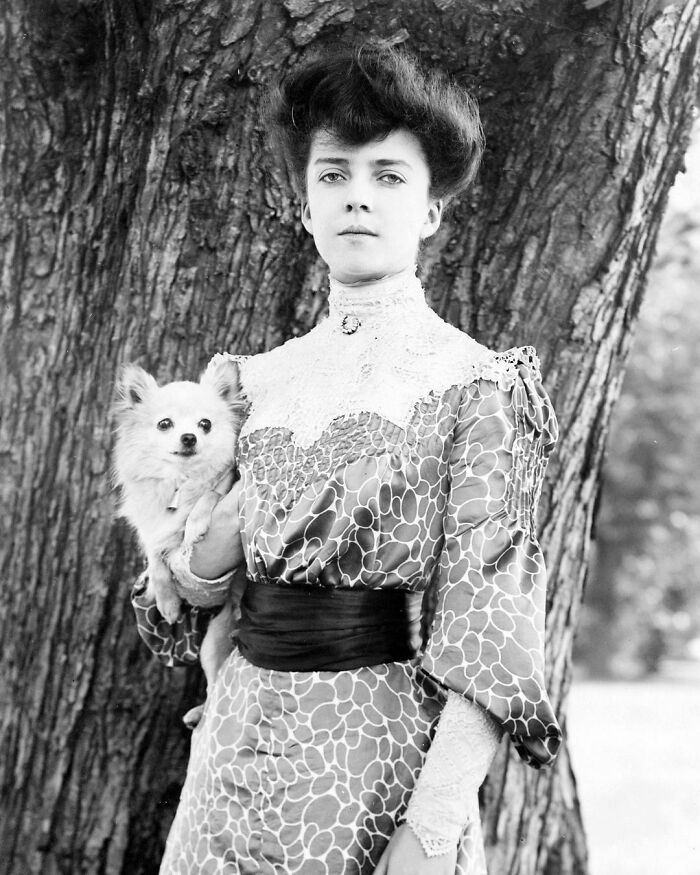
This is 18-year-old Alice Roosevelt and her long-haired Chihuahua named Leo in 1902. She also had a pet snake named Emily #Spinach who she would wrap around on one arm and take to parties.
Alice was extremely independent and unlike many women of her time, she was known to wear pants, drive cars, smoke cigarettes, place bets with bookies, dance on rooftops, and party all night. In a span of 15 months, she managed to attend 300 parties, 350 balls and 407 dinners.
A friend of Alice’s stepmom once remarked that she was “like a young wild animal that had been put into good clothes.” Her stepmom went a step further and described her as a “guttersnipe” that went “uncontrolled with every boy in town.”
William Howard Taft banned her from the White House after Alice buried a voodoo doll (of Taft’s wife) in the front yard. Woodrow Wilson also banned her after she told a very dirty joke (sadly no record of the joke exists) about him in public.
Her father, Theodore Roosevelt famously said, “I can either run the country or I can attend to Alice, but I cannot possibly do both.” Alice once told President Lyndon B. Johnson that she specifically wore wide-brimmed hats around him so that he could not kiss her.
During an interview in 1974, Alice described herself as a “hedonist.” She died in 1980 at the age of 96.
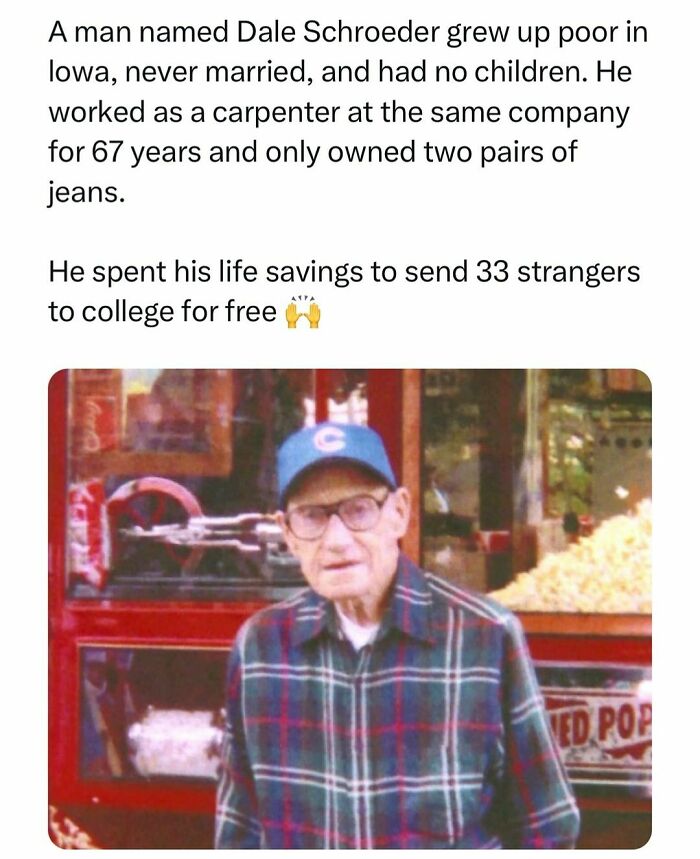
Over the years, Dale accumulated quite a few Social Security checks he never cashed. What Dale really wanted to do with the money was provide kids with an opportunity he never had — to go to college. What he thought to be several hundred thousand dollars turned out to be almost $3 million and was distributed it to people rather than institutions.
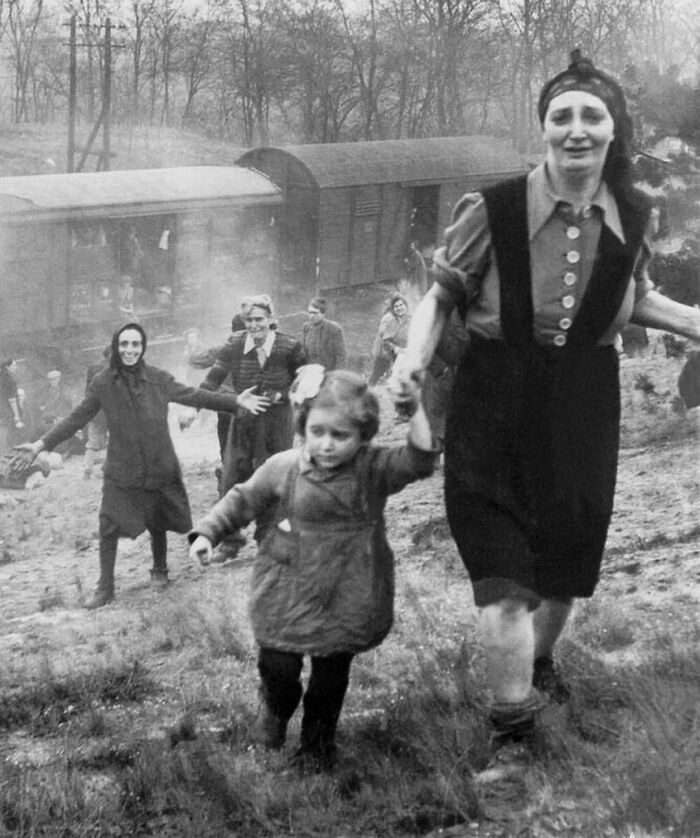
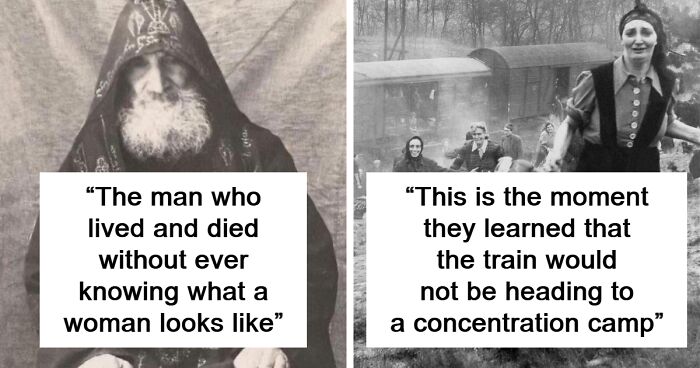
This is such a powerful photo. It was taken in April, 1945 by Major Clarence Benjamin and shows a train of Jewish prisoners that had been intercepted by Allied Forces. This is the moment they learned that the train would not be heading to a concentration camp and they had been liberated.
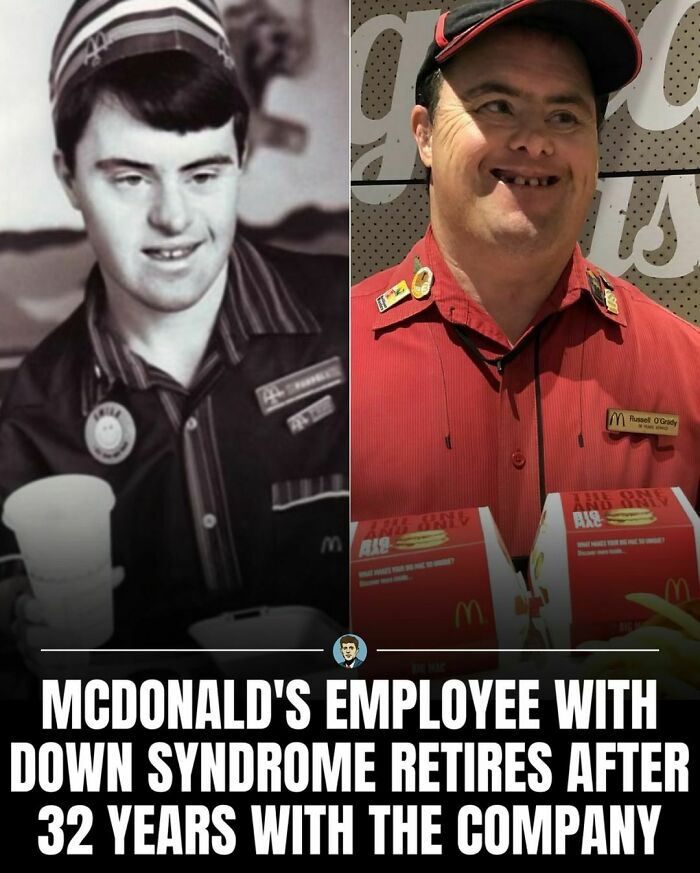
A beloved McDonalds worker with Down’s syndrome has retired after 32 years in the job.
Russell O’Grady, 50, first came to the restaurant in 1984 on a work experience placement organized by Jobsupport, an Australian government initiative that helps people with intellectual disabilities find paid employment, when he was 18-years-old.
He was given a permanent role after the restaurant at Northmead, in Sydney‘s west, recognized his commitment and work ethic.
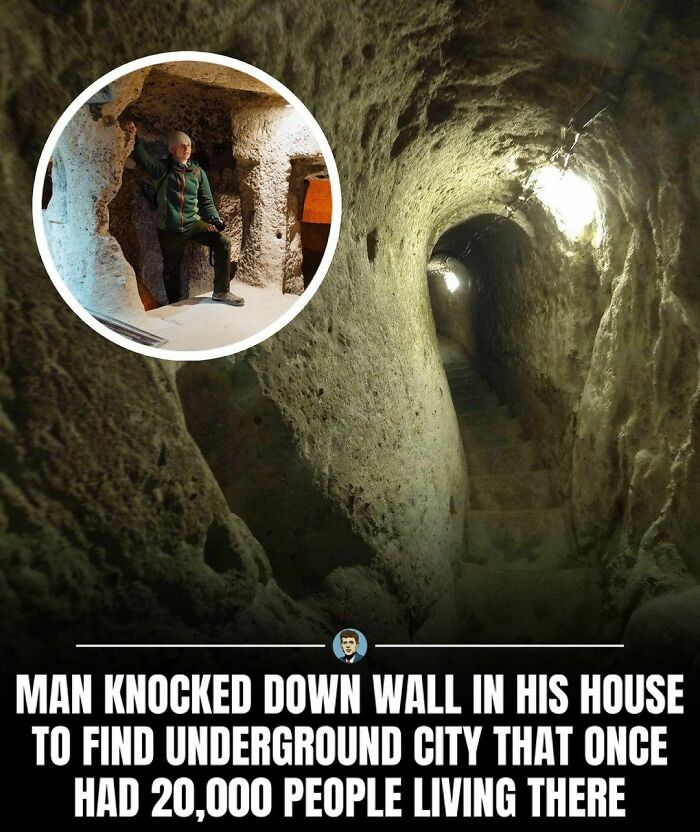
A #Turkish homeowner chasing his chickens through a hole in his basement during renovations came across an abandoned underground Turkish city that once housed 20,000 people.
In an effort to recapture his escaping poultry, the man knocked down the wall in the #1960s to reveal a dark tunnel leading to the ancient city of Elengubu, known today as Derinkuyu.
Derinkuyu, burrowed more than 280 feet beneath the Central Anatolian region of Cappadocia, is the largest excavated underground city in the world and has 18 levels of tunnels containing dwellings, dry food storage, cattle stables, schools, wineries, and even a chapel.
The exact date the impressive city was built remains contested, but ancient writings dating back to 370 BC indicate Derinkuyu was in existence.
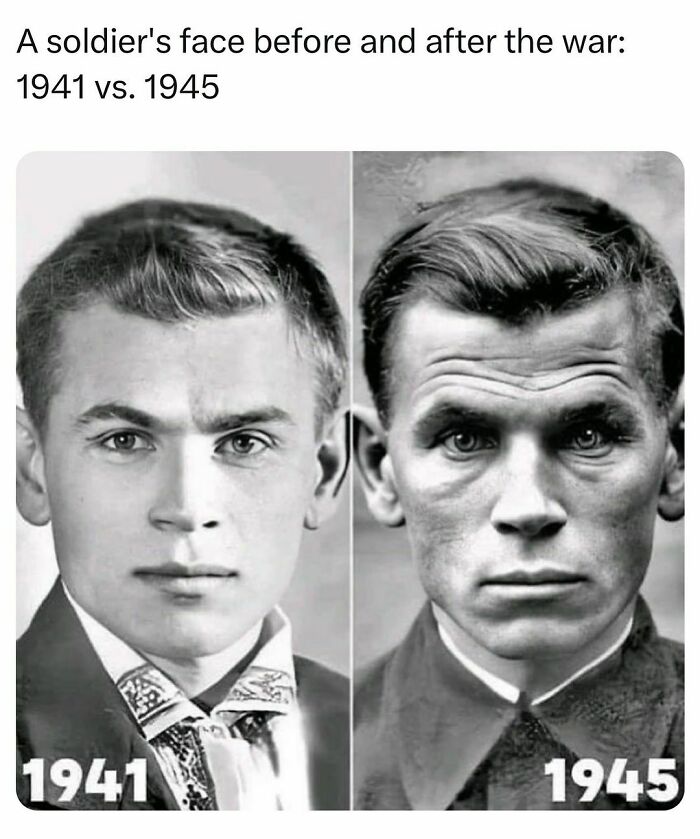
In 1941, the photo on the left was taken of Soviet soldier Eugen Stepanovich Kobytev on the day he left to go to war. The photo on the right was taken in 1945 after the end of the war, just 4 years apart.
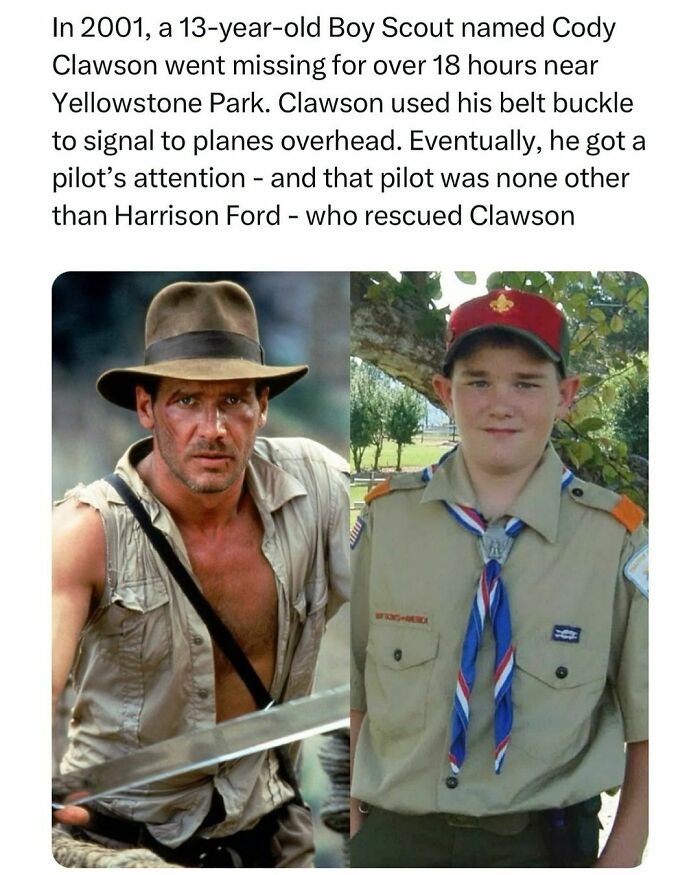
The REAL Indiana Jones. In 2001, Cody Clawson was a 13-year-old Boy Scout when he got lost near Yellowstone National Park in Wyoming. He was missing for more than 18 hours and spent the night curled up in a cave.
When he woke up, he heard airplanes and helicopters overhead. Clawson used his belt buckle to reflect the sunlight and they saw it and landed.
The Boy Scout was shocked to see it wasn’t just a search and rescue crew who landed — the pilot was none other than Harrison Ford.
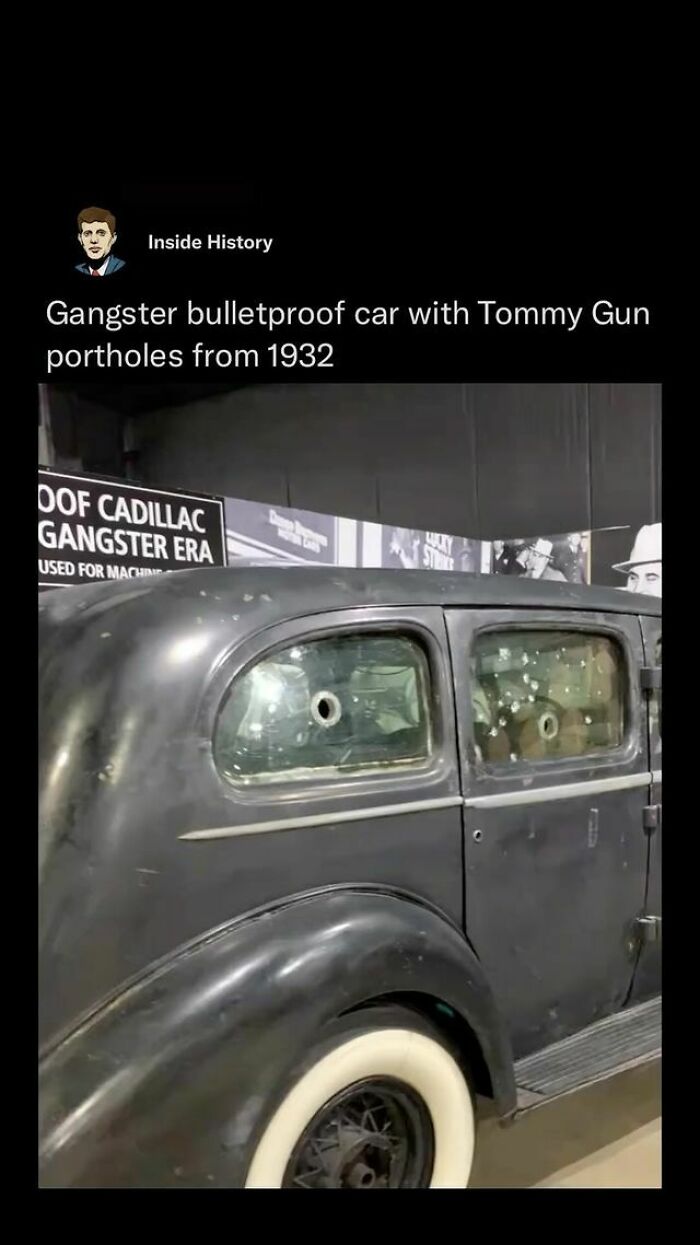
Chicago in the 1920s and 1930s was a notorious hotbed of gang activity, with notorious figures such as Al Capone and Bugs Moran making headlines with their violent exploits.
During this era, gangsters would go to great lengths to protect themselves from rival gangs and law enforcement, often resorting to extreme measures to stay one step ahead. This 1932 Cadillac is one such evidence of this, and it’s on display in the Historic Auto Attractions Museum in Roscoe, Illinois.
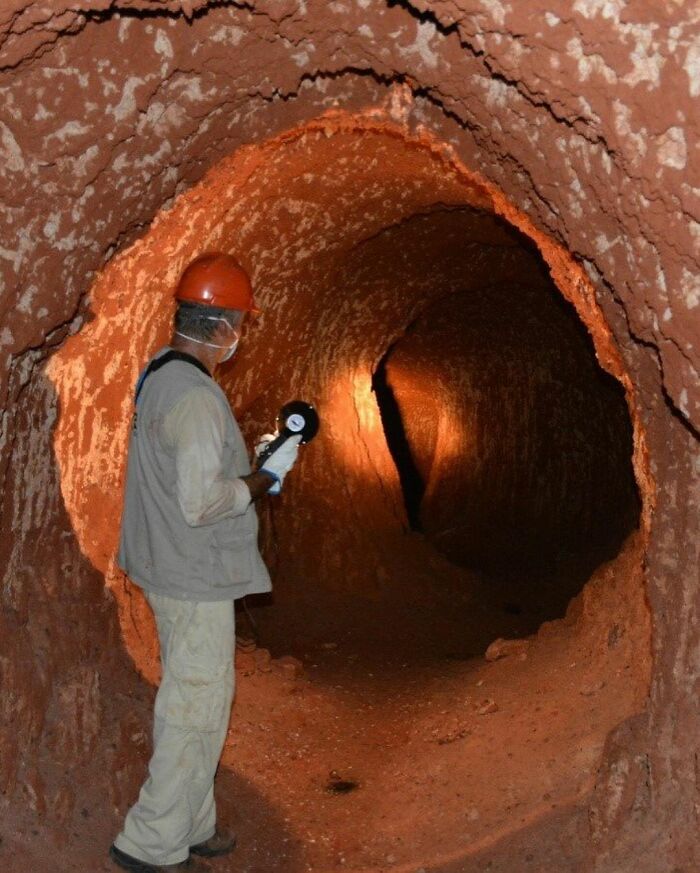
The largest tunnel is over 2,000 feet long. Some are large enough for cars to drive through – but they weren’t man-made. Giant ground sloths dug them in #Brazil over 10,000 years ago.
The walls of the tunnels are covered in giant claw marks from the floor to the ceiling. Geologists call the tunnels “paleo burrows,” which are believed to have been dug by a now-extinct species of giant ground sloth as big as #Elephants.
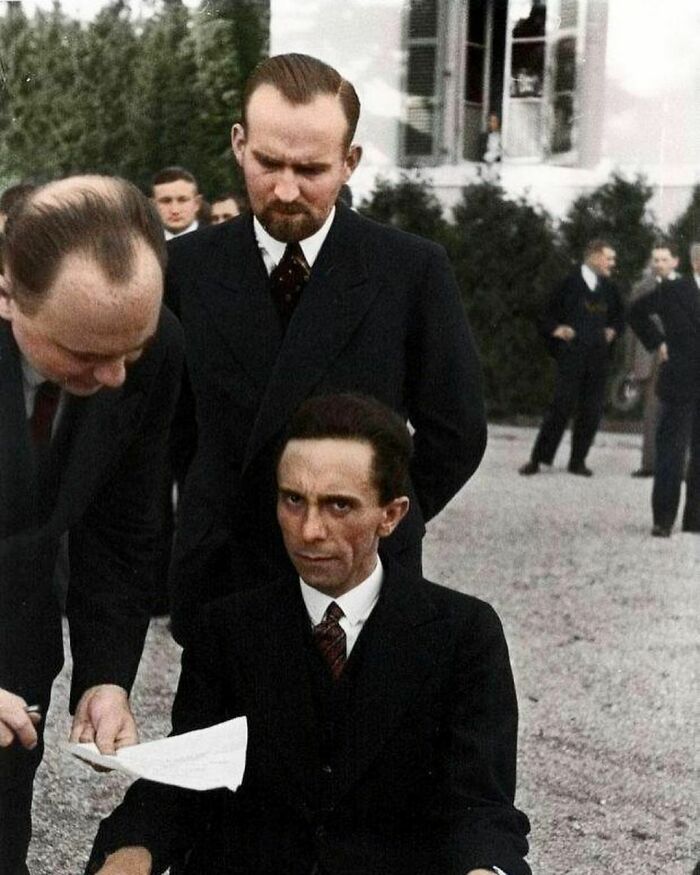
These photographs are powerful: This is the moment Joseph Goebbels, who was Nazi propaganda minister, found out his photographer Alfred Eisenstaedt was Jewish at the League of Nations meeting in Geneva in 1933.
Eisenstaedt was a German-born Jew. Not knowing this at first, Goebbels was initially friendly toward him, who was able to capture a photograph showing the evil Nazi in a good and cheerful mood.
However, he soon learned of the Jewish blood flowing through his veins. When Eisenstaedt approached Goebbels for another portrait, his expression was very, very different. Instead of smiling, he scowled for the camera, and the famous photo that resulted shows the man wearing the “Eyes of Hate”.
Here’s what Eisenstaedt later shared regarding experience:
“I found him sitting alone at a folding table on the lawn of the hotel. I photographed him from a distance without him being aware of it. As documentary reportage, the picture may have some value: it suggests his aloofness. Later I found him at the same table surrounded by aides and bodyguards. Goebbels seemed so small, while his bodyguards were huge. I walked up close and photographed Goebbels. It was horrible. He looked up at me with an expression full of hate.
He looked at me with hateful eyes and waited for me to wither. But I didn’t wither. If I have a camera in my hand, I don’t know fear.”
After Goebbels committed suicide at the end of World War II, Eisenstaedt shot an even more iconic photo. On August 14, 1945, he photographed a sailor celebrating Japan’s surrender by kissing a random nurse in #NewYork City. The photo came to be known as “V-J Day in Times Square.”
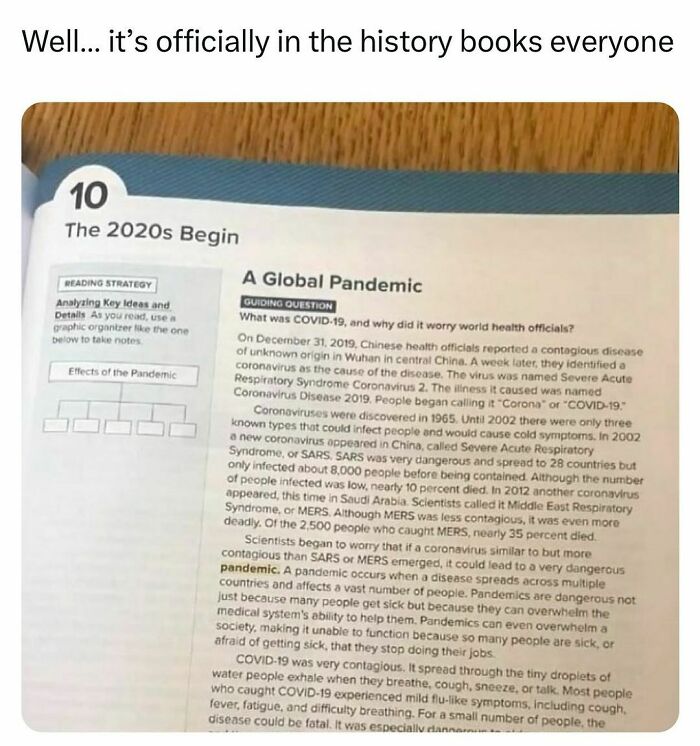
It’s weird knowing that we’re living through a pivotal point in history and 99% of us can’t do anything about it.
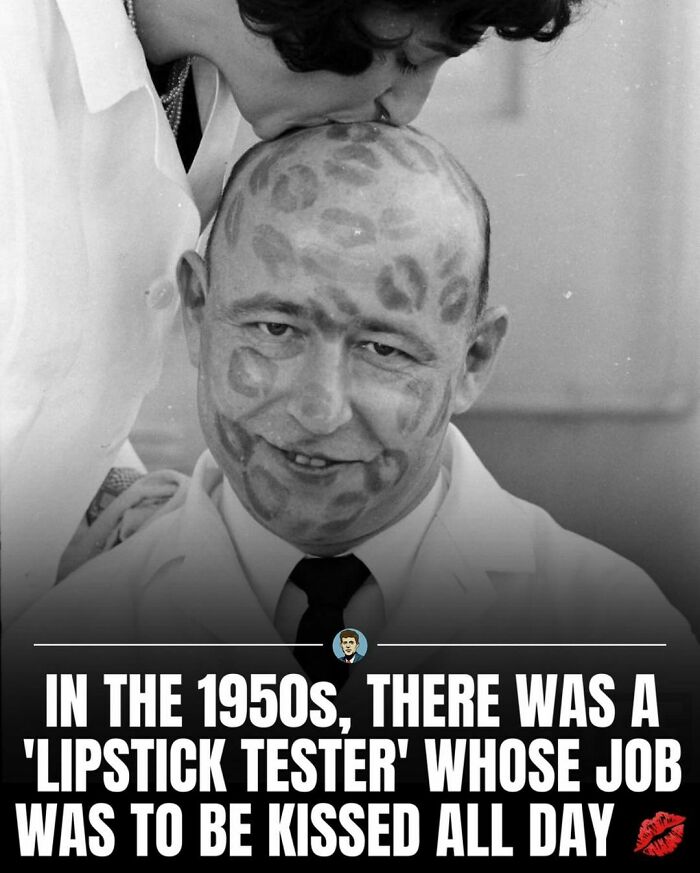
During the last Century, the laboratory testing of lipsticks used to involve a group of volunteer women who all participated by kissing one lucky random bald man. His name was Richard Ramsey 💋
This role involved testing different lipsticks by wearing them to see if they caused any negative reactions, essentially setting the stage for modern safety testing standards in the beauty industry.
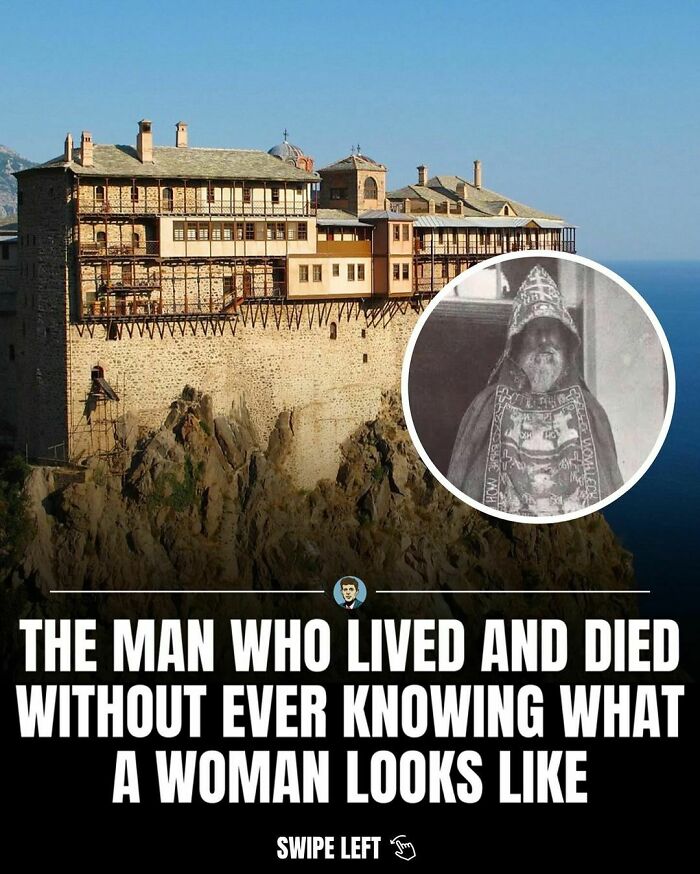
A Greek Orthodox monk, Mihailo Tolotos, lived his entire life of 82 years without ever seeing a woman due to the strict rule of the monastery he lived in on Mount Athos, which banned #Women from entering.
A law was passed in 1060 AD banning women and animals from Mount Athos. Even today, only male tourists are allowed inside the monastery and monks are not allowed to shave, bathe, tight, argue and ask what lies beyond the walls of the monastery.
He was abandoned as an infant and adopted by the monastery, and never left the walls of the monastery throughout his entire life.
Despite living in seclusion, Mihailo’s story is a reminder of the strict rules and regulations that governed monastic life in the past.
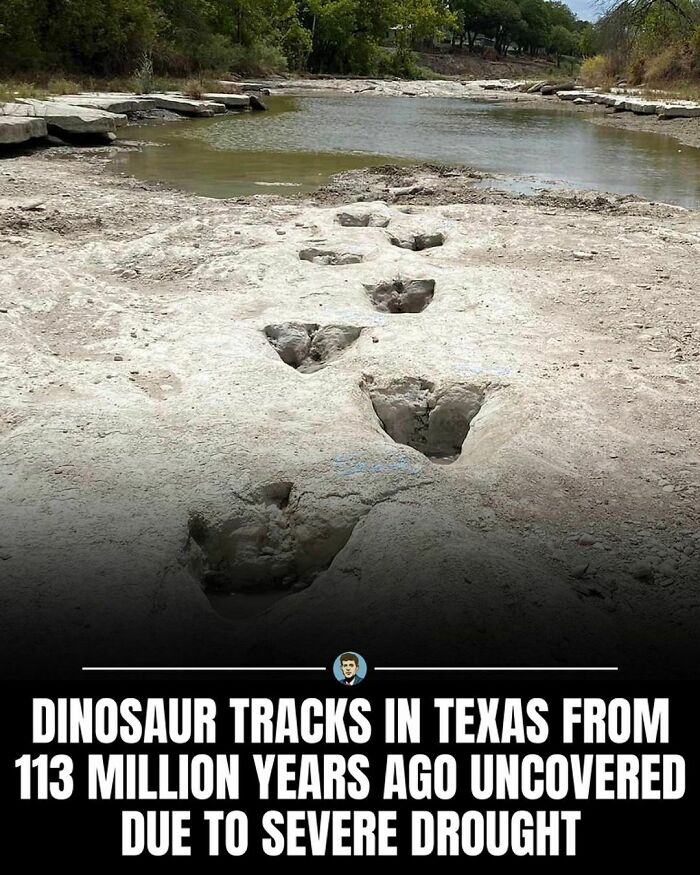
A drought that has turned vast swaths of the #American West into a tinderbox and revealed several sets of human remains at the nation’s largest reservoir has unveiled another discovery in #Texas — dinosaur tracks.
Prints mostly left by the Acrocanthosaurus — a theropod that stood 15 feet, weighed 7 tons and roamed the area 113 million years ago — have emerged as the Paluxy River has dried up almost entirely in most parts of Dinosaur Valley State Park in Glen Rose.
Under normal conditions, the recently discovered prints are filled in with sediment — a condition that helps protect them from natural weathering and erosion.
The footprints left by a single acrocanthosaurus was an early cousin of the Tyrannosaurus rex and had not been seen for more than 20 years.
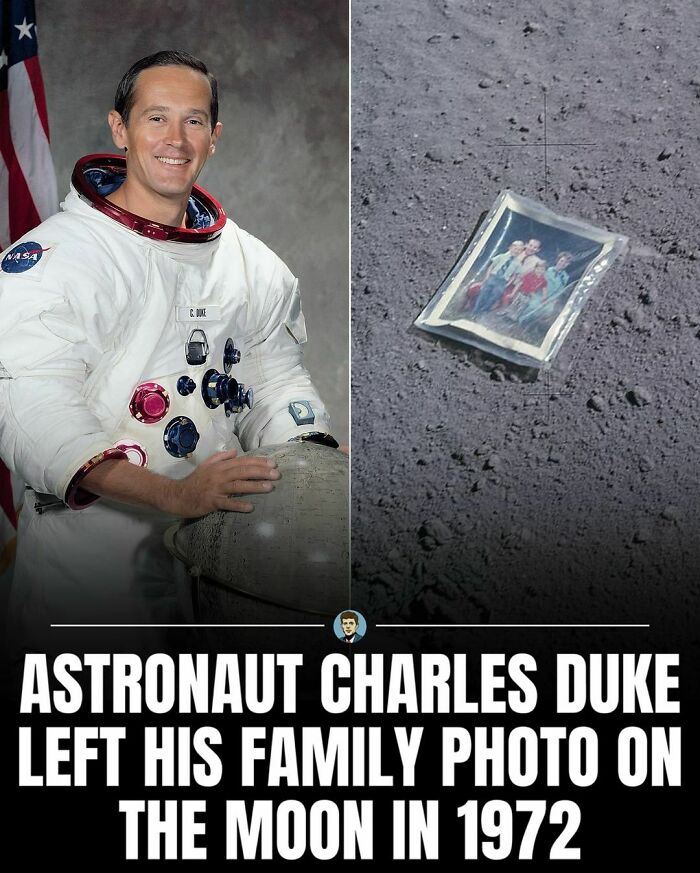
On April 23, 1972, Apollo 16 astronaut Charlie Duke made his third and final moonwalk, accompanied by fellow astronaut John Young. During their exploration of the Descartes Highlands with the Lunar Rover, Duke left a unique token on the lunar surface: a photograph of his family. The photo features Duke, his wife Dorothy, and their two sons, Thomas and Charles, seated on a park bench. Remarkably, for over 40 years, this family portrait, along with Duke’s boot print, has remained undisturbed on the moon. In a symbolic way, Duke not only brought his family to the moon, but they also stayed there indefinitely.




















 No fees, cancel anytime
 then open in external browser


 and click "Open in External Browser"