Get Premium
Dark mode theme is available exclusively for premium users. Learn more about the benefits of subscribing.
No fees, cancel anytime.

 Dark Mode Ad-Free Browsing Unlimited Content
 Ad-Free Browsing Unlimited Content Dark Mode
Join 1.2 million Panda readers who get the best art, memes, and fun stories every week!
If you ever thought that scientists are boring and have close to zero sense of humor, these funny animal names will prove you wrong.
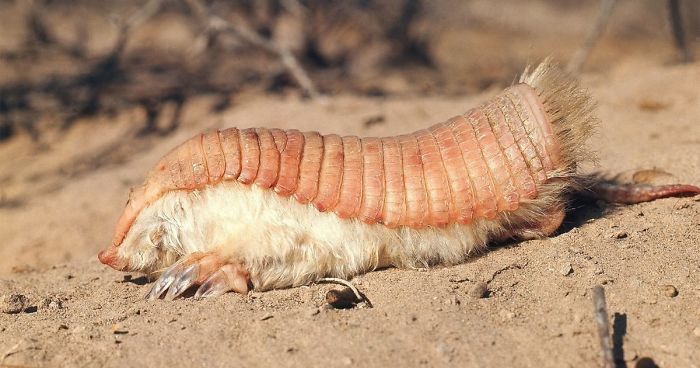
Whenever a new species is discovered, the honor of naming it goes to the person who has found it. If a scientist has quite a limited imagination, the species might be given a descriptive name, such as Little Hairy Armadillo for an armadillo, who's little and hairy. But if the said scientist is brimming with ideas, he might name the animal something like Scaptia Beyonceae, translated to human language as Beyonce Fly. Seriously. Beyonce has a species of a fly named after her. Or maybe a fish Bassozetus Robustus with a familiar name of Robust Assfish. Or how about a Mint-Sauce Worm? Well, sure, these are some pretty funny animals, but who has ever deserved to be named a Slippery Dick?
Still not convinced? Check our compilation of the funny animal names below - I bet even J.K.Rowling would bite her nails after seeing some of these weird animal names.
More of the weirdest animals here: Encyclopedia of Life
This post may include affiliate links.
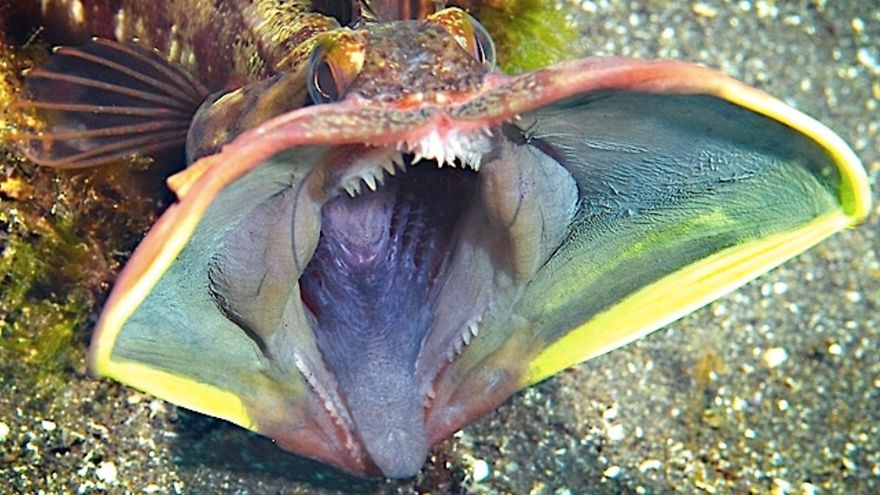
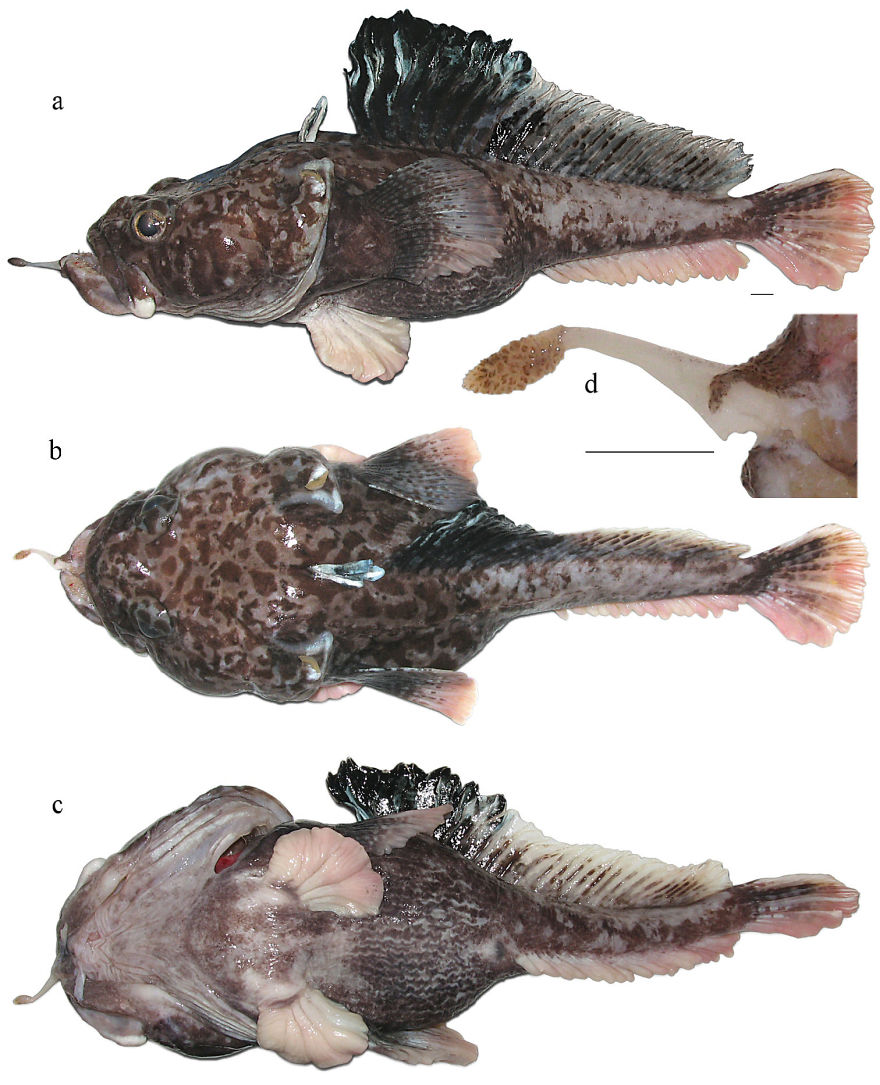
Sarcastic Fringehead is probably the scariest sea creature known to man, thankfully, they're not very large as the adult fishes reach only up to 10 inches in length. Fringeheads choose to live in warm waters and can be found near the coasts of California and Mexico. These little fishes are very aggressive and attack anything, including humans, that dare to disturb them. One more fun fact about Fringeheads is the use of the word 'sarcastic' in their name - sarcastic, translated from Latin literally, means 'flesh tearing,' and it definitely adds some charm to this ferocious fish.
Sea sparkles, though it may seem like it, are not distant relatives of unicorns, but rather a kind of sea algae that shows the trait of bioluminescence. Though their ghostly glow might seem toxic, these sea sparkles are totally harmless. The color of their gleam is partly determined by the place they live in and the phytoplankton (tiny plant particles) that they eat. Pictured here are the blue-glowing sparkles, but they can also be seen emitting red and green gleam.
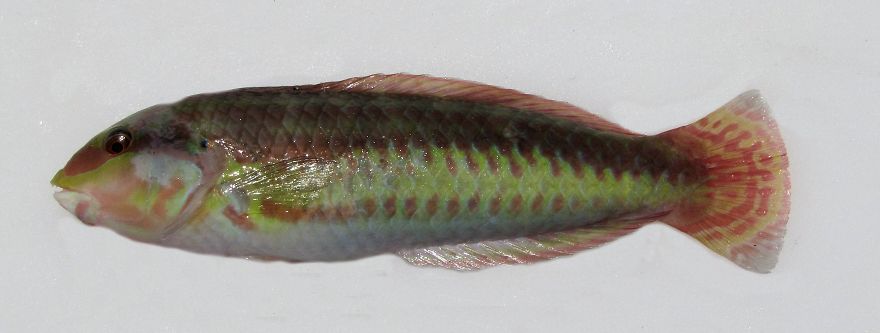
Slippery dick fish is a species of wrasses - colorful little fishes, that are native to tropical waters of the western Atlantic Ocean. Slippery dicks are protogynous hermaphrodites, meaning they are all initially female, changing into males later in life. The gender changing process is marked with unique body colors for each stage.
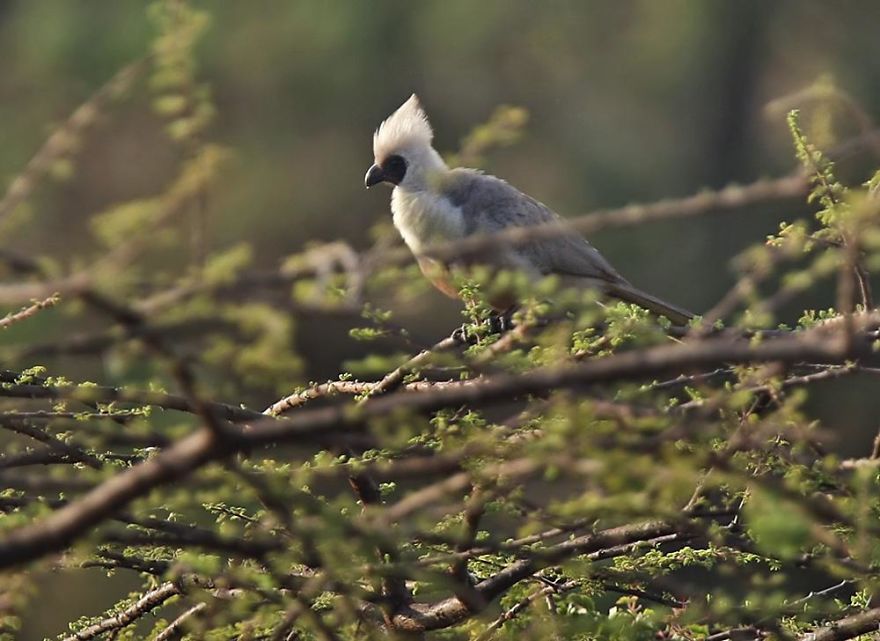
The Go-Away-Bird, a descendant of Afrotropics, got his name, not because of his hostile temper, but rather of its distinctive g'way call. This specific call is more clear when produced by its cousin the Grey-Face Go-Away-Bird. You can listen to it here.
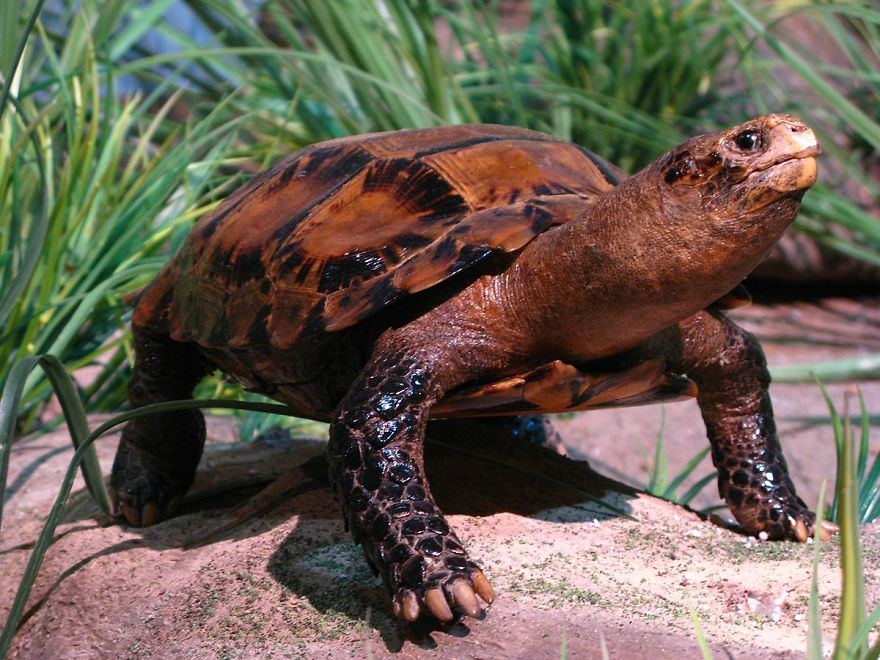
There aren't many facts known about this Impressed Tortoise, partly because of their preference for living in high altitudes up to 6,600ft in Thailand's mountains. The elusive tortoise mostly eats mushrooms and is not adaptable of living in captivity.
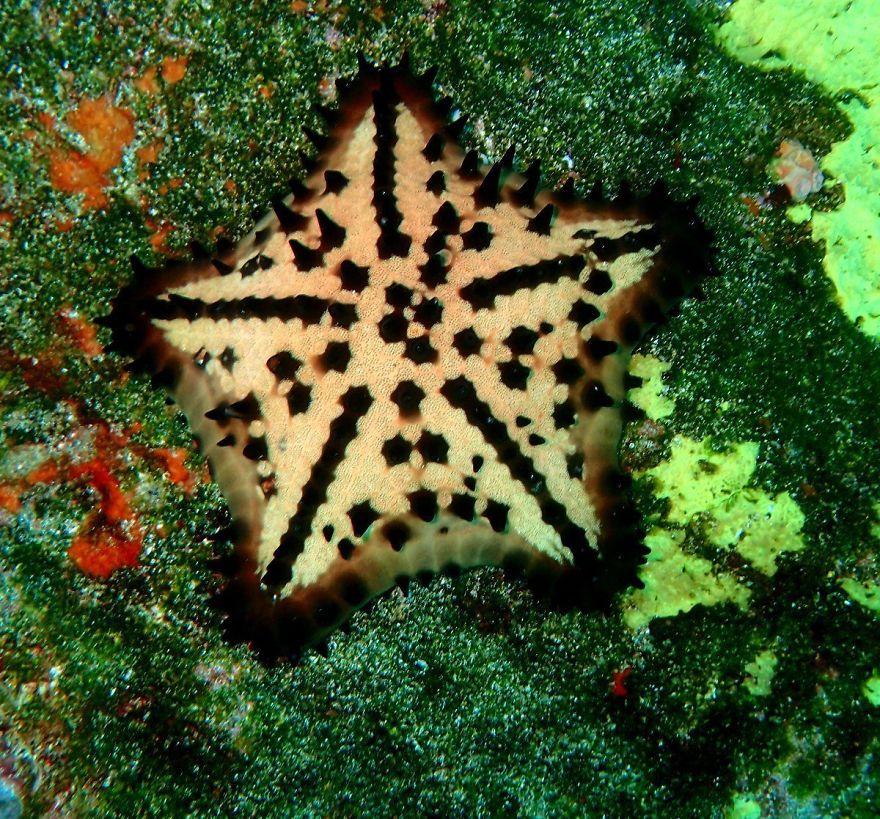
This creature's chocolate chip markings are really 'horns' that are used for protection since it is a diet staple for several species of fish and also some cannibalistic starfish types. Though these starfishes are blind and its organism has no blood but rather water, it can regrow any of its lost 'arms.'
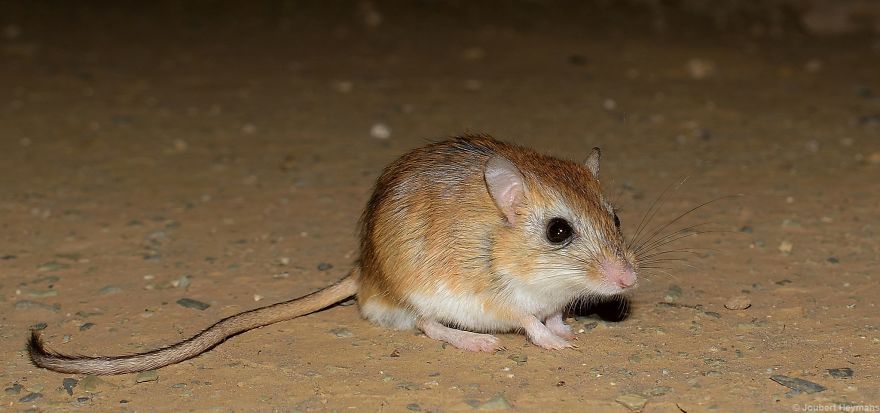
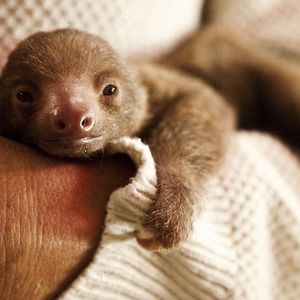
This Namibian Savannah inhabitant weighs around 40 grams and can grow up to 5cm in length. These little gerbils are highly sociable creatures and are known to communicate with each other by drumming on the ground with their tiny hairy feet. Though they are herbivores, the gerbil's favorite delicatessen is the exoskeletons of bugs.

But it doesnt even have a bushy tail or a hairy foot. I'll rename it to cute, little mouse
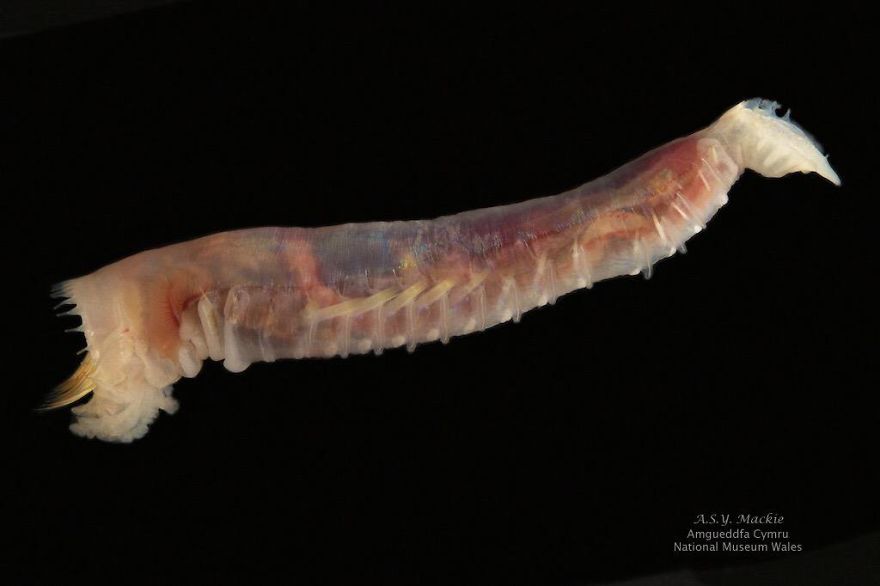
The glamorously named worms have so many amazing facts about them that it is really quite hard to put it all in a couple of sentences. In short, though, they eat oils in dead whale's bones, while secreting acid, capable of melting bone. The female worms have their dwarf male partners living inside of them. Hundreds of them. Once a dead whale's carcass is discovered, thousands of worms gather to devour it, so it looks like the bones are covered with a fluffy red rug. If given a chance, the Snot-Flowers eats human bones with gusto. More on these glorious worms here.
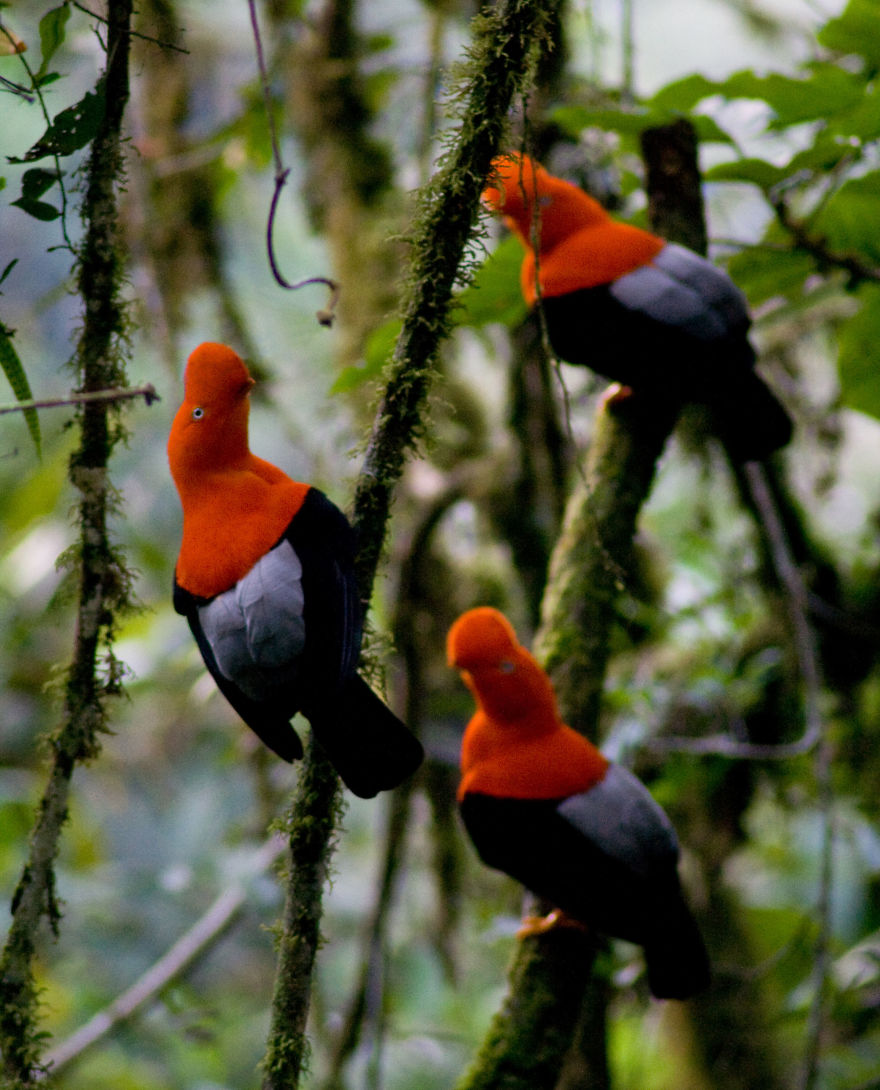
The national bird of Peru, Cock of the Rocks is known for its bright orange plumage and fan-shaped crest. These animals usually nest on the Andean mountain rocks, hence the name. Not only are they bright and colorful, but they have a pretty spectacular song too. You can hear their rooster-on-steroids call here.
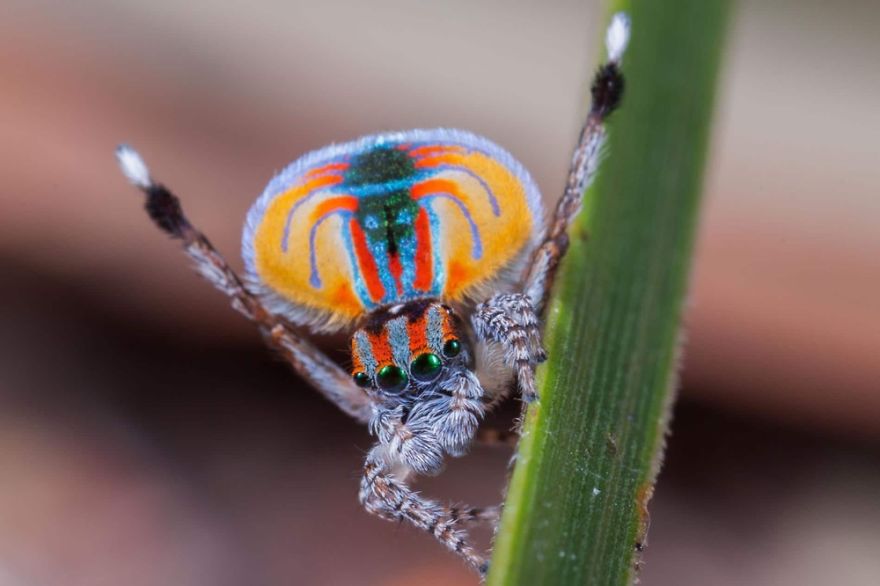
The pencil eraser-sized Sparklemuffin come from a genus called Maratus. These venomous, though harmless to humans spiders have a very fascinating mating ritual, which consists of various dance moves, showing off their flashy butt fans, drumming on their mates' head and being eaten for lousy moves by the cannibalistic females.

Are these the ones where the males do the mating dance that looks like a solo tango? It's so funny to watch.

Yes here is a video>> https://www.youtube.com/watch?v=pbfI3GomSy8
Load More Replies...


This is Parisian arachnid Haute Couture. They are splendid little creatures!
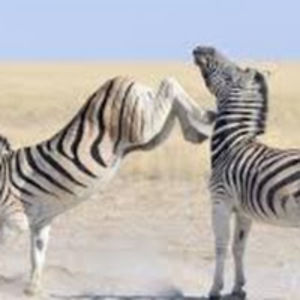
The john Travolta of spiders! He's gonna bust a move, then try not to get eaten.


Sounds like a little girl's toy. "Collect the whole Sparklemuffin series! Accessories sold separately."





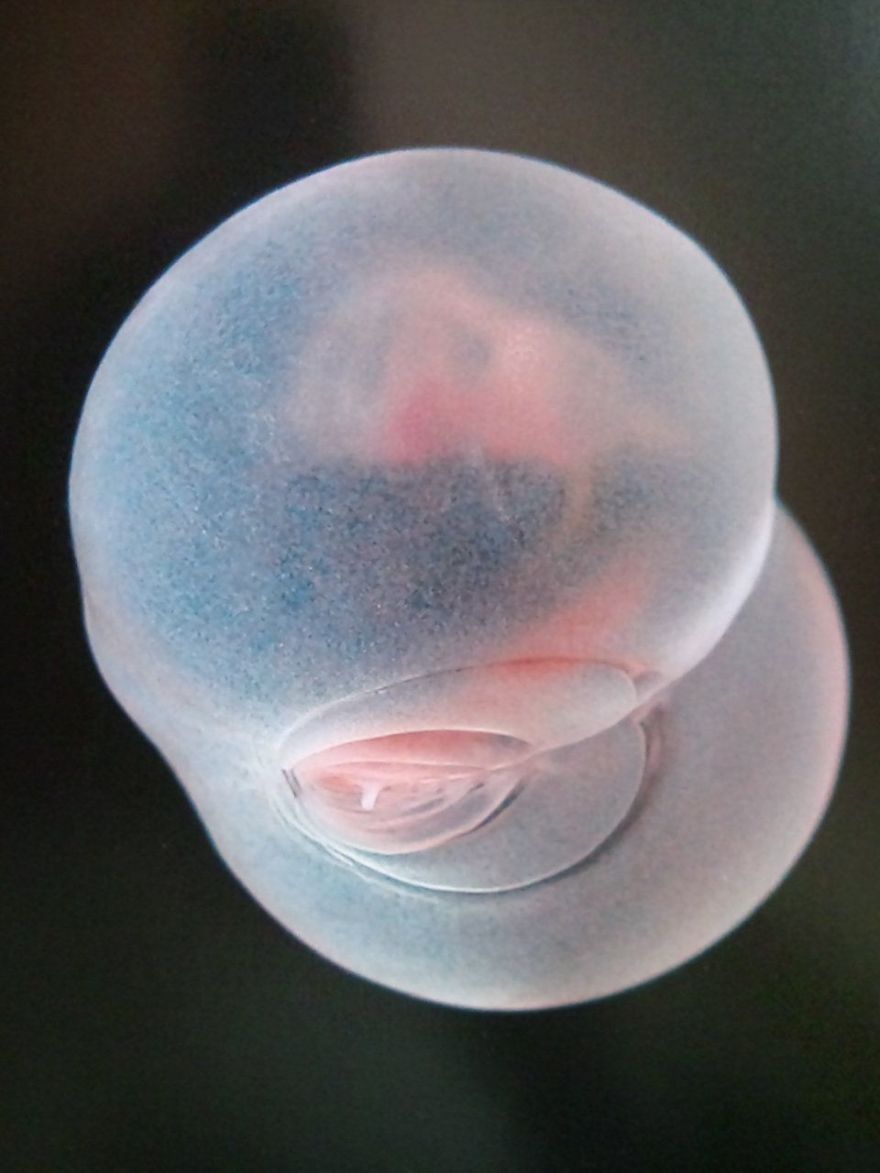
Pigbutt worms are deep sea creatures that live around 3,000 meters under the surface of the Ocean. Considering their marble-sized stature and the depths they live in, it's no surprise that they were discovered only about 10 years ago. This newly observed species of worm have a very distinct way of feeding and does so by secreting plankton trapping mucous substance around their bodies and later devouring their bounty.
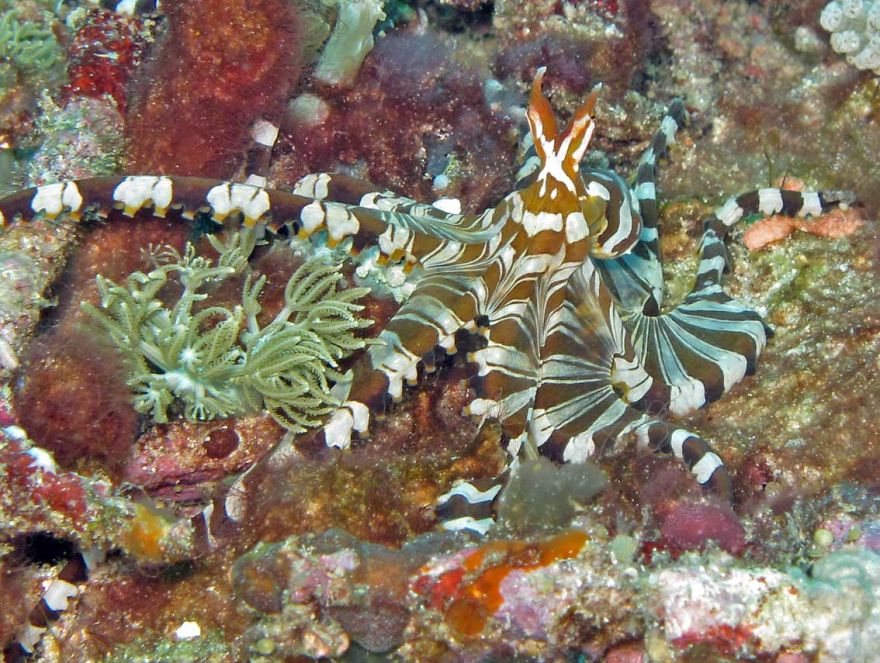
This invertebrate together with all other octopuses is not just a slimy mush held aloft by the currents of the seas - not only the octopuses have a fully functioning brain and nervous system, but they also know how to use them. Octopuses are known to interfere with objects from their surroundings in a playful way and also use them as tools. And as with the Wonderpus Octopus, it's not only smart but also pretty!

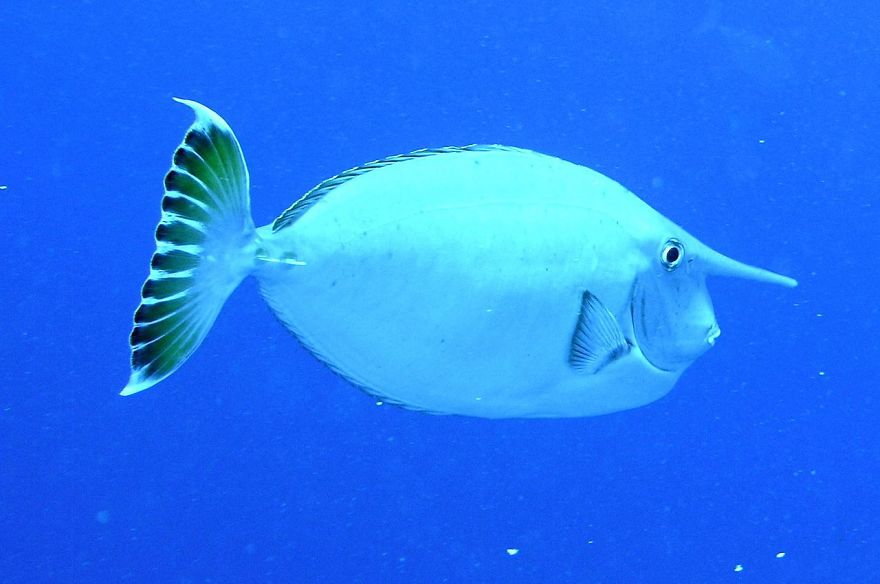
The Unicornfish is a coral reef dweller and mostly feeds on algae. Since it is not of a predatory nature, there's no real explanation of why it has a horn, that can sometimes grow up to 13cm in length. Though unusual in appearance, the fish is said to be delicious when grilled.
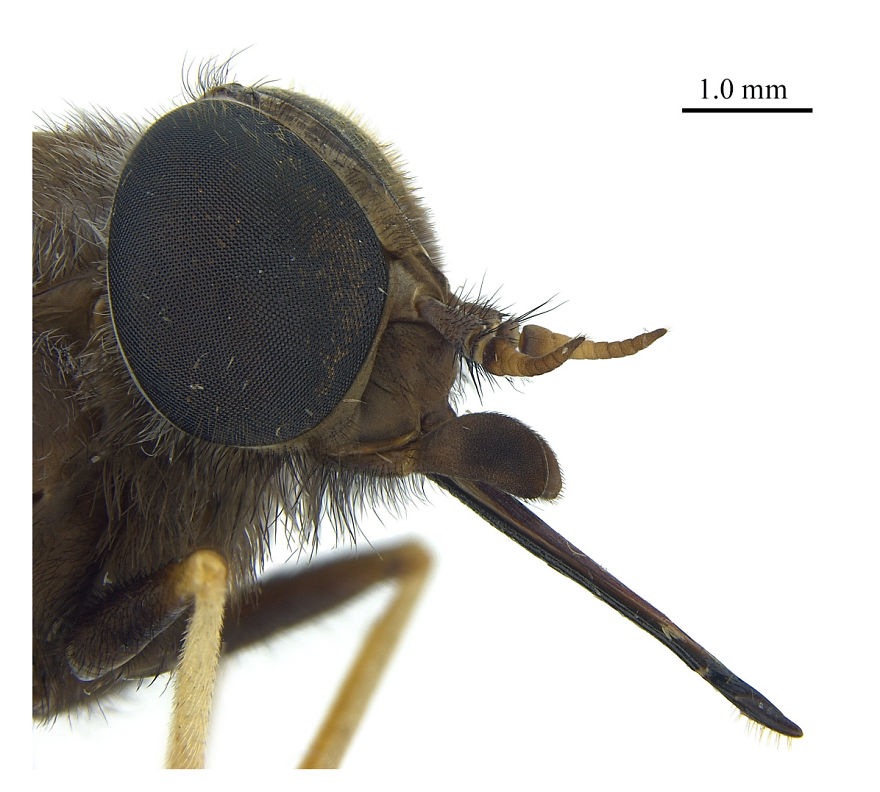
This rare kind of horse fly is only found in Queensland, Australia. Though considered a pest, the Beyonce fly helps in pollinating many plants. Named so not because of their loud or impressive buzzing, these flies sport an unusual golden patch of hair on their abdomen, thus making them "divas of the fly world."
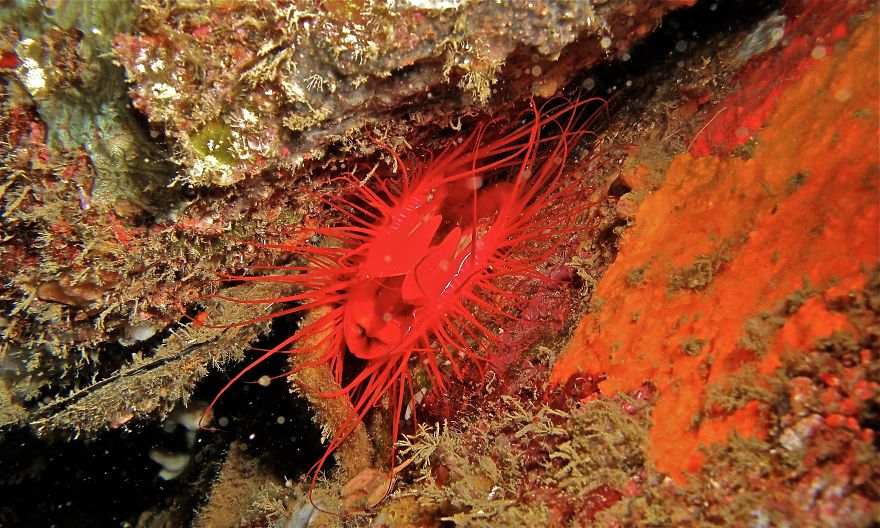
This funky-looking Indonesian native clam sure does light up the Ocean floor. Not only are they bright red and kinda fuzzy, but they also blink in white flashes of light that are created by reflecting any possible rays of the sun. No one's really sure why they do it though - to attract mates and food or to deter predators. Or maybe this clam has a disco fever.
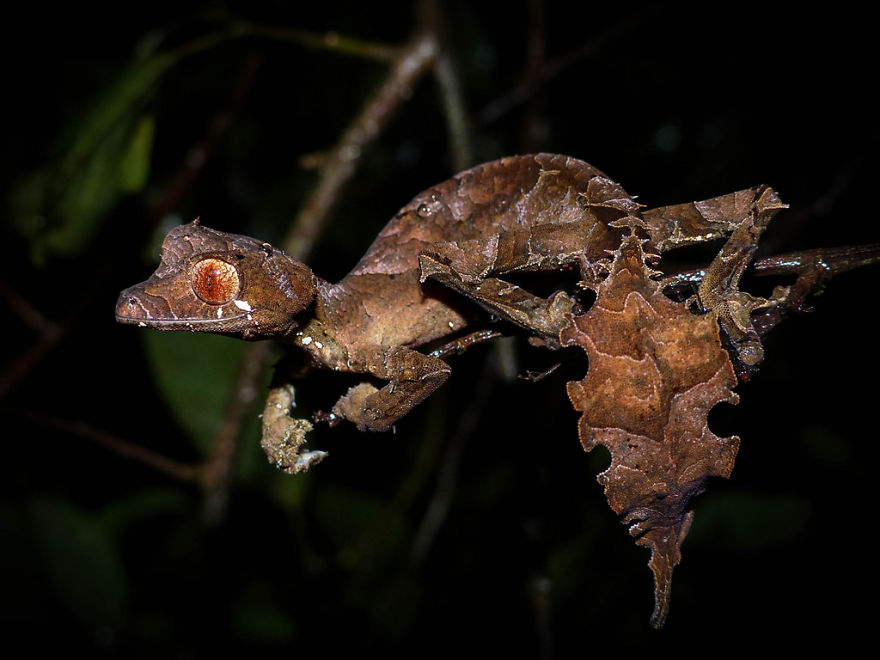
Satanic Leaf-Tailed Gecko or Uroplatus phantasticus or decumbent-tailed what-the-hell-was-that is a species of lizard found only on the island of Madagascar, that has scared the Islanders for centuries not only with their name but also with their incredible rotting-leaf appearance. Since these lizards are quite small and nocturnal, it is not so easy to see them in the wild. However, if this lizards' camouflage doesn't work and a predator has spotted it, the Gecko can always open his jaws, showing a bright red and terrifying inside of the mouth. Oh, and of course, it can shed its leaf-looking tail.
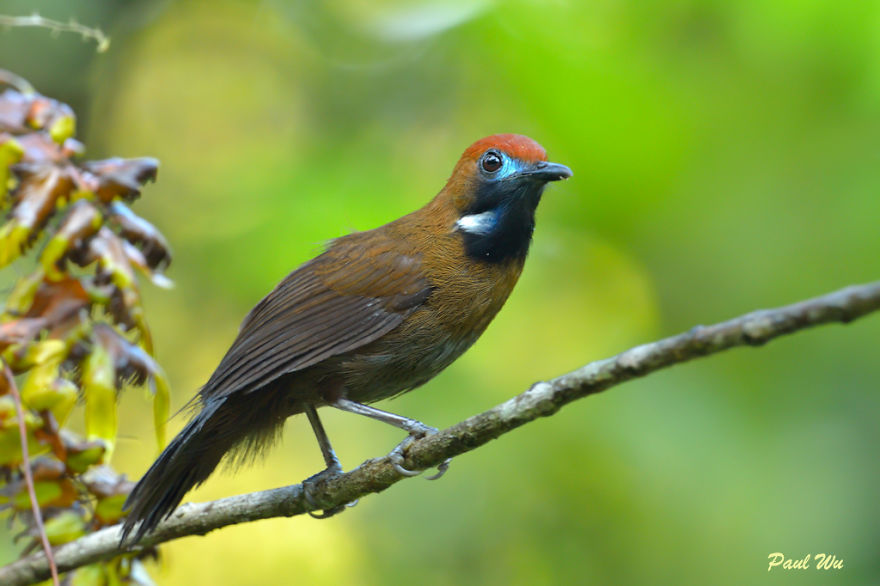
The Fluffy-Backed Tit-Babblers belong to a bird family called Timaliidae or The Old World Babblers common throughout Eurasia. The babblers probably got their name because they tend to be quite vocal and though there is no real explanation about where this one got its particular name, it does sound like a Shakespearean-esque insult.
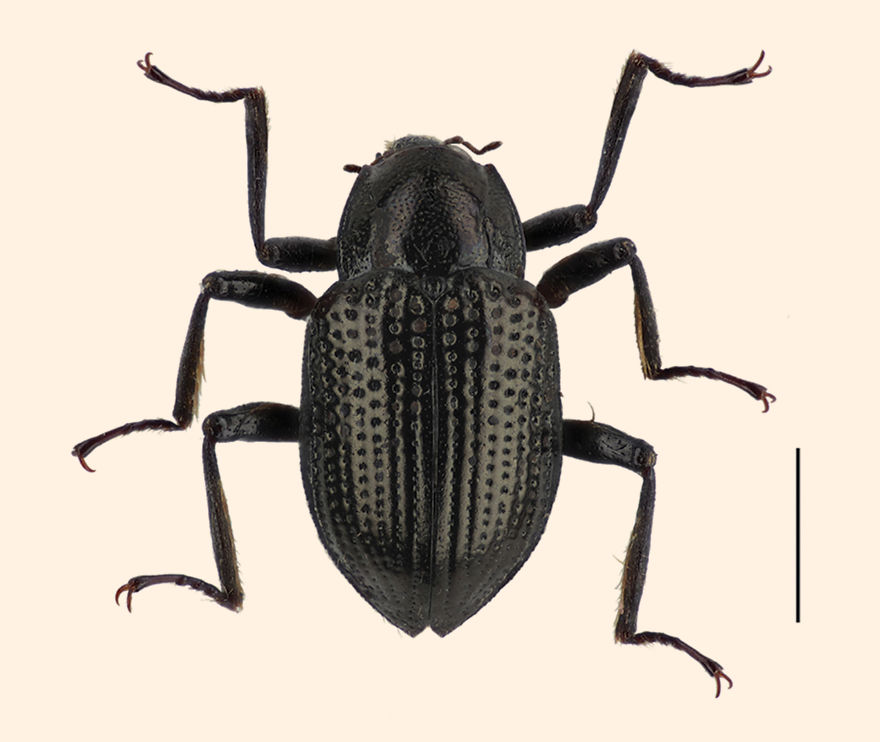
Discovered in 2018, the first specimen of this new kind of Malaysian beetle seemed somewhat battered with one missing leg, and a broken antenna which probably left him feeling the same way as Leonardo does after each Oscars' ceremony.
It’s like it’s shrugging. It’s shrugging in an attempt to hide the pain of not receiving its Oscar until 2016.
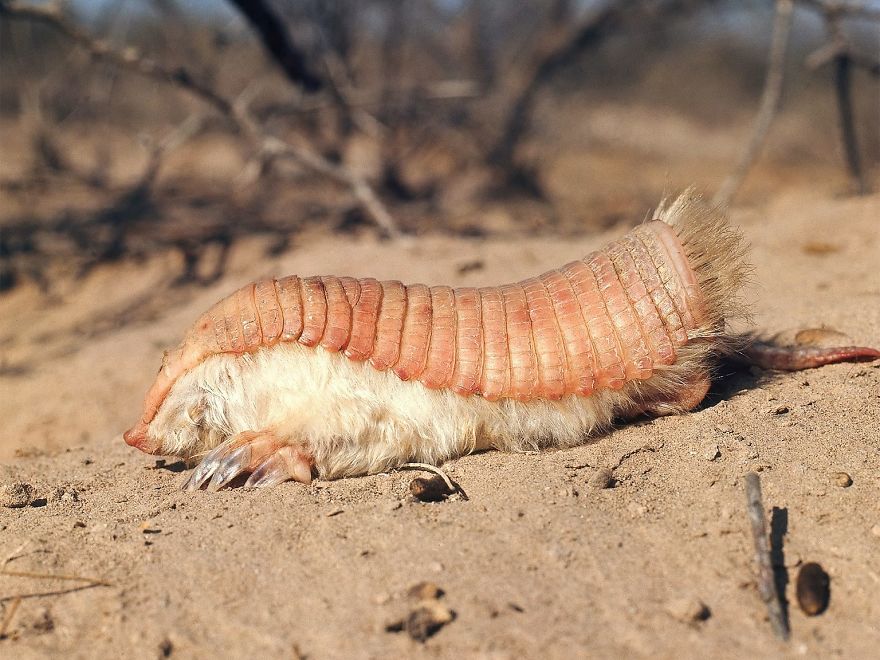
These solitary, nocturnal animals spend most of their time digging into the Argentinian grasslands sands. These little critters are highly dependable from their surroundings and if removed from their natural habitat die in the first few days, making it hard for the scientists to observe them or rehabilitate if found injured. These tiny armadillos, whose body grows up to 115 mm not measuring the tail, love to stuff their bellies with ants and only come up from their trenches if they're flooded by heavy rains.
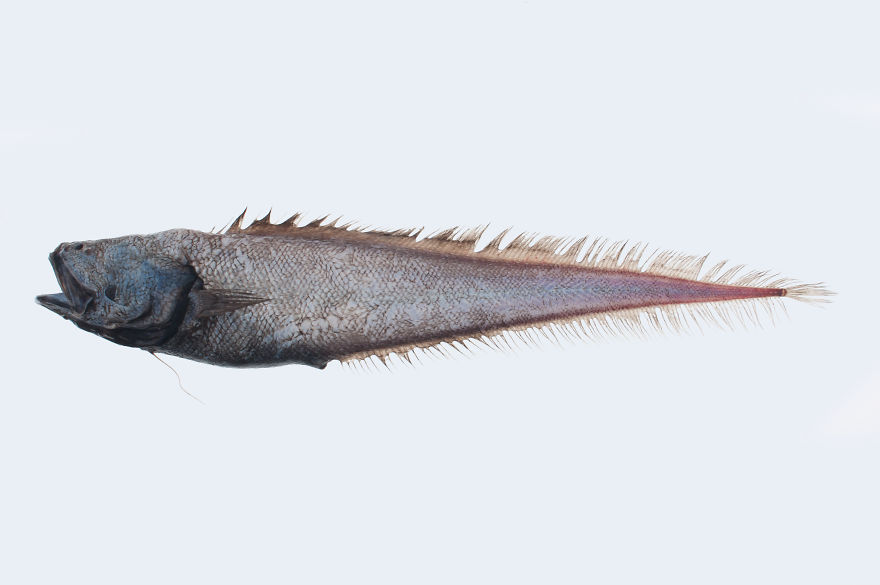
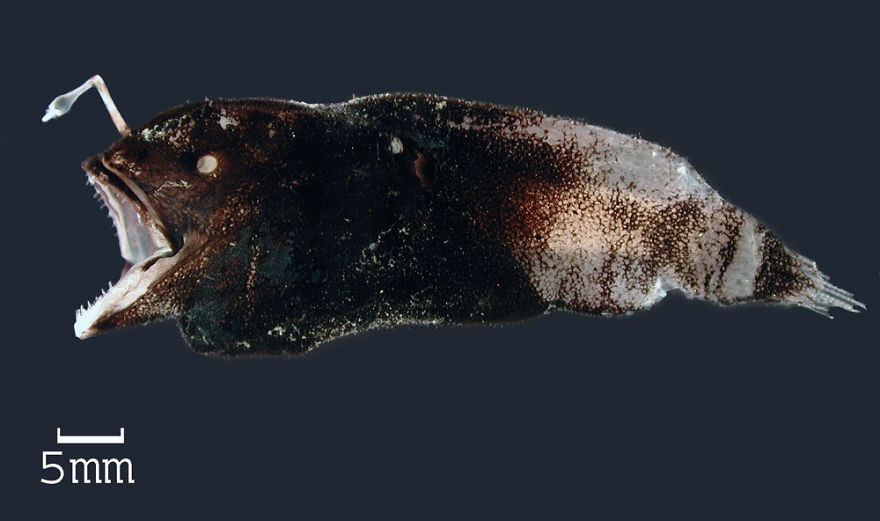
Robust Assfish is a type of a deep sea eel, slightly resembling a tadpole with its bulbous head and a tapering tail. And though the ass part of their name comes from a Greek word meaning donkey, it still gives a great opportunity to say ass without being scolded for it.
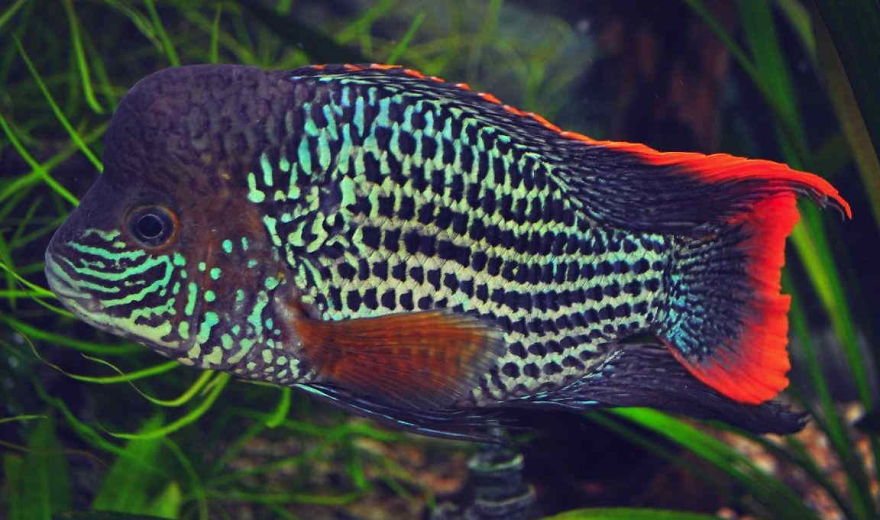
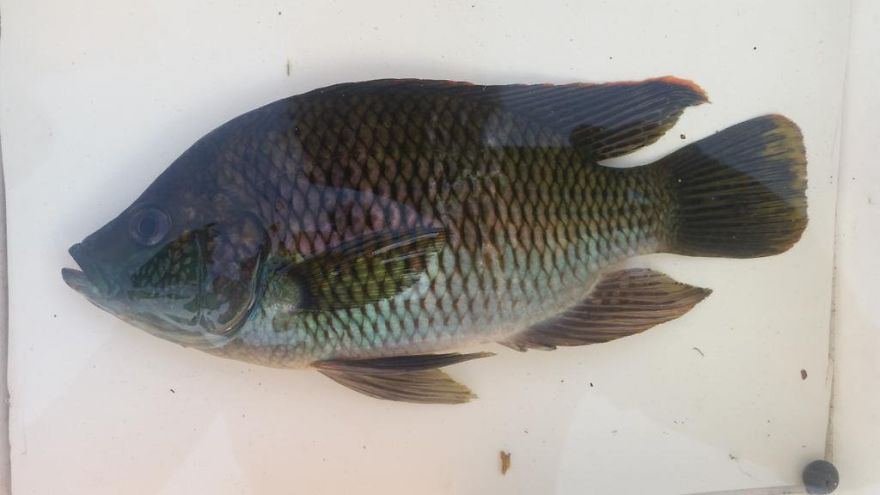
Native to South American waters, these medium-sized fishes are popular among aquarium fanatics because of their colorful looks. Alas, their name is not just a funny coincidence - the Terrors are actually highly aggressive and often kill or eat smaller fishes kept together in the same aquarium.
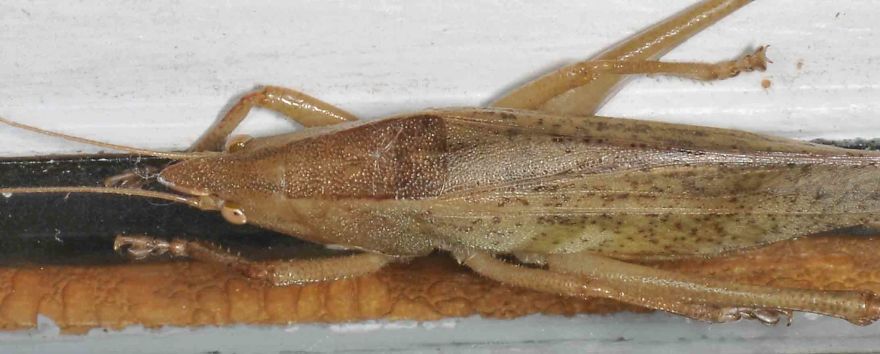
Slightly Musical Conehead is, you guessed it, a species of Coneheads. These bugs have the longest and most impressive head adornments of all of the Coneheads, making it special because of the black underside of the horn and a hook-like crevice beneath. Male Coneheads living in the same area always sing their song in unison, whereas males from different places buzz to their own tone.
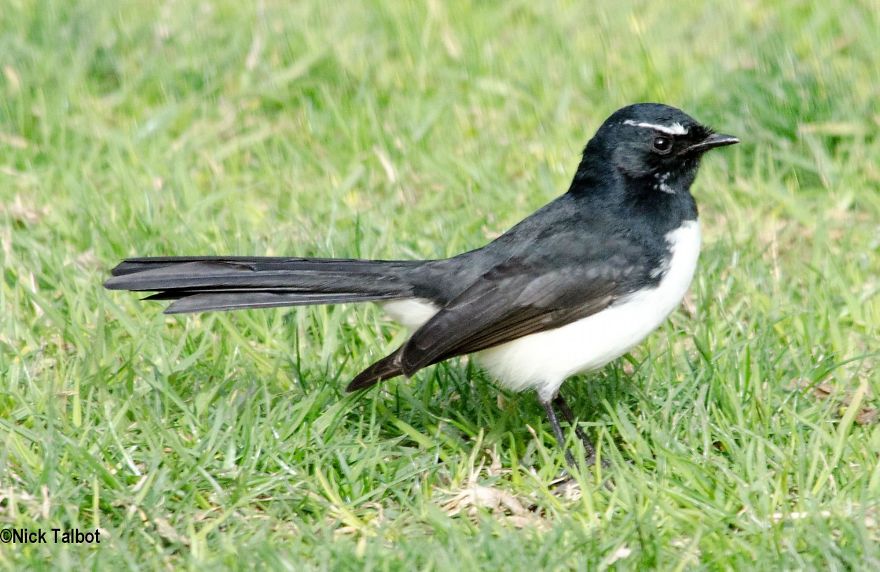
Willie Wagtails, most commonly met in Australia, are highly territorial, ferocious little birdies. Not only do they harass bigger birds who come near their nests, but also dogs, cats, snakes, and even humans, always avoiding the perpetrators head, attacking it from behind. As the name states, the Willies are seldom still, always wagging their tails.

We have these in Australia they are my favourite birds. They wag their tails like happy puppies lol
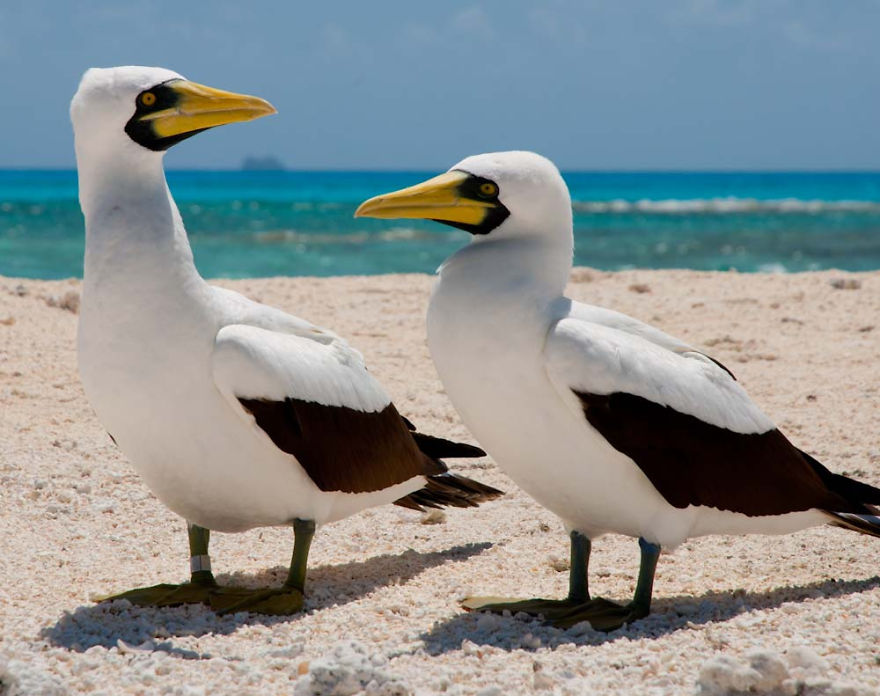
Nature is truly fascinating, and so is the breeding habits of Masked Boobies. These birds who often form monogamous relationships always lay two eggs, and when the chicks hatch, the bigger one always kills its weaker sibling. This practice even has its own name - siblicide - and it greatly influences the chances of the stronger chicks survival. Sibling killing, though, is not the only fantastic fact about these birds as they're truly impressive sea-divers, plunging almost vertically from altitudes of nearly 100 meters at high speeds.
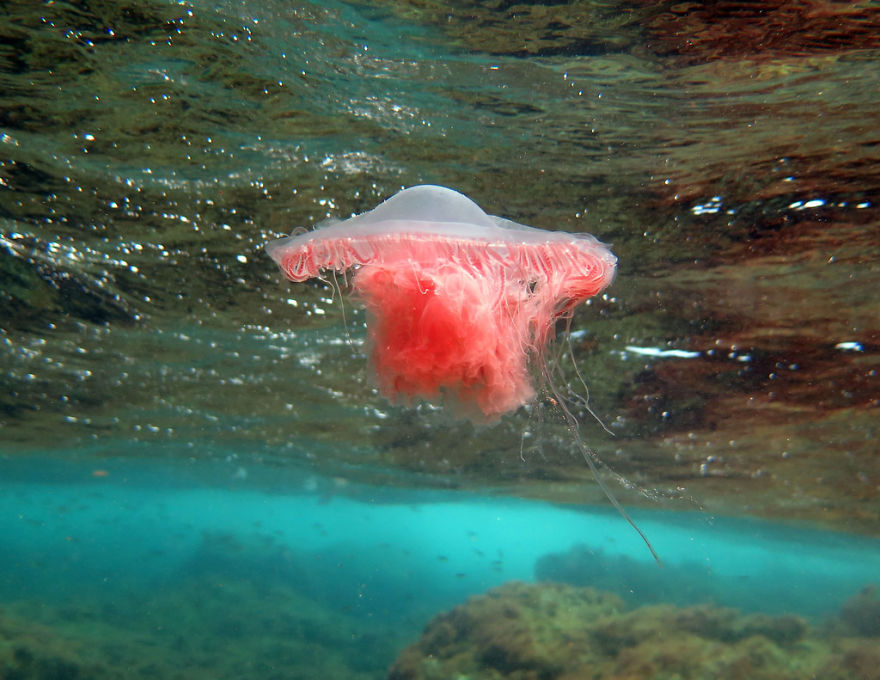
These jellyfishes are not your regular balls of slime - Pink Meanies weigh up to 50 pounds and can grow 70-feet long tentacles, with which they catch other jellyfishes, consuming them later. Once, a Pink Meanie eating 34 other jellyfishes, was captured by marine scientists. Though harmless to humans, these gluttonous Pinkies are not the most pleasant aquatic animals.
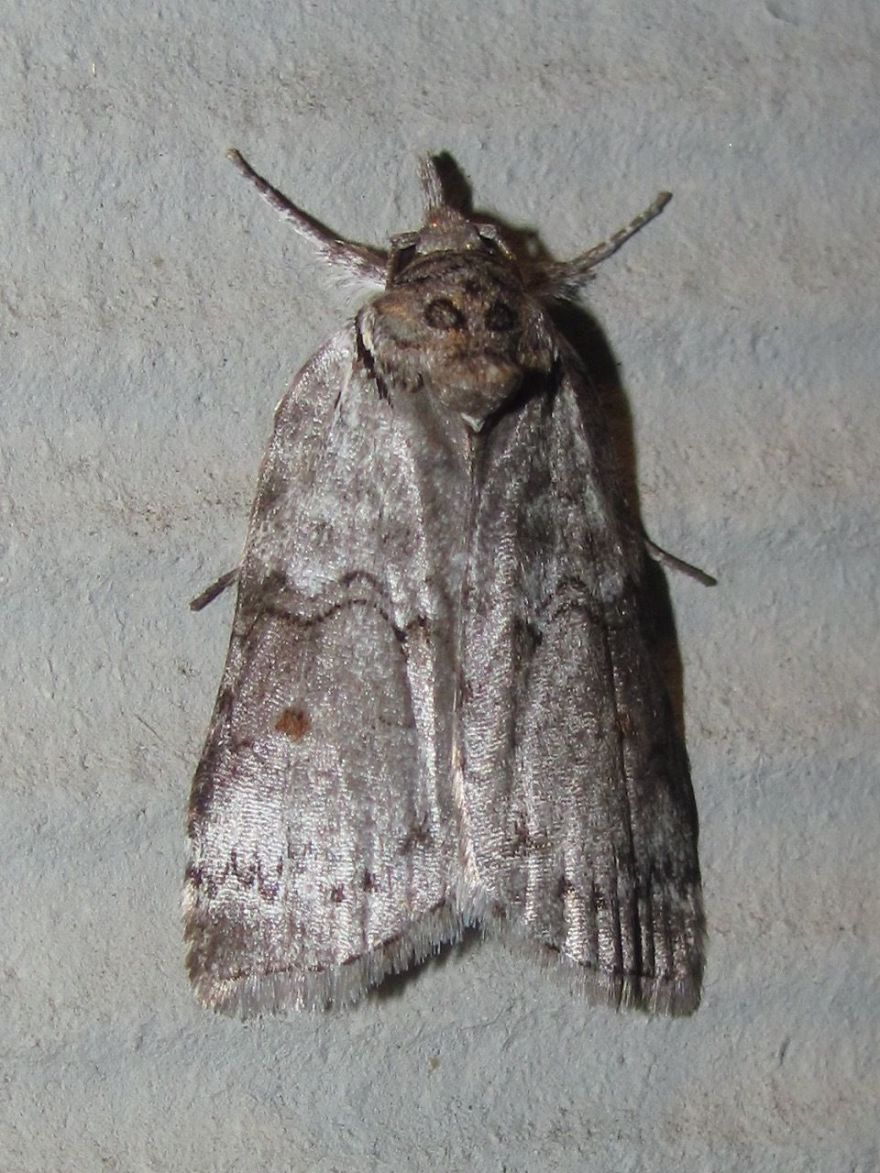
There's no real explanation for this muted-colored, nocturnal moth's name. Maybe it resembled an owl to the scientist who discovered it and maybe it has slipped his mind to name this moth the first time it was seen? Maybe the owlet didn't want to show any affection to the scientist? Nobody knows, but there you have it - a Forgotten Frigid Owlet.
Since the Hopbeards are a newly discovered deep-sea fish species, not much is known about what they do or what they eat living in the depths of about 4.560 feet. Hopbeards also have particularly large livers that take about 35 percent of the space in their abdomen, which, probably, makes them the most notorious drunkards of the sea.
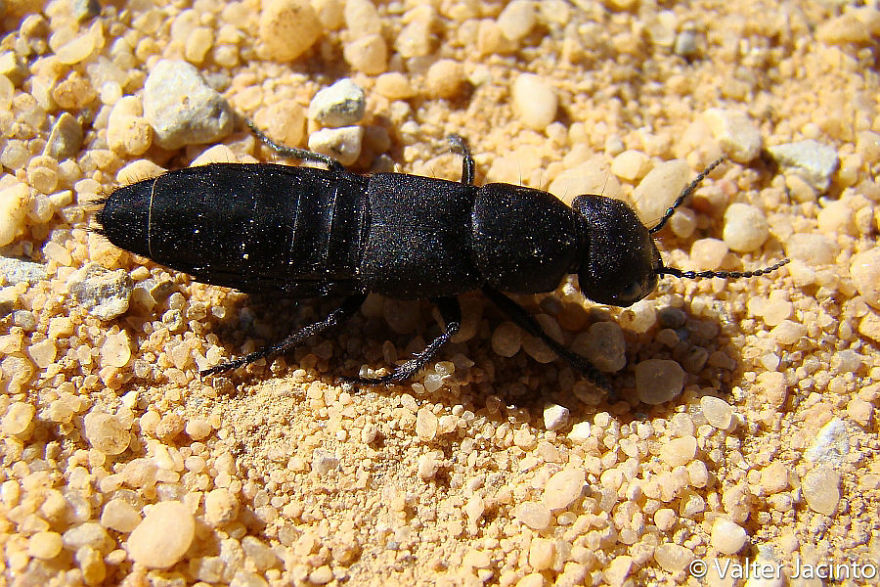
This big black beetle has been known by this name since the Middle Ages, and there are good reasons for that. Its Latin name Olens, meaning smelling, indicates, that it has glands, capable of producing and releasing a stinky odor. The other reasons are also not so pleasant. It has big jaws capable of eating worms, it can raise its abdomen much like a scorpion when threatened and can also fly.

Sounds a lot like the Parktown prawns that you get in South Africa. Giant, aggressive, squirty crickets (rather than actual prawns).
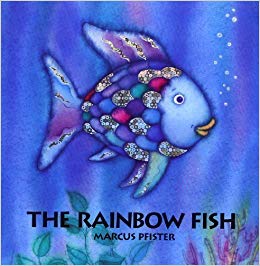
The Rainbow Happy is a genus of cichlids, common in African rivers and lakes. They are usually referred to as 'happies,' and most of them show unique adaptative behaviors. Rainbow Happy is a mouthbrooder - it incubates its young in the mouth until they are big enough to fend for themselves.
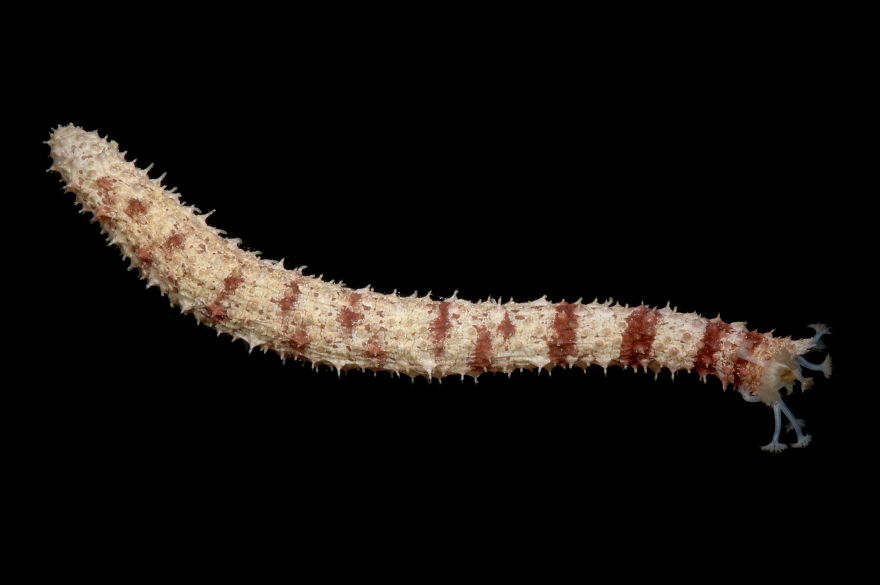
The life of warm-water-loving Impatient Cucumber is not a very exciting one - the 30 cm long worm spends his days eating various organic debris from the sea floor and spawns his babies from time to time. Sea Cucumbers are used for food in many countries and they can even be farmed.
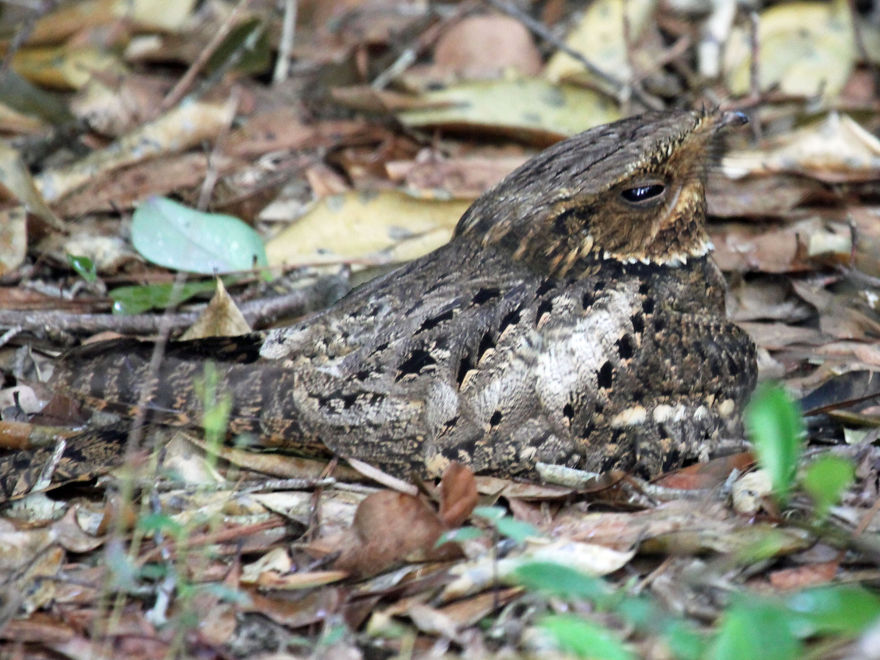
The little widow is a nocturnal bird of the nightjar family. These long-winged, short-billed birds have an array of wonderful names in their family such as Goatsuckers, Bugeaters, Whippoorwill and, of course, the Chuck Will's Widow. The name for the latter doesn't come because the bird reminded some Chuck of his widow, but rather because of a distinct call, this bird has, sounding something like the name wording.
These pricklers are mostly found in the North Atlantic Ocean around 2 km below the surface. Not much is known about these fishes, but tiny spikes and an amazing teeth count makes them unique compared to other fishes from this family.
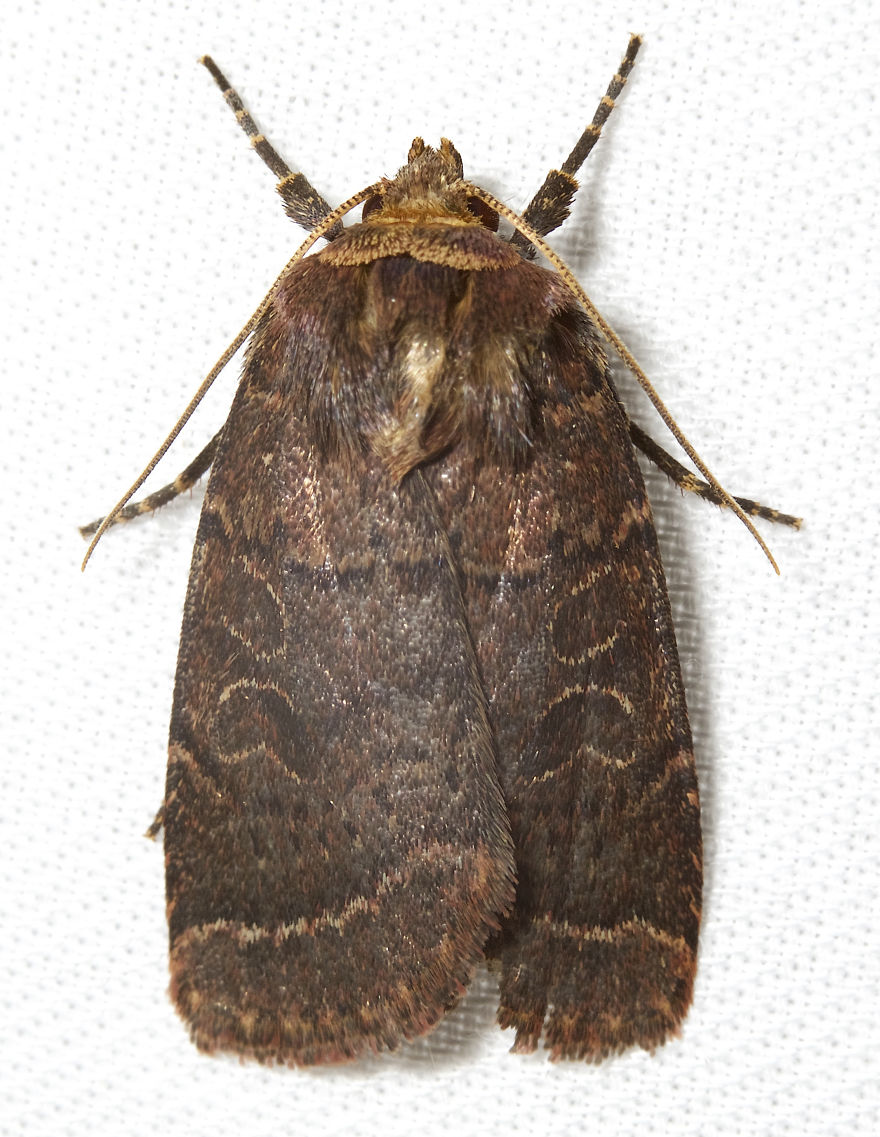
The Cynical Quaker is a part of Noctuidae moth family and though they seem rather regular, their caterpillars have developed a whole arsenal of chemical weapons to defend themselves from predators. Some of them excrete alkaloids, others - acids, while most regurgitate plant compounds together with a toxin called toluquinone.
Its parents embraced their inner light and got fried. Now it's bitter.
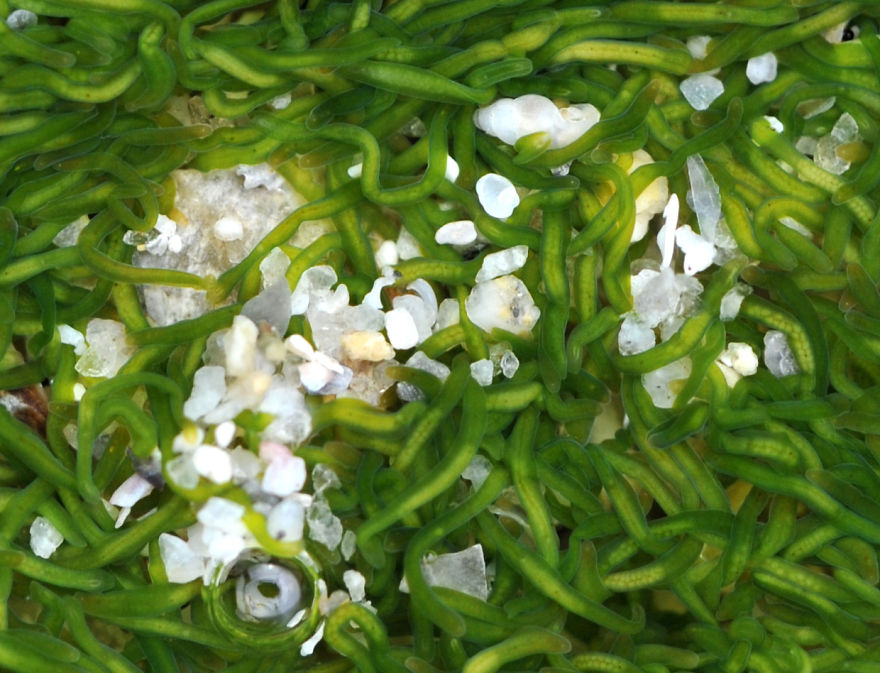
This worm just cannot decide whether it's a plant or animal, because it harvests algae inside of his body (note the bright green color) without digesting it and thrives solely on the byproducts of the algae's photosynthesis, thus keeping it alive only by solar power. These minute sea flatworms not only have figured out an efficient way of living, but they're also known to communicate with each other in forming bigger superorganisms called flotillas.
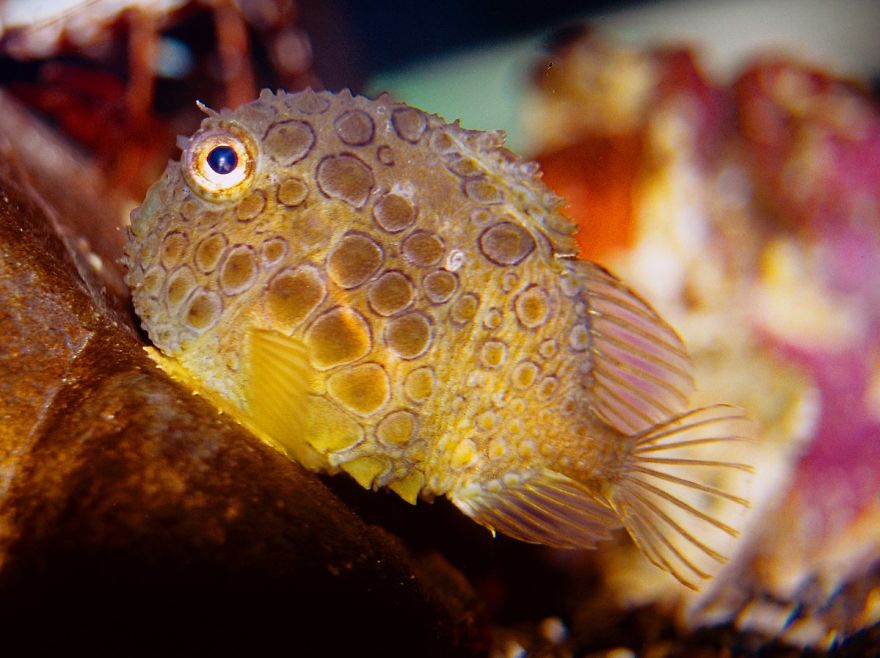
Lumpsuckers, though a poorly studied group of fishes, are frequently used in Scandinavian cuisine. An interesting fact is that these fishes almost never swim, but stick to the ocean floor with adhesive discs that have evolved from pelvic fins. Also, they have a pretty great camouflage consisting of wart-like protrusions from their heads and bodies, making them seem like the rocks on which they hunt for worms and mollusks.

I've never even heard of this fish before, so I'm not sure about the "staple in Scandinavian cuisine" bit. ;)
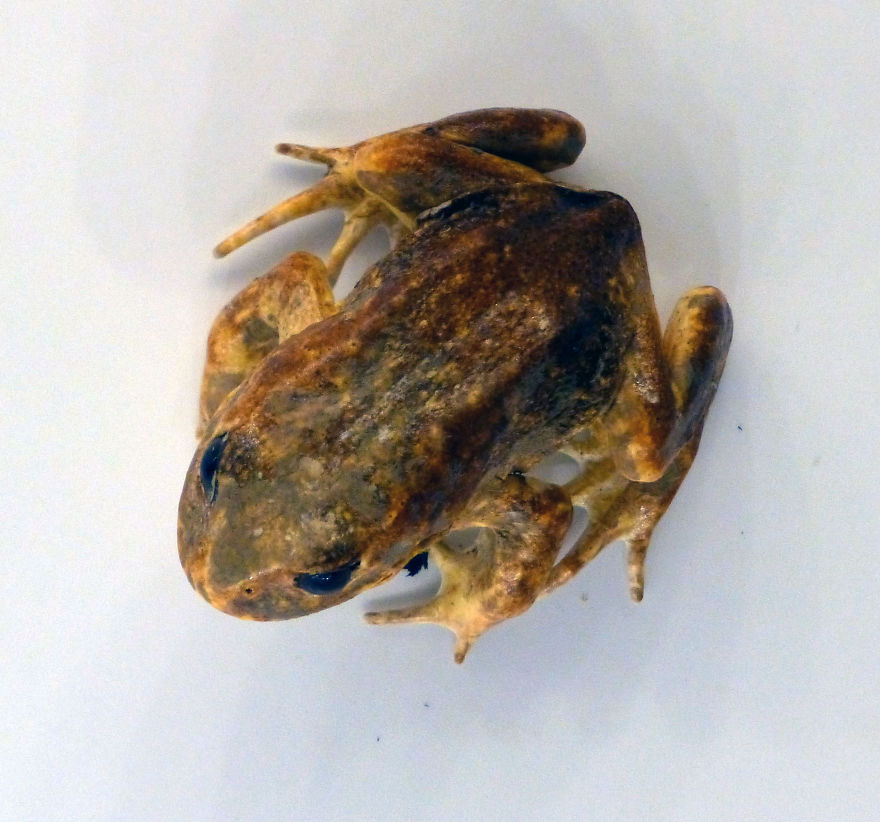
Found only on Mount Baw Baw in Victoria, Australia these little amphibians are on the verge of extinction. To help these froggers repopulate, an ongoing program at Zoos Victoria are breeding them in captivity.
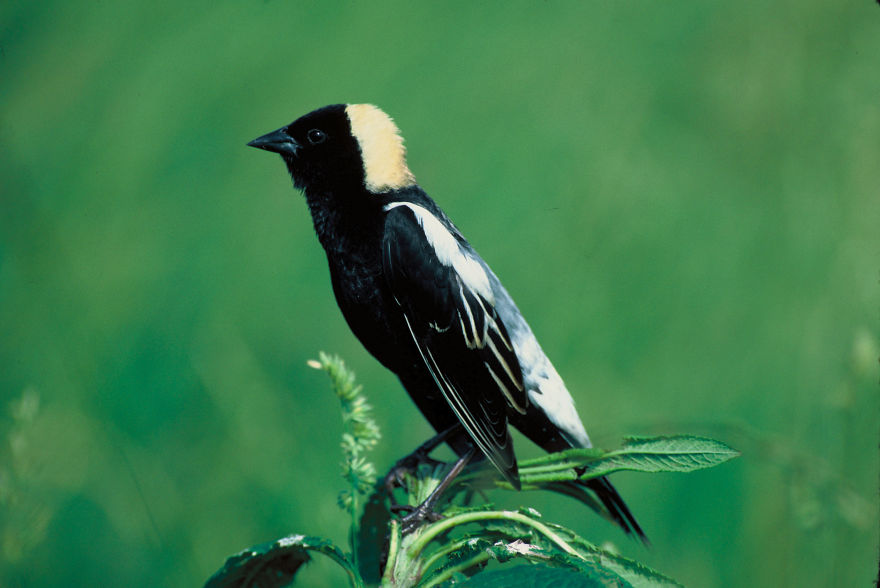
Bobolinks, before the decline in their population, were very common all throughout North America and Canada. For wintering, though these birds fly to South America which makes a 20 000 km roundtrip and that's like flying halfway around the world. Not only the Bobolinks have impressive stamina, but they also have a very Star Wars-y, complex call.
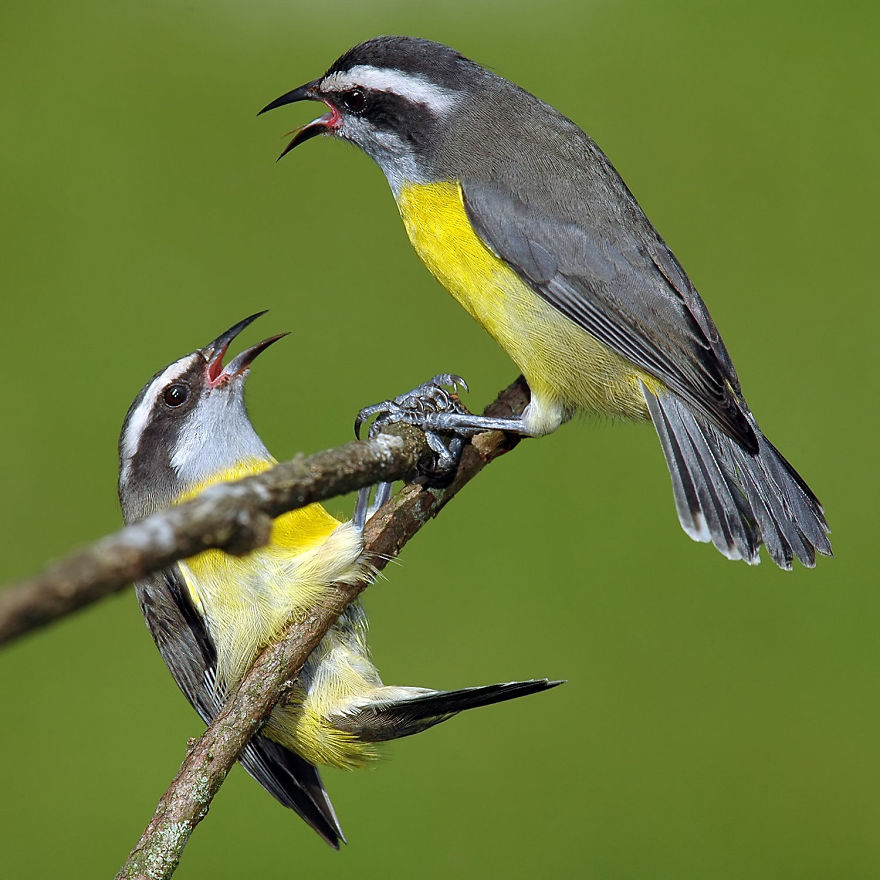
These little birdies are mostly found in the tropical forests of South America and the Carribean. The Bananaquit is a nectarivore which means that it eats nectar from flowers, juices of sweet fruits and an occasional bug or two. Bananaquits aren't very cautious around humans and often visit patios or balconies if some sugar or a bowl of fresh fruit is left unattended.
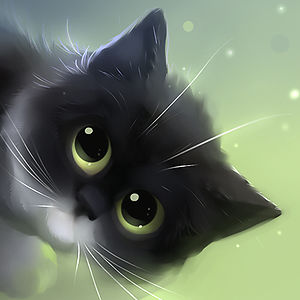
It is said that the first Bananaquit was simply a little gray bird, it yearned to be a banana. It painted itself, only managing to reach its belly. It could not reach anything else. It Banana-quit.
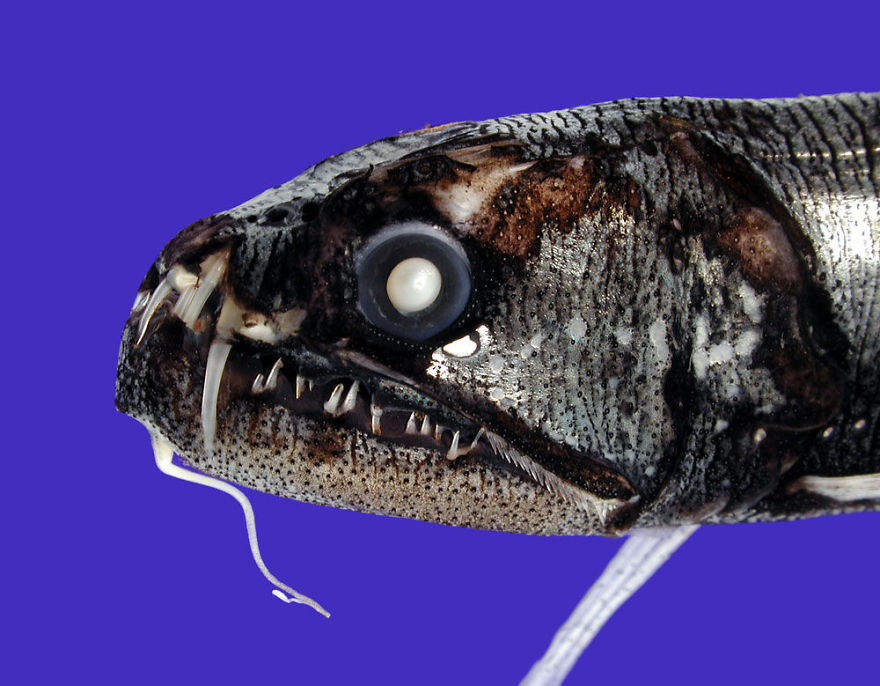
Snaggletooth, also known as Stareater fishes live in tropical waters, about 1.000 feet below the surface. These small fishes have multiple luminous spots on their bodies, which resemble a starry night sky. Though it is a predatory fish, it's totally harmless to humans because of the depths they live in and their small size.
This frightens me. It actually scares me. Help. Send help. Oh god- OH GOD! IT’S COMING!! IT’S SWIMMING RIGHT FOR ME! HELP ME! HEL- (aagaghhghhhhhghhggghhh)
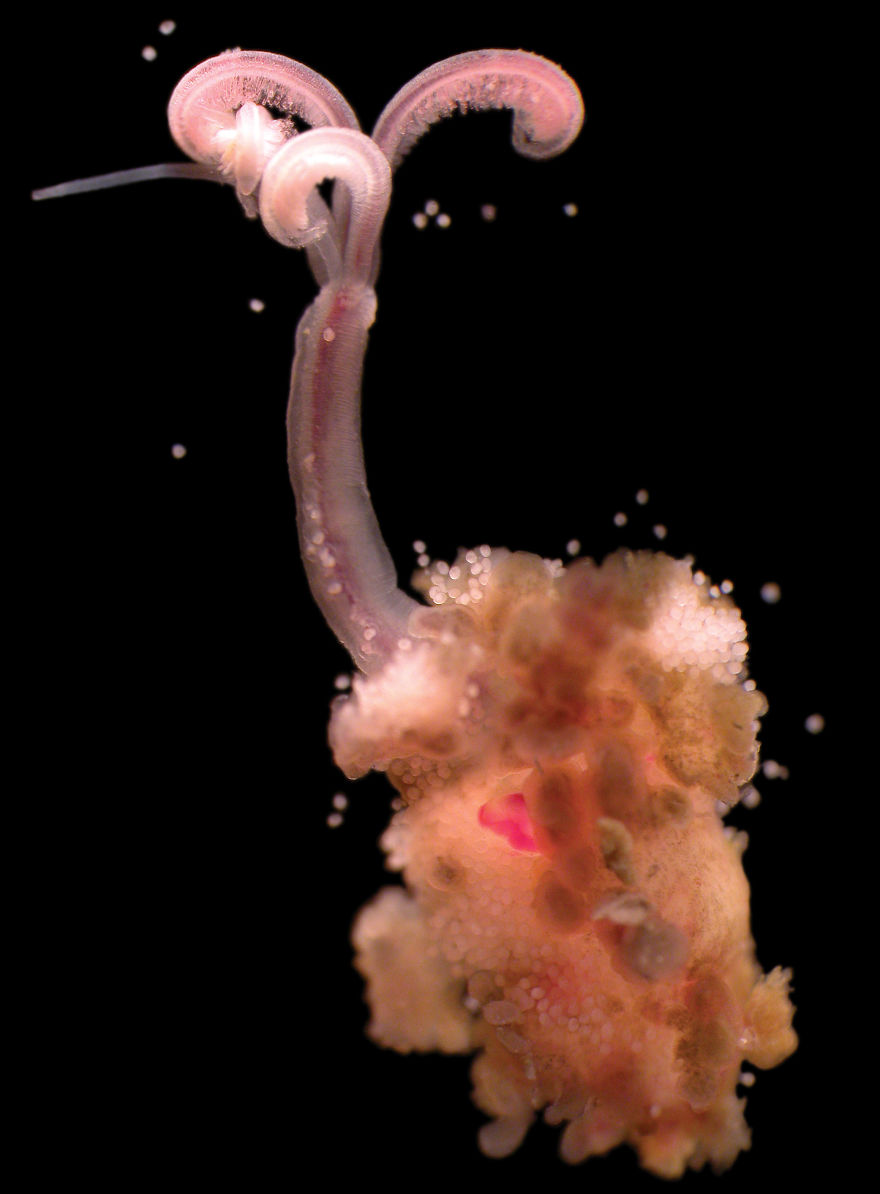
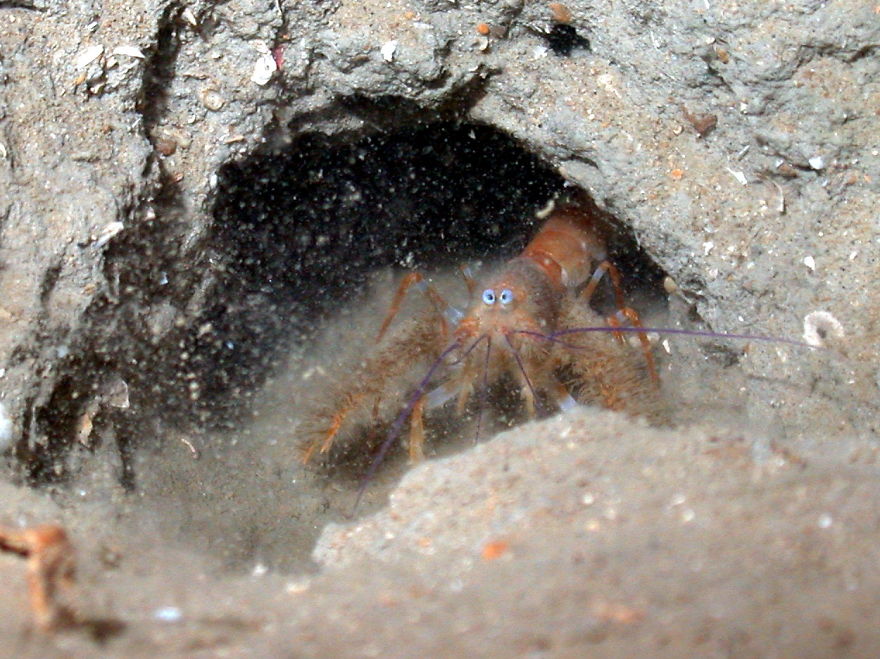
The Ice Cream Cone Worm is pictured here without a shell in which it usually lives. The worms make their shells from tiny particles of sand, seashells and any other trinkets they can find. Not only they cover themselves with a sand armor, but they also live almost fully submerged into the sea bottom with just its mouth part with claws sticking out for catching prey.
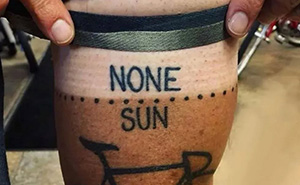
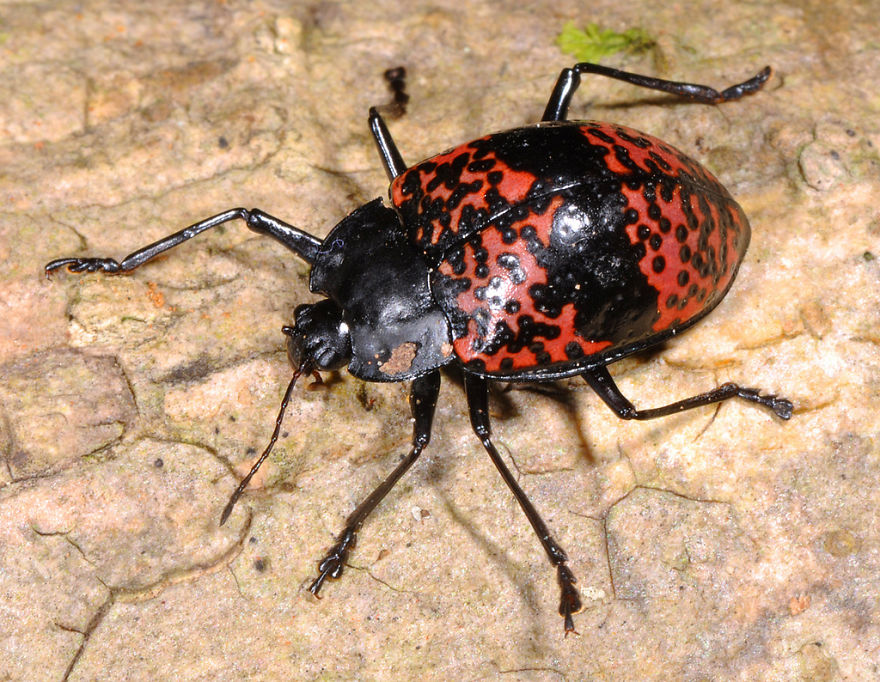
You don't have to be a rocket scientist to guess that these beetles mostly feed on fungi, but you do have to have a pretty good imagination to understand why they're Pleasing. Our guess would be because their pretty colors ranging from bright red (like the one in the picture) to subdued blue tones in other members of this family.



I'm very surprised that they didn't put the David Bowie spider, Heteropoda davidbowie. David_Bowi...c37eb3.jpg 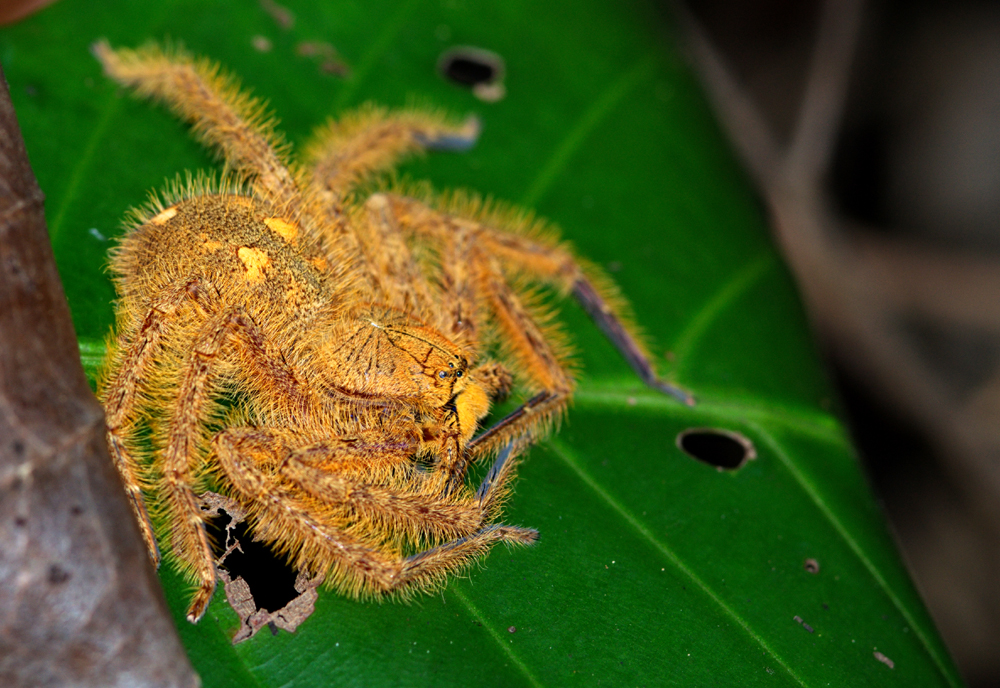

You left out the Screaming Pea Ha. It's the tropical bird with the wolf whistle.

all of those seem to be named by scientists that go 'aah f*ck it, c'me here... YOU SLIPPERY D**K!!" lol
As a freshly graduated field biologist, that is a *very* good possibility.
Load More Replies... I'm very surprised that they didn't put the David Bowie spider, Heteropoda davidbowie. David_Bowi...c37eb3.jpg
You left out the Screaming Pea Ha. It's the tropical bird with the wolf whistle.
all of those seem to be named by scientists that go 'aah f*ck it, c'me here... YOU SLIPPERY D**K!!" lol
As a freshly graduated field biologist, that is a *very* good possibility.
Load More Replies...



































 No fees, cancel anytime